
Most people assume the age of discovery ended with Darwin, that every species on Earth already has a name tucked away in some dusty museum drawer. That assumption is dead wrong. Scientists are actually naming new animals faster now than at almost any point in history, from genetically distinct sloths hiding in plain sight to worms surviving in places biologists swore nothing could live.
Some of these creatures have existed for millions of years without a name. Others may already be vanishing before we finish studying them. Here’s what taxonomists and field biologists actually found in the last decade, counted down to the one discovery that changed how we think about our closest living relatives.
#17 – A Worm That Shouldn’t Be Alive Where It Was Found
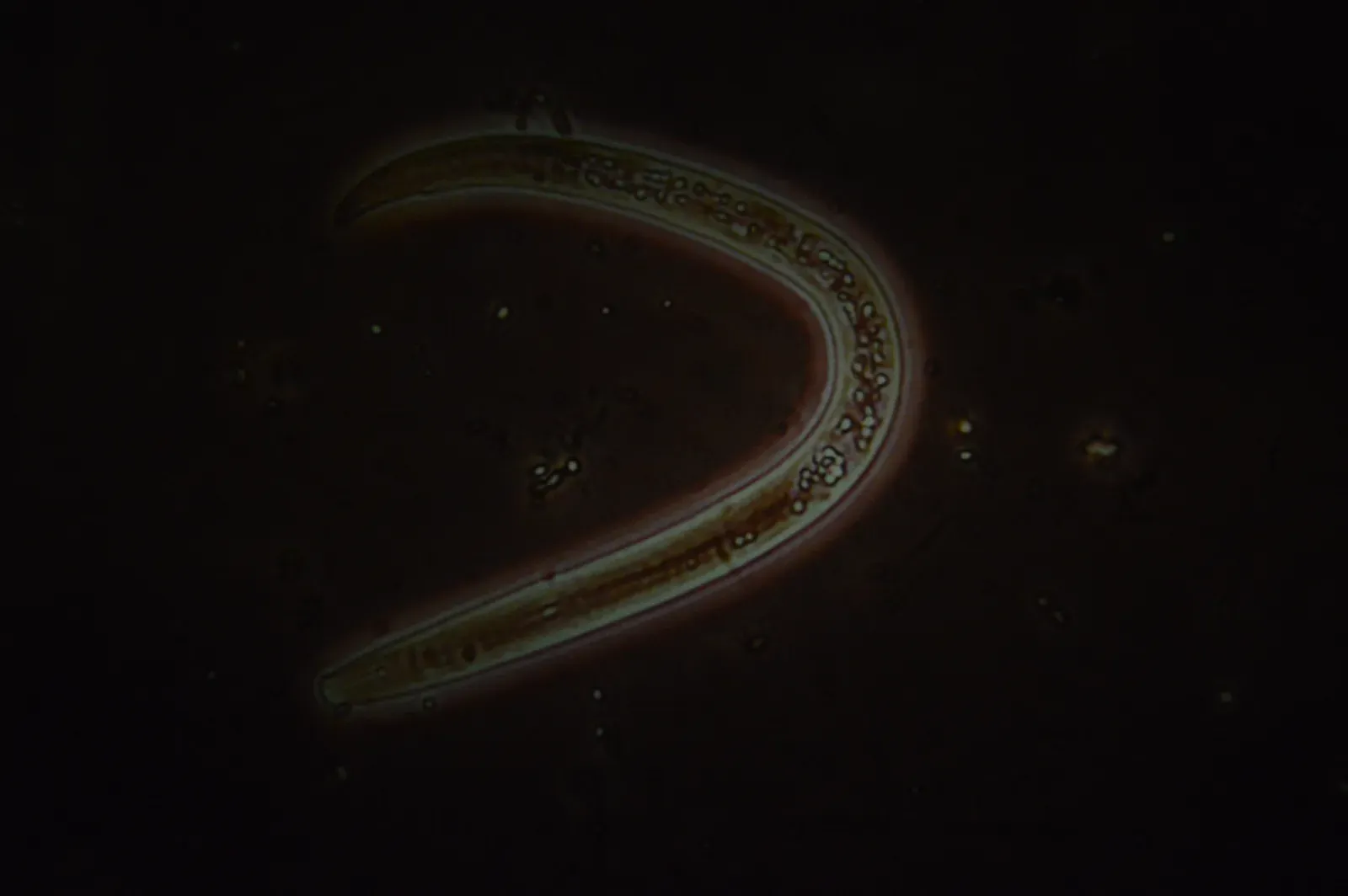
Scientists just confirmed a microscopic animal is thriving in a place they long assumed was completely sterile. For years, researchers believed almost nothing could survive there.
That assumption collapsed in late 2025 with the identification of a tiny nematode, part of the roundworm family, now named Diplolaimelloides woaabi. The discovery matters far beyond its size – it’s forcing biologists to rewrite what actually counts as “habitable” on this planet.
The most unsettling part is how long this animal likely went unnoticed simply because nobody thought to look. Extreme-environment nematodes are notoriously hard to detect without targeted genetic sampling, and this one hid in plain sight for who knows how many decades.
Fast Facts
- Species: Diplolaimelloides woaabi, a microscopic nematode
- Named: late 2025
- Found in an environment long assumed to be sterile
- Detected only through targeted genetic sampling, not visual survey
#16 – A “Ghost” Marsupial Related to Kangaroos, Hiding in Cave Fossils
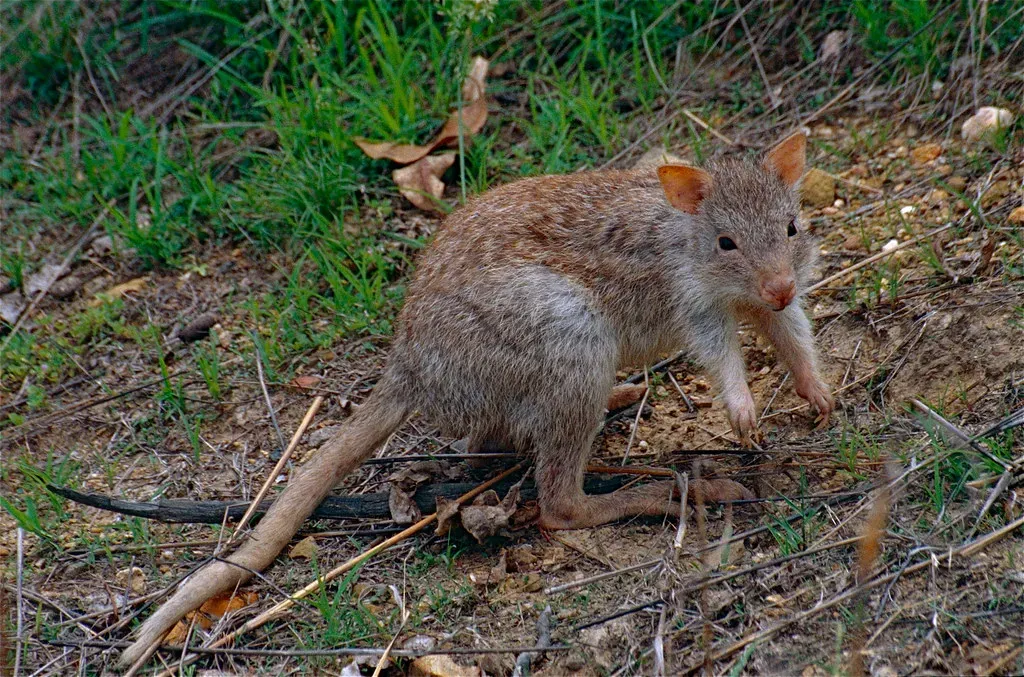
Australia just quietly added a brand-new relative to the kangaroo family tree, and almost nobody heard about it. Researchers analyzing ancient fossils from caves across Western Australia uncovered a completely new species of bettong, plus two new woylie subspecies.
Bettongs are small, hopping marsupials often called “rat-kangaroos.” Finding an entirely new species buried in fossil remains, rather than a live specimen, is rare in modern zoology – most new mammal discoveries come from the field, not limestone caves.
The unsettling twist: this discovery arrived alongside evidence some of these animals may already be gone. Researchers described the find as bittersweet, a reminder that Australia’s marsupial diversity was far richer than records show, and that we may be naming species just in time to mourn them.
#15 – The Deep-Sea Isopod Named After a Sith Lord
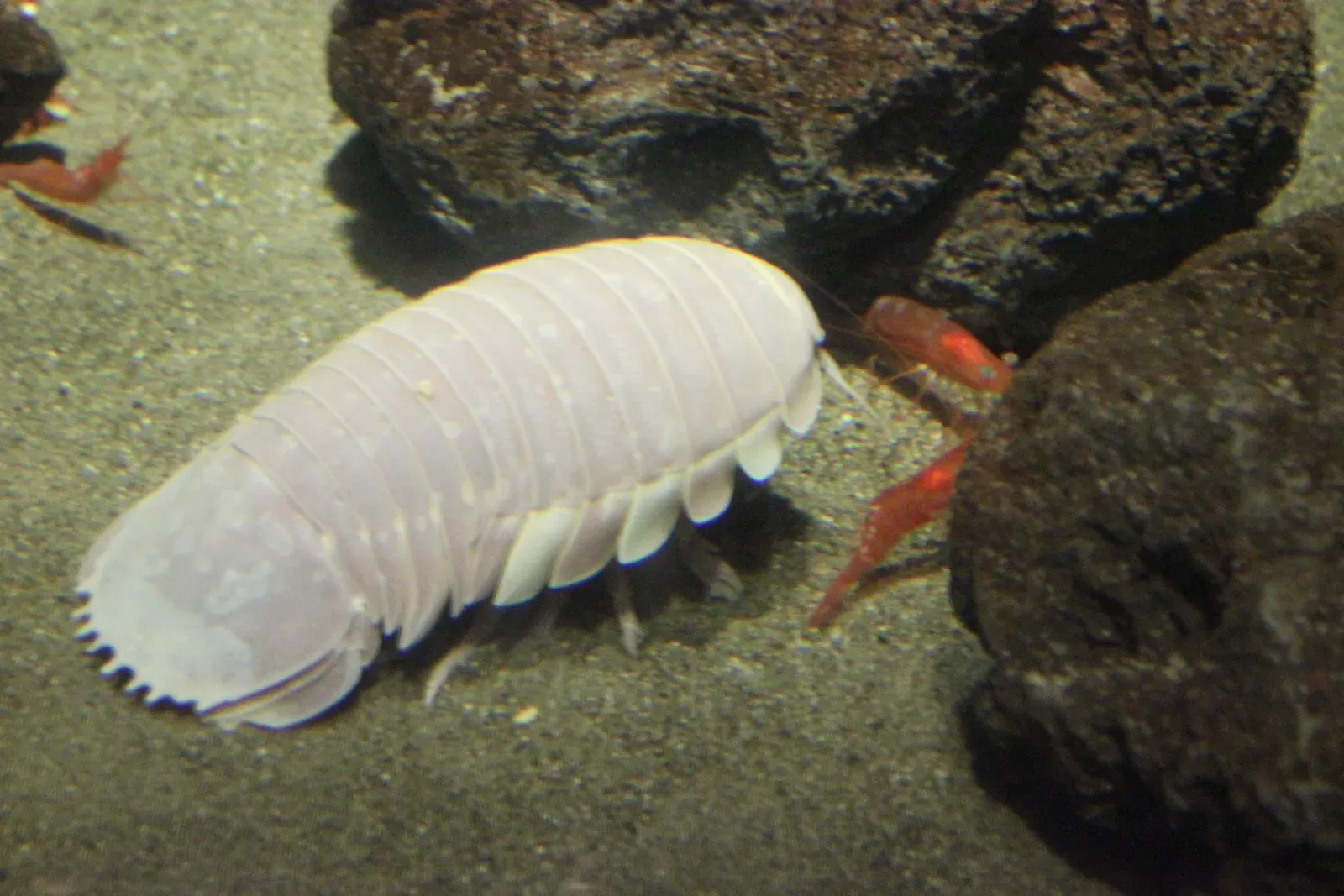
An enormous deep-sea bug went viral in 2025 for looking exactly like a Star Wars villain, and the resemblance is not a coincidence. Among invertebrates, Bathynomus vaderi – the Darth Vader giant isopod – grabbed global attention in January 2025.
These giant isopods are cousins of the pill bugs curled up in your garden, except scaled up to the size of a football and armored for crushing deep-ocean pressure. Their segmented heads genuinely resemble a certain helmet, which is exactly why the naming team leaned into it.
Here’s the part that still baffles researchers: giant isopods like this one can reportedly go over a year without eating, surviving on stored fat reserves in a pitch-black world where meals are unpredictable. Scientists still don’t fully understand how a creature this size manages that kind of metabolic patience.
#14 – A Gecko That Looks Like a Van Gogh Painting
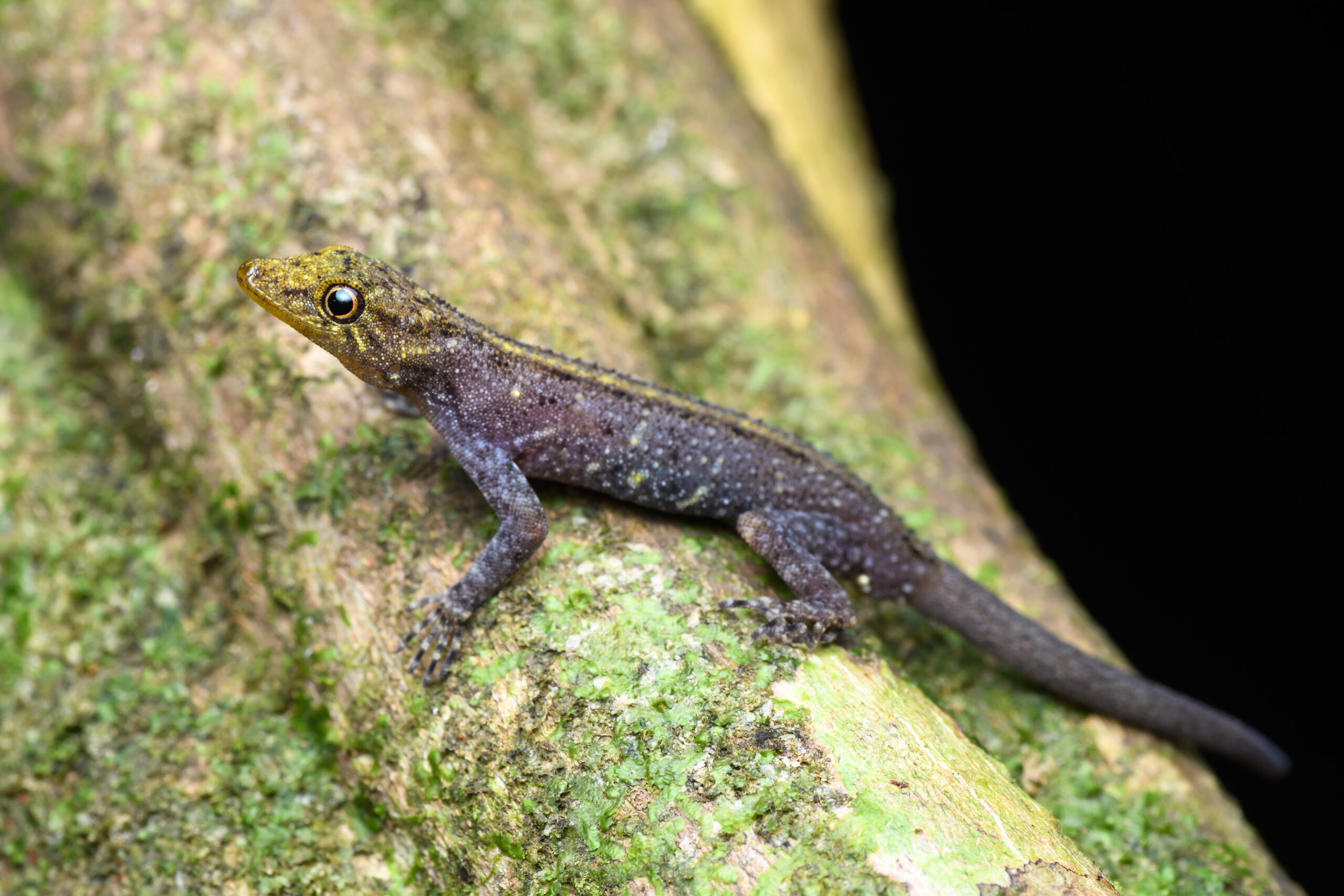
A reptile discovered so recently that it topped a scientific “best of” list wears a pattern that looks hand-painted. Cnemaspis vangoghi took the No. 1 spot in scientific publisher Pensoft’s list of the year’s most remarkable new species, nicknamed the “starry night” gecko for its swirling, speckled skin.
Geckos in the Cnemaspis genus are notoriously difficult to tell apart, often distinguished only through subtle scale counts and DNA barcoding rather than obvious visual differences.
Most people assume reptile discovery is old news, but experts say small, cryptic lizards like this one may represent hundreds of still-unnamed species worldwide. Cryptic species – animals that look nearly identical to known relatives but are genetically distinct – are now considered one of the biggest blind spots in modern taxonomy.
#13 – The Piranha Named After a Villain’s Eye
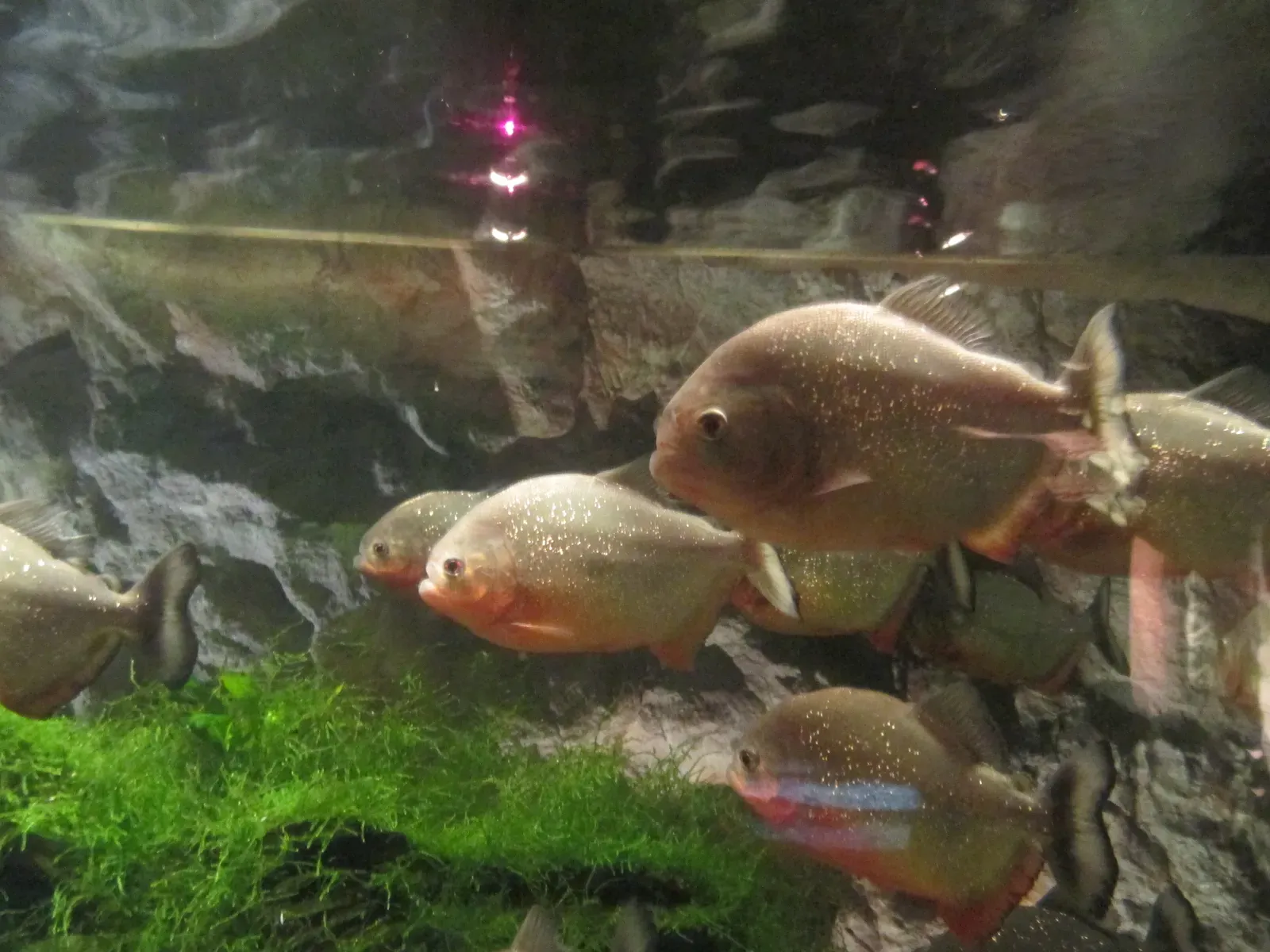
A newly described piranha relative earned its nickname not from aggression, but from an unsettling stare. Scientists at the Natural History Museum in London reported 190 new species in 2024, a list that includes fossils alongside living animals like a clearwing moth and a vegetarian piranha named for its resemblance to the Eye of Sauron.
Unlike its carnivorous cousins, this piranha relative primarily eats plant matter, a diet quirk that surprised researchers studying its teeth structure.
The controversial opinion here: most people picture piranhas as pure predators, but a growing number of newly described species suggest the “flesh-eating monster” reputation is largely a myth built on a handful of aggressive outliers. Ichthyologists increasingly argue piranha ecology has been oversimplified for decades.
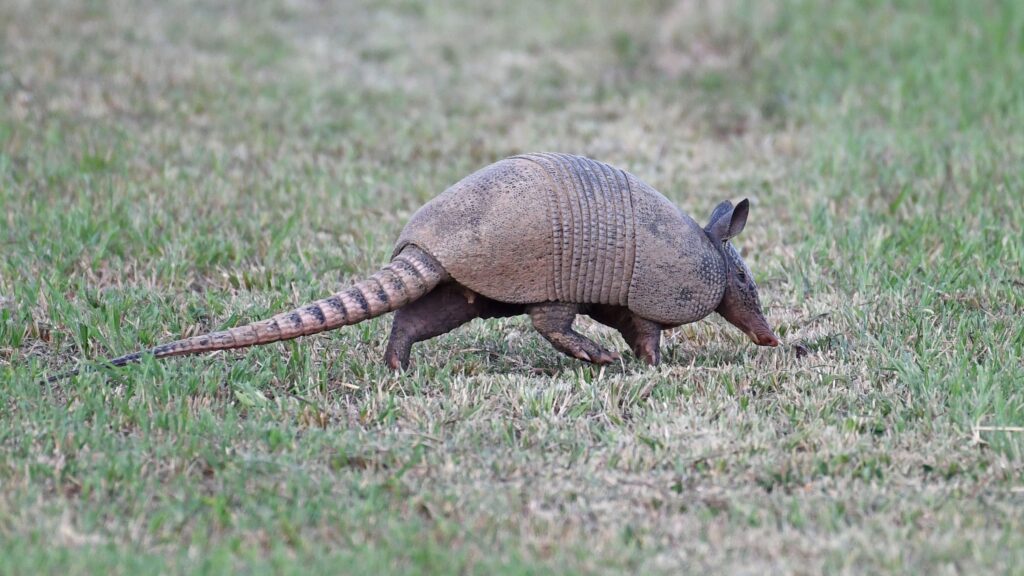
#12 – A Brand-New Armadillo Species Hiding in South America
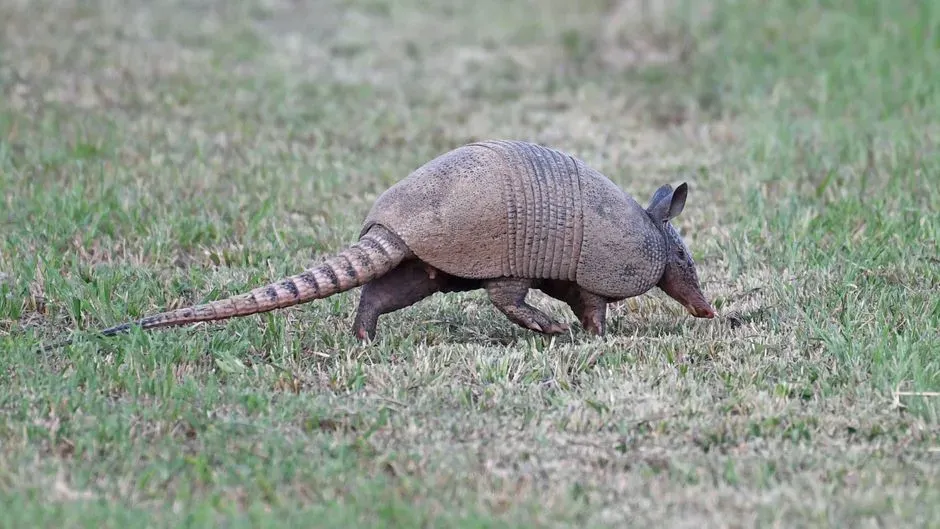
Finding a new mammal is rare enough – finding a new armadillo made headlines across the scientific world in 2024. Scouring 2024’s science news reveals some real gems, and a brand-new armadillo species was one of the biggest surprises.
Armadillo taxonomy has long been considered “settled,” which made this discovery especially notable among mammalogists who assumed the group had been fully catalogued decades ago.
Here’s what surprised researchers most: new mammal discoveries like this typically require years of genetic comparison before scientists will commit to declaring a “new” species, since mammals are studied far more intensively than insects or fish. That such gaps still exist in a well-studied group like armadillos says a lot about how much remains unmapped in South America’s remaining wild habitat.
#11 – The World’s Biggest Hummingbird Turned Out to Be Two Birds
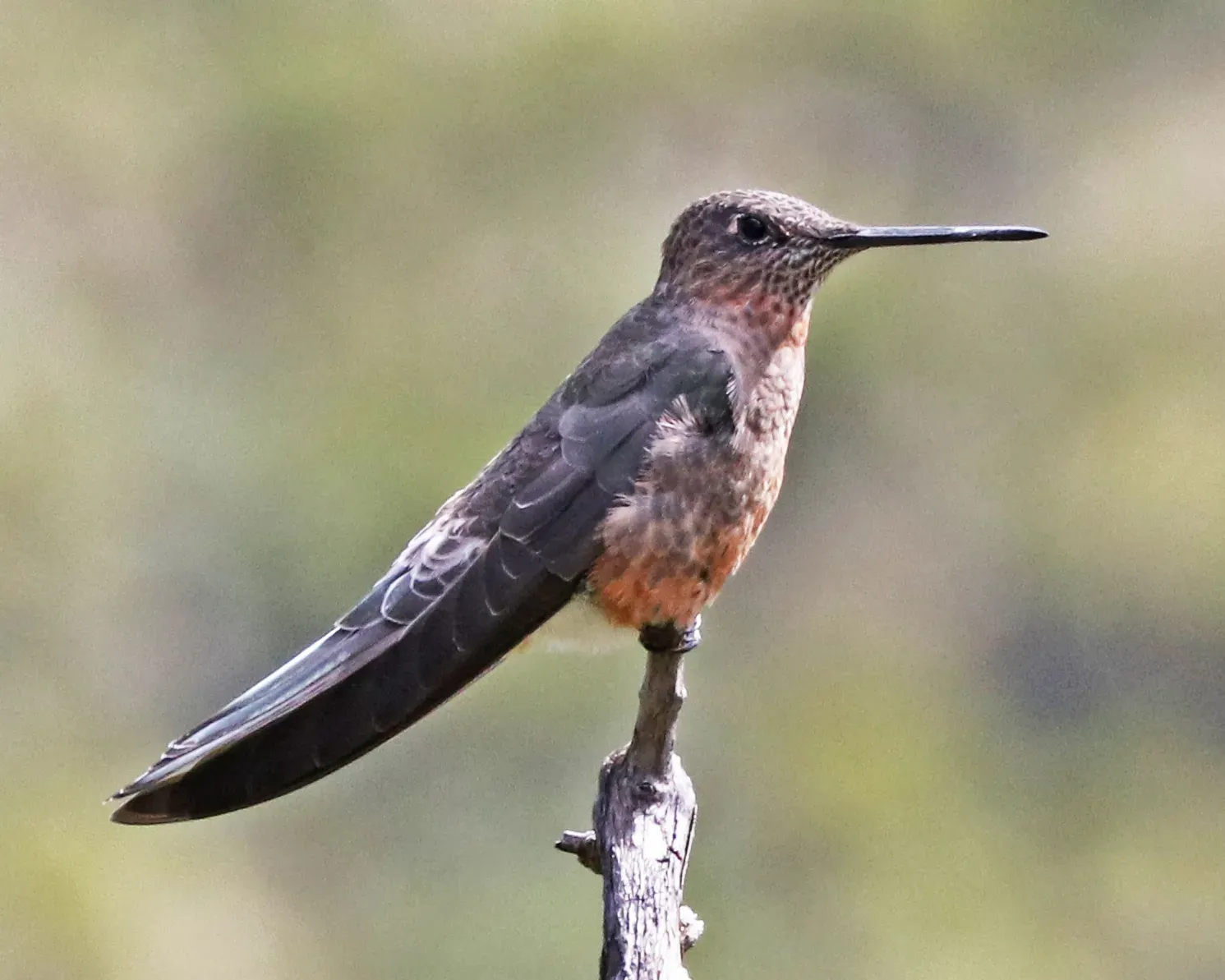
One of the most famous “discoveries” of the last decade wasn’t a brand-new animal – it was a giant bird hiding a second species inside itself the whole time. That same wave of 2024 science headlines carried a second surprise: the world’s biggest hummingbird wasn’t quite what everyone thought.
The giant hummingbird had been treated as a single species for more than a century, admired for being unusually massive compared to its tiny, hovering relatives. Genetic and behavioral analysis finally split the population based on differences researchers had overlooked for generations.
This is the part that should bother more people: an animal this large, this famous, and this frequently studied still fooled scientists for over a hundred years. If the biggest hummingbird on Earth can hide a secret species split, smaller, less-studied birds almost certainly have similar surprises waiting.
#10 – The Brazilian Ray Confirmed Through Pure Genetics
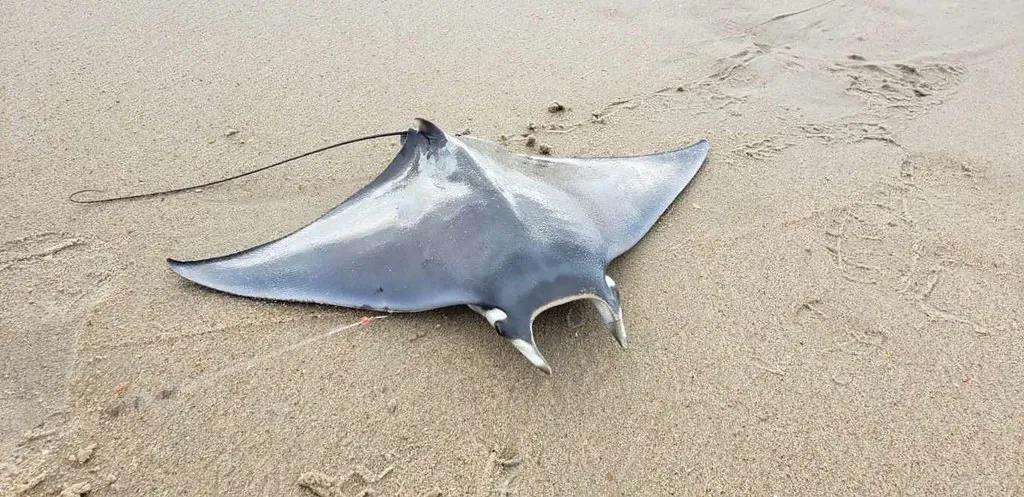
Not every new species is found with a net – some are found entirely inside a DNA sequencer. One of the most significant vertebrate discoveries of the decade is Mobula yarae, the Brazilian Pygmy Devil Ray, confirmed through genomic sequencing.
Devil rays are frequently misidentified in the wild because closely related species share nearly identical fins, coloring, and body shape, making visual identification unreliable for conservation purposes.
The surprising twist: this ray had likely been swimming past researchers and fishing boats for years, mistaken for a more common relative every single time. Genomic confirmation like this increasingly reveals that “common” ocean species labels have been hiding entire unrecognized populations, some of which may already need urgent protection.
#9 – A Fish Discovered in the Ocean’s Twilight Zone
![#9 - A Fish Discovered in the Ocean's Twilight Zone (By [Photographs by L.A. Rocha (A)E. Brokovich (B), and Y.K. Tea (C, D)] Tea Y-K, Pinheiro HT, Shepherd B, Rocha LA (2019) Cirrhilabrus wakanda, a new species of fairy wrasse from mesophotic ecosystems of Zanzibar, Tanzania, Africa (Teleostei, Labridae). ZooKeys 863: 85-96. https://doi.org/10.3897/zookeys.863.35580, CC BY 4.0)](https://nvmwebsites-budwg5g9avh3epea.z03.azurefd.net/dinoworld/1cc894b9a8e67e36d6a0ab58fc05a60b.webp)
A stunning reef fish spent decades being mistaken for a completely different species before scientists finally looked closer. The rose-veiled fairy wrasse was discovered in March 2022 in the ocean’s “twilight zone” in the Maldives, a gorgeous multi-colored fish named after the nation’s flower, the pink rose.
Twilight-zone reefs sit far deeper than recreational scuba divers typically go, which is exactly why so many species there remain undocumented.
Here’s the fact that stunned researchers: this fish looks almost identical to the red velvet fairy wrasse, with only slightly different coloring, and was mistaken for an adult version of it back in the 1990s. It took decades, and a trip to reef depths most divers never reach, before it finally earned its own species name.
#8 – The World’s Largest Amphibian Split Into Multiple Species
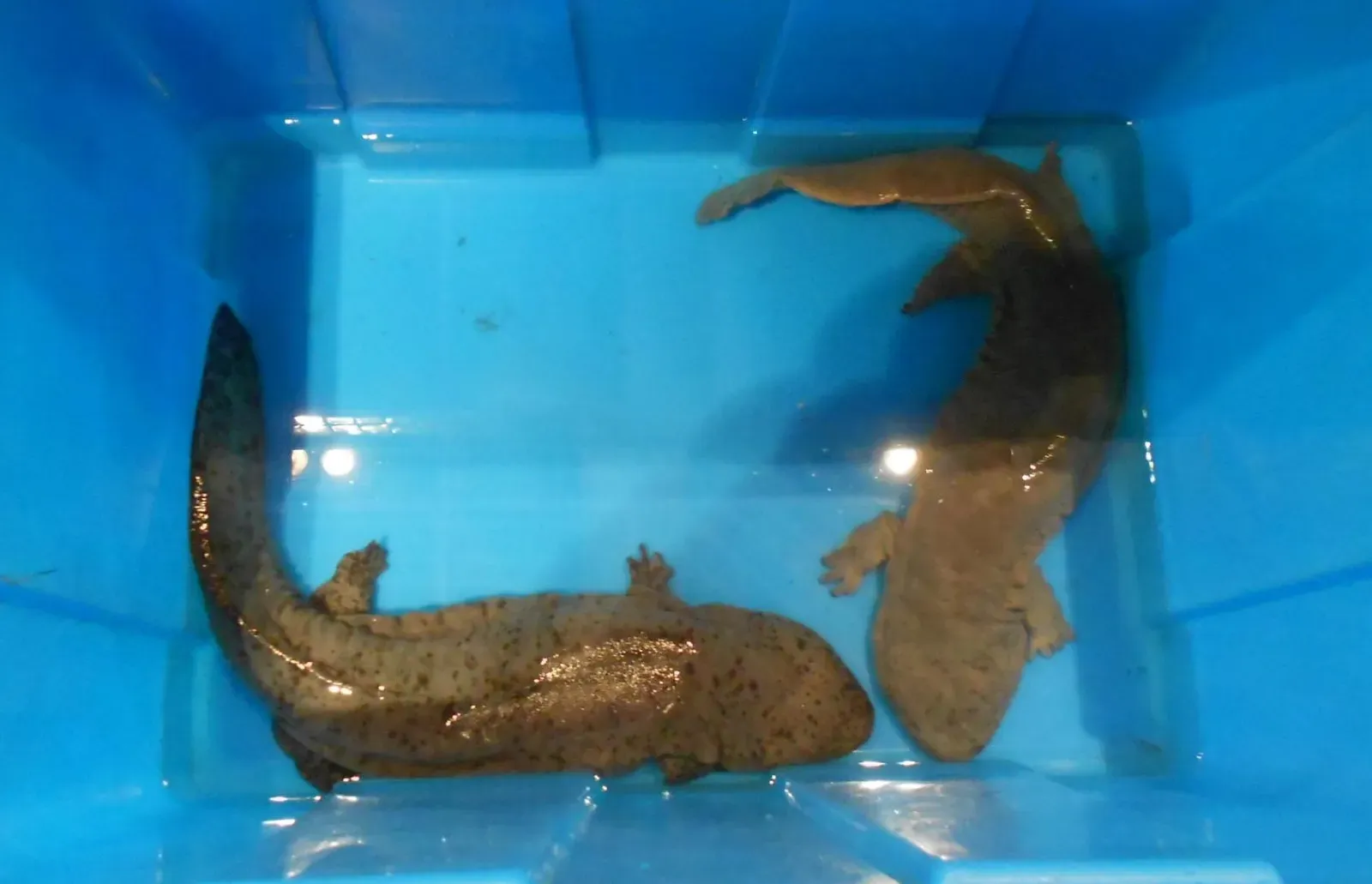
The world’s biggest salamander turned out to be a group of salamanders, and untangling them took genetic detective work. The impressive Chinese giant salamander can reach nearly 6.5 feet in length, and a 2018 study predicted at least five distinct species hiding inside what everyone assumed was one.
In 2019, the South China giant salamander was identified as its own species. Then researchers kept finding more.
In May 2022, another species arrived: the Jiangxi giant salamander, named for the province where it was found, and unlike its cousins it has a genetically pure wild population. Most wild giant salamanders across China have already been released from breeding farms, so a genetically untouched population like this one is now considered scientifically precious.
Quick Compare
- 2018: Genetic study predicts at least five hidden salamander species
- 2019: South China giant salamander confirmed as its own species
- May 2022: Jiangxi giant salamander named and described
- Jiangxi population stands out as one of the only genetically pure wild groups left
#7 – Your Favorite Sloth Was Secretly Two Different Animals
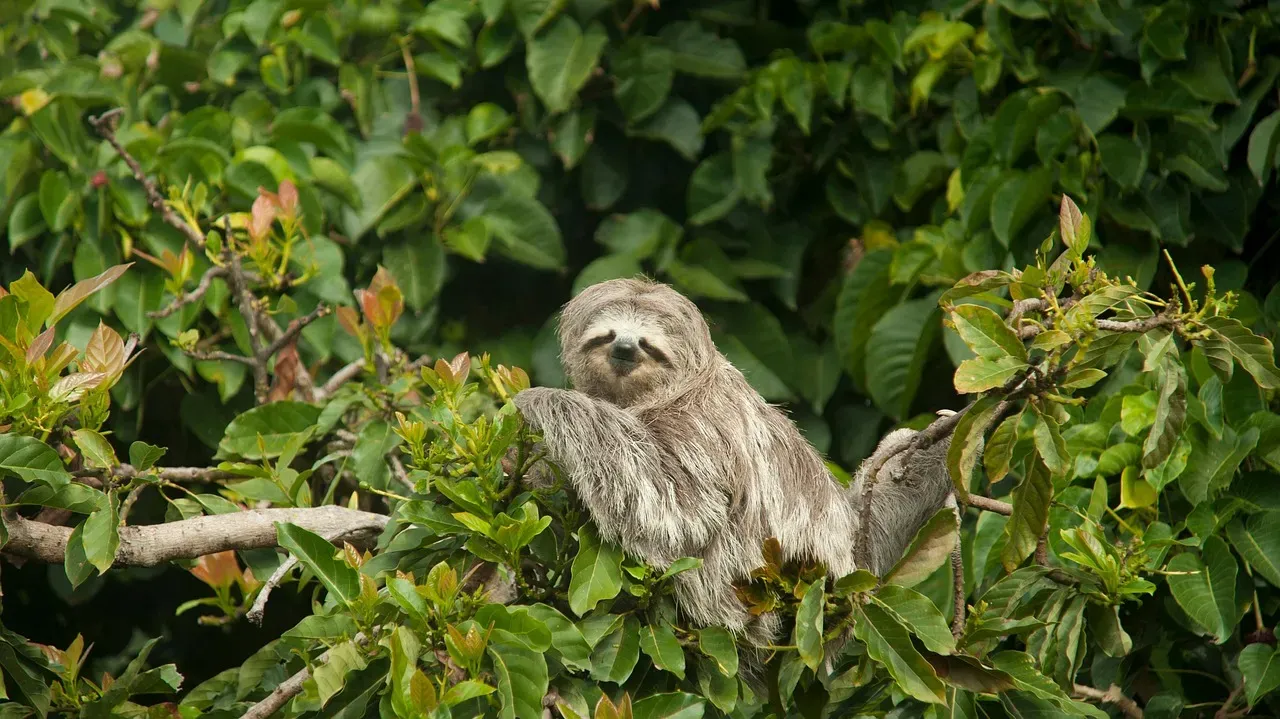
For over two centuries, everyone assumed maned sloths in Brazil were a single species. They weren’t even close. What was once thought to be one species lazing about the Brazilian forest actually turned out to be two: one from the north and one from the south.
The northern species was first described in 1811, while the flatter-skulled southern species wasn’t identified until September 2022. A two-century gap between “discovering” an animal and realizing it was actually two animals is almost unheard of in mammal science.
This is genuinely rare: as researchers noted, it’s not very often that scientists identify a new mammalian species – it’s more typical that plants, invertebrates, fish, or amphibians are the ones being discovered. Both species are endemic to the Brazilian Atlantic Forest, with southern maned sloths found in Rio de Janeiro and Espirito Santo and northern maned sloths in Bahia and Sergipe.
#6 – A Primate Living on an Extinct Volcano
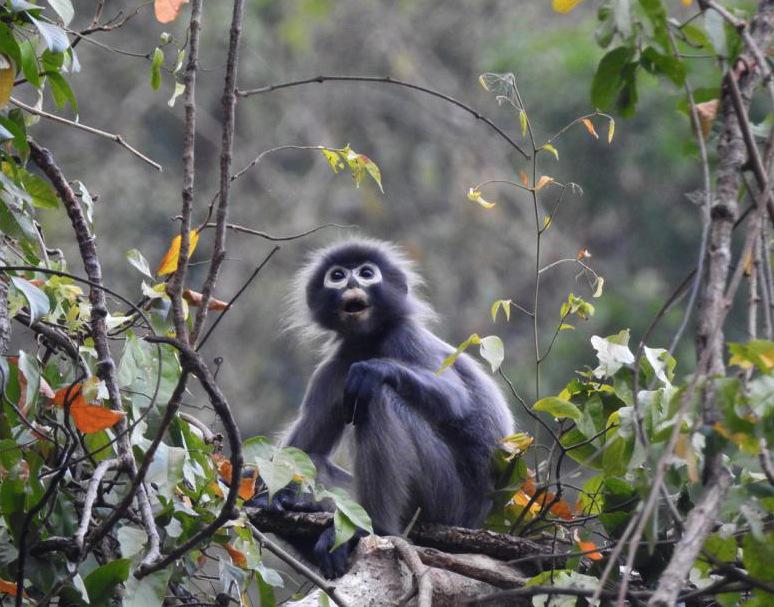
An entire population of monkeys was living on a dormant volcano, unrecognized as its own species, until 2021. The Popa langur lives on an extinct volcano in Myanmar, isolated on the slopes of Mount Popa in a habitat unlike anywhere else the genus is found.
Langurs are leaf-eating monkeys, and isolated volcanic populations like this one often develop distinct traits simply because they’ve been cut off from other groups for thousands of years.
The uncomfortable truth: this newly named primate was almost certainly already critically endangered the moment scientists gave it a name, squeezed onto a single mountain with a shrinking forest. Naming a species doesn’t automatically protect it, and conservationists warn that paperwork alone won’t save a population this small.
At a Glance
- Species: Popa langur, a leaf-eating monkey
- Habitat: isolated slopes of Mount Popa, an extinct volcano in Myanmar
- Recognized as a distinct species: 2021
- Status: named just as its habitat continues to shrink
#5 – The “Leggiest” Animal on Earth
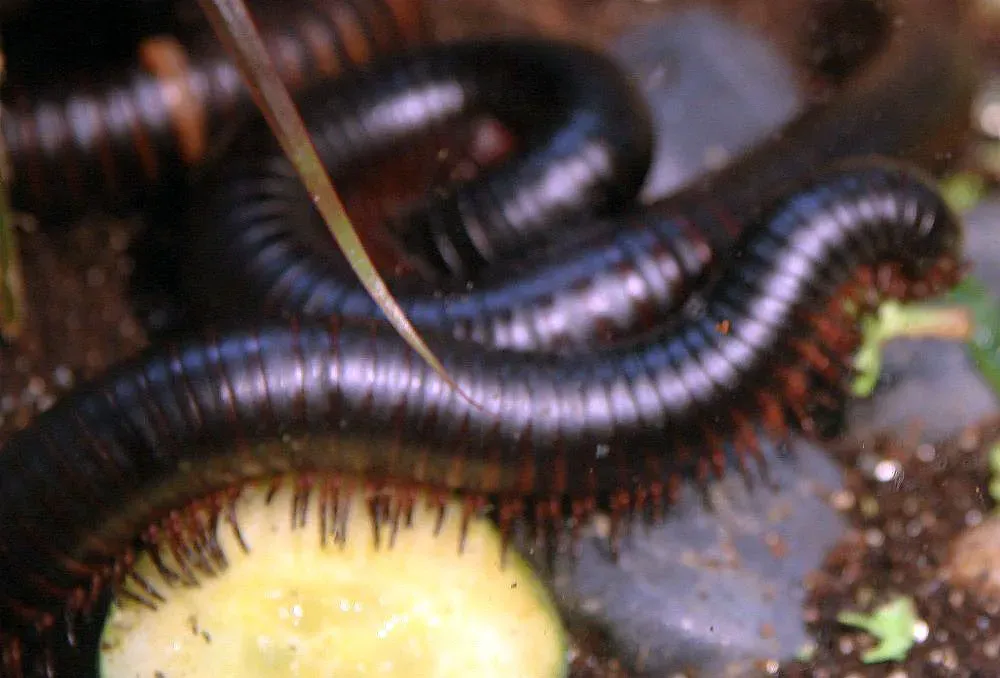
An animal finally settled a record that biologists had debated for over a century: which creature actually has the most legs. A newly discovered millipede claimed the title of the “leggiest” animal in the world, described in 2021 after being found deep underground in mining boreholes in Western Australia.
Despite the name “millipede” implying a thousand legs, almost no known species had ever actually reached that number until this one was measured.
Most people don’t realize millipedes rarely come close to a thousand legs at all – this was the first confirmed species to genuinely blow past that mark. It lives far underground in narrow rock fissures, meaning it likely evolved its extreme leg count for movement through tight mineral cracks rather than surface terrain.
#4 – A Shrew Discovered on a Restricted Volcanic Island
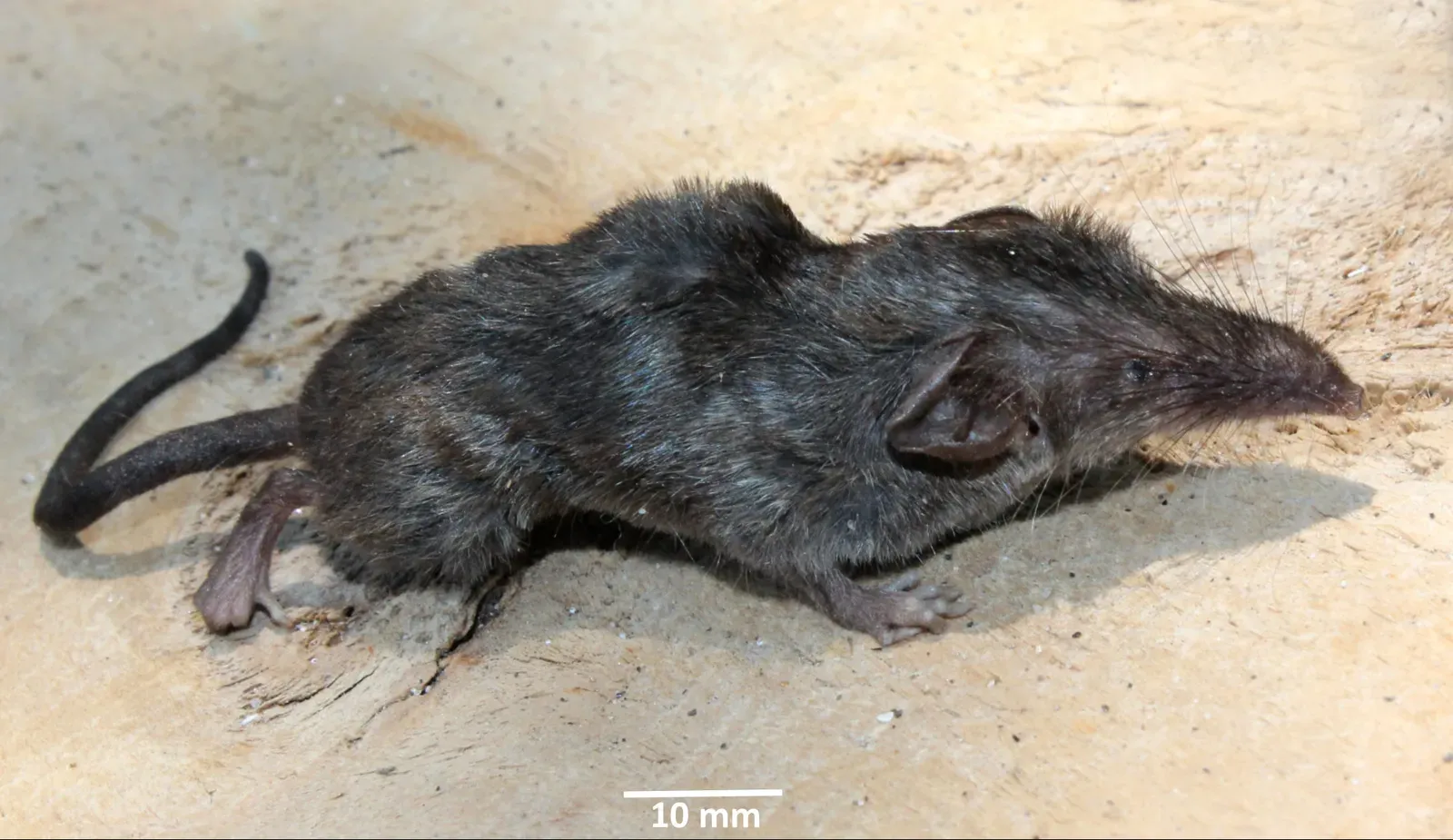
One of the most overlooked mammal groups on Earth just gained a new member from one of the most isolated islands in the Indian Ocean. Due to their secretive behavior and subtle physical features, shrews are regarded as the least studied mammalian group, which is exactly why new shrew species keep turning up decades after most mammal groups were considered “finished.”
Scientists confirmed a new mammal species from Narcondam volcanic island, India, a remote spot so restricted that researchers require special permits just to survey it.
Here’s the scale of the blind spot: between 2000 and 2020, 24 Crocidura shrew species were newly discovered worldwide, and 15 of them came from the Indo-Malayan region and Sundaland, especially from small, isolated islands nobody had properly surveyed. Shrews may be the most under-documented mammal family alive today.
#3 – The “Extinct” Singing Dog That Was Alive the Whole Time
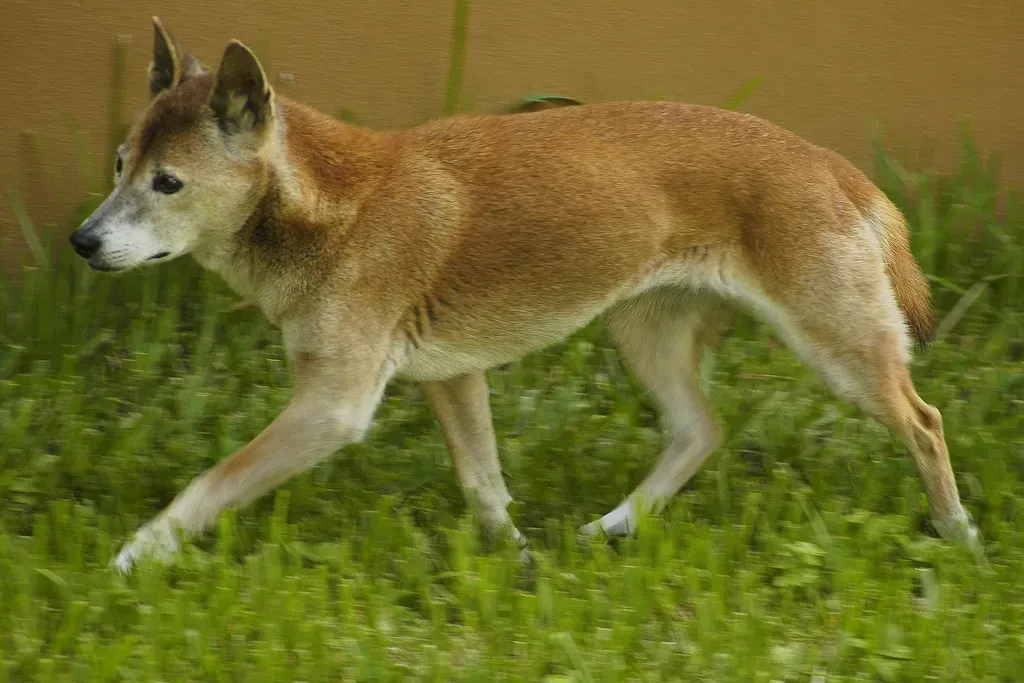
Scientists confirmed that an animal declared functionally extinct in the wild had actually been howling in the mountains the entire time. The New Guinea singing dog was first described in 1897, known for its unique vocalization, once described as a “wolf howl with overtones of whale song.” Wildlife biologists assumed the wild population vanished decades ago, leaving only a small, deeply inbred captive population in zoos.
Then, in 2016, an expedition changed everything. A team led by the New Guinea Highland Wild Dog Foundation, working with the University of Papua, reported 15 wild dogs on the western side of the island near the Grasberg Mine, the largest gold mine in the world.
Genetic testing later confirmed the shocking part: these highland dogs are in fact part of a wild population of New Guinea singing dogs, and the newly revealed wild population is far more genetically diverse than the captive one. Every captive singing dog on Earth descended from just eight individuals, making them severely inbred by comparison.
Worth Knowing
- First described by science: 1897
- Wild population rediscovered: 2016, near the Grasberg Mine in New Guinea
- Expedition found 15 wild dogs still living in the highlands
- Every captive singing dog descends from just eight individuals
#2 – A Nocturnal Tree-Dweller Hiding in Plain Sound
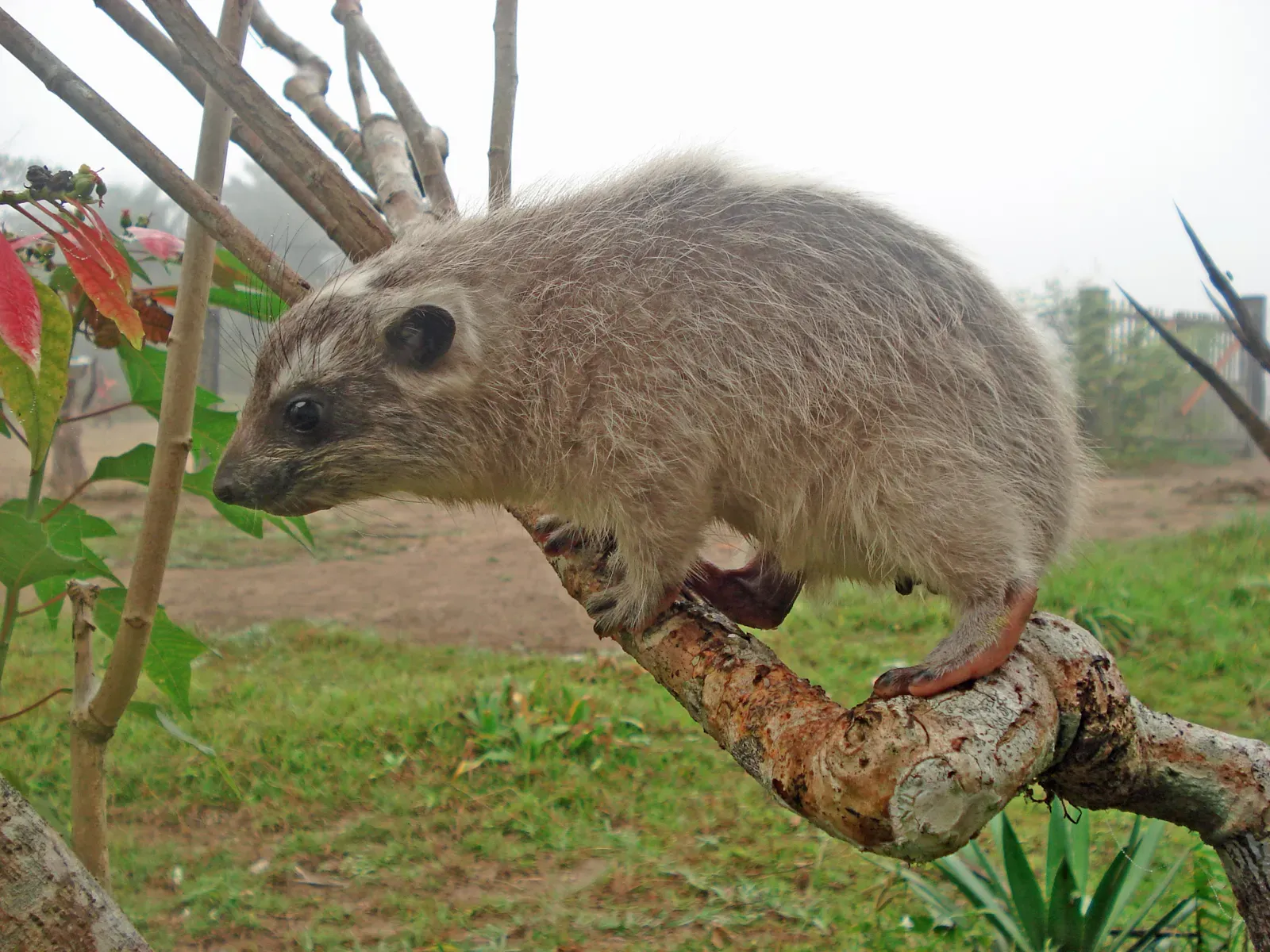
A furry, guinea-pig-lookalike relative of elephants turned out to include a species nobody had documented, and it was discovered almost entirely through sound recordings. Very little is known about tree hyraxes because these animals, distant relatives of elephants despite looking like oversized guinea pigs, are mainly active at night in Africa’s tropical tree canopies.
Because they rarely come down from the canopy, hyraxes are almost impossible to study using traditional trapping methods, forcing researchers into an unusual approach.
The discovery came out of a study of nocturnal animal vocalizations in Kenya’s Taita Hills, published in the scientific journal Discovery. Most people assume new mammals are found by sight – this one was essentially found by ear, identified through distinct calls recorded in the montane forest rather than a physical specimen first.
#1 – The Great Ape Nobody Believed Could Still Exist
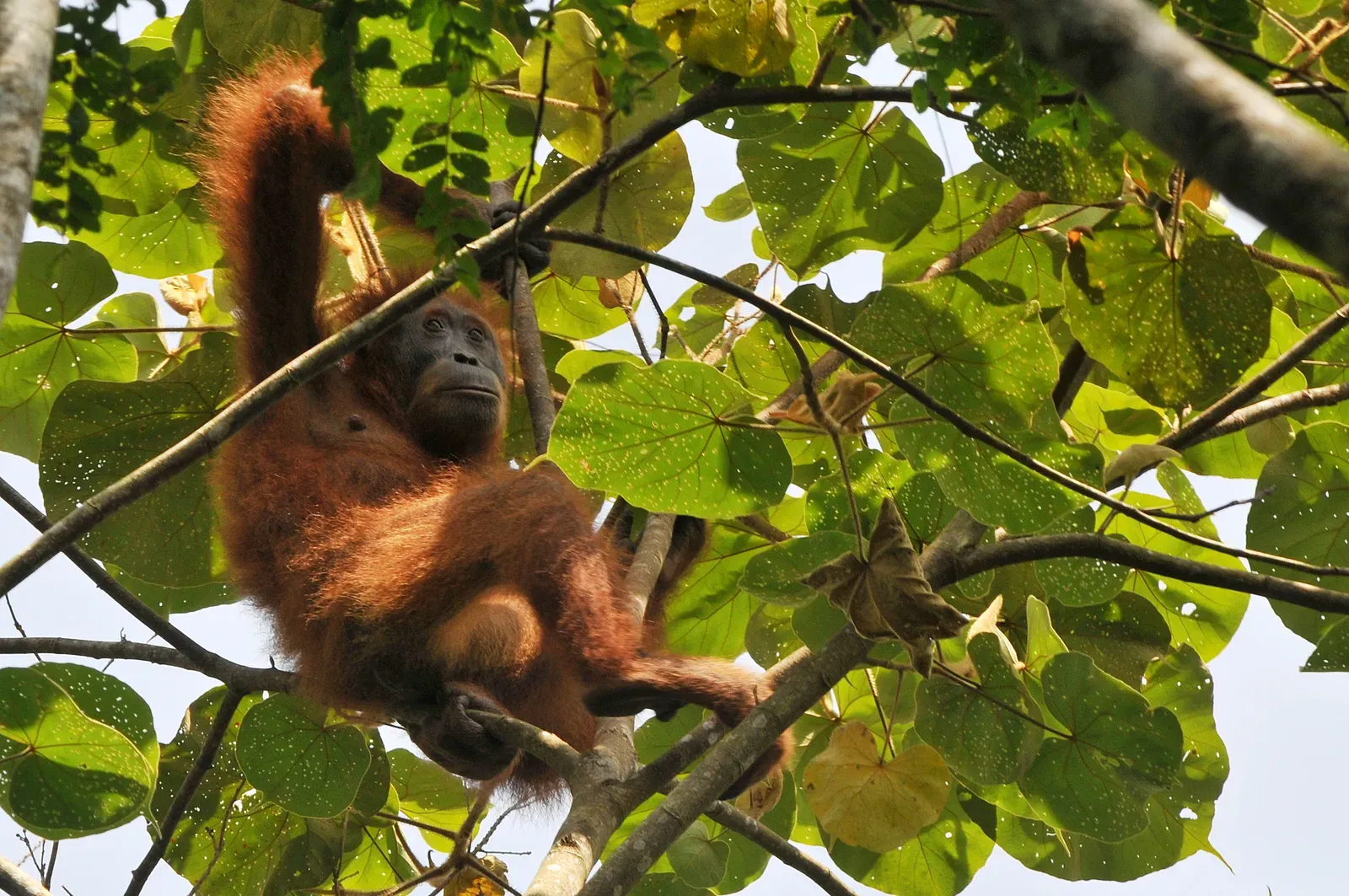
In the 21st century, scientists confirmed an entirely new species of great ape – arguably the single most significant animal discovery of the last ten years. In a November 2017 paper, an international team of scientists described the Tapanuli orangutan, the eighth great ape species known to science.
The isolated population was first found back in 1997, but for two decades scientists believed no orangutans lived south of Lake Toba at all. Only after genetic and morphological research in 2017 did it become clear this population wasn’t just isolated – it was an entirely distinct species.
The number that should alarm everyone: with no more than 800 individuals left, this is now the most endangered great ape species on the planet. The three orangutan species – Bornean, Sumatran, and Tapanuli – began diverging from their common ancestor about 3.4 million years ago, meaning this lineage is older than modern humans, yet it took until 2017 for science to notice it was distinct. Remarkably, DNA analysis of fecal samples has since confirmed a new cluster of these apes outside their originally known habitat – proof that even our closest evolutionary cousins are still revealing secrets.
Why It Stands Out
- Described in November 2017 as the eighth great ape species known to science
- Population found in 1997 but not recognized as distinct for 20 years
- Fewer than 800 individuals remain, the most endangered great ape alive
- Lineage diverged from other orangutans roughly 3.4 million years ago
The Bottom Line
Here’s the uncomfortable truth this list exposes: we are nowhere close to finished cataloguing life on Earth. Scientists are now identifying more than 16,000 new species each year, and by most estimates only a tenth of the world’s species have ever been named.
In the oceans alone, researchers estimate there may be between 700,000 and 1 million species, with roughly two-thirds of them still undiscovered or undescribed. Frankly, that should terrify anyone who thinks conservation funding is currently adequate.
We’re naming animals faster than we’re protecting their habitats, and several species on this list were already endangered the moment they got a name. That’s not a footnote to the story of discovery – it’s the whole point. Every new name on this list is also a countdown clock, and right now, we’re racing it blind.