
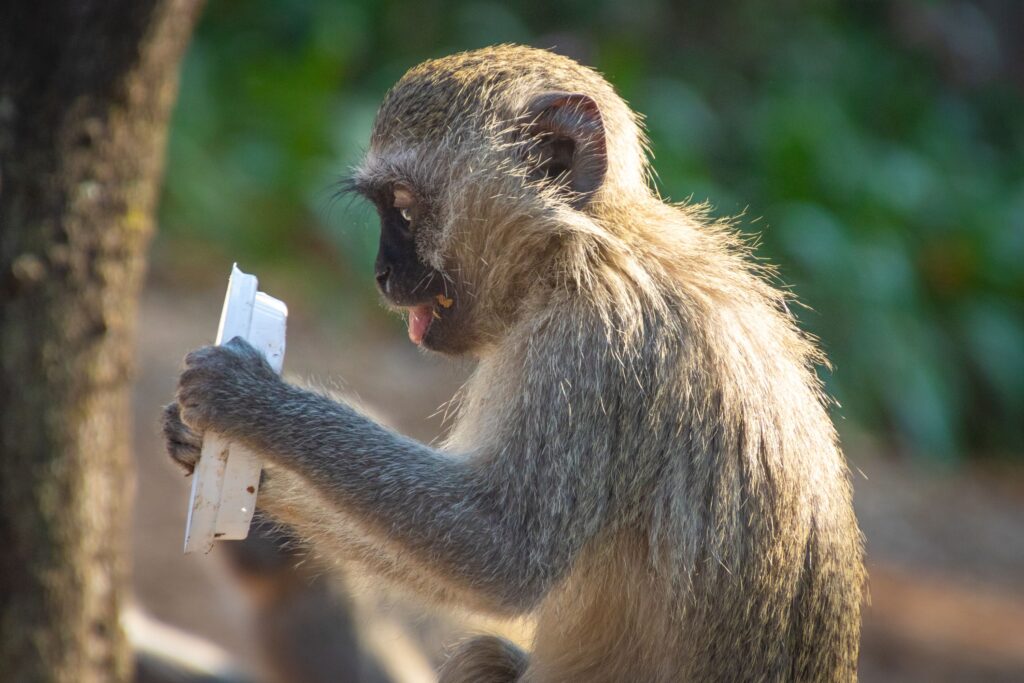
Most people assume humans sit alone at the top of some invisible intelligence pyramid, miles ahead of every other creature on Earth. A growing pile of peer-reviewed research says that gap is a lot smaller than we like to believe. Chimps have beaten human adults on memory tests. A parrot understood the concept of zero. Pigs have outscored toddlers in cognition trials.
Crows solve puzzles that stump kindergartners, and orcas plan hunts like tiny military units. The line between “human” and “animal” intelligence isn’t a wall anymore, it’s a blurry, shifting boundary that keeps moving every time a new study gets published. Here’s what scientists actually say about which animals are closing the gap fastest, starting with a creature most of us dismiss without a second thought.
#12 – Honeybees Navigate Like Tiny GPS Systems
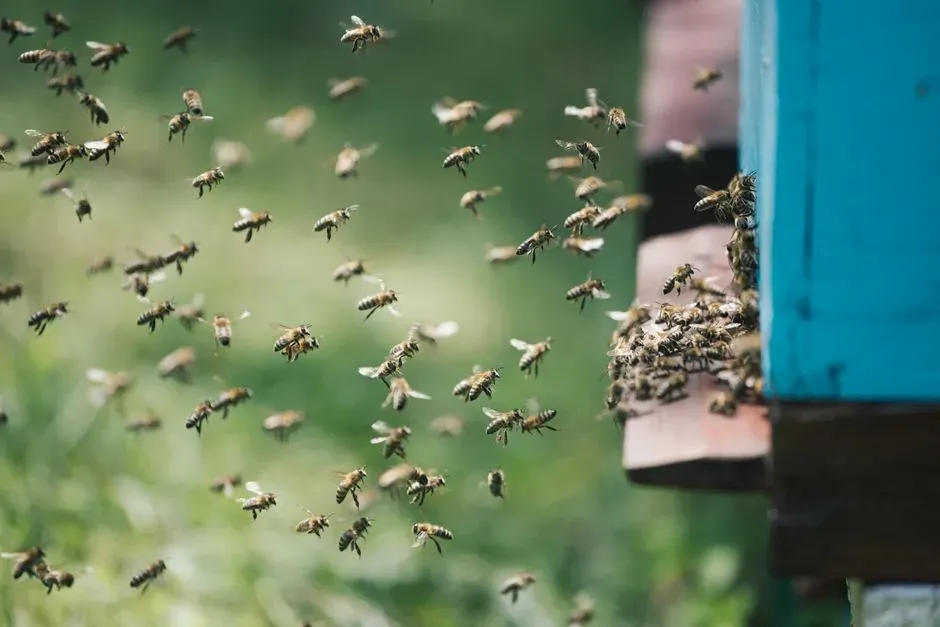
A brain smaller than a sesame seed can still out-navigate your smartphone. Bees don’t just wander toward flowers randomly, they calculate distance, direction, and efficiency with startling precision. Bumblebees give modern navigational systems a run for their money, covering long distances with a level of geographical understanding that shouldn’t fit inside a brain this small.
What makes this genuinely strange is the efficiency. Bees aren’t memorizing one route, they’re building something closer to a mental map, adjusting on the fly when landmarks change. Most people picture insects as simple, reflexive creatures, but bee navigation research keeps suggesting otherwise. Scientists studying this behavior increasingly argue that “simple brain” and “simple behavior” are not the same thing at all.
#11 – Border Collies Learned More Words Than Some Toddlers
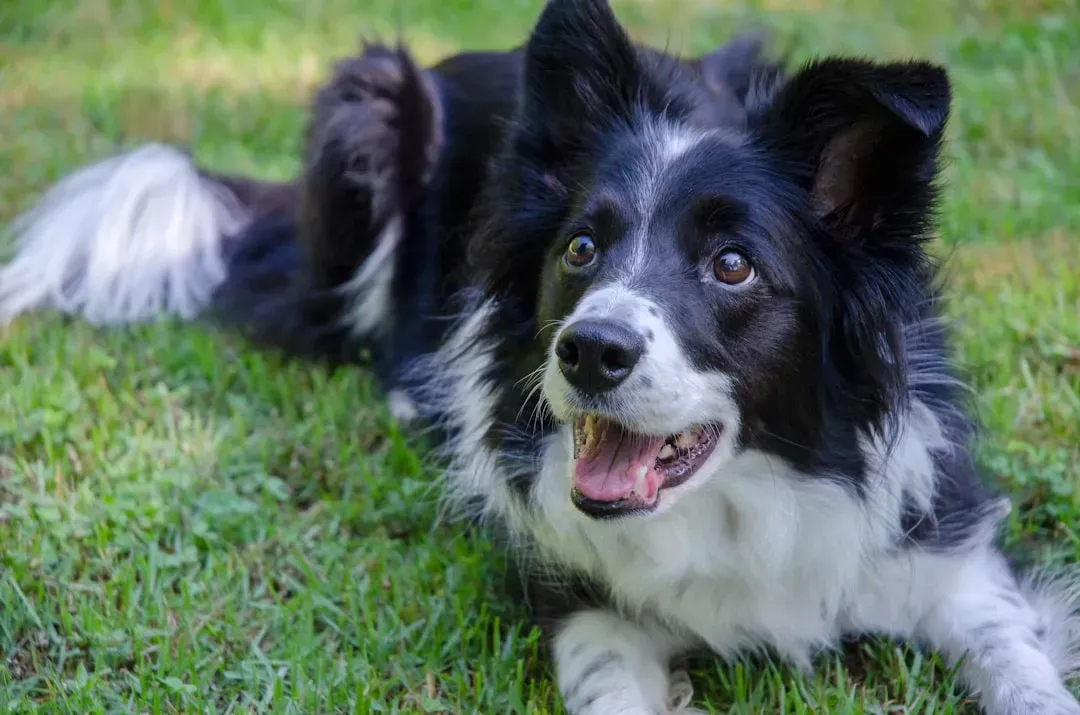
One dog quietly out-vocabularied thousands of human three-year-olds, and almost nobody outside academia noticed. Her name was Chaser, and she learned to identify and retrieve 1,022 toys by name, differentiate between nouns and verbs, and understand simple sentences through structured daily training over nine years. That’s not a trick. That’s the vocabulary of a 3-year-old child, built through nothing but patient repetition.
The training itself is the part people underestimate. Her owner, John Pilley, built her ability through a rigorous regimen, sometimes up to five hours a day, five days a week, for nine straight years. Even more surprising, if Chaser heard an unfamiliar word, she attached it to an unfamiliar object by process of elimination. That single deduction puts a border collie’s inference skills ahead of some primates in that specific task.
Fast Facts
- Learned to identify 1,022 individual toys by name
- Trained up to five hours a day, five days a week, for nine straight years
- Could deduce brand-new words through process of elimination
- Understood simple sentence structures, not just single commands
#10 – African Grey Parrots Understood the Concept of Zero
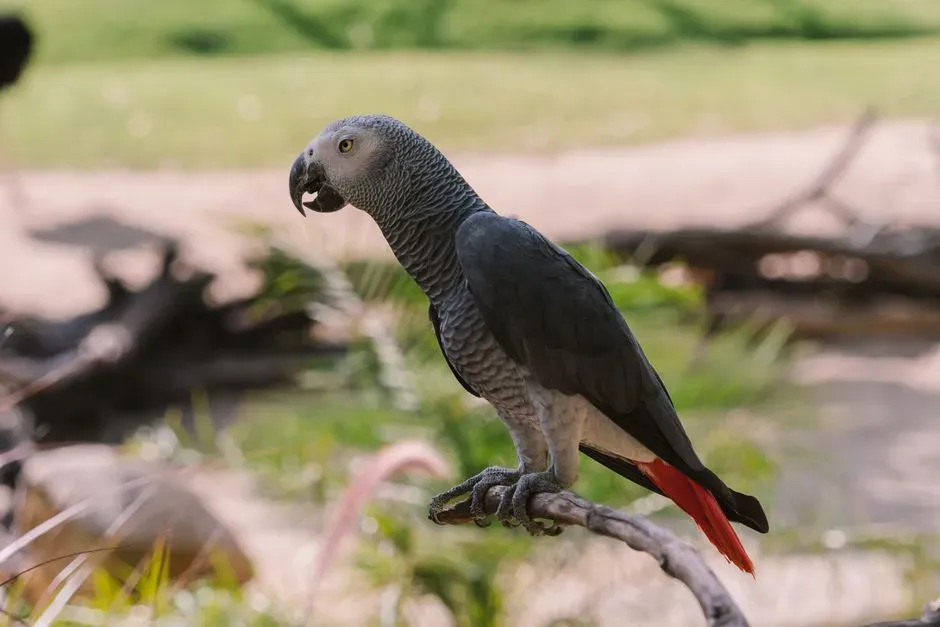
A bird with a brain the size of a walnut once grasped a mathematical concept that took human civilization thousands of years to formalize. His name was Alex, and researcher Irene Pepperberg spent three decades proving that “birdbrain” was never the insult people thought it was. Alex learned enough functional English to identify 50 objects, 7 colors, 5 shapes, quantities up to six, and a zero-like concept.
He wasn’t mimicking sounds, he was using language the way toddlers do, and he sometimes corrected his own trainers when they made mistakes. Pepperberg’s research concluded Alex showed cognitive capacities comparable to marine mammals, great apes, and sometimes 4 to 6 year old children. The night before he died, unexpectedly and without warning, Alex said something to Pepperberg that researchers still bring up decades later.
You be good, I love you, I’ll see you tomorrow.
Alex, African Grey Parrot
#9 – Pigs Outperform Toddlers on Cognitive Tests
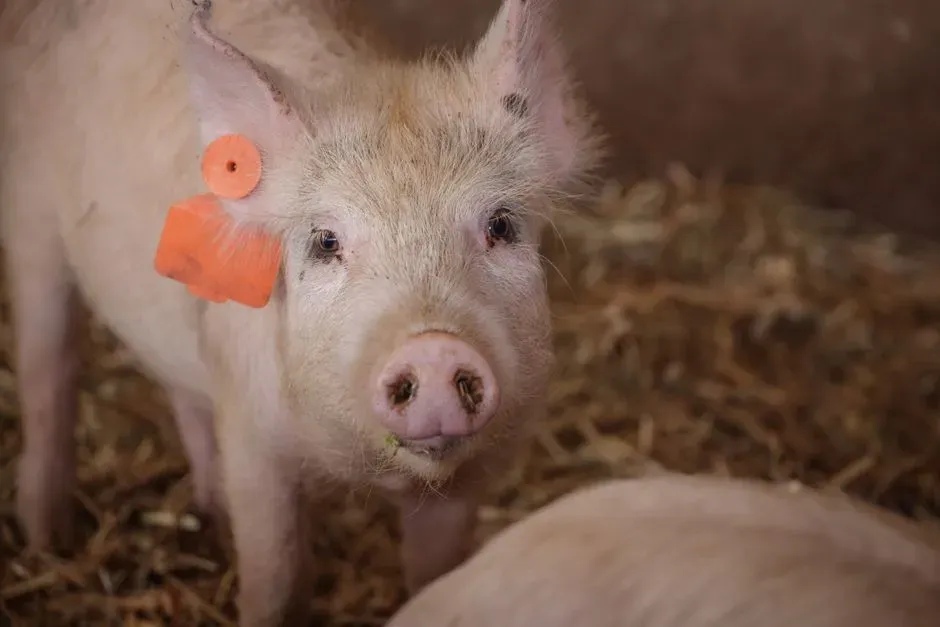
Farm animals get dismissed as “dumb” more often than almost any other species, and the research says that’s a mistake most people are still making. Pigs have outperformed three-year-old children in cognition tests, and it isn’t a one-off finding. Pig cognition research keeps circling back to the same conclusion, showing emotional and cognitive intelligence that rivals dogs and primates, including self-recognition and complex social learning.
Here’s the detail that actually surprised researchers: pigs have outperformed humans in implicit category-based generalization, because humans lean on rule-based strategies while pigs simply don’t bother. On top of that, a 2021 study found pigs can play simple video games with their snouts, steering joysticks to bounce a cursor off virtual walls. A species we breed almost exclusively for bacon just proved it can operate a joystick with intent.
#8 – Octopuses Think With Two-Thirds of Their Brain in Their Arms
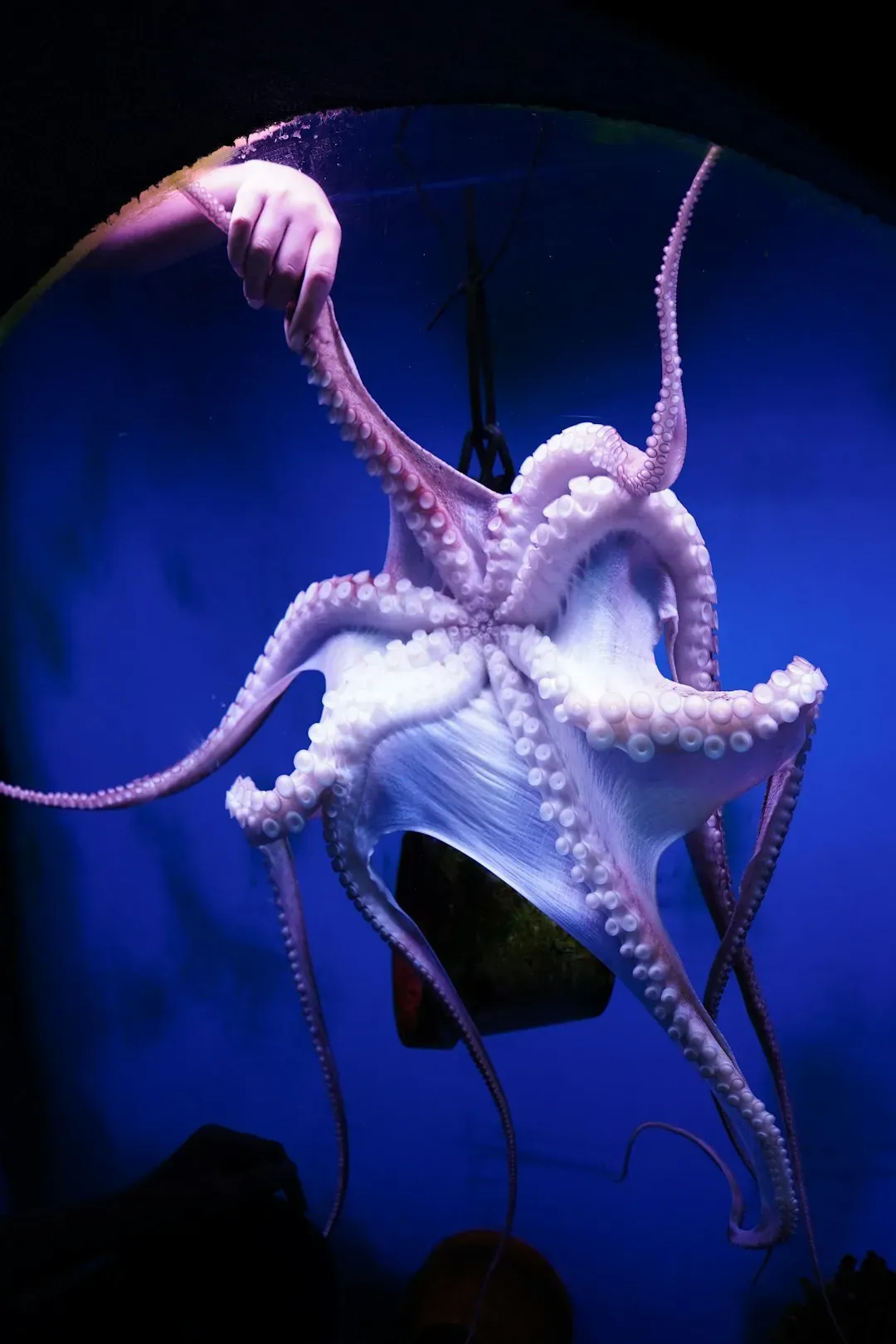
An octopus doesn’t have one brain, it essentially has nine, and that’s not a metaphor. Each of its eight arms contains clusters of neurons that act like a mini brain, controlling movement, touch, and taste independently from the central brain. Two-thirds of an octopus’s neurons live outside its head entirely, on a branch of the evolutionary tree with zero shared ancestry to mammals.
The behavior backs up the biology. Studies out of Hebrew University of Jerusalem show octopuses can remember problem solutions for months at a time, comparable to many vertebrates. Even stranger, veined octopuses collect coconut shell halves and carry them across the seafloor, later assembling them into shelters. That’s tool use and forward planning in an animal with a brain shaped nothing like ours.
Worth Knowing
- Two-thirds of an octopus’s neurons live in its arms, not its central brain
- Veined octopuses carry coconut shells to assemble as portable shelters later
- Problem-solving memories can last for months at a time
- Octopuses have three hearts and blue, copper-based blood, a biology unlike any mammal’s
#7 – Orcas Hunt With Strategy That Rivals Human Teams
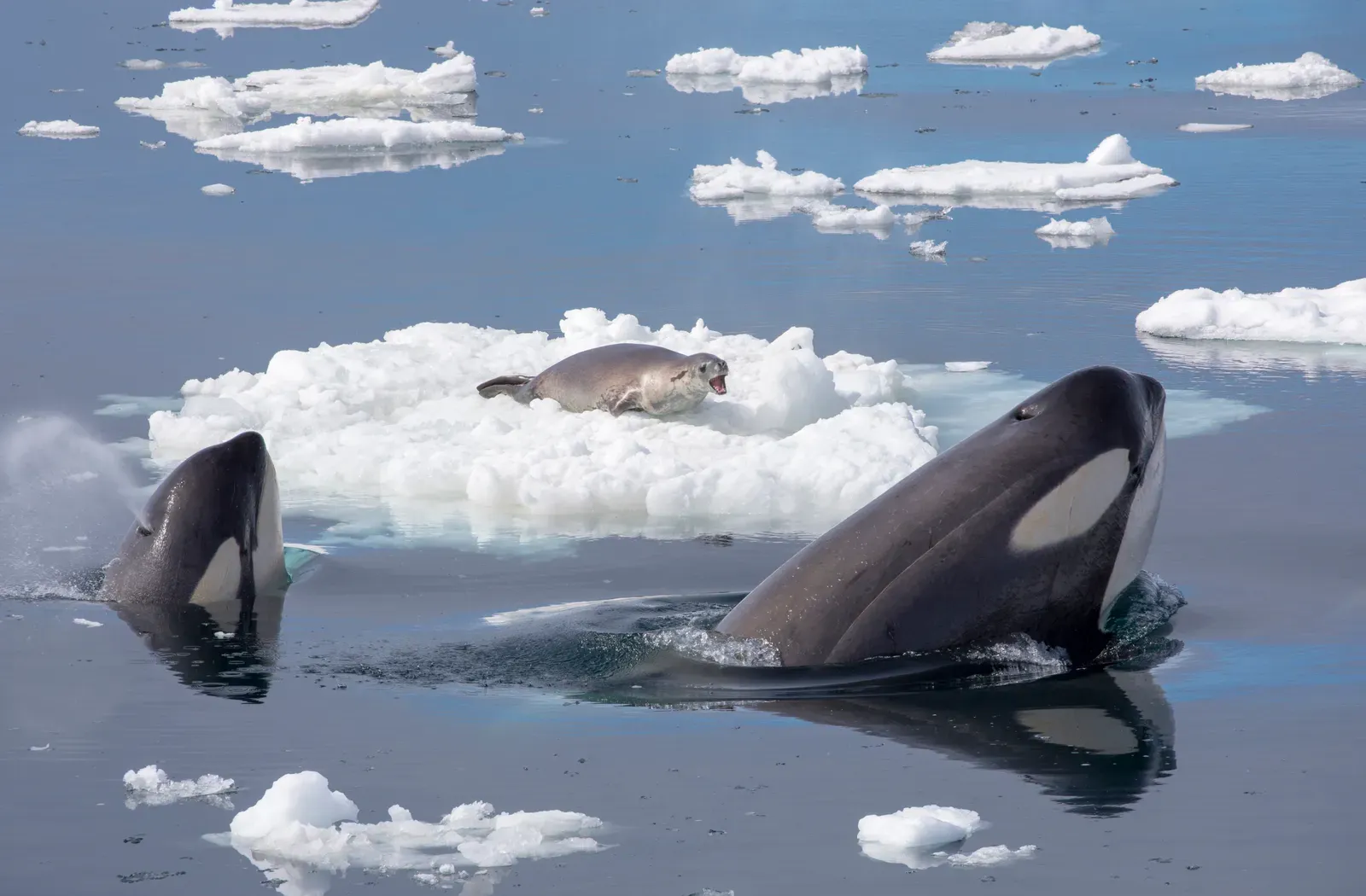
Some orca pods coordinate attacks with a level of planning that looks less like instinct and more like a military operation. Orcas are considered among the most intelligent creatures in the ocean, showing cultural learning, sharp social memory, and calculated group hunting on a scale that rivals human strategy.
These aren’t isolated instincts passed down genetically, they’re learned traditions passed pod to pod, generation to generation. Culture, in the strict sense researchers use the word, requires social learning and transmission, not just shared genes. Orca pods in different regions have developed entirely different hunting techniques, passed down like recipes rather than instincts, a trait once assumed to be uniquely human.
#6 – Capuchin Monkeys Use Tools With Startling Precision
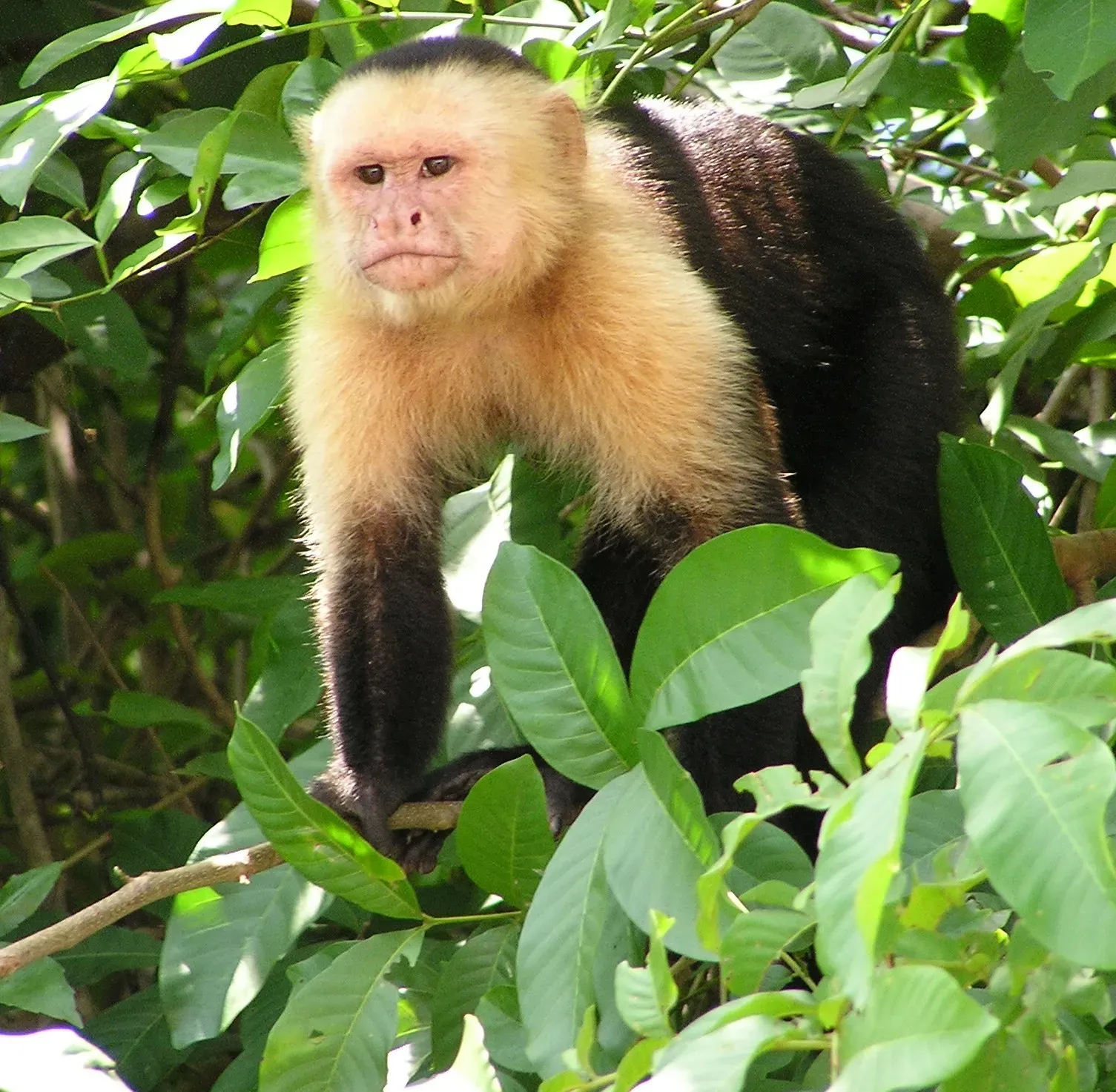
A monkey small enough to sit on your shoulder has been caught using rocks like a hammer and anvil, on purpose, with real technique. Capuchin monkeys are widely considered among the most intelligent species on Earth for exactly this reason. Field researchers have documented them selecting specific stones based on weight and hardness, a level of material discrimination that suggests genuine understanding of physics.
What separates capuchins from most tool-using animals is the deliberate stone selection process itself, they’re choosing the right tool for the job, not just grabbing whatever’s nearby. That distinction matters in cognitive science, because random object use is instinct, while selective tool use implies real reasoning about cause and effect. Researchers studying wild troops keep finding tool-use traditions specific to individual groups.
#5 – Crows Can Out-Think Human Kindergartners
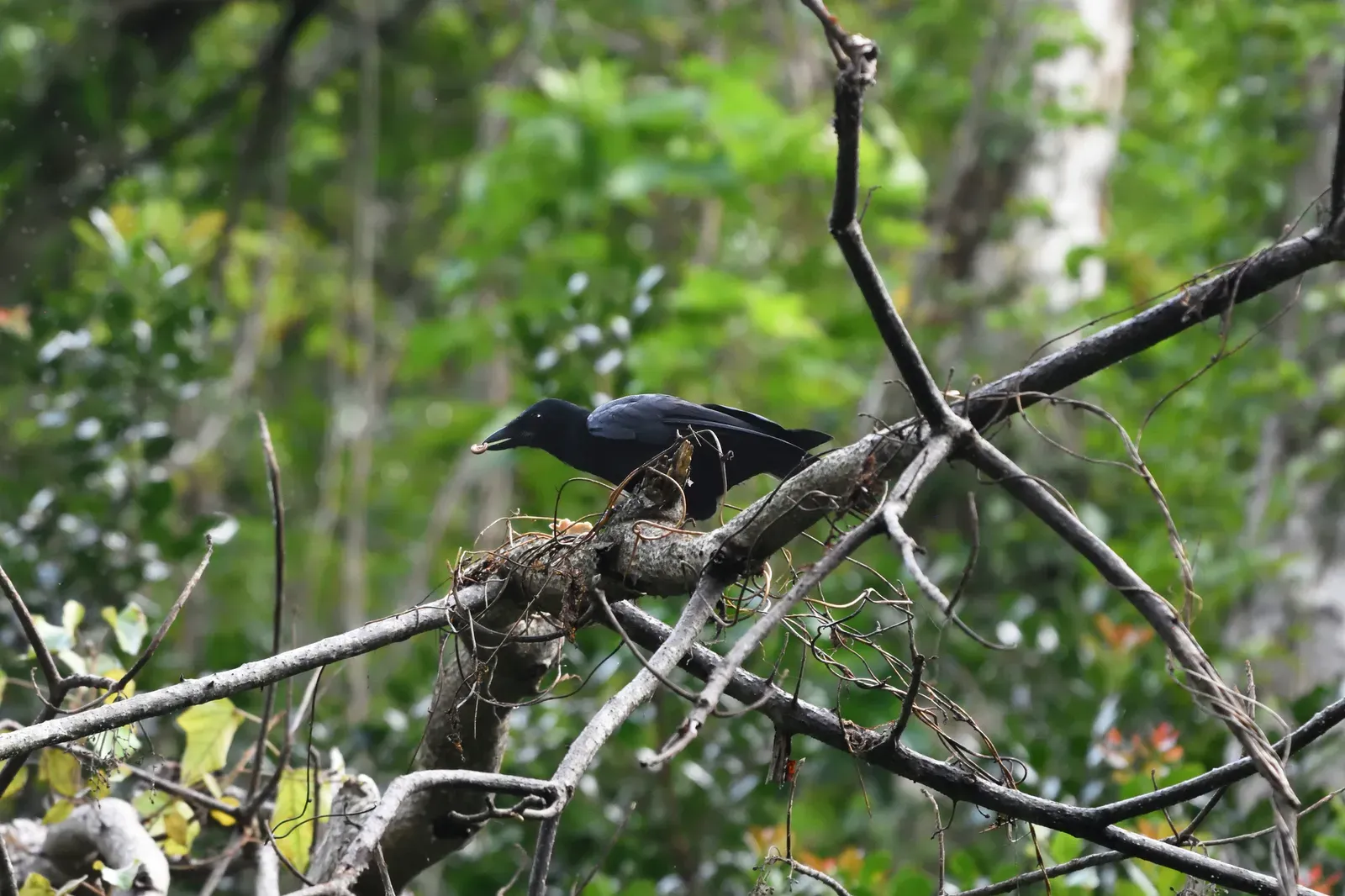
A bird with a brain the size of your thumb is now considered one of the sharpest minds in the entire animal kingdom, and it’s not close. Corvids, including crows, ravens, and jays, routinely prove their intelligence by solving complex puzzles and passing mental tests designed for much larger brains. The comparison researchers keep making isn’t flattering to us: crows regularly best human kindergartners.
The tool use is the part that really unsettles scientists. New Caledonian crows use a skill called “metatool use,” where one tool is used to obtain a second tool. Researchers have even recreated Aesop’s fable in the lab, watching crows drop objects into water to raise the level and reach a floating treat, choosing the heaviest objects first. Once dismissed entirely, crows and ravens are now ranked near primates in cognitive testing, a reversal almost nobody predicted a generation ago.
At a Glance
- Use “metatool” skills, one tool to obtain another
- Recreated Aesop’s water-displacement fable in controlled lab tests
- Chose the heaviest objects first when solving the water-level task
- Now ranked near primates in cognitive testing
#4 – Gorillas Learned to Communicate in Sign Language
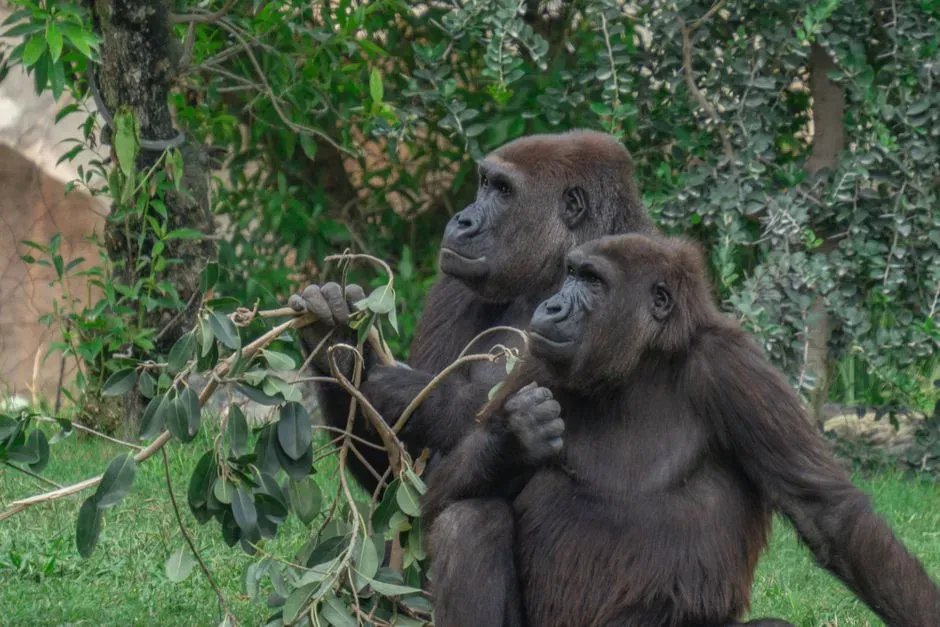
A great ape once built entire sentences using human sign language, not memorized tricks, but original combinations she’d never been taught directly. The most famous case involved a gorilla who learned hundreds of signs and reportedly combined them in novel ways to describe things she had no direct vocabulary for, essentially inventing compound phrases on the fly.
This matters because true language use requires more than mimicry, it requires generativity, the ability to build new meaning from existing pieces. That single skill is one of the clearest markers scientists use to separate genuine communication from rote animal training. A gorilla displaying it, even in a limited sign-language context, forced primatologists to rethink where the line between “communication” and “language” actually sits.
#3 – Elephants Never Actually Forget
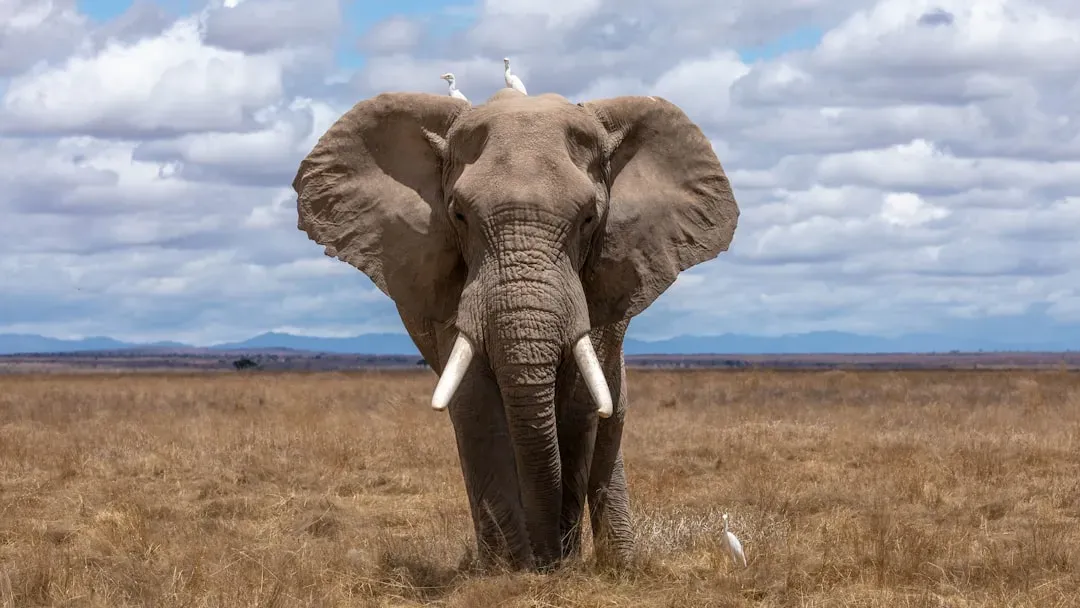
The phrase “an elephant never forgets” turns out to be closer to documented science than folk wisdom. Matriarchs recall the locations of watering holes across vast territories, sometimes returning to sources they haven’t visited in years, and they recognize the calls and scents of family members long after separation. This isn’t a party trick, it’s a literal survival mechanism passed down through generations of matriarchs during droughts and lean periods.
The emotional side is just as documented. Asian elephants show protective instincts, mourning rituals, and a clear drive to comfort each other. A 2011 University of Cambridge study tested elephant teamwork with a rope-pulling task, and most elephants waited for a partner to arrive before pulling at all. That single detail, waiting instead of acting alone, proves elephants understood the entire point of the task before it even started.
Why It Stands Out
- Matriarchs recall watering hole locations across vast territories and years
- Recognize the calls and scents of family members after long separations
- Waited for a partner to arrive in a 2011 Cambridge rope-pulling study
- Show mourning rituals and comfort-seeking behavior toward each other
#2 – Dolphins Recognize Themselves in Mirrors
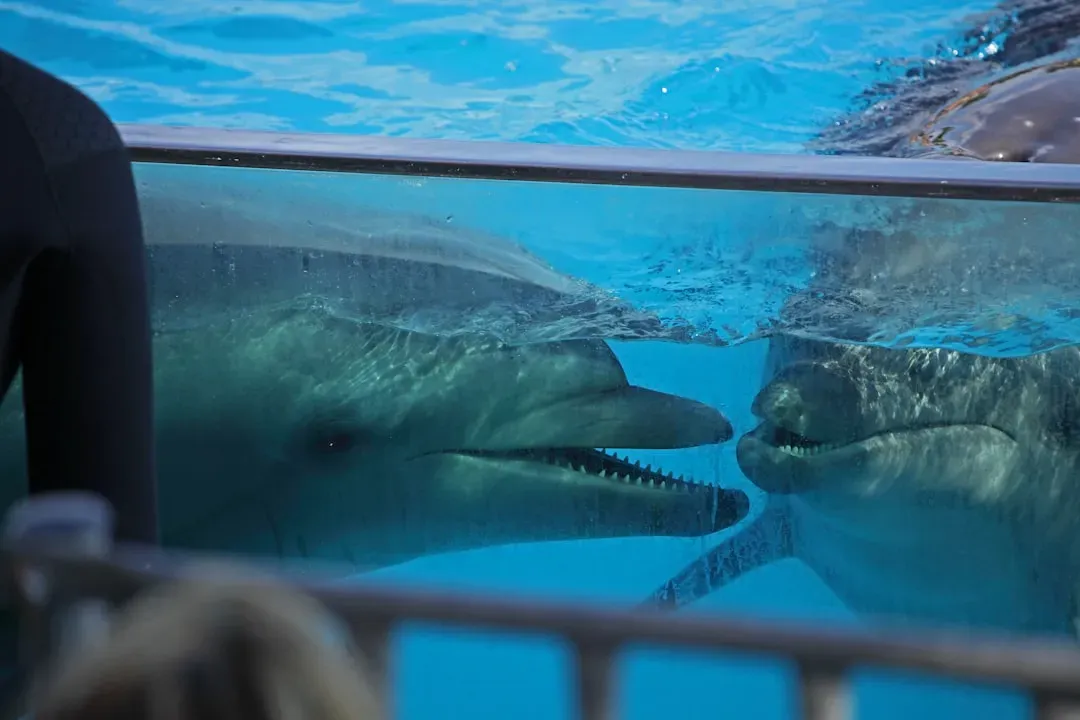
Dolphins pass one of the strictest tests in all of animal cognition, and most people have no idea how rare that actually is. Their brain-to-body ratio is second only to humans, and like humans, they show clear signs of self-recognition and self-directed thought. The mirror test, checking whether an animal recognizes its own reflection, is one of the strongest available proxies for self-awareness, and most species fail it outright.
Dolphins pairing that self-awareness with genuinely playful, adaptive social behavior is what keeps marine biologists calling them one of the closest cognitive relatives to humans outside the primate family. Their vocal communication adds another layer entirely, each dolphin develops a unique signature whistle that functions essentially as a name other dolphins call them by.
#1 – Chimpanzees Are the Closest Cognitive Relative We Have
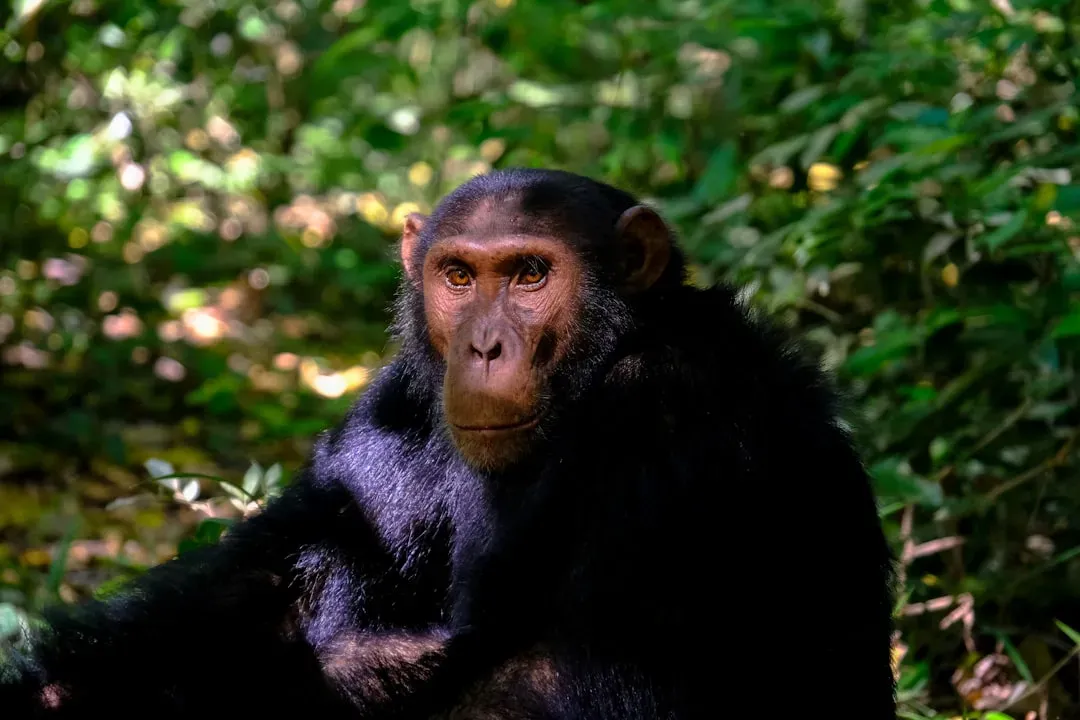
Our closest living relative doesn’t just share our DNA, in at least one narrow lab test, it outperformed us completely. Scientists generally consider chimpanzees the animal closest to human intelligence, thanks to complex problem-solving, social structure, and tool use. That reputation isn’t sentimental, it’s backed by some of the most rigorous comparative cognition research ever conducted.
The clearest proof came from Kyoto University, where a young chimp named Ayumu was tested against human adults on a task involving briefly flashed number sequences. Ayumu beat every human subject, both in speed and accuracy. A chimp beating trained human adults at a memory task isn’t a fluke, it’s been replicated, and it remains the single most cited example in the entire field of comparative cognition. That’s why, of every species studied, chimpanzees stay the benchmark scientists measure everything else against.
The Bottom Line
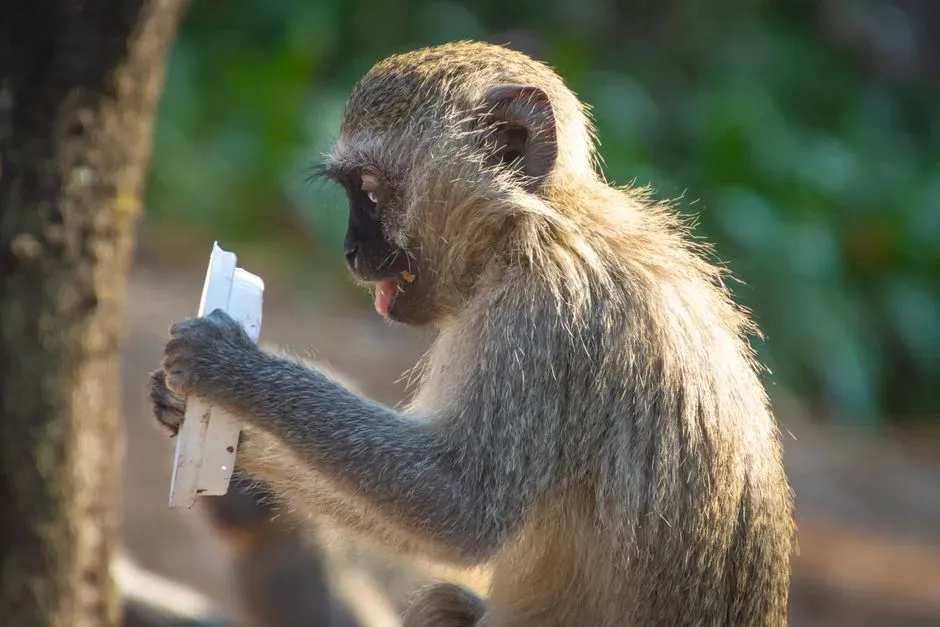
None of this means animals are “as smart as humans” in some broad, sweeping sense, that framing is lazy and the science doesn’t support it. What it does mean is that specific cognitive skills we assumed were uniquely ours keep showing up in bird brains, pig snouts, and octopus arms.
Chimps beat us at number recall. Pigs beat toddlers at categorization. Crows beat kindergartners at puzzles. A parrot understood zero. If intelligence really is this scattered across the animal kingdom, the uncomfortable truth is that our own species may have been grading on a curve the whole time, using tests designed by us, for us, to prove what we already wanted to believe. Which of these surprised you the most? Drop your pick in the comments.