

We stand on a planet crawling with roughly 8.7 million species, and yet the honest answer to “why is any of this here?” is still: nobody actually knows. Most people assume biology is a solved science – that somewhere in a university archive sits the tidy answer to how life started, why we sleep, or what consciousness even is.
It doesn’t exist. Turns out, the deeper researchers dig, the more the ground shifts beneath textbook certainty. Here’s what the actual data – not the confident headlines – reveal about the biggest blind spots in modern biology.
#15 – Why Life Exploded Almost Overnight (Geologically Speaking)
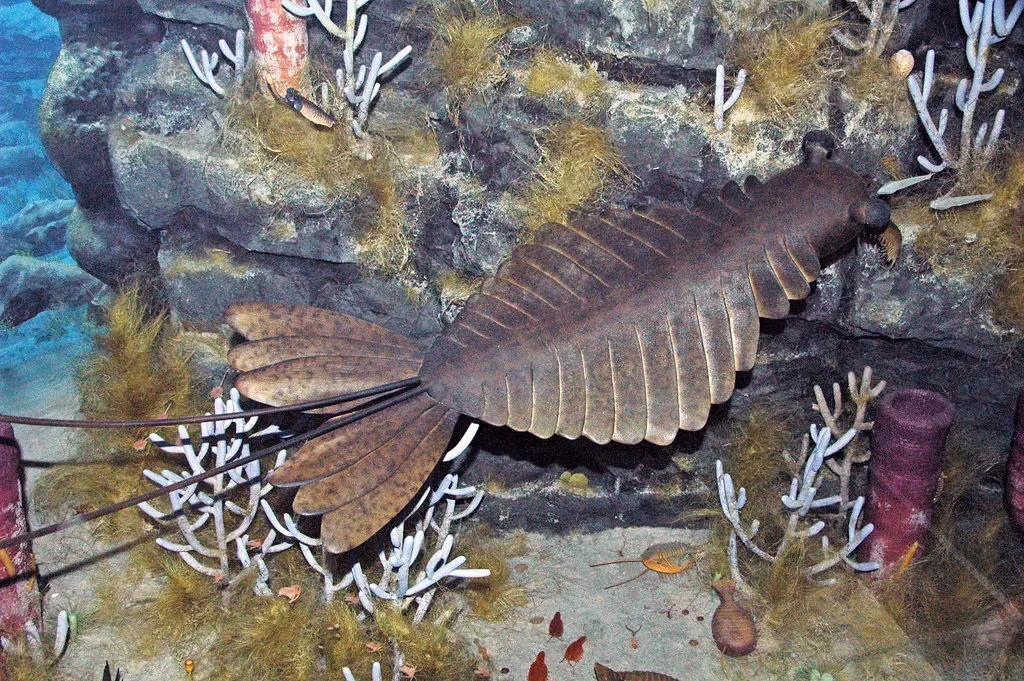
Roughly 540 million years ago, evolution hit fast-forward and never fully explained why.
Around 540 million years ago, life on Earth exploded, with a rapid diversification of species in a period now called the Cambrian Explosion that geologically lasted roughly 13 to 25 million years but produced almost all major animal groups in the fossil record. That’s an evolutionary sprint, not the slow crawl Darwin’s original model predicted, and it’s precisely why researchers still argue over the trigger.
One popular hypothesis says the event was triggered by a dramatic surge in atmospheric oxygen, while a competing study argues the opposite – that a lack of oxygen led to the explosion – and Snowball Earth believers claim it was actually the thaw from a planet-wide ice age that set off the rapid divergence. Three camps of serious scientists, three contradictory answers.
Most textbooks quietly pick one and move on. Even stranger? The next mystery on this list is missing an actual body part.
#14 – How Animals Navigate Without a Known “Sense Organ”

Sea turtles, monarch butterflies, and songbirds cross thousands of miles with pinpoint accuracy, and nobody can locate the organ that makes it possible.
Evolution has equipped life with an array of extraordinary senses, but perhaps the least understood is magnetoreception, and despite compelling behavioral evidence that this sense exists, the cells, molecules, and mechanisms that mediate it remain unknown. We can prove the ability exists through behavior – birds literally reorient in lab-controlled magnetic fields – but we cannot point to a single confirmed receptor cell doing the sensing.
Researchers currently juggle three competing concepts: a mechanically sensitive magnetite-based receptor, a light-sensitive chemical mechanism, and electromagnetic induction within accessory structures. None of the three has been definitively confirmed in a living animal. That means every “how animals find their way home” documentary you’ve watched is narrating an educated guess. Which brings us to something even more ordinary – and even more unexplained.
Fast Facts
- No single receptor cell for magnetoreception has ever been confirmed in a living animal.
- Three rival mechanisms remain in play: magnetite-based sensing, light-sensitive chemical compasses, and electromagnetic induction.
- Long-distance navigators studied include sea turtles, monarch butterflies, and migratory songbirds.
- Lab tests confirm the behavior is real – animals reorient in controlled magnetic fields – even though the biology behind it isn’t.
#13 – Why We Yawn (And Why It’s Contagious)

Everyone yawns. No one – including the researchers who study it for a living – actually agrees on why.
We yawn when we feel sleepy, and it is a universal behavior across humans and many other animals, yet no one knows the real reason behind it. Common theories suggest yawning helps cool the brain, increase oxygen intake, or signal changes in alertness, but none of these explanations fully accounts for all aspects of yawning.
Here’s where it gets stranger: seeing someone else yawn triggers the same response in us, and this contagious yawning has been linked to empathy and social bonding, though the underlying mechanism is unclear. A behavior this basic – one every vertebrate does – still has no confirmed biological purpose. Most people assume something this universal must be understood by now. Experts secretly disagree. That’s odd. What’s next is odder: an entire library your body carries but supposedly never reads.
#12 – What 98% of Your DNA Is Actually Doing
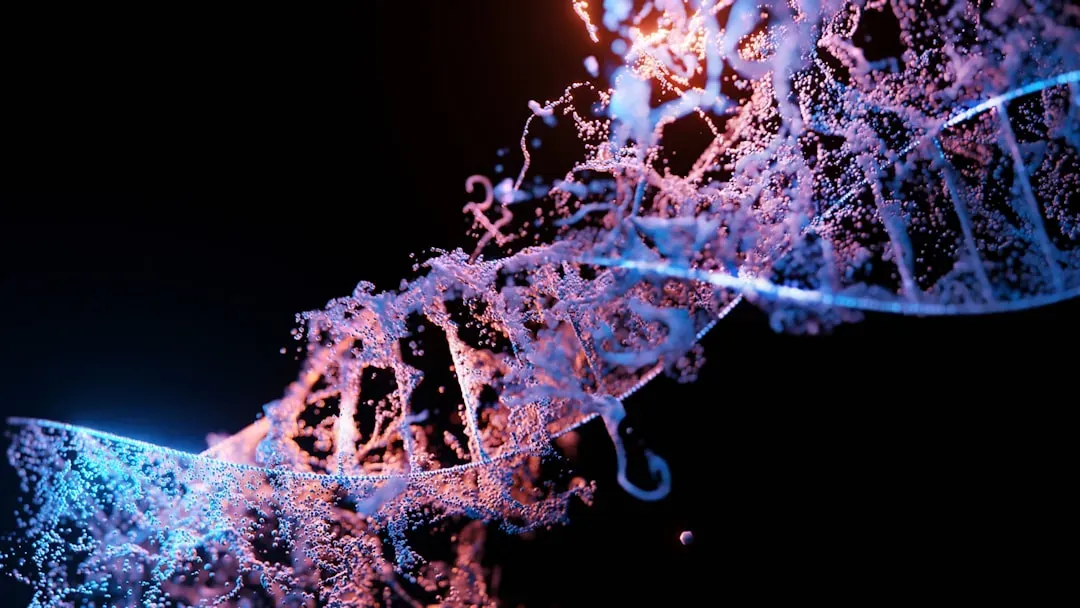
Most people think DNA is a tidy instruction manual. It’s mostly filler – or so we thought.
Only about 1 percent of DNA is made up of protein-coding genes; the other 99 percent is noncoding DNA that does not provide instructions for making proteins, though some of it is used to produce non-coding RNA components. Scientists spent decades dismissing this majority chunk as evolutionary debris. Scientists once thought noncoding DNA was “junk,” with no known purpose, but it is becoming clear that at least some of it is integral to the function of cells, particularly the control of gene activity.
So-called junk DNA makes up about 98% of the genome, and it’s now seen as vital to studying human health and disease, since genes cannot perform their jobs without the complex regulatory functions of non-coding regions. Translation: the “junk” was running the show the whole time. And the next mystery is even harder to swallow, because it’s something you literally can’t survive without.
#11 – Why Every Complex Animal Needs to Sleep

Sleep looks like a design flaw. Every hour spent unconscious is an hour you can’t hunt, mate, or flee a predator – and evolution still hasn’t eliminated it.
Sleep is described as one of the last great biological mysteries, and although it is ubiquitous and essential, scientists have yet to determine its true evolutionary purpose. That’s a strange admission for something every mammal, bird, and even fruit fly does daily.
Some scientists suggest sleep may serve a purpose we still don’t fully grasp, perhaps involving deep neural repair or the clearing of toxic proteins from the brain. Notice the hedge words – “may,” “perhaps.” Nobody in the field will commit to a single, complete answer. Some researchers argue sleep is really several overlapping functions bundled into one behavior, which would explain why no single theory has ever fully stuck. Which sets up the strangest medical fact on this entire list.
#10 – Why a Sugar Pill Can Heal You
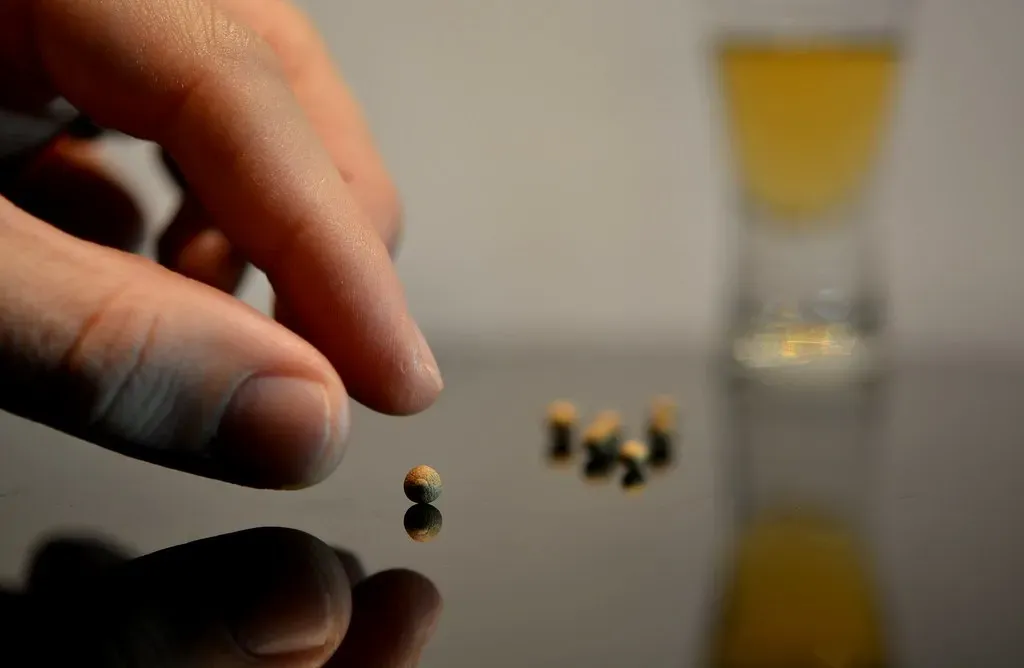
This one sounds like a hoax. It isn’t.
Imagine taking a sugar pill and feeling your pain vanish – that’s the placebo effect, a phenomenon where people experience real improvements in health after receiving a treatment with no active ingredients, and scientists have proven the effect is genuine, with patients reporting reduced pain, improved mood, and even measurable changes in brain activity. This isn’t imagination or wishful thinking – brain scans confirm it.
The puzzle is how belief alone can trigger such powerful physical effects; theories suggest expectation alters brain chemistry, releasing natural painkillers like endorphins, and some researchers believe it reflects the brain’s ability to “reprogram” itself based on belief. A thought alone can trigger real, measurable chemistry – and modern medicine still can’t fully explain the wiring behind it. Now compare that to a chemical rule your entire body obeys without knowing why.
#9 – Why Life Only Uses “Left-Handed” Building Blocks
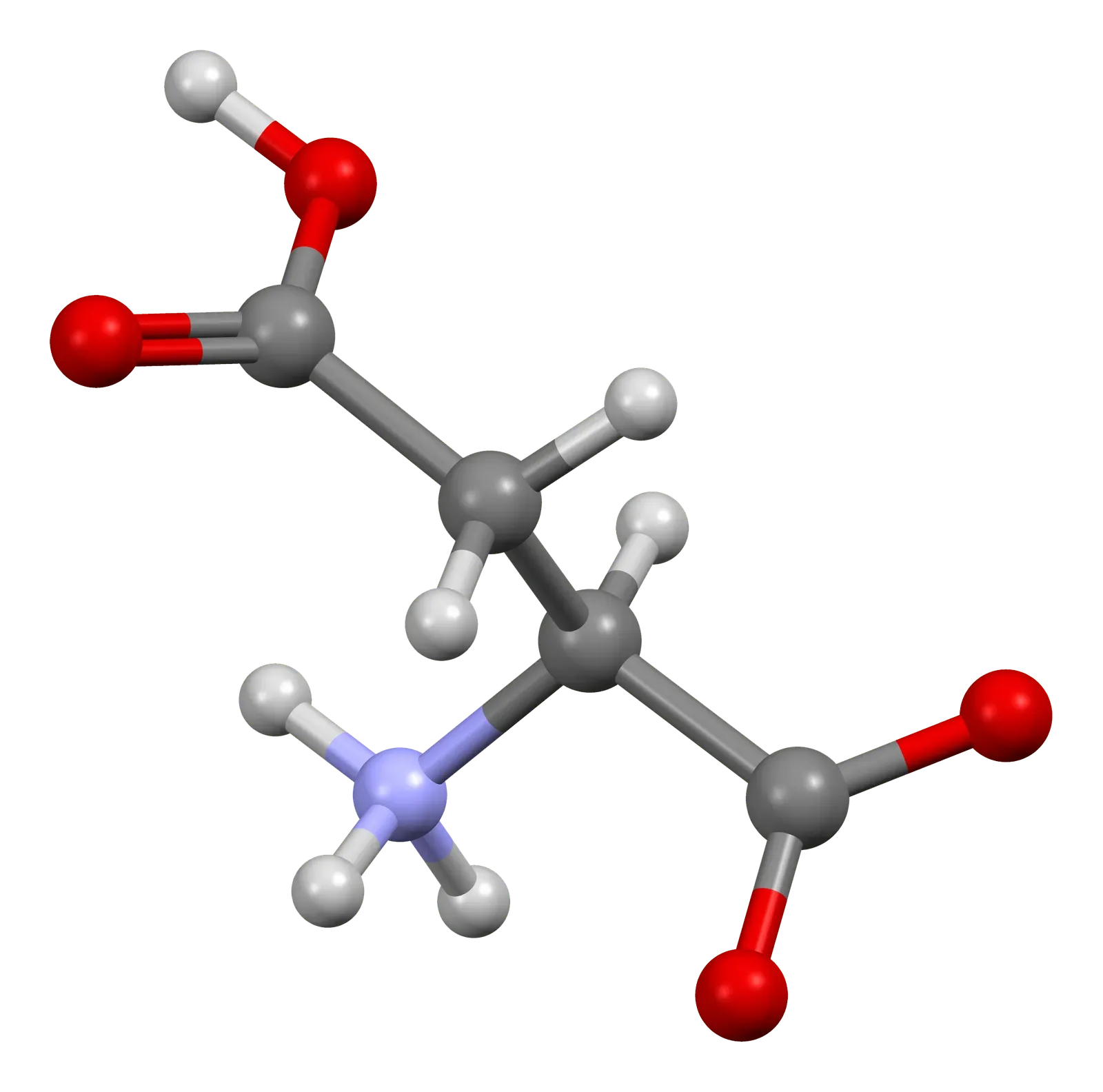
Every protein in your body is built exclusively from left-handed amino acids. Chemistry says that should be a coin flip. Life picked a side and never looked back.
Life on Earth consists almost exclusively of left-handed amino acids and right-handed sugars, and while usual chemical products are racemic – containing nearly equal amounts of both forms – terrestrial life uses almost only left-handed amino acids, a feature called homochirality whose origin is still unknown. Louis Pasteur first noticed this mirror-image puzzle in 1848, and it has haunted chemists ever since.
This choice of molecular mirror symmetry is not trivial – if the oppositely handed version is accidentally introduced into the body, toxicity or even death can follow. Life didn’t just prefer one hand – it made the other hand potentially fatal. Recent NASA-funded work even tested meteorite samples to see if space itself tipped the scale, and the results only deepened the mystery. Underneath that puzzle sits an even bigger one – the mystery every other item on this list depends on.
#8 – How Life Began At All
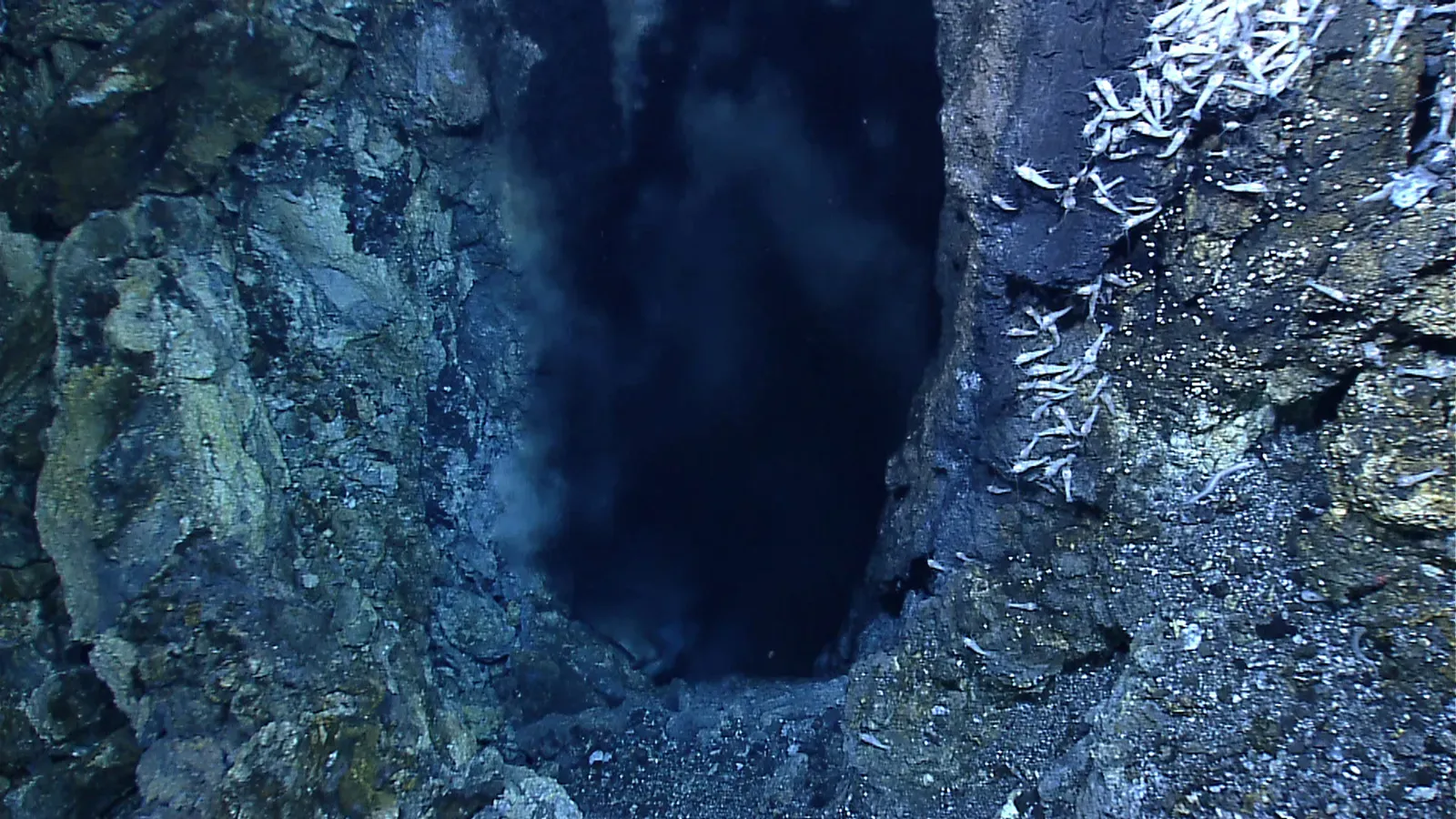
This is the mystery beneath every other mystery on this list, and it remains stubbornly, embarrassingly open.
Perhaps the most fundamental and at the same time the least understood biological problem is the origin of life. We’re not talking about evolution – that mechanism is well-documented. We know where the complexity and diversity of life came from through evolution, and that theory is set – but we don’t know where life itself came from.
Researchers can’t even agree on the setting: some assume the first spark happened in an ocean “soup,” others argue it must have occurred in clay on dry land, and still others conclude abiogenesis was more likely to have occurred in hydrothermal vents. Three completely different starting points, zero consensus. A commentary on the problem put it bluntly: the origin of life problem continues to be one of the most intriguing and challenging questions in science. Right behind it is a question just as unsettled: why bodies fall apart at all.
Quick Compare: Where Did Life Begin?
- Ocean “soup”: Early chemical reactions in ancient seawater form the basis of one leading model.
- Clay on dry land: Mineral surfaces may have organized and concentrated early biochemistry.
- Hydrothermal vents: Deep-sea heat and chemical energy offer a third possible starting point.
- All three remain active hypotheses – none has been ruled out or confirmed.
#7 – Why Bodies Age and Break Down At All
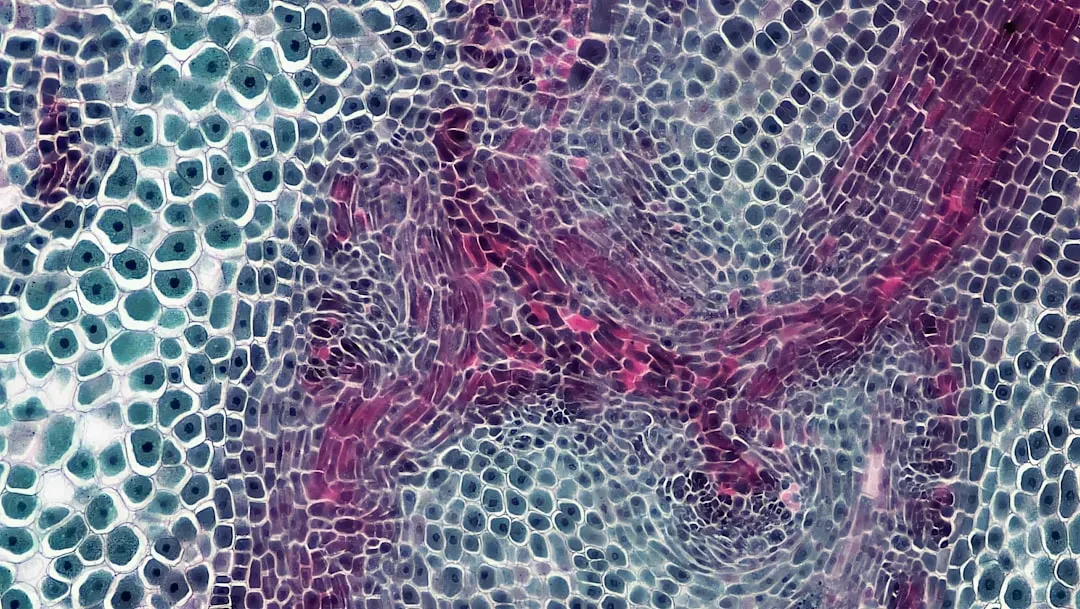
Aging feels inevitable, almost boring – until you realize evolution had every opportunity to prevent it and simply didn’t finish the job.
Some species barely age at all biologically for decades, while others burn through an entire lifespan in weeks, and researchers still debate whether aging is a programmed process, a slow accumulation of cellular damage, or some tangled combination of both. There’s no single “aging gene” that explains why a human body gradually loses function while a lobster shows only modest age-related decline.
That inconsistency is the real head-scratcher. If aging were simply “wear and tear,” every species should degrade at comparable rates relative to their biology. They don’t. Many longevity researchers now openly argue that aging isn’t one problem – it’s dozens of separate problems wearing a single name, which is exactly why no anti-aging breakthrough has ever delivered on its early hype. Which leads straight into biology’s most expensive unsolved habit.
#6 – Why Sex Evolved When Cloning Is Easier

If evolution rewards efficiency, sexual reproduction should have died out immediately. It didn’t, and biologists still argue over why.
Asexual reproduction lets an organism pass on 100% of its genes and skip the time, energy, and risk of finding a mate. Sexual reproduction cuts that genetic contribution in half every generation. On paper, cloning should have won a long time ago – yet the vast majority of complex life on Earth still reproduces sexually.
The leading theories point to genetic diversity as a defense against parasites and disease, since mixed genes make populations harder for pathogens to exploit uniformly. But this remains a leading theory, not a settled fact, and several competing models still fight for dominance in evolutionary biology circles. Some researchers openly call sex the single most expensive habit evolution has ever kept. And that habit connects to something even stranger – life reinventing the same trick from scratch.
#5 – How Multicellular Life Kept Reinventing Itself
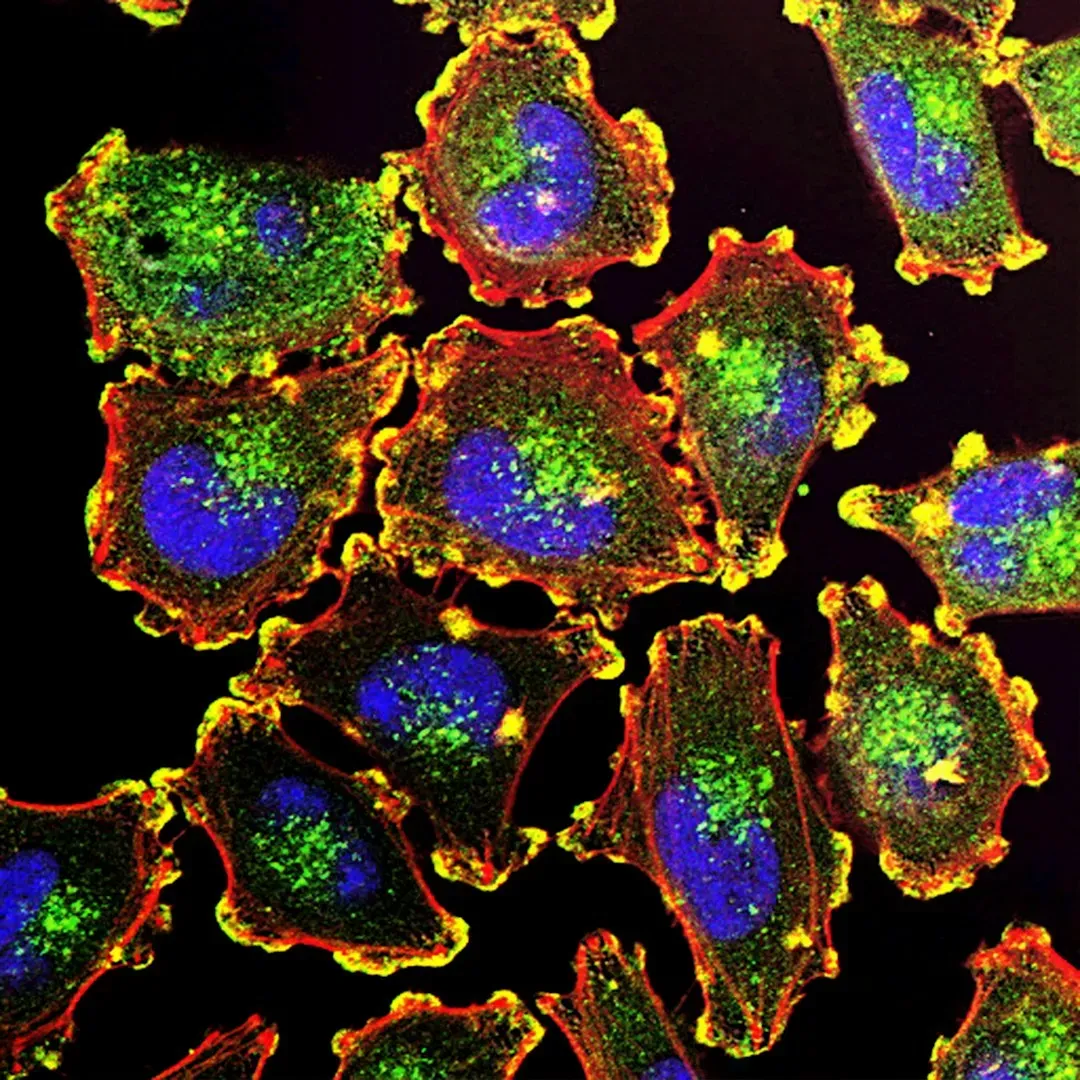
Single cells figured out how to become bodies – and then this trick happened again, and again, independently, across completely unrelated branches of life.
Multicellularity isn’t a one-time fluke that all complex life inherited from a single ancestor. It evolved separately in plants, animals, fungi, and several types of algae, each following its own chemical playbook to solve the same problem: how do individual cells agree to cooperate instead of competing for resources.
That repetition is what stumps researchers. If becoming multicellular were rare or fantastically difficult, it shouldn’t happen more than once by chance. Yet it clearly happened multiple times, suggesting some hidden chemical shortcut that biology keeps rediscovering – one that hasn’t been fully mapped out. Most people assume complex life was a rare fluke; the evidence increasingly argues that it’s closer to a hidden law of chemistry. Which raises an even bigger question: how much of that hidden world are we even seeing?
#4 – How Much Life Is Actually Hiding Underground
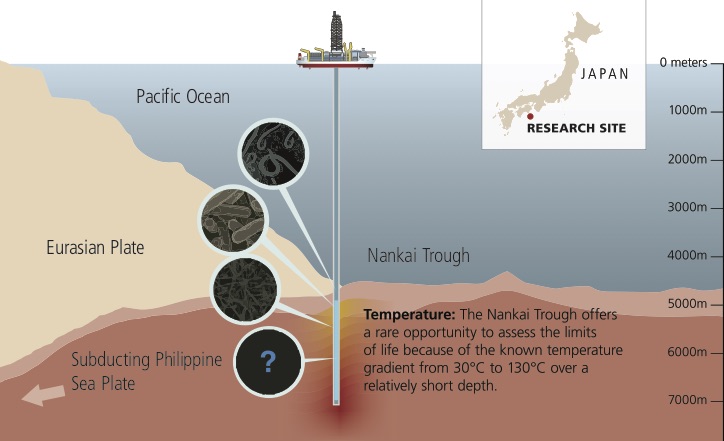
Everything you picture when you think “wildlife” – forests, oceans, savannas – may represent only a fraction of Earth’s total living biomass.
Deep beneath the crust, in rock pores and groundwater far from sunlight, microbial communities survive on chemical energy instead of photosynthesis. Drilling projects keep pulling up living microbes from depths and ages that were once assumed lethal to any organism, and each new sample resets assumptions about where life’s boundaries actually sit.
Nobody has mapped the true edges of this deep biosphere, because reaching it requires drilling technology that’s expensive, slow, and still relatively rare. That means current estimates of “how much life exists on Earth” are built on an enormous blind spot. The most surprising part: some of these organisms may have been metabolizing at a near-standstill for thousands, possibly millions, of years. That blind spot looks small next to the next one – the actual cause of Earth’s worst extinction.
Worth Knowing
- Deep subsurface microbes run on chemical energy instead of sunlight.
- Drilling has repeatedly recovered living organisms from depths once assumed to be lethal.
- Some deep-dwelling microbes may persist in near-dormant states for extremely long stretches of time.
- Mapping the full deep biosphere is limited by costly, slow drilling technology.
#3 – What Actually Triggers Mass Extinctions
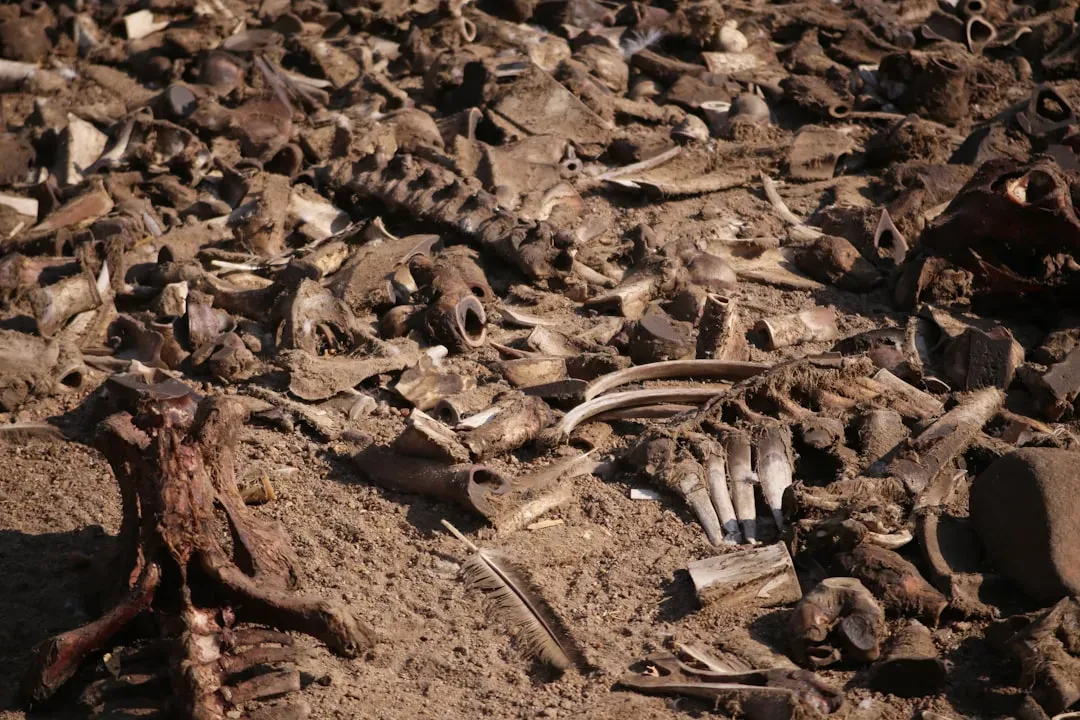
Earth has wiped out the majority of its species multiple times in its history, and the exact trigger behind the worst of these events is still argued over by paleontologists today.
The largest known extinction, often nicknamed the “Great Dying,” eliminated a staggering share of marine and land species in a geologically short window. Candidate explanations include massive volcanic eruptions releasing climate-altering gases, asteroid impacts, runaway ocean acidification, and cascading feedback loops that fed on each other once triggered.
The frustrating part is that evidence supports several of these factors happening around the same time, which makes isolating a single “smoking gun” nearly impossible. Many researchers now suspect it wasn’t one cause but a chain reaction – meaning the next mass extinction might not need a dramatic single trigger either. That’s an uncomfortable thought most people don’t want to sit with. Which brings us to the mystery even scientists can’t discuss without turning philosophical.
#2 – Why You Experience Anything At All

This is the mystery that turns biologists into philosophers, and philosophers into biologists.
David Chalmers drew a distinction between the “easy” problems of consciousness and what he memorably dubbed the hard problem – the problem of subjective experience itself. Neuroscience can map exactly which neurons fire when you see red, feel pain, or recognize a face. What it cannot explain is why any of that firing is accompanied by a felt experience at all, rather than happening in the dark, like a machine with no inner life.
The hard problem requires explaining why activity in these mechanisms is accompanied by any subjective feeling at all – why there is something it is like for you to be you, while there’s nothing it’s like for a rock to be a rock.
The fact that an organism has conscious experience at all means, basically, that there is something it is like to be that organism.
Thomas Nagel
Decades of brain-scanning technology have identified correlations with consciousness – but correlation was never the same as explanation. Some scientists insist this gap will close with better tools. Others suspect it never will. Which leads to the deepest question of all – whether any of this had to happen.
#1 – Whether Life on Earth Was Inevitable or a Fluke
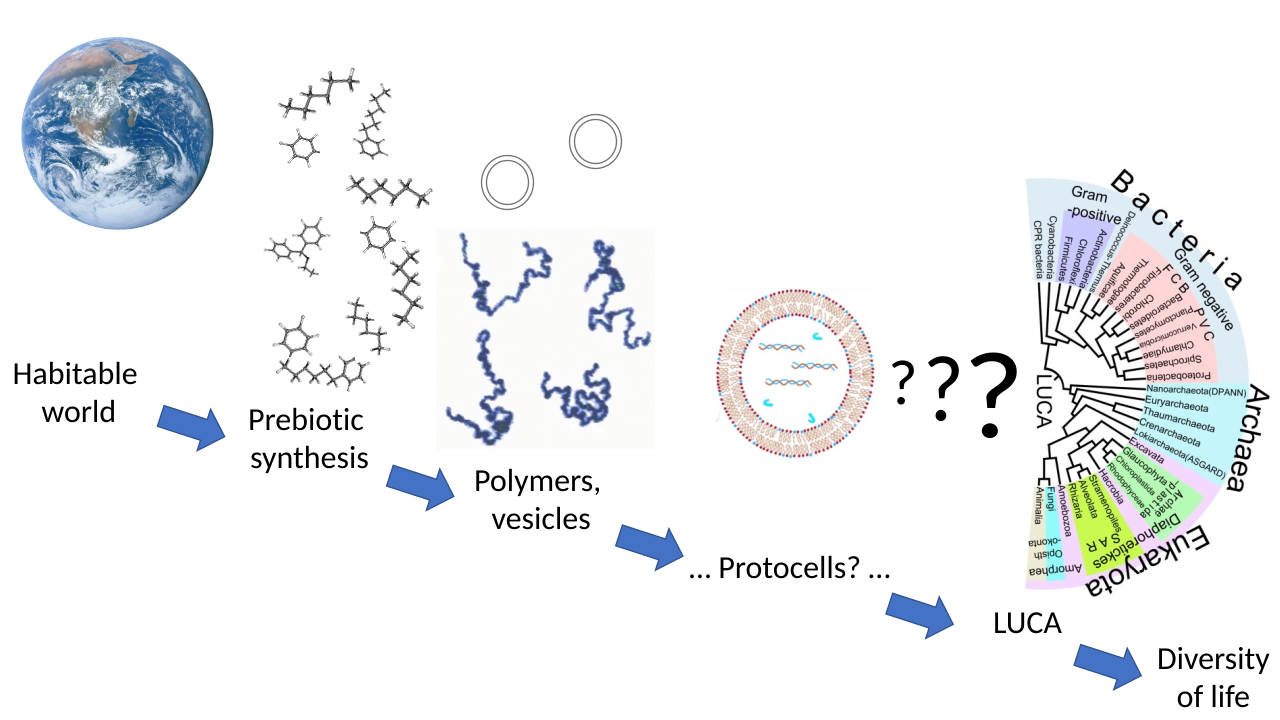
Every mystery on this list assumes life exists to be studied in the first place. Scientists still can’t agree on whether that was ever likely.
Some physicists argue that the occurrence of life is a matter of inevitability, and they have formulas built on established physics to support the claim – that matter driven by an external energy source will generally develop into increasingly efficient, life-like systems. If true, life should be common throughout the universe, popping up anywhere conditions allow.
But a competing camp isn’t convinced. The evidence remains compatible with the alternative hypothesis: that life is extraordinarily rare in the universe, perhaps even only on Earth, and that we observe early abiogenesis simply due to chance. Two respected scientific camps look at identical data and reach opposite conclusions about our own existence. That’s not a footnote – that’s the biggest unresolved question biology has ever produced, and it sits quietly underneath every other item on this list.
At a Glance: Two Camps, One Question
- Inevitability camp: Physics-based models suggest energy-driven systems naturally push toward life-like complexity.
- Rarity camp: Life may be an extraordinarily unlikely event, possibly unique to Earth.
- Both sides examine the same evidence yet land on opposite conclusions about our existence.
The Bottom Line

Here’s the uncomfortable truth: biology isn’t a finished textbook – it’s a working document full of red ink. We still don’t know how life started, why we sleep, why we age, or why you’re conscious enough to read this sentence.
Every “settled science” claim on this list has at least one serious researcher arguing the opposite position, often in a peer-reviewed journal. That’s not a failure of science – it’s honesty most headlines refuse to print.
The mistake isn’t that scientists don’t have answers; it’s that we assumed they already did. Which of these fifteen mysteries surprised you the most? Did we miss one that keeps researchers up at night? Drop it in the comments.