
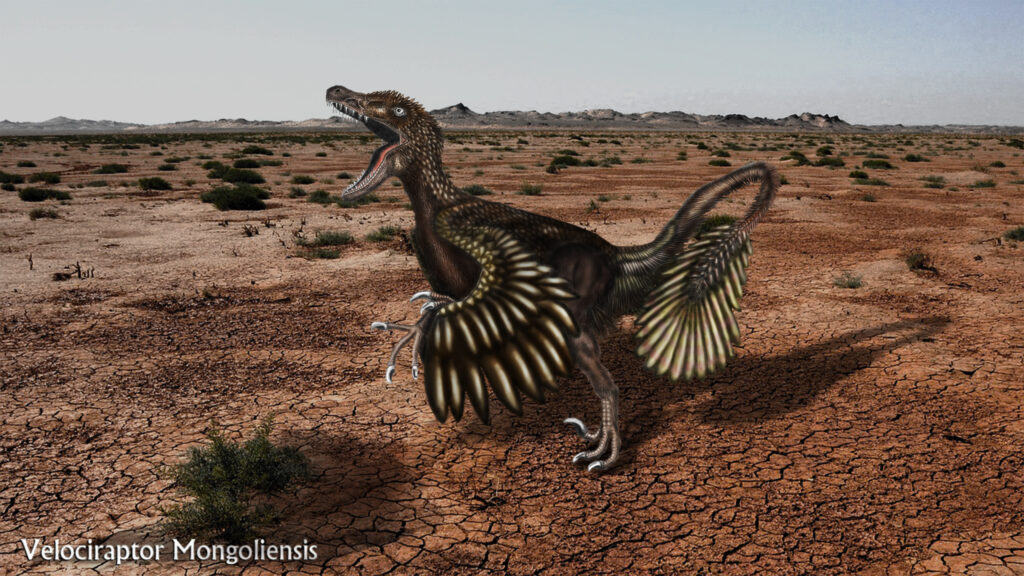
You’ve been lied to, and the lie has fangs. Almost every dinosaur that made you grip the armrest in a theater was quietly rebuilt behind the scenes: stretched taller, given weapons it never had, stripped of feathers, dubbed with a monster’s roar it never could have made. The real animals underneath those scenes were often smaller, gentler, and far stranger than anything a screenwriter dreamed up.
Paleontologists have spent decades trying to correct the record, fossil by fossil, and the gap between the movie poster and the actual skeleton keeps getting more absurd. Some of these creatures were closer to oversized birds than killing machines. By the time you reach the smallest name on this list, you’ll wonder how it ever ended up terrifying anyone.
#12 – Compsognathus: The “Deadly Pack Hunter” That Was Barely Bigger Than a Chicken
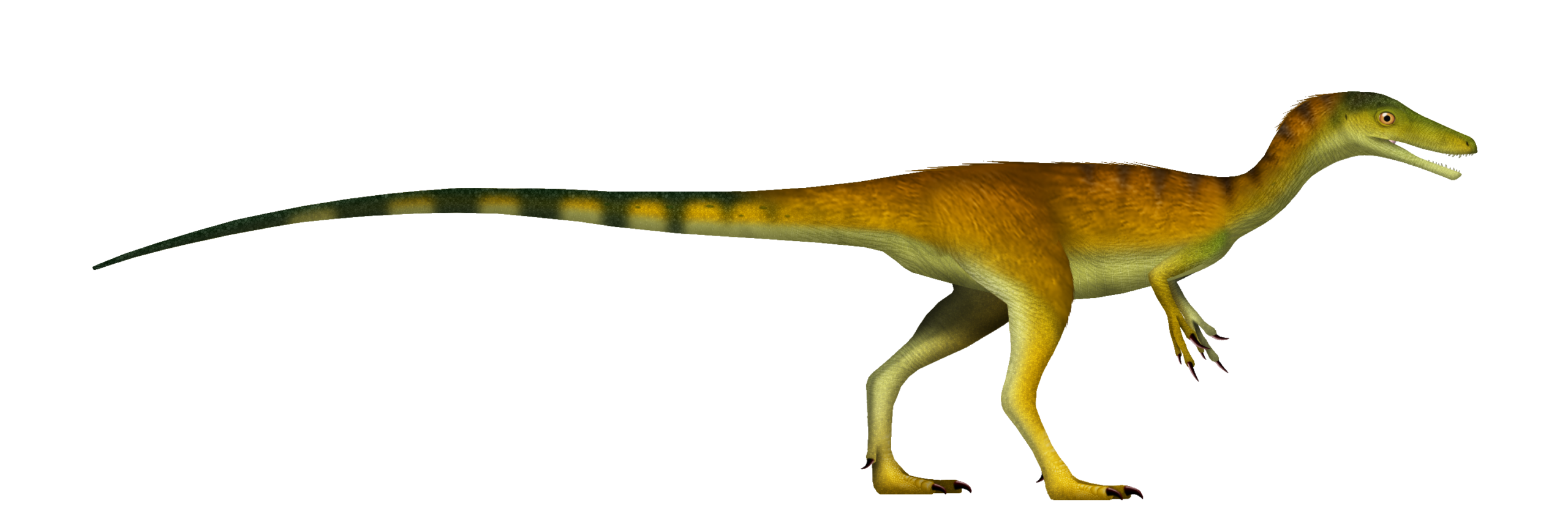
Compsognathus shows up in the Jurassic Park sequels as a swarming, venomous nightmare that overwhelms victims in packs. The real animal barely had the mass to threaten a house cat.
Fossil specimens show it was small and lightly built, roughly chicken-to-turkey sized, and likely hunted lizards and insects rather than anything with a pulse worth worrying about. There’s no fossil evidence of venom glands or coordinated pack-hunting in this species specifically; that part was invented purely for cinematic tension. The real Compsognathus probably spent more time hiding from bigger predators than terrorizing anyone. Its “swarm attack” reputation is almost entirely a Hollywood invention bolted onto a modest, fast little scavenger.
#11 – Pteranodon: The “People-Snatching” Flyer That Only Wanted Fish

Pteranodon isn’t even technically a dinosaur, and the movies’ favorite trick of having it snatch adult humans out of boats and off cliffs ignores everything its skeleton was built for.
Its long, toothless beak was shaped for scooping fish out of open water, not gripping and lifting struggling prey many times its own body weight. Like most pterosaurs, its frame was built for lightweight, efficient soaring, not brute-force combat. Carrying an adult human any real distance would likely have been physically impossible for its body. Most researchers view Pteranodon as a coastal fisher, closer in behavior to a giant seabird than a predator with any interest in land mammals, which makes it arguably the most misrepresented flying creature in cinema.
Fast Facts
- Wingspan: adult males reached up to 23 feet (7 meters) tip to tip
- Not a dinosaur at all – it’s a pterosaur, a separate group of flying reptiles
- Diet: fish and scavenged carrion, scooped from the surface of ancient seas
- Home turf: the Western Interior Seaway that once split North America in two
- Fossil record: over 1,200 specimens recovered, most from the Kansas chalk beds
#10 – Ankylosaurus: The “Battering Ram” That Only Fought in Self-Defense
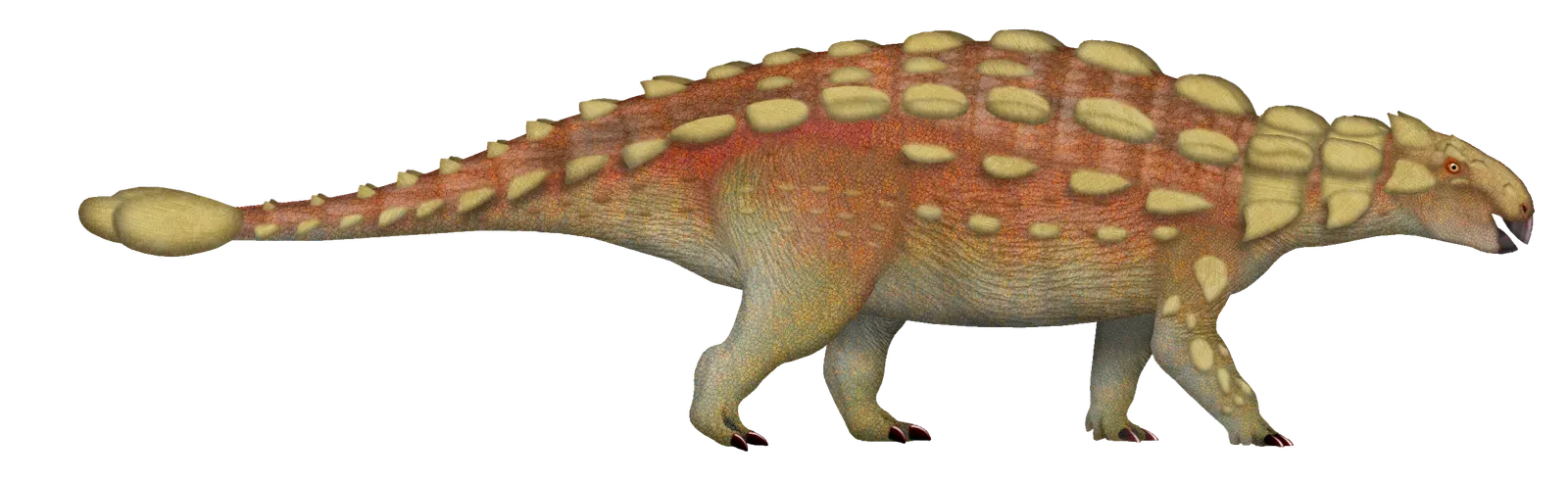
Ankylosaurus gets cast as an aggressive, tank-like brawler in recent Jurassic World films, charging enemies like a heavily armored linebacker. That framing flips its actual biology backward.
The tail club was almost certainly a defensive weapon, evolved to break the legs or jaws of an attacking Tyrannosaurus rather than to start a fight. Ankylosaurus was a slow-moving herbivore covered in bony plates, built for survival through passive armor rather than active aggression. It likely spent most of its life grazing low vegetation and simply hunkering down when trouble showed up. Turning a defensive tank into an offensive weapon makes for a great action scene, but it inverts the entire evolutionary logic of the animal.
#9 – Parasaurolophus: The “Roaring Monster” That Was Actually a Gentle Grazer
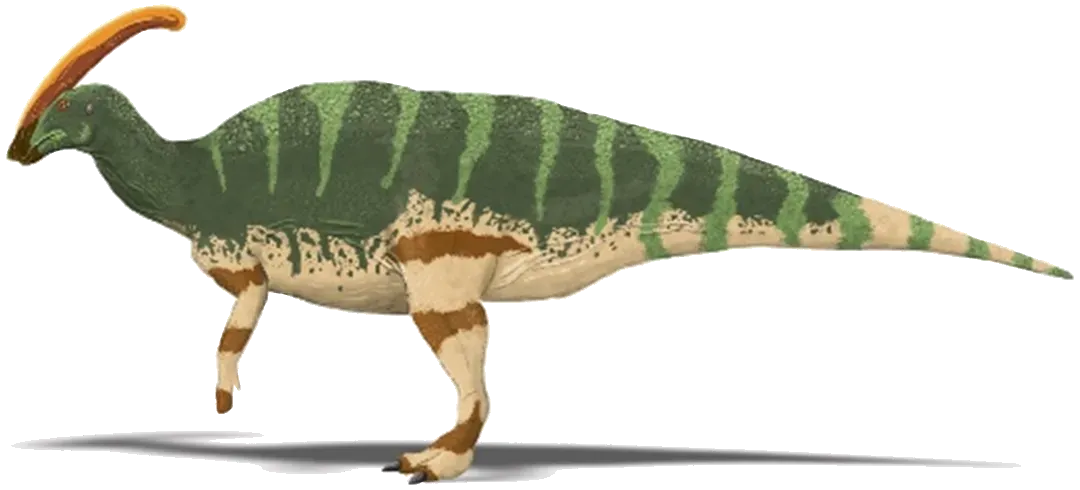
Parasaurolophus is famous for its long, curved head crest, which movies love to pair with bone-chilling roars. The crest almost certainly existed for reasons far less dramatic than intimidation.
Most researchers believe the hollow crest worked as a resonating chamber for social calls, functioning like a natural trombone that let herd members find each other across distances. It was a large, plant-eating hadrosaur with a duck-like beak built for stripping vegetation, not a predator’s jaw. The deep, ominous “roars” heard in movies are almost entirely artistic invention layered over what may have sounded more like a foghorn than a monster. Parasaurolophus likely lived in herds, prioritizing group safety over confrontation.
#8 – Gallimimus: The “Stampeding Threat” That Was Just Trying to Escape
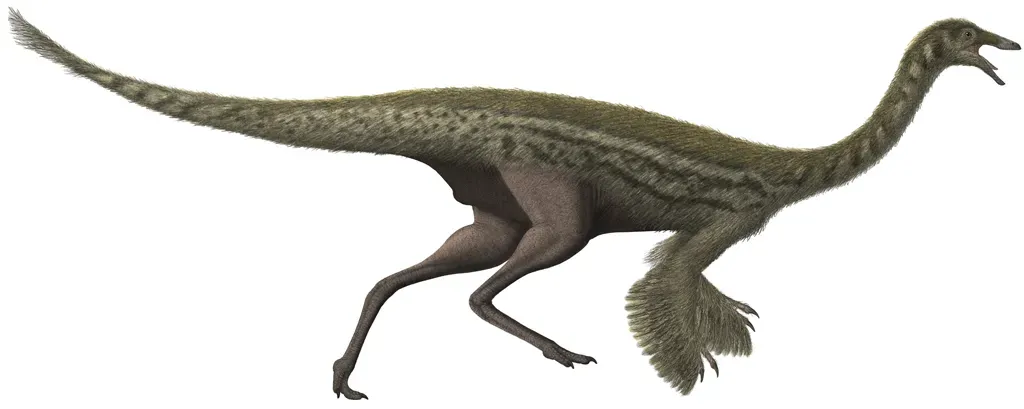
Gallimimus appears in Jurassic Park as part of a terrifying stampede sequence, but its role in that scene says more about it being prey than predator.
This ostrich-like dinosaur had a lightweight frame, long legs, and a small toothless beak built for speed and foraging, not combat. Its entire evolutionary strategy revolved around outrunning threats rather than creating them, which makes it one of the least dangerous large dinosaurs to ever walk the planet. Gallimimus was likely an omnivore, snapping up small animals, eggs, or plant material rather than hunting anything dangerous. Oddly enough, the film actually got this one closer to right than most, showing Gallimimus fleeing rather than attacking, a rare case of Hollywood accidentally respecting the science.
#7 – Triceratops: The “Ferocious Charger” That Preferred to Be Left Alone
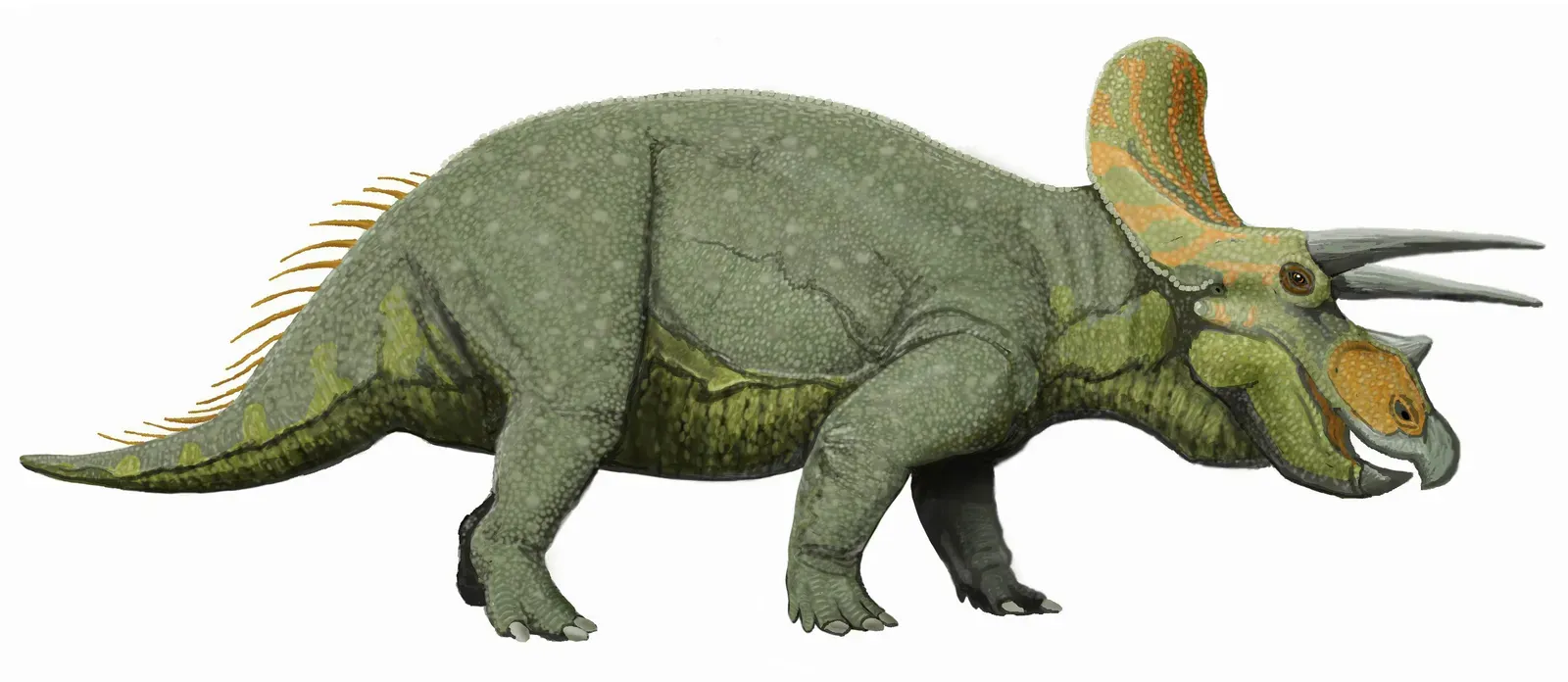
Triceratops often gets portrayed as a short-tempered brute ready to gore anything that moves, but most evidence suggests this animal was a defensive herbivore, not an aggressor.
Its massive frill and horns were likely used primarily for species recognition, display, and defense against predators like Tyrannosaurus, not for randomly charging vehicles or humans. Bone injury patterns do suggest Triceratops individuals sometimes fought each other, probably over territory or mates, similar to modern rhinos or bison. Unless directly threatened, there’s little reason to think Triceratops behaved like an unpredictable battering ram. Many paleontologists argue it’s been unfairly rebranded as an angry monster when it was fundamentally a grazing animal just trying to survive.
#6 – Mosasaurus: The “Sea Monster” That Movies Supersized Beyond Belief
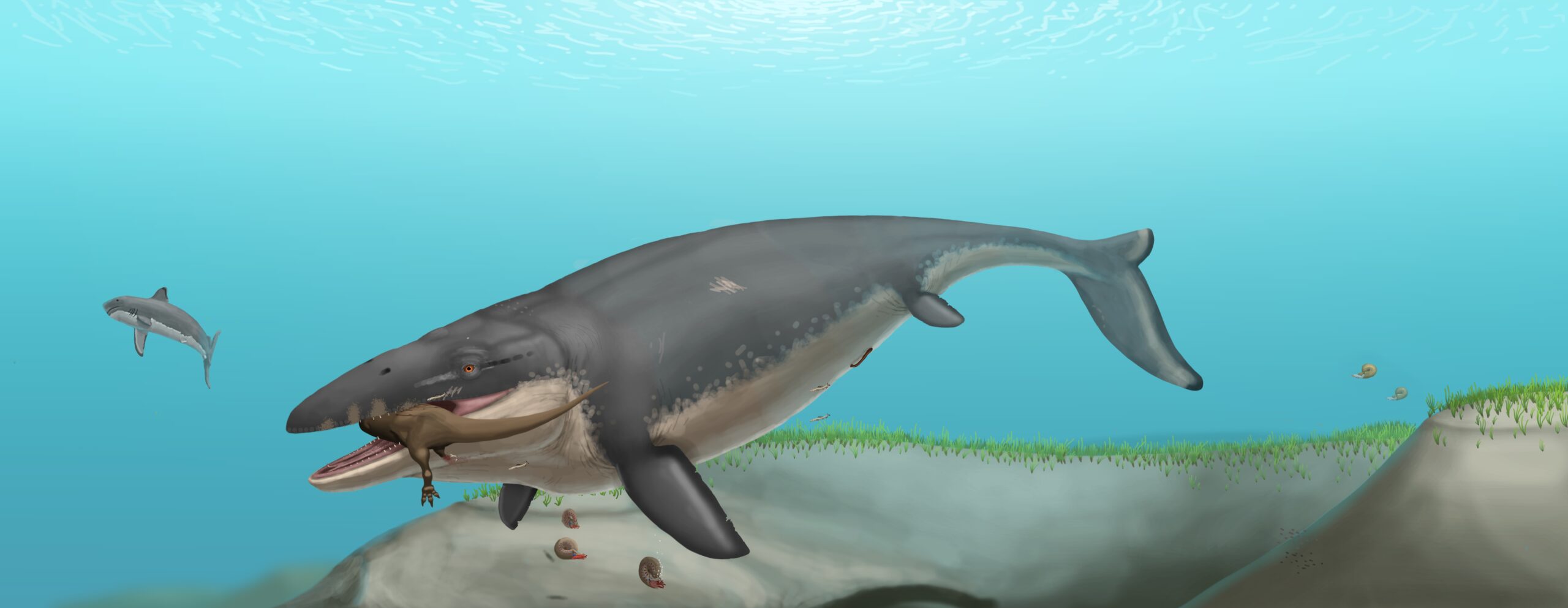
Mosasaurus became a viral sensation after Jurassic World showed it leaping out of a lagoon to swallow a shark whole, but that scene massively distorts the animal’s real proportions and behavior.
Mosasaurus was genuinely large and a formidable marine predator, but film depictions routinely exaggerate its length and jumping ability far beyond what’s biomechanically plausible for a marine reptile. It primarily hunted fish, ammonites, and smaller marine reptiles using powerful jaws and a streamlined body built for sustained swimming, not launching vertically out of the water like a breaching whale. The dramatic full-body breach seen in movies isn’t something its body was mechanically built for. Mosasaurus was already an apex predator without the theatrics; “monster that leaps twenty feet into the air” is Hollywood exaggeration stacked on top of already impressive biology.
At a Glance
- Length: the largest individuals are commonly estimated near 50 feet, roughly bus-sized
- Diet: fish, ammonites, seabirds, and even smaller marine reptiles
- Closest living relatives: monitor lizards and snakes, not sharks or whales
- Extinction: vanished along with the non-avian dinosaurs around 66 million years ago
#5 – Brachiosaurus: The “Towering Threat” That Was Just a Gentle Giant
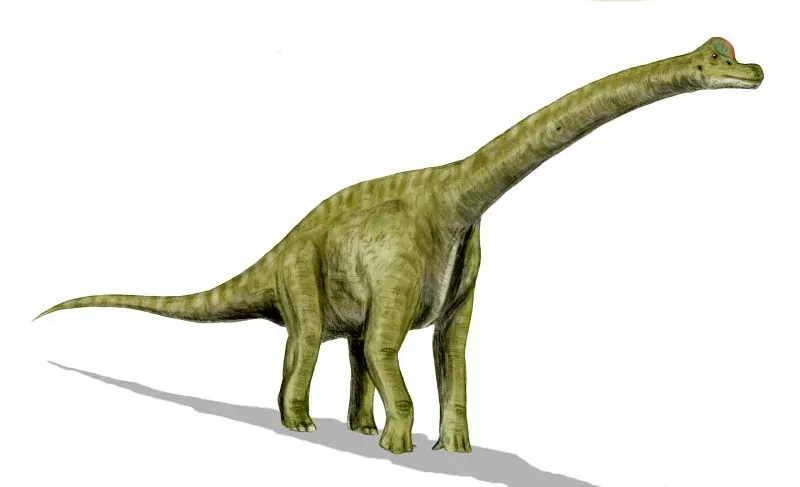
Brachiosaurus gets awe-inspiring establishing shots in every Jurassic film, but despite its massive size, this animal posed almost zero threat to anything except low-hanging trees.
As a sauropod, Brachiosaurus was a herbivore built for reaching high foliage with its long neck, spending most of its life slowly working through enormous quantities of plant material. Its size alone made it intimidating, but there’s no evidence it was aggressive; slow-moving giants like this typically relied on sheer scale and herd behavior to avoid predators rather than confrontation. A creature that large simply didn’t need to fight, since almost nothing could threaten a full-grown adult anyway. Brachiosaurus is one of the least “monster-like” dinosaurs ever put on screen, precisely because its real danger level was closer to a giraffe than a predator.
#4 – Pachycephalosaurus: The “Skull-Crushing Weapon” Scientists Still Argue About
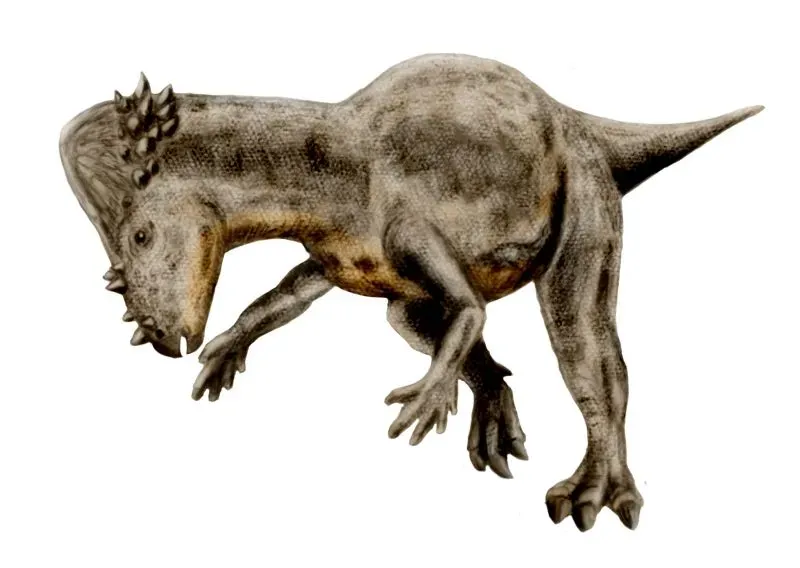
Pachycephalosaurus smashes through a car in The Lost World using its thick, dome-shaped skull like a wrecking ball, but the science behind that dome is far messier and less violent than the scene suggests.
For years, researchers debated whether dome-headed dinosaurs evolved thick skulls to engage in head-butting contests, the way sheep and antelope do today. Some scientists argued the dome’s internal structure couldn’t have survived direct head-to-head impacts, proposing display or species recognition instead. A study from researchers at the University of Wisconsin and Yale University found that small, herbivorous, dome-headed dinosaurs likely did use their domes to fight for territory or mates, though others still favor the sexual-selection theory over actual combat. Even now, scientists remain divided on whether Pachycephalosaurus was smashing skulls or simply showing off. Either way, ramming a moving vehicle was never on the table.
Worth Knowing
- The dome could reach nearly 10 inches (25 cm) thick in the largest adults
- Full body length is estimated around 15 feet, though most fossils are just skull fragments
- Lived in western North America between roughly 70 and 66 million years ago
- Shared its world with Triceratops and Tyrannosaurus in the Hell Creek Formation
#3 – Spinosaurus: The “T. Rex Killer” That Was Actually a Fisherman
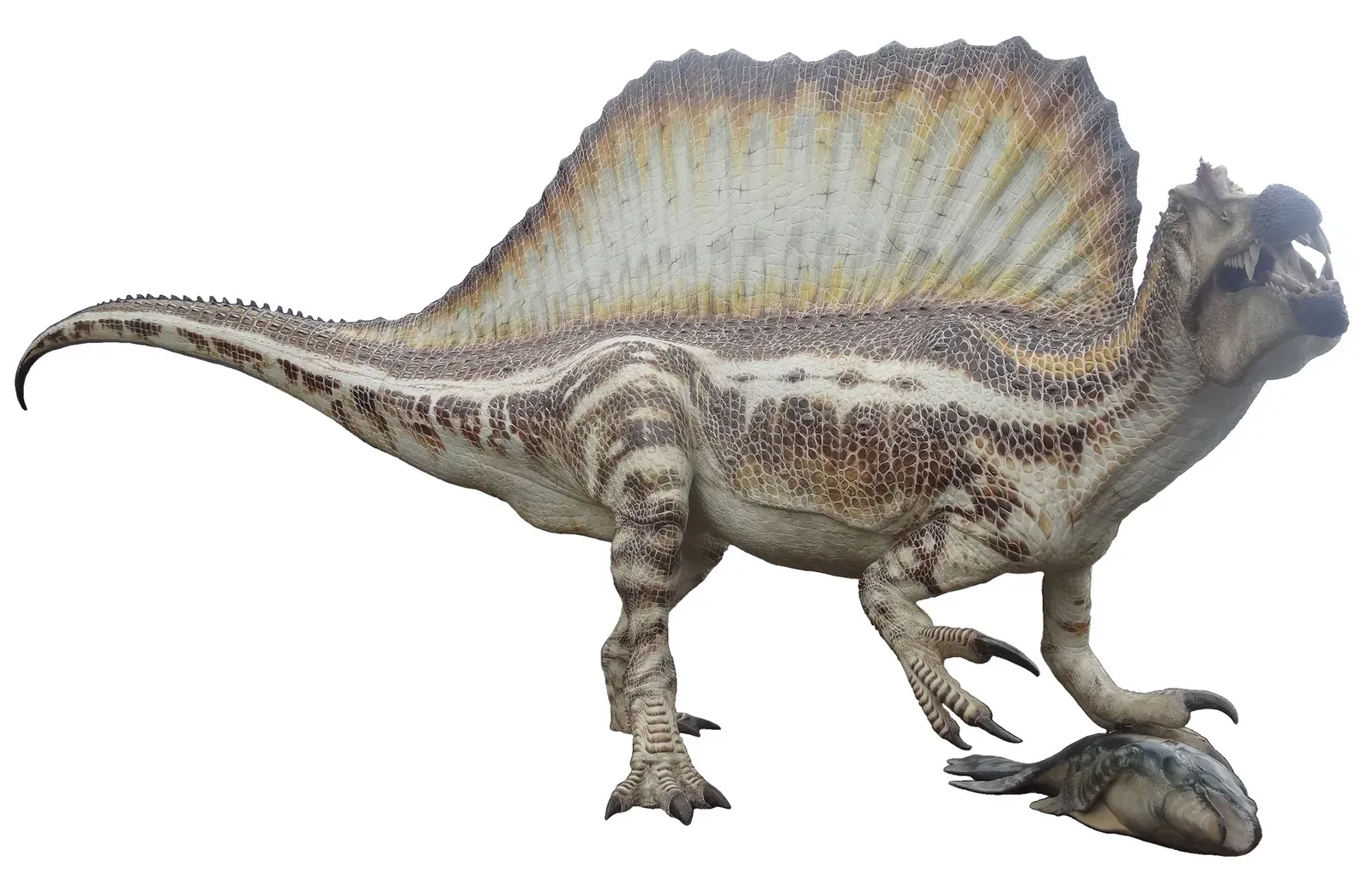
Spinosaurus went viral for supposedly out-muscling a Tyrannosaurus in Jurassic Park III, but modern fossil evidence paints a completely different picture of what this animal actually did for a living.
A wealth of fossil discoveries now points to Spinosaurus as a highly specialized semi-aquatic predator, with fish making up a significant, possibly primary, part of its diet. Its skull tells the real story: instead of the deep, robust skull built for bone-crushing bites, Spinosaurus had an elongated, low, surprisingly narrow snout strongly resembling a crocodile’s, built for quick snapping strikes rather than raw bite force. This wasn’t a jungle-brawling monster; it was built like a giant heron with teeth. Spinosaurus almost certainly avoided head-on conflict with land predators whenever possible, since its entire anatomy was optimized for wading and snatching slippery prey, not wrestling apex carnivores on dry ground.
#2 – Dilophosaurus: The “Venom-Spitting Killer” That Never Spat Anything
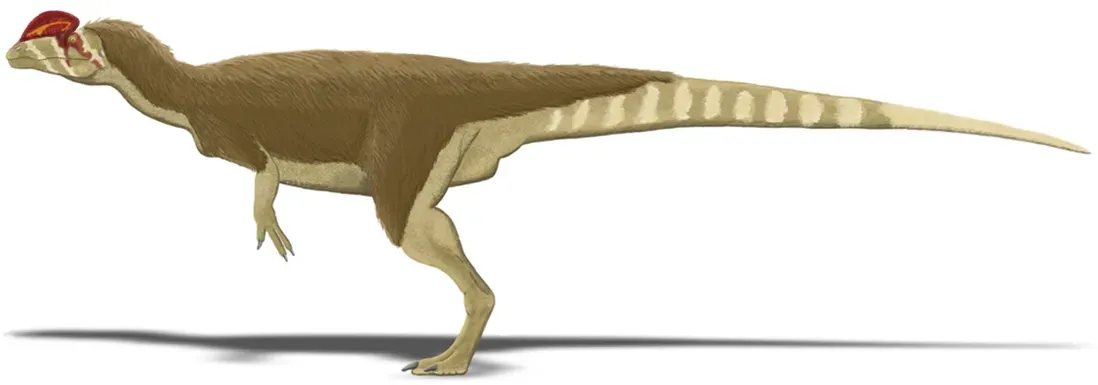
Dilophosaurus delivers one of the most memorable death scenes in movie history, complete with an expandable neck frill and blinding venom, yet almost none of that scene reflects real biology.
There’s no evidence the real Dilophosaurus carried poison or venom, or had a movable neck frill; its distinctive head crests were more likely used for display or thermoregulation. Even stranger, the film shrank this animal dramatically for effect: the real Dilophosaurus weighed roughly 880 pounds, about the same as a modern polar bear, and probably looked more like the film’s Velociraptors than its own movie counterpart. The genuinely dangerous version of this animal was nearly triple the size of its movie version, minus the theatrical venom spray. Scientists now generally view it as a large-bodied predator or scavenger that relied on size and jaw strength, not chemical warfare, making its Hollywood makeover almost a complete fabrication.
#1 – Velociraptor: The “Human-Sized Killer” That Was Really a Feathered Turkey
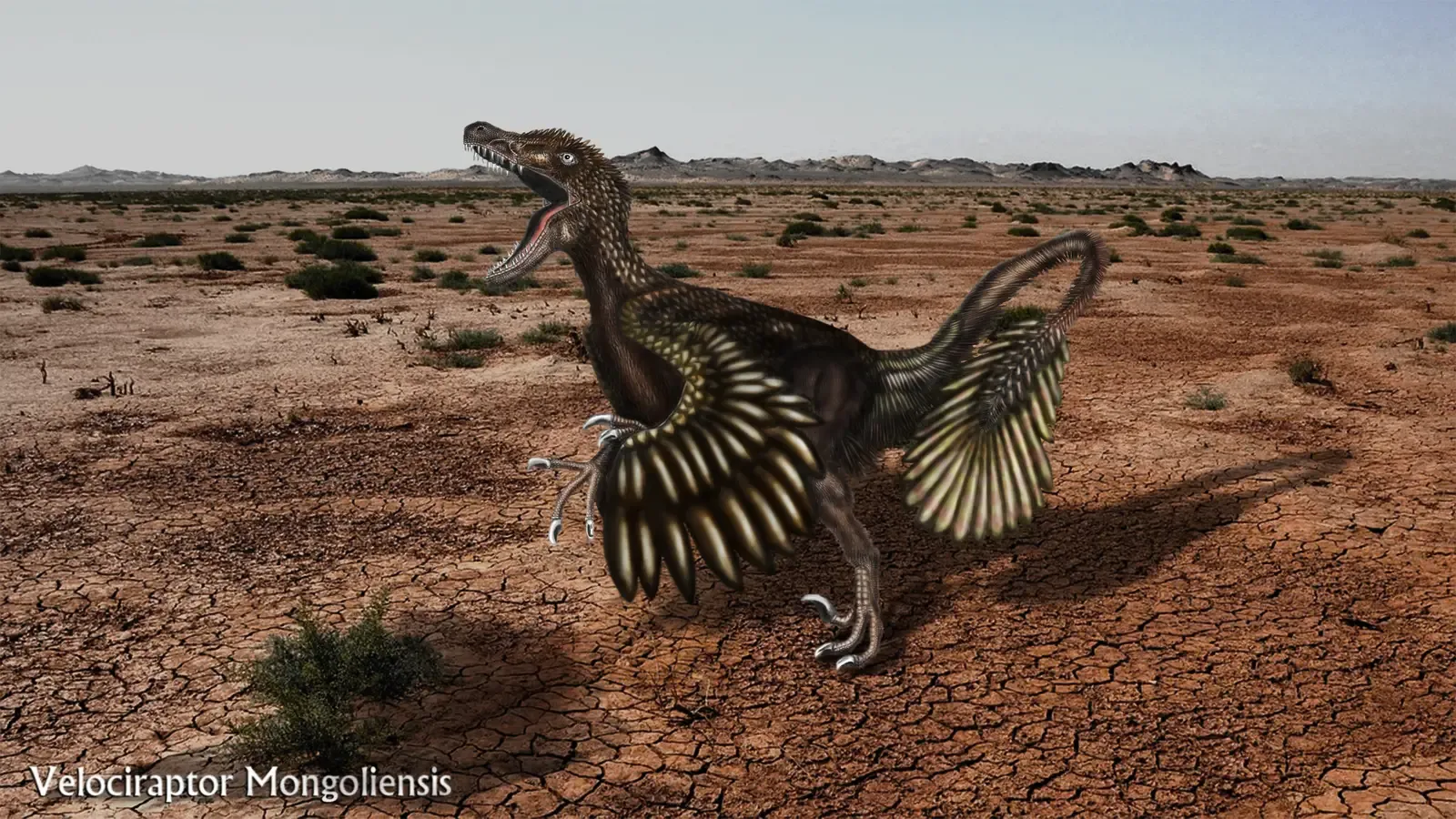
No dinosaur has been more thoroughly transformed by Hollywood than Velociraptor, and the gap between the movie version and the real animal is almost comedic once you line up the numbers.
The real Velociraptor measured around two meters long, half a meter tall, and weighed roughly 7 kilograms, which is about half the size of the creatures stalking the kitchen in Jurassic Park. It also wore a light coat of feathers, making it look closer to an aggressive turkey than the scaly reptile audiences picture.
Quick Compare
- Movie “raptor”: roughly 6 feet tall, human-sized, scaly, hunts in coordinated packs
- Real Velociraptor: about 2 meters long, half a meter tall, roughly 7 kg, covered in feathers
- Deinonychus (the true inspiration): roughly 11 feet long and well over 150 pounds, the actual animal filmmakers borrowed from
“Pound-for-pound, Velociraptor was the champion predator among the dinosaurs… just about the size of a poodle, and not one of those big poodles, but a miniature poodle.”
Steve Brusatte, paleontologist
The “raptors” audiences actually fear on screen were modeled on a completely different, larger animal called Deinonychus. Velociraptor was covered in feathers, likely hunted using speed and agility rather than brute force, and probably sounded more like rumbling squawks than the guttural roars used in film sound design. It remains the single clearest example of a real animal being reverse-engineered into a monster purely for box office impact.
The Bottom Line
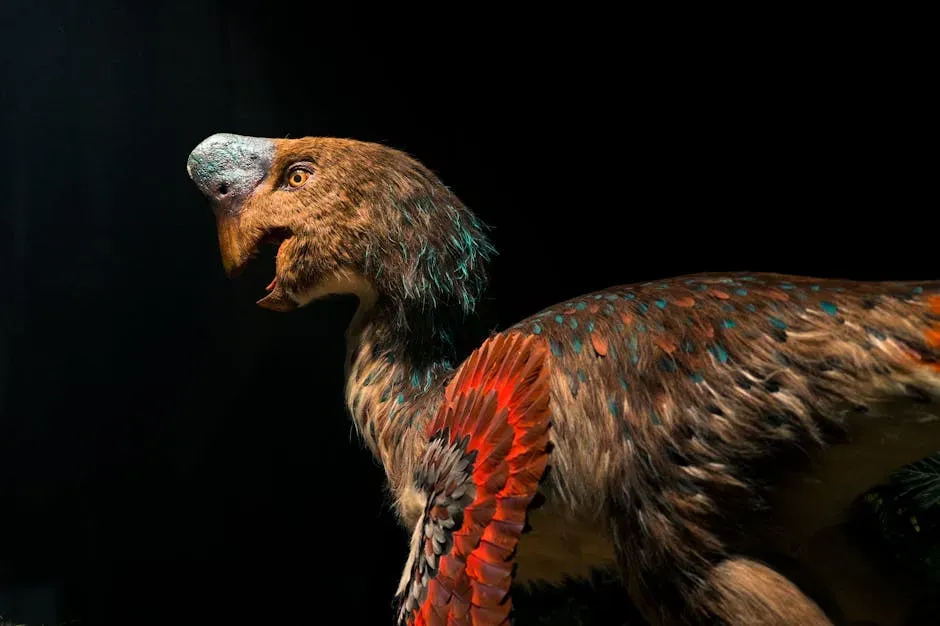
The pattern across all twelve of these dinosaurs is impossible to ignore: nearly every “monster” moment in dinosaur cinema required inflating size, inventing weapons, or erasing feathers to make the story work. Velociraptor’s turkey-sized reality and Dilophosaurus’s fabricated venom are probably the two biggest departures from actual science, while Spinosaurus and Pachycephalosaurus show how fast scientific consensus can shift once new fossils surface.
None of this makes the films less entertaining. But it does mean most audiences are walking around with a badly skewed mental picture of what these animals actually were, and honestly, the real versions deserve better press. Which one surprised you the most? Drop your pick in the comments.