
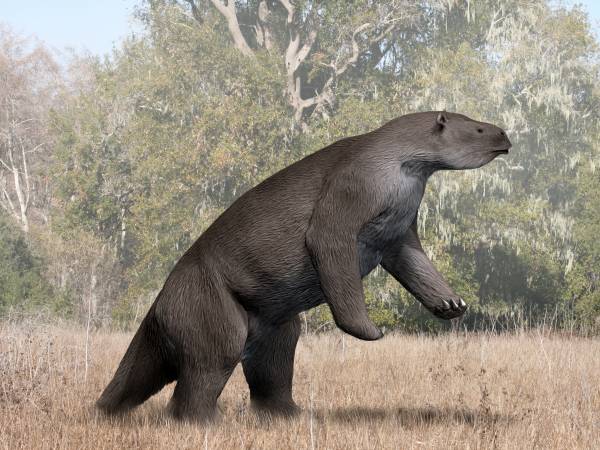
Sid the Sloth from Ice Age has spent years convincing us he’s a lovable, slightly useless goofball just trying his best. But here’s the brutal twist: his real-life ancient cousins, the giant ground sloths, were nothing like him. They were bigger, tougher, and in many ways far more impressive than that lisping chaos machine stumbling across the ice.
Once you look at the science, Sid starts to feel less like a realistic sloth and more like what you’d get if a squirrel, a stand‑up comedian, and a spaghetti noodle had a design meeting. Giant ground sloths, on the other hand, were powerhouses of the Ice Age. These are the facts that would absolutely wreck Sid’s self‑esteem if he ever had to sit through a nature documentary about his own family tree.
1. Real giant ground sloths were absolutely enormous, not pocket-sized pushovers
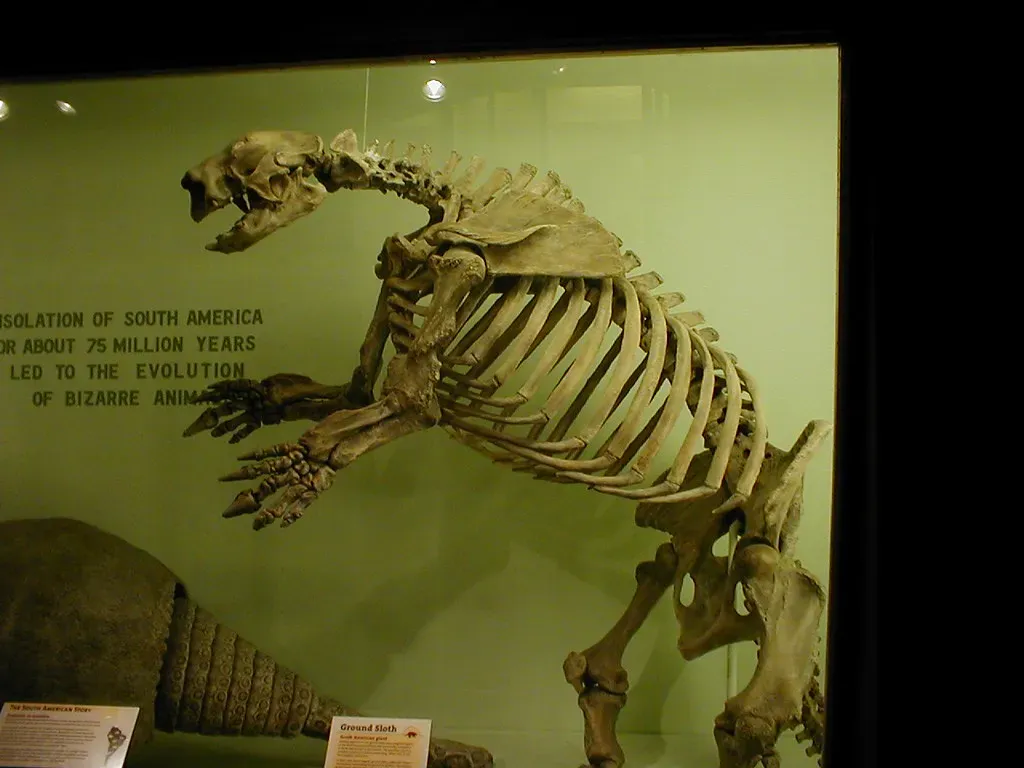
Sid looks like something you could scoop up under one arm and carry out of danger, but many real giant ground sloths were closer to the size of a small elephant. Some species, like Megatherium, could stand well over the height of a grown human when rearing up, and their weight ran into hundreds or thousands of kilograms. Imagine Sid trying to join that family photo; he’d look like the scrawny cousin nobody believes is related.
Being that huge meant they could knock over branches, reach high foliage, and physically dominate their environment in a way Sid never could. In Ice Age, Sid is constantly running away from trouble; real giant ground sloths were more like living obstacles that other animals had to navigate around. Their bulk alone would have commanded respect instead of eye rolls.
2. They had massive, dangerous claws that were more like tools than comic props
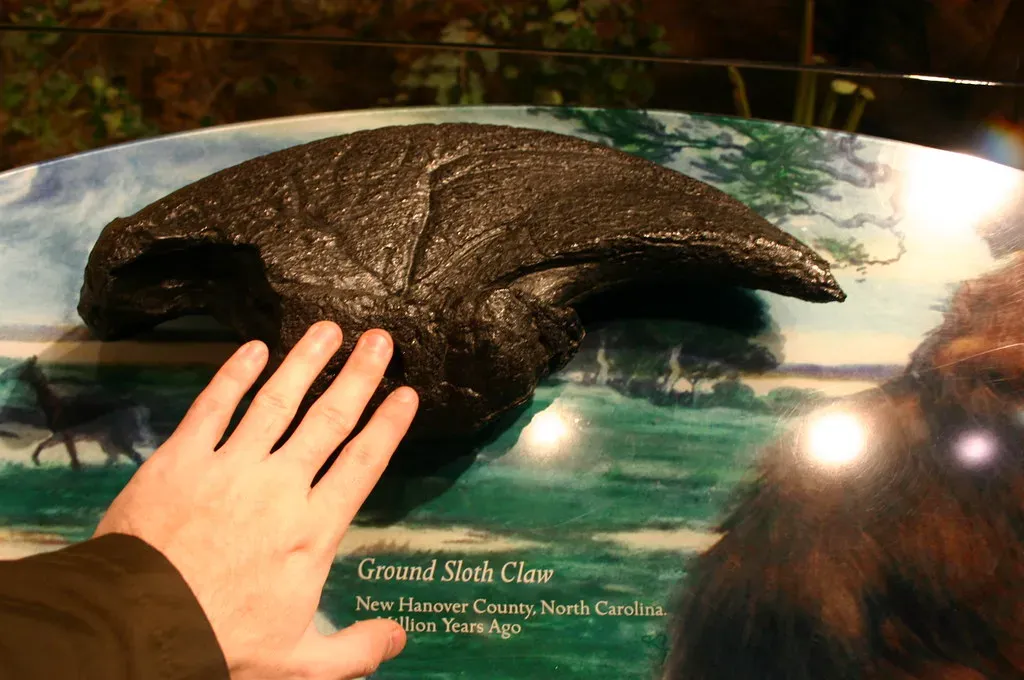
Sid’s claws mostly exist to trip him up or make him look awkward, but giant ground sloths had forelimbs tipped with long, sharp claws that were serious business. These claws could be longer than a human hand and were strongly curved, supported by powerful arm and shoulder muscles. They weren’t just decoration; they were multi‑purpose tools that shaped how the animal lived.
Scientists think those claws helped with pulling down branches, stripping leaves, maybe digging, and almost certainly defending themselves if they had to. Picture Sid flailing his arms around while his ancestors used theirs like natural grappling hooks and can‑openers combined. If Sid ever saw a fossil claw from a species like Megalonyx, there’s a good chance he’d stop calling himself a sloth out of sheer embarrassment.
3. Their skeletons show serious strength and stability, not Sid’s wobbly, rubbery physique
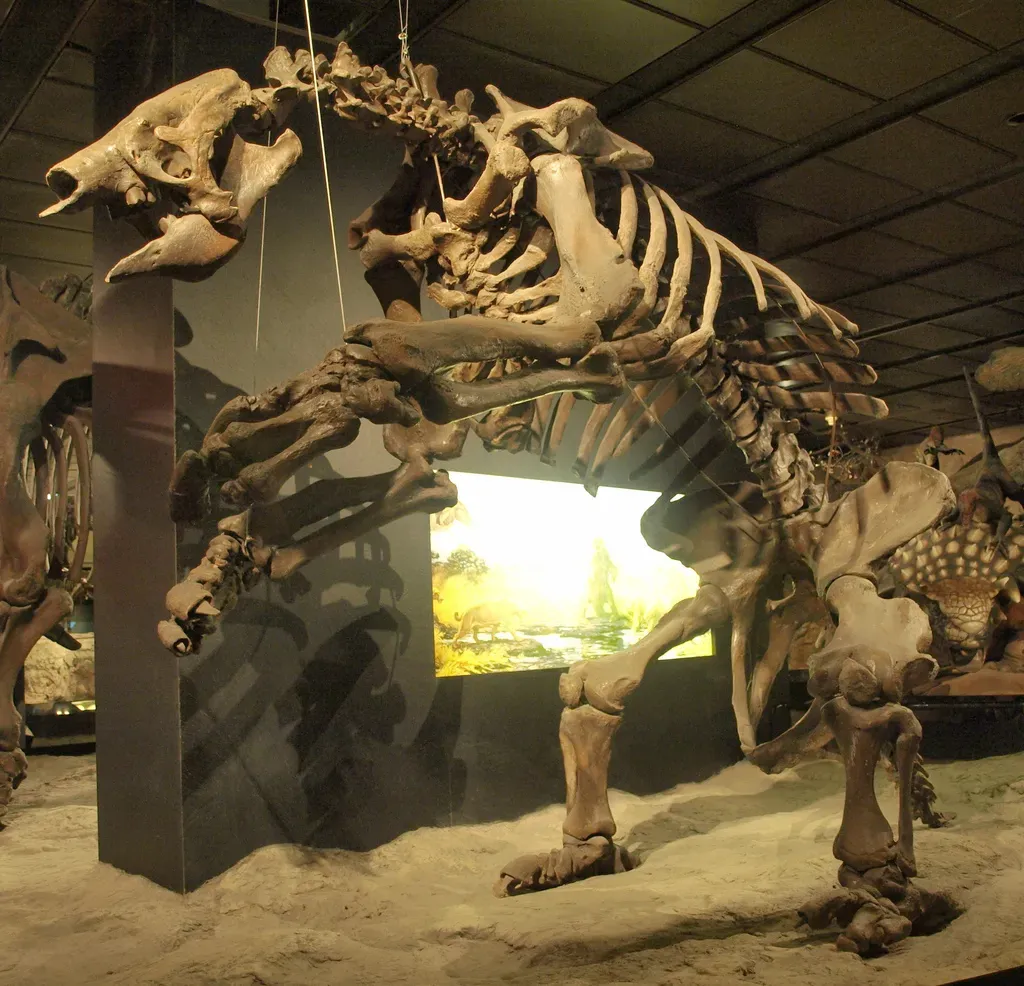
Sid moves like a pile of wet noodles with teeth, but giant ground sloth skeletons tell a totally different story. Their bones were thick, especially in the limbs and pelvis, designed to support massive body weight and handle the forces of rearing up and pulling on trees. The vertebrae and hips formed a sturdy base, more like a living crane than a clumsy cartoon character.
Some giant ground sloths even had special joint structures in the tail and spine that helped them tripod – tail plus two hind legs – to stand upright. That means they could lean back, stabilize themselves, and then use their front limbs to work on vegetation. Sid struggles to stand up without slipping; his real‑life relatives were biomechanical masterpieces of balance and leverage.
4. Many giant ground sloths could rear up and tower over predators
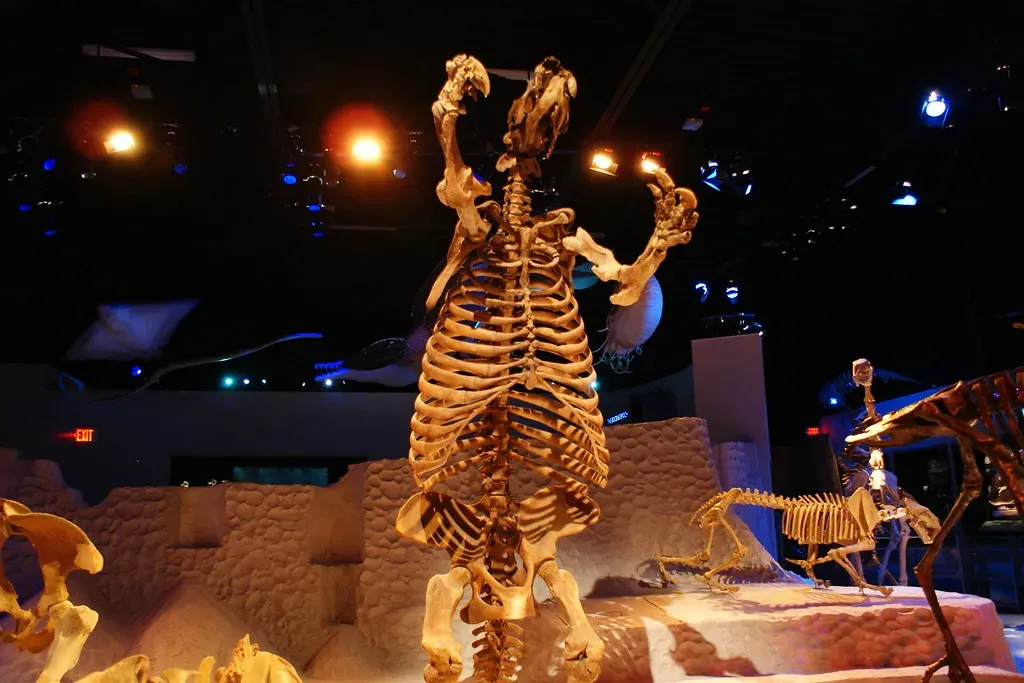
One of the wildest things about giant ground sloths is how they used their size vertically, not just horizontally. Fossil evidence suggests that some species routinely reared up on their hind legs, using their tail like a third pillar. In that position, they could reach vegetation high above what most other herbivores could access, giving them a literal and ecological upper hand.
Now imagine Sid, who can barely manage not to fall on his face when he walks, trying to pull that off. While he panics and screams when danger shows up, a reared‑up giant ground sloth would have looked imposing, claws ready, body towering. They were not the default victims of the Ice Age world; in close quarters, they could be genuinely intimidating, something Sid has never managed in his entire animated career.
5. Their skin and armor were more like natural body armor than Sid’s soft, fuzzy coat
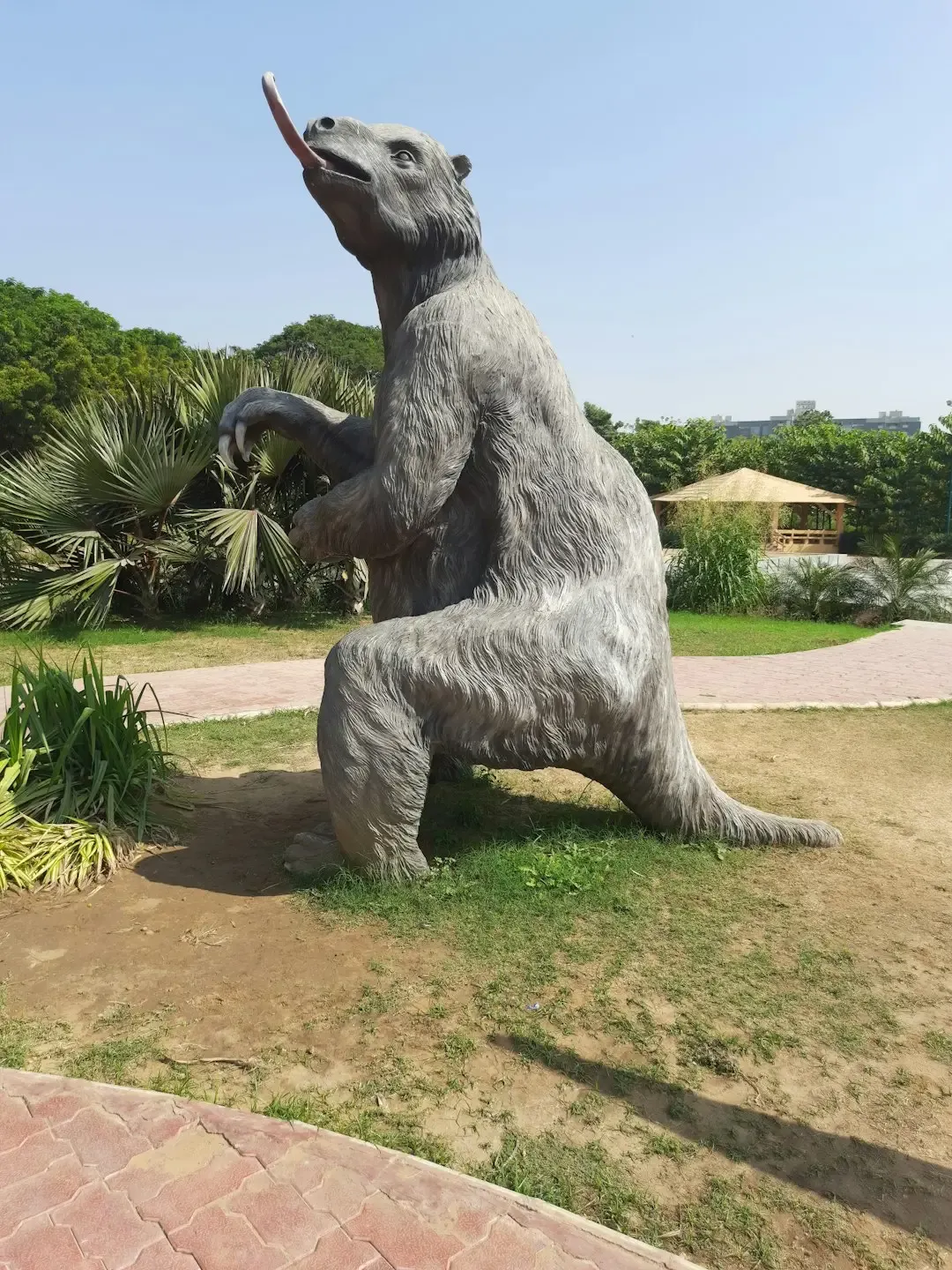
Sid looks like a walking shag carpet with zero defenses, but some giant ground sloths had tiny bony pieces embedded in their skin, called osteoderms. These little armor plates, known from certain species like Mylodon, would have given parts of their body extra protection, a bit like built‑in body armor under the fur. Even those without osteoderms likely had thick, tough skin that was hard to injure.
In nature, that kind of reinforcement matters: it can turn a potential target into something much riskier to attack. Sid, in contrast, looks like one good scratch would send him screaming for a week. If he realized that his ancient cousins walked around wearing partial armor while he shows up to life in nothing but anxiety and patchy fur, his confidence would collapse even faster than his posture.
6. They were specialized herbivores built for serious plant demolition, not chaotic snacking
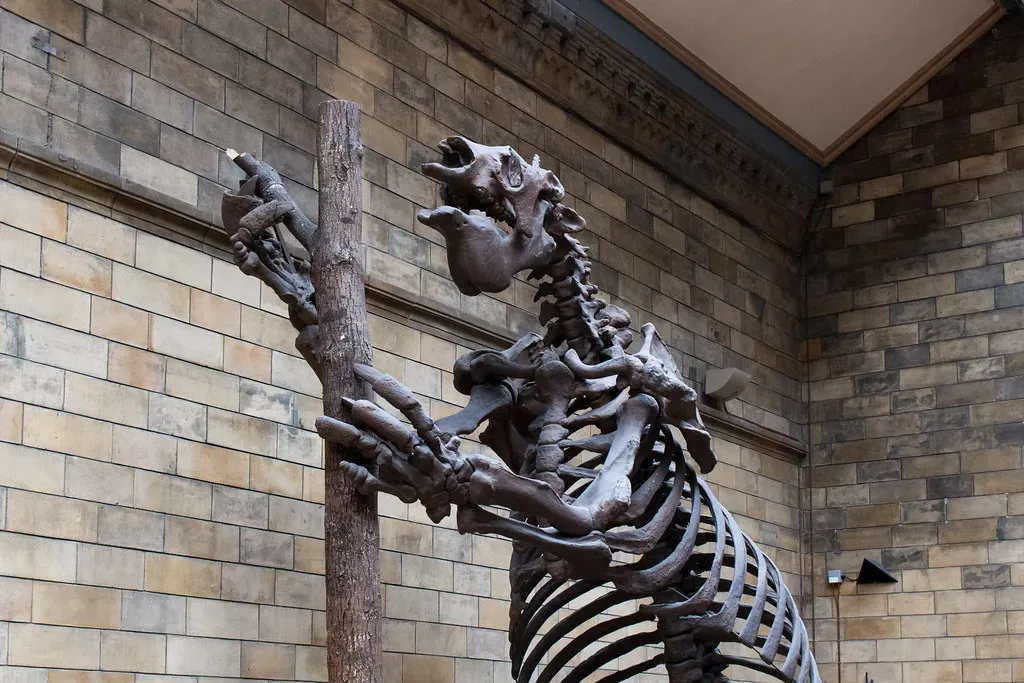
Sid eats like a bored toddler at a buffet, but giant ground sloths were highly adapted plant‑eating machines. Their teeth lacked sharp cutting edges and were more like strong, ever‑growing grinding blocks, perfect for chewing through tough leaves and branches. Their jaws and skulls supported powerful chewing muscles, built to process huge amounts of fibrous vegetation every day.
Instead of nibbling randomly, they likely played a real role in sculpting Ice Age landscapes by stripping certain plants and opening up areas for new growth. Their feeding could have shaped which trees and shrubs dominated in a region. Sid’s diet feels like chaotic snacking; his ancestors were more like industrial‑scale pruning systems, quietly remodeling entire ecosystems bite by bite.
7. Evidence suggests some were capable swimmers and long‑distance roamers
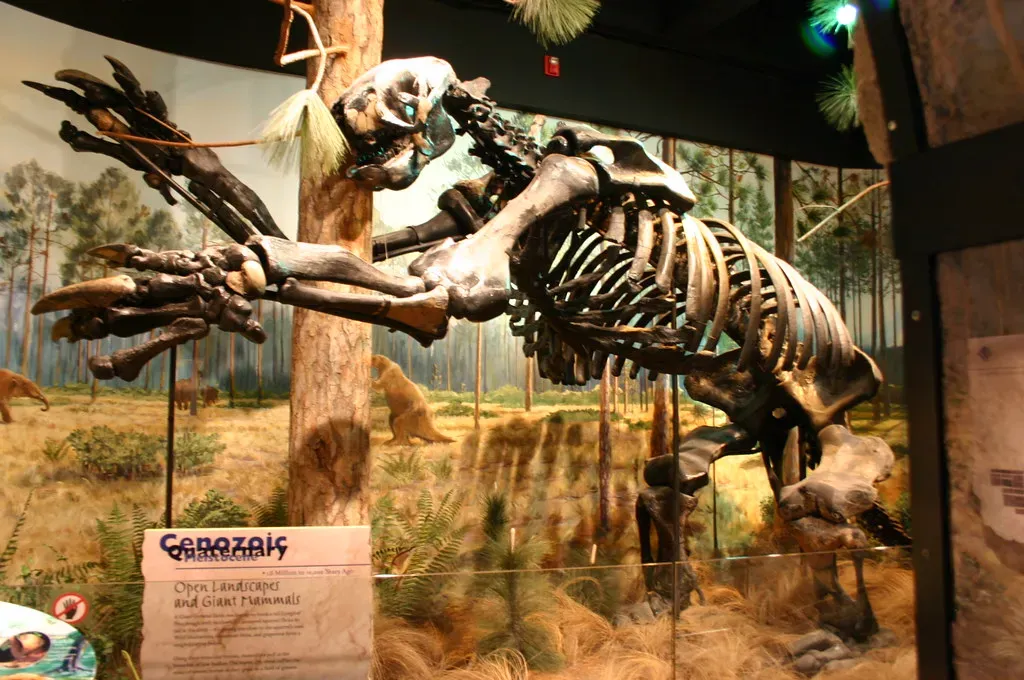
Sid spends half his time terrified of pretty much everything, including water, but at least some giant ground sloths appear to have been decent swimmers. There are fossils on islands and areas that would have required crossing water or moving through wetlands, and some studies of their limb proportions suggest they were not strangers to aquatic environments. They were not graceful dolphins, but they were far from helpless sinkers.
On land, their heavy build did not mean they were stuck in one place either. Trackways and fossil distributions show they roamed over large areas, following food and changing habitats as climates shifted. Sid behaves like a reluctant traveler dragged along by friends; his real relatives were quiet wanderers covering serious ground when the environment demanded it.
8. Their evolutionary story is long, diverse, and surprisingly successful
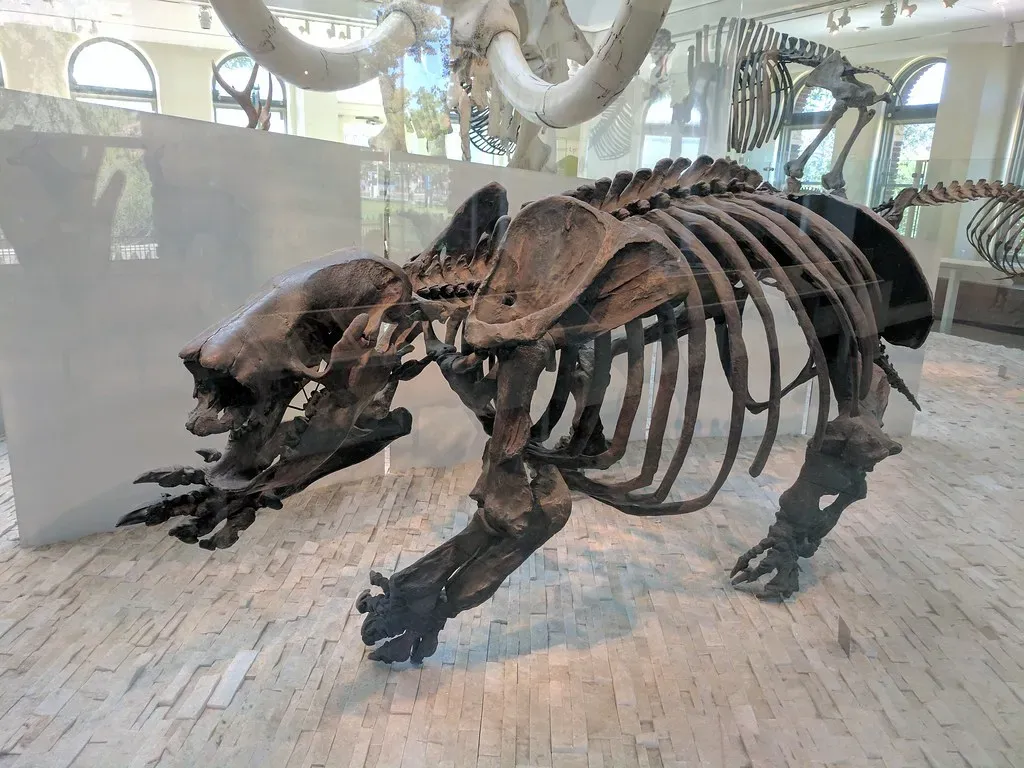
Sid acts like his whole species is one lonely misfit, but giant sloths belonged to a big, varied group called ground sloths that thrived for millions of years. There were many species, from smaller ones the size of a big dog to massive ones rivaling modern rhinos or elephants in bulk. They spread across the Americas, adapting to forests, grasslands, and mixed environments with impressive flexibility.
In evolutionary terms, that is not the life story of a loser; it is a long-running success saga. While Sid constantly stumbles into problems, the ground sloth lineage quietly survived massive climate swings, shifting continents, and changing ecosystems. If he ever read their evolutionary résumé, he might finally stop calling himself a failure and realize he is the least competent member of an otherwise impressive family.
9. They played a serious role in Ice Age ecosystems and possibly in early human cultures
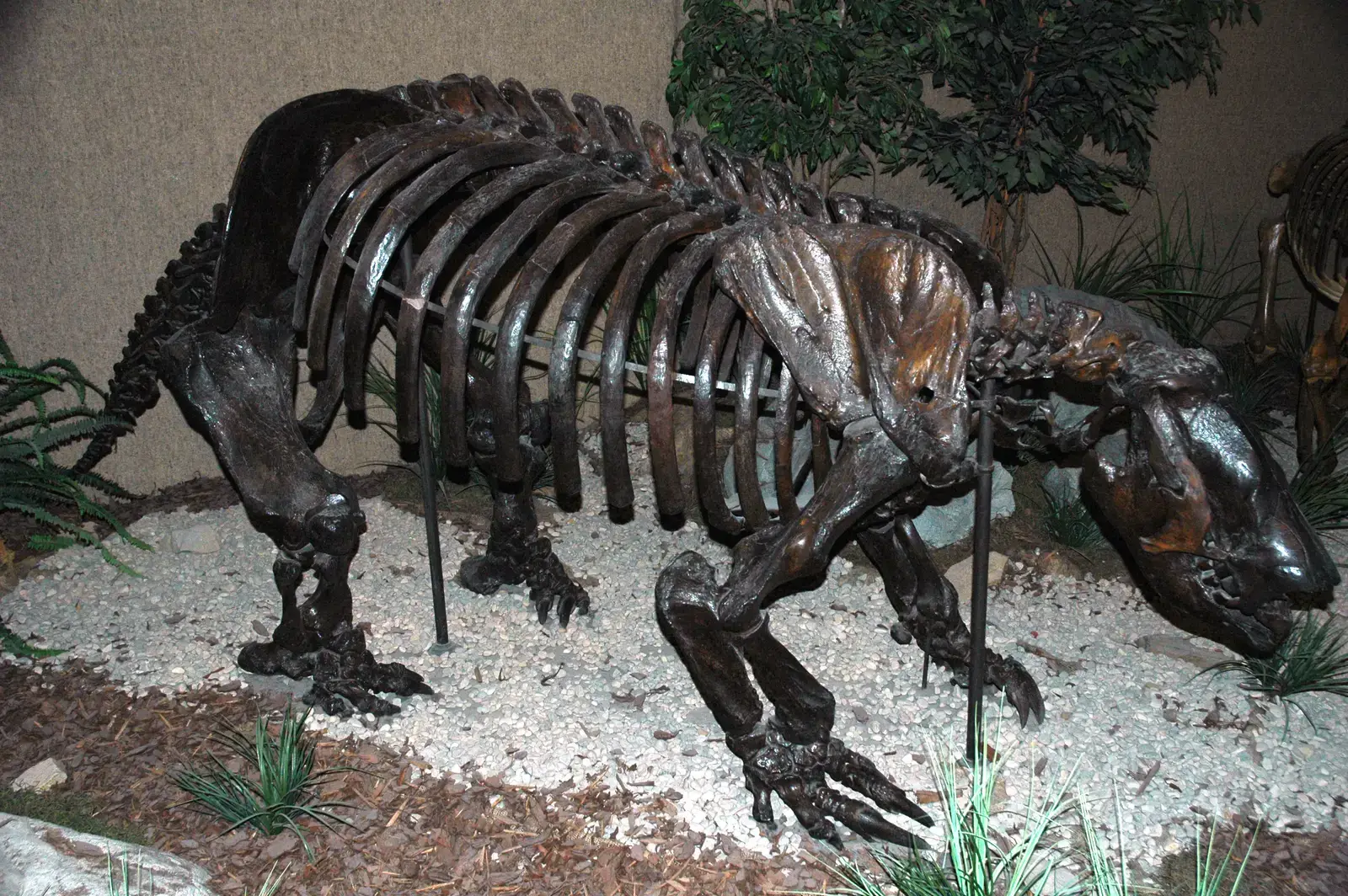
In the movies, Sid is mostly comic relief, but in reality, giant ground sloths were ecological heavyweights. By eating large amounts of vegetation and moving across different areas, they helped cycle nutrients, spread seeds, and shape plant communities. Some plants may even have evolved traits that worked well with big herbivores like them, such as fruits and foliage positioned at the right height.
There is also evidence that early humans encountered and hunted some species of giant ground sloths. In some archaeological sites, cut marks on bones and associated stone tools suggest that people used them as a source of meat, hide, and possibly tools. That means they were important enough to enter the survival strategies of our own species, which is a very different kind of relevance than Sid’s talent for accidental chaos.
From a personal angle, I find this part humbling: the same animals that once shaped forests and fed early humans are now mostly known from dusty displays and half‑remembered names. If Sid knew he was descended from creatures that once stood face to face with people armed with stone weapons, he might think twice before calling himself brave for surviving a snowball.
10. Their extinction story is tragic and complex, not just slapstick misfortune
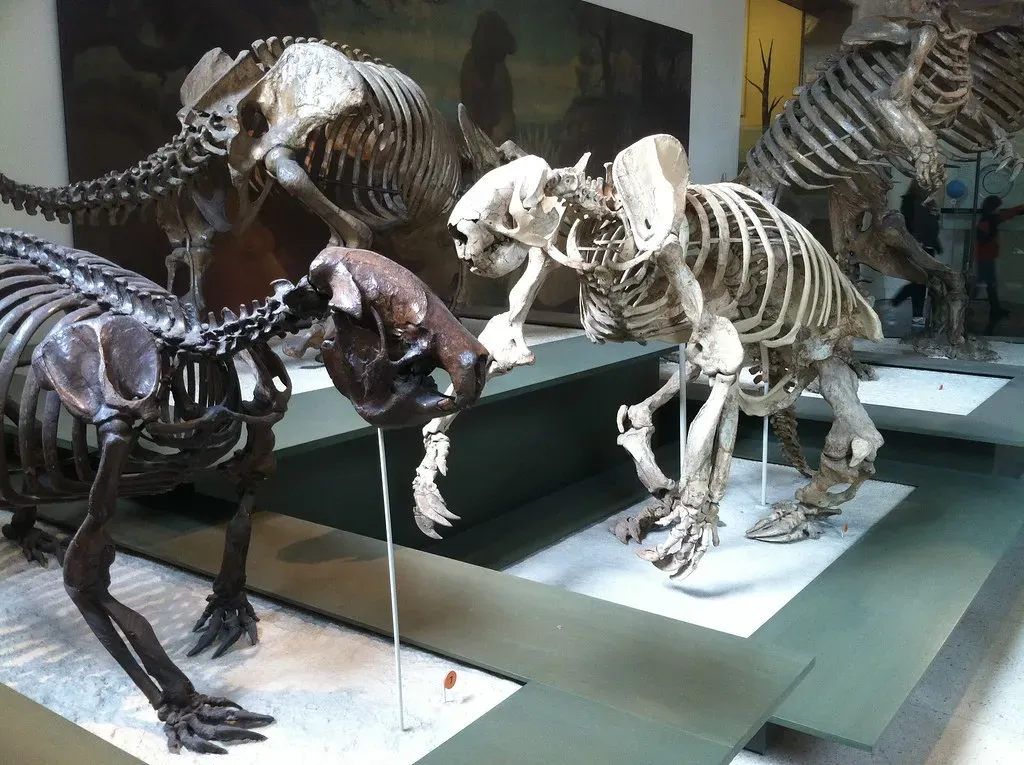
Sid’s problems are usually solved by the end of the movie with a joke, but the giant ground sloths did not get a neat happy ending. Most species disappeared toward the end of the last Ice Age, during a time of rapid climate change and expanding human populations in the Americas. Warming temperatures reshaped habitats, shifting the balance of vegetation and water in ways that could have stressed huge, slow‑reproducing herbivores.
At the same time, there is strong evidence that human hunting played a part in pushing some populations over the edge. The combination of environmental shifts and new predators with clever tools is a harsh reality, not a punchline. Compared with that, Sid’s cartoon disasters look trivial; his ancestors faced a world that changed faster than their bodies and life histories could keep up with, and they paid the ultimate price for it.
Conclusion: Sid is funny, but his ancestors were the real giants
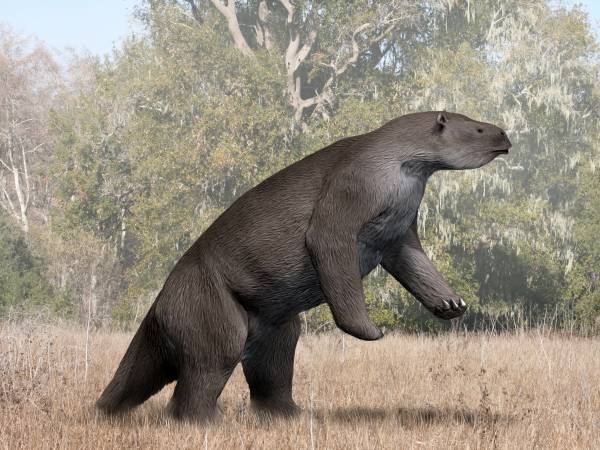
When you stack the facts side by side, Sid starts to look less like the mascot of sloths and more like their unwitting PR problem. Giant ground sloths were enormous, strong, well‑adapted herbivores that helped shape their ecosystems and held their own in a demanding Ice Age world. They were armored in places, armed with serious claws, and stable enough to rear up and tower over many other animals around them.
Honestly, I think Sid would be horrified to learn how far he falls short of his own family legacy – and that is exactly what makes the contrast so fun. The real animals behind the joke were not clumsy punchlines; they were slow, yes, but powerful, persistent, and ecologically important. Maybe the question is not whether Sid lives up to them, but whether we take animals like them seriously enough when we think about how fragile big, slow‑breeding species can be in a fast‑changing world. Knowing what you know now, would you ever look at a sloth the same way again?