Most people can name the dinosaur-killing asteroid without blinking. Ask them about the stretch when Earth’s oceans turned into toxic soup, or the age when 90% of ocean life vanished with no meteor anywhere in sight, and you’ll get dead silence.
Scientists have quietly identified far more extinction events than the “Big Five” your textbook bothered to teach. Some erased more life than the one that killed the dinosaurs. Others didn’t just kill species, they rewrote the atmosphere itself, permanently changing the rules for everything that came after. Here’s what paleontologists and geochemists actually found buried in the rock, extinction by forgotten extinction.
#13 – The Middle Miocene Disruption Nobody Talks About
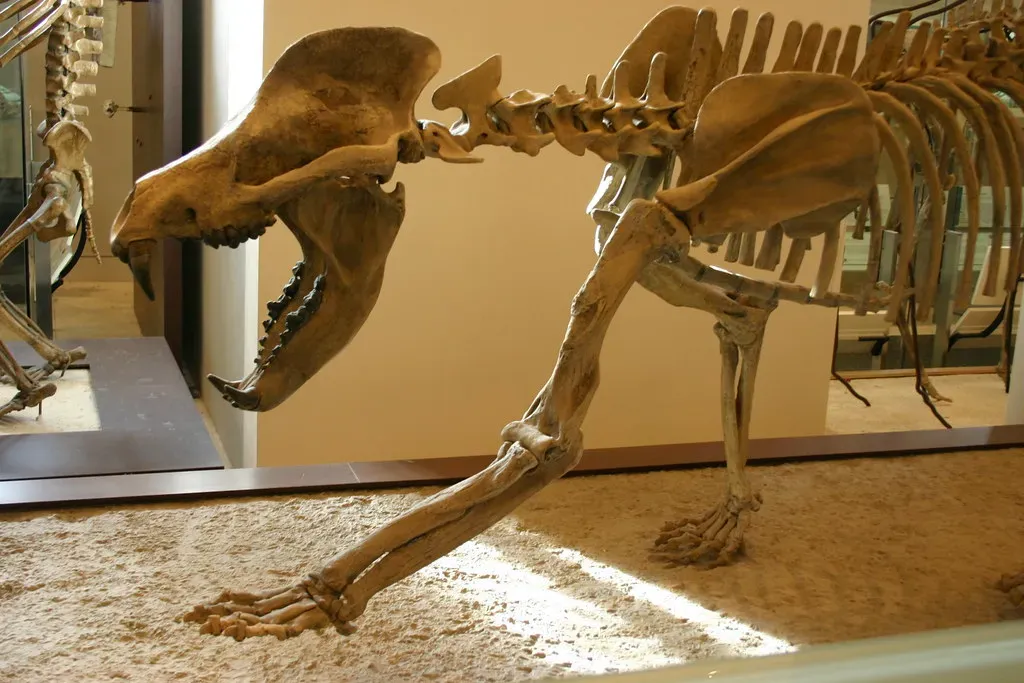
Roughly 14 million years ago, Earth’s climate machine slammed into reverse, and almost nobody remembers it happened.
The Middle Miocene Climate Transition marked the end of a long warm period and the start of serious, permanent Antarctic ice growth. As temperatures dropped and sea levels fell, marine species that had thrived in warm shallow seas watched their habitats shrink fast. Reef ecosystems collapsed in several regions, and diversity among mollusks and foraminifera took a measurable hit.
Ocean chemistry itself shifted as carbon cycling patterns changed, squeezing out species that couldn’t adapt fast enough to cooler, more volatile conditions. On land, forests that had blanketed continents for millions of years retreated as grasslands spread, and browsing mammals that depended on dense woodland simply ran out of habitat.
This wasn’t a single catastrophic afternoon like an asteroid strike. It was a slow-motion squeeze stretched across hundreds of thousands of years, which is exactly why it never made it into any textbook chapter you actually remember reading.
#12 – The Grande Coupure That Reset an Entire Continent
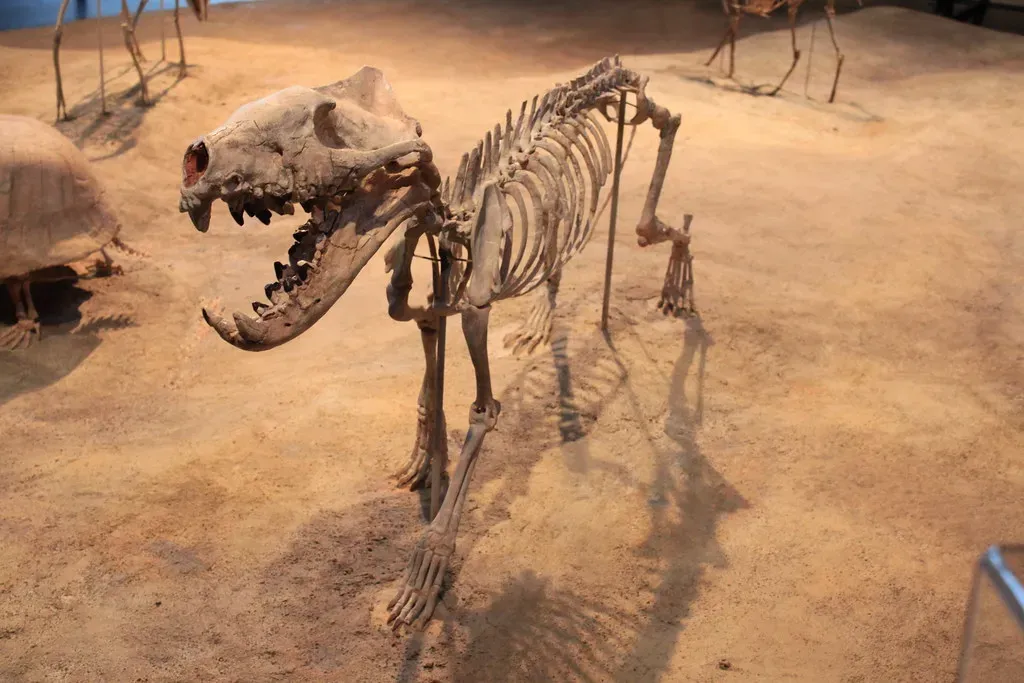
Around 34 million years ago, Europe’s mammals got wiped off the map almost overnight, geologically speaking.
Scientists call it the Grande Coupure, French for “the great break,” marking the boundary between the Eocene and Oligocene epochs. Cooling temperatures, shrinking sea levels, and new migration corridors between continents combined into a perfect storm. Old-world mammal groups that had evolved in isolation on the European landmass were largely shoved aside by new arrivals crossing over from Asia.
Nearly 60% of European mammal genera disappeared in a geological instant, replaced by rodents, rhinoceros relatives, and other lineages migrating in from elsewhere. The trigger wasn’t just cold weather, either. Antarctic ice sheets were expanding rapidly for the first time in the planet’s history, drawing down carbon dioxide and reshaping ocean currents worldwide.
That same window saw a substantial die-off among ocean plankton, with entire calcifying species vanishing from the fossil record. Researchers still argue over how much of the extinction was climate-driven versus simple competition from invasive newcomers. Either way, an entire continent’s fauna got a hard reset in what amounts to a geological blink.
Fast Facts
- Timing: about 34 million years ago, right at the Eocene-Oligocene boundary
- Nickname: “Grande Coupure,” French for “the great break”
- Impact: nearly 60% of European mammal genera vanished
- Cause: cooling seas, dropping sea levels, and new migration routes from Asia
#11 – The Ocean Suffocation Event of the Cretaceous
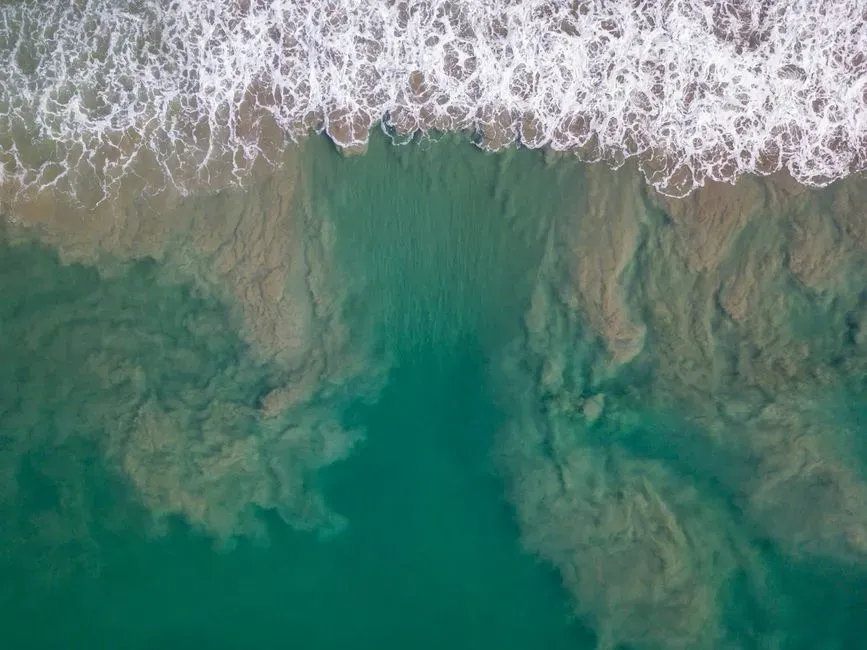
Ninety-four million years ago, the oceans ran out of breathable water, and the fossil record still bears the scars in black rock layers found worldwide.
The Cenomanian-Turonian boundary event, often labeled Oceanic Anoxic Event 2, choked out oxygen across huge swaths of the world’s seas. Massive volcanic activity pumped carbon dioxide into the atmosphere, warming the planet and slowing ocean circulation to a crawl. Without circulation, oxygen simply stopped reaching the deep sea.
Marine organisms suffocated in place, leaving behind thick layers of black, organic-rich shale that geologists still mine for oil today. Ammonites, once wildly diverse, took a massive hit, with entire families disappearing from the fossil record. Bivalves and certain plankton groups suffered similarly, restructuring marine food webs for millions of years afterward.
What makes this event especially eerie is the modern parallel. Scientists studying today’s expanding ocean dead zones point directly to this ancient event as a preview of what unchecked warming and nutrient runoff could cause again, and it’s a comparison more than a few climate researchers now make out loud.
#10 – The Toarcian Extinction That Cooked the Seas
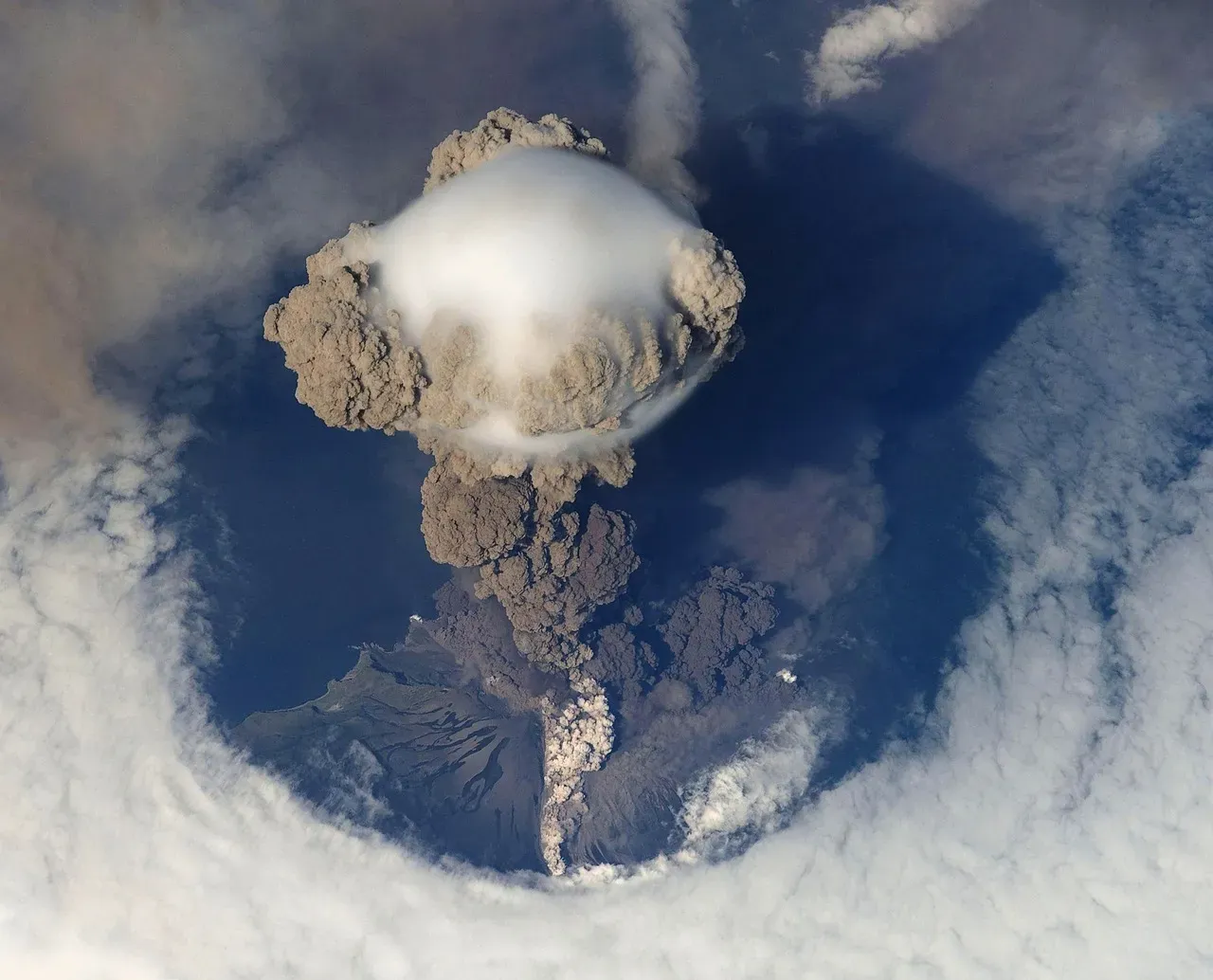
Around 183 million years ago, in the early Jurassic, the ocean got so hot and so oxygen-starved that marine life essentially had nowhere left to hide.
The Toarcian mass extinction coincided with massive eruptions from the Karoo-Ferrar volcanic province, blasts so large they pumped enormous volumes of greenhouse gases into the atmosphere in a geologically short span. Ocean temperatures spiked, and anoxia spread through both shallow and deep marine environments.
Some estimates suggest ocean surface temperatures rose by as much as 7 degrees Celsius during the worst of it, a shift that would send modern marine ecosystems into freefall. Belemnites, brachiopods, and reef-building organisms suffered heavily, with entire reef ecosystems collapsing across what’s now Europe.
Recovery took millions of years, and some ecological niches never fully returned to their pre-extinction structure. What’s striking to modern researchers is how closely the chemical fingerprints of this ancient event resemble those being generated by today’s fossil fuel emissions, just stretched out over geologic time instead of a couple centuries.
#9 – The Rainy Apocalypse of the Triassic
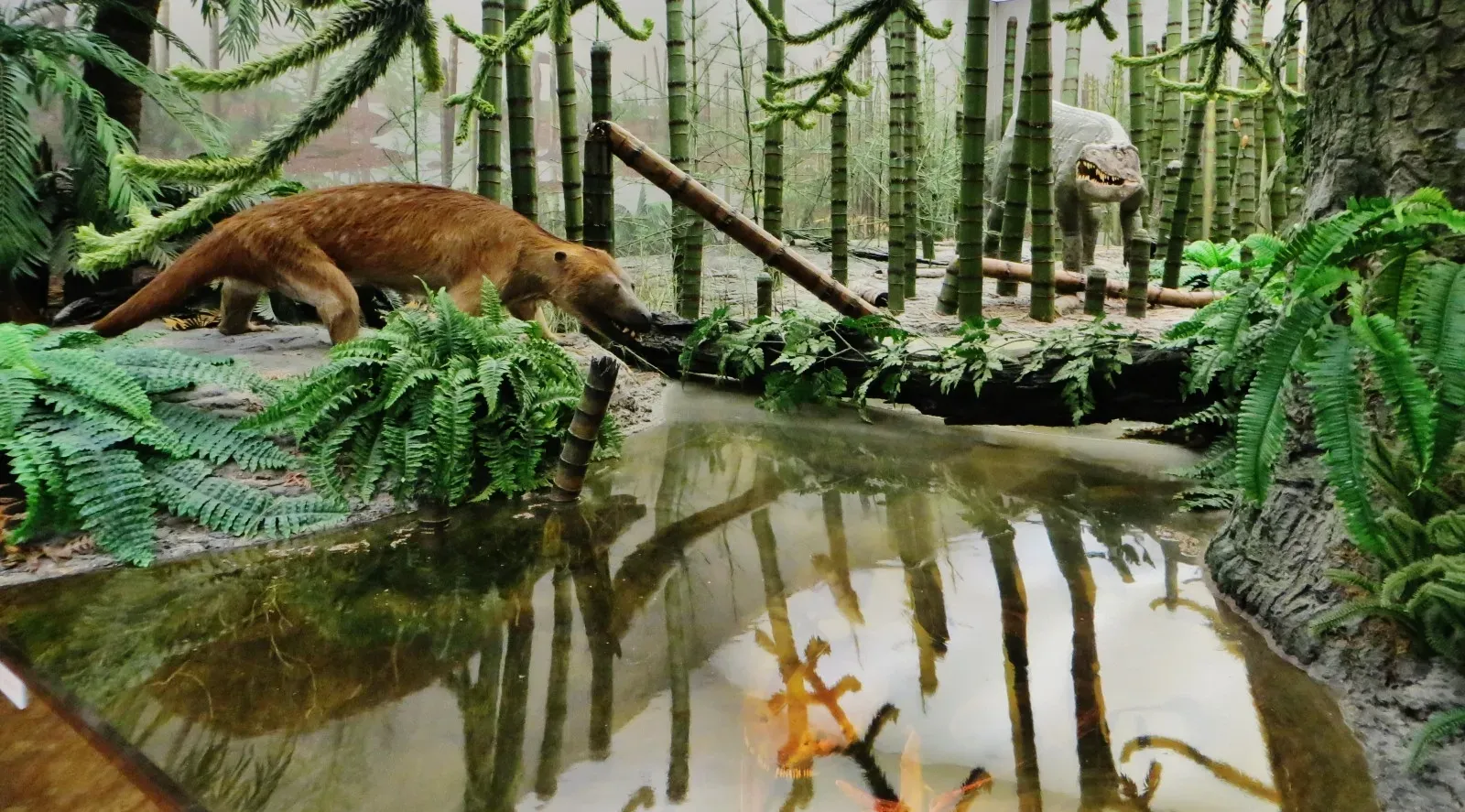
Around 233 million years ago, Earth’s deserts flooded, and the resulting chaos may have accidentally cleared the runway for dinosaurs to take over the planet.
The Carnian Pluvial Episode was, unusually, a wet extinction event. Massive volcanic activity linked to the Wrangellia eruptions is thought to have triggered a sustained surge in global rainfall lasting one to two million years. Arid ecosystems that had dominated much of the supercontinent Pangea got hammered as humid conditions spread.
Many dominant reptile groups that had ruled the Triassic landscape for tens of millions of years vanished during this soggy upheaval. Conifer forests shifted dramatically, and entire plant communities reorganized as moisture patterns changed across continents.
Some researchers argue this is exactly when early dinosaurs got their real opening, diversifying fast once competitors disappeared and new humid habitats opened up. It’s a genuinely controversial idea, since dinosaurs already existed before this event, but their explosive diversification right afterward is hard to write off as coincidence.
Worth Knowing
- Duration: heavy rainfall conditions persisted for roughly 1 to 2 million years
- Trigger: massive Wrangellia volcanic eruptions
- Losers: many long-dominant Triassic reptile groups
- Possible winners: early dinosaurs, which diversified rapidly afterward
#8 – The Forgotten Aftershock of the Great Dying
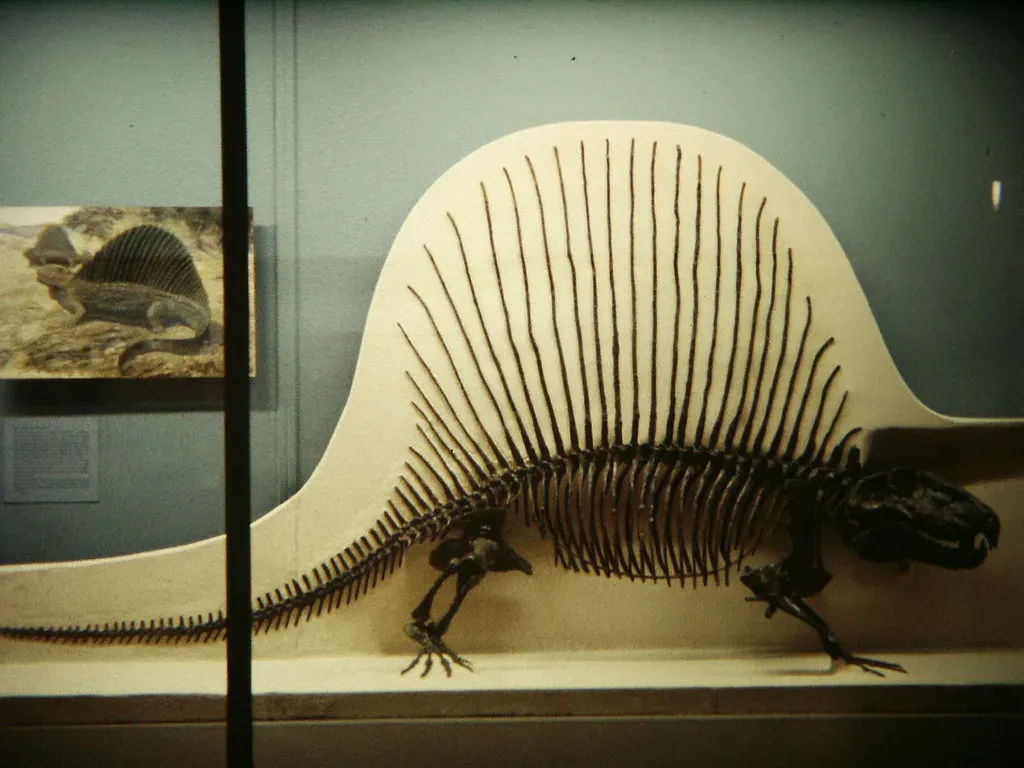
Most people know about the Permian extinction that nearly ended life on Earth 252 million years ago. Almost nobody knows the planet got hit again just a few million years later, while it was still trying to recover.
The Smithian-Spathian boundary extinction struck during the Early Triassic, a period already reeling from the worst mass extinction in Earth’s history. Just as ecosystems tentatively started rebuilding, a second pulse of extreme warming and ocean acidification swept through, hammering the survivors before they’d fully recovered.
Recovery from the Permian extinction essentially got interrupted twice, stretching the total recovery time out by millions of years. Ammonoids and conodonts, groups that had begun cautiously rediversifying, took another significant hit.
Ocean temperatures spiked again, likely tied to continued volcanic outgassing from the same Siberian Traps eruptions responsible for the original catastrophe. This double-punch helps explain something that puzzled paleontologists for decades: why life took an unusually long, nearly ten-million-year stretch to bounce back after the Permian extinction. The answer, increasingly, seems to be that it never actually got the chance to recover in peace.
#7 – The Practice Run Before the “Great Dying”
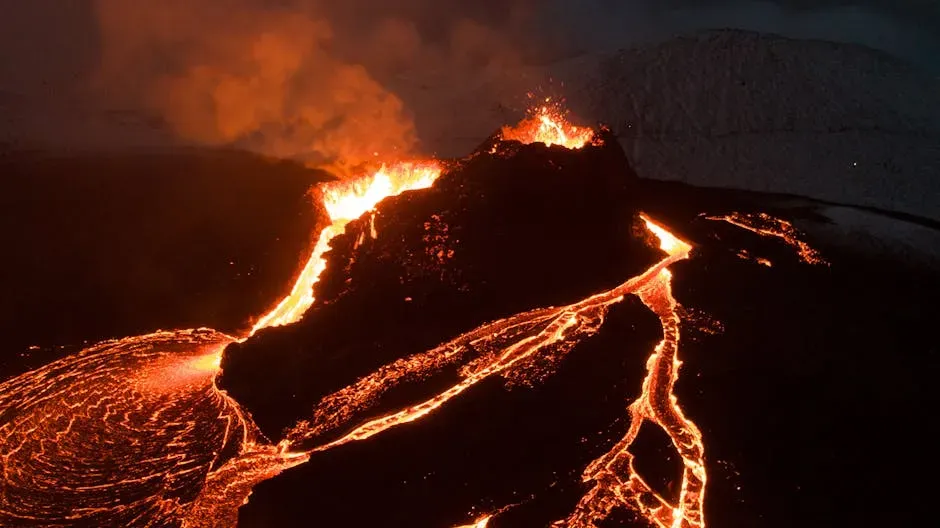
Ten million years before the most famous mass extinction in Earth’s history, there was a dress rehearsal, and it was brutal in its own right.
The Capitanian mass extinction, sometimes called the End-Guadalupian extinction, struck around 262 million years ago and devastated marine life, especially tropical reef ecosystems. Massive volcanic activity from the Emeishan Traps in what’s now southern China is the leading suspect, triggering ocean acidification and warming eerily similar to the much larger extinction that followed.
Reef-building organisms were hit especially hard, with entire reef communities failing to fully recover before the bigger Permian extinction arrived and finished the job. Brachiopods, corals, and various marine invertebrates suffered severe losses, and some researchers estimate global marine diversity dropped by as much as 50% in certain groups.
What makes this one unsettling to scientists is the pattern it reveals: large volcanic provinces triggering warming, acidification, and anoxia in eerily repeatable ways across Earth’s history. It’s essentially proof the planet has run this same disaster script more than once.
#6 – The Land Extinction That Predates Everything Famous
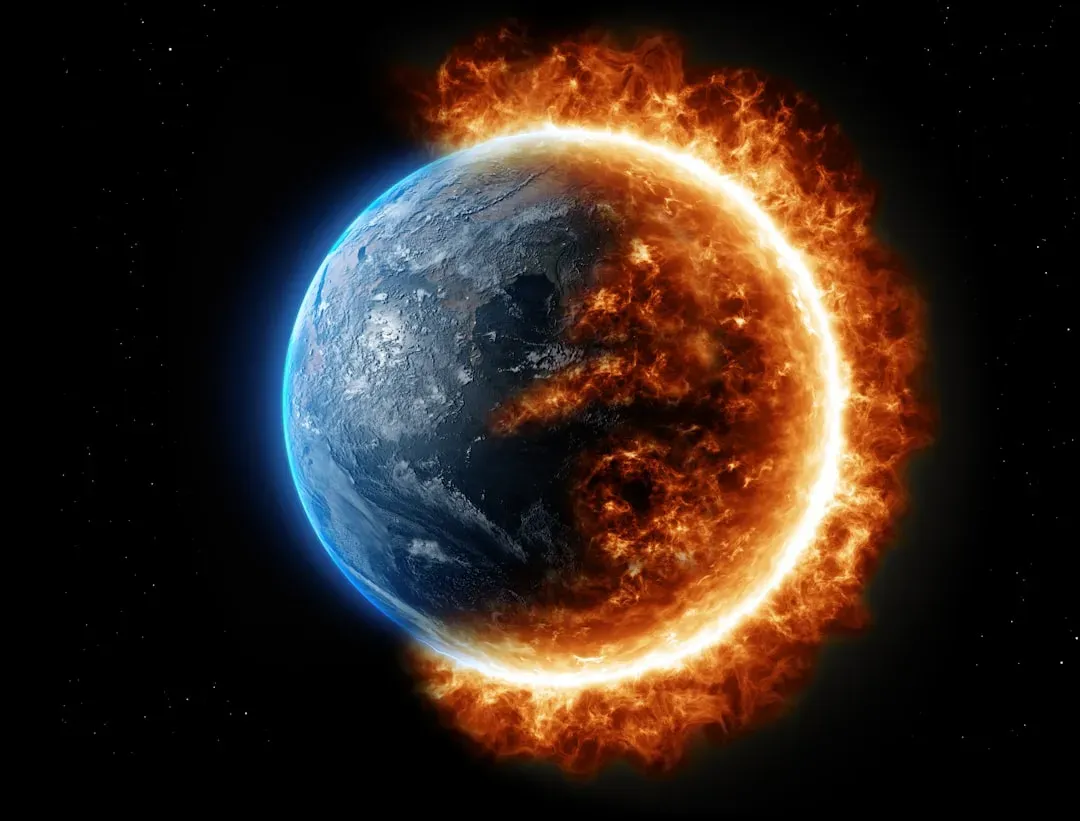
Before oceans became the main character in Earth’s extinction story, land animals took their own devastating hit that barely gets a footnote in most textbooks.
Olson’s Extinction struck terrestrial vertebrates roughly 273 million years ago, well before the Permian’s grand finale. Named after paleontologist Everett Olson, who first noticed a strange gap in the fossil record of early reptiles and amphibians, this event thinned out dominant land animal groups across what’s now North America and beyond.
The extinction created what researchers call a “coordinated stasis” gap, a period where ecosystem turnover appears frozen for millions of years afterward. The exact cause remains murkier than most extinctions on this list, with researchers still debating whether it reflects a genuine biological die-off or simply a hole in fossil preservation, sometimes called Olson’s Gap.
Recent geochemical evidence increasingly supports a real extinction event tied to climate shifts rather than a sampling artifact. If confirmed, it would mean early reptile and amphibian lineages endured a serious bottleneck decades before anyone realized it happened, and it’s exactly the kind of quiet disagreement that keeps paleontologists arguing at conferences.
At a Glance
- Timing: roughly 273 million years ago, well before the Permian’s mass extinction
- Named for: paleontologist Everett Olson
- Region: primarily North America and beyond
- Open debate: real die-off versus a gap in fossil preservation, aka “Olson’s Gap”
#5 – The Devonian’s Second, Quieter Catastrophe
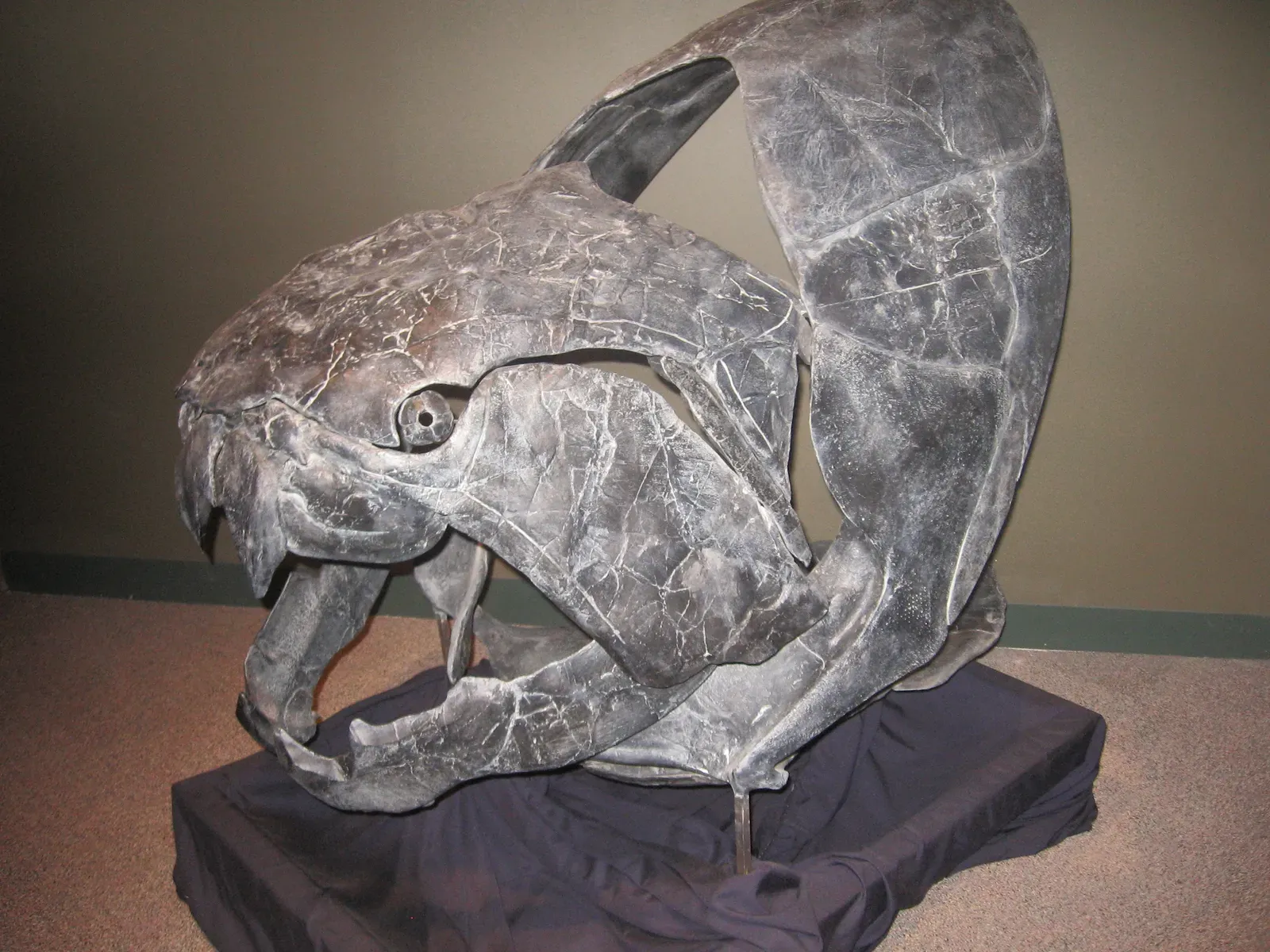
Everyone who studies extinctions knows about the Late Devonian crisis. Almost nobody realizes it actually happened twice.
The Hangenberg event struck around 359 million years ago, closing out the Devonian period with a devastating pulse distinct from the earlier, more famous Kellwasser event. Sea levels dropped sharply, oxygen-poor waters spread across ocean basins, and an entire class of heavily armored fish, the placoderms, disappeared from the planet entirely.
This single event wiped out roughly 97% of vertebrate species, making it one of the most severe extinctions ever recorded for backboned animals specifically. Freshwater and marine ecosystems both took brutal hits, and the die-off cleared space for early tetrapods, the ancestors of everything that eventually crawled onto land, to diversify without the same level of competition.
Glaciation is one leading suspect, alongside changes in ocean chemistry linked to early land plants altering global weathering patterns. It’s a genuinely strange irony: plants colonizing land may have indirectly triggered a marine catastrophe just by changing how nutrients washed into the sea.
#4 – The Silurian’s Three Secret Extinctions
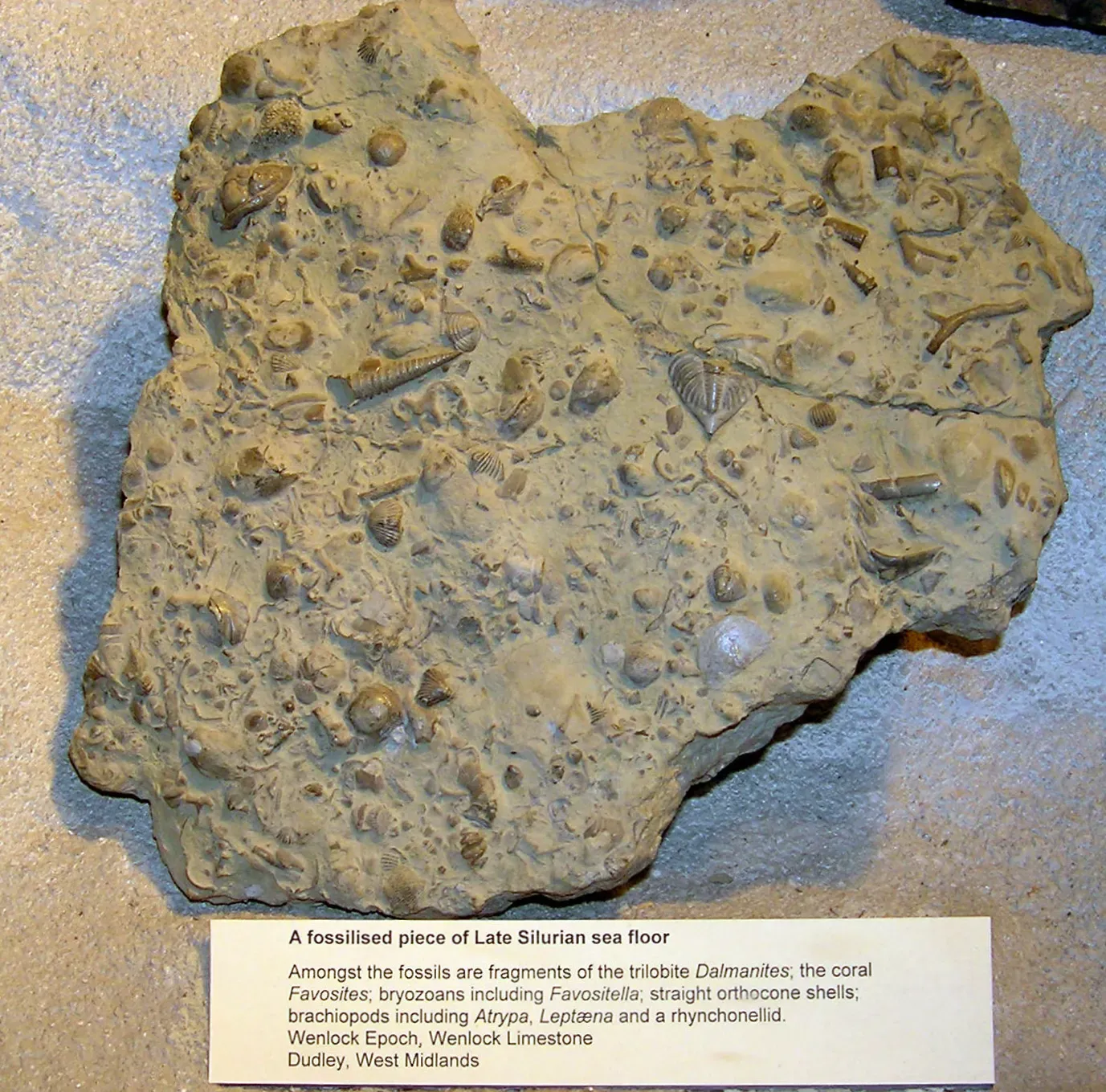
The Silurian period gets treated as a quiet, uneventful stretch of Earth’s history in most textbooks. In reality, it hosted a trio of extinction pulses most people have simply never encountered.
The Ireviken, Mulde, and Lau events struck in succession between roughly 433 and 420 million years ago, each one hammering marine ecosystems with sudden oxygen crashes and carbon cycle disruptions. Conodonts and graptolites, two groups of small marine organisms that serve as crucial index fossils for geologists, suffered repeated waves of extinction and recovery during this stretch.
Each event coincided with major shifts in ocean carbon isotope ratios, a chemical fingerprint that shows up clearly in rock layers across multiple continents. Trilobites and various reef-building organisms took hits too, though none matched the severity of the truly famous mass extinctions.
What makes this trio fascinating is the rhythm: three distinct anoxia-driven crises hitting roughly every 6 to 13 million years, hinting at some kind of repeating climate or tectonic cycle scientists still haven’t fully explained. It’s one of the more compelling open questions left in geology.
#3 – The Cambrian Explosion’s Violent Little Secret
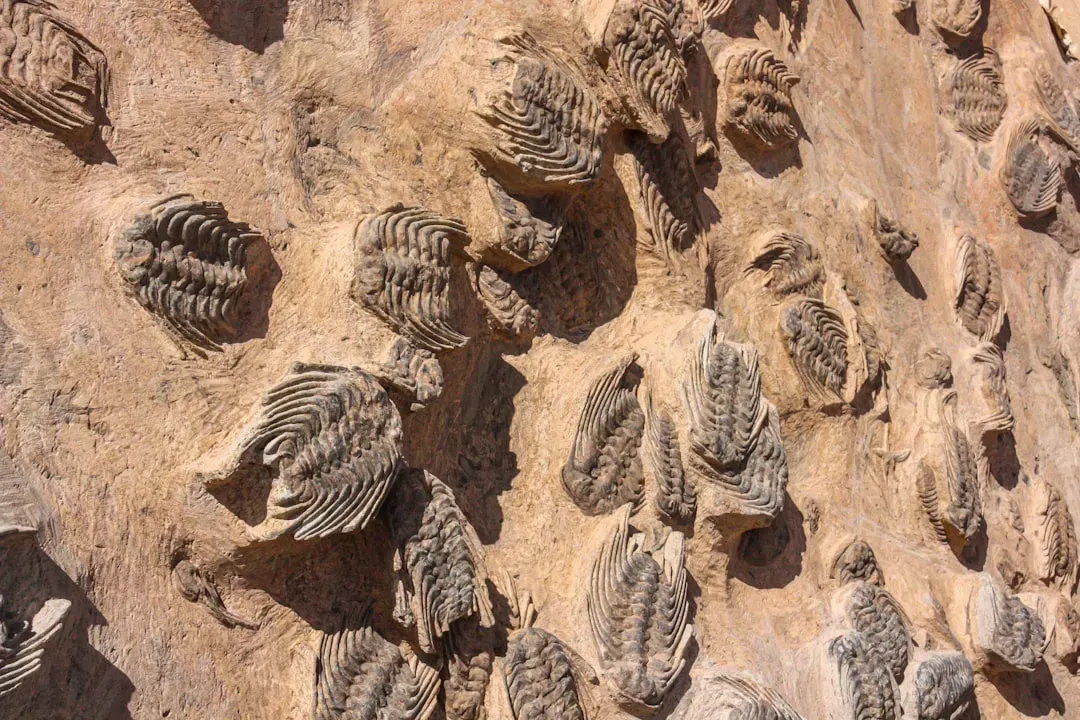
Everyone learns about the Cambrian Explosion, the moment complex animal life burst into diversity. Almost nobody learns the same period was repeatedly interrupted by extinction pulses of its own.
Roughly 497 million years ago, near the end of the Cambrian period, a series of extinction events collectively referred to by names like the Dresbachian and end-Cambrian extinctions swept through the earliest complex marine ecosystems. Trilobites, among the most successful early animal groups, suffered repeated waves of near-total wipeouts followed by rapid rediversification.
Some individual trilobite families vanished and were replaced by entirely new lineages multiple times within just a few million years. Changes in ocean oxygen levels and sea level fluctuations tied to shifting glaciation patterns are the leading suspects behind these repeated crashes.
What’s remarkable is how quickly life bounced back each time, a resilience some researchers argue reflects just how ecologically “empty” the world still was following the initial Cambrian burst. It’s a sharp reminder that the famous Cambrian Explosion wasn’t one smooth upward climb. It was a chaotic, repeatedly interrupted scramble.
#2 – The Extinction That Ended an Entire Kind of Life
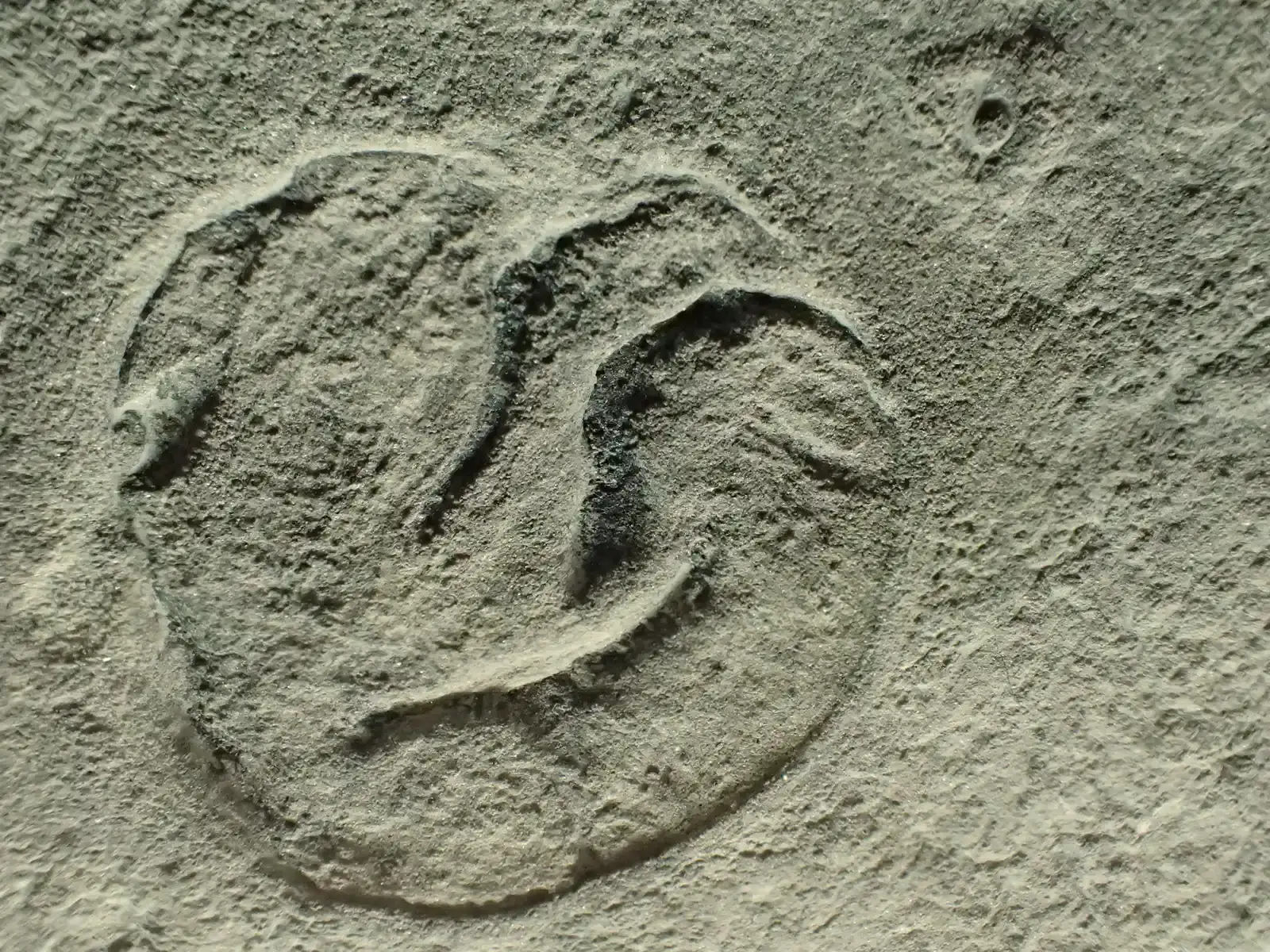
Right before the Cambrian Explosion produced the animals we’d recognize today, an entirely different biosphere got wiped off the face of the planet.
The end-Ediacaran extinction, occurring around 541 million years ago, eliminated the bizarre, soft-bodied organisms known as the Ediacaran biota: strange quilted, frond-like, and disc-shaped creatures that dominated ocean floors for tens of millions of years.
These organisms don’t fit neatly into any modern classification, and most of them left no direct descendants at all. Rising predation pressure, changing ocean chemistry, and increased competition from early bilaterian animals, the ancestors of most complex life today, are the leading suspects behind their disappearance.
Essentially, an entirely different evolutionary experiment got shut down right as a more familiar, more aggressive style of life took over the oceans. Many researchers consider this the true starting gun for the world we’d recognize, a boundary where ancient, alien ecosystems gave way to the ancestors of nearly everything alive today. It’s arguably one of the most consequential extinctions in planetary history, and almost nobody outside academic paleontology has ever heard its name.
#1 – The Extinction That Rewrote the Atmosphere Itself
Before any of the extinctions on this list, roughly 2.4 billion years ago, something happened that arguably qualifies as the single most devastating biological catastrophe in Earth’s entire history.
The Great Oxidation Event marked the moment photosynthetic microbes pumped enough oxygen into the atmosphere to poison the vast majority of life then existing on the planet. For nearly two billion years, life had been dominated by anaerobic microorganisms that found oxygen toxic.
When oxygen levels spiked, it likely triggered a die-off so severe that some researchers argue it dwarfs every extinction event that came after it, including the one that killed the dinosaurs.
This wasn’t a meteor or a volcano. It was life itself changing the rules of survival for every other organism on the planet, a self-inflicted catastrophe with no precedent before or since.
The surviving microbes either evolved to tolerate oxygen or retreated into oxygen-free pockets of the environment, places like deep sediments and hydrothermal vents, where their descendants still live today. Every breath of oxygen every animal has ever taken exists because of this ancient, largely invisible catastrophe. It’s the extinction event that made the rest of Earth’s history, including us, possible at all.
Why It Stands Out
- Oldest event on this list: roughly 2.4 billion years ago
- Cause: no asteroid, no volcano, just photosynthetic microbes producing oxygen
- Victims: the vast majority of Earth’s then-dominant anaerobic life
- Legacy: made oxygen-breathing life, including humans, possible
The Bottom Line
The “Big Five” extinctions get all the attention, but they’re just the highlight reel. Earth’s real history is packed with dozens of lesser-known die-offs, from oxygen poisoning the entire planet to volcanic eruptions cooking the oceans over and over again.
What strikes us most is the pattern: nearly every event traces back to volcanic carbon dumps, oxygen crashes, or runaway warming, the exact same mechanisms scientists warn about today.
Honestly, the idea that mass extinction requires a dramatic asteroid is outdated. Slow, grinding climate shifts have done far more damage throughout Earth’s history than any single impact ever did, and that’s not a comforting thought so much as it is a warning written in stone, literally.