
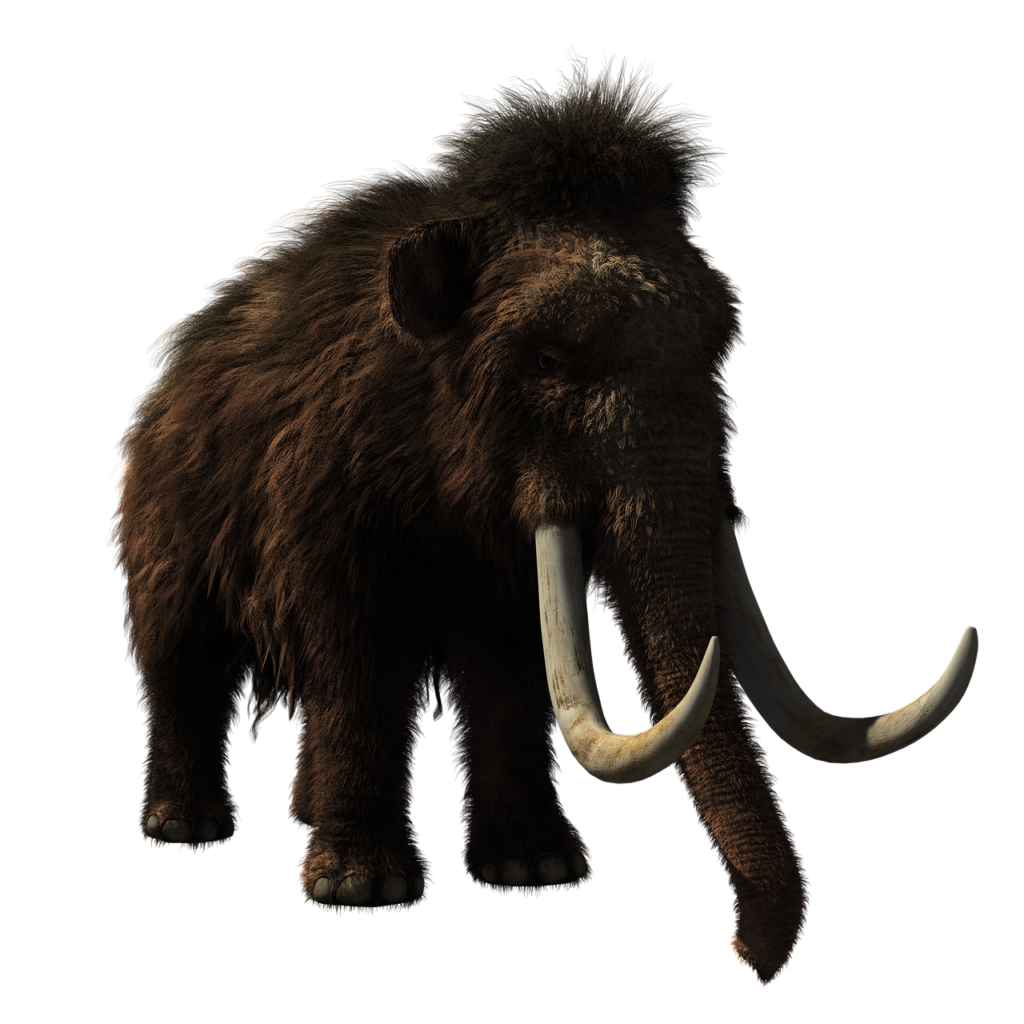
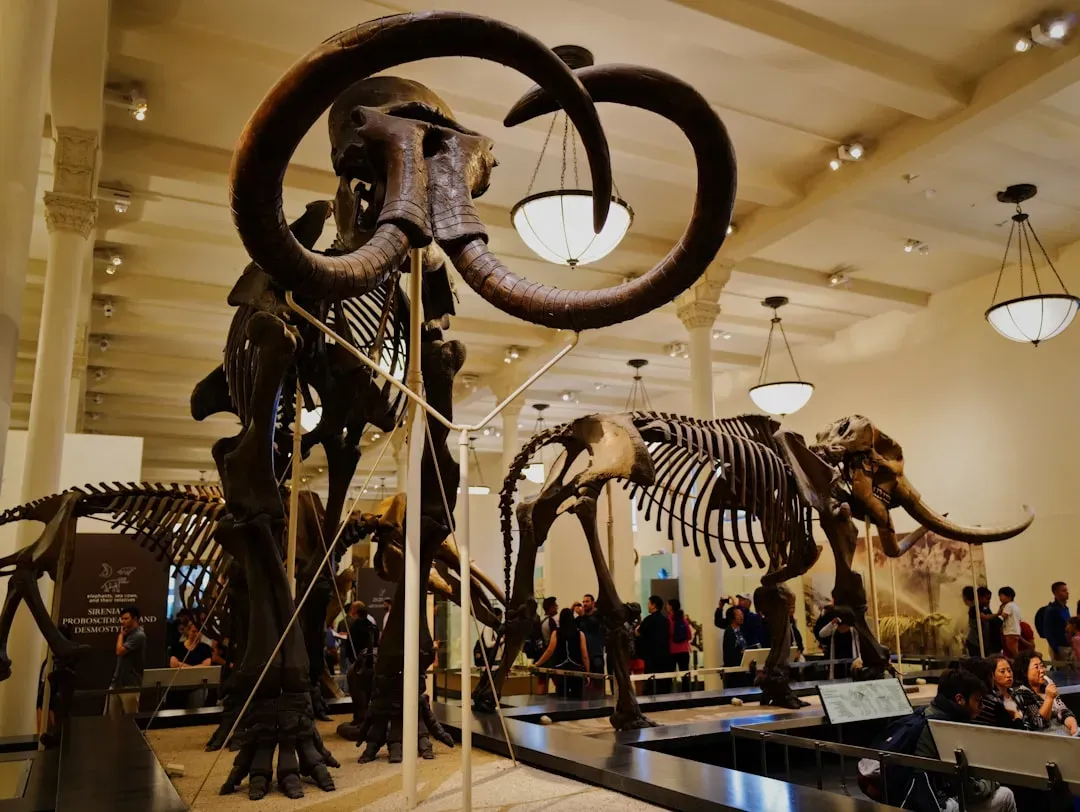
Most people picture the woolly mammoth as a frozen curiosity – a dusty museum diorama, case closed, story over. That assumption couldn’t be more wrong.
In just the last ten years, scientists have pulled intact DNA from mammoth remains over a million years old, discovered a genome preserved in a strange glass-like state, and genetically engineered mice carrying real mammoth traits. Paleogenetics has moved so fast that textbooks from 2015 already read like ancient history themselves.
The mammoth isn’t a closed case. It’s one of the most active, surprising frontiers in biology right now – and some of what researchers found will change how you think about extinction itself. Here’s what they actually discovered, counting down to the strangest breakthrough of them all.
#16: Mammoths Quietly Lost Nearly 100 Genes on Their Way to Becoming Mammoths
Evolution isn’t only about gaining new traits. Sometimes the real story is what gets deleted.
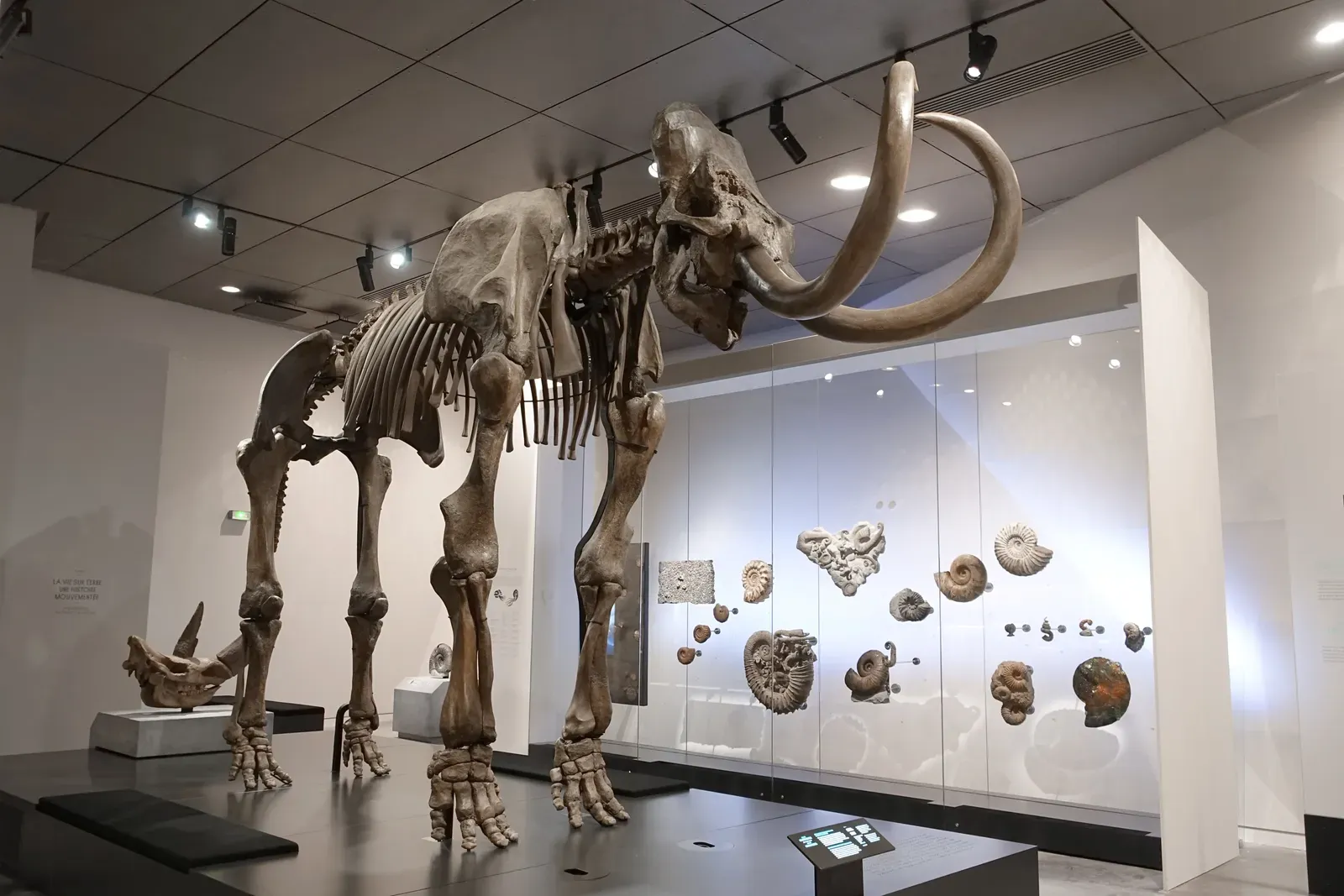
A 2022 genomic comparison lined up mammoth and elephant DNA side by side and found something researchers weren’t expecting: 87 genes had been altered by deletions or short insertions over the course of mammoth evolution. That’s nearly a hundred genetic “off-switches” that helped shape everything from fat storage to how the animal handled brutal cold.
Most people assume mammoths simply “added” cold-weather features like a shaggy coat. Turns out, losing genes mattered just as much as gaining them. This trait-through-deletion pattern is now reshaping how geneticists think about rapid adaptation in any species facing sudden environmental pressure – not just mammoths.
#15: The Mammoth’s Iconic Look Was Locked In Almost Immediately
The shaggy coat and thick blubber weren’t a slow accident. They were set in stone almost from the start.
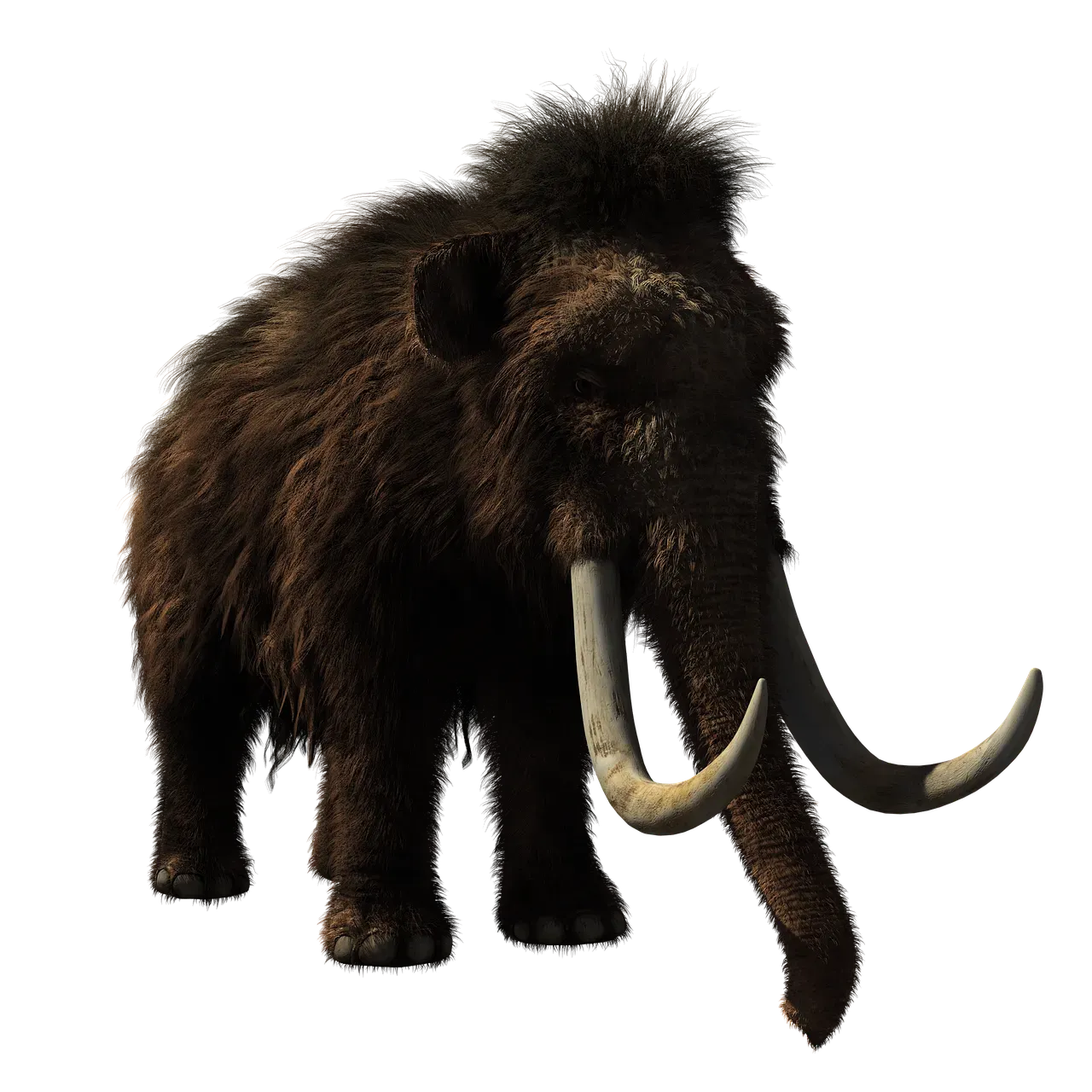
A landmark 2023 study analyzed 23 woolly mammoth genomes, including one specimen roughly 700,000 years old. Even at that early point, the species had already acquired a broad spectrum of positively selected genes tied to hair and skin development, fat metabolism, and immune function. In plain English: the mammoth showed up to the Ice Age already wearing its coat.
Here’s the twist that surprised the researchers themselves – those same traits kept evolving over the next 700,000 years, but through positive selection on entirely different genes. The mammoth kept fine-tuning its look using different genetic tools over time, a level of evolutionary flexibility scientists rarely get to document this clearly.
#14: Mammoths Weren’t the Grass-Only Eaters We Assumed
Forget the textbook image of mammoths mowing down endless grassy plains like giant lawnmowers.
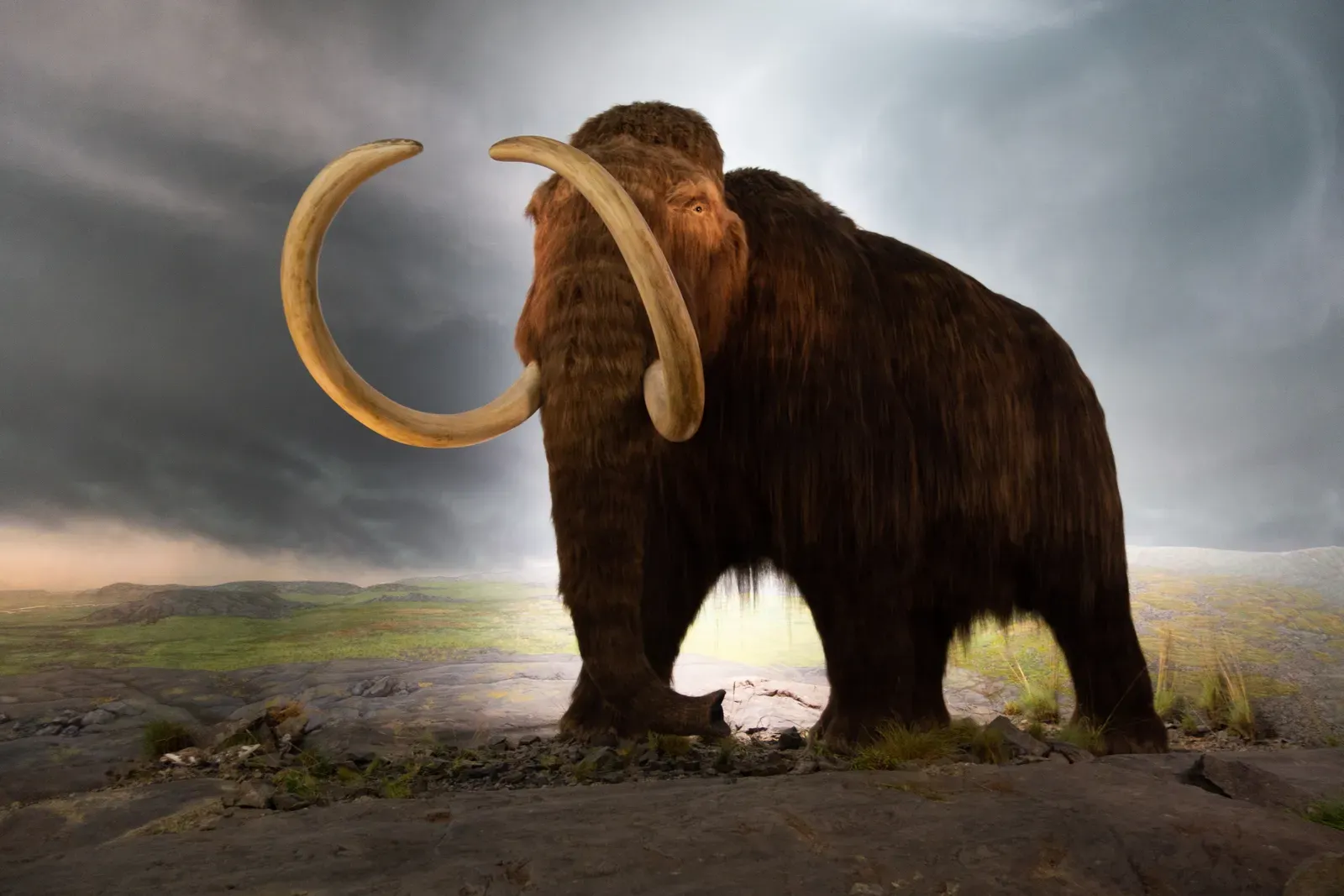
A 2022 landscape-scale diet study compared mammoths and mastodons across their entire range. It found that mammoths strongly preferred grass, but outside the best grassland habitats, they switched to mixed feeding instead. When the good grass wasn’t available, mammoths simply adjusted the menu rather than starving.
This flexibility might be exactly why they lasted as long as they did. Rigid specialists tend to collapse fast when environments shift, but a mixed-feeding backup plan buys a species time. Many researchers now argue this dietary flexibility mattered more to mammoth survival than the tusks or the fur ever did.
#13: One Fossilized Tooth Exposed a Mammoth’s Entire Seasonal Commute
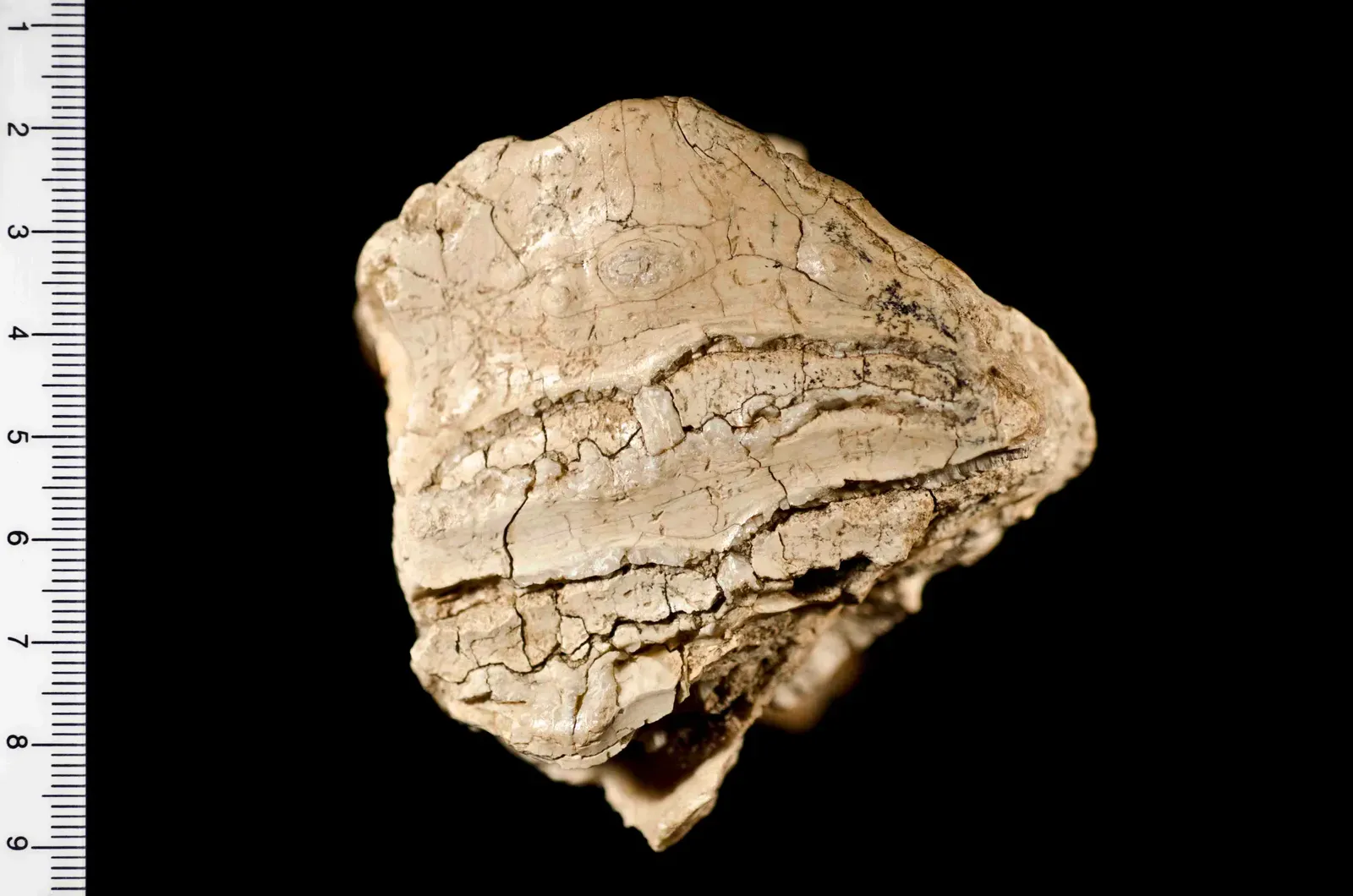
A single tooth from Poland turned into a decade-spanning travel diary written in enamel.
Researchers studying a specimen from the Kraków Spadzista site found evidence that the animal grazed in southern Poland every winter and moved roughly 250 to 400 kilometers north each summer, repeating that pattern for at least 12 to 13 years of its adult life.
Most people don’t realize mammoths were seasonal commuters, not aimless wanderers. This was a disciplined, repeated route, almost like an Ice Age version of snowbirds heading south for winter. That isotopes locked in tooth enamel can reconstruct over a decade of one animal’s movement still stuns paleontologists today.
Fast Facts
- Discovery site: Kraków Spadzista, Poland
- Winter range: southern Poland
- Summer range: roughly 250-400 km north
- Pattern repeated for at least 12-13 years
#12: A Handful of Dirt Rewrote the Story of the Mammoth Steppe’s Collapse
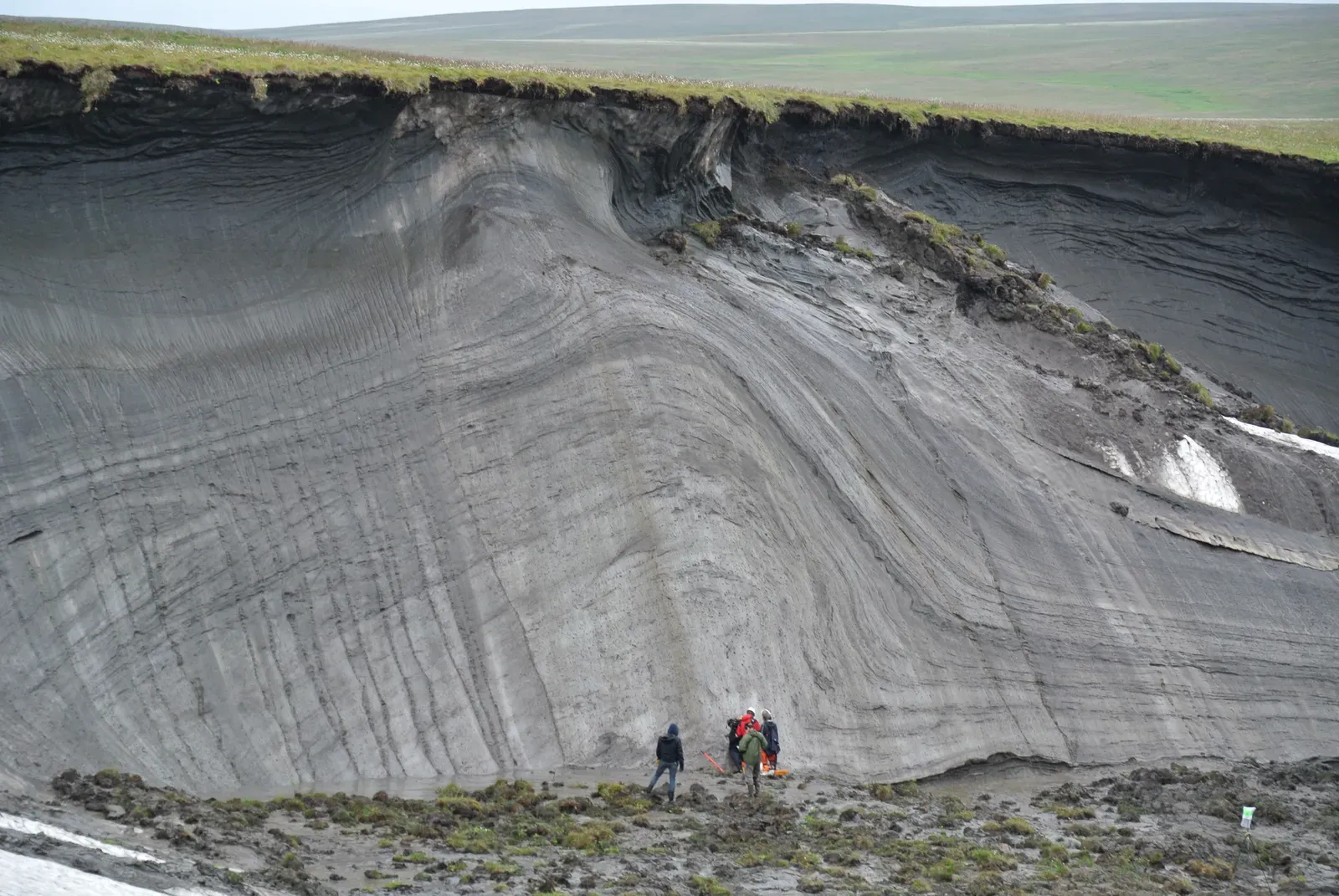
You don’t need mammoth bones to study mammoths anymore. Sometimes all you need is dirt.
Researchers extracted a 30,000-year sedimentary ancient DNA record from frozen loess soils in Yukon’s Klondike region, essentially reading the genetic history of an entire ecosystem straight out of permafrost. The results pointed to a specific culprit for the mammoth steppe’s disappearance: expanding woody shrubs and peatlands, driven by increased moisture in the late Pleistocene, choked out the grasslands that megafauna like mammoths, horses, and bison depended on.
The mammoth’s downfall may have started with something as boring as damp soil. Not an asteroid, not a sudden temperature crash – just slowly encroaching shrubs. This sediment-DNA technique is now considered one of the most important tools for reconstructing lost ecosystems.
#11: Scientists Pinpointed Exactly Why an Isolated Mammoth Herd Died First
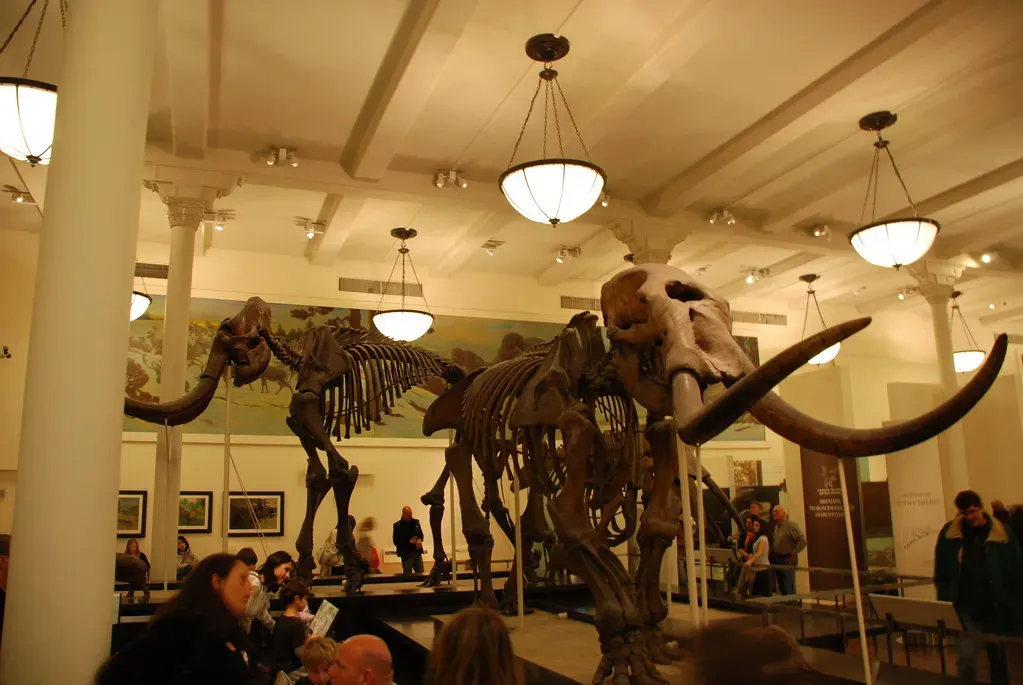
Wrangel Island wasn’t the only Ice Age refuge for mammoths. St. Paul Island in Alaska held its own shrinking population, and researchers finally nailed down exactly when – and why – it ended.
Careful dating placed the St. Paul extinction at 5,600 years ago, give or take a century – 900 years later than earlier estimates, and 1,580 years before the final mammoths vanished on Wrangel Island.
The real killer here wasn’t teeth or spears – it was thirst. Rising sea levels shrank the island while freshwater sources dried up, and the combination pushed the population past the point of no return. It’s a sobering, almost mundane way for an Ice Age giant to disappear.
#10: A Controversial Study Claims Mammoths Survived 3,900 Years Ago – Not Everyone Buys It
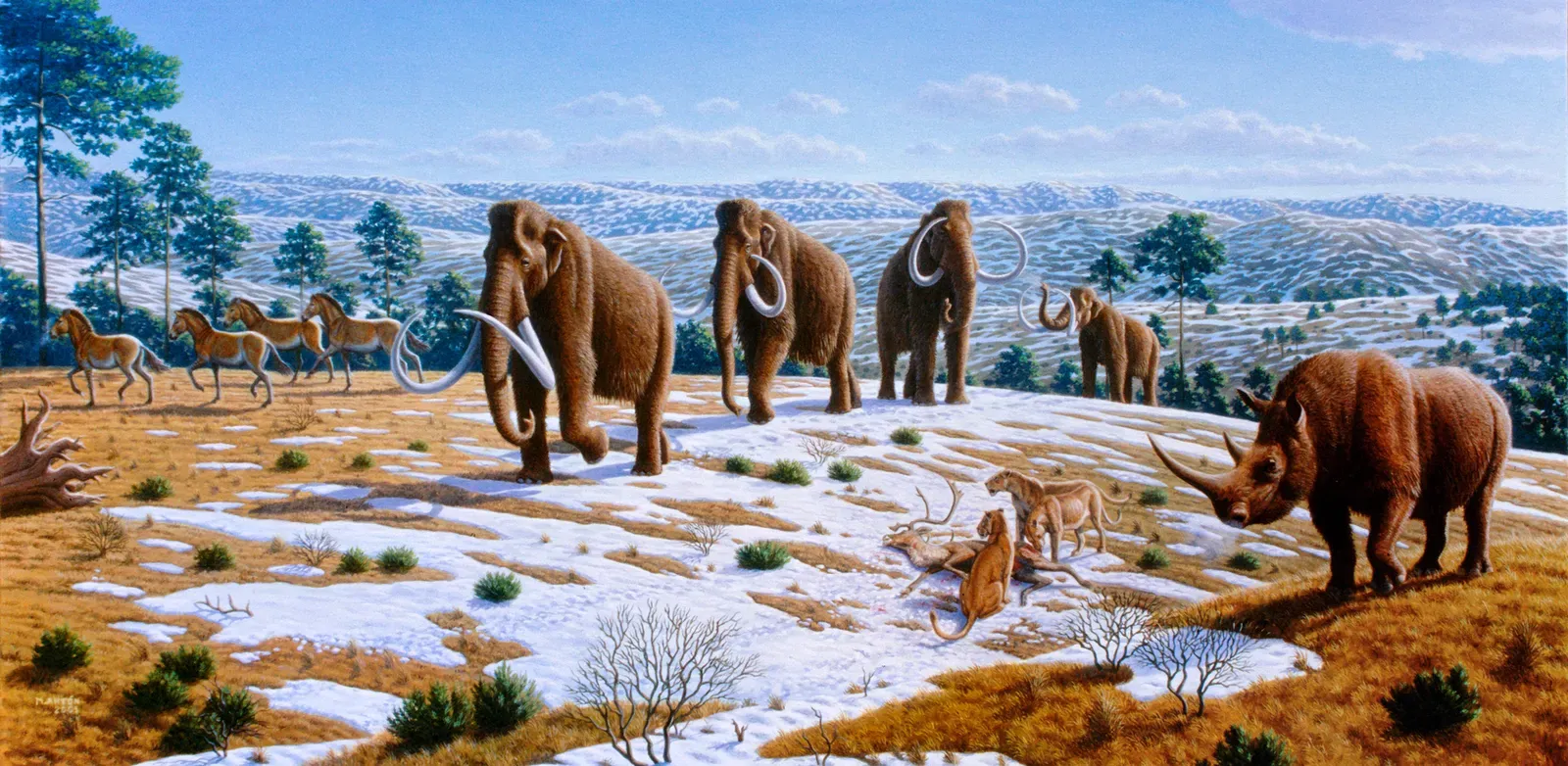
This finding split the scientific community right down the middle, and it’s still being argued about.
An international team analyzed environmental DNA pulled from soil and more than a thousand arctic plants. Their conclusion: a wetter climate rapidly turned tundra grassland into forested wetland that couldn’t support big grazers, driving mammoths to extinction as recently as 3,900 years ago – centuries later than most fossil evidence suggests.
Here’s where it gets messy – not everyone is convinced. Critics argue environmental DNA can drift and contaminate sediment layers, making it unreliable for pinning exact extinction dates. This remains one of the more genuinely unresolved debates in modern paleontology.
#9: Multiple Mammoth Species Lived Side by Side, Not in a Neat Line
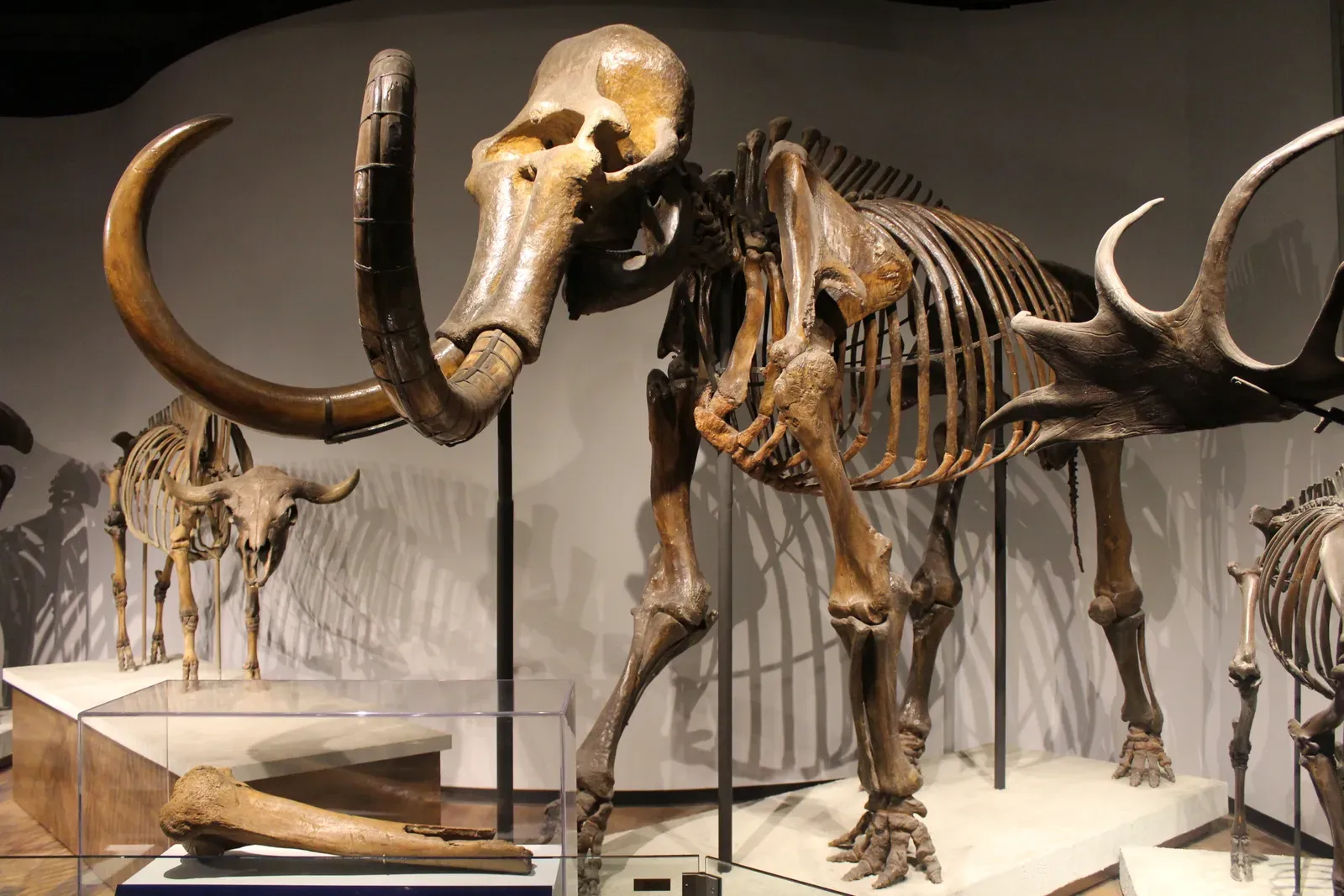
For decades, mammoth evolution was taught like a relay race – one species passing the baton cleanly to the next.
That assumption fell apart. Nuclear DNA from two ancient mammoths showed they belonged to populations that diverged 1.5 to 2 million years ago – meaning two separate lineages ran in parallel for well over a million years, not one tidy line.
Most museum timelines still show a straight evolutionary path – that’s now outdated. The finding confirmed earlier mitochondrial DNA evidence suggesting multiple woolly mammoth species coexisted. The mammoth family tree looks a lot more like a tangled bush than a single trunk.
Quick Compare
- Old model: one species evolving neatly into the next
- New model: two distinct lineages running side by side
- Split point: 1.5 to 2 million years ago
- Backed by: both nuclear and mitochondrial DNA evidence
#8: The Columbian Mammoth Was Secretly a Hybrid
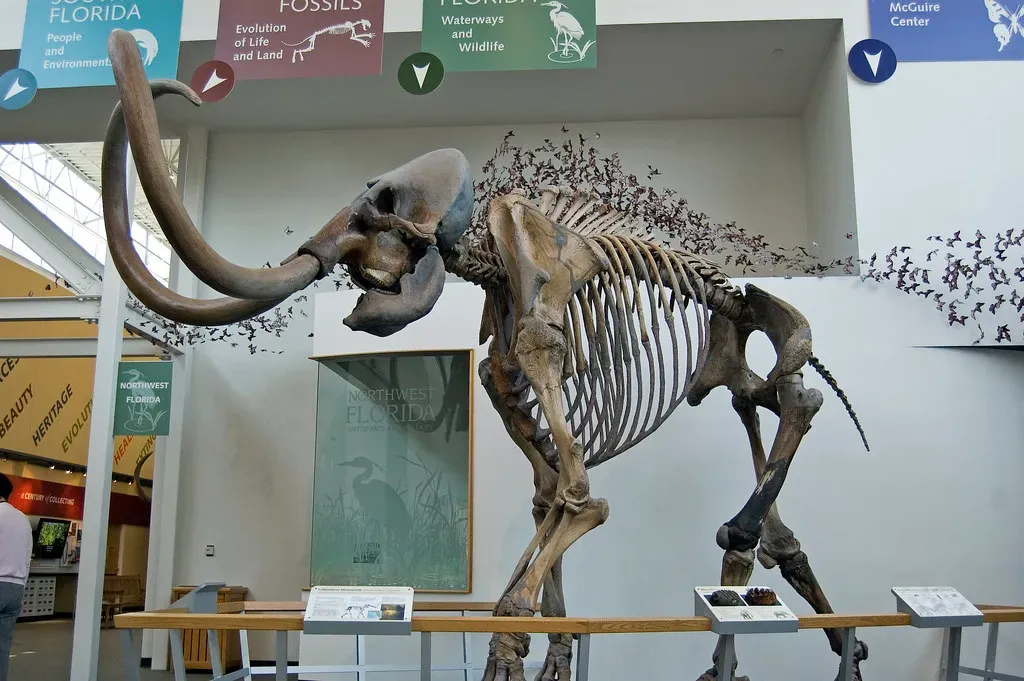
This one reads like a plot twist nobody saw coming, and it came from DNA older than a million years.
Researchers sequencing some of the oldest mammoth DNA ever recovered found that the oldest specimen belonged to a previously unknown lineage – one ancestral to the mammoths that colonized North America 1.5 million years ago. That lineage appears to have interbred with woolly mammoths, giving rise to the Columbian mammoth.
Turns out “purebred” mammoth species may not have existed the way we assumed. Interbreeding between distinct lineages shaped an entirely new species. Outside experts called the work a genuine leap forward, describing it as revealing DNA survival far beyond what most in the field would have predicted.
#7: DNA Was Pulled From a Mammoth Over a Million Years Old
This shattered every previous record for how far back ancient DNA research could reach.
Researchers recovered DNA from mammoth remains up to 1.2 million years old – nearly ten times older than most prior “record-breaking” ancient genome studies. Before this, scientists assumed DNA simply couldn’t stay intact that long, no matter how cold the permafrost.
Most experts thought a million-year-old genome was basically science fiction. This discovery proved otherwise, and it’s already reshaping expectations for other extinct megafauna. Specimens once dismissed as “too degraded” to bother testing are now getting a second look.
#6: One Tusk Told an Entire Mammoth’s Life Story, Mile by Mile
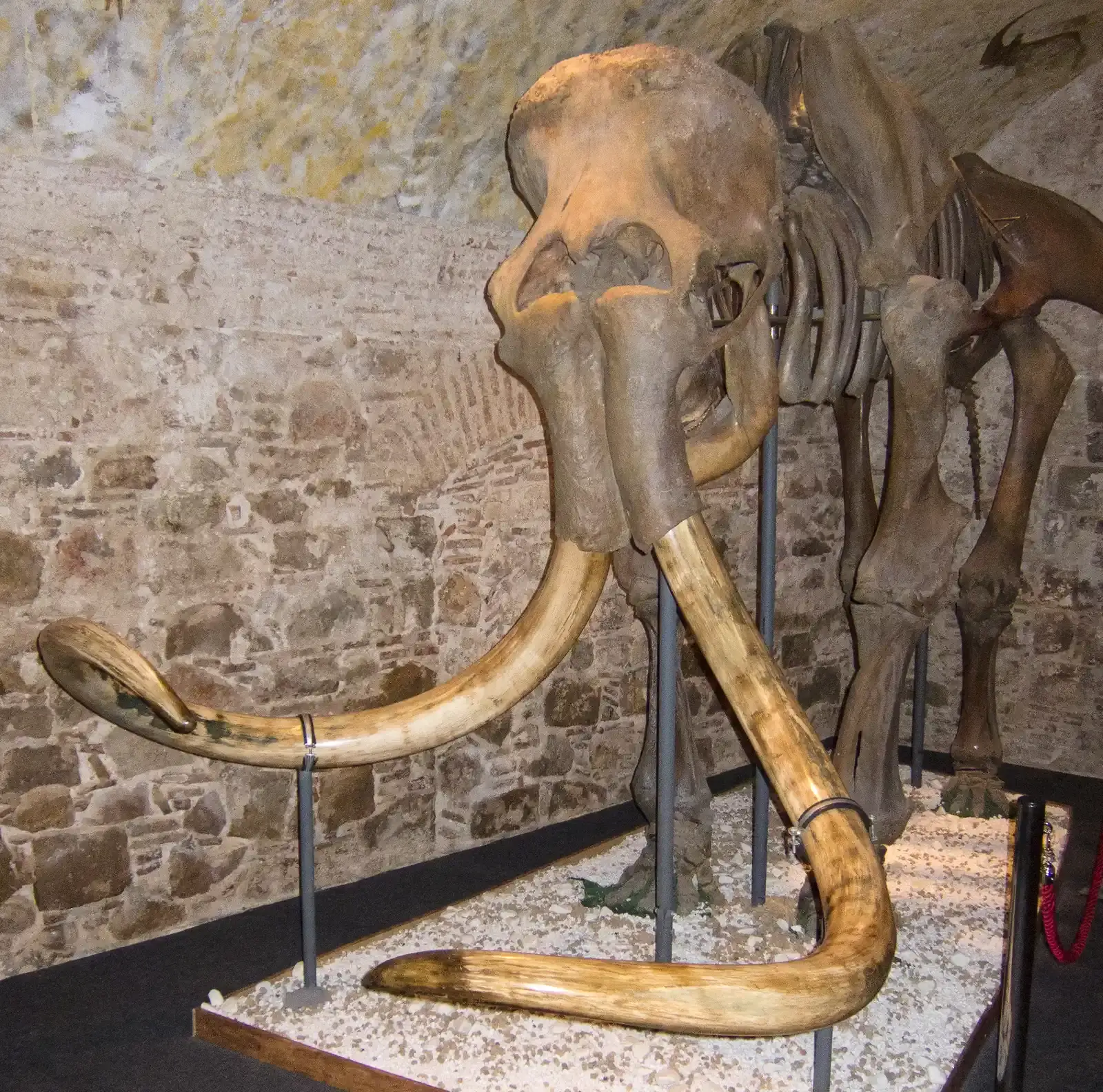
Meet Elma – a female woolly mammoth whose tusk became one of the most detailed biographical records ever pulled from an Ice Age animal.
Using isotopic and genetic data from a tusk found at the Swan Point Archaeological Site in Alaska, researchers traced Elma’s lifetime movements with startling precision, including a roughly 1,000-kilometer shift northwest during the middle years of her life. They could even estimate she died in late summer or fall, around the same time ancient people at the site were hunting migrating waterfowl and elk.
Here’s the detail that stunned researchers – DNA testing showed other mammoth remains nearby belonged to Elma’s own family group, hinting that ancient hunters may have targeted an entire family unit at once. A tusk turned out to be a diary, a map, and a family tree all in one.
At a Glance
- Subject: Elma, a female woolly mammoth
- Source: a tusk found at Swan Point, Alaska
- Lifetime shift: about 1,000 km northwest
- Estimated death: late summer or fall
- Bonus find: nearby remains belonged to her own family group
#5: The “Genetic Meltdown” Theory About the Last Mammoths Was Proven Wrong
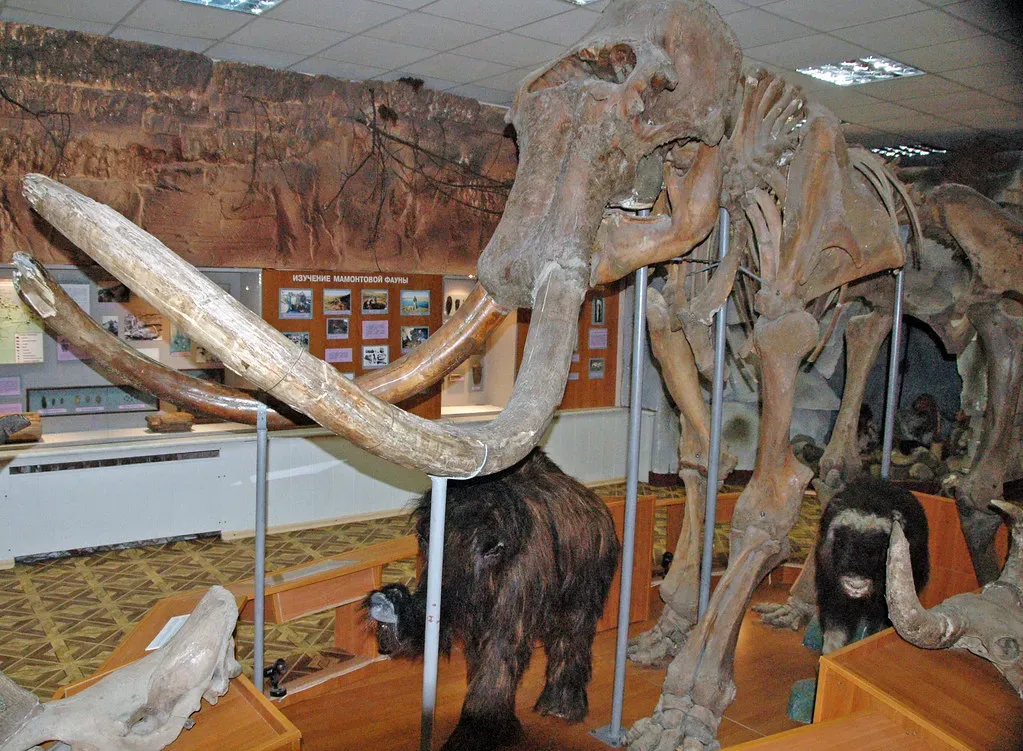
For years, the go-to explanation for the last mammoths’ extinction was simple: inbreeding slowly doomed them. New genome data flipped that story.
Researchers analyzing 21 ancient genomes found that the Wrangel Island mammoth population began with as few as eight individuals but grew to roughly 200 to 300 – and stayed stable for thousands of years before vanishing.
Most people assumed inbreeding gradually killed them off. That’s not what happened. Scientists now suspect something abrupt – a disease outbreak or sudden environmental shift, possibly worsened by reduced genetic flexibility. Notably, there’s no evidence humans hunted these final mammoths. Something specific took them out fast; they weren’t fading away.
#4: Scientists Recovered the Oldest RNA Ever Found – From a Mammoth
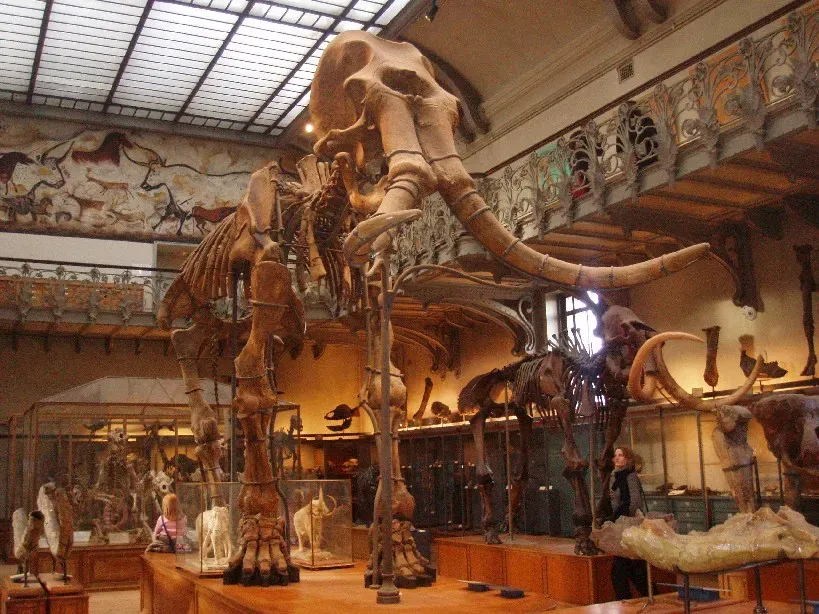
DNA gets all the headlines, but RNA might be the bigger scientific bombshell here.
Researchers long assumed RNA was too fragile to survive more than a few centuries, let alone millennia. Working with specimens from northern Siberia’s thawing permafrost – the same region that has produced a mummified saber-toothed cat cub and mammoths with preserved skin and muscle – scientists managed to pull RNA from a roughly 40,000-year-old woolly mammoth.
This isn’t just a neat trick. It’s a completely new scientific toolkit. RNA shows which genes were actively switched on in an animal’s tissue the moment it died – something DNA alone can never reveal. Scientists can now glimpse which genes were firing in a mammoth’s muscle or skin cells tens of thousands of years ago.
#3: A 50,000-Year-Old Baby Mammoth Turned Up Almost Perfectly Intact
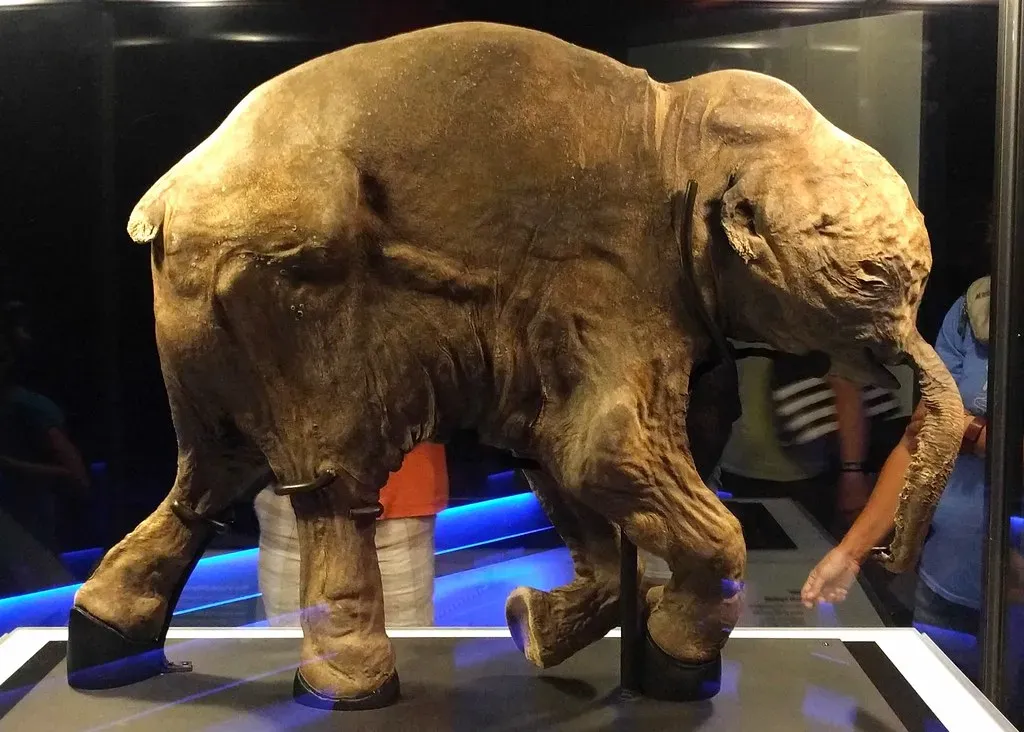
Her name is Yana, and she’s arguably the best-preserved mammoth specimen scientists have ever laid hands on.
She was discovered thawing out of the Batagaika crater – the world’s largest permafrost crater – measuring 120 centimeters tall and weighing over 100 kilograms, with her head, trunk, ears, and mouth all intact. The lab director overseeing the find called it a “unique research find,” adding that the team was “all surprised by its exceptional preservation.”
Here’s the unsettling part nobody likes to mention out loud. Yana didn’t appear because of careful excavation. Melting permafrost driven by climate change is exposing fossils like her at an accelerating rate – every incredible mammoth discovery like this one is also a quiet warning sign about how fast the Arctic is thawing.
Worth Knowing
- Name: Yana
- Age: roughly 50,000 years old
- Height: 120 centimeters
- Weight: over 100 kilograms
- Found: thawing out of the Batagaika crater, the world’s largest permafrost crater
#2: A Freeze-Dried Mammoth Genome Was Found Frozen in “Glass,” Fully Intact
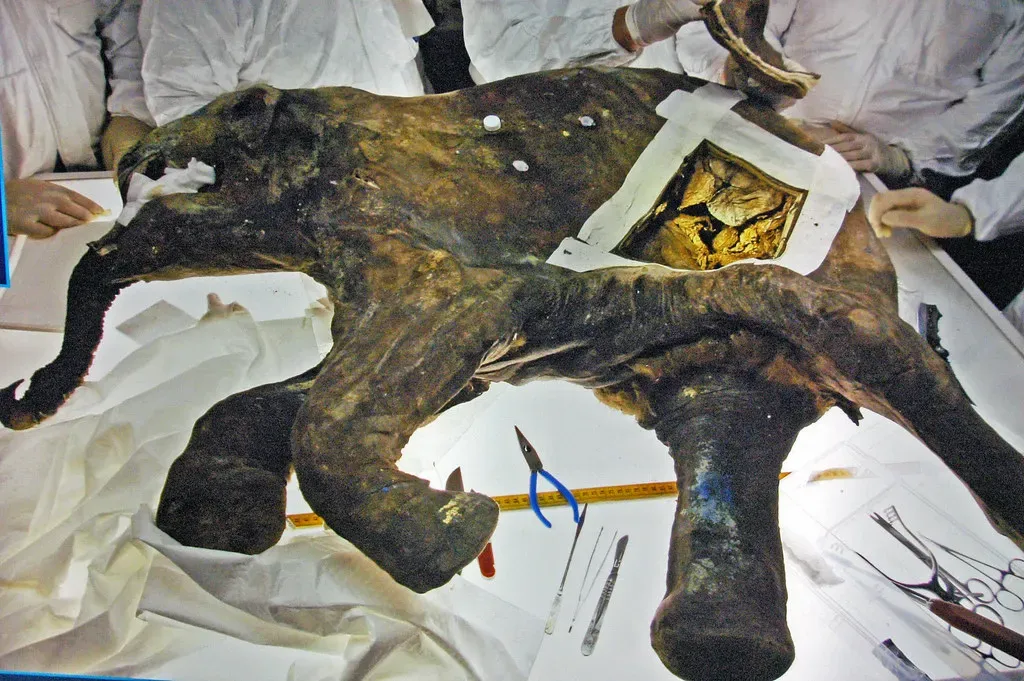
This discovery didn’t just recover mammoth DNA. It recovered the actual 3D shape of the genome, intact, for the first time in history.
Working with a 52,000-year-old specimen, researchers found the mammoth’s genome frozen in time – likely the result of the animal being rapidly freeze-dried by Arctic air, causing its chromosomes to enter a glass-like state that stopped the DNA from splintering apart.
Fossil chromosomes show that certain information is not lost to time and entropy.
Love Dalén, paleogeneticist
Most ancient DNA is a shattered jigsaw puzzle – this genome wasn’t. In samples this old, DNA is normally so fractured that reconstructing even a rough genome is difficult, let alone its full three-dimensional architecture. This specimen broke that rule entirely, handing scientists a genuine molecular fossil unlike anything documented before.
#1: Scientists Actually Created Mammoth Traits in a Living Animal

This is the discovery that turns “de-extinction” from science fiction into an active lab project happening right now.
In 2025, biotech company Colossal Biosciences announced they had engineered mice carrying real mammoth gene variants. Instead of a mouse’s usual short, gray-brown coat, these mice grow the long, wavy, woolly hair characteristic of mammoths, along with the accelerated fat metabolism that helped the ancient giants survive the last Ice Age. Researchers are now targeting 2027 or 2028 to produce a woolly mammoth-like elephant, currently working with roughly 85 genes of interest, aiming for an animal with tusks, a large head, and thick neck muscles.
Here’s the controversial part many scientists won’t let slide. One evolutionary biologist bluntly pushed back, arguing that engineering an Asian elephant to look like a mammoth “is not de-extinction – that’s genome engineering.” Whether you call it resurrection or elaborate genetic costuming, it’s the single most talked-about mammoth project on Earth right now.
Why It Stands Out
- Announced: 2025, by Colossal Biosciences
- Current focus: roughly 85 genes of interest
- Target traits: woolly coat, accelerated fat metabolism, tusks, thick neck muscles
- Target timeline: a mammoth-like elephant by 2027 or 2028
The Bottom Line
Ten years ago, mammoths were treated like a closed chapter – dead, frozen, done. That assumption has completely collapsed.
Scientists have recovered million-year-old DNA, disproved the leading extinction theory, traced an individual animal’s migration route from a single tusk, and engineered mammoth traits into living mice.
Honestly? The push toward a living mammoth hybrid feels less like science and more like a publicity stunt dressed up as conservation. The real breakthroughs are happening quietly in the DNA labs, not in the surrogate elephant enclosures. The mammoth isn’t ancient history anymore – it’s an active, unfinished research story. Which discovery on this list surprised you the most? Drop it in the comments.