Most people assume Hollywood pretty much nailed dinosaur behavior – the roars, the coordinated pack hunts, the dramatic mating displays. They didn’t. Behavior almost never fossilizes. What survives is bone, footprint, and the occasional lucky stomach contents, which means huge stretches of 165 million years of animal life are simply gone, and no CGI budget can bring them back.
Some of the most basic questions you’d assume were settled decades ago – how dinosaurs mated, whether they actually roared, even whether a Stegosaurus recognized its own sibling – still don’t have real answers. Paleontologists will tell you this plainly if you ask them. Here’s what they actually say, starting with the myth almost everyone still believes.
#12 – Did Dinosaurs Actually Roar, or Was Hollywood Lying to Us the Whole Time?
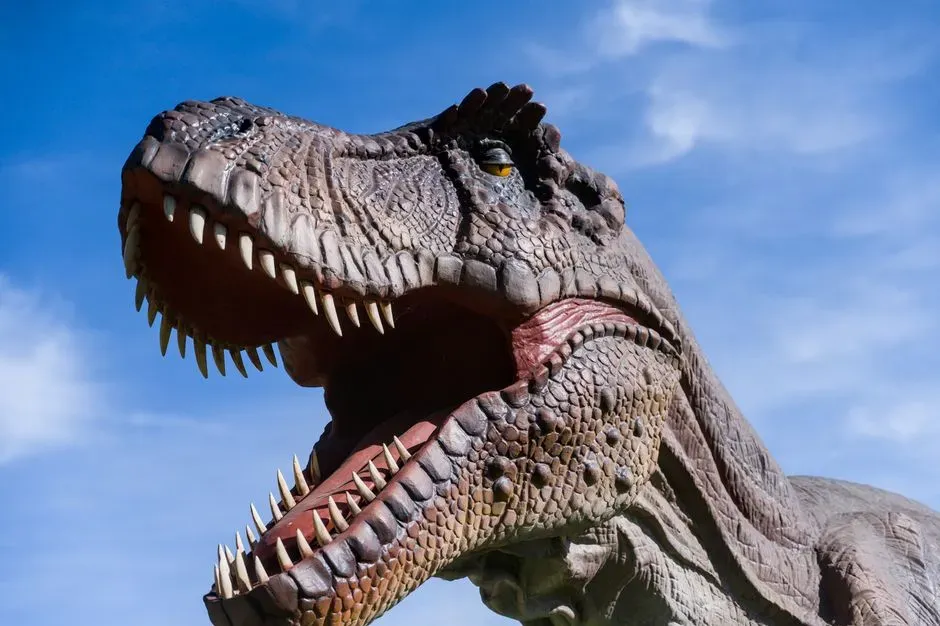
Every blockbuster dinosaur movie opens its predator’s jaws wide and lets out a bone-rattling roar. That almost certainly never happened.
Current evidence suggests Tyrannosaurus rex made closed-mouth vocalizations rather than the wide-open bellow audiences love – and yes, a big chunk of that famous movie sound was literally elephant recordings layered together. Scientists studying dinosaur vocal anatomy think many species had some kind of larynx-like structure capable of pushing air through to create growls, hisses, or honks. Most researchers doubt any of it added up to a roar. The honks and hums were probably far closer to reality than the movie screams.
Fast Facts
- Modern birds and crocodilians vocalize through a larynx, not an open-mouthed roar.
- Closed-mouth vocalizations produce low booms similar to sounds made by ostriches and cassowaries today.
- No dinosaur fossil has ever preserved actual vocal cord tissue.
- Movie roars for T. rex and Velociraptor were built from mixed recordings of elephants, alligators, and big cats.
#11 – Why Baby Dinosaurs May Have Lived Completely Different Lives Than Their Parents
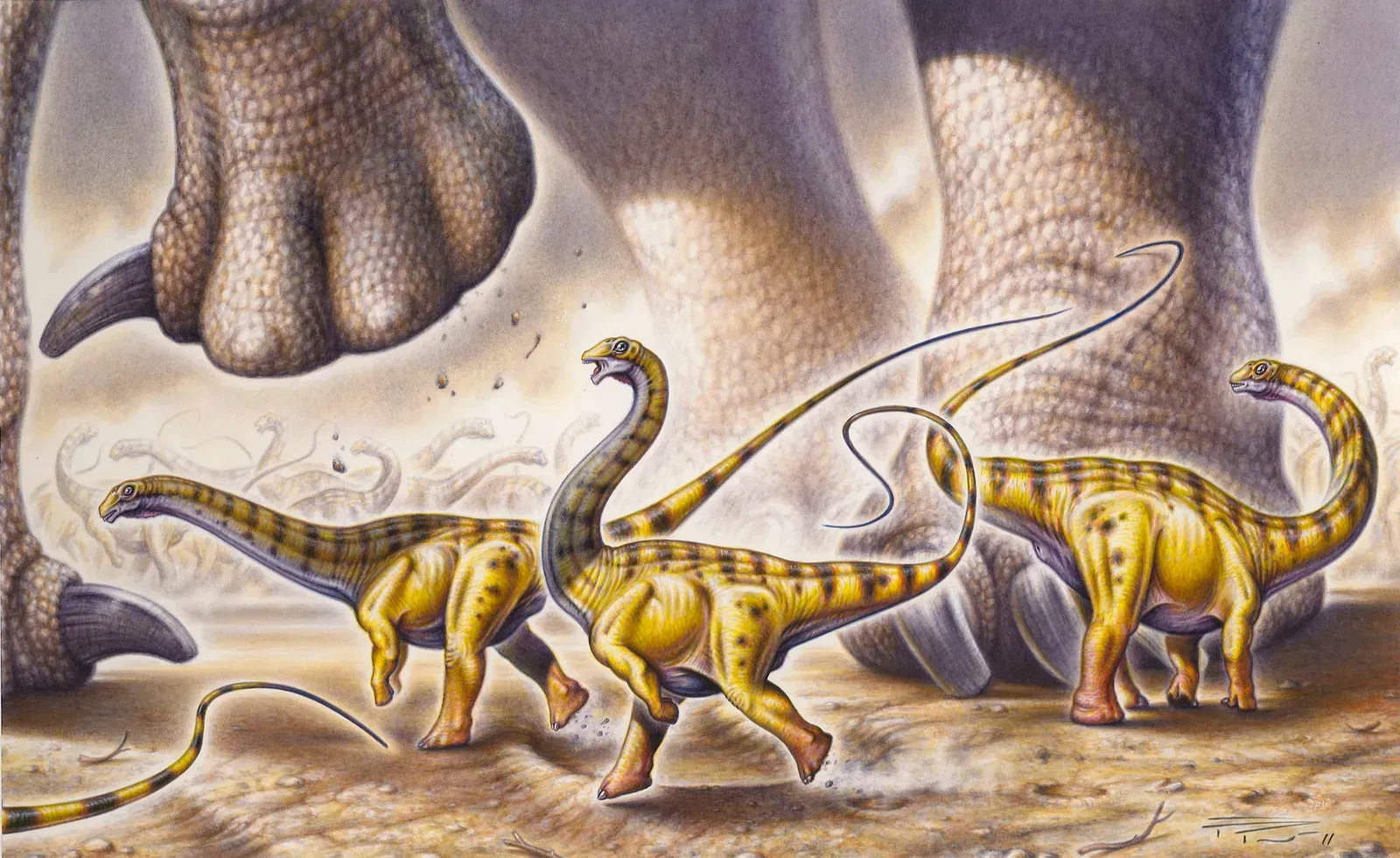
Here’s an uncomfortable truth: a baby dinosaur and its parent may have barely resembled each other in behavior, appearance, or daily survival strategy.
Fossil digs of hatchling-sized skeletons have been genuinely revealing on this front, showing growth rates and reproductive clues that hint at very different early-life strategies. Stegosaurus is the clearest example. Juveniles were smaller, more vulnerable, and likely leaned on camouflage or parental protection rather than the armor everyone pictures. The plates and spikes weren’t even there yet – those iconic defenses grew in gradually, which means the dramatic silhouette everyone associates with Stegosaurus may have taken a decade or more to actually show up.
#10 – Hunter or Scavenger? Why Scientists Still Can’t Answer This Simple Question
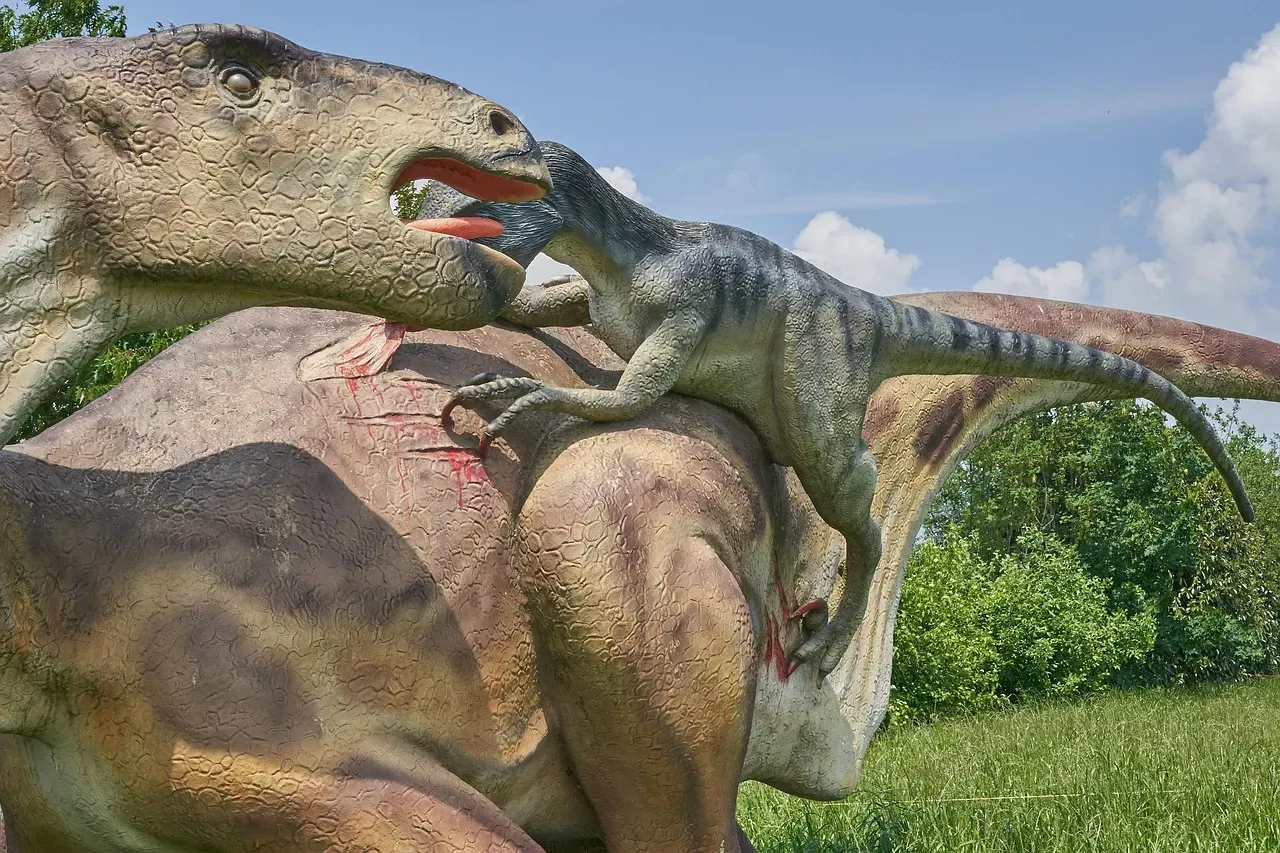
You’d think figuring out whether a predator hunted or scavenged its meal would be paleontology 101. It’s actually one of the field’s most stubborn dead ends.
Researchers have plenty of carnivorous dinosaur fossils with the bones of other animals still inside them, so we know exactly what they ate. What we can’t tell is whether that meal was chased down or simply stumbled upon already dead. That gap sounds small, but it quietly undercuts half of every “apex predator” documentary ever made – pack dynamics, ecosystem balance, and predator reputations all hinge on an answer paleontology still can’t give.
#9 – Were Dinosaurs Pack Hunters, or Is That Mostly Guesswork Borrowed From Wolves?
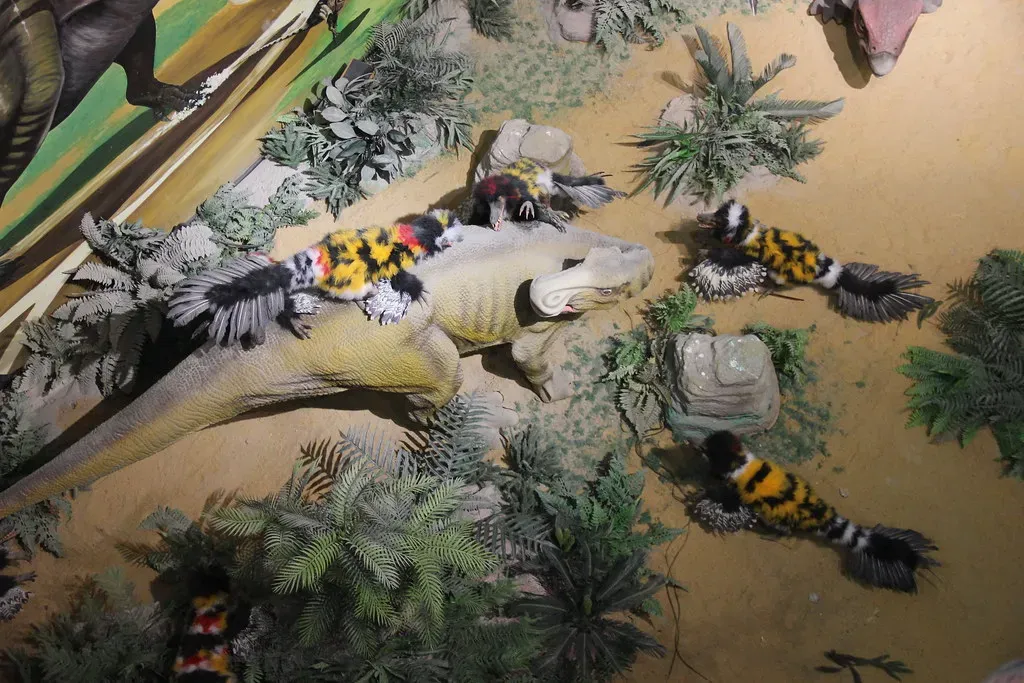
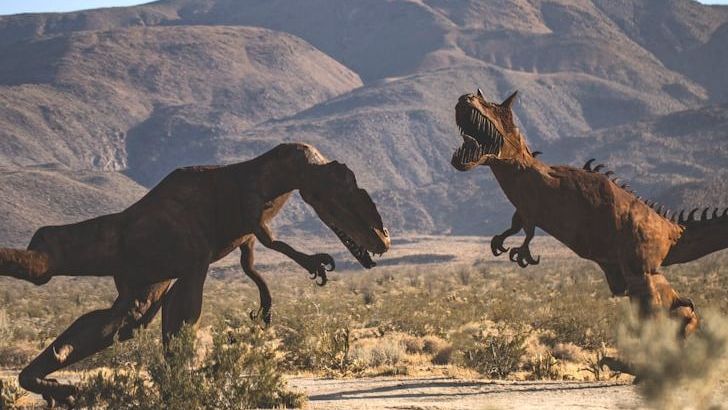
The image of a Velociraptor squad coordinating an ambush is one of the most beloved dinosaur myths in pop culture. It’s also built on shakier ground than most people realize.
Paleontologists openly admit their behavioral models have leaned too heavily on modern animals as stand-ins, and on treating one dramatic specimen as proof of a bigger pattern. A fossil bed with several predators near a carcass can just as easily mean scavenging chaos, or rivals converging on the same corpse independently, as it can mean coordinated pack culture. “We compared it to a wolf and hoped for the best” doesn’t make it into documentaries, but it’s closer to the truth than most scripts admit.
#8 – What Stegosaurus’s Plates and Spikes Were Actually For
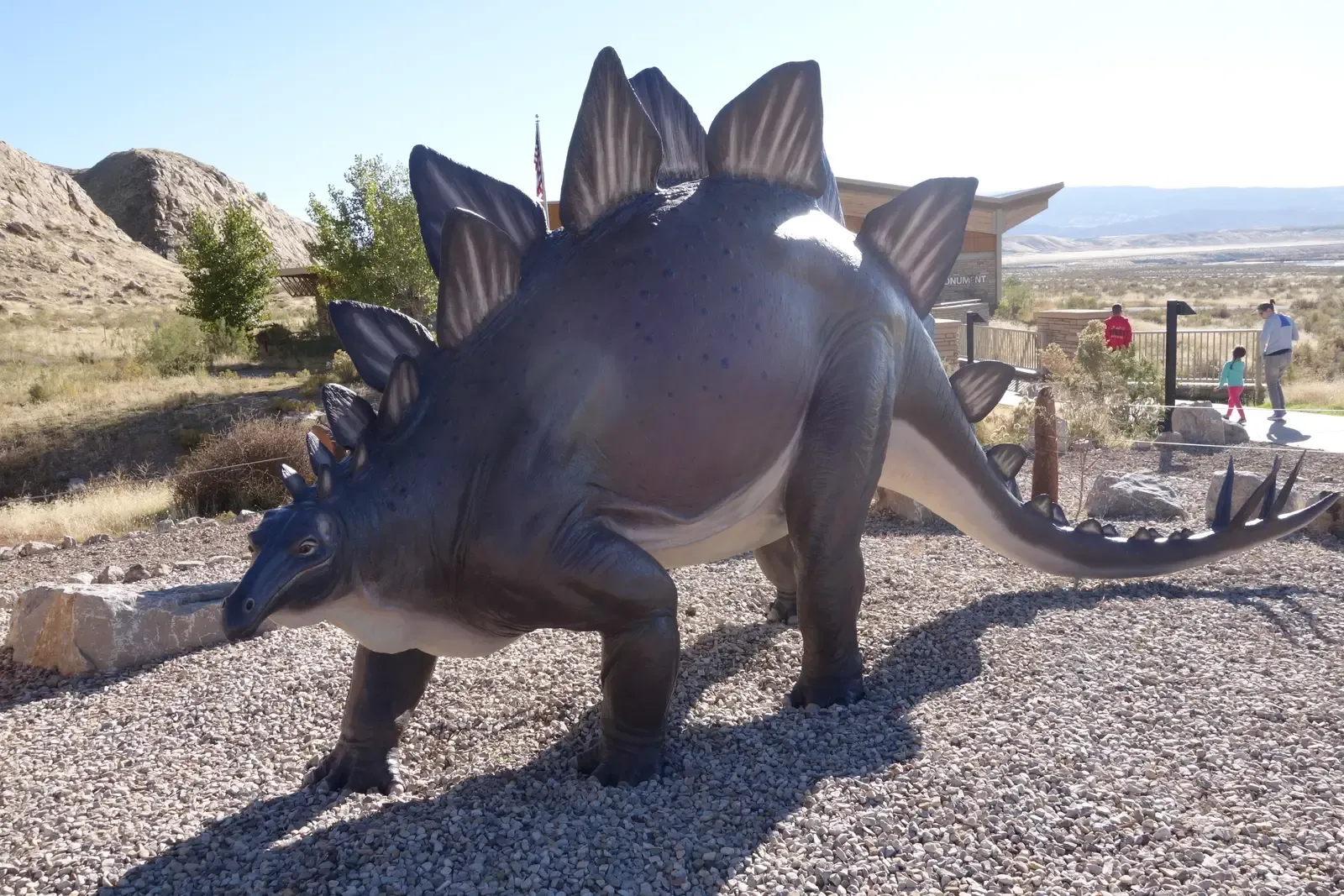
Few dinosaur features are more recognizable, or more argued over, than the double row of plates running down a Stegosaurus’s spine. A century of research still hasn’t settled what they were for.
One theory says the plates managed body temperature – turning toward or away from the sun to control heat absorption. Another says they were pure display, meant to be seen rather than used. Here’s the part that surprises people: many experts now think the “defensive armor” explanation that made Stegosaurus famous in kids’ books might actually be the least likely answer of the bunch.
Quick Compare
- Thermoregulation theory: plates acted like radiator fins, angled to catch or shed heat.
- Display theory: plates were mostly for visual signaling to rivals or potential mates.
- Defense theory: once the leading explanation, now considered the weakest of the three by many researchers.
- Combined theory: some scientists suspect the plates served more than one purpose depending on age or season.
#7 – The Feather-Color Secret Hidden in Fossilized Pigment Cells
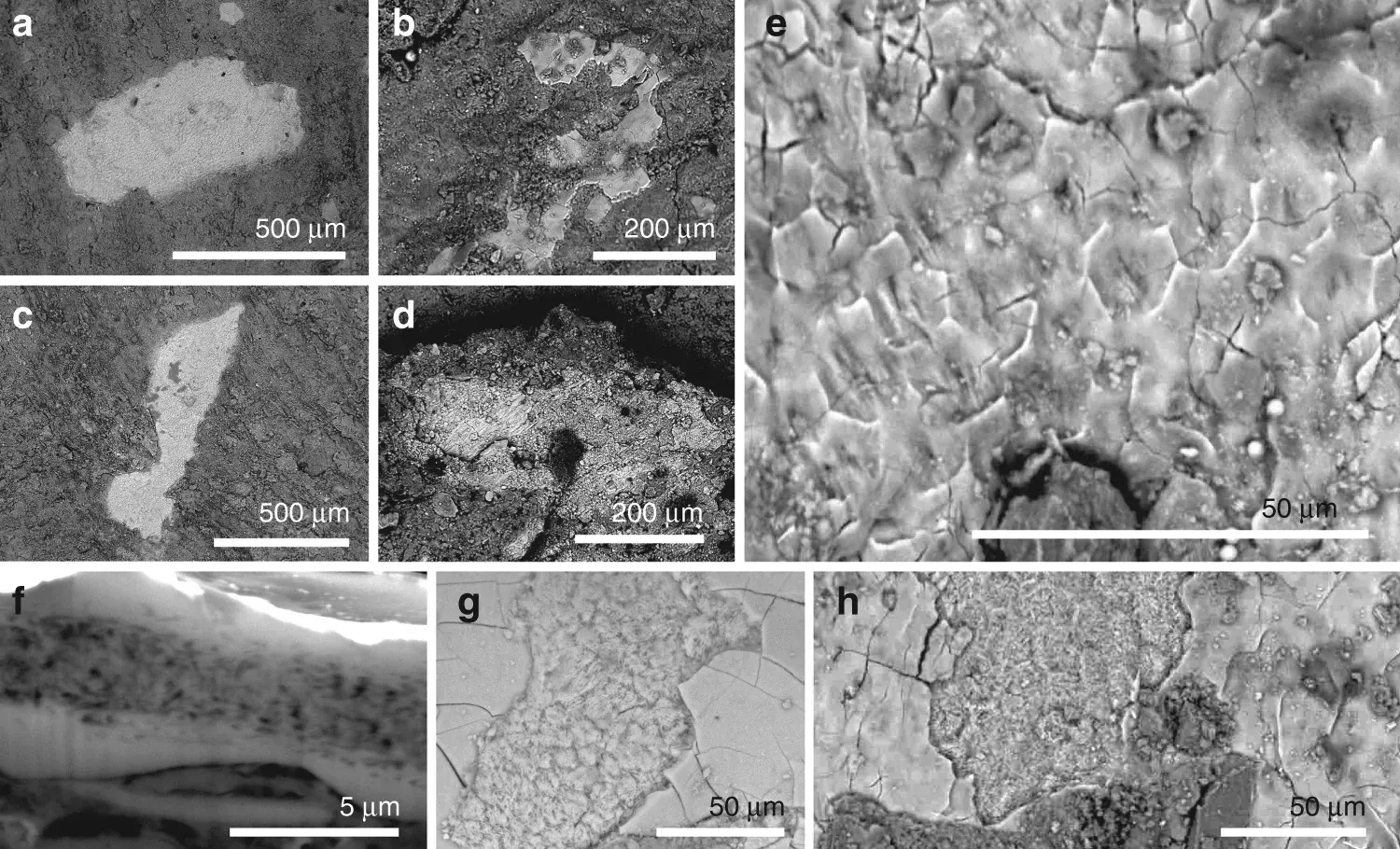
For decades, every dinosaur illustration was essentially a guess. Then scientists found a way to see actual, original color in fossilized feathers – and it changed the conversation completely.
Using electron microscopes, researchers can now spot tiny preserved structures that once held real pigment, something once considered flatly impossible. But the catch is that it only shows the color of one animal at one moment of death. Scientists still don’t know if color varied by sex, shifted with the seasons, or signaled something else entirely – maybe winter camouflage, maybe bright males courting mates, maybe both. We finally have the color. We just don’t know what it meant.
#6 – Ankylosaurs May Have Swung Their Tail Clubs at Each Other, Not Just Predators
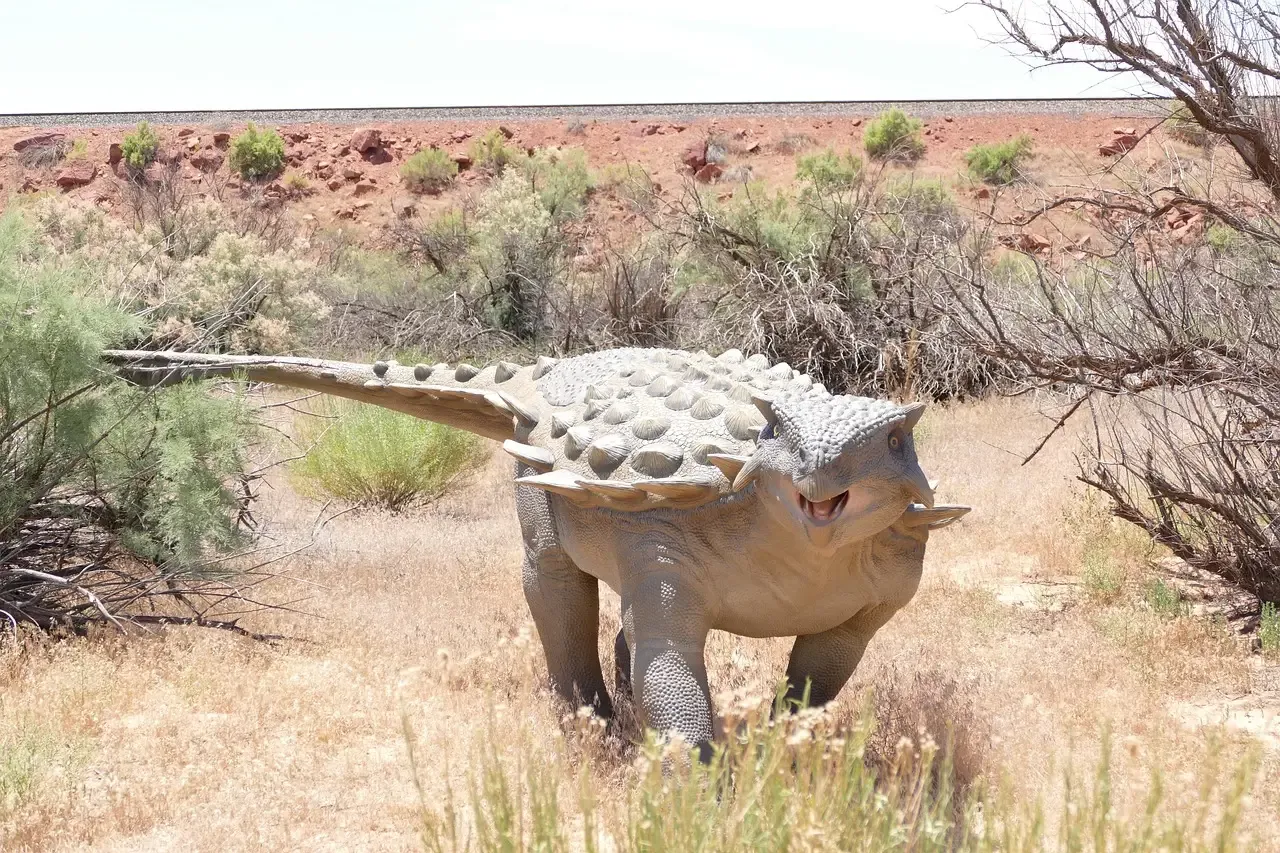
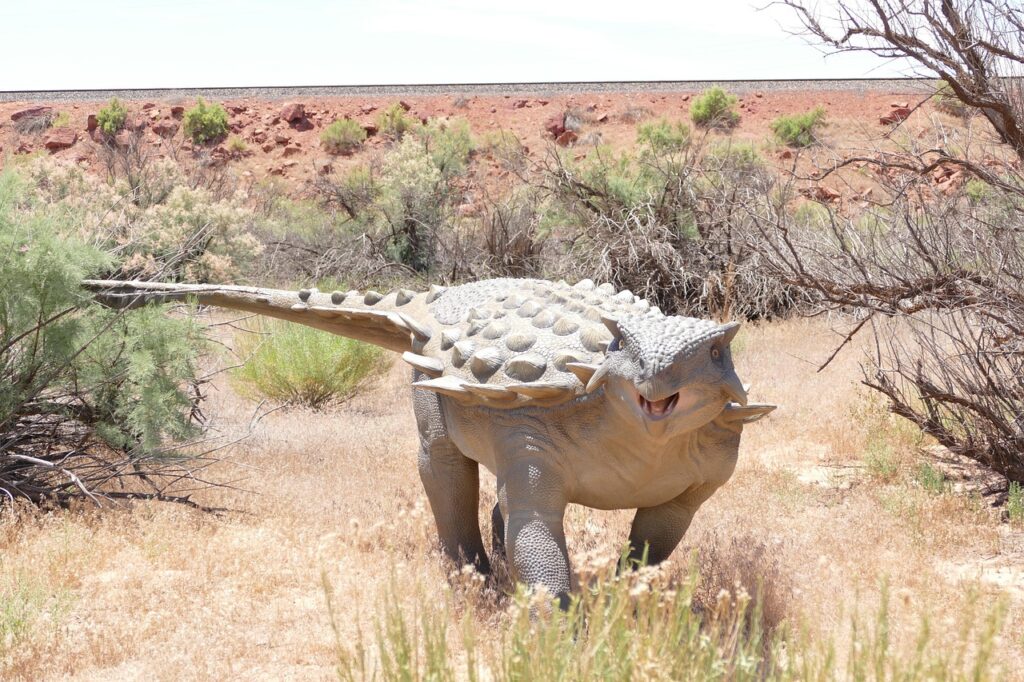
The armored, club-tailed Ankylosaurus looks like it was built for one purpose: smashing predators. New evidence suggests the real target may have been its own species.
For years the defense theory went unchallenged, until researchers started studying strike marks on the fossils themselves and asking whether that club was actually used on other ankylosaurs. That’s a genuinely jarring shift – instead of a weapon against a T. rex, the tail club may have doubled as a tool for territorial combat or mate competition, much like modern deer antlers. Paleontologist Victoria Arbour has spent years chasing down exactly these strike patterns, and by her own account, the questions still outnumber the answers.
At a Glance
- Ankylosaur tail clubs were made of fused bone plates called osteoderms, some as large as a bowling ball.
- Strike-pattern studies compare wear marks to how modern deer and bighorn sheep use antlers and horns.
- The intraspecific combat theory would make the tail club more like a sparring tool than pure armor.
- Researchers still can’t rule out that it served both defensive and competitive roles at once.
#5 – How Much Parental Care Dinosaur Babies Actually Got Is Still Basically Unknown
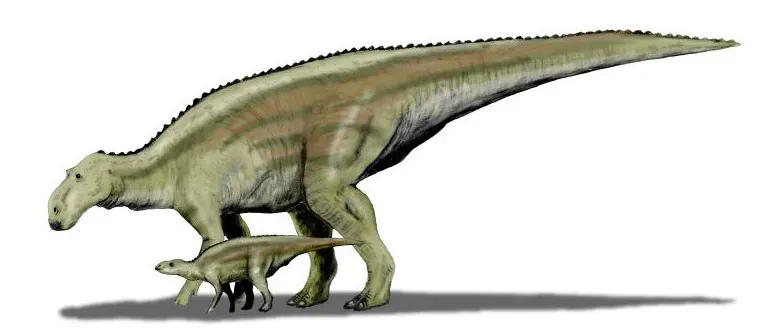
Everyone assumes dinosaurs were devoted parents because birds and crocodiles are. That assumption is doing a lot of heavy lifting with very little proof.
The honest answer is that behavior doesn’t fossilize, so how any given species raised its young is mostly guesswork stitched together from scraps. Maiasaura nesting grounds get cited constantly as proof of “attentive dinosaur parents,” but that pattern has never been confirmed across the hundreds of other known species. Most illustrated dinosaur books are quietly filling that blank with wishful thinking dressed up as fact.
#4 – The Weapons Puzzle: How “Obvious” Dinosaur Weapons Were Really Used
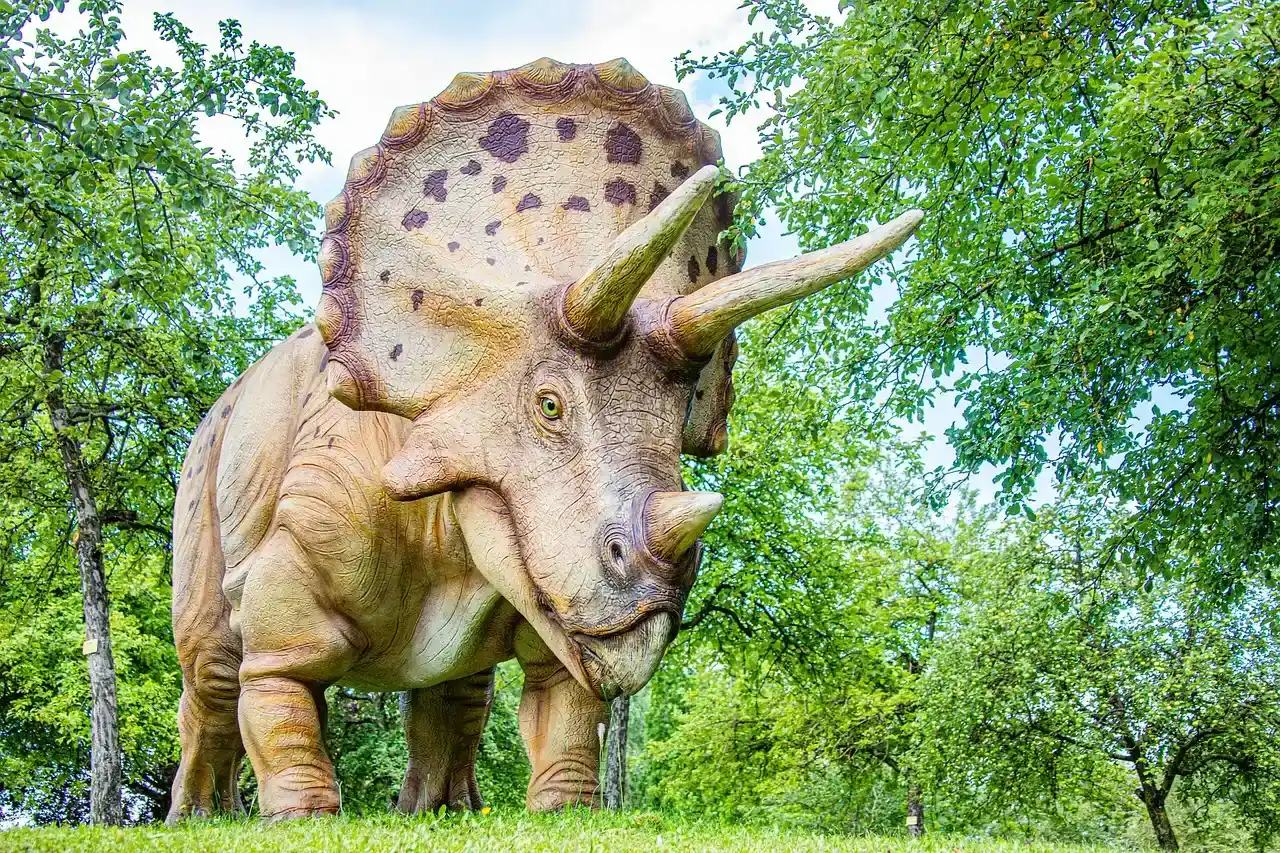
Horns, spikes, tail clubs, thick skulls – dinosaurs are covered in features that scream “weapon.” Scientists still can’t agree on who, or what, those weapons were actually used against.
Nobody doubts these structures were functional; a horn is clearly a horn. The problem is matching each weapon to an actual use case – predator defense, rival combat, mate competition, or some mix of all three – and that requires evidence that almost never survives 66 million years intact. Making it worse, research has clustered around a handful of famous species like Triceratops, while dozens of lesser-known armored dinosaurs remain complete question marks.
#3 – Whether Dinosaurs Had Limited Tongues, and What That Means for Calls and Feeding
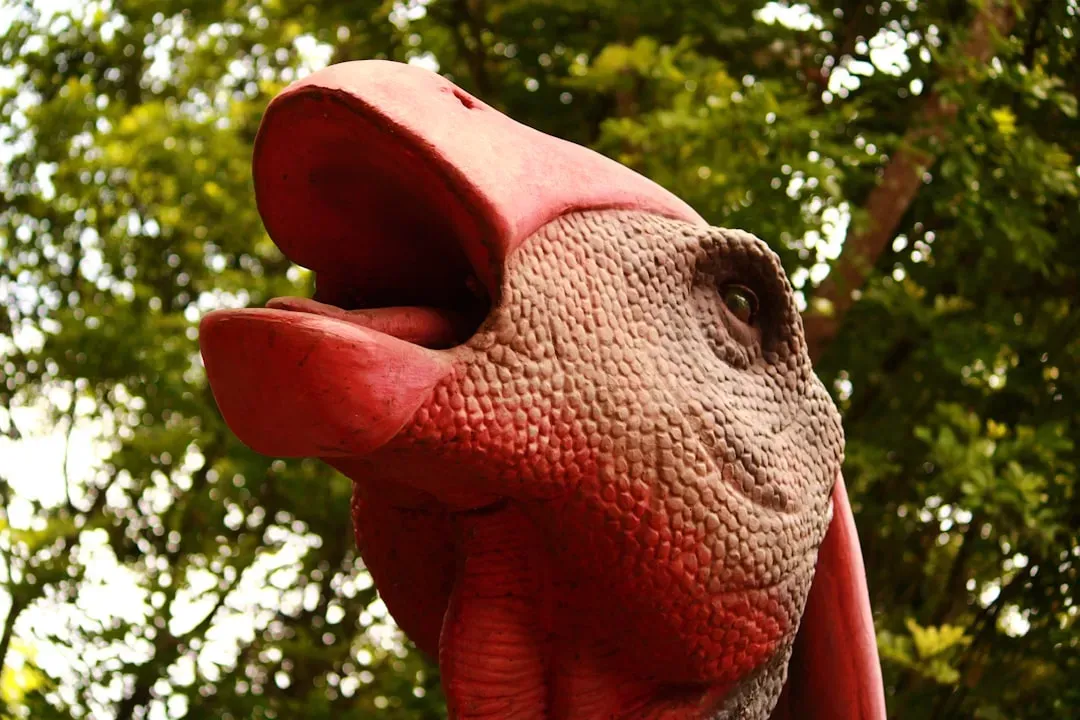
Here’s a detail almost nobody thinks about: what a dinosaur’s tongue could actually do. A specialized bone study just upended assumptions about feeding and vocal behavior across the board.
The bone in question is the hyoid, which anchors tongue movement in living animals. A recent study of dinosaur hyoid bones suggests most dinosaurs had limited, reptile-like tongue mobility rather than the flexible, bird-like tongues popular science has been pushing lately. That matters more than it sounds – a stiff tongue rules out the kind of complex vocal tricks flexible-tongued birds are capable of. Turns out the “dinosaurs were basically giant songbirds” narrative is far less musical than the internet wants it to be.
Worth Knowing
- The hyoid bone anchors and supports tongue movement in nearly all vertebrates, living and extinct.
- Bird hyoids are famously flexible, enabling complex calls and precise food manipulation.
- Most studied dinosaur hyoids look closer to a crocodile’s simple, rod-like structure than a bird’s.
- A limited tongue would rule out elaborate vocal mimicry, but not simpler honks, hisses, or booms.
#2 – Telling Males From Females Is Still Basically Unproven
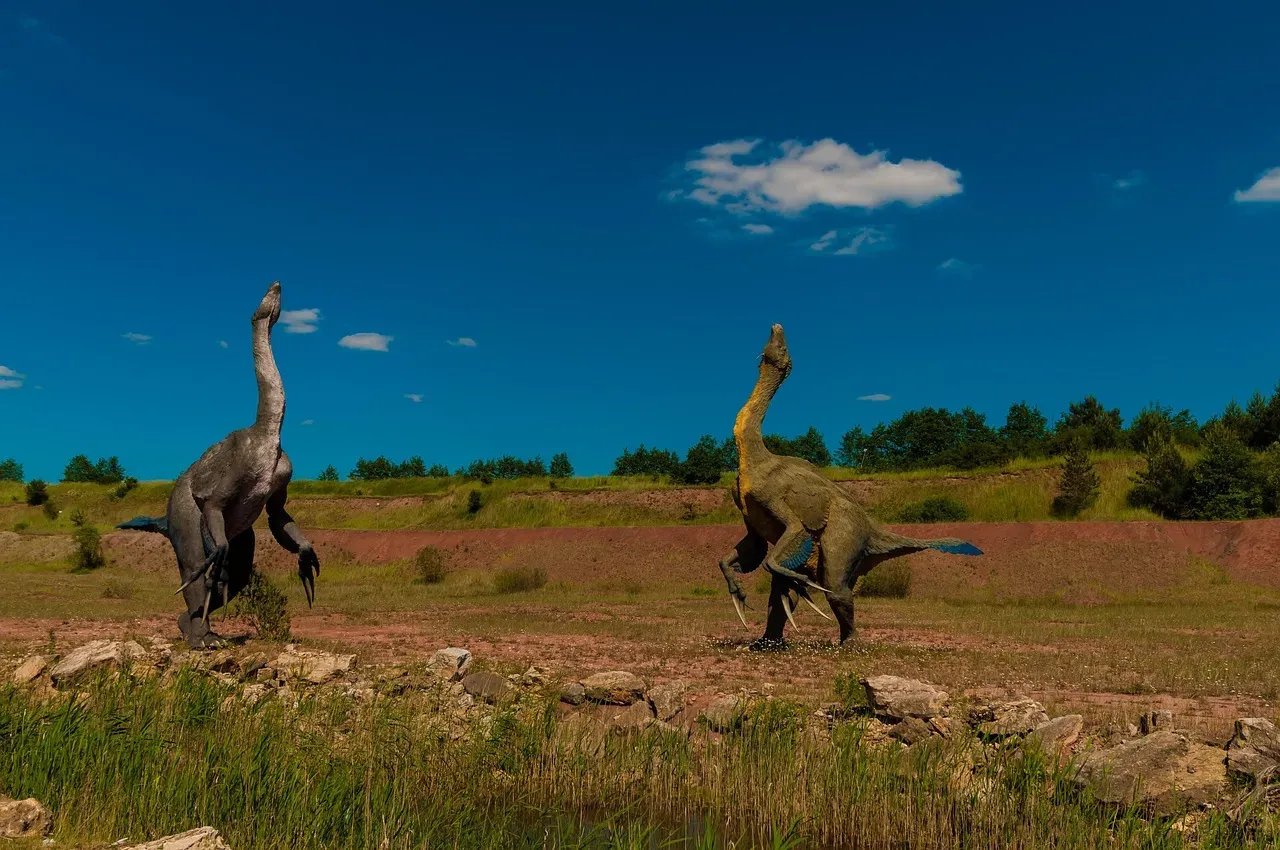
Ask a paleontologist to point at a male dinosaur skeleton and a female one, and you’ll usually get an awkward pause. Sexual dimorphism in dinosaurs remains one of the field’s quietest embarrassments.
Dinosaurs almost certainly used visual and auditory signals of some kind, but without confirmed male-versus-female skeletons to compare, scientists can’t reliably test whether size, crest shape, or color differences reflect sex, age, individual variation, or nothing at all. This is an unpopular thing to say around casual dinosaur fans, but most “male” and “female” labels on museum placards and in documentaries are educated guesses dressed up as certainty. The science underneath is nowhere near as settled as it looks.
#1 – How Dinosaurs Actually Mated Is the Biggest Unanswered Behavioral Mystery
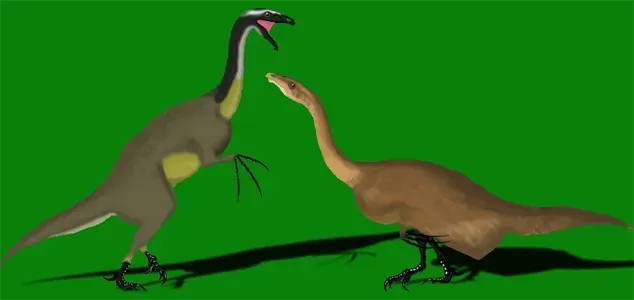
After everything else on this list, here’s the question that stops paleontologists cold every single time. Nobody actually knows how dinosaurs mated.
It sounds like it should be simple – we know dinosaurs laid eggs, so reproduction obviously happened. But the actual mechanics are a genuine void in the fossil record. Whether males fought each other for females, or relied on crests, plates, and elaborate displays to win them over, is entirely unresolved. Body armor, spiky tails, towering plates – all proposed as courtship tools at one point or another, none of it confirmed. For an animal group that ruled Earth for over 165 million years, the single most basic act of their existence is still, essentially, a mystery. That’s the most humbling fact on this entire list.
The Bottom Line
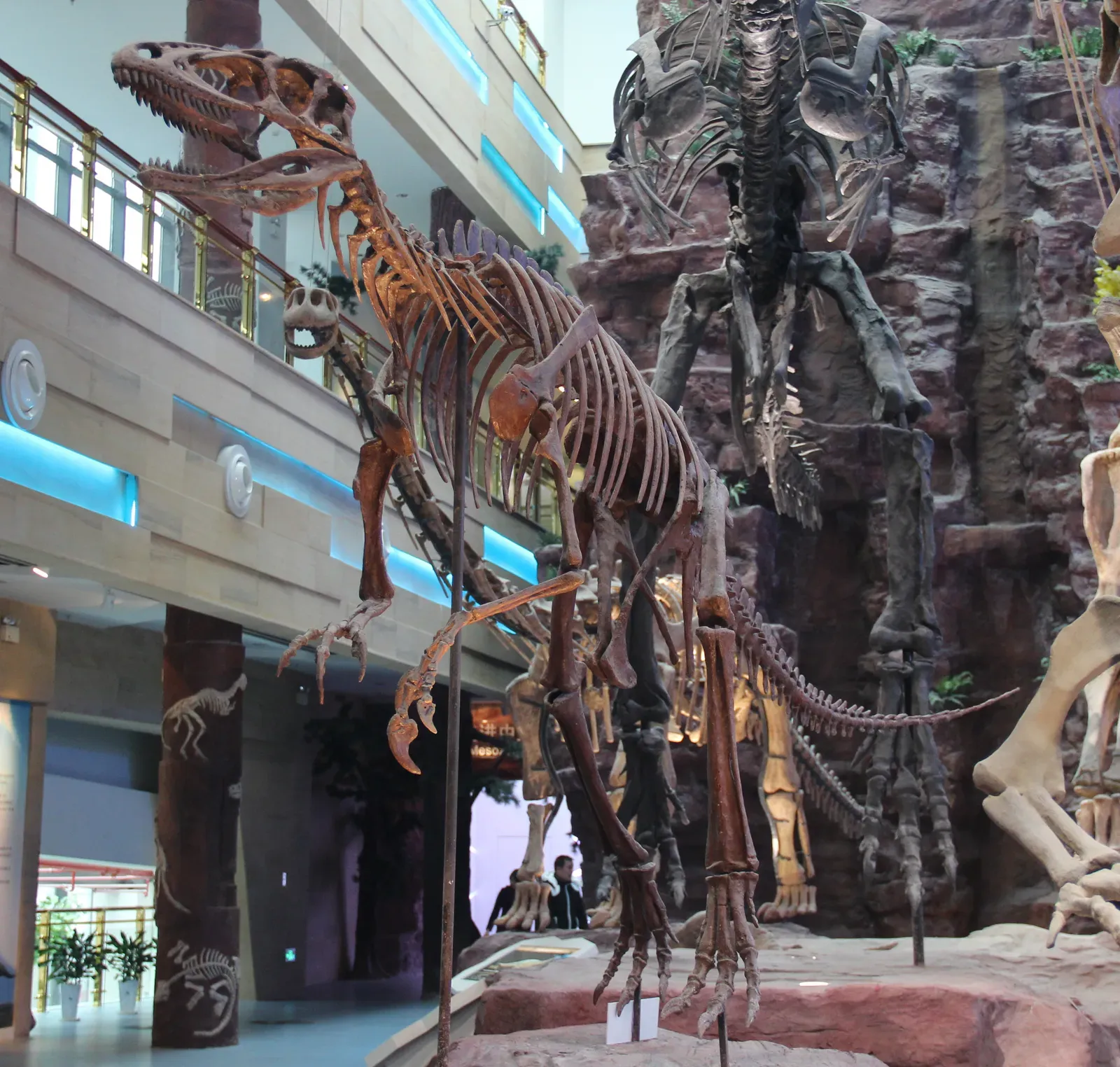
The real story here isn’t that dinosaurs were mysterious creatures – it’s that paleontology has spent 150 years reconstructing entire personalities from broken bones, and it shows. Roars that never happened. “Pack hunters” that might have just been rival scavengers. Weapons nobody can confirm were ever used in combat. A mating process that’s still a total blank.
Frankly, the confident dinosaur documentaries you grew up watching oversold their certainty by a mile. The fossil record doesn’t hand over behavior easily, and any honest scientist will tell you that straight to your face. Which of these unanswered mysteries surprised you the most? Drop it in the comments.