You’ve probably heard the tidy version of this story: humans showed up, hunted too well, and the big animals died off. Simple. Cause, effect, done.
Except the fossils won’t cooperate. Some of these giants outlasted humans by thousands of years. Others vanished before a single human foot touched American soil. A few disappeared here while their exact cousins thrived overseas. The deeper scientists dig, the messier the story gets, and by the time you reach the woolly mammoth at the end of this list, you’ll understand why paleontologists still argue about this at conferences.
#13 – The American Lion That Dwarfed Every Lion Alive Today
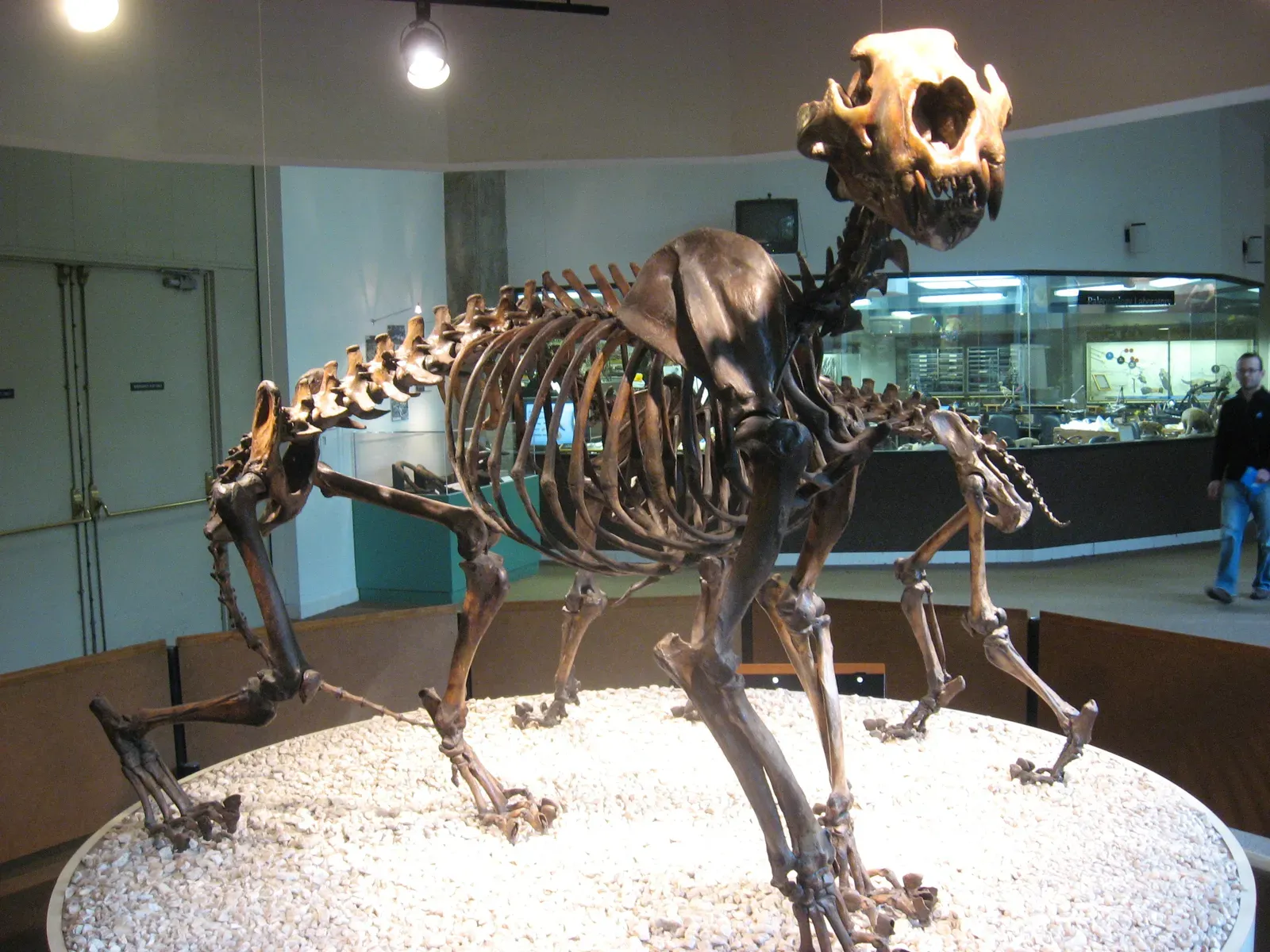
Most people have no idea North America once had lions bigger than anything roaming Africa today. The American lion (Panthera atrox) was up to 25% larger than a modern African lion, making it one of the biggest cats that ever lived. It stalked bison, horses, and possibly young mammoths across the open plains of what is now the U.S. and Mexico.
Fossils from the La Brea Tar Pits show a predator built for speed and open ground, not ambush hunting in forests. Then, around 11,000 years ago, right as the climate flipped and humans spread across the continent, it disappeared. The dates for warming and human arrival overlap so tightly that nobody can cleanly separate which one actually pulled the trigger.
Fast Facts
- Scientific name: Panthera atrox, roughly translating to “the cruel panther”
- Up to 25% larger than today’s African lions
- Ranged across open plains from the modern U.S. down into Mexico
- Exceptionally preserved fossils recovered from the La Brea Tar Pits
- Vanished around 11,000 years ago, right at the climate-and-human overlap point
#12 – The Giant Bear Built to Outrun a Horse
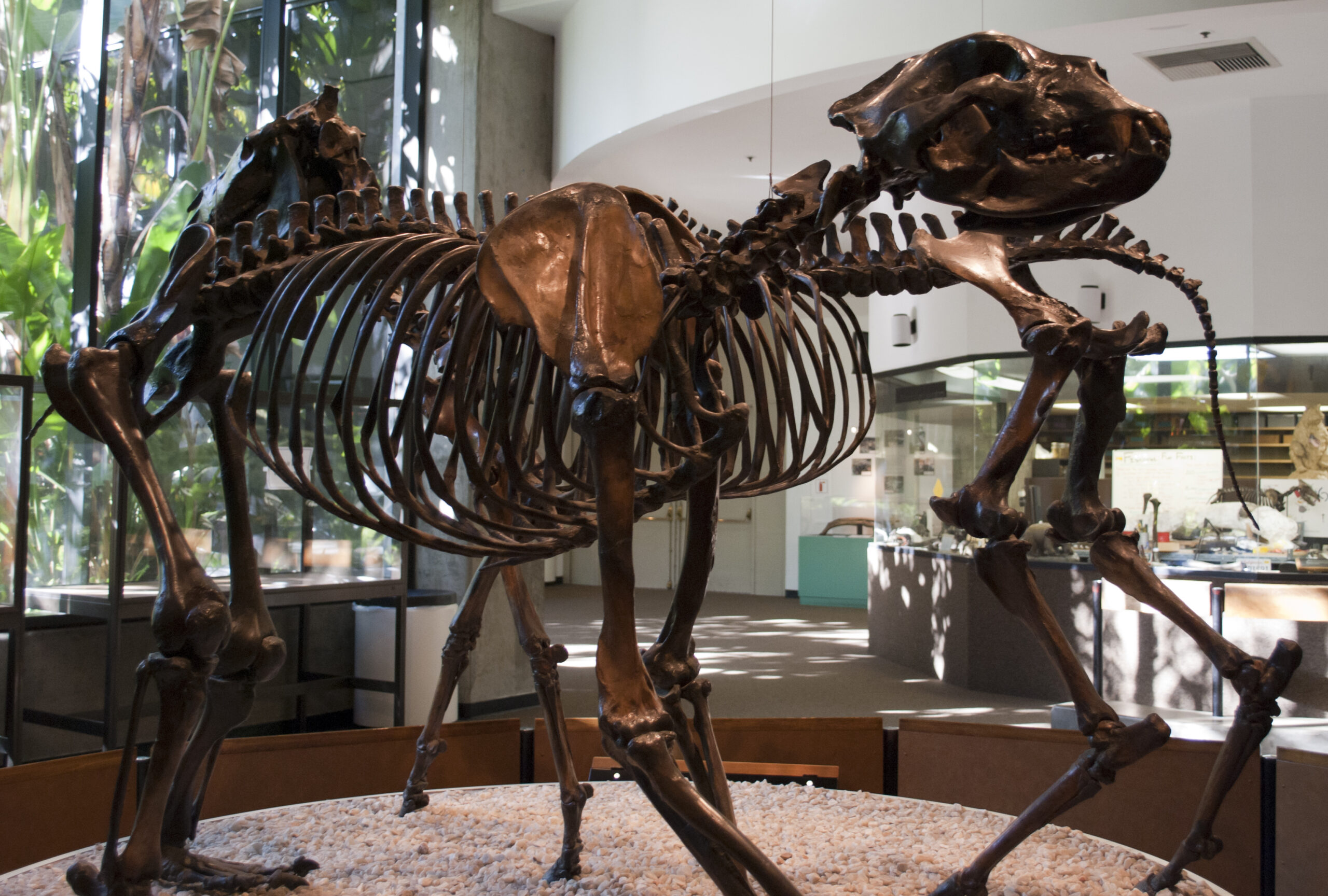
Grizzlies feel terrifying until you meet their extinct relative. Arctodus simus, the giant short-faced bear, stood over 11 feet tall on its hind legs and may have weighed close to a ton. For decades scientists pictured it as a hyper-predator built for sprinting, and its limb proportions back that up: this animal may have been fast enough to outrun a horse over short distances.
Yet its jaw and teeth tell a different story, hinting at a flexible diet that mixed meat, carrion, and even plants. It dominated North America for hundreds of thousands of years, then faded out right when it should have been feasting on clumsy, newly arrived human hunters. There’s no kill layer, no single event, just a slow disappearance from the fossil record that still doesn’t have a clean explanation.
#11 – The Ghost Predator That Built the Pronghorn’s Speed
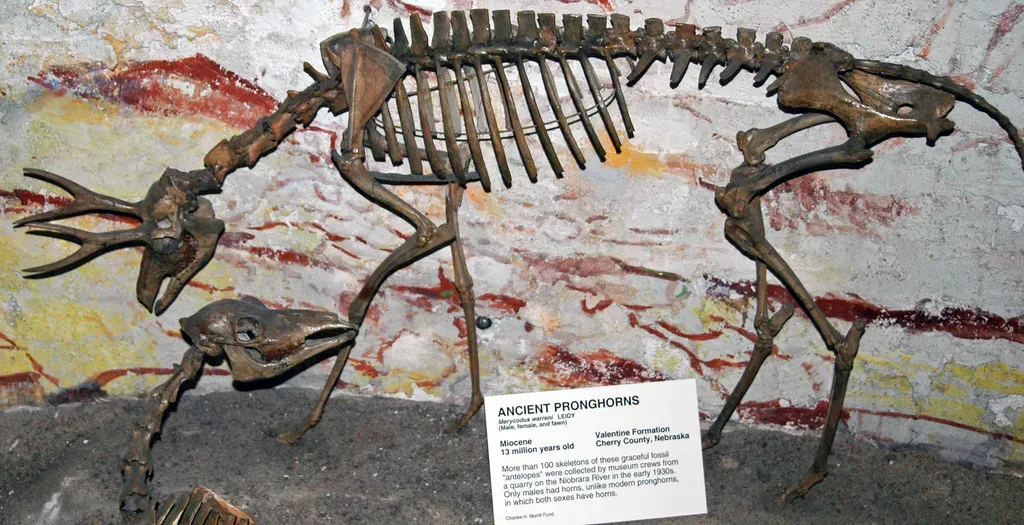
North America had its own cheetah, and it may have been even faster than the African version. The so-called American cheetah (Miracinonyx) looked so much like a cheetah that scientists originally assumed it was one, though genetic work later suggested it was closer to a cougar rebuilt for sprinting: long legs, a light frame, a body made for speed.
Here’s the part that should give you chills: the pronghorn antelope can still outrun every living predator in North America, hitting speeds over 55 mph for no obvious reason. Many biologists think that absurd speed is a leftover adaptation, a ghost memory of outrunning a predator that no longer exists. As grasslands fragmented and human hunters arrived with projectile weapons that erased the cheetah’s speed advantage, the animal faded out gradually, leaving the pronghorn as the only living proof it was ever real.
#10 – The Elephant-Sized Sloths That Bulldozed Forests
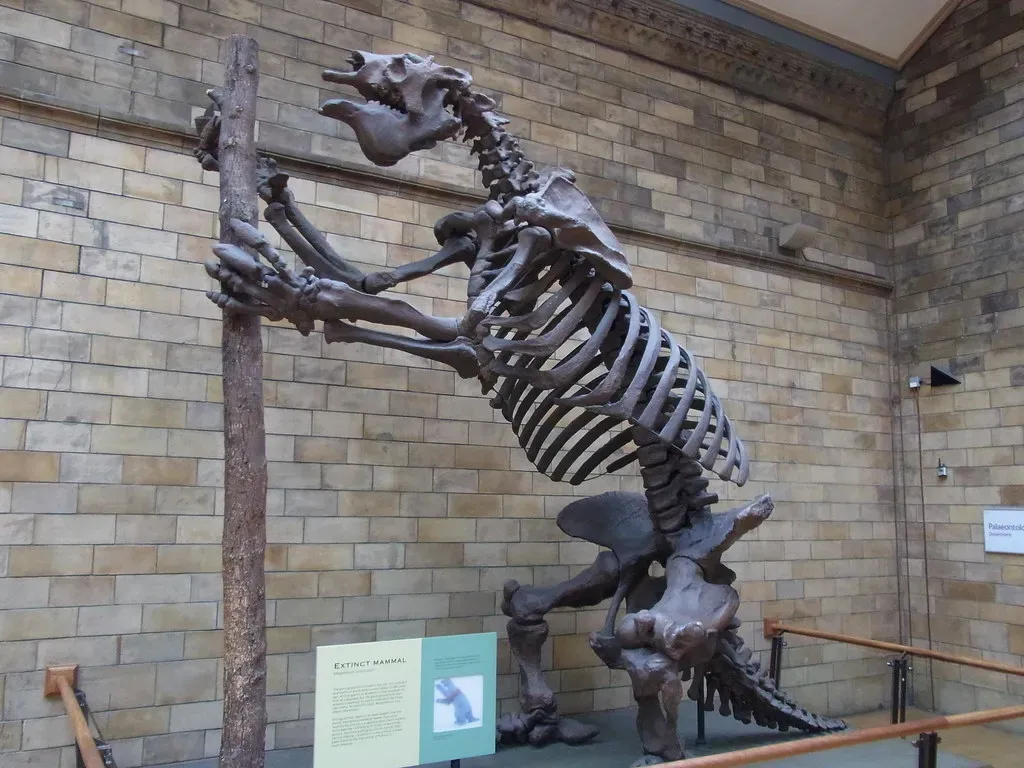
Forget the slow, tree-hugging sloths you know from documentaries. Their American cousins, genera like Megalonyx and Eremotherium, were built like tanks, with huge claws and skeletons dense enough to support a body that may have weighed over three tons. That puts the largest species in the same weight class as a modern African elephant.
Cut marks on sloth bones and sloth dung preserved in caves show these animals wandered everything from open woodland to semi-arid scrub. So why did such adaptable giants disappear? Sloths persisted for millennia alongside humans in parts of South America and the Caribbean, which wrecks any simple “humans killed them fast” story. What we’re left with looks less like a single extinction event and more like a long, staggered unraveling.
#9 – The Camel That Invented Itself in America, Then Left
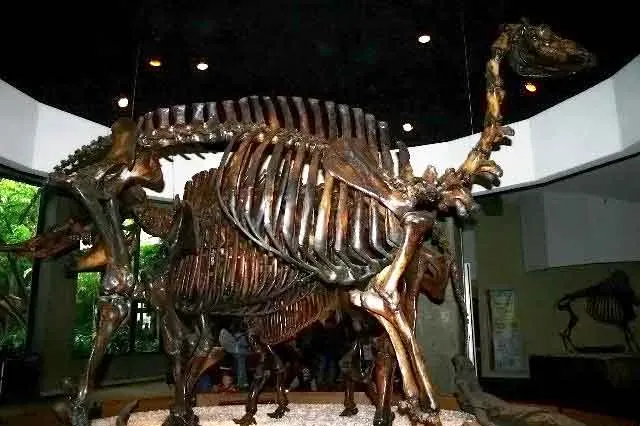
Camels feel like a desert animal from Africa or Asia, but their evolutionary home base was actually North America. For millions of years, camel species roamed what is now the U.S. and Canada, including Camelops, which looked broadly like a modern camel but without the humps. Fossil tracks in the Yukon and the American Southwest prove camels once walked the same ground now associated with bison and mustangs.
Then, around 10,000 to 12,000 years ago, they vanished from this continent entirely, even as their close relatives kept thriving across Eurasia and Africa. Why here and not there? One uncomfortable theory suggests Old World camels survived precisely because they’d already been “tested” by human hunters for longer and evolved warier instincts, while American camels got blindsided by rapid climate change and skilled hunters arriving all at once.
#8 – The Beaver the Size of a Black Bear
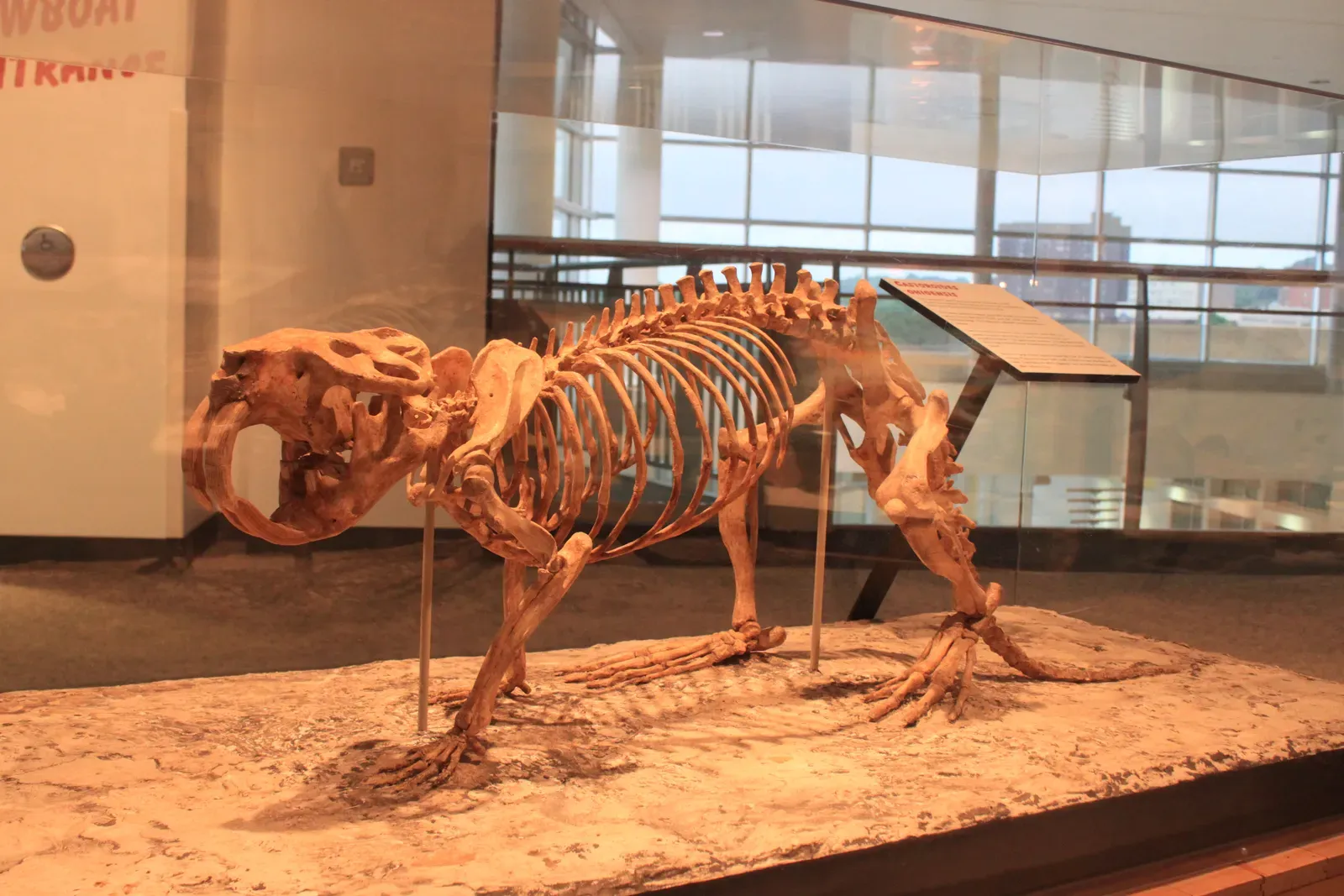
Picture a beaver, then scale it up to the size of a black bear. Castoroides, the giant beaver, reached over 8 feet long and 200 pounds or more, but it didn’t have the sharp chisel-teeth of a modern beaver. Its incisors were broader, likely built for shredding soft vegetation rather than felling trees, and there’s surprisingly little evidence it built dams at all.
So the mental image of a giant super-engineer might just be wrong. As ice sheets retreated, glacial lakes drained and wetlands shifted or shrank, gutting the giant beaver’s preferred habitat. No hunting kill sites have ever turned up, but that’s partly because animals that live in waterlogged environments leave bones that rot fast. Its disappearance looks less like a catastrophe and more like a quiet ecological rug-pull.
#7 – The Mastodon That Beat the Mammoths to Extinction
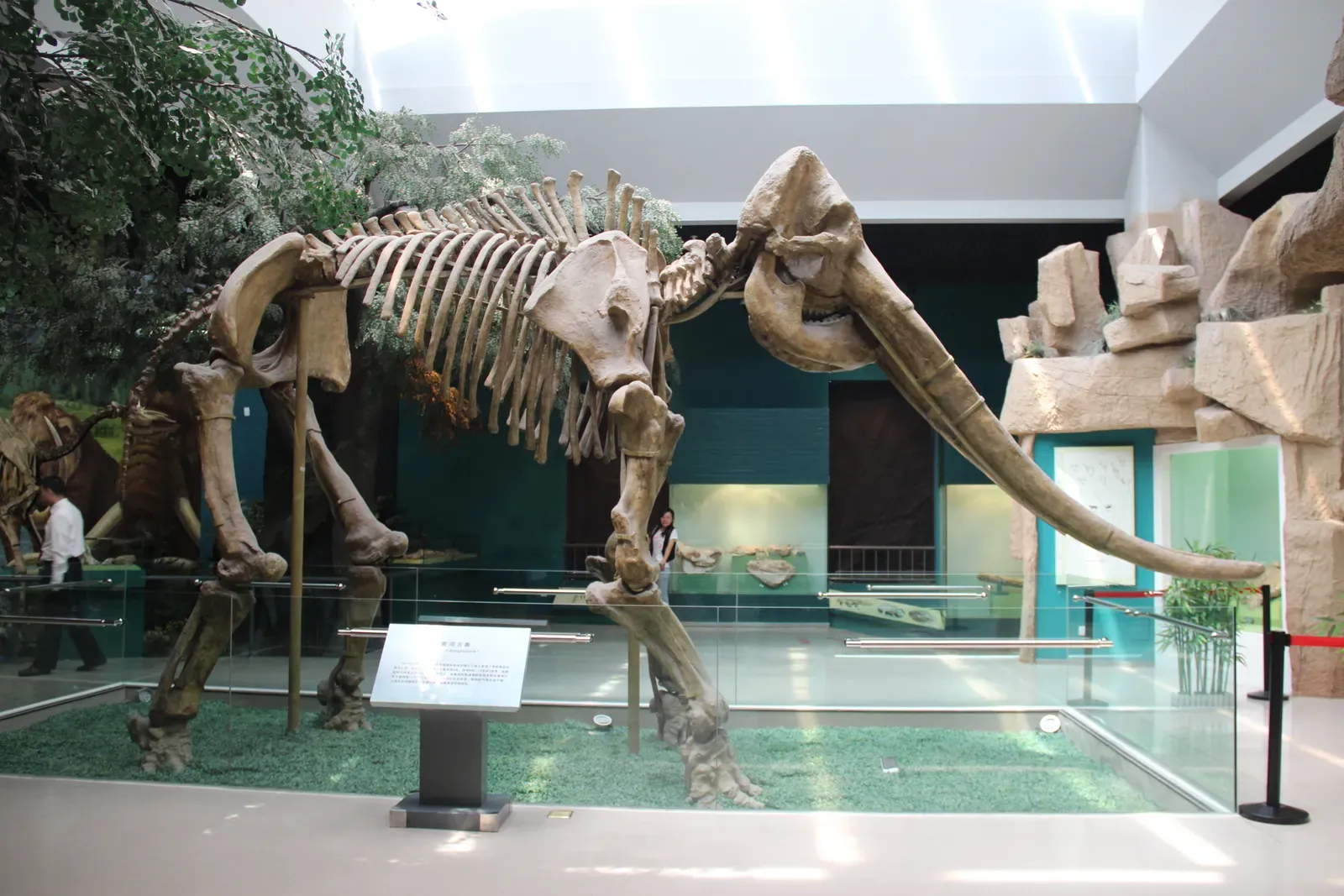
Everyone talks about woolly mammoths, but their bulkier, forest-loving cousins vanished first in many places. Mastodons looked similar to mammoths but had teeth built for crushing twigs, bark, and leaves rather than grazing grass, which is why their fossils turn up in boggy sediments across the northeastern U.S. and the Great Lakes region.
Oddly, mastodons disappeared before local mammoth populations in some regions, even though both faced the same warming climate and the same spreading humans. As spruce and fir forests retreated north and were replaced by grasslands, mastodon habitat likely eroded faster than mammoth habitat. Butchery marks and embedded stone points on mastodon bones confirm humans hunted them regionally, but populations were already stressed before dense human occupation shows up, which makes it nearly impossible to say what actually finished them off.
#6 – The 2,000-Pound Bison With Seven-Foot Horns
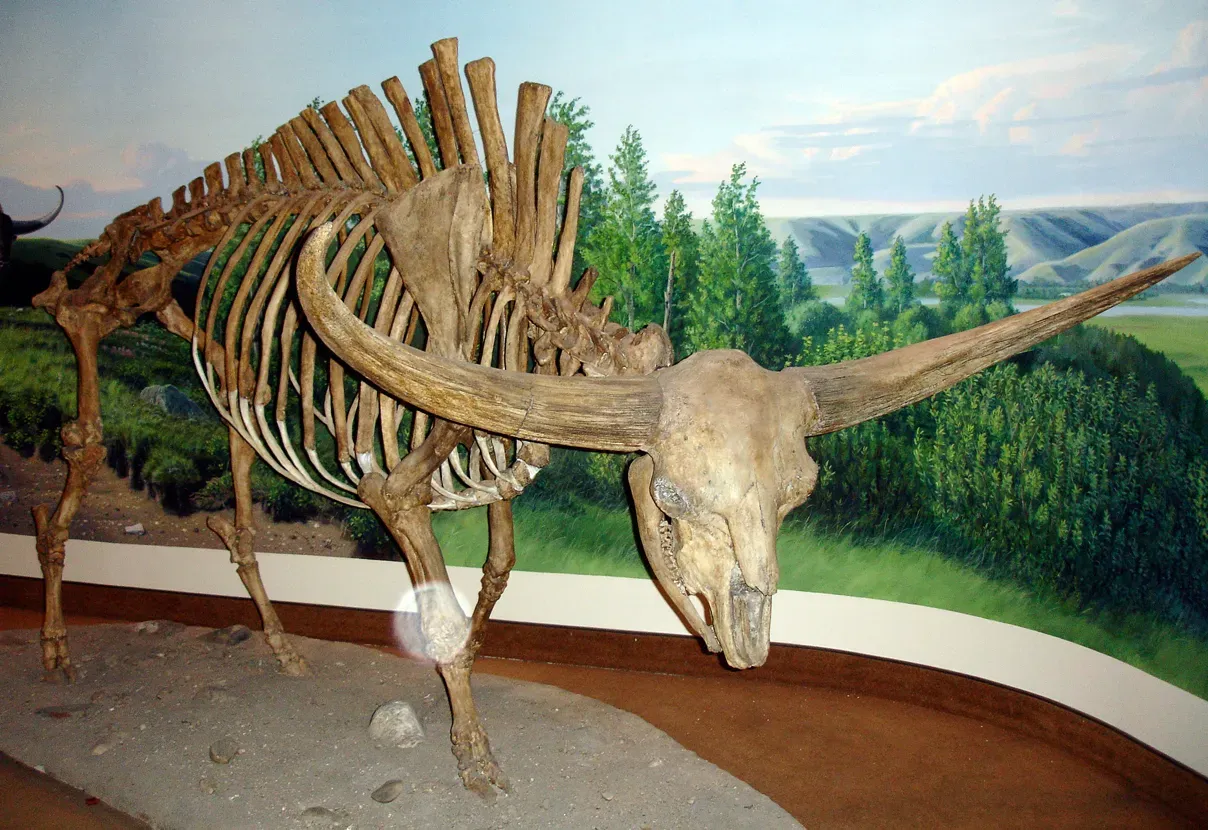
The bison that survived into the modern era were not the biggest bison to ever roam America. Bison antiquus, and especially Bison latifrons, dwarfed today’s plains bison. Latifrons carried horns spanning over 7 feet tip-to-tip and bodies that may have topped 2,000 pounds, earning it the half-joking nickname “the bison on steroids.”
Herds like that would have physically reshaped grasslands through sheer grazing and trampling power. So why did the biggest version disappear while smaller bison hung on? Smaller, more agile bison likely had the edge in patchier, more unpredictable landscapes, while the giants needed more food and reproduced more slowly. Genetic studies even suggest today’s bison descend from smaller lineages that replaced the giants outright, meaning the mega-bison didn’t shrink over time, it simply lost.
Quick Compare
- Bison latifrons: horns spanning over 7 feet tip-to-tip, the largest bison species known
- Bison antiquus: smaller than latifrons but still bigger than modern bison, a frequent target of early Paleo-Indian hunters
- Modern American bison: far shorter horn spread, but a more adaptable, faster-reproducing body plan that ultimately won out
#5 – The Horse That Vanished From the Land It Was Born On
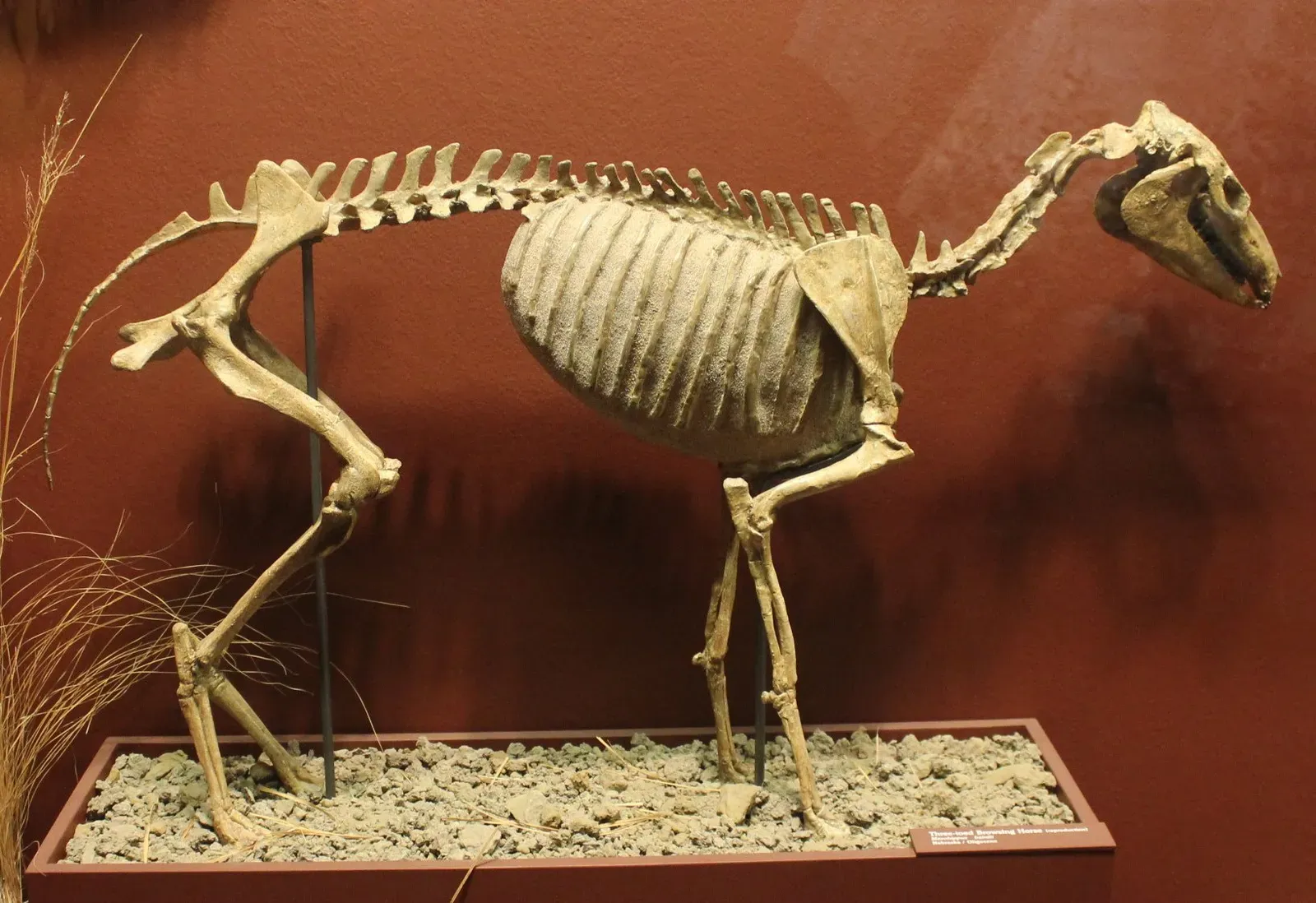
One of the strangest facts in all of paleontology: horses evolved in North America, then disappeared from the very continent that made them. Multiple horse species, from stocky steppe types to lean runners, were abundant across the American West right up until about 11,000 years ago, filling the same ecological role as today’s wild mustangs.
Then they vanish from the fossil record completely, only to be reintroduced by Spanish colonizers over 10,000 years later. Nutritional stress from shifting plant communities may have weakened populations, and human hunters may have targeted horses specifically because they moved in predictable herds. But if overhunting alone explains it, why did bison survive in massive numbers while horses didn’t? The selective erasure of the animal that helped invent North American grasslands is still one of paleontology’s biggest head-scratchers.
#4 – The Four-Tusked Giants With Shovel Jaws
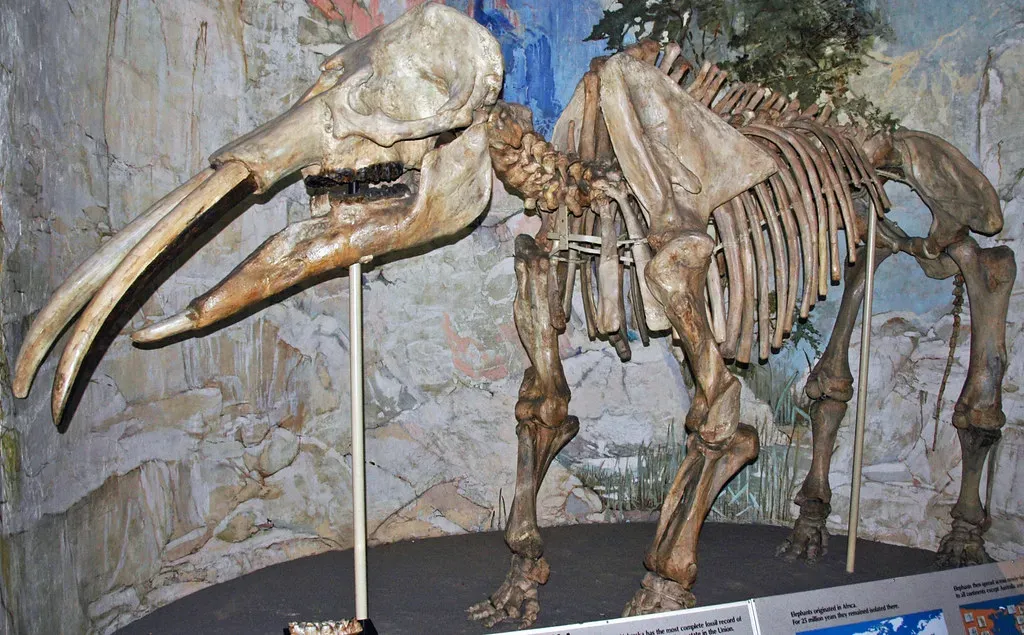
Not every trunked giant looked like a mammoth. Gomphotheres were elephant-like mammals with a genuinely bizarre feature: flared, shovel-shaped lower tusks that looked almost like a flattened scoop, alongside more conventional upper tusks. Scientists think they used these strange jaws to strip aquatic plants, dig through mud, or browse low vegetation near rivers and wetlands.
These animals were once widespread across North America before retreating into Central and South America and eventually disappearing altogether. Did they lose out to more specialized mammoths and mastodons? Did shifting waterways destroy the marshy habitats they depended on? There’s scattered evidence of human contact, but not nearly enough to build a clean overkill story. What’s left looks like a slow continental retreat rather than a single extinction moment.
#3 – The Bone-Crushing Dogs That Died Before Humans Even Showed Up
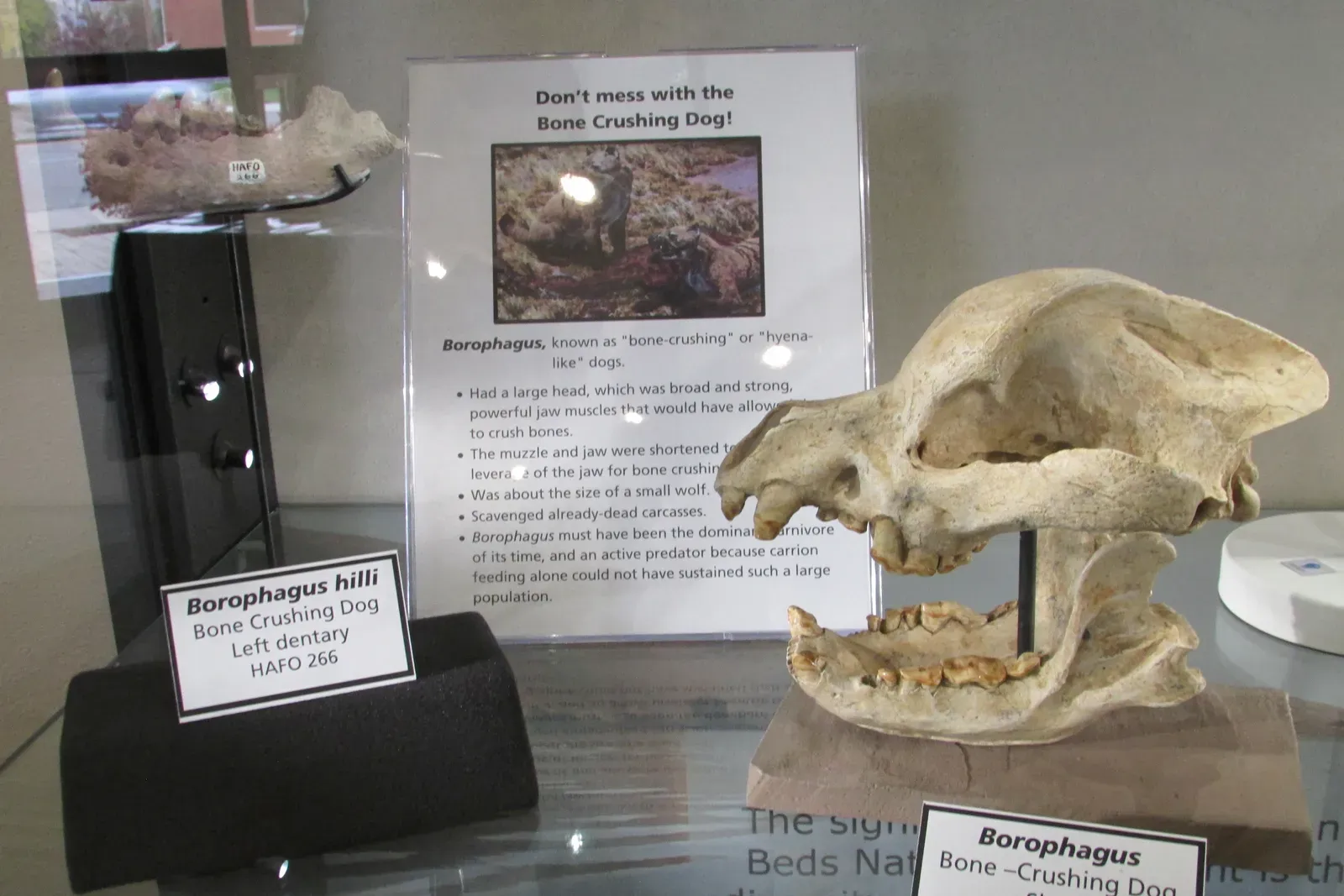
Before wolves ruled North America, a completely different kind of canine dominated the continent. The “bone-crushing dogs” (Borophaginae) were large, hyena-like predators with reinforced skulls and teeth built to crack open bones and demolish carcasses the way hyenas do today. Some were big enough to challenge bears and big cats at a kill.
They ruled for millions of years, then disappeared surprisingly early, long before any human ever set foot in the Americas. That timing rules out the usual suspect entirely. Scientists suspect true wolves and big cats arrived, diversified, and simply outcompeted them as prey communities and habitats shifted. But no smaller, more generalist descendant ever survived to carry the lineage forward, and the fossil record has never explained why.
Worth Knowing
- Borophaginae thrived in North America for millions of years before finally dying out
- Some genera grew large enough to rival bears and big cats at a carcass
- They vanished long before humans ever reached the continent, ruling out overhunting
- Wolves and coyotes, arriving later from Eurasia, filled the ecological gap they left behind
#2 – The Dire Wolf That Was Never Really a Wolf
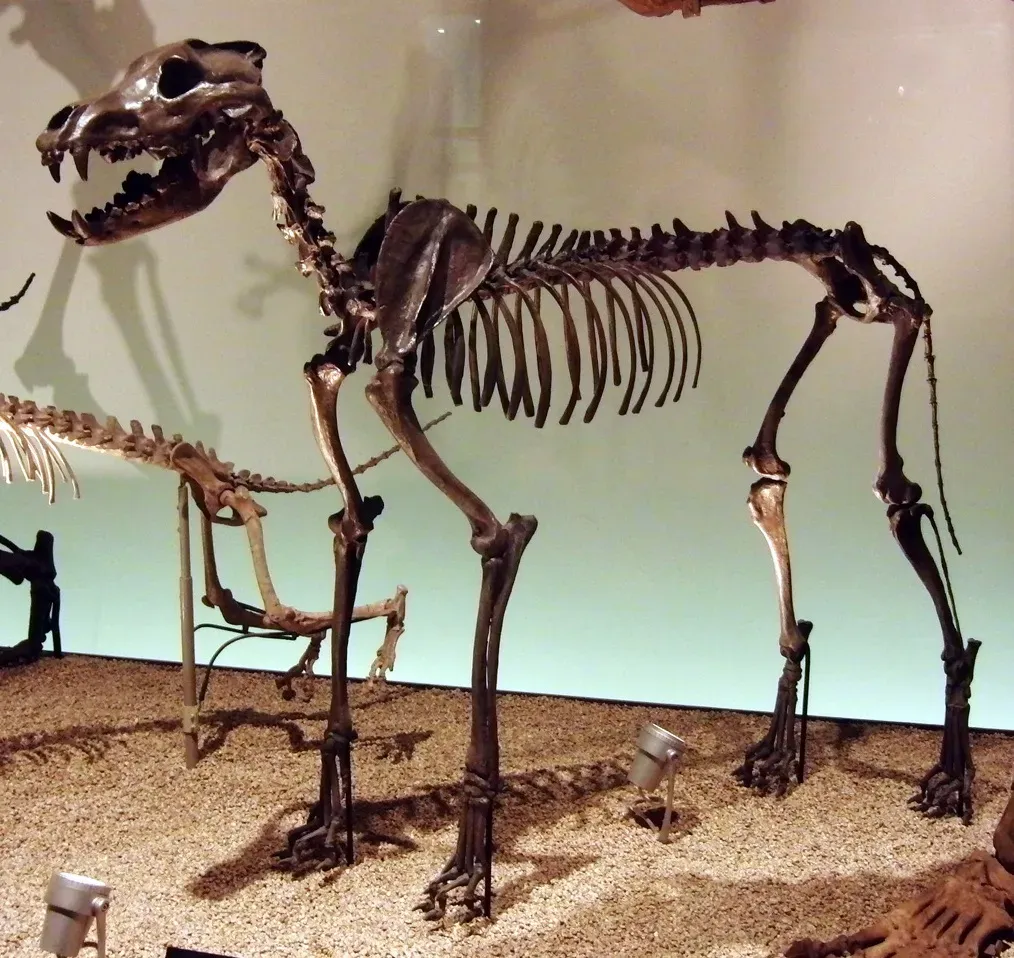
Pop culture turned the dire wolf into an oversized gray wolf. The genetics say something stranger. Recent studies suggest dire wolves (Aenocyon dirus) were not close cousins of gray wolves at all, but a separate lineage that had been evolving in the Americas on its own for millions of years, with heavier bodies and stronger jaws built for tackling massive prey.
La Brea alone has produced thousands of dire wolf bones, proof they were once everywhere. Then, as the ice age ended, they vanished completely while gray wolves and coyotes survived right alongside them. The leading theory is brutal in its simplicity: dire wolves were too specialized for big-game hunting, and when mammoths, mastodons, and giant bison disappeared, their entire menu collapsed with them. Gray wolves and coyotes, with far more flexible diets, simply pivoted to smaller prey and lived on.
#1 – The Woolly Mammoth’s Fade-Out That Still Won’t Add Up
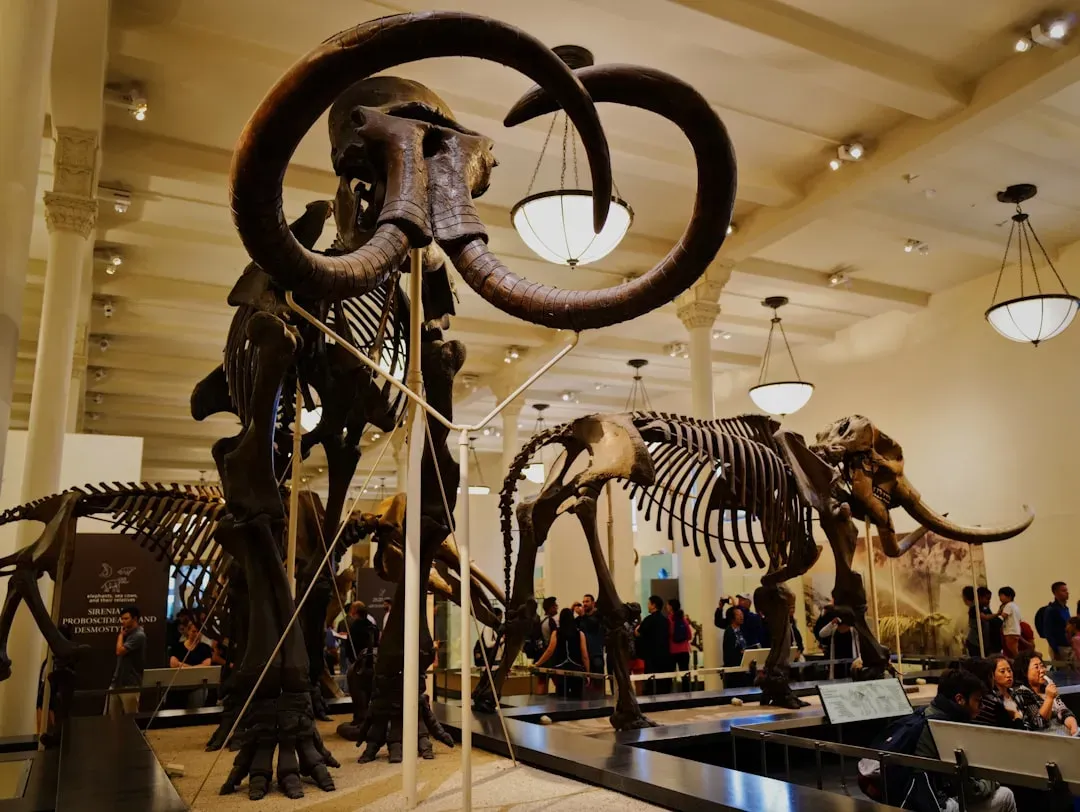
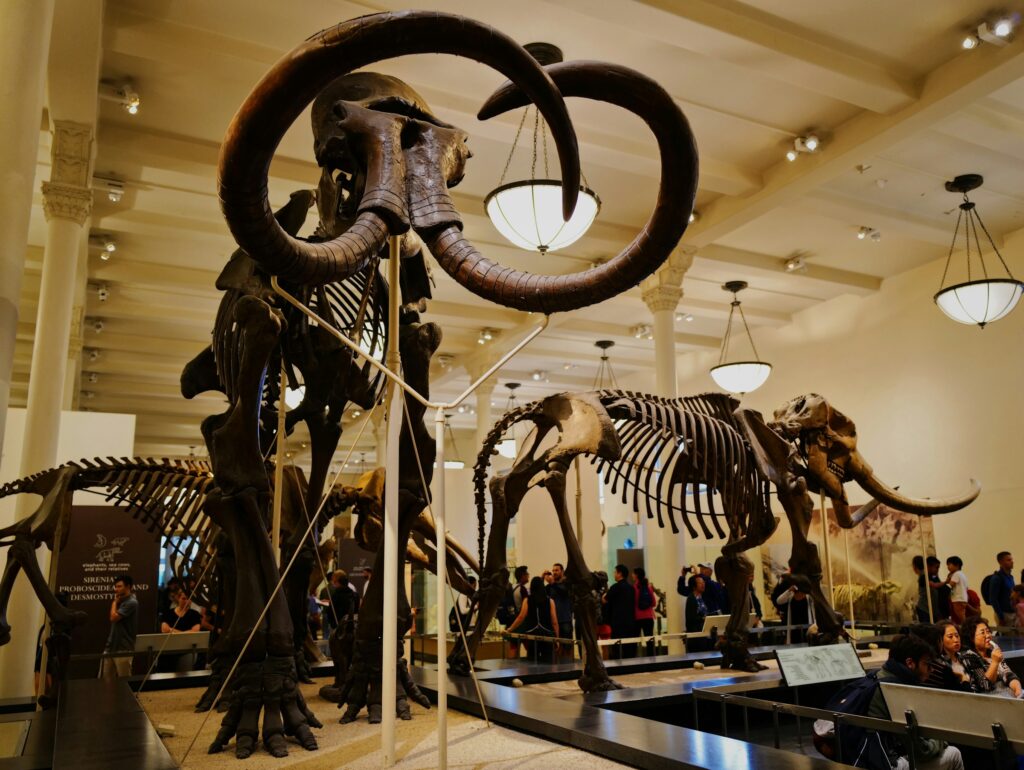
If any animal deserves the title of America’s most mysterious extinction, it’s the woolly mammoth. These weren’t just shaggy elephants; they had high-domed skulls, tiny ears, and dense coats built for brutal cold, and their herds shaped tundra and steppe the way elephants shape African savannas today.
Here’s the twist that ruins the simple story: while most North American mammoths disappeared 10,000 to 12,000 years ago, tiny relict populations survived on remote Arctic islands for thousands of years longer, overlapping with early human civilizations elsewhere in the world. Climate change shrank their core habitat, and butchery sites prove humans hunted them at least regionally. But those island survivors suggest something messier happened, likely a combination of shrinking habitat, hunting pressure, inbreeding, and slow genetic collapse. Mammoths may have died from a thousand small cuts rather than one clean blow, which is exactly why they keep resurfacing in the de-extinction debate today.
At a Glance
- Mainland mammoth populations disappeared roughly 10,000 to 12,000 years ago
- A dwarf population survived on a remote Arctic island for thousands of years longer
- That means mammoths were still alive while the Egyptian pyramids were already standing
- Genetic studies point to inbreeding and slow genetic decline in that final holdout group
The Bottom Line
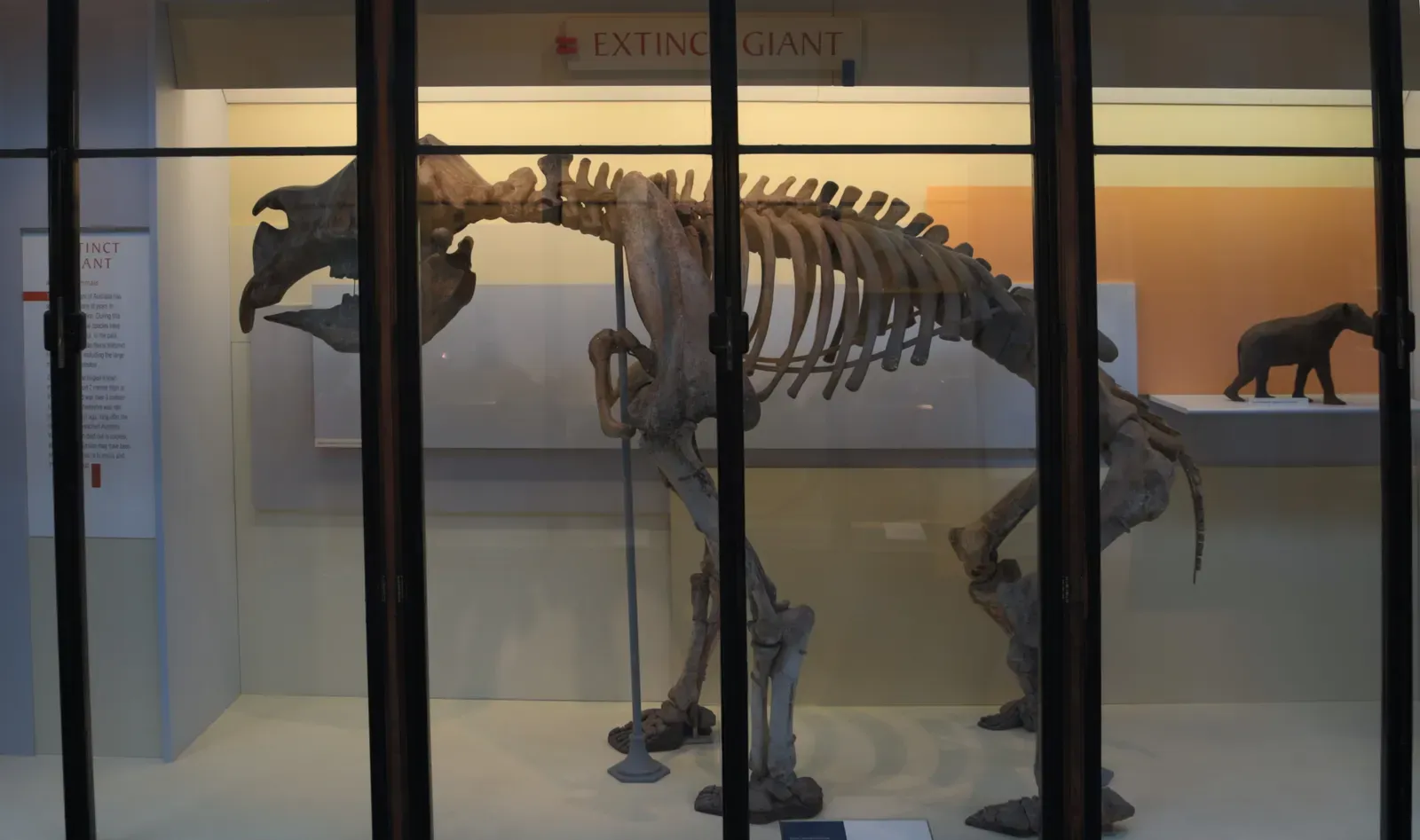
Line all thirteen of these giants up, mammoths, dire wolves, American lions, giant sloths, and the rest, and the pattern gets uncomfortable fast. There’s no single villain here. No clean story where climate alone or humans alone explain everything.
What the evidence actually shows is a messy pile-up of rapid environmental change, shifting habitats, invasive competitors, and highly effective human hunters, with every species reacting to that pressure differently. Some died out long before people ever arrived. Others survived human pressure for thousands of years, only to collapse later for reasons we still can’t fully explain.
Here’s the take that won’t make anyone comfortable: we love simple extinction stories because they let us feel either guilty or off the hook. The fossil record is telling us something meaner than that. Big, specialized mammals are fragile in a fast-changing world, full stop, and we’re currently running that same experiment again in real time.
So which vanished American giant do you think we’re getting wrong, and which living species today do you suspect is already on the same quiet path out the door?