You know that feeling when your inbox explodes, the rent is due, and your phone battery dies at the worst possible moment? It can feel like the universe is personally picking on you. But zoom the camera out just a little – say, not a week or a year, but a hundred million years – and suddenly your toughest day starts to look like a grain of sand on an endless beach.
We live in a tiny, bizarrely specific moment of Earth’s story. Long before humans, before cities and social media, this planet was already on its fourth or fifth radical makeover. Entire continents have drifted like slow-motion icebergs, oceans have appeared and vanished, and almost everything that ever lived is now gone. When you put your life against that backdrop, something surprising happens: the weight you’re carrying gets lighter, not because it disappears, but because you finally see how small it really is.
A Planet That Was Unrecognizable: Rewinding To The Age Of Giants
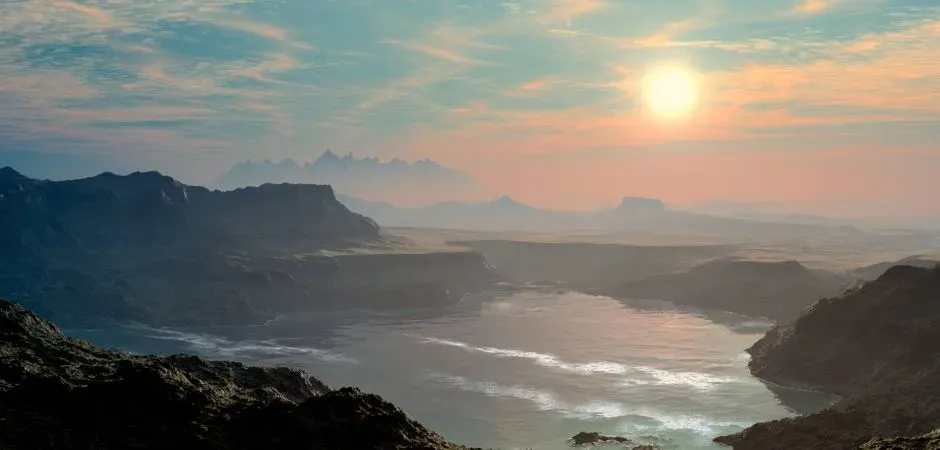
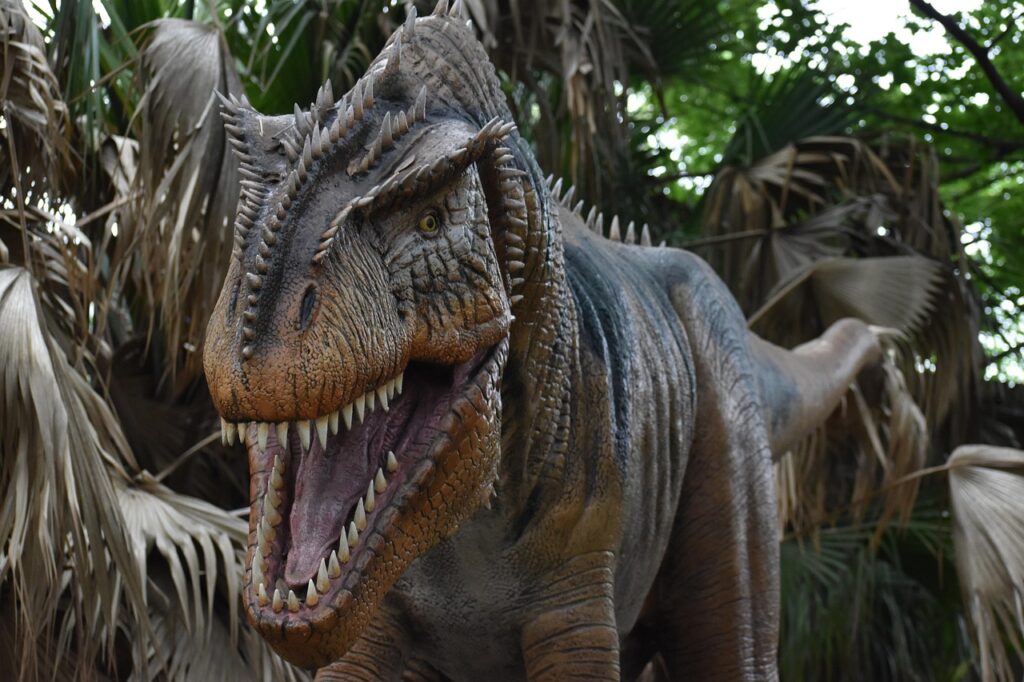
Imagine standing where you are right now – but strip away your city, your house, even your continent as you know it. Roughly a hundred million years ago, during the middle of the age of dinosaurs, the world’s map was still in the middle of a massive rearrangement. The Atlantic Ocean was widening, the continents were drifting, and climate patterns were nothing like what we experience today.
In many regions, Earth was warmer, sea levels were higher, and shallow inland seas flooded what are now dry landscapes. Huge reptiles ruled the land, flying reptiles owned the skies, and early flowering plants were just starting to reshape ecosystems. The idea that your worst traffic jam or awkward text message matters within that kind of timeline suddenly feels almost comical, like worrying about a scratch on a car parked in front of a moving glacier.
Continents On The Move: Your City Is Riding A Slow-Motion Tectonic Surfboard
![Continents On The Move: Your City Is Riding A Slow-Motion Tectonic Surfboard ([1], Public domain)](https://nvmwebsites-budwg5g9avh3epea.z03.azurefd.net/dinoworld/95b16a1ec570586dd673dbab0661548b.webp)
Every place you know and love is literally moving, all the time, whether you believe it or not. The ground beneath you is part of a tectonic plate cruising at the speed of a growing fingernail. A hundred million years ago, your current location might have been closer to the equator, under a shallow sea, or part of a completely different landscape with unfamiliar plants and creatures.
Think about how much drama we attach to real estate, borders, and national identities, while the crust beneath us is slowly rewriting the map in the background. The land we argue over today will not even exist in the same shape far down the line; mountains will erode, coastlines will shift, deserts will move. Seeing that slow-motion chaos puts things in perspective: your apartment hunt or zoning dispute is happening on a tiny, flickering stage that the Earth itself barely notices.
Extinctions And Fresh Starts: Nature’s Brutal But Honest Reset Button
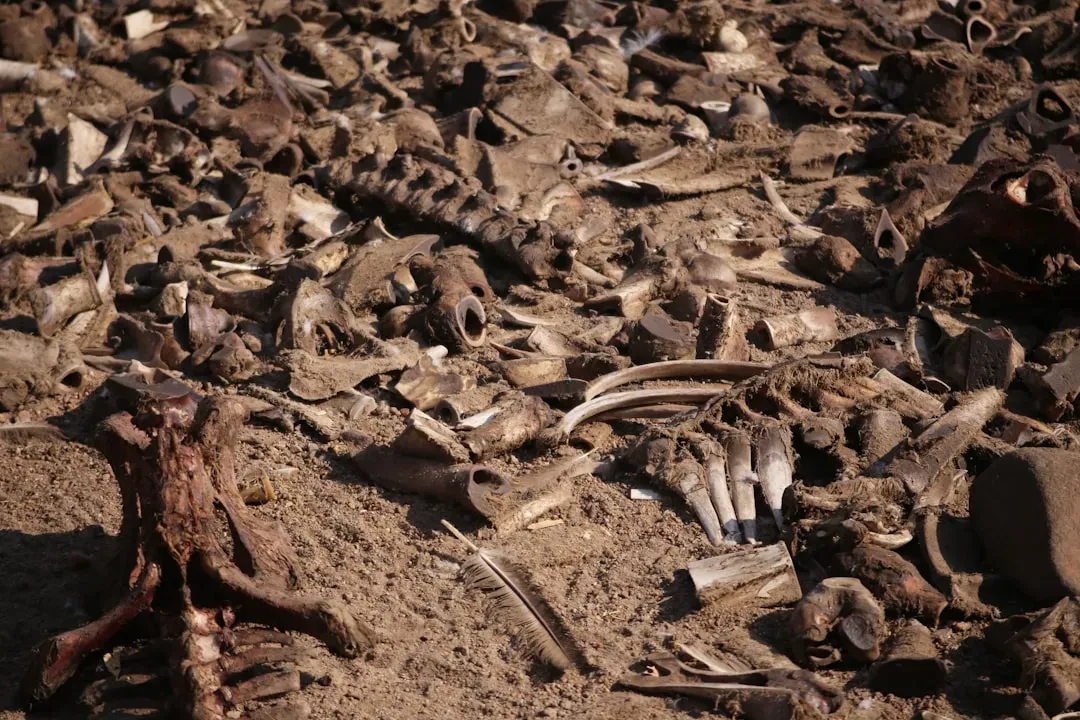
Earth’s history is not a gentle, linear success story; it is a sequence of crashes and comebacks. Over the last few hundred million years, there have been several mass extinctions where a huge share of species vanished in what, geologically speaking, was the blink of an eye. Around a hundred million years ago, life was still recovering from older catastrophes and heading toward new upheavals that would eventually wipe out the non-bird dinosaurs.
This sounds terrifying, but it also highlights something oddly comforting: even the most dominant, successful creatures and ecosystems are temporary. Entire worlds of life have come and gone long before we ever worried about career paths or social status. Your personal failures, as painful as they feel, are tiny ripples on a pond that has been drained and refilled many times over. In that big picture, perfection is clearly not the point; survival, adaptation, and trying again are.
Your Lifespan vs Deep Time: A Candle Flickering In A Cathedral

The human lifespan, even if you live a long and healthy life, is barely a smudge on the geological timeline. A hundred million years is such a huge span that our minds almost cannot hold it; if all of Earth’s history were compressed into a single year, our species would appear in the final seconds of December 31. Your entire life would be a moment inside that final flicker.
When you really sit with that, deadlines and delays start to feel different. That project that has been dragging on for months? From a deep-time perspective, it does not even register as a blip. That does not mean your life is meaningless; it means the opposite. It is short, fragile, and wildly improbable, which makes every small joy – coffee with a friend, sunlight through a window, a song you love – feel like a bonus level in a game you were never guaranteed to play at all.
Everything Changes: Why Permanence Is Mostly A Story We Tell Ourselves

One of the rude truths of looking back 100 million years is that nothing stays the same, no matter how solid it seems in the moment. Mountain ranges rise and crumble, oceans advance and retreat, entire groups of animals dominate and then vanish. The idea that any job, relationship, tradition, or worry will last forever is just not backed up by the planet’s track record.
At first, that feels unsettling, especially if you crave security or control. But there is a strange relief in realizing that change is not a glitch; it is the main feature. When you understand that everything is in motion, setbacks become a little less shameful and reinvention feels a little more natural. You are not failing at stability; you are surfing a world that has never stopped moving under anyone’s feet.
Perspective As Emotional Armor: Shrinking Your Problems Without Dismissing Them

Thinking about dinosaurs, drifting continents, and vanished oceans is not about pretending your problems do not matter. Bills still need to be paid, grief still hurts, anxiety still wakes you up at three in the morning. But placing those struggles in the context of a hundred million years gives you a kind of emotional armor. It gently reminds you that this moment, however intense, is not the whole story.
I’ve had days where something trivial – like a bad email or a harsh comment – felt like the end of the world. On the days I remember deep time, it feels more like a passing storm cloud over a huge landscape. The fear and frustration are still there, but they are not the sky itself. That shift does not solve everything, but it can lower the temperature enough for you to think clearly, act wisely, and maybe even laugh at your own catastrophizing.
Humility And Awe: Realizing You’re Important, But Not The Center
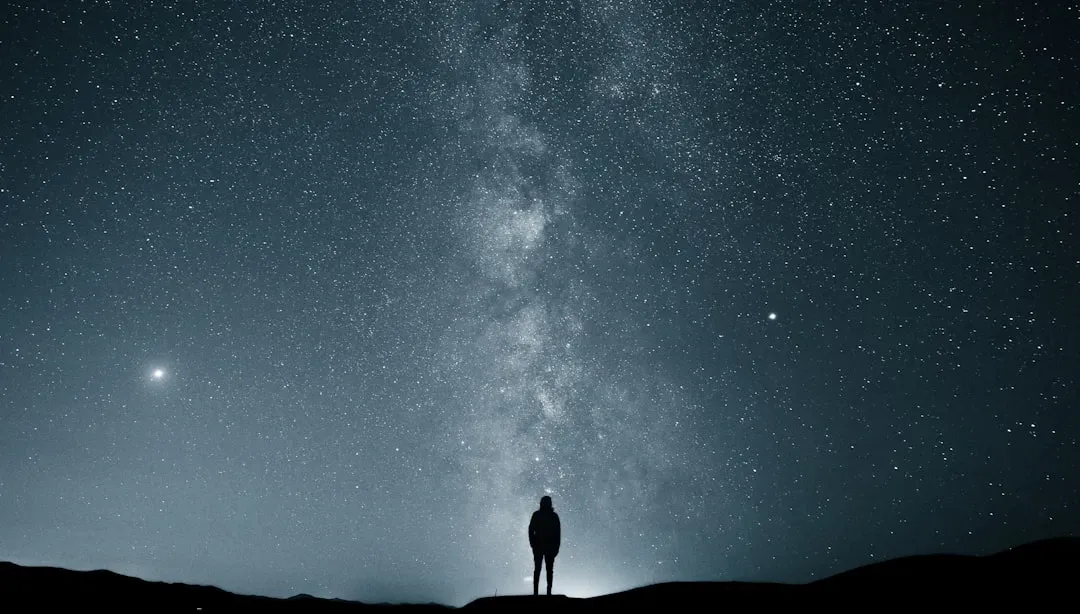
Looking back 100 million years is a humbling experience in the best possible way. You are reminded that humans are late arrivals to a very old planet, inheriting systems and cycles we barely understand. All the noise of modern life – status games, follower counts, arguments about who is winning – starts to feel less like hard truth and more like theater built on shifting sand.
At the same time, there is an almost electric sense of awe in realizing that, out of all the countless creatures that have ever lived, you are part of the tiny group that can look backward in time and even understand it. You are made of atoms forged in ancient stars, walking around on a planet that has reinvented itself again and again, somehow conscious enough to ask what it all means. You are not the center of the universe, but you are a conscious blink inside it, and that is quietly extraordinary.
Choosing What Really Matters When The Clock Is This Big

Once you absorb the idea that a hundred million years came before you and many more will likely come after, the obvious uncomfortable question appears: what should you actually care about? If almost everything is temporary, is anything worth the stress and effort we pour into it? The lazy answer is to say that nothing matters, but that does not fit how humans are wired. We care, deeply, almost helplessly.
To me, the better answer is that scale clarifies values. When the clock is that big, the things that start to stand out are not your salary band or how many people liked your last post. It is whether you were kind when you could have been cruel, curious when you could have been numb, and brave enough to build or protect something that might outlast you even a little. In a universe where almost everything eventually vanishes, the way you show up in the small window you have might be the most honest kind of meaning there is.
Conclusion: Your Tiny Life In A Vast Story Is Exactly What Makes It Precious

Looking back 100 million years does not magically solve modern problems, but it radically resizes them. Against the backdrop of drifting continents, mass extinctions, and endlessly changing climates, our daily crises turn from world-ending disasters into intense, local weather. They still matter to us – but they are not cosmic verdicts or permanent scars carved into reality. They are passing chapters in a book that started long before we opened our eyes.
If anything, deep time makes your life feel more, not less, worth living well. You are a brief, bright interruption in an ancient process, with just enough time to notice beauty, show love, learn, and maybe leave your corner a bit better than you found it. That is not nihilism; it is a call to live deliberately while the light is on. When you remember that a hundred million years came and went without you, the fact that you are here at all starts to feel like the wildest twist of all – so what, exactly, are you going to do with it now?