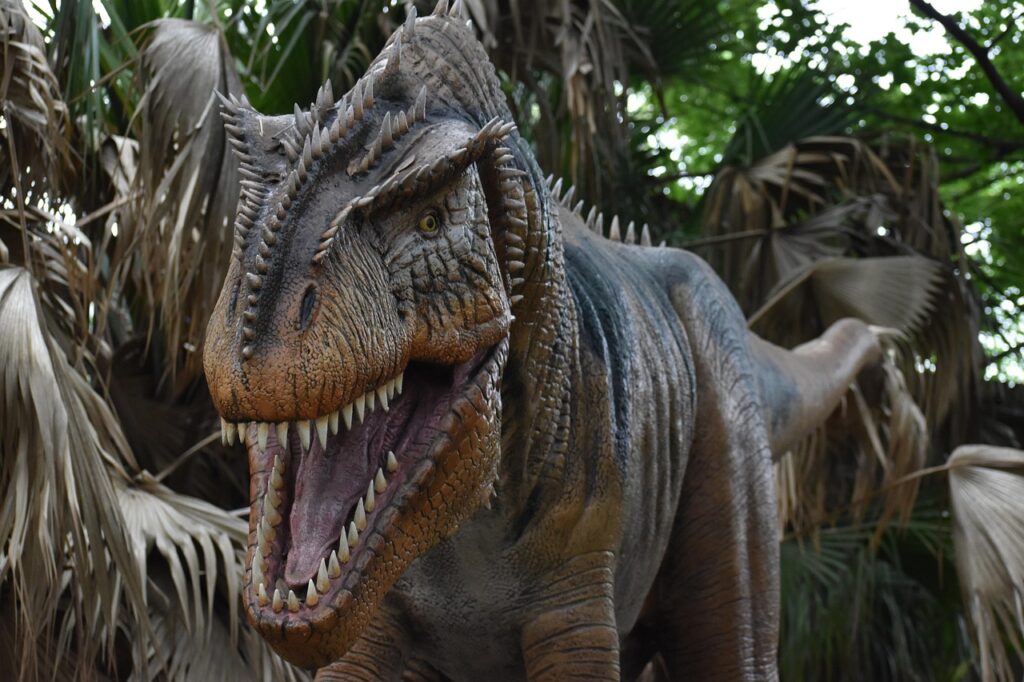
Every time scientists think they’ve seen nature’s biggest, baddest predator, the fossil record quietly clears its throat and says: not so fast. From land-stalking “dragon lizards” the size of buses, to whales that hunted like oversized killer dolphins, to flying reptiles with wingspans larger than small airplanes, evolution keeps rolling out new versions of giant hunters. It did not happen just once in the age of dinosaurs and stop there; it happened over and over, in totally different lineages, under wildly different conditions.
That repetition is the real story. When you zoom out and connect the dots across hundreds of millions of years, a pattern pops out: whenever ecosystems become rich and stable enough, evolution tends to build a super-predator that pushes size, power, and specialization to the edge of what physics and biology will allow. And then, sooner or later, something changes – climate, food webs, extinction events – and those titans vanish, making room for the next wave. Let’s walk through how this played out on land, in the oceans, and even in the sky, and why it keeps happening at all.
Why Evolution Keeps Building Giants Instead of Stopping at “Good Enough”
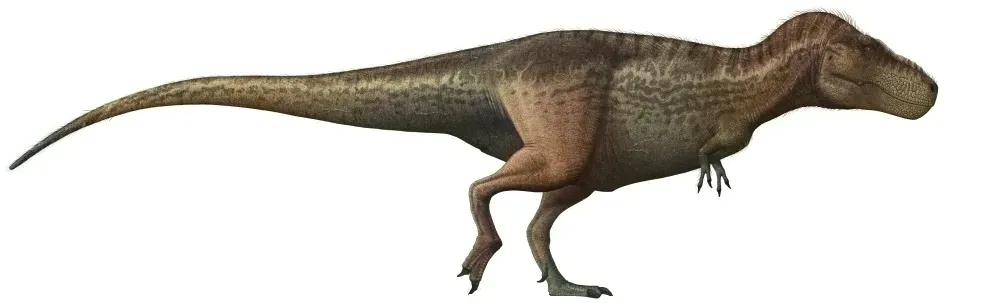
Here’s the weird thing: smaller predators are usually more efficient. They need less food, reproduce faster, and can adapt more quickly. So why does evolution repeatedly stumble into building multi-ton monsters with bone-crushing bites and absurd body plans? The short answer is that natural selection plays a brutal game of “arms race,” and once prey animals get bigger, more armored, faster, and tougher, predators that can overpower them gain an edge, even if that comes with huge costs.
Over long stretches of time, this arms race stretches bodies and behaviors into extremes. You see thicker skulls, longer teeth, stronger jaws, and in many cases, entire skeletons reshaped for power rather than elegance. There’s also an ecological angle: in food webs with abundant energy at the base – lots of plants, lots of herbivores – there’s more “room” at the top to support a few massive carnivores. The result is not a smooth, gentle trend toward bigness, but repeated experiments in gigantism, each with its own quirks and dead ends.
On Land: From Early Reptilian Titans to Tyrannosaurus and Beyond
Long before Tyrannosaurus rex was terrifying anything, earlier land ecosystems had already tested the idea of huge terrestrial predators. In the Permian period, before the dinosaurs, there were large predatory synapsids and reptile-like creatures that dominated their landscapes, some with enormous skulls and saber-like teeth. They were not dinosaurs, but they filled very similar roles: top hunters specializing in taking down large herbivores in relatively stable, productive environments.
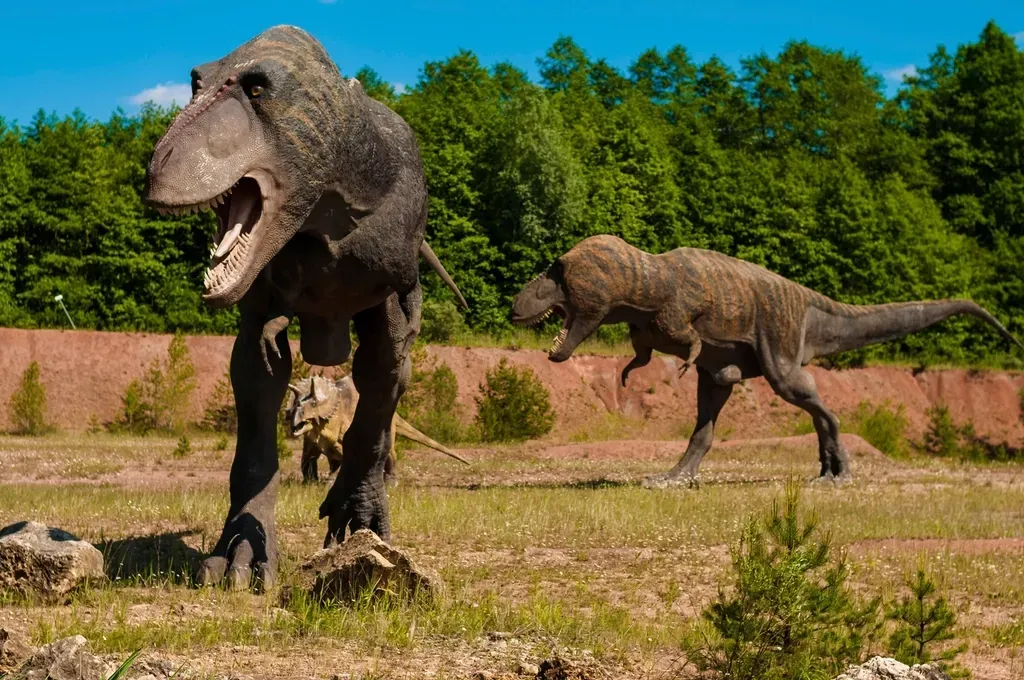
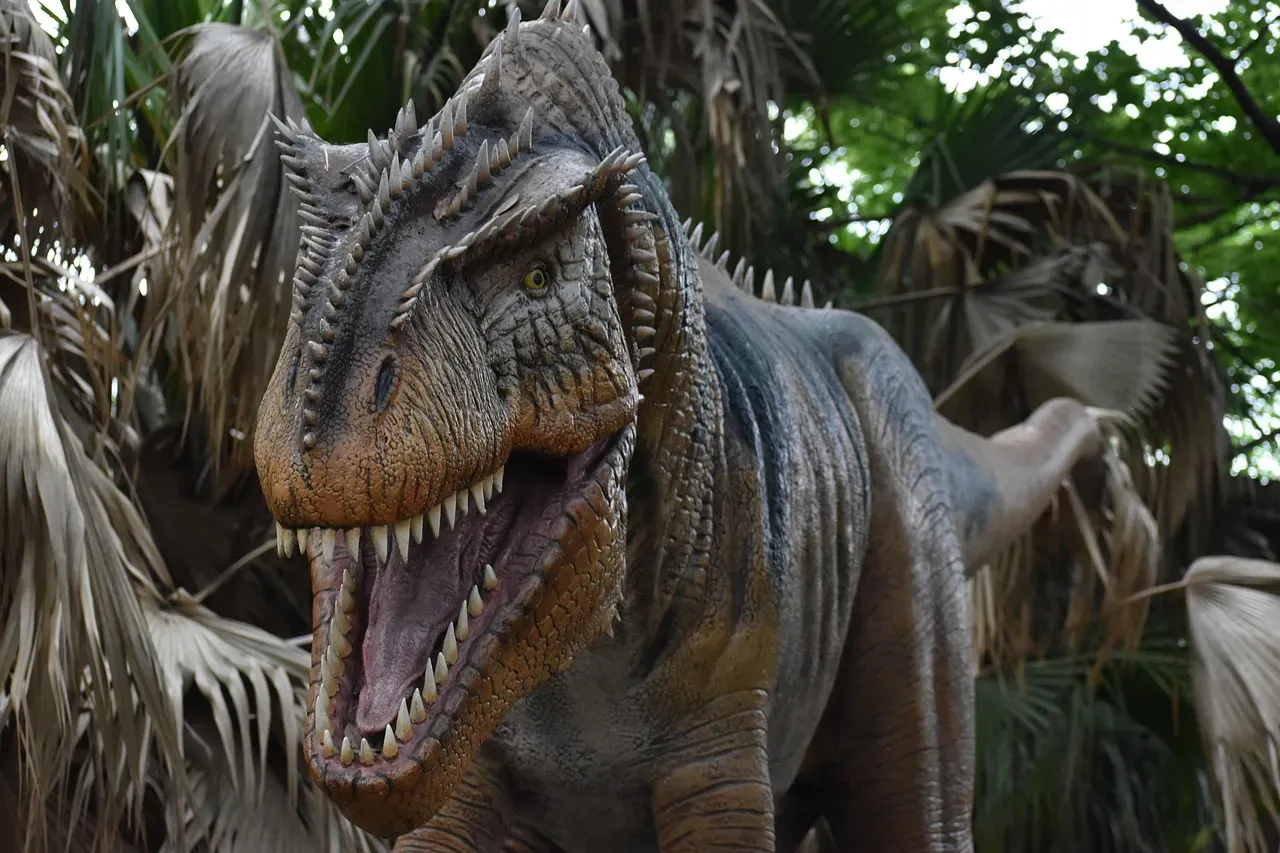
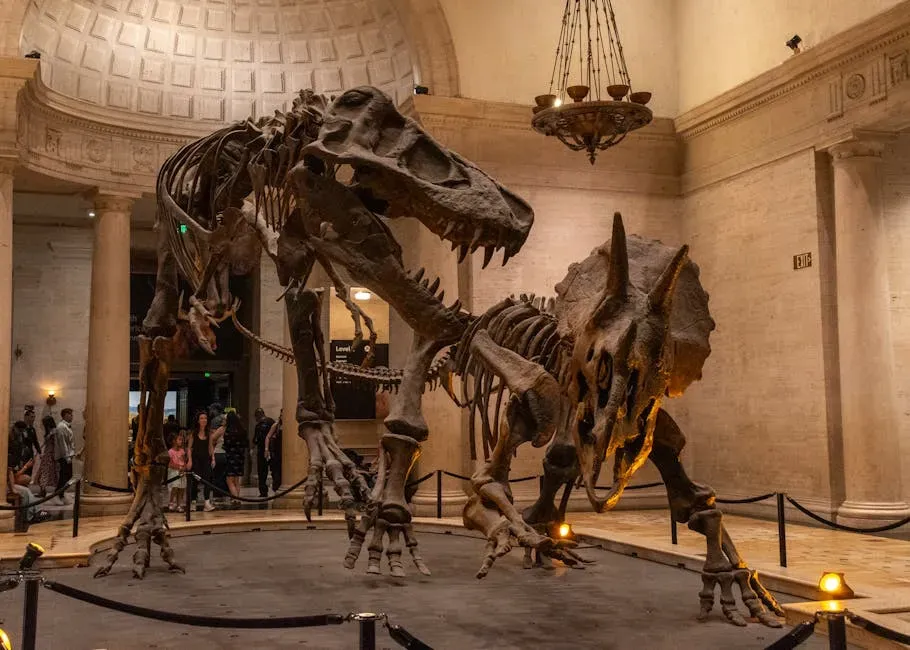
Fast forward to the Mesozoic, and the formula appears again with theropod dinosaurs. Lineages like allosaurids and later tyrannosaurids pushed land predators to titanic scales, with T. rex reaching masses comparable to a small truck and wielding some of the most powerful bite forces known in any land animal. These giants had to navigate trade-offs: heavy heads balanced by massive tails, birdlike lungs to move enough oxygen, and growth strategies that took them many years to reach full size. They were not accidental monsters; they were carefully “engineered” by evolution to dominate the top of the food chain.
In the Seas: From Sea Reptiles to Killer Whales and Giant Sharks
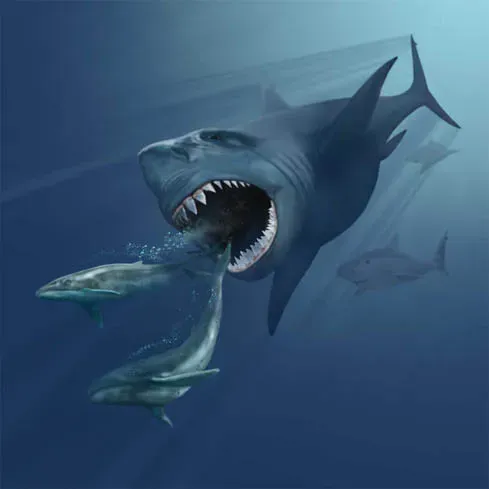
The oceans are where evolution really lets loose with giant predators, because water can support bodies that would collapse under their own weight on land. In the Mesozoic seas, large marine reptiles such as pliosaurs and mosasaurs evolved as apex hunters, with streamlined bodies, powerful flippers, and skulls that could rival or exceed the largest land carnivores. They chased down large fish, other marine reptiles, and anything else unfortunate enough to cross their path.
After those reptiles disappeared in the mass extinction at the end of the Cretaceous, the oceans did not stay quiet for long. Sharks evolved gigantic forms like the legendary megalodon, and later, marine mammals such as large toothed whales emerged as top predators capable of tackling other whales and big marine animals. Modern killer whales are a subtler echo of that trend: not the largest animals in the ocean, but highly effective, socially coordinated hunters sitting confidently at the top of many marine food webs.
In the Skies: Giant Pterosaurs and the Limits of Flight
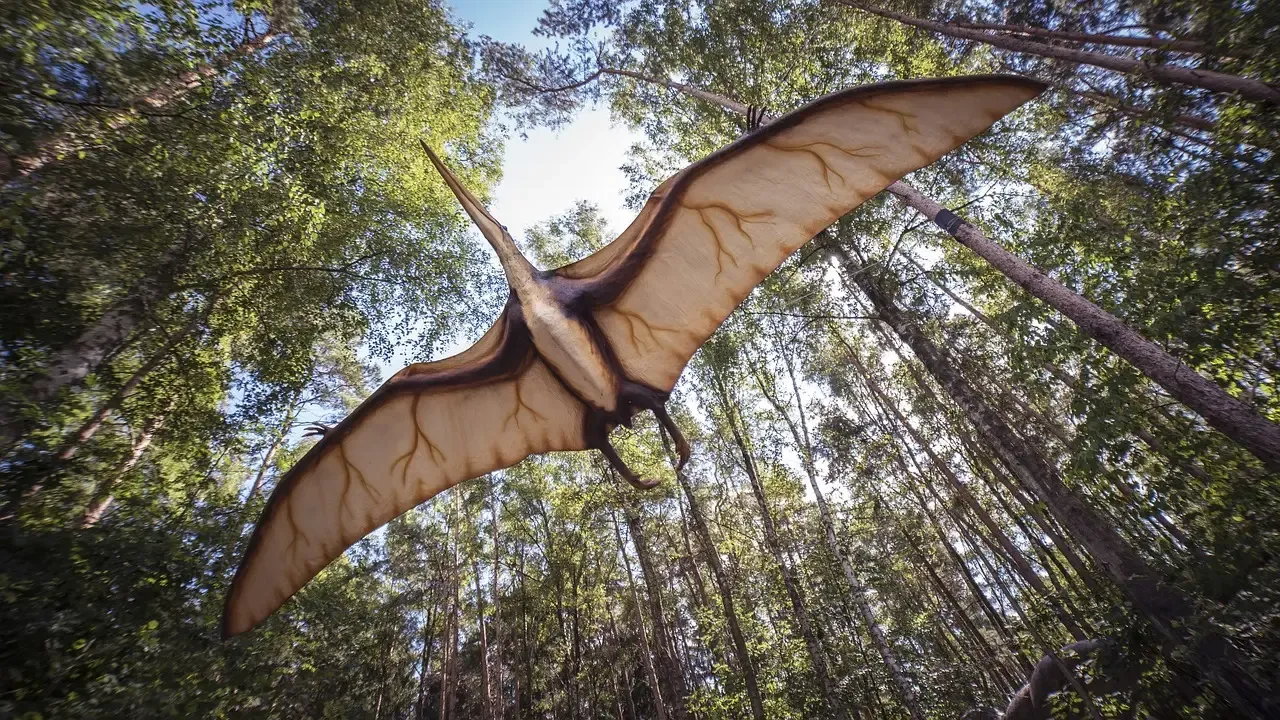
At first glance, the sky seems like the last place you’d find giants. Flight punishes excess weight; it is hard to flap enormous wings and stay aloft. Yet in the Late Cretaceous, pterosaurs such as azhdarchids evolved truly colossal wingspans, sometimes comparable to small airplanes, and likely hunted or scavenged across vast territories. Their bones were hollow and light, and their skeletons were exquisitely tuned to squeeze the maximum strength out of minimal mass.
These flying reptiles probably lived a very different predator lifestyle than a tiger or a shark. Rather than brute-force wrestling with massive prey, they may have relied on reach, speed, and the ability to cover huge distances to find food, whether that meant smaller vertebrates, carrion, or coastal resources. Even so, they show that the logic of gigantism found its way into the sky too: when flight technology is refined enough and ecosystems are rich enough, evolution will still explore the upper size limits of what can reasonably get off the ground.
The Role of Extinction: How Crashes Reset the Predator Lineup
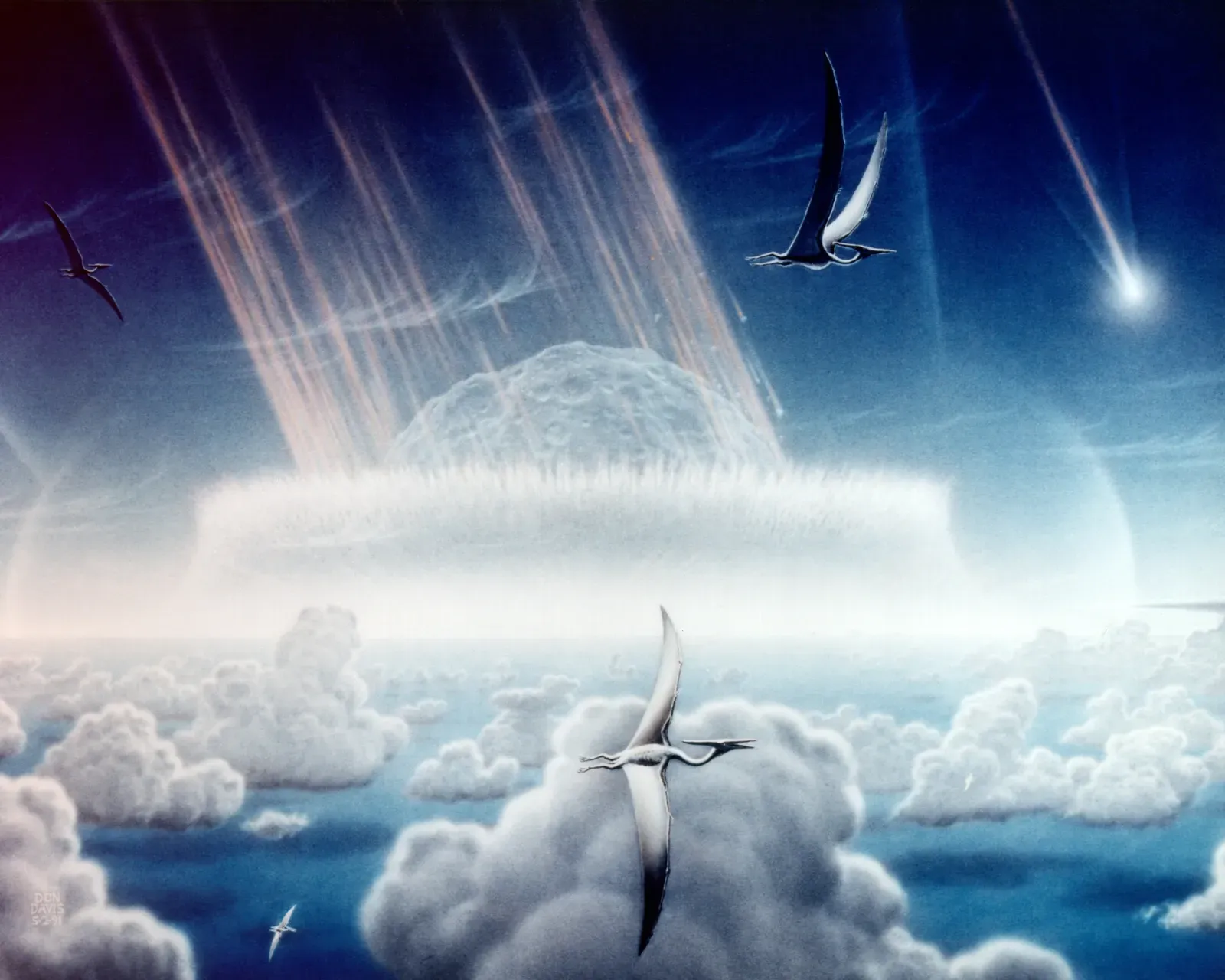
There is a brutal rhythm to this story: build giants, crash the system, start over with new players. Major extinction events have repeatedly wiped out the reigning top predators, from Permian synapsid hunters to marine reptiles and flying giants at the end of the Cretaceous. When those dominant lineages vanish, their niches do not stay empty forever. Over millions of years, entirely different groups evolve upward into those open slots at the top of the food web.
This reset-and-rebuild cycle is why the fossil record shows a parade of unrelated giants rather than one continuous line of increasingly large super-predators. It also undercuts the idea that any particular giant, like T. rex or megalodon, was somehow inevitable or uniquely superior. They were products of specific worlds with specific climates, continents, and prey communities. Once those worlds ended, so did their giants, and new experiments began from whatever survivors were left.
From a human point of view, this is humbling. It means our own place in the modern food web, and the predators we share it with, are just the latest chapter in a very long series that could easily have gone differently. If a different extinction event had played out in another way, we might be sharing the planet with entirely different kinds of mammal, reptile, or bird predators as the dominant giants.
Why Giant Predators Eventually Hit a Wall
As impressive as they are, giant predators always run into hard limits. Big bodies need huge amounts of food and space, and that makes them extremely vulnerable when environments change. If temperatures shift, sea levels fluctuate, or key prey species decline, the largest hunters are often among the first to feel the squeeze. Their slower reproduction and small population sizes make it harder for them to recover from sudden shocks.
There are also mechanical and physiological ceilings. Bones can only get so thick before mobility suffers, and muscles can only deliver so much power to limbs or wings without burning enormous energy. Even in the ocean, where buoyancy helps, there seem to be trade-offs between maximum size, agility, and hunting style. That is why the fossil record shows bursts of gigantism followed by disappearances rather than a permanent population of ever-larger super-predators cruising along for hundreds of millions of years.
Humans as Modern Apex Predators: Are We Just Another Iteration?

It is tempting to look at ourselves and say we broke the pattern, because unlike T. rex or megalodon, we are not physically enormous and we do not hunt with our teeth or claws. But in terms of ecological influence, humans function as the ultimate apex predator, using tools, weapons, technology, and global trade to reach into almost every ecosystem on Earth. Instead of becoming giants in body, our species became giant in impact, altering entire food webs, driving some predators to extinction, and managing others through conservation and policy.
In a way, we are evolution’s strangest twist on the giant predator theme: modest-sized primates with a disproportionately powerful brain that acts like a universal hunting adaptation. This gives us a choice that no previous top predator had. We can decide whether to keep squeezing ecosystems to the limit or to use our oversized influence to safeguard what is left, including the last remaining big predators like tigers, sharks, and large raptors. If we fail, we might trigger yet another reset, one where the next wave of giant hunters evolves long after we are gone.
Conclusion: The Age of Giants Never Truly Ended
Looking across deep time, it is hard not to see giant predators as one of evolution’s favorite experiments. Again and again, in deserts and forests, shallow seas and open oceans, and even in the skies, life has pushed certain hunters to extremes of size and power. None of them lasted forever, and none were guaranteed. Yet the pattern keeps returning whenever conditions are right: stable ecosystems, abundant prey, and a long enough stretch of time without catastrophe.
My own take is that the age of giants never really ended; it just keeps shifting costume. Today’s ocean still holds huge predatory whales, our skies host large birds of prey, and our own species has effectively taken on the role of global super-predator, with tools and technology standing in for claws and fangs. That should make us a bit uneasy. If history tells us anything, it is that apex giants, in whatever form, do not get permanent contracts with the planet. The real question is whether we can be the first to see that pattern clearly and choose not to follow it to the usual crash – do you think we will?