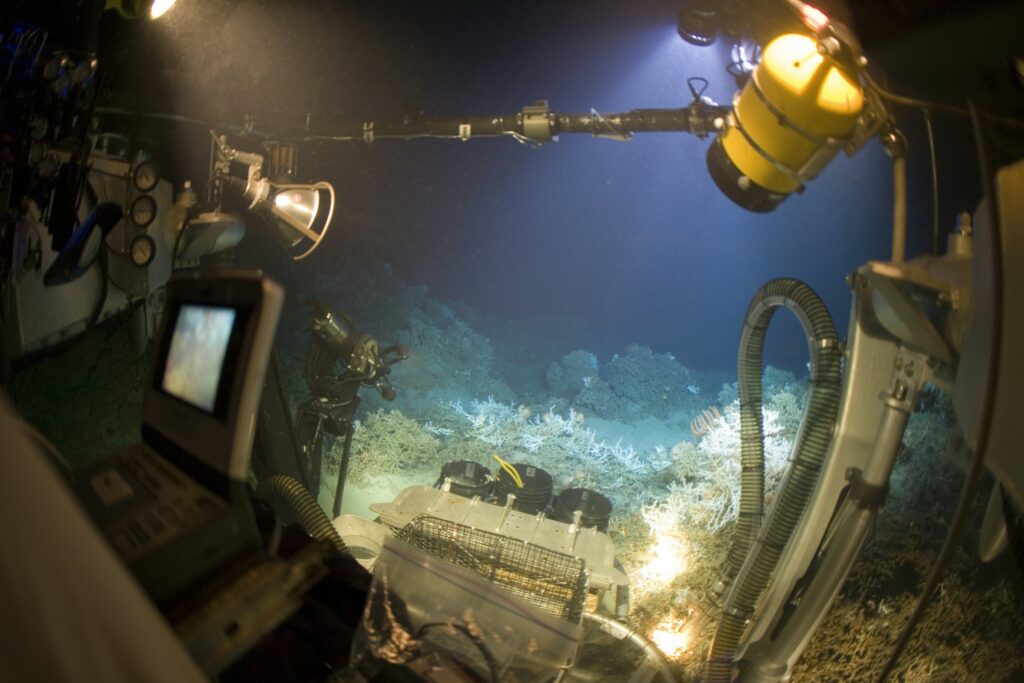
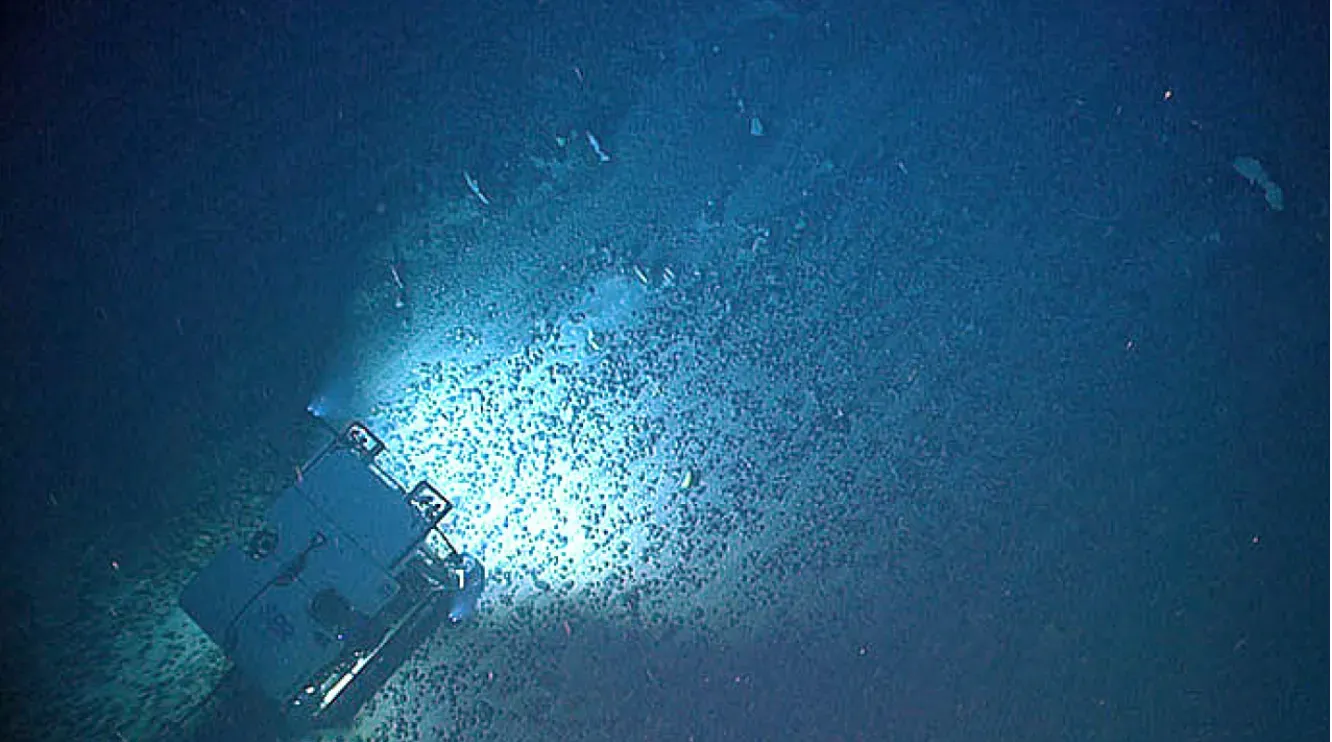
Imagine a library so vast that most of its shelves have never been opened, its pages written in code, its lights barely turned on. That is, in a sense, the deep ocean: a place that silently records Earth’s most violent disasters and slow-motion collapses, then tucks the evidence away in mud, minerals, and frozen chemistry. While we usually picture mass extinctions as dramatic scenes on land or in the skies, more and more researchers are realizing that some of the most important clues may be buried thousands of meters beneath the waves.
The wild part? Many of those clues have not even been recognized as mass extinctions yet. We know the “big celebrity” die‑offs, like the end of the dinosaurs, but the geological record keeps hinting that there were other, lesser-known crises that reshaped life more quietly. The deep ocean is now a prime suspect as the keeper of that missing history, and scientists are just starting to crack it open.
A Planet’s Black Box Hidden in the Abyss
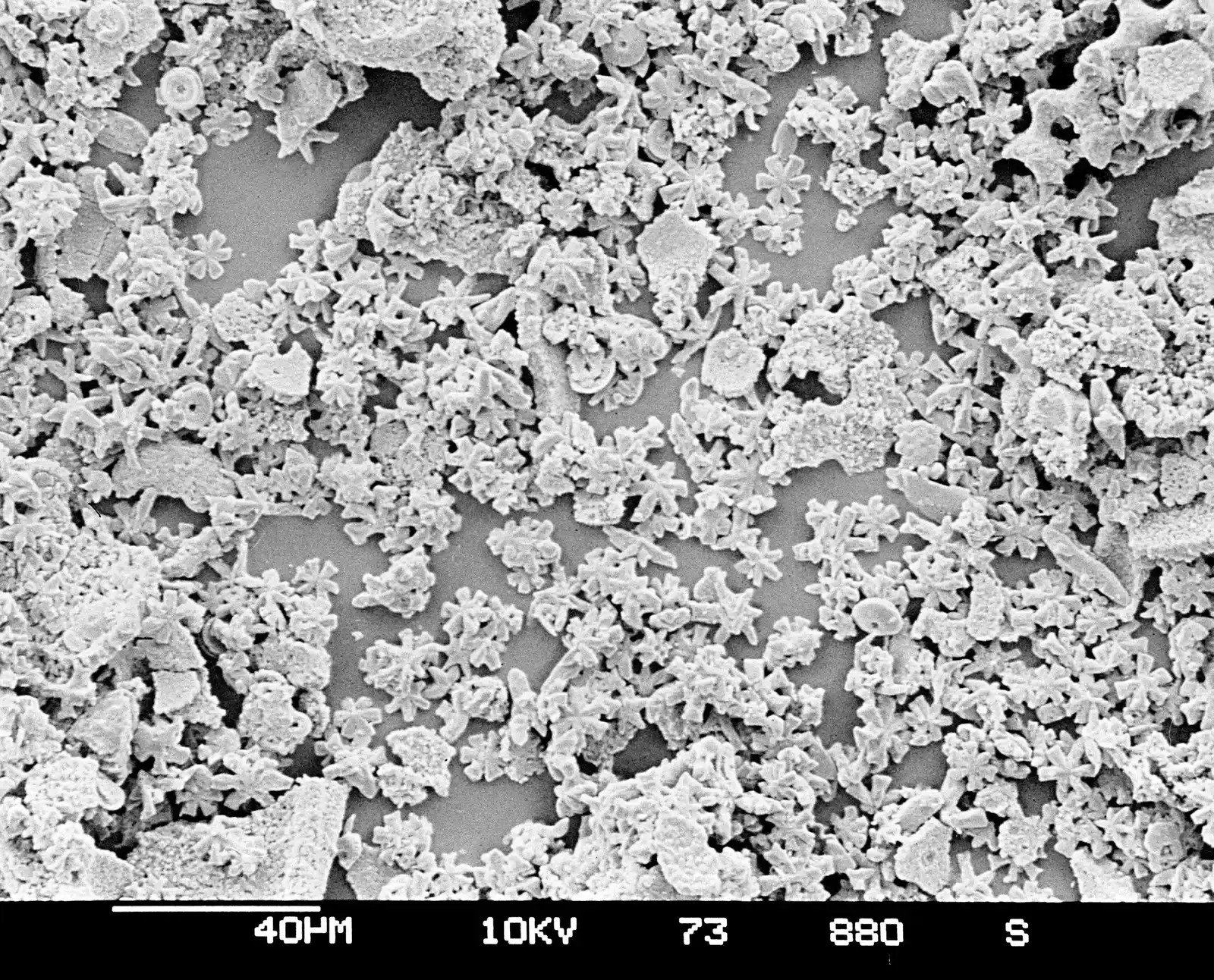
The deep ocean is often described as Earth’s last frontier, but in this context it’s more like the black box of an airplane: a rugged recorder of everything that went horribly wrong. Over millions of years, tiny particles of dust, dead plankton, volcanic ash, and chemical precipitates fall to the seabed and pile up in slow, steady layers. Each layer is a timestamp, capturing what the atmosphere, oceans, and biosphere were like at that moment in deep time.
When something big happens – a burst of volcanism, a sudden warming, a collapse in oxygen levels – the seafloor quietly reacts. The chemistry of the sediments shifts. Certain microfossils vanish or appear. Carbon, sulfur, and metals lock into the mud in different ratios. From the surface, everything might look calm, but deep below, the archive records the shock. That is why ocean cores can sometimes reveal crises that left only faint traces on land or have been completely erased by erosion and tectonics.
How Sediment Cores Turn Mud into a Murder Mystery
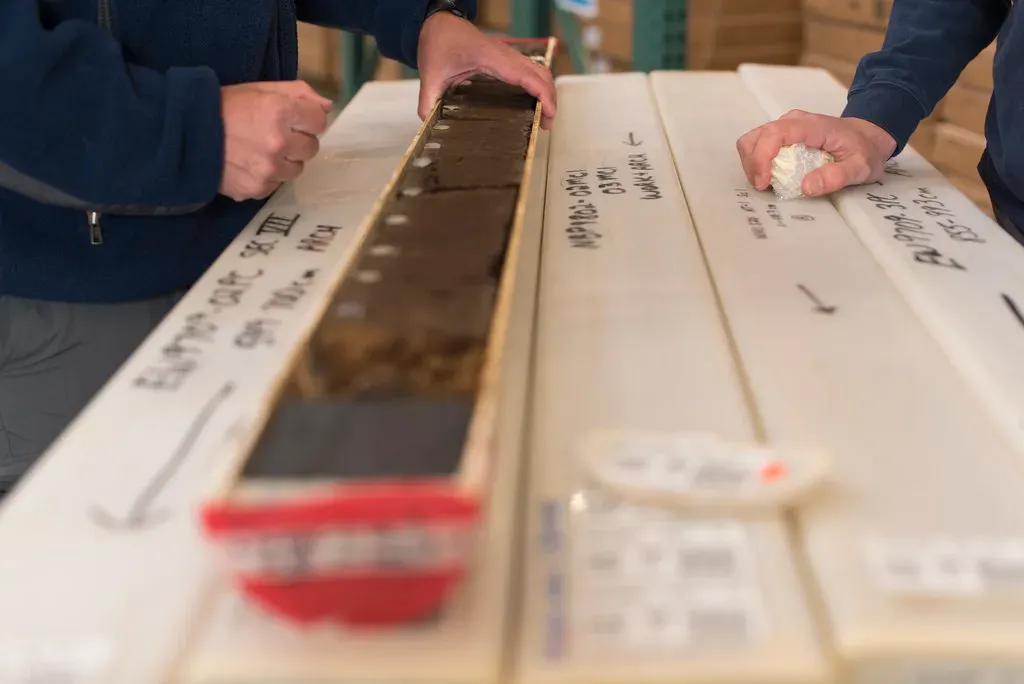
Pulling a sediment core from the deep sea is like drilling into a layered crime scene, with each slice a chapter of an ancient investigation. A long cylinder of mud can represent tens of millions of years, stacked millimeter by millimeter. Scientists study the color, grain size, mineral content, and tiny fossils in each layer to reconstruct what the ocean was doing – whether it was oxygen‑rich, starved of life, loaded with nutrients, or hit by sudden chaos. Unusual layers, like black, organic‑rich bands or ash‑containing streaks, often hint that something disruptive happened.
Chemistry adds another level of detective work. Ratios of different carbon, oxygen, and nitrogen isotopes can reveal massive changes in temperature, carbon cycling, and biological productivity. Spikes in elements like iridium, mercury, or certain metals might point to asteroid impacts or colossal volcanic eruptions. When several of these signals line up with a disappearance or reshuffling of microfossils, scientists start to suspect that a mass extinction or at least a major biotic crisis is hiding in that slice of mud.
Microfossils: Tiny Skeletons, Huge Stories
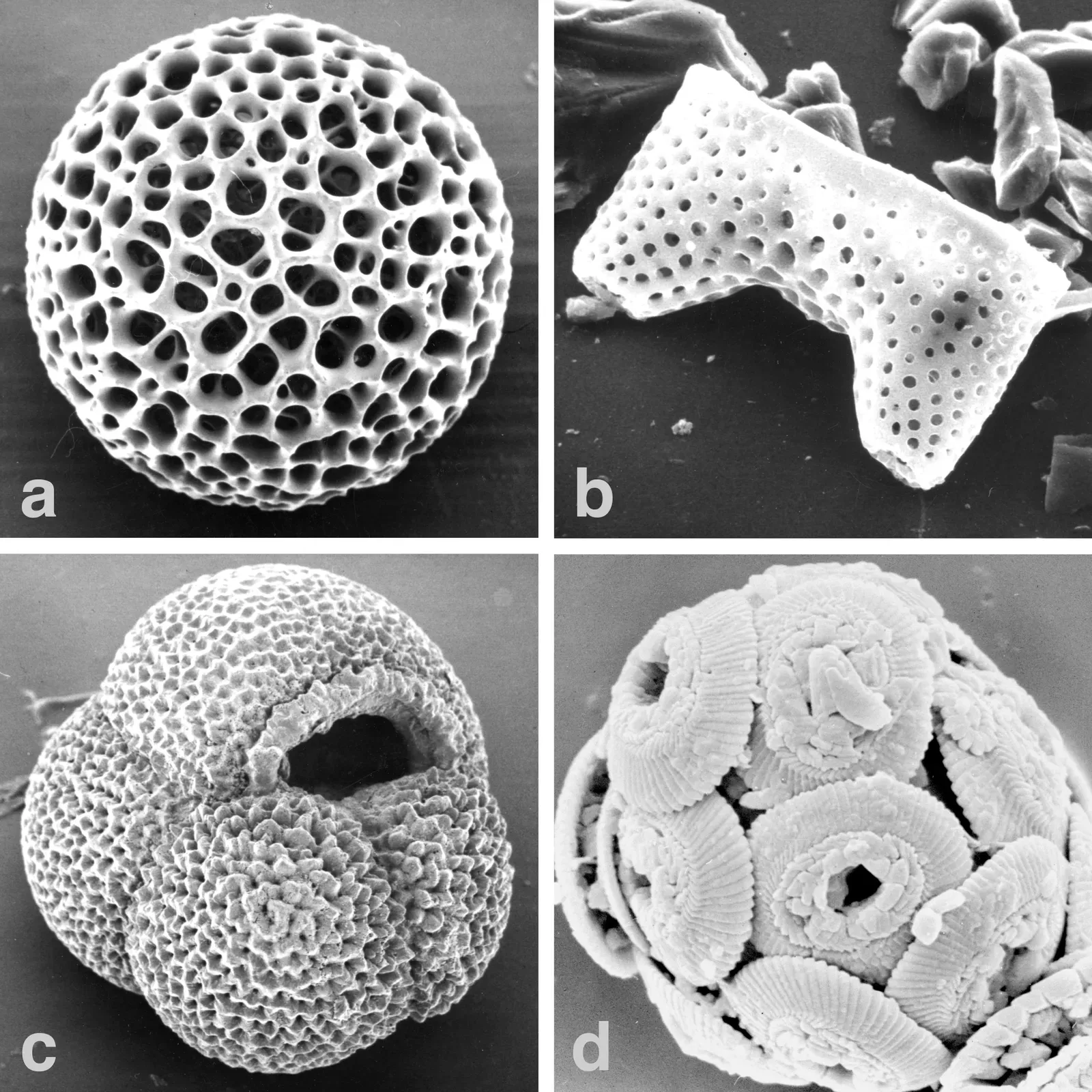
Some of the most powerful extinction clues in the deep ocean come from organisms so small you could fit hundreds on a pinhead. Planktonic foraminifera, coccolithophores, radiolarians, diatoms – their delicate shells and skeletons rain down to the seabed after they die, forming thick layers of microscopic debris. Over time, these remains become chalks, oozes, and fine-grained sediments that quietly encode who lived, who died, and how ecosystems shifted through time.
When researchers see certain species abruptly vanish from the record worldwide, or watch communities change from diverse to sparse in just a thin layer, it suggests a sudden shock to the marine food web. Sometimes these changes match well-known extinction events. Other times, they mark lesser‑known crises that might not have dramatically affected land animals but devastated ocean life. Those subtle patterns hint that Earth’s extinction history may be more crowded and complicated than the handful of headline events we usually talk about.
Unseen Crises: The “Ghost” Extinctions Buried at Sea
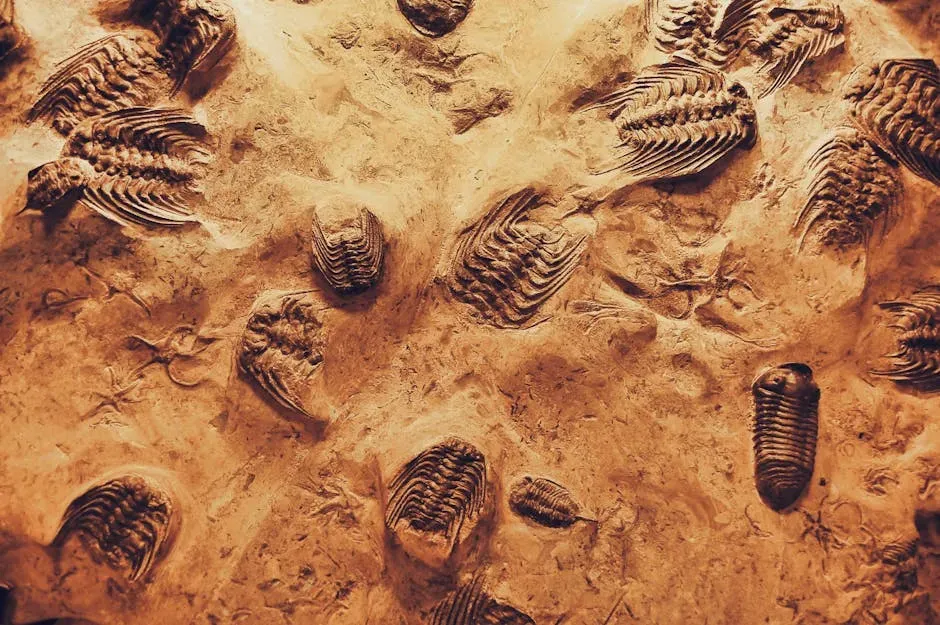
Geologists already recognize several major mass extinctions, but the line between a “mass extinction” and a “major crisis” is blurrier than people think. The rock record on land is fragmented, distorted by erosion, and biased toward certain environments. The deep sea, on the other hand, tends to accumulate more continuous records, especially far from continents and tectonic chaos. That makes it the best place to spot shorter, regional, or previously overlooked die‑offs – what some scientists loosely think of as ghost extinctions.
These ghost events might not wipe out the majority of species everywhere, but they can still reset entire ecosystems and redirect evolution. A sharp downturn in marine oxygen, a spike in ocean acidification, or a rapid warming pulse can crush sensitive lineages and favor more resilient ones. In the sediment record, this could show up as a brief but dramatic disappearance of certain microfossils, a switch in dominant species, or chemical signs that large amounts of organic matter suddenly stopped making it to the deep seafloor. Those are the kinds of puzzles that hint there are extinction‑scale stories we still have not properly named or understood.
Oxygen Starvation, Acid Seas, and Other Deep‑Ocean Smoking Guns
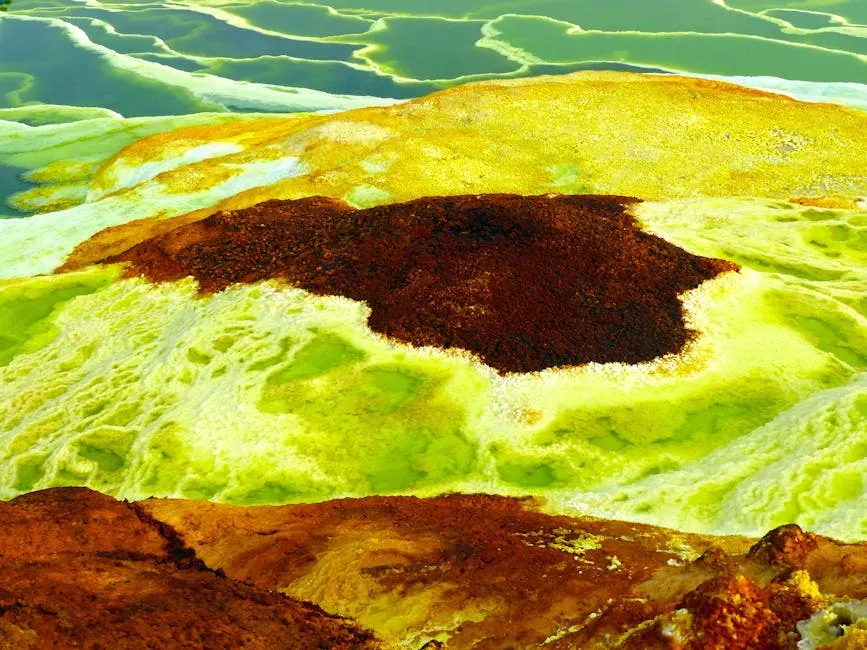
If you ask ocean geochemists what mass extinction “looks like” in a deep-sea core, they will point you to a few recurring suspects. One big one is widespread oxygen loss, often revealed by dark, organic‑rich layers and particular minerals that form only in low‑oxygen settings. When the ocean’s deep waters lose oxygen, many animals and microbes simply cannot survive, and whole food webs can collapse from the bottom up. The resulting sediments can look almost like black, laminated pages that mark a period when life suffocated in the depths.
Another common thread is ocean acidification, which makes it harder for organisms with calcium carbonate shells to build and maintain their skeletons. In cores, that can appear as a sudden dissolution of shells in certain layers or shifts in carbon chemistry that indicate the ocean soaked up a massive pulse of carbon dioxide. Combined with temperature changes and nutrient disruptions, these factors can create lethal combinations. The deep-sea record sometimes captures these episodes even when surface rocks or fossils on land barely register them, because the deep ocean is literally where those chemical consequences pile up.
New Tech Is Letting Scientists “Read” the Ocean’s Hidden Chapters
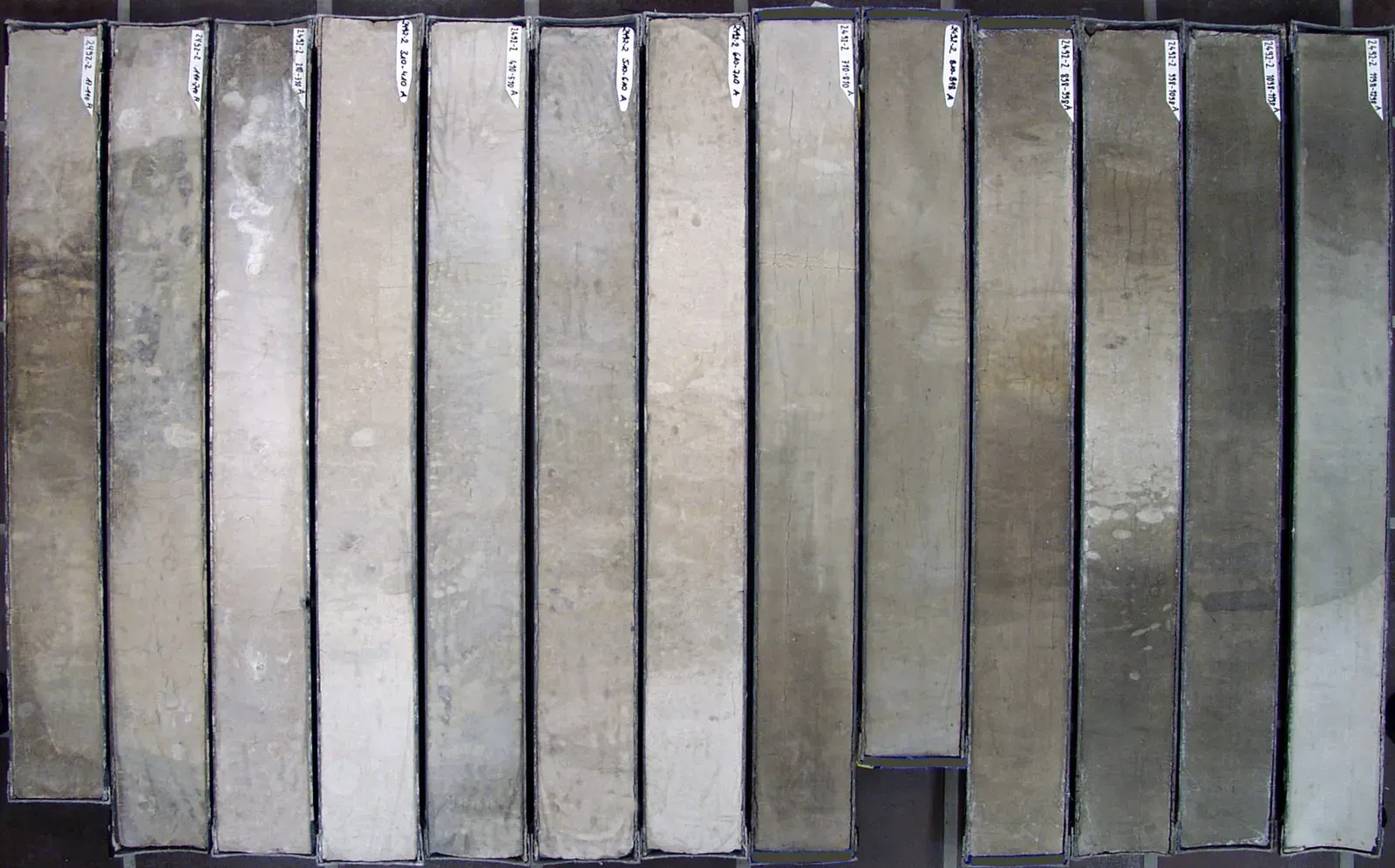
For decades, deep‑sea cores looked like mysterious gray tubes that required painstaking, slow analysis. Today, advances in scanning, imaging, and geochemical tools are turning those same cores into high‑resolution storyboards. X‑ray fluorescence scanners can run along the length of a core and instantly map changes in elemental composition. High‑precision isotope measurements can distinguish subtle climate swings and carbon‑cycle jolts. Automated microscopes and machine‑learning tools are starting to classify microfossils at a speed and scale that would have been unthinkable a generation ago.
All of this means researchers can now spot short‑lived disturbances that older techniques might have blurred into background noise. A thin layer that once seemed unremarkable might suddenly stand out as a sharp chemical spike or a rapid ecological flip. As more cores from different ocean basins are analyzed with these new methods, patterns emerge: recurring types of crises, similar pace and scale of change, and perhaps multiple unrecognized extinction‑level events. It is like realizing the book you thought you knew actually has several hidden chapters scribbled in the margins.
Why These Hidden Extinctions Matter for Our Future
It is tempting to treat deep‑time extinctions as ancient curiosities, but they are also brutally honest case studies in what happens when Earth’s systems are pushed too far. The deep ocean tells us not just that life was disrupted, but how fast it happened, how ecosystems unraveled, and how long recovery took. Some past crises show relatively quick rebounds; others reveal drawn‑out recoveries that last millions of years, with whole types of organisms never returning. Those differences matter when we try to understand the risks we are facing in a rapidly changing climate today.
To me, this is where the story gets uncomfortable but important. If the deep ocean ends up revealing several previously overlooked extinction‑scale events tied to warming, acidification, or oxygen loss, it suggests that Earth’s threshold for real, irreversible damage might be lower than we like to assume. Our modern ocean is already losing oxygen in many regions and acidifying as it absorbs human‑emitted carbon dioxide. The more we learn from those buried crises, the harder it becomes to argue that the planet will simply bounce back in a smooth, gentle arc once we are done stressing it.
Conclusion: The Deep Ocean Is Quiet, But Its Warnings Are Loud
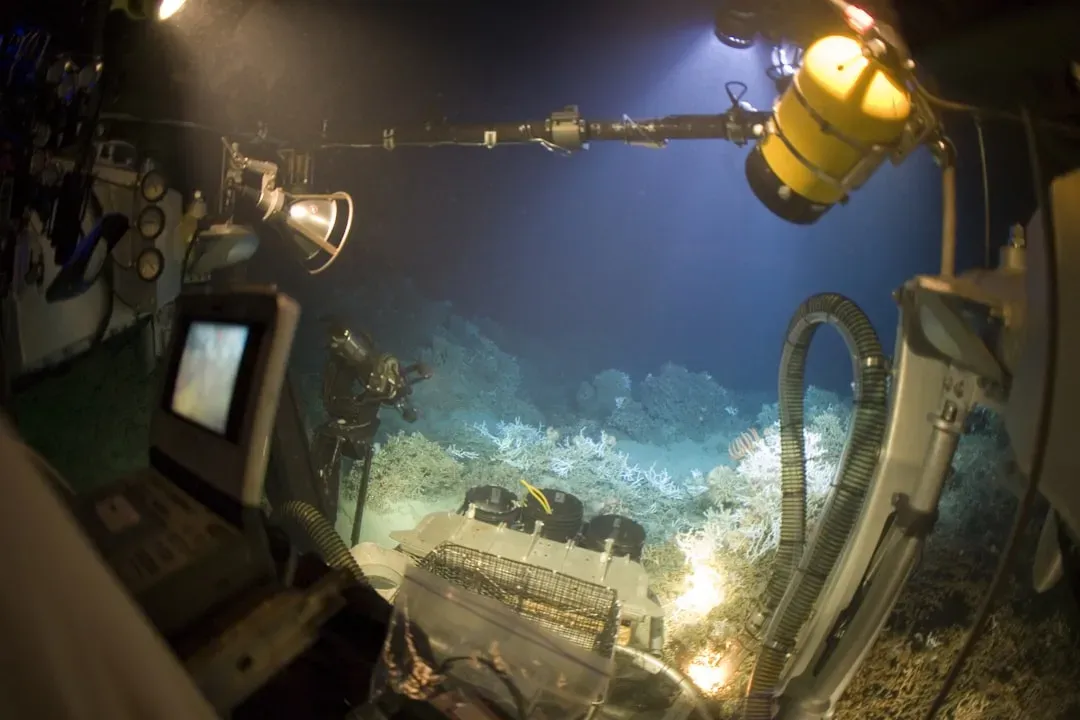
The idea that the deep ocean is quietly holding the receipts for mass extinctions we have not even fully identified yet is both thrilling and unsettling. It means our picture of Earth’s history is still incomplete, and that the textbooks may need to make room for more, previously underestimated crises. But it also means we have a powerful, physical record of how life responds when the climate, chemistry, and circulation of the oceans are pushed into new territory. Ignoring that record because it is inconvenient or buried under a few kilometers of water would be, frankly, reckless.
My gut feeling is that as we keep reading those cores, we will discover that Earth has flirted with disaster more often than our current extinction list admits, and that survival has never been guaranteed. The deep sea is not just a graveyard; it is a truth‑teller, spelling out what happens when we treat the planet’s limits as negotiable. The real question is whether we are willing to take those ancient warnings seriously while there is still time to write a different chapter. If you could crack open one more hidden layer of Earth’s history, what do you think it would tell us about our future?