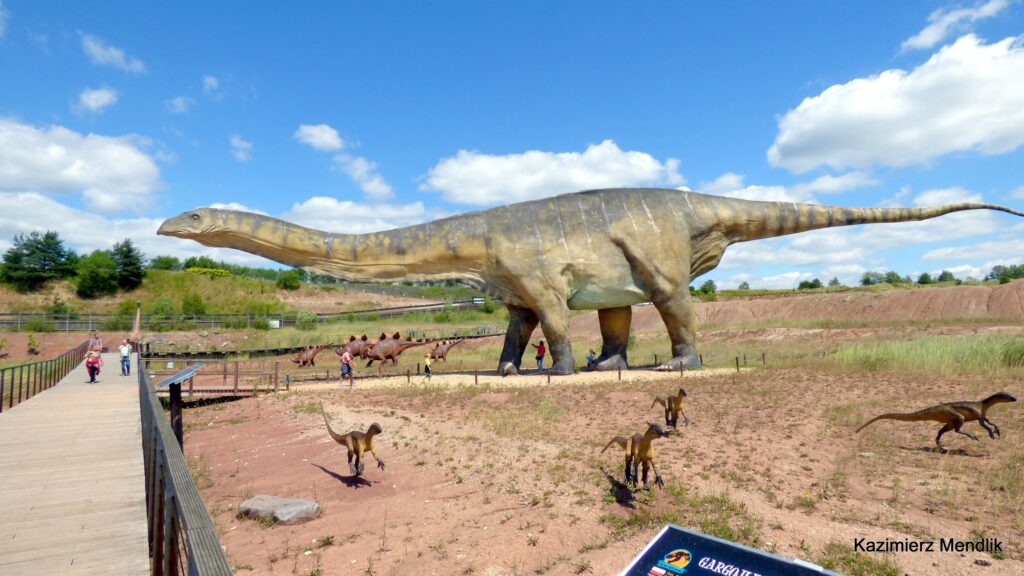
Picture this: when the first long‑necked titans like Brontosaurus and Argentinosaurus finally lumbered onto the scene, dinosaurs as a whole had already been around longer than humans have even existed. The age of dinosaurs was not a single moment of towering giants, but a slow, experimental saga that unfolded over tens of millions of years before any sauropod ever shook the ground with a footstep.
That time gap is where the real drama lives. Early dinosaurs were small, nimble, and frankly easy to overlook among the strange crocodile‑like predators and armored reptiles that dominated their world. By the time the giant sauropods arose, dinosaurs had already survived ecological upsets, shifting continents, and brutal competition. Let’s step into that deep, deep past and trace how we got from ankle‑high pioneers to the largest land animals Earth has ever seen.
The First Dinosaurs: Tiny Strangers in a Dangerous World
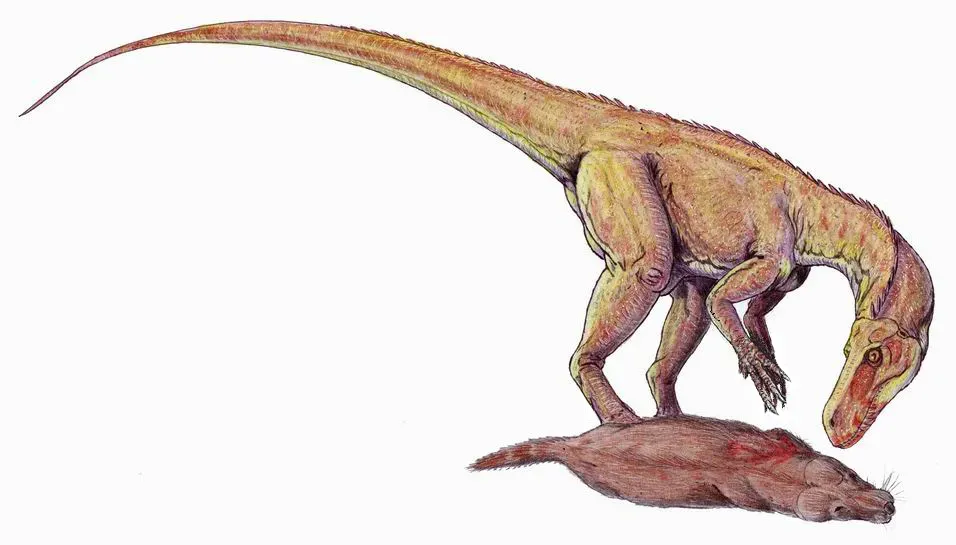
The earliest dinosaurs show up in the fossil record during the Late Triassic Period, over two hundred thirty million years ago, and they were nothing like the blockbuster giants on movie posters. Many of them were turkey‑sized or dog‑sized animals, lightly built with long legs, more like nervous sprinters than unstoppable tanks. Creatures such as Herrerasaurus and Eoraptor were early carnivorous or omnivorous forms, darting through fern forests and along riverbanks rather than shaking the ground as they walked.
What’s wild is that these first dinosaurs were not the obvious rulers of their ecosystems. They lived side by side with powerful non‑dinosaurian reptiles like rauisuchians and early crocodile relatives that held the top predator spots. In that world, dinosaurs were more like scrappy newcomers testing out new body plans and ways of moving, probably surviving by being fast, flexible, and opportunistic rather than massive. The age of the giants was still far over the horizon.
Millions of Years of Evolution Before the Sauropod Blueprint Emerged
From those first Late Triassic pioneers to the truly giant sauropods of the Jurassic, we’re talking on the order of tens of millions of years of evolutionary tinkering. That is a span so long it makes the entire history of our own species feel like a passing afternoon. Over that time, dinosaur lineages branched and split, with some taking dead‑end paths and others slowly drifting toward body shapes that could eventually support sauropod‑scale sizes.
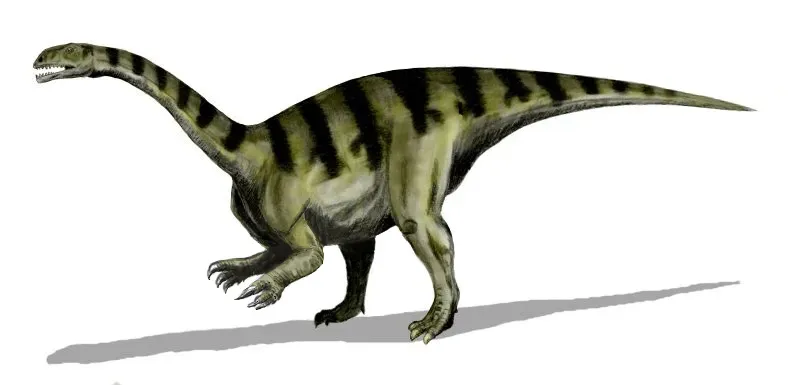
Early relatives of sauropods, often called sauropodomorphs, started as relatively small, bipedal or semi‑bipedal animals. Species like Plateosaurus in the Late Triassic and early Jurassic were already getting large by human standards, several meters long with hefty bodies, but they were still far from the gigantic, column‑legged sauropods of later times. Think of them as evolutionary prototypes: big, plant‑eating experiment lines that were learning how to balance weight, grow fast, and process lots of vegetation, but had not yet unlocked the full sauropod blueprint.
Why Being Giant Took So Long: The Engineering Problem of a Sauropod
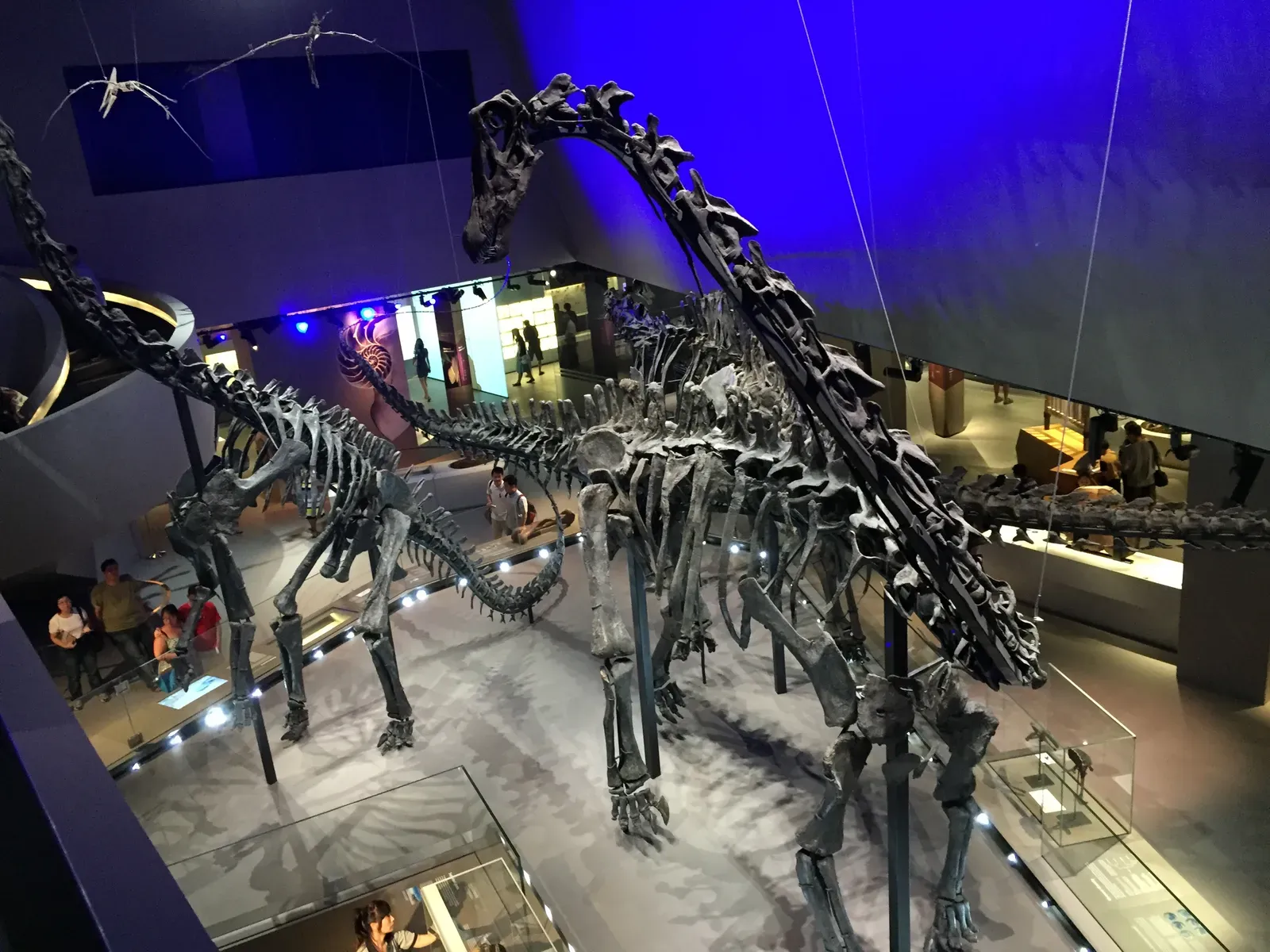
It is tempting to ask why evolution did not simply “jump” straight to hundred‑foot titans, but biology does not work like a software upgrade. Building a sauropod is a serious engineering challenge. You need a skeleton that can handle enormous weight, lungs and air sacs that can move huge volumes of air efficiently, and a circulatory system capable of getting blood up a neck that could stretch longer than a city bus. Every part of the design has to work together or the whole thing fails.
Over millions of years, different dinosaur lineages stumbled toward these solutions bit by bit. Bones became lighter inside but stronger outside, neck vertebrae stretched out and developed complex air spaces, and body proportions shifted from agile sprinters to stable, column‑legged walkers. The process is more like iteratively refining a bridge design over many generations of engineers than suddenly slapping together a skyscraper. The long delay before truly giant sauropods appeared is, in a way, proof of how demanding that size really is.
Life Before the Giants: What Early Dinosaur Ecosystems Looked Like
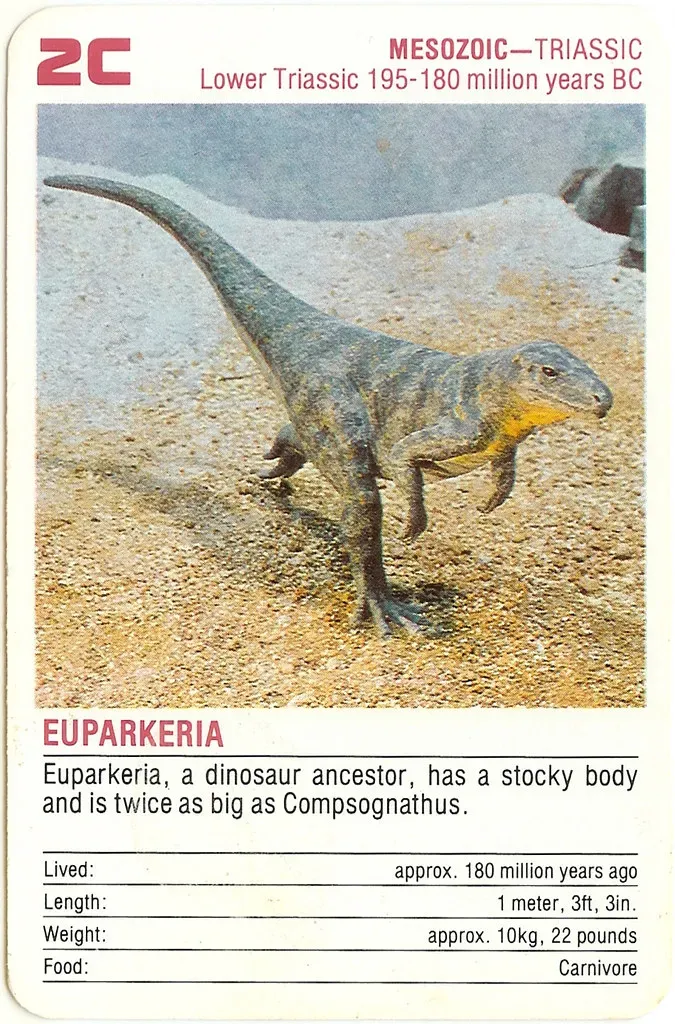
Before huge sauropods were stripping forests bare, early dinosaur worlds were more modest, patchy, and experimental. There were small carnivores chasing prey through labyrinths of tree ferns, early herbivores learning to handle tough plants, and many competitors that were not dinosaurs at all. The planet was warmer, the continents squashed together into the supercontinent Pangaea, and climates swung between wet and dry in intense pulses that reshaped which species thrived.
In those ecosystems, being small and agile could be a huge advantage. Early dinosaurs may have survived and diversified partly because they could exploit niches that slower, bulkier reptiles ignored. Instead of a world instantly dominated by monsters, you have a long, messy prequel where dinosaurs fight for space, adapt to brutal droughts and floods, and quietly prepare the groundwork for their future dominance. By the time sauropods rose to fame, the stage had already been meticulously set by these earlier, humbler forms.
The Rise of the True Giants in the Jurassic
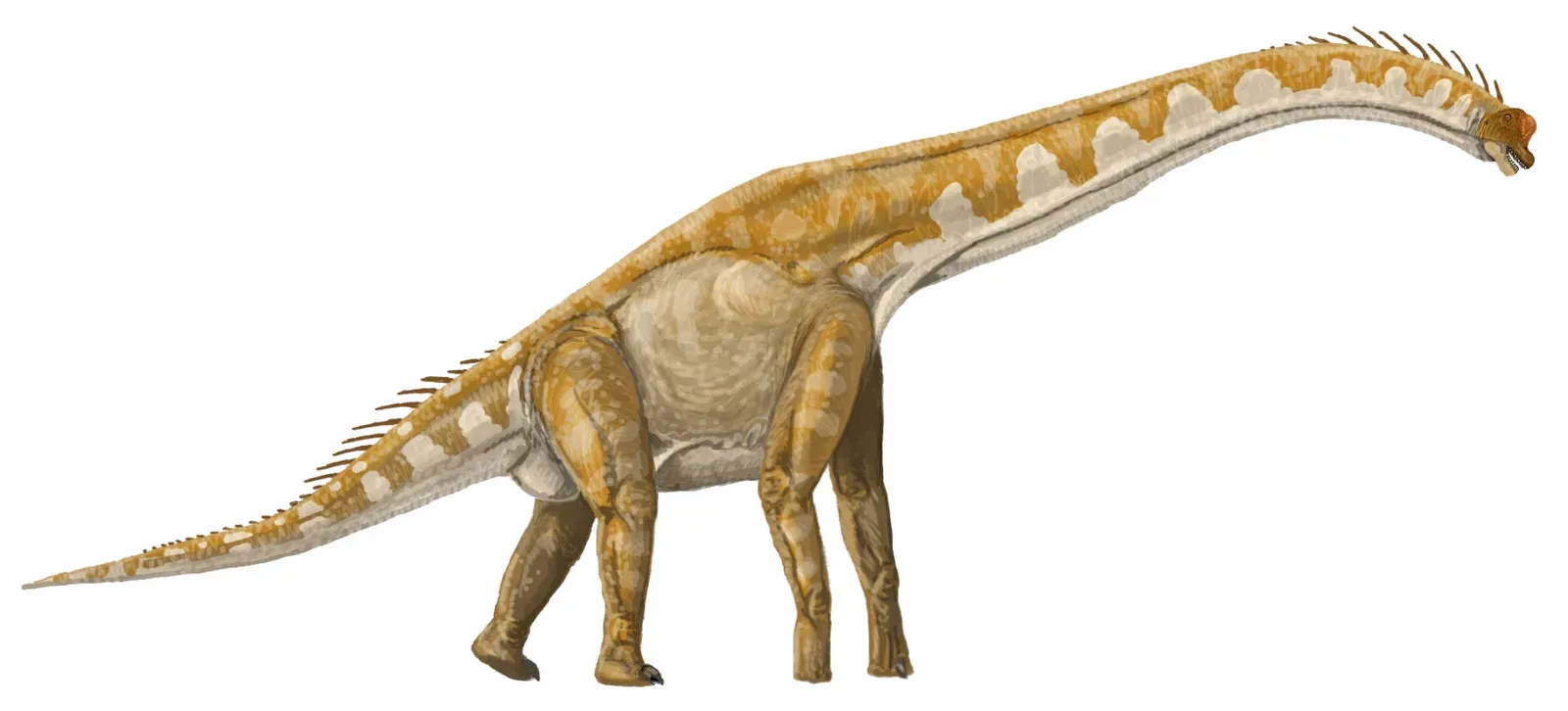
The first truly giant sauropods show up during the Jurassic Period, long after dinosaurs themselves had become well‑established. Once they appeared, they pushed body size into a range no land animal has matched since, with some species likely weighing as much as dozens of elephants combined. Names like Brachiosaurus, Diplodocus, and later Argentinosaurus have become shorthand for unimaginable scale for a reason.
What changed? By the Jurassic, continents were starting to split, climates in some regions were wetter and more stable, and lush plant growth could support herds of massive plant‑eaters. Sauropods leaned hard into a lifestyle centered on processing huge quantities of vegetation with long necks that let them browse without taking many steps. The payoff for those millions of years of evolutionary trial and error was enormous: a group of animals that stretched the limits of what bones, muscles, and lungs can do on land.
How This Changes the Way We Picture “The Age of Dinosaurs”
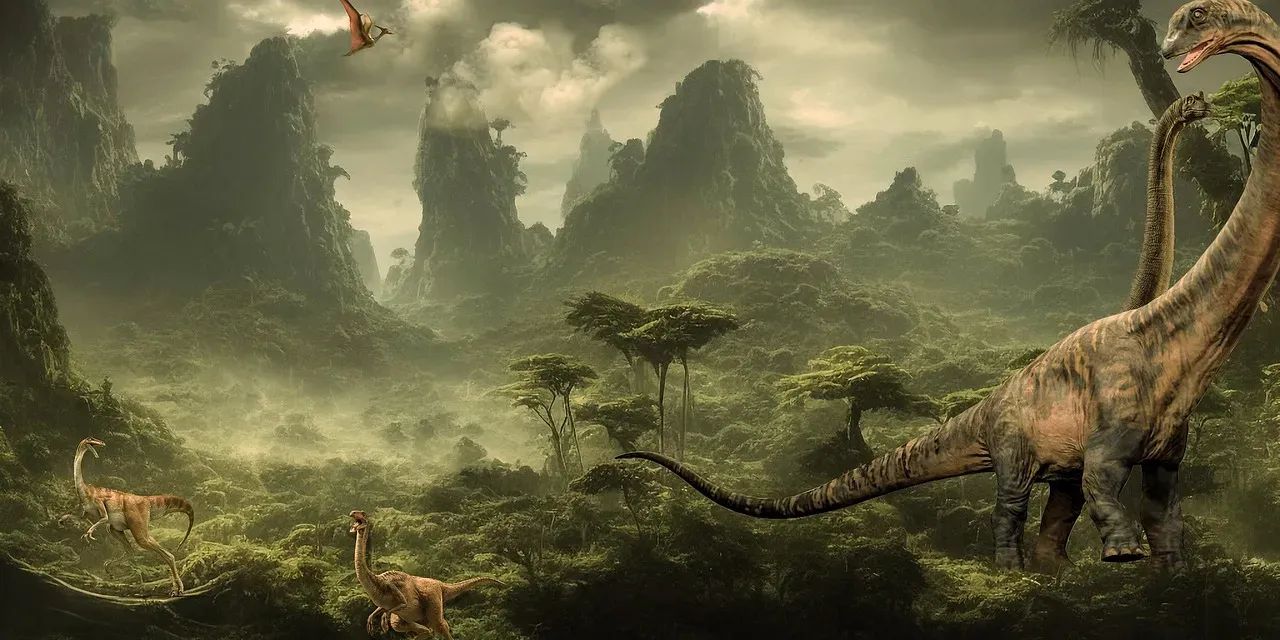
When we imagine the age of dinosaurs as only populated by huge sauropods, horned ceratopsians, and monstrous carnivores, we flatten a story that is actually richly layered in time. Realizing that dinosaurs existed for millions of years before giant sauropods ever evolved reminds us that deep history is mostly about slow build‑up, not constant spectacle. The Jurassic and Cretaceous blockbusters are only one chapter, and they depend completely on the quieter chapters that came before them.
Personally, I find that makes the whole saga more impressive, not less. Those early tiny dinosaurs, scrambling for survival in the shadow of larger rivals, are the unlikely protagonists of a very long story. Without their incremental successes, there would be no sky‑scraping necks or continent‑spanning herds. It is a bit like discovering that your favorite band spent a decade playing cramped bars before their first stadium tour: the early grind changes how you hear every later note.
What This Deep Timescale Tells Us About Evolution and Ourselves
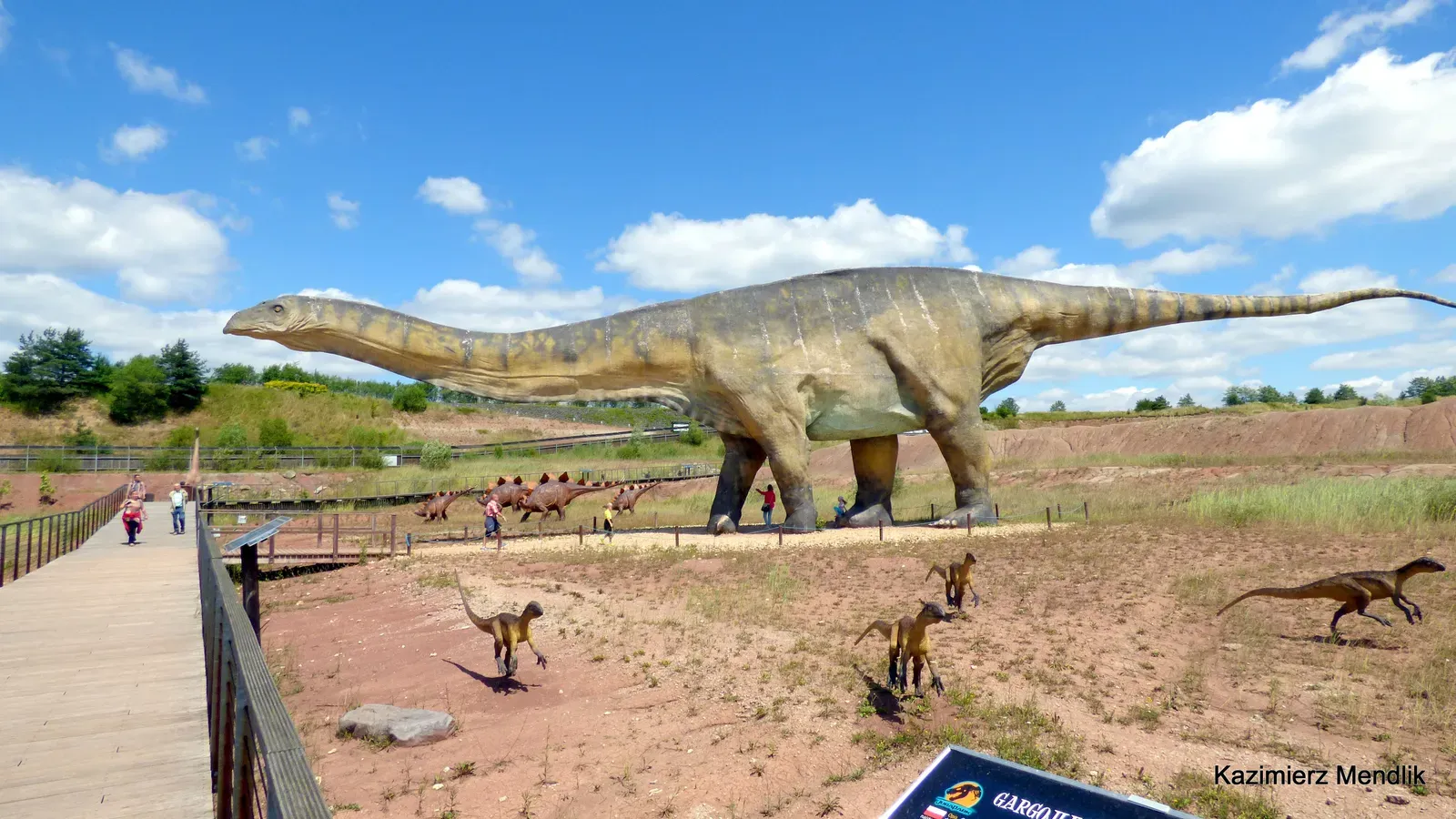
The gap between the first dinosaurs and the first truly giant sauropods is a humbling reminder that evolution runs on a timescale we can barely wrap our heads around. We measure our lives in decades; these shifts took tens of millions of years. Complex solutions and spectacular forms, whether in dinosaurs or any other group, almost always emerge from long periods of small, cumulative changes, not overnight revolutions.
There is a lesson buried here for how we think about our own place in Earth’s story. Our species is incredibly young compared to even the pre‑sauropod phase of dinosaur history, yet we sometimes act as if we are the main characters of the entire planet. When you zoom out far enough to see dinosaurs spending millions of years as minor players before they ever became giants, our sense of urgency and permanence starts to look oddly small. That is not depressing to me; it is oddly freeing, a reminder that the world is larger, older, and more patient than any single chapter suggests.
Conclusion: The Giants Were Late to Their Own Party
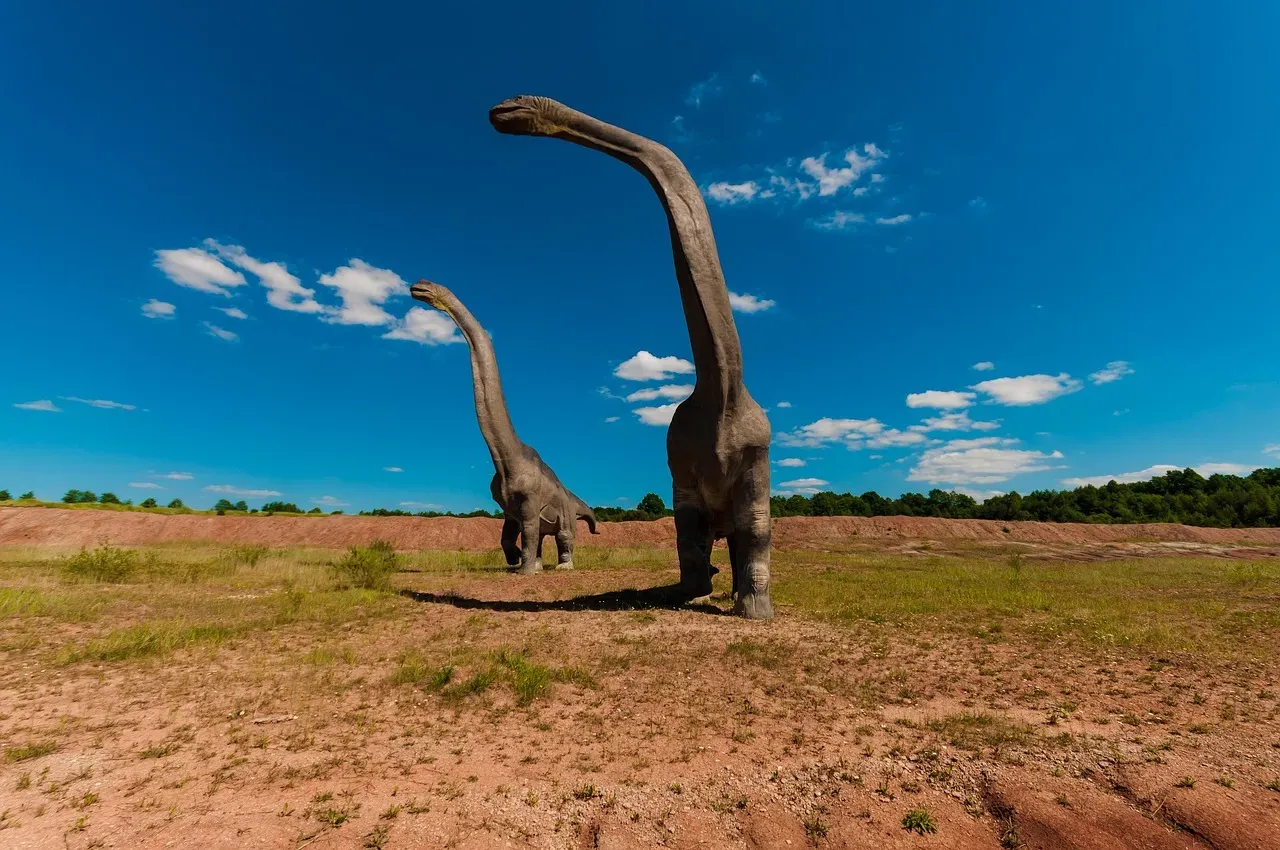
Knowing that dinosaurs lived for millions of years before the first giant sauropods appeared completely changes how we should talk about their reign. The giants were not the whole story; they were late arrivals to a party that early, smaller dinosaurs had already set up and survived for an astonishing stretch of time. In my view, it is almost misleading that the giants steal so much of the spotlight, because the deeper heroism lies in the long, unglamorous grind of evolution that made them possible at all.
If anything, the fact that it took so long to build a sauropod should make us respect evolution’s patience and complexity far more than we usually do. Rather than seeing dinosaurs as instant rulers crowned in an explosion of size, we should see them as persistent experimenters slowly pushing the limits of life on land. The giants were the payoff, not the starting point, and that perspective makes the whole saga feel richer and more honest. When you picture a sauropod next time, will you also picture the countless small, forgotten dinosaurs that walked the Earth long before its first colossal step?