

It is strangely humbling to realize that some of the most powerful technologies in human history were born long before writing, cities, or even agriculture. We usually credit modern breakthroughs for changing our destiny, but by the time we get to smartphones and rockets, the real turning points have already happened. The quiet, prehistoric inventions you are about to read about are the ones that rewired our bodies, our brains, and even our social lives from the ground up.
None of these breakthroughs looked impressive at first glance. A sharpened rock, a controlled flame, a woven basket – they sound almost boring compared to artificial intelligence or gene editing. Yet each of them nudged our species down a path we could never reverse, altering how we eat, how we cooperate, how we move, and how we think. Once you see how deep their influence goes, it is hard not to look at the ancient world with a new kind of respect – and maybe a little awe.
1. Controlled Fire: The First Real Superpower

Imagine one small group of early humans sitting around a controlled fire while other animals huddled in the cold and dark. That glow was not just warmth; it was a survival cheat code. Fire scared away predators, extended the day into the night, and created a safe social zone where people could gather, share food, and communicate in ways no other species could. Once our ancestors learned how to keep a fire going, they were no longer fully at the mercy of weather, darkness, or many carnivores.
Fire also transformed food from something raw and dangerous into something softer, safer, and more energy rich. Cooking breaks down tough fibers and neutralizes many pathogens, meaning our ancestors could get more calories from the same amount of food while spending less time chewing and digesting. Over evolutionary time, that change appears to be linked to smaller guts, different teeth, and more energy available to fuel a growing brain. You could argue that every late-night conversation, streaming binge, or all-nighter at a laptop still depends on an ancient decision: to sit beside a controlled flame and stretch the day beyond sunset.
2. Stone Tools: Rewiring Hands, Brains, and Social Life

The first deliberately shaped stone tools looked like little more than chipped rocks, but the mental leap behind them was enormous. To take a natural stone and strike it in just the right way to form a sharp edge requires planning, timing, and an understanding of cause and effect. Over time, stone tools became more complex and standardized, reflecting increasingly sophisticated thought, memory, and teaching. Our hands and brains co-evolved with this tool use; precise grip and finger control were not just helpful, they became a major selective advantage.
Stone tools also changed the way early humans interacted with the environment and each other. A sharp edge meant access to new foods, like marrow and brain tissue from scavenged carcasses, increasing the energy available to small bands. Toolmaking likely demanded social learning, imitation, and patient instruction, strengthening the cultural bond between generations. Personally, I always think of stone tools as the original “apps” – not flashy on their own, but quietly redefining what a human body could do, and expanding our dependence on learned skills passed through culture instead of just genes.
3. Clothing and Simple Shelter: Expanding the Human Map
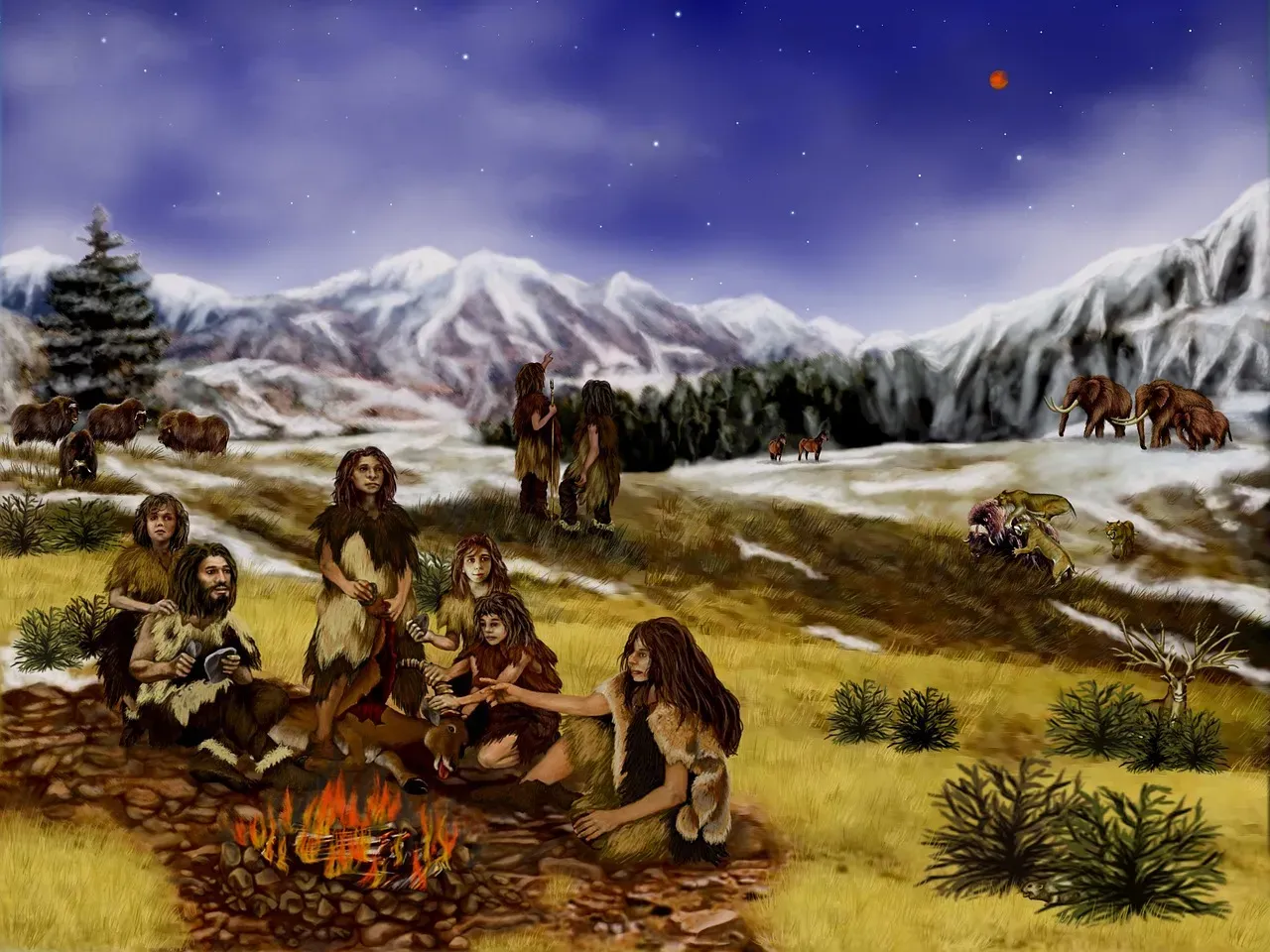
At some point, early humans stopped being limited to climates that matched their bare skin. Simple clothing made from animal hides and plant fibers, along with basic shelters like windbreaks or huts, turned fragile primates into adaptable world travelers. Once bodies were wrapped in insulating layers and protected by roofs or walls, regions that would have been lethal cold or scorching hot became livable. This was not just about comfort; it literally redrew the map of where humans could survive long enough to raise children.
That expansion into new environments came with deep evolutionary consequences. Different climates, diets, and sunlight patterns put new pressures on our bodies, contributing to variations in skin pigmentation, body shape, and even disease resistance. On a social level, clothing also introduced a new, surprisingly modern-seeming element: visible markers of group belonging, status, or identity. A simple fur wrap or woven covering could signal who was from where, who had hunting success, or who held special roles. In a way, early clothing and shelters were the prehistoric version of customizing your profile: functional, yes, but also loaded with social meaning.
4. Language and Symbolic Communication: Hacking the Brain’s Bandwidth
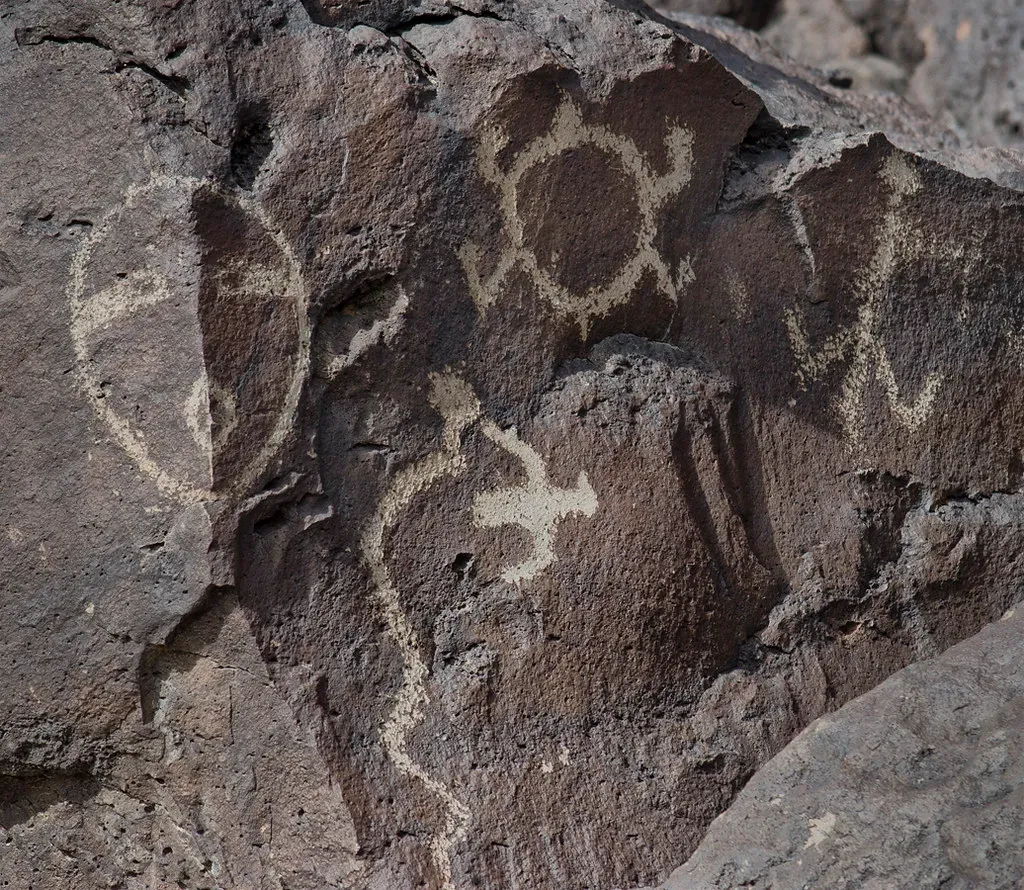
No one knows exactly when fully developed language emerged, but by the late prehistoric period, humans were clearly doing something no other animal had pulled off: sharing detailed, abstract information with words and symbols. Language allowed people to describe events from the past, imagine future possibilities, discuss things that were not physically present, and build complex traditions. Instead of each generation relearning survival from scratch, knowledge could accumulate and become richer over time. That is a complete game-changer for evolution, because cultural information started to evolve far faster than our genes.
Symbolic communication also rewired how our brains developed. Children growing up in a language-rich environment strengthen neural circuits for memory, planning, and social understanding. Talking about feelings, rules, and stories trains people to imagine other minds and predict behavior, which is crucial in social groups. From my perspective, language might be the most underrated prehistoric invention because it is so invisible: we swim in it every day. Yet without that early shift into symbolic thought and speech, there would be no myths, no laws, no science, and definitely no scrolling through long articles trying to understand where we came from.
5. Containers and Cooking Vessels: Bending Time and Space for Food

It is easy to overlook baskets, bags, and early pottery, but once humans could reliably store and transport food, everything changed. Simple containers meant people were no longer forced to eat only what they could consume immediately or carry in their hands. Excess food could be saved for lean times, shared more widely within a group, or carried across distances. That gave early humans a kind of control over time: instead of living strictly meal to meal, they could plan ahead and buffer themselves against seasonal shortages.
Cooking vessels, like early pots used near the end of the prehistoric period in some regions, pushed this even further. With a sturdy container over a fire, humans could boil, stew, and ferment foods that would have been indigestible or unappealing when raw. Tough roots, grains, and other plant materials turned into softer, nutrient-rich meals that supported larger groups and more stable settlements, even before full-scale farming took off. The humble container might not sound as dramatic as fire or language, but it quietly enabled food security, social sharing, and the first real experiments in managing resources over the long term.
6. Early Domestication and Cooperative Hunting: Rewriting Our Social Contract
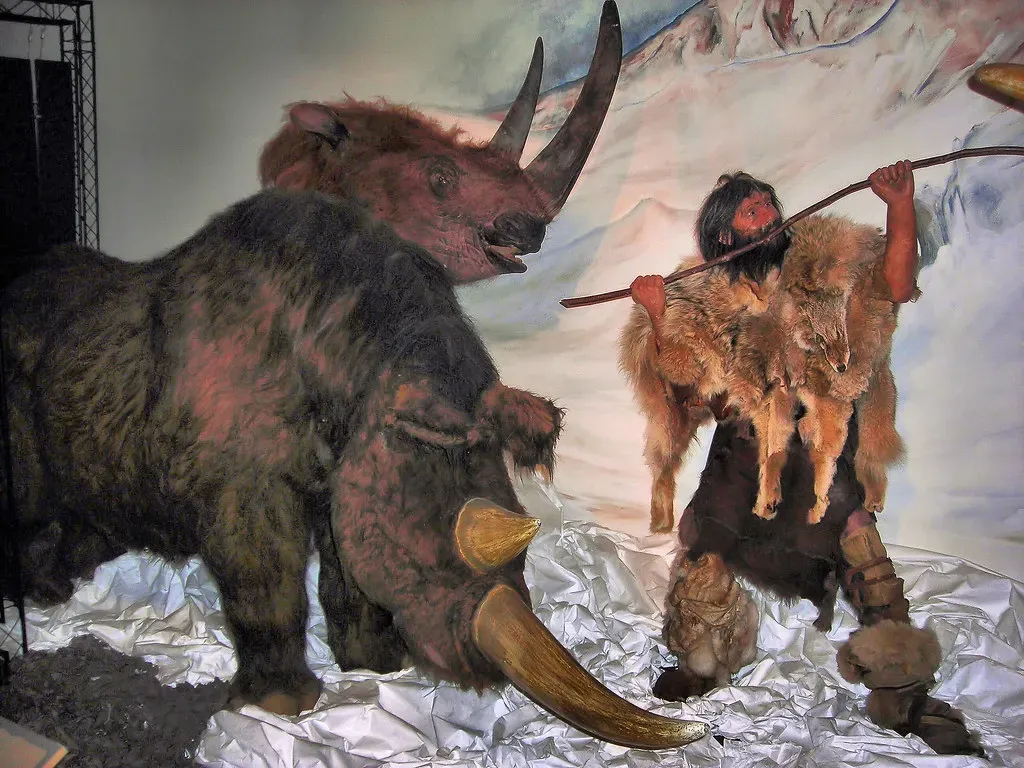
Long before formal agriculture, humans were already tinkering with the living world in systematic ways. Cooperative hunting – using coordinated strategies, roles, and sometimes even early partnerships with animals like wolves that would later become dogs – changed how groups organized themselves. Successful hunts required planning, trust, and division of labor, traits that rewarded individuals who could cooperate, communicate, and defer immediate gratification for a shared payoff. Over time, that kind of social pressure favored brains that were better at reading intentions, forming alliances, and sticking to group norms.
Early domestication of plants and animals, even in small, local forms, shifted the evolutionary balance again. Rather than only adapting themselves to environments, humans began shaping environments and species around their needs. That feedback loop nudged us toward longer-term thinking, territoriality, and more permanent social structures. I think of this phase as humanity’s beta version of the modern world: small-scale, messy, and experimental, but already containing the seeds of property, cooperation, conflict, and identity that still define us. Our bodies, our immune systems, and even our daily stressors now carry echoes of those first choices to herd, plant, and hunt together.
Conclusion: Evolution’s Quiet Engineers

Looking back at these prehistoric inventions, the pattern is clear: the most transformative technologies are often the least glamorous. Fire, stone tools, clothing, containers, language, and early cooperation did not just solve short-term problems; they reprogrammed the conditions of human life. They altered what we ate, where we lived, how we raised children, and how we related to one another, tipping natural selection in new directions. I am convinced that if you could time-travel to watch any era in human history, the truly decisive moments would look surprisingly ordinary – a spark catching dry grass, a hand shaping a stone, a story told by firelight.
In my opinion, we underestimate these ancient breakthroughs because we are dazzled by the obvious drama of modern tech. Yet every app, space mission, or medical advance is built on the foundation laid by those quiet, early hacks to our biology and culture. If anything, they are a reminder that small, practical innovations today could be steering our evolutionary story in ways we will not fully grasp for thousands of years. So the real question is this: which of our current “boring” habits will future humans look back on as the next fire, the next stone tool, the next humble invention that quietly changed everything?