
For a long time, the story of human origins sounded almost too clean: one single lineage of modern humans leaving Africa, spreading out across the globe, and replacing everyone else. Ancient DNA has completely blown that neat narrative to pieces. When scientists began reading genetic fragments preserved in bones tens of thousands of years old, they uncovered a far messier and more intimate past – one where different kinds of humans met, mingled, and had children together.
What makes this so gripping is that these encounters are not just dusty events in museum drawers. They are literally inside us. If you have ancestry outside Africa, you almost certainly carry traces of Neanderthals or other mysterious cousins in your genome. Even people with exclusively African ancestry carry signals of older, now-vanished groups. Once you see that, it becomes impossible to think of humanity as a simple family tree. It looks more like a braided river, with channels that split, rejoin, and leave silent, ghostly strands behind.
From Bones to Genomes: How Ancient DNA Changed the Story
The entire revolution started with a simple but radical idea: what if you could treat an ancient bone like a dusty hard drive and recover its original information? For decades, the answer was mostly frustration, because DNA breaks down over time and gets overwhelmed by bacteria and modern contamination. It took new clean-room techniques, strict protocols, and better sequencing machines before researchers could reliably pull out genuine ancient human DNA from fossils tens of thousands of years old.
Once that switch flipped, everything accelerated. At first, scientists had only fragments, but soon they could reconstruct complete genomes from Neanderthals and other archaic groups. Suddenly, our own DNA could be compared base by base against theirs. This was the moment the old replacement story began to crumble. Instead of a clear-cut genetic divide, researchers saw unmistakable signs that our ancestors and these other humans had mixed, leaving shared genetic stretches that simply could not be explained any other way.
The Neanderthal Surprise: We Carry Their DNA in Our Cells
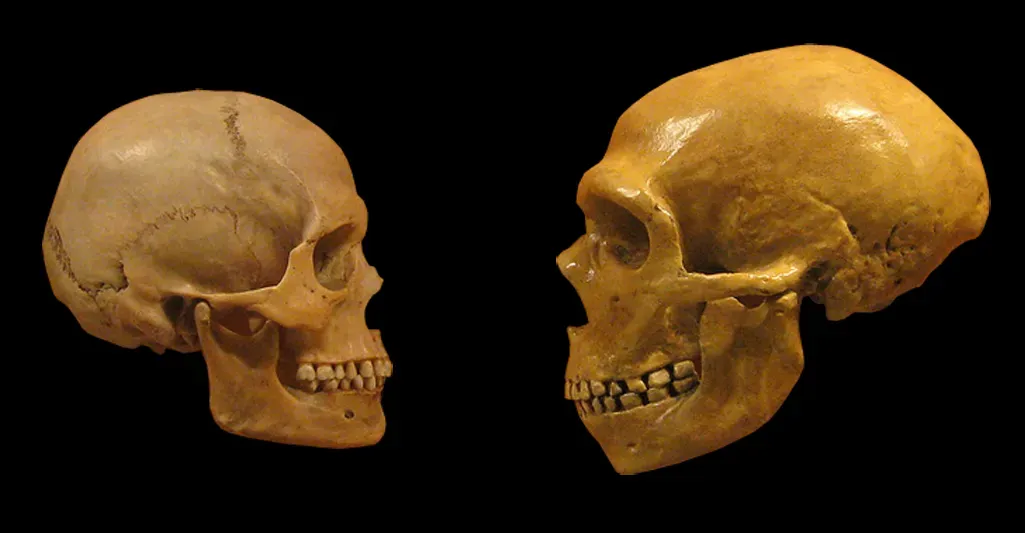
When the first high-quality Neanderthal genome was published, many expected to see only a distant cousin with no real overlap. Instead, researchers found that people today with ancestry from Europe, Asia, or the Americas carry small but real chunks of Neanderthal DNA. These pieces are scattered across our genomes like old family photos tucked in the wrong album, evidence of contact and children between our species and theirs.
What is even more striking is that the sharing is not uniform. Some parts of our genome are almost scrubbed clean of Neanderthal DNA, especially regions tied to brain development and reproduction, suggesting that many hybrid combinations were weeded out over generations. Other regions, particularly connected to immune responses and how we handle sunlight or cold, show strong signs that Neanderthal variants were useful and stuck around. That pattern tells a very human story: some traits from these encounters helped our ancestors cope with new environments, and so they were kept, while less compatible mixtures quietly vanished.
Denisovans and the Ghosts of Unknown Ancestors
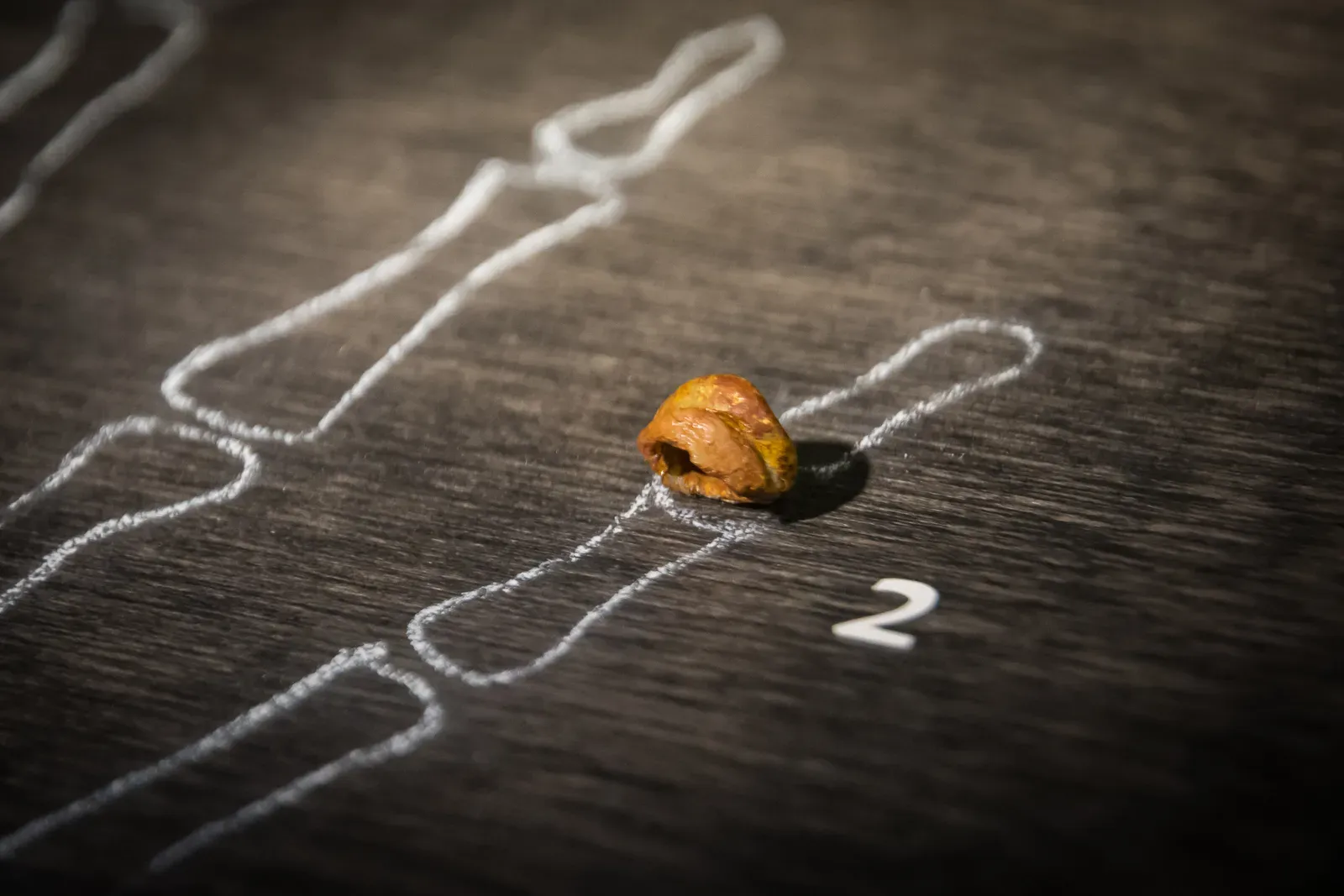
If Neanderthals were the first shock, Denisovans were the twist no one saw coming. This entire human group was discovered not from a complete skeleton but from a tiny finger bone and a tooth found in a Siberian cave. The fossils looked unremarkable, but their DNA revealed a distinct kind of human, separate from both us and Neanderthals. Even more astonishing, people in parts of Asia and Oceania today carry notable amounts of Denisovan DNA, proof of ancient interbreeding far from that original cave.
Ancient DNA goes further and hints at other, even more mysterious human groups that we have never seen in the fossil record at all. Genetic patterns in both modern and ancient genomes sometimes point to ancestry from unknown populations that left no clear bones, only their genetic fingerprints. It is like reading a family diary where entire characters are mentioned but never described. These ghost ancestors remind us that the human family tree was once crowded with branches, many of which ended physically but live on in our cells.
Love, Conflict, and Survival: Why These Encounters Happened
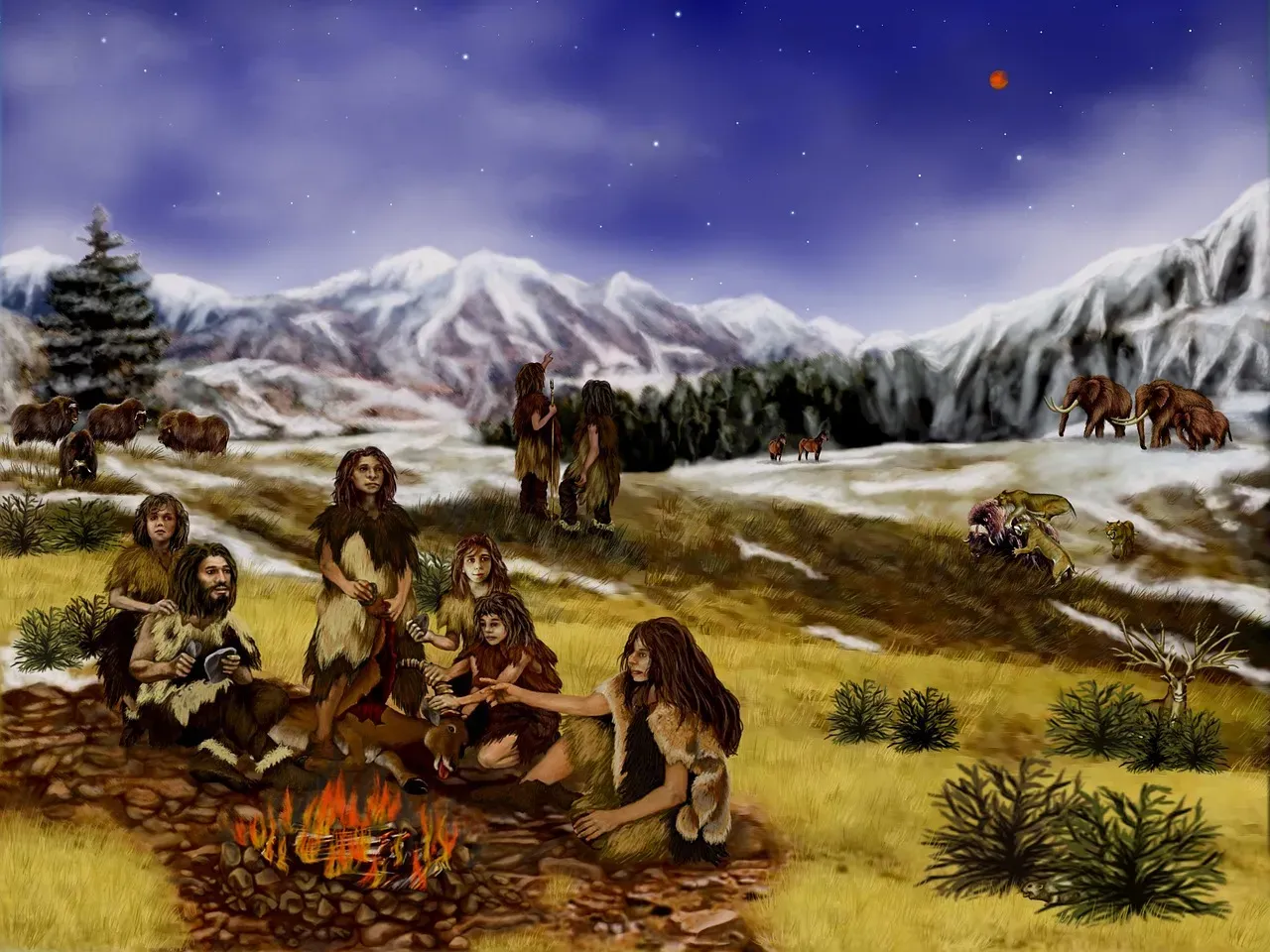
It is tempting to reduce these ancient meetings to pure biology, but the reality must have felt very personal to the people involved. Whenever modern humans entered new territories, they did not arrive in empty landscapes. They met other humans who hunted, raised children, told stories, and defended their land. Some encounters were likely violent and tense, while others were cooperative, curious, or intimate. Shared children are the clearest proof that at least some of these relationships involved more than quick clashes on the horizon.
From a survival perspective, interbreeding could be a smart, almost pragmatic move. Local groups like Neanderthals or Denisovans had already adapted to the climate, food sources, and diseases in those regions over hundreds of thousands of years. By mixing with them, newcomers could acquire helpful traits much faster than waiting for random new mutations. To me, this makes the past feel less like a straight takeover and more like a series of rough negotiations, with genes passing hands the way travelers exchange tools or stories around a shared fire.
Traces in Modern Bodies: How Ancestral Encounters Still Shape Us
The ancient meetings between human groups are not just interesting trivia; they shape our bodies and lives today. Some Neanderthal-derived genes influence how our immune systems recognize pathogens, which can slightly alter our risk of allergies or autoimmune diseases. Denisovan DNA has been linked to traits that help some Himalayan populations cope with thin air at high altitudes, showing how an old genetic legacy can still offer a practical advantage in specific settings.
At the same time, these inherited fragments are a double-edged sword. Variants that helped ancient people survive infections or extreme climates can interact awkwardly with modern lifestyles, contributing to tendencies toward inflammation, metabolism differences, or even mental health traits. That does not mean we are controlled by our archaic DNA, but it does remind us that our genomes are layered with adaptations from environments we no longer live in. In a way, our bodies are time capsules, carrying solutions to problems our ancestors faced, whether they still fit our current world or not.
Rethinking What It Means to Be Human
Ancient DNA has forced us to let go of the comforting idea that there was a single, pure version of humanity that marched steadily toward the present. The evidence points to something much richer: a world where multiple human groups overlapped, interacted, and blended in complicated ways. Instead of clean separations, we see gradients and shared histories, with our own species absorbing and contributing to a larger human tapestry.
Personally, I find this perspective far more honest and inspiring. It challenges old notions of rigid racial categories or sharp boundaries between human types. If anything, the genetic data argues that mixing and movement are the default state of our species, not the exception. The face you see in the mirror is not the end point of one straight line, but the current version of a long-running collaboration between many different humans across time.
Opinionated Conclusion: Our Messy Ancestry Is Our Greatest Strength
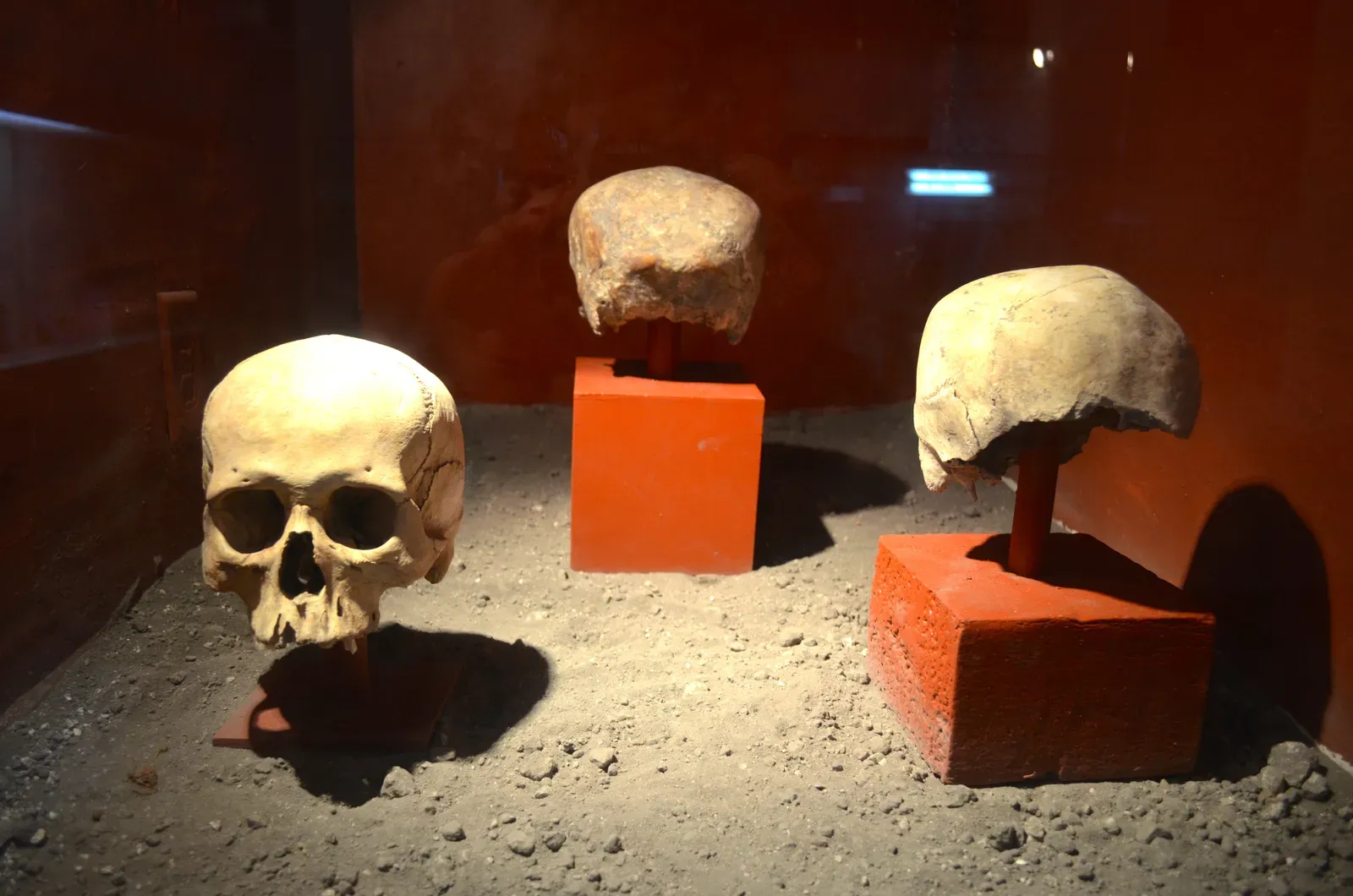
Looking at what ancient DNA has revealed, I think the most outdated idea we still cling to is that humans were ever simple or isolated. The science says otherwise. Our ancestors met other human groups, sometimes fought them, sometimes learned from them, and often had children with them. Those choices, messy and imperfect as they must have been, are literally why many of us are here. The genetic patchwork inside each person is not a flaw in the story; it is the story.
In an era where people still argue about purity and draw hard lines between groups, this feels like a quiet but powerful correction from the past. Our species has always been a blend, stitched together from encounters, migrations, and shared lives. Instead of chasing some imaginary original version of humanity, maybe we should accept that our real superpower has always been our willingness to mix, adapt, and change. When you think about your ancestors meeting strangers and deciding, in one way or another, to build a future together, does that make our modern divisions feel a little smaller than you expected?