
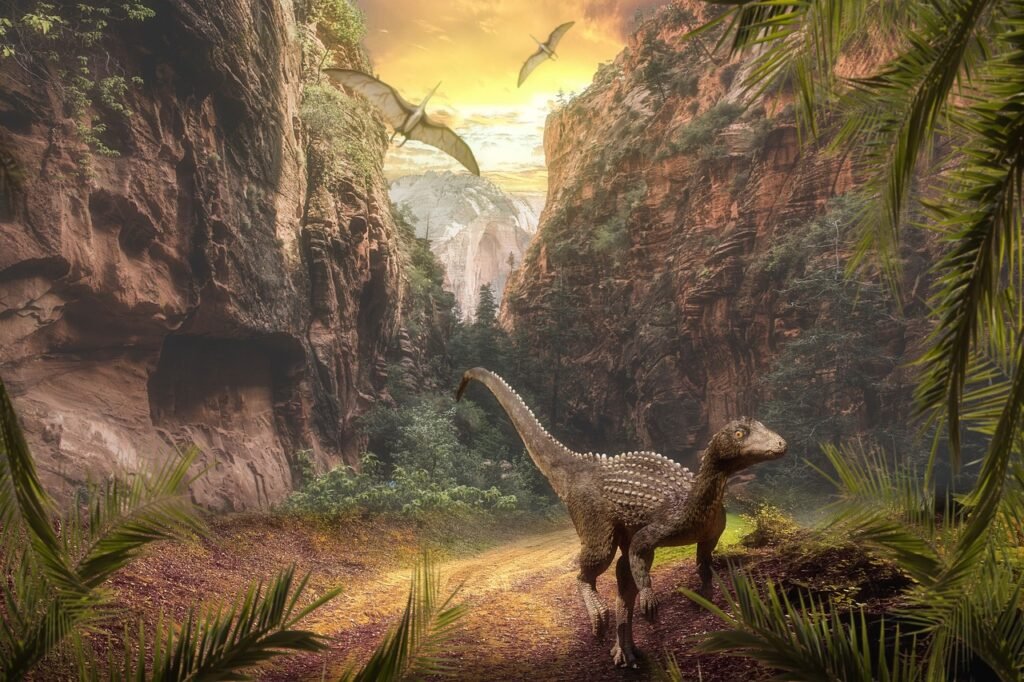
If you imagine dinosaurs as generic giant lizards, you’re in for a shock. The fossil record is full of creatures so strange they look like concept art that got out of hand, from dome-headed head‑butters to animals with sails, scythes, and built‑in air conditioners. Some of these designs are so wild that paleontologists themselves still argue about what half of those structures were even for.
What makes it even more fascinating is that every one of these oddities evolved for a reason: survival, attraction, intimidation, or sometimes just the weird side effects of natural selection over millions of years. As we walk through these dinosaurs, you’ll see a pattern emerge: evolution rarely picks the “normal” option if the weird one works just as well. By the end, you might feel like nature was running its own chaotic design contest and never hit the undo button.
Pachycephalosaurus: The Dome-Headed Battering Ram
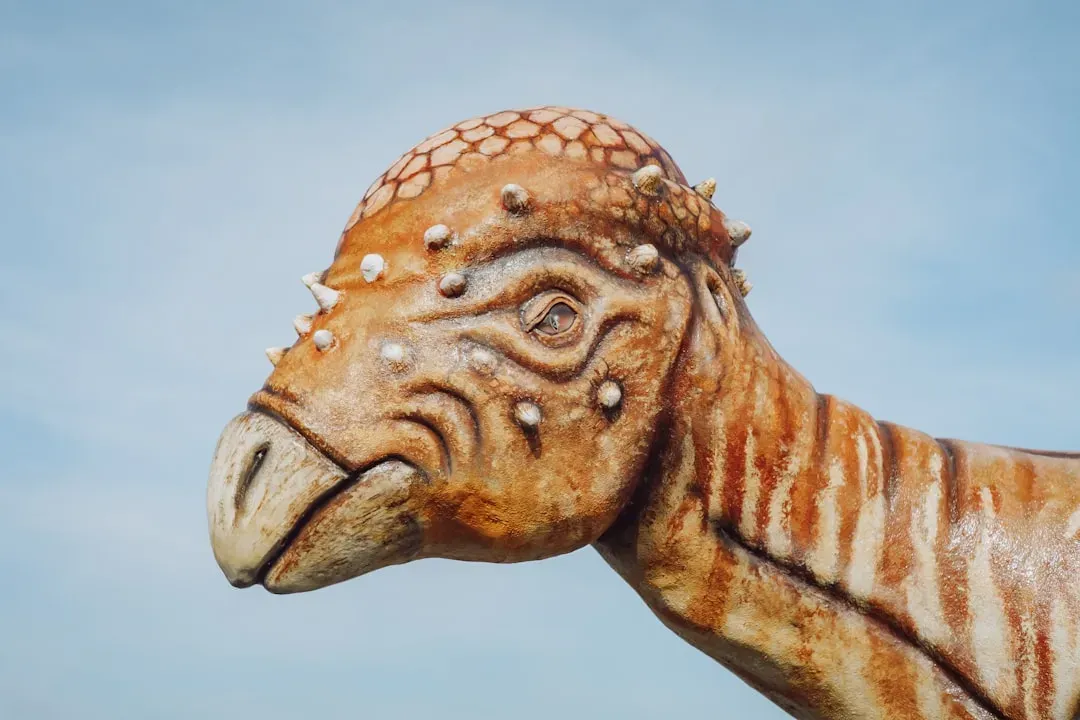
Pachycephalosaurus looks like evolution decided helmets should be grown, not worn. Its skull roof was massively thick, like a biological crash helmet, with a dome that could be more than 8 inches of solid bone sitting right on top of its head. Surrounding this were spikes and knobs that made it look less like a peaceful plant‑eater and more like a punk rocker ready for a fight.
The classic image is two Pachycephalosaurus slamming their skulls together like rams, but scientists still debate whether that actually happened or if they mostly shoved and butted flanks instead. Either way, the dome clearly evolved as a display structure, and probably for some kind of physical contest. To me, this is one of those dinosaurs that makes you feel how messy evolution can be: instead of inventing better claws or teeth, this animal doubled down on “what if we just hit things with our heads?”
Therizinosaurus: The Giant Scythe-Handed Herbivore
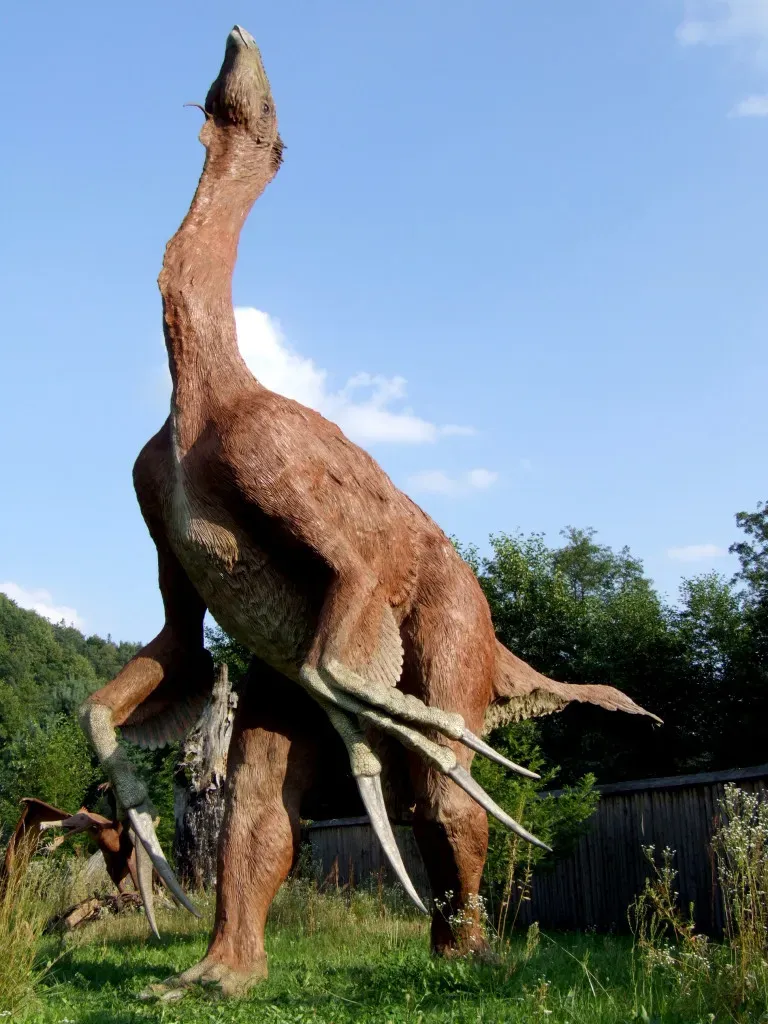
Therizinosaurus looks like it escaped from a fantasy game concept sheet: a towering, feathered dinosaur with absurdly long, blade‑like claws. Each claw could be around as long as a child’s arm, curved like a scythe, making it look like a slasher villain despite probably eating plants. For years, paleontologists only had the claws and honestly had no idea what kind of creature they belonged to, which tells you how bizarre they are.
Once more fossils showed its full body, the picture got even weirder: a pot‑bellied, long‑necked herbivore, probably feathered, moving slowly on two legs, carrying this horror‑movie manicure. Those claws might have been used to hook and pull vegetation, to defend against predators, or to show off to mates. To me, Therizinosaurus is proof that evolution sometimes builds Swiss Army knives when a spoon would do, just because it can and because a ridiculous design still works if it keeps you alive and noticed.
Ankylosaurus: The Living Tank With a Tail Mace
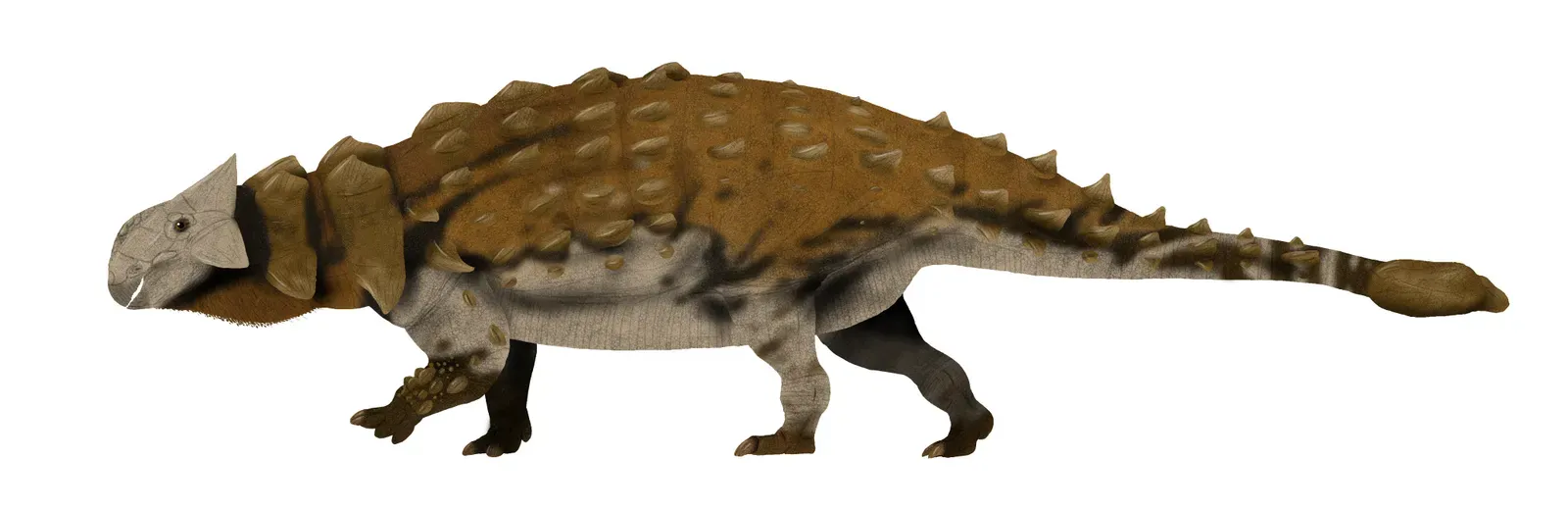
Ankylosaurus is what you’d get if evolution tried to reinvent an armored vehicle using only bone and keratin. Its back was covered in fused armor plates and studs, forming a living shield wall that would have made most predators think twice. This walking tank was low to the ground, heavy, and clearly built for defense more than speed, like a biological tank trundling through the undergrowth.
The tail club takes it from defensive to “are you kidding me?” territory. The tip of the tail was massively reinforced into a heavy bone mace that could be swung with brutal force, potentially shattering the legs of attacking carnivores. I like to think of Ankylosaurus as the ultimate rebuttal to “survival of the swiftest”: it survived not by running away or outsmarting anyone, but by turning its entire body into medieval weaponry on legs.
Spinosaurus: The Crocodile-Billed, Sail-Backed River Monster
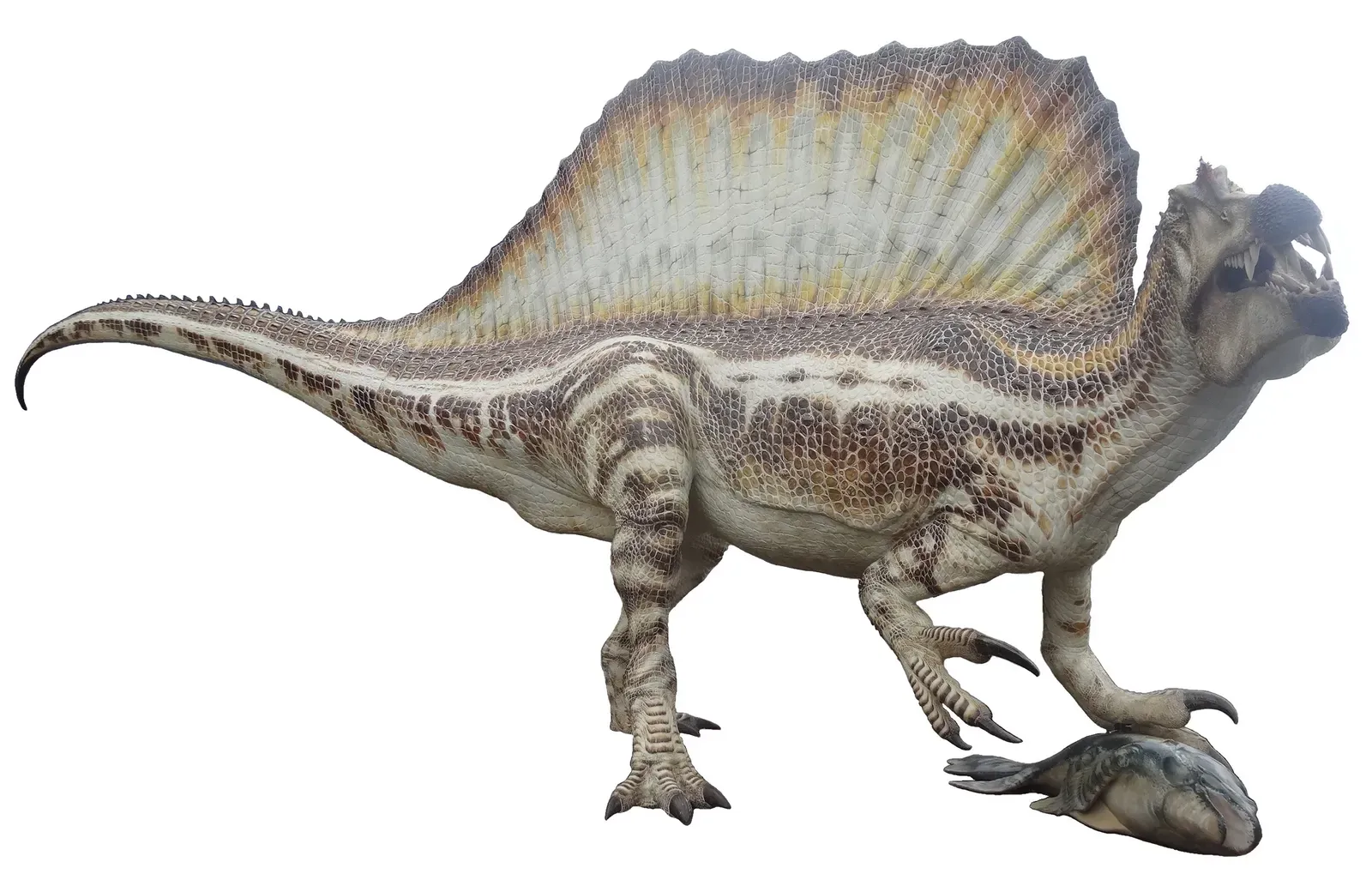
Spinosaurus looks like evolution mashed up a crocodile, a heron, and a dragon, then tossed in a sail for good measure. It had an elongated, narrow snout filled with conical teeth, perfect for gripping slippery fish, and nostrils placed farther back so it could still breathe with part of its head in the water. Its body proportions and bone density suggest it spent a lot of time in rivers and lakes, more like a massive aquatic hunter than the classic land‑stalking predator.
Then there is that enormous sail on its back, formed by tall neural spines projecting up from its vertebrae, some taller than an adult human. Scientists have argued for decades about its purpose: display for mates, intimidation, thermoregulation, or something related to swimming. Regardless of the final answer, Spinosaurus shows that evolution was absolutely willing to break the traditional T. rex mold and try something that looks almost alien to our usual dinosaur expectations.
Parasaurolophus: The Dinosaur With a Built-In Air Horn
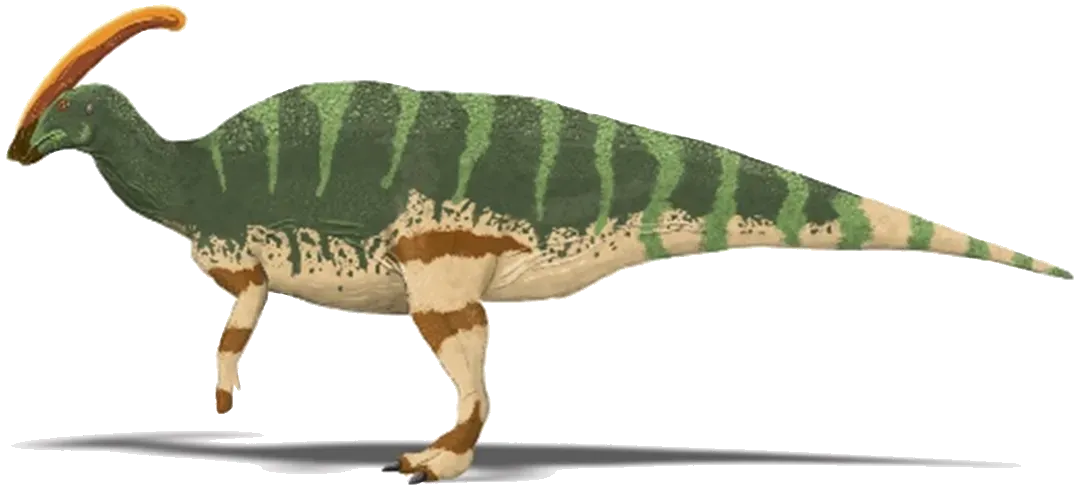
Parasaurolophus is famous for the long, backward‑curving tube on its head, which looks like a decorative handle stuck on by an overenthusiastic designer. Inside that crest ran complex hollow passages connected to its nasal system, making it much more than a simple ornament. It likely played a big role in display, helping individuals recognize one another and broadcasting visual signals across herds.
What really pushes it into “evolution was experimenting” territory is the likely sound function of that crest. Those hollow tubes could have acted like natural wind instruments, letting the dinosaur produce deep, resonant calls that carried over long distances. I imagine entire groups of Parasaurolophus communicating with eerie, low notes echoing across ancient floodplains, like a prehistoric horn section. It is hard not to feel like nature was literally playing around with acoustics and turning a nose into a musical instrument.
Carnotaurus: Tiny Arms, Demonic Horns, and a Sprinter’s Build
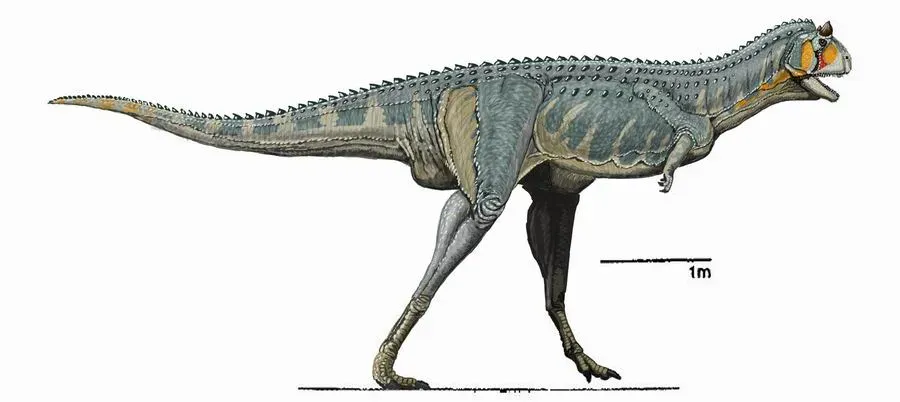
Carnotaurus looks like an artist asked “What if we made a demon cow dinosaur and also gave it the most ridiculous arms possible?” It had two blunt horns above its eyes, a short, deep skull, and a face that looks unnervingly expressive in reconstructions. Its body was sleek and built for speed, with a long tail and powerful legs that suggest it could accelerate quickly, probably to chase down prey in open habitats.
Then you notice the arms, which make even T. rex’s limbs look generous. Carnotaurus had extremely reduced forelimbs that seem almost useless, possibly carried just because evolution had not yet fully deleted them. That combination of threatening horns, racing‑car body, and nearly vestigial arms feels like a half‑finished prototype that still somehow worked incredibly well. To me, Carnotaurus is a reminder that evolution does not care about symmetry or elegance; if the weird shape runs fast and eats well, it stays.
Mononykus: The One-Clawed Desert Specialist
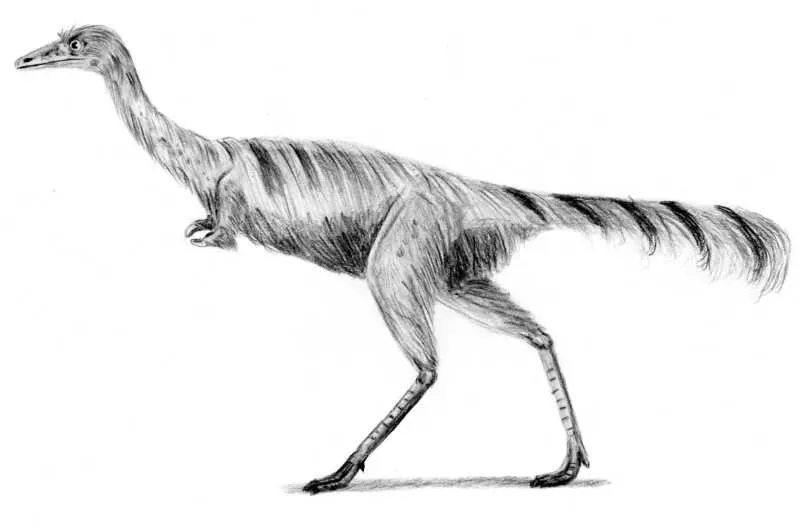
Mononykus is one of those dinosaurs that makes you do a double take because it breaks all the usual expectations. It was small, lightly built, with a bird‑like body and long legs suggesting it was a nimble runner, probably darting around in desert environments. But instead of normal arms and hands, each forelimb was tiny and stout, ending in a single large claw, like a built‑in digging tool.
That one oversized claw probably helped it tear into insect nests or dig into tough ground, turning its arms into specialized, almost drill‑like tools. It looks so strangely minimalist, as if evolution decided that ten fingers were overkill and just stripped the design down to a single purpose. When I first saw a reconstruction of Mononykus, it felt like looking at a software interface with every button removed except one giant, important switch. It is weirdly elegant, but in a way that makes you question what “normal” even means for dinosaur anatomy.
Stygimoloch: Spikes, Domes, and a Name Straight Out of Myth
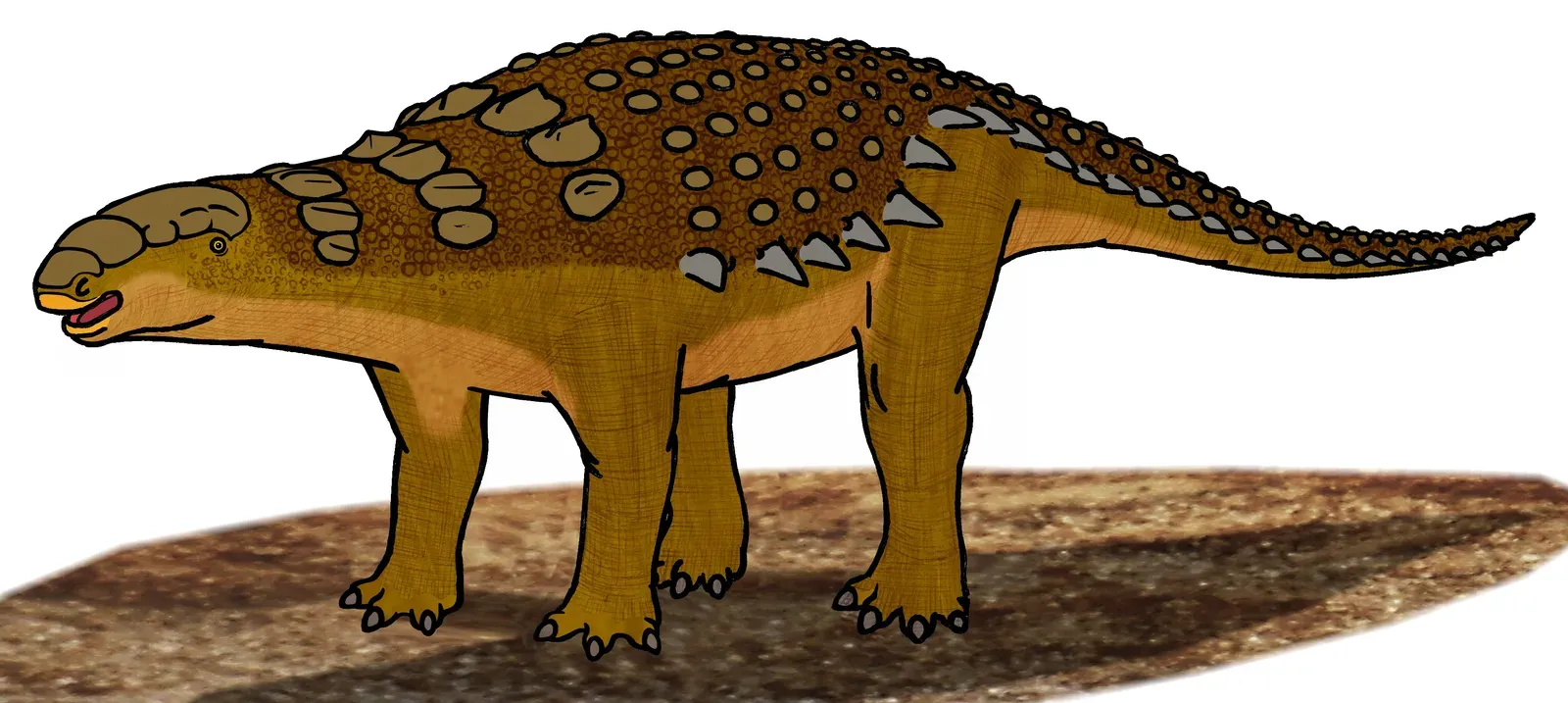
Stygimoloch is the kind of dinosaur that would fit perfectly into a dark fantasy painting. It had a small dome on the back of the skull surrounded by a crown of long, sharp spikes, giving its head a seriously intimidating profile. Even its name evokes something otherworldly, because it references the mythical river Styx and a horned demon, which feels oddly appropriate when you look at its fossil skulls.
There is still debate about whether Stygimoloch is its own genus or a growth stage of another dome‑headed dinosaur, but either way the anatomy is undeniably dramatic. The spikes might have been used in display, making individuals look bigger and more threatening, or for low‑impact shoving matches and head movements rather than full‑force ramming. For me, Stygimoloch embodies the idea that evolution sometimes leans hard into visual drama: even if the exact behavior is still argued over, the message of those spikes is loud and clear – this was not an animal you would want to mess with.
Conclusion: Evolution’s Strangest Ideas Still Had a Purpose
Looking at these dinosaurs side by side, it is tempting to think evolution was just throwing ideas at the wall – domes, sails, clubs, scythes, horns, air horns, and single giant claws. But underneath the weirdness, every one of these features reflects a harsh reality: if a trait helped an animal survive, reproduce, or intimidate, it did not matter how ridiculous it looked to us millions of years later. In that sense, “bizarre” is really our word for “works in a way we did not expect,” not nature’s way of labeling mistakes.
Personally, I think these oddballs are the best argument against any tidy, linear view of evolution. Life does not march toward elegance; it stumbles, experiments, doubles down on strange successes, and leaves behind a fossil record that looks like a mix of genius and chaos. The real lesson might be that our idea of “normal” is painfully narrow, and the natural world is far more inventive than we give it credit for. When you picture dinosaurs now, will you still imagine just big lizards, or will you see helmets, sails, and living tanks roaming a planet that never stopped innovating?