
Everyone knows T. rex. It’s the dinosaur on lunchboxes, movie posters, and museum billboards. But here’s the twist: some of the most terrifying, weird, and flat-out impressive prehistoric killers never make it onto the merch. They hunted the seas, stalked the air, and even made T. rex look almost… average.
Once you step away from the celebrity carnivores, you find a whole world of razor-toothed fish, giant crocodile cousins, and birds that hunted like sprinters with knives for faces. These are the predators that quietly ruled their corners of ancient Earth, often longer and more successfully than T. rex ever did. And honestly, they deserve just as much hype.
Carcharodontosaurus: The Blade-Toothed Giant
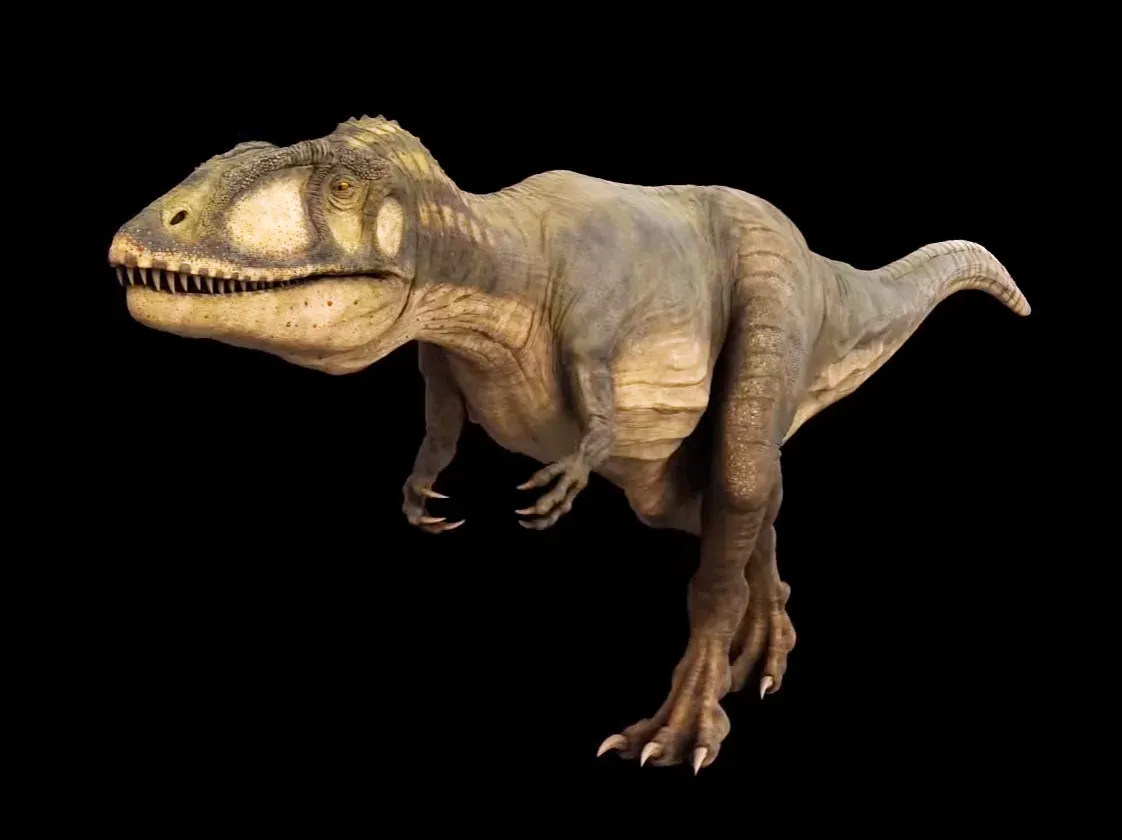
Carcharodontosaurus was a massive theropod from North Africa that likely matched or even exceeded T. rex in length, yet almost no one outside dino-nerd circles knows its name. Its teeth were long, flat, and serrated like steak knives, more similar to those of great white sharks than to the thick, bone-crushing teeth of T. rex. Just picturing a land predator that tall, armed with a mouthful of shark-style blades, is enough to send a chill down your spine.
What fascinates me most is that Carcharodontosaurus lived in an ecosystem full of other giant killers, including Spinosaurus and massive crocodile relatives. That means it wasn’t just big; it was big in a neighborhood where big was normal. To hold its own in that kind of company, it had to be an agile, powerful hunter, probably relying on deep slashes to weaken prey rather than one crushing bite. In a different media universe, this would be the poster child of dinosaur domination.
Spinosaurus: The Sail-Backed River Monster
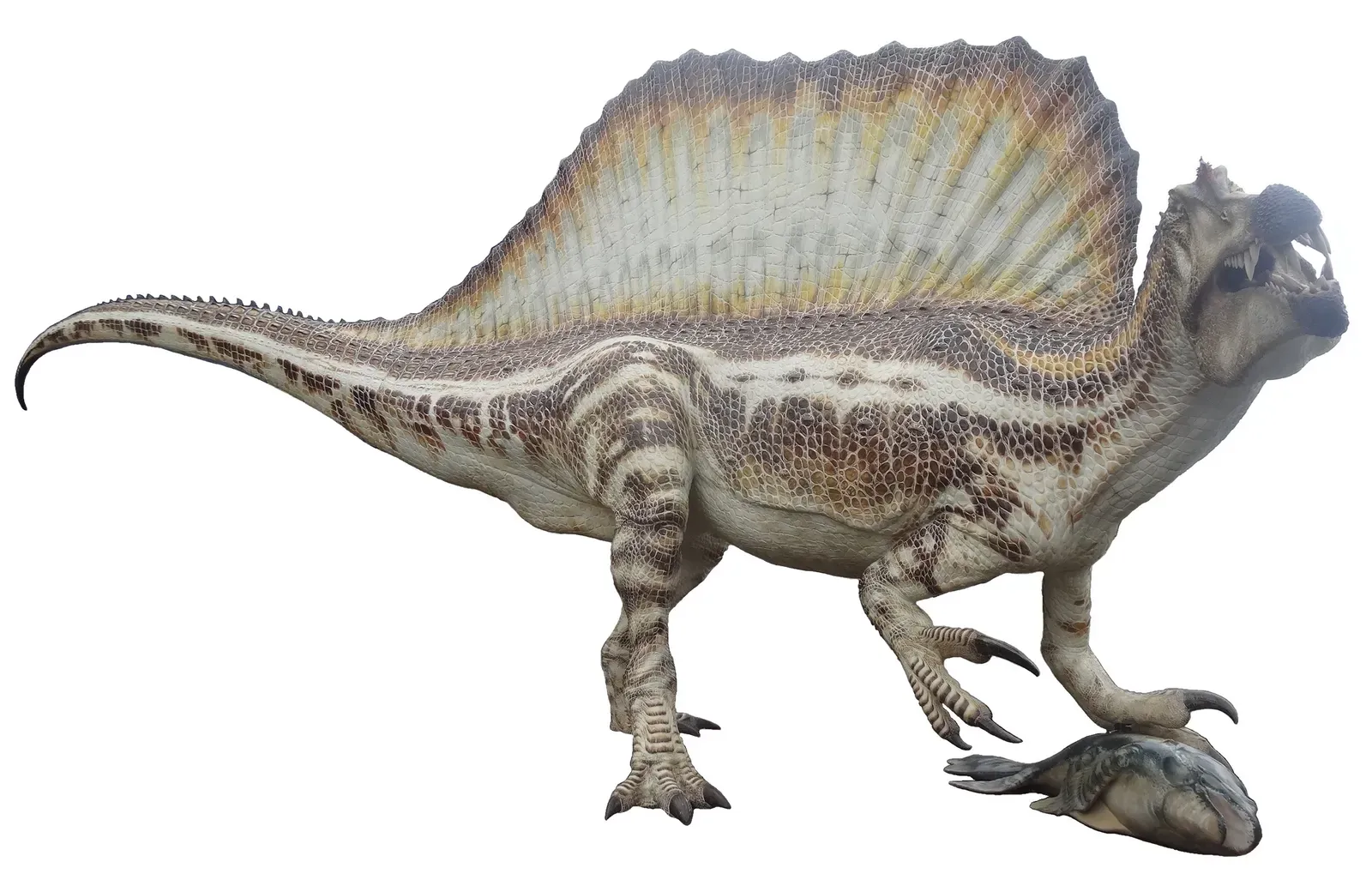
Spinosaurus has started to gain some fame thanks to documentaries and movies, but even now it’s often treated as a quirky side character rather than the horror it really was. This animal was longer than T. rex, with a towering sail on its back, a long crocodile-like snout, and adaptations pointing to a semi-aquatic lifestyle. Think of it as a mash-up of a heron, a crocodile, and a dragon – only several tons heavier and completely unforgiving.
Evidence suggests Spinosaurus was built for a life in and around water, snapping up fish and maybe ambushing anything unlucky enough to linger near the shoreline. Dense bones, paddle-like tail structures, and that elongated snout all hint at a predator that treated rivers and deltas as its personal buffet. T. rex dominated coastal plains; Spinosaurus turned entire river systems into hunting grounds, which feels even more terrifying when you remember humans love building cities along rivers.
Giganotosaurus: The Southern Apex Titan
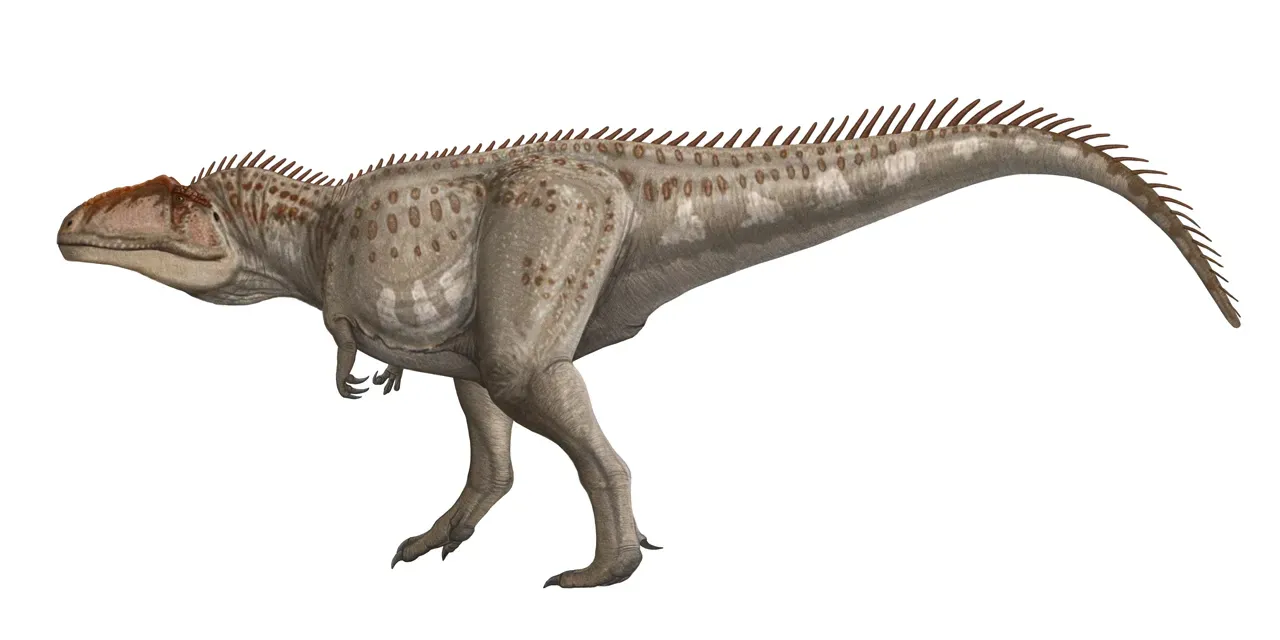
Giganotosaurus is one of those names that sounds like a toy company made it up, but this South American predator was very real and absolutely enormous. It lived millions of years before T. rex and likely grew to a similar – maybe slightly greater – length, with a lighter build more tuned to pursuing large, fast herbivores. Instead of a stocky bruiser, picture a long-legged sprinter that just happened to weigh several tons and carried jaws full of slicing teeth.
There’s also strong suspicion that Giganotosaurus and its relatives hunted big prey like sauropods, either alone or in loose groups. That idea is still debated, but the thought of multiple giant theropods harrying a massive long-necked dinosaur feels more like a scene out of a war movie than a nature documentary. T. rex gets credit for its bite force, but Giganotosaurus deserves more love for the scale and drama of the hunts it may have pulled off.
Mosasaurus: The Ocean’s Apex Reptile Tank
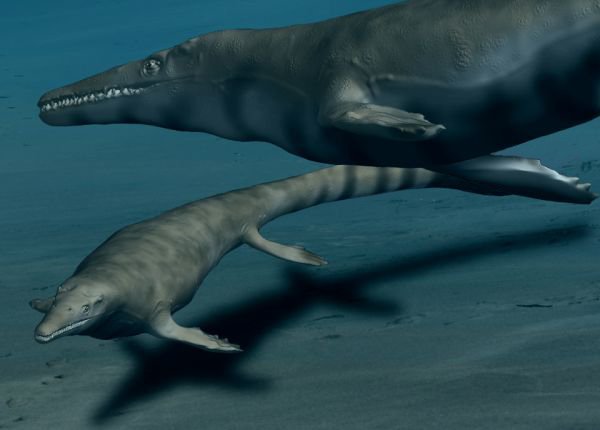
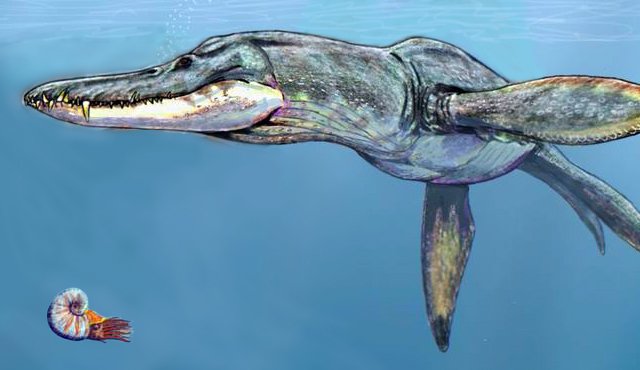
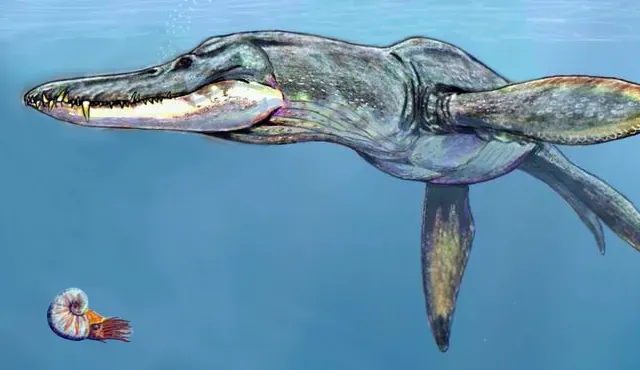
If you swapped out T. rex’s legs for flippers and dropped it into the Late Cretaceous sea, you’d get something spiritually similar to Mosasaurus. These were huge marine reptiles with elongated bodies, powerful tails, and skulls packed with conical teeth perfect for grabbing and tearing. They were not dinosaurs, but to ancient ocean life, that distinction didn’t matter – they were the nightmare at the top of the food chain.
Fossils show that Mosasaurus species preyed on fish, ammonites, other marine reptiles, and possibly each other. Some specimens even preserve stomach contents, confirming they were not picky eaters. When I imagine an animal that could rise out of the deep, clamp down on a turtle or smaller mosasaur, and then twist its body to rip off a chunk of flesh, it feels unfair that T. rex is the one getting all the scary-animal press. In its world, Mosasaurus ruled as thoroughly as any land tyrant.
Megalodon: The Real-Life Monster Shark
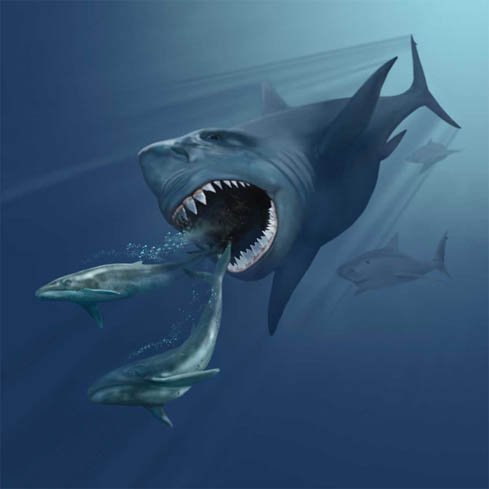
Megalodon may actually be more famous than T. rex in some circles, but it still gets treated like a campy movie monster rather than the very real super-predator it was. This gigantic shark, which lived millions of years after the non-avian dinosaurs went extinct, likely reached body lengths longer than a city bus. Its jaws were lined with rows of triangular teeth big enough to fit in your hand, each one a perfectly engineered tool for slicing through bone and blubber.
What makes Megalodon especially chilling is its probable strategy: hunting whales. Bite marks on fossilized whale bones suggest it attacked torsos and fins, maybe trying to immobilize or kill quickly before the prey could escape. We like to think of oceans as mysterious but mostly peaceful blue spaces; Megalodon reminds us that for much of Earth’s history, the sea has been a place where even giant mammals were on the menu. If any prehistoric predator deserves blockbuster-level fame, it is this one.
Sarcosuchus: The “Super Croc” That Owned the Rivers
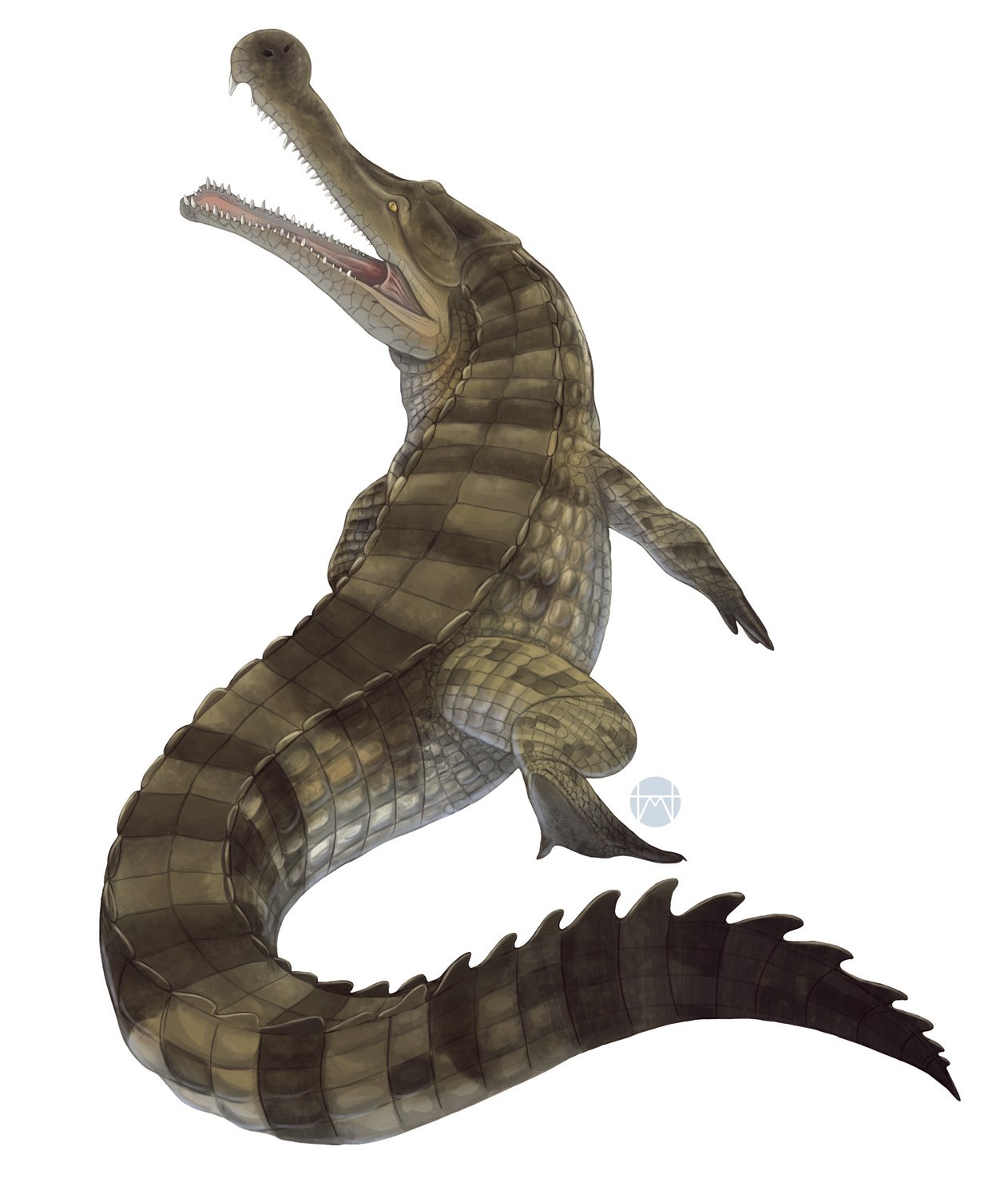
Sarcosuchus, often called SuperCroc, was not just a big crocodile. It was a monstrous relative of modern crocs that stretched as long as a bus, with a skull that looked like a reinforced, armor-plated spear. Living in Cretaceous Africa, it shared its world with giant dinosaurs, and that raises an unsettling picture: huge herbivores coming down to drink, unaware that a killing machine was waiting just beneath the surface.
Modern crocodiles can pull down animals like zebra or wildebeest with far smaller bodies and less extreme jaws. Scaling that ambush strategy up to something like Sarcosuchus is honestly wild. It may have fed heavily on fish and other aquatic animals, but it’s hard not to imagine it lunging at young dinosaurs or smaller species that strayed too close. If T. rex was a terror on land, Sarcosuchus was the silent, patient horror of rivers and lakes.
Deinonychus: The Raptor That Rewrote Dinosaur Behavior
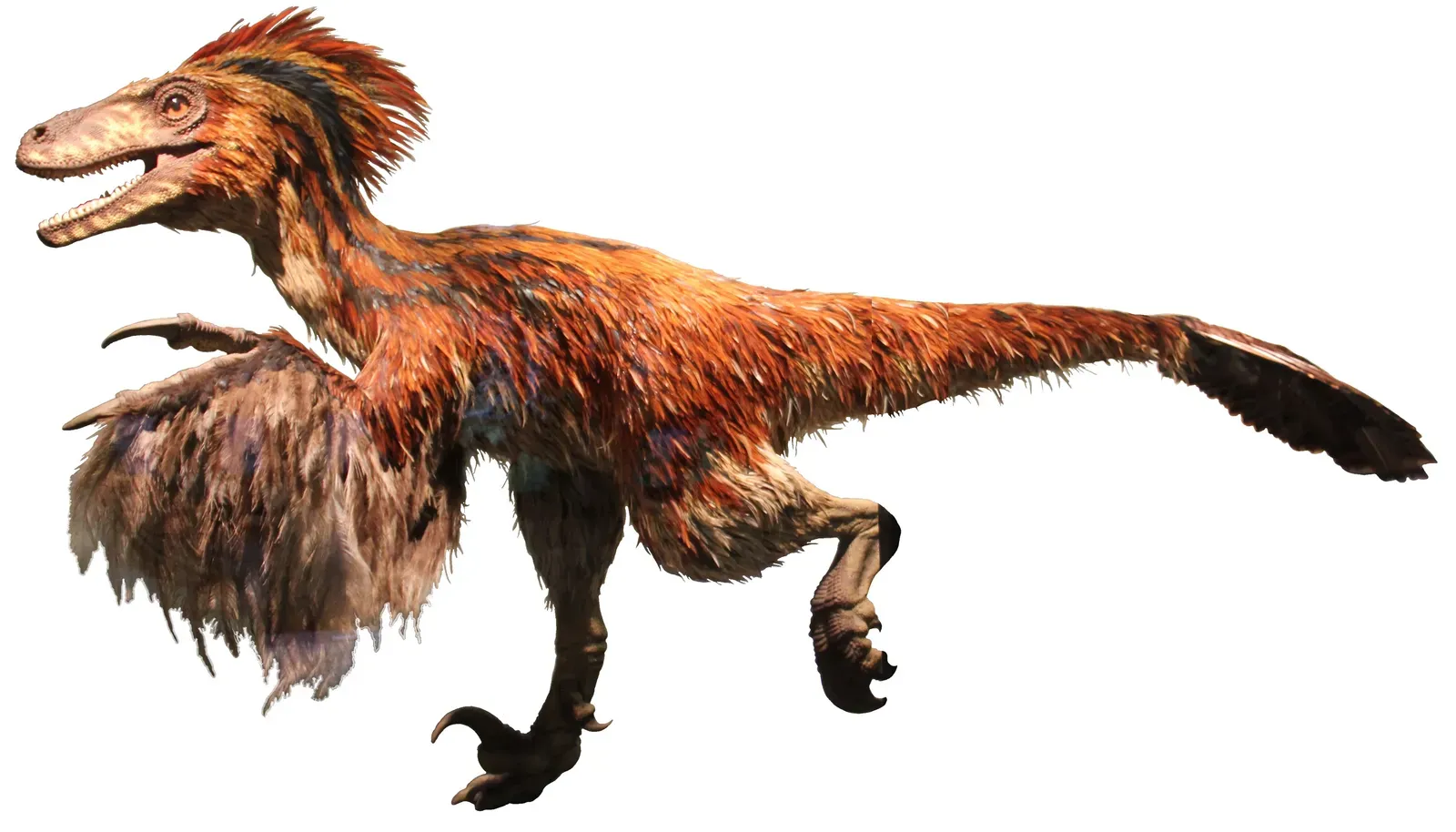
Deinonychus might not have been the biggest predator, but in terms of influence on science and pop culture, it quietly eclipses T. rex. This mid-sized, sickle-clawed theropod helped kickstart the idea of active, agile, birdlike dinosaurs. Its anatomy – long arms, grasping hands, and that iconic curved claw on each foot – points to a predator built for dynamic, high-energy attacks rather than lumbering around like a living tank.
Fossils of Deinonychus found near herbivorous dinosaurs have fueled the popular idea of pack or group hunting, even if the exact behavior is still debated. Personally, I find the concept of smaller, smart, and fast predators more unsettling than one giant brute. They would have been able to coordinate, reposition, and exploit weaknesses in ways a solo giant could not. In terms of evolutionary storytelling, Deinonychus did more to change our mental image of dinosaurs than T. rex ever did, and it deserves to be recognized for that.
Quetzalcoatlus: The Flying Hunter as Tall as a Giraffe
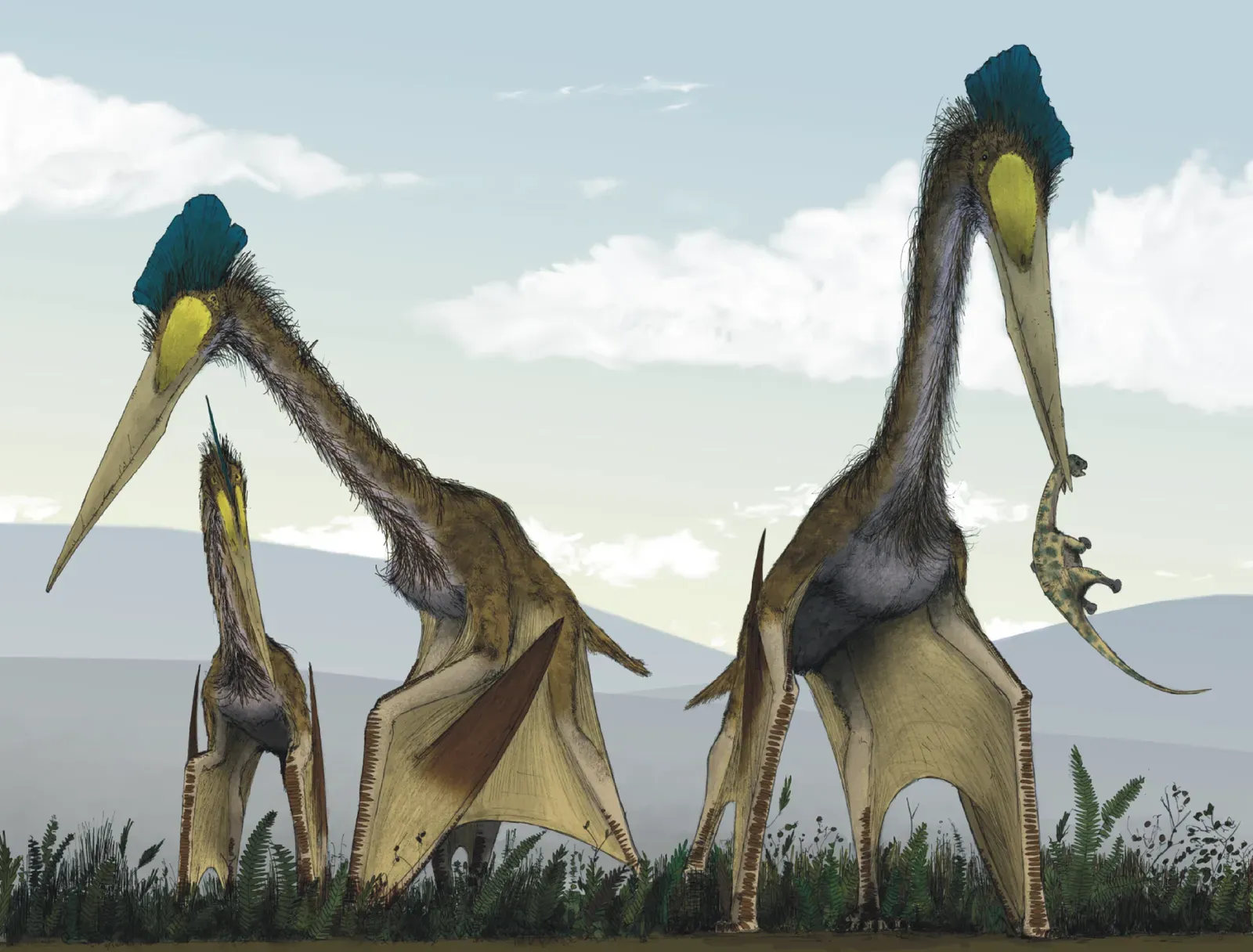
Quetzalcoatlus was a pterosaur, not a dinosaur, but in terms of sheer intimidation factor, it belongs on any list of top prehistoric predators. With a wingspan that may have rivaled a small plane and a body height comparable to a giraffe when on the ground, it must have looked completely unreal in life. Its long, toothless beak and powerful neck suggest a predator capable of stalking smaller animals on land or snatching prey from shallow waters or open plains.
There is still debate about exactly how it lived and hunted, but one leading view is that it behaved more like a giant stork or ground-hunting bird, walking around and picking up prey rather than diving like an albatross. That mental image – a walking, towering, silent hunter moving over Cretaceous floodplains – is weirdly more haunting than any dive-bombing dragon stereotype. While we keep giving screen time to T. rex roaring at helicopters, a giraffe-sized flying reptile that could probably look you straight in the eye is quietly waiting in the fossil record for its moment.
Smilodon: The Saber-Toothed Cat With a Precision Strike
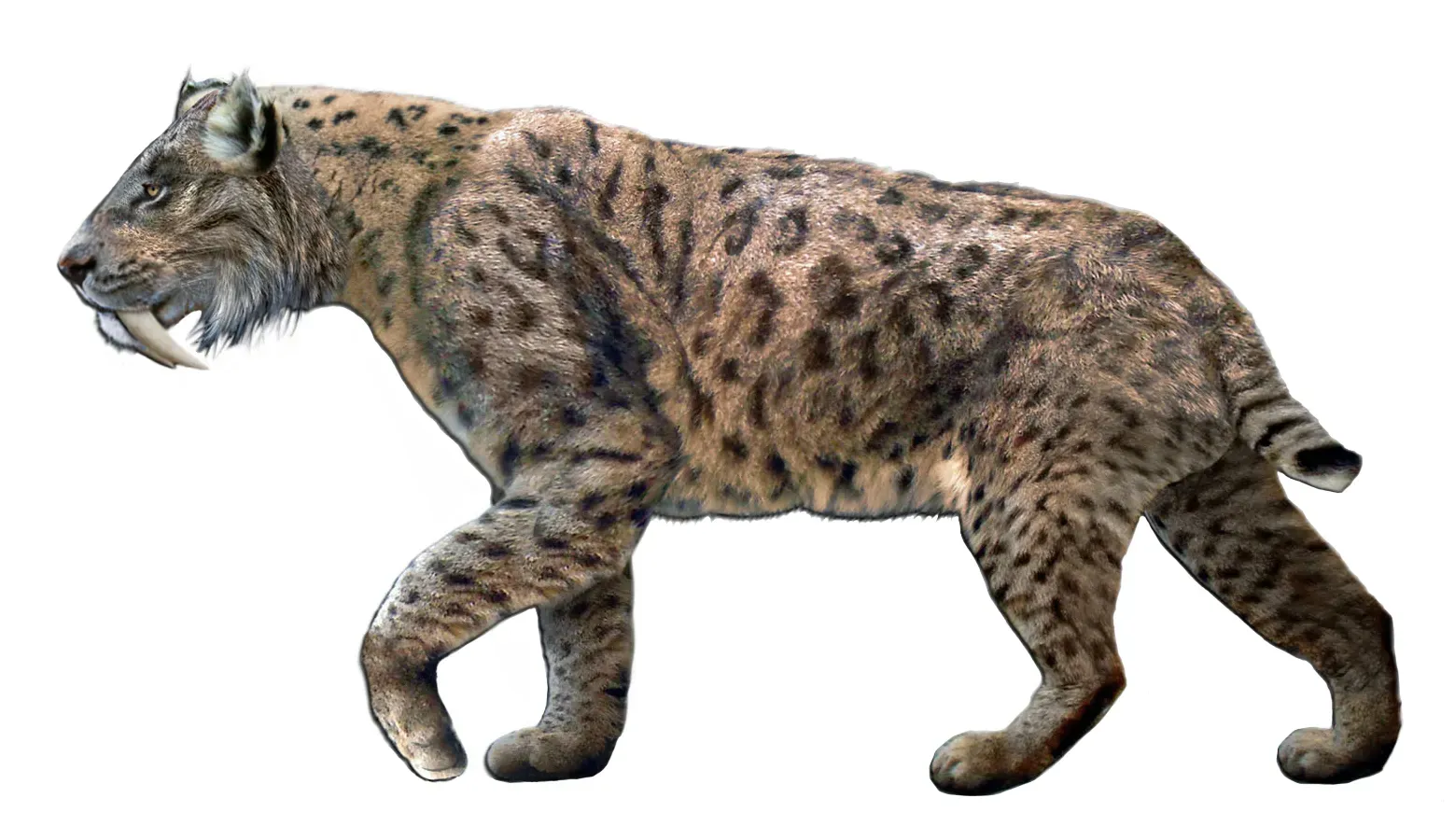
Smilodon, the classic saber-toothed cat, often gets lumped in with Ice Age mascots and cartoon characters, but it was a specialized, highly effective predator in its own right. Those famous upper canines were long, flattened, and fragile-looking, but that was the point: they seem to have been used for precise killing bites to soft areas like the neck, not for random chomping. Instead of being a tiger with longer teeth, Smilodon was its own thing, with stout limbs and a powerful build for grappling large prey.
The more I read about Smilodon, the more it feels like a wrestling champion with surgical scalpels attached to its face. It likely ambushed big herbivores, pulled them down using its massive forelimbs, then delivered that final, clinical bite. Compared with T. rex’s brute-force approach, Smilodon’s method was almost refined. It shows that being terrifying is not just about size; sometimes it is about the precision with which you end the fight.
Thylacoleo: The Marsupial Lion That Should Be Famous
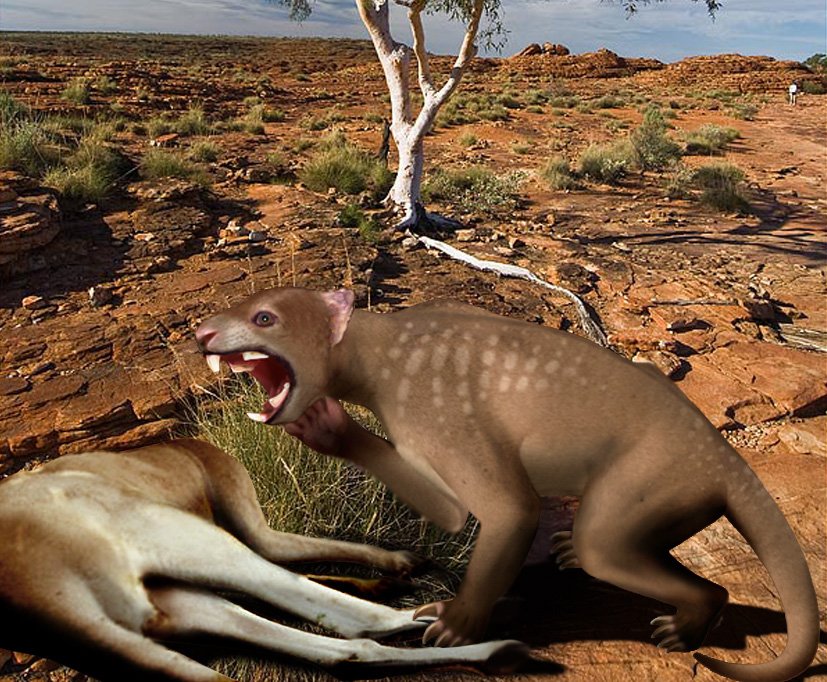
Thylacoleo, the so-called marsupial lion of ancient Australia, is one of those predators that sound made up until you see the skull. It was not a cat at all, but a carnivorous marsupial with insanely powerful jaws and strange, blade-like premolars that functioned almost like built-in shears. Its front paws had a big, retractable claw on the thumb, adding an extra weapon to an already dangerous package.
Australia’s prehistoric ecosystem was full of oddities, and Thylacoleo was arguably the top land predator for a long time, hunting giant kangaroos, wombat-like megafauna, and other large animals. When I first learned about it, I couldn’t believe it is not a staple of documentaries and video games. It is agile, deadly, and evolutionarily weird in a way that should make it a pop-culture star. If we are going to worship prehistoric predators, we might as well give some attention to the marsupial that turned scissor jaws and thumb claws into a survival strategy.
Conclusion: Time to Retire the One-Dinosaur Show
T. rex will always have a place in our collective imagination, and that is fine. But when you stack it up alongside blade-toothed giants, river-dwelling apex reptiles, stealthy raptors, bus-sized sharks, and sabertooth specialists, it starts to look less like the king of killers and more like one powerful player in a crowded history of monsters. Personally, I think the story of life on Earth gets way more interesting when we stop treating T. rex as the main character and start seeing it as part of an ensemble cast.
The predators in this list remind us that evolution has tried almost every terrifying idea you can think of: knives for teeth, sails for balance and display, scissor jaws, airplane wings, and claws built for grappling. They each ruled their own niche with as much authority as any famous tyrannosaur, and in some cases for far longer spans of time. Maybe the next time you walk into a museum or watch a dinosaur movie, you’ll find yourself wondering which forgotten killer deserved the spotlight instead. If you had to pick one to bring back face-to-face, would it really still be T. rex?