
Every time paleontologists think they’ve got dinosaurs figured out, a fossil shows up that basically says: not so fast. These bones and imprints are like time bombs left in the rock, waiting millions of years just to blow up our assumptions in a single moment. Sometimes it’s a strange claw, sometimes a feathered tail, sometimes a skull that looks like it belongs in a science fiction movie rather than real prehistory.
What I love most is that these discoveries don’t just add another dinosaur to a list. They force scientists to erase old diagrams, redraw family trees, and admit they were wrong about really big things: how dinosaurs moved, what they looked like, how they lived, and even which animals count as dinosaurs’ closest relatives. Let’s walk through seven fossils that didn’t just tweak the story, but completely rewrote major chapters.
1. Archaeopteryx: The “Missing Link” That Made Dinosaurs Take Flight
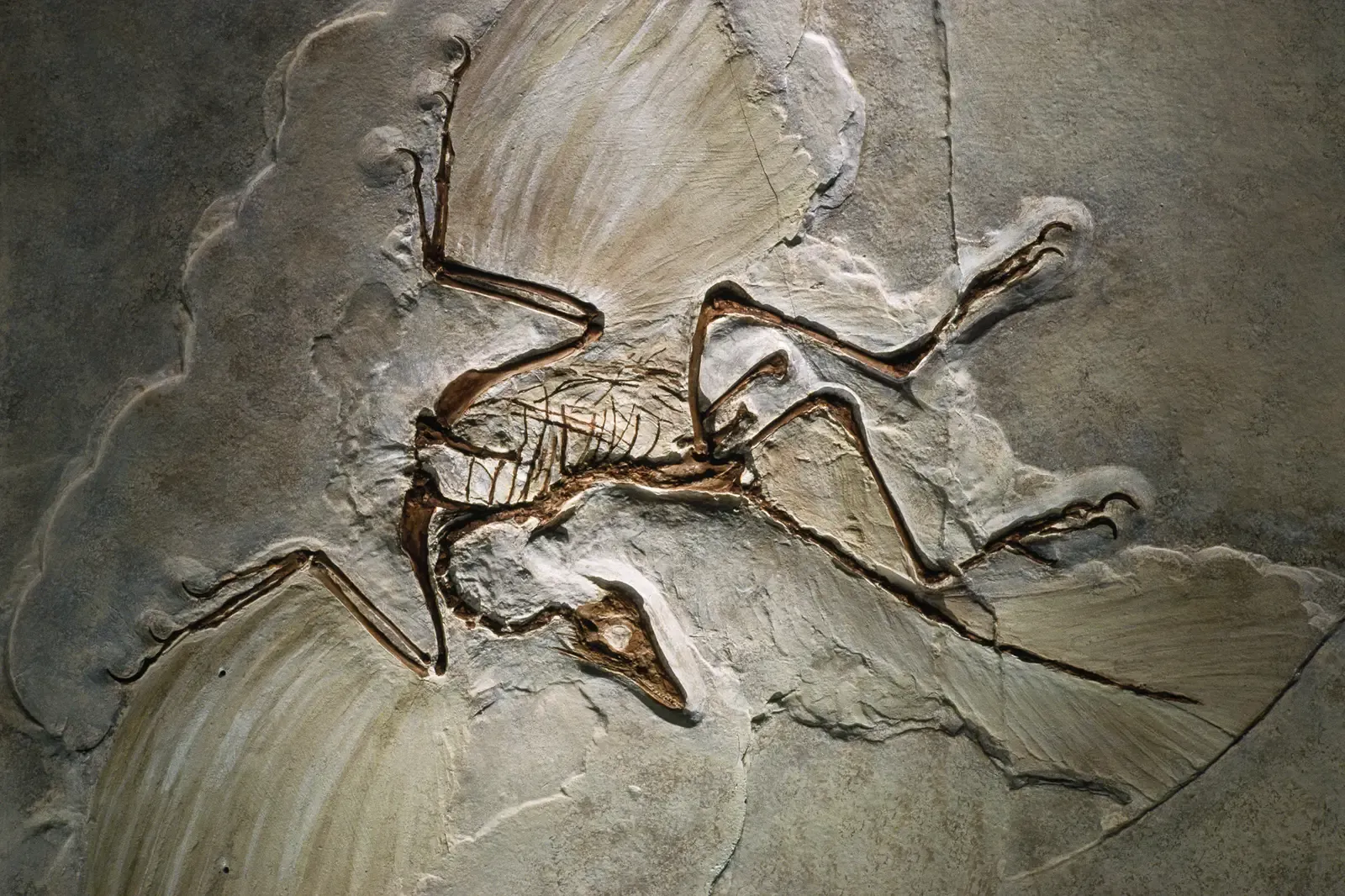
When the first Archaeopteryx fossil was found in nineteenth‑century Germany, it looked like a prank. Here was a creature with proper flight feathers on its wings and tail, but also a long bony dinosaur tail, teeth in its mouth, and claws on its fingers. It was like nature had mashed a small theropod dinosaur together with a crow and dared scientists to make sense of it.
At the time, many experts still saw reptiles and birds as two separate, distant worlds. Archaeopteryx smashed that barrier by showing that birds are deeply rooted in the dinosaur family. Instead of being delicate, separate sky creatures, birds suddenly looked like just another branch of carnivorous dinosaurs that had taken to the air. If you’ve ever looked at a pigeon and thought “little dinosaur,” you’re basically repeating the shock that Archaeopteryx forced on Victorian scientists.
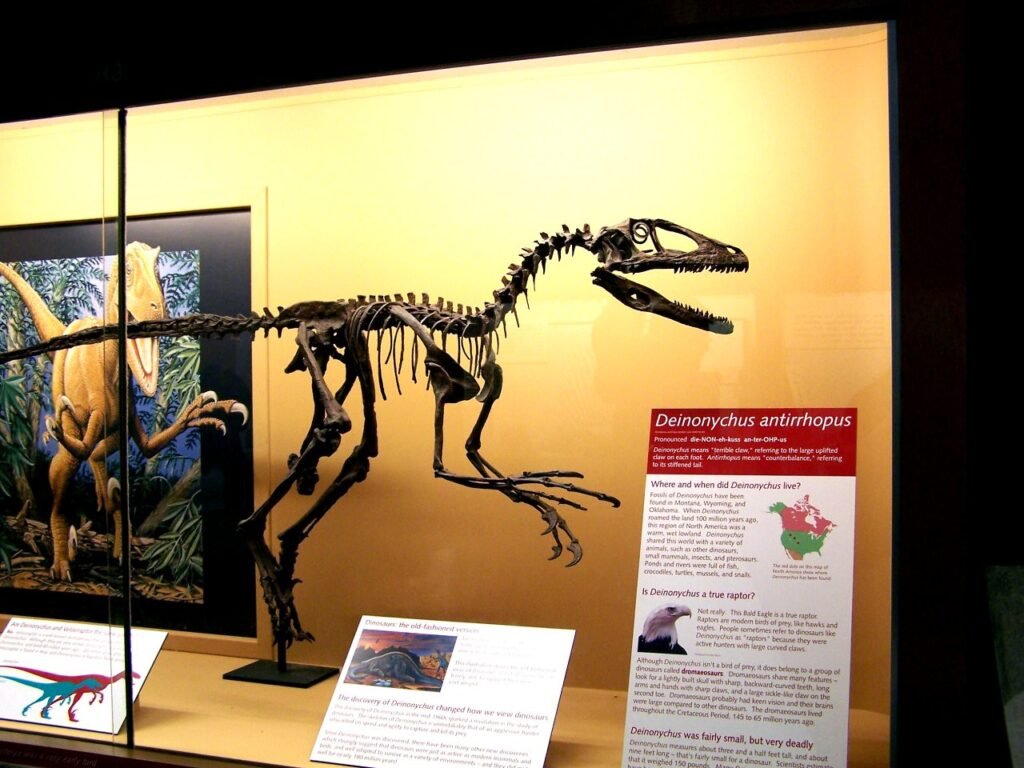
2. Deinonychus: The Killer Claw That Killed the Slow, Stupid Dinosaur Stereotype
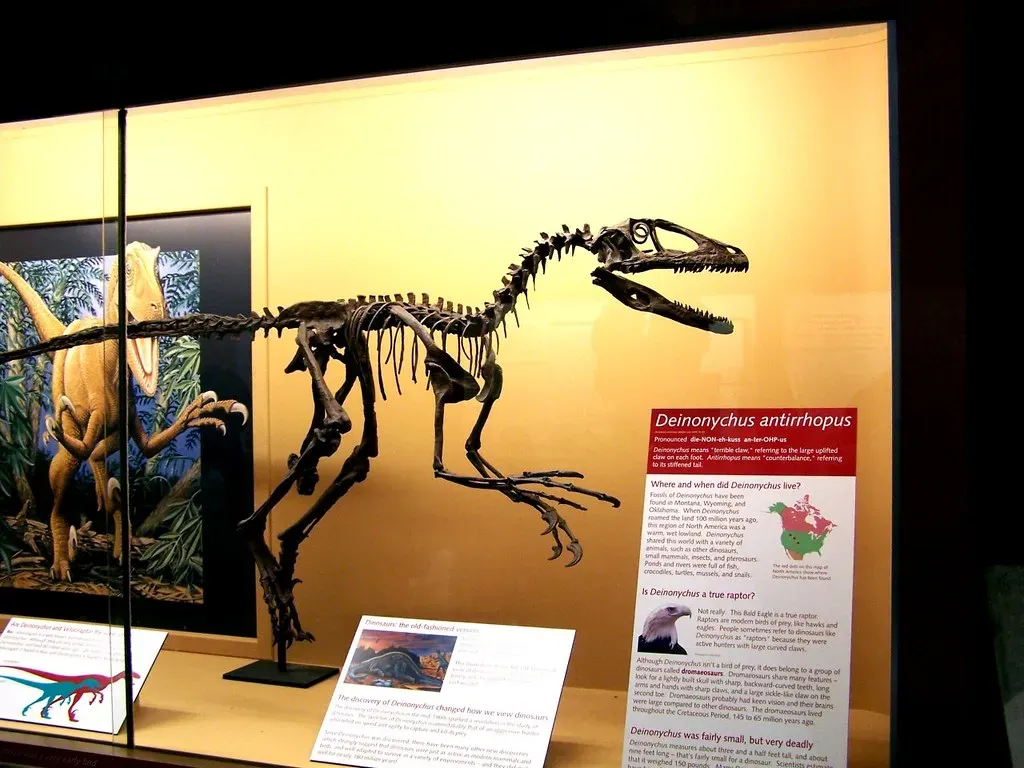
Before the discovery of Deinonychus in the 1960s, dinosaurs were usually portrayed as sluggish, tail‑dragging, swamp‑bound lizards. Then a young paleontologist studying strange bones in Montana realized he was looking at something very different: a fast, agile predator with a huge sickle‑shaped claw on each foot, stiffened tail for balance, and long, grasping arms. It looked built for speed and precision, not for lumbering around in a bog.
This one animal kicked off what people now call the “dinosaur renaissance.” Instead of lazy cold‑blooded monsters, dinosaurs started to be seen as active, dynamic, possibly warm‑blooded creatures that could move and hunt like modern birds of prey. The whole tone of dinosaur science shifted. Museum reconstructions changed, textbooks were rewritten, and that dramatic claw on Deinonychus basically dragged the entire field into a new era.
3. Sinosauropteryx: The Fluffy Little Predator That Proved Feathers Were Real
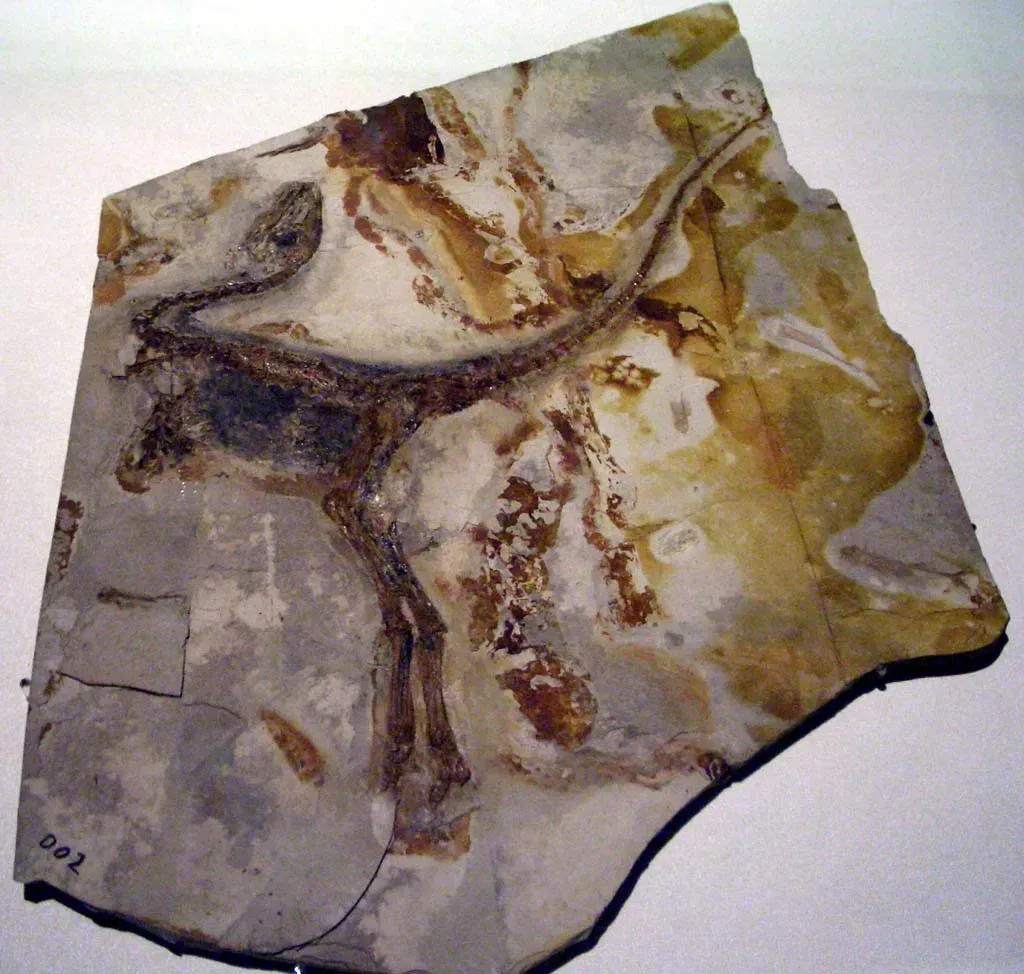
For a long time, the idea that many dinosaurs had feathers sounded almost too wild, even though scientists had predicted it from evolutionary logic and bird anatomy. Then in the 1990s, a small theropod from China called Sinosauropteryx was found with clear fuzzy structures preserved around its body. These were not scales, not skin flaps, but genuine filamentous coverings that worked like primitive feathers.
Suddenly, the debate about feathered dinosaurs went from “maybe” to “yes, absolutely.” Later fossils would show fully formed flight feathers and even color patterns, but Sinosauropteryx was the first to slam the door on the old scaly‑only view. It forced artists, toy designers, and honestly a lot of childhood imaginations to update their mental image of dinosaurs from reptilian monsters to something more like terrifying, oversized birds in fancy coats.
4. Spinosaurus (New Skeletons): The Semi‑Aquatic Giant That Broke the T. rex Template
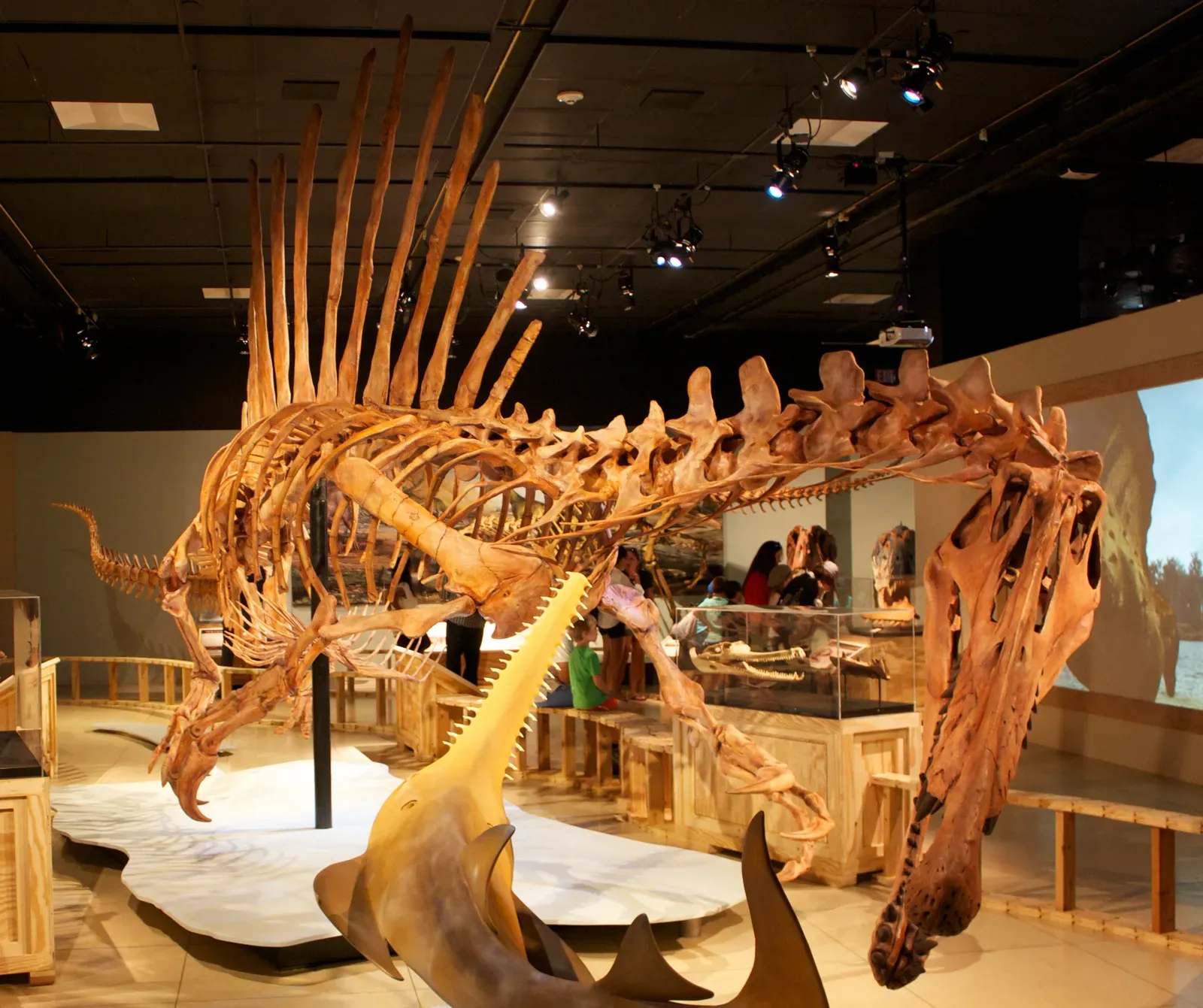
For decades, huge predatory dinosaurs were basically run through the Tyrannosaurus rex mold in people’s minds: giant head, crushing bite, big legs, land‑based hunter. Spinosaurus was known mostly from fragments and thought of as just another large meat‑eating dinosaur with a weird back sail. Then more complete skeletons and re‑analyses over the past twenty years flipped that idea on its head.
With its elongated, crocodile‑like snout, dense bones, re‑shaped tail, and limb proportions suggesting strong swimming ability, Spinosaurus began to look like a mostly aquatic or at least heavily water‑adapted predator. That was shocking because it meant a top‑tier dinosaur predator had evolved a lifestyle closer to a giant heron or a monstrous crocodile than a land‑stalking tyrannosaur. It widened the menu of what dinosaurs could be, proving that “huge carnivore” did not always mean “land‑only, T. rex‑style bruiser.”
5. Maiasaura: The “Good Mother Lizard” That Transformed Dinosaur Family Life
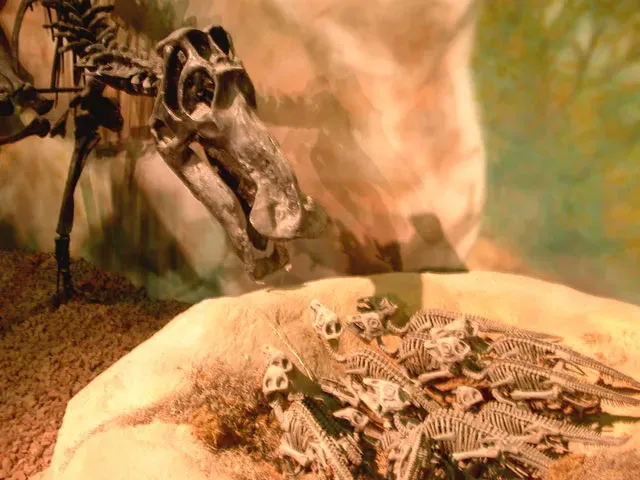
For a long time, dinosaurs were imagined as cold, indifferent reptiles that laid eggs and then walked away. The discovery of Maiasaura nests in Montana blew that stereotype apart. Paleontologists found organized nesting grounds with multiple nests close together, eggshell fragments, and fragile baby bones that suggested the young stayed in the nest and were fed for a while rather than running off on their own immediately.
This evidence of extended parental care and possible colony‑style nesting hinted that at least some dinosaurs behaved more like modern birds or mammals in terms of family life. It suggested social bonds, repeated use of nesting areas, and investment in raising vulnerable young. Once you picture herds of plant‑eating dinosaurs returning to the same nesting grounds year after year to care for their chicks, the old image of dinosaurs as solitary, uncaring brutes starts to feel pretty outdated.
6. Kulindadromeus and Feathered Plant‑Eaters: Feathers Are Not Just for Raptors
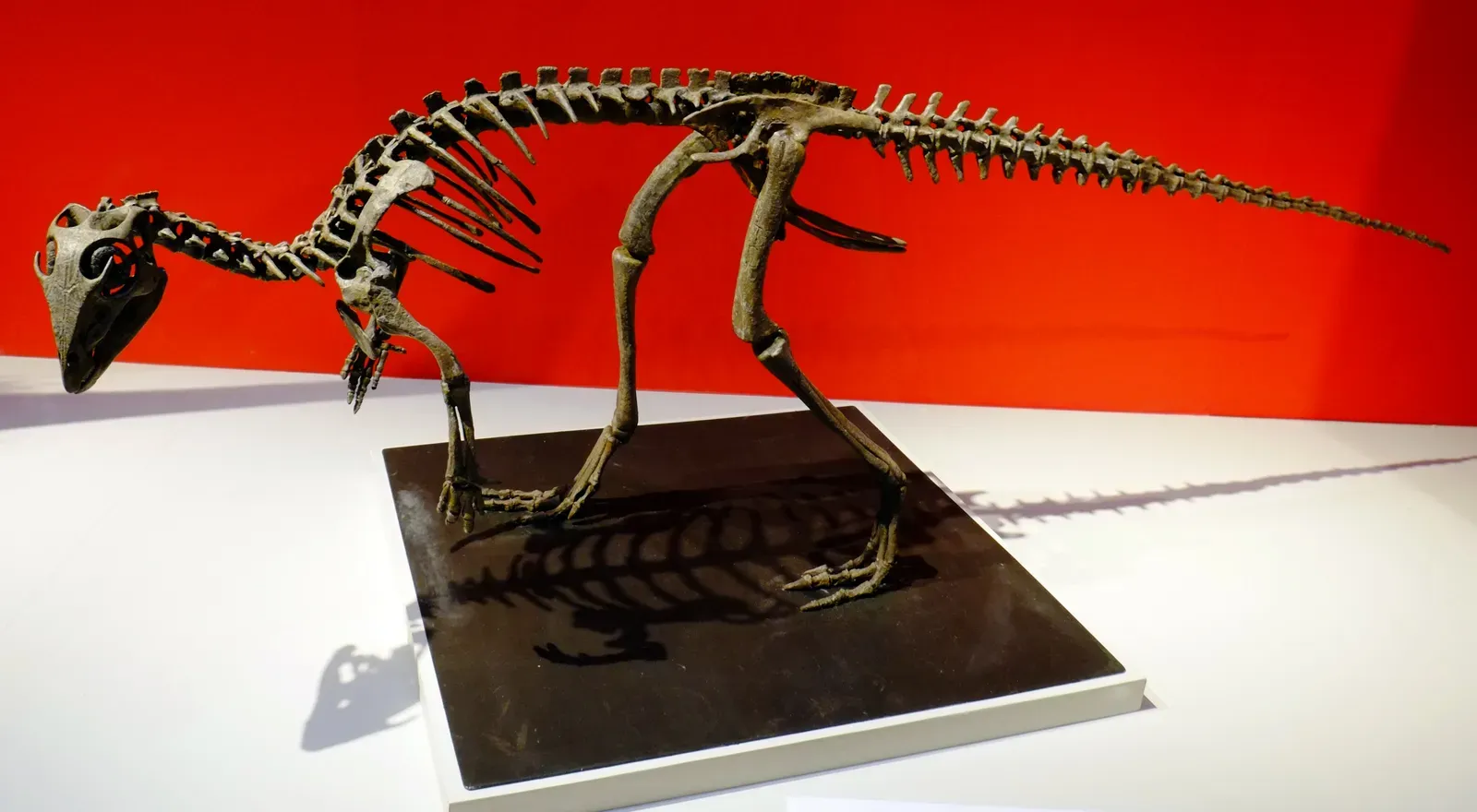
The early feathered dinosaur discoveries mostly came from small, bird‑like carnivores, which made it easy to assume feathers were just an add‑on for the bird lineage. Then fossils like Kulindadromeus from Siberia and other ornithischian dinosaurs came along, showing filamentous, feather‑like structures on plant‑eaters that were not especially close to birds on the family tree. That was a huge curveball.
If fuzzy coverings show up in distant dinosaur groups, the simplest conclusion is that some form of proto‑feathers appeared very early in dinosaur evolution. That means insulation, display, and weird fuzzy or bristly body coverings might have been widespread, not restricted to a few bird‑like hunters. In other words, a good chunk of the dinosaur world may have looked more like a riot of quills, fuzz, and color rather than rows of identical green reptiles marching through a swamp.
7. Psittacosaurus Tail Impressions: The Unexpected Bristle Brush That Redefined Dinosaur Skin
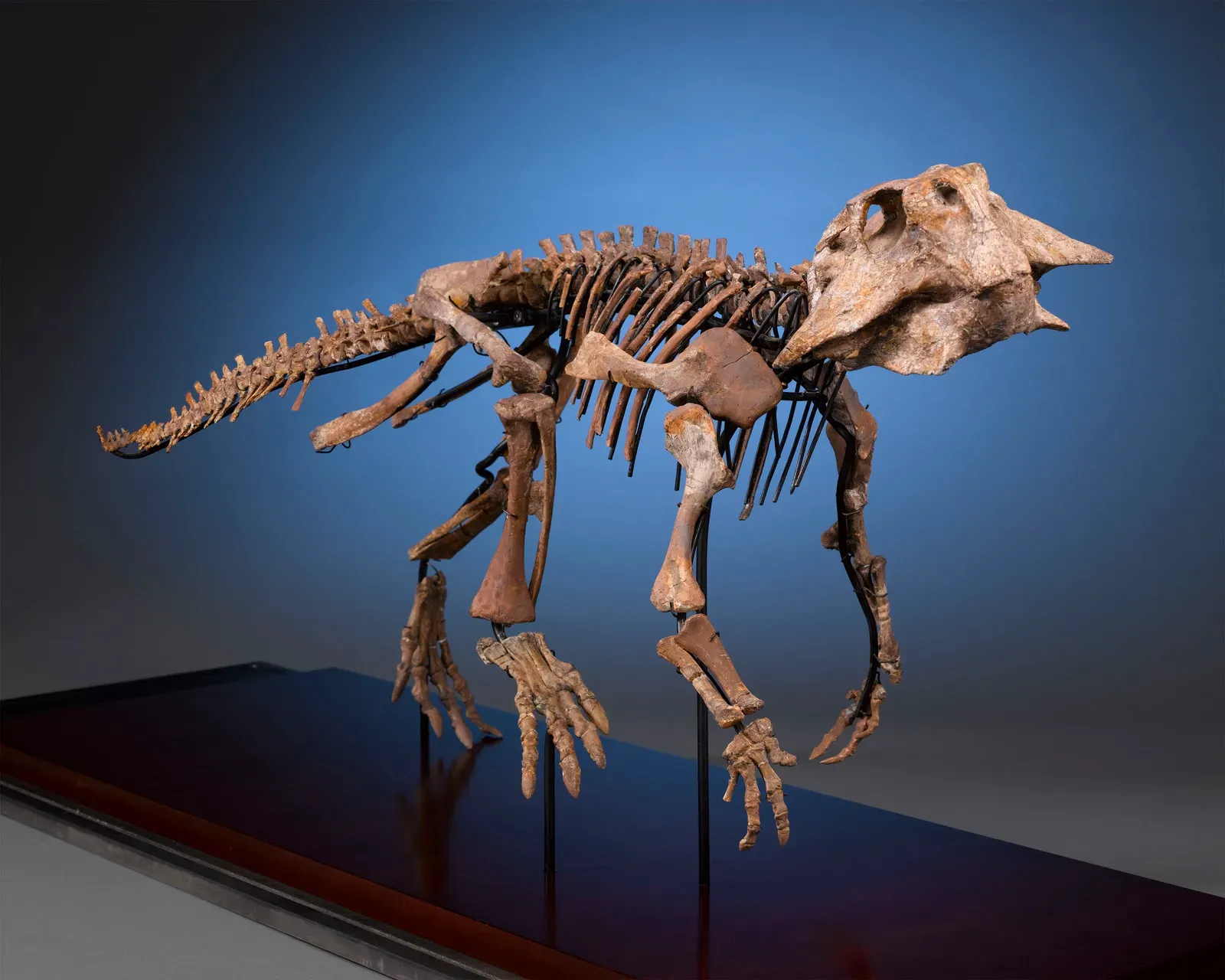
Psittacosaurus is not the flashiest dinosaur on paper: a small, horn‑faced herbivore related to the famous Triceratops, with a parrot‑like beak and a fairly simple build. Then an exceptionally preserved fossil turned up with skin and soft tissue details, including a row of long, stiff bristles along its tail and fine texture patterns on the rest of its body. This was not the plain, leathery creature people expected.
The tail bristles and skin details added a burst of individuality to a dinosaur that might otherwise have been written off as generic. It also reinforced the idea that dinosaur skin and outer coverings were incredibly diverse, ranging from scales to filaments to complex patterns and structures. I remember seeing images of that fossil for the first time and thinking how much we still underestimate just how strange and ornate real dinosaurs must have looked in life.
Conclusion: The Fossils That Prove We’re Still Only Scratching the Surface
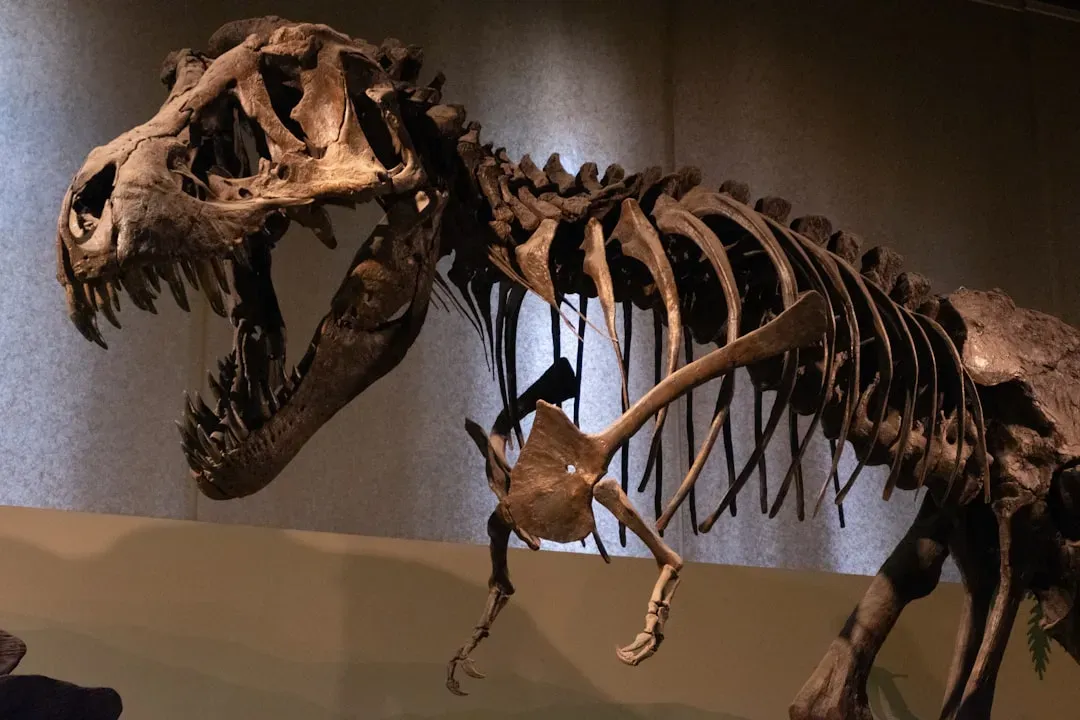
These seven fossils have one big thing in common: they all forced scientists to say, in one way or another, “We were wrong, and that’s exciting.” From proving that birds are living dinosaurs, to revealing feathered plant‑eaters, devoted dinosaur parents, and semi‑aquatic giants, each discovery chipped away at the old movie‑monster stereotype and replaced it with a far richer, weirder reality. To me, that constant upheaval is the best part of paleontology; it shows that science is not about having a final answer, but about being willing to change your mind when the rock record demands it.
If anything, the fossils we have now feel like a teaser trailer for what is still buried out there. Somewhere under a farmer’s field, inside a desert cliff, or hidden in a forgotten museum drawer, the next “impossible” dinosaur is probably waiting to upend another comfortable assumption. The truly wild thought is this: if just a few spectacular fossils could reshape almost everything we thought we knew, how different will our dinosaur story look a hundred years from now?