
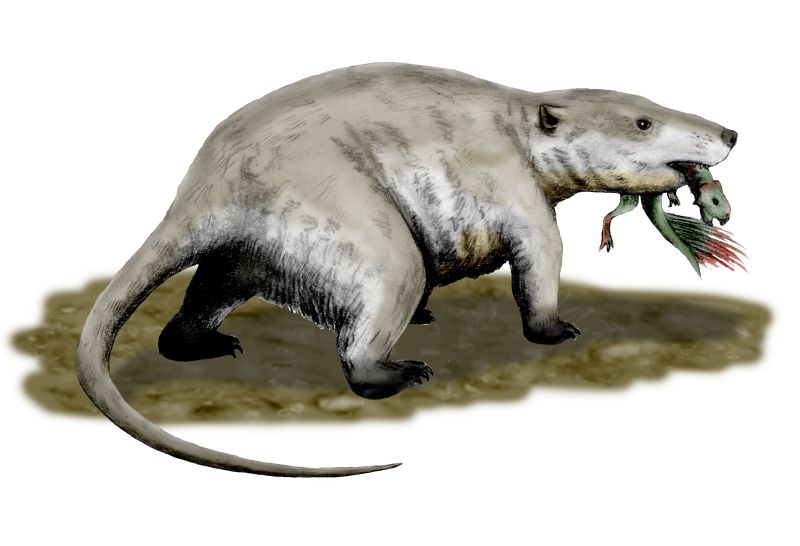
Picture the late Cretaceous: giant tyrannosaurs roaring, horned ceratopsians crashing through ferns, duck‑billed hadrosaurs crowding riverbanks. Now zoom in. Under the foliage, in the shadows, something far smaller is stalking, biting, and sometimes even eating the dinosaurs themselves. The usual story says mammals were timid little insect‑eaters, cowering until the asteroid wiped out their scaly rulers. But the fossils tell a much messier – and much cooler – story.
We now know that some mammals were not just surviving alongside dinosaurs, they were occasionally fighting back. They bit them, scavenged them, and in rare, shocking cases even killed them. These weren’t lion‑versus‑buffalo showdowns, but in their own small‑scale way, they were real predator–prey encounters. Once you see that picture, the end‑Cretaceous asteroid looks less like the moment mammals “finally got their chance” and more like the final chapter of a rivalry that had been simmering for millions of years.
Small but Savage: The Fossil That Changed the Mammal–Dinosaur Story
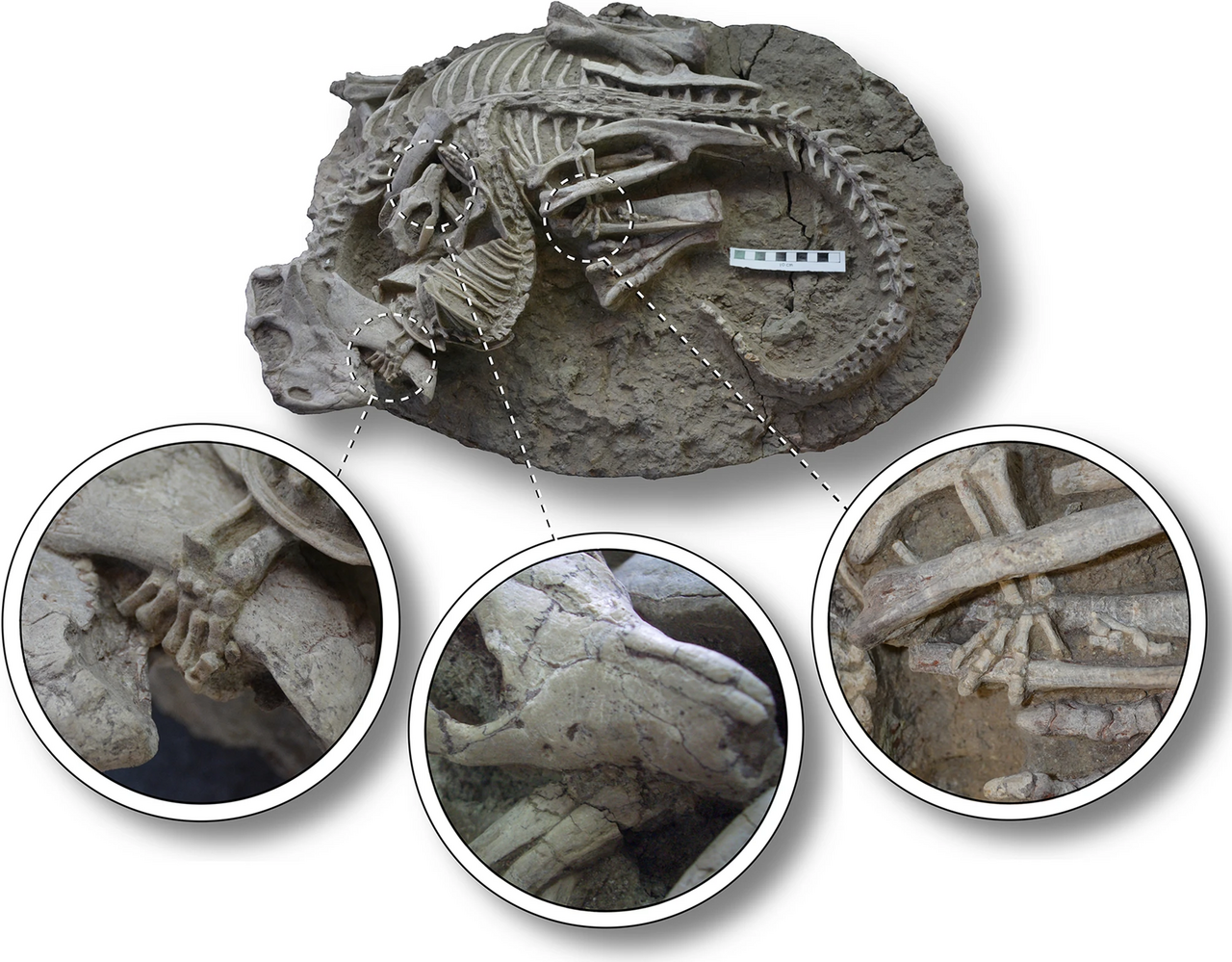
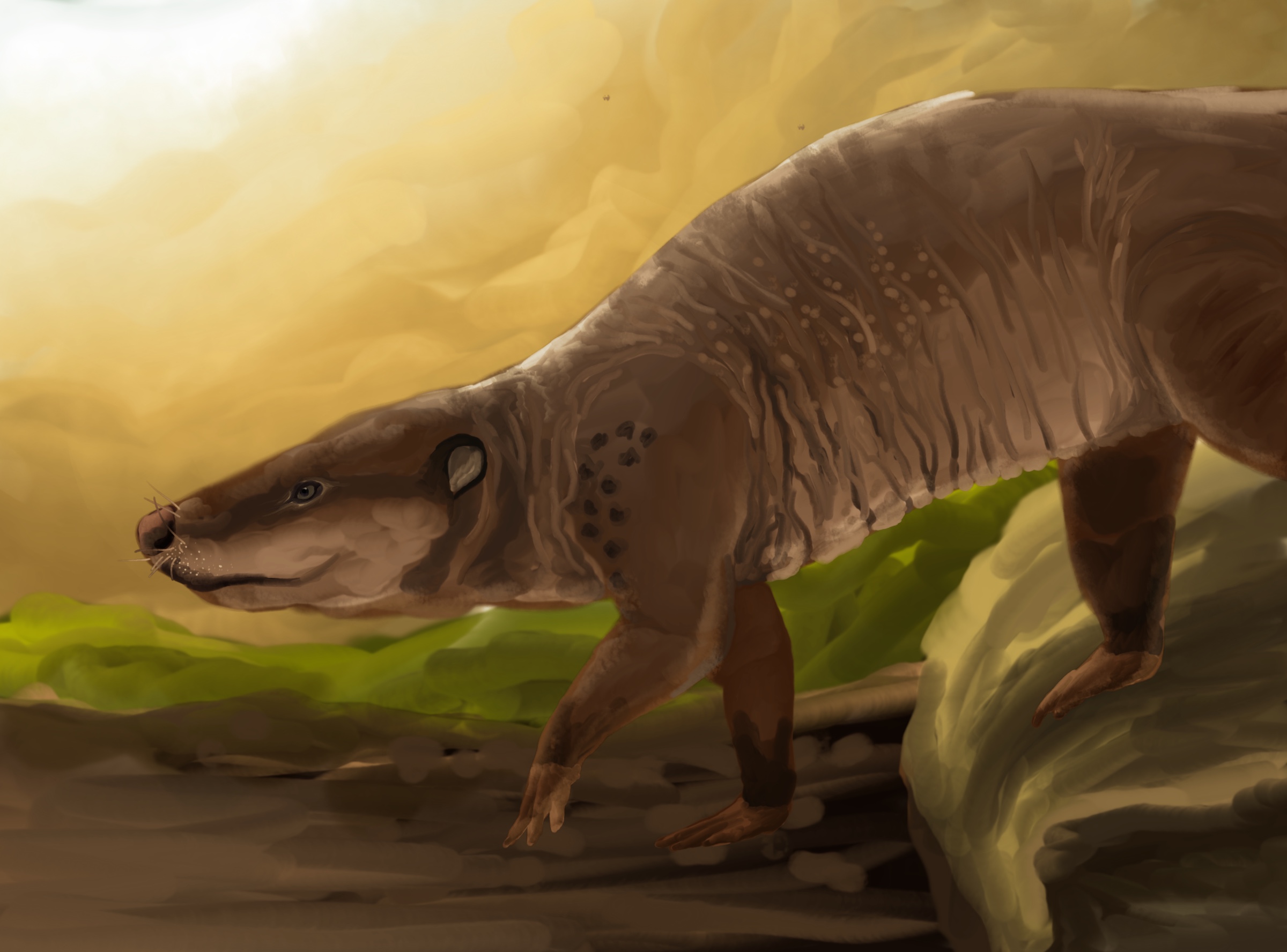
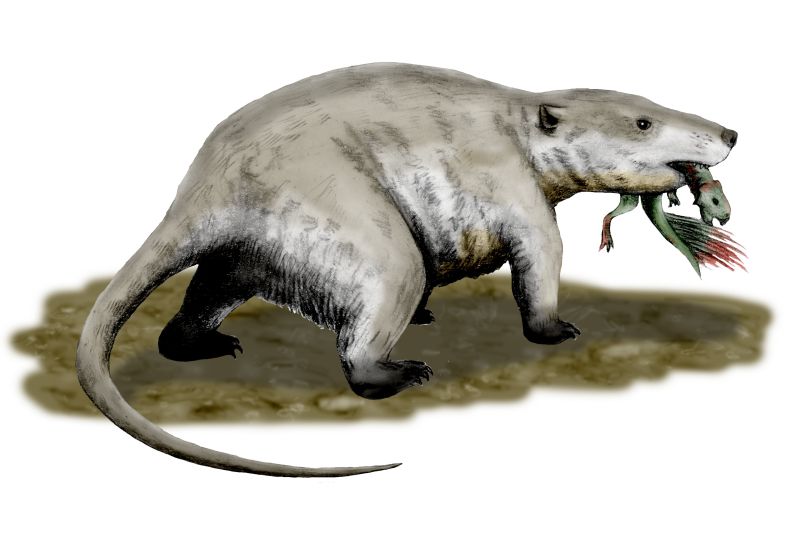
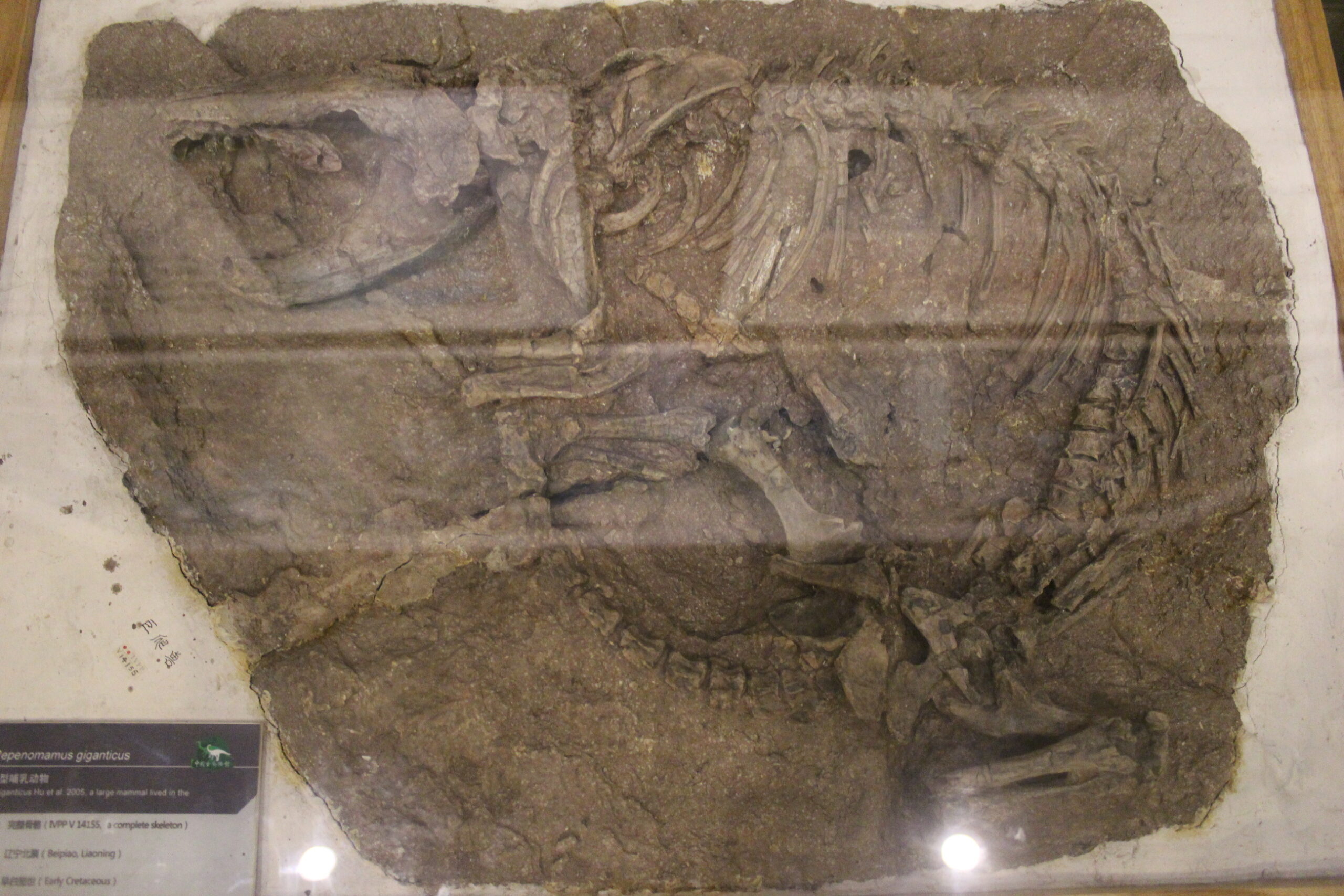
One of the most dramatic fossils ever found from the dinosaur age looks less like a quiet relic and more like a paused fight scene. In this slab of rock, a badger‑sized mammal and a small plant‑eating dinosaur are literally locked together, claws and teeth embedded, frozen mid‑battle by a sudden flood and burial. This single fossil was like a slap in the face to the old idea that mammals were passive little bug‑snatchers waiting in line for evolution to notice them.
What made this discovery so shocking was not just that the mammal was attacking the dinosaur, but that it clearly wasn’t losing. The animal was roughly comparable in size, its jaws locked into the dinosaur’s body, its limbs gripping tight like a wrestler going for a takedown. It’s the kind of fossil that forces paleontologists to rewrite diagrams, museum panels, and mental images of the Mesozoic night. Suddenly, mammals weren’t just background extras – they were active, sometimes aggressive players in the dinosaur ecosystem.
Ambush Predators in the Shadows of Giants
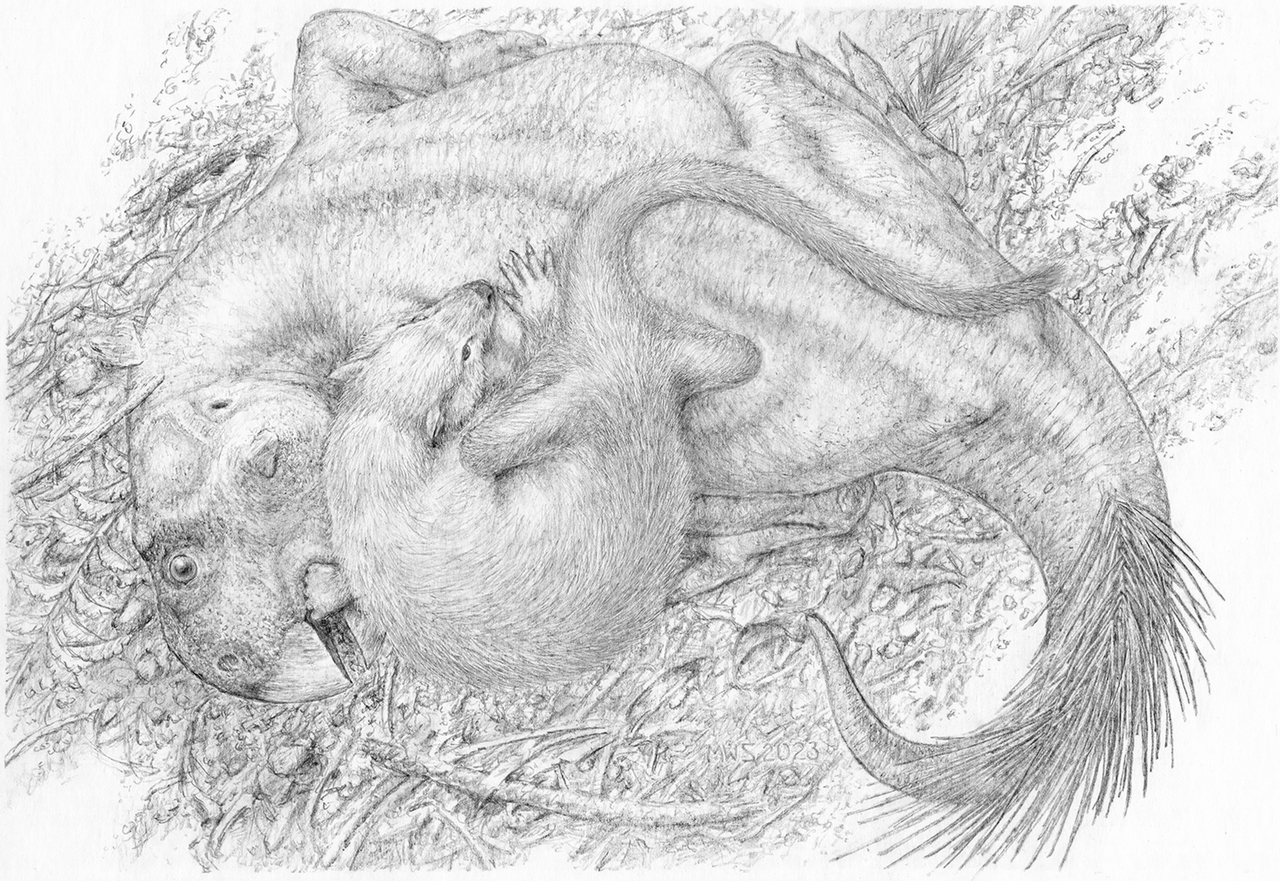
To understand how a relatively small mammal could hunt a dinosaur, you have to shrink your mental camera down from towering sauropods to knee‑high thickets and burrow entrances. Many of these early mammals were built like modern weasels, badgers, or Tasmanian devils: low to the ground, flexible, fast, and equipped with serious teeth. They were perfectly designed for ambush rather than long, energy‑draining chases across open ground. Think less cheetah on the savanna, more ferret exploding out of a hole at exactly the wrong moment for its prey.
Most of their targets would’ve been small dinosaurs – juveniles, tiny bird‑like species, or hatchlings fresh out of the egg. These were bite‑sized opportunities in a world dominated by giants. An opportunistic mammal could lurk near nesting grounds, dart into undergrowth, or raid hidden clutches the moment a parent turned away. It wasn’t a fair fight, but nature doesn’t care about fair. If anything, the sheer number of small dinosaurs probably meant there was a steady buffet for quick, sharp‑toothed mammals willing to take the risk.
From Egg Thieves to Bone‑Crunchers: What Teeth Reveal
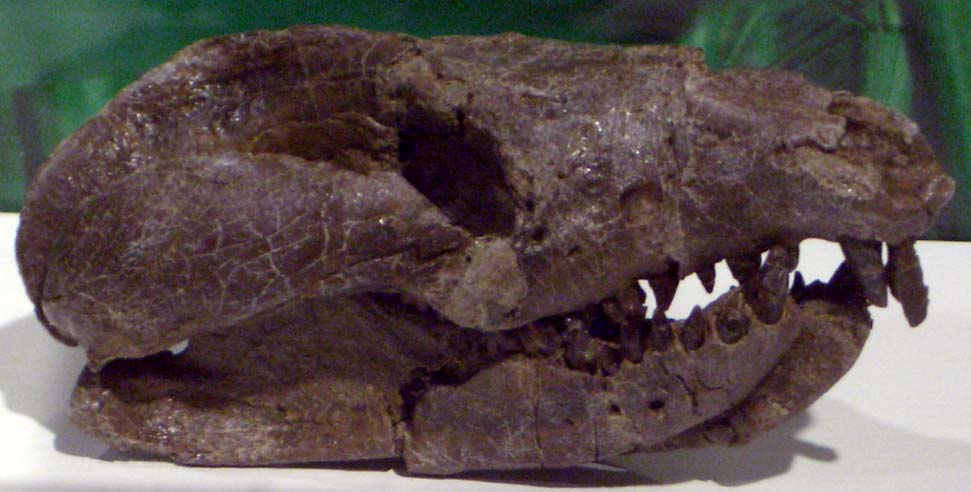
When you strip the flesh away, teeth become a kind of diary of what an animal did with its life. Under the microscope, the teeth of some Mesozoic mammals show sharp, slicing crests, robust roots, and wear patterns that scream meat‑eater rather than gentle omnivore. These weren’t dainty insectivores delicately picking beetles off leaves; they had the kind of cutting equipment you’d expect from an animal tackling tougher, more active prey, including small vertebrates like lizards, birds, and yes, young dinosaurs.
In some cases, scientists have even found bite marks on dinosaur bones that line up suspiciously well with mammal‑shaped teeth. They appear on limb bones or ribs, often where meat would have clung, suggesting either active hunting or at least confident scavenging. Even if many of those bites happened after the dinosaur was already dead, they still show mammals moving in on dinosaur resources, not waiting politely for scraps. When you connect the shape of the teeth with these gnaw marks, a picture emerges of mammals that were more like tiny bone‑crunchers than timid insect nibblers.
Nighttime Hunters in a Dinosaur’s Daytime World
One of the quiet superpowers of early mammals was their likely dominance of the night shift. While many dinosaurs were probably active in daylight – think herds feeding in open plains or predators stalking in the glowing heat – mammals hugged the darkness. Their relatively large eye sockets, brain structure, and comparisons with modern mammals suggest they were comfortable operating under low light. That gave them a time window when big, dangerous dinosaurs were less active or at least easier to avoid.
In that nighttime world, small dinosaurs, particularly juveniles and the more bird‑like species, would have been among the more vulnerable animals moving around. A mammal lurking in the underbrush could use the cover of darkness to get pretty close before pouncing, just like a modern owl or fox taking advantage of poor visibility. It’s easy to imagine a scene: cool night air, rustling leaves, a half‑grown dinosaur chick stepping away from its siblings, and something furry and silent sliding in from the shadows. For a long time, we assumed mammals hid from dinosaurs; now it looks more like they used the dark to turn the tables, at least on the smaller ones.
Why These Hunts Never Flipped the Food Chain
With all this talk of mammals attacking dinosaurs, it’s tempting to imagine some secret uprising brewing millions of years before the asteroid. But scale matters. The vast majority of dinosaurs that dominated ecosystems – the really big herbivores and apex carnivores – were far beyond what any mammal could realistically hunt. These mammal‑on‑dinosaur attacks were real, but they were limited, more like foxes preying on chicks while eagles still ruled the skies and wolves still controlled the forest floor.
Dinosaurs simply owned the prime ecological real estate: they were the large herbivores shaping vegetation and the giant predators sitting atop food webs. Mammals fit into narrower roles, often as mid‑level predators or omnivores, thriving in gaps and edges. The fact that some were able to take down small dinosaurs or raid their nests shows impressive flexibility and boldness, but it never came close to flipping the balance of power. That shift only truly happened after the asteroid impact cleared out the biggest dinosaurs and opened up the heavyweight ecological roles that mammals would later rush in to fill.
Did Mammal–Dinosaur Rivalry Shape the Survivors of the Asteroid Crash?
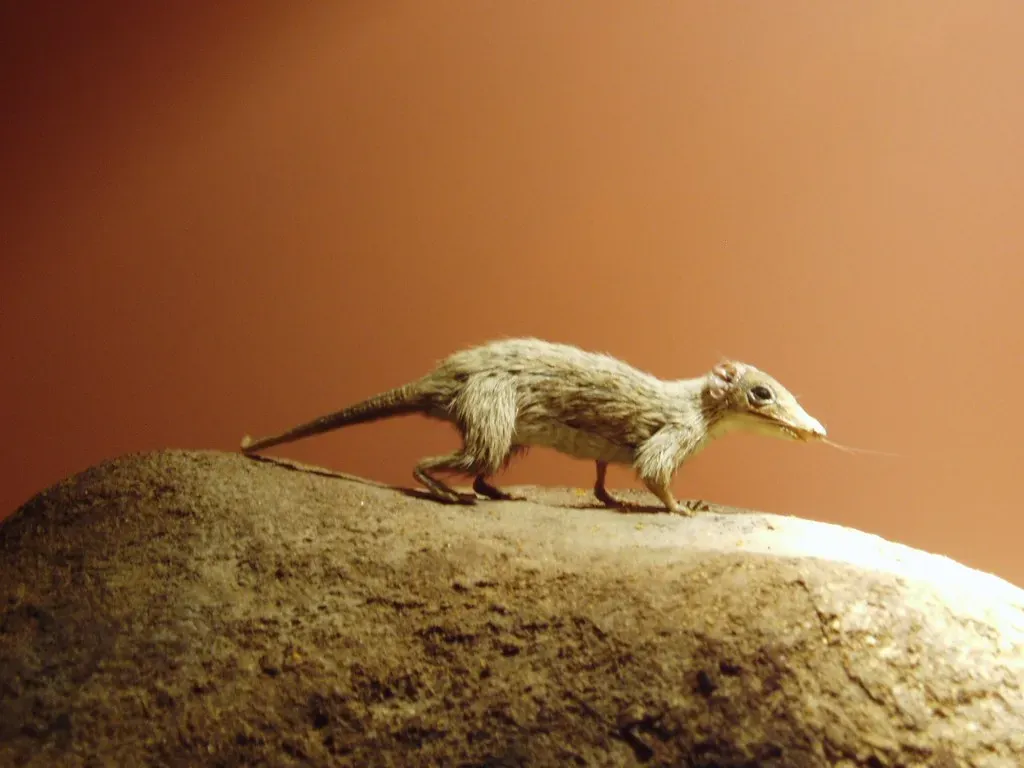
Here’s where things get really intriguing: the mammals that survived the asteroid impact were not random. They tended to be small, adaptable, and good at living in complex, sometimes harsh environments. Those just so happen to be the same traits that would’ve helped them coexist with, and occasionally prey upon, dinosaurs in the first place. It’s hard not to see a connection between millions of years of dodging giant predators, raiding nests, and hunting small vertebrates, and then being tough enough to ride out one of the worst mass extinctions in Earth’s history.
In my view, the long, underappreciated rivalry between mammals and dinosaurs acted like a training ground. Mammals that could exploit dinosaur nests, sneak around big carnivores, and squeeze a living from fragmented, risky niches were precisely the ones best equipped to handle disaster when the sky literally fell. When you look at it this way, the asteroid did not suddenly create mammals as winners; it just tipped the scales in favor of a group that had been quietly sharpening its skills under dinosaur feet for ages. The next time someone says mammals only got lucky, it’s worth asking: or had they been preparing all along?
Conclusion: A Much Wilder Mammal Origin Story
I think we’ve underestimated our own story for far too long. The old textbook picture of small, shivering mammals hiding in the dark while dinosaurs strutted around in full color now feels embarrassingly flat. The evidence for mammals hunting, scavenging, and harassing dinosaurs, even in limited ways, makes their eventual rise after the asteroid feel a lot less like a fluke and a lot more like a payoff. They weren’t meek side characters patiently waiting in the wings; they were scrappy, opportunistic, and sometimes downright vicious.
To me, that is the most thrilling part of this whole shift in thinking: it makes our deep past feel more alive and more earned. Our lineage comes from animals that learned how to survive in the shadow of giants and occasionally bite back. The asteroid may have cleared the stage, but the understudies had already proven they could handle the spotlight. When you picture that badger‑like mammal locked in combat with a dinosaur, does it change how you see your own place in Earth’s history – and did you ever imagine that long before the impact, some mammals were already hunting the rulers of their world?