
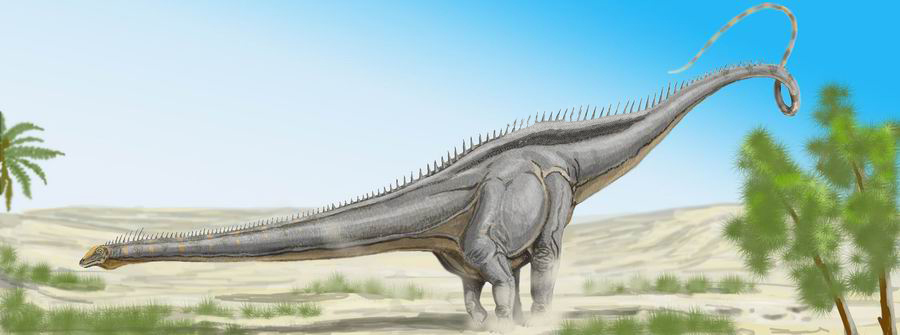
You probably grew up believing a dinosaur’s name was permanent, stamped into science the same way its bones were stamped into rock. That assumption is wrong more often than most people realize. Paleontologists quietly kill off names all the time, usually because the fossil that inspired the name turned out to be a mess – a mixed bone bed, a lone tooth, or a wishful reconstruction that didn’t survive scrutiny.
Some of these dead names had entire documentaries, toy lines, and school textbooks built around them before the retraction happened. Others collapsed so fast, and so embarrassingly, that scientists still wince when the topic comes up. Here are 20 extinct animal names that once sounded like settled fact – until the evidence underneath them quietly gave out.
#1 – Trachodon: The Duck-Billed Dinosaur That Never Really Existed
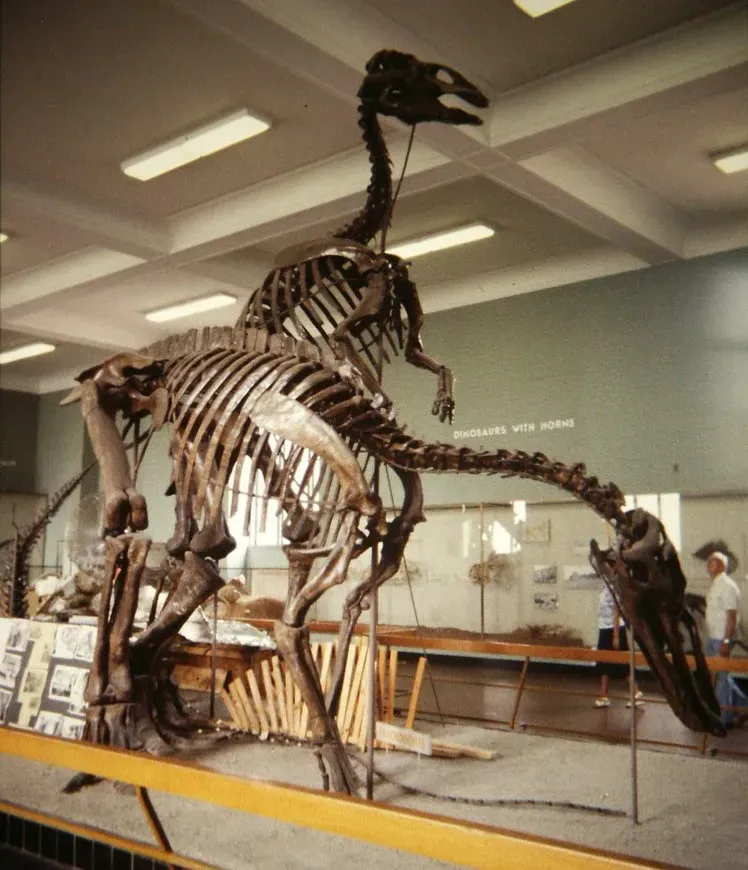
Trachodon sounds like a classic dinosaur ripped straight out of a 1950s picture book, and in a way, it is – a naming accident that got fossilized right alongside the bones. It was coined in the 19th century from scrappy, mismatched teeth that didn’t clearly belong to any single, identifiable species. Back then, if you found a duck-billed-looking tooth, you slapped a name on it and rushed it into print.
Later researchers discovered those teeth actually came from several different hadrosaur species jumbled together. The material was so vague that Trachodon became what paleontologists bluntly call a “wastebasket taxon” – a label where random leftovers get dumped. Those fossils have since been sorted into better-defined genera like Edmontosaurus, leaving Trachodon scientifically empty. It still shows up in retro art and bargain-bin dinosaur toys, which is exactly the kind of thing that makes working paleontologists sigh.
#2 – Brontosaurus: The Name That Was “Killed,” Then Sort-of Revived
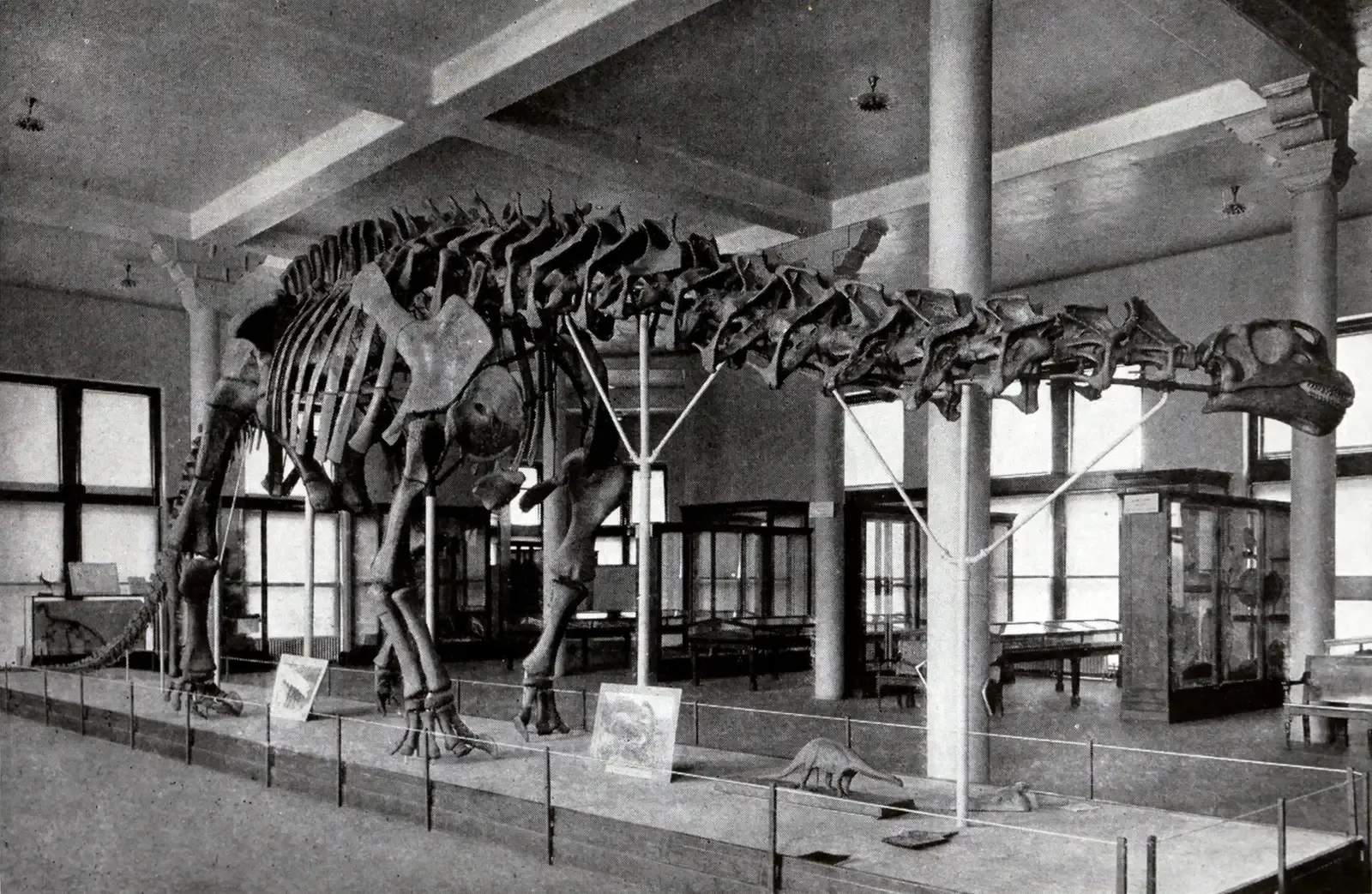
For decades, kids were corrected the same way: “Actually, it’s Apatosaurus.” Brontosaurus, the story went, was a mistake – a name invented for a skeleton that turned out to be just another Apatosaurus specimen. Since taxonomy rules say the oldest valid name always wins, Brontosaurus got quietly demoted to a synonym and pulled from official use, even as museums kept the mounted skeletons the public loved.
That should have been the end of it. Then a massive 2015 study re-examined the specimens and argued the anatomical differences were big enough to split Brontosaurus back out as its own genus. Some paleontologists accepted the split; plenty of others remain unconvinced. The result is a name stuck in scientific limbo – retired once, revived once, and still argued about every time a museum updates a placard.
Quick Compare
- 1879: Brontosaurus is named from a nearly complete skeleton found out west
- Early 1900s: Researchers argue it’s really just an Apatosaurus specimen, so the older name wins
- For most of the 20th century: Brontosaurus disappears from technical papers but thrives in pop culture
- 2015: A large anatomical study reopens the case and splits Brontosaurus back out as valid
#3 – Palaeosaurus: A Dinosaur Name Attached to the Wrong Kind of Reptile
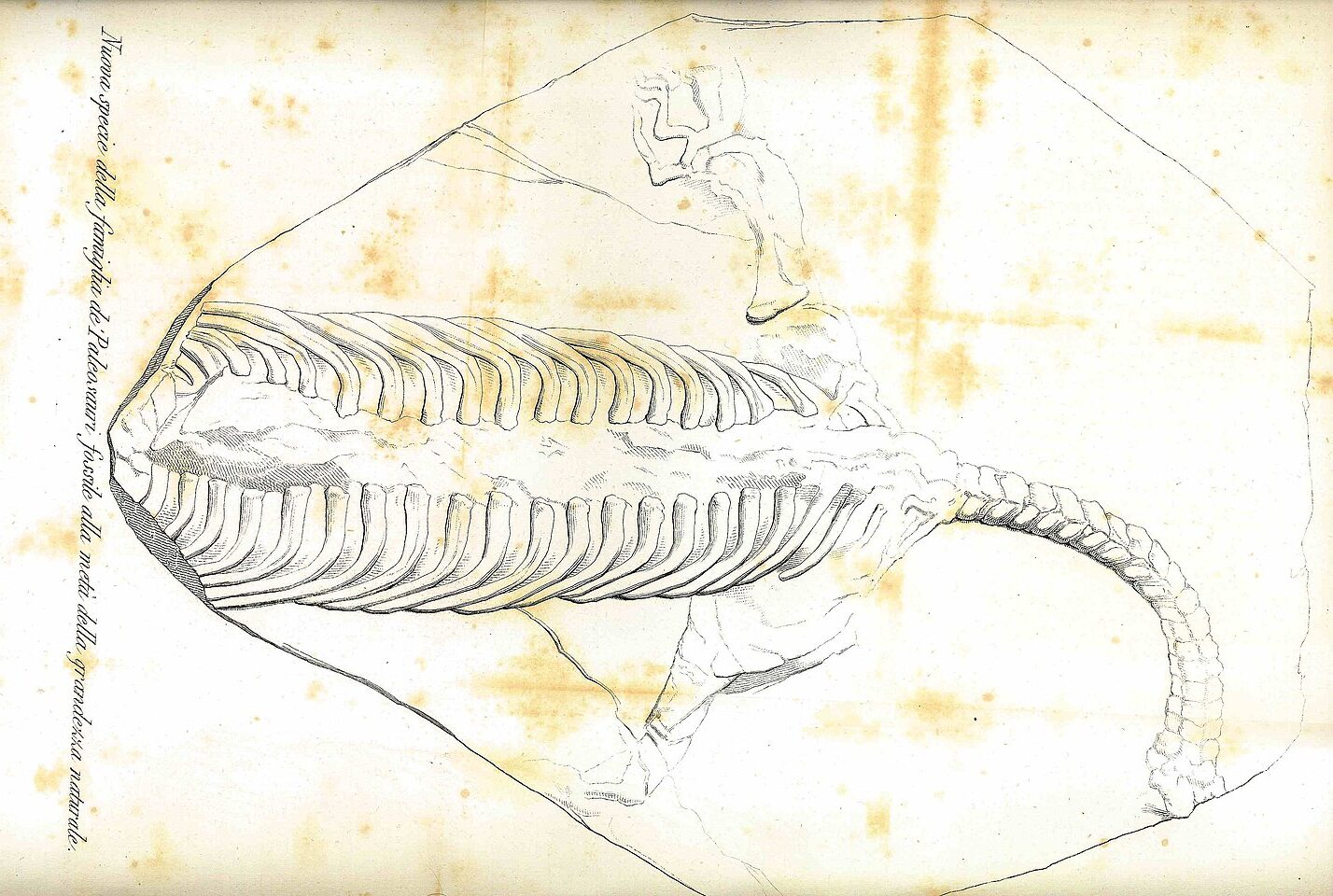
Palaeosaurus sounds like the most generic dinosaur name imaginable – it literally means “ancient lizard.” It was coined when scientists were still figuring out what a dinosaur even was, based on isolated teeth and scraps of bone from the Triassic period. The fossils were so incomplete they might not even belong to a true dinosaur at all.
As diagnostic standards got stricter, researchers admitted they simply couldn’t say what Palaeosaurus actually was. It became a textbook “nomen dubium” – a dubious name attached to nothing solid enough to define. Rather than keep propping up a label that explained nothing, most paleontologists quietly stopped using it, even though it still turns up in outdated books pretending to be a real genus.
#4 – Uintatherium’s Lost Rival “Dinoceras”: A Name Erased by the Bone Wars
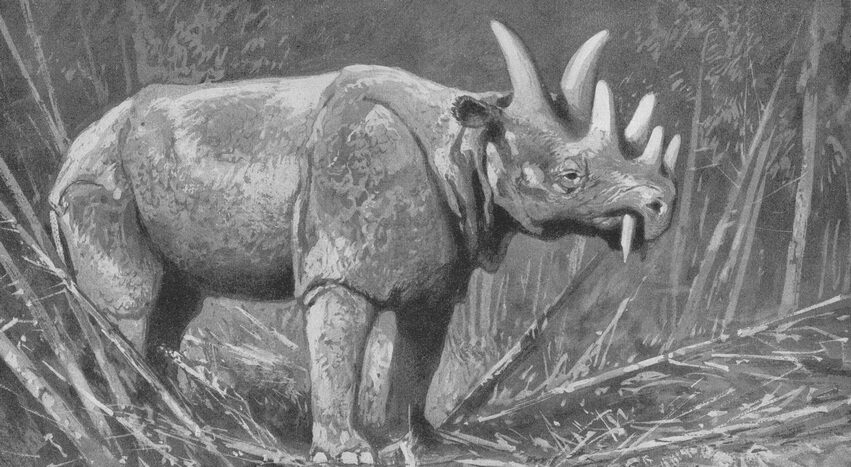
Fossil hunters in the 1800s loved a dramatic name, and “Dinoceras” – meaning “terrible horn” – was one of the best. It described a massive, almost rhino-like Eocene mammal with bony knobs on its skull and saber-like canine teeth. The problem was that several competing scientists slapped different names, including Dinoceras and Tinoceras, on what turned out to be the exact same animal, mostly to score priority and bragging rights.
After years of infighting, the earliest properly published name, Uintatherium, was declared official. Dinoceras got retired as a junior synonym, disappearing from serious scientific use despite being the name that stuck harder in public writing. This kind of naming turf war was common during the ferociously competitive “Bone Wars” era, and Uintatherium’s cleanup remains one of the more notorious examples.
#5 – Plesioteuthis: The Fossil Squid Name That Got Untangled
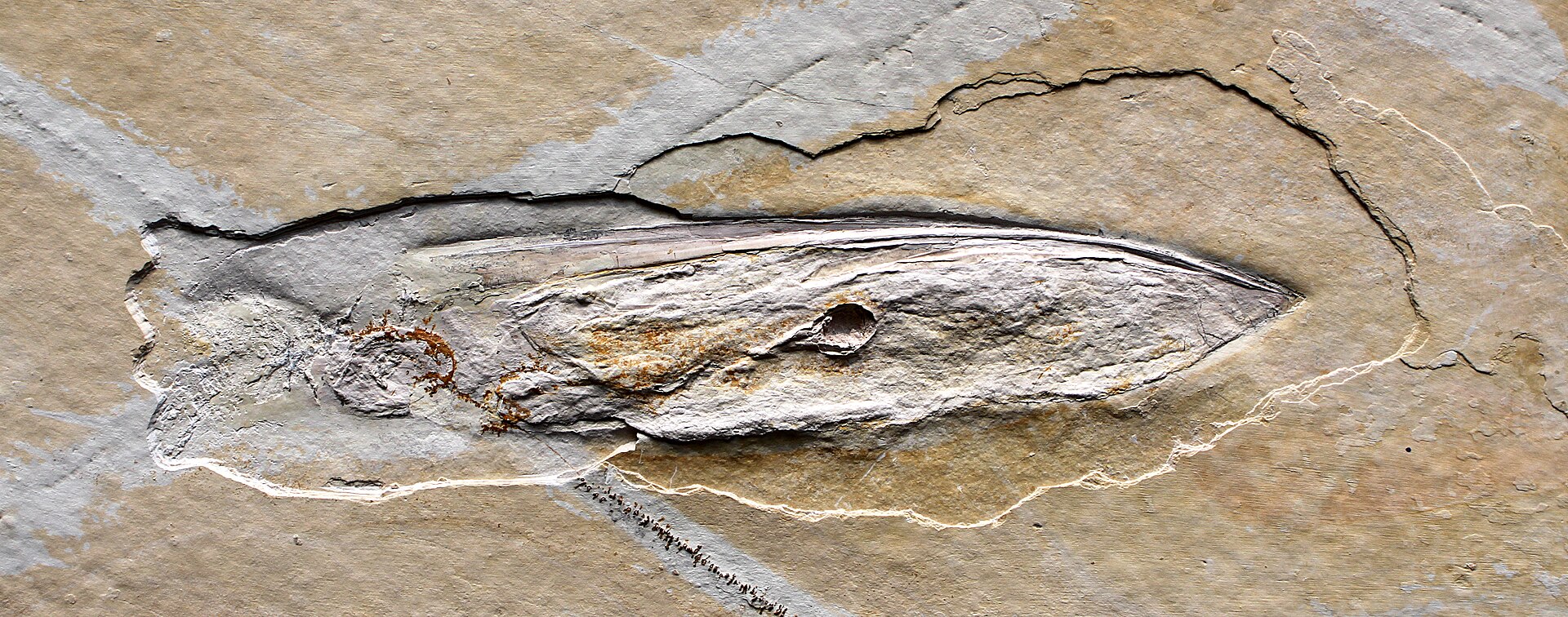
Extinct squid names sound like a niche corner of science, but their history is surprisingly chaotic. Fossil cephalopods from certain Jurassic sites in Europe were lumped for years under names like Plesioteuthis, based on flattened impressions where soft tissue, ink sacs, and cartilage all blurred together. Nobody could cleanly tell which features actually defined which supposed species.
As more fossils turned up and imaging techniques improved, researchers realized several “Plesioteuthis” specimens actually belonged to distinct genera, including Trachyteuthis. The older names attached to that poorly preserved material got quietly merged or sidelined. Nothing exploded or made headlines – the labels just became useless once nobody could say what traits truly defined them, and the whole family tree of ancient squid got rebuilt behind the scenes.
#6 – Titanosaurus: The Sauropod Catch-All That Stopped Meaning Anything
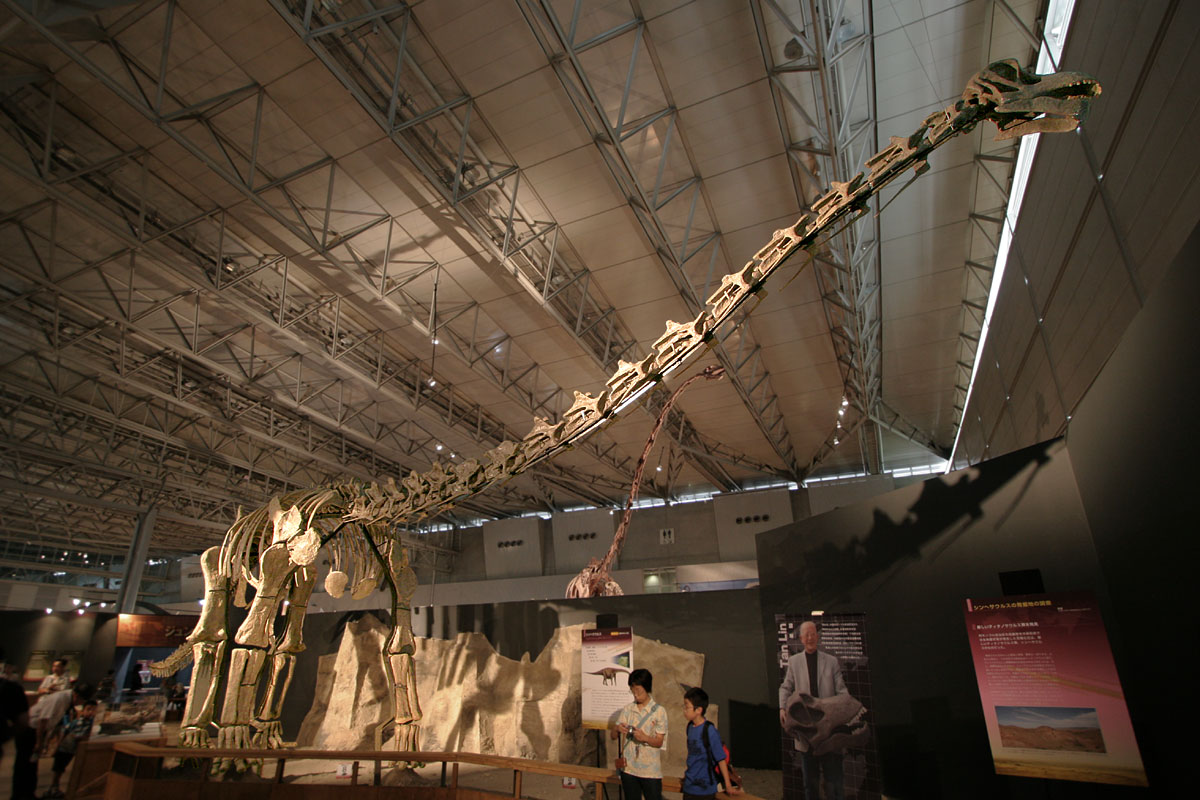
Titanosaurus sounds like it should be the biggest, most impressive dinosaur name on the list. Ironically, it became almost meaningless. It was coined from scrappy limb bones and vertebrae found in India, then used for decades as a dumping ground for any vaguely similar giant sauropod discovered anywhere in the world.
Eventually it became obvious that “Titanosaurus” was a Frankenstein’s monster stitched together from multiple unrelated animals. Most species once filed under that name are now considered invalid or reassigned elsewhere. Even the original Indian fossils are too incomplete to properly define a genus, so many experts now treat Titanosaurus itself as a nomen dubium – popular in headlines, dead on arrival in serious research.
Worth Knowing
- Named in the late 1800s from a handful of vertebrae and a partial thighbone found in India
- Used for decades as a default label for almost any large sauropod discovered worldwide
- Became a textbook example of a “wastebasket taxon” that absorbed dozens of unrelated species
- Most species once assigned to it have since been moved to other genera or ruled invalid
#7 – The Forgotten Iguanodon Splinter Species That Got Folded Back In
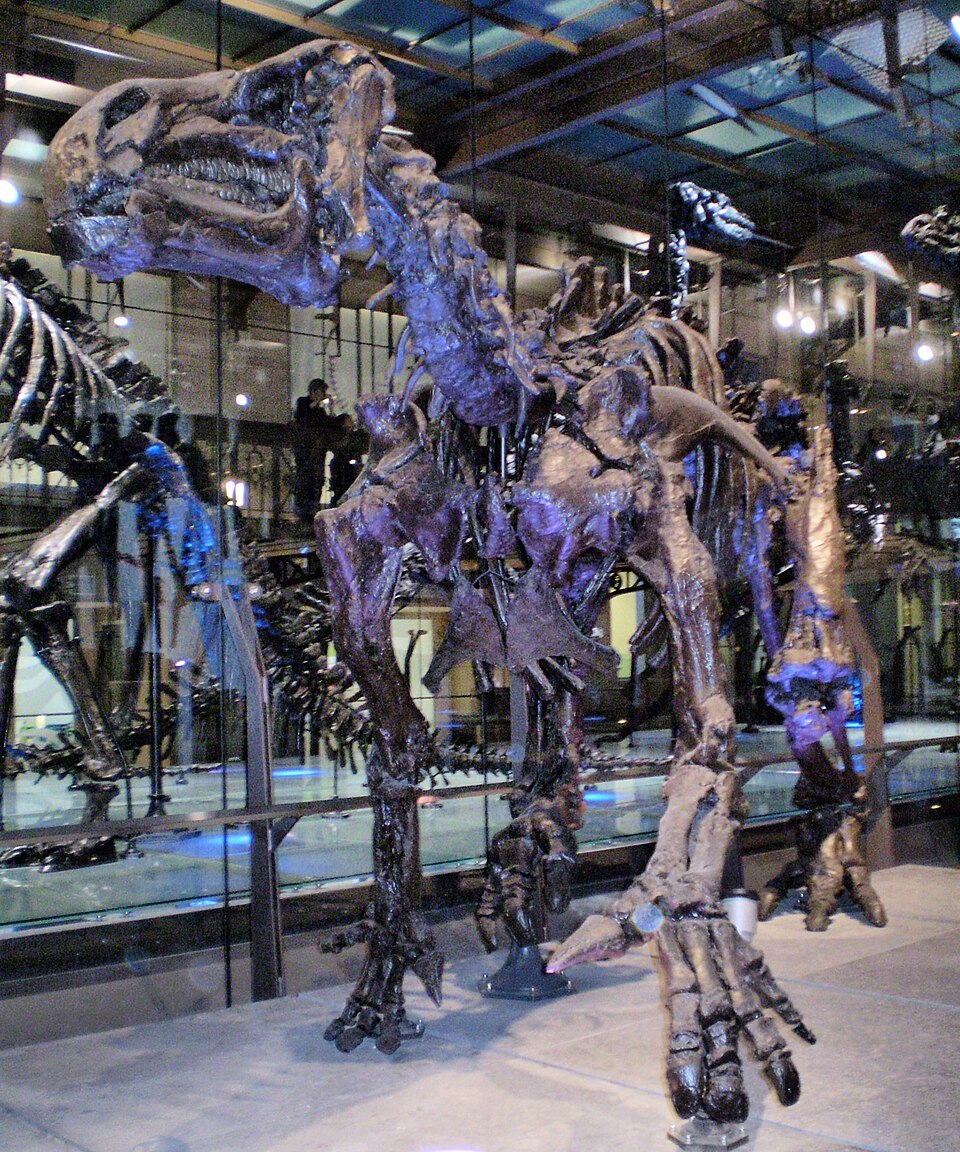
Not every retired name gets a documentary; some are tiny footnotes buried in taxonomic paperwork. Iguanodon, one of the very first dinosaurs ever named, attracted a swarm of extra species names based on partial skeletons and stray regional bones. Over more than a century, scientists slowly realized many of these weren’t distinct species at all.
Some differences turned out to be nothing more than individual variation, age, or fossils crushed differently during preservation. Those extra labels got sunk quietly back into broader, better-supported species. It matters more than it sounds: every weakly defined extra name makes real evolutionary diversity harder to track, and cleaning them out is what actually sharpens the picture, even if nobody claps for it.
#8 – Pterodactylus Giganteus: The “Giant Pterodactyl” That Changed Identity
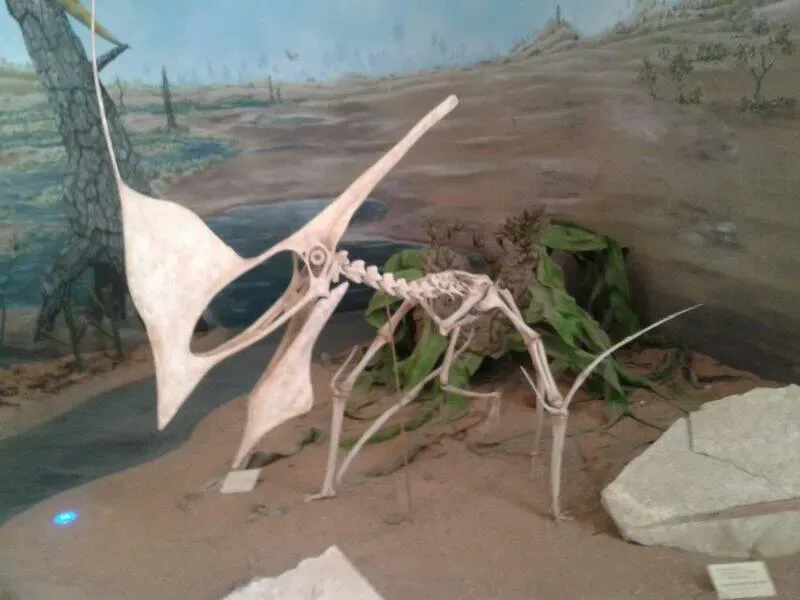
You’ve probably seen “giant pterodactyl” captions under old museum illustrations, and many trace back to a name that didn’t survive. Pterodactylus giganteus was one of several labels thrown at oversized pterosaur fossils dug out of 19th-century European chalk deposits. At first glance, the bones just looked like a bigger version of the classic Pterodactylus.
Later comparisons of skulls, teeth, and wing bones showed these large forms actually belonged in other genera entirely, like the toothy, sea-soaring Ornithocheirus. Once that was clear, names like Pterodactylus giganteus got downgraded to outdated synonyms. It looks like scientists simply changed their minds, but really they finally had the bones and techniques needed to see differences nobody could spot a century earlier.
#9 – Labyrinthodontia: The Amphibian “Family” That Wasn’t Real
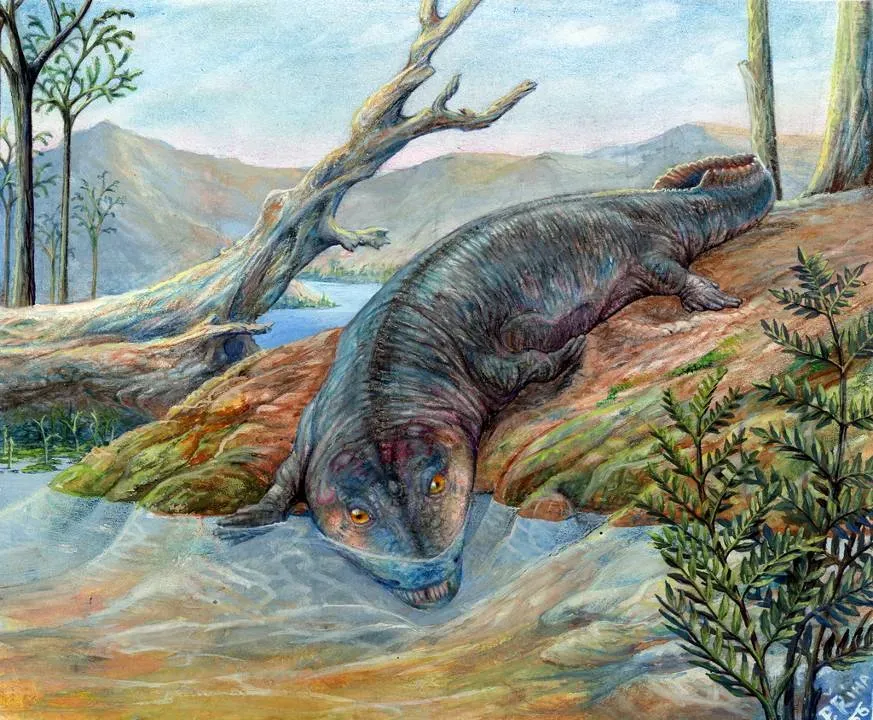
Sometimes an entire group gets retired, not just one species. “Labyrinthodontia” was once the umbrella term for a huge range of extinct, crocodile-like amphibians, named for their bizarrely folded tooth structure. Textbooks treated it as a solid, real family for decades.
Then cladistic analysis – computer-built family trees based on shared traits – showed these animals didn’t actually form one single evolutionary branch. They were a loose grade of early tetrapods scattered across the tree of life, not a real lineage. Because modern taxonomy demands monophyletic groups, scientists gradually dropped Labyrinthodontia as a formal category. Nobody wrote headlines about it, but it quietly rewrote how we understand vertebrates crawling onto land.
#10 – Zeuglodon: The Whale Name That Lost the Branding War
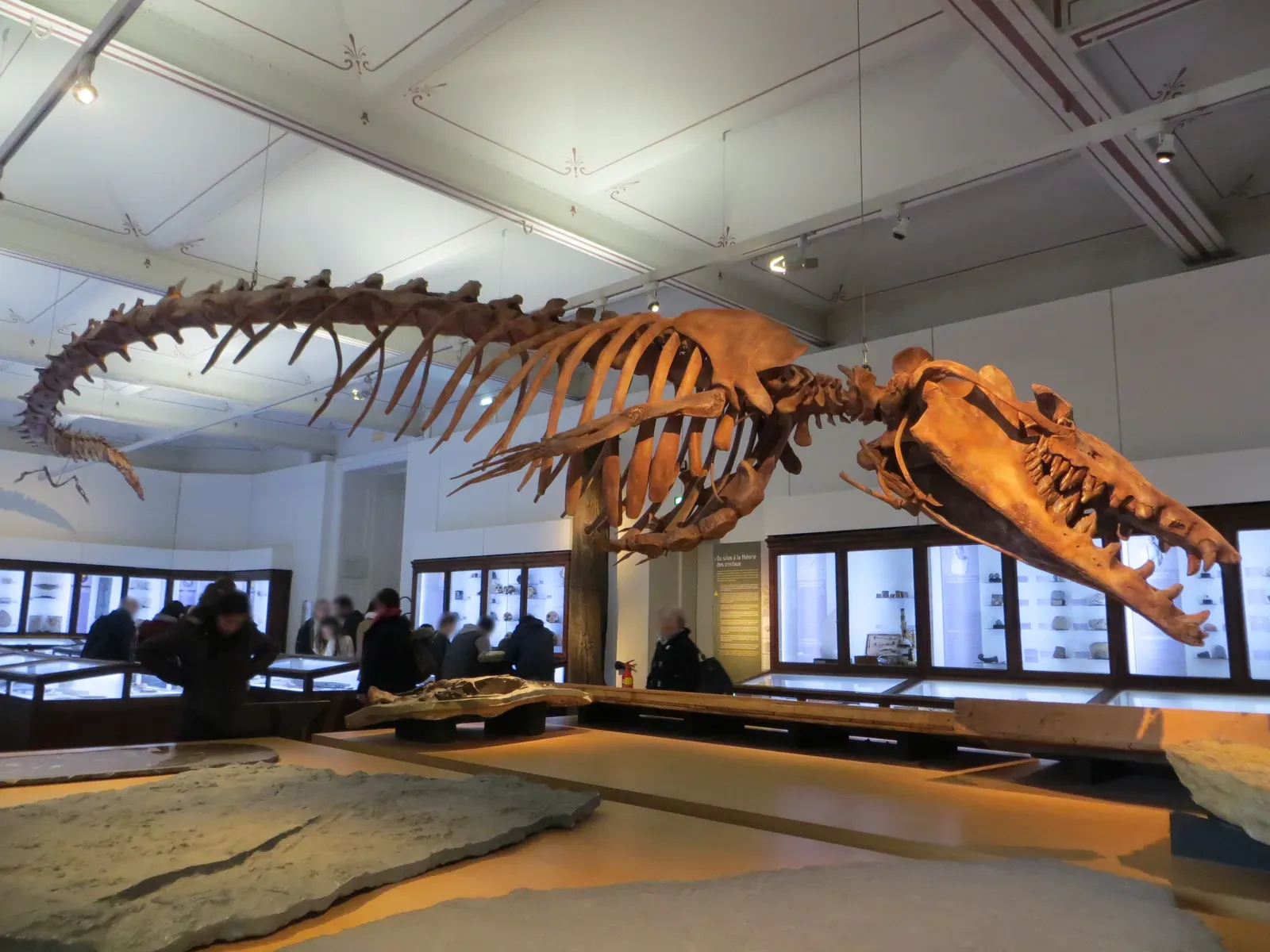
Early naturalists were so baffled by a long, serpentine fossil whale that they initially called it “king lizard” – Basilosaurus. Once its true identity as an early whale became obvious, some researchers pushed for a more accurate replacement name: Zeuglodon. For years, both names floated around scientific literature side by side.
Priority rules eventually settled it: Basilosaurus was published first, so it stayed, and Zeuglodon was formally retired as a junior synonym. The twist is that 19th- and early 20th-century texts leaned so heavily on Zeuglodon that it still haunts popular writing like a ghost brand. Modern whale researchers find it almost funny – the anatomically wrong name won, purely because it got to the printer first.
#11 – Megalania: Australia’s “Dragon” With a Shelved Name
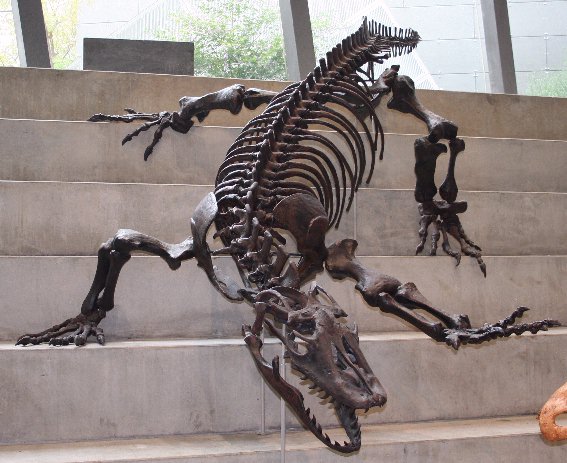
Megalania is the perfect name for an Ice Age monster – a giant lizard capable of taking down a kangaroo. For years, “Megalania prisca” described a massive, goanna-like monitor lizard roaming Pleistocene Australia. But later taxonomic work showed it fit clearly inside the modern monitor lizard genus, Varanus.
Naming rules meant the animal technically had to become Varanus priscus, quietly retiring the flashier Megalania label from formal science. Documentaries, monster-list websites, and survivalist forums never got the memo – they still love the dramatic original name. Even some paleontologists admit, half-joking, that they wish they could keep using the cooler-sounding one.
Fast Facts
- Roamed Pleistocene Australia and is thought to have reached well over 5 meters long
- Named “Megalania prisca” in the 1800s, roughly meaning “ancient giant wanderer”
- Later analysis showed it belongs within Varanus, the same genus as living monitor lizards
- Now formally classified as Varanus priscus, though “Megalania” still dominates pop culture
#12 – Nebraska Man: The “Human Ancestor” That Was Just a Pig Tooth
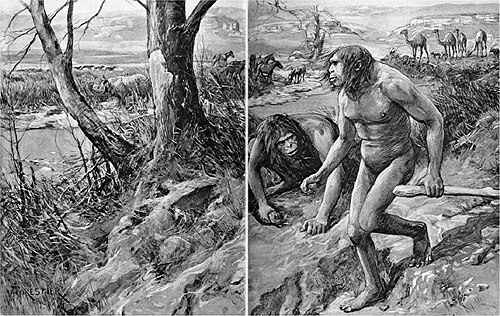
If you want the single most brutal name collapse on this list, this is it. Hesperopithecus haroldcooki, nicknamed “Nebraska Man,” was hyped in the 1920s as proof of an early human relative living in North America. The entire claim rested on one single, worn fossil tooth.
Some experts thought it looked primate-like. Others weren’t convinced. Once better comparative collections came along, researchers realized the tooth actually belonged to an extinct peccary – a wild pig relative, not a primate at all. Nebraska Man evaporated overnight, and the case became a permanent cautionary tale about over-interpreting one lonely fossil.
Extraordinary claims require extraordinary evidence.
Carl Sagan
Nebraska Man is basically that principle taught the hard way – one tooth was never going to carry the weight of rewriting human history in North America.
#13 – Ramapithecus: The “Human Ancestor” Downgraded to Just Another Ape
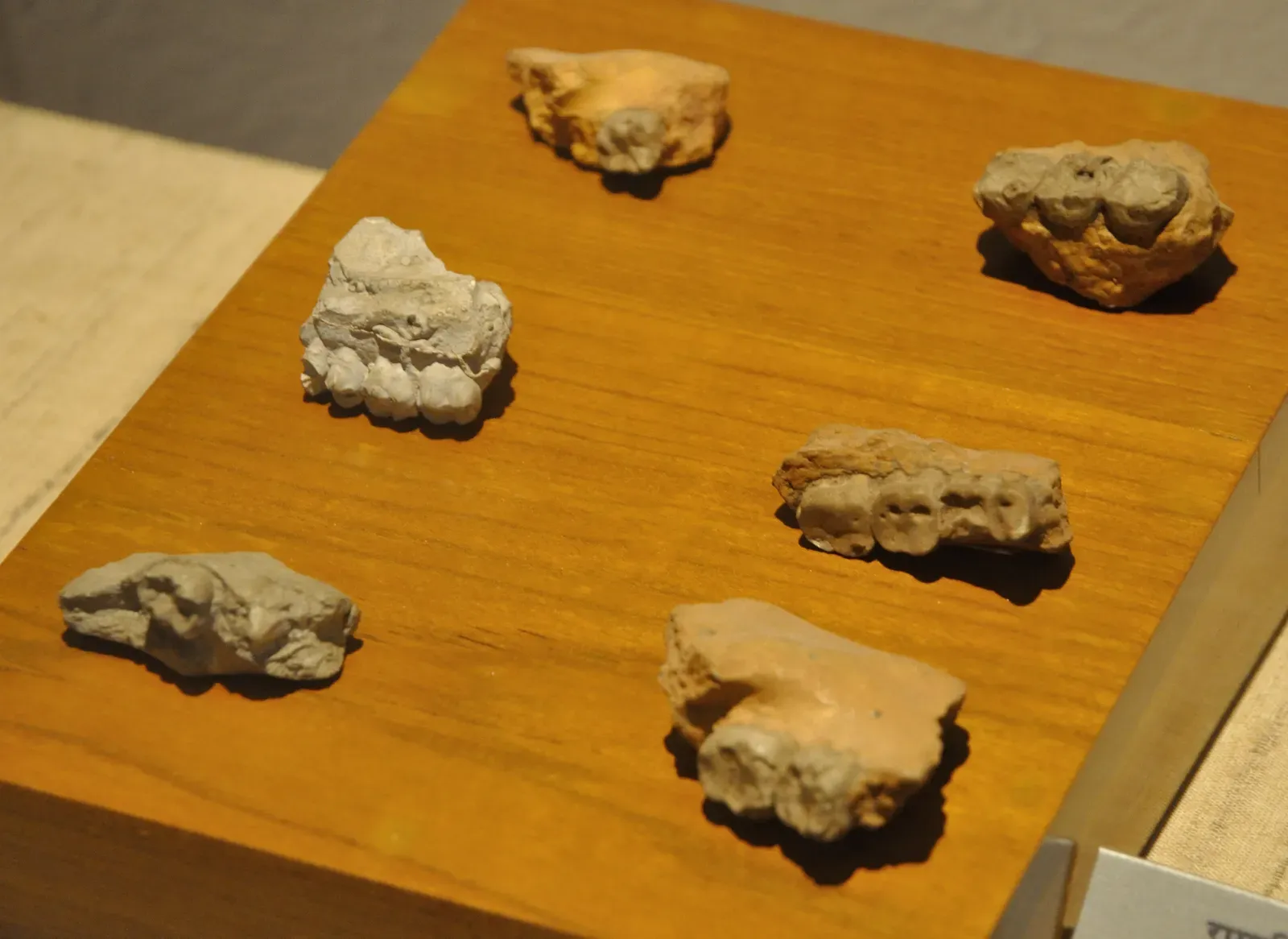
For a while, Ramapithecus was marketed as the missing evolutionary step toward humans. Discovered from jaw fragments and teeth in the mid-20th century, it was interpreted as a short-faced, possibly upright primate – a perfect fit for the neat “ape to human” diagram in every biology textbook.
More fossils and sharper comparisons eventually revealed that Ramapithecus was essentially identical to Sivapithecus, an ancient ape more closely related to today’s orangutans than to us. The supposed “pre-human” status quietly disappeared, and the name itself mostly got folded into Sivapithecus as a synonym. It stings a little to admit, but that’s exactly how good science is supposed to correct itself.
#14 – Atlantosaurus: The Sauropod Overshadowed and Then Erased
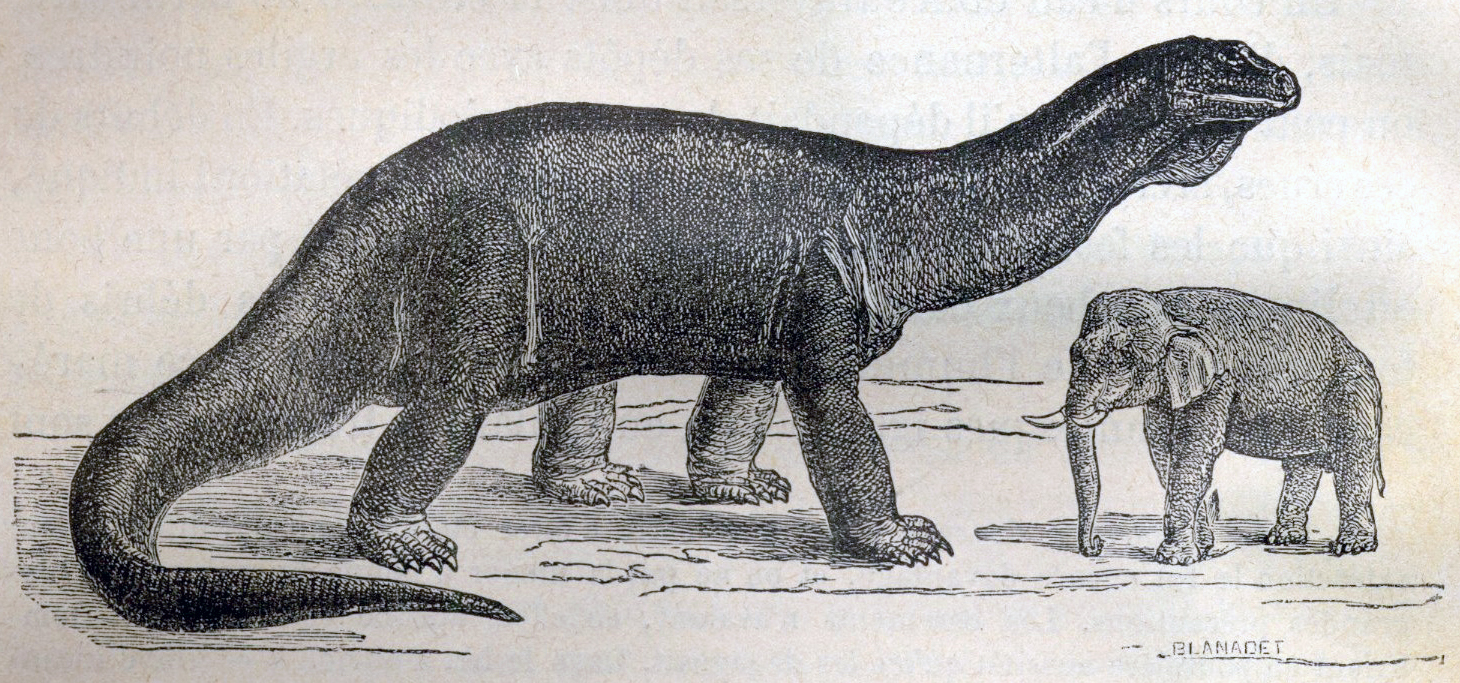
Atlantosaurus has a name that sounds like it should headline a blockbuster, yet it barely survives as a historical footnote. Named in the late 1800s from fragmentary sauropod remains found in Colorado, it immediately ran into competition from better-preserved skeletons nearby that became Apatosaurus and others.
As comparisons sharpened, paleontologists realized the Atlantosaurus material was too incomplete to distinguish from its better-known neighbors. It became another nomen dubium, technically still sitting in old literature but practically useless for real research. Cool branding, it turns out, can’t rescue a name built on bad fossils.
#15 – The Leaf Monkey Split That Got Quietly Sunk Back Together
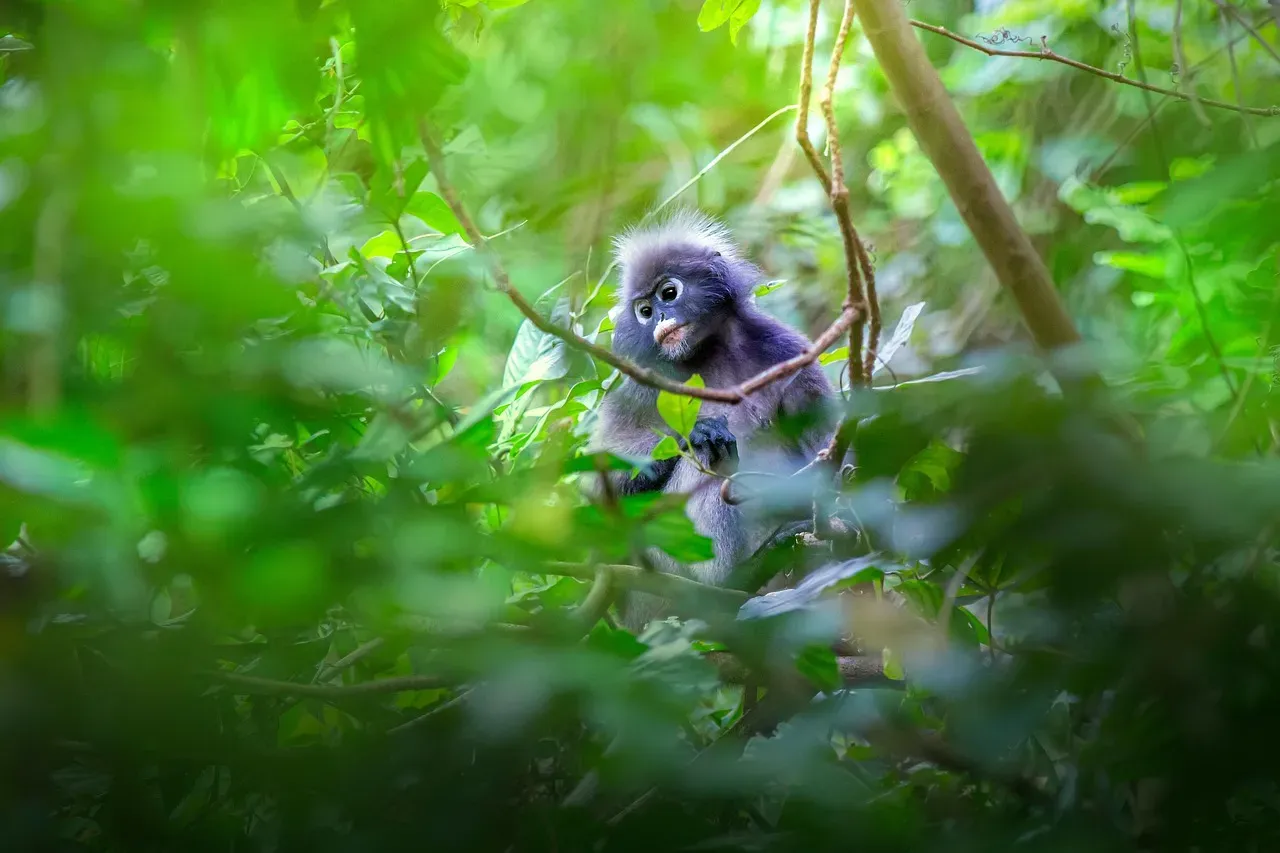
Not every retired name involves dinosaurs, and some of these arguments are still active today. In primatology, researchers occasionally split a population into a “new species” based on subtle fur color, small skull differences, or tiny sample sizes. It sounds exciting in a headline. It doesn’t always hold up.
Genetic testing later often shows those supposed new species are just local variants of one broader, more cohesive group. Certain former Trachypithecus leaf monkey “species” have been sunk back into older, sturdier names once DNA data arrived. Field biologists quietly complain that chasing short-term novelty just creates a backlog of names somebody eventually has to clean up – and that somebody rarely gets credit for it.
#16 – Protoavis: The “Earlier Bird” That Might Just Be a Jumbled Mess
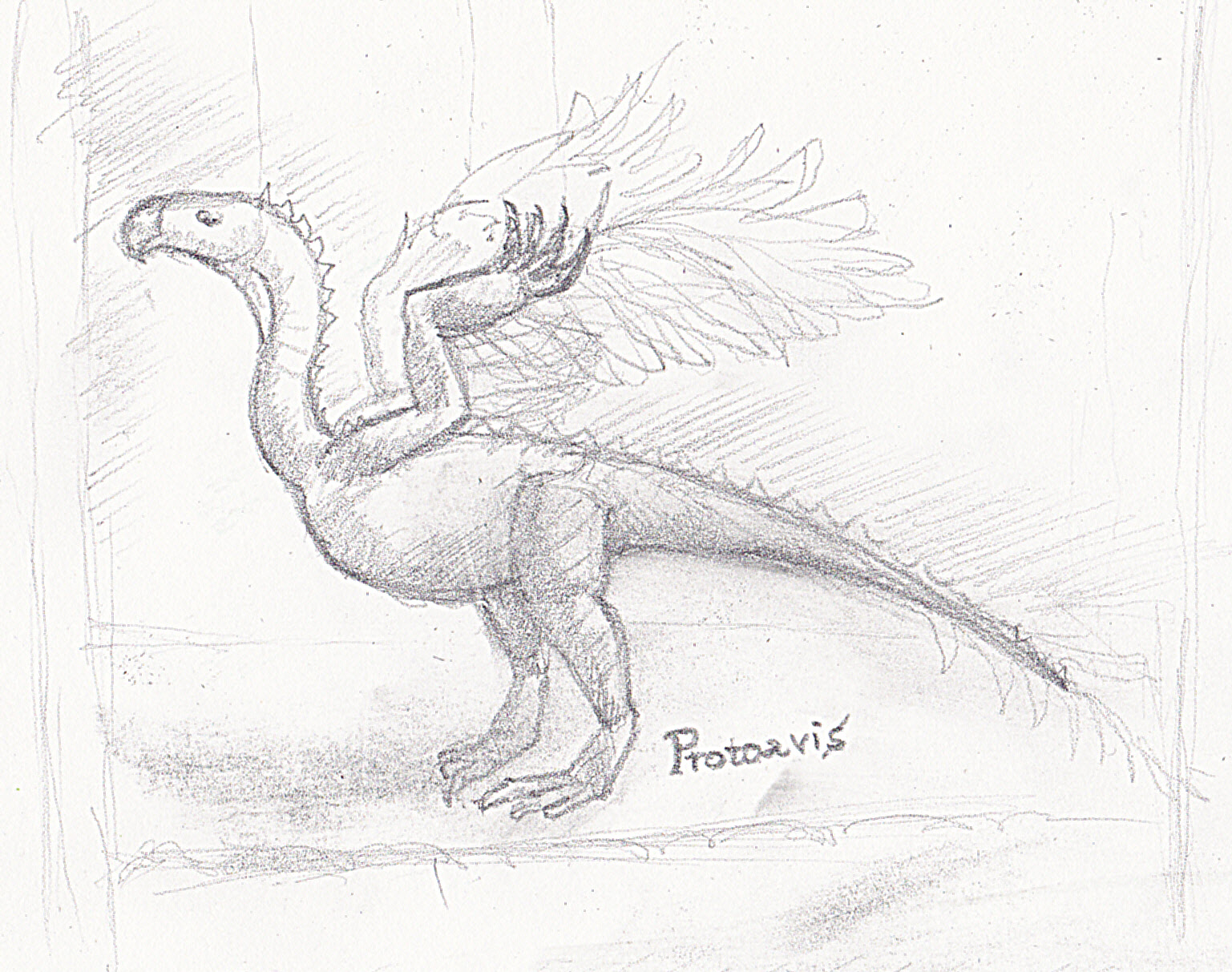
If Protoavis were real, it would rewrite the entire timeline of bird evolution. That’s precisely why most experts don’t buy it. Announced in the early 1990s, Protoavis texensis was pitched as a Triassic bird predating Archaeopteryx by tens of millions of years.
The catch is that the fossils are extremely fragmentary and may represent several different animals accidentally mixed together, with crushed or incomplete bones that make the key features ambiguous. Most critics argue the material simply can’t support such a bold claim. The name technically still exists, but modern bird-evolution research mostly ignores it entirely, treating Protoavis as a warning story rather than real data.
#17 – Seismosaurus: The “Earth-Shaker” That Turned Out to Be Diplodocus
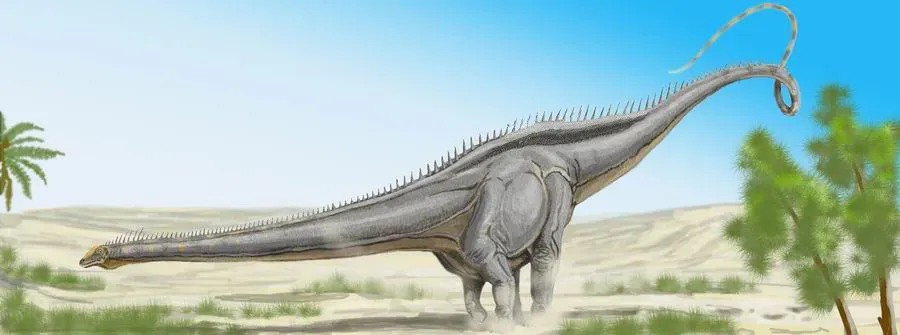
Seismosaurus had everything going for it: an epic name meaning “earth-shaker,” record-breaking length claims, and heavy museum hype. Discovered in New Mexico and named in the 1990s, Seismosaurus halli was promoted as one of the longest dinosaurs ever, with early reconstructions stretching past 40 meters.
Careful re-study eventually showed the skeleton fit comfortably within the known range of variation for Diplodocus, not a radical new super-giant. Once that was accepted, the earlier name Diplodocus hallorum took priority and Seismosaurus was dropped. Dinosaur fans still love saying “Seismosaurus” out loud, but taxonomy doesn’t run on popularity – it runs on evidence, and the evidence didn’t back a separate genus.
At a Glance
- First unearthed in New Mexico in the late 1970s, formally named in 1991
- Early estimates put its length at over 40 meters, among the longest ever proposed for any animal
- Later re-study trimmed those estimates down to the normal range seen in Diplodocus
- Reclassified as Diplodocus hallorum once older naming priority rules were applied
#18 – Gryphoceratops and the Tiny Horned Dinosaurs Stuck in Limbo
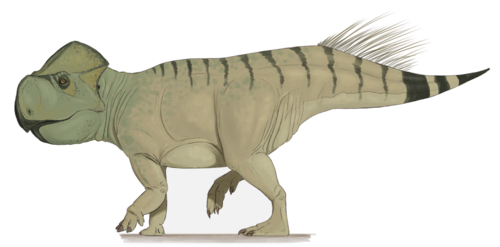
Horned dinosaurs have produced a tangle of names, especially the small-bodied ones described from partial skulls. Several tiny ceratopsians got their own genus names based on fragmentary frills or jaw pieces that looked unique at the time.
As fuller skeletons turned up, those “unique” traits often turned out to be ordinary variation already covered by existing species. Some proposed names, like a few obscure relatives of Gryphoceratops, have since been reinterpreted, merged, or quietly abandoned. Toy lines and children’s books keep using whatever name sounds coolest, completely unaware that the label may already be scientifically dead.
#19 – The “Peking Man” Splits That Collapsed Back Into Homo Erectus
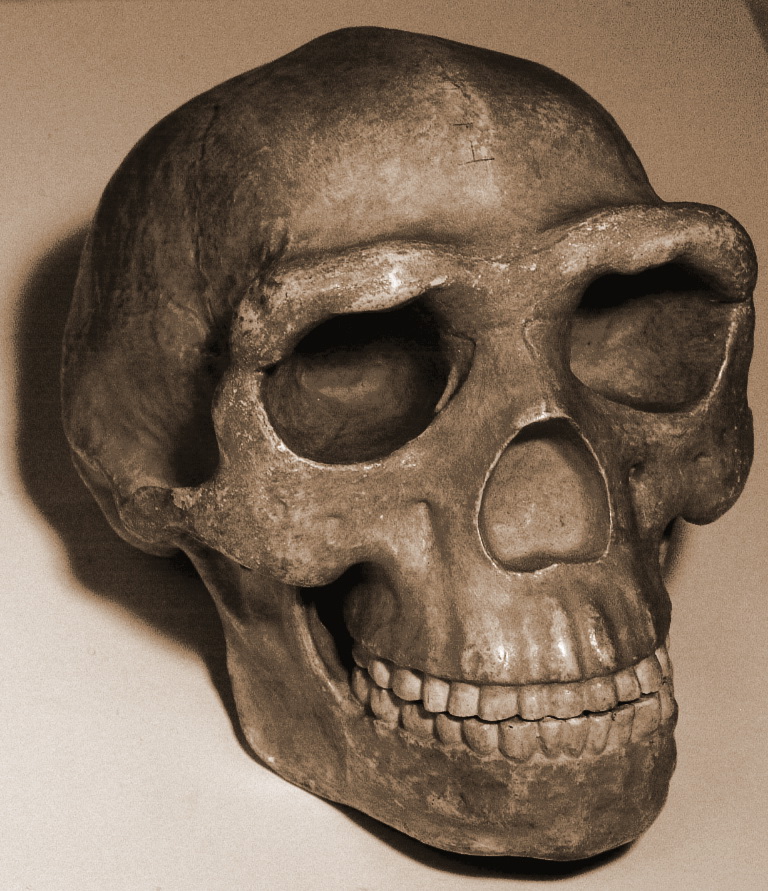
Human evolution has a long history of naming things too early and too locally. The famous “Peking Man” fossils from Zhoukoudian in China were once surrounded by a tangle of proposed subspecies, as researchers argued over exactly how many distinct kinds of early human they represented.
As comparative studies expanded to a global fossil record, most of those splits got pulled back into one conservative category: Homo erectus, a widespread, long-lived species. The extra names faded into disuse. It can feel like scientists are erasing diversity, but the truth is simpler – many of those labels were built on small sample sizes and regional bias that shrink the moment you zoom out and compare fossils from other continents.
#20 – Java Man: The Human Ancestor Name That Lost to Homo
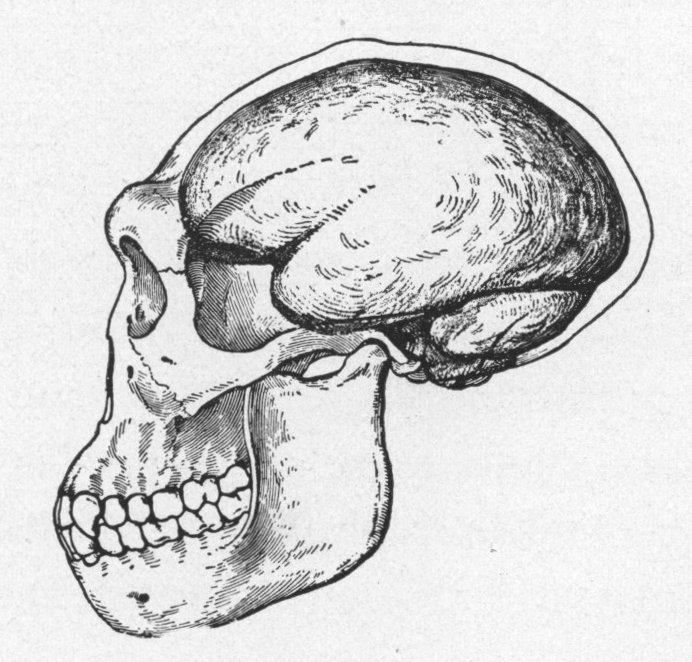
The most dramatic retired name on this entire list belongs to our own family tree. When Dutch anatomist Eugene Dubois found early human fossils in Java in the 1890s, he named them Pithecanthropus erectus – the “ape-man who walks upright.” For decades, Java Man was treated as a strange, almost mythical transitional creature standing alone in the fossil record.
As more fossils accumulated across Africa, Asia, and Europe, researchers realized Java Man fit comfortably inside a much broader, more successful species: Homo erectus. Naming rules gave priority to the established genus Homo, so Pithecanthropus was retired for good. It wasn’t just paperwork – it marked a shift from treating these fossils as bizarre one-offs to recognizing a single human species that spread across the entire Old World. Once-iconic Pithecanthropus is now mostly a name in history books, and a warning about how fast a “missing link” headline can age.
Why It Stands Out
- One of the first fossils ever used to argue for a direct “missing link” between apes and humans
- Originally placed in its own genus, Pithecanthropus, to set it apart from modern humans
- Later folded into Homo erectus once similar fossils turned up across three continents
- Its retirement marked a shift toward one shared human lineage instead of scattered, isolated finds
The Bottom Line
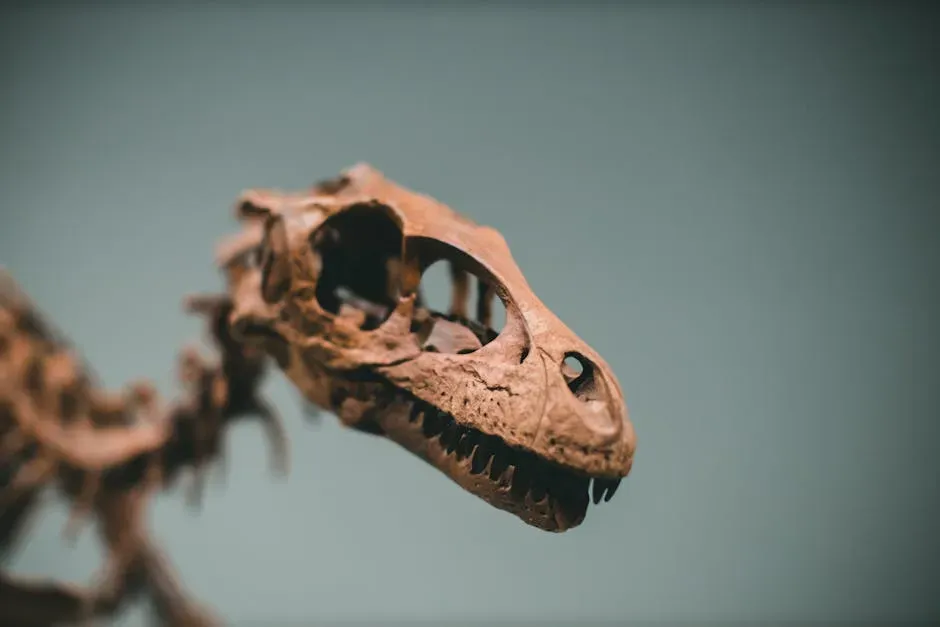
Zoom out across all twenty of these and a pattern jumps out immediately: nearly every one of these names died the same way – too little evidence got stretched way too far. A scrappy tooth became a “new species,” a jumbled bone bed became a “revolutionary ancestor,” and a catchy genus name got coined before anyone actually understood what they were looking at.
I don’t think that’s an embarrassment. It’s the opposite – it’s science actually doing its job, pruning bad labels so the real tree of life stays legible. The real embarrassment is how often the media, and sometimes scientists themselves, still oversell a shaky fossil the moment it’s dug up, knowing full well how many “Nebraska Men” have gone this route before. So next time a headline screams about a brand-new missing link built on a single bone fragment, maybe wait for the second study before you believe it – because if history is any guide, that flashy name has decent odds of quietly retiring within the decade.