
Most people treat the word “extinct” like a locked door. Once a species crosses through, it’s gone for good, filed away in dusty museum drawers and sad little question marks next to its name. That’s the story we’re taught. But conservation history is stuffed with cases where scientists confidently wrote the obituary, closed the file, published the loss for the whole world to see, and then the animal just wandered back into view like nothing happened.
These are called “Lazarus species,” and they’re more common than most people realize. Some vanished for a few decades. One vanished for 65 million years. Every single one on this list was officially moved from the “extinct” column back onto the living register, forcing red-faced revisions from the very scientists who’d pronounced them dead. Here are the 12 cases that prove extinction isn’t always the final word, and a few of them will make you wonder what else we’ve gotten wrong.
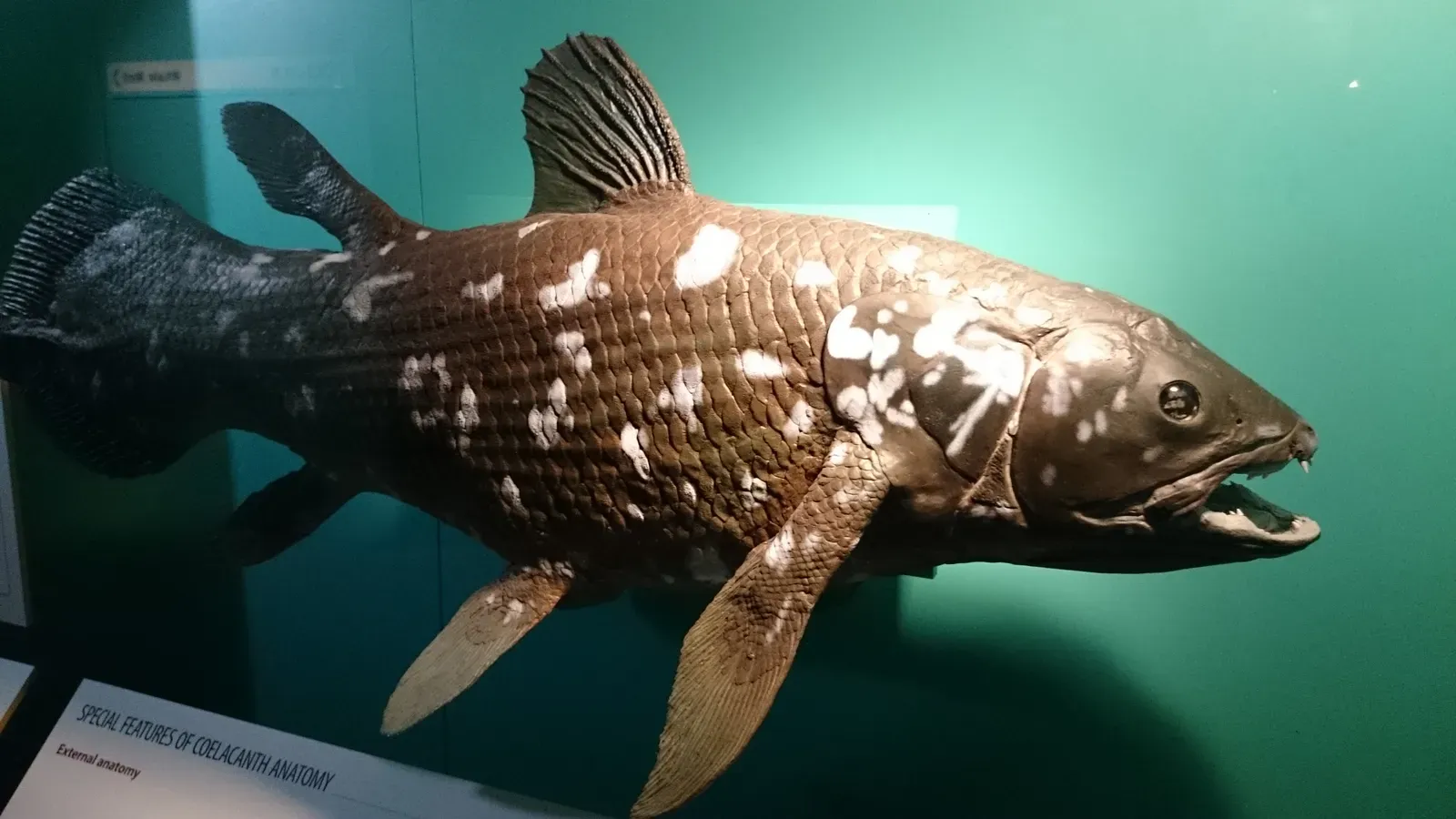
#12 – Coelacanth: The “Extinct” Fossil That Turned Up in a Fish Basket
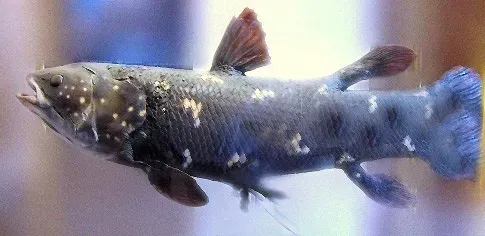
For nearly a century, textbooks stated flatly that coelacanths died out alongside the dinosaurs, known only from compressed fossils last seen in the rock record around 66 million years ago. Every biology class treated this fish as ancient history, not something you’d ever actually see. Then in 1938, a South African trawler dragging nets off the coast pulled up a strange, thick-scaled blue fish nobody could identify. Museum curator Marjorie Courtenay-Latimer took one look, matched it against the fossil plates, and realized the impossible had just happened on her dock.
This wasn’t just a neat headline for dusty science journals. It was a gut-punch reminder of how little we actually understand about the deep ocean. Later expeditions found a small breeding population hiding off the Comoros Islands, and a second, genetically distinct species turned up near Indonesia, both living in dark caves 90 to 300 meters down. Genetic studies later showed coelacanths sit closer to four-limbed land vertebrates than to most modern fish, making them a living bridge to our own evolutionary story. The fish the world buried in the fossil record had been swimming quietly the whole time.
Fast Facts
- Fossil record suggested extinction roughly 66 million years ago
- Rediscovered in 1938 off the coast of South Africa
- Two distinct living species now confirmed: one near Comoros, one near Indonesia
- Found living in dark caves 90 to 300 meters deep
- Genetically closer to land vertebrates than most modern fish
#11 – Lord Howe Island Stick Insect: The “Tree Lobster” on a Sheer Sea Stack
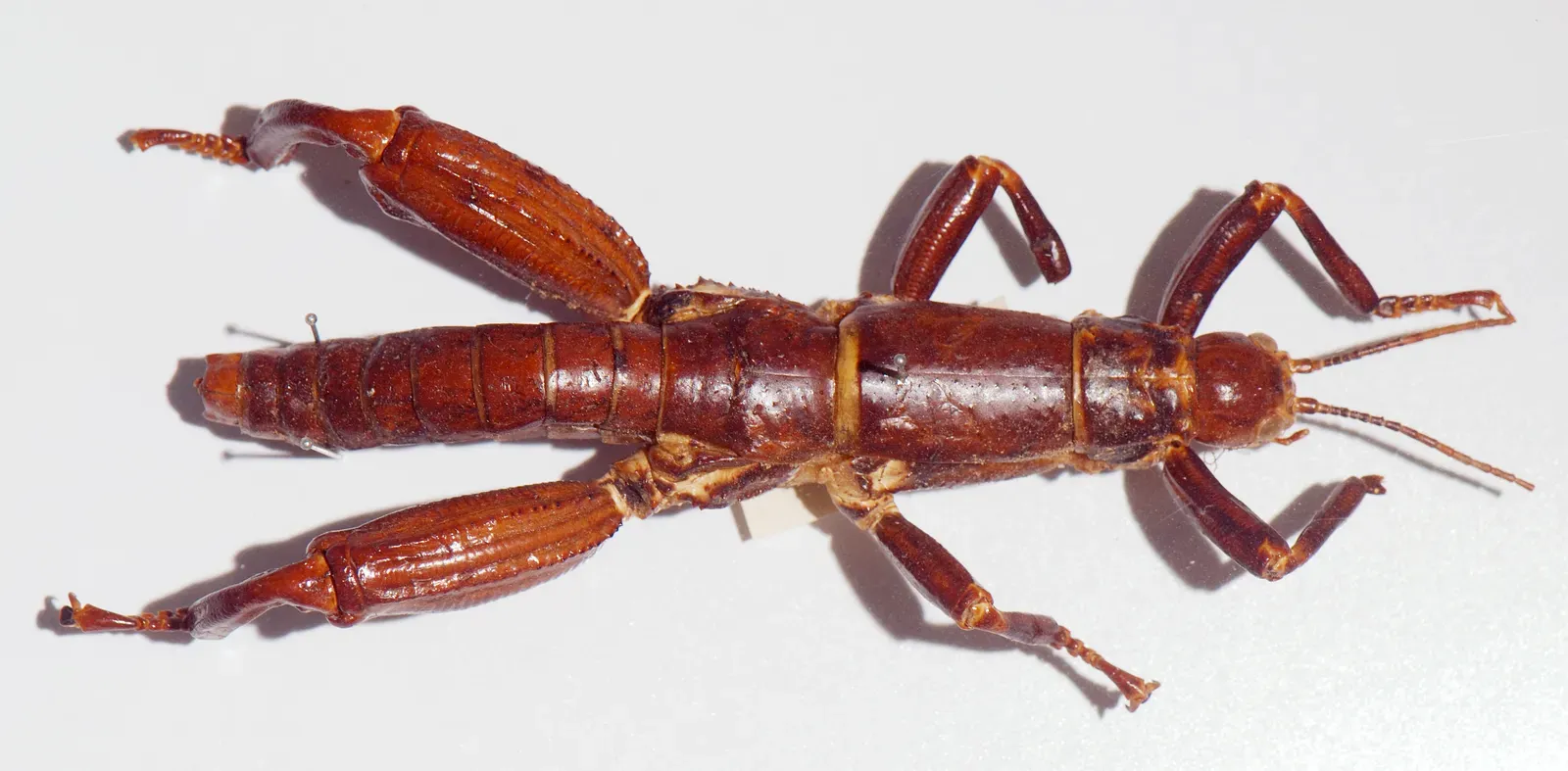
On Lord Howe Island, this big, glossy insect was once so common that locals used it as fishing bait. After rats escaped a 1918 shipwreck and overran the island, sightings collapsed almost overnight. By the 1920s scientists had listed the Lord Howe Island stick insect as extinct, and by 1960 that status was locked into the formal record. The world’s “tree lobster” was, as far as anyone could prove, simply gone.
Then climbers on Ball’s Pyramid, a razor-thin volcanic spire jutting 23 kilometers offshore, spotted insect droppings in 1964, and years later, a few eerie, giant stick insects clinging to a single shrub on a tiny ledge. A 2001 night survey confirmed a micro-population of fewer than 30 adults clinging to existence on a cliff face most people would never dare climb. Biologists launched a captive breeding program so successful that thousands now exist in zoos and breeding centers, with careful reintroductions back to Lord Howe Island now underway. A species declared extinct in official government documents is quite literally being walked back into its old home.
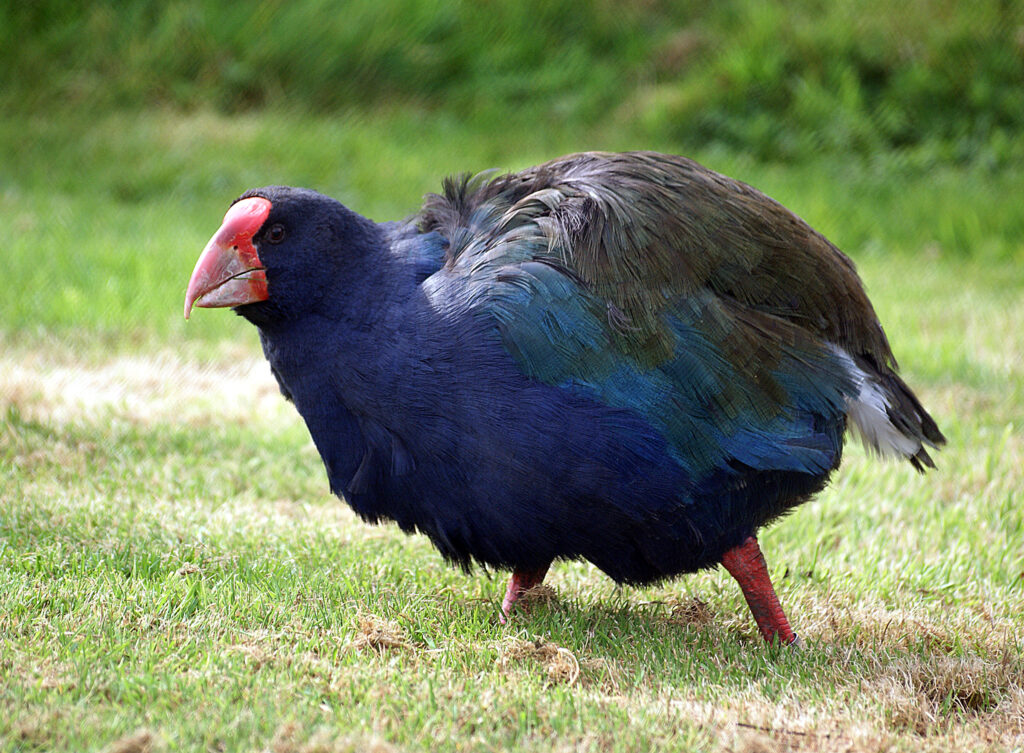
#10 – Takahe: New Zealand’s Giant “Dead” Bird That Refused to Stay Buried
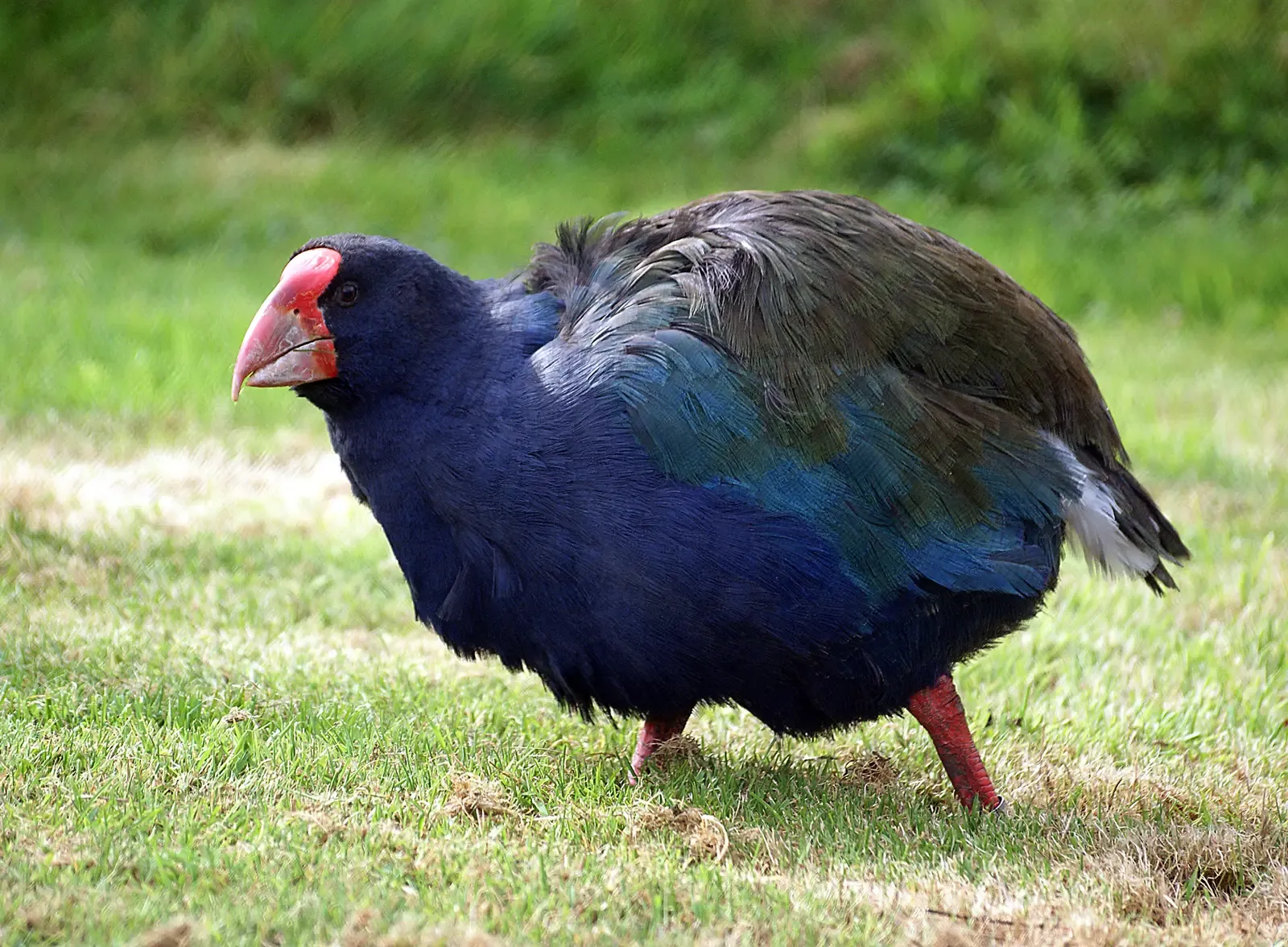
New Zealand’s takahe is a hefty, flightless rail with deep blue and green plumage and a real talent for ghosting science. By 1898, after habitat loss and introduced predators tore through its population, the bird was officially declared extinct. Its specimens sat in museum cases as tragic reminders of another lost island species. Yet hunters and shepherds kept reporting a “giant pukeko” crashing through the undergrowth in remote Fiordland valleys, decades after the books had closed the case.
In 1948, biologist Geoffrey Orbell followed those persistent rumors into the Murchison Mountains and found living takahe. New Zealand flipped the species from “extinct” to national emergency almost overnight, launching one of the country’s longest-running conservation programs. Today, carefully managed populations survive on predator-free offshore islands and fenced sanctuaries. Numbers are still only in the hundreds, but they’re climbing, and the takahe remains the textbook case of a bird presumed dead, rediscovered, and formally moved back onto the living register with a dedicated recovery team behind it.
#9 – Bermuda Petrel (Cahow): 330 Years on the “Extinct” List
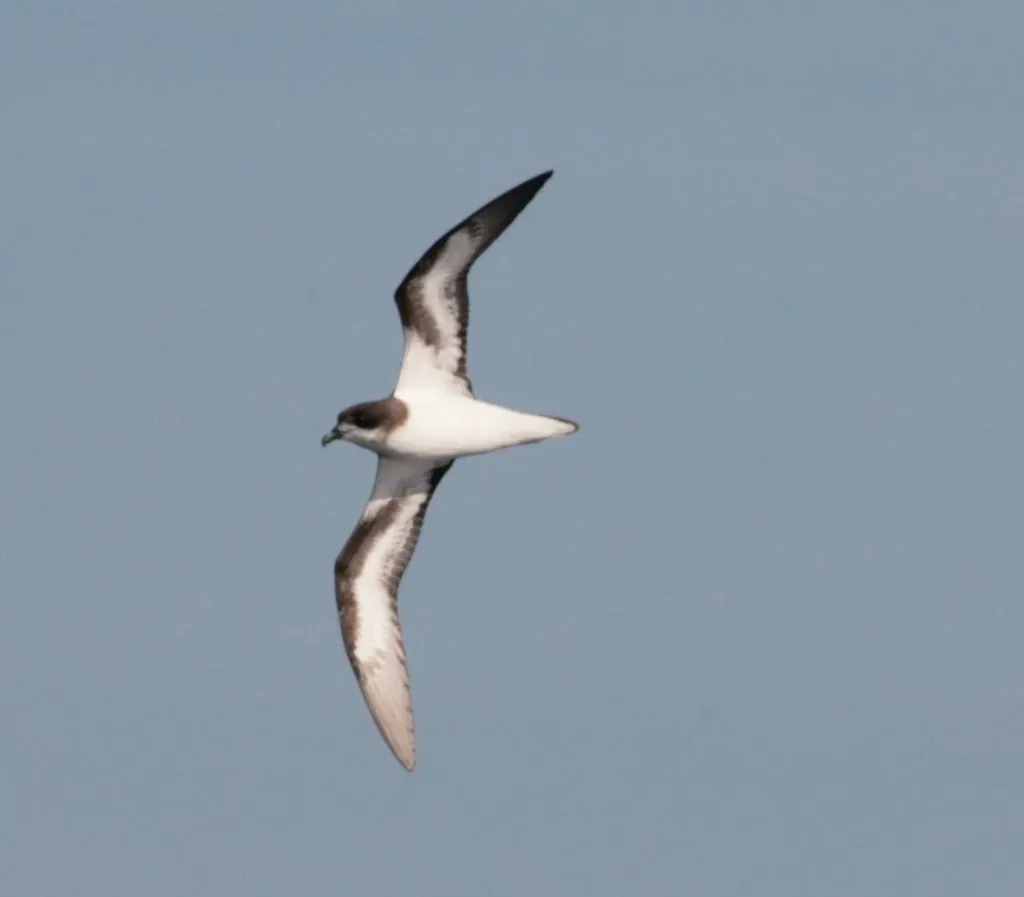
If you want a brutal example of a premature extinction call, meet the cahow. Colonists and the pigs, cats, and rats they brought with them hammered this burrow-nesting seabird through the 1600s, and by around 1620 it had vanished from human notice entirely. For more than three centuries, ornithologists treated the cahow as gone, a textbook cautionary tale about colonial-era extinctions taught in classrooms and cited in field guides.
Then, in 1951, researchers exploring remote Bermuda islets heard eerie calls echoing off the cliffs and found 18 breeding pairs tucked into hidden burrows. The species jumped from “extinct for 330 years” to “critically endangered but alive” almost overnight. Protected nesting sites, predator control, and translocation to safer artificial burrows have since pushed numbers into the low hundreds. The cahow is now one of conservation’s most famous comebacks, a bird that moved straight from the history books back onto the IUCN’s living Red List.
#8 – Cuban Solenodon: The Venomous Mammal That Reappeared in the 1970s
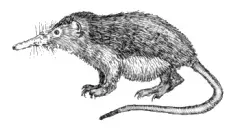
Most people have never heard of solenodons, and that’s part of why they vanish so easily. The Cuban solenodon is a nocturnal, insect-eating mammal with a flexible snout and venomous saliva, one of the only poisonous mammals alive on Earth. Habitat destruction and invasive predators devastated its population so thoroughly that by the mid-20th century, the scientific consensus was that it had simply died out. By 1970, plenty of mammal lists had written it off completely.
Then a live specimen turned up in 1974, proving the species had been hiding in rugged, forested mountains the entire time. Field surveys since have found only a handful of individuals, and the animal now sits in the Critically Endangered category rather than extinct. Its story is tangled by limited funding, painfully low population densities, and a species that seems almost engineered to avoid being seen. You’ll still stumble across outdated references calling it extinct today, even though genetic and camera-trap data confirm it’s very much alive out there.
#7 – La Palma Giant Lizard: A Canary Islands Reptile Resurrected by Fieldwork
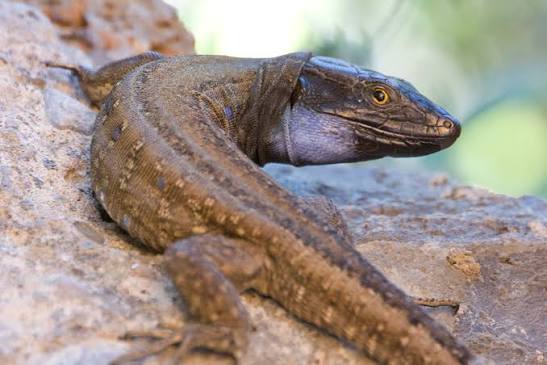
The Canary Islands once had several giant Gallotia lizards, and most were wiped out after European colonization. The La Palma giant lizard was known only from subfossil bones, so biologists assumed it had disappeared sometime around the 1500s. It was formally described in scientific literature as an extinct species, a relic of the past rather than something you might spot sunbathing on a rock. For centuries, fossils were the only evidence it had ever existed at all.
That changed in 2007, when herpetologists chasing local reports found living La Palma giant lizards clinging to remote cliffs. The discovery forced a status flip from “extinct for 500-plus years” to “critically endangered but very much extant.” The surviving population is tiny and highly localized, but it’s now monitored, legally protected, and part of an active captive breeding effort. Some conservationists argue the species never should have been labeled extinct in the first place, because the original search effort simply wasn’t thorough enough, a hard lesson about declaring death sentences over poorly surveyed terrain.
#6 – Pygmy Tarsier: The “Lost” Primate Hidden in the Cloud Forest
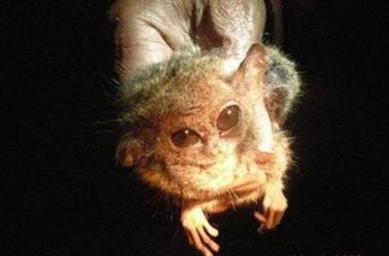
Tarsiers already look like a gremlin crossed with an owl, and the pygmy tarsier is the tiniest, strangest of the bunch. Known from only a handful of early-20th-century specimens collected in Indonesia, it quietly slipped off the scientific radar. With no confirmed sightings after the 1920s, many primatologists accepted it as another casualty of deforestation and trapping. Textbooks and databases either ignored the species or listed it outright as gone, treating a living primate as little more than a historical footnote.
Then in 2000, a single animal turned up in a mountain trap, and in 2008 a dedicated team finally observed pygmy tarsiers alive and active in the wild, high in the mountains. These tiny nocturnal hunters cling to mossy branches in cold, isolated cloud forests, exactly the kind of terrain that rarely gets properly surveyed. Since the rediscovery, the species has been recategorized as Critically Endangered rather than extinct, and it remains one of the rarest primates known to science. Its comeback is a blunt reminder that if we’ve barely set foot somewhere, we have no business closing the book on what lives there.
At a Glance
- Known only from early-1900s museum specimens for decades
- No confirmed sightings after the 1920s
- Single animal trapped again in 2000
- Team confirmed live wild population in 2008
- Now listed Critically Endangered instead of extinct
#5 – Omura’s Whale: The “Misidentified” Ghost of the Open Ocean
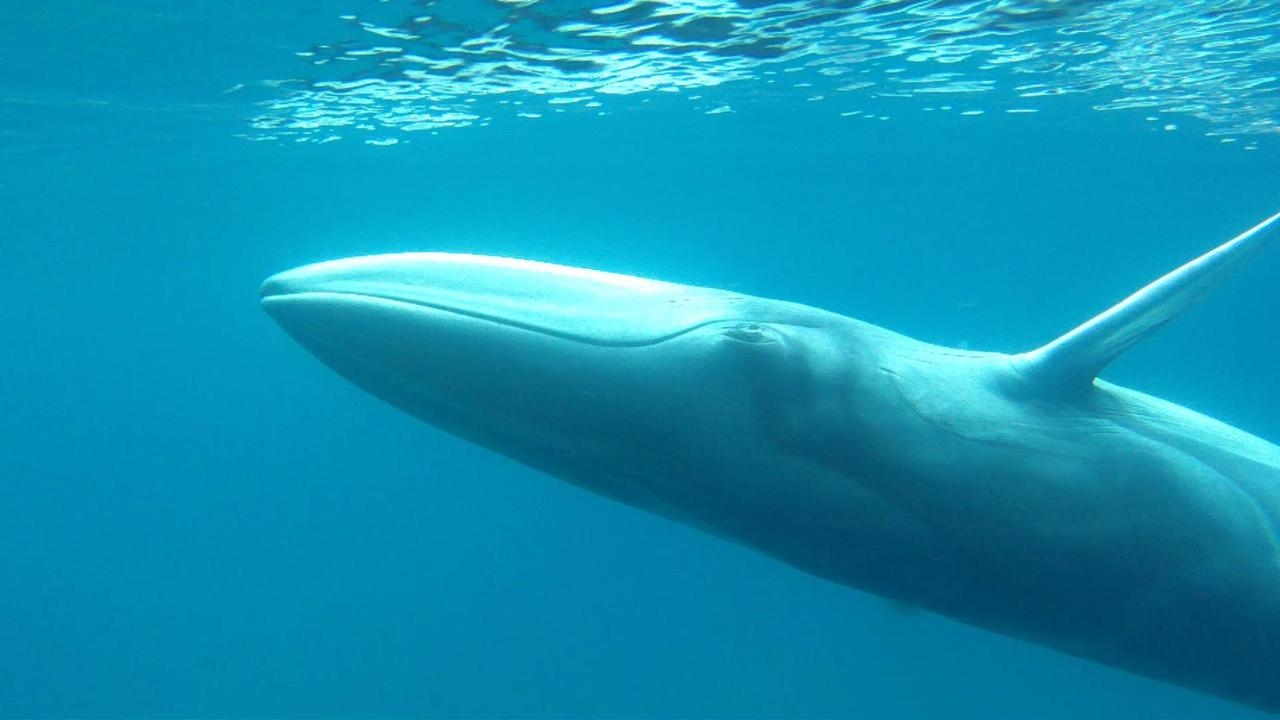
Omura’s whale is the marine-biology version of a witness hiding in plain sight. For decades, small baleen whales spotted in parts of the Indian Ocean were dismissed as young Bryde’s whales, nothing worth a second look. Only in the late 20th century did genetic and skull data reveal these were something else entirely, a distinct species that had effectively been invisible to science the whole time. We had lumped an entire whale species into the wrong category and then wondered why it “didn’t exist” in the data.
Once Omura’s whale was formally described in 2003, old and doubtful records that had been dismissed as extinct regional forms suddenly snapped back into focus as evidence of living populations. Fieldwork off Madagascar later found a non-migratory, year-round population feeding, breeding, and singing in warm coastal waters. Conservationists now treat Omura’s whale as a modern-day Lazarus species, overlooked, mislabeled, and effectively “extinct on paper” until DNA forced a total rewrite of the record.
#4 – Arabian Oryx: Officially “Extinct in the Wild,” Then Back on the Plains
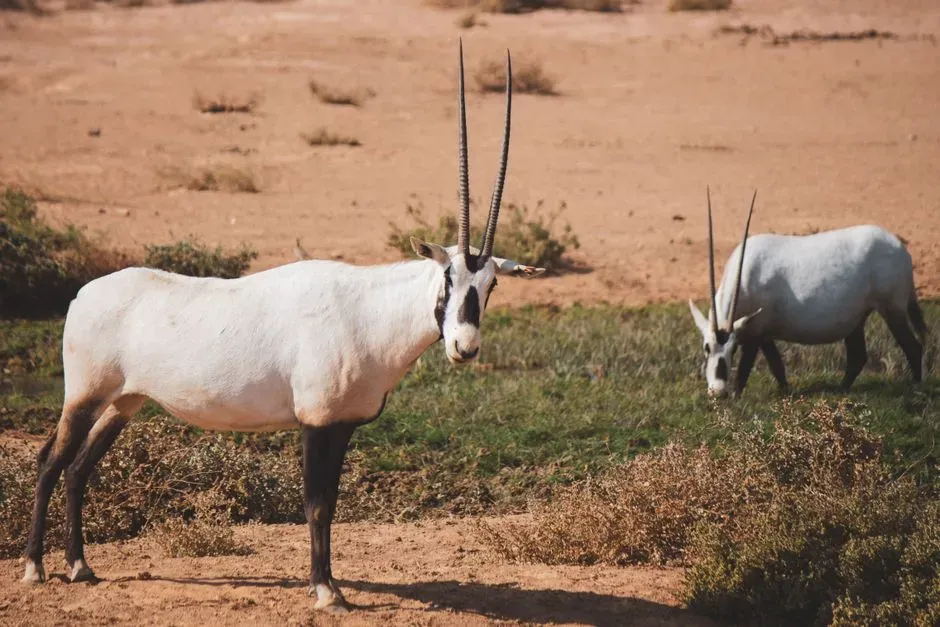
Not every comeback involves an animal hiding in some forgotten valley. The Arabian oryx shows what happens when we kill something off in the wild, openly admit it, and then painstakingly reverse the damage. By 1972, wild herds of this desert antelope had been wiped out entirely by hunting and habitat loss. The IUCN listed it under the formal category Extinct in the Wild, with only a handful of animals surviving in zoos and private collections.
Those captive survivors became the founding stock for a bold reintroduction program spanning Oman, Saudi Arabia, and Jordan. Over decades, carefully bred oryx were released into protected reserves and closely monitored as their numbers slowly climbed. In 2011, the IUCN did something it had never done before for a mammal: it downlisted the Arabian oryx from Extinct in the Wild all the way to Vulnerable. Strip away the bureaucratic language and it means exactly this: humans moved an animal off the dead register and back onto the living one, on purpose, through sheer sustained effort.
Why It Stands Out
- Wild population wiped out completely by 1972
- Only captive zoo and private-collection animals remained as founding stock
- Reintroduction spanned three countries: Oman, Saudi Arabia, and Jordan
- First mammal ever downlisted by the IUCN from Extinct in the Wild to Vulnerable
- Downlisting made official in 2011 after decades of reintroduction work
#3 – Mountain Pygmy Possum: A Fossil in a Ski Lodge
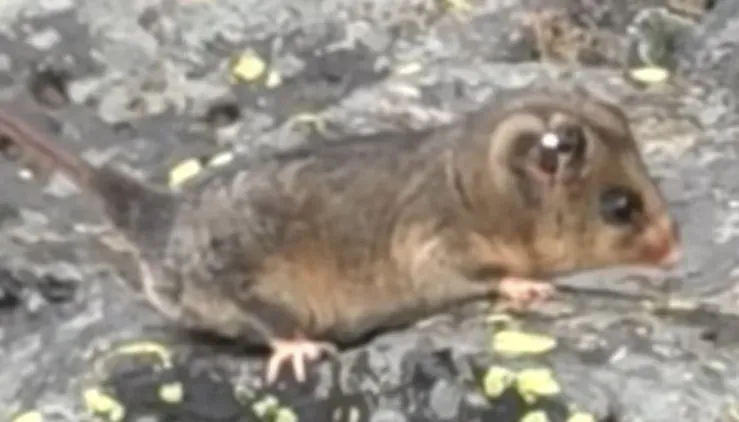
For decades, the mountain pygmy possum was known only from fossils scattered across southeastern Australia. Paleontologists assumed it had been gone for thousands of years, just another Ice Age relic. Then in 1966, a live, mouse-sized marsupial turned up inside a ski lodge at Mount Hotham, nibbling crumbs under a human building. The same species everyone thought had died out with the mammoths had apparently been dodging snow groomers the whole time.
Once biologists actually started looking, they found small, isolated populations tucked into alpine boulder fields. The possum was quickly reclassified from “prehistoric fossil” to “critically endangered living mammal” in official records. Today it faces new pressure from climate change shrinking its cool, high-elevation habitat, but it also benefits from purpose-built road tunnels, predator control, and ski-resort planning rules designed specifically around it. It may be one of the most dramatic register flips in modern conservation history, from long extinct to urgent management priority within a single decade.
#2 – Night Parrot: Australia’s Ultimate Birding Ghost
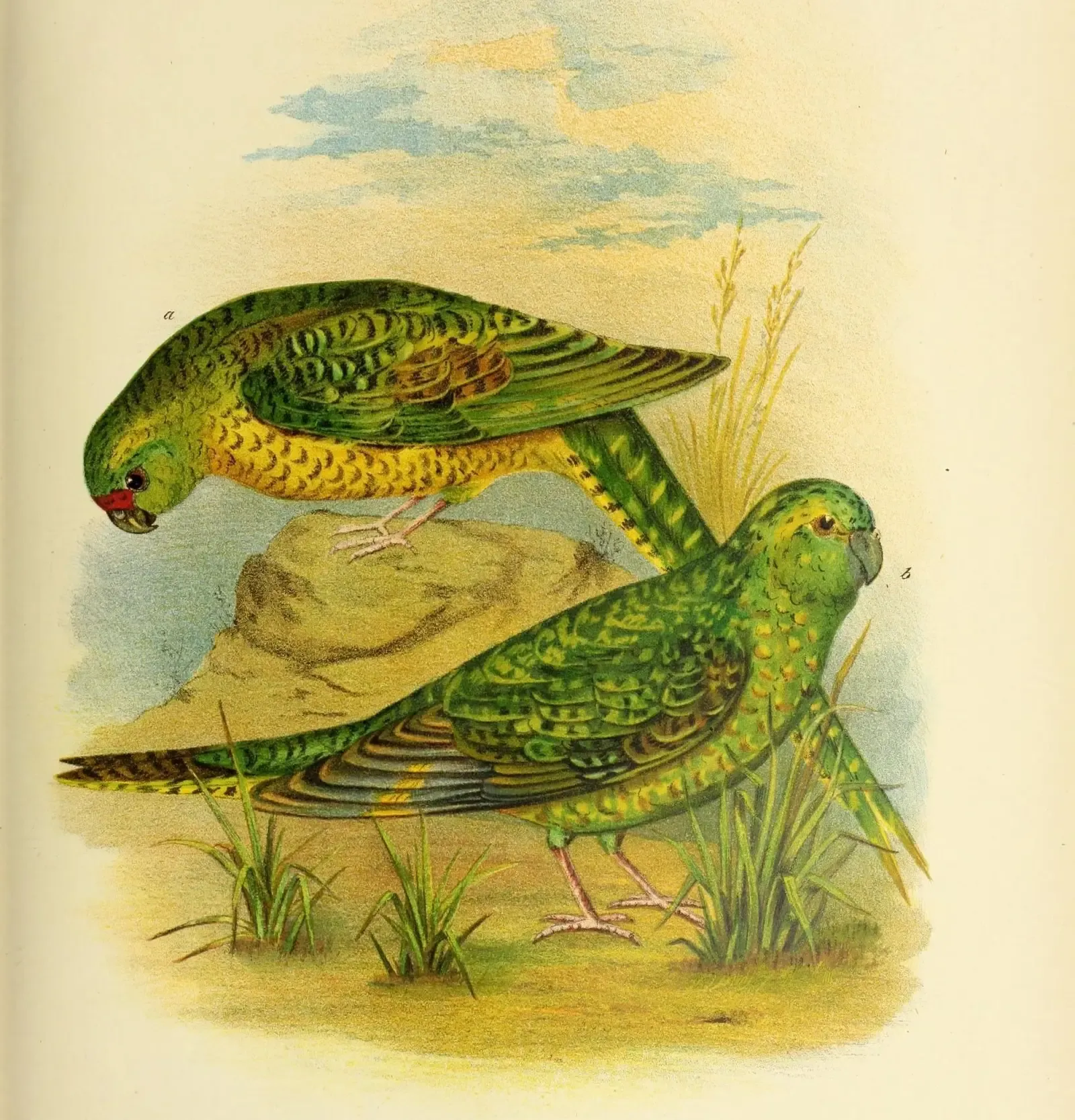
Australian ornithologists used to joke that the night parrot was more rumor than bird. After the last confirmed specimen in 1912, it disappeared completely, and for most of the 20th century it was treated as functionally, and often formally, extinct. Bird guides listed it with a question mark instead of a range map, and plenty of serious experts were comfortable saying it was simply gone.
“It’s the ghost bird, and if you find one, you’ve found the ornithological equivalent of the Loch Ness Monster.”
John Young, Australian naturalist, on searching for the night parrot
Then, in 1990, a road-killed bird reignited the entire debate. In 2013, camera traps and live captures in remote Queensland finally confirmed small surviving populations. The species sprinted back onto the IUCN Red List as Critically Endangered, and its rediscovery has stayed divisive ever since, with some experts arguing we still know too little to model its survival, and others pointing out that secrecy around nesting sites slows down public support. What’s clear is that an “extinct” bird turned out to be extremely good at hiding in spinifex grasslands the whole time.
#1 – New Guinea Singing Dog: From “Extinct in the Wild” to Trail-Cam Howls
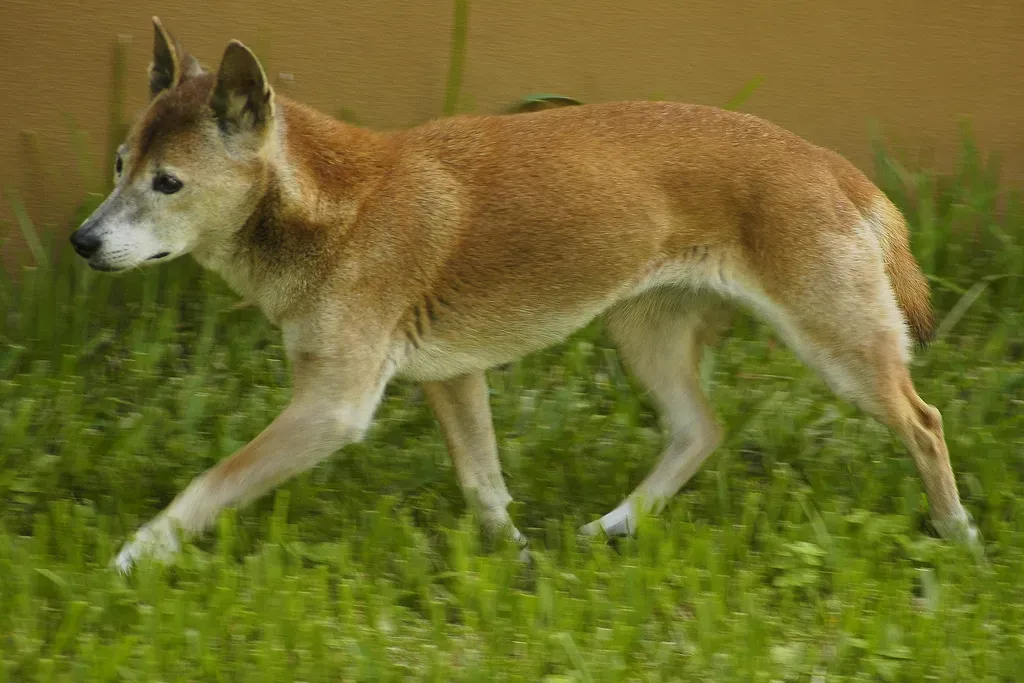
If you’ve heard of the New Guinea singing dog at all, it was probably as a quirky zoo curiosity, a “lost” wild dog said to be extinct outside of captivity. For years, the IUCN classified it as Extinct in the Wild, with only a tiny, inbred captive population descended from a few animals collected decades earlier. Many biologists assumed any wild relatives had long since hybridized with village dogs and vanished as a distinct form. On paper, the wild singing dog simply didn’t exist anymore.
Then came the trail cameras. Surveys in New Guinea’s remote highlands documented free-ranging, dingo-like dogs with the same distinctive howls and physical traits as the captive singers everyone assumed were the last of their kind. Genetic analysis showed these wild dogs were extremely close relatives, effectively the very source population conservationists thought they’d lost forever. The wild status is now being formally reassessed, but the lesson is impossible to ignore: we declared something gone in the wild before we’d actually done the work of looking.
Worth Knowing
- Long classified by the IUCN as Extinct in the Wild
- Captive population is small and highly inbred, tracing back to just a few founders
- Trail-camera surveys documented free-ranging dogs in New Guinea’s remote highlands
- Genetic testing links wild dogs closely to the captive lineage
- Wild status is now under formal scientific reassessment
The Bottom Line
Taken together, these 12 cases make one thing brutally clear: extinction lists aren’t pure science, they’re best guesses built on incomplete data. Coelacanths turning up in fishing nets, “fossil” possums nibbling crumbs in ski lodges, parrots and petrels reappearing after a century or three, all of these are embarrassing corrections that force conservationists to rewrite the ledger in real time.
In a few cases, like the Arabian oryx, we’ve literally moved a species from Extinct in the Wild back onto the living register through sheer stubborn effort. That’s genuinely inspiring. But it’s also a quiet warning: when we rush to declare something gone, we’re often just advertising where we haven’t bothered to look. My honest take? We’re far too comfortable pronouncing animals dead based on absence of evidence rather than evidence of absence, and that habit has probably cost us species we’ll never get the chance to rediscover.
So here’s the uncomfortable question worth sitting with: some “extinct” animals almost certainly still exist somewhere we haven’t searched, and some of these hard-won comebacks may quietly be slipping away again while we’re not watching. Which mistake do you think we make more often, calling the dead alive, or the living dead? And is there a Lazarus species you think deserves a spot on this list? Drop it in the comments.