
Every dinosaur book you grew up with lied to you a little. Not on purpose – scientists were doing their best with cracked skeletons, guesswork, and gut instinct – but the tail-dragging T. rex on your lunchbox, the swamp-bound Brontosaurus in your encyclopedia, and that snarling, scaly Velociraptor from the movies barely survived contact with modern fossils.
Twenty of the most famous prehistoric animals in the world have been quietly torn apart and rebuilt from scratch, thanks to CT scans, soft-tissue fossils, and biomechanics nobody had access to a generation ago. Some got fluffier. Some got scarier. One species had its head glued onto the wrong end of its body for years before anyone noticed. Here’s exactly how wrong we were – and what these animals actually looked like.
#20 – Iguanodon: From Horn-Nosed Monster to Thumb-Spiking Herbivore
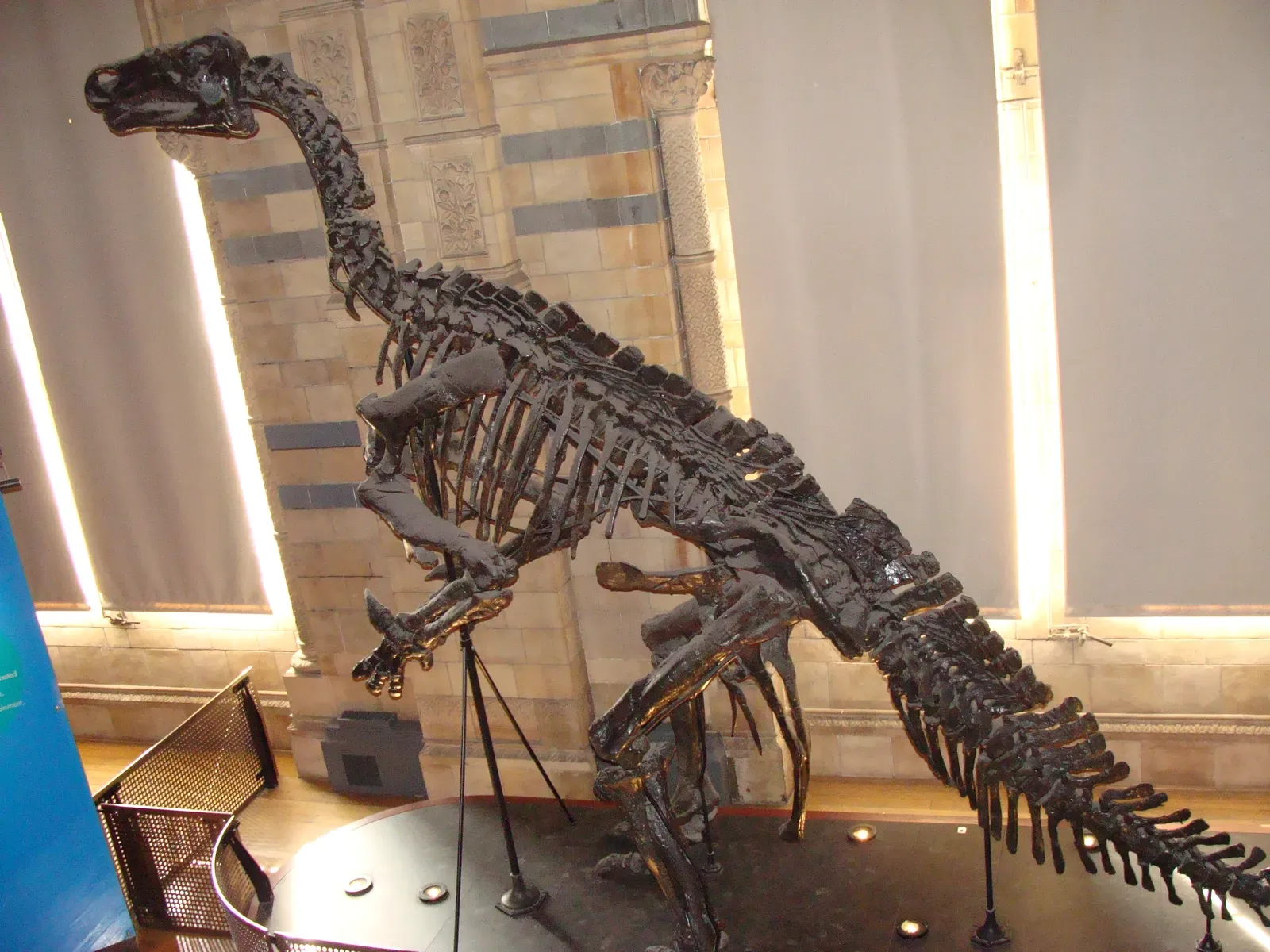
For decades, Iguanodon was drawn as a clumsy, dragon-like brute with a horn jammed onto its nose. Victorian artists picked that spot because it “felt right” for a scary reptile – not because any fossil actually showed it there.
As complete skeletons turned up across Europe, paleontologists realized the horn was really a thumb spike, probably used for defense or shoving matches with rivals. Modern Iguanodon is a beaked, flexible-handed plant-eater that walked with its tail held straight out, not dragging behind it like a lizard’s – bulky, upright, and nothing like a movie monster.
#19 – Brontosaurus/Apatosaurus: The Wrong Head on the Wrong Neck
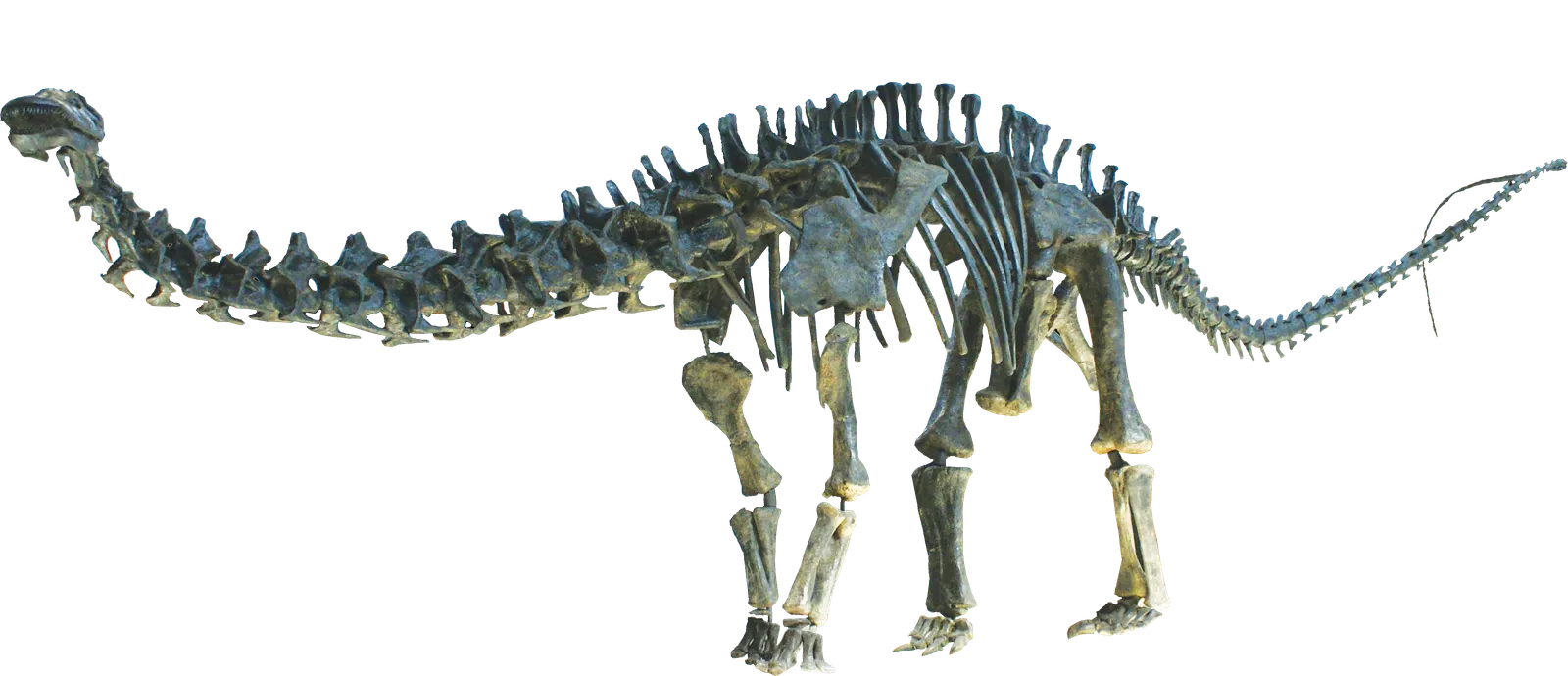
If you grew up with a giraffe-necked “Brontosaurus” lifting its head high over a swamp, you were staring at a Frankenstein. Museum mounts used the wrong skull for years, borrowing a Camarasaurus-style head simply because it fit the vibe, then posed the whole animal half-submerged with its tail limp on the ground.
Once real Apatosaurus skulls surfaced and sauropod biomechanics got serious study, that image collapsed. These animals held their necks closer to horizontal, used stiff muscular tails as counterbalances, and lived on dry land with bird-like air sacs threaded through their bones – not swamp monsters at all.
#18 – Pterosaurs: From Naked Bat-Lizards to Fluffy, High-Performance Fliers
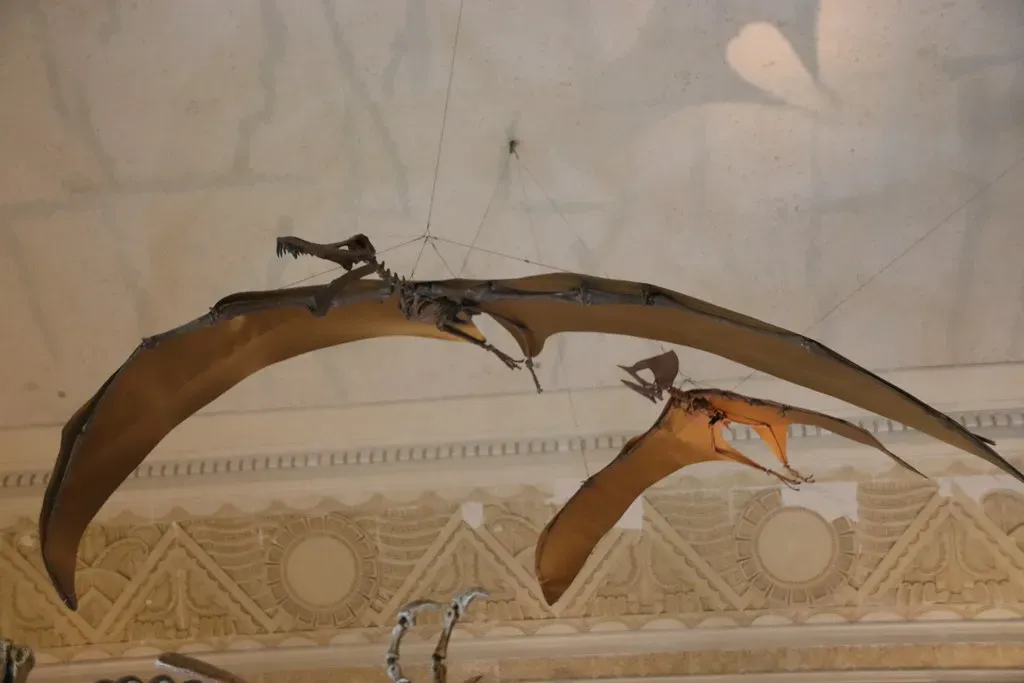
Old textbook art turned pterosaurs into creepy, hairless bat-lizards dangling awkwardly off cliffs. Soft-tissue fossils from species like Sordes and Jeholopterus blew that up completely, preserving hair-like pycnofibers that prove many pterosaurs were fuzzy, warm-blooded, and fast-metabolizing animals.
Trackways also show they were powerful quadrupeds on the ground, launching into flight by vaulting off their front limbs like biological catapults. Their wings weren’t loose skin flaps either – they had internal fiber networks for tension control and heavy, muscular shoulders built for real athleticism, not sad umbrella-gliding.
Fast Facts
- Sordes and Jeholopterus fossils preserved fuzzy pycnofiber coats, not bare skin.
- Trackways show pterosaurs walked on all fours, using their folded wings as front limbs.
- Wing membranes contained internal fiber batons for tension control, not floppy skin flaps.
- Launch mechanics point to a powerful quadrupedal vault instead of a clumsy cliff-drop.
#17 – Stegosaurus: No More Brain-in-the-Butt and Floppy Plates
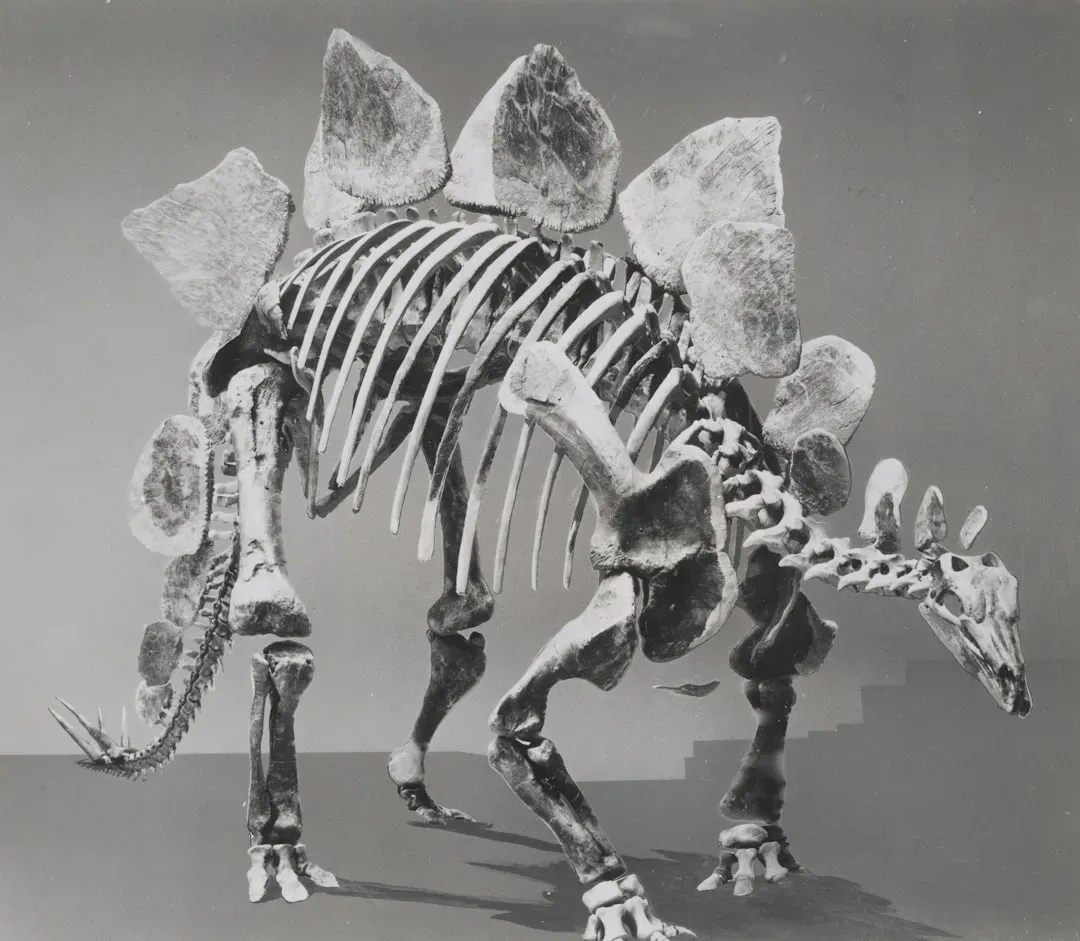
Stegosaurus used to carry two stubborn myths: a “second brain” in its hips, and plates that lay flat like roof shingles. Both were catchy. Both were wrong. That hip cavity is now read as storage for glycogen or other soft tissue, not backup processing power.
Fossilized plates show dense blood-vessel channels, meaning they likely stood upright for display and possibly heat control, arranged in alternating rows down the back. Add a tail ending in sharp, angled spikes built for real damage, and you get a striking, highly specialized herbivore instead of a dim-witted tank.
#16 – Dimetrodon: Not a Dinosaur, Not a Lizard, and Not Green
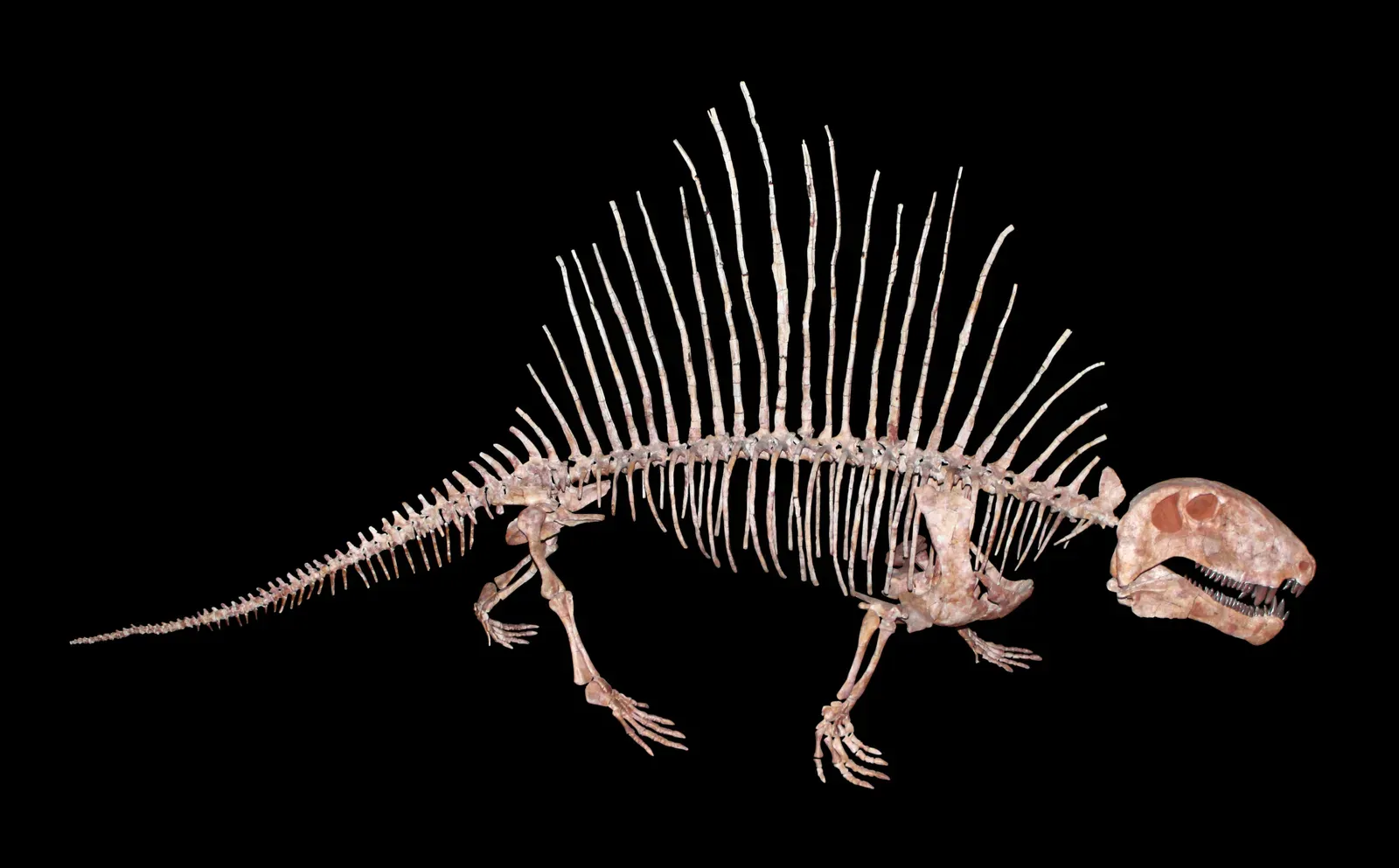
Kids’ media has tossed Dimetrodon into the “early dinosaur” bin for decades. It isn’t one – it’s a synapsid, more closely related to mammals than to any dinosaur that ever lived. Early art gave it a flat, crawling, crocodile-style body, usually painted plain green with a sail stuck on like a decorative fin.
Modern anatomical studies suggest its limbs sat more under the body, giving it a semi-upright gait instead of a full belly-drag. The sail was built from elongated spine bones with soft tissue over top, likely used for display and possibly regulating body temperature – and some researchers now argue for patterned skin, not flat lizard green.
#15 – Megalosaurus: The First Dinosaur Drawn Wrong from Head to Toe
![#15 - Megalosaurus: The First Dinosaur Drawn Wrong from Head to Toe (Original, now superseded file based on the images found here: [2][3][4]and[5] which is now known to be Neovenator: File:Neovenator salerii-Dinosaurisle.jpg. Heavily revised current version based on skeletal diagrams by Scott Hartman in:(2015). "An overview of non-avian theropod discoveries and classification". PalArch's Journal of Vertebrate Palaeontology 12 (1): 1–73.
The feathering shown here is speculative, skin remains are not currently known for Megalosaurus., Public domain)](https://nvmwebsites-budwg5g9avh3epea.z03.azurefd.net/dinoworld/858bd276ea4f858a5c25ae97441dac27.webp)
Megalosaurus has historic bragging rights as one of the first dinosaurs ever described – which also made it a template for getting things wrong. Nineteenth-century artists turned it into a lumbering, four-legged “scaly rhino-crocodile,” because nobody could yet imagine an agile, bird-like predator.
Better theropod fossils from elsewhere eventually forced a full rewrite: a large bipedal carnivore with a long muscular tail for balance, powerful hind legs, and short forelimbs. We still don’t have a complete skeleton, so reconstructions borrow from relatives, but the old waddling hybrid is dead and buried.
#14 – Elasmosaurus: The Famous Backwards-Head Disaster
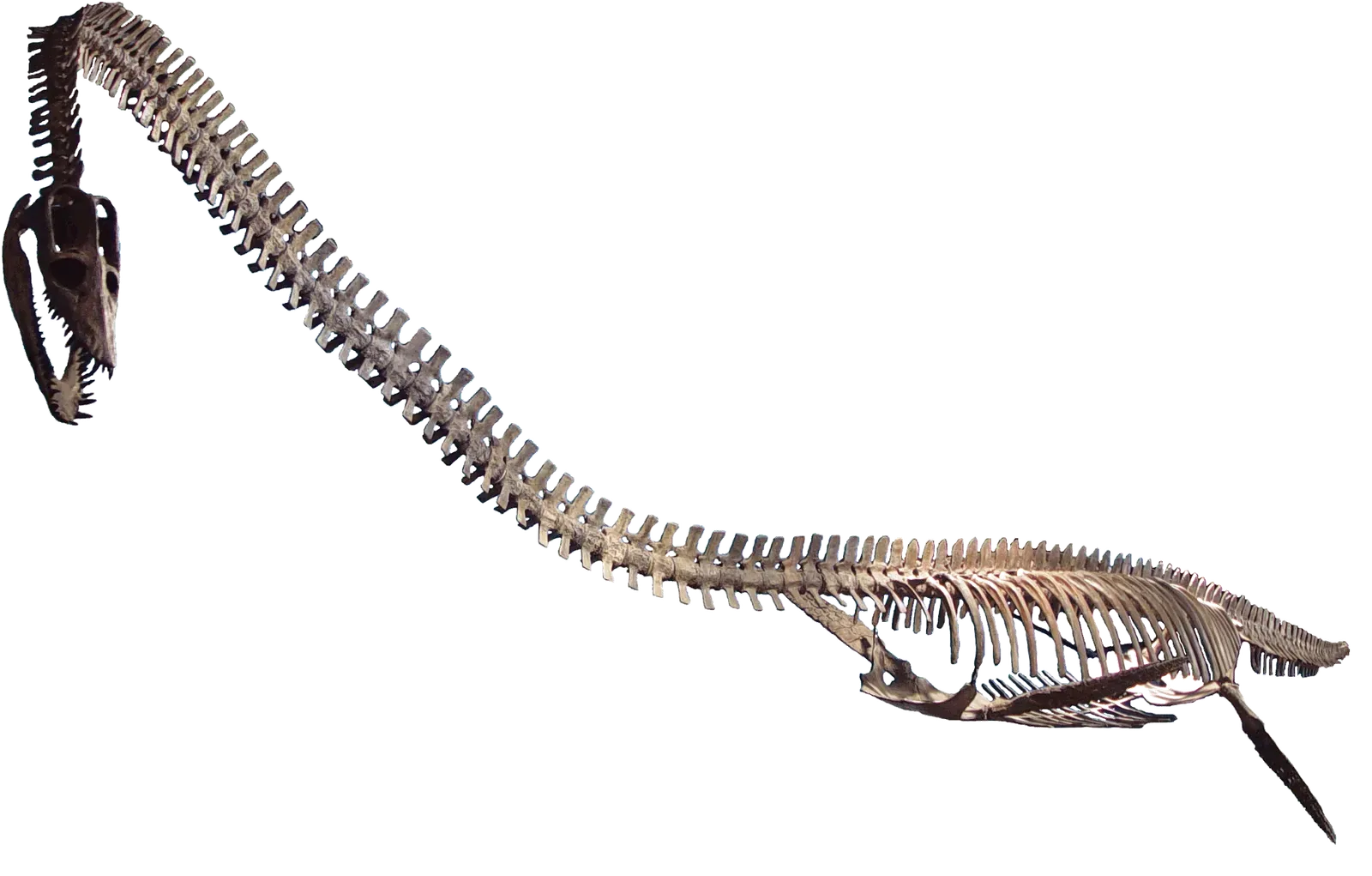
Elasmosaurus produced one of the most embarrassing mistakes in paleontology history: its head was mounted on the wrong end of its body. A leading scientist originally pictured a short neck and a long tail, so illustrators dutifully drew a sea reptile with its head trailing behind like an afterthought.
Once the vertebrae were read correctly, that error got quietly buried. Today’s elasmosaurids are shown with absurdly long necks used to sweep through schools of fish underwater, moving in subtle motions rather than rearing up like a swan or a Loch Ness monster – still bizarre, but at least anatomically sane.
#13 – Smilodon: Not a Stripey Jungle Cat
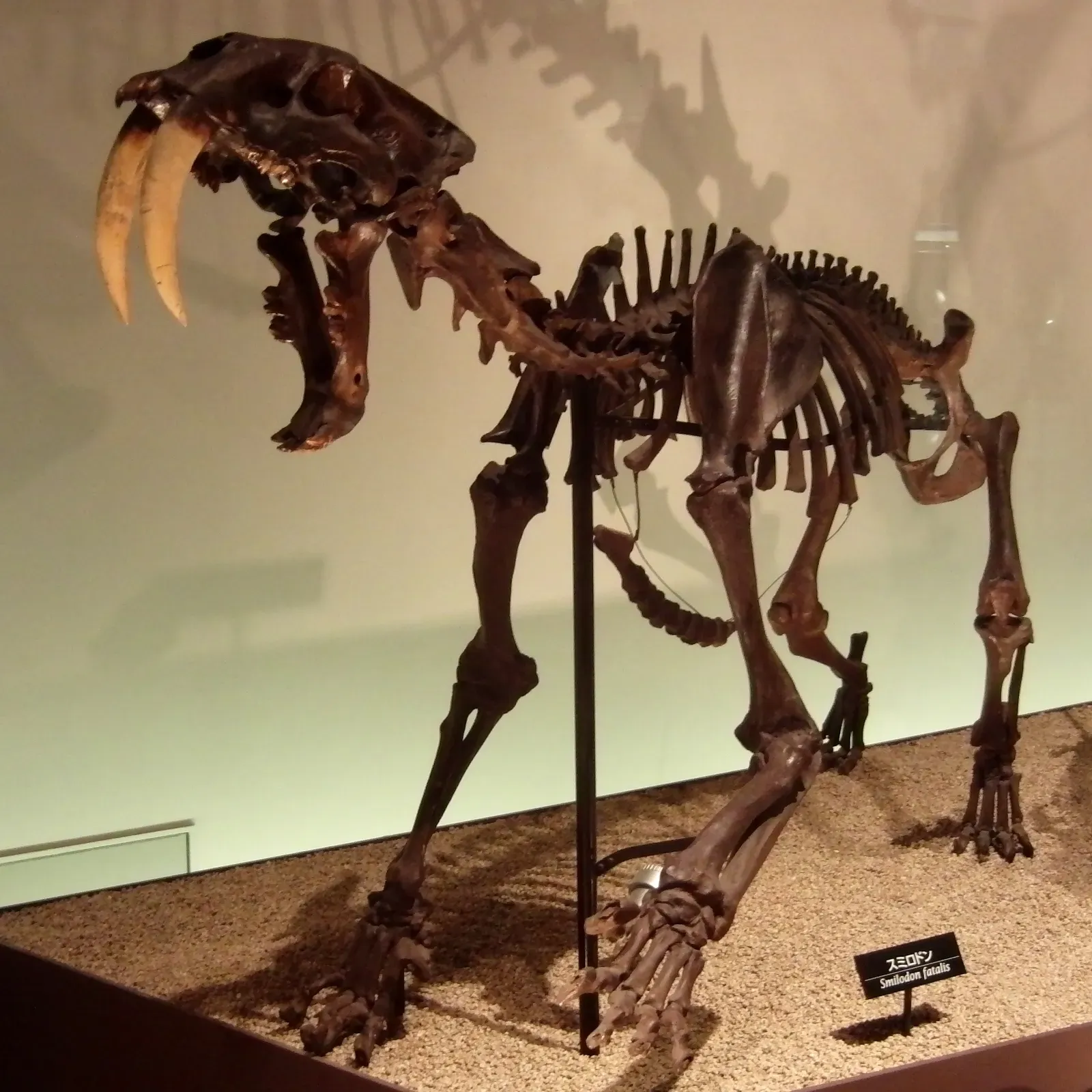
If you picture Smilodon as a slightly oversized tiger with swords for teeth, you’re working from outdated pop culture. It isn’t closely related to tigers at all, and early reconstructions gave it a sleek, striped, panther-like body simply because that’s what people knew big cats to look like.
Bone and muscle analysis paints a very different animal: short, massively built forelimbs, a barrel chest, and a stubby tail, closer to a bear-cat hybrid than a jungle sprinter. Its hunting style likely involved grappling prey at close range and delivering careful, precise bites – an ambush wrestler, not a chasing predator.
#12 – Mosasaurus: From Croc-Headed Sea Lizard to Streamlined Apex Predator
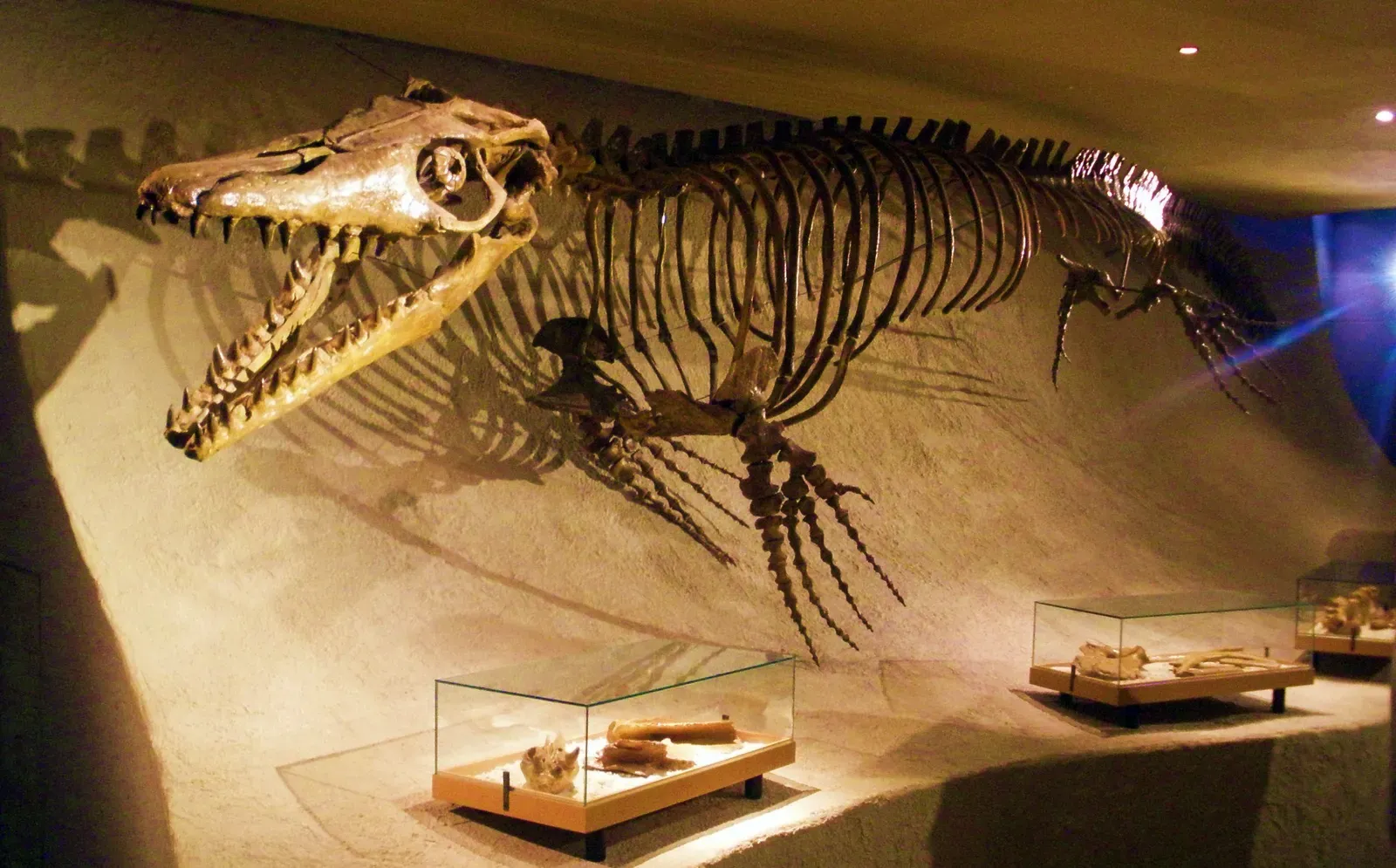
Older books drew mosasaurs as oversized monitor lizards with crocodile heads, thick necks, and eel-like tails trailing behind them. New fossil material, including rare soft-tissue impressions, forced a complete redesign.
Many mosasaurs actually had deeply forked, crescent-shaped tail flukes similar to sharks, paired with streamlined bodies and reinforced paddle-limbs for serious swimming power. The blocky, crocodile-headed movie monster is outdated – the real animal was sleeker, faster, and honestly scarier.
Quick Compare
- Old view: Thick-necked, croc-headed lizard dragging an eel-like tail.
- New view: Streamlined swimmer with a shark-style crescent tail fluke.
- Old view: Slow paddler cruising near the surface.
- New view: Reinforced paddle-limbs and a hydrodynamic body built for real speed.
#11 – Trilobites: No Longer Just Flat, Brown “Sea Bugs”
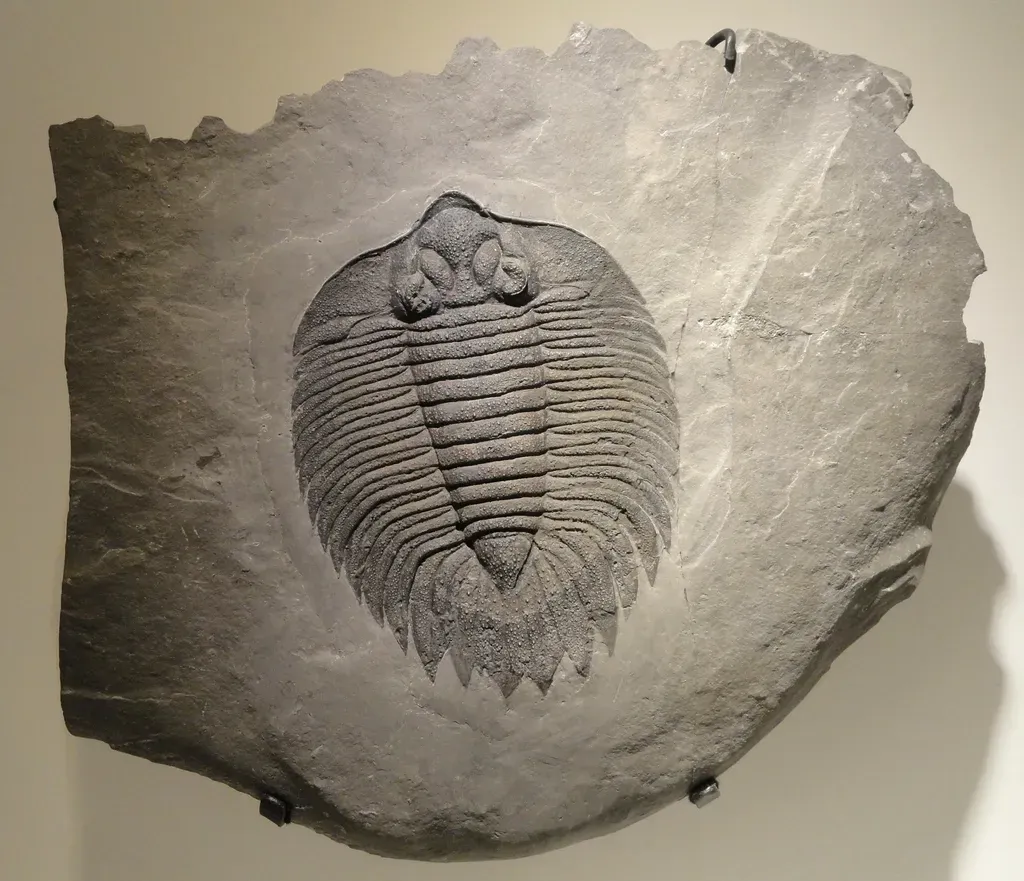
Trilobites got stuck for years as generic, flat, brown ovals scuttling across the seafloor, mostly because soft-tissue data on them was so rare. Exceptional fossil deposits have since revealed complex compound eyes, spines, soft limbs, and even preserved gut contents.
Some species carried elaborate horns for display or defense; others had specialized limbs built for burrowing, swimming, or sifting sediment. There’s even evidence some Paleozoic arthropods carried pigment patterns, meaning the dull uniform brown museum-gift-shop version may be the most visually underrated fossil animal on the planet.
#10 – Woolly Mammoth: From Shaggy Elephant to Cold-Adapted Specialist
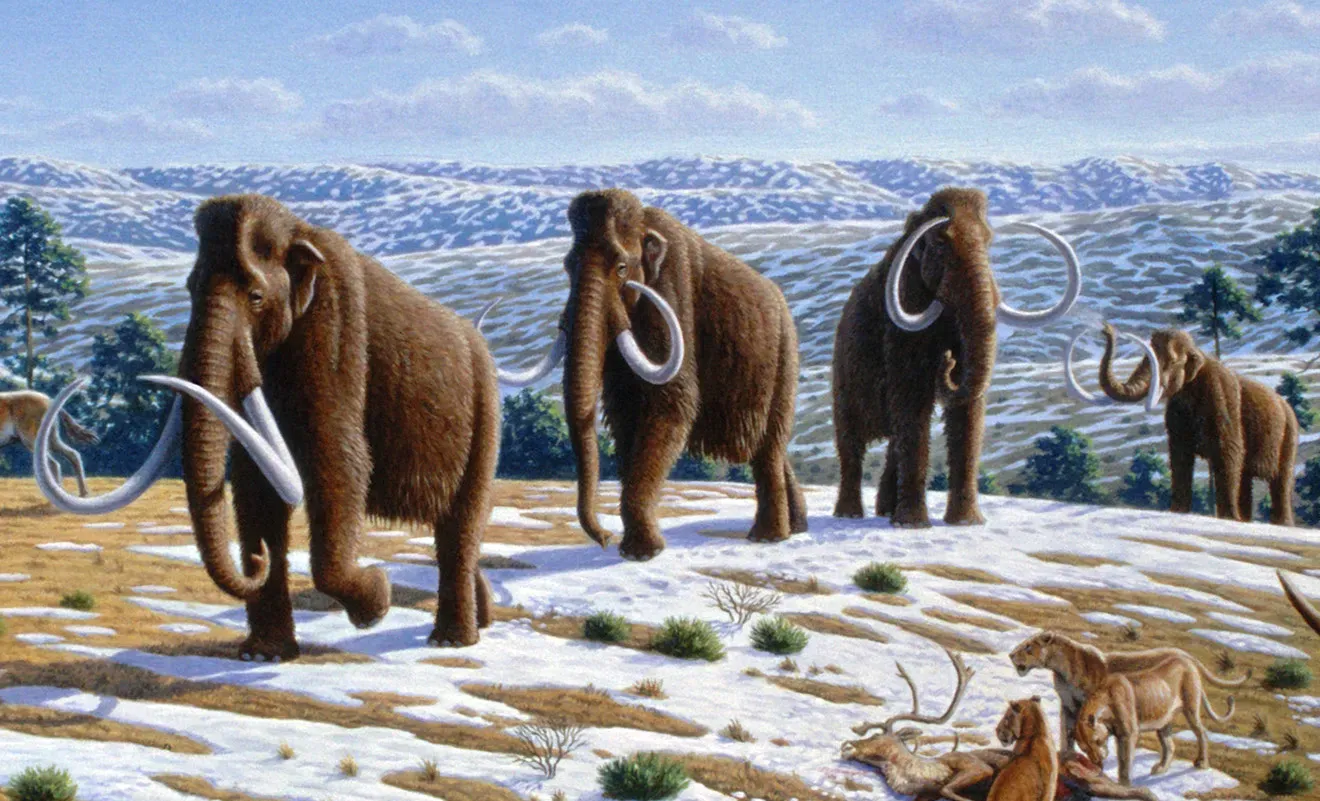
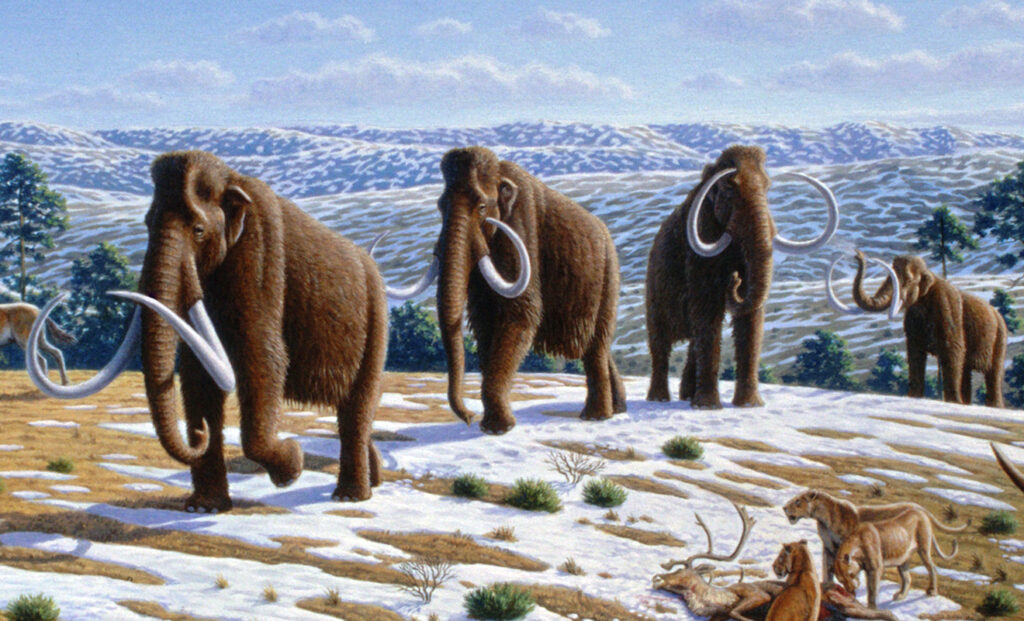
The classic woolly mammoth image is basically an elephant wearing a dead rug. Frozen carcasses and genetic studies have revealed a far more specialized animal built specifically for survival in brutal cold.
Mammoths had shorter ears and tails to cut heat loss, thick fat layers, dense underfur, and – surprisingly – some individuals with lighter, even reddish or blondish coats, not the flat dark-brown stereotype. They were high-latitude specialists roaming open steppe-tundra grassland, not elephants that simply took a wrong turn north.
#9 – Velociraptor: The Jurassic Park Myth That Refuses to Die
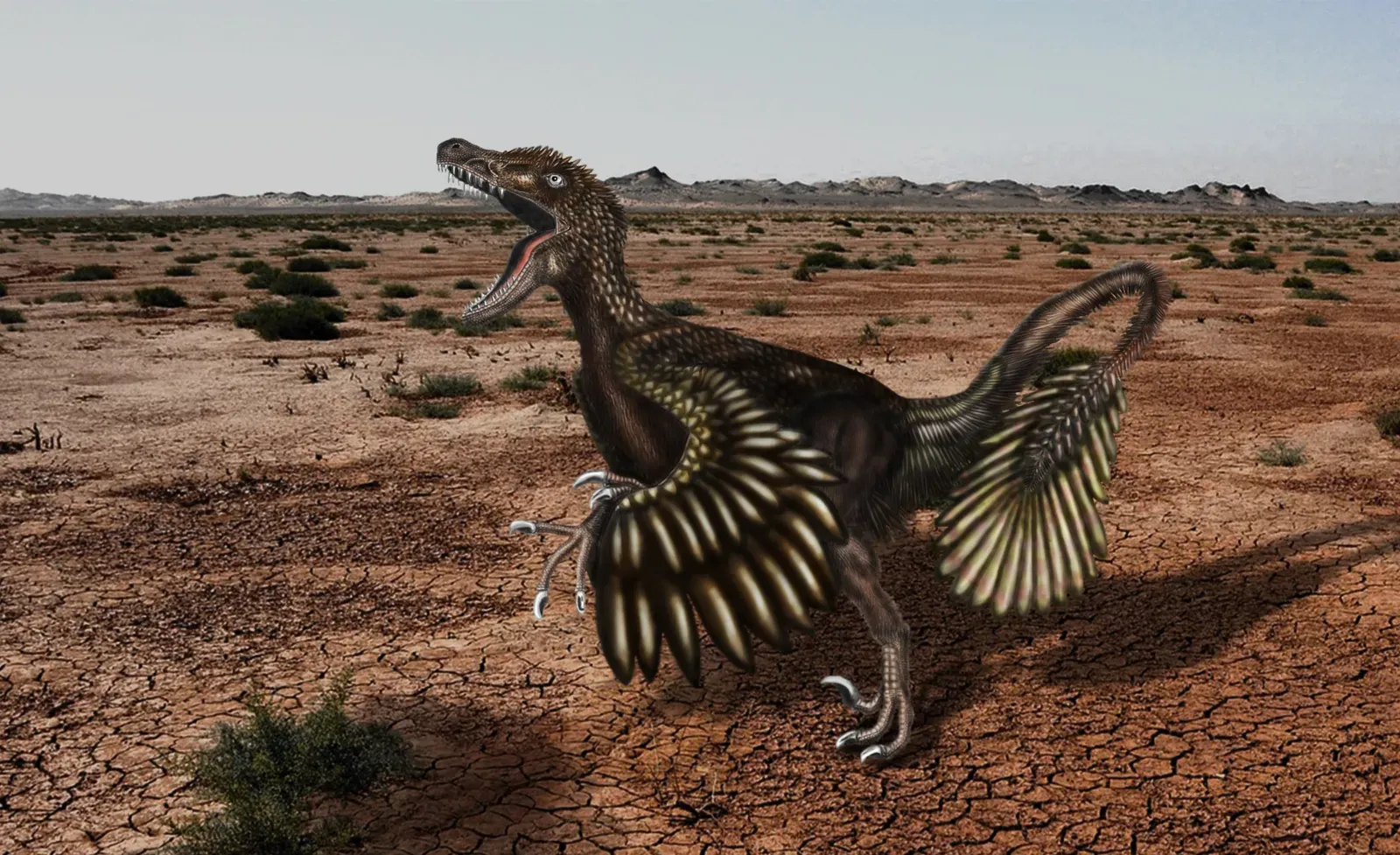
This is the reconstruction that probably annoys paleontologists most. Jurassic Park turned Velociraptor into a scaly, human-sized monster hissing through kitchens. The real animal was about turkey-sized, and fossils show quill knobs – small bumps where feathers attach – proving it had wing-like arm feathers.
Modern reconstructions show a sleek, birdlike predator with a stiffened tail for balance and feathers covering much of its body. Toy companies still ignore the feather data because it looks “less scary,” but the truth is arguably stranger and more unsettling than the movie version ever was.
#8 – Spinosaurus: From Giant T. rex Clone to Semi-Aquatic Fisher
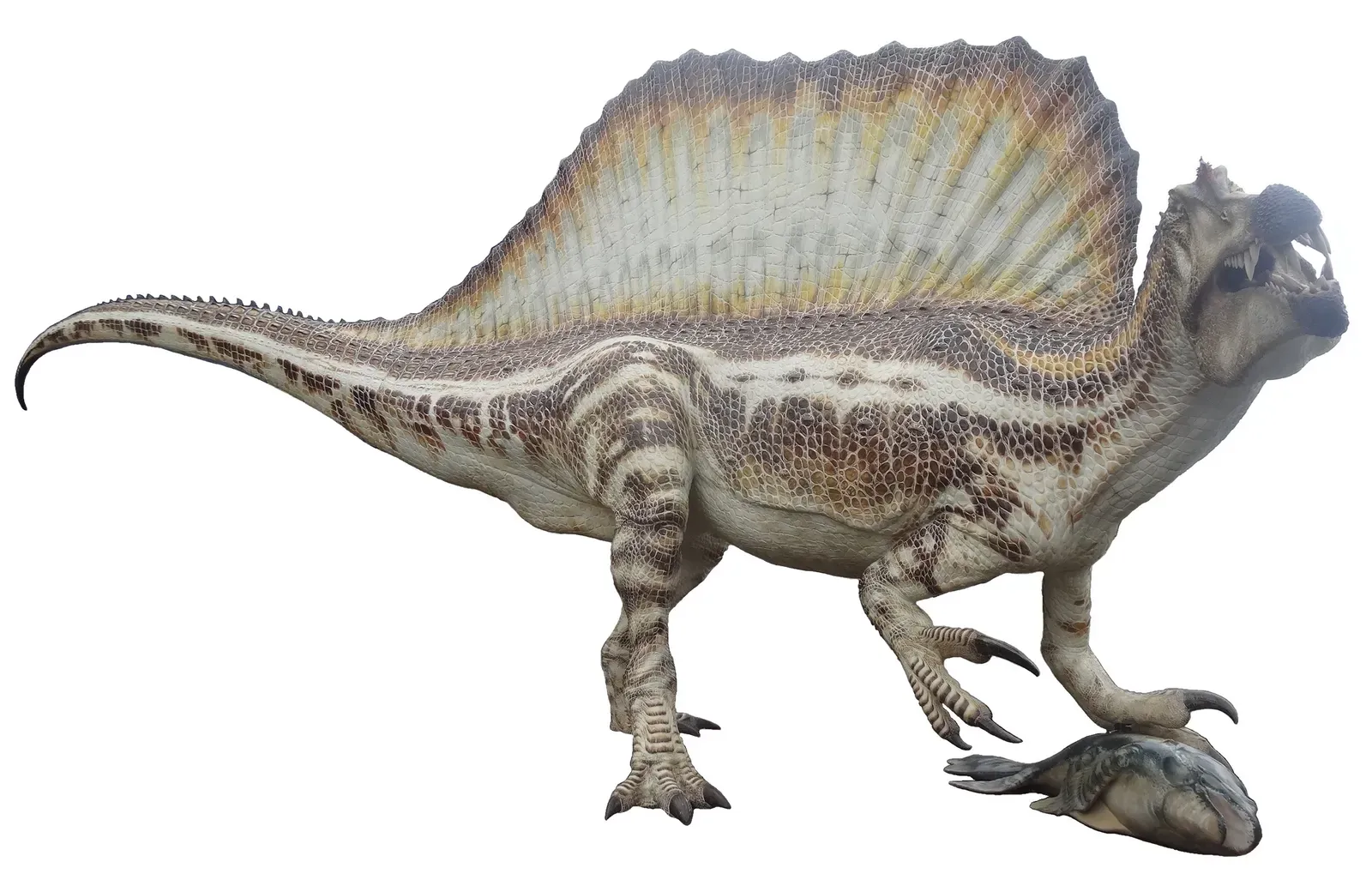
Spinosaurus might hold the record for the most dramatic reconstruction flip in modern paleontology. For years it was drawn as a giant, sail-backed T. rex knockoff stalking dry land, until more complete fossils from North Africa rewrote the whole animal.
Shorter legs, a paddle-like tail, and denser bones all point to a semi-aquatic lifestyle. Today’s Spinosaurus is a riverbank and lagoon specialist with a crocodile-like snout full of conical teeth, wading and swimming after fish – possibly spending more time in water than on land, flipping the old “land apex predator” script entirely.
Worth Knowing
- Denser limb bones point toward a semi-aquatic lifestyle, similar to modern hippos or penguins.
- A paddle-shaped tail suggests active swimming rather than simple wading.
- Its long, conical teeth resemble a crocodile’s – built for gripping slippery fish.
- Shorter hind legs suggest it wasn’t built for fast, sustained running on land.
#7 – T. rex: Not the Tail-Dragging, Scales-Only King Anymore
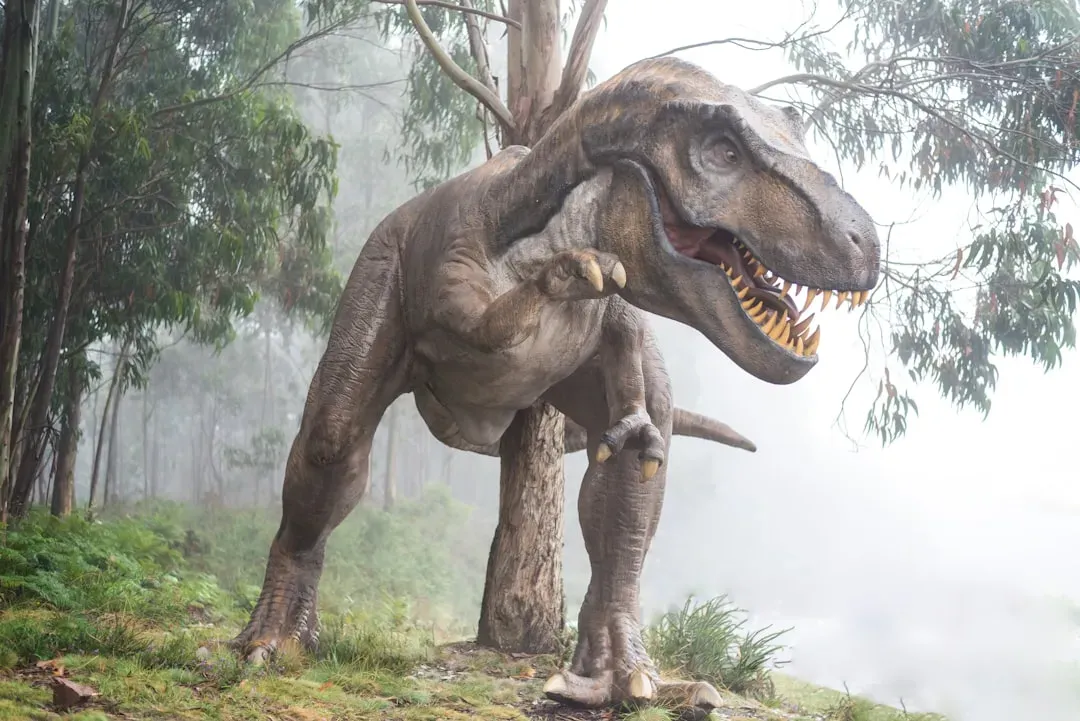
Old museum mounts stood T. rex up like Godzilla, tail scraping the ground, jaw locked in a permanent gape. Musculoskeletal studies and trackway comparisons destroyed that pose entirely – the body sat almost horizontal, tail stretched out behind it as a counterbalance, powered by thick thighs and surprisingly muscular little arms.
Skin impressions suggest mostly scaly adult skin, though juveniles may have carried some feathering, and researchers are now exploring robust lips and keratinous facial coverings instead of the old crocodile “meat-shelf” jaw. Whatever the final look turns out to be, the tail-dragging swamp giant is gone for good.
#6 – Archaeopteryx: From “Half-Reptile” to Fully Flight-Capable Bird
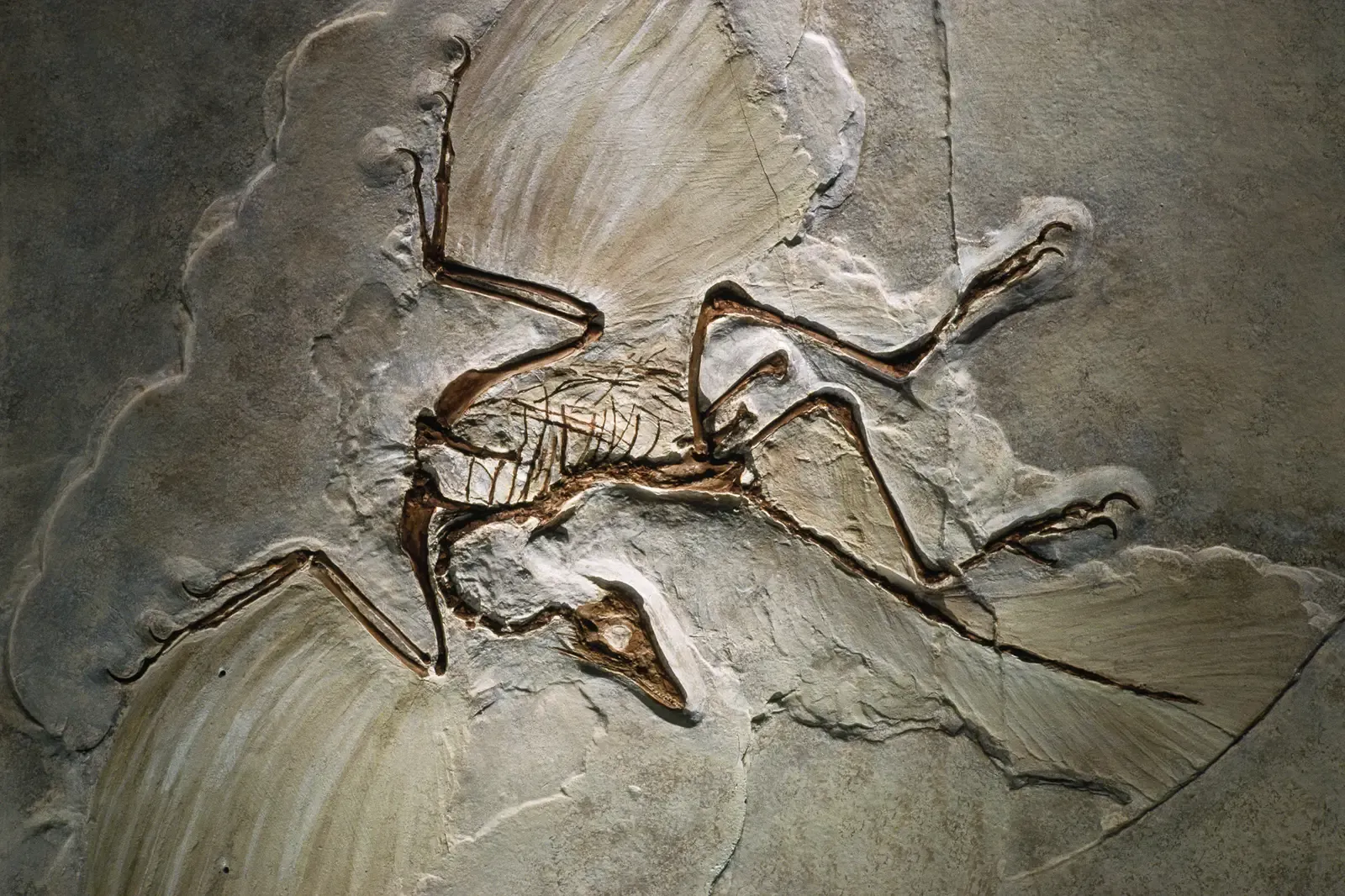
Archaeopteryx was long sold as an awkward halfway step between dinosaur and bird – barely able to fly, more glider than flyer, drawn like a lizard with wings glued on. Detailed feather studies changed that story. Its feathers are asymmetrical and complex, the same structural hallmark that lets modern birds achieve powered flight.
Its wishbone and shoulder structure suggest it really could flap, even if not with the strength of a modern songbird. It’s still a mosaic, with teeth and a long bony tail, but the “barely a bird” label has softened into something closer to a real, working bird.
The dinosaurs are not extinct. The colorful and successful diversity of birds is a continuing expression of dinosaurian life.
Robert Bakker
#5 – Ankylosaurus: Not Just a Low, Gray Tank with a Random Club
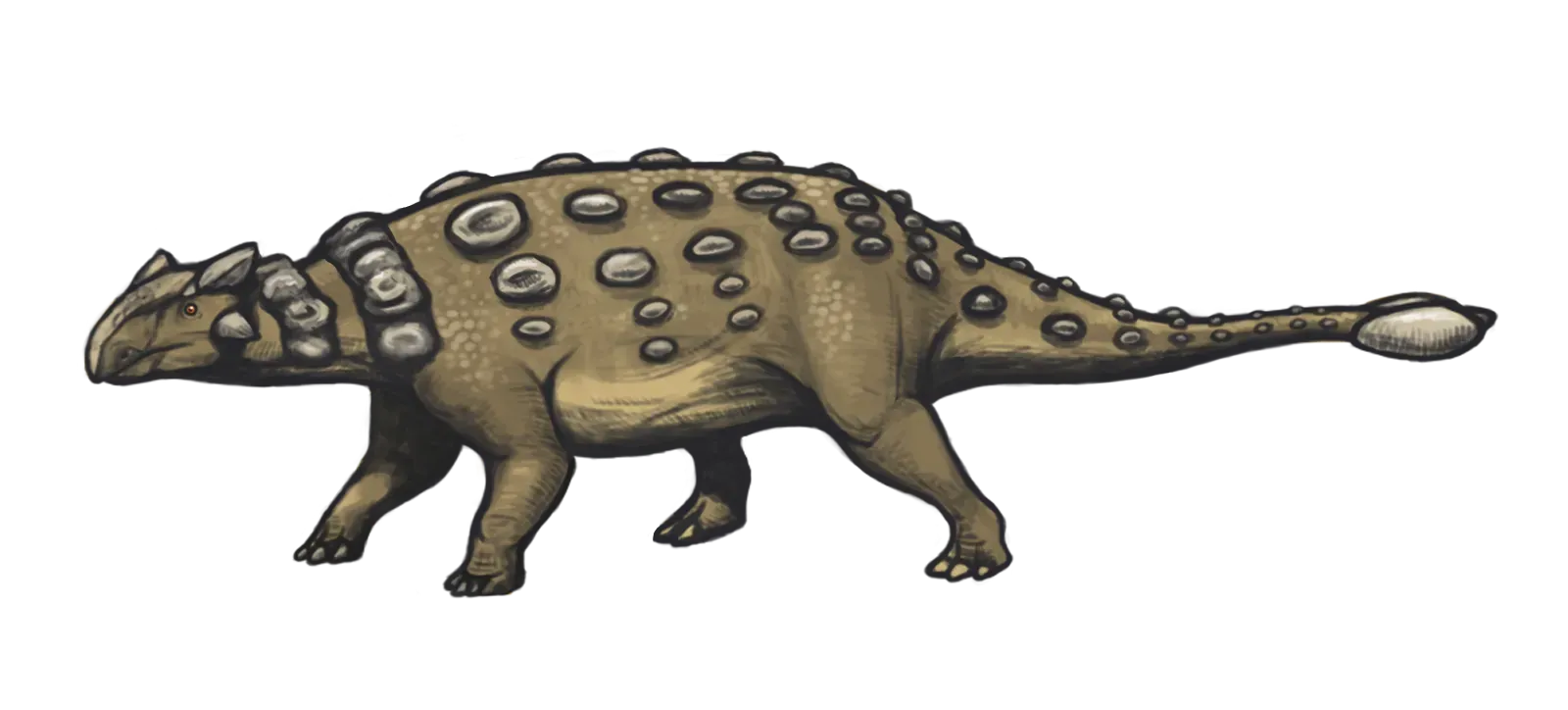
Ankylosaurus has spent decades as a background dinosaur in movies – low, gray, armored, tail club attached almost as an afterthought. Early reconstructions guessed at the body shape and badly underestimated how specialized this animal actually was.
New comparisons with better-preserved relatives show a wider body with complex armor patterns, including large bony plates embedded in the skin and possibly keratin ridges adding extra spikes. The tail club itself formed from fused vertebrae and bone plates, capable of seriously injuring an attacking predator – a fortress on legs, not a generic tank.
#4 – Therizinosaurus: From Giant Claw Monster to Pot-Bellied Herbivore
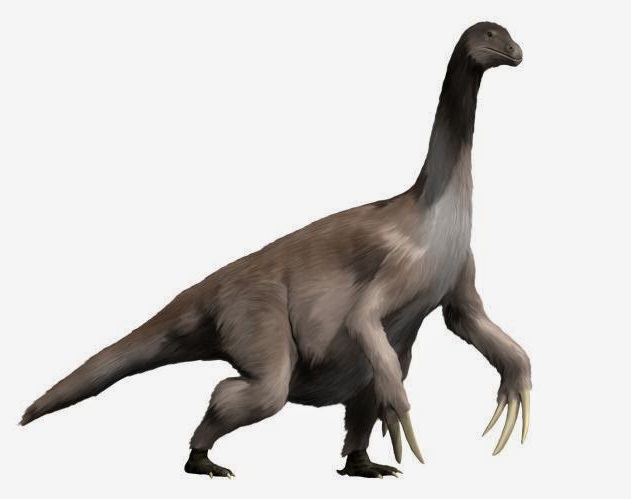
Therizinosaurus used to be drawn as a nightmare predator thanks to claws stretching over three feet long, stalking prey with mantis-like arms in early art. The full skeleton told a completely different story.
With a big belly, small head, and beak-like mouth, it’s now firmly read as herbivorous or omnivorous, with those enormous claws likely used for pulling down branches, defense, or showing off to rivals. It went from “dinosaur slasher” to feathered shrub-raider – one of the biggest reputational flips in the fossil record.
#3 – Protoceratops: From Baby Triceratops to Its Own Distinct Oddball
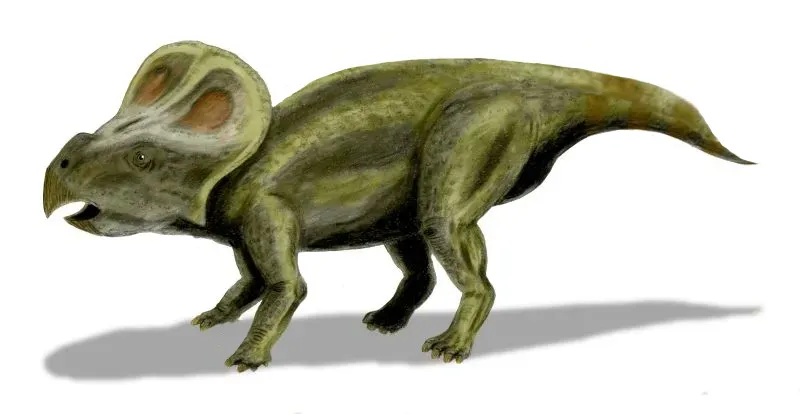
Protoceratops spent years being casually treated as basically a hornless baby Triceratops, and reconstructions leaned hard into that, shrinking it down like a junior version of the big North American ceratopsids.
New fossils from Mongolia proved it’s its own distinct lineage, with a unique skull shape and a frill that served its own display or mating role rather than acting as a smaller copy of Triceratops armor. Growth-series fossils even show juveniles and adults looking noticeably different from each other – it’s no longer “Triceratops Lite,” and that still surprises plenty of dinosaur fans.
#2 – Deinonychus: The Raptor That Quietly Rewrote the Dinosaurs
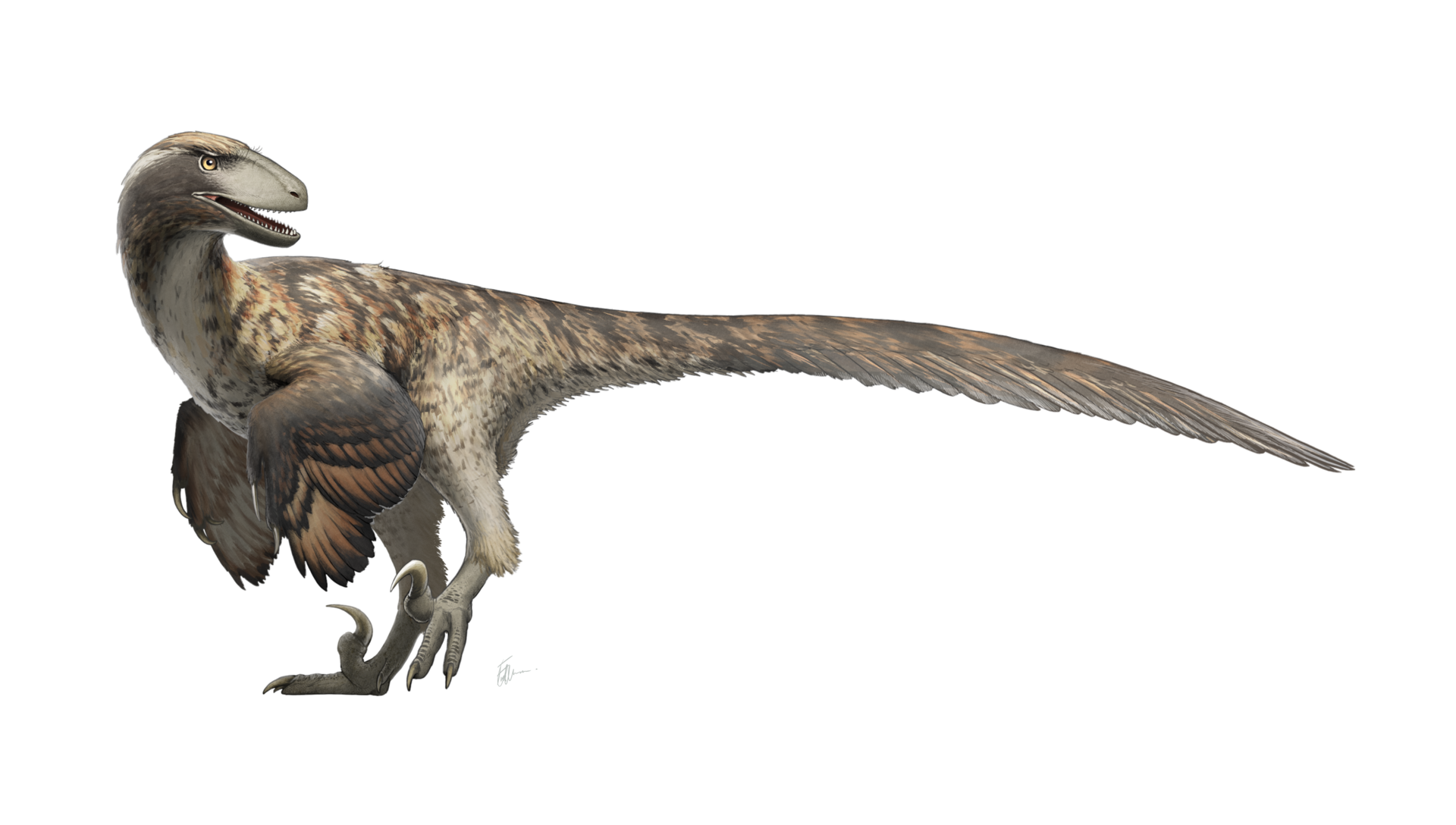
Deinonychus is the real animal behind Jurassic Park’s “Velociraptor,” and its own reconstructions have gone through multiple revolutions. It was originally drawn scaly but already agile, and it helped kickstart the whole dinosaur-bird connection in the first place.
As feather evidence piled up in related species, Deinonychus got redrawn with full feather covering and a more birdlike posture. Its famous sickle claw, once shown slashing wildly, is now thought to be more of a grappling and pinning tool – proof that even the dinosaur that helped fix old reconstructions has itself been corrected since.
#1 – The “Raptor Pack” Myth: Pop Culture’s Biggest Paleo Miss
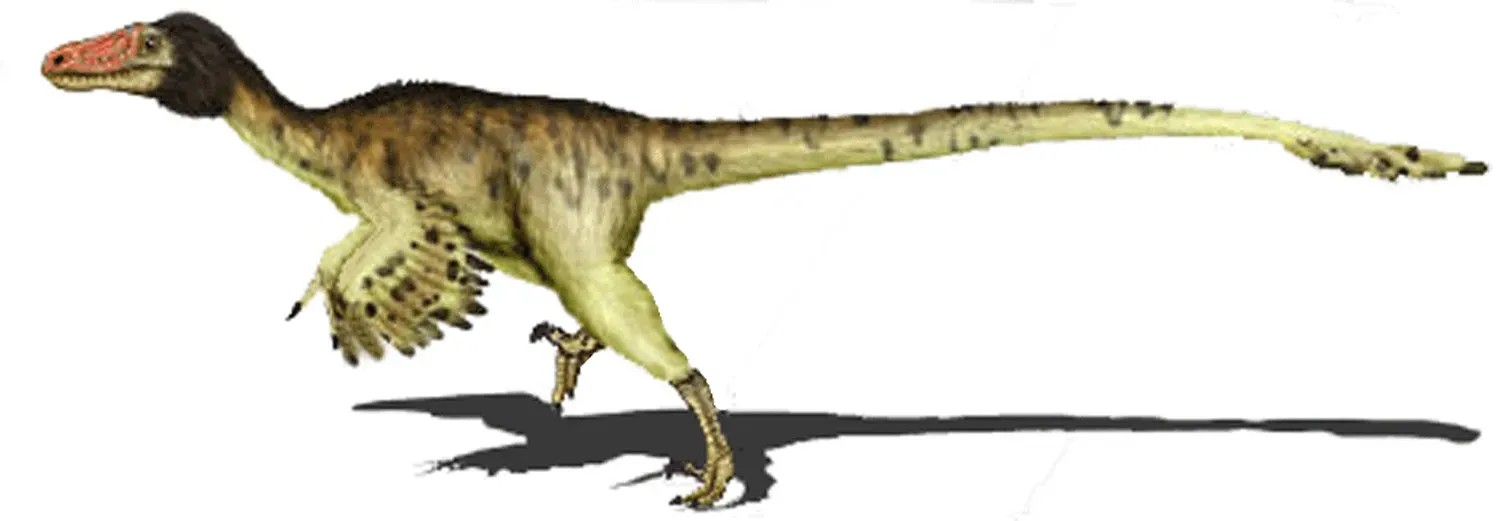
The most unrecognisable change on this list isn’t a single species – it’s the entire “raptor pack” image copied endlessly across movies and memes: big, scaly, lizard-bodied hunters chasing prey down like snarling wolves. Modern science says that combination is wrong on size, skin, and behavior all at once.
Many dromaeosaurs were smaller, heavily feathered, and built for ambush or pounce attacks, not marathon chases, and the evidence for coordinated wolf-style pack hunting is genuinely shaky. The updated version is weirder and arguably more unsettling: crow- or turkey-sized killers, fluffy but lethal, possibly screeching like birds – and the gap between that and the movie version is so wide that plenty of people still refuse to believe it.
Why It Stands Out
- Most dromaeosaurs were closer to turkey-sized than movie-monster sized.
- Feather coverage, not bare scales, was the norm across this group.
- Coordinated “wolf pack” hunting has surprisingly little solid fossil support.
- Ambush-and-pounce tactics fit the evidence far better than long chases.
The Bottom Line
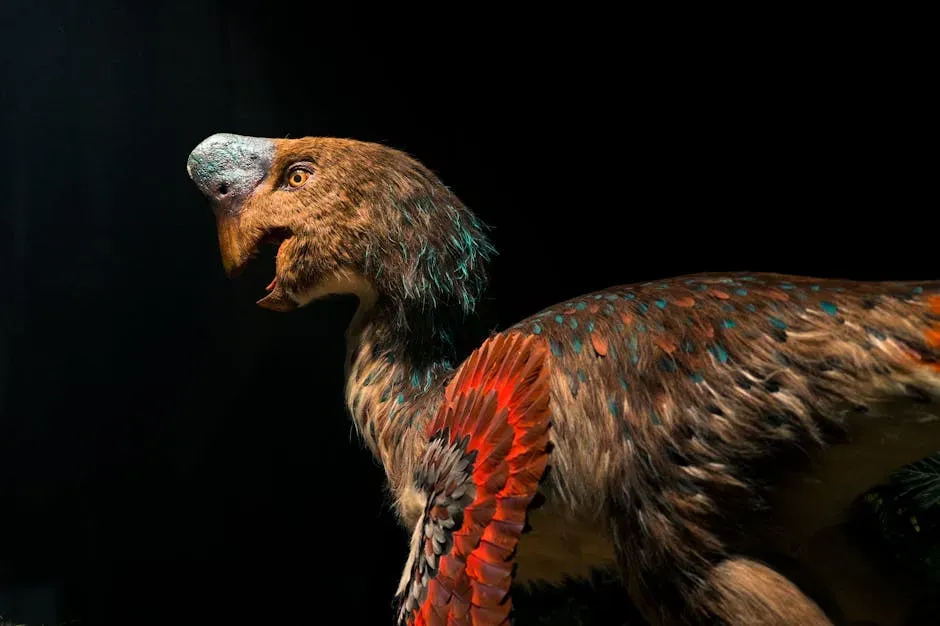
Taken together, these 20 cases show just how confidently wrong early reconstructions were sold as settled fact. Heads mounted on the wrong end, tails dragged through imaginary swamps, naked pterosaurs, scaly raptors, mammoths in wigs – it all points to the same uncomfortable truth: paleontology has never been a finished book, just a moving target with better tools every decade.
Today’s “accurate” reconstructions will look just as dated in thirty years, and that’s not a flaw in the science – it’s the entire point of it. If anything, we should trust the feathered, pot-bellied weirdos that keep getting redrawn far more than the cinematic monsters that never change. Which of these redesigns do you still refuse to accept – and which classic textbook animal do you think gets “unrecognisable” next?