
Somewhere in a quiet academic journal, someone just deleted a chunk of your high school biology textbook and didn’t bother sending out a press release.
Most people assume paleoanthropology moves like a glacier – decades of debate before a single species name ever changes. That assumption just took a direct hit. A 2026 reassessment out of Monash University didn’t just tweak one obscure fossil label. It proposed folding dozens of famous “ancestors” – Lucy included – into a single expanded genus, quietly threatening to rewrite 50 years of museum placards and classroom diagrams.
Nobody ran a headline on it. But if you’ve ever stood in front of a museum case full of skulls arranged in a tidy evolutionary line, what follows might make you question whether that line ever really existed. Here’s what the actual research quietly reveals, one fossil at a time.
#23 – Sahelanthropus tchadensis Loses Its “First Human” Crown
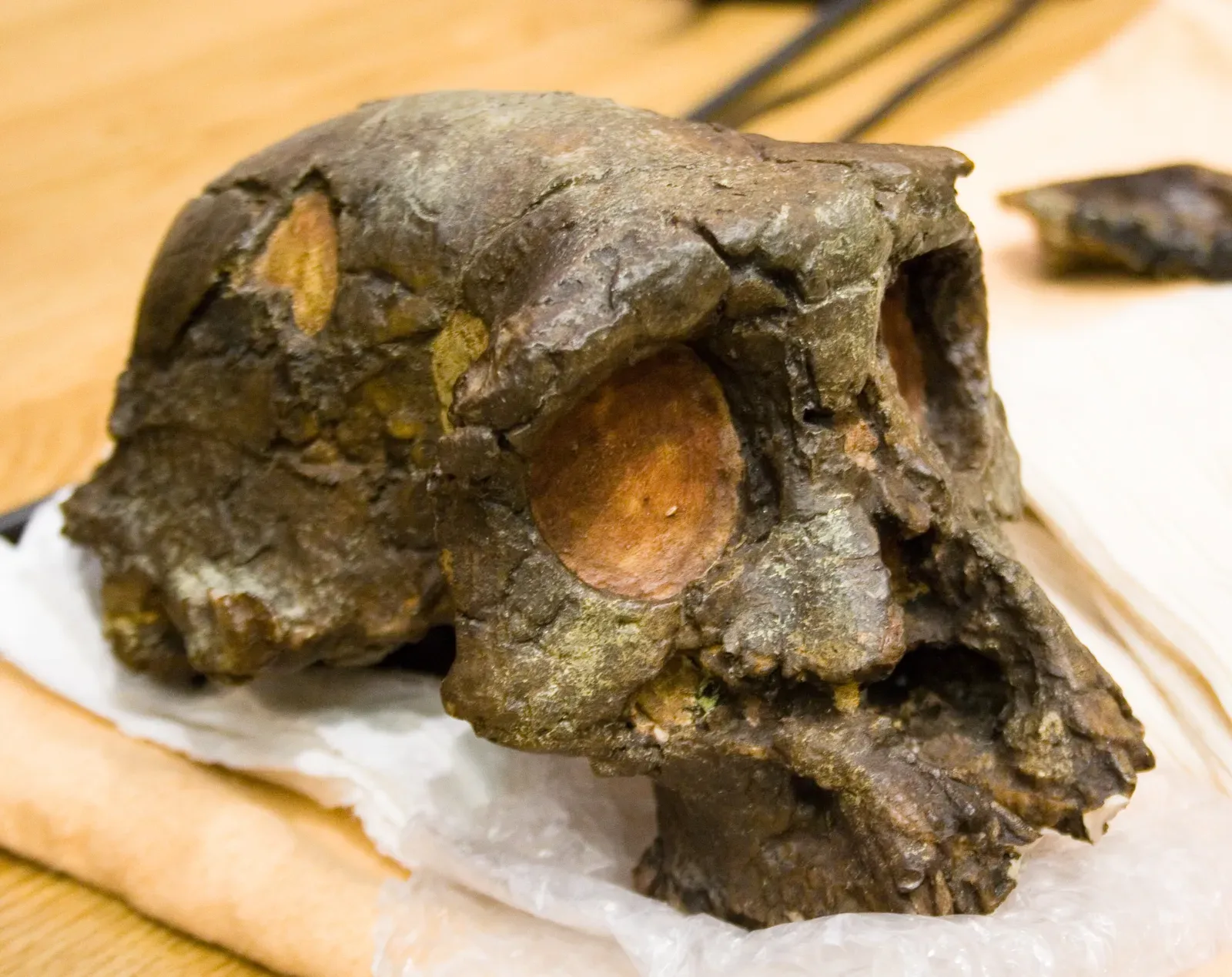
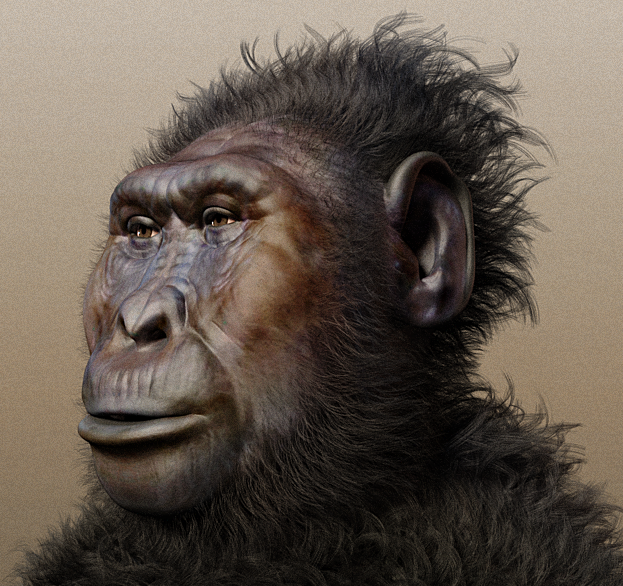
For years, Sahelanthropus tchadensis was marketed as the earliest known member of the human lineage, dated to nearly seven million years ago. That title made it the opening chapter of nearly every human evolution documentary and museum display on Earth.
The quiet problem is that its entire classification rests almost entirely on a single skull, nicknamed Toumaï, discovered in Chad. Later analysis of a thighbone from the same site raised uncomfortable questions about whether this creature even walked upright, which is supposedly the whole reason it counts as a hominin in the first place. Under any reassessment that favors genuine shared ancestry over surface anatomy, a species this thinly supported becomes one of the shakiest branches on the entire tree. And the next name on this list has an even weaker foundation holding it up.
Fast Facts
- Discovered in Chad, dated to nearly 7 million years ago
- Classification rests almost entirely on a single skull nicknamed “Toumaï”
- A later thighbone find raised doubts about upright walking
- Long marketed as the “first human,” despite thin fossil support
#22 – Orrorin tugenensis Was Never Given Its Own Genus Fairly
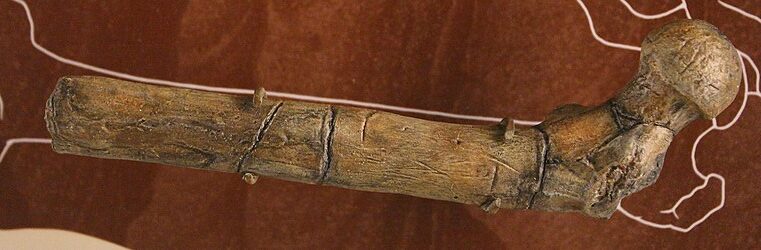
Orrorin tugenensis is barely a household name, yet it’s been sitting in taxonomic limbo since its discovery in Kenya’s Tugen Hills back in 2000. Its thigh bones were used to argue it walked bipedally around six million years ago, making it a rival to Sahelanthropus for the “oldest hominin” title.
The problem is that Orrorin has essentially no skull material to compare against other early hominins, meaning its entire genus-level status rests on limb bones alone. Modern taxonomists increasingly argue that handing out a brand-new genus based on partial leg bones inflates the family tree with names that don’t reflect real evolutionary splits. Many researchers now quietly treat Orrorin as functionally indistinguishable from other basal hominins rather than its own separate lineage.
#21 – Ardipithecus kadabba Was Basically a Placeholder Name
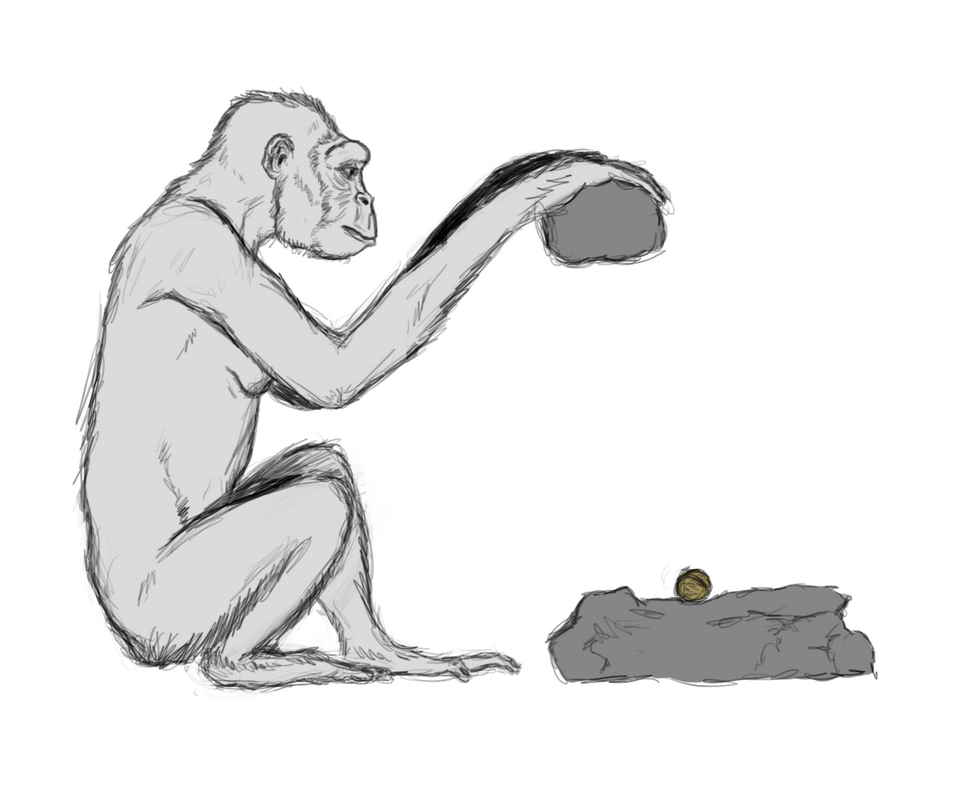
Ardipithecus kadabba, dated to between 5.8 and 5.2 million years ago, was originally described from fragmentary teeth and bone scraps found in Ethiopia. It started life as a mere subspecies of Ardipithecus ramidus before getting bumped up to full species status years later.
That upgrade was controversial from the start, since the physical differences between kadabba and ramidus are subtle at best. Most museum placards never mention that this “species” was essentially promoted on thin evidence, without any dramatic new fossil forcing the change. A stricter, lineage-based reassessment would likely fold kadabba right back into ramidus, treating the split as a naming convention rather than genuine biology.
#20 – Ardipithecus ramidus Got Demoted From “Missing Link” Status
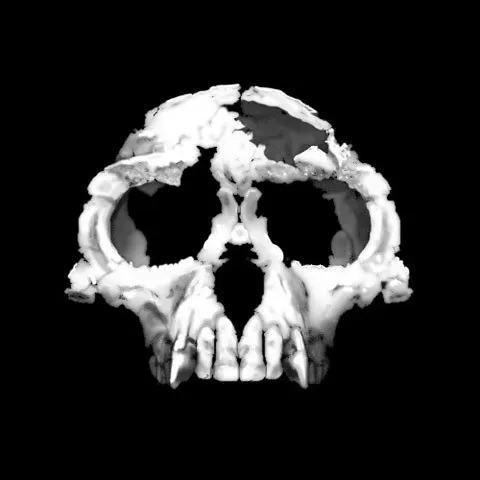
When “Ardi” was unveiled to the public in 2009, headlines called her the missing link between apes and humans – a title practically guaranteeing museum tours and magazine covers. The 4.4-million-year-old skeleton was remarkably complete for something this ancient, which only fueled the hype.
The quieter truth is that Ardi’s opposable big toe and ape-like pelvis complicate the idea that she represents a direct human ancestor at all. Some researchers argue she reflects a side branch rather than a straight line to us. Newer lineage-based models increasingly treat Ardipithecus as parallel to, not beneath, the human line, stripping away the tidy “missing link” narrative schools have taught for over a decade.
#19 – Kenyanthropus platyops Might Not Deserve Its Own Genus
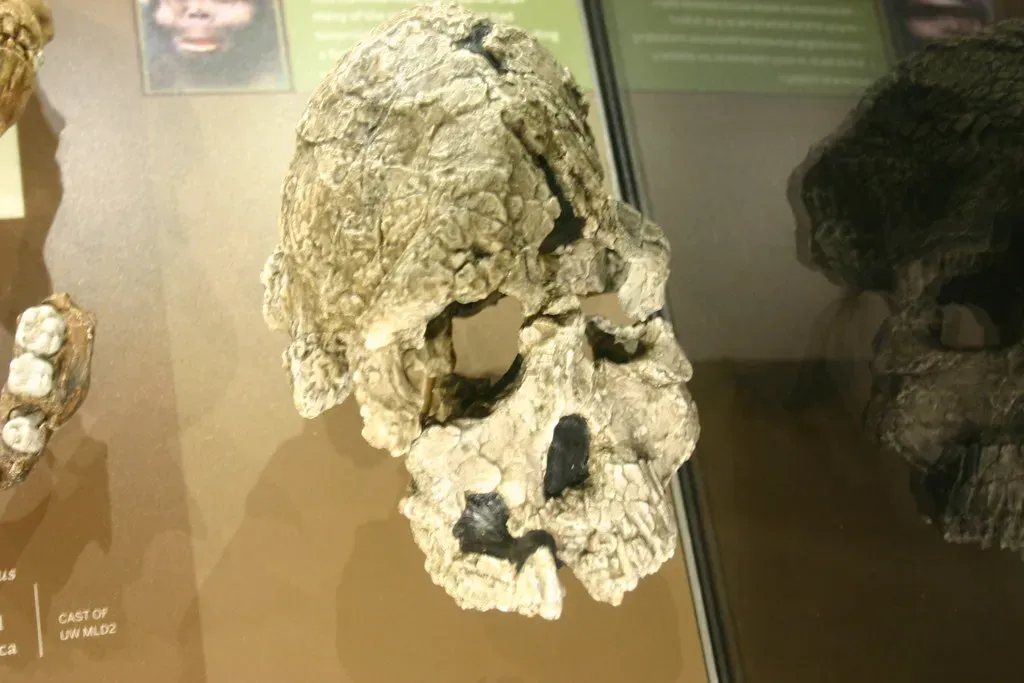
Kenyanthropus platyops was announced in 2001 as a flat-faced, 3.5-million-year-old hominin from Kenya, distinct enough from Australopithecus to earn its own genus name. That flat, human-like face was the headline feature that justified the split in the first place.
Critics have quietly pointed out for years that the skull was recovered badly crushed and distorted, meaning its “flat face” could be a distortion artifact rather than a genuine trait. Several prominent paleoanthropologists have never accepted Kenyanthropus as valid, treating it instead as a warped Australopithecus afarensis specimen. A reassessment favoring caution over splitting would likely erase this genus entirely rather than keep propping it up.
#18 – Australopithecus bahrelghazali Rested on One Jaw Fragment
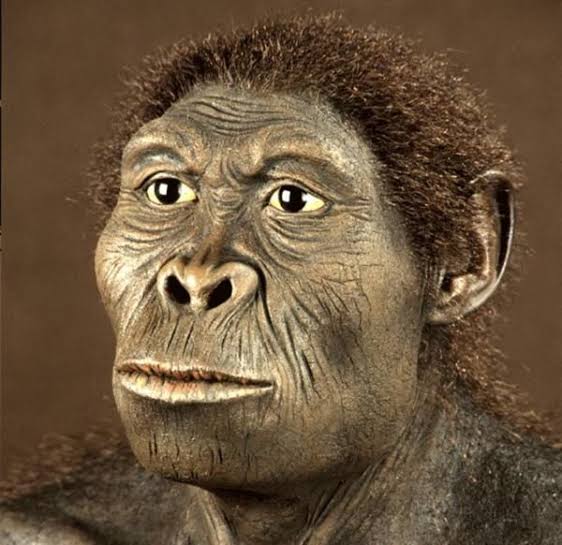
Discovered in Chad in 1995, Australopithecus bahrelghazali was named from a single partial jawbone with a few teeth, found far outside East Africa’s usual fossil hotspots. Its nickname, “Abel,” honored one of the discoverer’s late colleagues.
A species defined by one jaw fragment is exactly the kind of call modern reassessments are targeting for consolidation. Many researchers already treat bahrelghazali informally as a regional variant of Australopithecus afarensis rather than a truly separate species, since the dental differences fall well within normal variation seen in living apes. Geographic distance alone just isn’t considered enough to justify a new species name anymore.
#17 – Australopithecus garhi Barely Survived the Splitting Debate
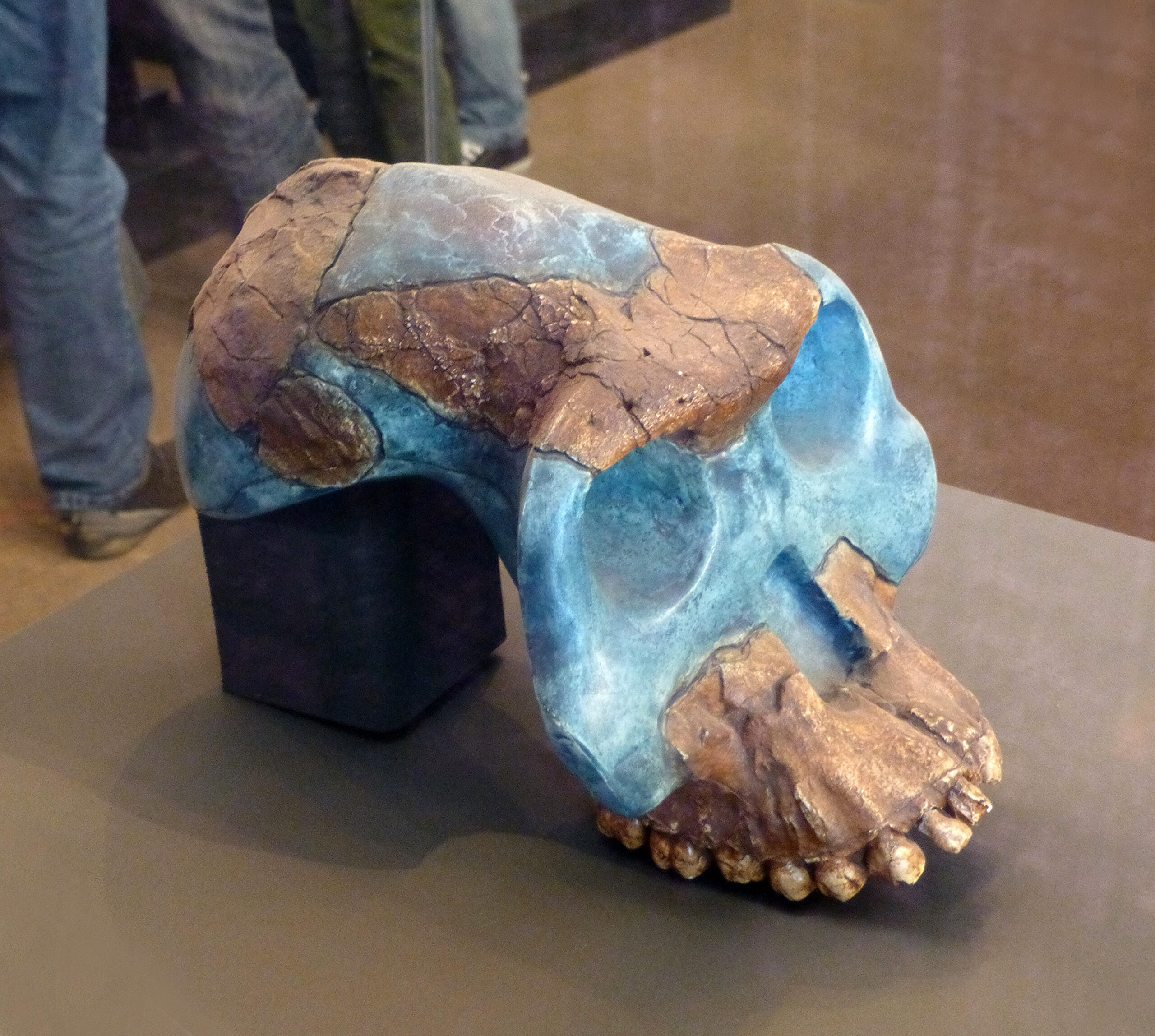
Australopithecus garhi, unearthed in Ethiopia and dated to roughly 2.5 million years ago, was proposed as a possible direct ancestor of early Homo because it turned up alongside some of the oldest stone tool evidence ever found. That tool association made it briefly famous.
The complication is that the fossil sample size remains tiny, and the claimed link to stone tools was never proven directly, since the tools weren’t found physically attached to the bones. Many researchers quietly question whether garhi represents a distinct species or simply a variable population of existing Australopithecus groups. Its survival as a named species increasingly depends on future discoveries rather than the evidence already sitting in drawers.
#16 – Australopithecus deyiremeda Just Got Unexpectedly Validated
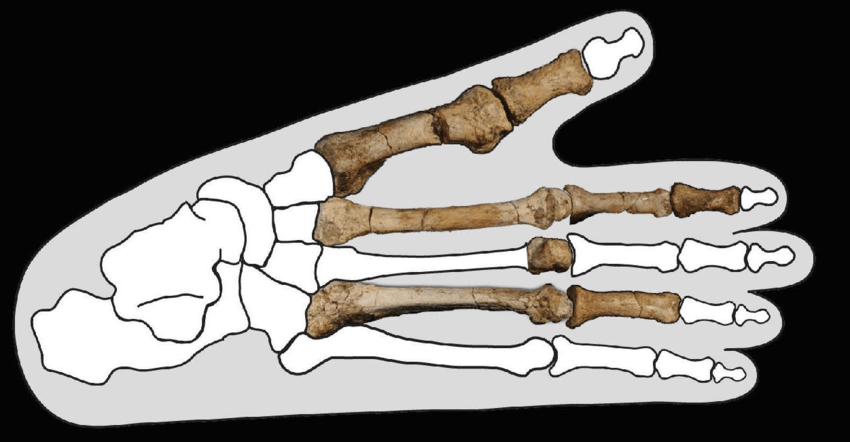
Unlike almost everything else on this list, Australopithecus deyiremeda didn’t get erased by a reassessment – it got confirmed. When it was first announced, plenty of scientists doubted the fossils deserved their own species name at all, suspecting they were just unusual Lucy specimens in disguise.
New jaw and tooth fossils have since settled that argument, confirming deyiremeda as a genuinely separate species and linking it to a puzzling ancient footprint found in the same rock layers. This is one of the rare cases where a reassessment strengthened a species rather than dissolving it, and it directly challenges the old assumption that Lucy’s kind had the region entirely to itself. In a list full of demotions, this is the closest thing to a comeback story.
#15 – Australopithecus anamensis Overlapped With Its Own “Descendant”
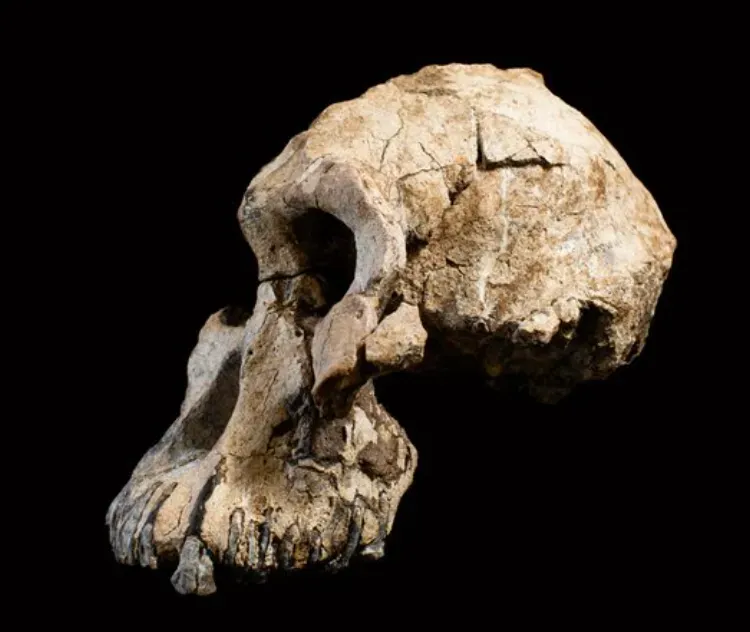
Australopithecus anamensis, dated to around 4.2 million years ago, was long treated as the tidy evolutionary predecessor to Australopithecus afarensis, forming a clean, linear arrow on the family tree diagrams found in textbooks. That neatness was a huge part of its appeal.
A 2019 skull discovery blew that clean sequence apart by showing anamensis and afarensis actually overlapped in time by at least 100,000 years, meaning one species couldn’t have simply evolved into the other in a straight line. The idea of a tidy ancestor-to-descendant relationship between these two is now considered outdated. Reassessments increasingly favor branching, overlapping lineages instead of the ladder-like progression most people still picture in their heads.
#14 – Australopithecus sediba Is Stuck Between Two Genera
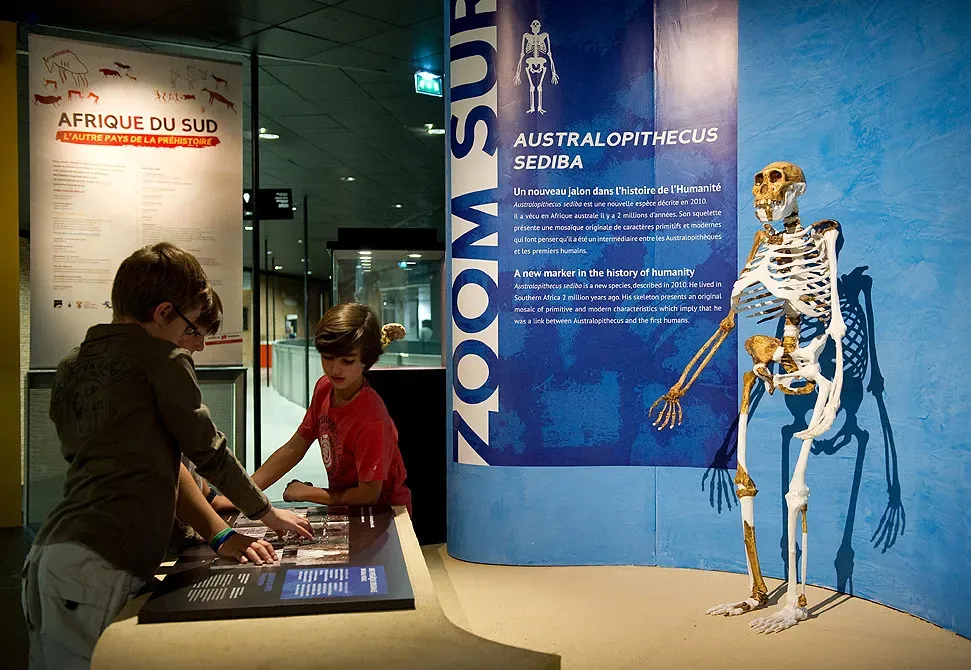
Australopithecus sediba, discovered in South Africa’s Malapa Cave in 2008, has spent over a decade in a taxonomic tug-of-war. Its bizarre mix of ape-like arms and surprisingly human-like hands and pelvis made it a magnet for competing interpretations from day one.
Some researchers have long argued sediba deserves a place in the genus Homo rather than Australopithecus, given how closely certain features resemble our own genus. This exact kind of mixed-feature fossil is precisely what current reassessments use to argue the Homo-Australopithecus boundary is essentially arbitrary. Rather than debating which side of the line sediba falls on, the newer approach argues the line itself may need to go.
#13 – Australopithecus africanus Was the Original Genus-Blurring Case
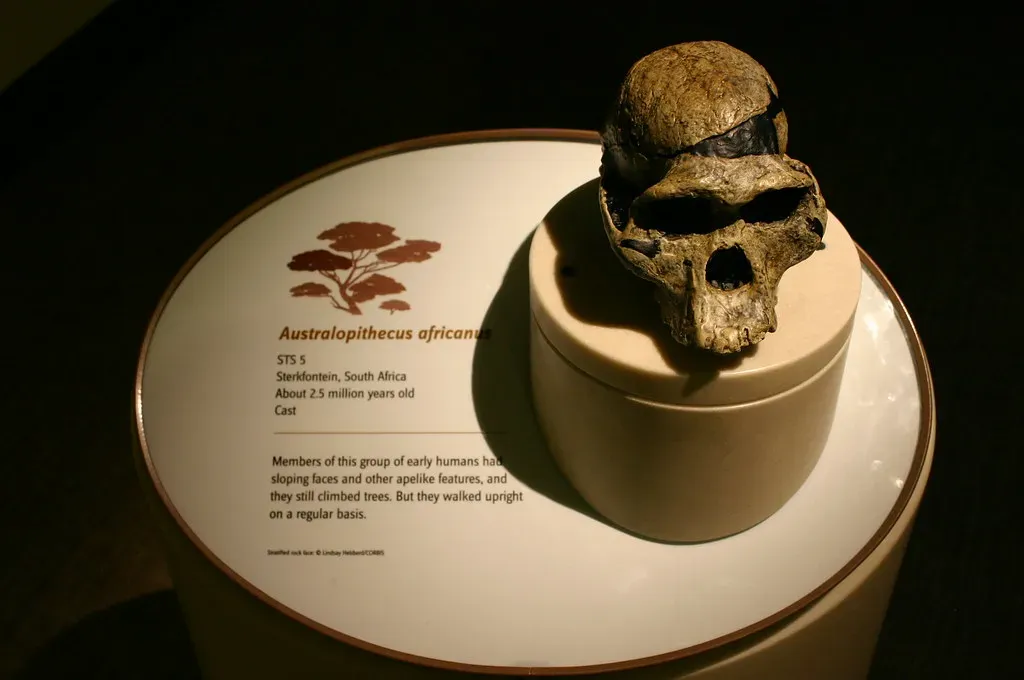
Australopithecus africanus, first described from the Taung Child fossil discovered in South Africa in 1924, was controversial from day one because its tiny brain paired with surprisingly human-like teeth. Scientific authorities of the era initially dismissed it as nothing more than an ape.
Decades later, africanus sits at the center of the newest reassessment because researchers now openly question whether direct ancestry runs from africanus into early Homo, or whether it represents a dead-end side branch instead. Recent lineage-focused papers explicitly flag that later africanus populations may not sit on the human line at all, even if earlier populations of the same species arguably do. That distinction almost never makes it into a simplified museum chart.
#12 – Paranthropus aethiopicus Might Not Even Belong in Its Own Genus
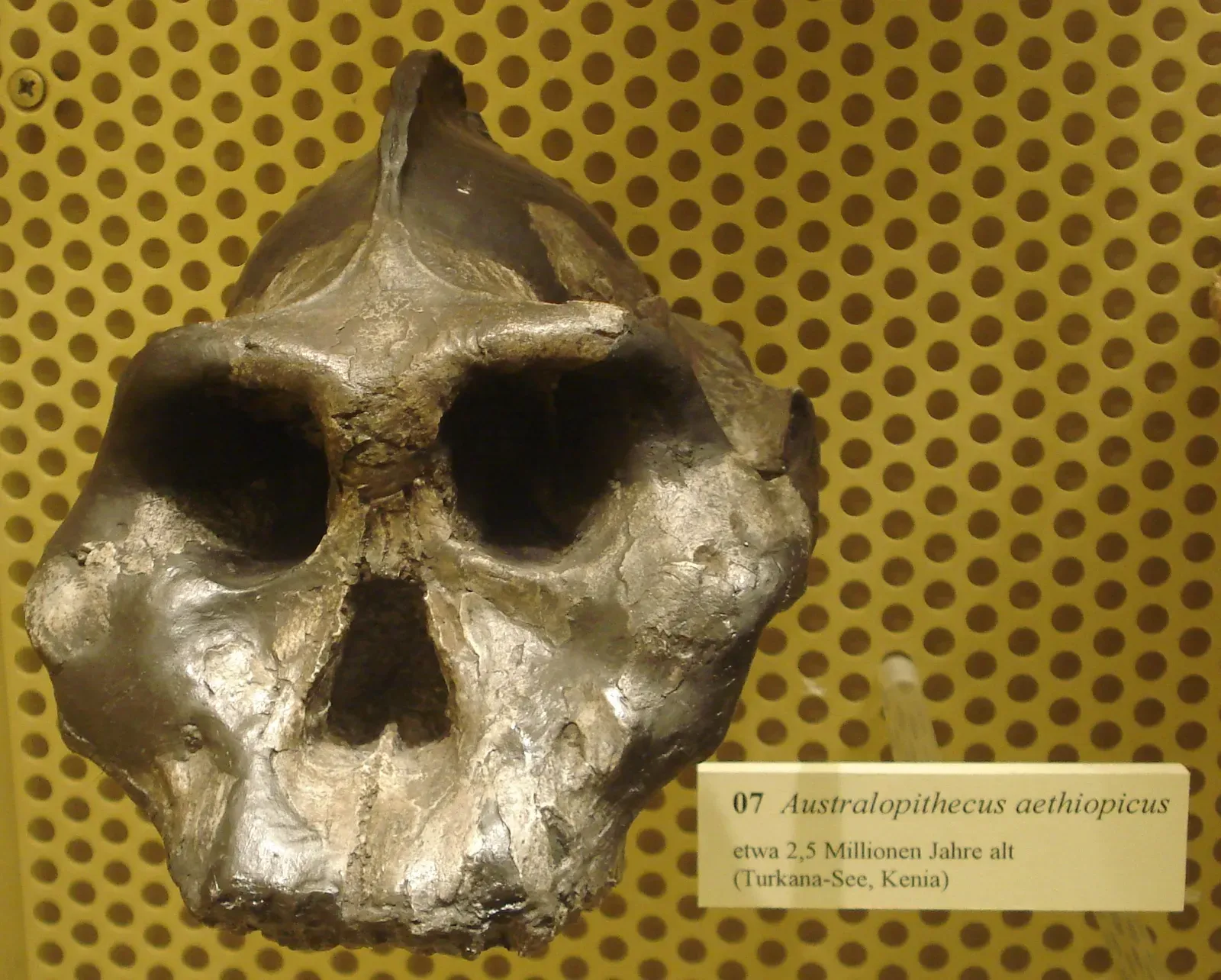
Paranthropus aethiopicus, known largely from the “Black Skull” found in Kenya in 1985, is typically described as the earliest and most primitive of the robust, big-jawed Paranthropus lineage, dated to around 2.5 million years ago.
The reassessment angle here cuts deep: if Paranthropus species get folded into Homo, as some researchers now argue, aethiopicus would essentially reclaim its place as the founding member of that reorganized lineage rather than sitting off to the side as a separate offshoot. Complex behaviors were likely present in both Paranthropus and Australopithecus, and reclassifying those species under Homo would finally reflect that reality. A skull once used to justify a whole separate genus could soon become just another Homo variant.
At a Glance
- Known primarily from the “Black Skull,” found in Kenya in 1985
- Dated to roughly 2.5 million years ago
- Considered the earliest, most primitive Paranthropus species
- Some researchers now argue it belongs inside a reorganized Homo lineage
#11 – Paranthropus robustus Just Lost Its Behavioral Excuse for Separation
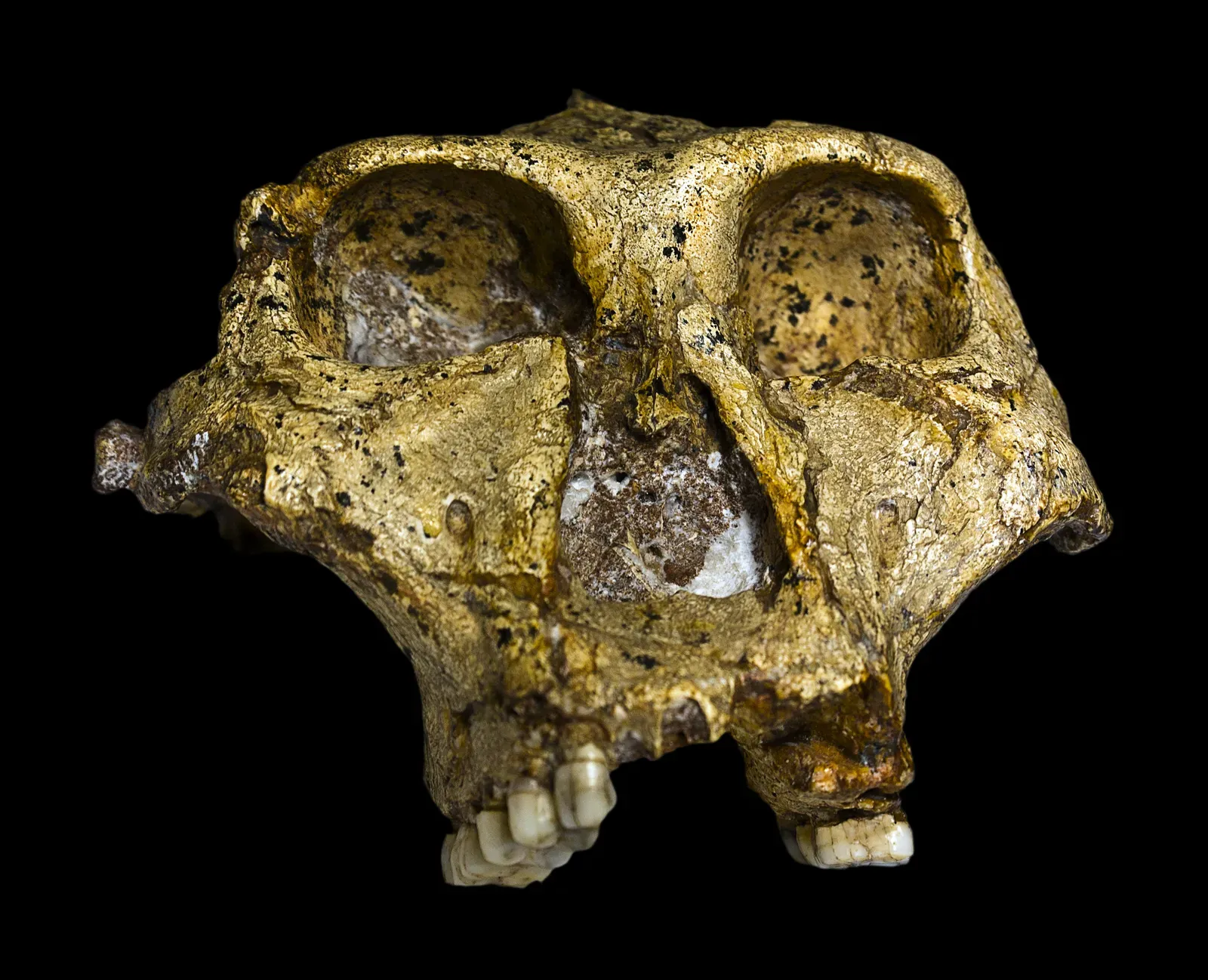
Paranthropus robustus, with its massive jaw muscles and heavily worn molars, was long assumed to be a dead-end dietary specialist that never used tools the way early Homo supposedly did. That behavioral gap was a big part of the justification for keeping it in a separate genus.
That justification has been quietly crumbling for years. Nearly 3-million-year-old Oldowan tools from Kenya were found alongside Paranthropus fossils, challenging the traditional link between early stone-tool technology and Homo alone. If tool use is no longer a Homo-exclusive trait, one of the core reasons for keeping Paranthropus separate simply disappears, strengthening the case for folding robustus into a broader, more inclusive genus.
#10 – Paranthropus boisei’s Territory Just Doubled
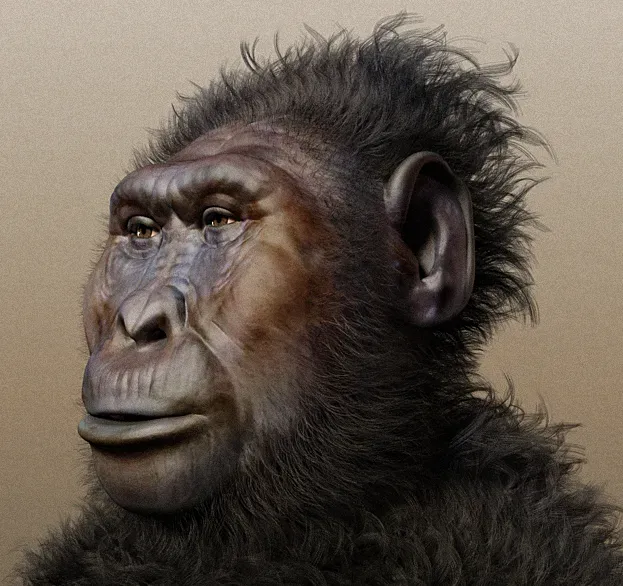
Paranthropus boisei, famous for its “Nutcracker Man” nickname thanks to its enormous molars, was traditionally thought to be confined to East Africa’s Rift Valley, far from where other hominin genera were roaming around.
That geographic assumption cracked recently. Researchers reported the first Paranthropus specimen from the Afar region of Ethiopia, more than 600 miles north of the genus’ previous northernmost occurrence. A species assumed to be geographically boxed in for a century just proved it wasn’t. That discovery alone forced researchers to reconsider how widespread and adaptable this supposedly narrow specialist actually was, and reassessments now treat boisei’s range as an open question rather than settled fact.
#9 – Homo rudolfensis May Not Even Be a Real Species
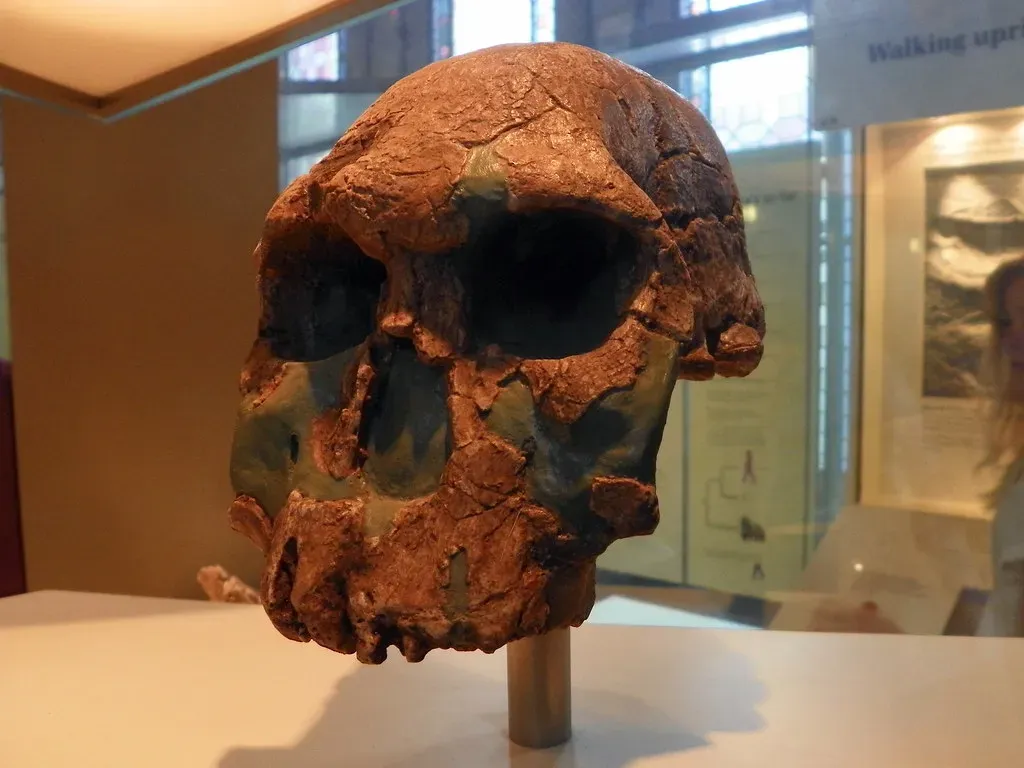
Homo rudolfensis has quietly divided paleoanthropologists since its naming in the 1980s, largely because it’s based on a single, badly distorted skull found near Kenya’s Lake Turkana. Its brain size and face shape don’t cleanly match either Homo habilis or later Homo species.
Some researchers have long suspected rudolfensis is simply a large-headed variant of habilis rather than a genuinely separate lineage. The entire species may rest on nothing more than normal individual variation misread as a taxonomic boundary. A stricter reassessment standard, demanding multiple confirming specimens before granting species status, would almost certainly collapse rudolfensis back into habilis or another existing name.
#8 – Homo habilis Is Getting Squeezed From Both Sides
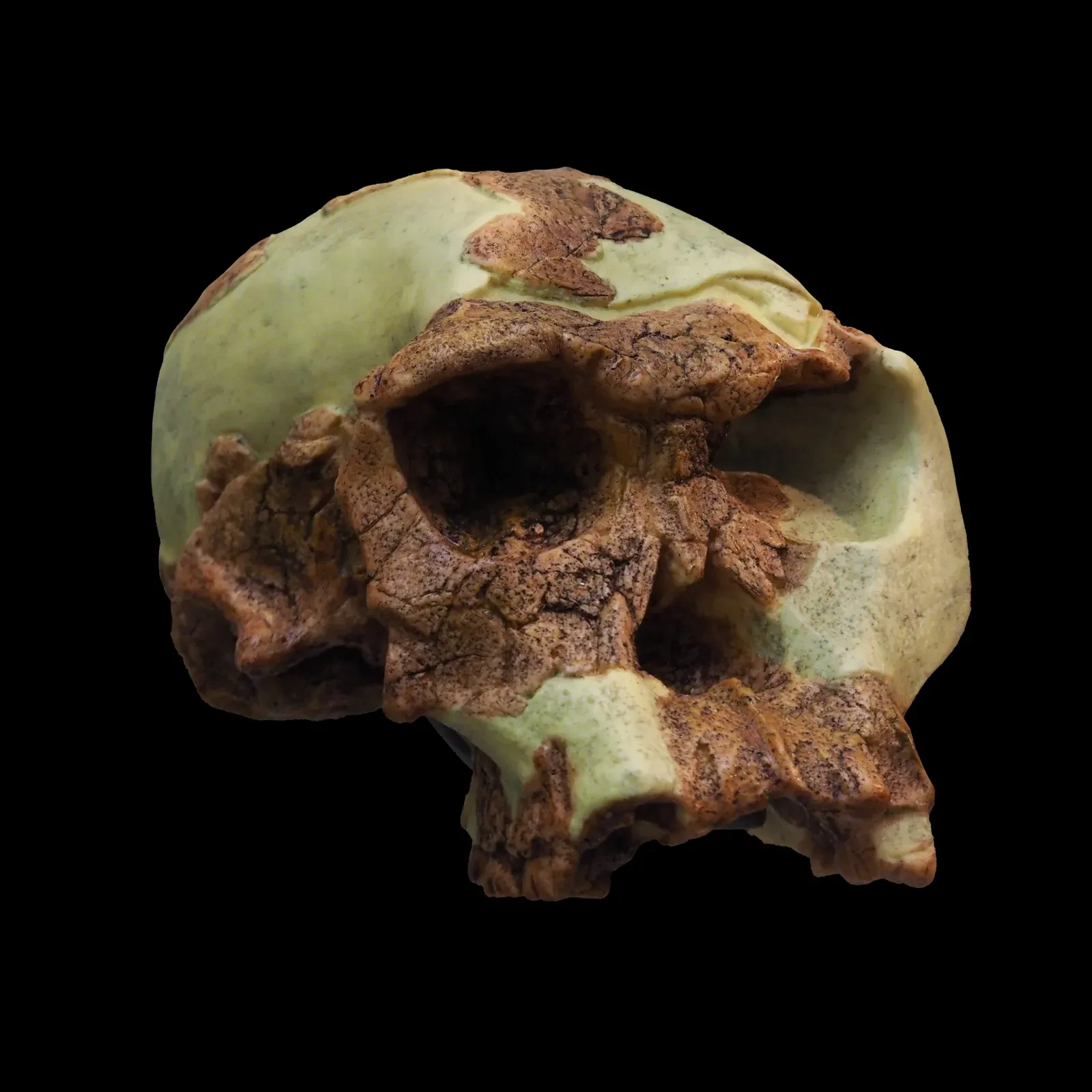
Homo habilis, whose name literally means “handy man,” earned its title as the presumed first toolmaker and first true member of our genus, discovered in Tanzania’s Olduvai Gorge in the early 1960s.
That “first Homo” status is now under serious pressure. Nearly 3-million-year-old Oldowan tools turning up with Paranthropus fossils undermines the idea that toolmaking uniquely defines early Homo, while some anatomists argue habilis is actually closer to Australopithecus than to later Homo erectus. Habilis is increasingly squeezed from both directions, no longer confidently anchored as either the first human or a distinct evolutionary step. Some reassessments now suggest splitting or renaming its fossils entirely.
#7 – Homo naledi’s “Primitive” Label Got Quietly Overturned
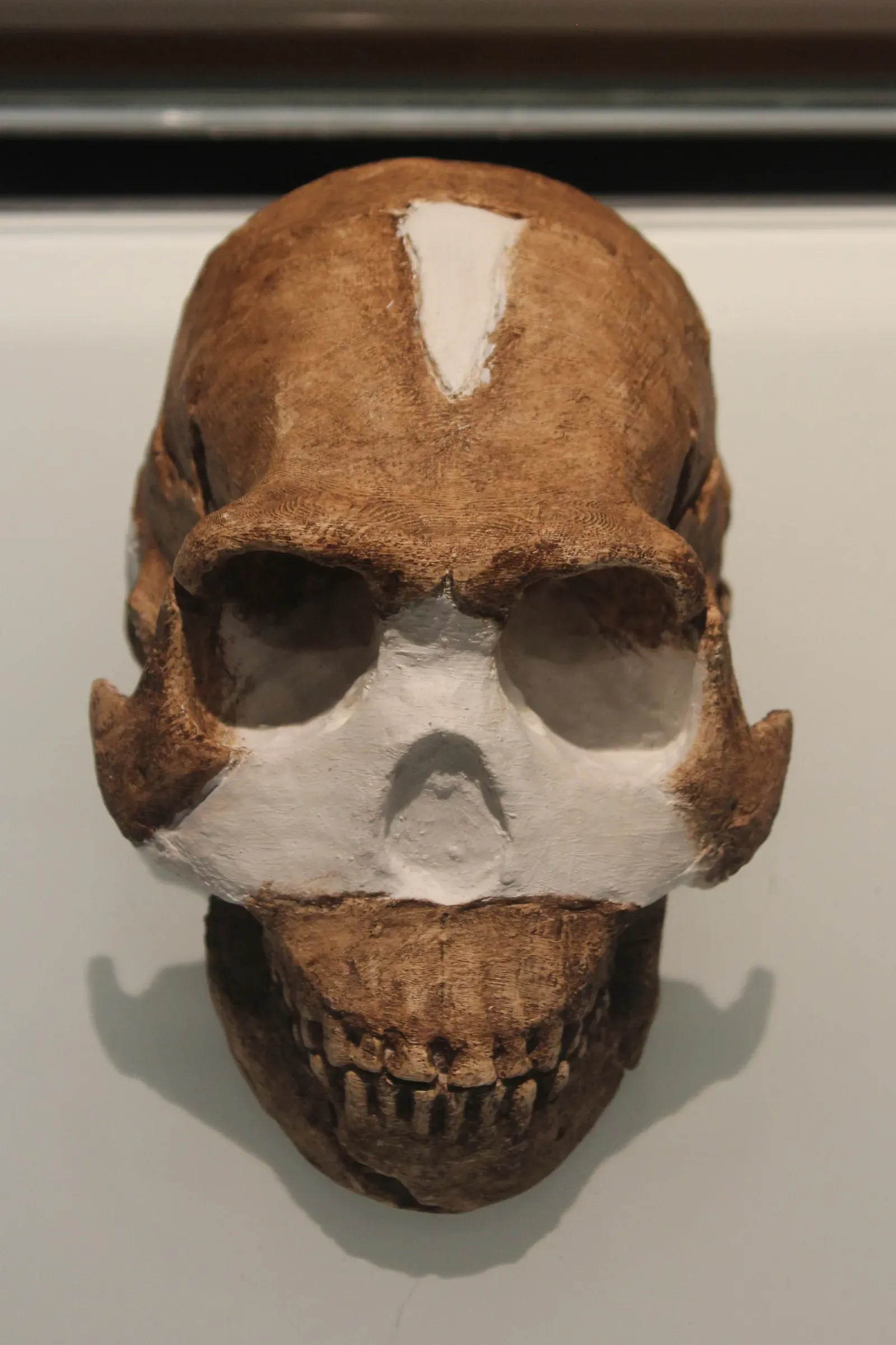
Homo naledi shocked the scientific world when it was discovered in South Africa’s Rising Star cave system in 2013, eventually yielding over 1,550 fossils. The standout specimen was a near-complete cranium with an endocranial volume of roughly 610 milliliters, alongside a wealth of associated bones.
That small brain size initially led many to assume naledi was primitive and incapable of complex behavior, despite dating to a shockingly recent 300,000 years ago – meaning it likely overlapped with early Homo sapiens. A creature with a brain a third the size of ours was apparently still capable of deliberate, structured behavior, based on how deliberately its remains were placed deep inside a hard-to-access cave system. This single case now gets cited constantly in arguments that brain size shouldn’t define genus boundaries at all.
Worth Knowing
- Discovered in South Africa’s Rising Star cave system in 2013
- More than 1,550 fossils recovered from the site
- Brain volume of roughly 610 milliliters – about a third the size of a modern human’s
- Dated to a surprisingly recent 300,000 years ago, overlapping with early Homo sapiens
#6 – Homo floresiensis Went From “Hobbit Myth” to Legitimate Branch
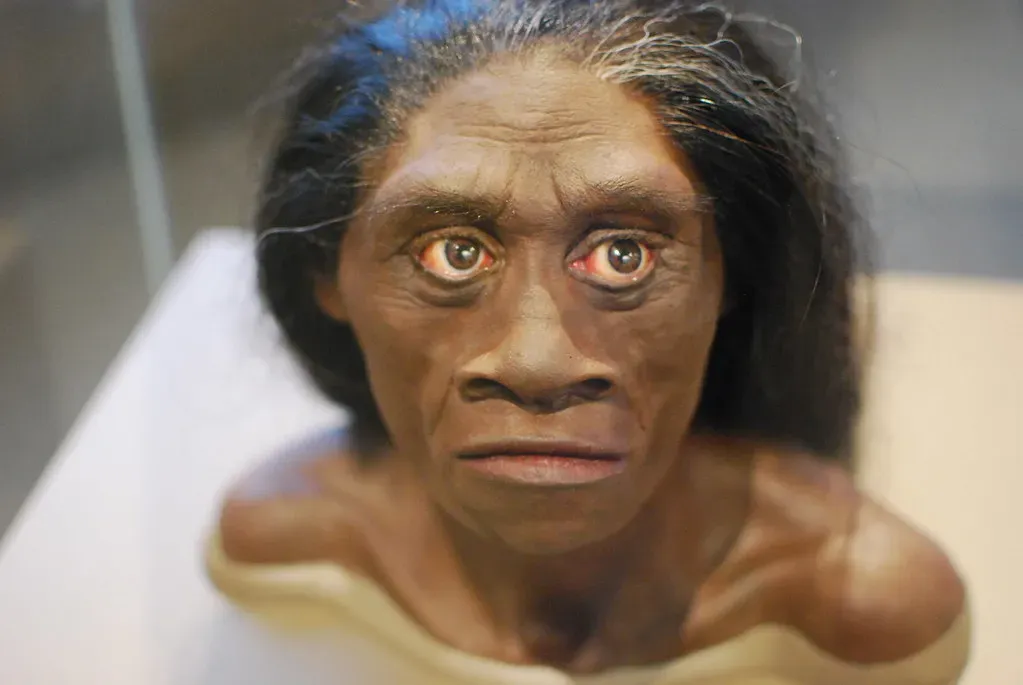
When Homo floresiensis was announced in 2004, its nickname “the Hobbit” reflected genuine scientific skepticism, with some researchers insisting the tiny Indonesian skeleton was just a diseased modern human rather than anything new.
That skepticism has faded considerably. Recent taxonomic work now treats floresiensis as one of at least four distinct hominin species that inhabited eastern Asia during the Late Quaternary, alongside Homo luzonensis, Homo longi, and Homo juluensis. A species once dismissed as a pathological hoax is now treated as one pillar of a genuinely diverse Asian hominin landscape, occupying its own Indonesian island ecosystem for possibly tens of thousands of years.
Quick Compare
- Homo floresiensis – Indonesia’s “Hobbit,” known for extreme island dwarfing
- Homo luzonensis – Philippines, small-bodied with distinct dental traits
- Homo longi – China’s “Dragon Man,” proposed as a close human relative
- Homo juluensis – possibly linked to the mysterious Denisovans
#5 – Homo luzonensis Proved Island Dwarfing Wasn’t a One-Off Fluke
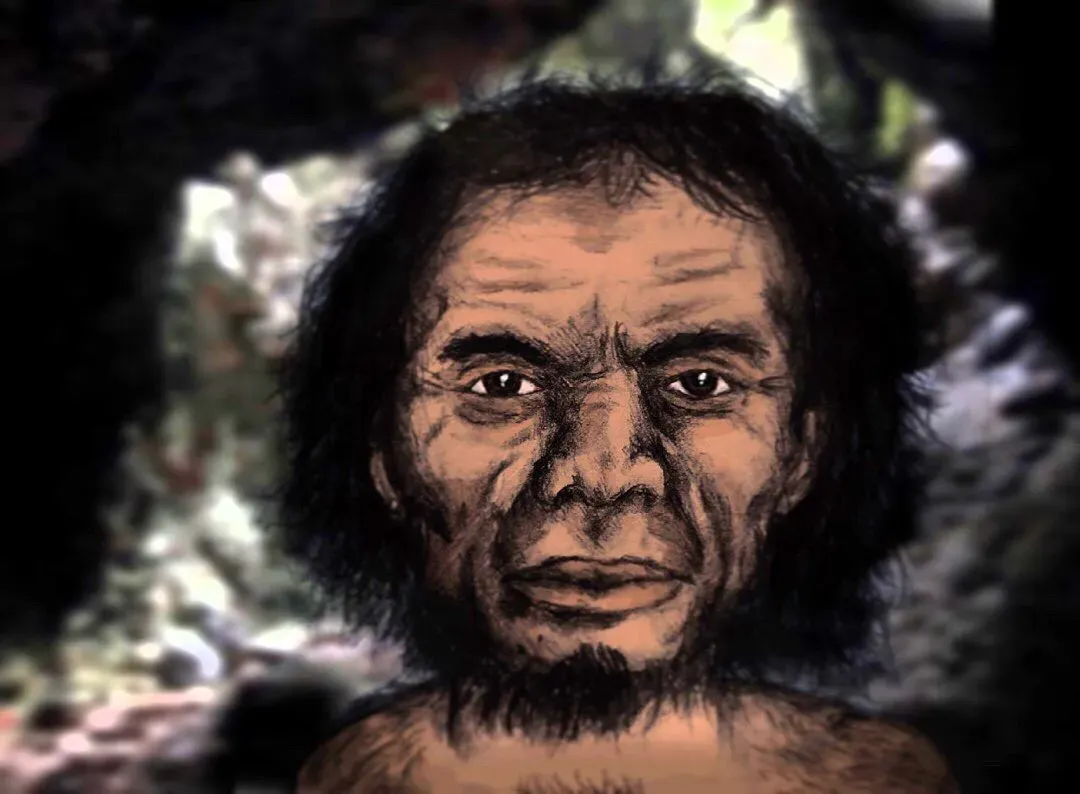
Homo luzonensis, identified from fossils found in the Philippines, initially seemed like it might just be a regional cousin of Homo floresiensis, given the similarly small stature suggested by its remains.
Instead, distinct dental and skeletal features convinced researchers it deserved its own species designation entirely, separate from the Hobbit found in Indonesia. Current taxonomy places Homo floresiensis, Homo luzonensis, Homo longi, and Homo juluensis as four distinct species that inhabited eastern Asia during roughly the same window of time. Two separate island populations independently evolving small body size complicates the idea that dwarfing was a fluke limited to one isolated group. It now looks like a repeatable evolutionary pattern across the entire region.
#4 – Homo juluensis Quietly Absorbed the Denisovan Mystery
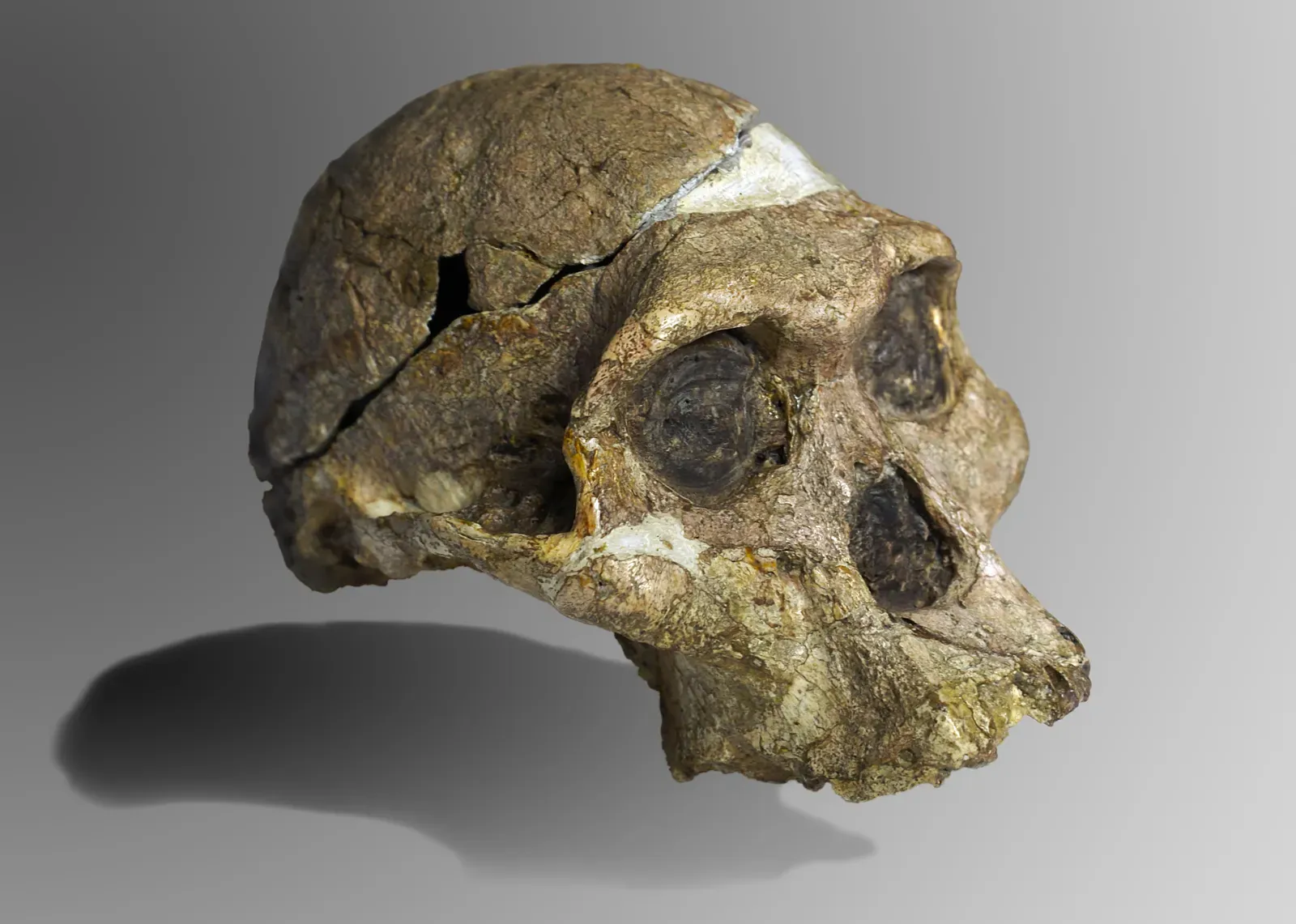
Homo juluensis is arguably the newest official name on this list, and its origin story is unusually revealing. The breakthrough came when researchers were devising a new organizational system for fossils and noticed striking similarities among certain cranial and dental remains, all with distinct differences from other known hominin species, according to University of Hawai’i researcher Christopher Bae.
The bigger twist is what juluensis might explain. Denisovans, first identified in 2010 via DNA extracted from a young girl’s fingerbone found in Siberia, have never been given their own formal species classification, but researchers now believe they could belong to this new species. One of the most famous “mystery” human relatives in modern genetics might simply be a rebranded Homo juluensis all along, an idea that barely made headlines outside specialist journals.
#3 – Homo longi’s “Dragon Man” Title Sparked Real Backlash
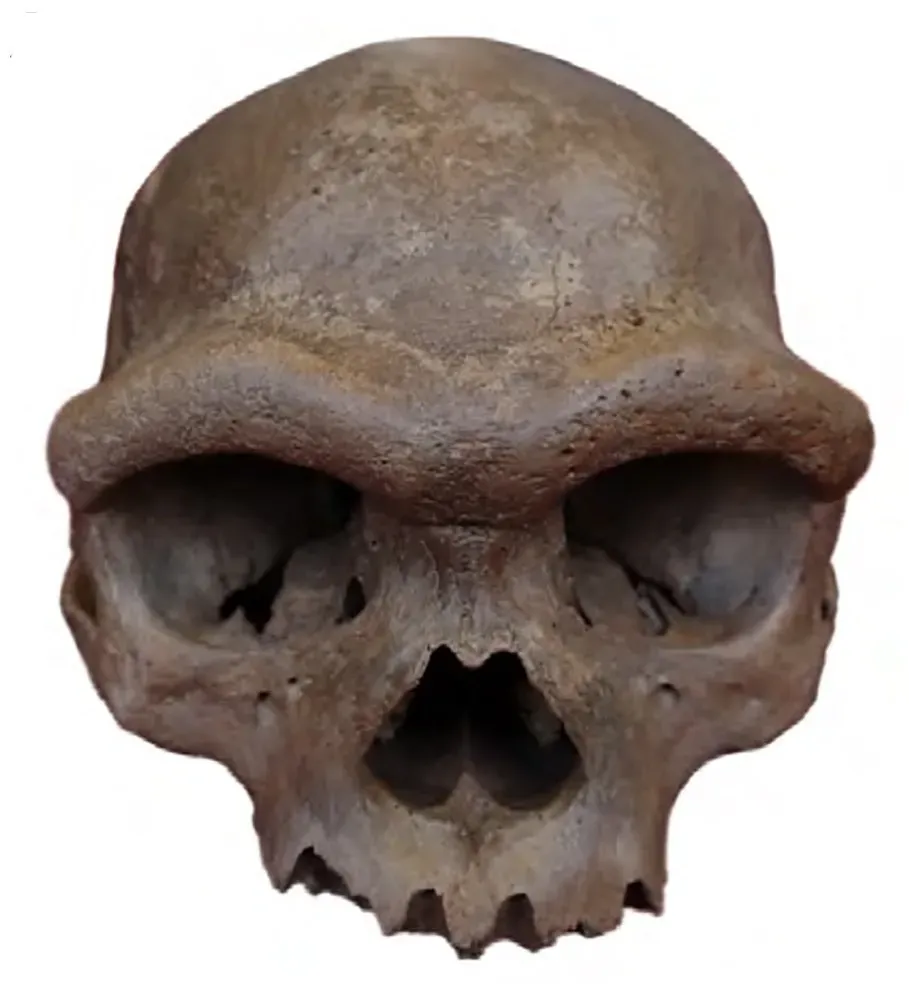
Homo longi, nicknamed “Dragon Man,” was announced based on a remarkably well-preserved skull discovered decades earlier in China but only formally studied and named in 2021. Researchers controversially classified it as a new species that might be an even closer relative to modern humans than Neanderthals are.
That claim triggered immediate pushback, because naming a new species on the back of a single skull removed from its original dig site, with no artifacts anywhere nearby, is a genuinely shaky move. A skull with no verified dig site and no tools ever found near it was used to propose humanity’s closest cousin. Critics argue some longi specimens were simply misclassified Homo sapiens fossils lumped together under a flashy new name.
#2 – Homo bodoensis Erased an Entire Era of Confusion Overnight
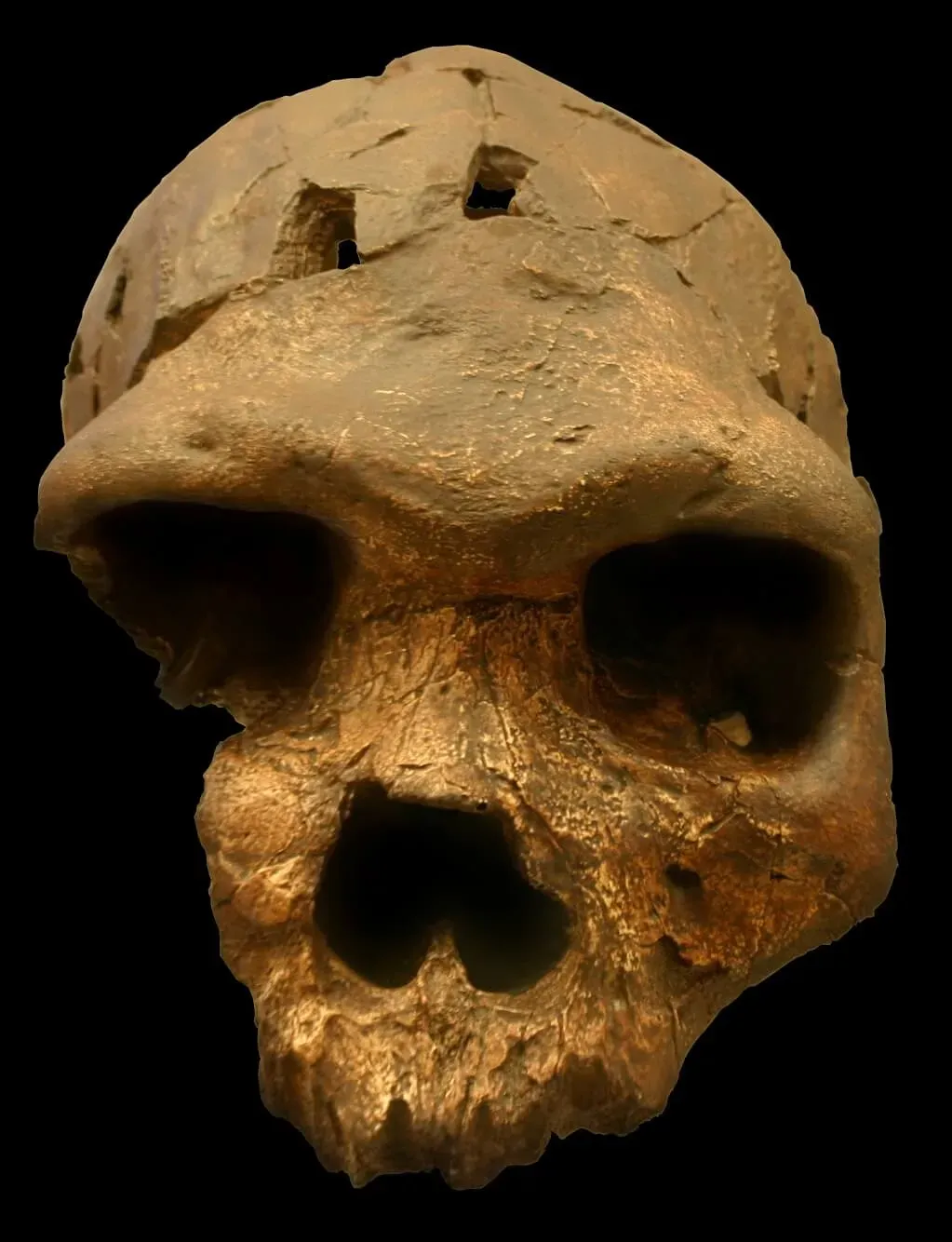
Homo bodoensis was named specifically to solve what paleoanthropologists nicknamed “the muddle in the middle,” referring to the chaotic classification of Middle Pleistocene human fossils scattered across Africa and Europe. Under this classification, H. bodoensis describes most Middle Pleistocene humans from Africa and some from Southeast Europe, while many fossils from the rest of that continent get reclassified as Neanderthals, with the species having lived in Africa roughly half a million years ago as a direct ancestor of modern humans.
This single naming decision effectively deleted several vague “archaic Homo sapiens” labels that had cluttered textbooks for decades. A single renaming exercise quietly reorganized half a million years of fossil confusion into one cleaner category, though most people outside academic circles have never even heard the name.
#1 – Australopithecus afarensis (Lucy) May Not Be Our Ancestor After All
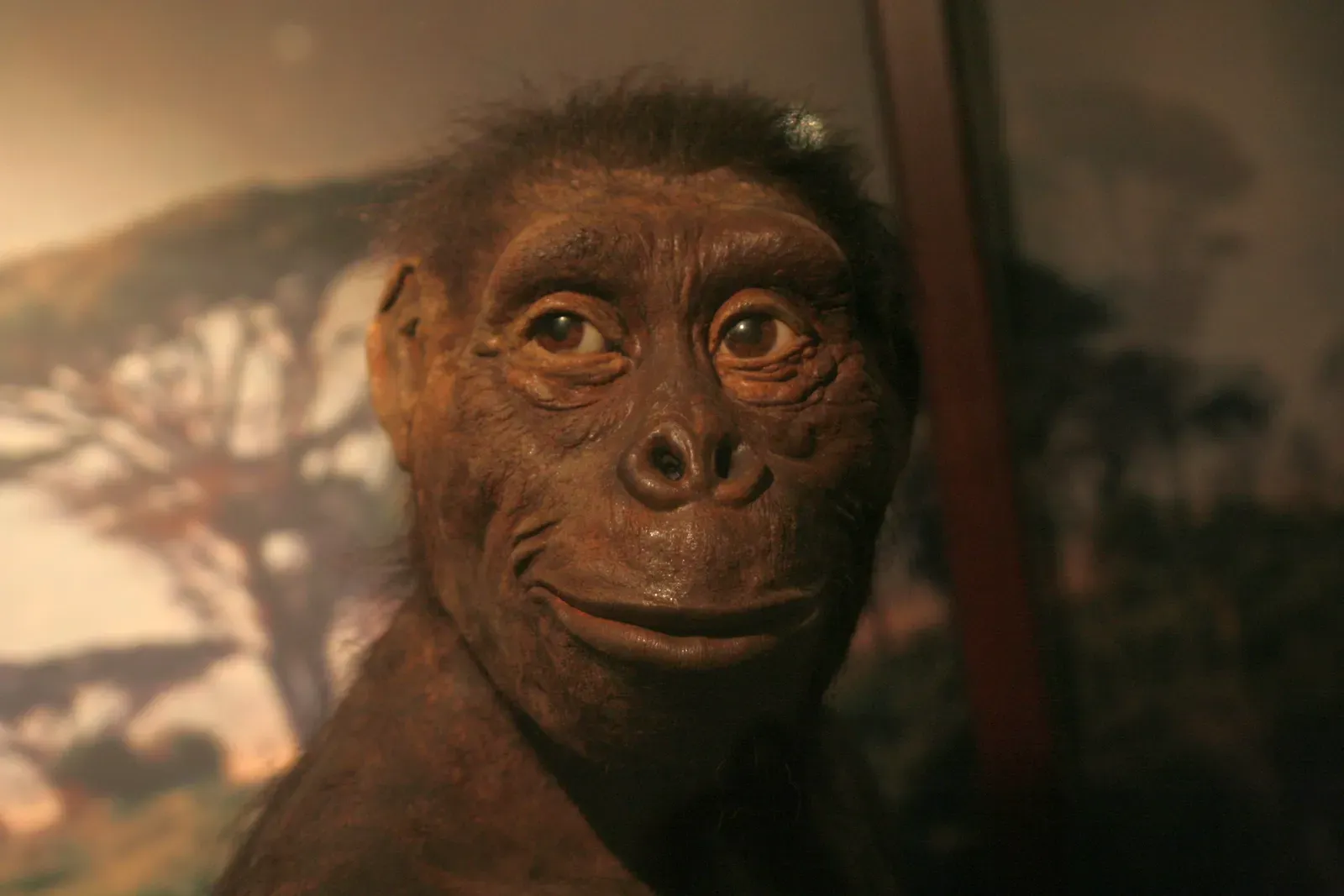
For over 50 years, Lucy has been treated as sacred ground in human evolution, a symbol so powerful she’s toured the world in museum exhibits. When she was discovered in 1974, the Australopithecus afarensis fossil that came to be called “Lucy” was heralded as one of the first humans, and for more than five decades this skeleton has graced museum halls around the globe as a landmark on our journey to becoming Homo sapiens.
That landmark status is now genuinely in question. More recent discoveries suggested that while Lucy wasn’t among the earliest humans, her species was still assumed to be an ancestor of our own lineage – but newly confirmed remains from Australopithecus deyiremeda have called even that into doubt. Layer on top of that the broader Monash University reassessment, which proposes reclassifying all species of humans and closely related fossil relatives from the past 4 to 5 million years into the single genus Homo, and Lucy’s identity is now unsettled twice over. The most famous fossil in the world might be neither our direct ancestor nor even a separate genus from us, depending on which version of this reassessment eventually wins out.
The Bottom Line
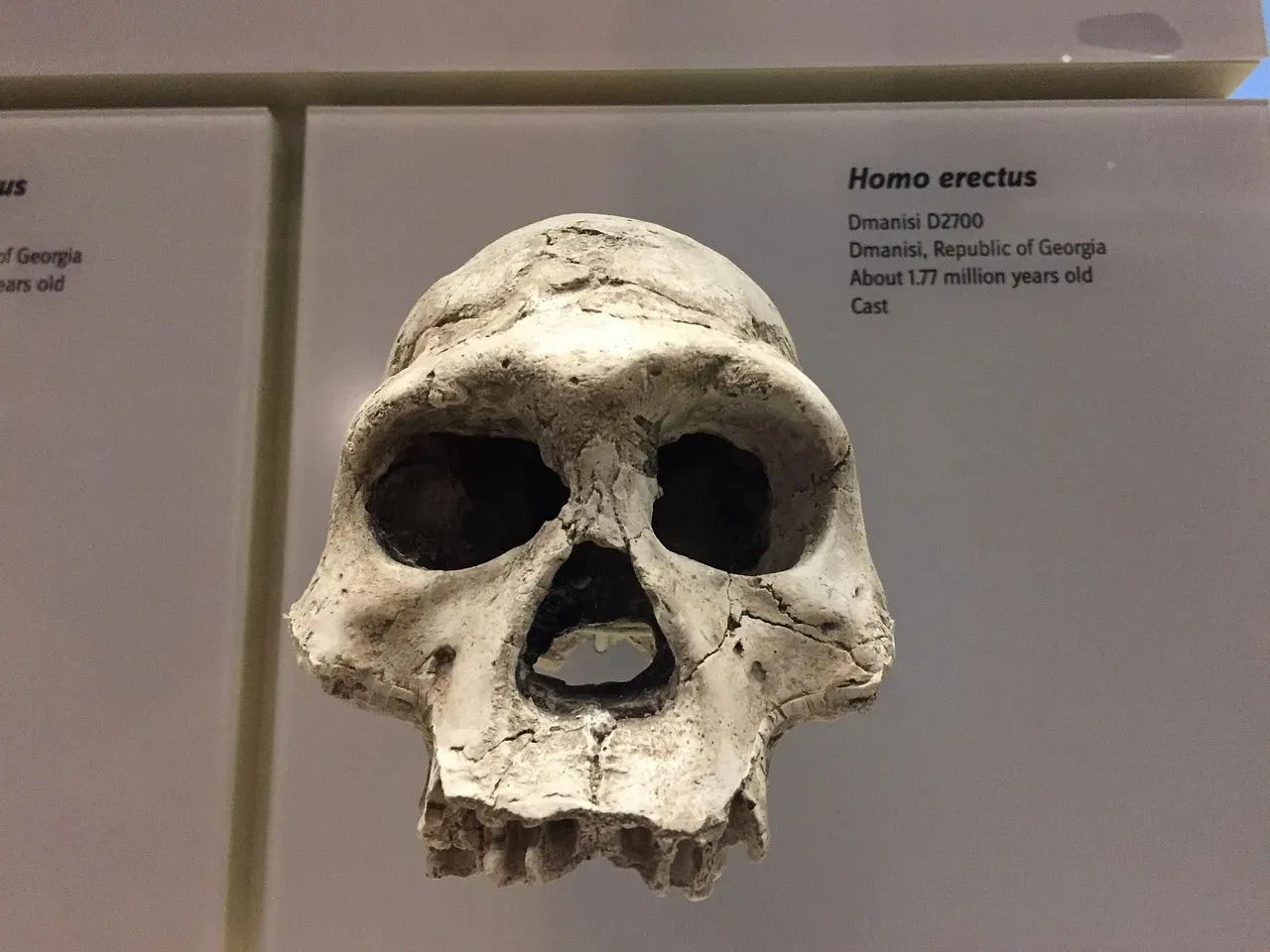
Here’s the uncomfortable truth: human evolution was never the neat, ladder-like chart printed in textbooks, and this quiet reassessment proves it. The fossil record tells a far messier story, with new discoveries repeatedly blurring the traits once thought to cleanly separate us from our close relatives, eroding the usefulness of the old lines drawn across Homo, Australopithecus, and Paranthropus alike.
Species built on single skulls, distorted fossils, or outdated brain-size assumptions are being quietly folded together, renamed, or erased entirely – and almost none of it made mainstream news. Honestly, the sheer number of “one-fossil species” on this list says more about academic ego than actual biology. Twenty-three names, and barely a handful were ever built on evidence solid enough to survive real scrutiny. Which reclassification surprised you the most? Drop it in the comments.