
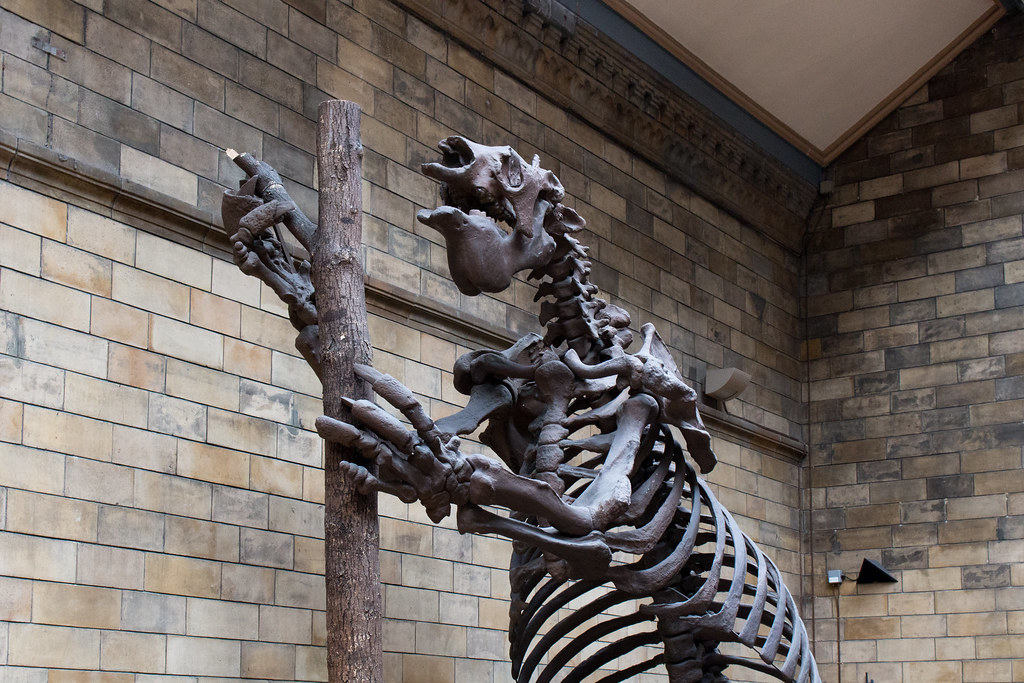
Most people picture the fossil record like a filing cabinet: dinosaurs in one drawer, Ice Age mammals in another, humans stacked neatly on top. That mental image is comforting, tidy, and wrong often enough that paleontologists privately joke about it. Bones keep turning up in the wrong drawer entirely – animals sitting in rock layers where the textbooks swear they have no business existing.
These finds aren’t ammunition for anyone hoping to overturn evolution or deep time. What they actually expose is how oversimplified those clean museum timelines really are. Some of these discoveries are strange enough that scientists are still arguing about them decades later, and a couple of them completely flip where an animal was ever allowed to live.
#12 – Mammoths Living in Climates That Should Have Been Too Warm for Them
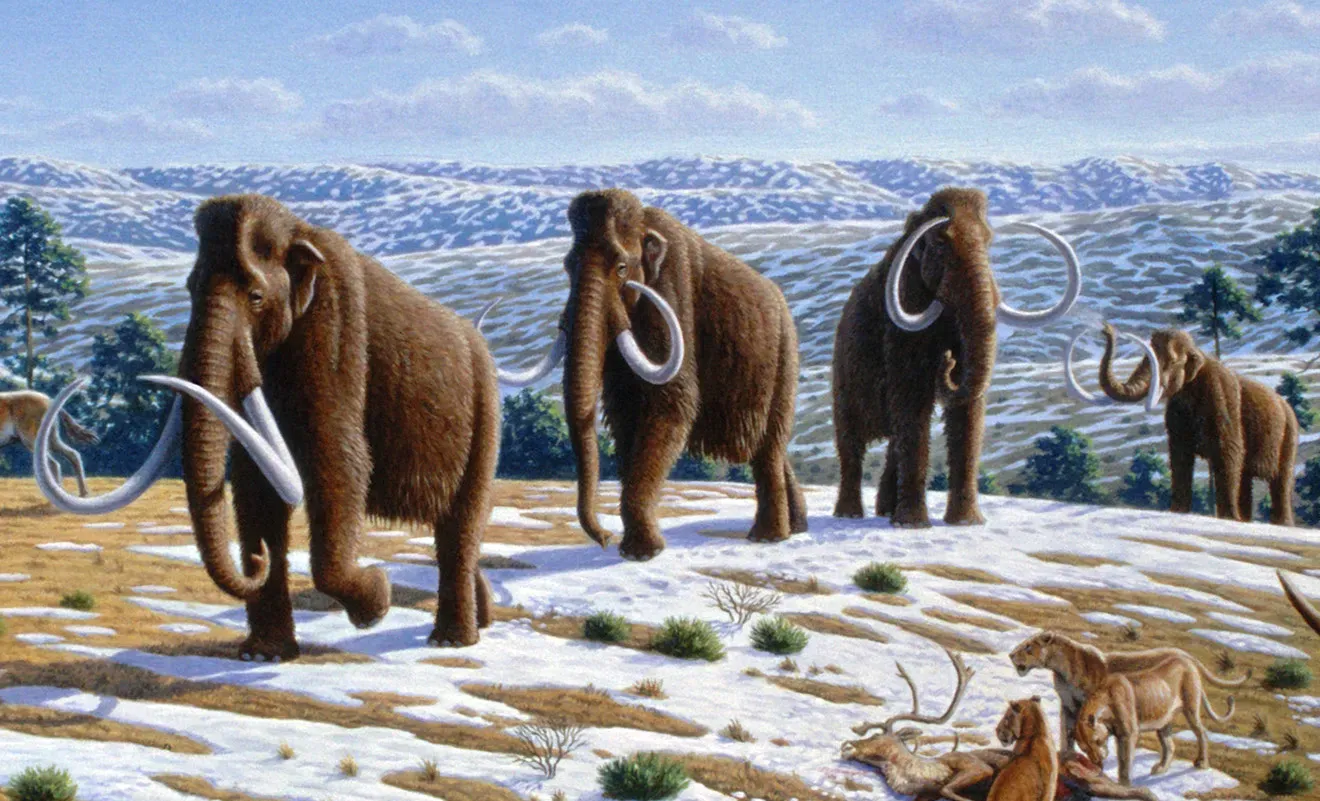
Everyone pictures woolly mammoths trudging across frozen Siberian wastes, not lounging in mild forest country. Yet mammoth remains keep showing up in sediments loaded with warm-adapted pollen and soil chemistry that reads more like a temperate woodland than an endless white tundra.
That single detail wrecks the cartoon version of mammoths as pure ice creatures. Some researchers think they were seasonal migrants, drifting between cold and mild zones as the climate lurched around them during odd warm pulses in the Ice Age. Others suspect we’re simply misreading the surrounding sediment signals. Either way, scientists have had to quietly redraw the mammoth’s comfort zone on the map.
Fast Facts
- During the last ice age, woolly mammoths ranged across an enormous stretch of the Northern Hemisphere, from Spain all the way to Alaska.
- As the world warmed, a small population found refuge on remote Wrangel Island off Siberia roughly 10,000 years ago, cut off from the shrinking mainland herds.
- That isolated island population survived for thousands of years longer than anyone would expect, only disappearing about 4,000 years ago.
- Their range spanned everything from frozen tundra to milder woodland zones, which is exactly why the “pure ice creature” image keeps falling apart under scrutiny.
#11 – Horse Bones Turning Up Long After Horses Were Supposedly Gone From North America
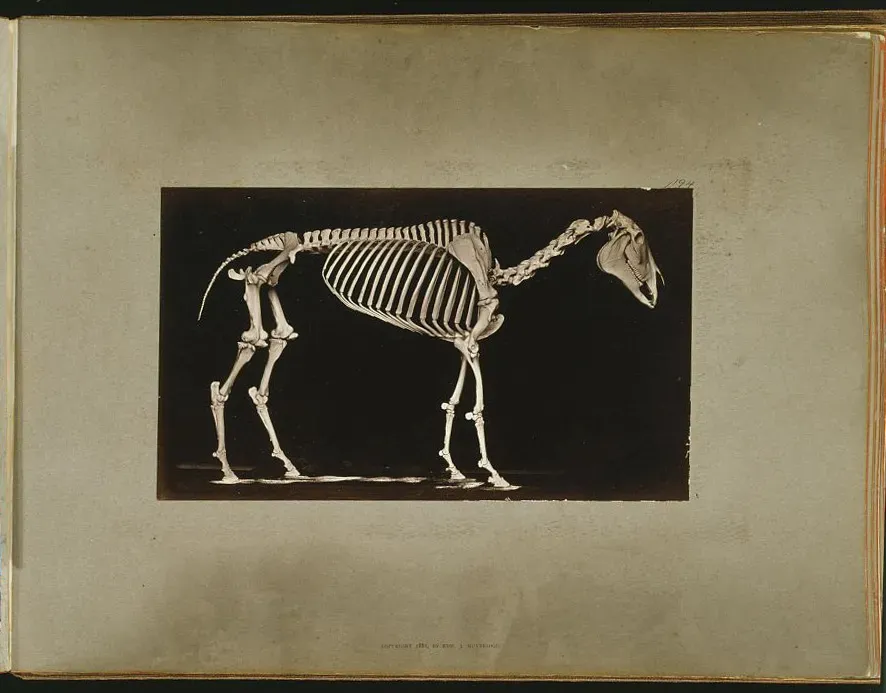
You were probably taught this one as settled fact: horses evolved in North America, vanished there around 10,000 years ago, and only came back when Europeans shipped them over. The mainstream timeline still says exactly that. But a handful of sites have produced horse bones and teeth in layers that look noticeably younger than that extinction date, sometimes mixed in with unmistakably Indigenous artifacts.
That doesn’t prove wild horses were galloping around the continent a few thousand years ago. Most researchers suspect re-deposition – older bones washed down into younger sediment – or contamination in the dating process. But a minority of scientists, backed by some Indigenous oral traditions, argue small populations may have hung on far longer than the textbooks admit. The debate hasn’t gone away, and it isn’t likely to.
#10 – Tropical Crocodiles Hiding Out in Ice Age Europe
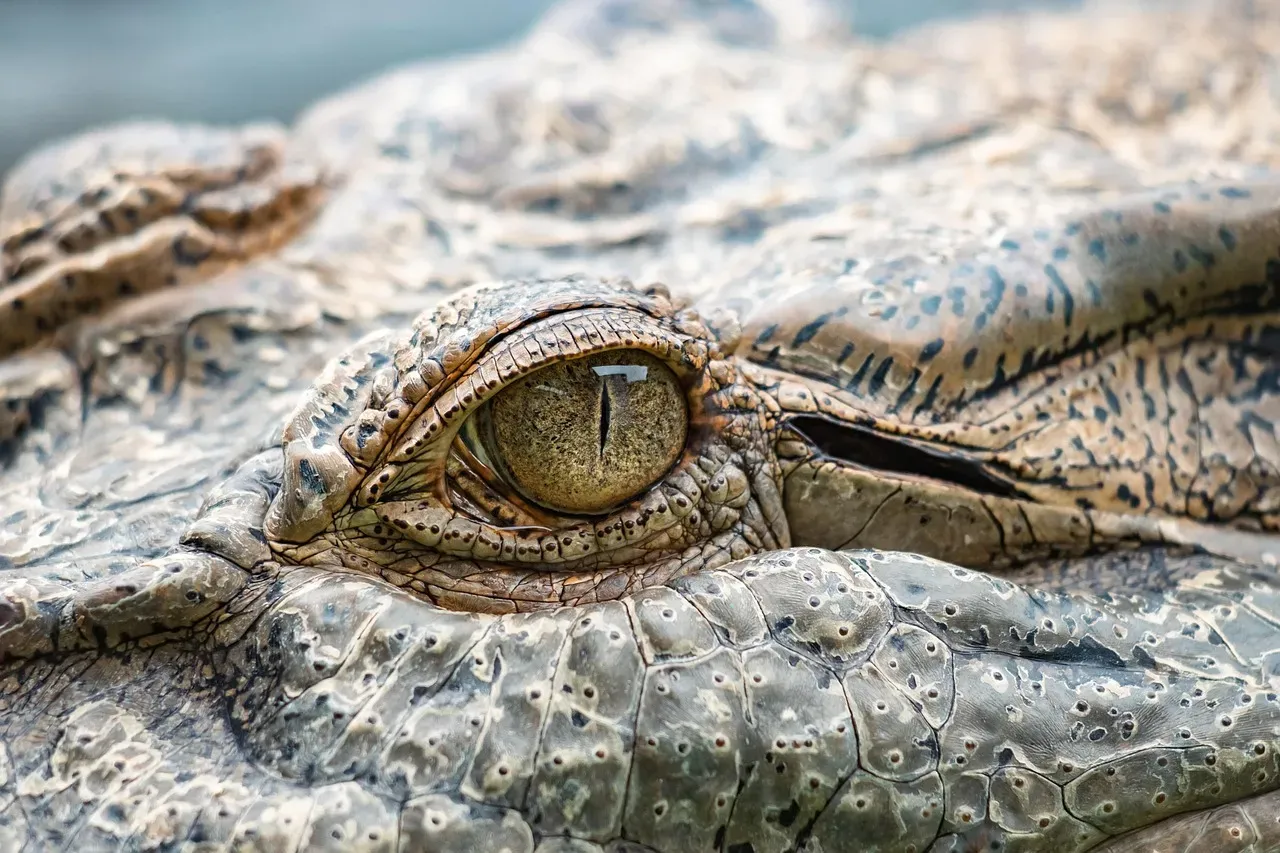
Say “Ice Age Europe” and most people picture mammoths, woolly rhinos, and endless glaciers – not crocodiles. Yet paleontologists have pulled croc and croc-like remains out of European sediment layers tied to surprisingly cool conditions, based on the surrounding fossils and geochemistry.
How does a heat-dependent reptile end up somewhere that should have been too cold to survive? Maybe those layers capture brief warm interludes too short to show up on coarse global climate charts. Maybe ancient crocodilian lineages were tougher than their modern relatives, clinging to the edge of their thermal limits. Or maybe bones simply eroded out of older, warmer layers and slid into younger, cooler-looking ones. None of the explanations are fully satisfying, which is exactly why specialists are still arguing about it in the journals.
#9 – Penguin Fossils Showing Up Far Outside Their Modern Range
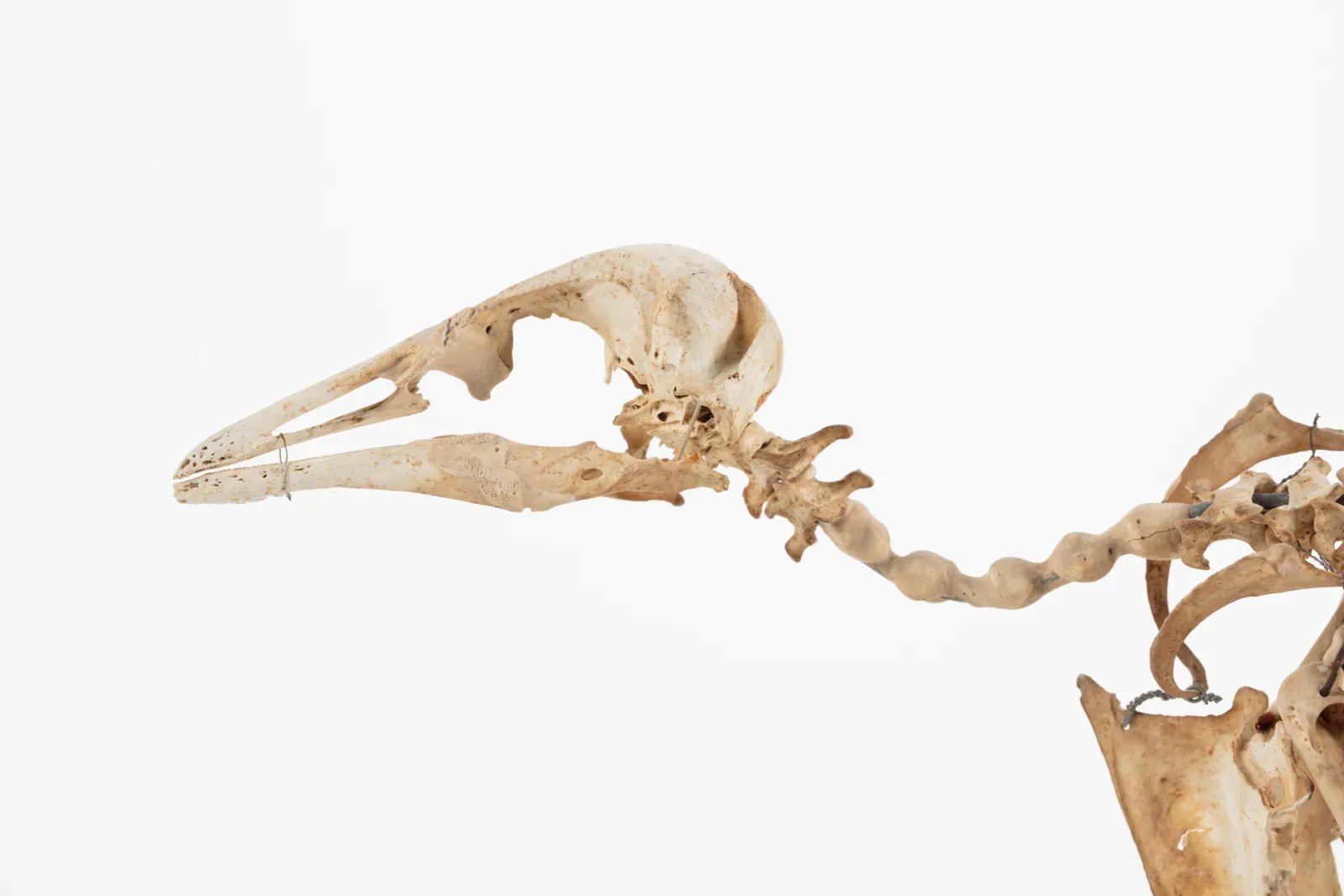
Most people draw a mental line straight through the equator: penguins live south of it, end of discussion. The fossil record doesn’t respect that line. Ancient penguin remains have turned up at latitudes that today would seem strangely warm for them, or at least far removed from the polar waters we associate with the birds.
That doesn’t mean penguins once waddled through what is now New York City. It does mean their historical range was far broader and more dynamic than modern maps suggest. Some of these far-flung fossils line up with cooler ancient ocean currents and different sea-level configurations that effectively created mini-Antarcticas in unexpected places. Penguin evolution wasn’t a slow, tidy march toward the ice – it was a messy dance with shifting oceans and drifting continents.
#8 – Camel Ancestors Living in the Canadian Arctic
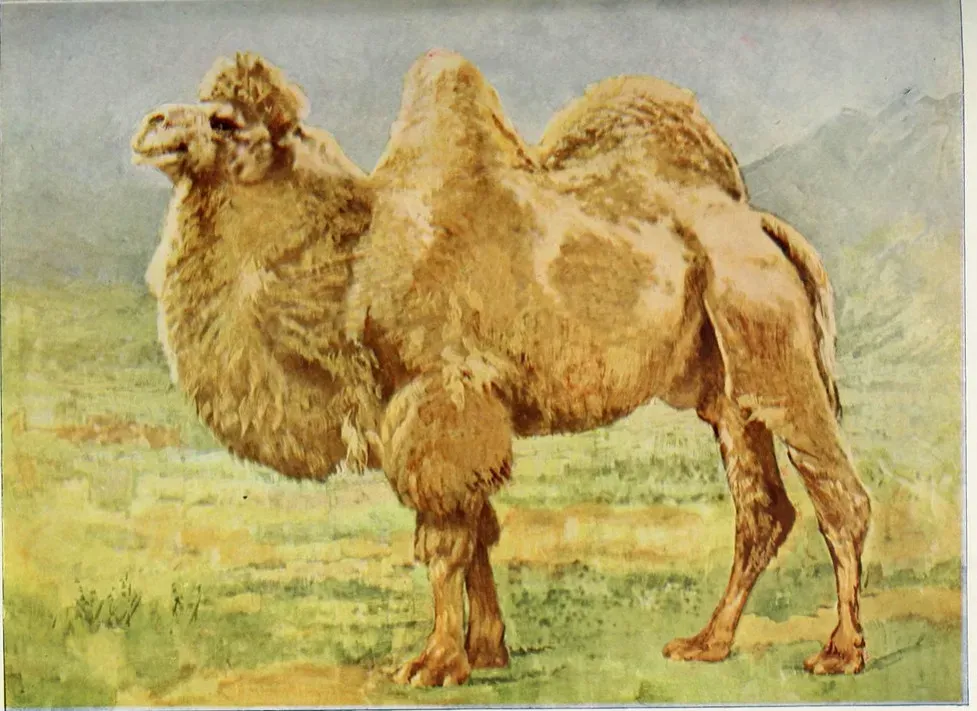
Ask almost anyone where camels come from and they’ll say the Middle East without blinking. One of the biggest fossil surprises in recent decades came from Ellesmere Island, deep inside the Canadian Arctic. Researchers found large camel-like bones and collagen fingerprints in sediments roughly 3.5 million years old – a location that today sits well inside polar darkness.
This isn’t a fringe claim; it’s now widely accepted. Back then the Arctic wasn’t frozen wasteland but boreal forest – spruce, larch, wetlands, still dark for months but far milder overall. Many experts now suspect traits we associate with desert survival, like fat storage in a hump and long, efficient legs, may have originally evolved for covering long distances and coping with scarce resources in those northern forests, not for crossing sand dunes. The “desert-built camel” story runs almost completely backward.
Why It Stands Out
- The fossil turned up on Ellesmere Island in Nunavut, Canada’s northernmost territory – about as far from a desert as you can get on the map.
- Researchers identified the roughly 3.5-million-year-old bone fragments using collagen fingerprinting, and the animal was estimated to be about 30 percent bigger than a modern camel.
- The find pushed the known range of North American camels northward by close to 1,200 kilometers, farther than anyone expected.
- At the time, that stretch of the Arctic was a boreal forest running 14 to 22 degrees Celsius warmer than it is today.
#7 – Giant Ground Sloths Marooned on Tiny Caribbean Islands
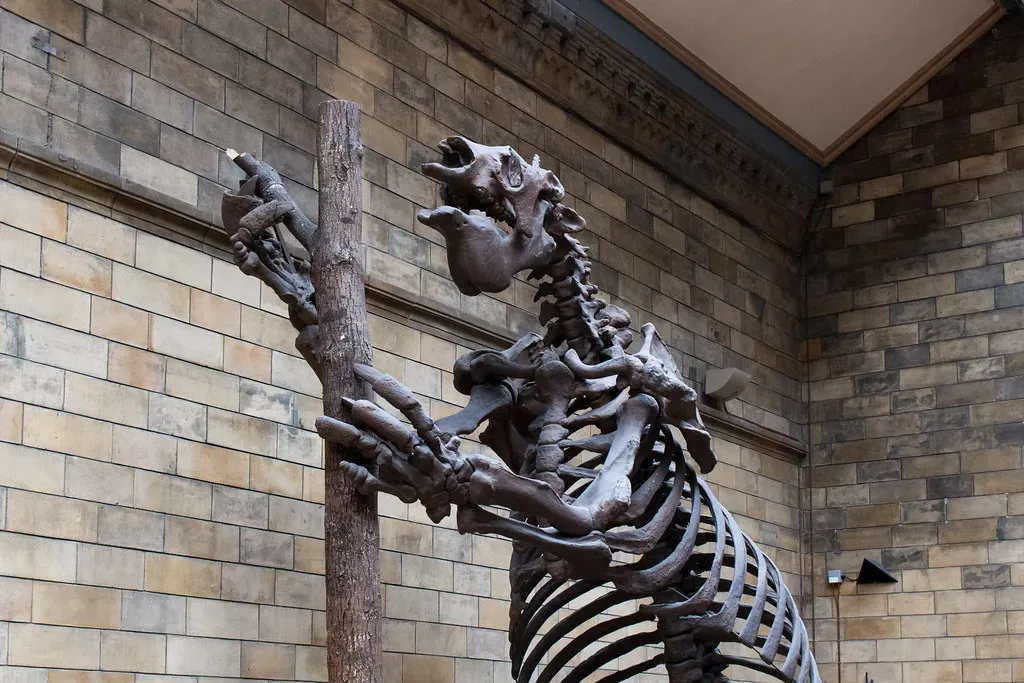
Giant ground sloths belong on vast mainland grasslands, lumbering through South and North America. Instead, their remains have turned up on small Caribbean islands, places that seem almost comically wrong for a multi-hundred-kilogram land mammal. On Cuba and Hispaniola, sloth bones date to surprisingly recent times – sometimes only a few thousand years old – overlapping with early human presence in the region.
Getting a slow-moving giant onto an island at all is a logistical puzzle. The leading theories sound almost too strange to be true: rafting on storm-torn mats of vegetation, or crossing via lower sea levels and now-vanished chains of stepping-stone land. Once isolated, these sloths evolved into their own island forms and, more importantly, seem to have outlived their mainland cousins by a wide margin. That staggered extinction quietly kills the idea that climate alone wiped every population out at once.
#6 – Shark Teeth Embedded in Mountains Thousands of Meters High
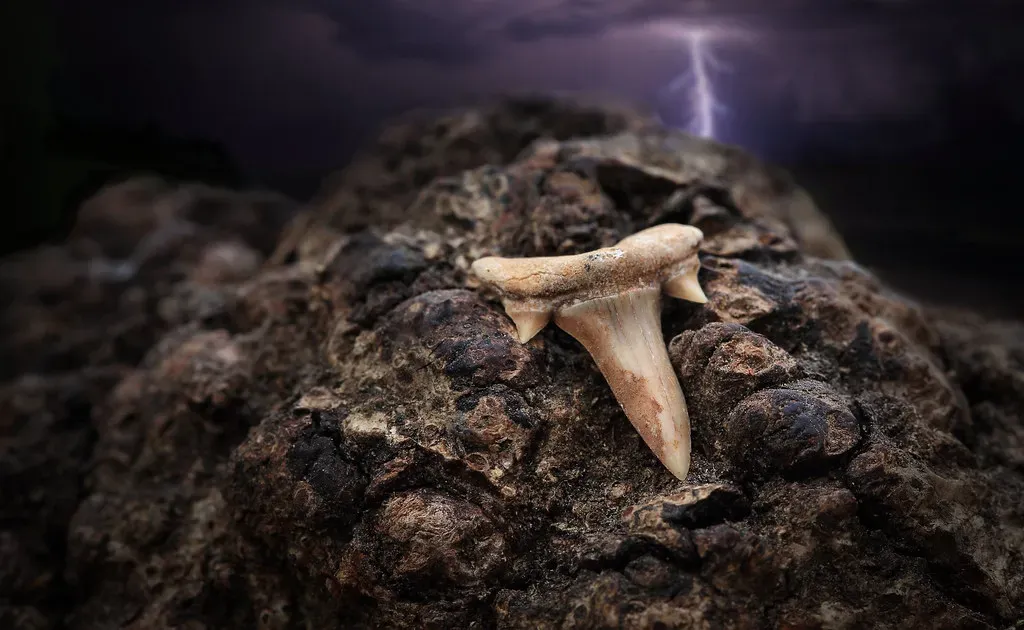
You’ve probably seen the viral post: “Shark teeth found on a mountaintop prove the sea used to be here.” For once, the meme is basically right, though the real story is stranger than the caption. From the Alps to the Himalayas, marine fossils – shark teeth, ammonites, coral – sit embedded in rock thousands of meters above modern sea level.
These aren’t modern sharks flung upward by some freak wave. They’re the compressed remains of ancient seafloors that got crumpled and thrust skyward when tectonic plates collided. In some cases the fossils are preserved well enough to match identical species across continents, proving those distant regions were once connected under the same shallow ocean. The teeth aren’t really the anomaly here – our human sense of “solid, permanent ground” is the thing that’s wrong.
At a Glance
- The summit of Mount Everest is capped by limestone roughly 450 million years old, laid down on the floor of the ancient Tethys Sea and packed with fossilized crinoids, brachiopods, and conodonts.
- The first confirmed Everest fossils were spotted in 1924 by a British expedition geologist scouting a route thousands of meters up the mountain.
- The Himalayas began rising roughly 50 million years ago when the Indian Plate slammed into the Eurasian Plate, forcing that ancient seafloor upward.
- That collision eventually pushed marine sediments to an elevation of nearly 8,849 meters above sea level – the current height of Everest’s summit.
#5 – Human Tools Mixed With Ice Age Giants in Layers That Shouldn’t Have People In Them Yet
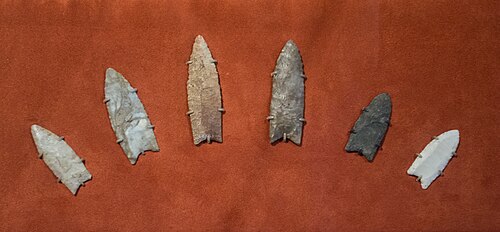
Few topics get archaeologists more heated than claims that people reached the Americas earlier than the standard timeline allows. Most textbooks put widespread human presence at roughly 13,000 to 15,000 years ago. A handful of sites, however, have produced stone tools, cut-marked bones, and even footprints in layers that appear to be twice that age or older, sitting right alongside mammoths, mastodons, and extinct camels.
Mainstream archaeologists remain skeptical for good reason – old sediments are notoriously tricky to date, and natural fractures can mimic tool marks. But the strongest of these sites are getting harder to wave away, especially when the dating methods line up and the stratigraphy looks clean. A growing minority of researchers now cautiously accept that at least some human presence in the Americas predates the classic Clovis culture by thousands of years. If our own species can slip through the cracks of the timeline, the cracks are clearly bigger than advertised.
#4 – Whales and Dolphins Fossilized Where There Should Only Be Freshwater Rivers
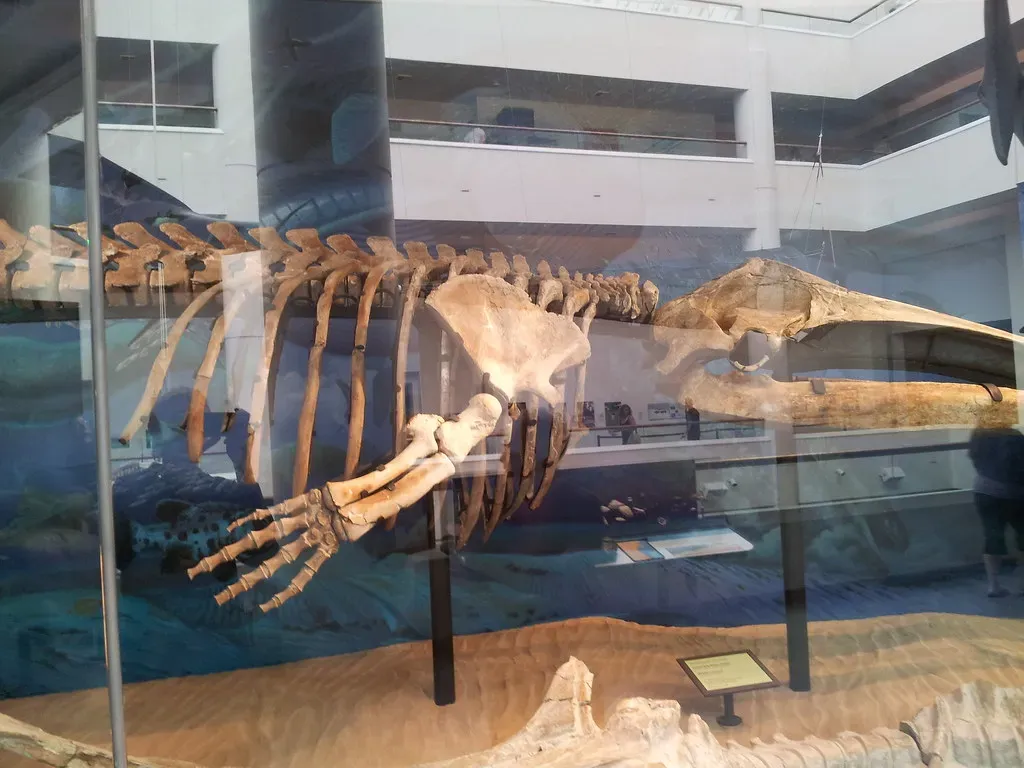
A whale skeleton turning up in the desert has become an almost tired science headline, but some cases still defy easy explanation. Certain sites have produced marine mammal bones – dolphins, seals, early whale relatives – in deposits that look far more like river deltas, lakes, or swampy floodplains than open ocean, surrounded by freshwater fish, mollusks, and pollen that all scream “inland.”
The most likely explanation is that ancient coastlines were far more fluid than modern ones, with inland seas and broad brackish deltas leaving a confusing, “freshwater-looking” legacy in the rock. Carcasses may also have drifted upstream or been dragged inland by predators before an estuary later shifted course. But in a few well-documented cases, even conservative geologists admit the marine mammals genuinely seem at odds with the reconstructed environment – a sign that our maps of ancient basins might be tidier than reality ever was.
#3 – Dinosaurs Preserved Inside What Look Like Ancient Sand Dunes
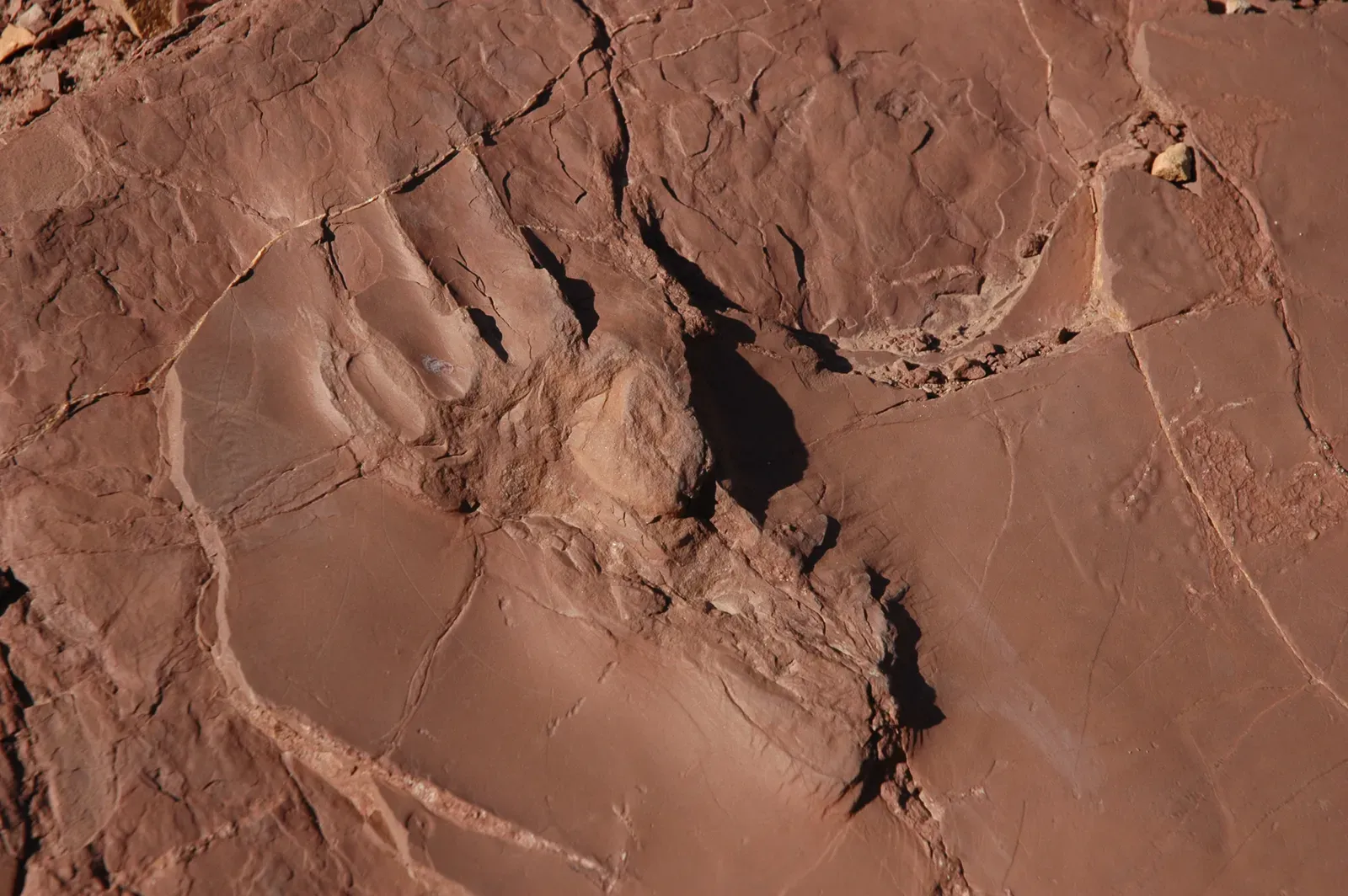
Children’s books show dinosaurs stomping through lush jungles and steamy swamps. A surprising number of spectacular fossils, though, show up in rock that every sedimentological test confirms was once desert dune field. In formations like the Navajo Sandstone, paleontologists have found dinosaur tracks, bones, and even likely nesting sites buried in ancient wind-blown sand – the same kind of environment you’d associate with today’s Sahara.
Desert fossils are rare precisely because dry conditions are terrible for preservation, so every find here punches above its weight. Trackways suggest large herds trekking across the dunes, behaving more like modern desert antelope than forest-bound giants. Some species show up repeatedly in these arid layers, hinting at long-term adaptation rather than a one-off wrong turn. Dinosaurs, it turns out, pushed into harsh, fluctuating environments we assumed were completely beyond their reach.
#2 – Tiny Primates That Somehow Survived the Total Darkness of Arctic Winters
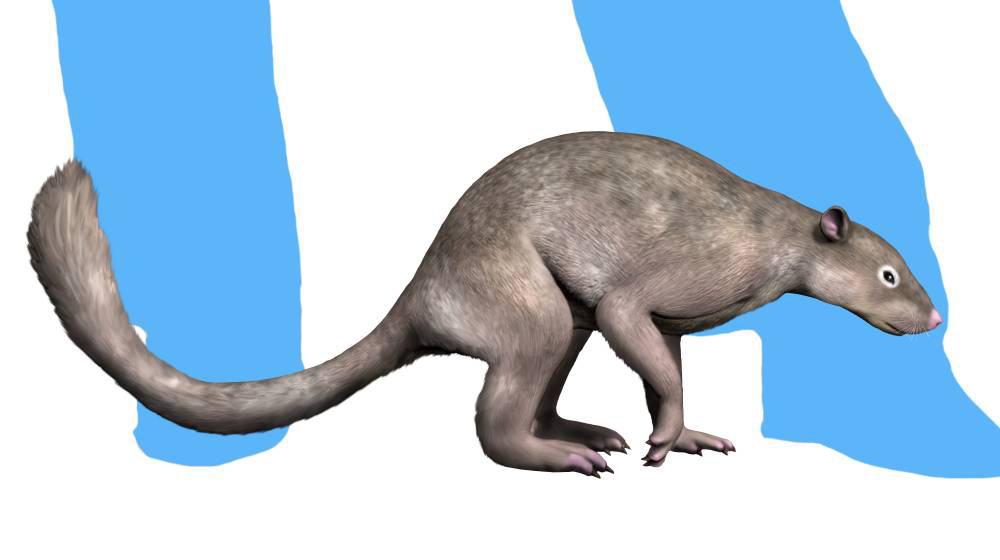
Humans get seasonal depression from a few short winter weeks, so imagine living above the Arctic Circle where the sun disappears for months at a time. Now add the twist: fossil sites in ancient Arctic regions, again notably on Ellesmere Island, have produced teeth and bones from small primates – animals we typically associate with warm, bright, sunlit forests.
These primates lived around 50 million years ago, when the Arctic supported swampy, mild forests. Even so, those forests still endured long stretches of total winter darkness, which should have been brutal for small, visually oriented animals. Scientists suspect hibernation, slowed metabolism, heightened senses of smell and touch, or seasonal migration along forested corridors chasing the light. Whatever the answer, it forces a rethink of what early primates could actually tolerate – and it kills the lazy assumption that primate evolution only ever happened under a tropical sun.
Worth Knowing
- The two identified species, both close primate relatives, were found on Ellesmere Island and date back roughly 52 million years to the early Eocene.
- Researchers studying the fossils noted that no primate relative had ever before been found at such extreme latitudes.
- The animals appear to have leaned on tougher, harder food sources – a diet shift that may have helped them get through six straight months of winter darkness.
- Their presence suggests early primate lineages were far more adaptable to cold, dark environments than their tropical reputation suggests.
#1 – “Extinct” Animals That Reappear Millions of Years After They Were Supposed to Be Gone
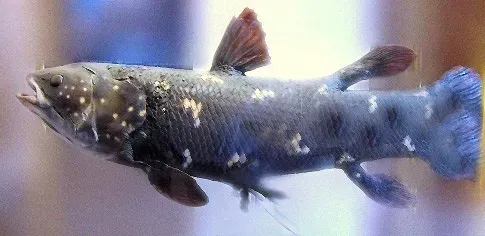
Here’s the twist that annoys textbook writers and delights internet skeptics in equal measure: every so often, an animal group vanishes from the fossil record for millions of years, then reappears either as a living species or as suspiciously “too-young” fossils in layers where it supposedly shouldn’t exist anymore. Coelacanths are the classic case – a fish lineage presumed extinct for 66 million years until a living one was hauled out of the ocean in 1938.
Paleontologists call these “Lazarus taxa,” creatures that vanish and then apparently resurrect in younger rock. Nobody thinks they time-traveled. It almost always means they survived in environments that didn’t preserve well, quietly waiting in the geological blind spots we haven’t searched yet. When the biologist J.B.S. Haldane was famously asked what evidence could disprove evolution, his answer cuts right to the heart of why these finds matter so much.
Fossil rabbits in the Precambrian.
J.B.S. Haldane
That’s the real bar for a true anomaly – and none of these twelve finds clear it. What they do instead is expose a much smaller, more honest truth: our confidence in sharp extinction dates and clean timelines is often far shakier than the museum posters let on.
The Bottom Line
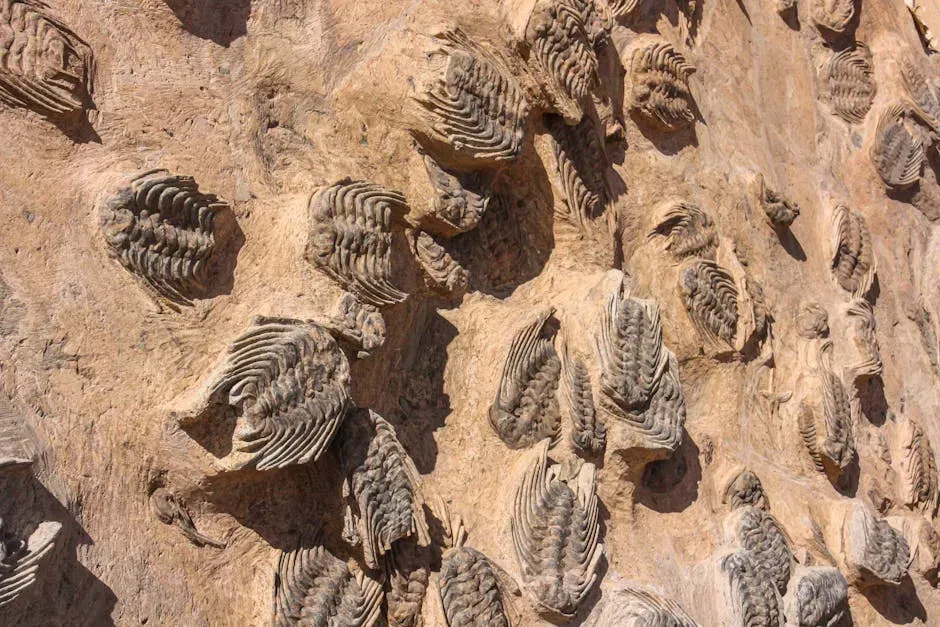
Taken together, these out-of-place remains don’t blow up evolution or geology. What they blow up is the tidy, oversimplified museum-diagram version of Earth’s past that most of us grew up trusting without question.
Mammoths in warm zones, camels in the Arctic, primates surviving polar darkness, sloths marooned on remote islands, whales fossilized in what look like lakebeds, and Lazarus taxa popping back into view decades after their supposed extinction – they all point at the same uncomfortable truth. Life was messier, more flexible, and more stubborn than any clean arrow on a timeline chart admits.
The rocks aren’t lying. Our simplified stories are just a little too neat for the world that actually produced them. Personally, I think the anomalies are the whole point – they’re the only thing keeping the story honest. Which one of these fossil curveballs do you actually believe, and which one are you still not buying?