
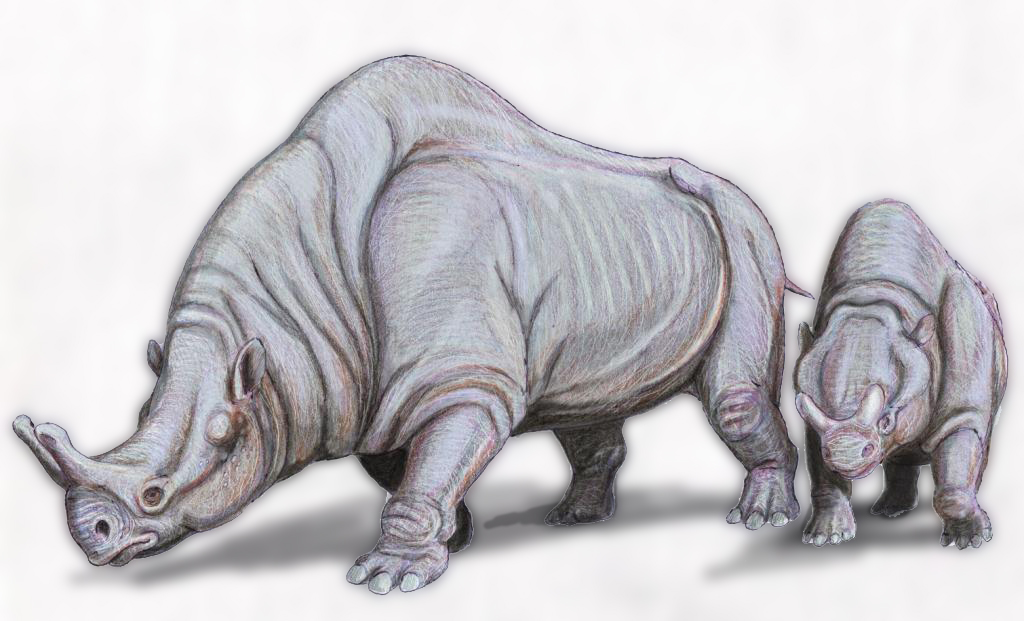
Extinct animals don’t just disappear from the fossil record – sometimes their names go extinct too. Most people assume a dinosaur’s scientific name is permanent, carved in stone the second a fossil hunter shouts “eureka.” Paleontology’s dirty little secret says otherwise: roughly a third of the genus names coined during the 19th-century Bone Wars turned out to be based on scraps, duplicates, or flat-out mistakes.
When later scientists got sharper fossils, better tools, or simply noticed that someone else had already used the same name for a bug, the original label got quietly – or sometimes very loudly – retired. Some of these reversals took decades to sort out. One took more than a century and reignited a fight nobody thought was still alive. Here’s what the taxonomic record actually shows once you dig past the textbook version of these stories.
#20 – The Great Auk’s Identity Crisis
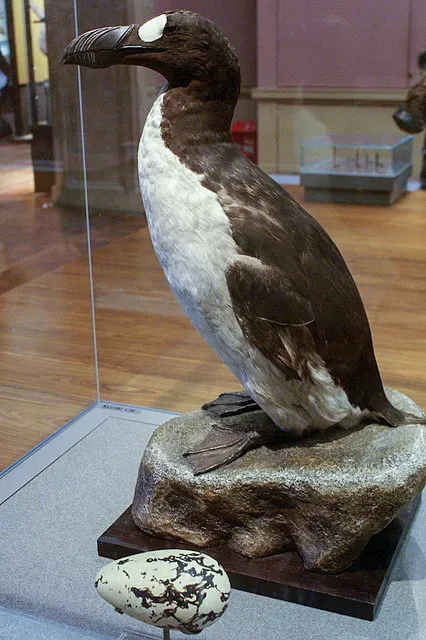
The flightless seabird that colonized North Atlantic cliffs for thousands of years didn’t start life with the name most encyclopedias use today. Linnaeus originally lumped it into the same genus as the living razorbill, treating it as just another “Alca.”
That classification didn’t survive scrutiny. Naturalists eventually decided the bird’s flightlessness, size, and skeletal differences were significant enough to earn it its own genus entirely, separating it permanently from its flying relatives. The original genus placement lasted only a few decades before taxonomists split it off for good. But wait until you see the mess waiting at #19.
#19 – Steller’s Sea Cow Gets a New Family Tree
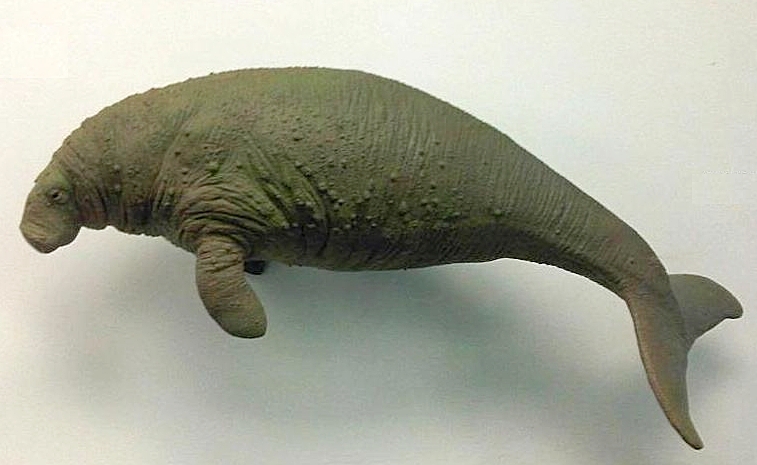
When German naturalists first tried to classify the gentle giant manatee relative that once floated through the Commander Islands, they reached for the nearest available comparison – smaller, warm-water sea cows already known to science.
That comparison didn’t hold up once anatomists actually examined the skeleton in detail. The animal’s proportions, its bark-like skin, and its cold-water adaptations were different enough that scientists eventually carved out an entirely new genus just for it, retiring the name that had lumped it in with its tropical cousins. The correction came only after the species was already gone, hunted to extinction within decades of its formal discovery by Europeans, meaning the “true” name arrived posthumously. Compare that to the tangle waiting at #18.
Fast Facts
- Discovered by naturalist Georg Steller in 1741 during Vitus Bering’s shipwrecked expedition
- Grew up to 30 feet long and could weigh an estimated 8 to 10 tons
- Fed almost entirely on kelp, using bristled plates instead of teeth
- Declared extinct by 1768, just 27 years after its formal discovery
#18 – The Dodo’s Confusing Paper Trail
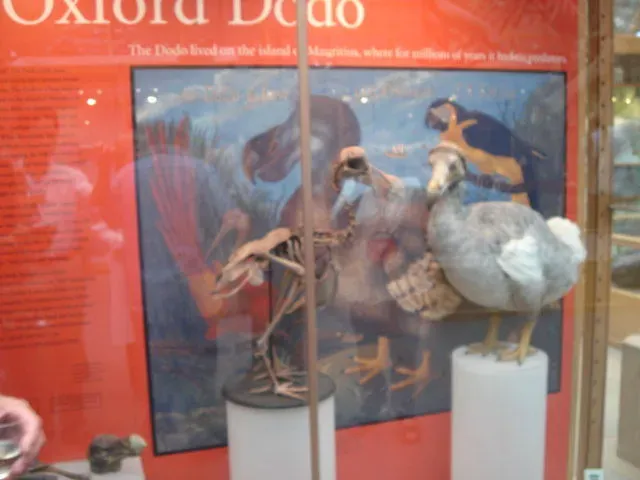
Few extinct animals have a messier naming history than the dodo. Early European naturalists working from secondhand sketches, sailors’ journals, and a handful of preserved parts gave the bird several different scientific labels before anyone had a complete skeleton to study.
The genus name most people never hear about was eventually dropped once ornithologists realized it created confusing overlaps with unrelated birds. A separate genus, built specifically around the dodo’s unique skull and reduced wing structure, became the accepted home for the species. Most of what 18th-century naturalists “knew” about the dodo came from a single painted portrait and a stuffed specimen that later rotted away, which is exactly why the early names didn’t survive contact with better evidence. None of that compares to the tangle in #17.
#17 – The Woolly Rhino’s Genus Swap
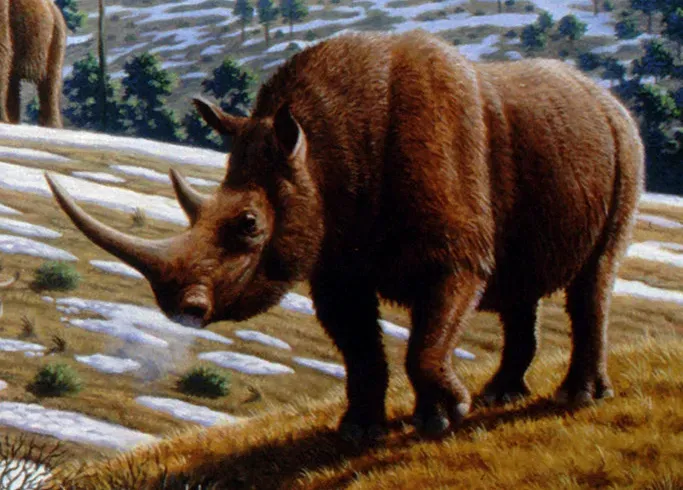
Early classifications of the woolly rhinoceros treated it as simply an ice-age version of living African and Asian rhinos, sharing the same genus name used for its modern relatives.
Later comparative anatomy told a different story. The nasal septum, the shape of the horn base, and the skull architecture of the frozen carcasses pulled from Siberian permafrost turned out to be distinct enough that the animal earned its own genus, separate from any living rhino. Frozen specimens with preserved skin and hair – not just bones – gave scientists the detail needed to justify the split, something most fossil mammals never offer. Still, that’s mild compared to #16.
#16 – The Irish Elk Was Never Actually an Elk
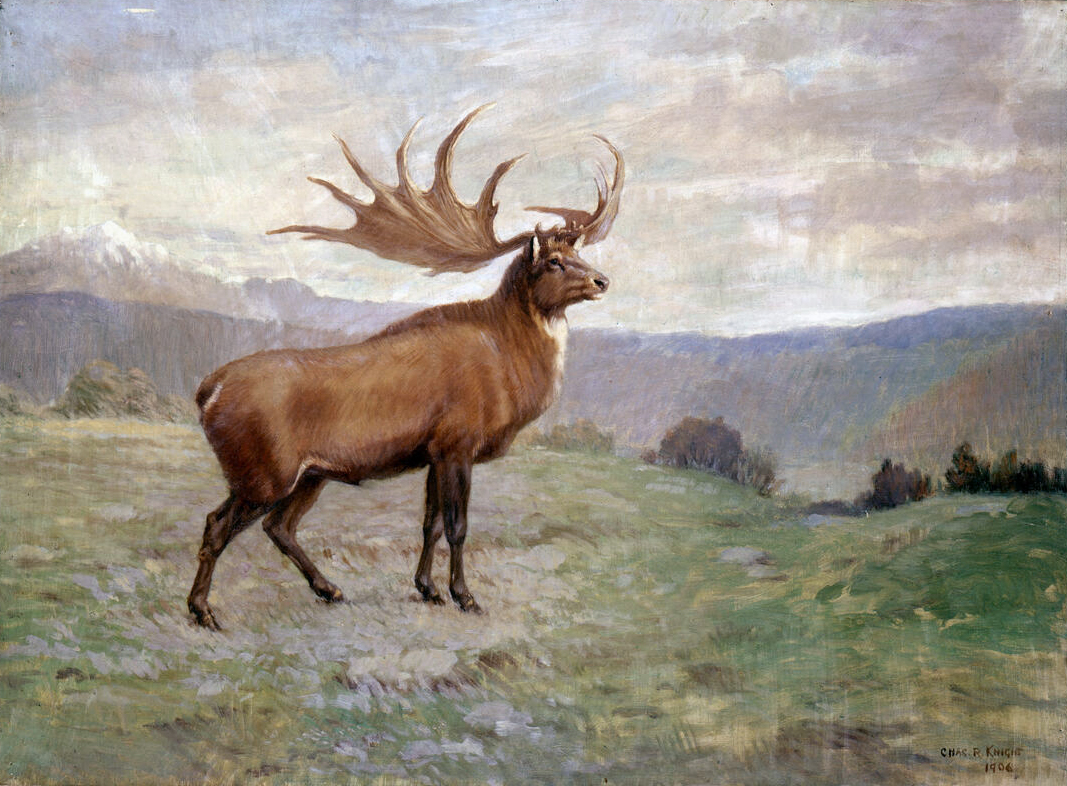
Ironically named twice over, the so-called “Irish elk” wasn’t Irish (fossils turn up across Europe and Asia) and wasn’t an elk. Early naturalists slotted the animal into the same genus as living red deer and elk simply because it had antlers and looked deer-shaped.
That classification collapsed once researchers studied the sheer scale of its antler spread – some specimens stretch close to twelve feet tip to tip, a proportion no living deer genus comes close to matching. A separate genus was created specifically to house this giant deer, acknowledging that its antler-growth biology was unlike anything alive today. The old genus name still gets used casually on museum plaques, but scientifically, it’s retired. That mix-up looks tame next to #15.
Worth Knowing
- Antlers could span nearly 12 feet tip to tip, the largest of any known deer
- Fossils have turned up from Ireland to Siberia, far beyond the British Isles
- Standing roughly 7 feet at the shoulder, it dwarfed every living deer species
- Went extinct around 7,700 years ago, well after the last Ice Age ended
#15 – The American Mastodon’s Priority Problem
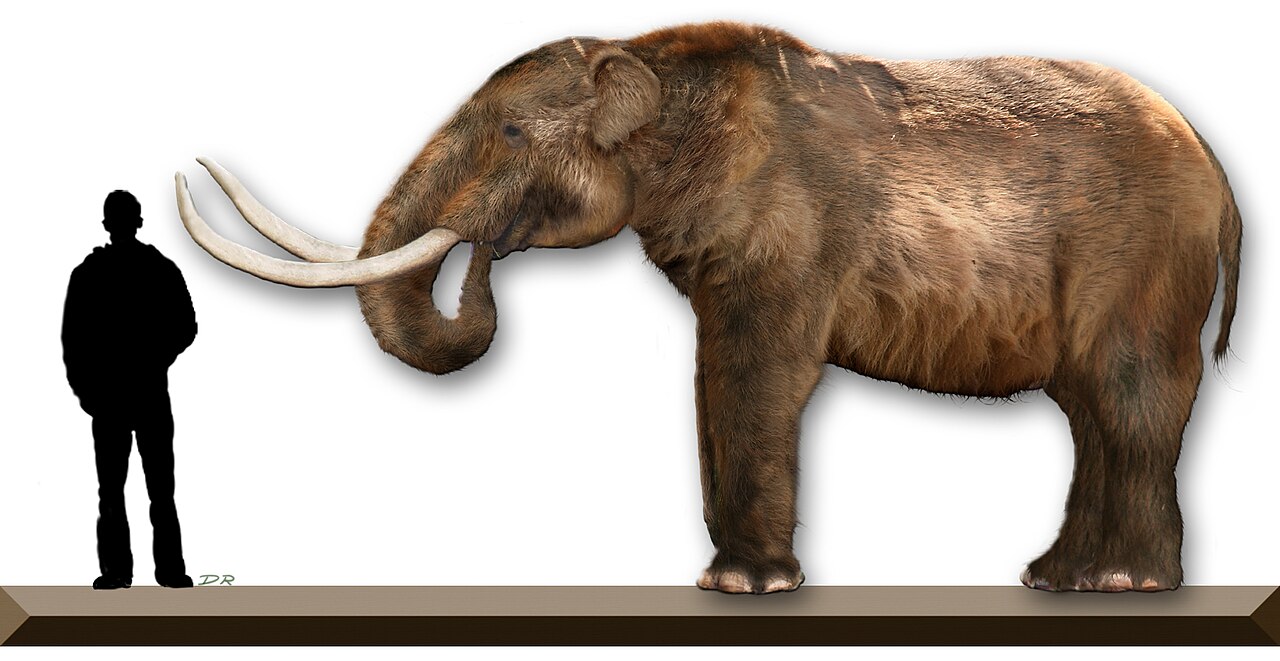
Georges Cuvier, one of the founding fathers of comparative anatomy, described the giant tusked mammal found across North America and gave it a genus name built on the animal’s massive size and puzzling teeth.
The problem was timing. A different naturalist had already coined an earlier genus name for essentially the same kind of animal, and under the strict “first name wins” rule that governs zoological naming, priority mattered more than fame. Once later taxonomists dug through the publication dates, the older name legally displaced Cuvier’s, even though Cuvier’s version had already spread through museums and textbooks. The switch happened purely on a paperwork technicality, not because anyone found new bones. Even that shuffle looks calm compared to #14.
#14 – Uintatherium and the Bone Wars Naming Pile-Up
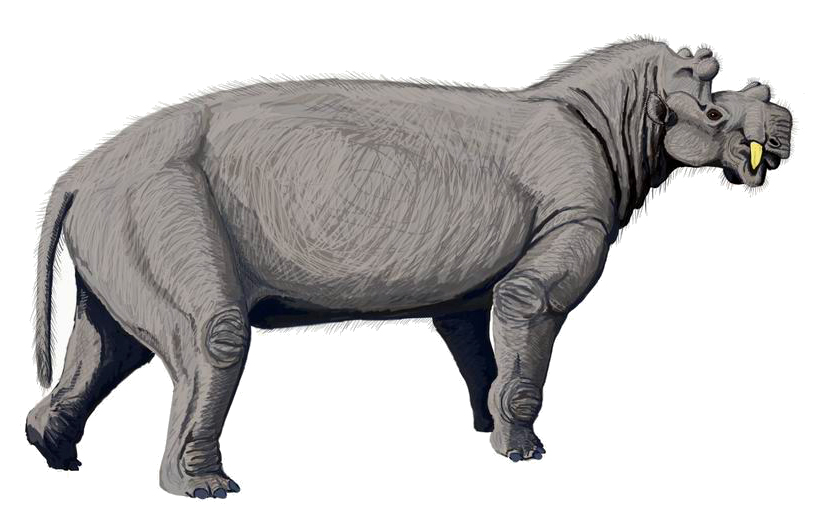
During the frantic fossil-collecting rush of the 1870s, rival paleontologists working independently in the American West kept finding the skulls of the same bizarre, tusked, horn-studded mammal and giving it different names, convinced each had discovered something new.
Sorting out the mess took decades. Once researchers compared skulls side by side instead of racing to publish first, it became clear that several “different” genera were actually the same animal at different growth stages or sexes. Most of those competing names were formally sunk, leaving one surviving genus to represent them all. At least three separately published genus names for this single species were eventually declared synonyms of each other, a direct casualty of Bone Wars-era rivalry. That pile-up has nothing on #13.
At a Glance
- Othniel Marsh and Edward Cope collectively named dozens of new dinosaur and mammal genera during their rivalry
- Competing teams sometimes described the same skeleton under different names within months of each other
- At least three separate genus names for Uintatherium-type fossils were later declared synonyms
- Untangling the confusion took paleontologists the better part of a century
#13 – Brontotherium Loses to an Older Rival
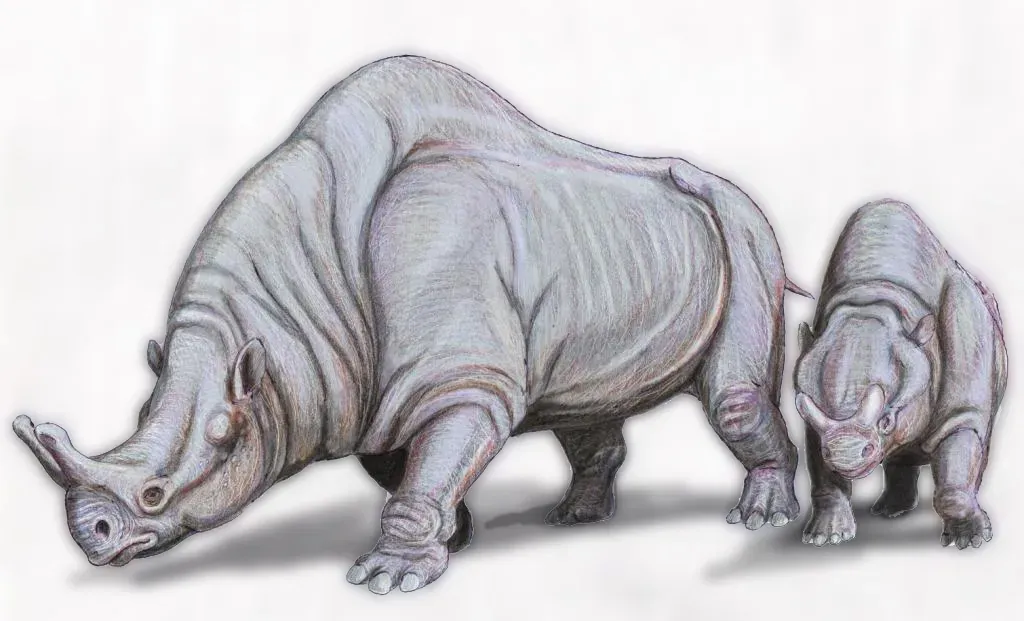
The massive, blunt-horned “thunder beast” that once roamed the badlands of the American West was named with real flair – a name meant to evoke the animal’s supposed size and power on the plains.
Unfortunately for the name’s fans, a rival paleontologist had already described extremely similar fossils years earlier under a less dramatic label. When a comprehensive 21st-century revision finally sorted through decades of overlapping brontothere species, researchers concluded that the flashier name was a junior synonym and had to be retired in favor of the earlier, quieter one. Genuine popularity never overrides publication date under the rules of zoological nomenclature, and this is one of the clearest examples of that principle winning out. Even that loss looks minor next to #12.
#12 – The Saber-Tooth Cat Genus That Splintered
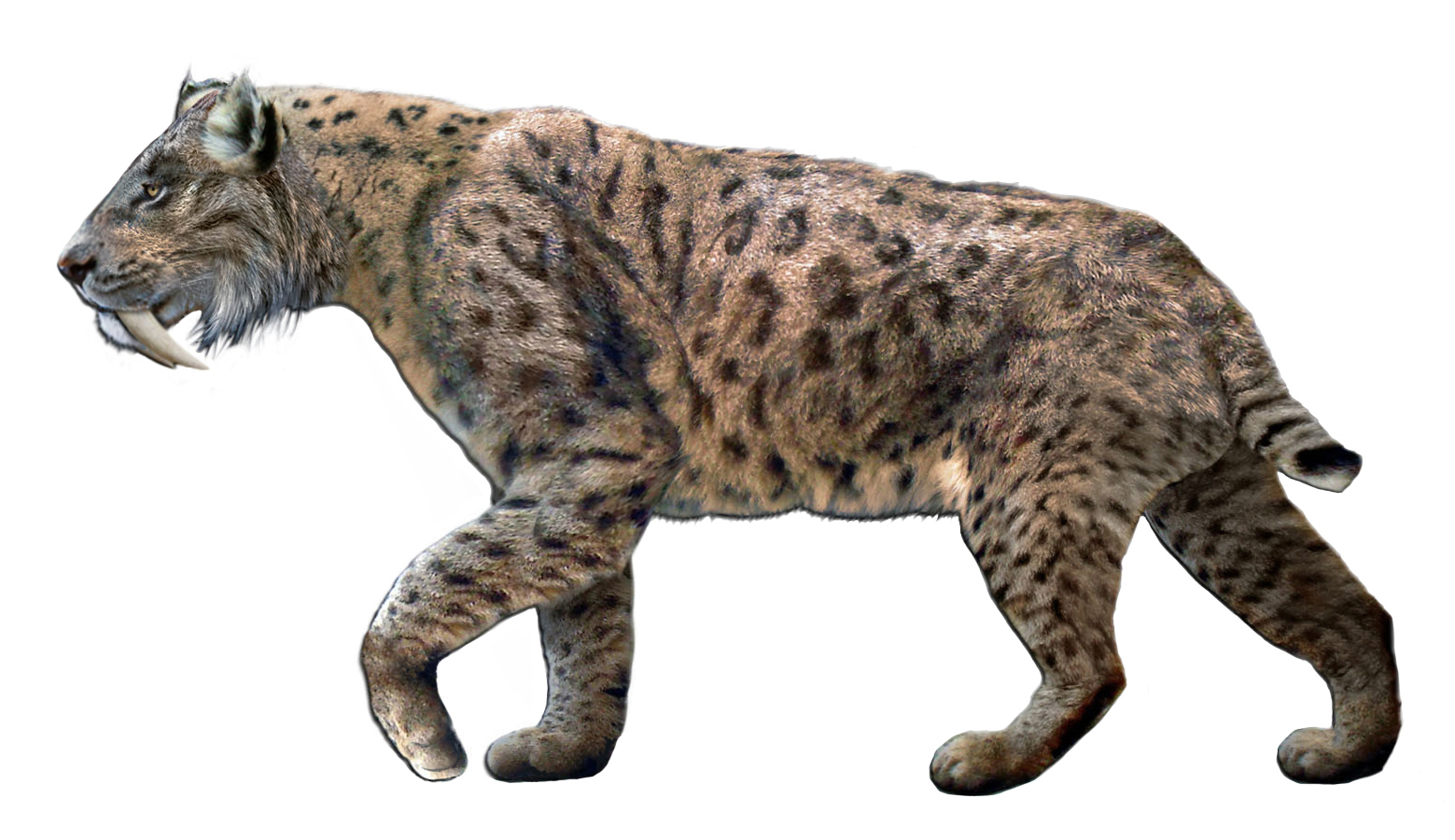
For much of the 19th century, scientists lumped almost every saber-toothed predator fossil – regardless of continent or age – into one broad genus built around a general “long canine tooth” body plan.
That broad-strokes approach couldn’t survive closer scrutiny. As more complete skeletons turned up in places like Rancho La Brea, researchers realized the “same” genus actually contained several distinct predator lineages with different jaw mechanics, limb proportions, and hunting styles. The genus was split apart, and the fossils most people picture when they hear “saber-tooth cat” were reassigned to their own dedicated genus entirely. A single wastebasket category eventually fractured into multiple separate genera once skeletal completeness allowed for real comparison instead of guesswork. That fracture is nothing next to what happened at #11.
#11 – Renamed Because of a Mite
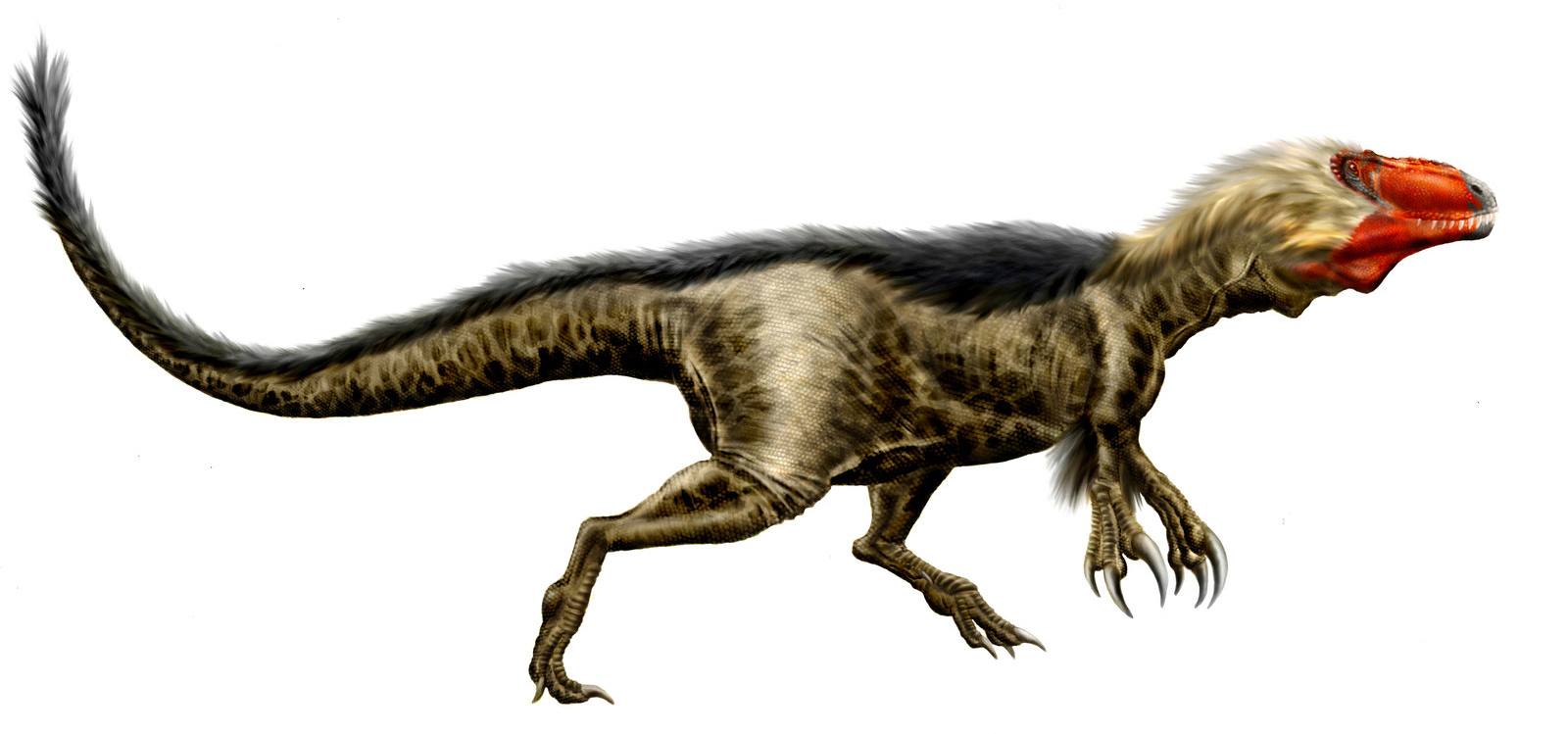
Edward Drinker Cope, one of the two rival fossil hunters at the center of the Bone Wars, named a fierce, curved-clawed theropod dinosaur found in New Jersey marl pits using a name that evoked a mythological demon.
There was just one problem: an entomologist had already used that exact genus name for a completely unrelated group of parasitic mites years earlier. Under the rules of zoological nomenclature, a name can only belong to one genus across all of animal life, so Cope’s dinosaur name was invalid the moment it was published. His rival, Othniel Marsh, formally replaced it with a new name that stuck. The dinosaur lost its original name entirely because of an obscure mite, not because of any fossil evidence problem. As strange as that is, #10 is stranger still.
#10 – The Whale Name That Lost by One Word
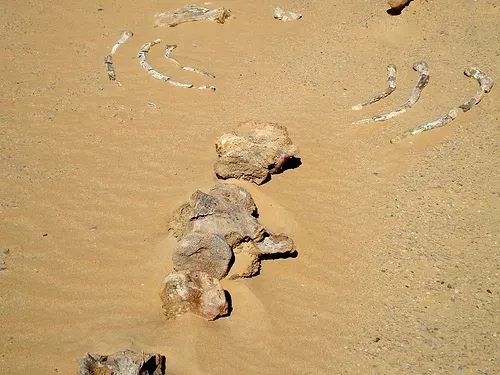
Early 19th-century naturalists examining strange, elongated vertebrae dredged up from Gulf Coast sediment assumed they’d found reptile remains and coined a genus name built around that reptilian assumption.
A rival researcher working with similar material a few years later, and correctly recognizing the bones as an early whale rather than a reptile, published a competing genus name. Even after everyone agreed the bones belonged to a primitive whale, the earlier name legally took precedence over the more anatomically accurate one, forcing the newer, better-informed name into permanent synonym status. Being scientifically “more correct” doesn’t override being published second – one of taxonomy’s more counterintuitive rules. That one-word defeat is nothing compared to #9.
#9 – The Duck-Billed Dinosaur Built on Teeth Alone
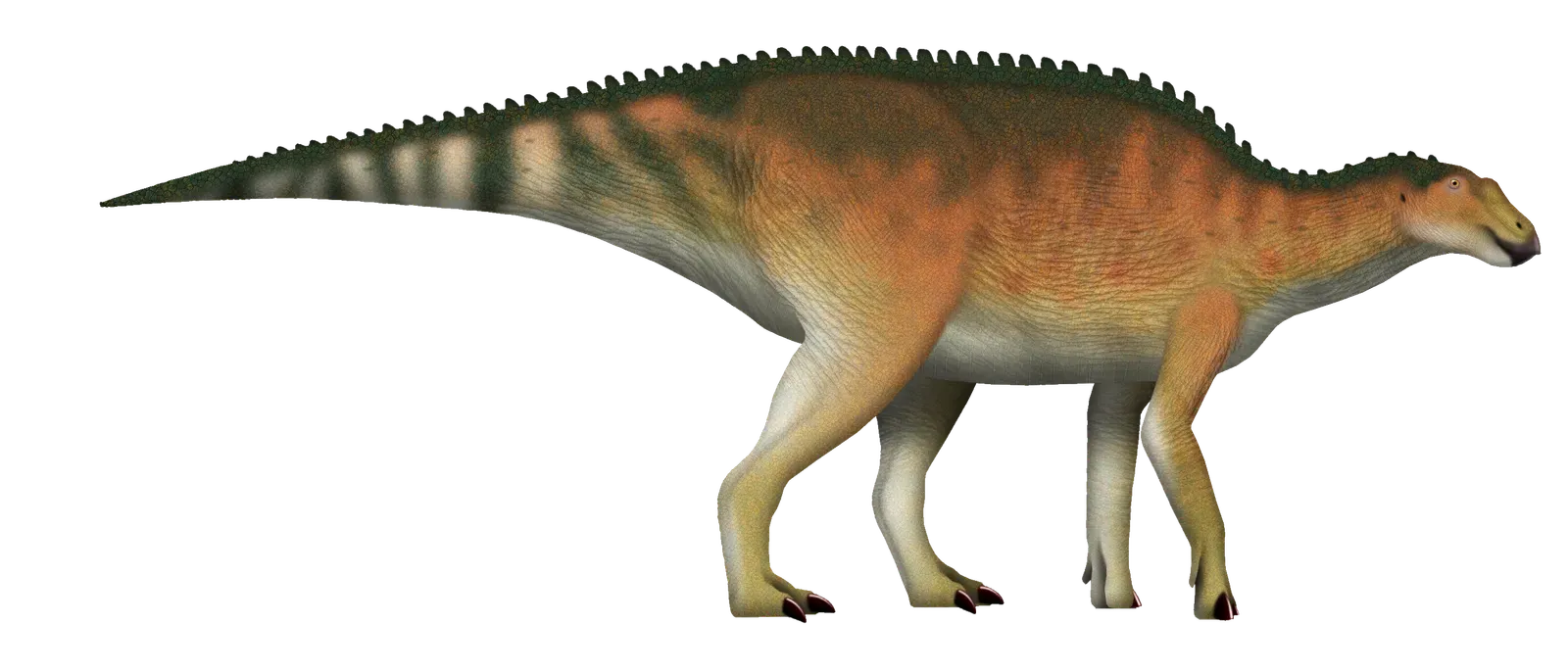
For most of the 19th and early 20th centuries, one of the most commonly cited duck-billed dinosaur genera in North America was based on nothing more than a handful of isolated teeth collected from Montana badlands.
That’s a shaky foundation for an entire genus, and eventually researchers admitted it. Teeth alone can’t reliably distinguish one hadrosaur species from another, since duck-billed dinosaurs across multiple genera had remarkably similar dental batteries. Once more complete skeletons from other genera were properly described, paleontologists downgraded the tooth-based genus to a “name of uncertain identity” and shifted virtually all its historical specimens to better-supported genera instead. An entire genus that appeared in textbooks for over a century was quietly built on teeth that couldn’t actually be told apart from several other species. Shaky as that is, #8 is shakier.
#8 – The Duck-Billed Dinosaur That Got Absorbed Twice
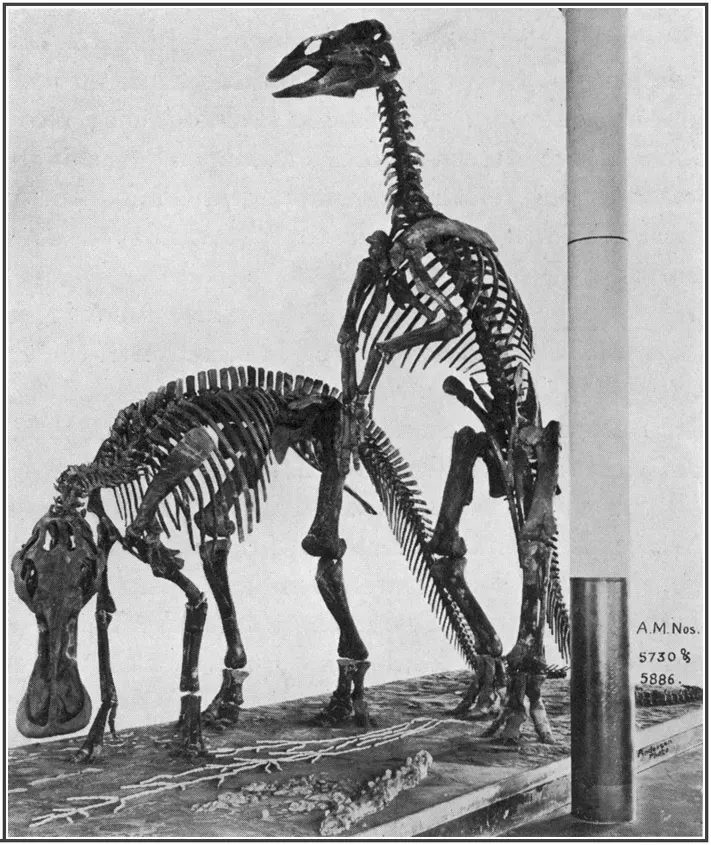
One particularly well-preserved duck-billed dinosaur skeleton bounced through multiple genus names across the 20th century as scientists kept reassigning it based on the taxonomic fashion of the moment.
First classified under one genus, then split into its own separate genus decades later based on subtle skull proportions, the animal eventually got folded back into a completely different, better-established genus once statistical analysis of skull growth patterns showed the “distinct” features were just signs of individual age variation. The same physical skeleton has technically worn three different scientific names over the past century, without a single new bone being added to the story. That’s nothing compared to the wastebasket waiting at #7.
#7 – The Wastebasket Genus of Giant Sauropods
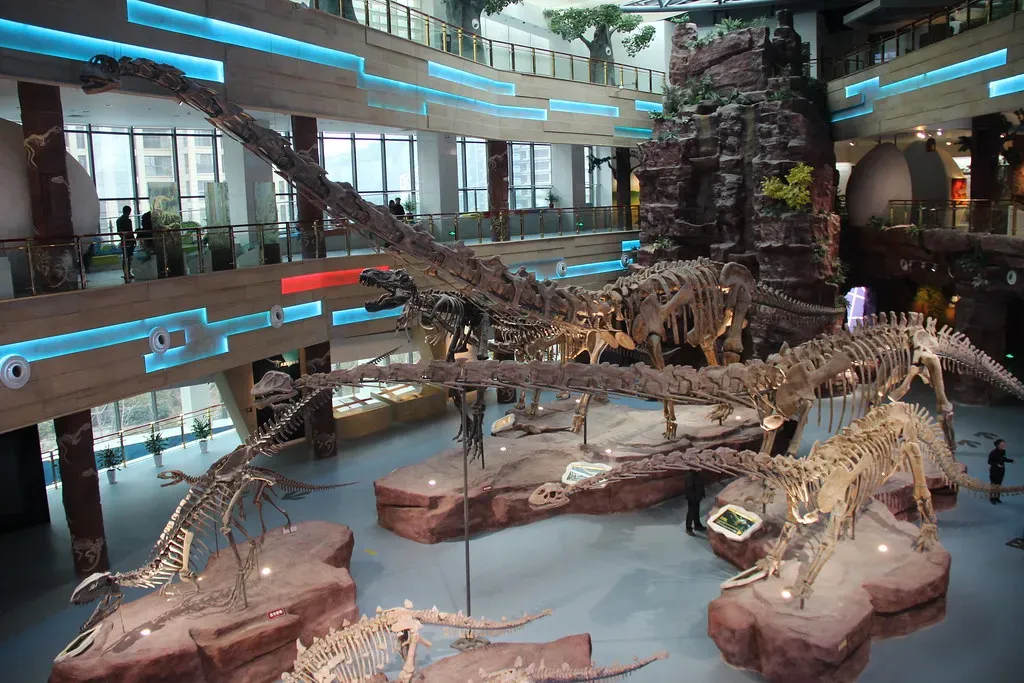
Named in the late 1870s based on fragmentary vertebrae and a partial limb bone found in central India, this genus quickly became the default label for enormous long-necked sauropod fossils found on nearly every continent.
That convenience turned into a liability. Because the original material was so incomplete, nobody could actually verify whether all those far-flung fossils truly belonged to the same animal, and eventually researchers concluded the original type specimen wasn’t diagnostic enough to support any species at all. The genus was declared a name of uncertain validity, even though the broader group it inspired is still used as a legitimate scientific term today. A genus with no diagnosable fossils still managed to give its name to an entire, wildly successful group of dinosaurs before being retired itself. Even that mess pales next to #6.
#6 – The Little Horse With an Identity Crisis
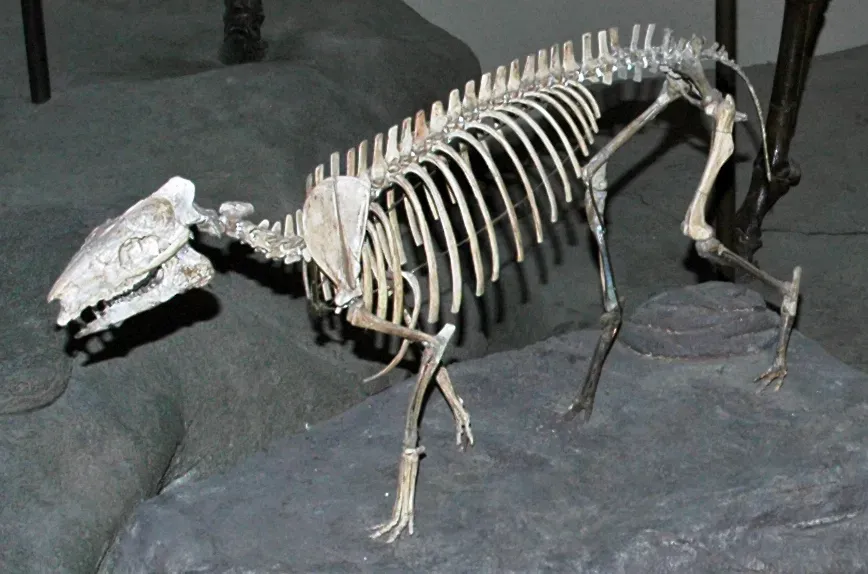
The tiny, multi-toed ancestor of modern horses – a household name in evolution textbooks – actually spent decades sitting inside a different genus entirely, one originally named for slightly later and larger fossil horses found in Europe.
American paleontologists eventually determined that the earliest, smallest horse fossils deserved their own separate classification, distinct from their European cousins, based on subtle differences in tooth cusp patterns and skull proportions. Modern researchers have gone back and forth on exactly where the boundary between the two genera should sit, occasionally merging and re-splitting species as new specimens surface. This “beginner’s horse” has been synonymized, revived, and resynonymized more times than almost any other iconic fossil mammal, and specialists still don’t fully agree on the final answer. That back-and-forth is nothing compared to #5.
#5 – The Giant Sauropod Named After Its Own Mistake
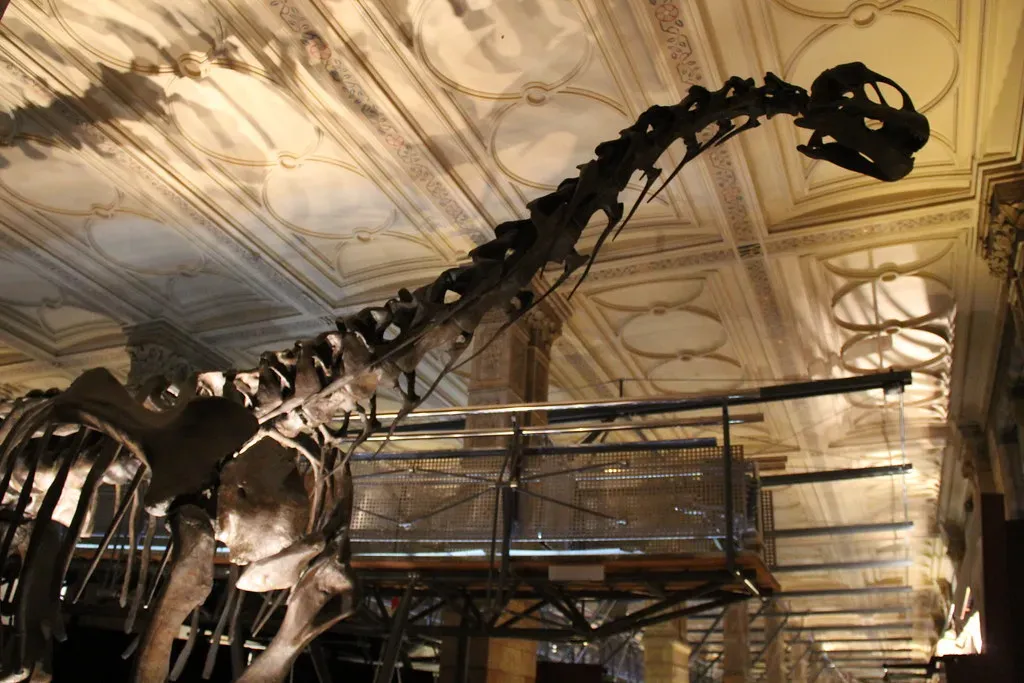
In the late 1970s, a fossil hunter working in Colorado unearthed enormous vertebrae and shoulder bones that seemed to belong to the largest land animal ever discovered, and he gave it a name meant to capture that sheer, almost absurd scale.
There was an immediate problem: a completely different research team had already used nearly the identical name a few years earlier for a separate giant sauropod discovered on another continent, forcing an awkward rename. Then, decades later, closer study of the original bones revealed the specimen was actually a composite – some bones belonged to one already-named giant sauropod genus, and others belonged to yet another. The renamed genus turned out to be a mix-and-match of at least two other dinosaurs’ bones, and today most paleontologists treat it as invalid altogether, folding the material into genera that were named first. That mix-and-match mistake is nothing compared to #4.
#4 – The “Earth-Shaking” Giant That Shrank in the Records
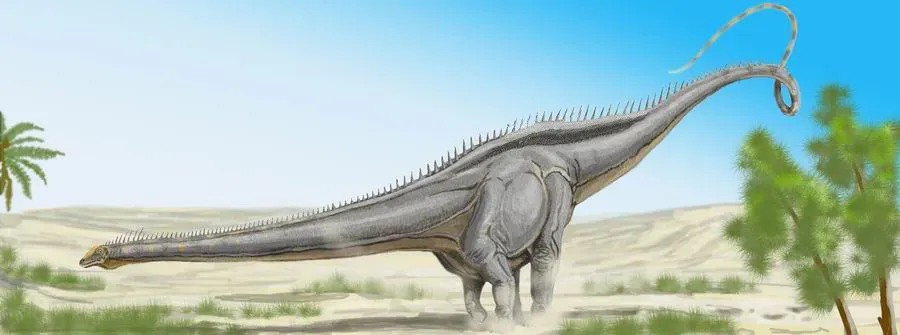
When two hikers stumbled across huge fossilized tail vertebrae in a New Mexico canyon in 1979, the paleontologist who eventually excavated and named the animal in 1991 believed he’d found one of the largest sauropods ever known. Early length estimates pushed past 150 feet, enough to make it an instant record-holder in every dinosaur book of the era.
That massive size estimate didn’t survive a full skeletal reexamination. A detailed 2006 study found that Seismosaurus hallorum differed little from Diplodocus, with the distal, hook-like process originally described on the ischium actually being the tip of a vertebral neural spine tangled in sandstone matrix. Researchers reclassified Seismosaurus as a junior subjective synonym of Diplodocus, officially retiring the genus, and the size claims shrank right along with it – from an early estimate of roughly 52 metres down to a more sober 30 to 35 metres. A dinosaur once marketed as the longest land animal in history got demoted to a species of an already-famous genus, proving that a spectacular size claim and a spectacular fossil aren’t always the same thing. That shrinkage is nothing compared to what almost happened at #3.
Quick Compare
- 1991 estimate: length pushed past 150 feet, marketed as the longest land animal ever found
- 2006 reassessment: revised down to roughly 30 to 35 meters
- Original classification: its own genus, Seismosaurus hallorum
- Current classification: a species of Diplodocus, its genus name retired
#3 – The Discovery That Almost Renamed T. Rex
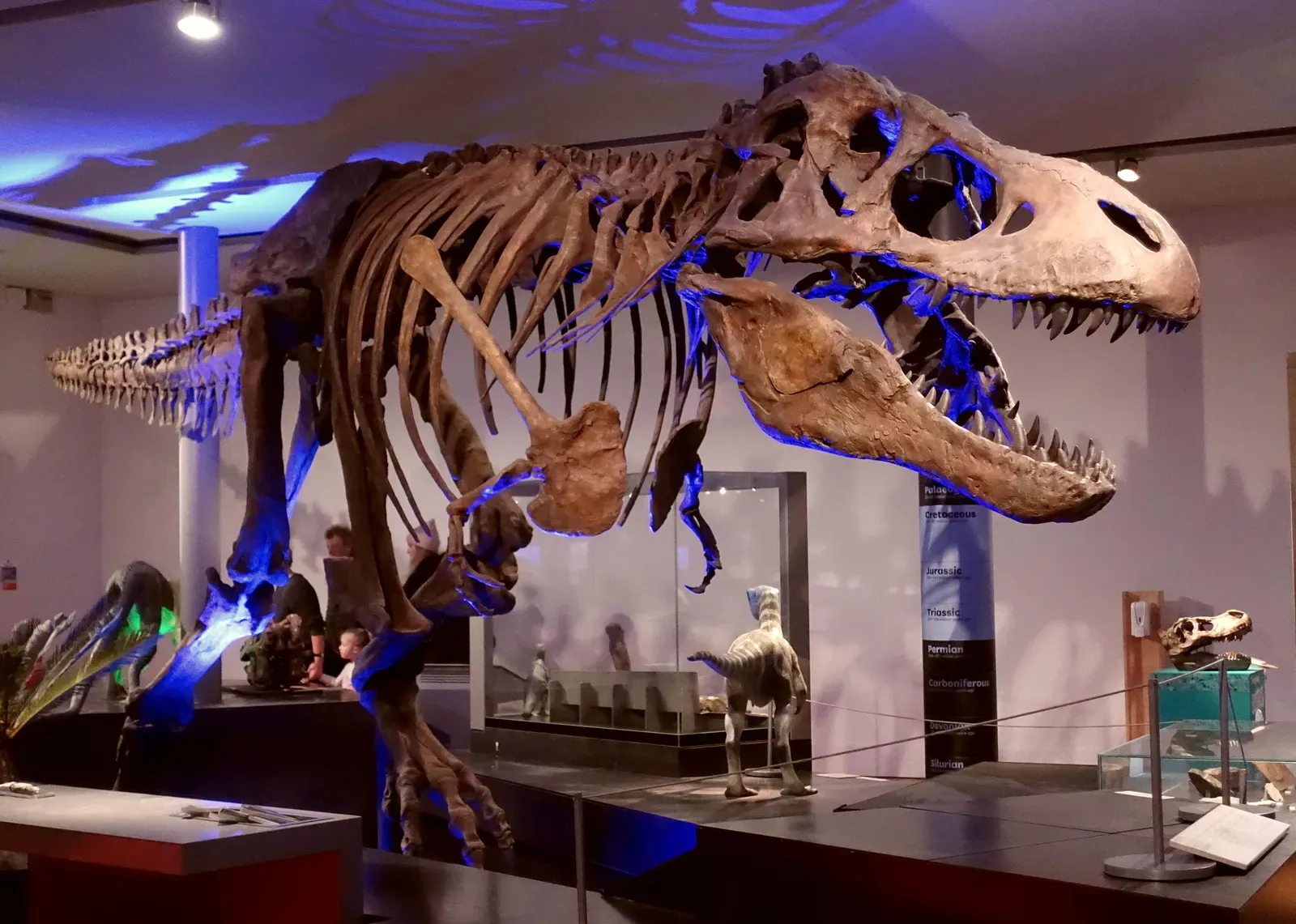
In 1892, fossil hunter Edward Drinker Cope described two partial vertebrae found in South Dakota, mistakenly believing they came from a horned dinosaur, and gave them a modest, forgettable genus name.
More than a century later, that overlooked name almost toppled one of the most famous dinosaur names on Earth. In June 2000, controversy erupted after more tyrannosaur bones unearthed in South Dakota by the Black Hills Institute were found at the type locality of Manospondylus gigas and judged to represent further remains of the same individual. Under normal rules, Manospondylus gigas should have had priority over Tyrannosaurus rex simply because it was named first – but a fresh ICZN rule saved the day: since the older name hadn’t been used as valid after 1899 while the younger name had appeared in at least 25 works by at least 10 authors over the preceding 50 years, Tyrannosaurus rex was protected and Manospondylus gigas became a “forgotten name.” The most famous dinosaur name in the world survived by literally one legal technicality, decided just months before the conflicting fossils were even rediscovered. That near-miss is nothing compared to #2.
#2 – The First Dinosaur Ever Named Became a Dumping Ground
![#2 - The First Dinosaur Ever Named Became a Dumping Ground (Original, now superseded file based on the images found here: [2][3][4]and[5] which is now known to be Neovenator: File:Neovenator salerii-Dinosaurisle.jpg. Heavily revised current version based on skeletal diagrams by Scott Hartman in:(2015). "An overview of non-avian theropod discoveries and classification". PalArch's Journal of Vertebrate Palaeontology 12 (1): 1–73.
The feathering shown here is speculative, skin remains are not currently known for Megalosaurus., Public domain)](https://nvmwebsites-budwg5g9avh3epea.z03.azurefd.net/dinoworld/858bd276ea4f858a5c25ae97441dac27.webp)
In 1824, an English clergyman named William Buckland described a single fossil jawbone from Oxfordshire and gave it the honor of becoming the very first dinosaur genus ever formally named in scientific history.
That honor came with a curse. Because it was the only dinosaur anyone knew about for years, every large carnivorous fossil found afterward – regardless of continent, age, or actual relation – got dumped into the same genus by default. In total, hundreds of specimens from five continents and spanning 100 million years of geologic time were assigned as sub-species of this single genus, an impossibility once anyone stopped to think about it. Modern taxonomic revision has since reassigned nearly all of them, leaving the original species as the sole valid one. A genus that once claimed fossils from Europe, Africa, Asia, and beyond now legitimately represents exactly one species, and one species only. Even that cleanup pales next to the grand finale at #1.
#1 – The Dinosaur Name That Refused to Stay Dead
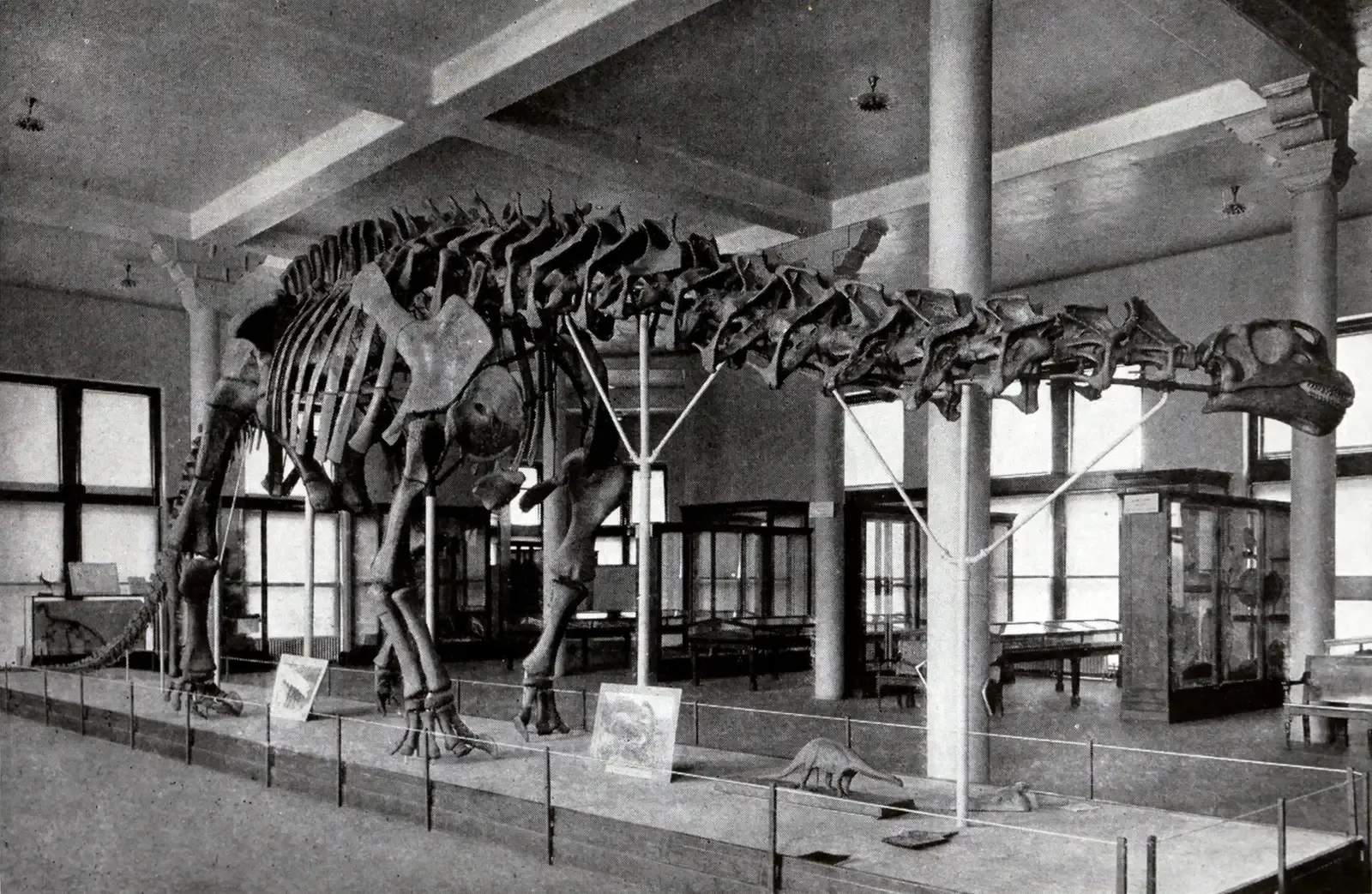
No taxonomic retirement in paleontology history caused more public outrage than this one. In 1877 and 1879, rival collector Othniel Charles Marsh named two separate sauropod dinosaurs from Wyoming and Colorado, giving the second one a name that would go on to become one of the most beloved dinosaur names of all time.
In 1903, paleontologist Elmer Riggs argued the two animals were too similar to justify separate genera. Since Apatosaurus had been named in 1877 and Brontosaurus not until 1879, priority ruled in Apatosaurus’s favor, and Brontosaurus became a junior synonym – scientifically dead for over a century, until it wasn’t. A 2015 study unexpectedly found evidence that Brontosaurus was distinct from Apatosaurus all along, after researchers examined bones across 18 different museums and found the specimens differed from known Apatosaurus material in at least a dozen key skeletal characters. A dinosaur name that toy companies, children’s books, and cartoons refused to abandon for a hundred years turned out to have been right the whole time, and not every paleontologist is thrilled about the reversal.
It’s the classic example of how science works.
Professor Octávio Mateus, study co-author
The Bottom Line
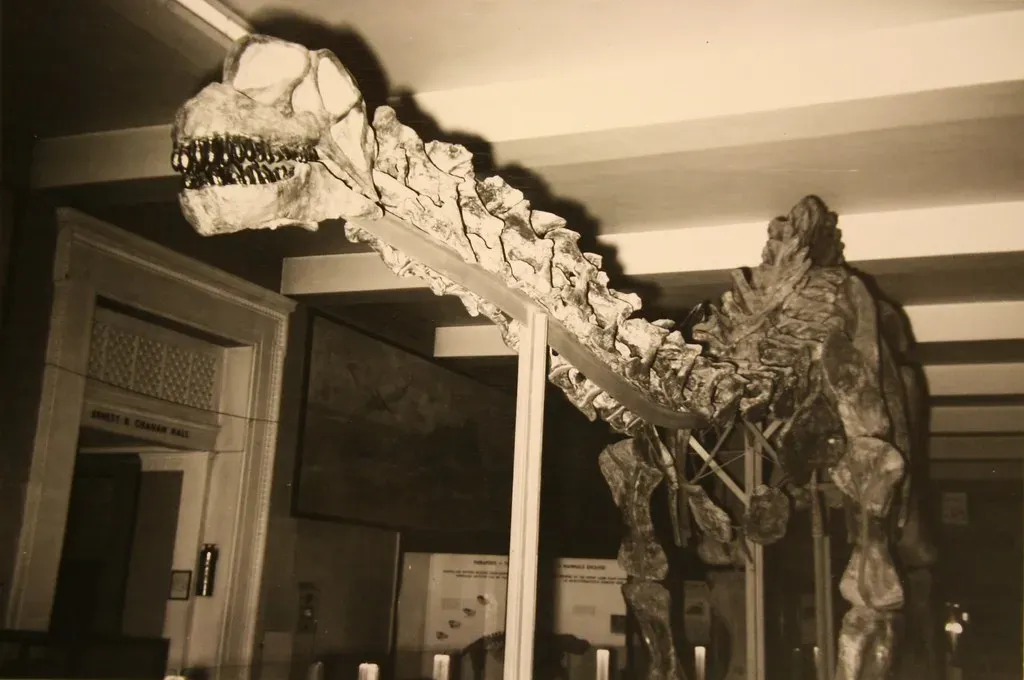
Taxonomy isn’t a museum plaque frozen in time – it’s a living argument that gets rewritten every time better fossils, better tools, or a forgotten priority claim resurface. Most of these name changes weren’t dramatic new discoveries; they were paperwork corrections, homonym conflicts, or scientists finally admitting a tooth fragment couldn’t carry an entire genus.
The Brontosaurus saga alone proves that “settled science” in paleontology is often anything but settled – a name can be dead for a century and still get resurrected by a single stubborn study. If you learned dinosaur names in the 1980s or 90s, there’s a real chance half of what you memorized has since been quietly retired, merged, or split into something new. Personally, I think that’s the best part of this field, not a flaw in it – a science willing to publicly admit it got a name wrong is a science actually working as intended. Which of these changes surprised you the most, and which one do you think the taxonomists got wrong?