
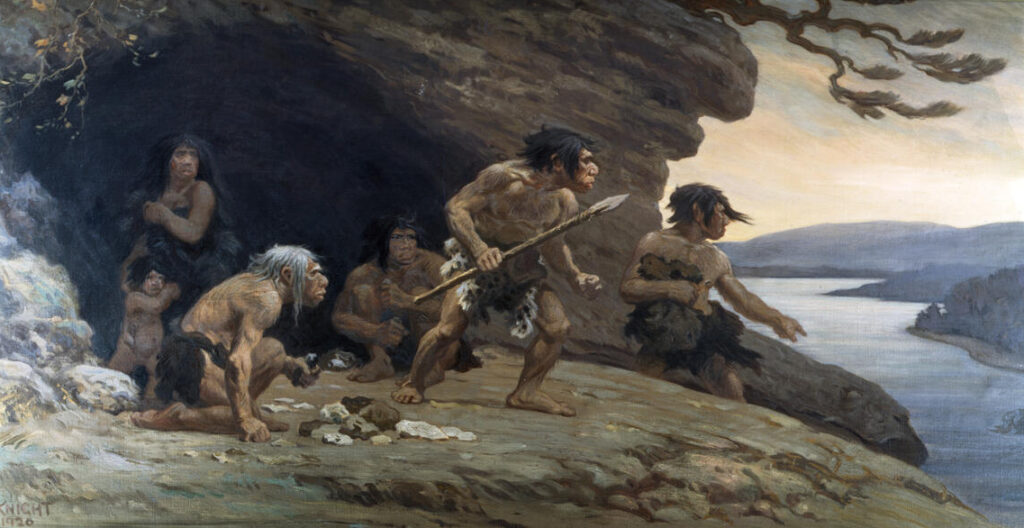
Picture the “caveman” from your seventh-grade textbook: hunched over, jaw jutting forward, dragging his knuckles like an ape that never quite finished evolving. That image took decades to build into a scientific icon – and about five minutes of modern scanning technology to demolish.
Here’s the uncomfortable truth about paleoanthropology: it moves fast, but textbooks don’t. Publishers keep reprinting diagrams years after the underlying science has quietly moved on, which means millions of students memorized “facts” that working scientists had already abandoned. Some of these weren’t small footnote corrections. They were full reversals, built on a single misread skeleton, a forged jawbone, or a theory nobody dared question for forty years. Here are eleven of the biggest, and what actually replaced them.
#11 – Neanderthals Were Slouching, Dim-Witted Brutes
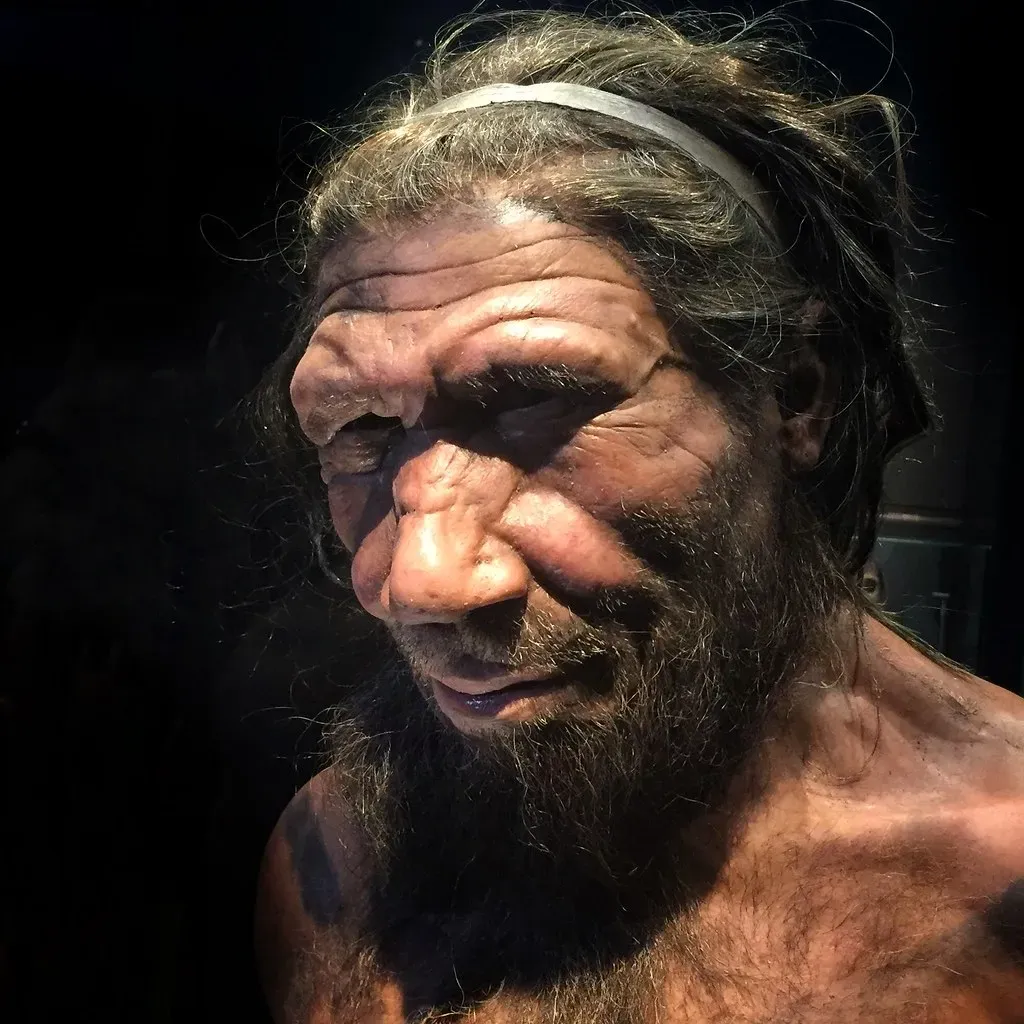
The claim was simple: Neanderthals couldn’t even stand up straight. For nearly a century, this was treated as basic biology, not opinion.
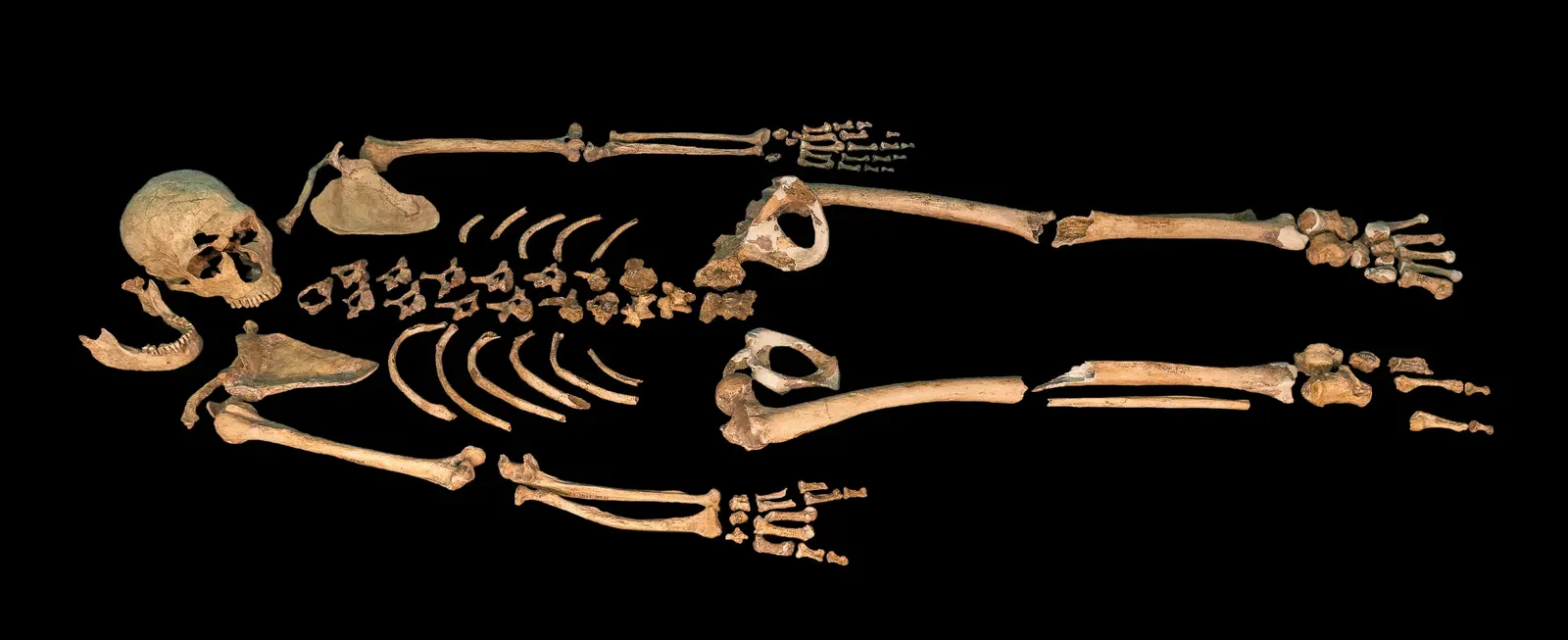
In 1911, French paleontologist Marcellin Boule reconstructed a nearly complete Neanderthal skeleton found at La Chapelle-aux-Saints with a severely curved spine, bent knees, forward-flexed hips, and a head jutting out ahead of the body. He went further, arguing that the low, vaulted cranium and heavy brow ridge – features that reminded him of gorillas – proved a generally primitive creature that lacked real intelligence. That single reconstruction became the caveman.
The correction took decades to catch up. Later discoveries of other Neanderthal skeletons, plus a re-examination of the original “Old Man” skeleton in the 1950s, showed that many of his “primitive” features actually fell within normal human variation. It turned out the Old Man had suffered from severe, deforming osteoarthritis his whole life. A 2019 virtual reconstruction confirmed it for good: Neanderthals had the skeletal structure to walk just as upright as any good-postured human alive today. That’s a wild reversal for something once treated as settled science – and it’s barely the strangest correction on this list.
#10 – A “Missing Link” Fossil Solved Human Evolution
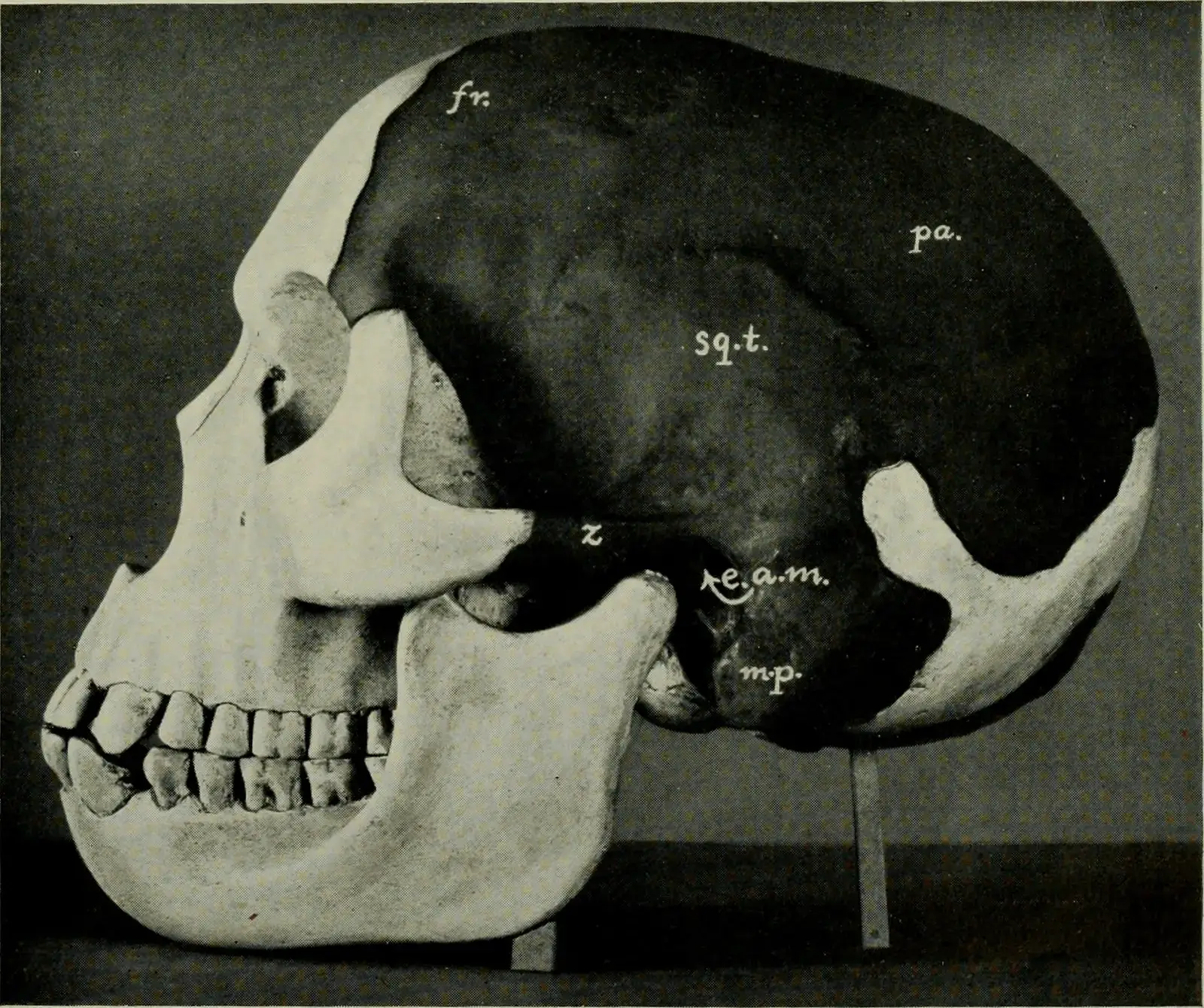
Textbooks called it the discovery of the century. It was a hoax. In 1912, an amateur archaeologist announced he’d found the connective tissue between apes and humans, and the scientific world took the bait almost instantly.
The Piltdown Man was a set of bone fragments presented as the fossilized remains of a previously unknown early human. Charles Dawson claimed he’d discovered the missing link, and the specimen appeared in encyclopedias, museum halls, and the very textbook busts and diagrams that generations of schoolchildren memorized as fact – standing right alongside Java Man and Cro-Magnon Man as an icon of human evolution.
Nobody rushed to check the evidence, and that’s the real scandal. Doubts surfaced almost immediately after the 1912 announcement, yet the fossil was still broadly accepted for decades. The hoax wasn’t definitively exposed until 1953, and a 2016 forensic review finally nailed down the culprit for good: Charles Dawson, apparently chasing recognition from the archaeologists he’d fooled. That fraud sat on library shelves for over 40 years before anyone officially pulled the plug.
Fast Facts
- Announced: 1912, in Piltdown, England
- Sold as: the missing evolutionary link between apes and humans
- First serious doubts: almost immediately, yet largely ignored
- Officially exposed as a fraud: 1953, using fluorine dating tests
- Culprit confirmed: Charles Dawson, per a 2016 forensic review
#9 – The First Americans Were the Clovis People, Full Stop
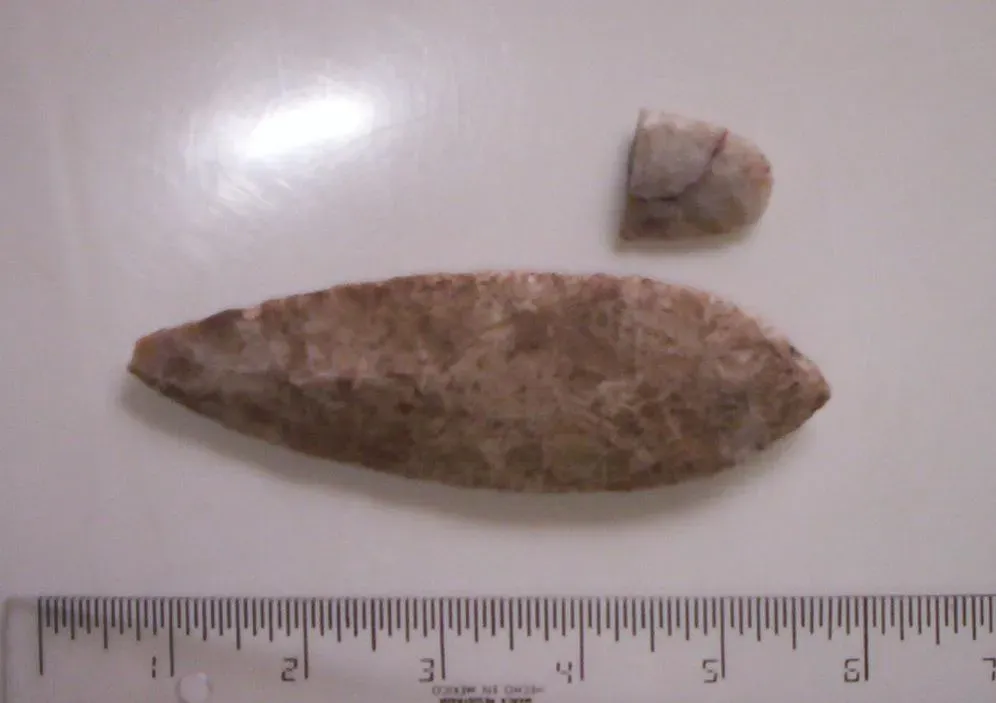
For most of the 20th century, this wasn’t debated. It was gospel. The “Clovis First” theory held that the Clovis culture represented the earliest human presence in the Americas, arriving roughly 13,000 years ago. It dominated New World anthropology for generations, and anyone suggesting older sites was politely – or not so politely – ignored by the field.
Then the ground literally gave up older bones. Starting in the 1990s, discoveries at sites like Monte Verde, Chile, pushed human presence back to roughly 14,500 years. Genetic testing at Paisley Caves in Oregon sealed the case, with researchers concluding it was culturally, biologically, and chronologically clear that the Clovis First theory was no longer viable. Even now, experts admit the peopling of the Americas wasn’t one clean migration at all – it was a scattered process, with people probably arriving at different times, along different routes, and possibly from different places entirely.
#8 – Neanderthals and Humans Never Mixed Genes
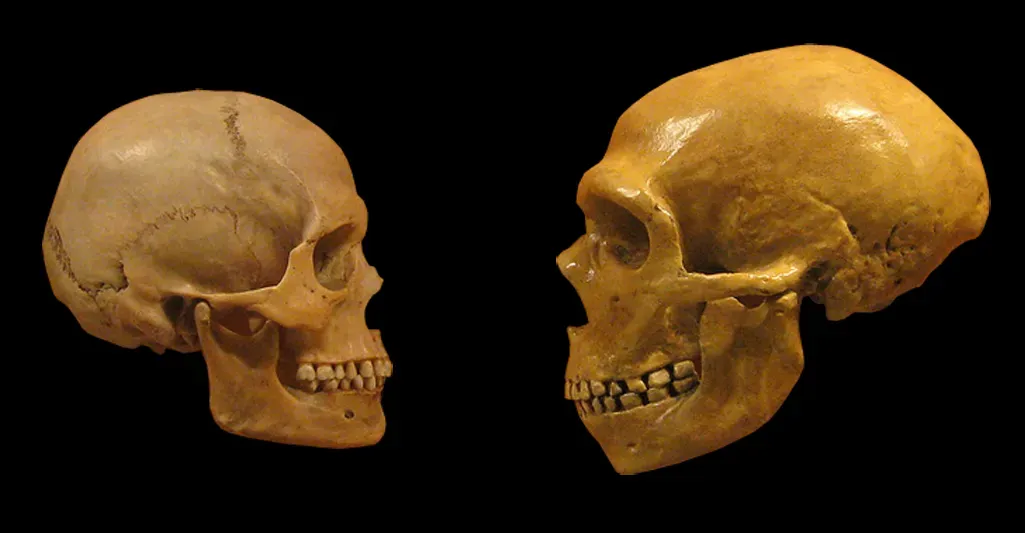
Scientists once stated this with total confidence – and they were wrong. In 2008, a landmark mitochondrial DNA study concluded there was no genetic overlap whatsoever between Neanderthals and the first modern humans. Textbooks quickly filed Neanderthals away as a genetic dead end, a branch that simply died out untouched.
Two years later, everything flipped. Researchers sequenced nuclear DNA instead, and the results were undeniable: we did interbreed. It turned out earlier scientists had only checked one narrow genetic thread. Only some modern human populations carry Neanderthal ancestry – notably, people of African descent largely don’t – and even the timeline keeps getting refined. A 2024 genome analysis dated the interbreeding to roughly 50,000 years ago, lasting about 7,000 years before Neanderthals vanished for good.
#7 – Big Brains Evolved Because Humans Started Eating Meat
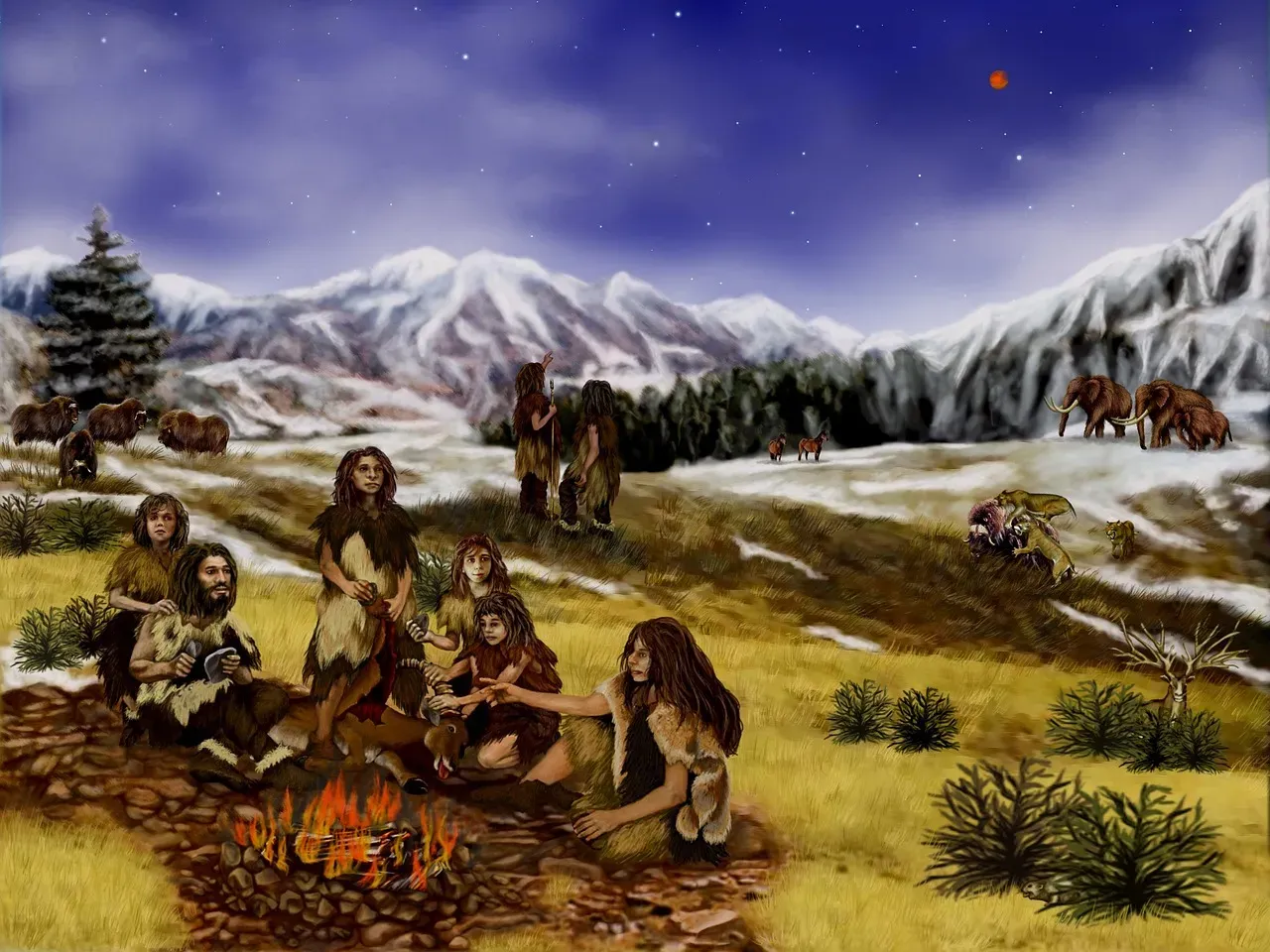
This one still gets printed as a tidy cause-and-effect story, and the truth is far messier. For decades, the textbook narrative went like this: early humans started hunting, meat delivered concentrated calories, and that fuel is what let the brain balloon in size compared to other primates.
The problem is the timeline doesn’t line up as cleanly as the diagram suggests. Cooking – not raw meat – appears to have played an equally decisive role, since cooked food is dramatically easier to digest and frees up far more usable energy. Social complexity, tool use, and scavenging likely mattered just as much as active hunting ever did. Most textbooks still teach the simple meat-hunting version because it’s easier to draw as an arrow from small brain to big brain, powered by a spear. The real story involves cooking fires, cooperation, and shrinking guts happening together, not one dramatic leap.
Quick Compare
- Old textbook version: hunting and raw meat alone fueled brain growth
- Old textbook version: one dramatic dietary shift explains the whole leap
- Current understanding: cooking unlocked far more usable calories than raw meat
- Current understanding: social bonds, scavenging, and tool use mattered just as much as the hunt itself
#6 – Early Human Societies Ran on “Man the Hunter, Woman the Gatherer”
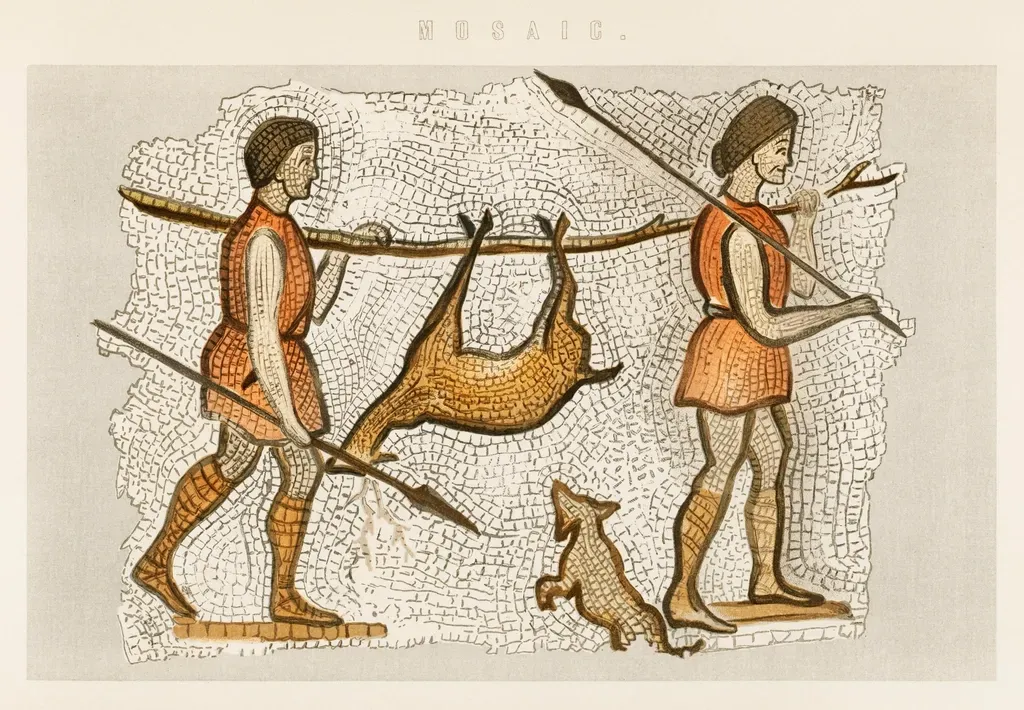
This wasn’t presented as a theory. It was presented as the default state of humanity. For most of the 20th century, textbooks described a rigid division of labor: men chased big game with spears, women stayed near camp gathering plants and raising children. It was framed as biologically inevitable, almost too obvious to question.
Burial sites have started quietly dismantling that assumption. Archaeologists excavating ancient hunting-related burial sites in the Americas have found women interred alongside big-game hunting toolkits – the exact same projectile points and processing tools used to identify male hunters everywhere else. That forced a genuinely uncomfortable rethink: some researchers now argue “man the hunter” was never a universal law of prehistory, just a 20th-century cultural assumption projected backward onto the fossil record. Not every anthropologist agrees on how common female hunters actually were, which is exactly why this remains one of the field’s more heated debates.
#5 – Modern Humans Left Africa in One Clean Migration
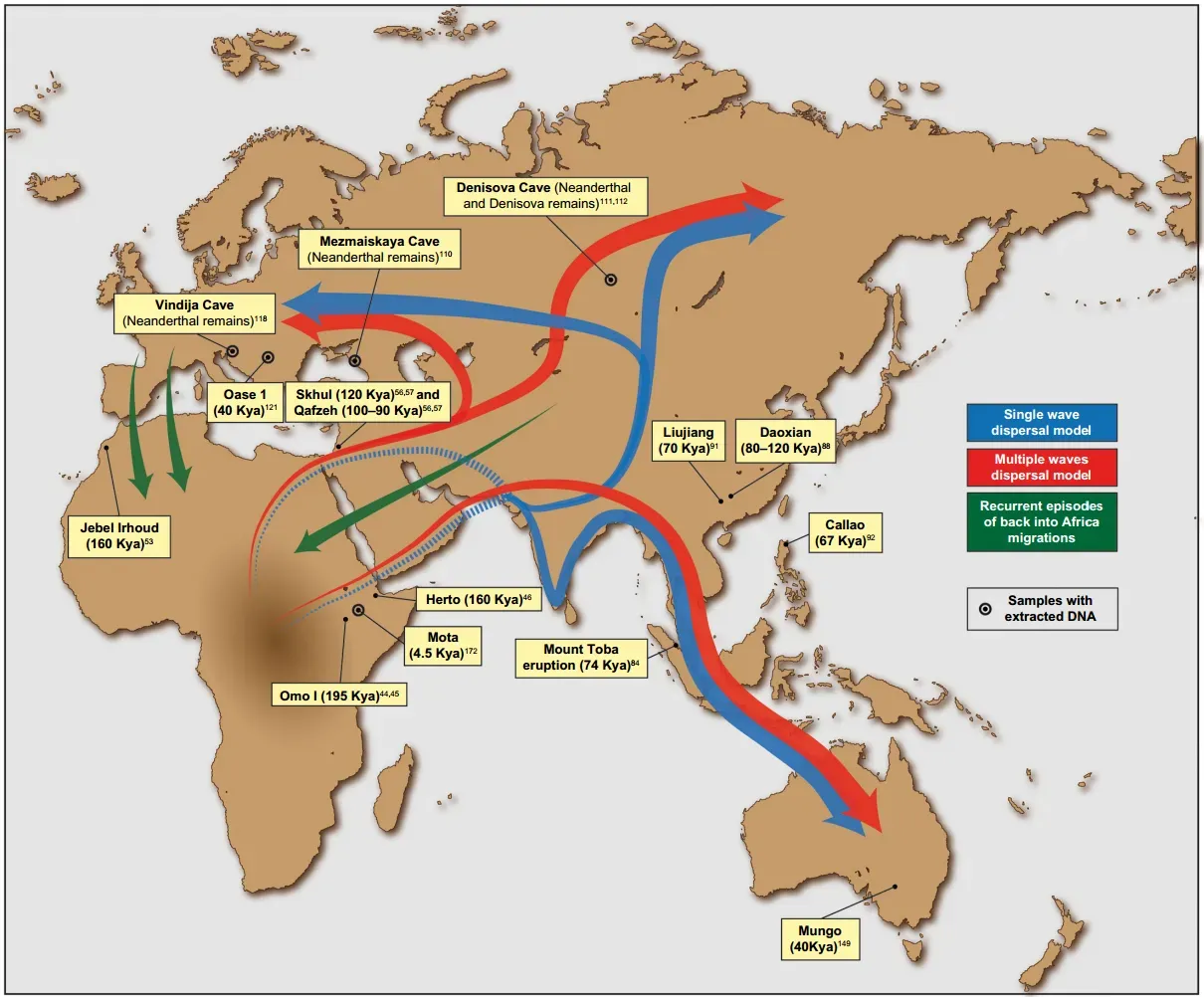
The old textbook map showed a single, tidy arrow leaving Africa around 60,000 years ago and spreading across the globe. It was clean, linear, and perfect for a map quiz. It was also incomplete.
Genetic detective work has since revealed a much messier picture of overlapping waves. Scientists sequencing ancient genomes pinned a major interbreeding event with Neanderthals to roughly 50,000 years ago – but that timeline creates its own contradiction, since it conflicts with 100,000-year-old archaeological evidence of modern humans in China and 65,000-year-old evidence from Australia. In other words, humans were already living in Asia and Australia before the “main” out-of-Africa wave textbooks describe even happened. That means earlier, smaller dispersals must have occurred, and at least one of them died out without leaving descendants in today’s populations. The real story is multiple pulses of people leaving, and sometimes vanishing without a trace.
#4 – Homo Habilis, the “Handy Man,” Made the First Stone Tools
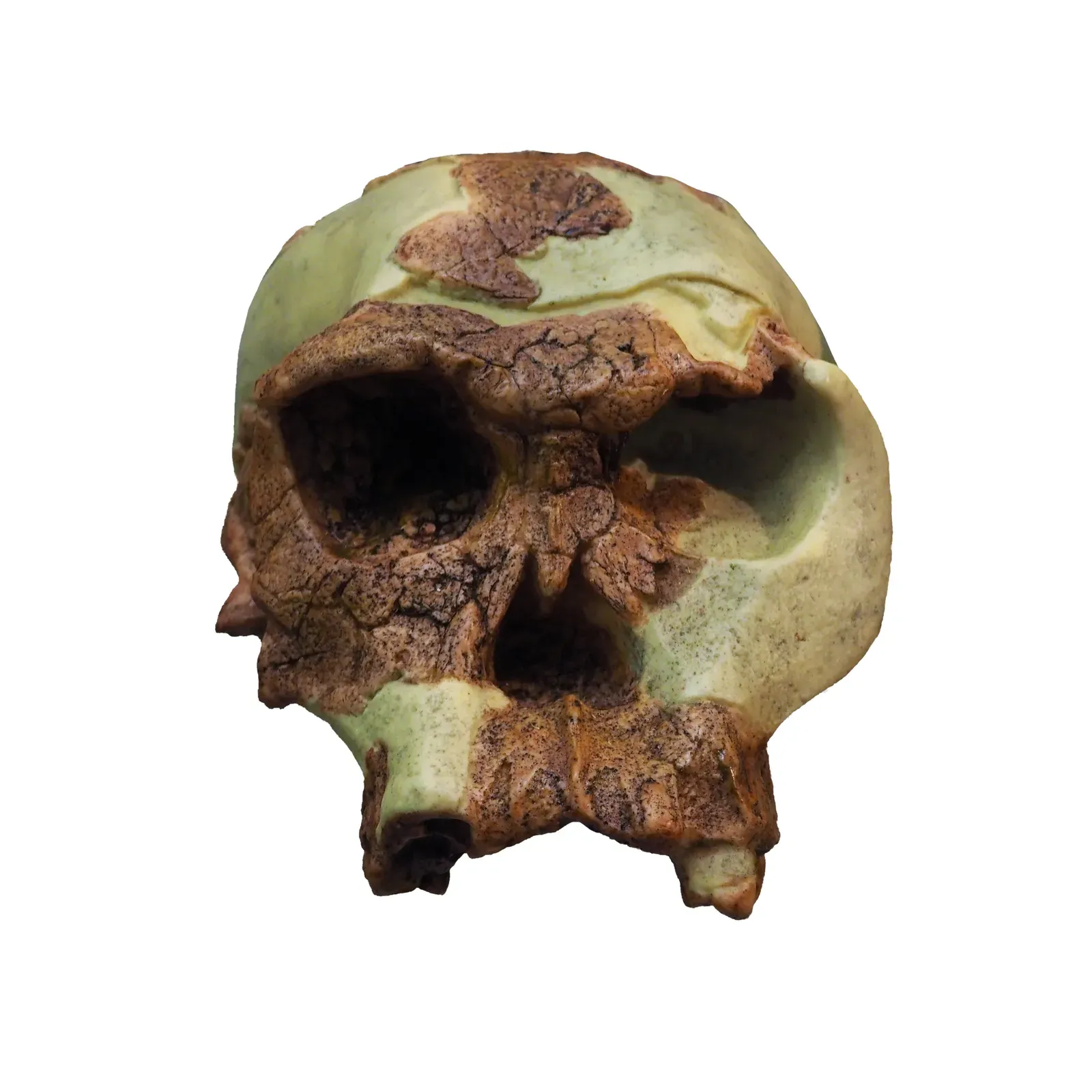
The name itself was supposed to settle the debate: “handy man,” the first toolmaker. For decades, Homo habilis held the title of humanity’s first engineer, and textbooks used the species almost like a punctuation mark – this is where tool use begins, full stop.
Then researchers found stone tools older than the entire Homo genus. Excavations at Lomekwi in Kenya turned up deliberately shaped stone tools dated to roughly 3.3 million years old – hundreds of thousands of years before Homo habilis existed. Something without a “Homo” label in its name was chipping stone first, most likely an early australopithecine ancestor. The “Handy Man” title suddenly looked less like a scientific fact and more like a naming convenience that outlived its evidence. Toolmaking didn’t start with us; it started before “us” was even a branch on the tree.
Worth Knowing
- Site: Lomekwi 3, Kenya
- Age of tools: roughly 3.3 million years old
- Gap before Homo habilis: hundreds of thousands of years
- Likely toolmaker: an early australopithecine, not a member of Homo
- Implication: toolmaking predates the genus Homo entirely
#3 – Neanderthals Were Incapable of Art or Symbolic Thought
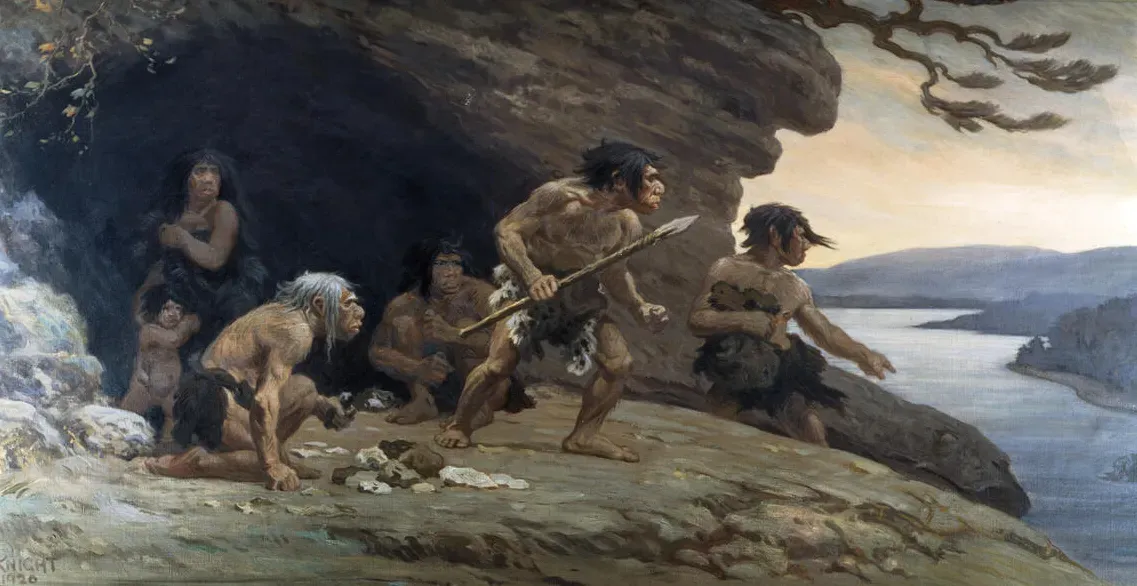
This wasn’t a minor detail – it was used to define the entire species as intellectually inferior. Textbooks routinely stated that symbolic thinking, personal ornamentation, and cave art were uniquely human traits, proof that Homo sapiens simply outclassed Neanderthals in brainpower.
Cave walls in Spain quietly rewrote that assumption. Dating of red pigment paintings and hand stencils in Spanish caves put some artwork at roughly 65,000 years old – tens of thousands of years before modern humans are known to have reached Europe. That leaves only one plausible artist: Neanderthals. Add discoveries of pierced shells and eagle talons apparently worn as jewelry, and the “no capacity for symbolism” claim collapses entirely. Many museums have updated their placards, but plenty of older textbooks still repeat the outdated version, quietly teaching a myth the evidence abandoned years ago.
#2 – Bigger Brains Always Meant Smarter Humans
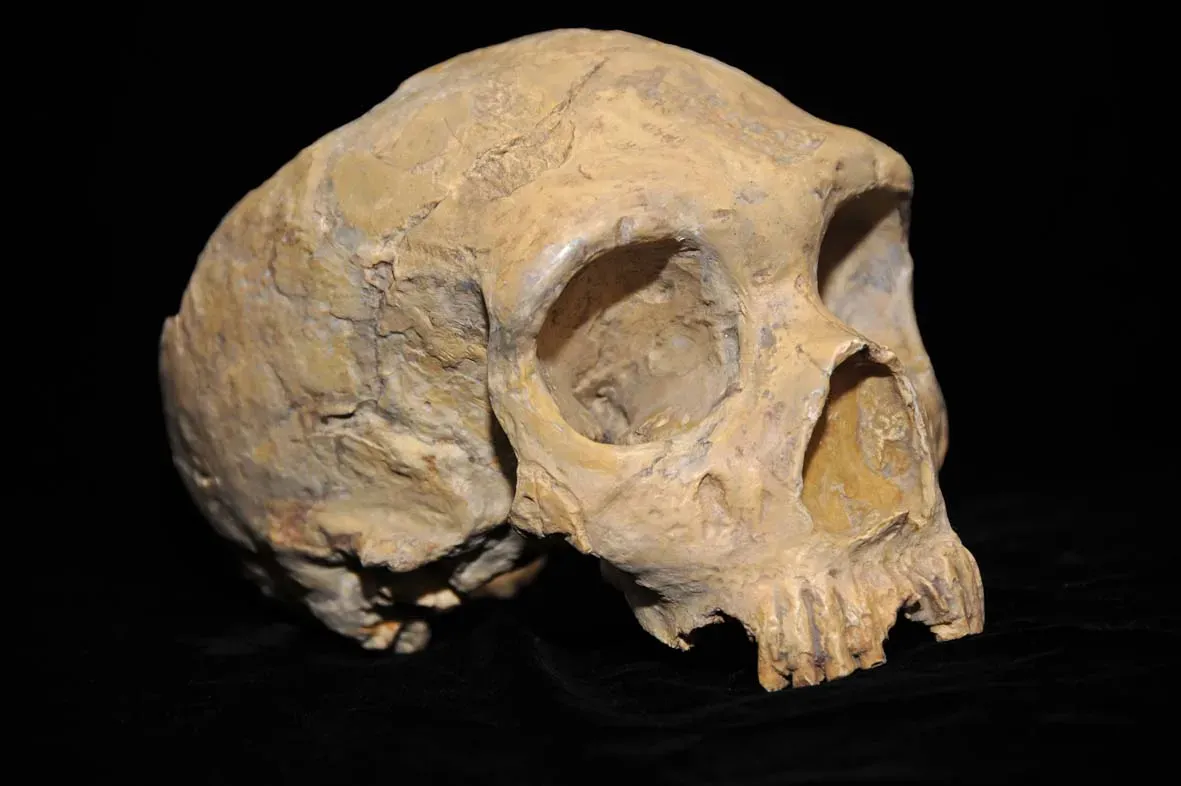
This assumption ran so deep it became a built-in bias in how fossils were judged. Any hominin with a smaller braincase than modern humans was automatically labeled less intelligent, less capable, more “primitive.” It sounded like plain common sense.
The numbers never actually supported that hierarchy. Neanderthal brains were just as large as those of early humans, and by many measurements, average Neanderthal cranial capacity actually edges out modern Homo sapiens. That’s a detail most people never learn, because it complicates the tidy narrative of humans as the smartest species by default. Brain size says very little on its own; organization, social structure, and neural wiring matter far more than raw volume. The old “big brain equals better human” logic was never as scientific as it sounded – it was closer to bias dressed up as measurement.
At a Glance
- Neanderthal cranial capacity: comparable to, and often larger than, modern humans
- Old assumption: smaller braincase automatically meant “more primitive”
- What actually matters more: brain organization and neural wiring, not raw size
- Counterexample: small-brained species like Homo floresiensis still made and used tools
#1 – There Was One Single “Missing Link” Connecting Apes to Humans
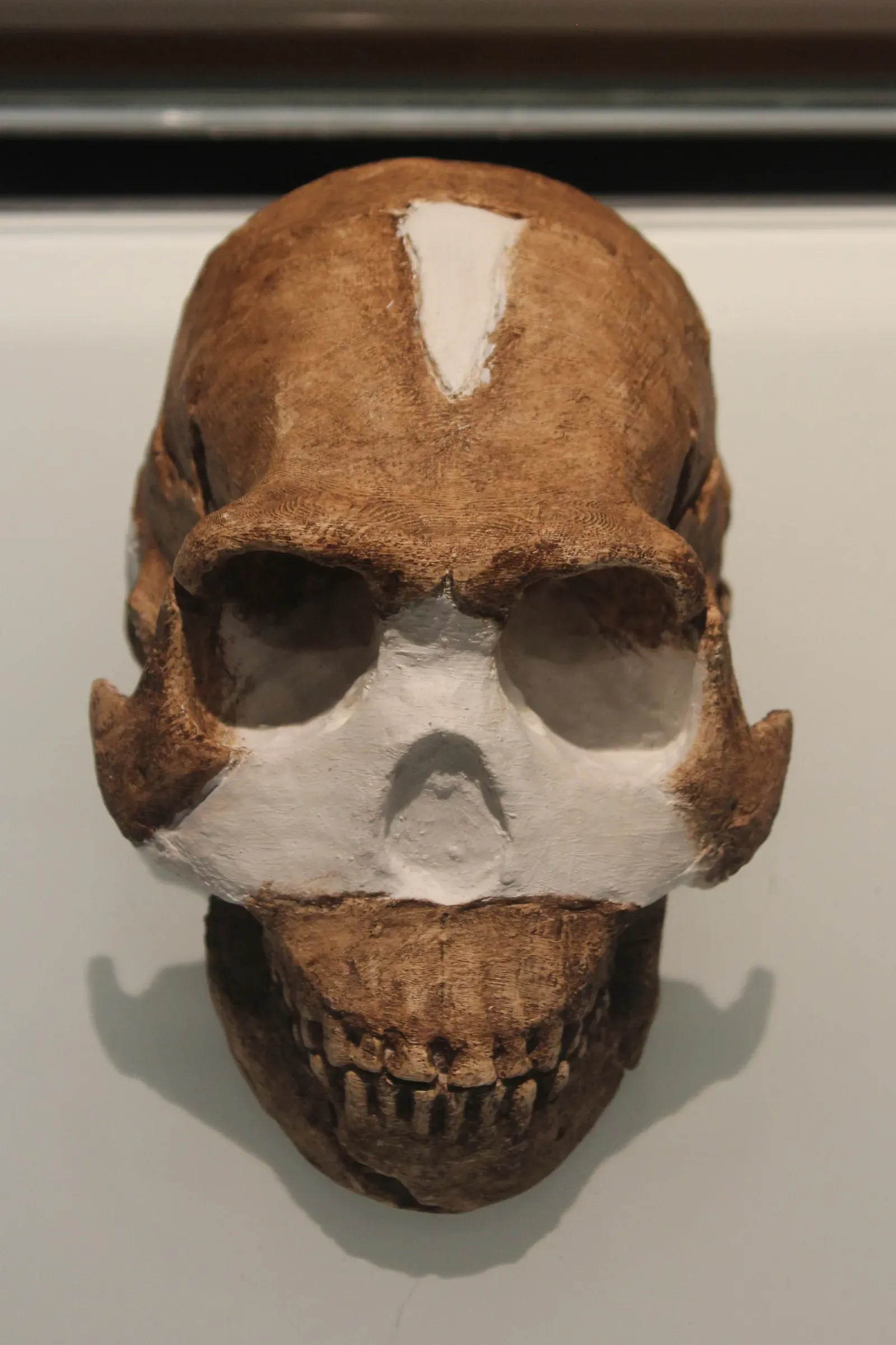
This is the granddaddy assumption behind almost every other item on this list, and arguably the biggest correction of all. For generations, textbooks illustrated human evolution as a straight ladder: one ape-like ancestor, one line, one steady march upward to modern humans. Find the “missing link,” and the puzzle is solved.
The fossil record doesn’t look anything like a ladder – it looks like a crowded family reunion. Discoveries of Homo naledi, Homo floresiensis (the so-called “Hobbit” species), and the Denisovans – an entirely separate archaic human population identified only through DNA – proved that multiple human species lived on Earth at the same time, sometimes overlapping for tens of thousands of years, occasionally interbreeding, often simply coexisting. There was never one missing link, because there was never one line to begin with. Human evolution is a bush with many branches, several of them dead ends, not a single-file staircase leading inevitably to us.
The Pattern Nobody Wants to Admit
The pattern across all eleven corrections is identical: a confident illustration, a single-skeleton assumption, or a simplified timeline got printed as settled fact – then quietly rewritten once better evidence showed up. Piltdown Man fooled the field for over 40 years. Neanderthal posture was one arthritic skeleton mistaken for an entire species. Even the basic idea of a tidy human family tree turned out to be wrong.
Nothing in biology makes sense except in the light of evolution.
Theodosius Dobzhansky
That line was written as a defense of evolution itself, but it applies just as well to how we study it. Science isn’t broken because it keeps correcting itself – that’s the whole engine working as intended. It’s broken when those corrections get buried in journals while glossy textbooks keep reprinting the comfortable, outdated version because it’s simpler to teach. If your old textbook still shows a hunched Neanderthal dragging his knuckles next to a straight-line chart of ape-to-man, it isn’t presenting science. It’s presenting nostalgia.