
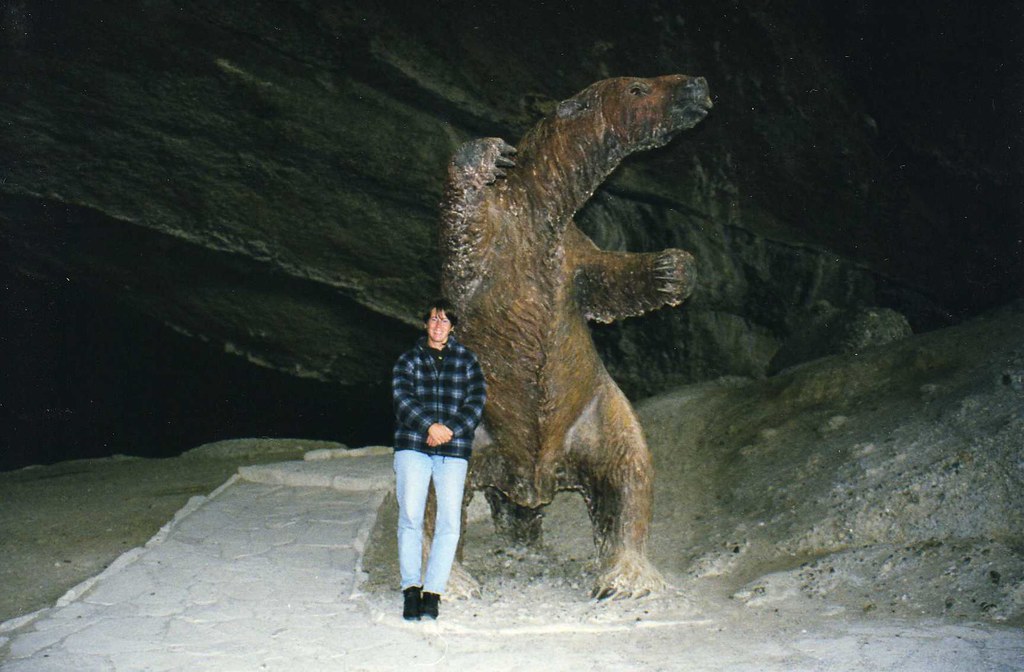
Most people picture the giant ground sloth as a slow, harmless cousin of the tree sloths lounging in modern rainforests today. That image is almost entirely wrong. These Ice Age giants left behind a trail of physical evidence so strange that scientists are still arguing about what it actually means, decades after finding it.
From bony armor hidden under their skin to tunnels big enough to drive a car through, the giant ground sloth’s legacy reads more like a detective novel than a biology textbook. Here’s what paleontologists actually say when you ask them what still keeps them up at night – and the answers get stranger the further down the list you go.
#14 – The Fossilized Dung That Refuses to Fully Decompose
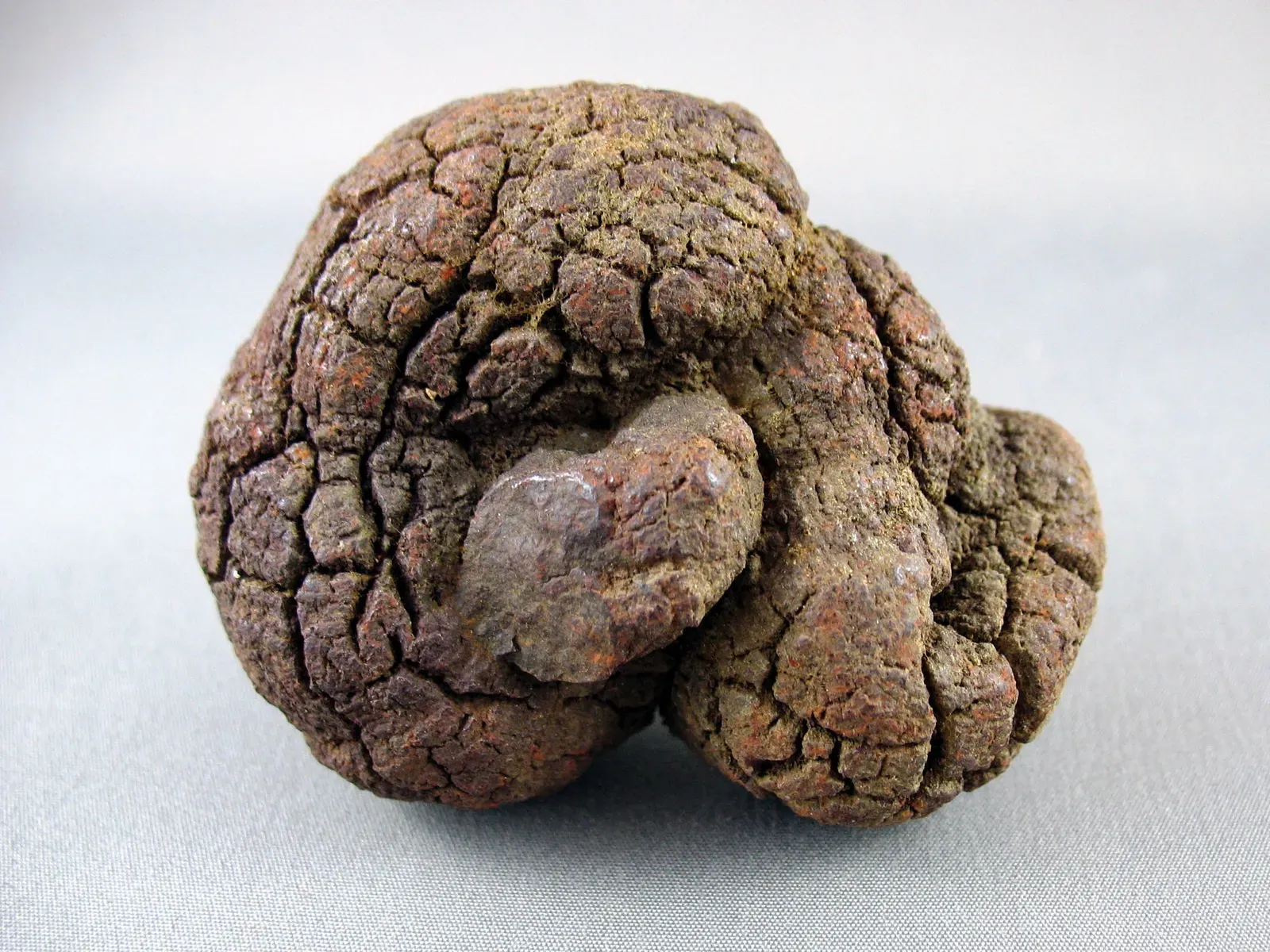
Giant ground sloths left behind an almost embarrassing amount of evidence in the form of droppings, and somehow it’s telling scientists more than the bones ever could.
At Rampart Cave near the Grand Canyon, researchers found dung so well preserved that it still smells. The same cave held tufts of sloth fur and thick mounds of manure that still give off a faint odor despite being roughly 11,000 years old. That’s not a typo – an odor, after eleven thousand years sealed in rock.
Some of the material goes back even further. Fossil dung collected there by Smithsonian curator Remington Kellogg is estimated to be 100,000 years old, and when the narrow cavern was first explored in the mid-1930s, most of its floor was literally paved with coprolite left by generations of Shasta ground sloths.
The mystery isn’t just how it survived – it’s what it reveals. Scientists have used these deposits to rebuild entire ancient diets and ecosystems, plant by plant. What still baffles experts is how the piles got so thick in single locations, hinting the sloths may have used the same latrine spot for generation after generation.
#13 – Mummified Skin That Still Has Fur Attached
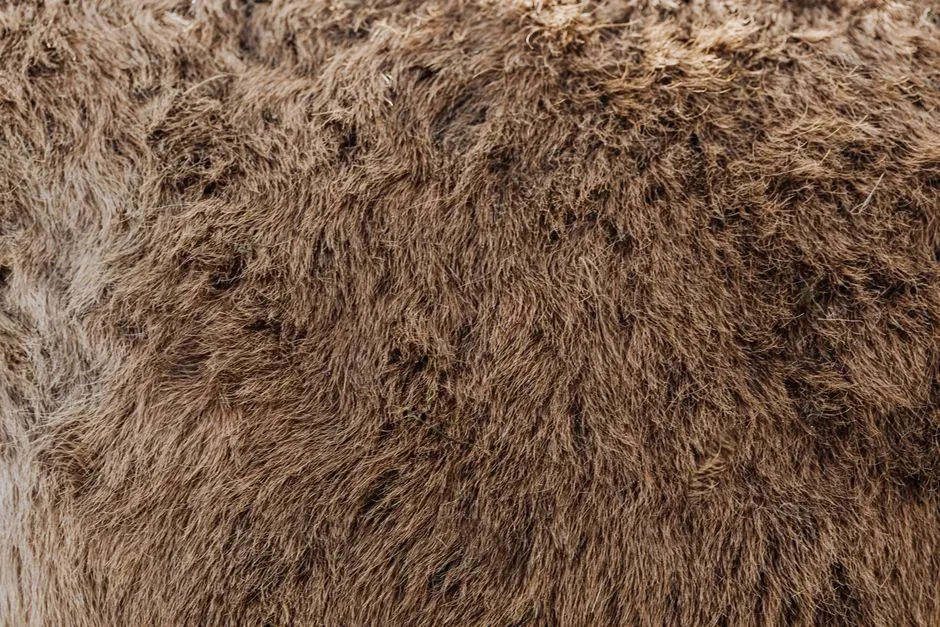
Here’s something that sounds impossible: skin from an animal extinct for over ten thousand years that still shows its original hair color.
In Chile’s aptly named Cueva del Milodón, researchers found something extraordinary. The cave’s constant cold and dry conditions preserved not just bones and claws, but large patches of mummified skin still covered in blond fur, studded with small bony plates underneath. Blond fur, on a creature that vanished more than 10,000 years ago.
A similarly jaw-dropping find happened at Aden Crater in New Mexico, where a sloth apparently fell into a volcanic fumarole and was naturally preserved in the dry heat. Patches of skin, mucous membrane from the hard palate, muscle fibers, and even coarse yellowish hair survived intact.
Scientists now know more about how this species actually looked than almost any other extinct mammal on Earth, purely because of one unlucky cave-fall thousands of years ago. That kind of accidental preservation almost never happens twice – except it did, in an even weirder way.
#12 – Bony Armor Plates Hidden Inside Their Own Skin
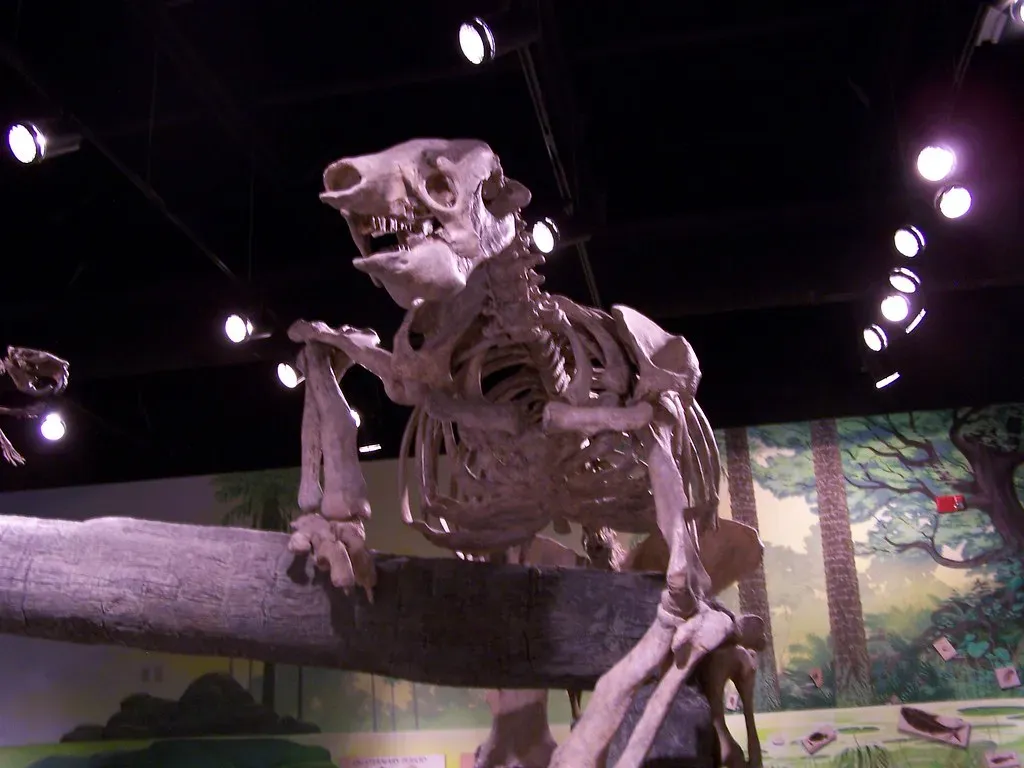
Most people don’t realize giant ground sloths were secretly walking around with body armor nobody could see from the outside.
Buried under the thick hide of certain species were thousands of tiny bones called dermal ossicles – small nodules that formed directly in the skin, under the fur. These structures are extremely rare among mammals, with similar armor only seen today in armadillos. That makes the sloth one of the only animals, living or extinct, to carry a hidden second skeleton stitched into its own hide.
The strange part is that nobody can agree on why it was there. The ossicles are generally assumed to have offered some kind of protection, but they’re tiny, and researchers haven’t found enough of them to cover the entire body, or even most of it.
Some scientists suspect the armor was simply a genetic leftover from a much older ancestor rather than an active defense system. The origin and true function of this hidden skeleton remain genuinely unresolved – and the next discovery on this list only deepens the confusion.
#11 – A Skin Pattern That Matches a 100-Year-Old Forgotten Discovery
Sometimes the biggest scientific breakthroughs come from re-discovering something someone else already found – and then the world simply forgot.
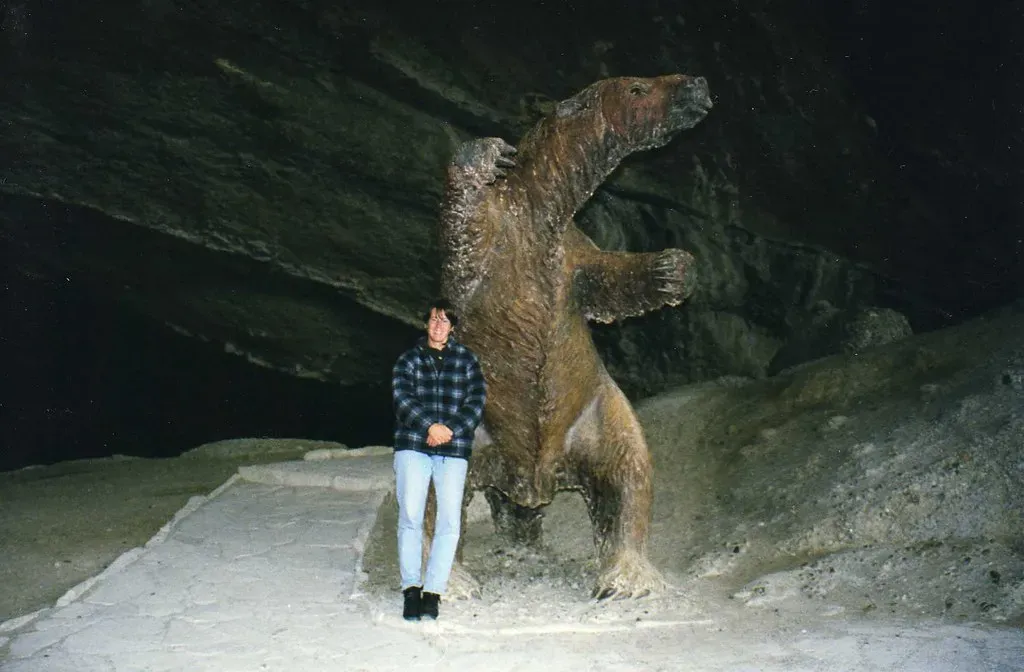
Argentine researchers recently X-rayed a 13,000-year-old chunk of Mylodon skin expecting to see random scatter. Instead they found order: the bones formed deliberate geometric shapes – rows, bands, and even star-shaped rosettes arranged across specific parts of the body.
Then came the twist. When the team compared their scans to century-old records, they realized someone had beaten them to it entirely. Without knowing it, they had used the same technique German paleontologist Wilhelm von Branco had applied more than a hundred years earlier – and von Branco had documented the very same patterns in the exact same skin.
Researchers now believe this hidden armor may have doubled as a defense against predators, or even against rival sloths fighting one another. The leading theory ties this dermal skeleton directly to combat, whether against other species or their own kind.
#10 – Underground Tunnels Big Enough to Drive a Car Through
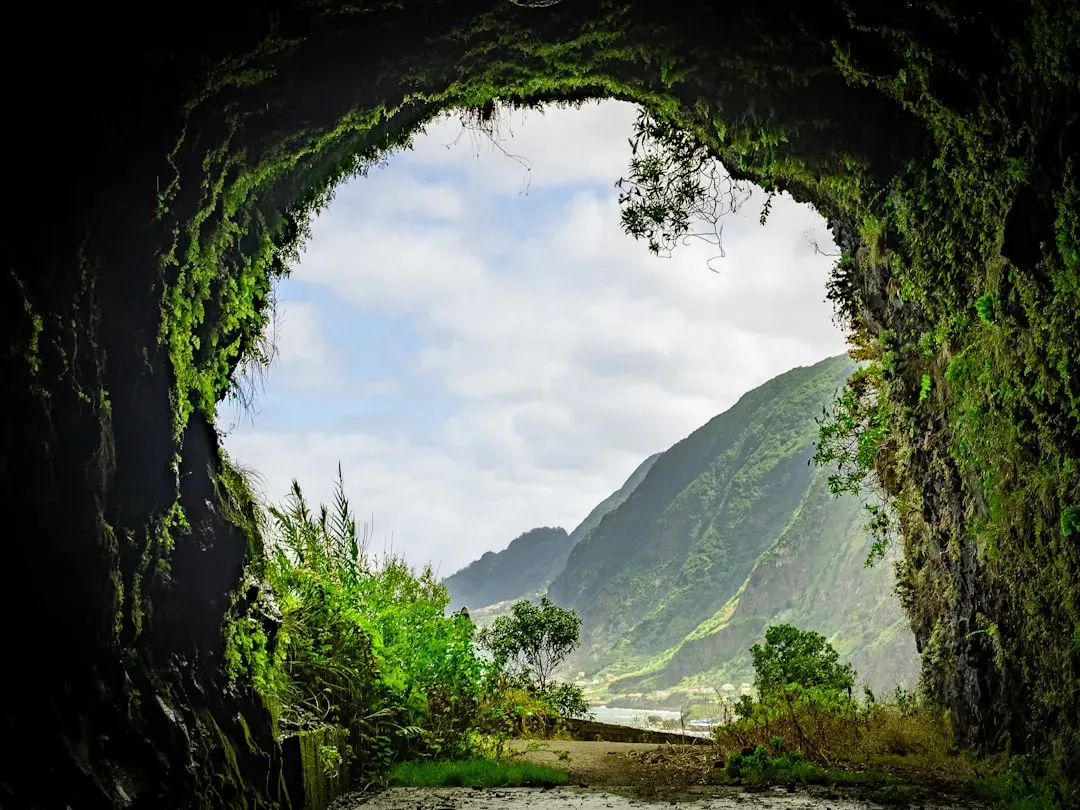
Nobody expected to find highway-sized tunnels buried across southern Brazil – and definitely not ones dug by claws instead of machines.
These structures, known as paleoburrows, stumped geologists the moment they were noticed. Some measure up to 2,000 feet long and stand over six feet tall. Their existence stayed almost unknown until a Brazilian geologist spotted something unusual while simply driving down a highway.
His trained eye told him something was off. He knew no natural process could carve a cave with those exact characteristics, and even though he’d never heard the term “paleoburrow” before, he concluded it had to be dug by a large animal.
Once researchers started actively searching, discoveries multiplied fast. More than 1,500 tunnels have since been found in the Rio Grande do Sul region alone, and the largest single tunnel required an estimated 4,000 metric tons of excavated dirt – almost certainly the combined work of multiple generations.
Fast Facts
- Some paleoburrows stretch up to 2,000 feet long and stand over six feet tall
- More than 1,500 tunnels documented in the Rio Grande do Sul region alone
- The largest single tunnel required an estimated 4,000 metric tons of excavated dirt
- Likely the work of multiple generations, not a single animal
#9 – Claw Marks That Are Still Sparking a Species-ID Debate
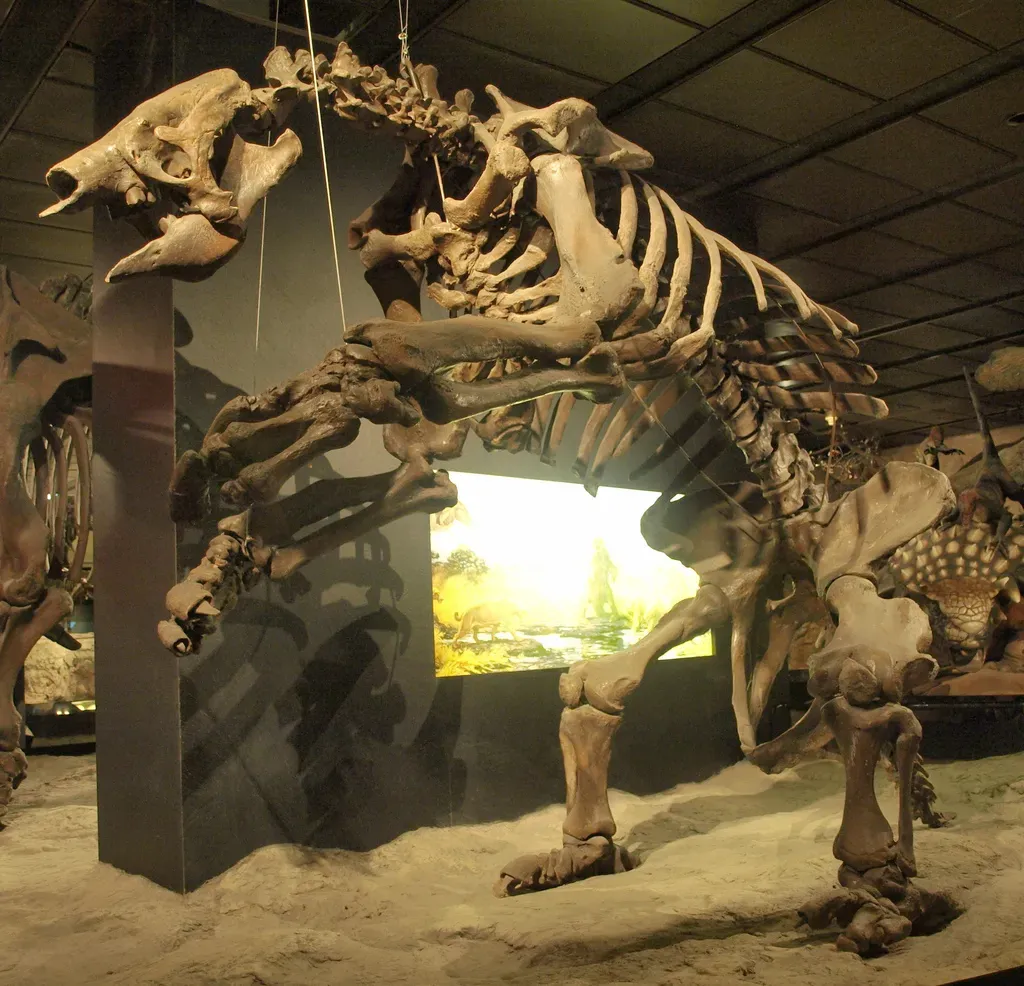
Even with all this tunnel evidence in hand, scientists still can’t agree on exactly which animal was doing the digging.
Inside these Brazilian burrows, the walls are covered in deep, deliberate gouges. Long parallel gashes scrape across the ceilings and sides, and the giant ground sloth has long been treated as the obvious culprit behind them. But not everyone is convinced the sloth deserves sole credit.
Some experts argue giant armadillos deserve equal, or even greater, recognition. Both Ice Age giants shared the same long, curved claws built for heavy digging, and paleontologists are still split on which species actually did the work.
Adding to the confusion, studies of fossilized limb bones suggest the arm structure of the biggest sloths, the megatheriids, wasn’t well suited for digging at all, despite their intimidating claws. That’s pushed some researchers to suspect a different sloth family entirely, the mylodontids, was responsible instead. The “obvious” suspect might not even be guilty.
Quick Compare
- Giant Ground Sloth: Long, curved claws; traditionally credited as the paleoburrow digger
- Giant Armadillo: Nearly identical claw shape; some experts argue it deserves equal credit
- Megatheriid Sloths: Limb bones suggest their arms weren’t well suited for heavy digging
- Mylodontid Sloths: Now suspected by some researchers as the more likely tunnel-diggers
#8 – Footprints Hidden Inside Other Footprints
This one sounds like something out of a crime scene, and honestly, it kind of is.
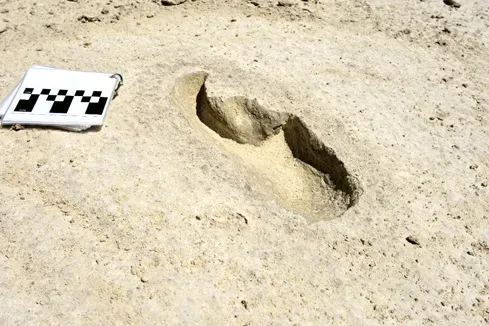
At White Sands, New Mexico, researchers stumbled onto a trackway that told a story nobody expected to find preserved in dried mud. Human footprints sit directly inside footprints left by a sloth, evidence scientists describe as extremely rare proof of two ancient creatures locked in a tense standoff.
The details get stranger the closer you look. One person appears to have followed quickly behind the animal, matching the sloth’s stride for more than ten paces, until the animal reared up on its hind legs and flailed defensively. A second set of tracks shows another person approaching from the side, on tiptoe.
These tracks are the best direct evidence of late Pleistocene interactions between humans and megafauna found anywhere in the world.
Researchers describing the White Sands trackway
Nobody knows for certain whether the hunters that day actually succeeded.
#7 – A Literal Food Ball Frozen in a Sloth’s Stomach
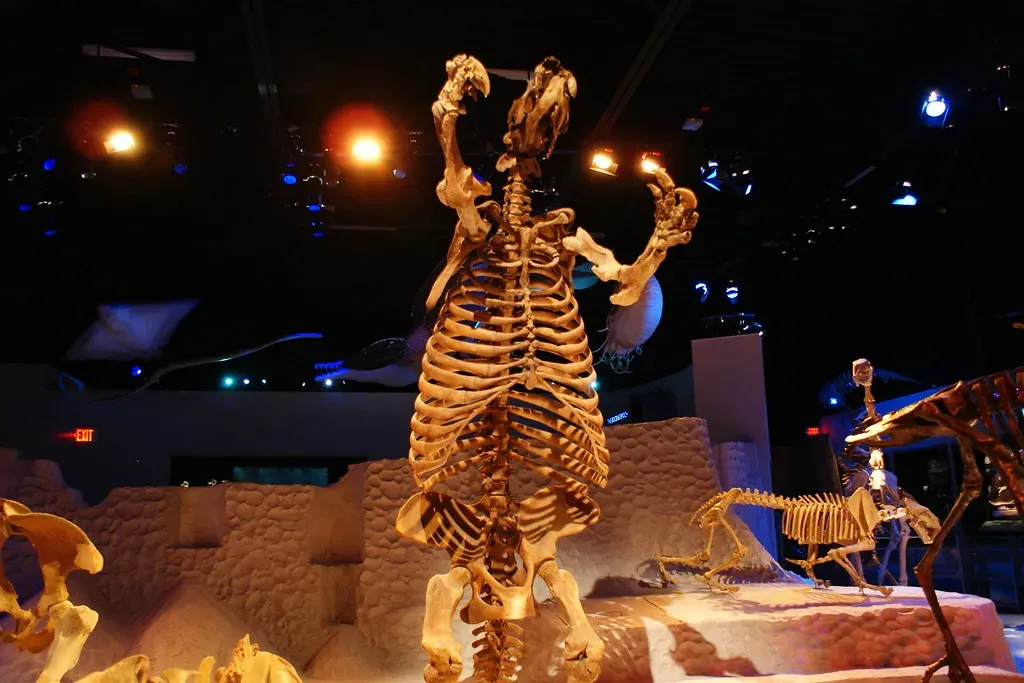
Somewhere in New Mexico, one unlucky sloth’s last meal became one of the most valuable scientific specimens ever recovered.
At Aden Crater, the sloth’s remains weren’t just bones. Early researchers examining the specimen found bones, teeth, tendons, hide, and an actual food ball preserved inside its stomach – a physical clump of the exact plants this animal ate right before it died, frozen in time.
The dating controversy around this find is almost as interesting as the food ball itself. Early estimates swung wildly, with one report claiming the sloth lived “1,000,000 years ago, certainly 500,000,” while another insisted it was closer to 50,000 years. Only after radiocarbon dating became available could scientists finally settle on a more accurate age.
This single stomach-contents discovery gave researchers one of their clearest windows ever into what these animals were actually browsing on before extinction closed in.
#6 – DNA Pulled Straight Out of Ancient Dung and Hair

It sounds almost too strange to be true, but fossilized droppings have become one of the most valuable genetic archives on the planet.
At Gypsum Cave in Nevada, the arid but cool climate allowed extraordinary preservation of soft tissue, hair, and dung from a smaller species of extinct ground sloth. That rare mummification let researchers pull usable DNA from material over 11,000 years old.
Chile’s Mylodon Cave pushed this even further, almost by accident. The subfossils recovered there – bones, claws, and mummified skin preserved in constant cold and dry conditions – became some of the first non-human samples to ever yield genuine ancient DNA.
Even more surprising, scientists managed to extract genetic material from something as fragile as individual strands of hair, pulling short mitochondrial sequences from hairs embedded in preserved dung. The world’s first true “ancient DNA” breakthrough didn’t come from a bone. It came from sloth droppings.
Worth Knowing
- Gypsum Cave, Nevada, yielded usable DNA from dung and hair over 11,000 years old
- Chile’s Mylodon Cave produced some of the first non-human samples to ever yield ancient DNA
- Scientists pulled short mitochondrial sequences from individual hairs embedded in preserved dung
- The first true “ancient DNA” breakthrough came from droppings, not bone
#5 – Bone Tools That Prove Humans Were Using Sloths as Raw Material
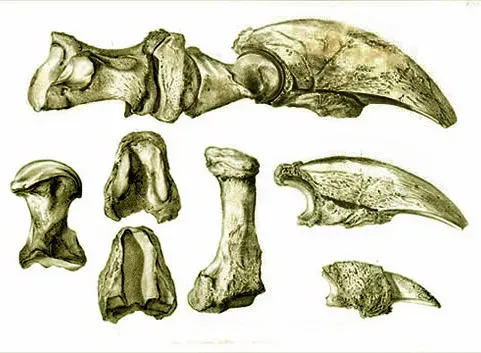
Long before humans hunted these animals to extinction, it appears some were already repurposing sloth bones into everyday objects.
At the Santa Elina rock shelter in Central Brazil, researchers uncovered something that rewrote assumptions about early tool use. Two Pleistocene archaeological layers contained a rich mix of stone tools alongside remains of the extinct giant ground sloth Glossotherium phoenesis – including thousands of bony skin plates, three of which showed clear signs of human modification.
The team didn’t take this conclusion lightly. They ran an extensive battery of tests before going public, including optical microscopy, non-destructive scanning electron microscopy, UV and visible photoluminescence, and synchrotron-based microtomography. The results confirmed the three sloth plates were deliberately shaped into artifacts before the bones ever fossilized.
This is direct physical proof that humans and giant ground sloths didn’t just coexist – they interacted closely enough for people to turn sloth armor into tools or ornaments. That single detail complicates the entire extinction debate.
#4 – Branching Cave Systems Dug by Darwin’s Own Sloth Discovery
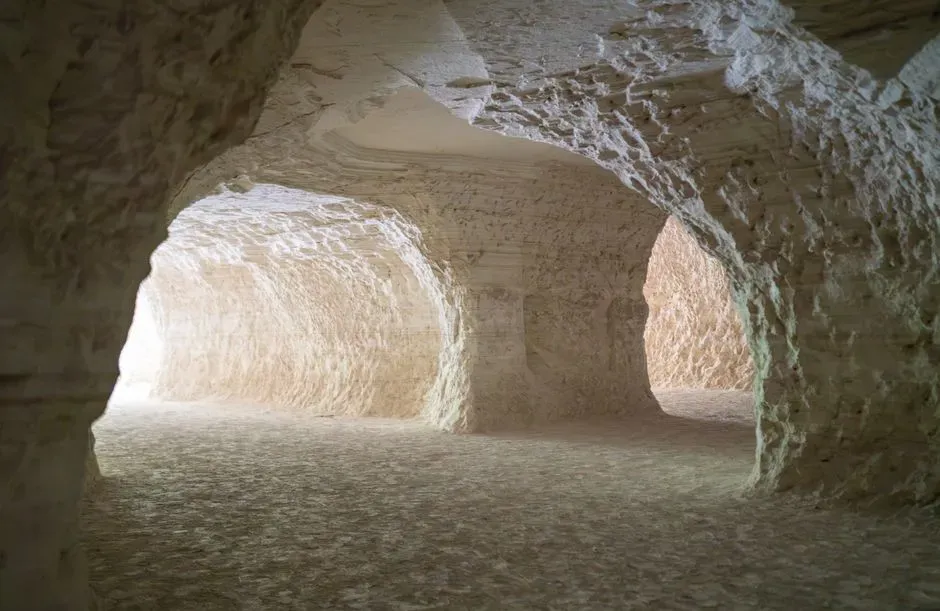
Long before the Brazilian tunnels made headlines, similar underground mysteries were already baffling scientists in Argentina.
Charles Darwin himself collected ground sloth specimens during the voyage of HMS Beagle, and one species in particular left behind an engineering puzzle. Evidence suggests Scelidotherium leptocephalum was capable of burrowing underground, and several large Pleistocene tunnels across South America’s Pampean region were likely excavated by this species – branching passages up to four feet high, six feet wide, and roughly 65 feet long.
What makes this especially fascinating is the sheer timeline involved in confirming it. Darwin collected four species of ground sloth on that voyage, three of them entirely unknown to science at the time, and researchers have spent nearly two centuries piecing together what he’d actually stumbled onto.
One of history’s most famous naturalists had literally uncovered proof of sloth architecture without ever fully realizing it.
#3 – A Cave So Rich With Remains It Gave Its Name to a Species
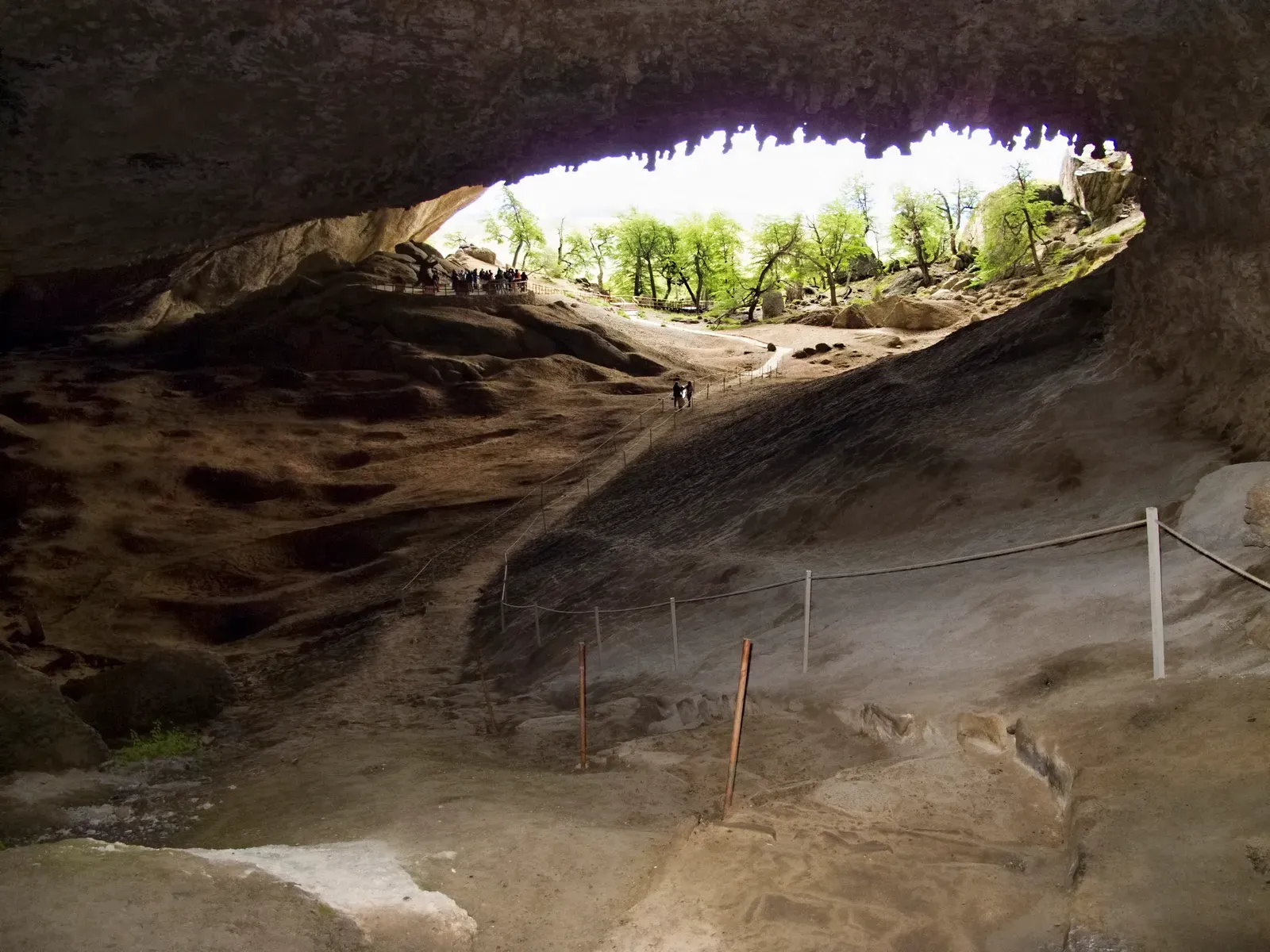
In Chilean Patagonia sits a cave so packed with sloth material that scientists simply named it after the animal.
Cueva del Milodón earned its title for good reason. Numerous subfossils of the ground sloth Mylodon darwinii have turned up across the southern cone of South America, but this single cave produced the most exquisitely preserved collection anywhere, giving the site – and effectively the species – its lasting name.
What’s genuinely strange is the sheer variety of material that survived in one location. Beyond the mummified skin and blond fur mentioned earlier, this cave has yielded preserved droppings, intact claws, and enough genetic material to launch entire subfields of research on its own.
Researchers even sequenced a remarkably intact mitochondrial genome from bone fragments recovered here, something described as exceptionally well preserved thanks to the cave’s dry, cold conditions. A single cave in the far south of Chile essentially became the genetic reference library for an entire extinct family of animals.
#2 – Dung Piles Preserved by an Unlikely Roommate
Sometimes the strangest part of a discovery isn’t the fossil itself – it’s the completely unrelated animal that accidentally preserved it.
In West Texas’s Spirit Eye Cave, researchers found sloth dung in a place nobody expected to look. The preserved droppings of an extinct ground sloth turned up there, and in the right hands, ancient dung is genuinely powerful scientific material.
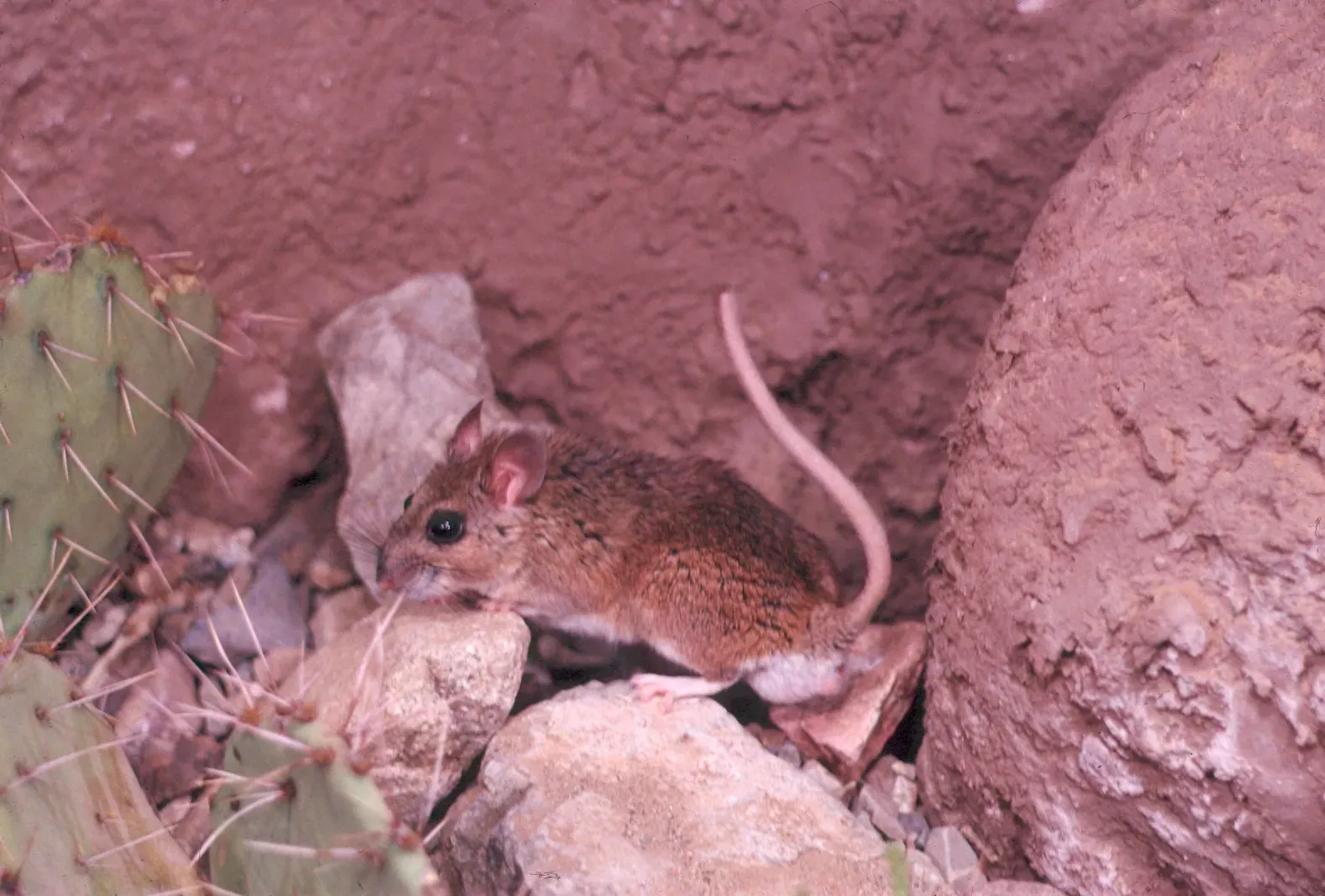
The twist is that a completely different creature gets the credit for its survival. The dung’s preservation is thanks to the packrat, which builds its nests using other animals’ waste to mask its own scent from predators. One sloth dung sample was found tucked inside a packrat midden.
Two separate deposits were eventually dated – one nearly 13,000 years old, and the other more than 30,000 years old – meaning generations of sloths used this exact spot as a bathroom long before any human ever set foot inside.
#1 – The Biggest Puzzle of All: Why They Vanished So Fast
Every single item on this list leads back to one unresolved question that professional paleontologists still argue about at conferences.
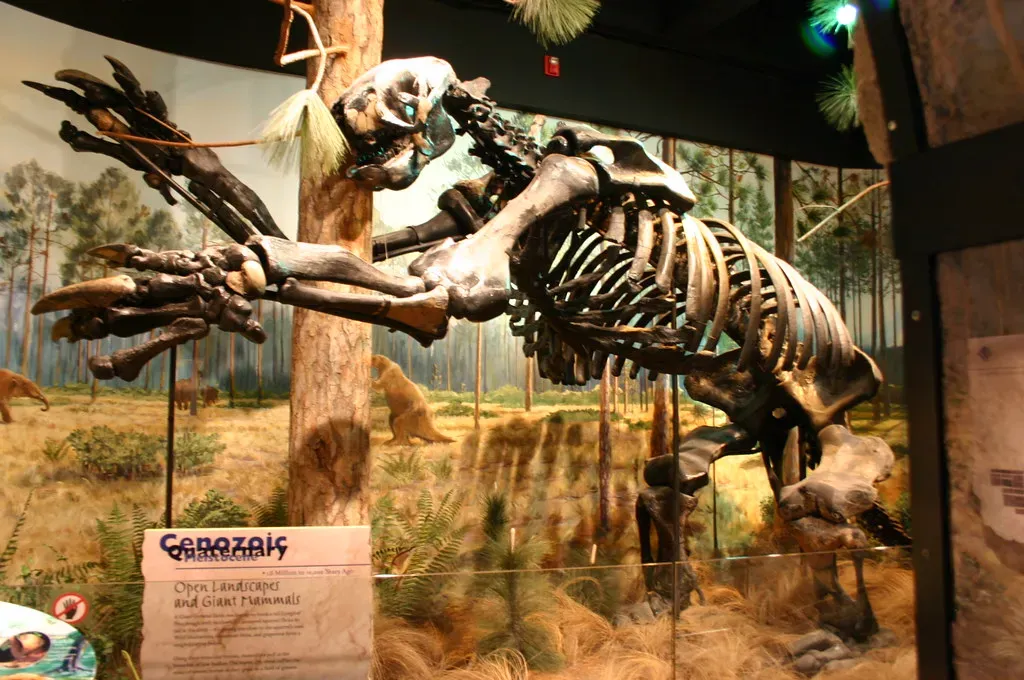
Giant ground sloths survived ice ages, climate shifts, and predator pressure for millions of years, then disappeared within a geological blink. The White Sands trackway adds real weight to the human-hunting theory, since those footprints offer rare direct evidence of people actively pursuing these animals.
Yet the Santa Elina bone tools complicate a simple “humans killed them” narrative, since they show human interaction with sloths stretching back far earlier without any immediate extinction event following it.
Meanwhile, dung and DNA evidence from caves like Gypsum Cave and Rampart Cave suggest some sloth populations were still thriving in stable habitats right before vanishing, with preserved dung showing that even as the climate turned drier, the vegetation that replaced it would still have been edible for them. A species with food still on the table, gone within centuries, remains the single most debated mystery in Ice Age megafauna research today.
At a Glance
- Human hunting: White Sands tracks show people directly pursuing a sloth on foot
- Long coexistence: Santa Elina bone tools prove interaction stretched back long before extinction hit
- Stable habitats: Dung and DNA from caves like Gypsum Cave suggest some populations were still thriving right before the end
- Sudden collapse: No single theory fully explains a die-off this fast despite food remaining available
The Bottom Line
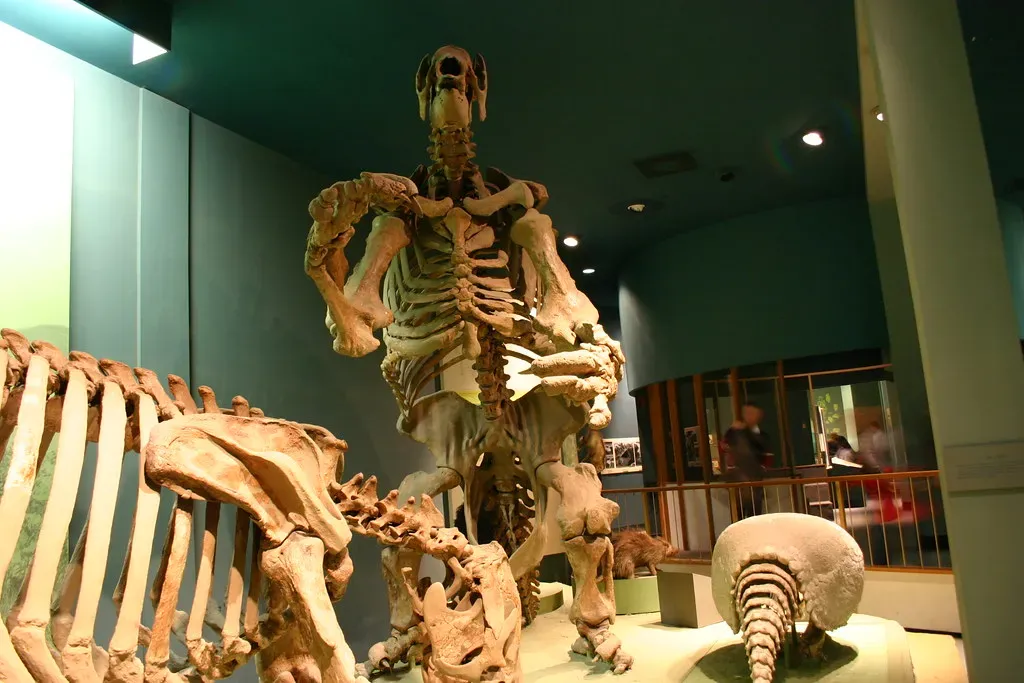
The giant ground sloth didn’t just disappear quietly. It left behind armor nobody expected, tunnels nobody can fully explain, footprints frozen mid-hunt, and DNA that rewrote what scientists thought was even possible to preserve. Every single clue on this list raises just as many questions as it answers.
In my opinion, the most damning evidence points toward humans playing a far bigger role in the extinction than most textbooks admit. The bone tools, the stalking footprints, and the sudden population collapse line up too neatly to be coincidence. Climate change gets blamed constantly, but the timing keeps pointing back to us. What do you think actually wiped them out? Drop your theory in the comments.