
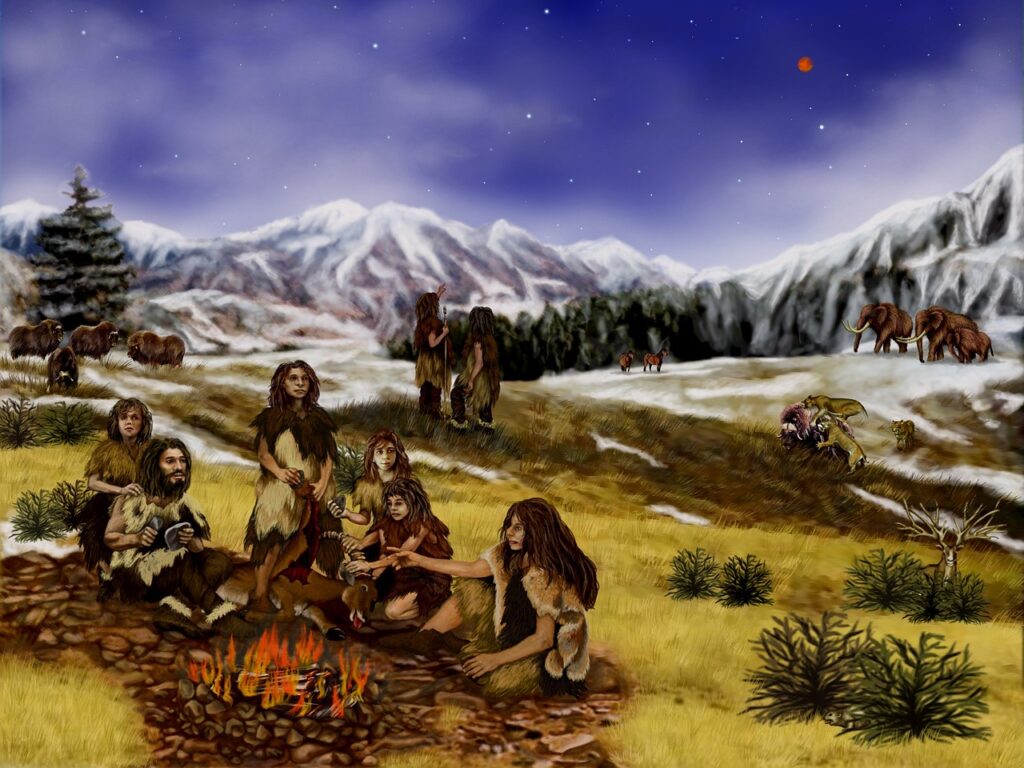
Picture the “caveman” cliché: grunting, dragging a club, barely making it from one meal to the next. Now picture modern life – gyms, sleep clinics, therapists, probiotic aisles, entire industries built to fix problems we assume our ancestors never solved. Here’s the uncomfortable twist archaeologists keep confirming: they solved most of it first.
We didn’t just invent clever new solutions over the centuries. We quietly erased a staggering amount of hard-won knowledge, then spent fortunes and lifetimes clawing our way back to it. From what we eat to how we sleep, grieve, and raise our kids, the evidence below shows exactly where modern science finally caught up to people who never owned a lab coat, a supplement bottle, or a single Wi-Fi signal.
#1 – Eating “Nose to Tail” Wasn’t Primitive, It Was Elite Nutrition
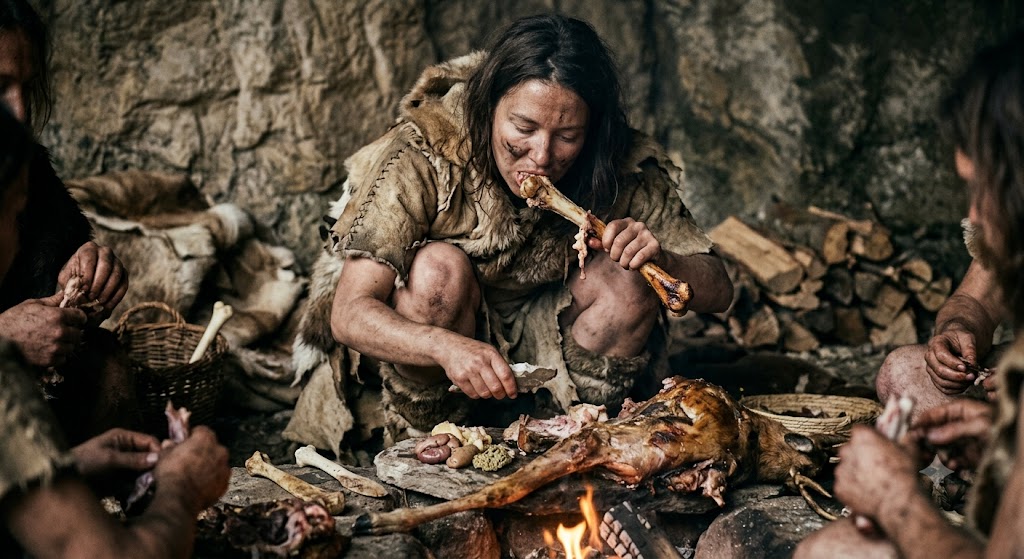
Modern diet culture tells you to eat boneless, skinless chicken breast and toss the rest in the trash. Early humans did the exact opposite – and they were onto something big.
Hunter-gatherer groups around the world treated a freshly killed animal like a nutritional treasure chest, not a stack of “cuts.” They ate liver, heart, brain, marrow, skin, fat, and even connective tissue. Biochemists now know those parts are packed with vitamins A, D, K2, B12, iron, collagen, and essential fatty acids in far higher concentrations than lean muscle ever offers.
For many foraging groups, organ meat went to children, mothers, and elders first – exactly the people with the highest nutrient demands. They also never ate meat in isolation. Early diets paired animal foods with wild plants, roots, and berries, staying seasonal and wildly varied instead of cycling through the same five supermarket items on repeat.
Fast Facts
- Organ meats deliver vitamins A, D, K2, and B12 at levels lean muscle can’t match
- Marrow and skin provided concentrated fat and collagen year-round
- Nutrient-dense parts were often reserved for children, mothers, and elders first
- Diets rotated seasonally instead of repeating the same handful of foods
Anthropologists studying groups like the Hadza in Tanzania and the Inuit in the Arctic have documented just how little went to waste. Bones were cracked for marrow. Skulls were opened for brain fat. Skin and tendons became food, glue, or tools. We spent the 20th century demonizing fat and glorifying ultra-lean protein, then wondered why vitamin deficiencies, joint issues, and skin problems exploded. Now “nose-to-tail” eating gets sold back to us as a trendy wellness hack. Early humans would think we’d lost our minds.
And what came next is even more infuriating – because it messes with something you do every single day without thinking.
#2 – Moving All Day, Not “Exercising,” Was the Real Health Hack
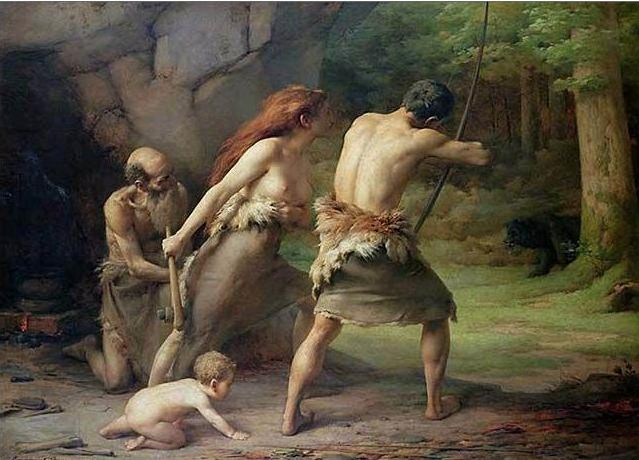
Most people believe you can sit for ten hours, hit the gym for forty-five minutes, and call it a healthy day. Early humans would find that idea absurd.
For most of human history, there was no concept of a “workout.” Movement was just baked into staying alive. People walked long distances for food and water, carried heavy loads, sprinted occasionally to hunt or flee danger, and spent hours on low-level tasks like squatting, climbing, and digging.
The average daily step count for traditional hunter-gatherers often lands somewhere around 15,000 to 20,000 steps, plus regular lifting and carrying – without a single fitness tracker involved. Research on modern foragers and long-lived populations keeps landing on the same conclusions: frequent, low-intensity movement protects health more reliably than short bursts of intense exercise, strong legs and grip strength correlate with a longer life, and sitting for hours on end is a mortality risk all on its own, gym membership or not.
At a Glance
- Roughly 15,000-20,000 steps a day, built into daily survival tasks
- Constant lifting and carrying instead of isolated strength sessions
- Low-intensity movement spread across the whole day, not condensed into a workout
- Grip and leg strength now recognized as longevity markers
Early humans weren’t jogging on treadmills; they simply weren’t still very often. Rest existed, but it alternated naturally with bursts of effort throughout the day. We “innovated” office chairs, commuting, elevators, and screens, then had to invent stand-up desks and walking pads just to undo the damage. Fitness influencers talk about “primal movement” like it’s edgy. In reality, it’s a very late apology to bodies that were built for a lifestyle we abandoned in a single century.
Turns out the thing we destroyed next was quieter, darker, and way more personal.
#3 – Darkness, Firelight, and Sleep: They Hacked Circadian Rhythms Before We Named Them
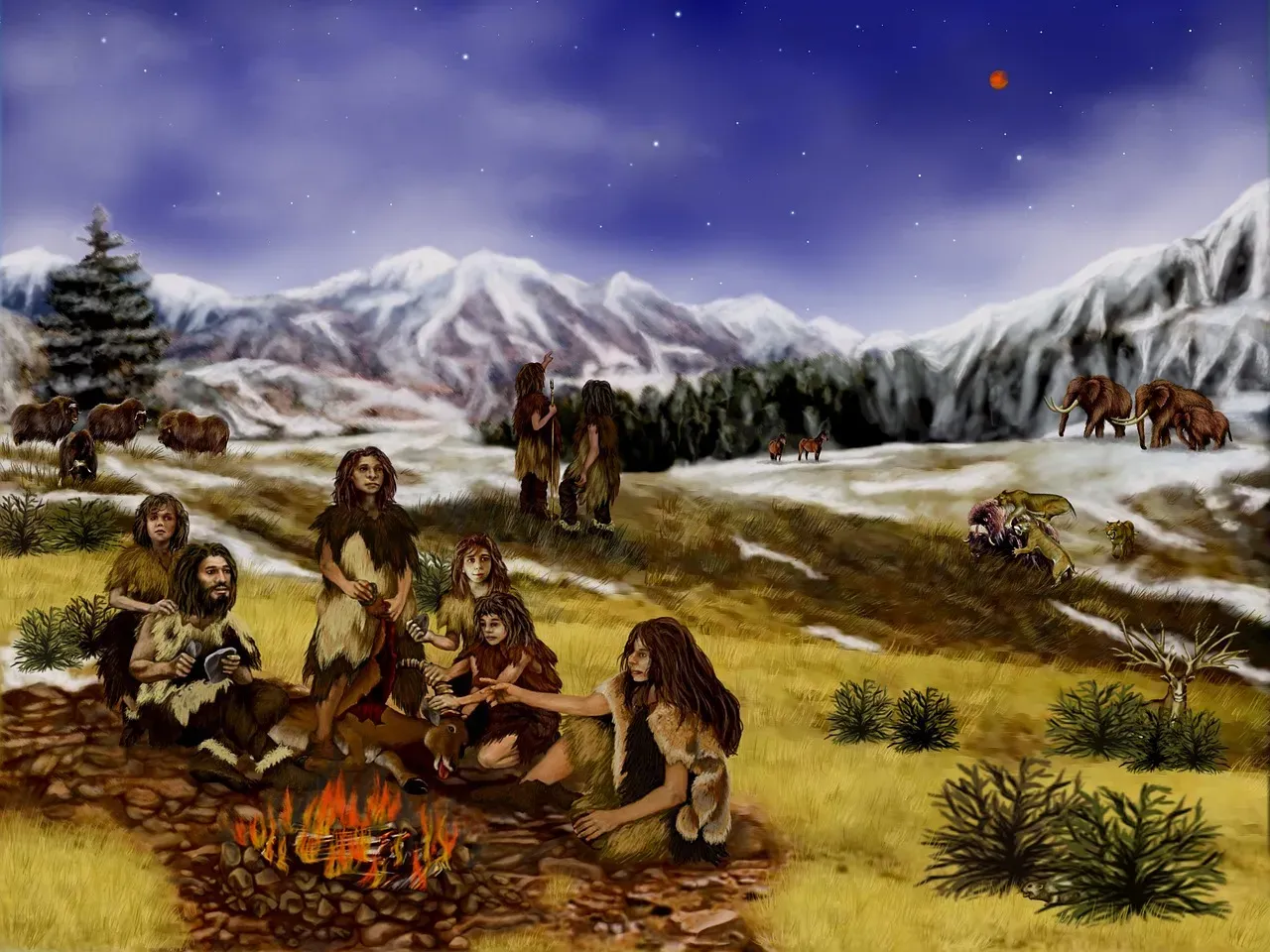
Everyone talks about “sleep hygiene” now, but early humans built their entire lives around it without a single sleep clinic on the horizon.
Before electric light, sunset actually meant something. Communities wound down with low, warm light – campfires, oil lamps, glowing embers. That light is rich in red and orange wavelengths and low in blue, which modern chronobiology now confirms preserves melatonin and helps the brain ease into sleep. Compare that to an LED screen blasting blue light straight into your eyes at midnight.
Early humans also usually slept in groups, not alone in silent boxes. That meant shared body warmth and lower heating needs, protection from predators and threats, and a built-in safety net for anyone who woke during the night. Some historical and anthropological records even point to “segmented sleep” – a first block after dark, a quiet waking period for talking or tending the fire, then a second sleep before dawn. Sleep researchers now admit that waking at night isn’t automatically a disorder; it can be a completely normal pattern once you remove alarms and artificial schedules from the equation.
We invented alarm clocks, 24-hour lighting, and shift work, then discovered – much later – that chronic circadian disruption is linked to obesity, depression, diabetes, and even elevated cancer risk. Early humans didn’t have the vocabulary for any of that, but they had the behavior nailed. Now we buy apps and blue-light glasses just to recreate a world of sunset and firelight our ancestors never actually left.
What we gave up after that hits even closer to home.
#4 – “Primitive” Social Nets Were Better Than Most Modern Safety Nets
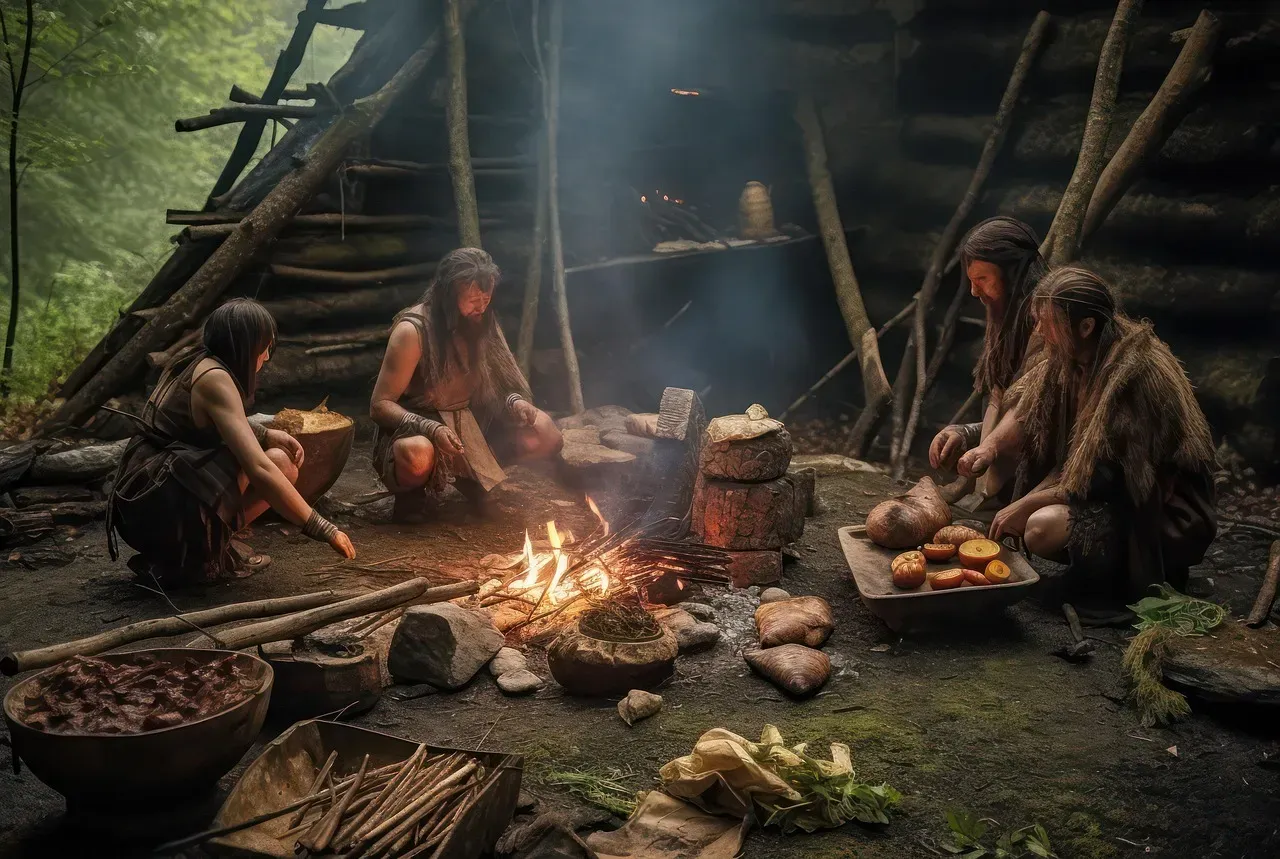
We like to think social media made us more connected. Yet loneliness, anxiety, and depression keep climbing anyway. Early humans would be baffled – they built lives where isolation was almost impossible.
In small bands of twenty to fifty people, daily life was intensely communal. Anthropologists studying modern forager groups find children cared for by multiple adults, food shared widely, and people switching tasks and roles constantly throughout the day. In some hunter-gatherer societies, up to 60-80% of food gets shared beyond the immediate family. That’s a social safety net you can’t swipe a card for.
Status existed, but extreme hoarding didn’t, because survival depended on reciprocity, not charity. You might hunt successfully today and fail tomorrow, so food and tools kept moving through the group as a kind of long-term insurance policy. Early humans also had constant face-to-face contact instead of text bubbles, shared rituals and songs that reinforced belonging, and collective problem-solving instead of outsourcing everything to distant institutions.
Psychologists now say social isolation raises mortality risk on par with smoking. Governments build programs trying to patch the hole. Meanwhile, hunter-gatherer kids grow up surrounded by aunties, cousins, and elders who’ve known them since birth. Most people assume our systems are superior, but plenty of anthropologists quietly argue our ancestors protected people – emotionally and materially – far better than we currently do.
The next one is buried in your gut – literally.
#5 – Foraging Diets Solved the “Fiber Problem” Without Labels or Supplements
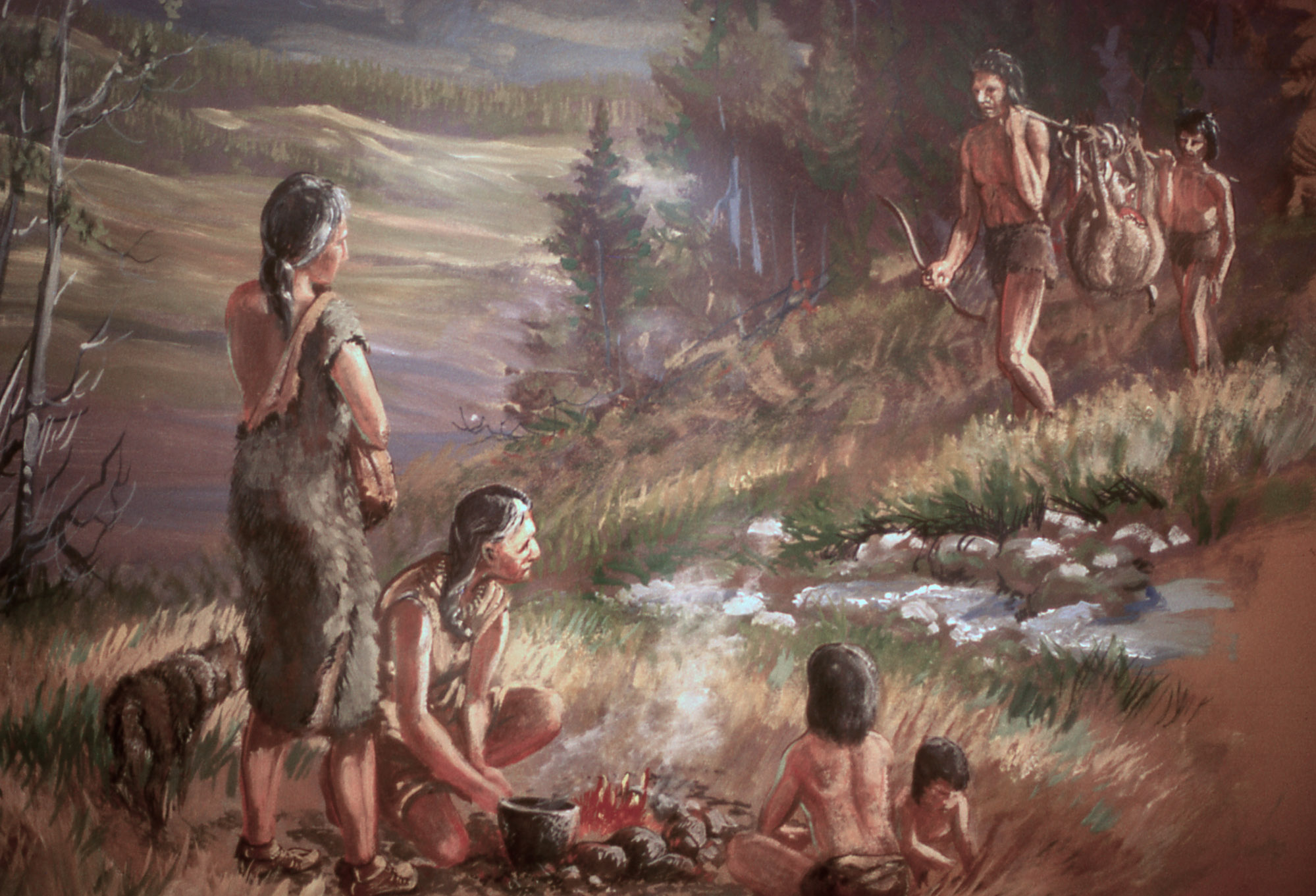
We only recently started obsessing over fiber grams, microbiomes, and gut health. Early humans nailed all three without ever reading a nutrition label.
Wild plants aren’t supermarket produce. They’re smaller, tougher, more bitter, and dramatically higher in fiber and phytonutrients. Studies of modern forager diets show daily fiber intake can top 80 to 100 grams a day, compared to the typical Western intake of just 15 to 20 grams. That’s not a minor gap – that’s an entirely different digestive ecosystem living inside two different guts.
Early humans routinely ate tough roots and tubers full of resistant starch, a wide array of leaves, berries, seeds, and nuts, and fermented or partially decomposed foods whenever fresh wasn’t an option. Today’s microbiome research keeps confirming that diverse, fermentable fibers feed a healthier gut community, which is tied to immunity, mood regulation, and even body weight.
Eat food. Not too much. Mostly plants.
Michael Pollan
We’re basically paying scientists billions of dollars to rediscover that a diet built on wild plants and minimally processed animal foods beats ultra-refined sugar and white flour. Early humans weren’t perfect – famine was real, and plant access varied wildly by region – but the core pattern of high fiber, real diversity, and minimal refining matches almost exactly what modern epidemiology now says reduces chronic disease. They didn’t need a probiotic sponsorship to figure that out.
This next one might make you rethink the entire nursery industry.
#6 – Natural Birth, Constant Skin-to-Skin, and Community Care Beat Our “High-Tech” Parenting in Many Ways
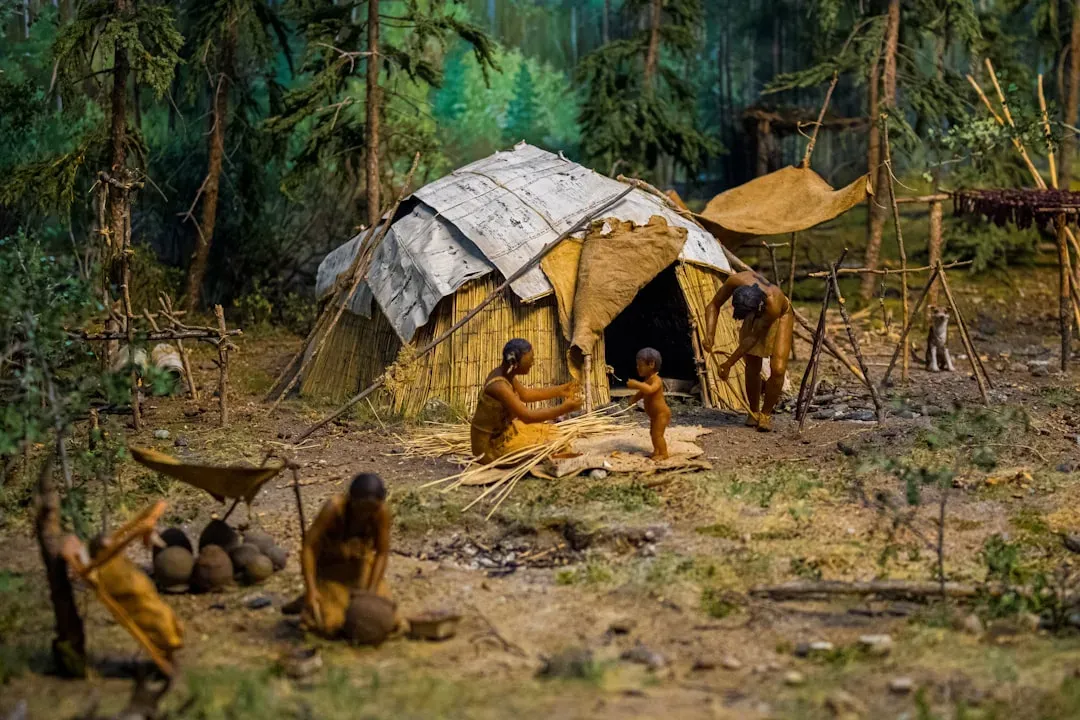
Modern parenting advice is a billion-dollar industry. Early humans had none of it, and yet a surprising number of their instincts line up with what pediatric research is now confirming.
In many traditional societies, babies are held or worn against an adult’s body for most of the day, not parked in cribs, bouncers, and plastic seats. That constant contact helps regulate an infant’s heart rate, breathing, and body temperature. Neonatal units now use “kangaroo care” – continuous skin-to-skin contact – for premature babies because it improves both survival and bonding. Our ancestors simply never stopped doing it.
Birth itself was strikingly communal, too. Instead of laboring among strangers in a sterile room, a woman was usually surrounded by familiar faces – mothers, grandmothers, experienced birth attendants who’d done this before. Modern obstetrics rightly saves countless lives with surgery and medication, but there’s a growing backlash: women seeking doulas, home-like birth centers, and more control over the process, because emotional support and autonomy matter as much as sterile equipment in plenty of cases.
Then there’s “alloparenting” – childcare spread across multiple adults, where a baby might be nursed by more than one woman, carried by older siblings, and watched by grandparents. Developmental psychologists now stress exactly this: kids thrive with multiple stable, caring adults, not one exhausted parent trying to do everything alone. Modern society treats parenting like an individual achievement. Early humans treated it as a shared job, and we’re slowly admitting their version may have been healthier for everyone involved.
Wait until you see what we did to childhood itself.
#7 – “Unstructured Play” Was the Original STEM Education

We invented formal schools, homework, and standardized testing, and then acted shocked that kids are stressed, less creative, and reluctant to move their bodies. Early humans ran a very different experiment.
Childhood in small-scale societies is typically full of free, mixed-age play. Kids roam, climb, build, invent games, mimic adult tasks, and work out conflicts without an adult refereeing every second of it. No flashcards, no apps, just reality. Anthropologists find that children learn hunting, gathering, tool-making, and social rules mostly through imitation and play, not lectures.
Worth Knowing
- Learning happened through imitation and play, not formal instruction
- Mixed-age groups let older kids teach younger ones naturally
- Unstructured play is linked to sharper problem-solving and creativity
- Free play builds emotional regulation and intrinsic motivation to learn
Cognitive science is finally catching up. Unstructured play is linked to improved problem-solving and creativity, better emotional regulation and social skills, and stronger intrinsic motivation to learn. Ironically, the “hands-on learning” and project-based curricula that elite schools brag about are basically attempts to industrialize what forager kids did naturally for free.
Letting a child whittle sticks, climb trees, or help skin a small animal might horrify a modern parent, but it delivers real physics, biology, and risk assessment in one messy package. Most early human cultures also leaned on stories, songs, and rituals to teach ethics, history, and cosmology – repeated performances burned into memory long before anyone could outsource remembering to a search engine. Developmental psychologists increasingly argue that our ancestors’ slow, play-heavy childhoods produced more adaptable adults than our accelerated, over-scheduled ones do.
The next discovery involves rotten food, and it’s smarter than your refrigerator.
#8 – Fire, Fermentation, and “Slow Tech” Solved Food Safety Without Plastic or Fridges

Ask most people how to keep food safe and they’ll say “refrigeration.” Early humans managed for tens of thousands of years without one, and they did far more than choke down rotten meat.
Fire was the original food technology. Cooking made tough roots edible, unlocked calories trapped in grains and legumes, and killed off many pathogens outright. But early humans didn’t stop there. Across continents, groups independently discovered how to dry, smoke, salt, and ferment food for long-term storage – dried meats hung in smoke huts, fish fermented in underground pits, grains turned into sour porridges or early breads, milk transformed into yogurt-like or cheese-like products.
Fermentation in particular is now recognized as a genuine microbial superpower. It doesn’t just preserve food; it can increase vitamin availability, pre-digest tricky components like lactose or gluten, and seed the gut with beneficial bacteria. Ancestors without microscopes didn’t need lab proof – the proof was that people who ate this way survived winters and lean seasons when others didn’t.
We forgot most of this, then “rediscovered” kombucha, sourdough, kimchi, and kefir like they were brand-new inventions. Meanwhile we stacked shelves with ultra-processed products preserved by chemicals instead of microbes, and watched metabolic disease climb right along with it. Early humans were running constant experiments with smoke thickness, salt levels, and fermentation times long before anyone had formal chemistry to explain why it worked. Microbiologists increasingly admit their low-tech systems were often surprisingly safe and nutritionally smart.
This next one basically proves early humans were running real science, without a single lab coat.
#9 – Reading the Land: They Practiced “Science” Without Lab Coats
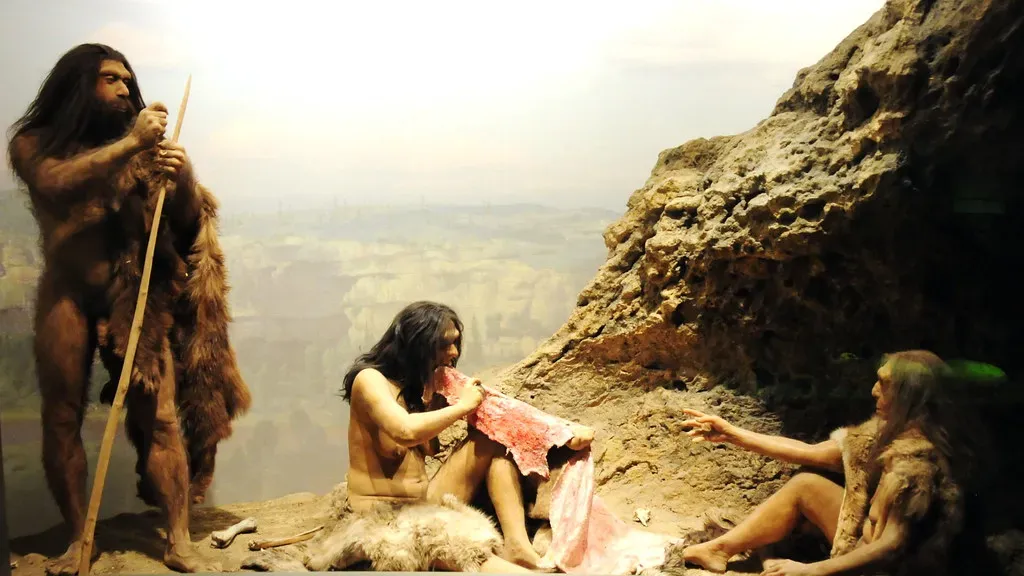
We tell ourselves real science started with telescopes and test tubes. Realistically, humans have been running careful, high-stakes experiments for a very long time.
Every forager, herder, or early farmer had to answer the same brutal questions: Which plants are edible? Which are poisonous? Where will the animals migrate this season? When will the river flood? Get it wrong and you could die. The only way through was careful, systematic observation passed down across generations.
Indigenous trackers can infer an animal’s speed, direction, and even health from tiny marks in the dirt and bent blades of grass – field biology married to physics, learned by watching, not by reading. Traditional navigators in the Pacific read wave patterns, star positions, and bird behavior to travel thousands of miles of open ocean with zero instruments. Early farmers learned to rotate crops, manage fallow periods, and use animal manure to keep soil fertile, essentially reinventing nutrient cycling and ecology from nothing.
Quick Compare
- Traditional knowledge: generations of direct observation, tested by survival itself
- Modern science: controlled experiments, tested by peer review and instruments
- Traditional knowledge: passed down through story, ritual, and apprenticeship
- Modern science: passed down through journals, textbooks, and formal degrees
What we now call traditional ecological knowledge gets dismissed as folklore more often than it should. Environmental scientists increasingly turn to it when modern models fail, because the subtle burning practices, selective harvesting, and species protections used by many early societies often produced healthier landscapes than modern extractive approaches. The mistake was never that early humans lacked science. It’s that we refused to call it science because it wasn’t written in equations.
Next up: the calendar trick your body is still begging you to bring back.
#10 – Seasonal Living: They Synced Bodies and Calendars Before Wearables Did
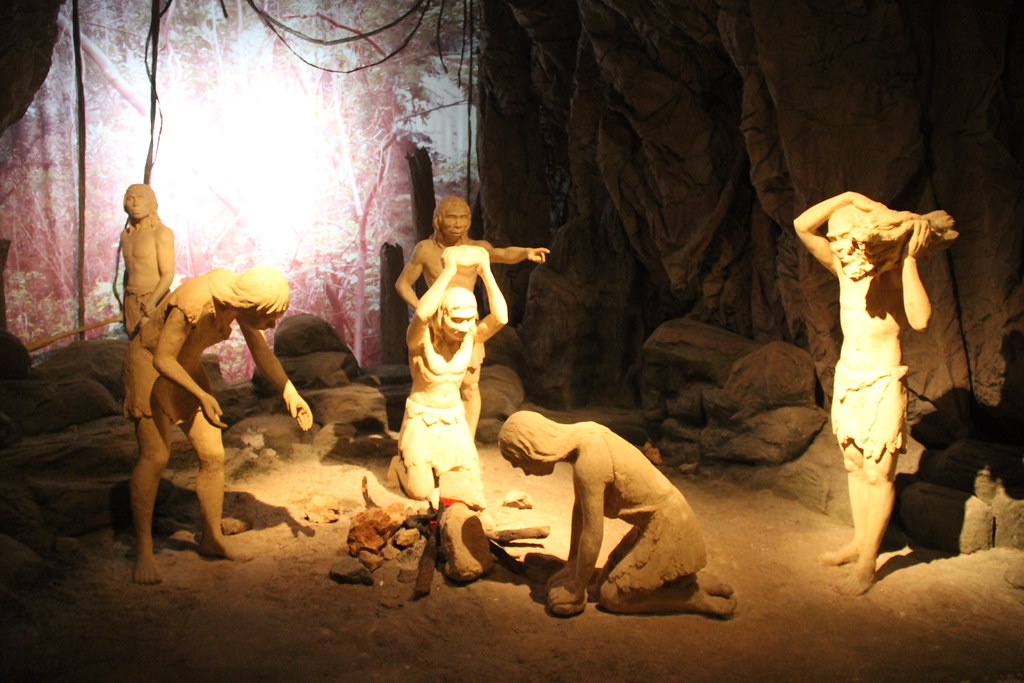
Wellness influencers now sell “seasonal reset” programs like they’re cutting-edge. Early humans didn’t need to reset anything – they simply never left the rhythm in the first place.
In most environments, our ancestors’ lives shifted with the seasons: different foods, different activity levels, even different social rhythms. In temperate zones, spring often meant intense foraging and planting, summer brought higher calories and longer days, autumn meant preservation and preparation, and winter slowed everything down into rest and storytelling around fires. Calorie intake, sleep duration, and work patterns all fluctuated naturally with the year.
Today we live in climate-controlled boxes eating strawberries in January and hot soup in August, then wonder why we feel constantly “off.” Chronobiology and metabolic research now confirm that light exposure changes hormone levels across the year, temperature and daylight affect mood and energy, and seasonal eating patterns can support metabolic flexibility.
Traditional groups often tied specific festivals, rituals, or fasts to seasonal transitions – not as decoration, but as forced breaks from overconsumption that anchored communal schedules and helped people process the passing of time and loss. We built a culture that tries to stay “on” 365 days a year and then act surprised that burnout is everywhere. Our ancestors understood, on a deep level, that there’s no real health without seasonality. We’re only now grudgingly adjusting work hours, school calendars, and even office lighting to match what they took completely for granted.
Before therapists existed, humans had already figured out how to survive grief. Here’s how.
#11 – Rituals, Storytelling, and “Mental Health” Before There Were Therapists

Most people assume mental health care started with Freud. But humans have always struggled with grief, anxiety, and trauma, and they never just toughed it out in silence.
In early societies, ritual wasn’t optional background noise – it was infrastructure for the psyche. Initiation ceremonies guided adolescents through the transition into adulthood. Grief rituals gave structure to mourning. Communal dances, drumming, and chanting created altered states that helped people process fear, guilt, and loss together instead of alone. Anthropologists have documented that many traditional healers treat emotional distress as something to be addressed collectively, not hidden privately.
Modern psychiatry is finally catching up to a few uncomfortable truths: social support is one of the strongest buffers against mental illness, meaning-making through stories and symbols measurably reduces suffering, and body-based practices – movement, breath, rhythm – can ease trauma in ways talk alone sometimes can’t. Sound familiar? Early humans had mythic narratives everyone knew by heart, performed repeatedly in shared spaces, that told people who they were, where they came from, and how to endure hardship.
Not all of it was gentle – some rituals were harsh or exclusionary, and we shouldn’t romanticize that away. But the baseline assumption behind them – that mental struggle is a human constant, and that community and ritual help contain it – turns out to be backed by modern psychology. We invented solo therapy and self-help books, then realized, a little awkwardly, that our ancestors’ campfire stories and funerals were already doing some of the same heavy lifting.
The next lesson explains why some ancient rules mattered more than any modern regulation.
#12 – Respecting Limits: Sustainable Use Before “Sustainability” Was a Word

Sustainability is a buzzword now, slapped onto everything from shampoo bottles to private jets. Early humans didn’t run PR campaigns about it; they lived with the consequences directly.
Not every ancient society lived lightly – some overhunted or deforested their regions and collapsed because of it. But many groups developed surprisingly strict rules about resource use: designated no-hunt zones, seasonal bans, taboos on killing breeding females, rotational use of fishing spots, spiritual restrictions on cutting certain trees. Break the rules, and you didn’t get a fine – you risked starving your own grandchildren.
Why It Stands Out
- No-hunt zones and seasonal bans gave animal populations time to recover
- Taboos on killing breeding females protected future generations of prey
- Rotational use of fishing spots prevented any one area from being stripped bare
- Spiritual restrictions on certain trees functioned as de facto conservation law
These weren’t vague “respect nature” slogans. They were codified in stories about angry spirits, sacred animals, or ancestral punishments, enforced by elders and peer pressure as much as by physical barriers, and adapted over time as conditions actually changed. Ecologists now understand that sustainable use of a resource often requires counterintuitive restraint – not maximizing annual yield, leaving “spare” individuals, tolerating predators, maintaining habitat complexity. Many early hunters and fishers grasped this intuitively, without a single spreadsheet.
We industrialized resource extraction, optimized for short-term gain, and then hired consultants to explain why we’d overshot. Now scientists and policymakers increasingly consult Indigenous land stewards, because their rules – refined across centuries of trial and error – often align better with ecological reality than regulations bolted on after the damage is already done. Most people assume the old ways were less efficient. A growing number of experts argue the opposite: they were efficient at something we forgot to value – surviving for the long haul.
Save the biggest gut-punch for last, because #13 hits different.
#13 – Minimalism by Necessity: Owning Less but Having More
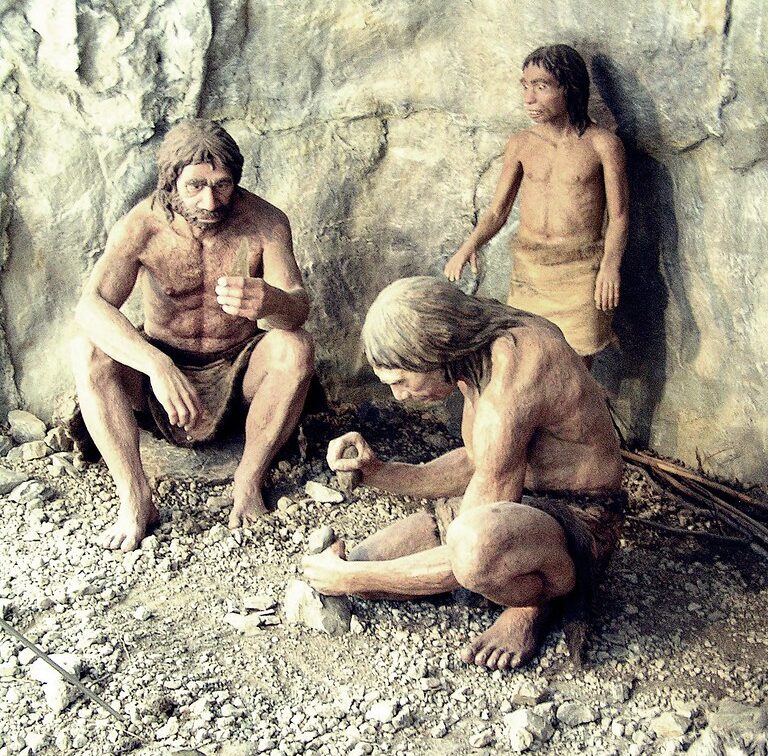
Minimalism gets marketed today as a lifestyle upgrade, complete with $300 lamps and empty white rooms. Early humans practiced a harsher, but honestly more truthful, version of the same idea: if you couldn’t carry it, you probably didn’t own it.
Nomadic and semi-nomadic groups kept tight limits on possessions – tools, clothing, cooking gear, and a handful of personal items, and that was it. Anything extra slowed movement, drained energy, and invited conflict. There were no storage units, no bursting closets, no endless “organizing hacks.” Every object had to justify its own weight, every single day.
That created psychological side effects we’re only now starting to appreciate: less clutter meant less constant decision fatigue, status came from skill, generosity, or knowledge rather than objects, and losing a single item genuinely hurt, but nobody was drowning in backups they never used. Studies on “stuff and stress” in modern households show clutter is strongly associated with higher cortisol levels and perceived stress, especially for women. Entire industries now exist just to manage, sort, and discard our excess. Early humans outsourced that whole problem to reality itself: if it wasn’t vital, it simply stayed behind.
Scarcity also meant vulnerability – you couldn’t just order a replacement shelter or jacket after a disaster, and that’s a real cost worth naming. But the deeper point still stands: our ancestors built lives where mobility, not accumulation, was the primary survival metric. We optimized for acquisition instead, and now we’re paying professional organizers to help us rediscover decluttering as a form of therapy. Most people assume we’re the pinnacle of progress because we own more. A growing number of psychologists, environmentalists, and even economists quietly suspect that in terms of well-being and sanity, those “primitive” limits might have had it right all along.
The Bottom Line
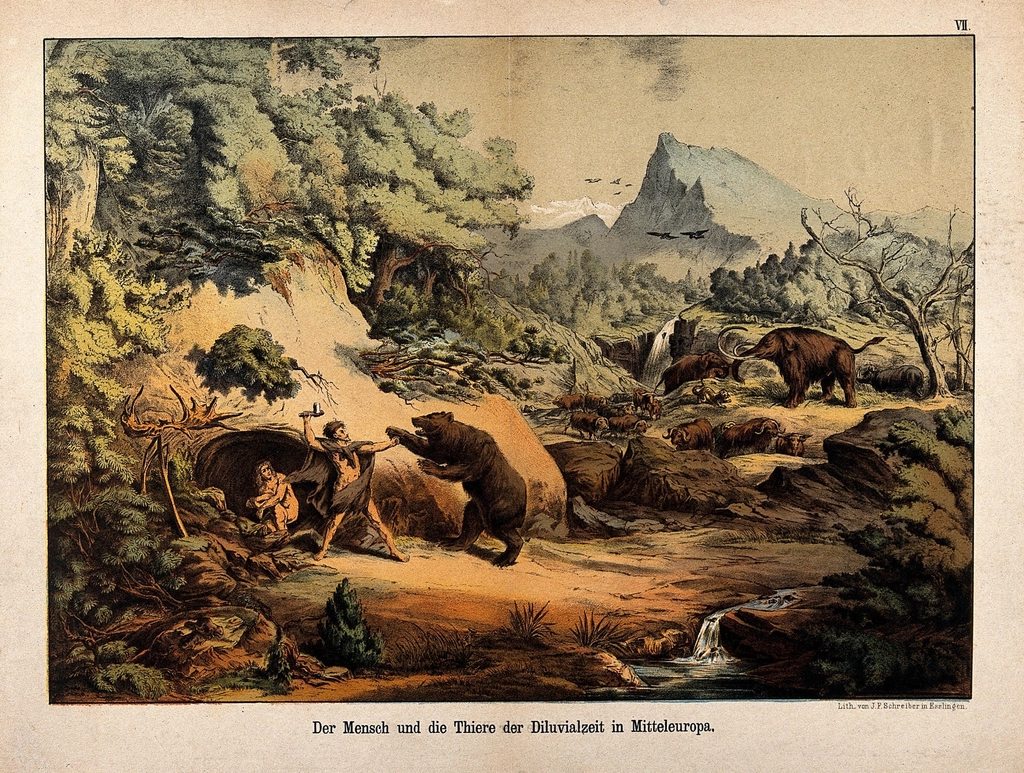
Taken together, these thirteen patterns paint a brutally uncomfortable picture: early humans weren’t clueless cavemen stumbling toward enlightenment. In core areas – nutrition, movement, sleep, child-rearing, mental health, ecology – they figured out functional solutions that we later abandoned, mocked, and are now slowly, expensively trying to reinvent.
That doesn’t mean we should romanticize the past. High infant mortality, infections, and violence were real, and no one’s suggesting we trade antibiotics for animal-hide blankets. But the tidy myth that progress is a straight line is crumbling under the weight of archaeology and biology. The real story is messier than that: we gained antibiotics and smartphones, but we lost nose-to-tail eating, constant movement, real community, seasonal living, and sane limits on stuff and growth.
Now our “cutting-edge” research keeps circling back to validate what early humans built through trial, error, and sheer necessity. They weren’t perfect, and nobody’s arguing they were. But the honest question isn’t whether they had it all figured out – it’s which of their hard-won lessons we’re finally humble enough to take seriously again.
Did we miss one you think modern life got totally wrong? Drop it in the comments.