
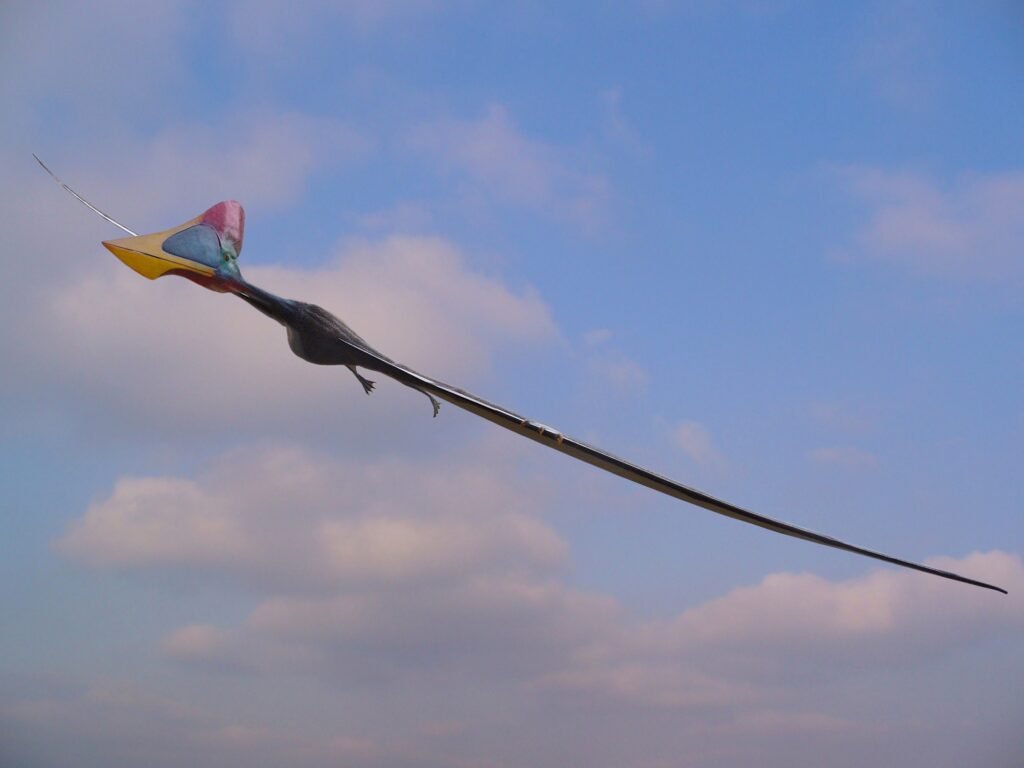
Picture a creature the size of a small airplane lifting off from a Cretaceous riverbank, its wings catching a thermal before it vanishes into a sky no human would see for another sixty six million years. Ask most people which prehistoric animal owned the skies and they will probably picture a leathery reptile screeching over a jungle canopy, plucked straight from a movie poster. The real answer involves a surprising amount of physics, some fierce scientific disagreement, and a technicality about what actually counts as a in the first place.
What actually counts as a flying dinosaur
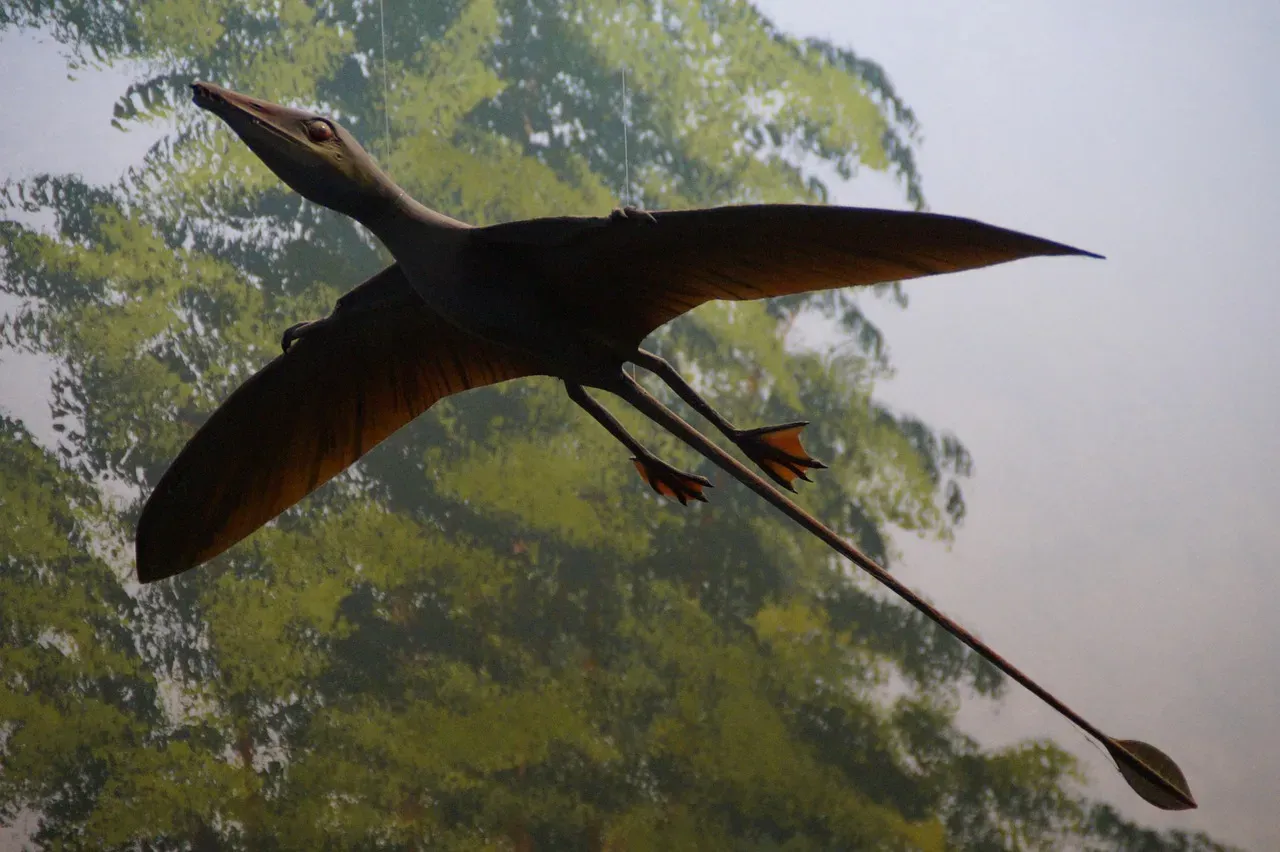
Before crowning a speed champion, it helps to clear up a mix up that trips up even seasoned dinosaur fans. Pterosaurs, the group that includes Pteranodon and the giant Quetzalcoatlus, are often called flying dinosaurs in casual conversation, but paleontologists draw a firm line here. Despite their capacity for flight, pterosaurs are not ancestors of modern birds. They belong to a separate branch of archosaurs, related to dinosaurs but not classified among them.
True flying dinosaurs are the feathered theropods, the lineage that eventually gave rise to every bird alive today. There are actual flying dinosaurs, however. They had feathers and were much more like modern day birds. In fact, some modern birds evolved from these dinosaurs. This distinction matters because the fastest flyers in the fossil record split neatly into two different stories, one about a reptilian giant and one about the earliest feathered fliers finding their wings.
Quetzalcoatlus northropi, the giant of the Cretaceous skies
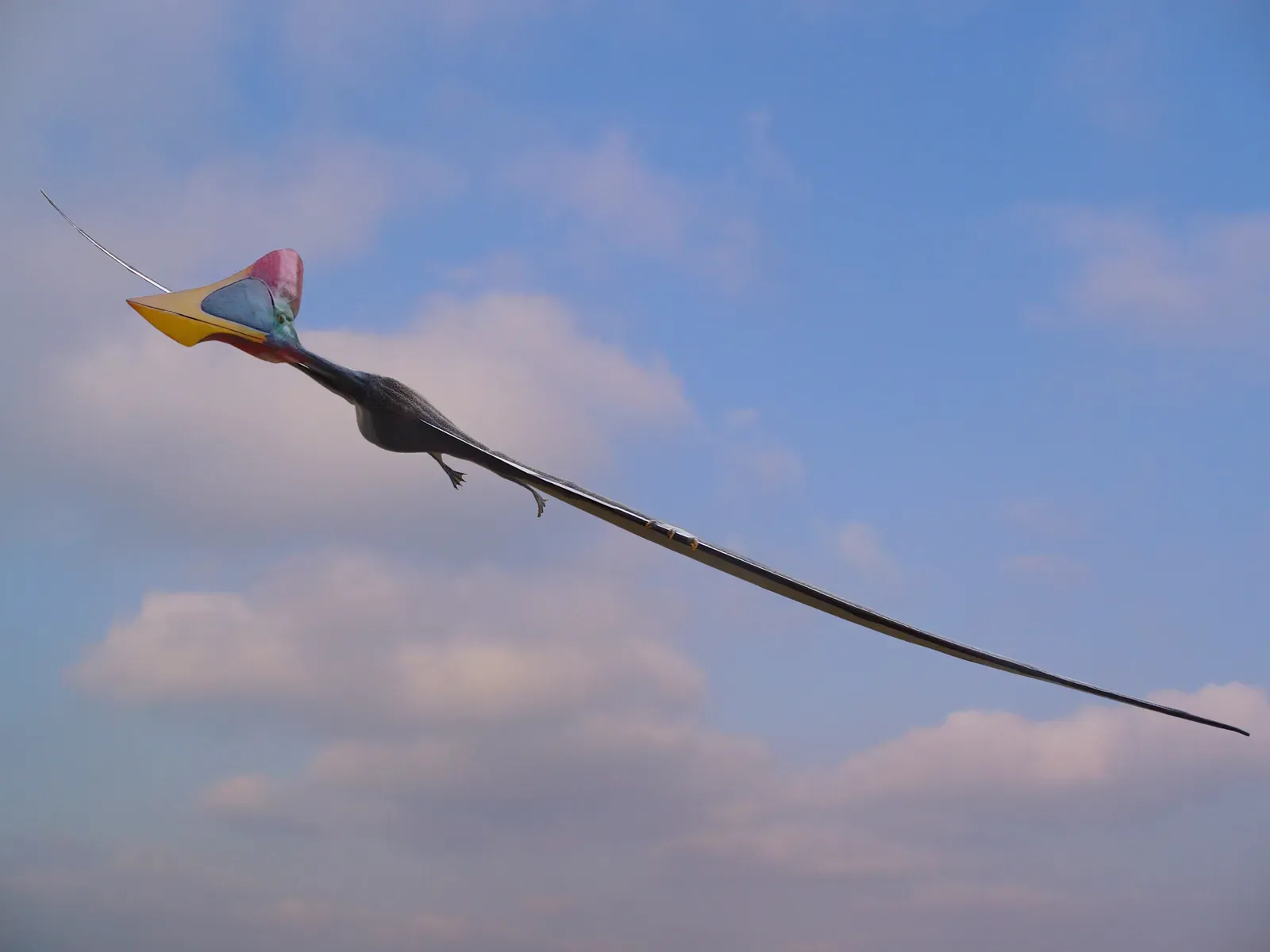
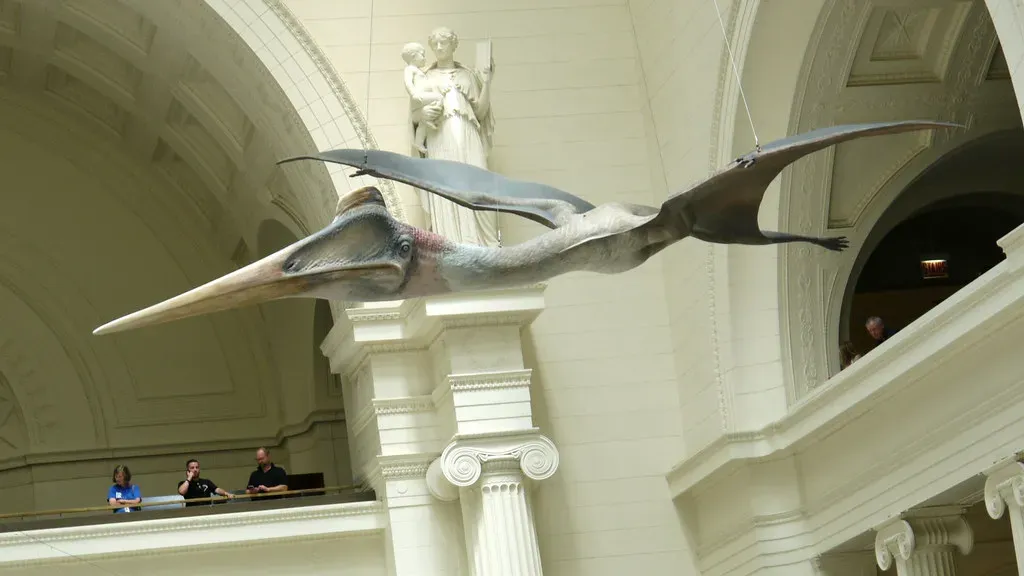
If we set the pterosaur technicality aside for a moment, since it still dominates any conversation about ancient flight speed, Quetzalcoatlus northropi is the name everyone lands on. With a height of 5.5 meters, Quetzalcoatlus northropi was as tall as a giraffe, and current estimates put its wingspan at 10 to 11 meters. That is roughly the wingspan of a small private plane, attached to an animal that somehow still got off the ground.
Weight estimates have shifted over the decades as researchers refine their models. Early estimates stated it weighed as low as 70 kilograms, though most estimates after the year 2000 set a mass of around 200 to 250 kilograms for Quetzalcoatlus northropi. Carrying that much mass into the air on membrane wings required a combination of hollow bones, powerful launch muscles, and a body plan unlike anything flying today.
How fast could it actually fly
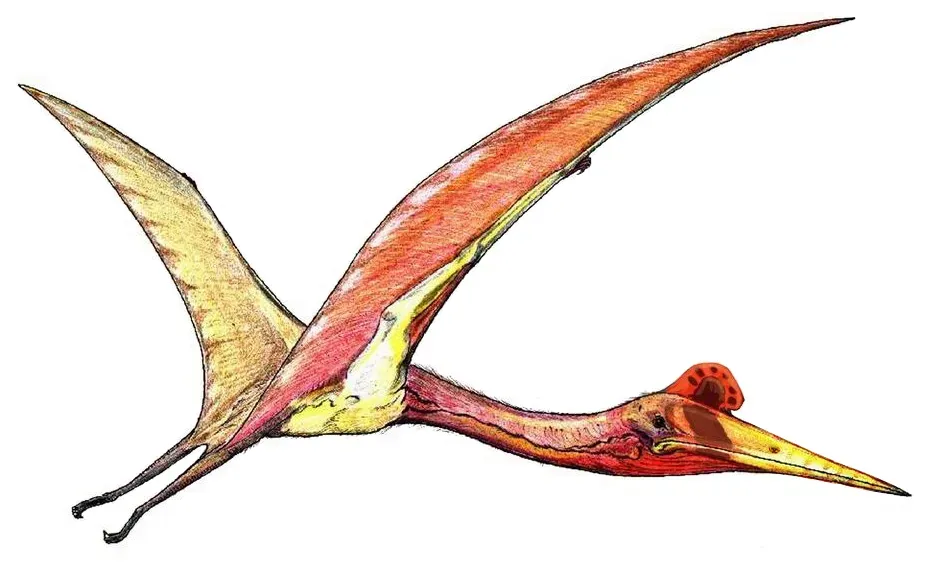
The most widely cited numbers come from a 2010 biomechanical study that modeled the animal’s flight muscles and wing loading. Once airborne, the largest pterosaurs could reach speeds of over 67 mph for a few minutes and then glide at cruising speeds of about 56 mph, the study found. Other researchers, including paleontologist Michael Habib, pushed the estimate a bit higher for sustained travel.
Habib’s team suggested something even more dramatic than a quick burst of speed. The results revealed an animal that could fly up to 80 miles an hour for 7 to 10 days at altitudes of 15,000 feet. That kind of endurance, if accurate, would put Quetzalcoatlus in a category with modern long haul seabirds, only bigger and stranger.
Why the numbers keep shifting
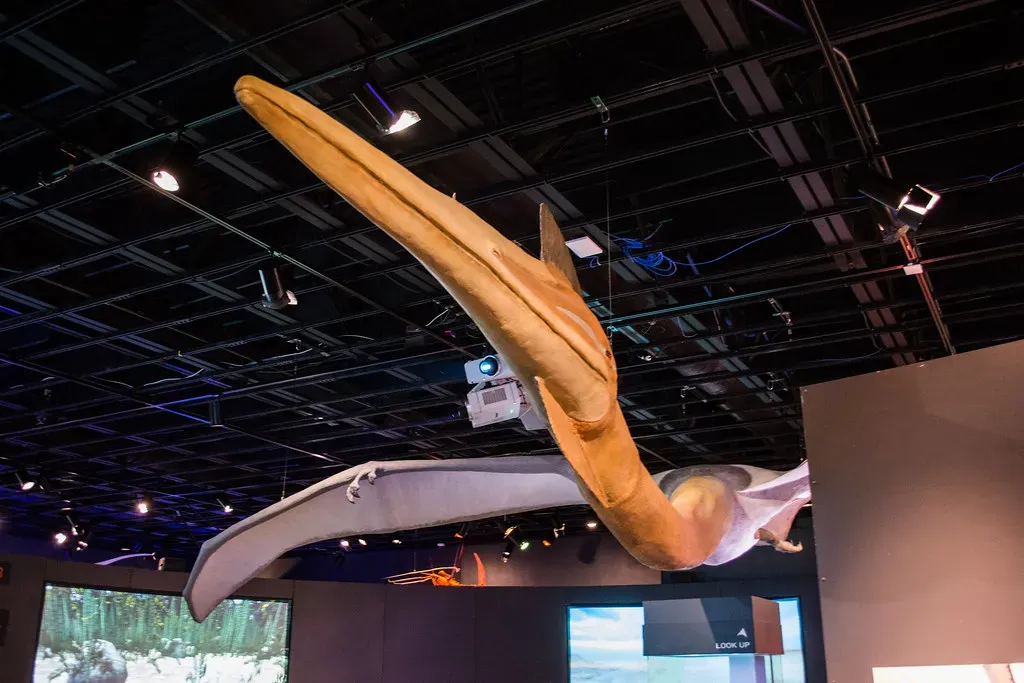
Nothing about estimating the flight speed of an extinct animal is simple, and researchers are upfront about that uncertainty. Biomechanical estimates suggest Quetzalcoatlus cruised at speeds of approximately 100 to 130 km per hour at altitude, though these figures are derived from aerodynamic modelling rather than direct fossil evidence and should be treated as indicative ranges rather than established values. Small changes in assumed body mass or wing shape can shift the final number by a wide margin.
A more skeptical study out of Nagoya University complicated the picture further, questioning whether Quetzalcoatlus could sustain long distance flight at all. By undertaking aerodynamic analysis, the experts demonstrated that Quetzalcoatlus would not have been able to fly more than a short distance. The same team compared it to a modern bird known for staying grounded most of the time, suggesting a more modest lifestyle than the ocean crossing image many people picture.
Pteranodon and the rest of the pterosaur speed rankings
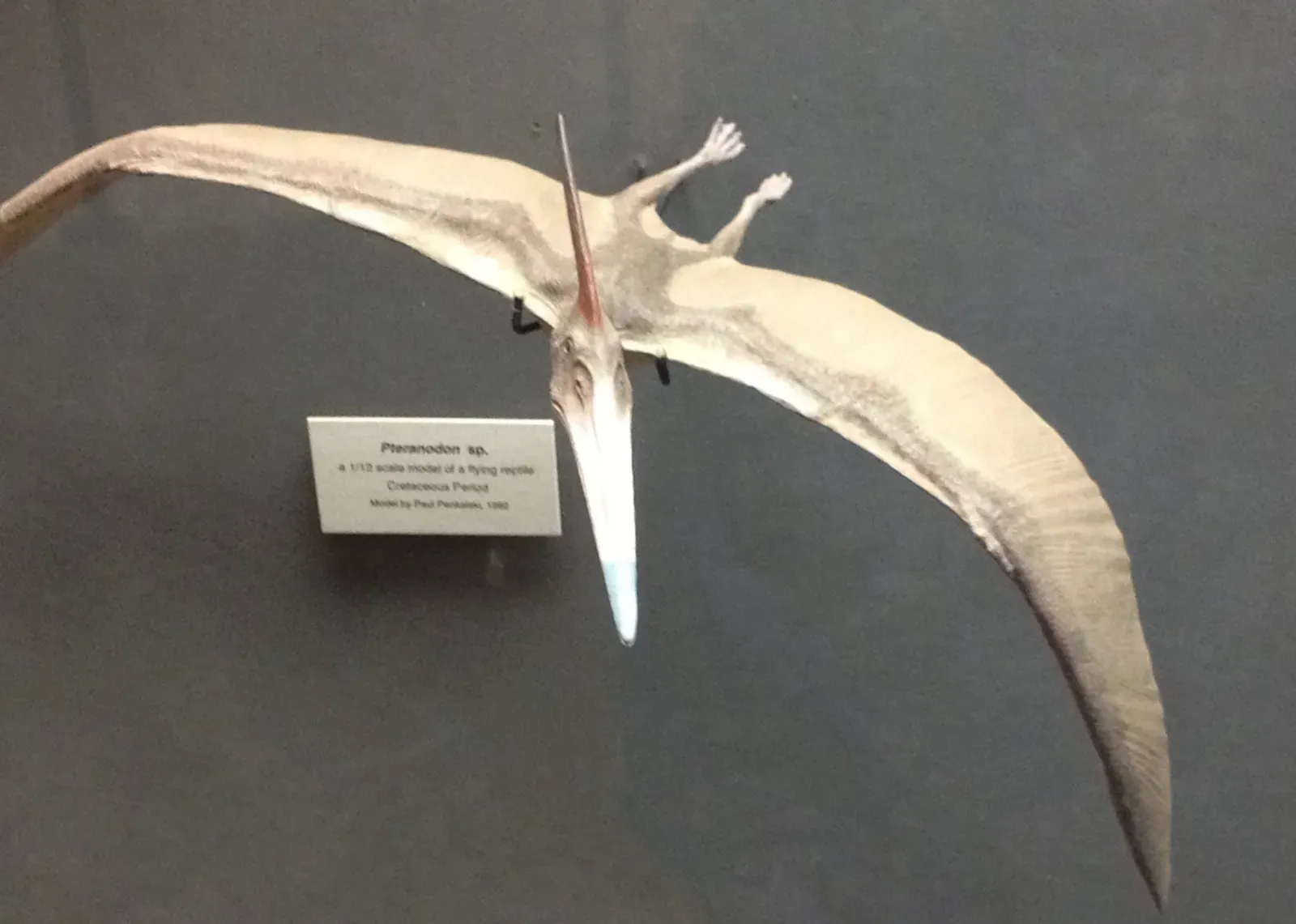
Quetzalcoatlus was not alone up there. Pteranodon, the more famous and more commonly depicted pterosaur, gets its own speed estimates from the fossil record, though it tops out noticeably lower than its giant cousin. The flying Pterodactyl speed is estimated to be similar to the Pteranodon, about 50 miles per hour, and their long wings and lightweight bodies allowed them to soar through the skies with relative ease. That is still faster than most cars are allowed to go on a residential street, just achieved by an animal with a bony crest and a wingspan wider than a doorway.
The gap between Pteranodon and Quetzalcoatlus comes down to size and soaring efficiency rather than raw muscle power. Larger pterosaurs like Quetzalcoatlus and Pteranodon were built for gliding on rising air currents rather than sprinting under their own power, which changes how paleontologists interpret their top speeds. A short, muscle powered burst looks very different from a sustained glide riding a thermal, and both numbers get thrown around loosely in popular articles, which is part of why the “fastest” label keeps bouncing between species.
Archaeopteryx and the true feathered dinosaurs
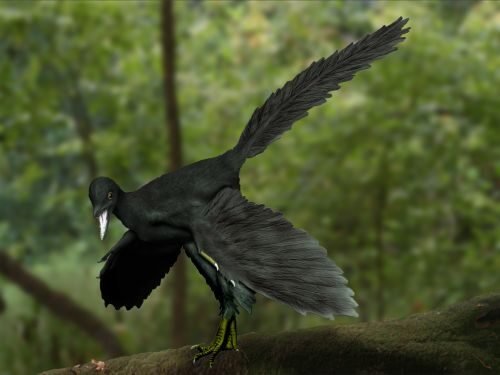
Turning back to actual dinosaurs rather than their pterosaur relatives, Archaeopteryx is usually the name that comes up first. It is one of the earliest known feathered dinosaurs with fossil evidence of wings, and it sits right at the boundary between dinosaur and bird in most classification schemes. Recent bone analysis has shed light on just how capable a flier it really was.
Rather than a strong, sustained flier, the evidence points to something more limited and practical. Archaeopteryx were able to fly over short distances in bursts, like pheasants, peacocks, and roadrunners, according to a new analysis of dozens of bones of modern birds and flying dinosaurs. That is a far cry from crossing oceans, but it still represents genuine powered flight, arguably a more important milestone than raw top speed since it marks one of the first times a dinosaur left the ground under its own power rather than gliding or falling.
Where the story lands today
Put the two lineages side by side and a clearer picture emerges. Among true dinosaurs, early feathered fliers like Archaeopteryx were modest, short burst flyers rather than speed demons, while the pterosaurs, close cousins but not dinosaurs themselves, hold every meaningful speed record from prehistory. Quetzalcoatlus northropi remains the figure most researchers point to when the topic of ancient flight speed comes up, even with its taxonomy technically excluding it from the dinosaur family tree.
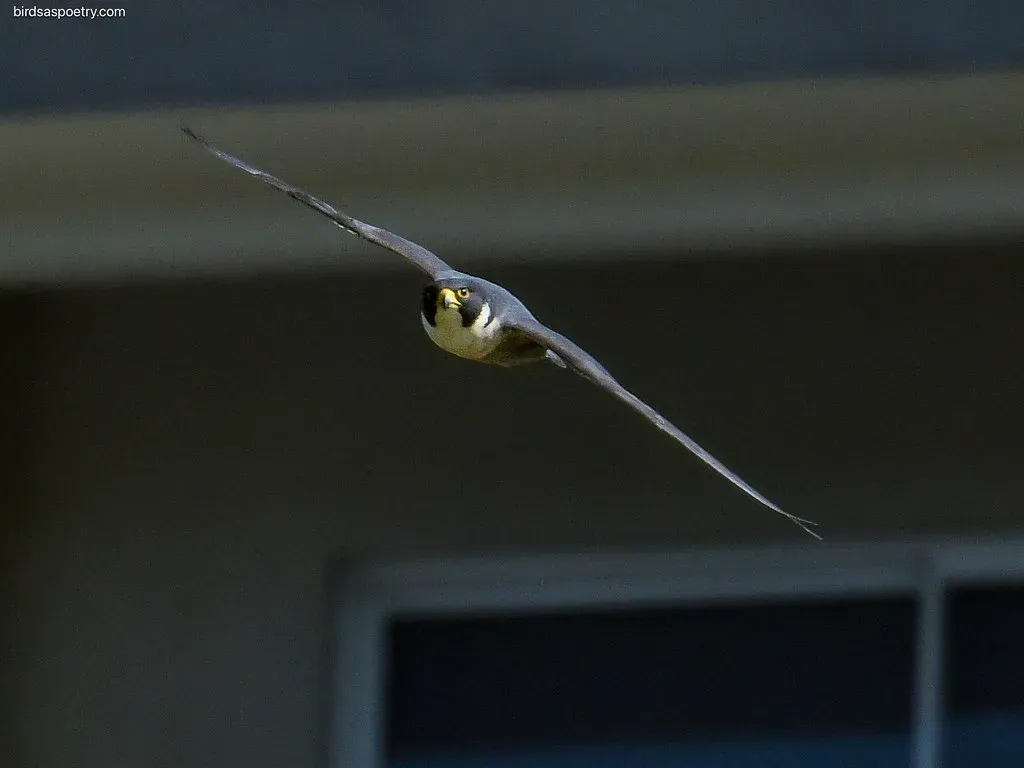
Modern birds, which are technically living dinosaurs descended from those same feathered theropods, have since blown past anything their ancestors managed. A diving peregrine falcon reaches speeds that dwarf even the most generous Quetzalcoatlus estimate, proof that evolution kept refining the blueprint long after the last non avian dinosaurs disappeared. , in the strictest sense, may still be flying somewhere above your head right now.
Final thoughts
My honest take, after sifting through the competing estimates, is that the popular fascination with a single record holder oversimplifies a genuinely messy and interesting scientific debate. Researchers do not fully agree on how fast Quetzalcoatlus flew, whether it crossed oceans or barely left its home range, and that uncertainty is not a failure of science, it is what honest paleontology looks like when the only evidence is fossilized bone and a lot of careful math. I find that more compelling than a tidy record, because it means is still, in a real sense, an open question, and I would rather live with that honest uncertainty than a neat answer that pretends to know more than the fossils actually tell us.