
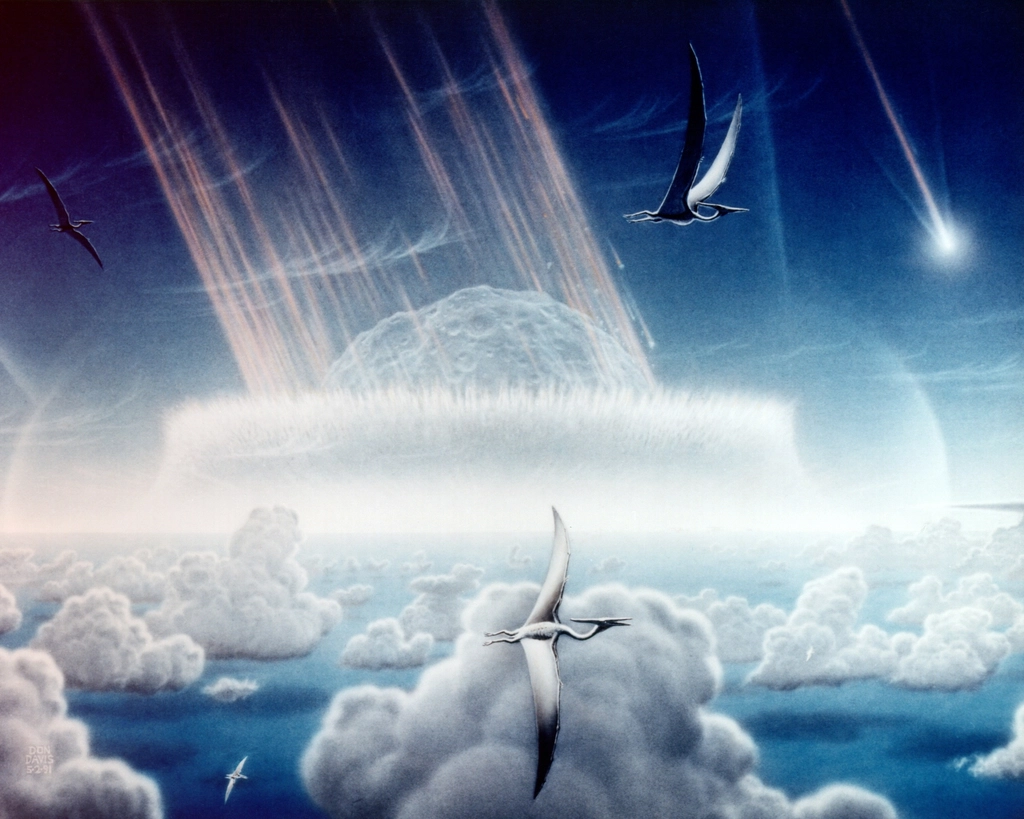
Imagine a normal day on Earth about sixty six million years ago: dinosaurs roaming, forests thick with life, oceans booming with strange reptiles. Then, in what was basically a cosmic blink, it all collapsed. The idea that a space rock did this used to sound like a wild sci‑fi plot, but over the last few decades, the evidence has quietly piled up in a way that is very hard to ignore.
Scientists do not just shrug and say an asteroid did it; they point to specific scars in rock, chemical fingerprints, and layers in the ground that all tell the same violent story. The deeper researchers dig, the more the planet itself reads like a crime scene report from the end of the dinosaurs. Let’s walk through the five strongest clues that a massive asteroid really was the killer.
The Global Iridium Layer: A Cosmic Fingerprint In The Rocks
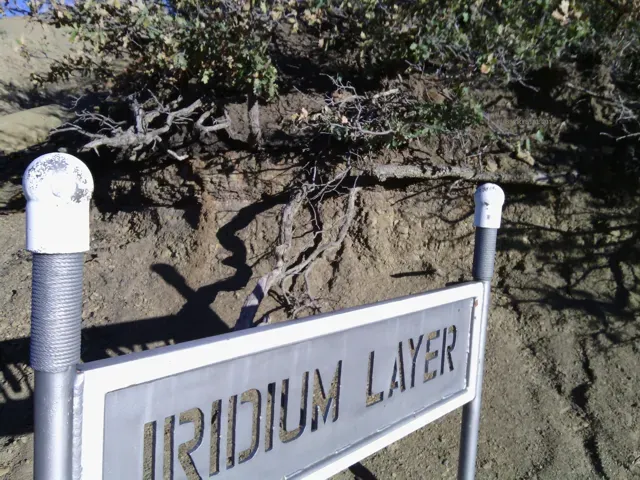
Here is the first weird clue: at the exact rock layer where dinosaur fossils suddenly vanish, scientists keep finding a thin band rich in iridium, a metal that is rare in Earth’s crust but more common in asteroids. It shows up in rocks of this age on every continent that preserves the boundary, like a thin dusting of extraterrestrial ash wrapped around the world. If you imagine Earth’s history as a giant stack of pages, this one thin line is the moment ink splattered across everything at once.
The scale of that iridium spike is hard to explain with everyday Earth processes like volcanoes or slow dust accumulation. Instead, it fits frighteningly well with what you would expect from a gigantic asteroid slamming into Earth, vaporizing rock, and blasting debris and dust high into the atmosphere before it settled back down. This is not a vague hint; it is a chemical signature that basically screams that something from space dumped its contents all over the planet at the exact time the dinosaurs checked out.
The Chicxulub Crater: A Crater The Size Of A Country
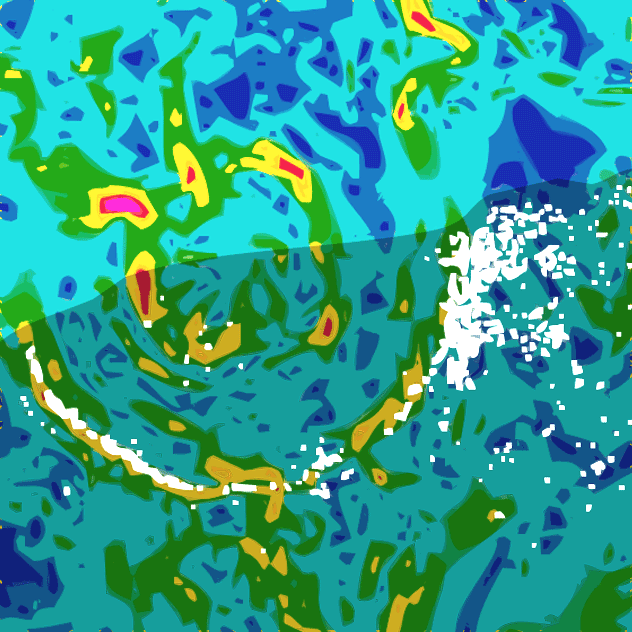
For a while, critics could still ask where the actual hole in the ground was if an impact really did it. Then geologists pieced together a buried structure under the Yucatán Peninsula in Mexico: the Chicxulub crater, roughly as wide as a small country and dating right to the end‑Cretaceous extinction. It is partly hidden under younger sediments and the sea, but seismic surveys and drilling have mapped its ringed shape, central uplift, and shattered rocks, all classic signs of an enormous impact.
The size of this crater lines up with the kind of asteroid needed to cause global chaos, not just a local disaster. We are talking about an object probably several miles across, hitting with more energy than all modern nuclear weapons combined. The impact would have slammed the atmosphere, ocean, and crust in a split second, creating shockwaves, tsunamis, and a rain of molten debris. Once Chicxulub was identified and dated precisely, it stopped being a story about a hypothetical asteroid and became a story about a very specific crater with a timestamp matching the dinosaurs’ last stand.
Shocked Quartz And Melted Rock: Signs Of A Sudden, Violent Impact
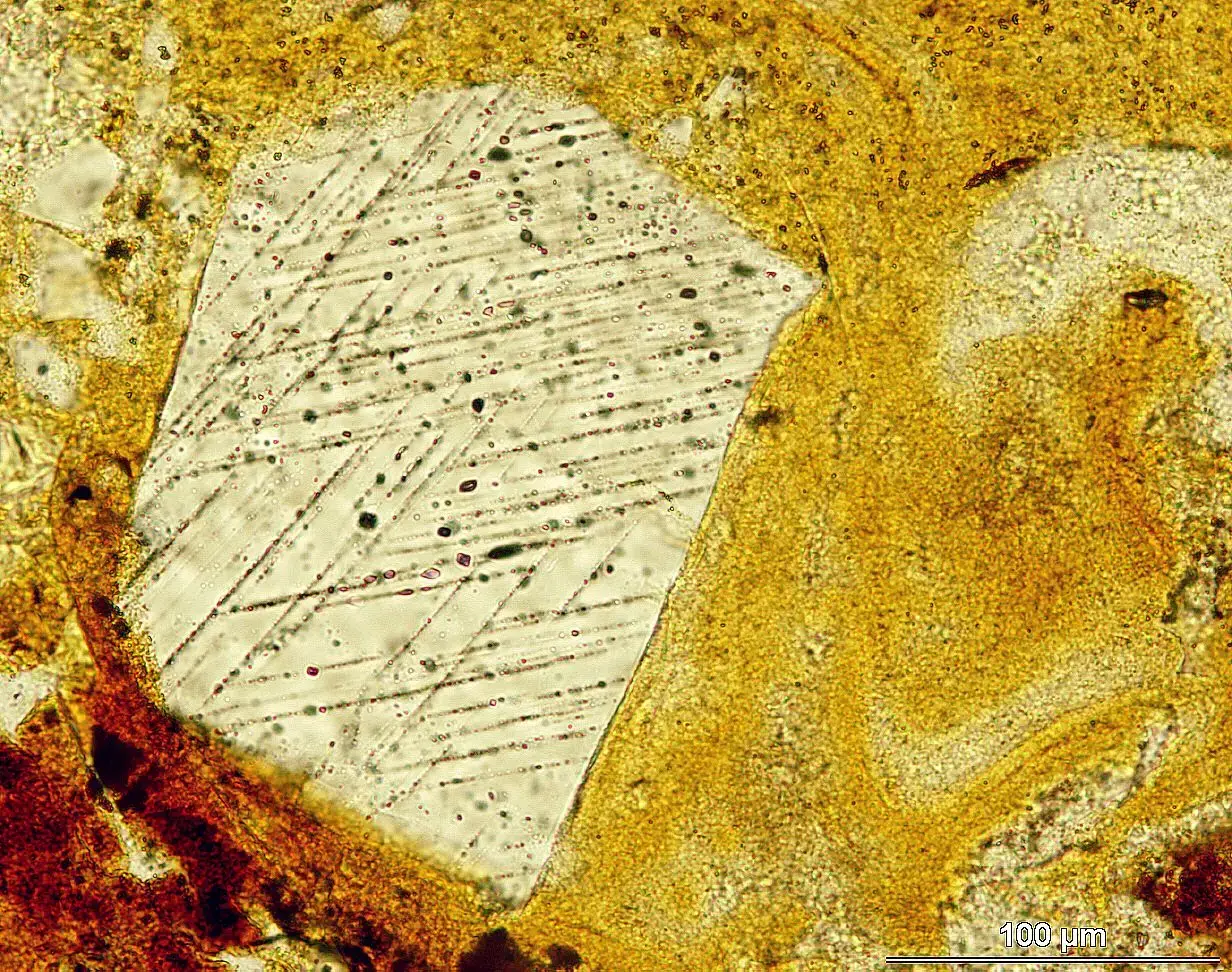
When scientists looked closer at rocks from the boundary layer, they found tiny grains of quartz that had been deformed in special ways only seen in extreme, sudden pressure events. This is called shocked quartz, and you do not get it from regular volcanoes or slow geological squeezing; you get it from something more like a giant bullet hitting rock at insane speeds. Alongside these grains are bits of glassy material and melted rock droplets, known as tektites, that look like they were splashed into the air and cooled as they fell.
These features are essentially the microscopic shrapnel of the impact. They show up in many places around the world in rocks tied to the exact extinction boundary, forming a global sprinkle of impact debris. If the iridium layer is the chemical clue, shocked quartz and tektites are the physical scars, telling us that at that moment in time, the planet experienced pressures and temperatures so intense that ordinary minerals were warped and rocks turned briefly to liquid and glass. That is not the signature of a slow, gentle change – it is the footprint of a sudden catastrophe.
Tsunami Deposits And Wildfires: The Planet’s Surface In Chaos
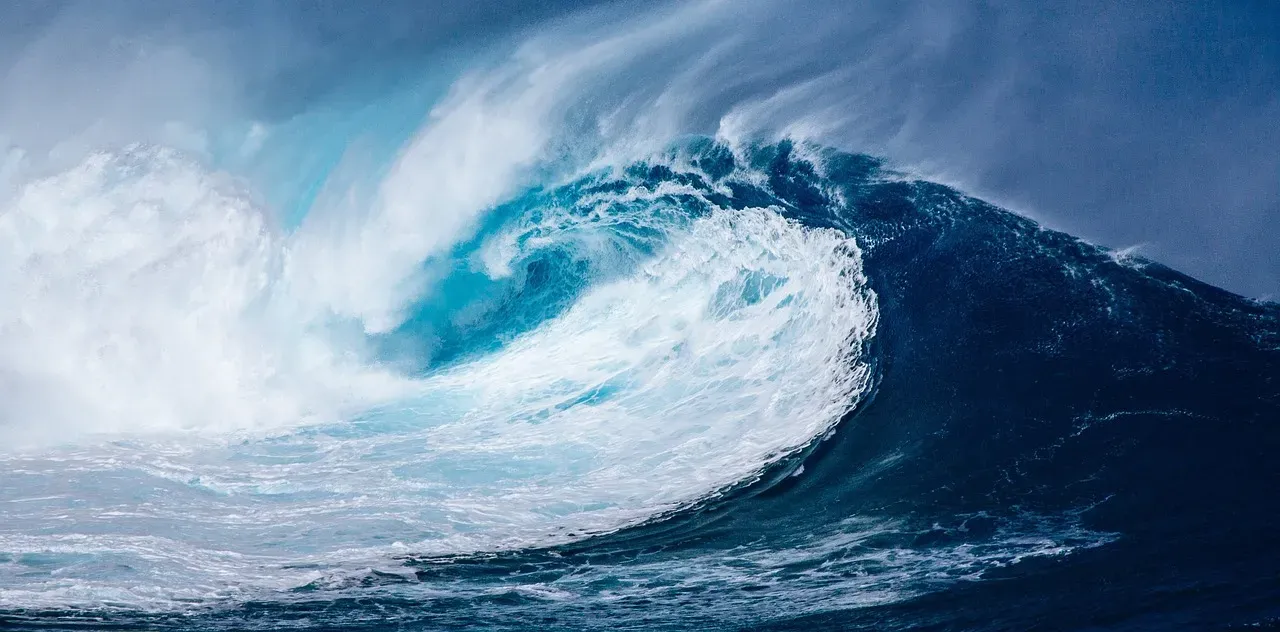
The impact did not just punch a hole in the crust and vanish; it kicked off a chain reaction at the planet’s surface. In regions bordering ancient coastlines, geologists have found thick, chaotic layers of sand and debris sandwiched right at the extinction boundary, interpreted as tsunami deposits. These layers often contain a mix of shallow‑water and deeper‑water materials jumbled together, as if a massive wave tore across the seafloor and coastlines and dumped everything in one violent go. It matches strikingly well with models of the waves a Chicxulub‑scale impact would create.
On land, there is also evidence of intense wildfires, including layers of charcoal and soot, suggesting huge areas of forest burned around that time. Some models propose that superheated ejecta re‑entering the atmosphere could have briefly turned the sky into a giant broiler, igniting vegetation over enormous distances. Whether every tree on Earth burned or only large regions did is still debated, but the combination of tsunami deposits and widespread fire indicators paints a picture of a world immediately thrown into physical chaos. For dinosaurs and many other creatures, it was not just a bad day – it was a whole planet being slammed, flooded, and set alight almost at once.
Sudden Extinction Patterns In Fossils: A Sharp Break In The Record
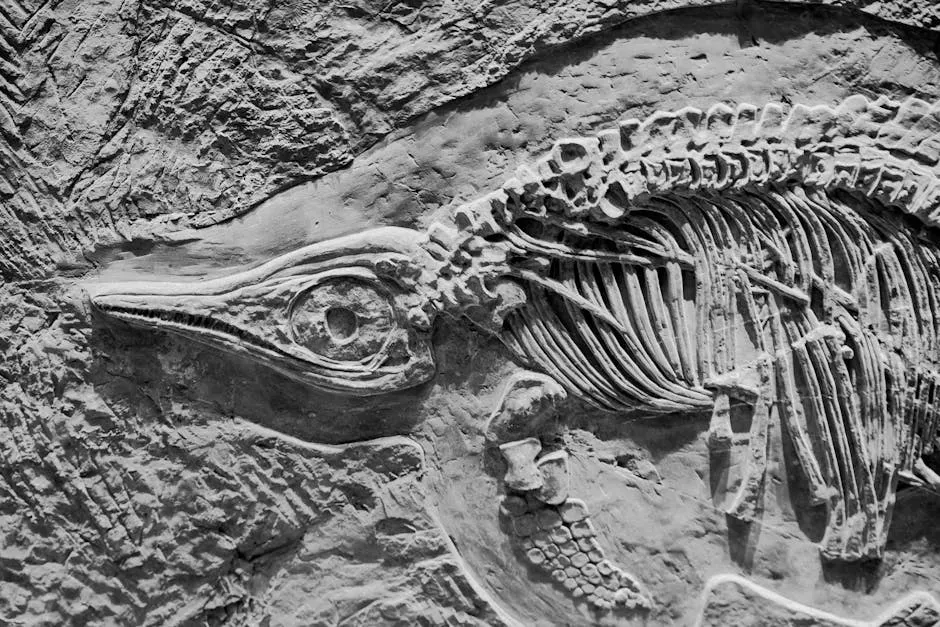
If the kill mechanism was an asteroid, we would expect a relatively sudden break in many fossil groups rather than a slow fade, and that is exactly what the rocks show. In marine sediments, creatures like ammonites and many plankton groups take a sharp hit right at the boundary, with diverse communities below and drastically simplified ones above. On land, non‑avian dinosaurs simply do not appear in younger layers, while some groups of mammals, birds, and other survivors begin to diversify after the chaos settles. It is like one scene cut abruptly to another in the fossil movie.
To be fair, the end of the Cretaceous was not a perfectly calm time even before the impact, with volcanic activity and climate shifts playing some role in background stress. But the pattern in the fossils looks far more like a sudden blow than a long, slow decline. The asteroid impact fits as that final, brutal punch that knocked out many groups that might have weathered lesser changes. When you match the timing of the iridium layer, the crater age, the impact debris, and this abrupt fossil turnover, they all lock together in a way that makes the asteroid explanation hard to dismiss.
Climate Whiplash And The Aftermath: A Long, Dark Recovery
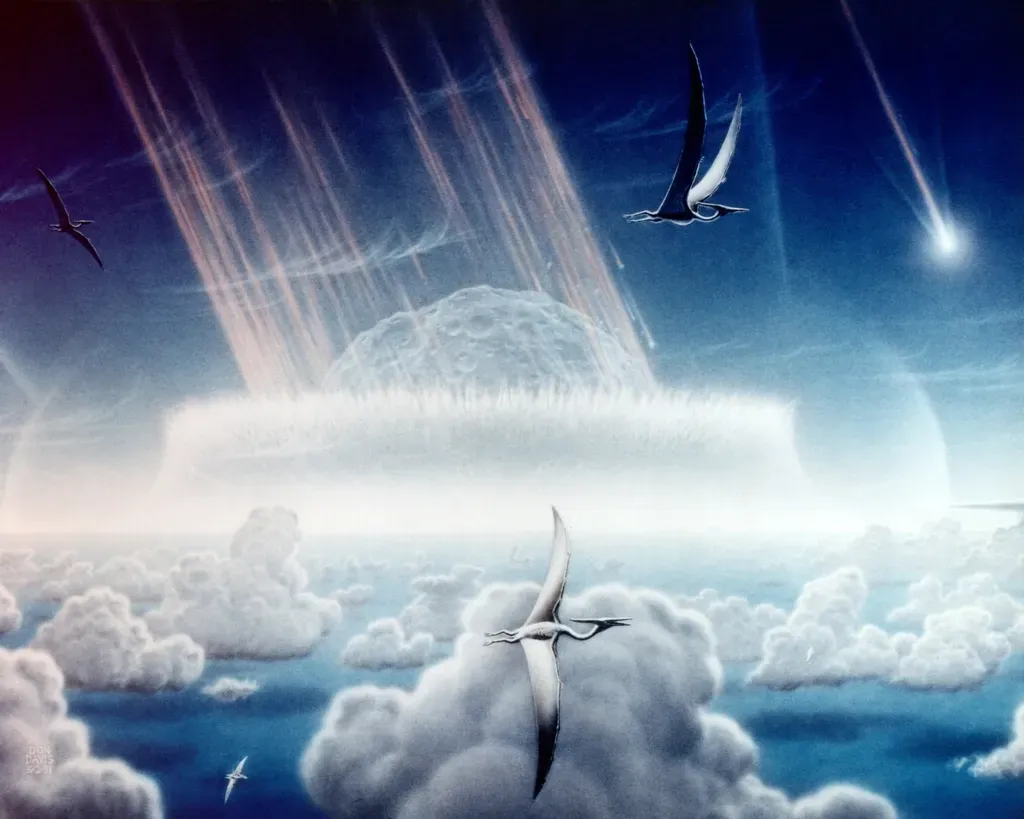
The worst part for life was not just the initial blast; it was the aftermath. Dust, soot, and aerosols from the impact and fires would have been lofted high into the atmosphere, dimming sunlight for months or even years. Without enough light, photosynthesis crashes, meaning plants, plankton, and everything relying on them up the food chain would be hammered. In that kind of world, giant animals with high energy needs, like most dinosaurs, are at a serious disadvantage compared to smaller, more flexible survivors.
Climate models suggest a sharp drop in temperatures after the impact, followed by a messy, unstable period as the atmosphere slowly cleared and greenhouse gases from fires and vaporized rocks changed the balance again. It was climate whiplash on a planetary scale, and ecosystems had to rebuild from the bottom up. You can literally see that reset in the fossil record, with simpler, hardier species showing up first and more complex communities forming later. The asteroid did not just kill dinosaurs; it reshaped the playing field for the next sixty six million years, clearing the way for mammals – and eventually humans – to thrive.
Conclusion: A Space Rock As Judge, Jury, And Executioner
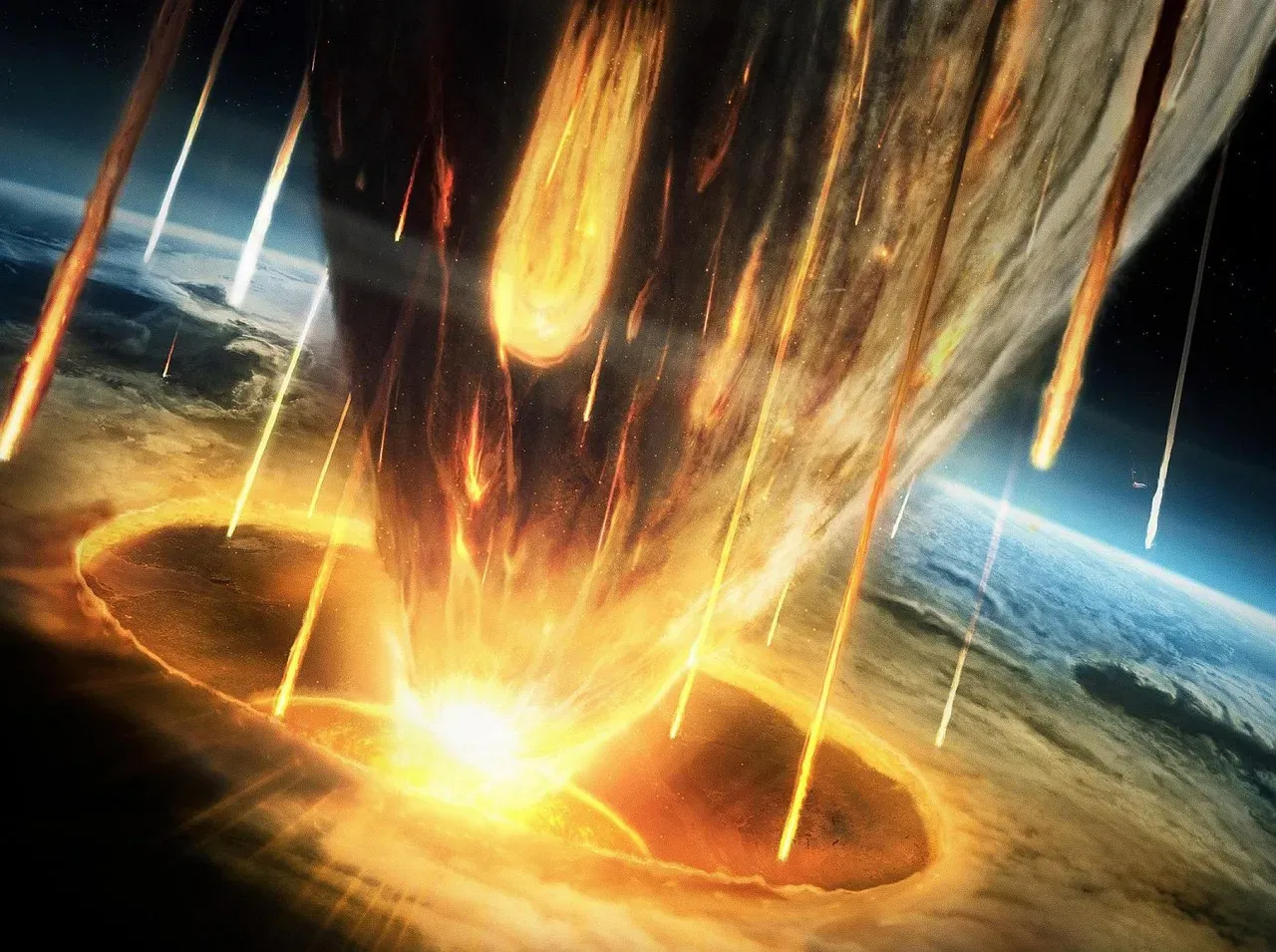
When you put all of this together – the global iridium dusting, the buried Chicxulub crater, the shocked minerals and melted glass, the tsunami and fire evidence, the abrupt fossil break, and the post‑impact climate crash – it stops being a neat theory and starts looking like a closed case. There is still room to argue about the supporting roles of volcanoes and pre‑existing climate stress, and we should, because Earth’s history is rarely driven by just one cause. But pretending the asteroid was only a minor player at the end of the dinosaurs feels a bit like blaming a house fire on a faulty light bulb while ignoring the gasoline someone dumped on the floor.
Personally, I find it both chilling and oddly humbling that a single rock from space could flip the script on life so completely, turning a dinosaur world into a mammal world in what, geologically speaking, was an instant. It is a reminder that our planet is not sealed off from the rest of the cosmos, and that sometimes the universe does not nudge – it hits. Knowing that, it is hard not to look up at the night sky and wonder: if one asteroid rewrote the story once, what else might be out there, quietly waiting its turn?