
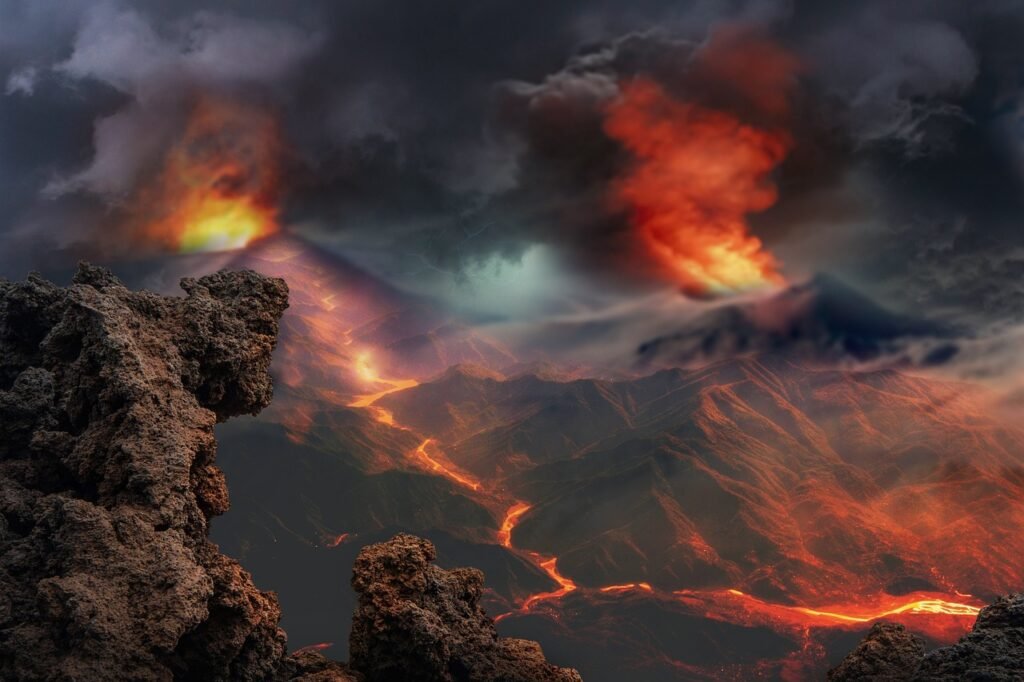
Picture the planet just before the age of dinosaurs: no birdsong, no flowering plants, only strange reptile-like creatures lumbering across a harsh landscape. Now imagine roughly nine out of every ten species vanishing in a geological instant. That is not a movie pitch; it is what actually happened about 252 million years ago, during what scientists call the Permian–Triassic mass extinction, the worst die-off life on Earth has ever seen.
In recent decades, researchers have become increasingly convinced that colossal volcanic eruptions were a major driving force behind this catastrophe. We are not talking about a single mountain blowing its top, but prolonged lava outpourings so vast they resurfaced whole regions of the planet, poisoned the oceans, and turned the atmosphere against nearly every living thing. The story of how scientists pieced this together is surprisingly dramatic, and it forces us to rethink how fragile a “stable” planet really is.
A Planet on the Brink: What Made the Permian–Triassic Extinction So Extreme?
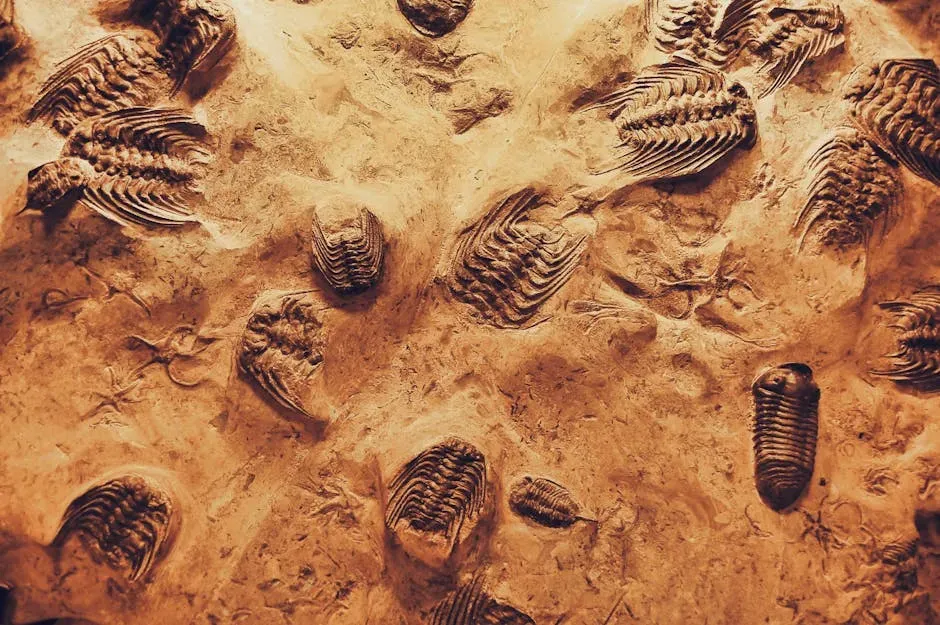
It is hard to grasp just how severe the Permian–Triassic extinction was compared with the more famous dinosaur-ending event. While the later asteroid impact likely wiped out about three quarters of species, the earlier crisis appears to have erased nearly all complex life in the oceans and a huge majority on land. Coral reefs collapsed, forests disappeared, and many lineages that had survived earlier environmental shocks simply vanished forever.
This extinction did not just remove a few big predators; it shredded the entire fabric of ecosystems from top to bottom. Food webs unraveled as both prey and predators died off, while key ecosystem builders such as reef-forming organisms and dominant land plants disappeared. When the dust finally settled, the world that emerged looked alien compared with what came before, opening the door for new groups that would eventually include early relatives of dinosaurs and, much later, the ancestors of mammals.
The Siberian Traps: A Volcanic Event on a Planetary Scale
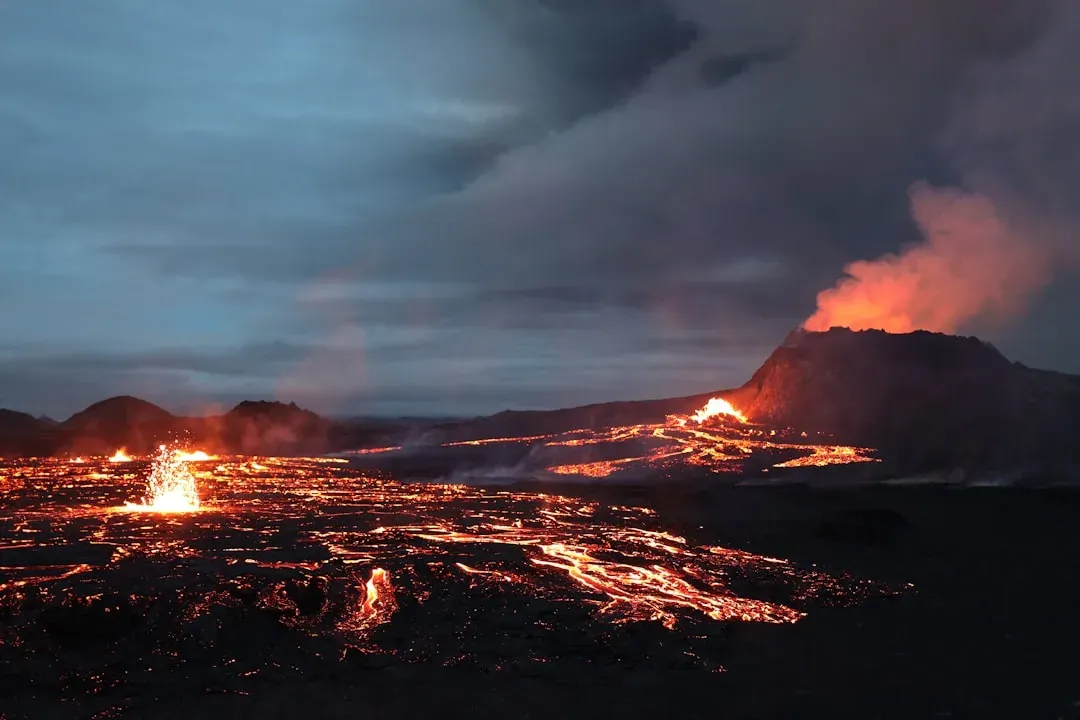
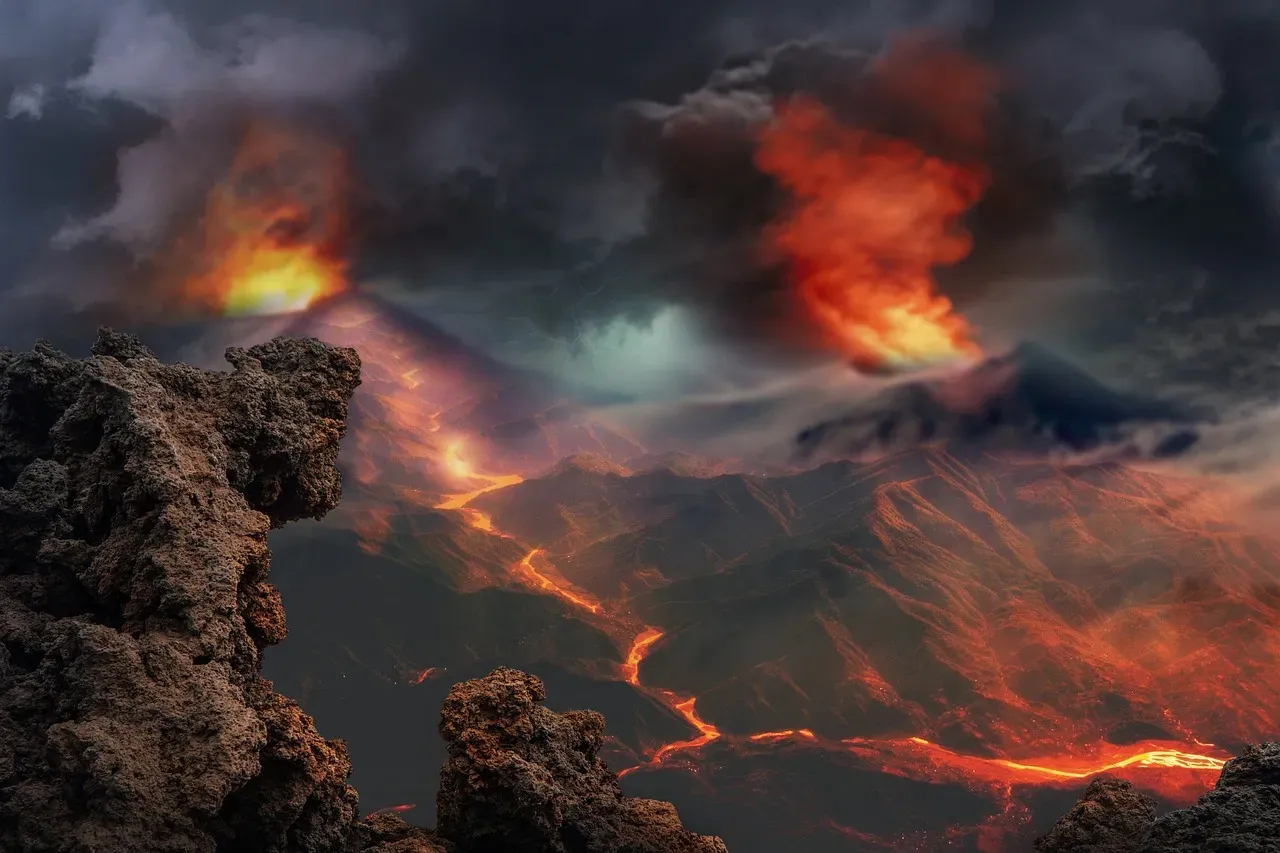
The main suspect in this planetary crime story is a monstrous volcanic province in what is now Siberia, known as the Siberian Traps. Instead of a single towering volcano, think of a gigantic region of cracks and vents that spewed lava and gas for hundreds of thousands of years. Layer upon layer of basaltic rock built up, in some places kilometers thick, covering an area roughly comparable to modern continents.
These eruptions were not just spectacular displays of lava; they were relentless chemical assaults on the atmosphere and oceans. As magma rose through the crust, it likely baked coal beds and other carbon-rich rocks, releasing enormous amounts of greenhouse gases. At the same time, volcanic gases added sulfur and halogens that could damage the ozone layer and create acid rain. It was a slow-motion disaster, but on geological timescales it hit like a hammer.
How Volcanic Gases Turned the Atmosphere Into a Death Trap
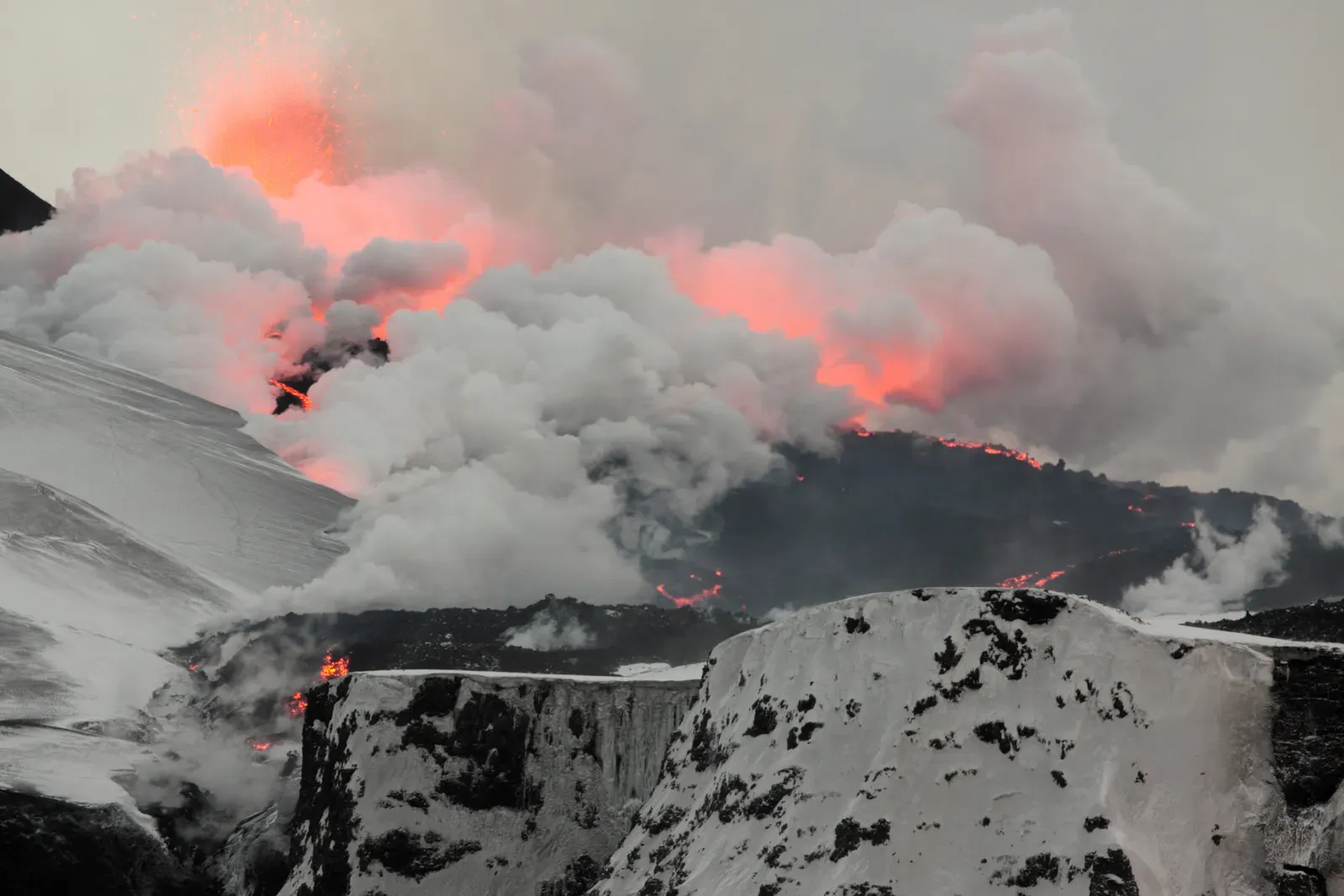
One of the most chilling aspects of these eruptions is how they reshaped the air itself. The floods of lava released huge quantities of carbon dioxide, turning the atmosphere into a powerful heat-trapping blanket. Over thousands of years, global temperatures climbed sharply, pushing many organisms beyond their thermal comfort zones and disrupting seasonal patterns they depended on.
But warming was only part of the assault. Sulfur-rich gases likely formed acid rain, which would have stripped nutrients from soils, damaged plant life, and altered freshwater systems. Some researchers also argue that halogen-bearing gases could have thinned the ozone layer, exposing life at the surface to harsher ultraviolet radiation. The combined effect was like flipping multiple environmental stress switches at once, leaving ecosystems little room to adapt or recover.
Oceans in Crisis: Warming, Acidification, and Suffocation
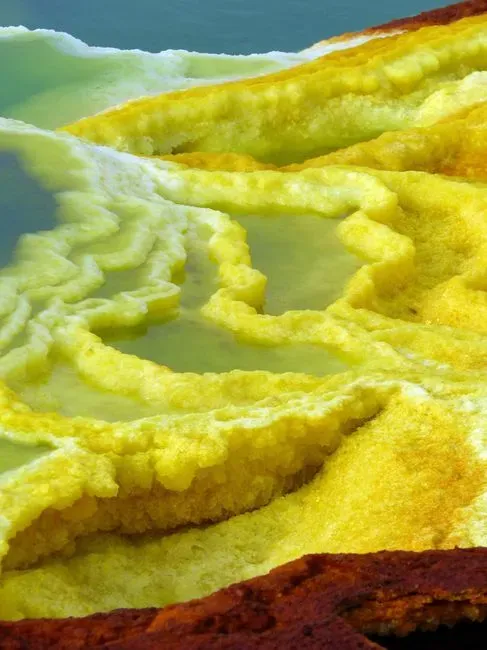
The oceans did not escape this upheaval; they were at the very heart of it. As atmospheric carbon dioxide rose, much of it dissolved into seawater, making the oceans more acidic. This chemical shift is especially brutal for organisms that build shells or skeletons from calcium carbonate, such as many shellfish, corals, and some plankton. When the water becomes more corrosive, their building process becomes harder or even impossible.
Meanwhile, warmer surface waters reduced the mixing of oxygen into deeper layers, leading to widespread low-oxygen or even anoxic zones. Evidence from ancient sediments suggests that large parts of the seafloor became oxygen-starved, turning into hostile habitats where few complex organisms could survive. In some regions, microbes that thrive without oxygen may have produced toxic gases, further stressing marine life. The result was a cascading collapse of ocean ecosystems that had seemed stable for millions of years.
Reading the Rocks: How Scientists Reconstructed This Ancient Disaster
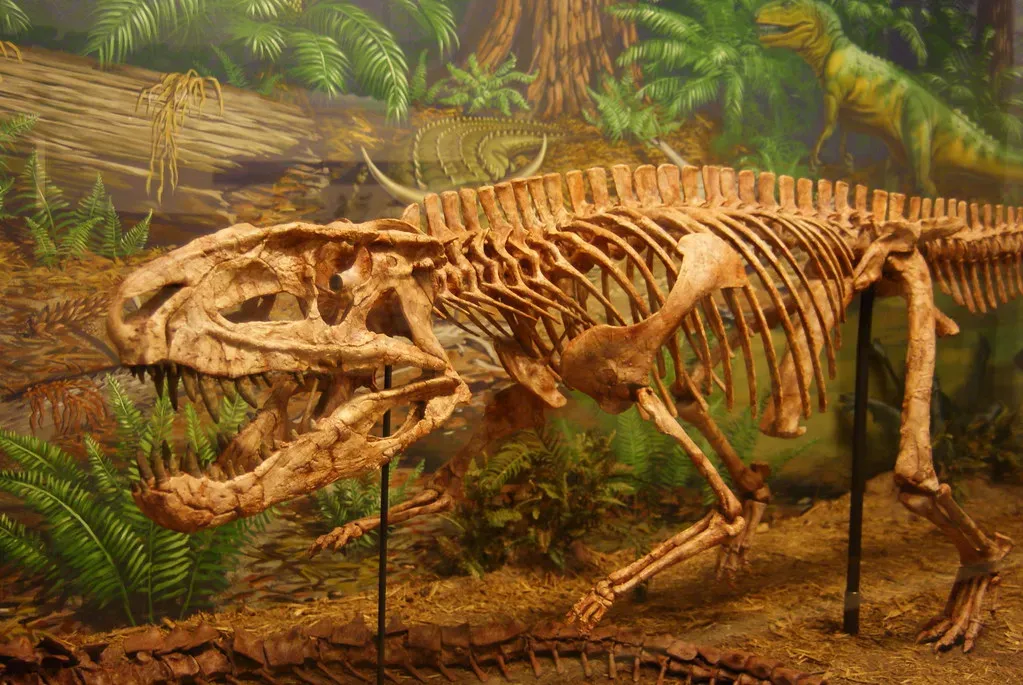
So how do we know any of this happened, given that no one was around to record it? The evidence is literally locked in stone. Geologists study rock layers spanning the Permian–Triassic boundary and find an abrupt change: fossil-rich sediments abruptly give way to layers where diversity plummets. Within these rocks, scientists also detect chemical fingerprints that point toward rapid warming, ocean acidification, and widespread oxygen loss.
Radiometric dating of volcanic rocks from the Siberian Traps shows that the most intense eruptions overlapped closely with the extinction window. At the same time, changes in carbon isotopes in marine sediments reveal a massive disturbance in the global carbon cycle, consistent with a flood of carbon dioxide into the atmosphere and oceans. When lines of evidence from fossils, chemistry, and volcanic rocks all point in the same direction, the volcanic explanation becomes hard to ignore, even if every detail is not perfectly nailed down.
Why This Ancient Volcanic Catastrophe Matters in a Warming World
It might be tempting to file this story under “ancient history” and move on, but that would be a mistake. The Permian–Triassic crisis is a sobering reminder of how sensitive Earth’s life-support systems can be to big, rapid injections of greenhouse gases. Back then, the driver was volcanic activity; today, the main source is human industry. The timescales and exact conditions are different, but the physics of gases, temperature, and ocean chemistry have not changed.
Personally, I find this comparison both unsettling and clarifying. Unsettling, because it shows that when enough carbon is added to the atmosphere, the planet can shift into a state that is far less friendly to complex life. Clarifying, because it strips away some of the wishful thinking that Earth will automatically self-correct fast enough for us. The rocks are effectively telling us that there are limits, and when we push past them, the consequences can be brutal and long-lasting.
From Ashes to New Worlds: How Life Recovered and What It Tells Us
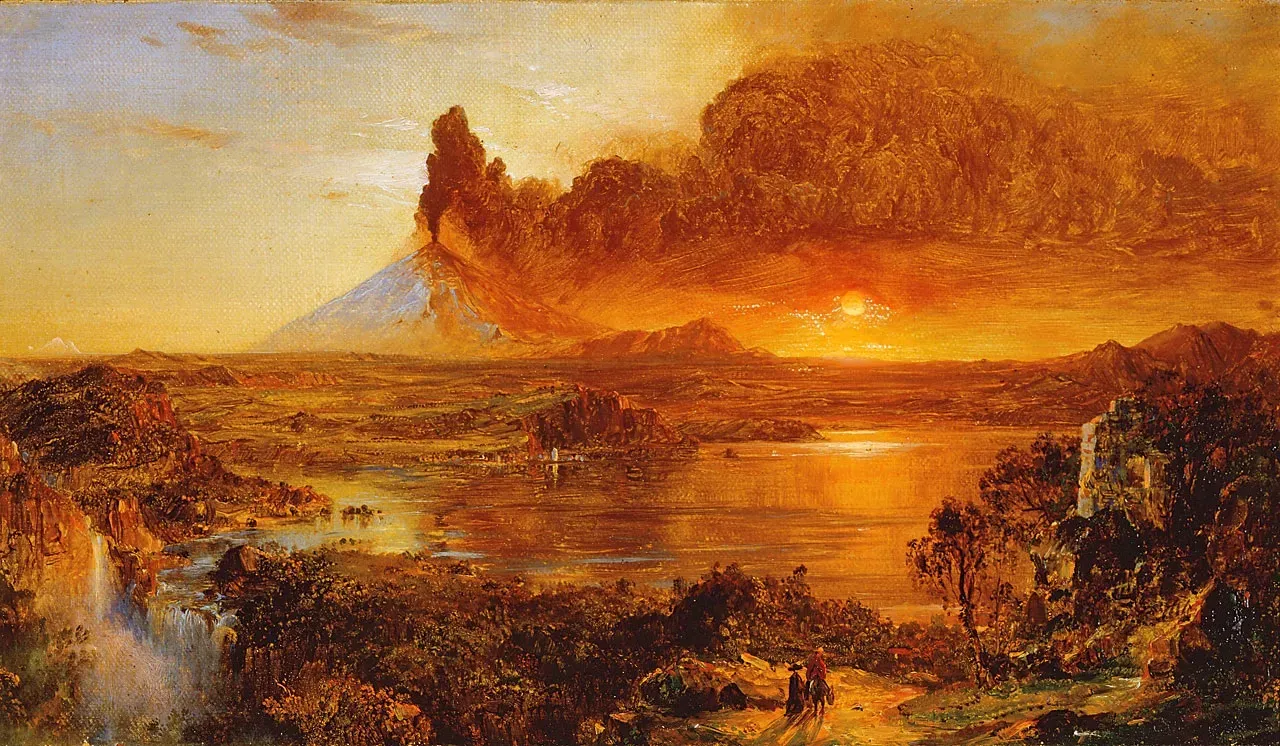
Despite the devastation, life did eventually bounce back, but not in a way that simply reset the old order. Recovery after the Permian–Triassic extinction was slow and uneven, with ecosystems stumbling through extended periods of instability. When biodiversity finally climbed again, many of the former ecological stars were gone for good, replaced by new groups that would set the stage for the Mesozoic era and, eventually, the rise of dinosaurs.
This recovery story carries a quiet but powerful message: mass extinctions end, but the world that returns is not the same as the one that was lost. From a planetary perspective, life is resilient; from the perspective of individual species and ecosystems, the loss can be absolute. That tension between resilience and irreversibility is what makes this ancient catastrophe feel weirdly relevant. It suggests that while Earth will go on, there is no guarantee that the future version of the biosphere will include the parts we care most about today.
Opinionated Conclusion: A Lava-Fueled Warning We Cannot Afford to Ignore
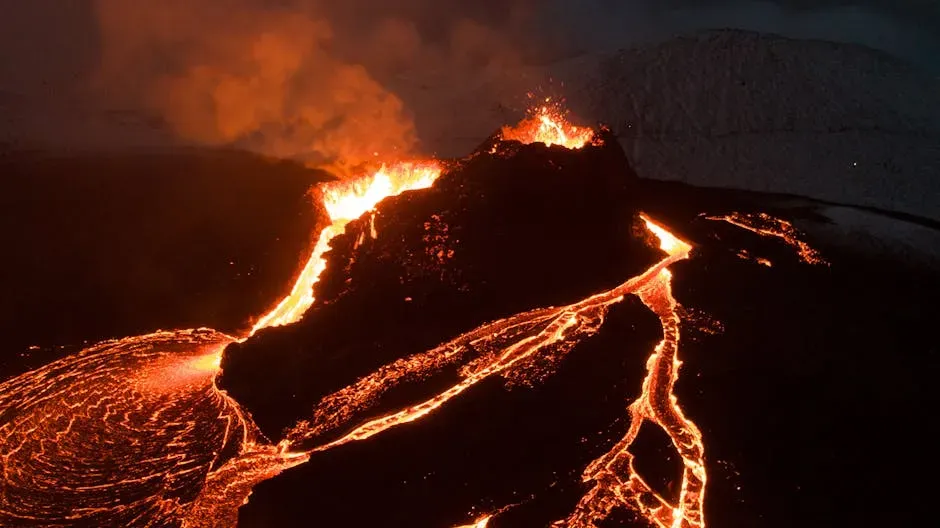
To me, the idea that enormous volcanic eruptions helped trigger Earth’s worst mass extinction is not just a fascinating scientific detective story; it is a blunt warning. The Siberian Traps did in geological slow motion what we are now attempting to do in fast-forward by burning fossil fuels: dump staggering amounts of carbon into the atmosphere and oceans. When we look back at that ancient disaster and shrug, we are essentially betting that this time will somehow be different, even though the basic rules of climate and chemistry have not changed.
I think that is a reckless bet. The lesson from the Permian–Triassic boundary is not that catastrophe is inevitable, but that large, rapid shifts in the planet’s carbon balance can push Earth into states that are hostile to many forms of life. Volcanic eruptions once tested those limits with fire and lava; today, our power plants, engines, and land-use choices are doing something eerily parallel. The rocks do not scream, but they do speak clearly: when the atmosphere turns against life, it does not negotiate. The real question is whether we are willing to listen.