
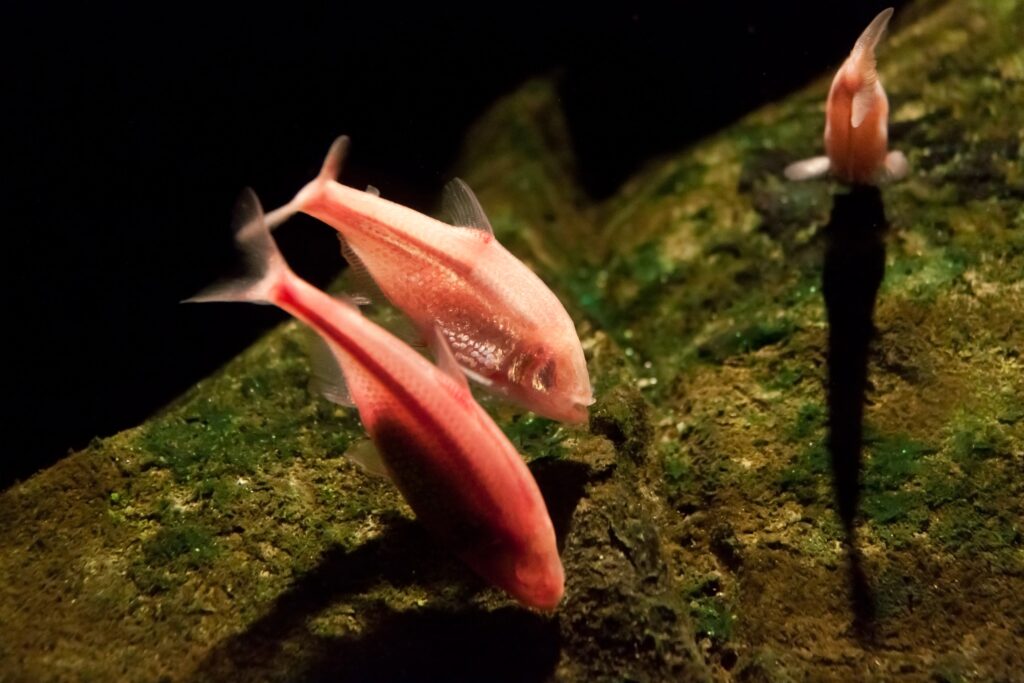
Imagine living in a world that is permanently midnight. No sunrise, no moonlight, not even a dim glow from the surface. In those endless black tunnels, eyes stop being an advantage and start becoming expensive, useless luxuries. That is exactly the world cave fish inhabit, and evolution has pushed some of them in a radical direction: they have repeatedly lost their eyes altogether, not just once in distant history, but again and again in separate underground populations.
At first glance, that sounds almost supernatural, like nature hitting the same bizarre outcome on repeat. But the story of blind cave fish is not about magic; it is about how powerful and predictable evolution can be when the environment is harsh and uncompromising. As scientists dig deeper into these fish and their genes, they are finding a surprisingly modern lesson about how bodies can be rewired, how traits disappear, and how similar challenges can drive life toward the same solutions over and over.
A world without light: why eyes become a liability underground
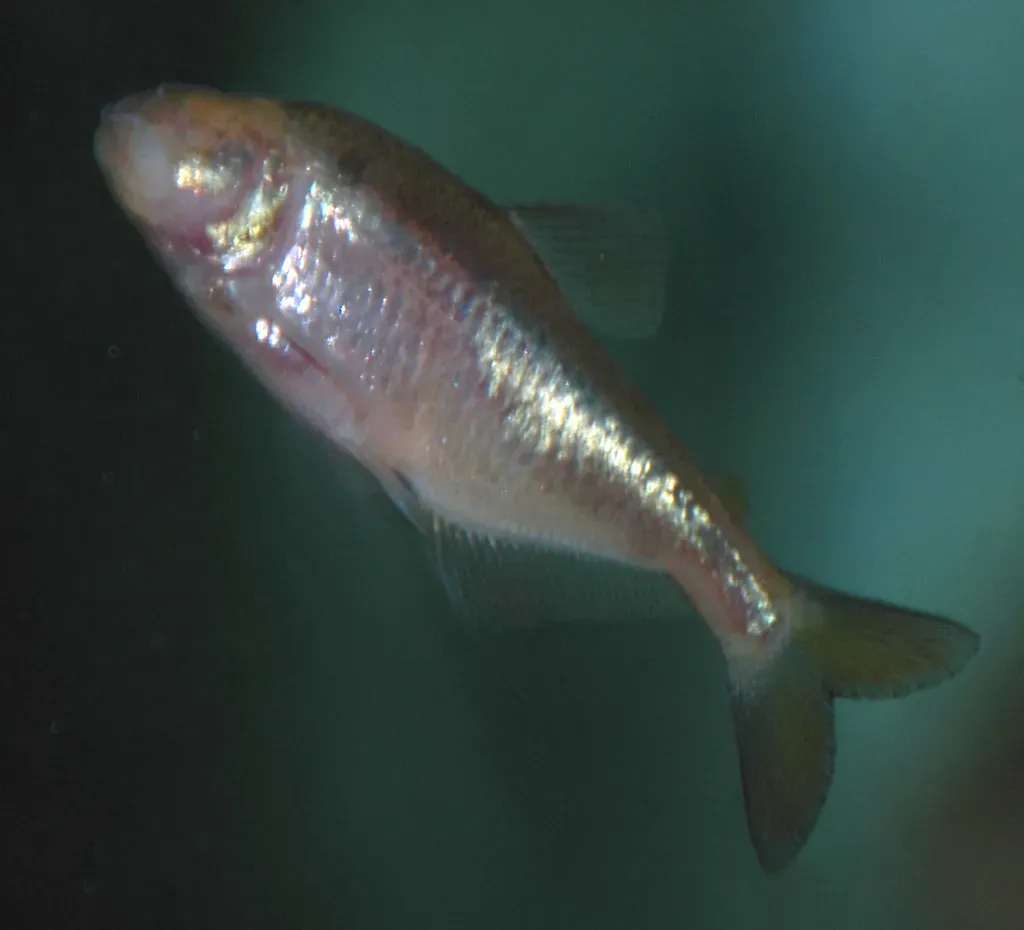
It sounds obvious that animals in total darkness would not need eyes, but the twist is that unused organs are not just neutral baggage. Eyes are costly to build and maintain: they need intricate tissue, energy-hungry neural wiring, immune defenses, and constant repair. In a deep cave where food is scarce and energy is precious, spending resources on a pair of non-functional cameras makes as much sense as paying for high-speed internet in a cabin with no signal.
Over time, natural selection tends to favor individuals that waste less energy and survive just a bit better under brutal conditions. If small mutations that slightly reduce eye size or eye complexity save even a little energy without hurting survival, those changes can spread. After many generations, the result looks dramatic to us: fish with tiny, scarred, or completely absent eyes, born into a darkness where seeing simply never mattered.
Different caves, same outcome: evolution hits replay
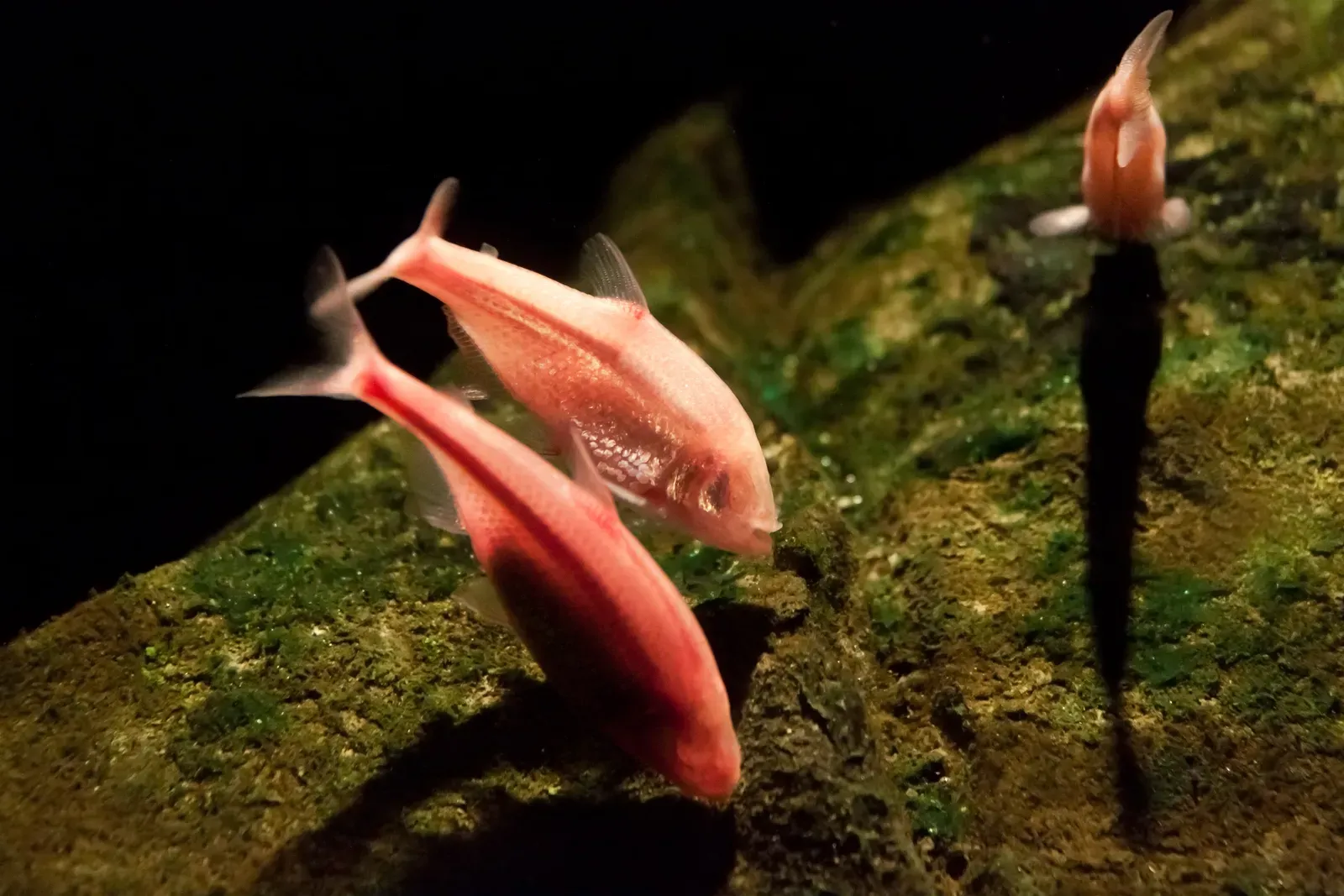
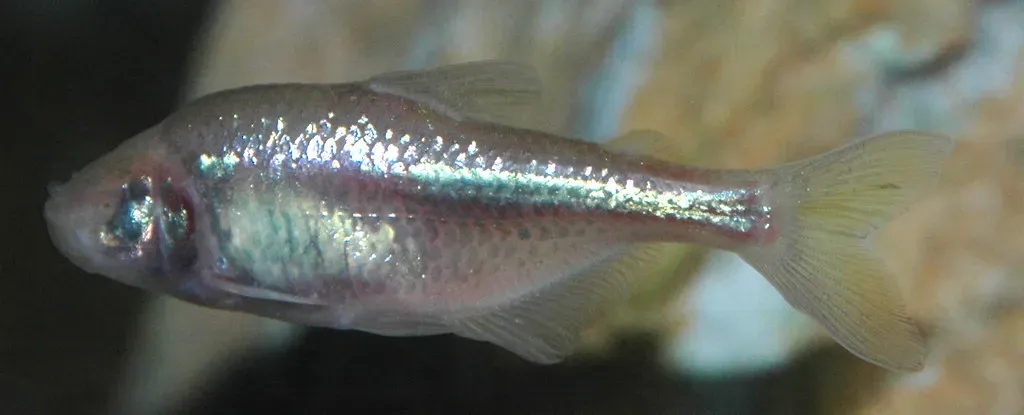
One of the most mind-blowing discoveries about cave fish is that their eye loss did not happen only once. In species like the Mexican tetra, you find both surface-dwelling, fully sighted fish and multiple separate cave populations that all evolved reduced or completely missing eyes. These cave populations are not copies of each other; they evolved in different underground systems, cut off by rock, rivers, and time.
When researchers compared these groups, they realized they were looking at parallel evolution: different lineages facing similar conditions and arriving at strikingly similar solutions. It is as if evolution kept being handed the same problem set – total darkness, little food, stable temperature – and kept solving it in variants of the same way: ditch the eyes, boost other senses, rewire development. That repeated pattern is a powerful hint that the environment can funnel evolution down predictable paths.
The genetics of going blind: many paths to the same destination
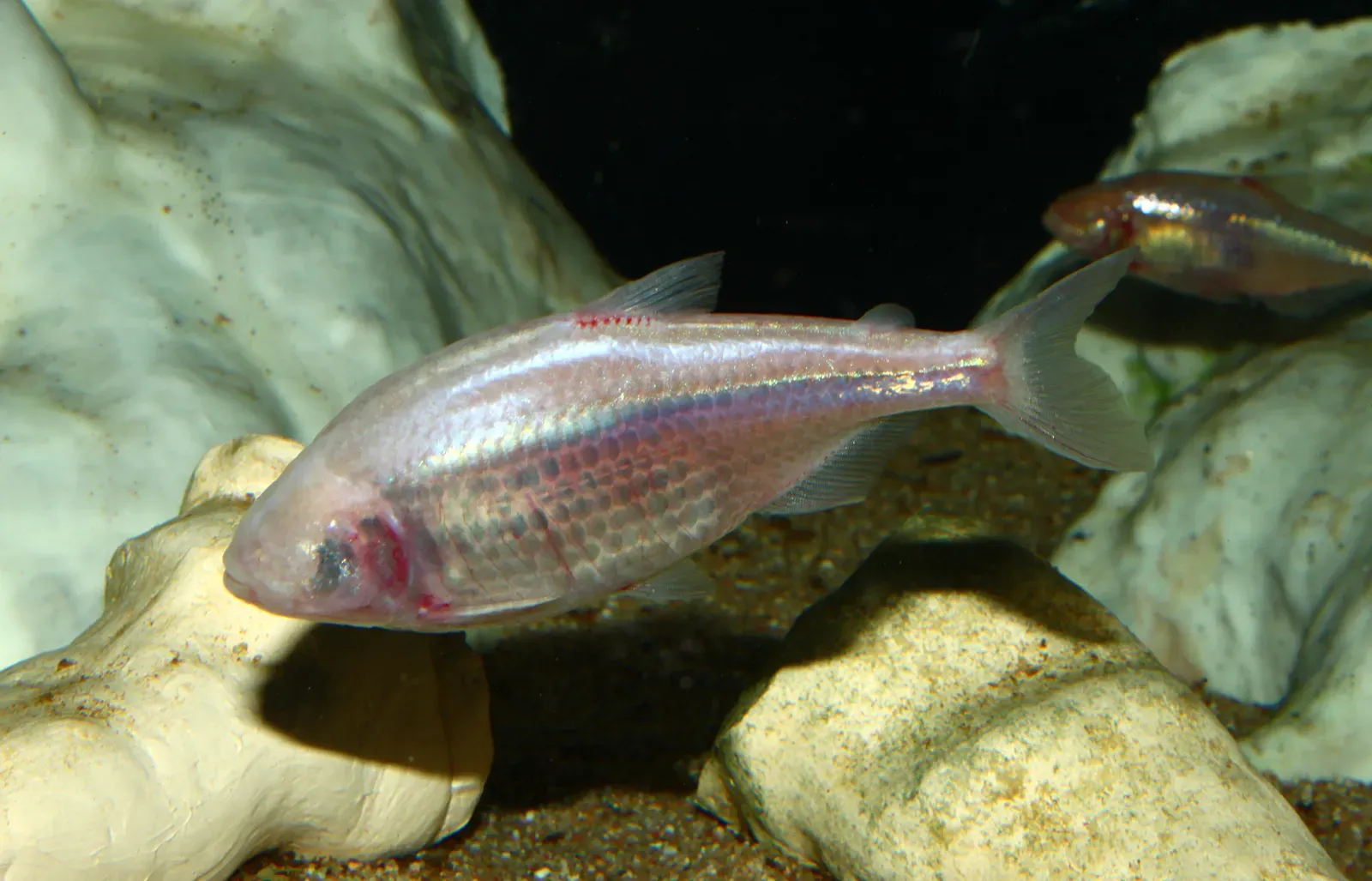
The obvious next question is whether all these populations lost their eyes using the same genetic tricks. When scientists started scanning the genomes of cave and surface fish, they found something both simple and messy. Some genes tied to eye development and function are repeatedly involved, but different cave populations often carry different mutations, or changes in how those genes are switched on and off.
That means evolution is not simply copying and pasting the exact same mutation every time. Instead, there are multiple molecular routes to deprioritizing eyes, like different detours that all bypass the same broken bridge. Sometimes mutations disrupt light-sensitive proteins, sometimes they tweak developmental signals so eyes never fully form, and sometimes they alter how nutrients get allocated during growth. The destination – tiny or absent eyes – is shared, but the roads leading there are varied.
Trading sight for super senses: how cave fish reconstruct their world
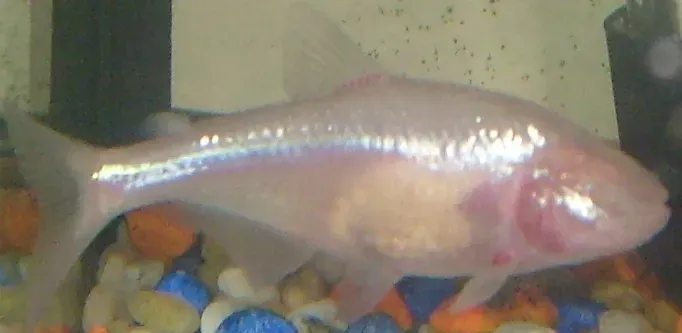
Once you accept that eyes are gone, you might assume cave fish are basically helpless. That is completely wrong. Many cave fish show dramatic enhancements in other sensory systems, turning them into masters of navigating in pitch black. Their bodies often become more sensitive to water vibrations, chemicals, and even tiny changes in pressure, letting them map their surroundings in a way that feels almost sci-fi.
Some develop more pronounced lateral line systems, the sensory organ along the sides of many fish that detects motion and currents. Others show heightened smell or changes in taste-related structures that help them locate scarce food. It is a trade, not a pure loss: evolution is essentially cashing out the costly investment in eyes and reinvesting it in touch, smell, and mechanosensation. In the darkness, that trade pays off better than the flashiest pair of eyes ever could.
Embryos with eyes: evolution’s ghost in development
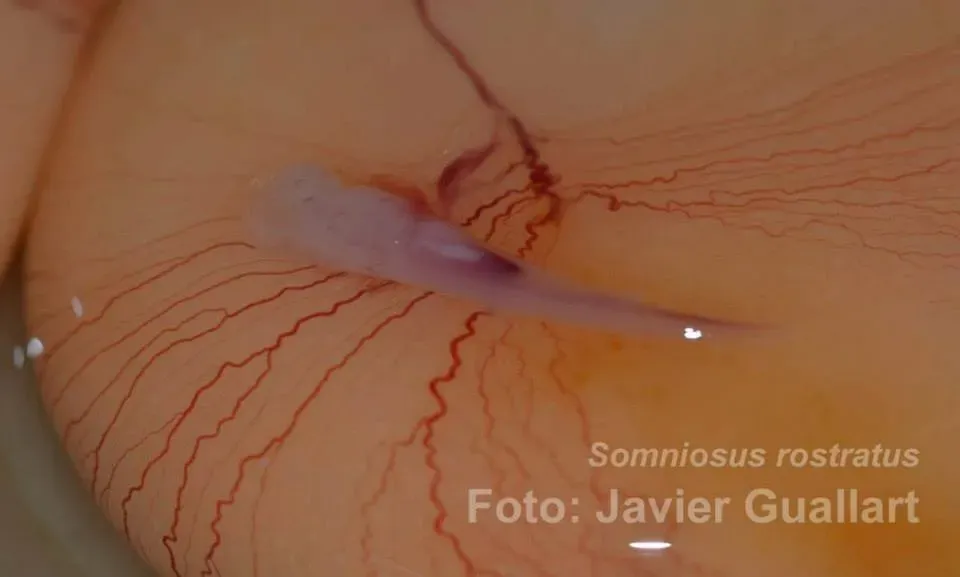
One of the eeriest details about cave fish is that many of them still start life with eyes. In the embryos of some blind cave lineages, you can see eye structures begin to form, only to shrink, degenerate, or be absorbed as development continues. It is like watching a building being half-constructed and then deliberately demolished before anyone moves in.
This developmental ghost hints that the genetic program for making eyes is still there, just overridden or interrupted. Changes in a few key signaling pathways or regulatory genes can redirect the growth plan, nudging cells away from forming functioning eyes. That makes eye loss feel less like erasing a trait from scratch and more like flipping a developmental switch, turning an old feature into a faint echo that never quite reaches the surface.
For researchers, this is a goldmine. By comparing embryos from surface and cave forms, they can see exactly when and how development diverges, which genes are louder or quieter, and what happens if you mix genetic material from different populations. The result is not only a story about cave fish; it is a live demonstration of how complex organs can shrink, stall, and disappear over evolutionary time without magic or sudden jumps.
Convergent evolution: why repeated eye loss really matters
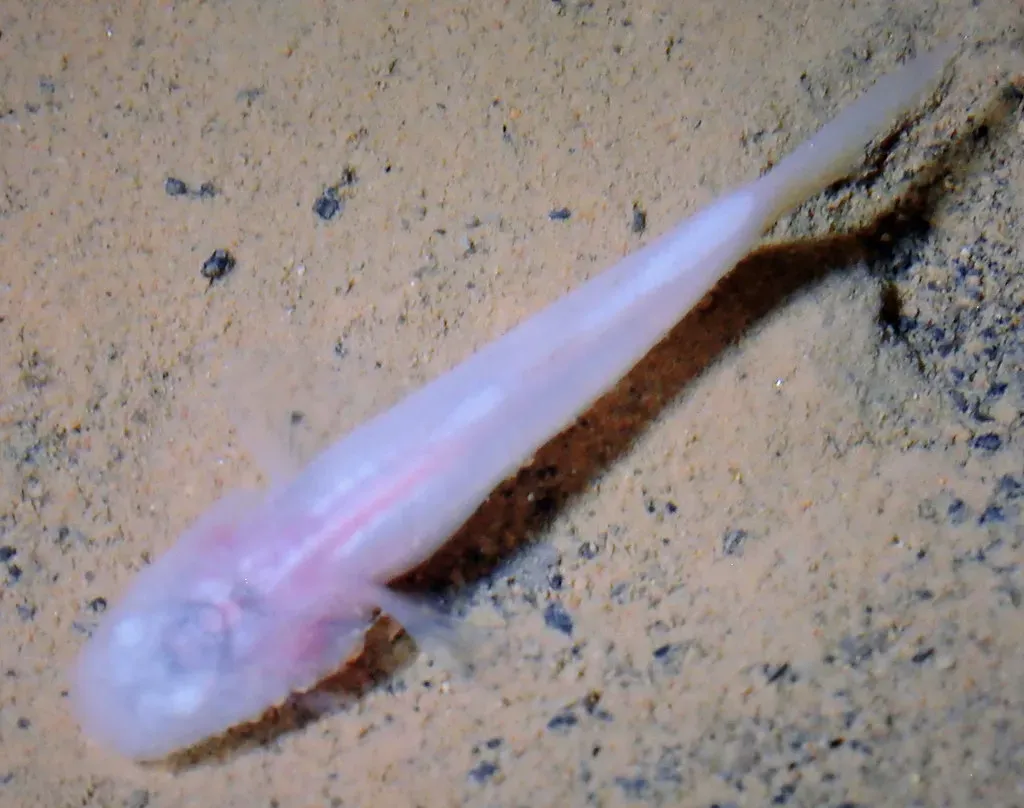
If different cave fish lineages had lost their eyes in unrelated ways, it would still be interesting, but the fact that they repeatedly converge on similar solutions makes the story far more important. This is a textbook case of convergent evolution: unrelated groups developing comparable traits because they face similar ecological pressures. In caves, that convergence plays out in real time, across nearby underground systems rather than distant continents or ancient eras.
That repeated pattern challenges the old stereotype that evolution is random chaos. Yes, mutations arise randomly, but selection is not random at all. When the environment strongly rewards certain strategies and punishes others, similar solutions can keep emerging even from different starting points. Cave fish are like a natural experiment replicated many times, each one showing that the rules of adaptation can be surprisingly consistent when the conditions line up.
Beyond fish: what blind caves teach us about human biology
This might feel like a niche curiosity – some weird fish in remote caves – but the implications reach straight into human medicine and biology. The same types of genes and developmental pathways that shape fish eyes are also involved in human eye formation and disorders. Studying how these genes get dialed down, disrupted, or repurposed in cave fish can give clues about what goes wrong in certain congenital eye conditions.
On top of that, cave fish show us how bodies cope with sensory loss by amplifying other systems, which is a theme very familiar in human stories of blindness and deafness. They also help researchers explore how metabolic systems adapt to low food availability, how sleep and circadian rhythms change without day–night cycles, and how anatomical changes can accumulate step by step. They are not just oddities; they are living models that quietly rewrite how we think complex traits evolve and sometimes disappear.
Are eyes really an upgrade? Rethinking what “advanced” means
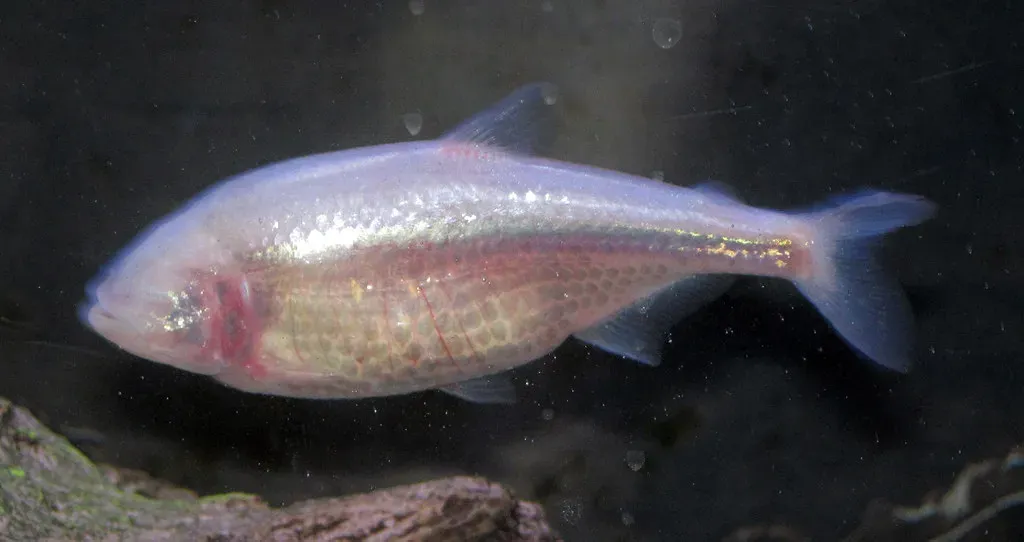
There is a strong temptation to see losing eyes as a step backward, like evolution accidentally hitting delete on something precious. But in the brutal logic of natural selection, there is no forward or backward, only better fit or worse fit to a given environment. In a cave where light never arrives, a fully working eye is not advanced; it is wasteful. A blind fish that survives longer and reproduces more is, in evolutionary terms, the more successful design.
This forces us to question our bias that complex, visually oriented organisms are always on top of some imaginary ladder of progress. Cave fish prove that streamlining, simplification, and loss can be every bit as adaptive and impressive as elaboration and gain. Sometimes the smartest move is not to add one more feature, but to let go of the ones that no longer pull their weight. In that sense, blind cave fish may be less like broken versions of their surface cousins and more like minimalists that have optimized for their strange, harsh world.
Conclusion: what repeated eye loss really says about evolution
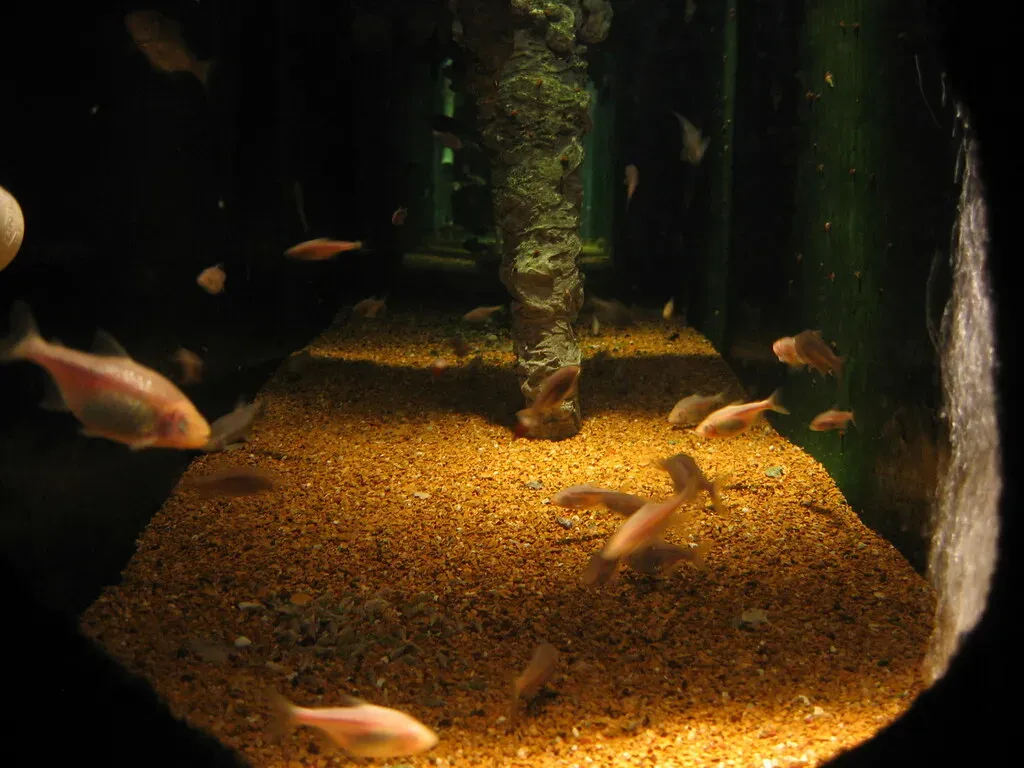
To me, the most striking thing about cave fish is not that they are blind, but that blindness has evolved again and again in separate underground populations. That repetition is like nature underlining a point in thick black ink: when the environment pushes hard and consistently in one direction, evolution does not just drift, it converges. Eyes disappear, other senses bloom, and the same rough outcome keeps showing up in different caves, driven by different genetic tweaks but shaped by the same dark reality.
In a world obsessed with progress as endless addition – more features, more complexity, more everything – cave fish are a quiet rebuke from the depths. They remind us that sometimes the most sophisticated move is to shed what no longer matters, to let go of even beautiful, intricate organs if the cost is too high and the payoff is gone. Evolution is not a straight line toward ever-fancier bodies; it is a ruthless editor, trimming and rewriting depending on the setting. When you think about that, which feels more surprising: that cave fish lost their eyes, or that we ever assumed eyes were always an upgrade in the first place?