
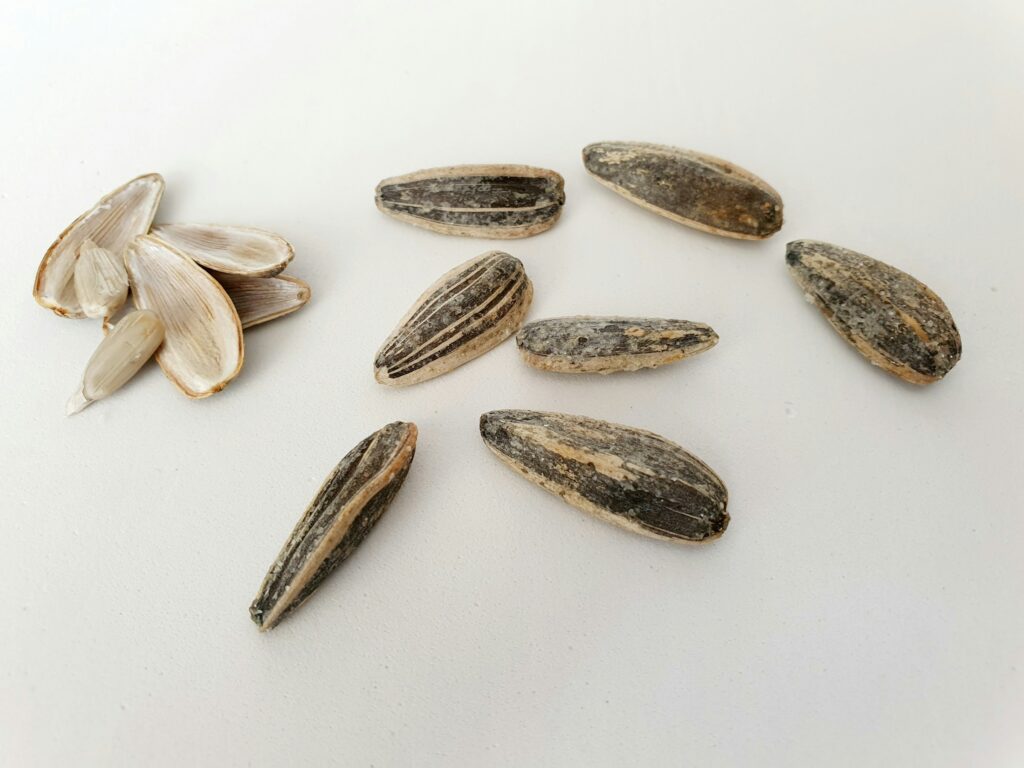
Archaeologists like to joke that the past is basically a giant trash pile we are still learning to read. The surprising part is just how much that “trash” can say about what people actually cooked, craved, and celebrated thousands of years ago. Microscopic food stuck in teeth, greasy residues soaked into broken pots, and tiny burned seeds from ancient hearths have become a kind of time machine for our taste buds. What makes this so compelling is that it strips away the idealized version of history and replaces it with something very human: spilled stews, overbaked bread, sticky porridge baked onto pots. When I first learned that a single charred seed could rewrite what we thought we knew about early farming, I never looked at a burnt breadcrumb on my kitchen counter the same way again. Let’s dive into seven ancient food traditions that scientists have painstakingly reconstructed from the smallest, messiest traces people left behind.
The smoky stews of Neolithic farming villages
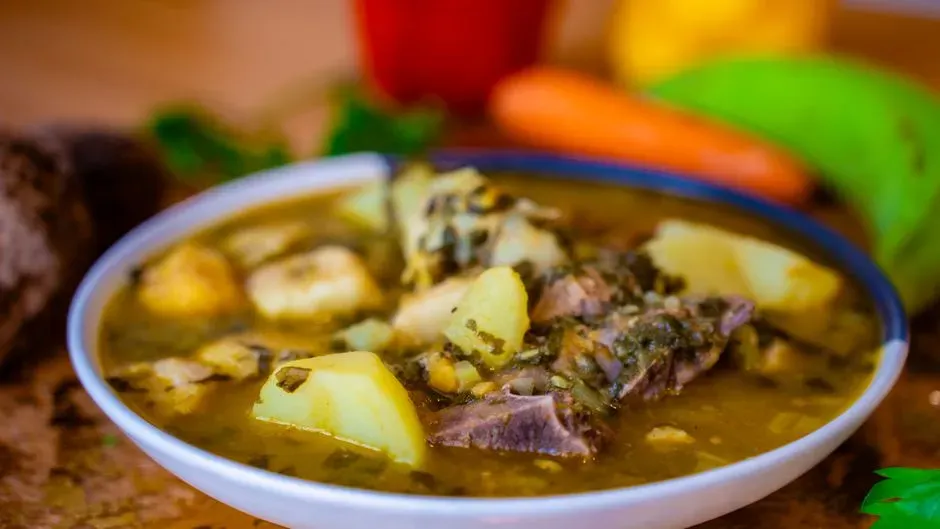
Why do so many comfort foods today involve something slow-cooked, smoky, and rich? Archaeologists are finding that this pattern goes all the way back to the first farmers in Europe and the Near East. When researchers analyzed residues baked into Neolithic pottery, they found strong evidence of stews made from cereals like wheat and barley, mixed with animal fats from cattle, sheep, and goats. In some cases, the pots even show layers of heating and reheating, suggesting leftovers were warmed up repeatedly, just like a modern pot of soup on a busy stove. Burned food crusts stuck inside clay pots have become a goldmine of information. Under a microscope and through chemical analysis, they reveal starches, fats, and even hints of smoke exposure. This points to a cooking style that was not delicate or minimalist but hearty and practical: big pots on open fires, bubbling for long periods, picking up wood smoke and ash. I love the thought that thousands of years ago, someone might have complained that yesterday’s stew tasted better, because the flavors had time to deepen overnight – exactly the same argument people make today about chili or curry.
Dental plaque as a menu: grains, greens, and early seasonings
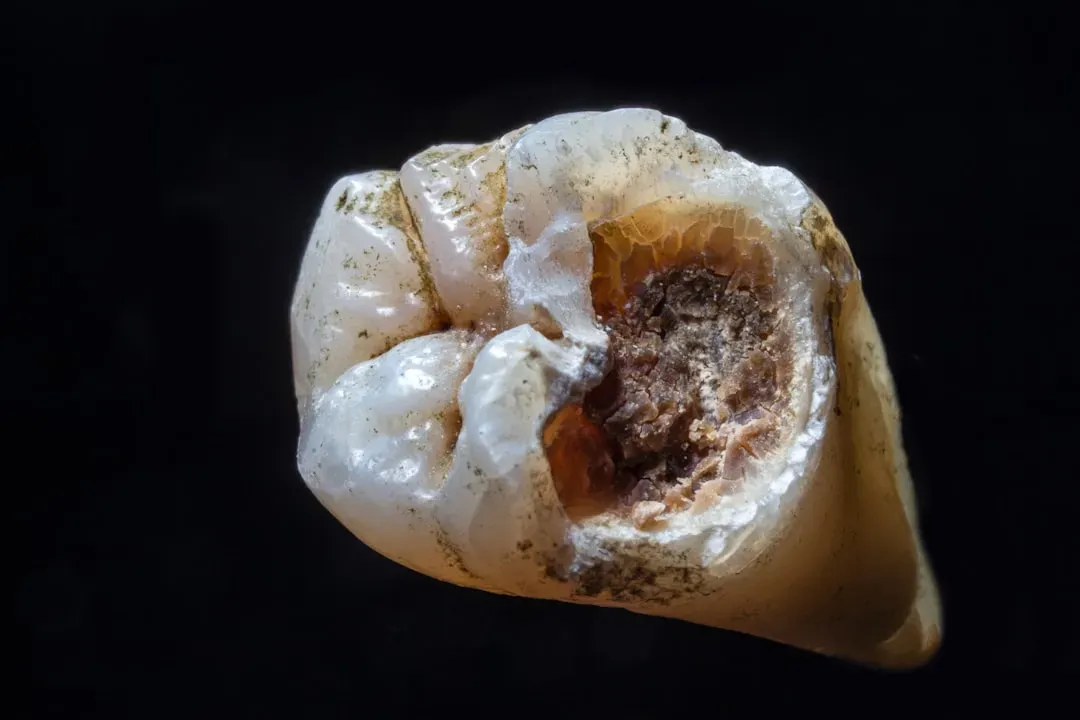
It sounds disgusting at first, but dental plaque from ancient skeletons is one of the most revealing cookbooks we have. As people ate, tiny fragments of plants and other foods got trapped in their teeth and mineralized over time into hardened tartar. Modern techniques let scientists dissolve that tartar and sift out microscopic plant remains, such as starch granules and phytoliths (tiny silica bodies produced by plants). From these fragments, researchers have identified wheat, barley, millet, and wild grasses, along with pulses like peas and lentils. Even more intriguing, some plaque samples show traces of wild herbs and leafy greens that do not leave obvious macro-remains in the soil. This has led to a growing realization that ancient diets were more varied than the classic “meat and bread” image. People chewed on wild greens, seeds, and possibly even flavoring herbs that do not fossilize easily. It challenges the idea that our ancestors ate in a bland or purely survival-driven way; they clearly selected and combined foods in diverse ways. Every time I floss now, I half-jokingly imagine what story that gunk could tell a scientist in a few thousand years.
Milk, cheese, and the birth of lactose tolerance

One of the most powerful stories pulled from old pottery is the rise of dairy. Scientists have scraped residues off shards of prehistoric pots and found milk fats embedded in the ceramic. In several regions of Europe and the Near East, this evidence shows that early farmers were processing milk thousands of years before many people could actually digest it as adults. The trick was turning it into cheese or yogurt, which lowers the lactose content and makes it easier to tolerate. This is where things get really interesting: when you combine this food evidence with ancient DNA, you see a feedback loop between culture and biology. People start milking animals and fermenting dairy, gaining a valuable source of fat and protein. Over time, genetic changes that allow adults to digest lactose without trouble become more common in those populations. It is hard not to see this as one of the biggest food-driven evolutionary twists in human history. Whenever you see a cheese board or a latte today, you are looking at the end result of experiments that began with milk residues baked into clay four or five thousand years ago.
Beer, bread, and the first grain-based feasts
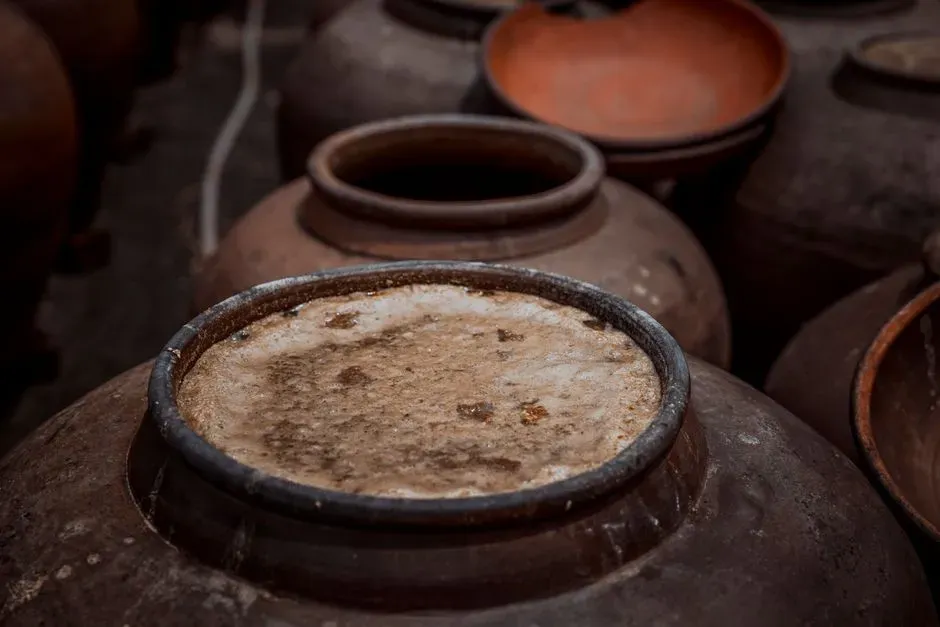
Burned seeds and malted grains from ancient sites have sparked a long-running debate: did humans start farming for bread or for beer? Charred remains of sprouted grains, along with residues in large brewing-style vats, suggest that people were deliberately transforming cereals into both fermentable mash and baked loaves in the ancient Near East and later in Europe and China. These were not one-off accidents; the repeated presence of similar features hints at a whole tradition of grain-based feasting and ritual. The science behind this picture is surprisingly technical. Researchers study the structure of charred grains to see if they were sprouted, crushed, or heated in specific ways, and they analyze organic residues on the inside of vessels for fermentation byproducts. When you put the puzzle together, you get something familiar: gatherings where people drank mildly alcoholic grain brews and ate dense bread or porridge, likely tied to seasonal harvests or religious ceremonies. It makes modern weekend brunches with beer and bread feel like distant echoes of something humans have been doing for thousands of years.
Fishy fingerprints on pottery from coasts and rivers
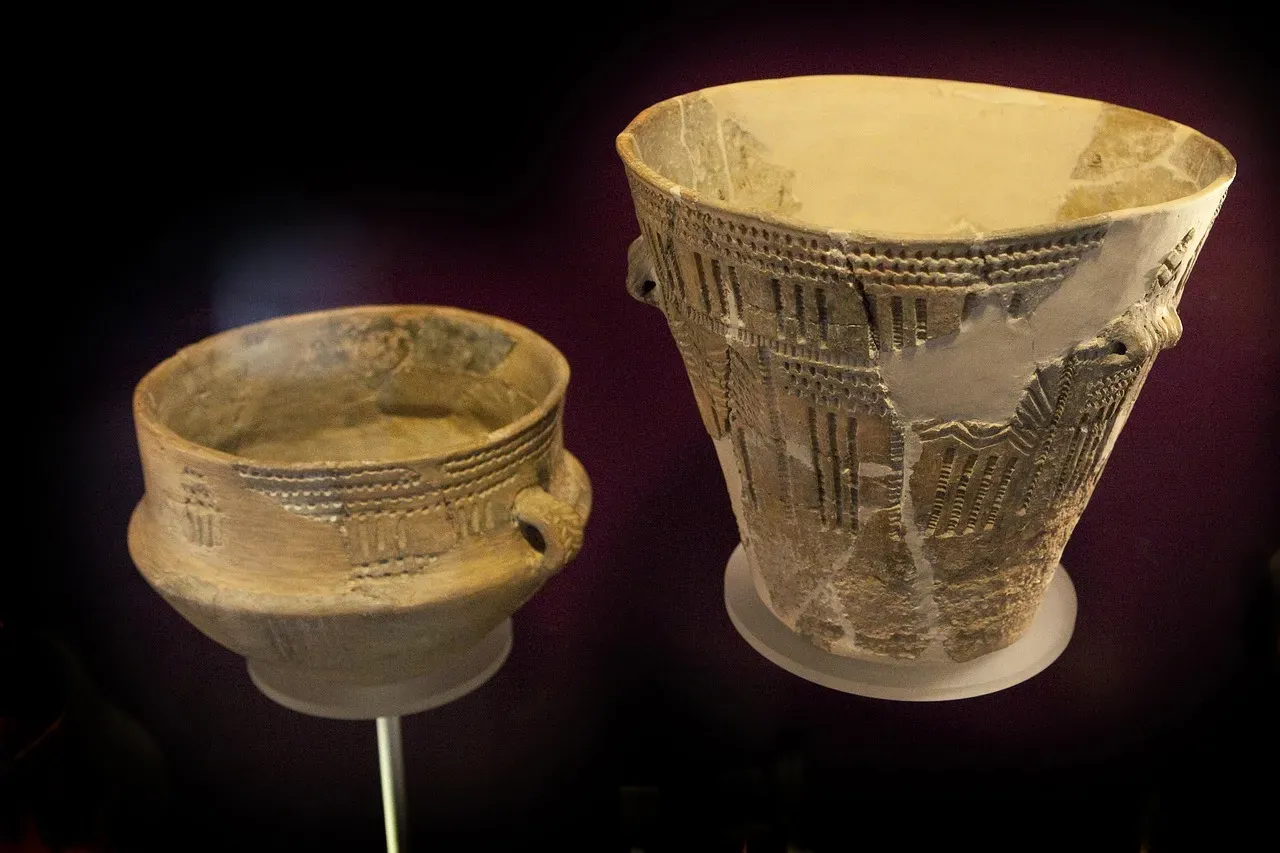
Along ancient coasts and river valleys, pottery tells a very different food story – one soaked in fish oils and marine fats. Lipid analysis (a technique that detects and identifies fats preserved in ceramics) has revealed that many pots once held fish stews, shellfish, and even marine mammals in some northern regions. In some early farming communities, this evidence shows that people did not abandon fishing when they began growing crops; instead, they combined fields with rivers and shorelines in a mixed economy. This is a direct pushback against the old narrative that once agriculture appeared, hunting and fishing simply faded away. The fats left in pots say otherwise. In some places, people cooked cereal-based dishes in one set of vessels and fish-heavy stews in another, suggesting clear culinary categories. It reminds me of the way we use different pans today for frying fish versus baking bread, partly out of practicality and partly to keep flavors distinct. The more we look at these so-called fingerprints of fats, the more it seems that ancient cooks were just as particular about taste and texture as we are.
Spices, garlic, and the surprising sophistication of ancient flavor
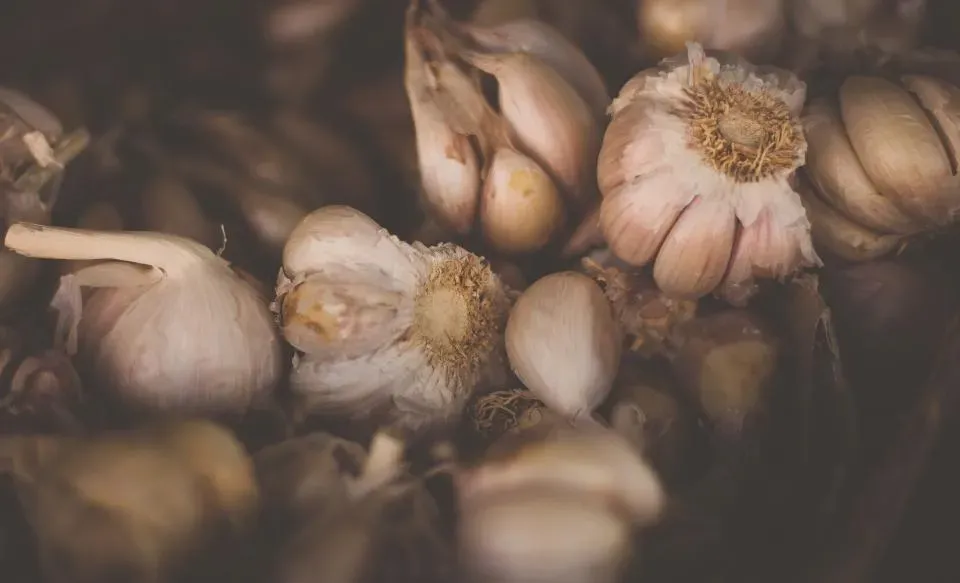
For a long time, it was easy to assume that ancient food was simple and under-seasoned, focused on calories and survival. Then came microscopic plant analyses and chemical studies that pointed to the use of spices and aromatics much earlier than many expected. Traces of mustard seeds, coriander, and even garlic-like compounds have been identified in residues from cooking pots and on burned food scraps. In northern Europe, some early fish and meat stews appear to have been flavored with seeds that added a peppery or pungent kick. The emotional impact of this revelation is bigger than it sounds. It means that flavor was not an afterthought; it was central to how people understood and enjoyed food. Spices were not just about showing off wealth in grand empires; they were woven into everyday stews and porridges whenever people had access to them. Personally, I find this deeply grounding. The impulse to make a stew not just edible but memorable seems to be a constant in human history. When you crush garlic or sprinkle herbs today, you are participating in a tradition that stretches back far beyond written recipes.
Charred bread, flatbreads, and the invention of daily staples
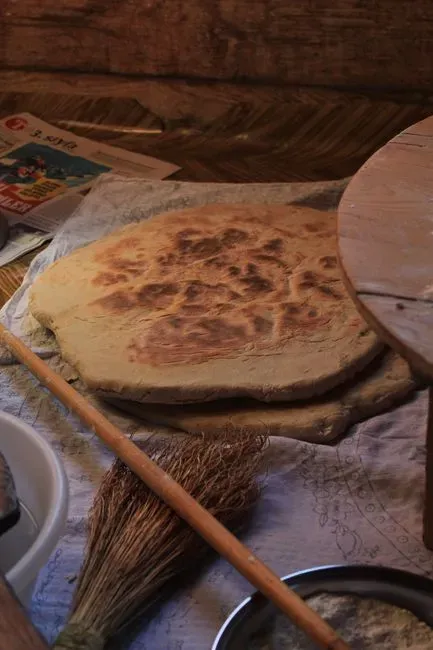
Tiny, burned crumbs of bread might not look like much, but they are changing our timeline for one of humanity’s favorite foods. At various prehistoric sites, especially near early farming settlements, archaeologists have found small lumps of charred dough and flatbread-like fragments. Under the microscope, their structure and the types of starch granules they contain show that people were grinding grains into flour, mixing them with water, and baking them on hot stones or in simple ovens long before industrial milling ever existed. Sometimes these ancient breads appear in contexts that suggest both routine and special use: small household hearths, but also larger communal ovens. The texture of the crumbs and the way they puffed or stayed flat give clues about whether the bread was leavened or more like a dense flatbread. I like to imagine someone in a Neolithic village grumbling that the bread burned again because they got distracted by the fire or a neighbor’s story. That very mistake is why we can study their daily staple today, and it drives home how ordinary moments can leave the longest-lasting traces.
What burned seeds and sticky pots really say about us
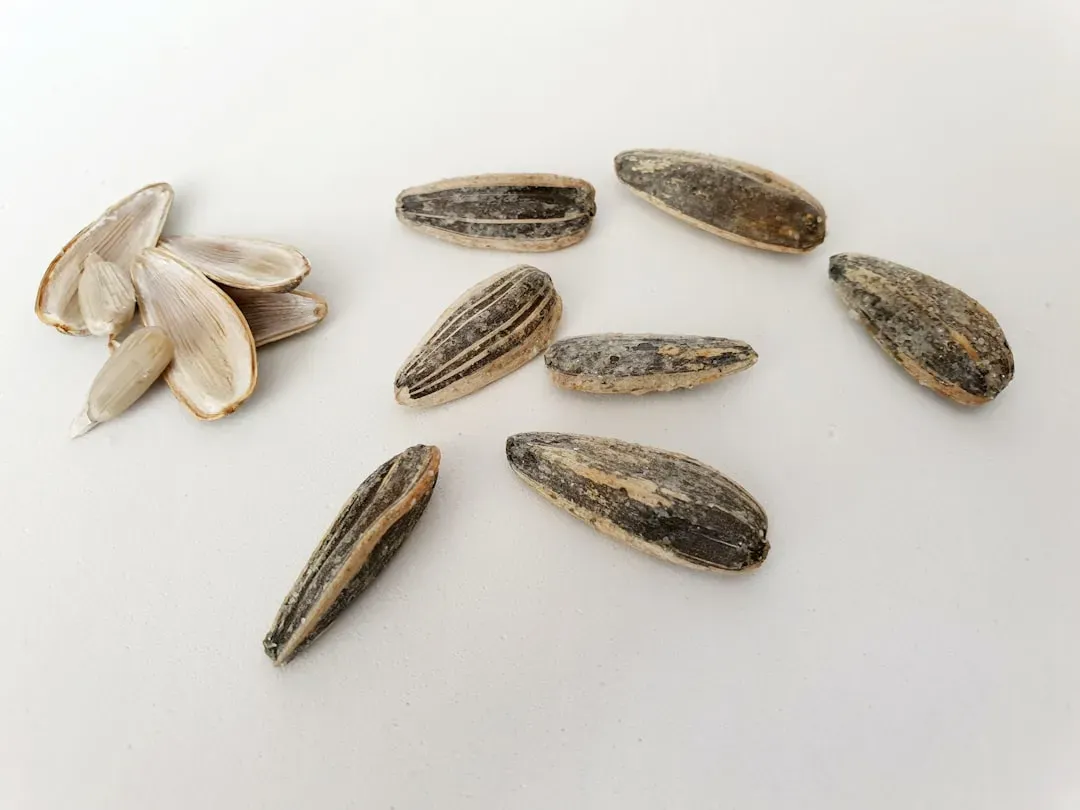
When you step back from the technical details – lipid profiles, starch granules, isotopes in dental plaque – the big picture is surprisingly intimate. These reconstructed food traditions show that ancient people were not just surviving; they were experimenting, refining, and building identities around what they ate. They combined grains and meat into stews, transformed milk into cheese, flavored fish with pungent seeds, and turned humble cereals into bread and beer that shaped entire economies and belief systems. In my view, it is almost insulting to imagine their food as bland or crude when the physical evidence shouts the opposite. I think the most striking lesson is that our modern obsession with food trends, from artisanal bread to craft beer and fermented dairy, is not a fad but a return to long-running human instincts. We have always tinkered with texture, flavor, and fermentation, always argued about the best way to cook a staple, always turned meals into social glue. Teeth, pots, and burned seeds do not just document recipes; they reveal a stubborn, creative streak that refuses to treat eating as a mechanical task. The next time something burns in your pan or sticks to your casserole dish, it might be worth pausing for a second and asking: if someone dug this up in five thousand years, what story would it tell about how you chose to live and eat?