
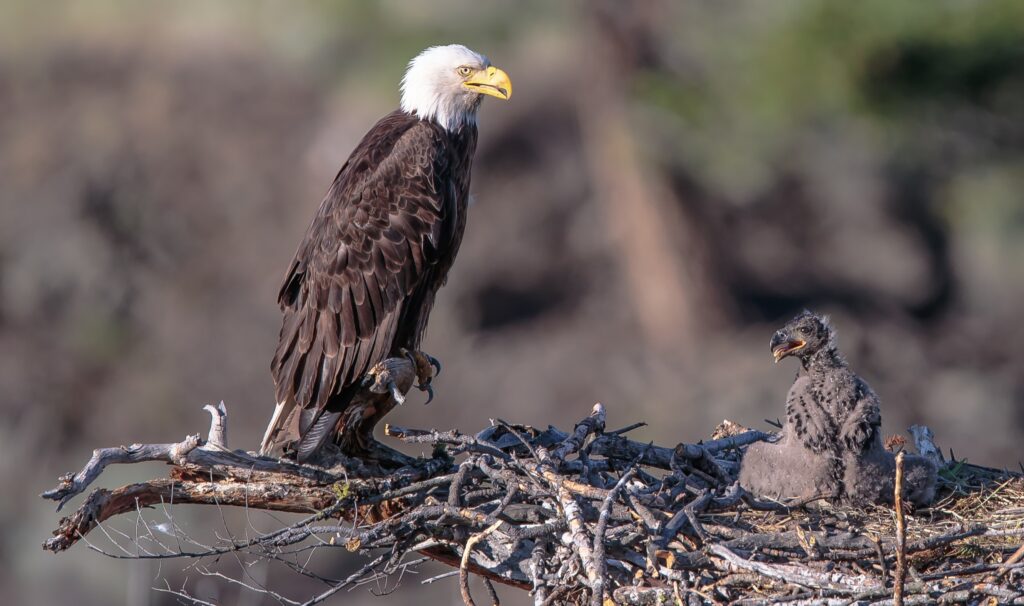
Most people assume nest cameras just capture cute eaglets napping through the occasional windy day. Actually, thousands of hours of live footage have quietly rewritten what scientists thought they knew about how eagles raise young, defend territory, and even react to the equipment spying on them.
Researchers who once relied on brief field glimpses now have 24/7 documentation, and the tape doesn’t flatter the species the way nature documentaries do. Some of it is disturbing, some of it is oddly tender, and almost none of it matches the sanitized version everyone grew up believing. Here’s what the footage – and the scientists studying it – actually caught.
#1 – Eagles Are Secretly Fascinated By The Cameras Watching Them
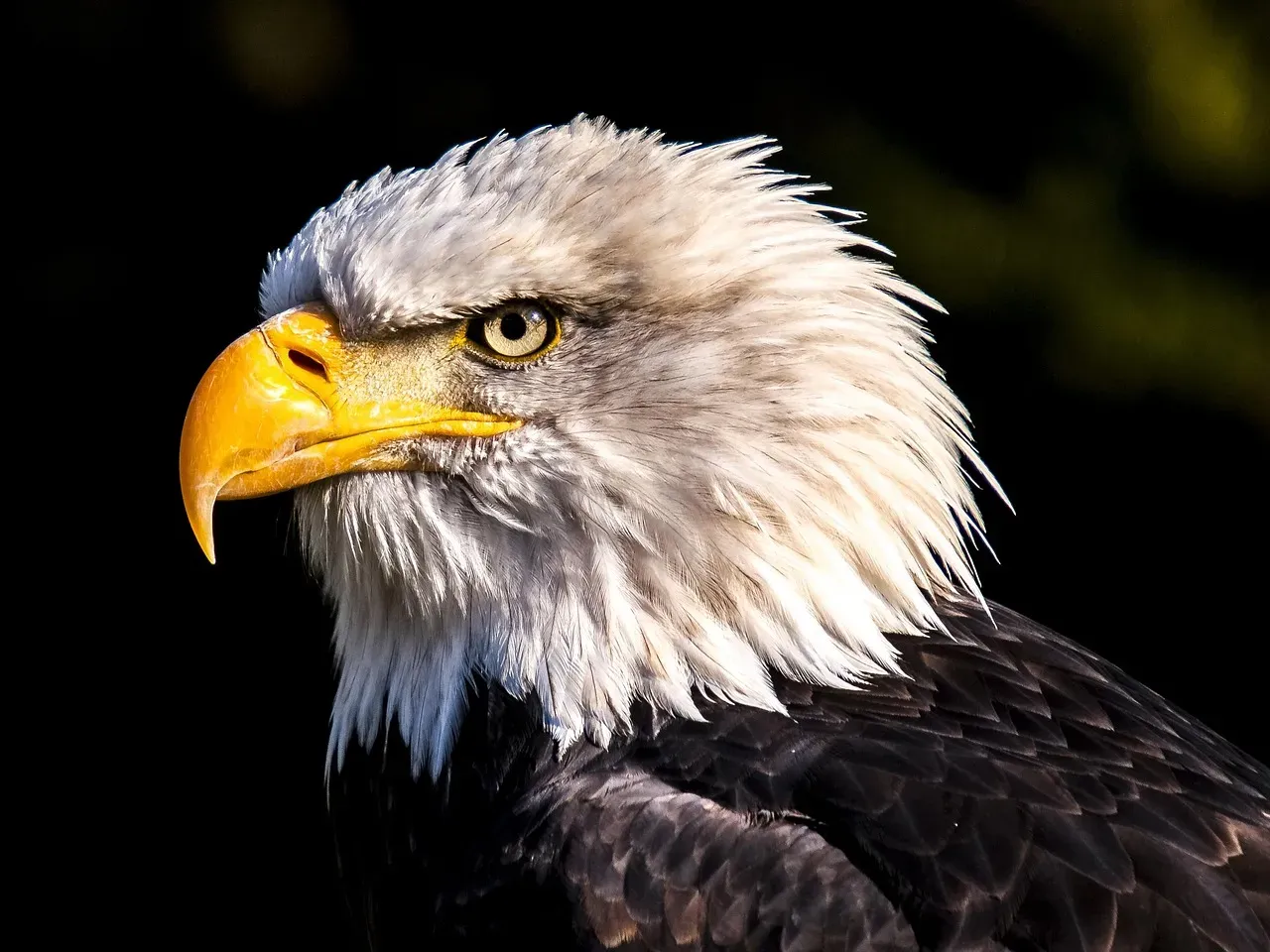
Nest cams are supposed to be invisible observers. Turns out, the eagles know they’re there.
At the Big Bear Valley nest in California, a young eagle named Kaydee stopped mid-morning routine to investigate the lens directly. Kaydee stared toward the camera and began tilting her head from side to side, seeming completely fascinated by the small object watching her from only a few feet away. It wasn’t a fluke glance – it was sustained, deliberate attention.
This kind of head-tilting is usually associated with depth perception and object investigation in birds, not passive tolerance. It was a tiny moment, yet after everything that has happened at that nest, tiny moments can carry surprising weight for the people watching. Viewers had assumed eagles simply ignored the hardware. The footage says otherwise: these birds notice, evaluate, and sometimes actively engage with the technology humans use to study them.
Turns out that was just the warm-up.
#2 – A Grieving Bachelor Eagle Once “Incubated” a Rock – Then Got a Real Chick
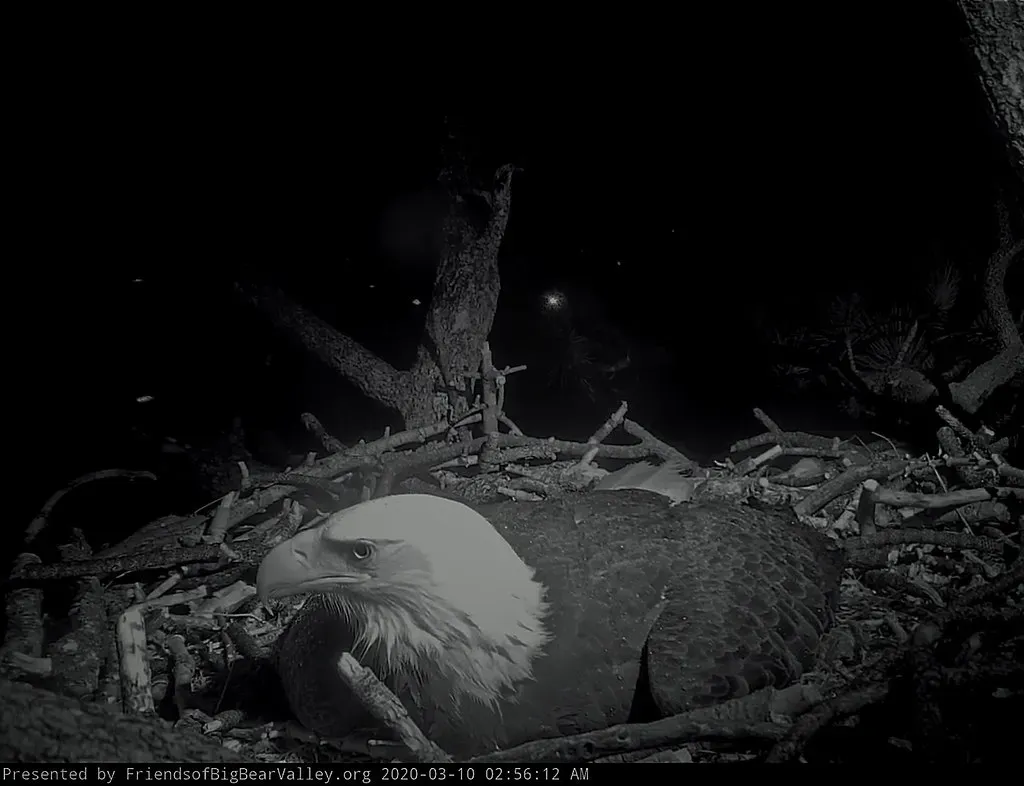
Most people don’t realize captive eagles can develop full parental instincts over an object that isn’t even alive.
At a Missouri wildlife sanctuary, a permanently injured bald eagle named Murphy did something staff didn’t expect. The sanctuary’s CEO said Murphy discovered a rock in his enclosure in early March and immediately took to it, treating it exactly like an egg. He guarded it, adjusted it, and refused to leave it unattended.
Caretakers realized this wasn’t random behavior – it was untapped parenting drive with nowhere to go. So they made a decision that would have sounded absurd a decade ago: give him a real chick.
After caring for the baby bird while wearing camouflage outfits and making sure the eaglet was not exposed to human faces, caretakers decided it was time to pair the baby with a foster parent – enter Murphy. The transfer worked. Cameras confirmed Murphy shifted seamlessly from guarding a rock to guarding an actual eaglet, proving that eagle parenting instinct isn’t strictly tied to genetics or even to a living stimulus – it can be triggered and redirected almost on command.
And if you think that’s strange, wait until you see how far wild eagles take the same instinct.
#3 – Wild Eagles Will Raise Chicks That Aren’t Biologically Theirs
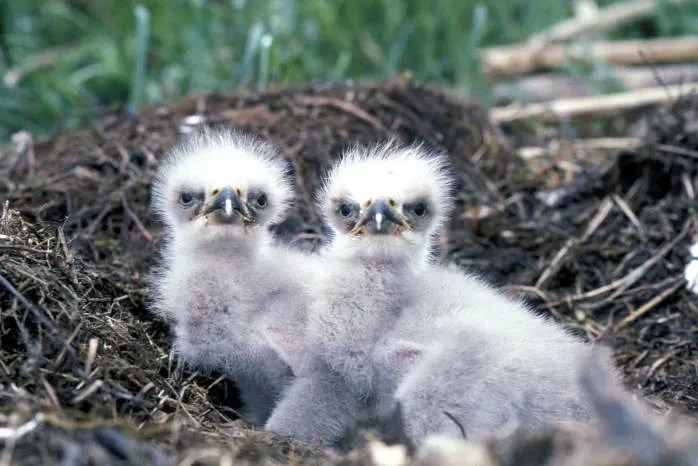
Here’s a fact that undercuts the whole “fierce, territorial predator” stereotype: eagles are surprisingly willing foster parents.
Researchers documented multiple cases of wild bald eagle pairs accepting and successfully raising nestlings transplanted from entirely different nests. It is well known that breeding raptors will accept and raise nestlings that are not their own – researchers have moved “runt” chicks from large broods into other active nests of the same species, essentially rehoming at-risk young among strangers.
The success rate wasn’t marginal, either. Follow-up observations indicated that the nestling transfers were successful, with all four young eventually fledging. That’s a complete generational rescue, engineered entirely around the fact that eagles don’t seem to check parentage before feeding a hungry mouth in their nest.
This has real-world conservation value. Nestlings that survive the crash of a nest uninjured can be placed in other active nests and thus remain part of the wild population instead of being lost entirely. Cameras have since confirmed this isn’t a rare curiosity – it’s a repeatable, almost predictable behavior.
Fast Facts
- Wild bald eagle pairs have accepted and raised nestlings moved in from other nests
- “Runt” chicks from oversized broods have been rehomed into active nests of the same species
- In one documented case, all four fostered young eventually fledged
- Biologists use this behavior to save chicks that would otherwise be lost when a nest fails
Even that pales next to what one Minnesota nest proved next.
#4 – Rehabilitated Eaglets Get Adopted Straight Out of Rescue Centers

It’s one thing for wild eagles to accept a swapped nestling from another wild nest. It’s another thing entirely for a pair to take in chicks that spent weeks being raised by humans first.
Minnesota’s DNR EagleCam pair did exactly that. The eagle pair filmed on the livestream are also foster parents – last year they raised two chicks that had been rehabilitated by the University of Minnesota, and all of them learned to fly and to hunt.
Think about what that actually requires. The chicks arrived smelling like human handlers, university facilities, and rehab enclosures – not like eagle down or nest material. Yet the resident pair integrated them anyway, taught them to hunt, and pushed them toward a normal fledge. For a species assumed to be rigidly instinct-driven, that’s a remarkably flexible parenting response, and cameras are the only reason anyone outside the rehab center ever confirmed it worked.
Wildlife officials increasingly rely on this exact strategy for injured or orphaned eaglets, precisely because footage has proven wild eagles rarely reject them.
None of that compares to the arrangement one Illinois nest quietly normalized.
#5 – Some Nests Are Being Run By Three Parents, Not Two
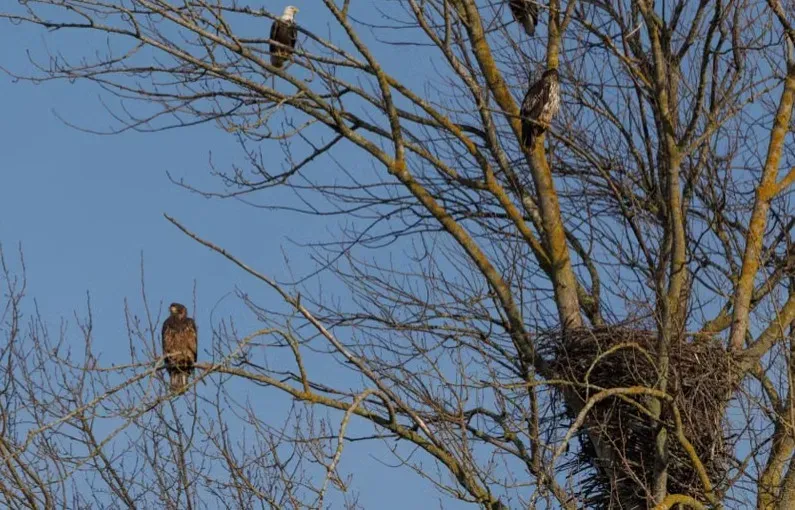
Eagle pairs are supposed to be monogamous duos. Cameras have quietly proven that assumption wrong in multiple documented nests.
Along the Upper Mississippi River in Illinois, a nest camera revealed something wildlife watchers had never confirmed on video before. A trio of bald eagles – consisting of two males and one female – was successfully raising eaglets together in the backwaters there.
This wasn’t a temporary standoff or a territorial dispute caught mid-argument. It was an ongoing, functional three-parent household, with both males apparently sharing incubation and feeding duties without the constant violent conflict you’d expect between two adult males competing for the same territory and mate.
While most nature content still frames eagles as strict monogamists, this kind of trio-parenting arrangement suggests pair-bonding in the species is far more flexible than field guides let on. It’s a controversial idea among traditional birders, but the footage is hard to argue with – three adults, one nest, successfully fledged young.
As unusual as that is, it’s not even the strangest reunion cameras have caught.
#6 – Grown Offspring Secretly Visit Their Childhood Nest
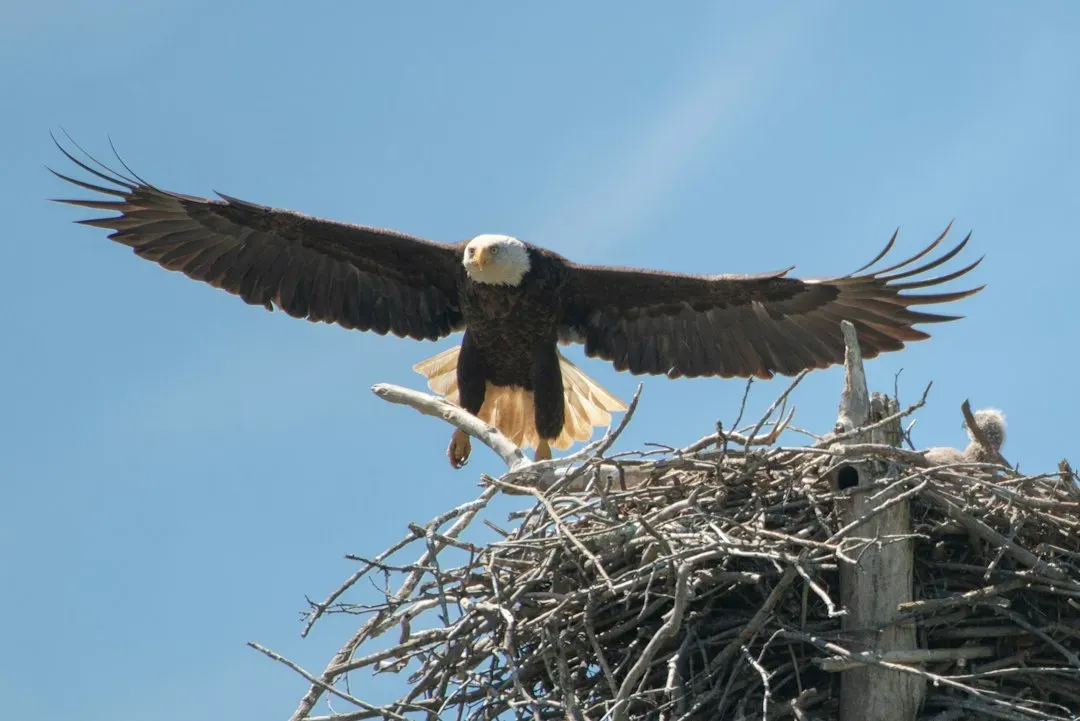
Eagles supposedly disperse and never look back once they leave the nest. Long-term nest-cam monitoring says that’s not entirely true.
At Duke Farms in New Jersey, camera operators watched a strange interaction unfold when an unfamiliar white-headed eagle landed on an active nest. The intruder could be offspring returning for a visit – this happened in 2018 when a resident male was very tolerant of a young eagle that turned out to be banded, identified as one of his own offspring from 2014, and neither adult was aggressive as the young eagle perched nearby for about an hour.
That’s a four-year-old bird, long since independent and territorially unrelated to that nest, coming back and being tolerated rather than driven off. Similar tolerated “visitor” behavior has now been documented at multiple camera-monitored nests across different states, suggesting eagles may recognize their own grown young years later – a level of long-term individual recognition scientists didn’t expect to confirm this easily.
Worth Knowing
- The visiting eagle at Duke Farms was banded and identified as the resident male’s own offspring from 2014
- The reunion took place in 2018, four years after the young eagle had left the nest
- Neither adult showed aggression, and the young eagle perched nearby for about an hour
- Similar tolerated “visitor” behavior has since been logged at other camera-monitored nests in different states
That tenderness makes what happens next even harder to watch.
#7 – Bald Eagles Raid Neighboring Nests With Brutal Precision
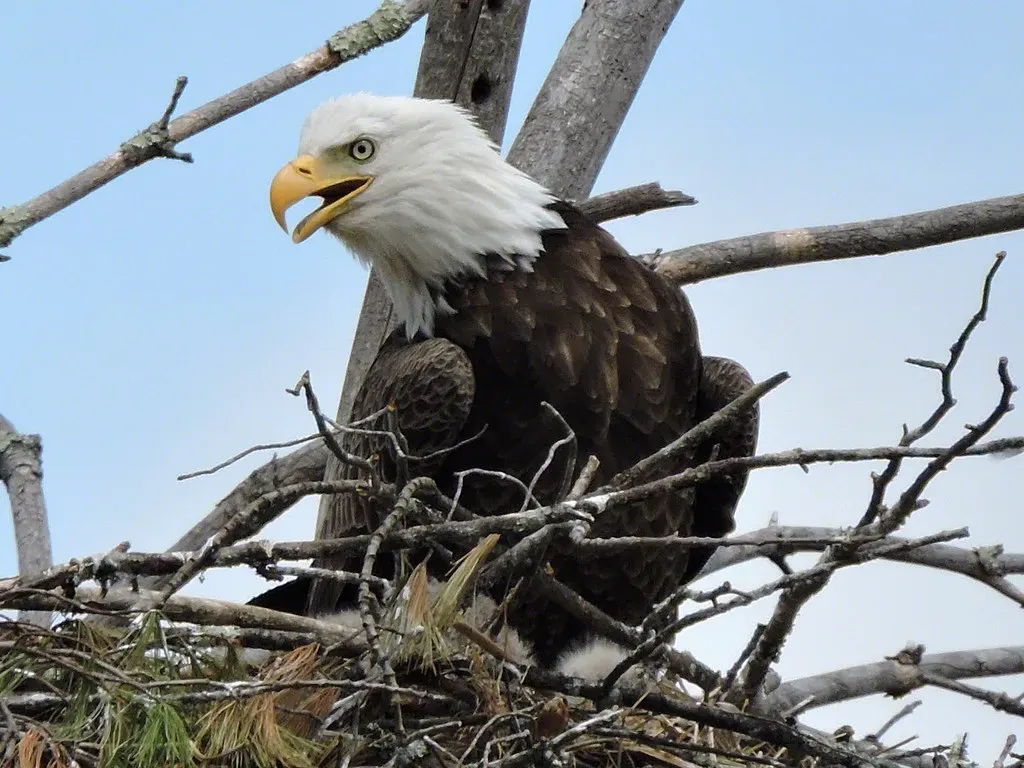
Forget the patriotic, dignified image on the U.S. seal for a second. Cameras have caught bald eagles behaving like calculated raiders against other birds of prey.
A nest cam on Hog Island, Maine, captured one of the most dramatic pieces of predator footage ever filmed at a raptor nest. The video showed a bald eagle’s incredible attack and a rare glimpse at the brutal competition that exists among birds of prey, as the eagle stealthily swooped toward an osprey nest from below, preparing to strike.
The parent osprey tried to intervene, but it wasn’t fast enough. One of the osprey parents tailed the bald eagle in an attempt to defend the nest, but before the osprey could strike, the eagle rushed up from below, latched onto a nearly full-grown chick, and barely stopped flapping its wings before flying off with its catch.
This wasn’t a starving bird taking a desperate risk – it was a controlled, almost surgical strike against a nest that wasn’t its own. The National Audubon Society itself called the footage “bittersweet,” a rare admission that even conservationists find this side of eagle behavior hard to watch.
“It’s one of the best videos I’ve ever seen of eagle predation.”
Steve Kress, National Audubon Society
As brutal as that raid looks, it’s not the most disturbing footage eagle-cam viewers have had to sit through.
#8 – Siblings Sometimes Kill Each Other, and Cameras Finally Caught the Whole Sequence
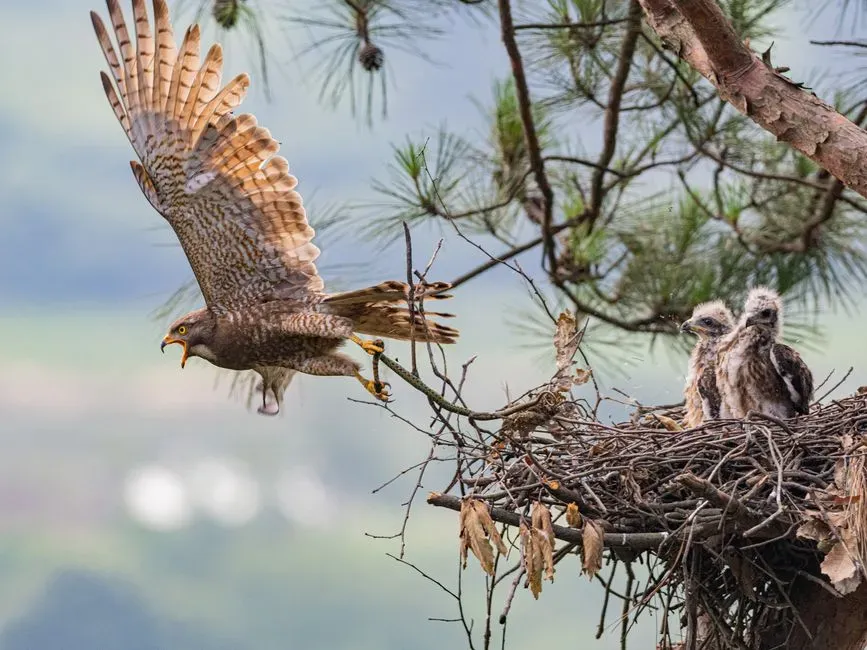
This is the fact eagle-cam newcomers almost never expect, and it’s the one that generates the most heated comment threads every single spring.
A systematic review of raptor footage found that sibling-on-sibling violence is disturbingly common. Researchers performing the first systematic literature review and meta-analyses of filicide, non-parental infanticide, conspecific strife, and conspecific scavenging by raptors did not even review siblicide reports separately because the behavior is nearly ubiquitous among raptors.
One especially detailed camera-documented case out of Sicily went further than sibling conflict alone. Researchers described a case of siblicide followed by parental infanticide and cannibalism observed in a golden eagle nest, monitored via webcam in Nebrodi Regional Park, Italy. The entire chain of events – aggression, death, and consumption – was captured on video from start to finish.
Scientists now treat this as an adaptive strategy, not a malfunction. The behavior, where parents essentially permit or participate in reducing brood size, is often considered an adaptive response to limited food availability during chick-rearing. It’s uncomfortable, but the cameras removed any ambiguity about how often it actually happens.
Even that grim pattern didn’t prepare researchers for what one Chesapeake Bay camera caught next.
#9 – In Rare Cases, Parents Themselves Are the Ones Who Kill
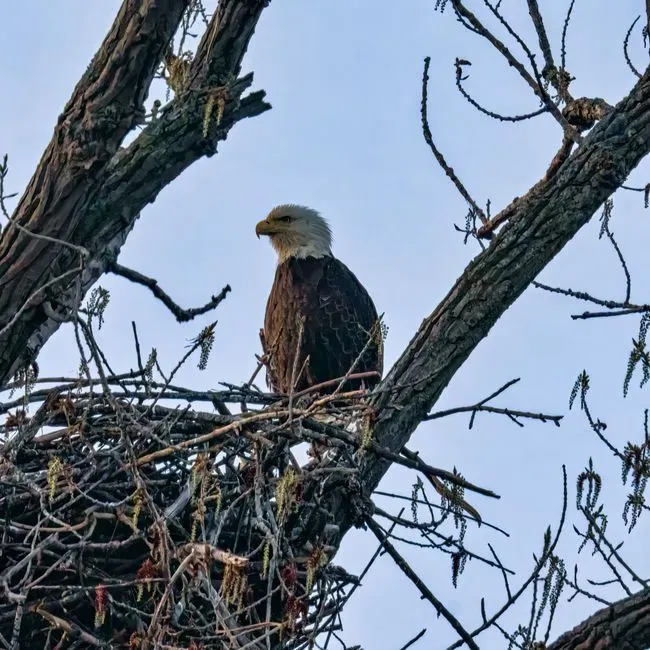
If siblicide is hard to watch, this next behavior is the one wildlife biologists still hesitate to publish widely. Camera footage from a Chesapeake Bay nest captured an adult male doing something researchers had almost never confirmed on video before.
Researchers observed the female delivering prey items to the nest, brooding, and provisioning the chicks, and then at one point the female left the nest and a four-year-old male arrived within a minute. What happened next was the part nobody expected the camera to catch.
The male approached the chicks, grasped the larger, older chick in its talons, moved it to the nest edge, and pinned it down while killing and eating it – then repeated the grasping and pinning behavior on the second, sole remaining chick, although this time without killing it. The adult female arrived moments later and immediately flushed the male from the camera’s view.
Researchers had long suspected parental infanticide occurred in bald eagles but lacked confirmed documentation. This single piece of footage changed that – proof that even a chick’s own parent can become the direct threat under the right stress conditions, something field observation alone had never conclusively captured before cameras ran continuously.
Not every unsettling discovery came from a nest, though – some came from the open sky itself.
#10 – GPS Trackers Revealed Eagles Deliberately Choose the “Wrong” Flight Strategy
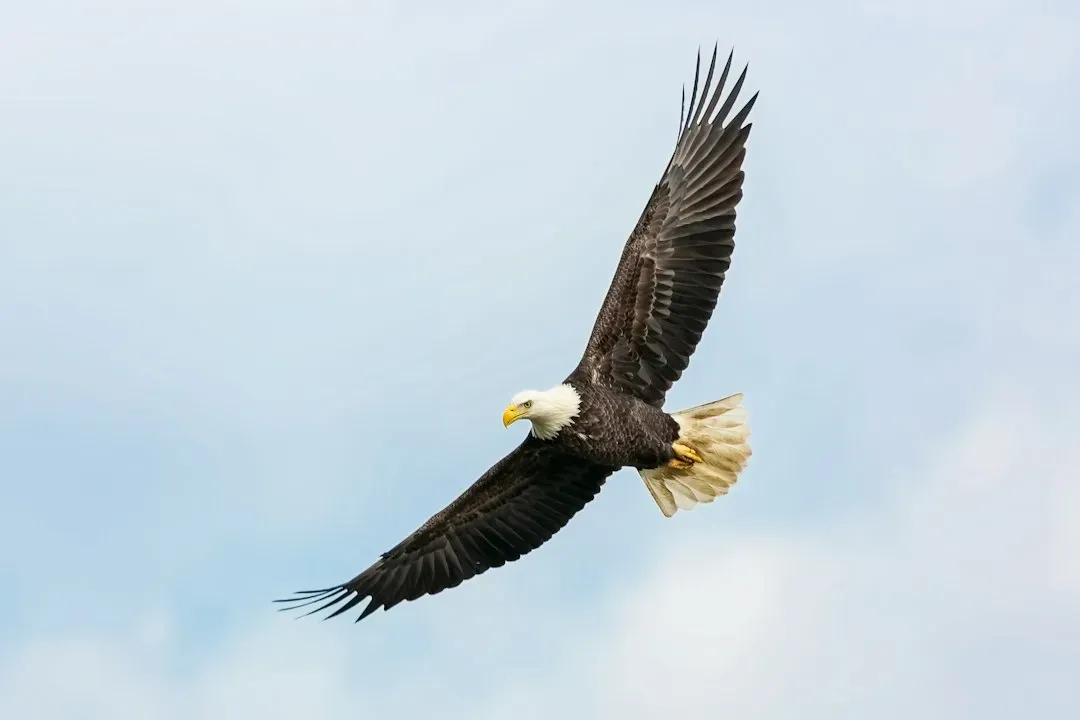
Cameras aren’t the only technology exposing hidden eagle behavior. Tiny GPS-GSM transmitters strapped to migrating golden eagles have overturned a long-standing assumption about how these birds fly efficiently.
Scientists expected eagles to always minimize energy use by riding thermals whenever possible. Instead, researchers found that flight speed was actually slower when eagles used slope soaring, and eagles were even diverted from their migratory path – yet when gliding between thermals, eagles stayed on track and used fast gliding speeds to compensate for lack of progress during thermal soaring.
Here’s the surprising twist: when thermals weren’t available, eagles minimized migration time rather than energy, deliberately choosing the more energetically expensive slope-soaring strategy instead of waiting for thermals to develop. In plain terms, eagles will burn extra calories just to save time – a trade-off scientists hadn’t confirmed with this level of precision before high-frequency tracking existed.
Quick Compare
- Thermal soaring: Energy-efficient, keeps eagles on track, used whenever available
- Slope soaring: Slower and costlier, can divert eagles off their migratory path
- Fast gliding: Deployed between thermals to make up lost progress
- Overall pattern: Eagles will trade energy for time when thermals aren’t available
Separate fine-resolution tracking studies added another layer, identifying five functional behavioral flight states, two of which were previously undescribed variations on thermal soaring. Entire categories of flight behavior existed undetected until the data got granular enough to see them.
But the most jaw-dropping discovery wasn’t about behavior at all – it was about distance.
#11 – An Entire Migration Route Nobody Had Ever Fully Mapped Just Got Documented
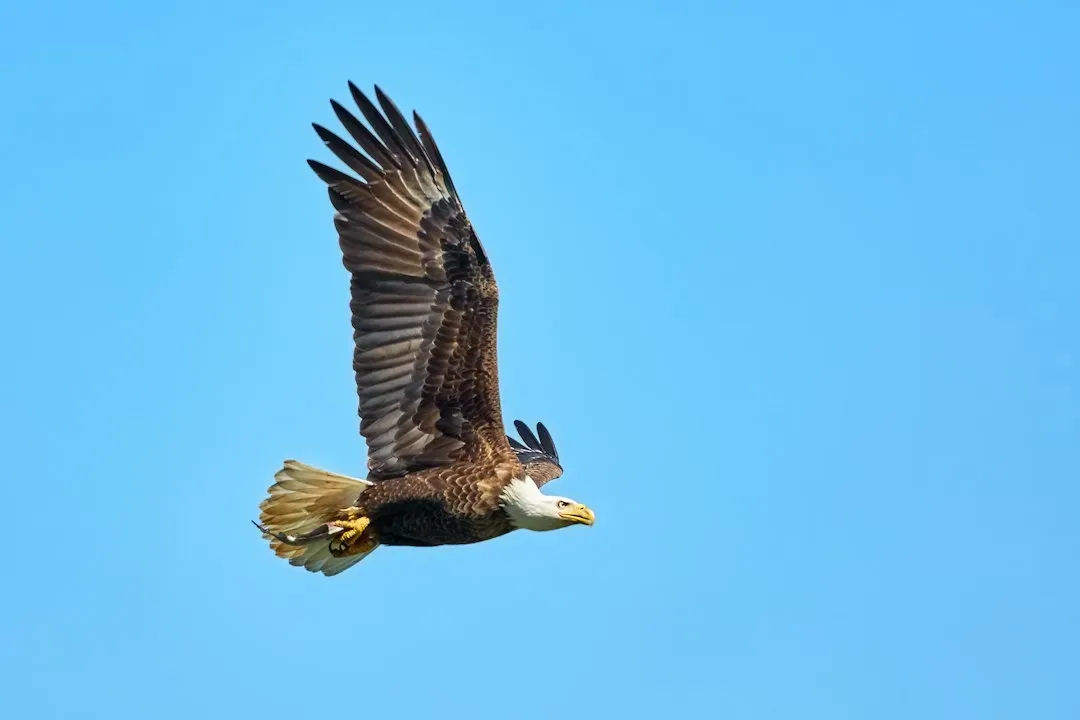
The single biggest eagle discovery of the last few years didn’t come from a nest camera at all – it came from satellite tags following a route almost nobody had studied.
Researchers fitted ultralightweight trackers onto steppe and booted eagles along a corridor few scientists had ever mapped in detail. A satellite tracking study described the journey of migratory raptors along the understudied East Asia–East Africa Flyway, tracking the steppe eagle, a highly endangered species that had been studied before but never like this.
The scale of what the tags revealed stunned even the researchers involved. The lead researcher noted that these journeys are spectacular and difficult, spanning thousands of kilometers, and that previously scientists only caught brief glimpses – a bird perched here, a bird soaring there – joining them for a brief second before losing the thread entirely.
The published route data confirmed a migratory corridor of staggering scale. The East Asia-East Africa Flyway crosses more than 60 countries, stretching from northern breeding grounds in Siberia and Eastern Russia to wintering sites in eastern and southern Africa. For an endangered species, having this level of precise route data is the difference between guessing where to protect habitat and knowing exactly where the birds actually go.
At a Glance
- Corridor: the East Asia–East Africa Flyway
- Countries crossed: more than 60
- Breeding grounds: Siberia and Eastern Russia
- Wintering grounds: eastern and southern Africa
- Species tracked: the steppe eagle, a highly endangered species, alongside booted eagles
What All This Footage Really Proves
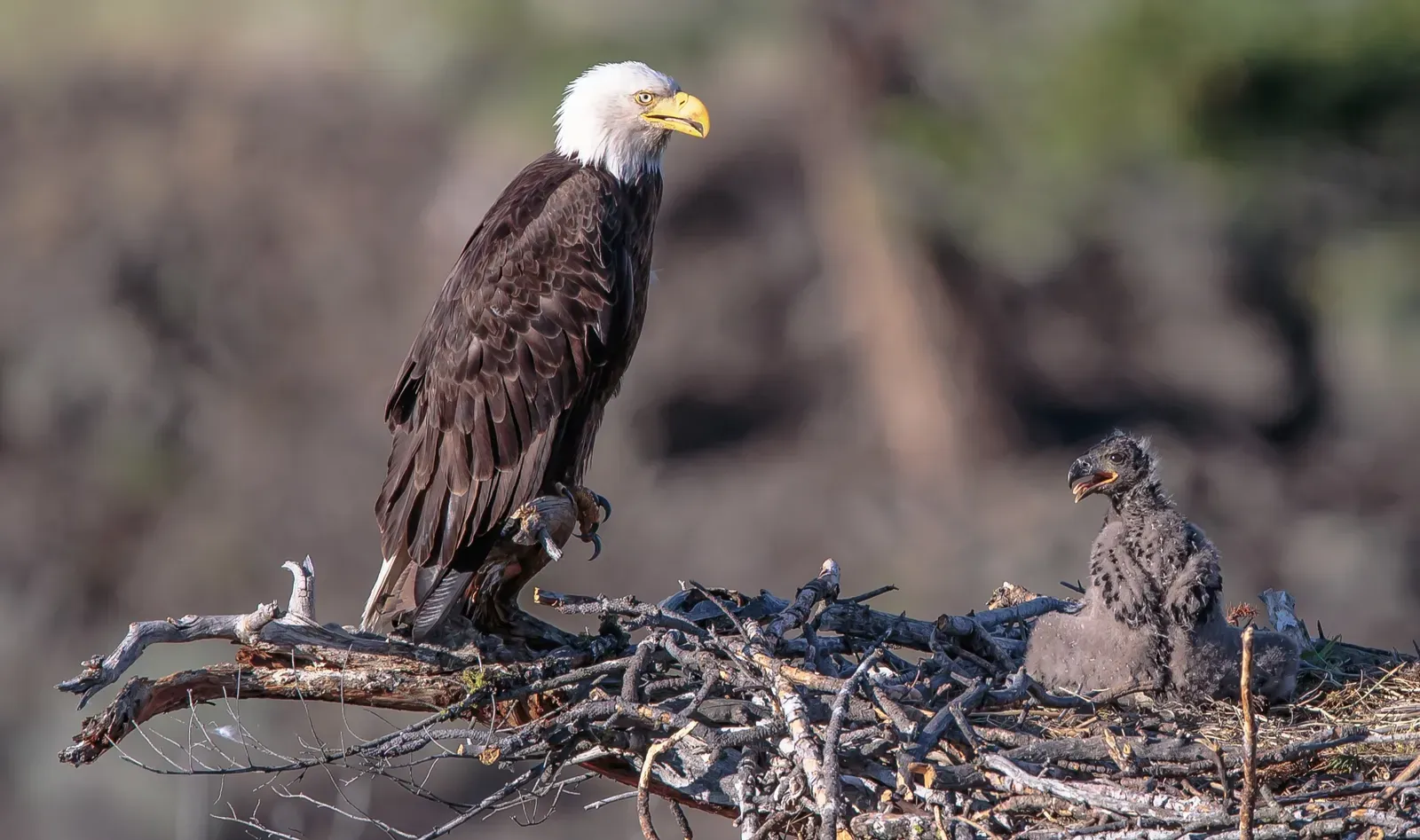
Nest cams and GPS tags didn’t just add cute footage to the internet – they rewrote the eagle rulebook. Turns out these birds foster strangers’ chicks, tolerate grown offspring sneaking back for visits, and occasionally run three-parent households, while also being capable of raiding neighboring nests and, in rare documented cases, killing their own young under stress.
Technology removed the guesswork field biologists lived with for decades. Honestly, the uncomfortable footage matters just as much as the heartwarming clips – pretending eagles are purely noble predators does the species a disservice, and it flattens an animal that’s actually far stranger, more adaptable, and more complicated than the seal on a government building ever let on.
Which of these surprised you the most? Drop your take in the comments.