
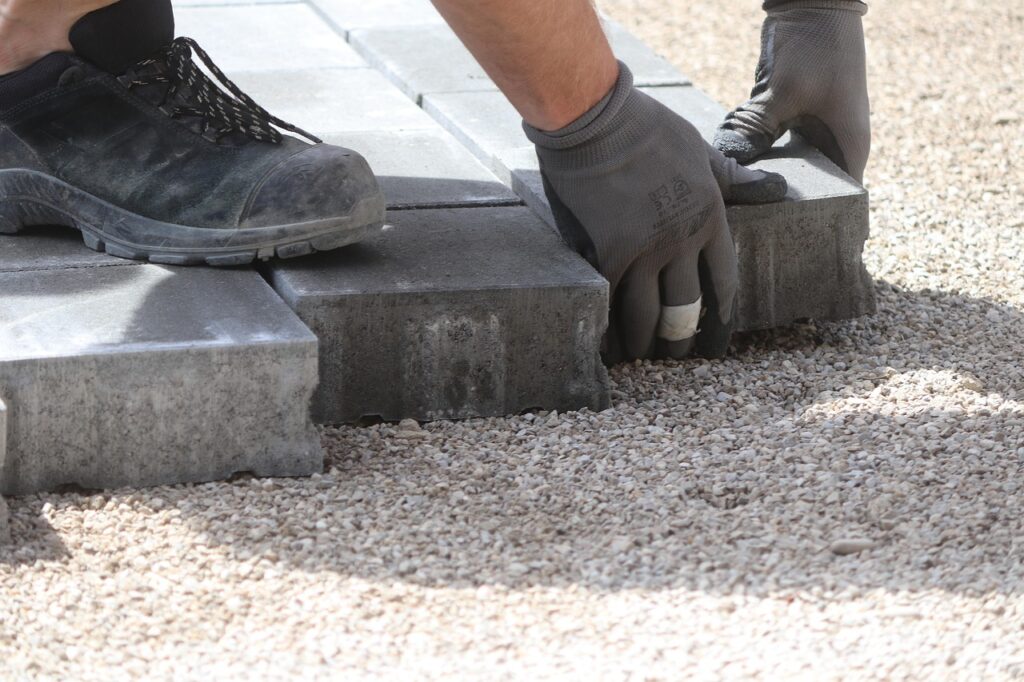
If you have ever lifted a random paving slab, you know that tiny shock of curiosity: what on earth is living, lurking, or hiding down there? It is a little like opening a mystery box from nature and human history at the same time. Under that flat, boring stone, there is a whole secret world of biology, chemistry, and sometimes pure human weirdness. What makes this space so interesting is how ordinary it looks on the surface. A neat patio, a garden path, a concrete courtyard – all of it looks controlled and predictable. Yet just a few centimeters below, things decay, grow, tunnel, hoard, and transform in ways most people never think about. Let’s pull up those slabs in our minds and look at what really waits underneath. Some of it is scientific, some of it is slightly unsettling, some of it is quietly beautiful. And a few things are just downright strange.
#1 A Hidden Micro-Jungle of Invertebrates
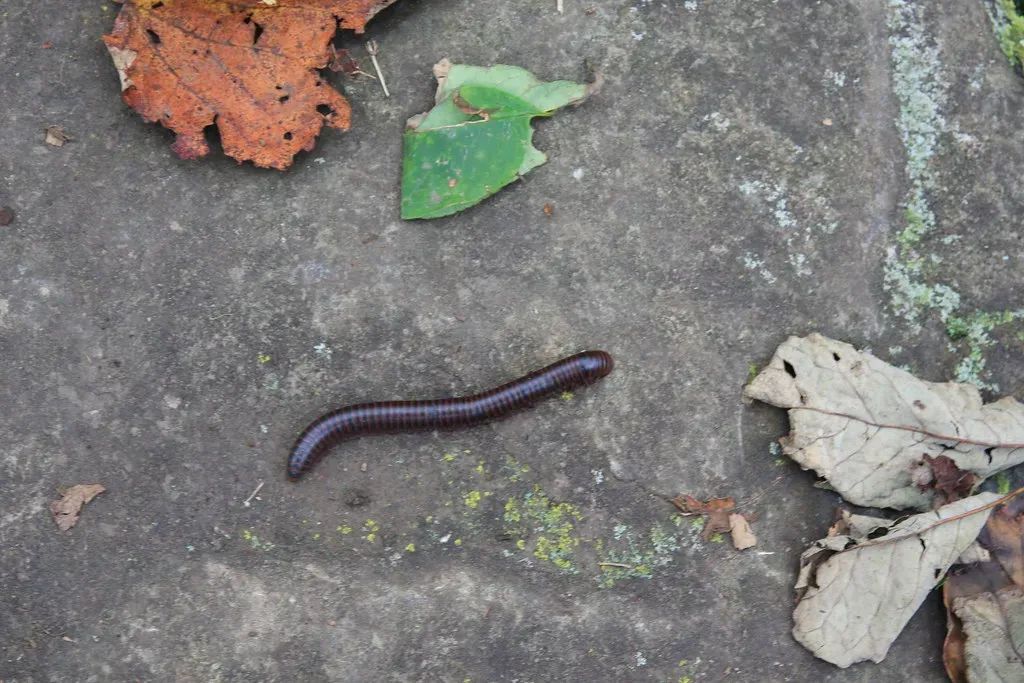
Lift almost any paving slab that has been undisturbed for a few months and you will usually find an active, squirming community of invertebrates. Woodlice, millipedes, centipedes, ants, beetles, slugs, and earthworms all love the cool, damp, protected environment the slab creates. To them, your patio is basically a roof over prime real estate.
Scientifically, that shaded gap creates a microhabitat with higher humidity and more stable temperature than the surface. Many small invertebrates have thin, permeable skins and lose water quickly in the open air, so this sheltered zone helps them avoid drying out. What looks like dead space to us is a lifeline to them.
Under one slab in my own garden, I once found what looked like an entire mini-city of ants, woodlice, and tiny springtails all packed together. It felt a bit like turning over a page and catching a story mid-sentence. Under a paving slab, you are not uncovering emptiness; you are interrupting a very busy neighborhood.
- Cool, shaded conditions reduce water loss for small animals.
- Leaf fragments and organic dust provide steady food sources.
- The slab protects against predators like birds and larger insects.
#2 Fungal Networks That Look Like Ghostly Threads
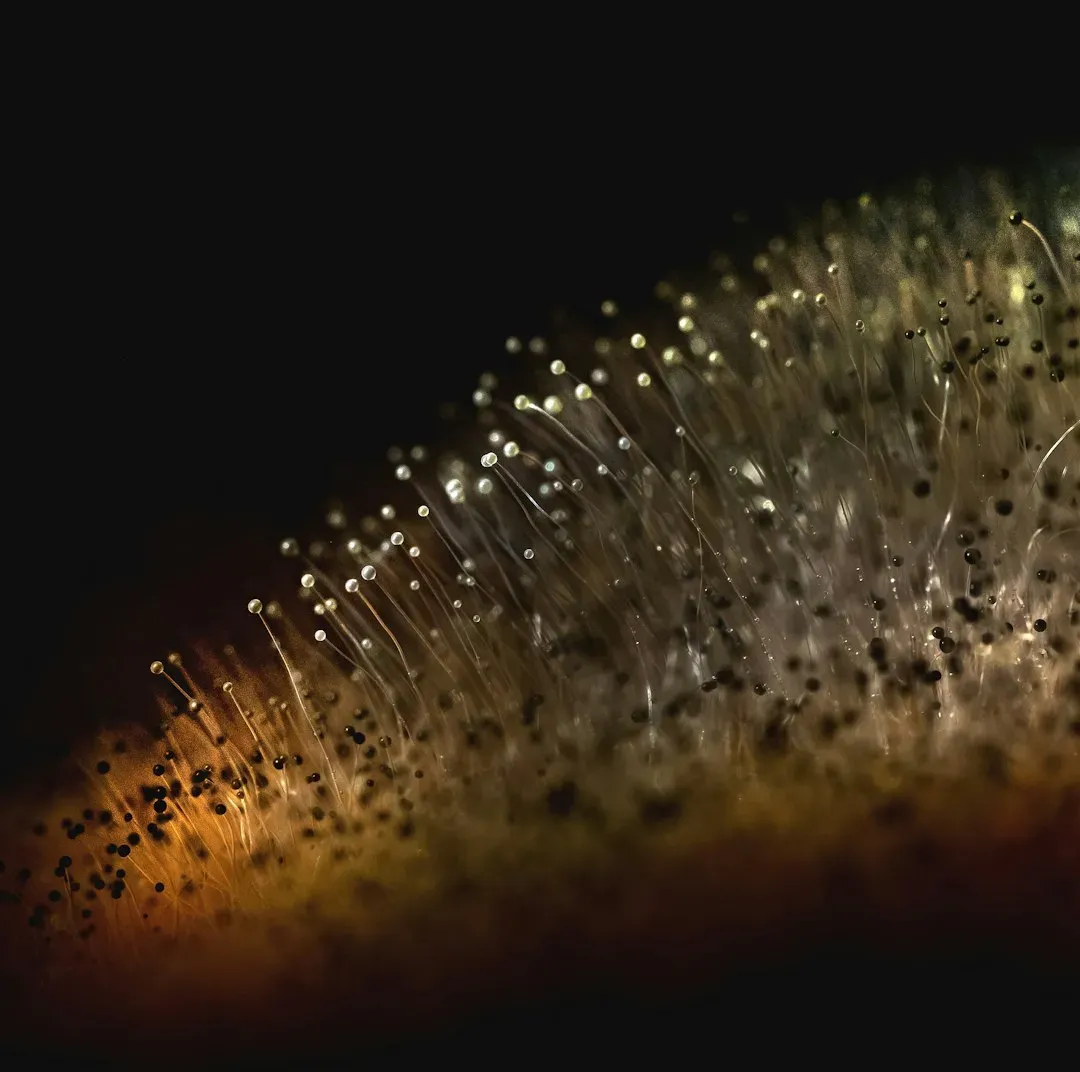
One of the most surprising sights under a slab is the fine white webbing of fungal mycelium. At first glance, it can look like smoke frozen into threads or a fragile spiderweb spread through the soil. These are not roots, but the main body of fungi quietly digesting organic matter in the dark.
Fungi thrive where it is moist, dark, and relatively undisturbed, which is exactly what a paving slab creates. Tiny spores land in the soil or on plant debris and begin to grow filament-like structures that weave through particles of dirt. Over time, that network can become dense enough to be clearly visible when you lift the stone.
In ecological terms, these fungi are the recyclers of the under-slab world. They break down fallen leaves, dead roots, and even the exoskeletons of insects into simpler nutrients that plants and microbes can use. It is oddly humbling to realize that under a piece of lifeless concrete, something is knitting the ecosystem back together, thread by thread.
#3 Ant Cities and Surprise Nest Chambers
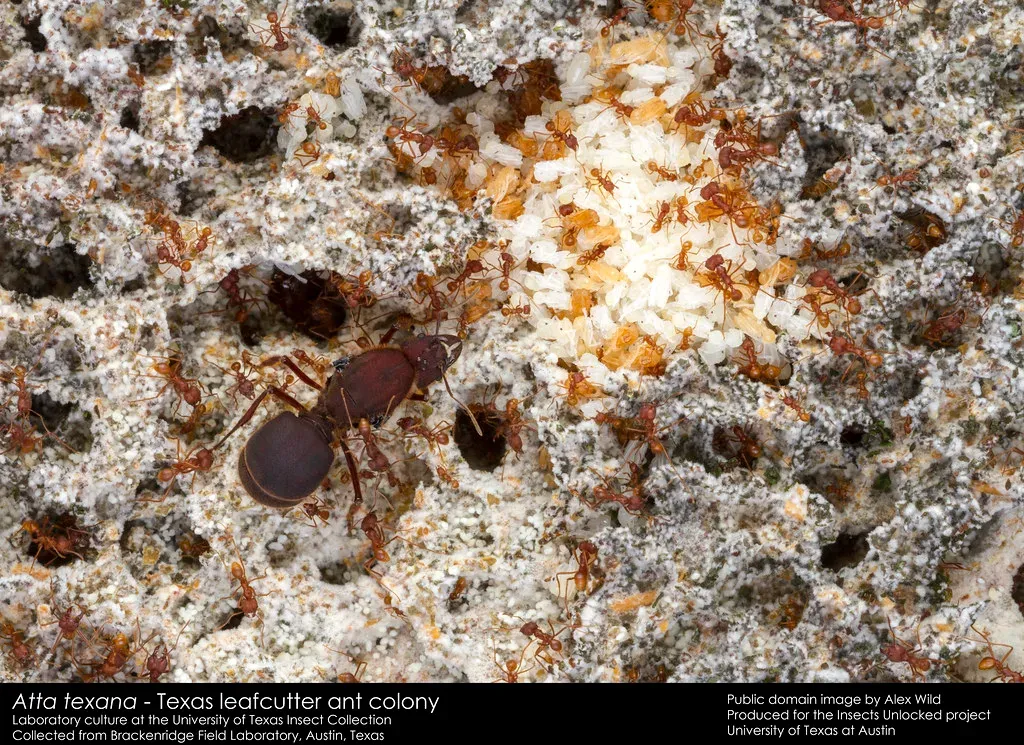
People often expect ants under stones, but few realize how elaborate their architecture can be. A paving slab can act as the ceiling of a well-organized colony, complete with nursery chambers for larvae, storage rooms for food, and guarded tunnels leading deeper into the soil. When you pry up the slab, you sometimes expose a clean cross-section of ant society.
Many ant species prefer the warmth and protection that a sun-heated slab offers. The stone absorbs energy during the day, creating a slightly warmer microclimate underneath, which can speed up the development of their brood. That is why you will often see clusters of white pupae and larvae hurriedly carried away when the slab is suddenly removed.
If you watch for just a minute instead of instantly dropping the slab back down, you can see very clear division of labor. Some ants focus on evacuating the young, others defend the nest, and some scout for new shelter. It is a hectic scene, but there is a strange sense of order in the chaos, like a well-rehearsed disaster drill.
- Slabs offer thermal benefits that help speed ant development.
- Ant tunnels often extend far beyond the area right under the slab.
- Disturbance triggers coordinated emergency behavior in the colony.
#4 Earthworms Creating an Underground Conveyor Belt
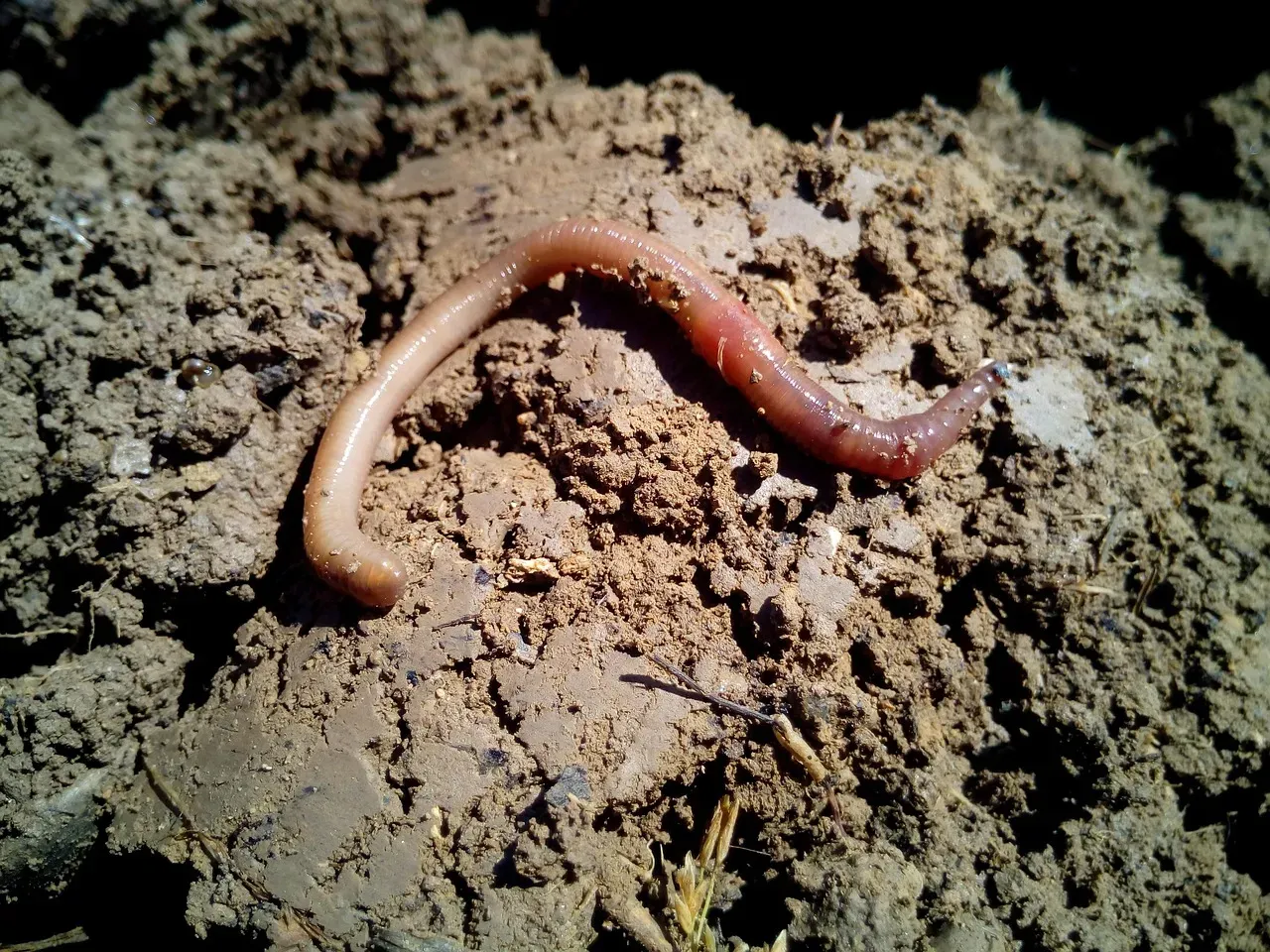
Under many slabs, especially in gardens or lawns, earthworms quietly reshape the soil. They tunnel in and out from the edges, dragging organic bits downward and mixing them into deeper layers. Even where the soil looks compacted, you may find worm castings and small burrows right at the slab’s edge, like tiny entry points to a hidden transit system.
Earthworms prefer slightly moist, protected conditions, and the underside of a stone helps reduce evaporation. Their activity improves soil structure by creating pores for air and water to move, which indirectly benefits any nearby plants. Over time, this biological tunneling can even cause slabs to shift or sink slightly as the earth is constantly rearranged beneath.
It is easy to overlook earthworms because they are not dramatic. There is nothing flashy about a pink, slimy tube moving through dirt. But in terms of long-term impact, they are some of the most powerful engineers under your paving, quietly running a conveyor belt that recycles plant litter into fertile soil.
#5 Chemical Reactions and Concrete Weathering You Never See
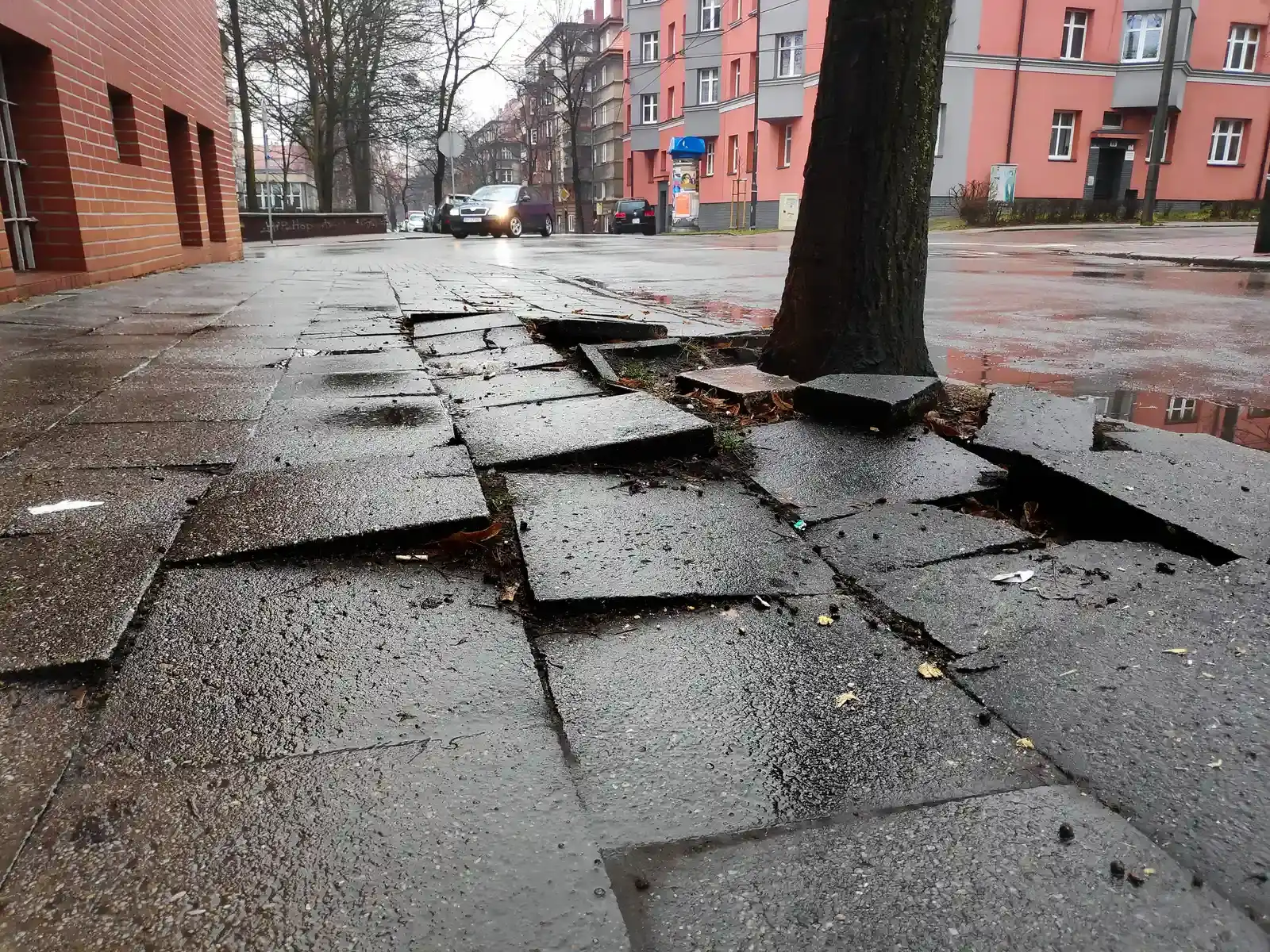
We usually think of paving slabs as inert, but chemically, they are slowly changing from the moment they are laid. Beneath the slab, moisture, dissolved salts, acidic soil, and microbial activity work together to break down the cement or stone over long periods. You might see subtle pitting, surface softening, or fine layers of material flaking away underneath.
Limestone- or cement-based slabs, in particular, react with slightly acidic water that seeps in from above or wicks up from the ground. Microorganisms like bacteria and fungi can produce acids as part of their metabolism, speeding the process. To the naked eye, it looks like harmless dust, but it is really a record of very slow, persistent chemical weathering.
Over years or decades, this can create small voids and crumbly areas where soil creeps in, blurring the boundary between the man-made slab and the natural ground. That crisp, sharp-edged stone you walked on ten years ago is gradually becoming something else: part construction material, part evolving geology experiment.
- Moisture and acidity are key drivers of under-slab weathering.
- Microorganisms contribute chemically active byproducts.
- Weathering can change both the slab and the soil beneath it.
#6 Plant Roots Plotting Their Silent Uprising
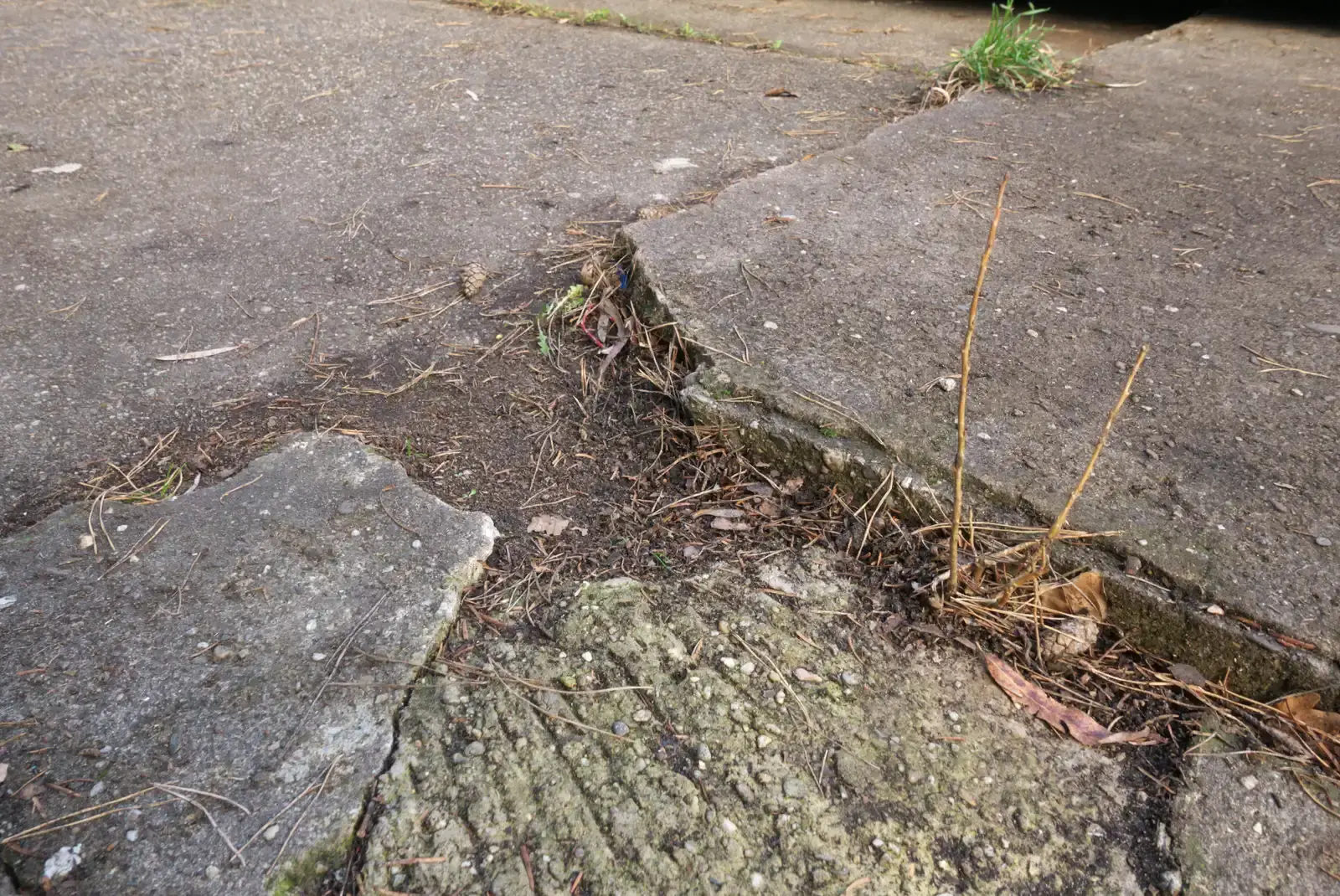
One of the classic surprises is finding thick, pale roots snaking under a slab, sometimes lifting it slightly or cracking it from below. Plants are relentless opportunists; if there is a tiny gap and a hint of moisture, roots will find their way in. Trees, shrubs, and even persistent weeds can all slip root tips into the narrowest fracture.
Unlike roots growing in open soil, those under slabs can look ghostly and distorted, stretching sideways rather than down, following the path of least resistance. In some cases, you see fine root hairs spreading out like a delicate white fringe, exploring every crevice for nutrients. It can feel odd to realize that the surface you thought was controlling nature is actually being infiltrated by it.
From a structural point of view, aggressive root growth is bad news for paving. Over years, roots can exert considerable pressure, heaving slabs upwards, creating trip hazards, and letting more water in. But from an ecological perspective, it is a testament to how determined living systems are to reclaim space, even in the most human-designed environments.
#7 Archaeological Leftovers and Lost Human Artifacts
Every so often, lifting a slab reveals not just habitats, but history. Old coins, corroded nails, toys, fragments of pottery, marbles, bottle caps, and even obsolete tools can turn up in that thin layer. These are not dramatic museum pieces, but quiet archaeological leftovers from everyday life that got buried by accident or laziness.
Construction work, renovations, and casual dumping of rubble all contribute to a mixed layer of human debris beneath patios and paths. Over time, soil, dust, and plant litter cover these objects, and then someone lays a slab on top, sealing them away. When you finally remove it years later, it can feel like opening a cheap but fascinating time capsule.
I once found a tiny metal toy car under a garden path from a previous owner, rusted almost beyond recognition. It was probably lost in a moment of play, forgotten in a week, and then hidden for decades. That quiet, accidental archaeology is something a lot of people never expect to meet under a simple paving stone.
- Buried objects often reflect small, everyday moments, not big events.
- Layers of debris can reveal how a property has changed over time.
- Even mundane finds connect you to the people who lived there before.
#8 Rodent and Reptile Hideouts in Narrow Gaps
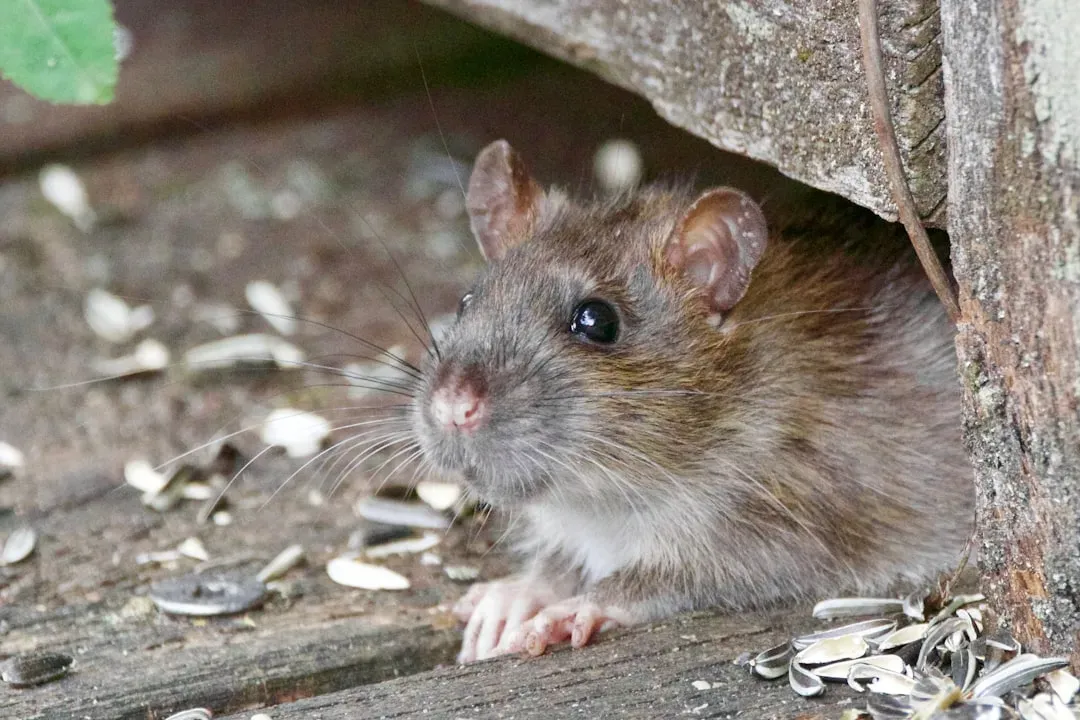
In some regions, especially where slabs are laid over loose hardcore or soil, the gaps underneath can become temporary hideouts for small mammals or reptiles. Mice, voles, shrews, lizards, and even slow worms may squeeze into the cool, hidden space. They usually use the edges and the voids between stones rather than the entire underside, but it is enough for them to feel safely out of sight.
What draws them in is the combination of shelter and thermal stability. The slab shields them from predators above while smoothing out temperature swings that would be harsher on the exposed surface. In dry weather, these spaces can retain just enough humidity to keep them comfortable, especially if there is vegetation or a garden nearby.
Of course, whether this is a delightful discovery or a nightmare depends on your feelings about wildlife near your home. Personally, I find it oddly reassuring that even our most rigid, flat constructions end up becoming part of an informal wildlife corridor. The slab is not just a boundary; it is a piece of shared real estate.
#9 Buried Cables, Pipes, and Forgotten Infrastructure
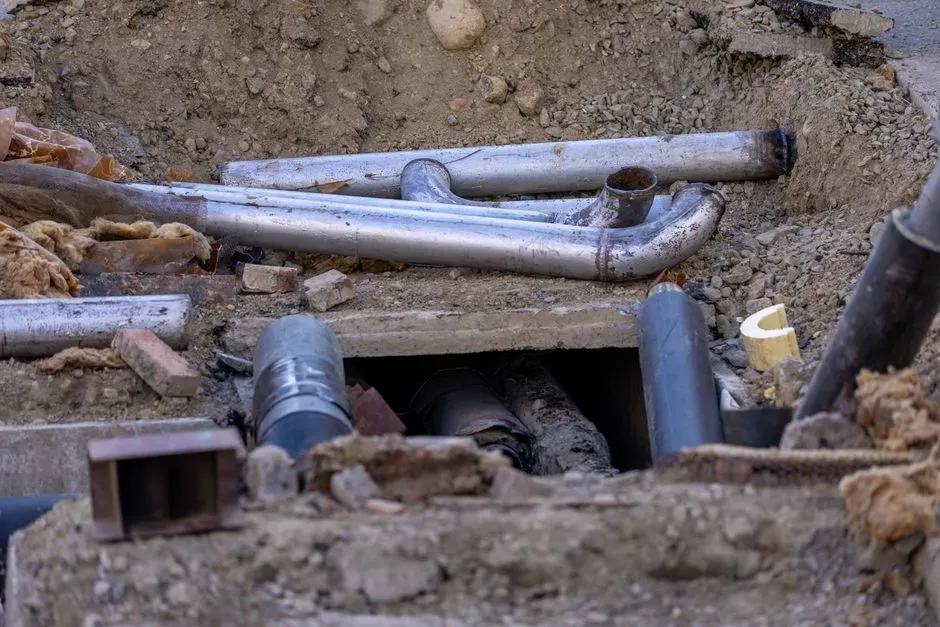
Not all surprises under paving are biological or historical. Sometimes, what you uncover is infrastructure that was never properly documented, or that you simply forgot existed. Old electrical cables, irrigation lines, water pipes, drainage channels, or communication cables can all be lurking just below the slab, out of sight and out of mind.
This is one of those places where curiosity needs to be tempered with caution. Accidentally damaging a live cable or a pressurized pipe while exploring under paving is not just inconvenient; it can be dangerous and expensive. Over the years, as properties are modified, people often run quick improvised lines and then cover them, assuming they will remember later. They rarely do.
The irony is that what feels like solid, simple paving can actually be sitting on a complex patchwork of human systems. The stone you walk across in flip-flops might be the only barrier between you and a web of utilities that keep your house functioning. It is a quiet reminder that our built environment is more layered than it looks.
- Old or undocumented infrastructure often runs just below paving.
- Damaging buried services can pose safety and financial risks.
- Photographing or mapping your own work helps avoid future surprises.
#10 Pockets of Anaerobic, Smelly, Stagnant Soil
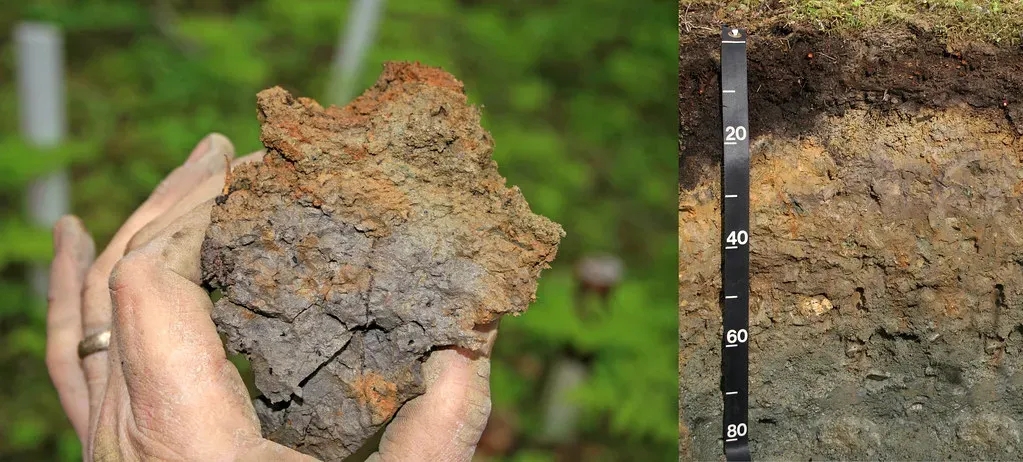
One of the less pleasant but scientifically interesting surprises is foul-smelling, black, slimy soil under a poorly drained slab. When water seeps in but cannot escape easily, and oxygen is limited, parts of the soil become anaerobic. Microbes that thrive without oxygen begin to dominate, producing compounds that can smell like rotten eggs or stagnant swamp.
In these patches, normal decomposition slows and changes character. Instead of crisp, crumbly earth, you get sticky, compacted mud where roots struggle and many invertebrates avoid staying long. Chemically, dissolved metals and sulfur compounds can accumulate, making the area harsh for some forms of life and oddly attractive for others that specialize in such conditions.
This is one of those things almost nobody imagines when they look at a clean patio: under certain slabs, you are just a few centimeters away from a miniature, low-oxygen bog. It is not glamorous, it is not pretty, but it is a powerful reminder of how much water and air movement matter in any hidden space.
#11 Mold, Algae, and Biofilms on the Underside
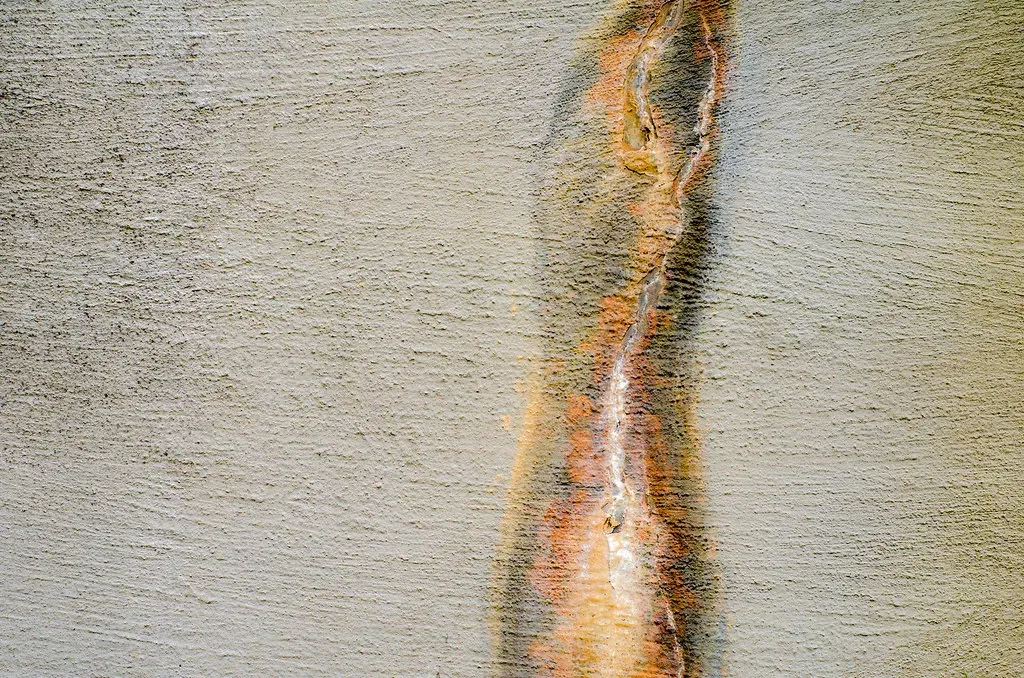
Look closely at the underside of an older paving slab and you may notice colored patches, slimy films, or speckled growths. These can be molds, algae, cyanobacteria, and mixed microbial communities forming biofilms. They use the constantly moist surface as both a home and a substrate to slowly colonize.
Some of these organisms photosynthesize using faint, reflected light that sneaks in from the slab’s edges; others feed on microscopic organic particles carried by water. Over time, they can stain the underside green, black, or rusty orange, changing the appearance and sometimes the texture of the stone. It is like a subtle, hidden art project painted by microbes.
From a human health perspective, mold growth under an outdoor slab is normally not a big concern, unless there is a direct path for spores into indoor air. But it does show how even a seemingly sterile piece of concrete becomes part of a living surface. The slab is not just resting on the ground; it is participating in a quiet exchange of moisture, nutrients, and microorganisms.
#12 Slug and Snail Daytime Shelters
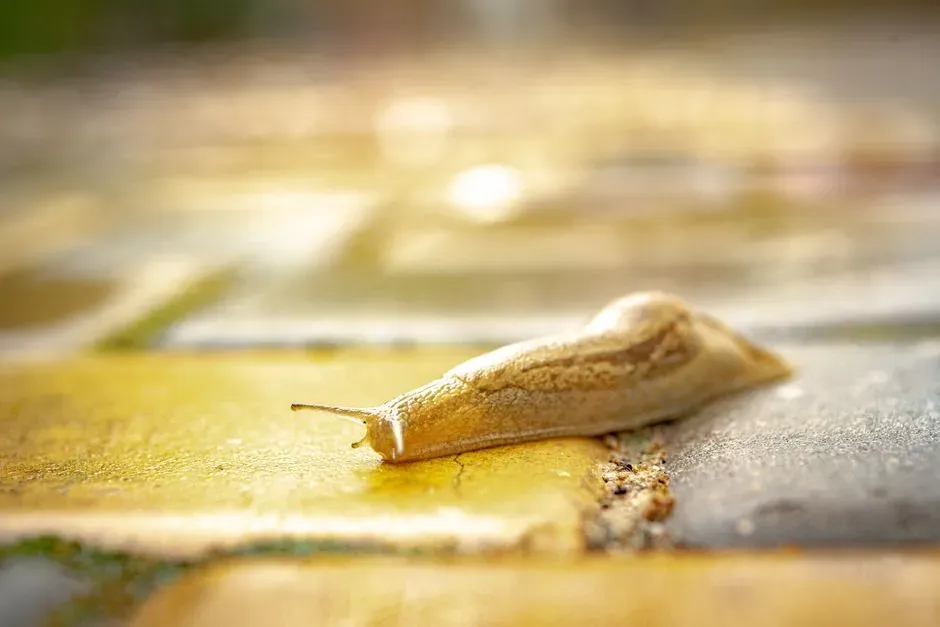
Gardeners know this one all too well, but many casual observers are still surprised: slugs and snails treat the underside of paving slabs like cozy daytime bunkers. After a night of feeding on your plants, they retreat to these cool, moist spaces to rest and avoid drying out. Lift the slab and you might find clusters of them, sometimes clinging to the underside itself.
The physical structure of the slab helps them in several ways. It blocks sunlight, reduces airflow, and holds onto a bit of moisture, especially after rain or watering. The gap between soil and stone is also relatively safe from predators such as birds or hedgehogs, giving these soft-bodied creatures a serious survival advantage.
If you are trying to manage slug and snail damage in a garden, these hiding spots are worth checking. It is not about waging war on them, but about understanding how the landscape you created is giving them both food and shelter. Once you have seen their secret headquarters under a slab, it is hard to look at your patio the same way again.
- Slabs offer perfect humidity and shade for slugs and snails.
- They often use these spaces as daytime retreats.
- Managing garden pests means understanding their shelter choices.
#13 Partial Fossils, Shells, and Traces in the Aggregate
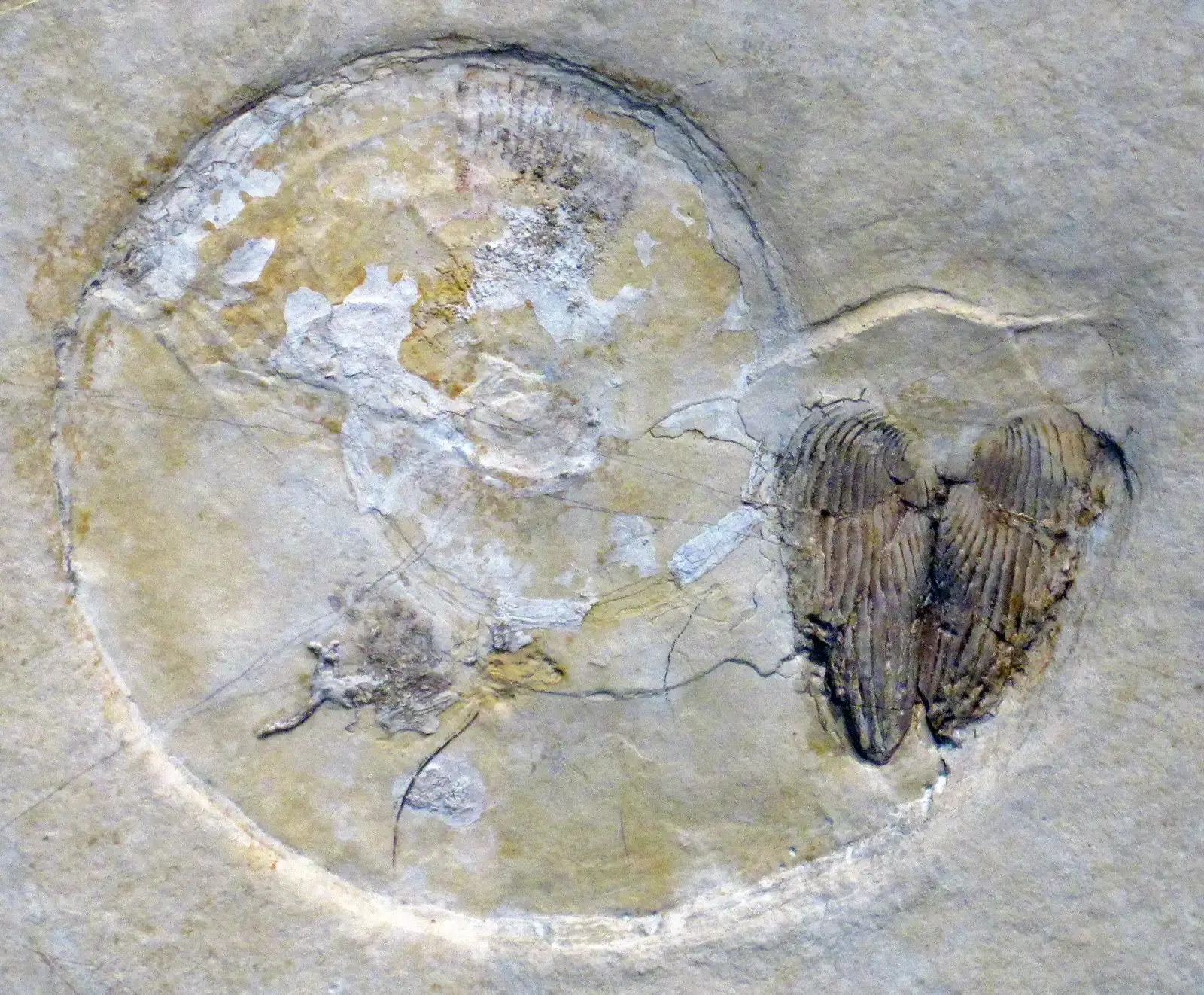
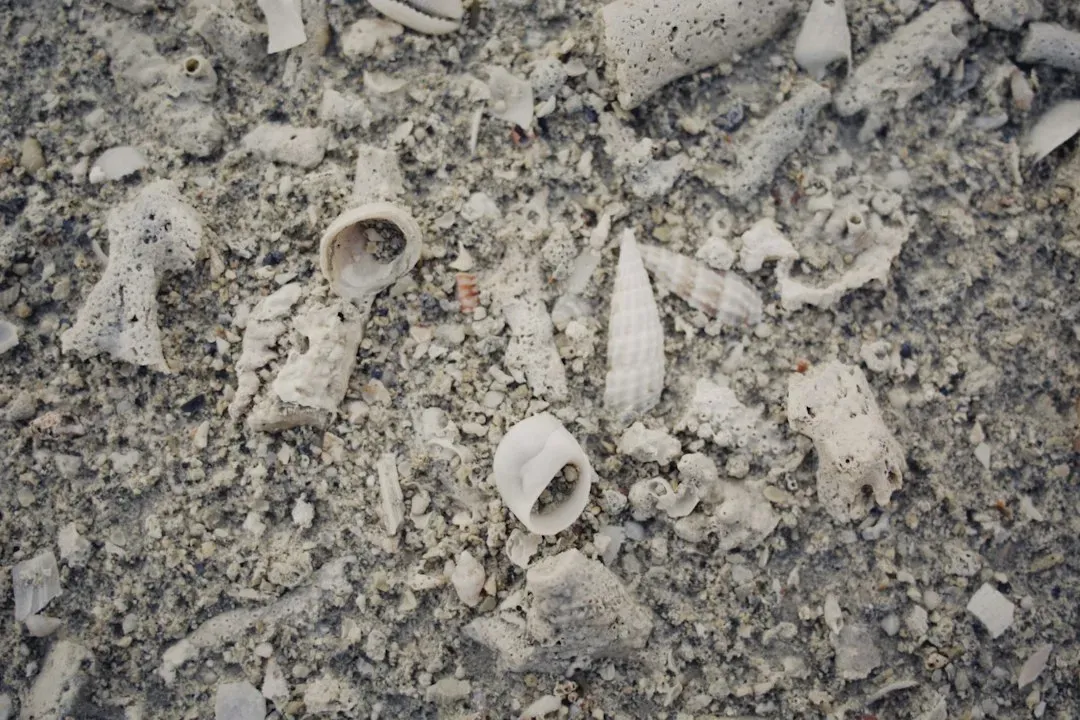
There is another layer of surprise with some paving slabs that people rarely consider: what is inside the stone itself. Many concrete slabs and natural paving stones use aggregates derived from ancient sediments, which can contain fossil fragments, seashells, or trace patterns of long-gone organisms. When you see broken edges or weathered surfaces underneath, you might notice these tiny relics.
Limestone slabs, in particular, often originate from compressed marine sediments that once formed ocean floors. In some pieces, you can actually see cross-sections of shells or the vague outlines of ancient sea creatures, locked in stone that now sits under a suburban patio. It is a jarring contrast: your barbecue on top, geological deep time underneath.
Even when no clear fossil shapes are visible, the rock or aggregate often tells a story of past environments. Rounded pebbles indicate old rivers, fine-grained layers hint at calm lakes or seas, and mixed fragments suggest turbulent conditions. Under a single slab, you are standing not only over modern soil life, but over echoes of entire vanished ecosystems built into the stone itself.
#14 Microplastics, Modern Pollutants, and the Footprint We Leave
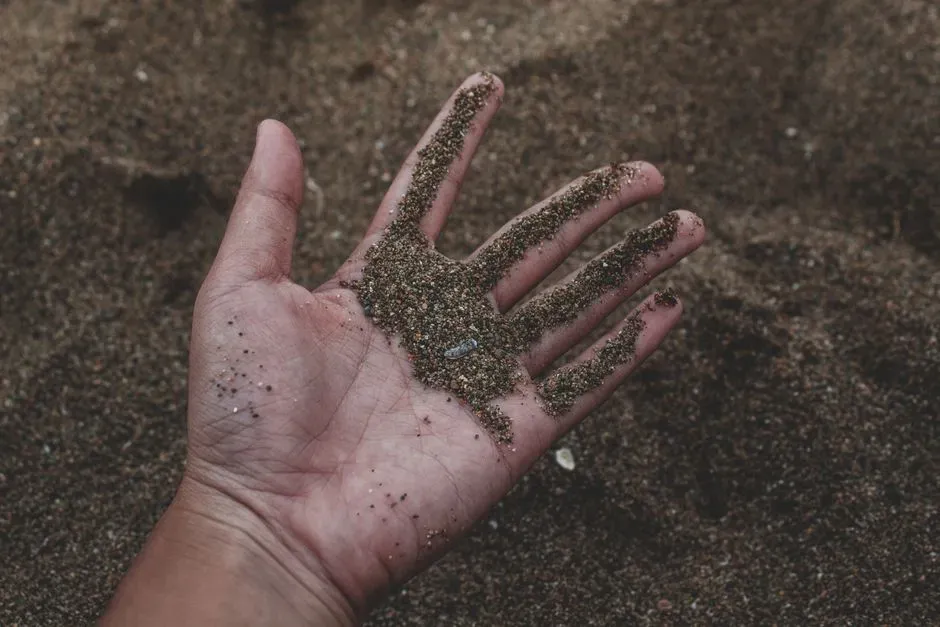
Perhaps the most sobering discovery under a paving slab is not dramatic at all: it is tiny plastic fragments, synthetic fibers, and residues of modern pollutants embedded in the soil. Wind-blown litter, degraded packaging, paint flakes, and dust from tires and synthetic textiles can all accumulate in the sheltered gap. Once there, they are protected from direct sunlight and remain for a very long time.
Studies over the last decade have shown that microplastics and related particles are now found in almost every type of terrestrial environment, from farmland to city gardens. The zone under paving is no exception. Those fragments can be ingested by soil organisms, incorporated into worm castings, and redistributed deeper into the ground, becoming part of the new geological record we are accidentally writing.
It is uncomfortable to realize that under the same slab sheltering fungi, worms, and ants, you may also have traces of car tires, synthetic carpet fibers, or old plastic film. Yet that mix is the truth of the modern landscape. Under a paving stone, the natural world and our waste are literally pressed together, grain by grain.
- Microplastics and pollutants now reach even hidden soil layers.
- Soil organisms can inadvertently move these particles deeper.
- Future geologists will likely see this layer as a human-made marker.
Conclusion: A Flat Stone, a Deep Story
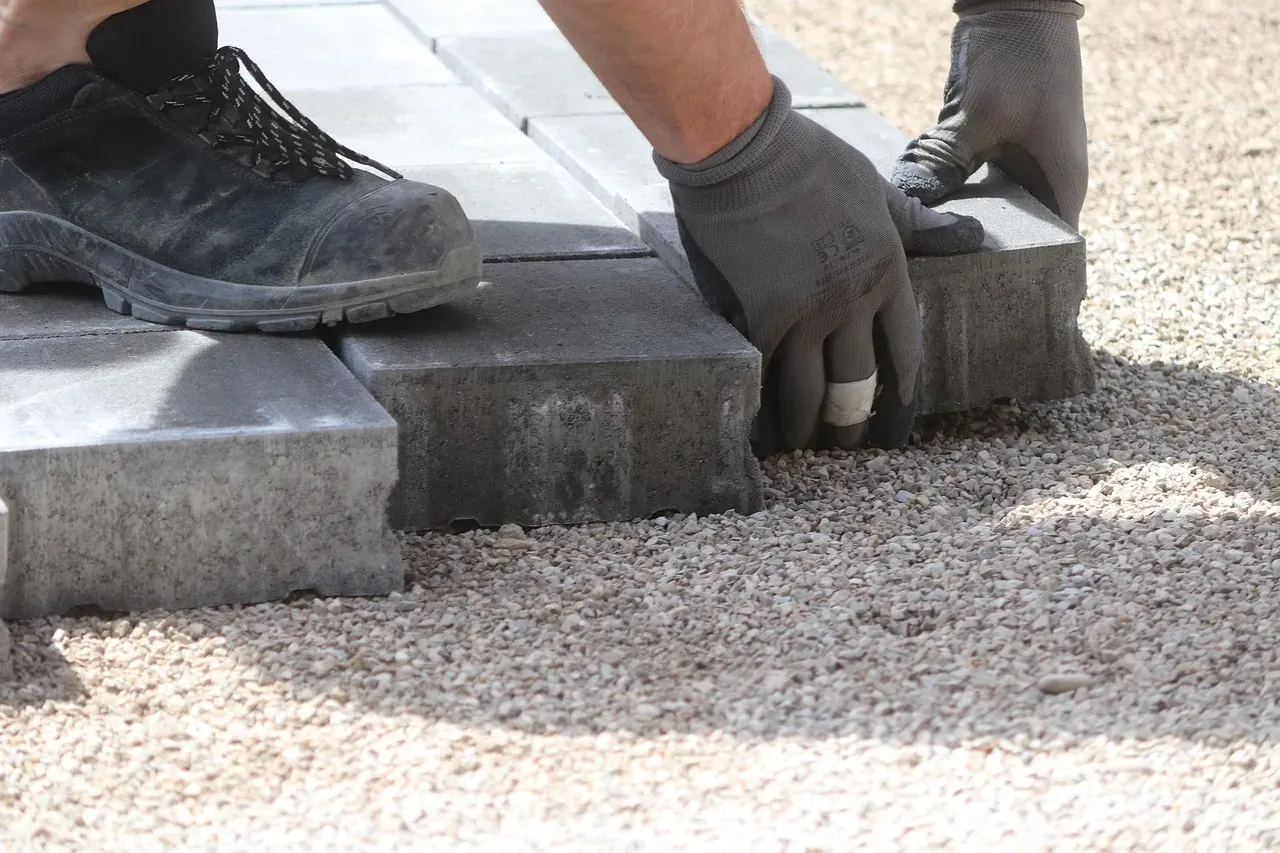
Under a single paving slab, there is far more going on than most people would ever guess. Invertebrate micro-jungles, fungal threads, ant cities, opportunistic roots, hidden cables, accidental archaeology, and microscopic pollution all share a few centimeters of cramped space. The slab is not simply covering empty ground; it is acting as a roof over an unruly, layered, partly natural, partly human-made world.
To me, this hidden complexity is both comforting and confronting. It is comforting because it proves that life and geological processes keep working even in the most ordinary corners of a yard or pavement. It is confronting because it shows, in miniature, how tightly our traces are woven into everything else, from plastic dust to lost toys and forgotten pipes. We do not just walk on the landscape; we saturate it.
Next time you step onto a neat row of paving stones, it might be worth pausing for a second and imagining everything happening beneath your feet: the quiet scraping of worms, the ant evacuations, the slow crumbling of concrete, the wriggling slugs, the ghostly fungal threads, the bits of plastic stubbornly refusing to go away. It is a reminder that even the flattest, dullest surfaces sit on top of stories. Under your paving slab, which of these 14 things do you think is waiting right now?