
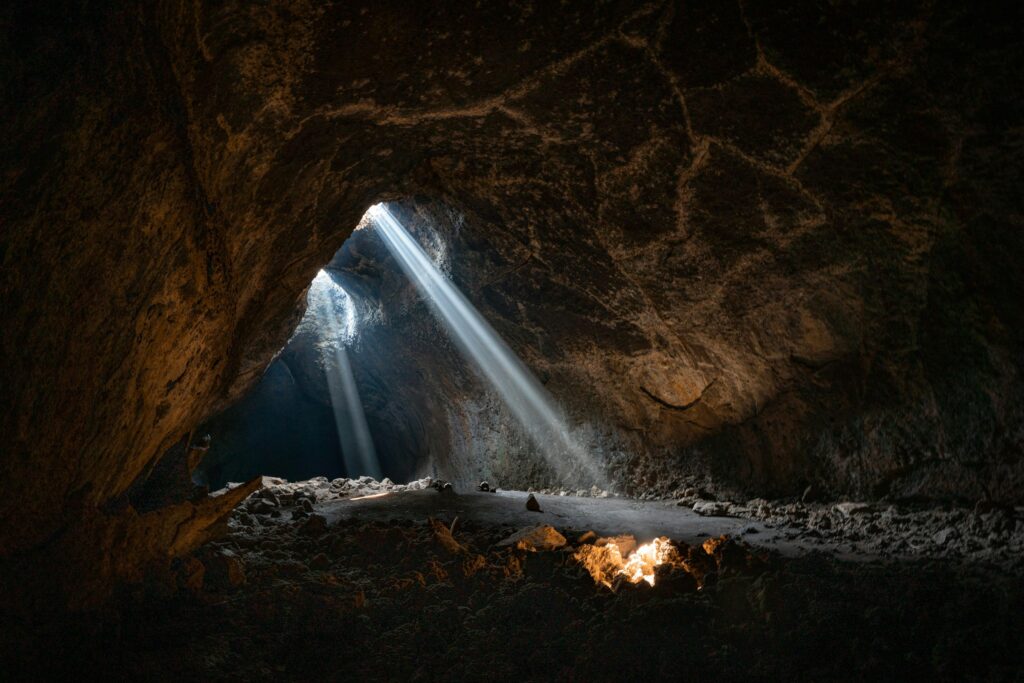
Most people think a cave floor is just dirt. It’s actually one of the most complete archives on the planet, and almost nobody ever reaches its bottom layer. Researchers who’ve spent decades excavating cave systems say a single meter of undisturbed cave sediment can hold tens of thousands of years of continuous history, layer stacked on layer like pages in a book nobody has opened.
Tourists walk across these floors every day without realizing what’s under their boots: climate records, ancient fire scars, extinct animal graveyards, even human timelines older than written language itself. Cave scientists have spent careers reading what’s buried down there, and what they’ve found rewrites assumptions about time, weather, and how much history actually survives underground.
#1 – The Floor Is a Timeline, and Almost No One Reads the Whole Book
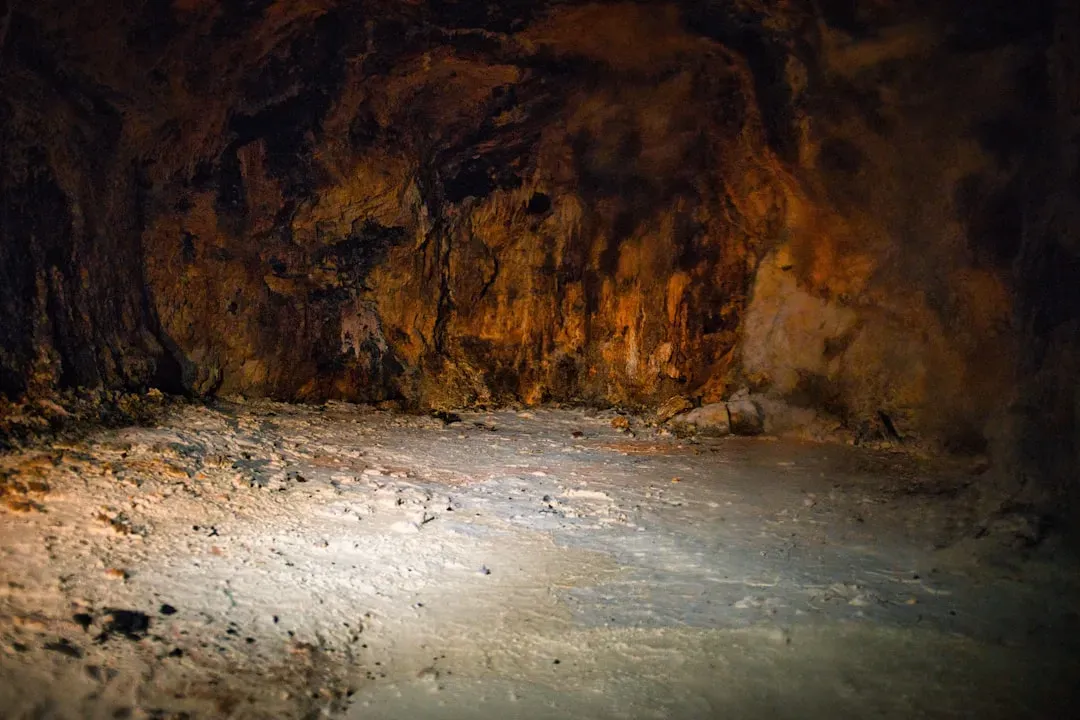
A cave floor isn’t one surface. It’s dozens, sometimes hundreds, of surfaces stacked directly on top of each other, each one representing a different moment in time.
Geoarchaeologists rely on this stacking order, called stratigraphy, as the primary method for figuring out which artifacts are older than others. Stratigraphic relationships have always been the go-to method for judging the relative age of anything found in a site, since the sediments and soils sit in a strict temporal order. That means every centimeter down usually equals real years passed, sometimes centuries.
The catch is that almost nobody digs past the first foot or two. Full excavations require money, permits, specialized dating equipment, and years of patient trowel work. Most cave floors you’ll ever walk across have never been sampled below ankle depth, which means the vast majority of their historical record has simply never been read.
Fast Facts
- One meter of undisturbed sediment can span tens of thousands of years
- Stratigraphy lets scientists judge relative age by depth alone
- Most cave floors have never been excavated below a foot or two
- Full digs require permits, funding, and years of patient work
#2 – A Rock Crust Can Seal an Entire Chapter of History Shut
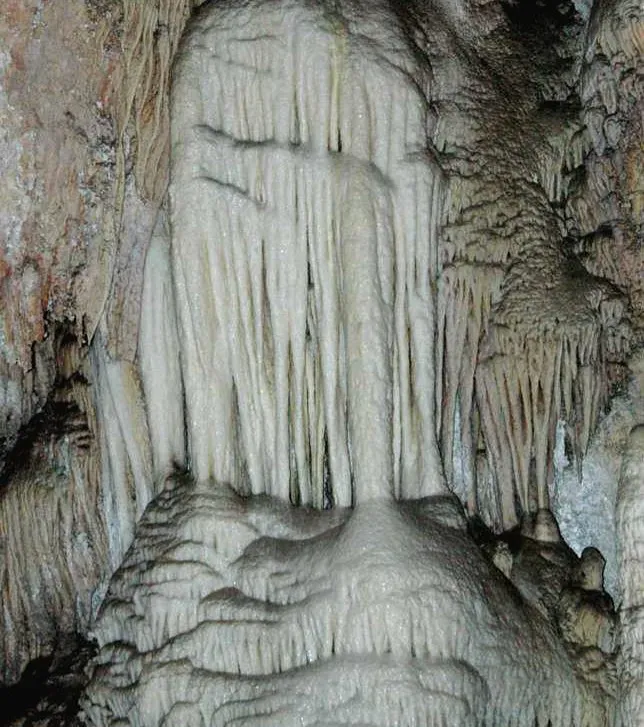
Flowstone, the glassy sheet of mineral that forms when water sheets across a cave floor, doesn’t just look pretty. It acts like a lid, sealing whatever lies beneath it from disturbance for millennia.
One of the most famous early excavations in Britain, at Pinhole Cave, was organized specifically around this feature. The excavator controlled his dig using one-foot “boxes” measured down from a prominent flowstone floor that capped the deposits, which let him separate distinct cultural and faunal layers cleanly. Without that cap, everything underneath could have mixed into an unreadable jumble.
This sealing effect is why some caves preserve untouched time capsules while others turn into scrambled mud. When flowstone forms early and stays intact, everything beneath it, bones, tools, ash, stays locked exactly where it fell. Break through that crust today, and you’re opening a door that’s been closed for possibly tens of thousands of years.
#3 – Hearths and Tools Sit Exactly Where They Were Dropped
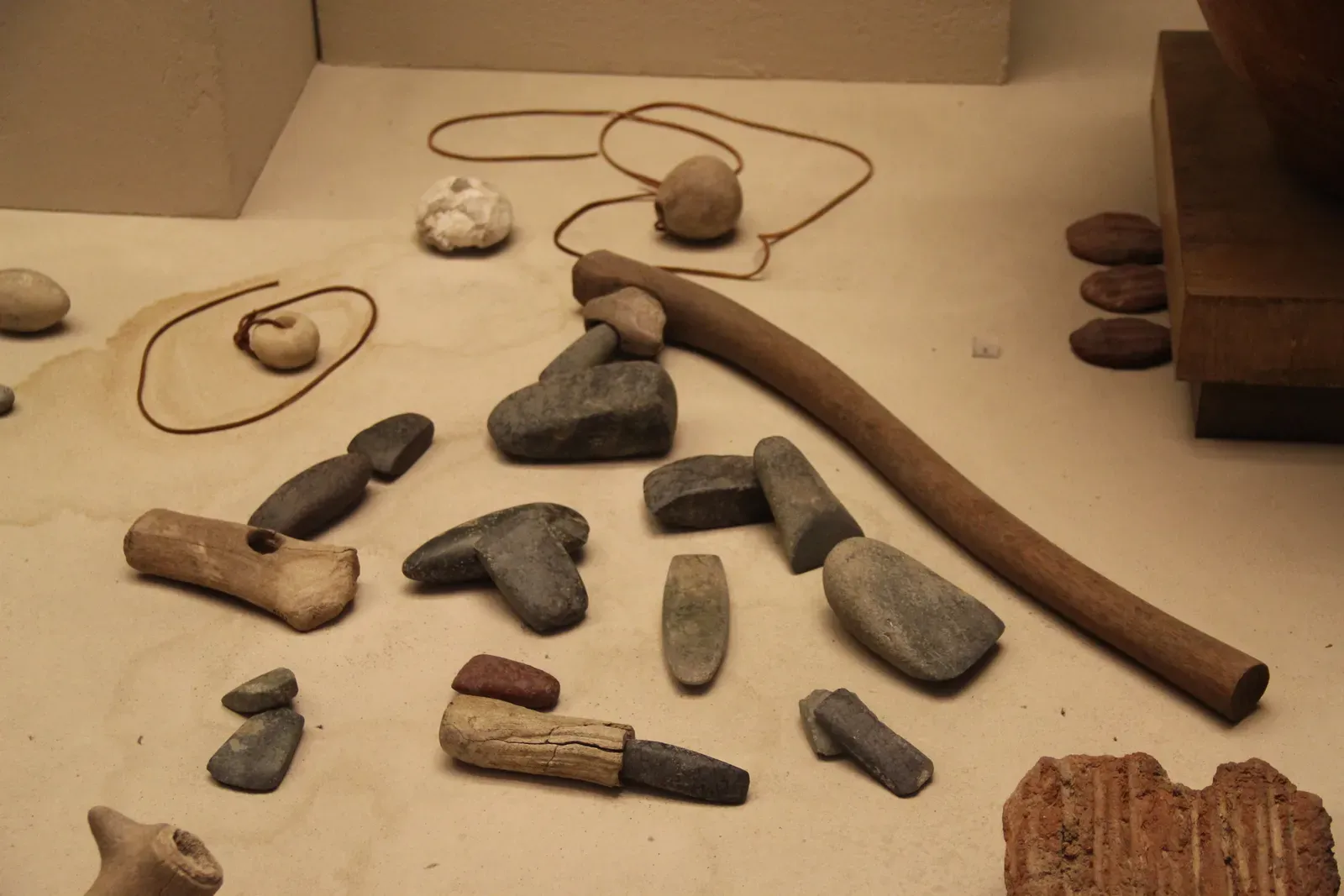
Cave floors don’t just record climate, they record people. Charcoal smudges, broken stone tools, and burned bone fragments mark exactly where ancient humans cooked, slept, and worked, often undisturbed for tens of thousands of years.
The discovery of radiocarbon dating transformed how researchers read this evidence. Early radiocarbon dates required collecting several hundred grams of charcoal and were extremely expensive, but they completely changed how scientists understood the antiquity of modern humans around the world. One famous example: charcoal linked to the “Deep Skull” of Niah was dated to roughly 42,000 years old, making it for many years the oldest known human remains on the planet.
That means a single charcoal smear on a cave floor once rewrote the entire known timeline of human existence. Most cave floors likely hold similar smudges that have simply never been tested.
#4 – Bat Droppings Can Outperform Ice Cores
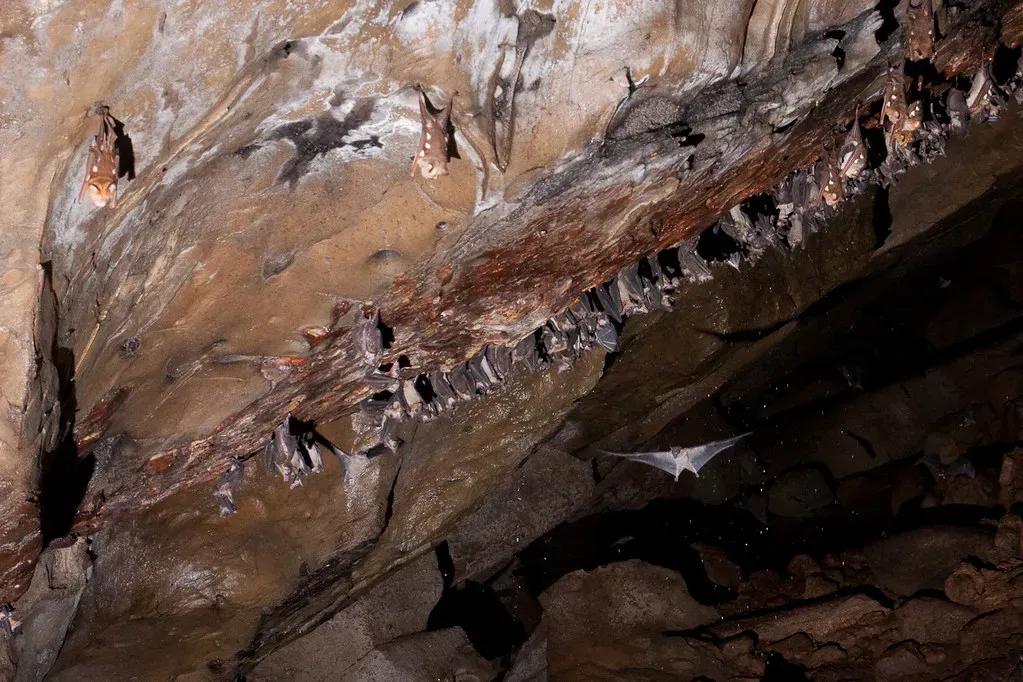
This sounds absurd until you see the data. In caves without stalagmites or ice, scientists have turned to something far less glamorous: massive, ancient piles of bat guano.
In Romania’s Metaliferi Mountains, a guano pile has been building for over a thousand years, reaching nearly ten feet tall. Researchers pulled an unprecedented climate record from a sample spanning 1,200 years, proving that digging through droppings can rebuild climate history in places where drilling for a traditional ice core simply isn’t possible. Chemically, the pile behaves almost identically to a mineral deposit, laying down bountiful layers not unlike a stalagmite slowly built from cave floor drips.
Most people would never guess that a mound of animal waste is treated by climate scientists with the same reverence as a polar ice core. Yet that’s exactly what’s happening in caves around the world right now.
Quick Compare
- Ice cores: require polar or high-altitude drilling sites
- Guano piles: form in caves worldwide, no ice needed
- Romanian sample: nearly ten feet tall, spanning 1,200 years
- Chemistry: layers build much like a mineral stalagmite
#5 – Pollen Trapped in Filth Tells You What Grew Outside, Centuries Ago
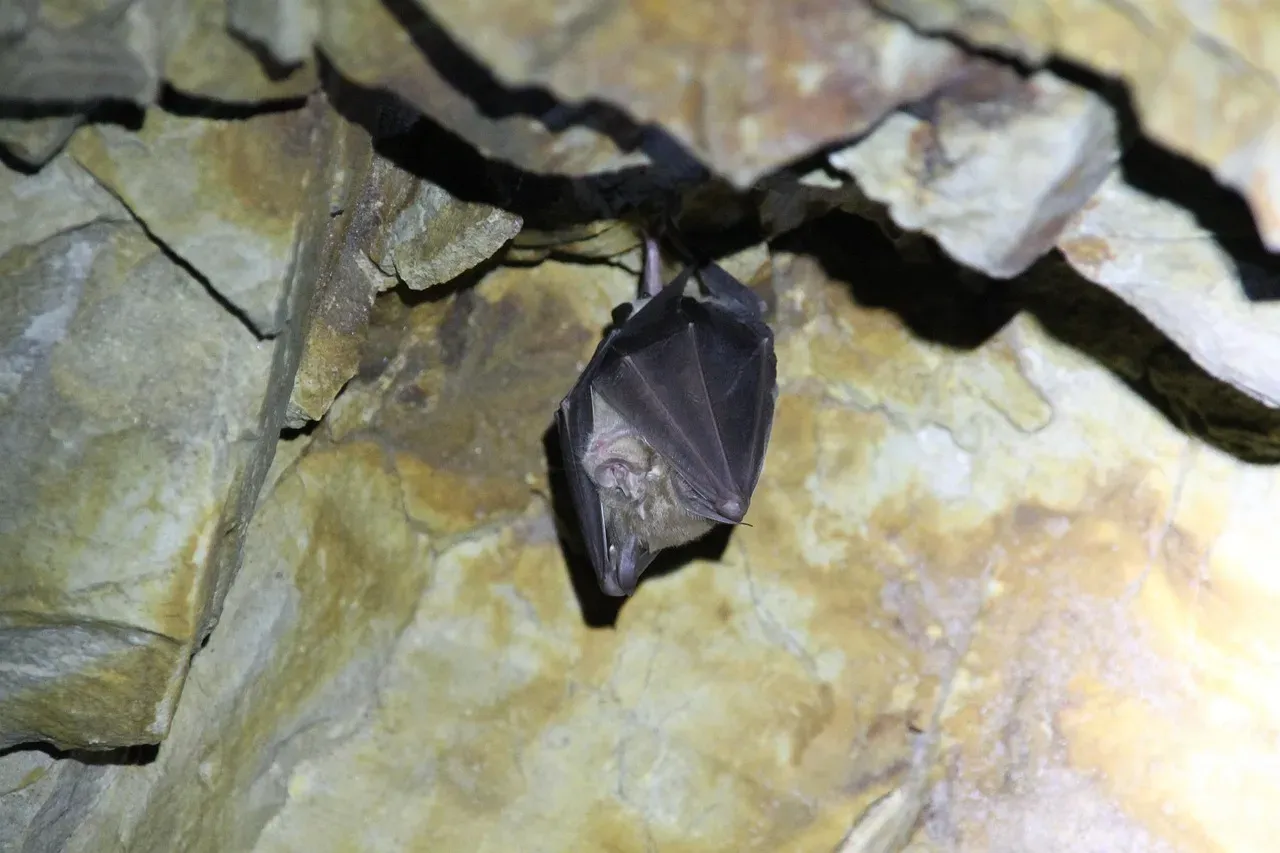
It’s not just the guano itself that’s valuable, it’s what got stuck inside it. Pollen grains from the surrounding landscape get trapped in bat fur, digested by the insects bats eat, and blown in on the wind, all ending up buried in the cave floor.
Researchers studying a Romanian guano deposit identified three separate pathways pollen takes into the record: trapped in skin and hair, digested through insect prey, and carried in on wind currents. Once buried, that pollen becomes a snapshot of the exact plants growing near the cave entrance at that moment in history, and it’s now used routinely to reconstruct changes in local vegetation over centuries.
Bats essentially function as unpaid field botanists, cataloging entire ecosystems just by grooming themselves and eating bugs. Nobody designed this system, it just happens, silently, every single night, for thousands of years running.
#6 – Microscopic Ash Particles Reveal When Humans Started Burning Land
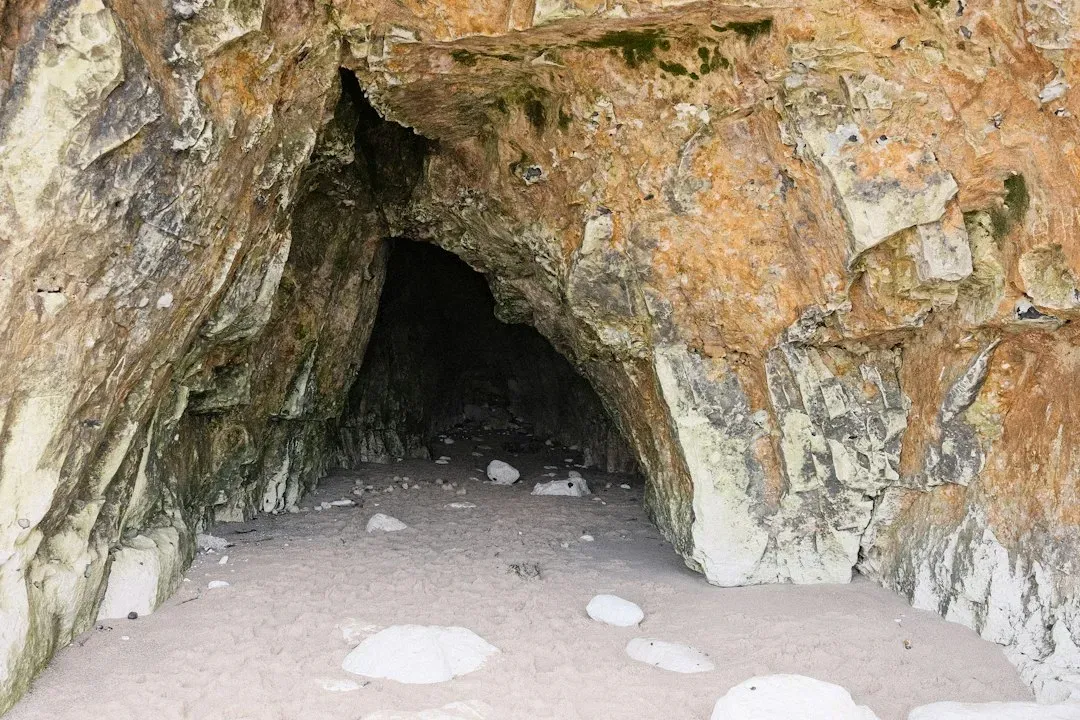
Buried inside cave floor sediment, alongside pollen, are tiny flecks of charcoal too small to see with the naked eye, known as microcharcoal. These particles spike dramatically whenever humans started clearing land with fire.
Scientists studying the same Romanian cave found a direct correlation between farming activity and these fire signals. Higher concentrations of microcharcoal in the guano sequence line up with land-clearing burns tied to early agriculture. Layered against the pollen record, this lets researchers pinpoint almost exactly when nearby communities shifted from wild landscapes to cultivated fields.
Most visitors assume ash on a cave floor came from a campfire, but the real story is often an agricultural revolution happening miles away, centuries earlier. The floor doesn’t just record what happened inside the cave. It eavesdrops on the entire valley.
#7 – Bone Piles Reconstruct Entire Vanished Ecosystems
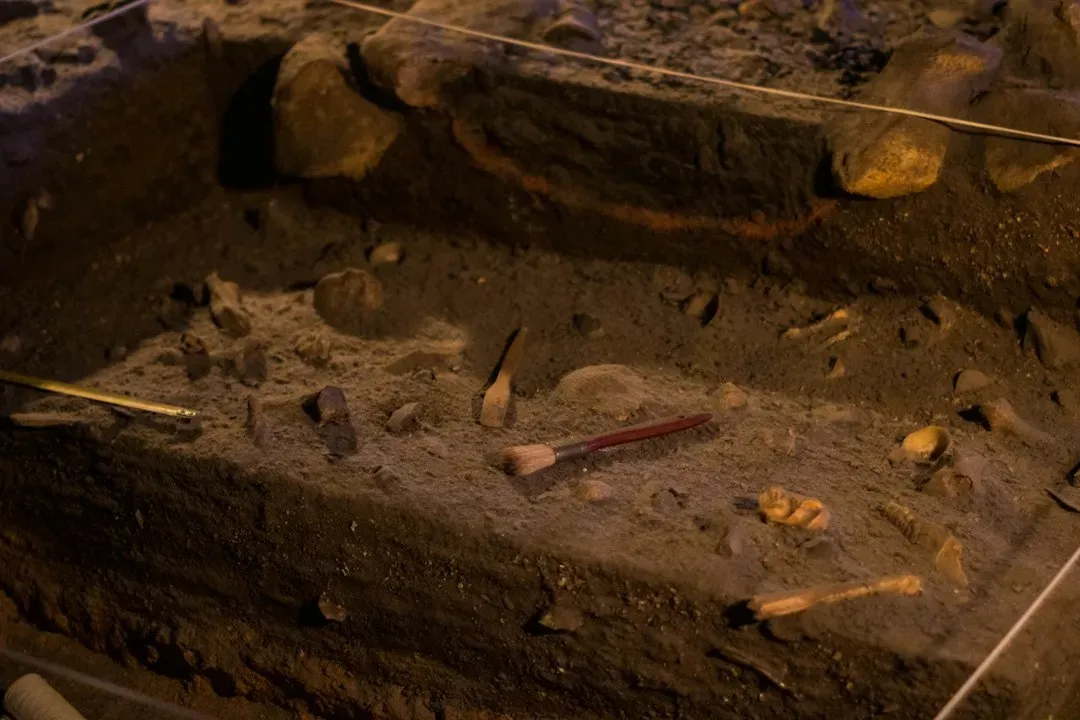
Cave floors are famous graveyards. Predators drag prey inside, owls regurgitate pellets, and animals fall in and never climb back out, creating dense layers of fossilized bone that stack for tens of thousands of years.
A stratified site in southern Poland shows just how rich these deposits can get. The Shelter in Smoleń III holds a roughly two-meter-thick sequence of Upper Pleistocene and Holocene sediment, packed with fossil mollusks, rodents, and bats, a record so complete that researchers use it to rebuild entire lost landscapes rather than just individual species.
Most people picture cave floors as dusty and empty. In reality, some are so densely packed with fossilized bone that entire extinct food chains can be rebuilt from a single excavation trench, rodents, bats, and predators, all stacked in chronological order, waiting.
At a Glance
- Roughly two meters of continuous sediment at Smoleń III
- Spans Upper Pleistocene through Holocene time periods
- Contains fossil mollusks, rodents, and bats in dense layers
- Used to rebuild whole vanished ecosystems, not just single species
#8 – Cemented Rock Sometimes Preserves History That’s Been Erased Everywhere Else
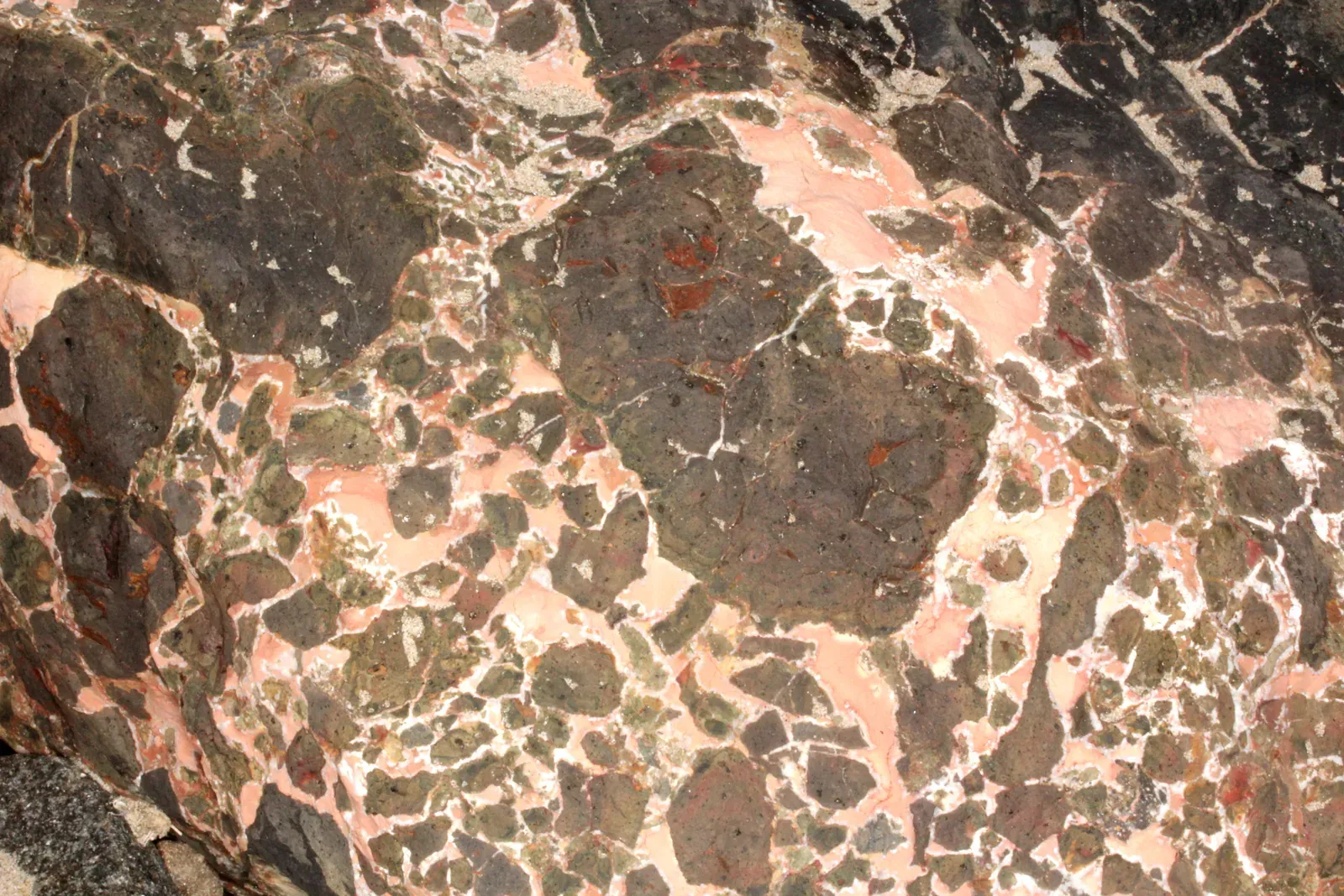
Sometimes water seeping through a cave floor doesn’t just seal history, it fuses it into solid rock, called breccia. And that hardened rock can survive events that destroy everything around it.
Breccias often form against cave walls or mineral columns where carbonate-rich water seeps into the floor deposit and cements it in place. Where that cementing happens, the resulting rock frequently survives even after the surrounding loose sediment erodes completely away. That means residual cave breccias containing tools or bone can sometimes preserve entire time periods that are missing everywhere else in the cave.
In other words, when erosion or human disturbance wipes out most of a cave’s timeline, a stubborn chunk of cemented rock stuck to the wall might be the only surviving witness to that lost era. Most excavators would walk right past it, assuming it’s just bedrock.
#9 – Hurricanes Leave Fingerprints Nobody Expects
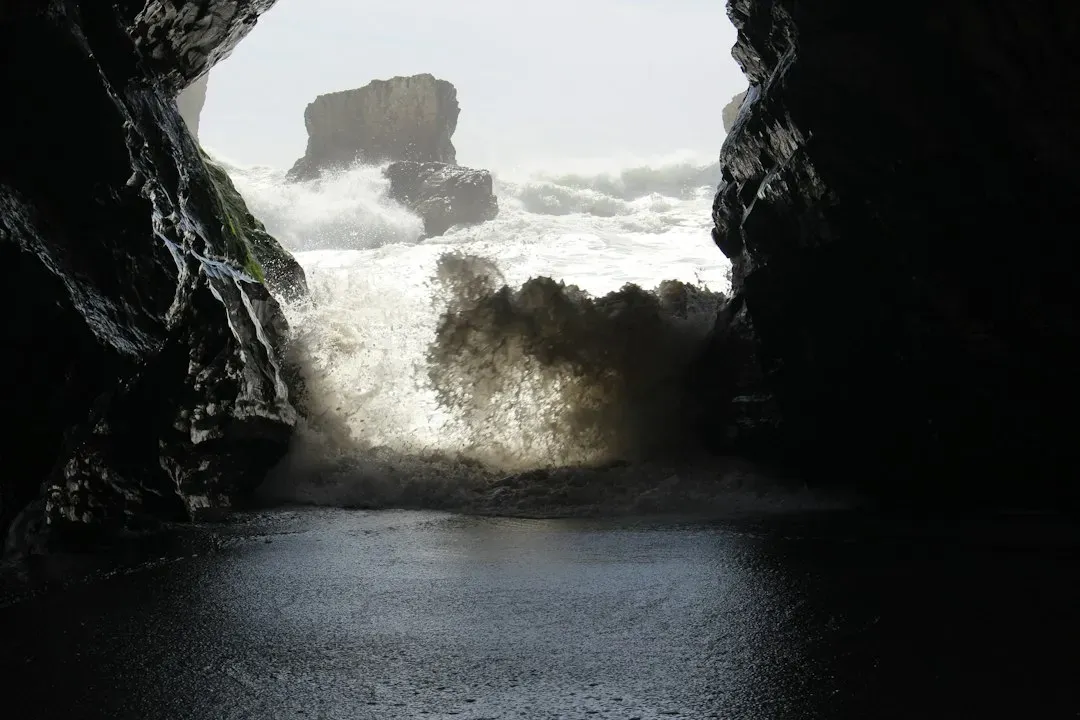
Cave floors don’t just record slow, gradual change, they capture violent single-day weather events too, sometimes from storms that happened hundreds of miles away.
In Jamaica, researchers found guano deposits containing pollen from coastal mangrove trees, despite the caves sitting deep inland. Hurricane winds had blown that mangrove pollen far from the coast into caves that had no business hosting it. A related study of the island’s guano archives confirmed the pattern, with spikes in mangrove pollen lining up directly with periods of heavy hurricane activity and canopy damage.
A cave floor hundreds of feet underground and miles from the coast can still tell you exactly which years brought catastrophic hurricanes, all from a few grains of tree pollen carried on hundred-mile-an-hour wind. That’s a level of environmental detail most weather archives simply can’t match.
#10 – Some Layers Are Missing on Purpose, and It’s Rarely Nature’s Fault
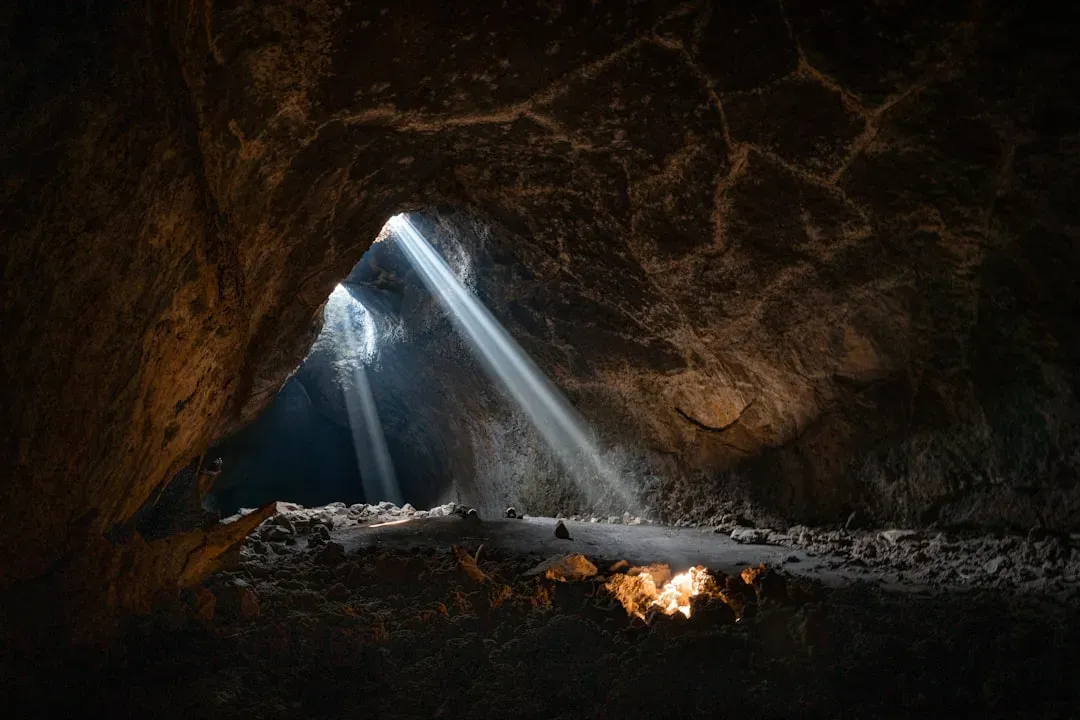
Not every gap in a cave’s timeline is caused by erosion or geology. Sometimes people dug the history out themselves, often without realizing what they were removing.
At Laili Cave in Southeast Asia, researchers were surprised to find an entire chunk of the Holocene record missing from the floor. Given the region’s three-thousand-year history of farming, along with the local practice of penning animals inside caves to enrich sediment with nitrogen for fertilizer, and the cave’s close proximity to the village, the likely explanation is human removal, not natural loss.
Local farmers were probably hauling away nutrient-rich cave dirt for fertilizer for generations, unknowingly erasing thousands of years of climate and occupation data in the process. It’s a controversial idea worth sitting with: the very people living closest to these caves may be the ones who’ve done the most damage to their scientific value, simply by farming the way their ancestors always had.
Worth Knowing
- Laili Cave sits near a village with roughly 3,000 years of farming history
- Locals reportedly penned animals inside caves to enrich soil for fertilizer
- Nitrogen-rich cave dirt was likely hauled away for generations
- Result: an entire chunk of the Holocene record missing from the floor
#11 – Chemical Signatures Reveal Exactly What Animals Ate, Down to the Season
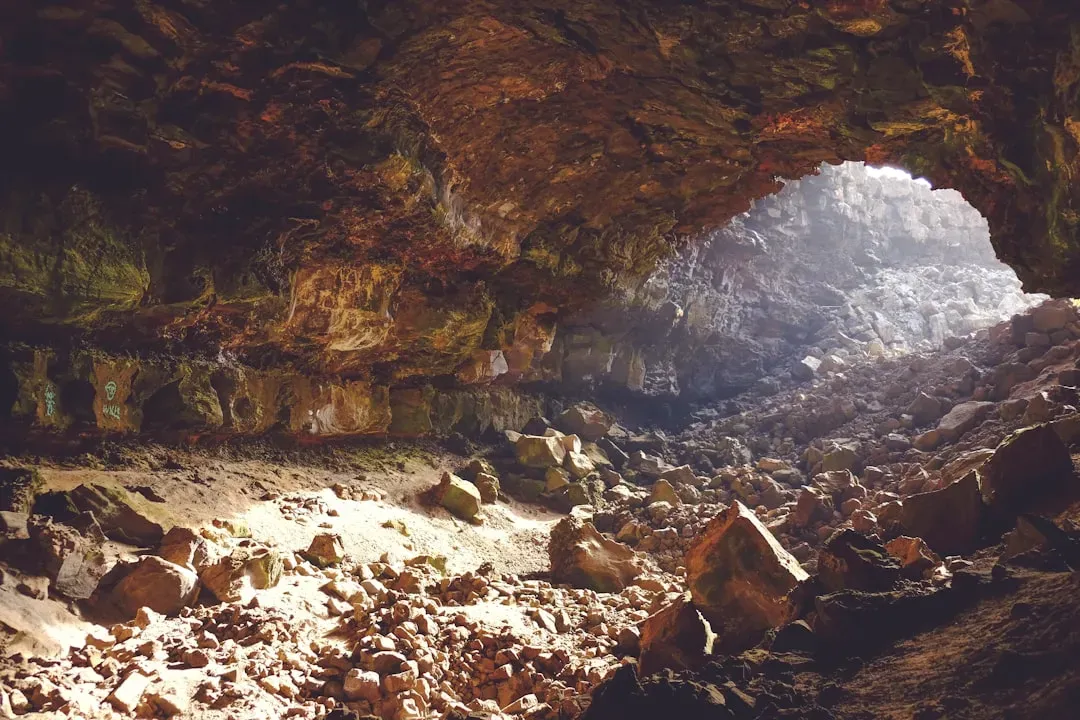
Beyond bones and pollen, cave sediment holds an invisible chemical fingerprint: isotope ratios that reveal diet, moisture, and even shifts between plant types over centuries.
Guano studies rely heavily on this method, using hydrogen and nitrogen isotopes as stand-ins for local rainfall and shifts in the food chain, alongside carbon-to-nitrogen ratios. In one Romanian cave, a core barely a meter and a half long delivered a nine-hundred-year record of environmental change, with isotope shifts combined with pollen and microcharcoal data revealing major swings in vegetation and plant biomass.
A core barely wider than a garden hose managed to capture nine centuries of climate swings, including the tail end of the Medieval Warm Period and the start of the Little Ice Age. No thermometer existed back then. The cave floor was the thermometer.
#12 – Grain-Sized Analysis Can Rebuild the Exact Moment of Deposit

Some of the most powerful cave floor data doesn’t come from bones or bat droppings at all, it comes from studying individual sand grains under a microscope.
This method, called micromorphology, examines unconsolidated sediment preserved in thin slices hardened with resin under vacuum. Under magnification, the shape, roundness, and mineral content of individual grains reveal exactly how they got there, information that would be invisible to anyone just glancing at the floor.
This means researchers can tell whether a layer of cave floor was laid down by a slow trickle of water, a sudden flood, or windblown dust, just by the shape of grains invisible to the naked eye. It’s one of the most overlooked tools in cave science, and it routinely rewrites assumptions made from surface observation alone.
#13 – The Deepest Layers Answer Questions We Haven’t Even Asked Yet
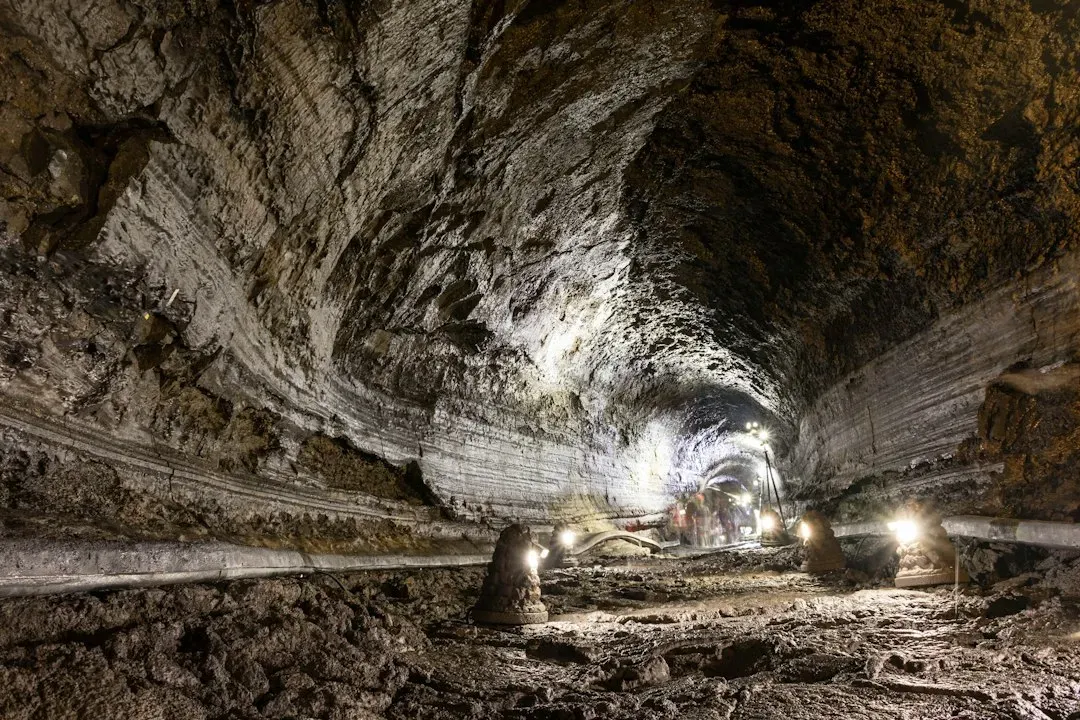
Every layer excavated destroys the ones above it, meaning cave scientists only get one shot at reading a given section of floor. That’s why most researchers today deliberately leave large portions of a cave floor untouched.
The reasoning is refreshingly humble. Cave excavations today tend to be far smaller in scale than the sweeping digs of the late 19th and mid-20th centuries, partly due to cost, but also because leaving deposits in place means future investigators, armed with better methods than exist today, get their own shot at the evidence. Rock layers can sink, twist, or wear away entirely, and once a chapter of evidence is destroyed, it’s gone for good, sometimes buried under new deposits laid down millions of years later.
This is the most controversial point in cave science: the smartest thing modern researchers can do is often nothing at all. Deliberately leaving the deepest layers buried, untouched, and unread, betting that future technology will ask better questions than we currently know how to ask.
The Bottom Line
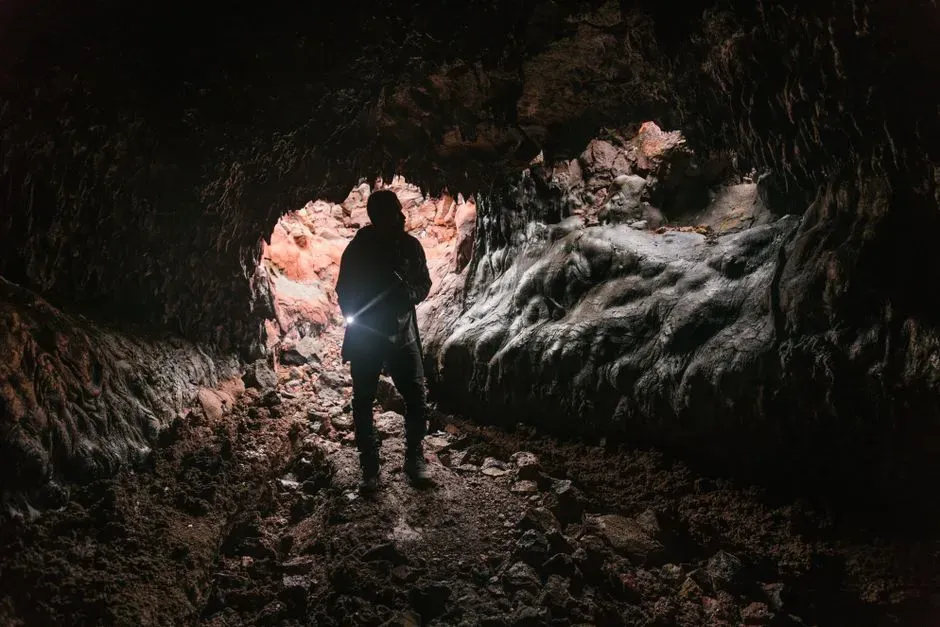
A cave floor isn’t dirt, it’s an unread archive of climate shifts, extinct ecosystems, ancient fires, and human history, stacked in order and waiting. Most caves on Earth have never had their deepest layers touched, meaning the majority of this record is still sealed away right now, under your feet, in the dark.
From bat guano climate cores to cemented breccia preserving lost centuries, the evidence is clear: cave floors often out-perform ice cores and tree rings for sheer detail. And honestly, the restraint researchers are showing now, choosing to leave deep layers buried rather than dig them all up at once, might be the smartest call in the entire field. We only get one shot at reading undisturbed history, and rushing it for the sake of a headline discovery would be a waste of tens of thousands of years of patience. Some mysteries are worth leaving buried a little longer, for someone with better tools than ours.