
Every scientist’s nightmare is not a dramatic lab explosion or a missing grant check. It’s a tiny, boring, almost invisible mistake that quietly sits in a drawer and warps decades of work. A mislabeled tube. A jar on the wrong shelf. A specimen slipped into the wrong box. No alarms go off, no red lights flash – but forty years later, entire theories can be built on sand.
That is the story behind more than one real scientific fiasco: a single misfiled sample that redirected careers, cemented false “facts” in textbooks, and burned through funding and human effort. It is a story about how much we trust our systems, and how fragile that trust can be when something as ordinary as a filing error sneaks in. And honestly, it’s a bit unsettling how easy it is for this to happen.
We like to think science is bulletproof, that peer review and replication will eventually iron out every wrinkle. But in practice, a single wrong specimen in a freezer or a museum drawer can act like a loaded dice, tilting results again and again. Once an error is baked into the foundation, every experiment that builds on it inherits that flaw.
This article dives into how one misfiled specimen can distort forty years of research, why that happens, and what it says about the very human side of science. Along the way, we’ll look at real examples, structural weaknesses, quiet heroes who catch these mistakes, and what needs to change if we want our knowledge to rest on something more secure than a mislabeled tube of something in the back of a fridge.
#1 The Misfiled Specimen That Rewrote a Story – Until It Didn’t
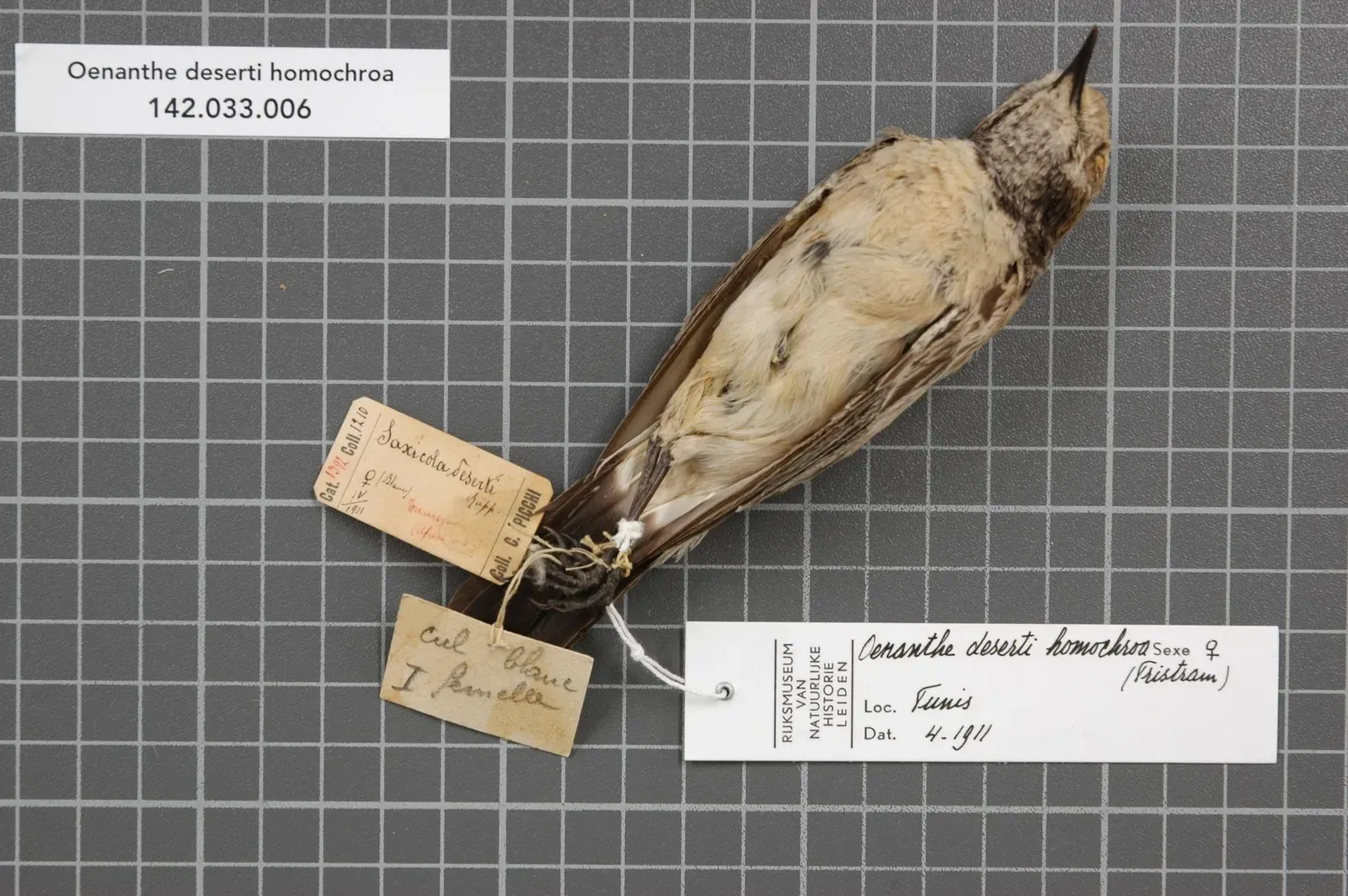
Picture this: a small vial, scribbled handwriting, a date from the late 1970s, and a label that no one questions because the scientist who wrote it is long gone. The sample gets cataloged, then referenced, then becomes “typical” for a particular species, disease, or population. Over time, it stops feeling like one specimen and starts feeling like a rock-solid fact the field can lean on.
Later researchers sequence its DNA, measure its proteins, or photograph its structure. Their results confirm – surprise – what everyone already believes, because they’re literally using the same misfiled specimen as the benchmark. Journals publish, citations pile up, and students learn the “story” in lectures, blissfully unaware that the original sample was put in the wrong place on the wrong day.
Then, maybe forty years later, someone curious and slightly annoying in the best possible way decides to double-check. They go back to the freezer, the museum drawer, or the herbarium cabinet. They notice that the specimen’s location does not quite match the collection records, or that the tissue in the vial has genetic markers that simply do not fit. In that moment, decades of research snap into a different light: not as solid knowledge, but as an elegant structure balanced on a single misfiled brick.
That emotional whiplash is real. It is pride in the detective work that uncovered the error, mixed with a quiet horror at what it means: not that science is broken, but that it is much more fragile and human than we like to admit. One mislabeled sample did not just mislead a single experiment – it warped an entire narrative that shaped careers, funding, and what counted as “truth” in that field.
#2 How One Sample Can Shape Four Decades of “Facts”
The idea that one misfiled specimen could distort forty years of research sounds dramatic, but when you look at how scientific evidence accumulates, it is not far-fetched at all. Science rarely depends on one flashy paper; it moves by slow layering. If that initial layer is wrong, everything built on top leans in the wrong direction, often subtly enough that no one notices for a long time.
Think of it like building a skyscraper on a slightly tilted foundation. Floor one is a bit off, but passable. By floor ten, the angle is visible. By floor forty, everyone inside has accepted that the windows just look that way. In research terms, the misfiled specimen can become the reference for: what a pathogen’s “original” strain looked like, what a fossil species’ key traits are, or what a particular human cell line is supposed to represent.
Once that happens, the misfiled sample quietly anchors a chain of assumptions. Researchers calibrate new instruments against it, define diagnostic criteria from it, and even interpret borderline results by asking: does this fit that “canonical” specimen? Journals reward work that aligns with the established story, and younger scientists quickly learn that deviating from it is risky for their careers.
Over four decades, this can turn into a kind of scientific inertia. The field does not just tolerate the misfiled specimen – it protects it. It gets woven into grant proposals, review articles, and exam questions. By the time someone questions it, the “fact” has been repeated so often it feels almost insulting to revisit the source. And yet, that is exactly what good science eventually forces us to do.
#3 Famous Misfiled and Misidentified Specimens: When Reality Bites Back
We do not have to imagine these stories; history is full of painful examples where mislabeled, contaminated, or misidentified samples twisted entire fields. One widely discussed case involves a popular lab cell line that researchers assumed came from one tissue type when it was actually another. For years, major studies on everything from cancer to drug response used these cells under a false identity, leading to conclusions that were at best murky and at worst just wrong.
In biodiversity and evolution, museum and collection errors have caused similar chaos. There are cases where specimens thought to be different species turned out to be the same, or where a “unique” fossil that defined a species was later reinterpreted as a juvenile or a damaged version of a known one. Sometimes a single holotype – the specimen that defines a species – has been misfiled or misinterpreted in ways that sent classification and evolutionary trees down odd side roads for decades.
A couple of sobering patterns show up again and again in these real-world fiascos:
- One misidentified or misfiled specimen can become the unofficial gold standard for a field.
- Downstream studies often assume the original identification was correct and do not re-check it.
- The longer the error lives, the harder it is to challenge without facing resistance.
What stings most is that these errors rarely involve dramatic incompetence. They usually come from everyday conditions: rushed labeling during a late-night experiment, an old storage system not updated for modern tracking, or simple overtrust in a respected predecessor’s notes. That is what makes them both deeply human and uncomfortably common.
#4 The Domino Effect: How Errors Propagate Through Papers, Grants, and Textbooks
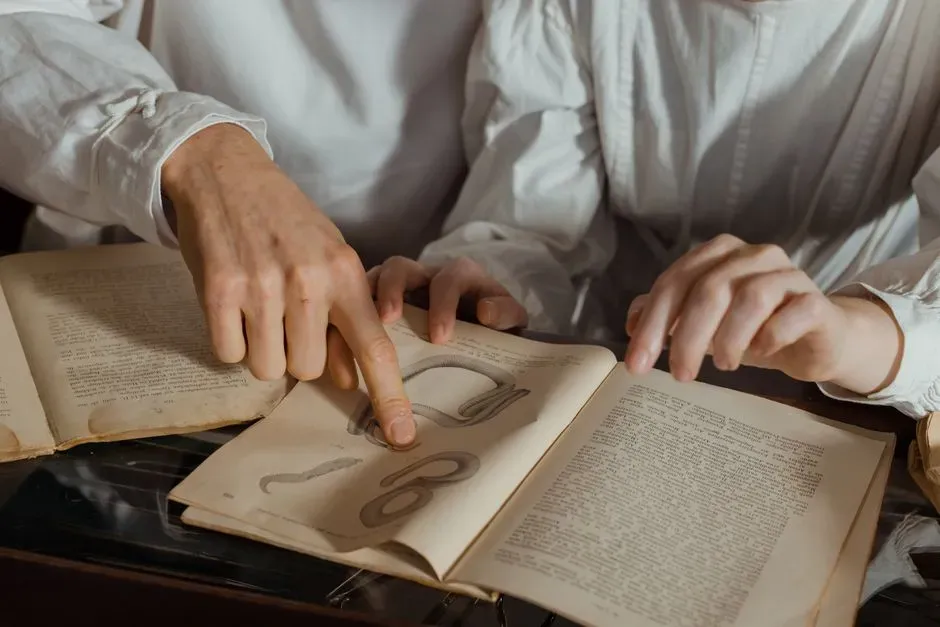
Once a misfiled specimen becomes embedded in the literature, the ripple effect is brutal. It starts with the first few papers that rely on it, often with phrases like “using the well-characterized reference sample.” Those early references get cited, then review articles summarize them, smoothing over nuances and turning conditional findings into apparently solid facts.
Funding agencies then read these reviews and conclude that a certain area is promising, well-grounded, and ready for bigger investment. More labs jump in, many of them using the same specimen or its derivatives, either directly or via distributed subcultures and shared reagents. Before long, an entire ecosystem of research depends on that original misfiled sample, the way a forest might unknowingly grow from contaminated seed stock.
Educational materials lock in the error even further. When something makes it into textbooks or standard reference atlases, it gains a kind of psychological protection. Students memorize it. Professors test on it. Nobody wants to be the person who stands up at a conference and says, in essence, that half a generation’s exam questions were based on a mislabeled vial in a freezer.
By the time someone uncovers the truth, the correction has to travel upstream through all those layers: lab protocols, published methods, training materials, and institutional memory. It is not just a matter of updating a database entry. It is rewriting a story that a whole community has been telling itself for forty years, and that is both technically and emotionally hard work.
#5 The Human Factor: Fatigue, Pressure, and Overtrust in the Lab
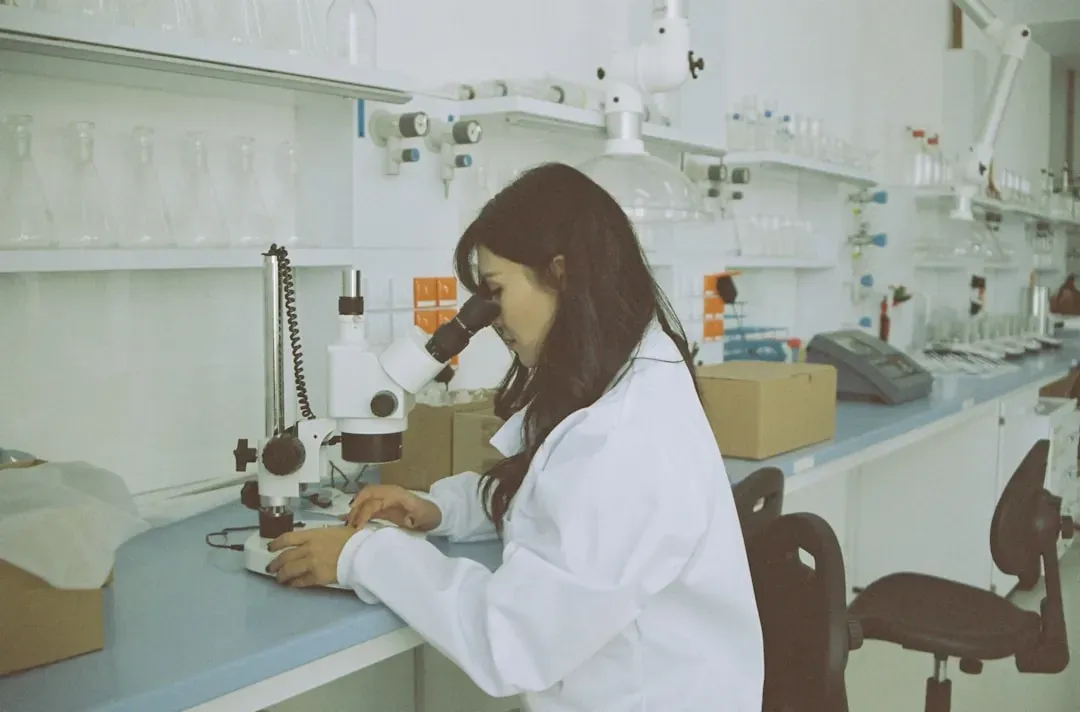
On paper, lab work looks serene and precise: white coats, neat labels, carefully logged data. In reality, it often involves long nights, broken equipment, looming deadlines, and people who are, frankly, tired. Under those conditions, the step that feels trivial – write the label, file the specimen, update the record – is exactly where tiny, catastrophic errors sneak in.
Most scientists will admit, if you catch them off the record, that they have had moments where labeling or filing was done “for now,” with the intention to tidy up later. Maybe the label smudged. Maybe someone else took over mid-experiment. Maybe the mentor’s notebook was the only place the real context lived, and that person retired ten years ago. Small cracks like that are where misfiled specimens are born.
There is another, quieter human factor: trust. When you inherit a freezer of samples from a respected lab head or a famous collaborator, you do not instinctively question every tube. You assume the names, dates, and types are correct, because calling them into doubt feels like questioning a legacy. I have felt that tension myself when reusing older data or protocols – the uncomfortable pull between respect and skepticism.
Bullet-pointed, the human pressures that make misfiling more likely look like this:
- Chronic overwork and underfunding, leading to corner-cutting on record-keeping.
- Cultural deference to senior scientists, discouraging questions about their old samples.
- Underappreciation of curators, technicians, and data managers who could catch errors early.
If we want to prevent the next forty-year detour caused by a misfiled specimen, we have to be honest about these everyday realities. The problem is not just bad systems; it is the perfectly normal, very human way we behave under pressure.
#6 When the Truth Emerges: The Painful Untangling of a Long-Standing Error
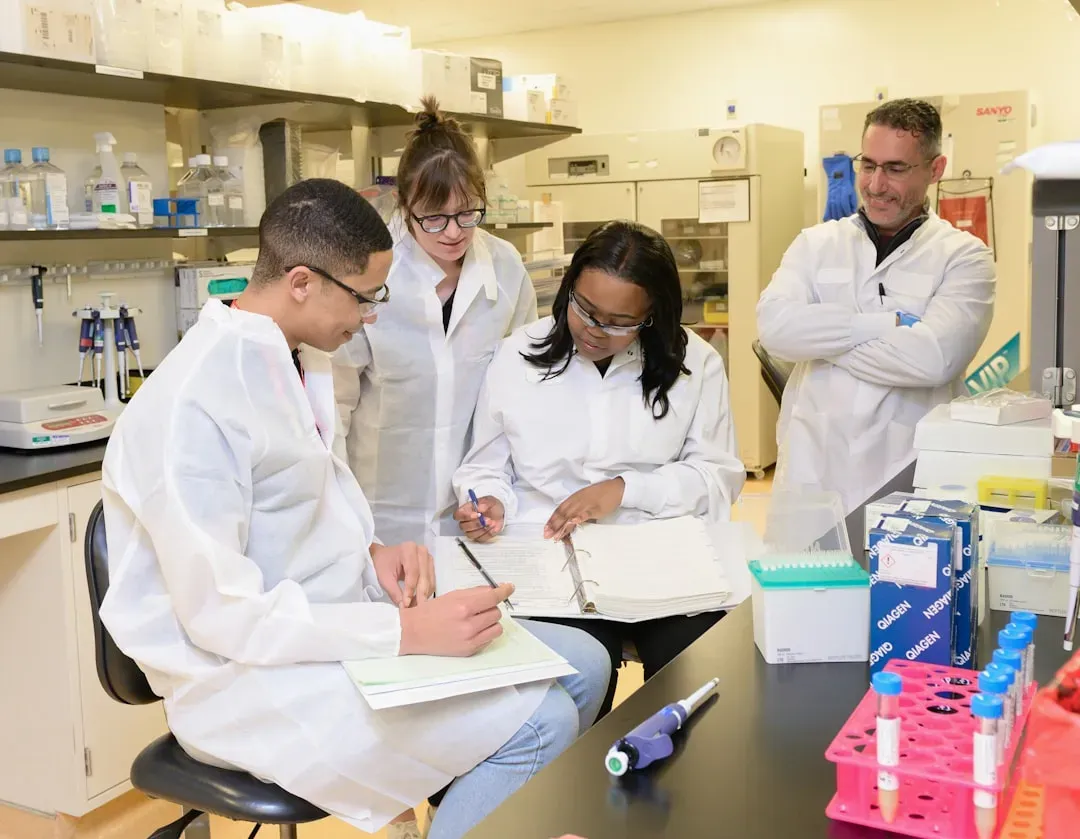
Discovery of a misfiled specimen’s true identity usually starts small – a weird result here, an outlier there. Maybe a new sequencing technology reveals genetic markers that do not fit the supposed origin. Maybe a cross-check with updated databases flags inconsistencies. At first, the researchers might doubt themselves rather than the sample, because it is easier to suspect a new instrument than to question forty years of accepted wisdom.
Eventually, the anomalies pile up enough that someone decides to go all the way back to the beginning. This is where scientific work turns into forensic work. People pore over old notebooks, shipping logs, freezer maps, museum catalogs. They compare handwriting, look at faded ink, and compare the suspect specimen with other samples collected at the same time. It feels less like running an experiment and more like solving a cold case.
Once the misfiling is confirmed, the emotional and professional fallout begins. The team that discovers the error has to decide how loud to be. Do they quietly correct it in their own work, or do they publish a full re-evaluation that could invalidate long lines of research? Some will see them as heroes; others will mutter that they are stirring up trouble or seeking attention at the expense of colleagues’ reputations.
The correction process itself can be painfully slow. Journals do not always rush to issue corrigenda or retractions, especially when the original work is old and heavily cited. Some authors may resist, arguing that their overall conclusions still hold. Meanwhile, clinicians, policy makers, or conservation planners who relied on those studies may not even hear about the correction promptly. The misfiled specimen may be exposed, but its shadow lingers for years.
#7 Collateral Damage: Careers, Funding, and Public Trust
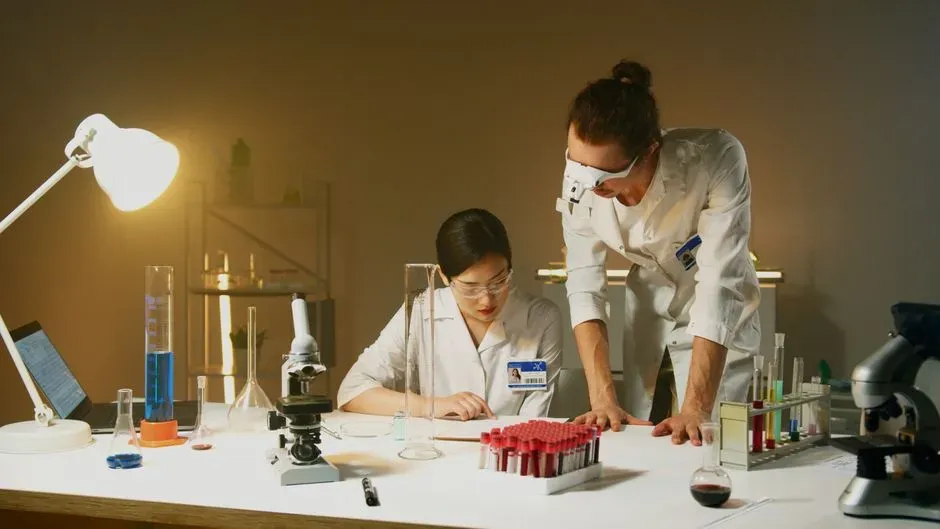
One of the hardest parts of these stories is the collateral damage. The misfiled specimen did not only mislead data; it shaped human lives. Entire PhDs can be built on a faulty foundation. Researchers may spend their most productive years chasing patterns that turn out to be byproducts of a mislabeled sample. When the truth comes out, those people are left with a complicated mix of anger, grief, and relief.
Funding is another casualty. Over forty years, a mistaken line of research can soak up substantial grants, infrastructure, and staff time. From the outside, this looks like waste, and it is tempting for critics to point at such episodes and say the whole system is broken. But from the inside, the picture is more nuanced: everyone acted in good faith, using what they believed was solid evidence. The problem lies in how vulnerable those evidentiary pillars can be.
Public trust is where the impact gets really tense. When newspapers latch onto a story about decades of research overturned by a filing error, it feeds a narrative that scientists “keep changing their minds” or that nothing is reliable. That is not a fair reading – self-correction is a strength, not a flaw – but emotionally, it is understandable. If you learned one thing in school and then watched it flip, you might wonder what else is quietly built on sand.
Personally, I think the honest way forward is not to hide these episodes but to talk about them openly. Instead of pretending science is a tidy march toward truth, we should admit it is more like hiking through a foggy swamp with a half-decent map. Sometimes we step in deep water. The credibility comes not from never erring, but from how rigorously we admit, repair, and learn from those errors once we see them.
#8 The Invisible Heroes: Curators, Data Managers, and the People Who Actually Notice
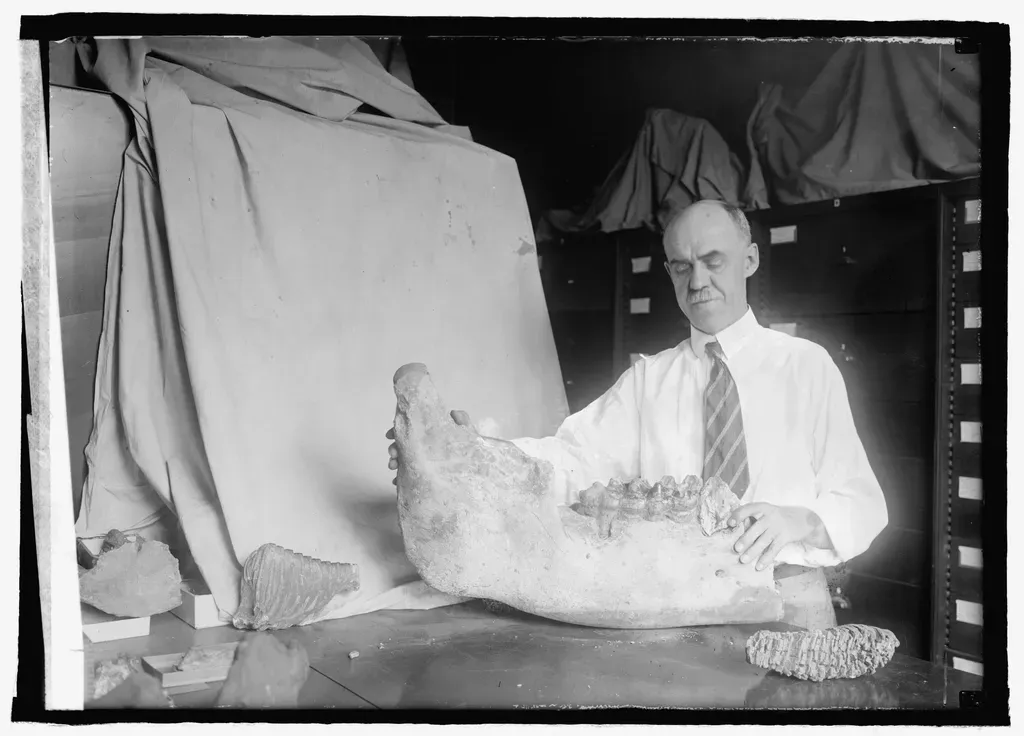
When a misfiled specimen finally gets unmasked, the hero is often not the most famous name on the paper. It might be a museum curator who notices an accession number that does not match the collection date. It might be a technician who realizes that a freezer map is off by one row. It might be a bioinformatician who sees that a supposedly unique sequence is strangely similar to a known contaminant.
These people operate in the background of science, and they are chronically undervalued. Job titles like “collections manager,” “biobank coordinator,” or “data steward” do not attract headlines. Yet they are the ones who maintain the infrastructures that keep specimens findable, interpretable, and trustworthy decades later. Without them, the risk of misfiling – and of that misfiling going undetected for forty years – skyrockets.
If you zoom out, there is a quiet pattern in the prevention and detection of these errors:
- The people closest to the physical specimens are often the first to spot anomalies.
- Good documentation practices live or die with support for technical staff.
- Systems that treat data and specimens as shared, long-term assets reduce the risk of idiosyncratic labeling and storage.
I once watched a collections manager spend an afternoon chasing down a single ambiguous label in a freezer, not because anyone told them to, but because it “felt wrong.” That instinct – that refusal to let ambiguity sit – is the opposite of glamorous. It also may be the difference between forty years of clean research and forty years of unintentional fiction. If we are serious about preventing misfiled-specimen disasters, we should start by elevating and properly funding these invisible guardians.
#9 Fixing the System: Barcodes, Databases, and a Culture of Healthy Skepticism
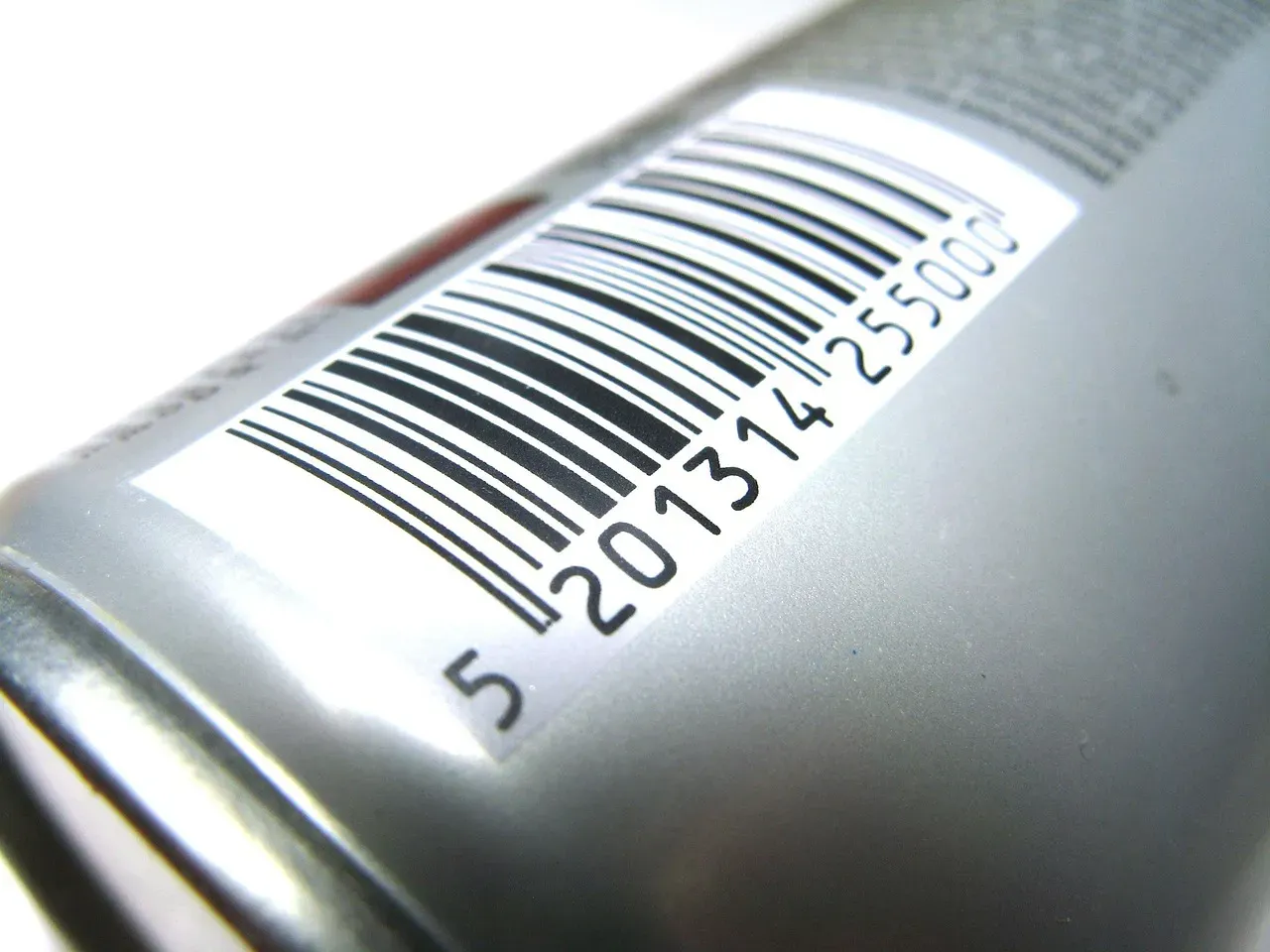
The good news is that we are not helpless. Over the last couple of decades, scientific fields have steadily moved toward more robust ways of tracking specimens and data. Barcoded tubes, RFID-tagged samples, and integrated digital lab notebooks are increasingly common. Instead of relying on a single handwritten label, a specimen’s identity can now live in multiple synchronized systems, from local databases to cloud backups.
But technology alone is not a magic shield. You can mis-scan a barcode just as easily as you can misread a date scribbled in pen. The real protection comes from layering tools, processes, and attitudes. For example, labs that regularly audit a random subset of stored specimens – physically comparing label, database entry, and expected properties – are more likely to catch misfilings early, before they metastasize into four decades of literature.
On a cultural level, the most powerful safeguard might be normalized skepticism about foundational materials. Instead of treating historical reference samples or classic cell lines as sacred, we should treat them as hypotheses that need ongoing verification. Periodic re-authentication, cross-lab comparisons, and open sharing of raw data about reference specimens make it much harder for one misfiled tube to quietly rule a field.
In practical terms, some of the most effective changes look almost boring on paper:
- Standardized, machine-readable labeling systems for all long-term specimens.
- Routine cross-checks between physical storage maps and digital records.
- Funding models that explicitly support data and specimen management as core research infrastructure.
None of this is as flashy as a breakthrough paper, but if widely adopted, it makes it much less likely that we will look back from 2066 and realize we spent the last forty years chasing the ghost of a misfiled vial from 2026.
#10 Why This Story Matters: An Opinionated Look at Error, Humility, and the Future of Research
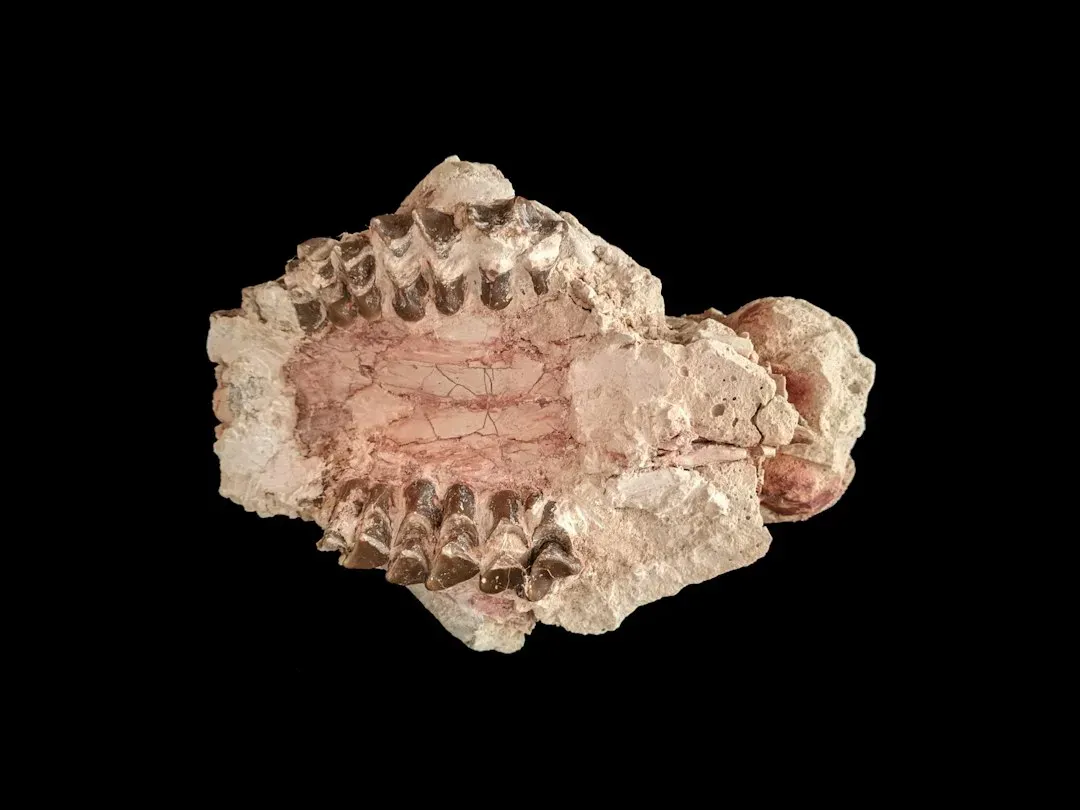
There is a temptation to treat misfiled specimen stories as embarrassing footnotes, the kind of thing you mention at the end of a lecture with a shrug and a laugh. I think that completely misses the point. These episodes are not tiny glitches; they are X-rays of how science actually works, exposing the pressure points where human fallibility, institutional habits, and technical limitations intersect.
My own view is blunt: if we ignore these stories, we deserve to repeat them. They show us that the enemy is not just ignorance, but overconfidence in messy systems. Anytime we treat a specimen, dataset, or cell line as beyond question because it has been “accepted for decades,” we are setting ourselves up for the next forty-year detour. Humility is not just a personal virtue here; it is a structural necessity.
At the same time, I do not think these tales should make us cynical about science. Quite the opposite. The fact that misfiled specimens eventually get discovered, that someone cares enough to re-open old freezers and re-check dusty labels, tells us something hopeful. The system may be noisy and flawed, but it contains within it the tools and the attitudes needed to self-correct – if we choose to support and reward them.
So maybe the real lesson of that one misfiled specimen is this: knowledge is not a pristine monument, it is a living city under constant renovation. Sometimes you discover that a load-bearing wall was built on the wrong blueprint, and you have to tear down and rebuild. It is noisy, inconvenient, and humbling, but it is also the only way to keep the structure habitable. The next time you hear about a decades-old result overturned by some dusty vial in the back of a freezer, will you see it as a failure of science – or as proof that science, messy as it is, still has the courage to change its own mind?