
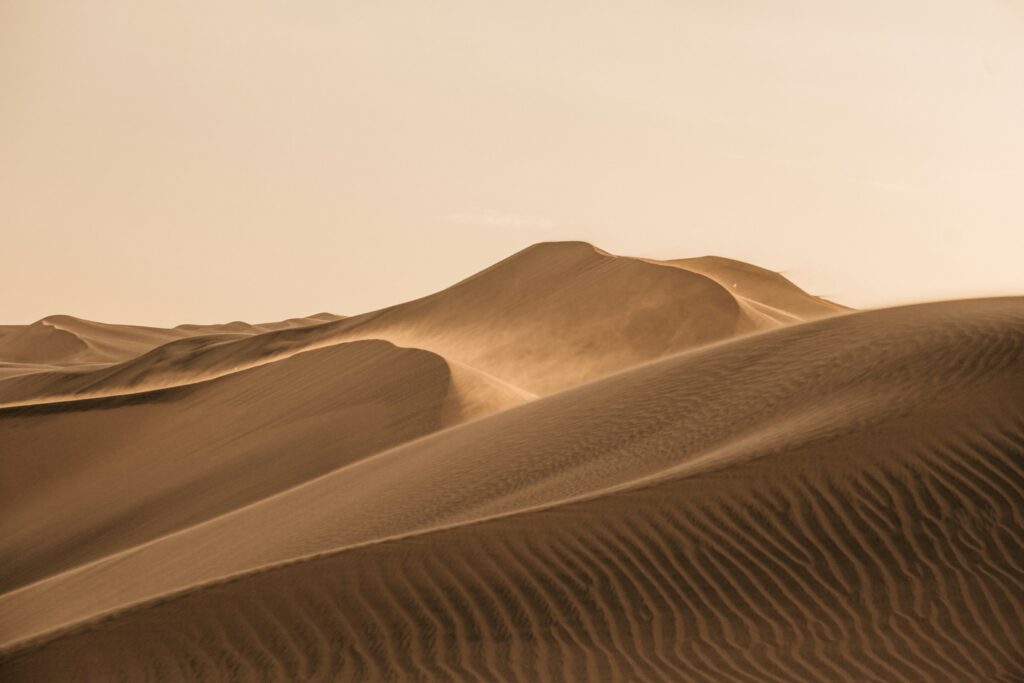
Walk past a sand dune and your brain files it under “empty landscape.” Just dead weight, shaped by whatever wind happened to blow through that day. That assumption is almost embarrassingly wrong.
Geologists who’ve spent careers slicing dunes open and reading their insides will tell you these mounds behave less like scenery and more like a hard drive that never stopped recording. Every ripple, buried root, and tilted layer is a timestamped entry in a diary written in sand instead of ink. Once you know how to read it, a hundred years of wind – its direction, its violence, its quiet years and its rage – is sitting right there in front of you, waiting to be decoded.
#1 – The Hidden Layers Inside Every Dune Reveal a Century of Direction Changes
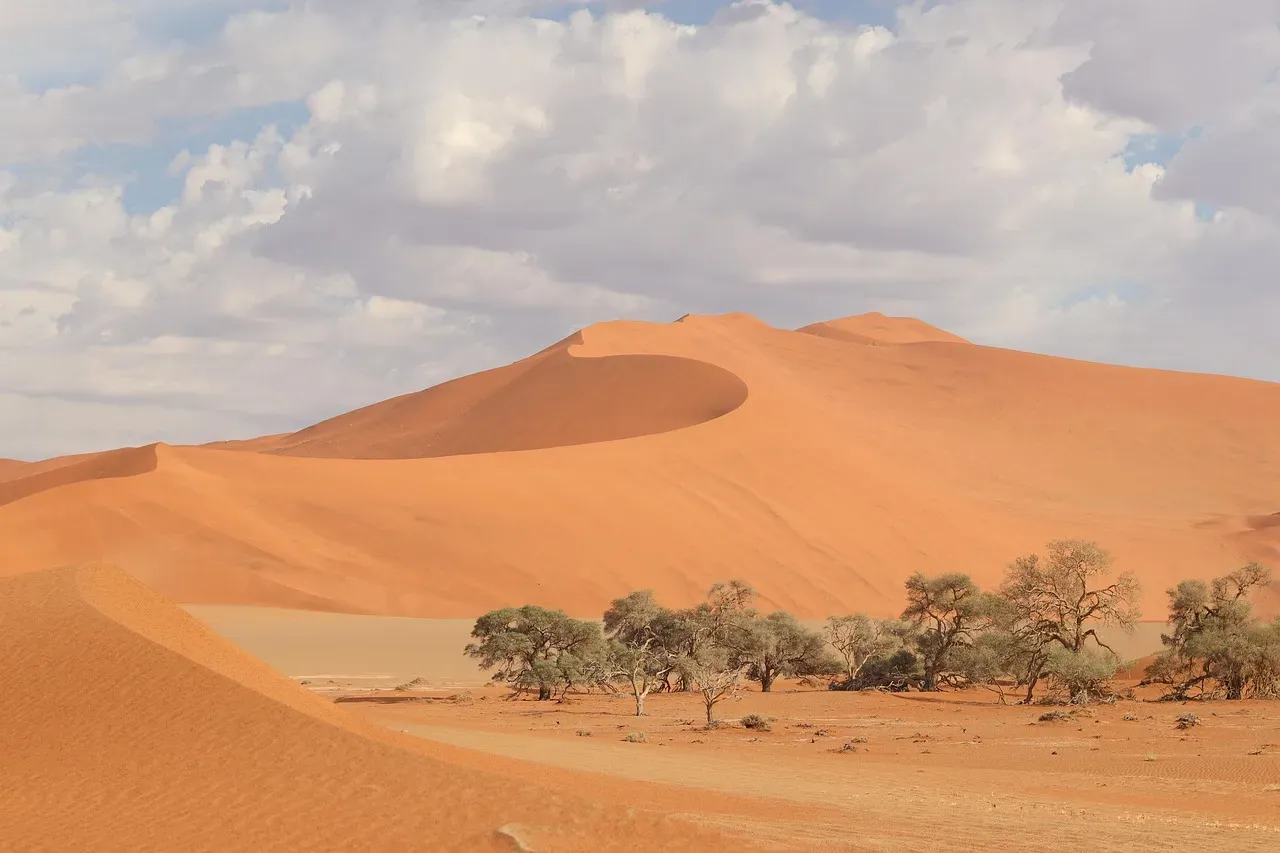
Cut a dune in half and you won’t find a uniform mass of sand. You’ll find stacked, slanted layers called cross-beds, each one representing a moment when wind piled sand onto the dune’s leeward slope. These layers aren’t random – they tilt in the exact direction the wind was blowing when they formed.
Geologists use these internal laminae almost like tree rings, except instead of tracking rainfall, they’re tracking decades of shifting wind direction. When the dominant wind rotates seasonally or over long stretches of time, the angle of the cross-bedding rotates with it, creating a striped, almost fingerprint-like pattern buried inside the dune.
This is why researchers drilling into ancient dune fields can reconstruct wind patterns from centuries, sometimes thousands of years, in the past. The sand never “forgets” – it just keeps stacking new evidence on top of the old, one storm at a time.
#2 – Grain Size Sorting Exposes Exactly How Hard the Wind Was Blowing
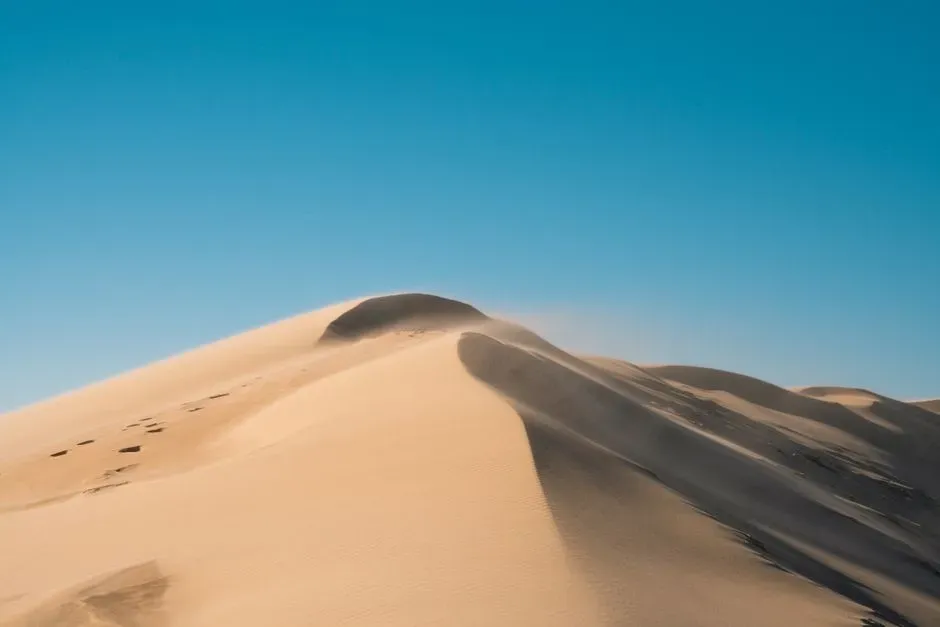
Not all sand grains move the same way. Lighter, finer grains get lifted and carried farther, while heavier, coarser grains stay closer to the ground, only shifting during genuinely strong wind events. This creates a natural sorting system scientists can measure layer by layer.
When a dune shows a sudden band of coarser grains, it usually means a stretch of unusually violent gusts pushed heavier particles into motion. Thinner bands of fine sand often mark calmer, steadier stretches. Over a hundred years, these alternating bands build a rough timeline of wind intensity – a graph made of grains instead of ink.
Sand doesn’t lie about effort. The size of the grains it was able to move is basically a fossilized record of wind strength, locked in place long after the storm that created it has been completely forgotten by everyone but the dune itself.
#3 – The Distance a Dune Has Traveled Tells You How Much Wind Energy It Absorbed
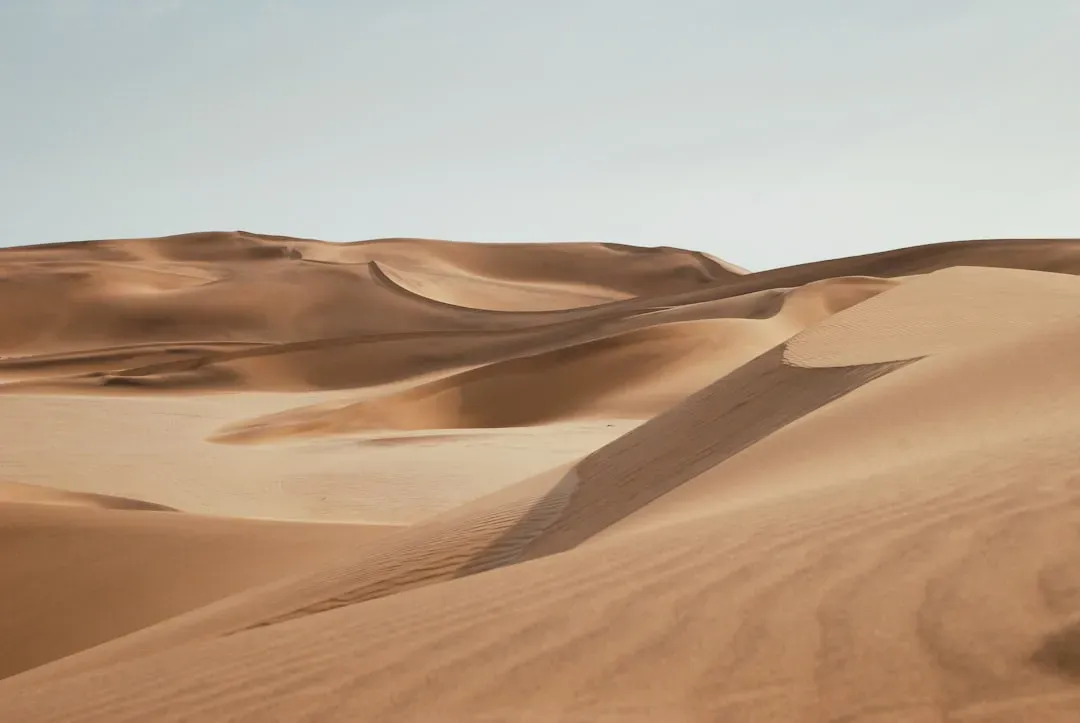
Dunes aren’t stationary. Many types – especially the crescent-shaped barchan dunes found in deserts – physically crawl across the landscape as wind erodes sand from one side and deposits it on the other. Over a century, that crawl adds up to something dramatic.
Some desert dunes shift several meters a year, and researchers track this using old aerial photographs, satellite imagery, and GPS comparisons against historical maps. The total distance traveled becomes a rough proxy for how much cumulative wind energy the dune has absorbed across its lifetime.
A dune that has barely budged in a hundred years suggests weak, inconsistent wind. A dune that has walked hundreds of meters across a valley tells a very different story – one of relentless, high-energy gusts pushing sand grain by grain, year after year, in a slow but genuinely unstoppable march.
Fast Facts
- Barchan dunes can migrate anywhere from about a metre to a hundred metres per year, depending on their size.
- Smaller dunes tend to move faster, since size of the dune plays a role, with smaller dunes tending to move quicker than larger ones.
- In parts of the Sahara, barchan dunes migrate at rates averaging 15-20 meters per year, leading to the burial of roads, farmlands, and settlements.
- In the Taklimakan Desert, measured migration has ranged between 5.0 and 26.0 m/yr.
#4 – The Shape of a Dune Reveals Whether the Wind Comes From One Direction or Many
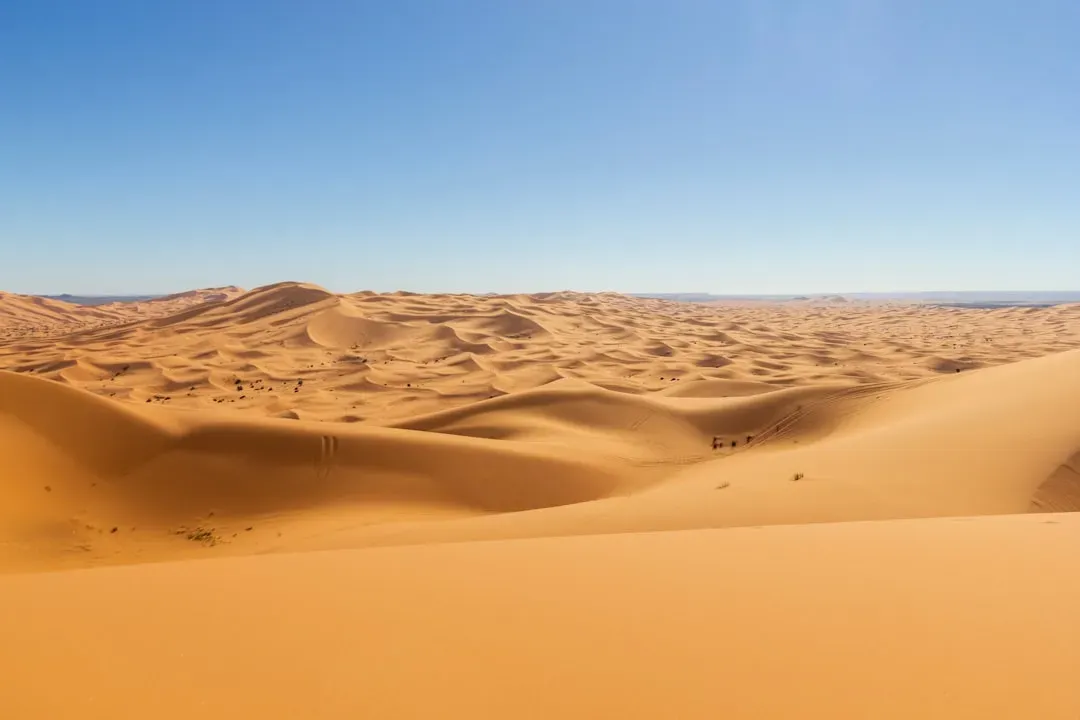
Here’s something most people don’t realize: dune shape is basically a wind compass. Different wind regimes physically sculpt different dune types, and experts can identify the wind pattern just by studying the silhouette from a distance.
- Barchan dunes (crescent-shaped) form under strong, steady, one-directional wind.
- Star dunes develop where wind blows from multiple directions throughout the year, creating pointed, radiating arms.
- Linear dunes stretch long and straight, shaped by two alternating wind directions.
- Transverse dunes form wave-like ridges under consistent unidirectional wind.
So when researchers survey a dune field and see mostly barchans, they know the region has a dominant, reliable wind direction. If star dunes dominate instead, that’s a strong sign the area experiences complex, shifting wind patterns year-round – a completely different climate fingerprint hidden in what looks, from a car window, like identical sand.
#5 – The Angle of the Slip Face Shows How Consistent the Wind Really Was
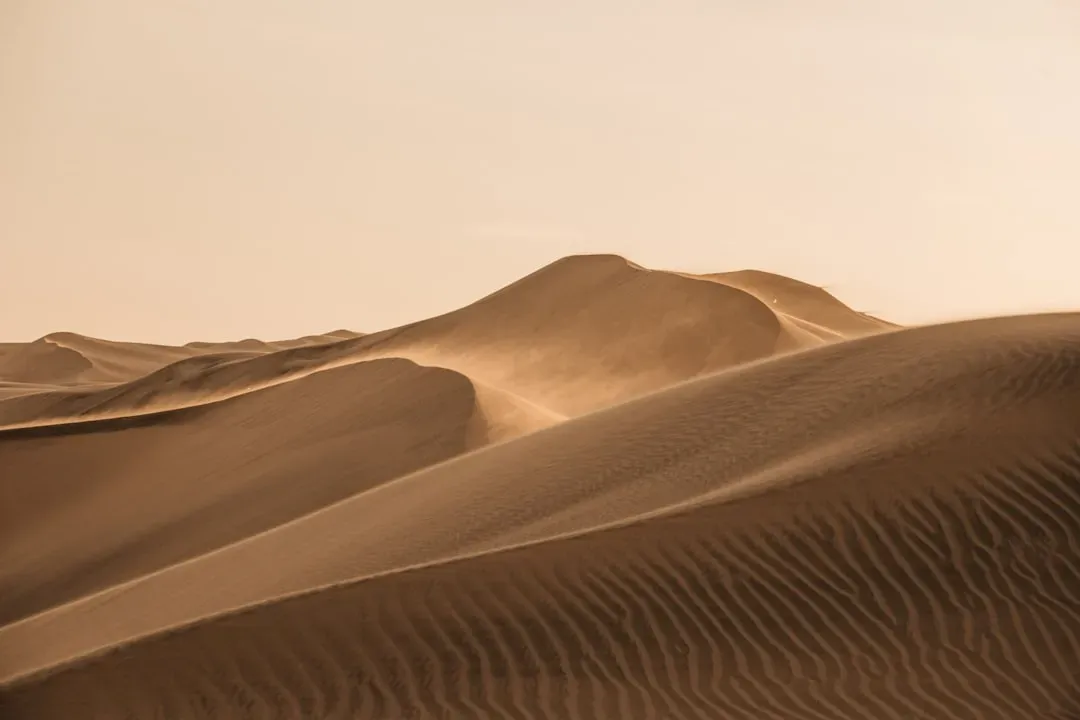
Every dune has two sides: a gently sloping windward face, and a steep, loose slope on the back called the slip face. This slip face typically settles at what’s known as the angle of repose – the natural resting angle dry sand collapses into once it’s piled too steep.
Here’s the twist: when wind is highly consistent, slip faces stay clean, steep, and sharply defined. When wind direction fluctuates often, the slip face turns irregular, sometimes flattened or reshaped mid-formation before it ever gets the chance to stabilize.
Scientists studying long-term dune stability actually use slip face sharpness as a fast visual shortcut for wind reliability. A crisp, knife-edge slip face suggests decades of steady, dependable gusts. A messy, uneven one suggests a windier, more chaotic history – a dune that never got to finish its own shape before conditions changed again.
#6 – Buried Vegetation Layers Mark the Calm Years Between Wind Events
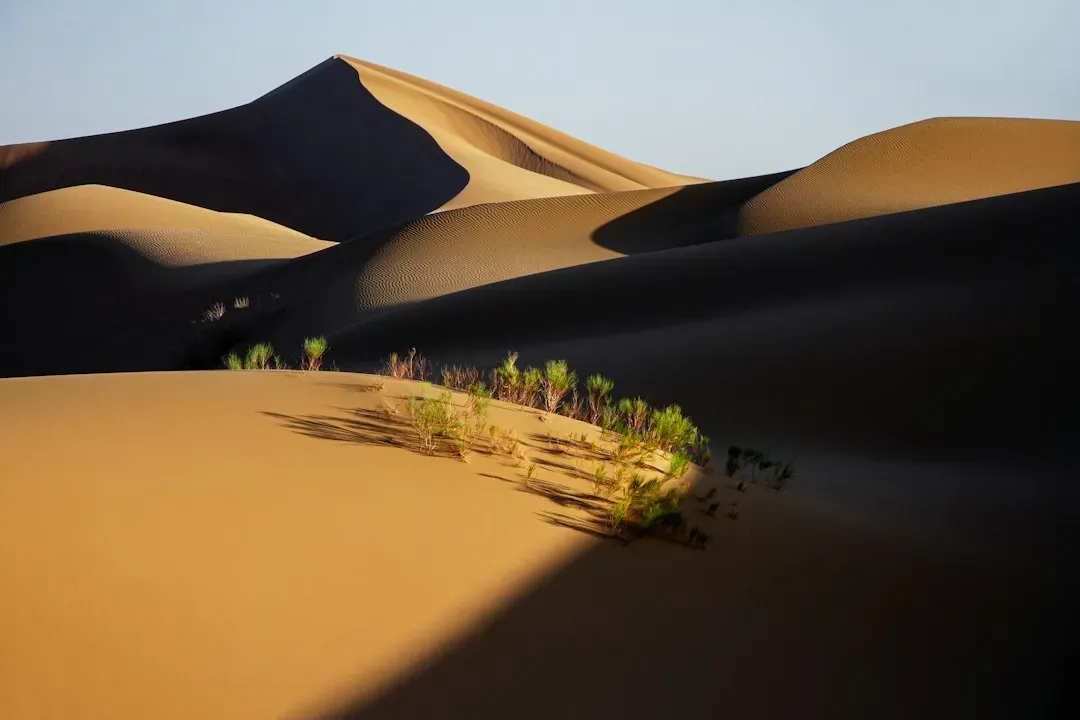
Not every year is a windy year, and dunes remember the quiet ones too. When wind activity slows down for a while, plants take root on the surface, stabilizing the sand and forming thin organic layers.
If wind picks back up later, fresh sand buries that vegetation, creating what geologists call a paleosol – literally a “fossil soil” trapped inside the dune. These buried layers often contain root traces, organic material, and sometimes charcoal from ancient fires that once burned across the surface.
Finding multiple paleosols stacked at different depths tells researchers the dune went through repeated cycles of stability and reactivation – quiet decades followed by active, windy ones, over and over. It’s essentially a buried timeline of “calm, calm, storm, calm, storm” written directly into the sand’s internal structure.
Worth Knowing
- Paleosols can preserve root traces, ancient organic material, and even charcoal from long-vanished fires.
- Finding several paleosols stacked at different depths reveals repeated cycles of calm and reactivation.
- Some buried soil layers represent decades, or even centuries, of relative calm before wind returned.
- These fossil soils act like a natural pause button between one windy chapter and the next.
#7 – Color Bands Inside a Dune Can Act as Natural Time Stamps
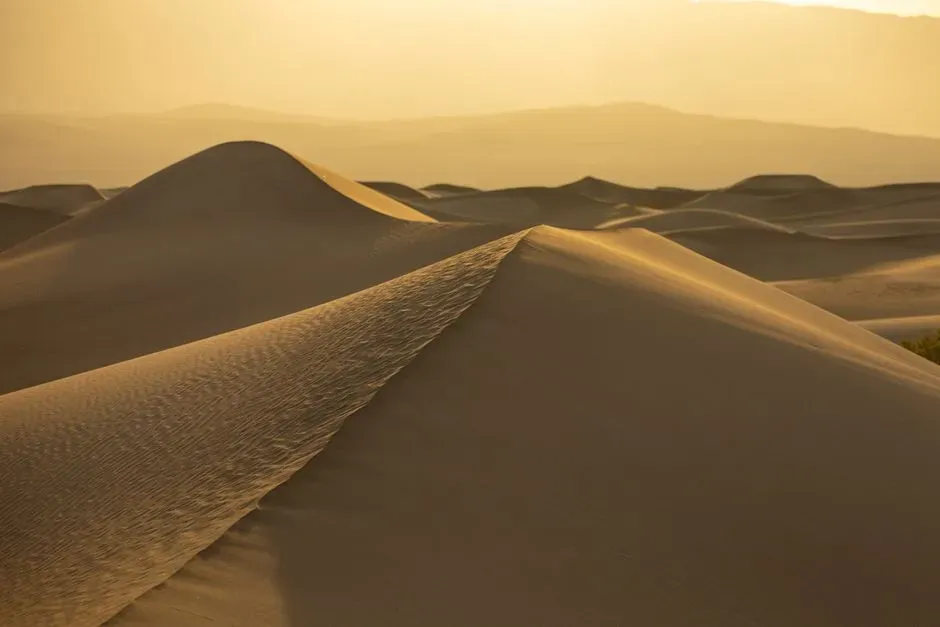
Sand isn’t always uniform in color. Iron minerals inside individual grains slowly oxidize when exposed to moisture and air, gradually shifting sand from pale yellow tones toward deeper reddish or orange hues over long stretches of time.
That means the deeper, older layers of a dune often show more oxidation than the younger sand near the surface. Scientists use this color gradient as a rough dating tool, especially paired with more precise techniques like optically stimulated luminescence dating, which measures how long a grain has been buried and shielded from sunlight.
Put simply: color banding lets researchers estimate roughly how old a section of dune really is. Pair that with wind-direction data from the cross-bedding, and suddenly you can attach real timestamps to specific wind events buried deep inside the sand.
#8 – A Dune’s Height and Volume Track Long-Term Sand Supply and Wind Power
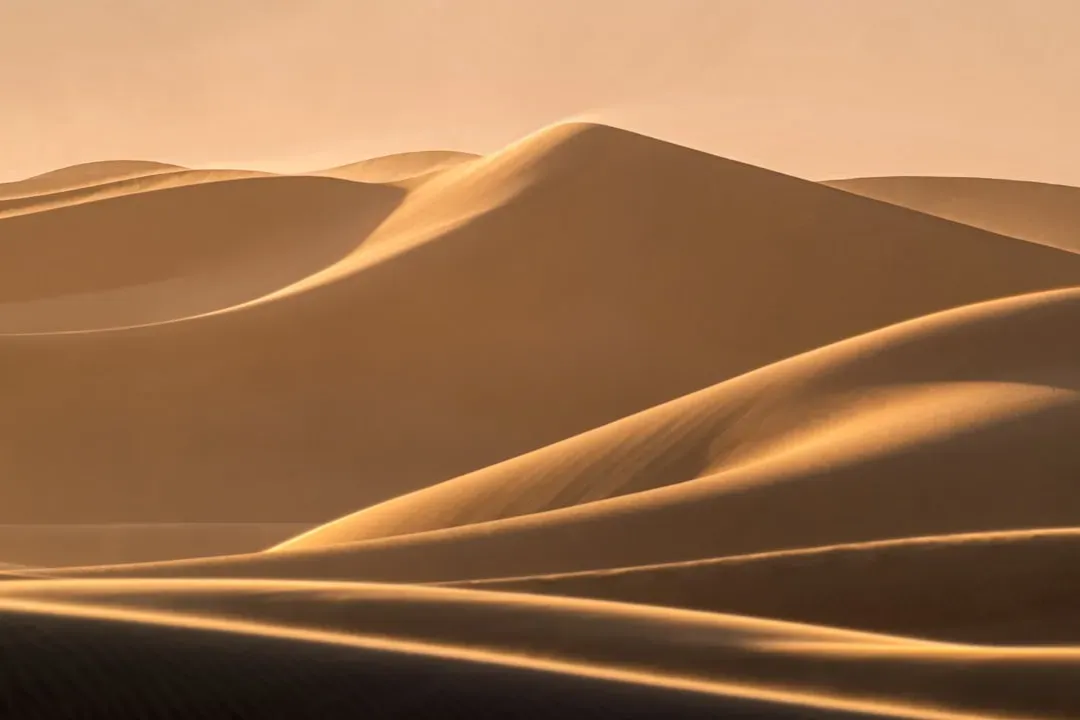
Dunes grow when sand supply and wind energy outpace erosion, and shrink when the opposite happens. Comparing a dune’s height and volume across decades – using old survey data, historical photographs, or repeat satellite scans – reveals long-term trends in wind power and sediment availability.
A dune that has grown noticeably taller over a hundred years suggests either an increase in wind-driven sand transport or a growing sand source nearby, such as an eroding riverbed, retreating shoreline, or expanding desert margin. A shrinking dune often points the opposite way: reduced wind energy, vegetation stabilization, or a diminishing sand supply upstream.
This is one of the clearest big-picture indicators available to researchers, because unlike microscopic grain analysis, height and volume changes can often be measured just by comparing an old map to a current one.
Quick Compare
- Growing dune signs: rising height, expanding footprint, strong wind-driven sand transport, and a nearby sand source such as an eroding riverbed or retreating shoreline.
- Shrinking dune signs: falling height, vegetation creeping across the surface, weaker prevailing winds, and a dwindling upstream sand supply.
#9 – Surface Ripples Record the Most Recent Chapters of Wind Behavior
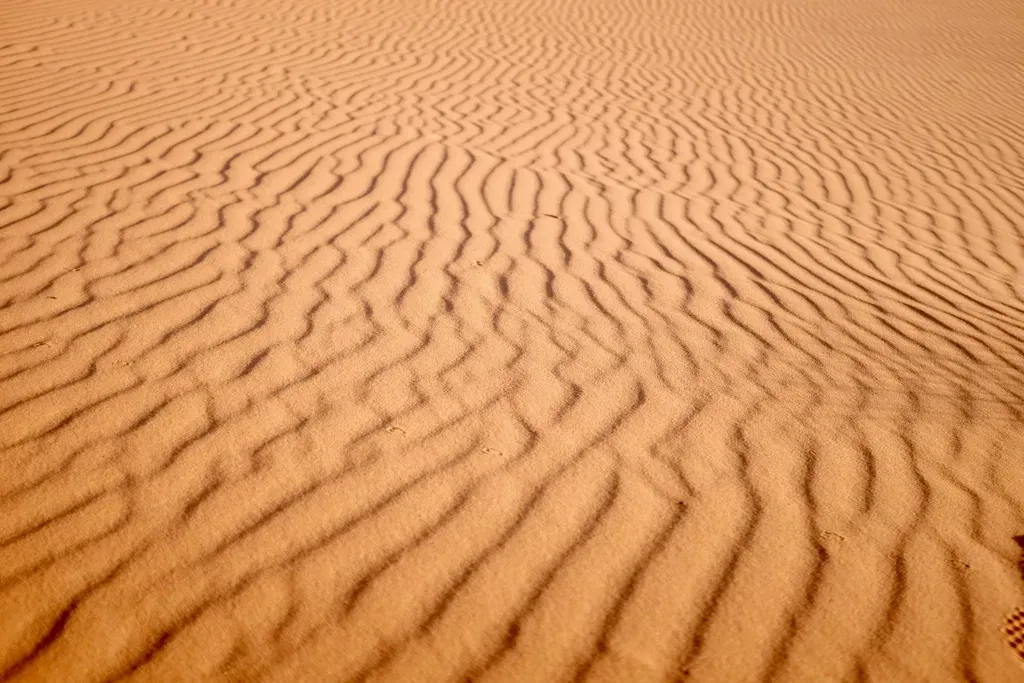
While the deep internal layers tell long-term stories, the delicate ripples on a dune’s surface capture something much more immediate: the last few days or weeks of wind activity. Ripple spacing and orientation shift constantly, responding to even minor changes in speed and direction.
Wider ripple spacing generally points to stronger recent wind, while tightly packed ripples suggest gentler conditions. Because these surface features are so easily erased and rebuilt, they’re essentially the dune’s short-term memory – constantly overwritten, but useful for reading current conditions before they eventually get buried into the deeper record.
Researchers often photograph ripple patterns across multiple visits, tracking how fast they change shape. The faster ripples shift, the more volatile the local wind regime tends to be.
#10 – Grain Texture Reveals How Far Each Particle Has Actually Traveled
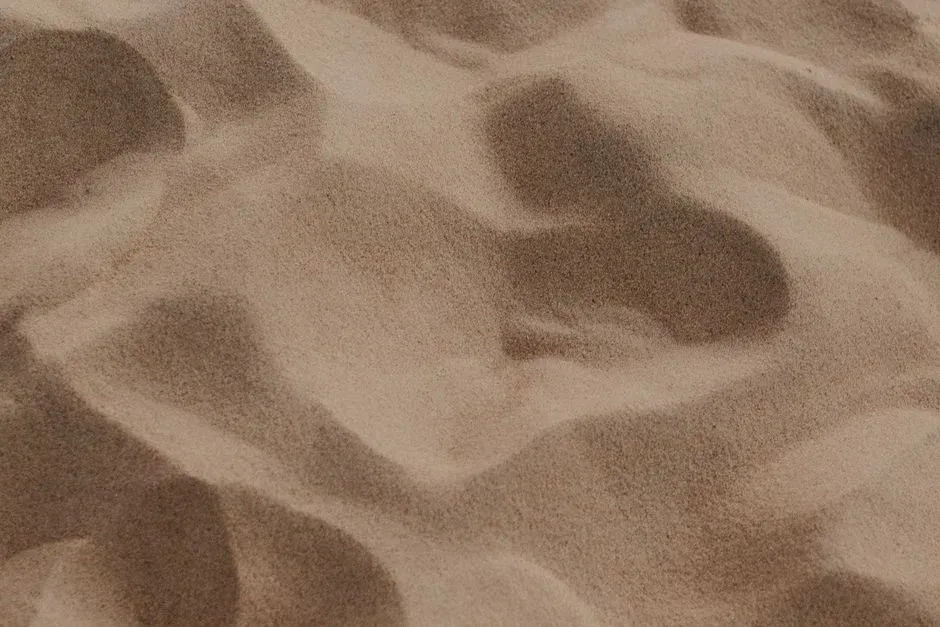
Look at individual sand grains under magnification and you’ll notice something surprising: wind-transported grains often develop a frosted, rounded texture, quite different from the sharper, more angular grains found in sand shaped mainly by water instead of air.
This happens because repeated grain-to-grain collisions during saltation – the bouncing, hopping motion sand undergoes in strong wind – gradually wear down edges and etch tiny frosted patterns onto the surface. The more rounded and frosted a grain looks, the more likely it’s been picked up, dropped, and transported by wind over a long period.
Scientists studying dune sand under a microscope use this texture to estimate roughly how much wind-driven movement a single grain has experienced – a layer of insight separate from, but complementary to, the direction and speed data found elsewhere in the formation.
#11 – Trapped Organic Material Lets Scientists Date Specific Wind Events

Buried inside many dunes are tiny fragments of pollen, charcoal, and organic dust that got swept up and deposited alongside the sand itself. These fragments are enormously valuable because, unlike sand grains, organic material can often be dated using radiocarbon techniques.
By extracting fragments from specific depths and dating them, researchers can attach an actual calendar date to a particular layer of the dune. Combine that with the cross-bedding direction and grain-size data from that same layer, and you get a dated wind event – a specific year or decade when wind blew from a particular direction with a particular intensity, preserved in a place most people would never think to look.
This is part of why certain dune fields have become serious research sites. They aren’t just piles of sand – they’re natural archives that, when properly sampled, can be cross-referenced with historical climate records to a startling degree of accuracy.
#12 – Blowout Scars Reveal the Century’s Most Extreme Wind Events
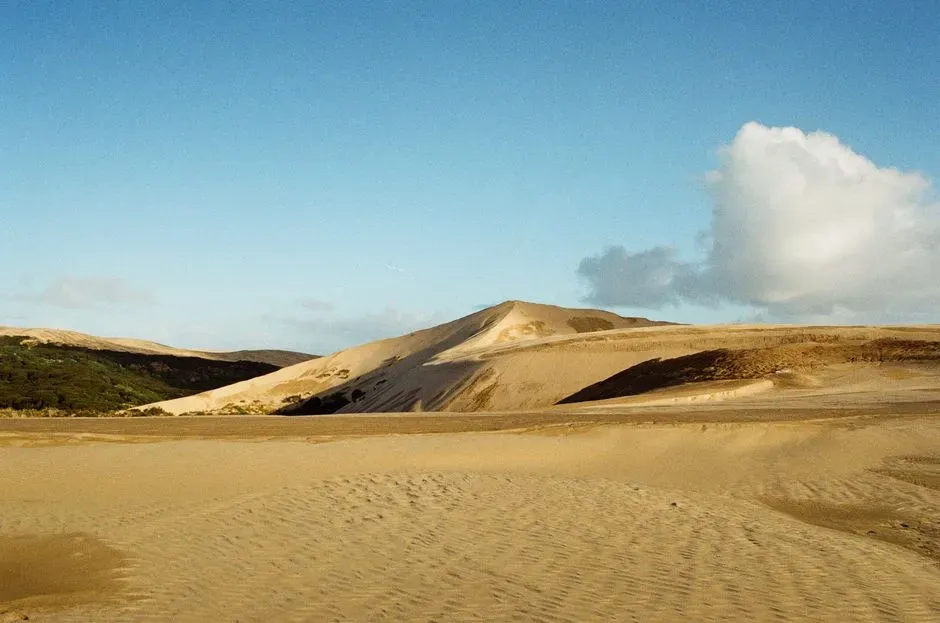
Sometimes wind doesn’t reshape a dune gradually – it rips into it. Unusually intense wind events strip away vegetation and destabilize the surface faster than the dune can naturally repair itself, carving out a depression known as a blowout.
Blowouts leave behind a distinct erosional signature: a bowl-shaped scar, often ringed by displaced sand redeposited nearby in irregular mounds. When researchers find multiple blowout scars at different depths or ages within a single dune system, it suggests the area lived through repeated extreme wind events, not just steady, moderate gusts over time.
In many long-term dune studies, blowouts end up being the most dramatic entries in the sand’s century-long diary – sudden, violent chapters standing out sharply against otherwise slow, patient decades of gradual buildup.
At a Glance
- Blowouts form when extreme wind strips vegetation and destabilizes sand faster than the dune can recover.
- They leave a bowl-shaped scar, often ringed by sand redeposited nearby.
- Multiple blowout scars at different depths point to repeated extreme wind events, not just steady gusts.
- These scars are usually the most dramatic entries in a dune’s century-long record.
The Bottom Line
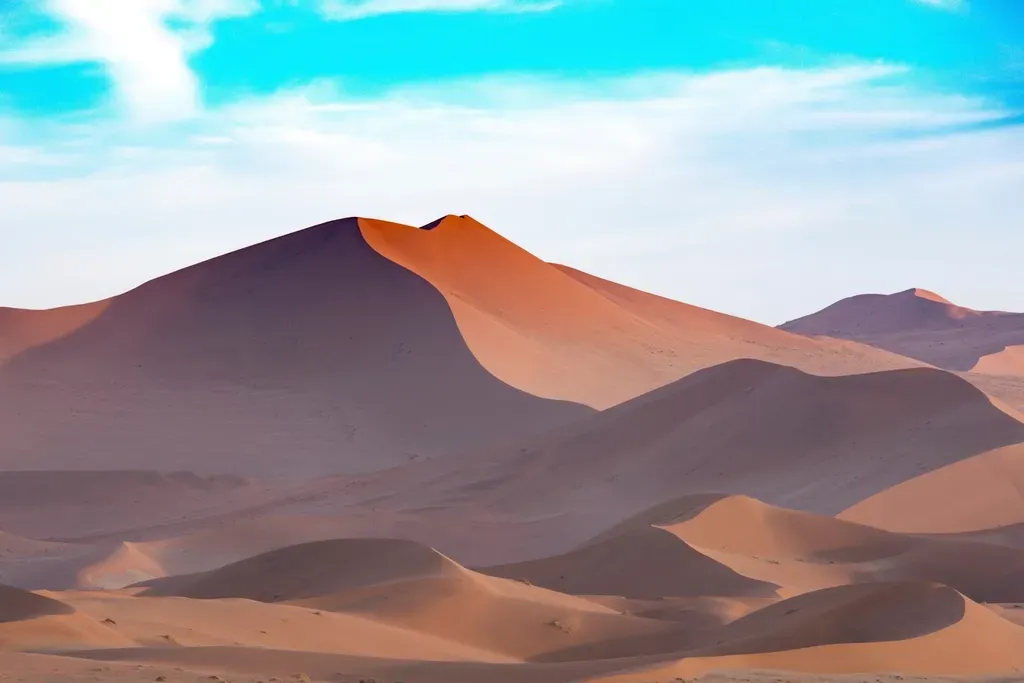
A sand dune isn’t scenery. It’s a slow-motion recording device, layering direction, speed, stability, and even violent storm events into a structure most people write off as empty desert.
From cross-bedding to buried pollen to blowout scars, every dune quietly holds a century’s worth of wind history that almost nobody bothers to notice. We’d argue that’s the actual scandal here – not that the information exists, but that it’s been sitting in plain sight the entire time, ignored by everyone who assumed sand couldn’t possibly have anything to say.
Once you know what to look for, it’s genuinely hard to see a dune the same way again. It stops looking like “just sand” and starts looking like an archive nobody bothered to read until now. Have you ever walked across a dune without realizing what was buried beneath your feet? Drop your thoughts in the comments.