
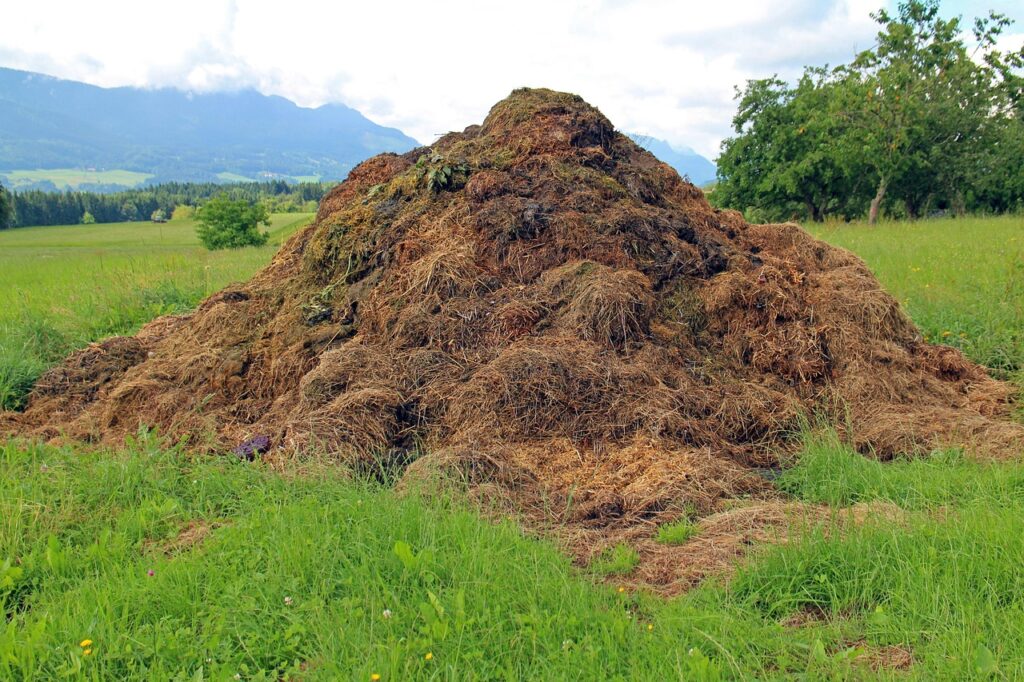
At first glance, a compost heap looks like a humble pile of leftovers: apple cores, coffee grounds, dead leaves, maybe a wilted bouquet or two. But under the surface, there’s a wild, microscopic city running on heat, gas, and constant transformation. A good compost heap does so many strange, almost unbelievable things that if you had to describe it to someone who’d never seen one, it would sound like science fiction.
I still remember the first time I stuck a thermometer into a compost pile and watched the needle climb higher than my oven on a low setting. That was the moment I realized: this is not just “rotting garbage.” This is chemistry, biology, and engineering all happening at once in the corner of the backyard. And a lot of what that heap is quietly doing would shock most people.
Let’s walk through fourteen of the weirdest, most fascinating jobs your compost heap pulls off every single day. Some of them are cozy and life-giving, others are borderline gross, and a few sound so unlikely you’d think someone made them up for a sci‑fi novel.
#1 It Turns Kitchen Trash Into a Mini Power Plant
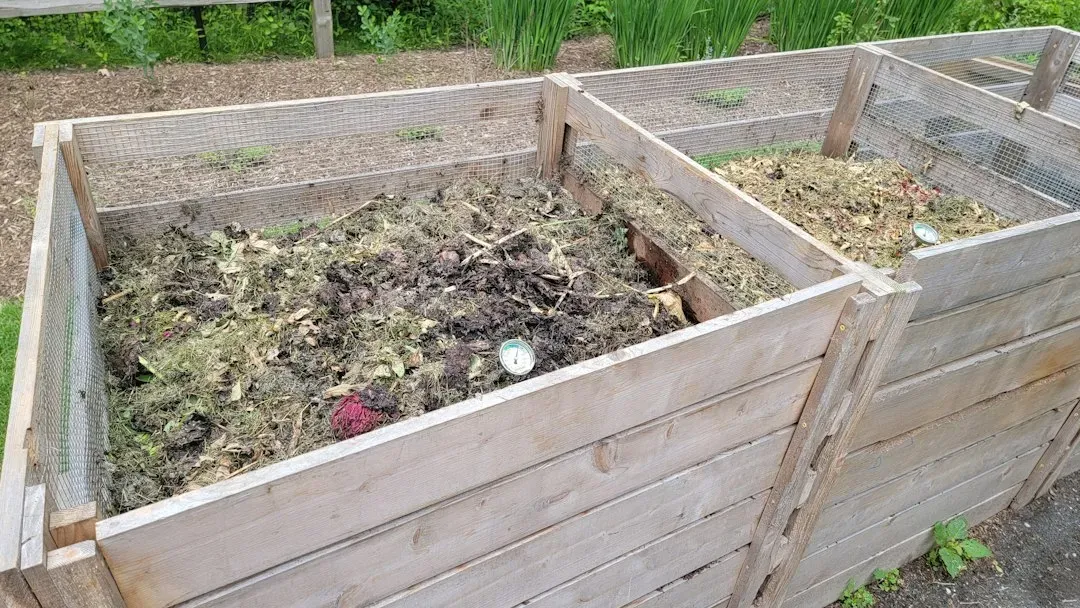
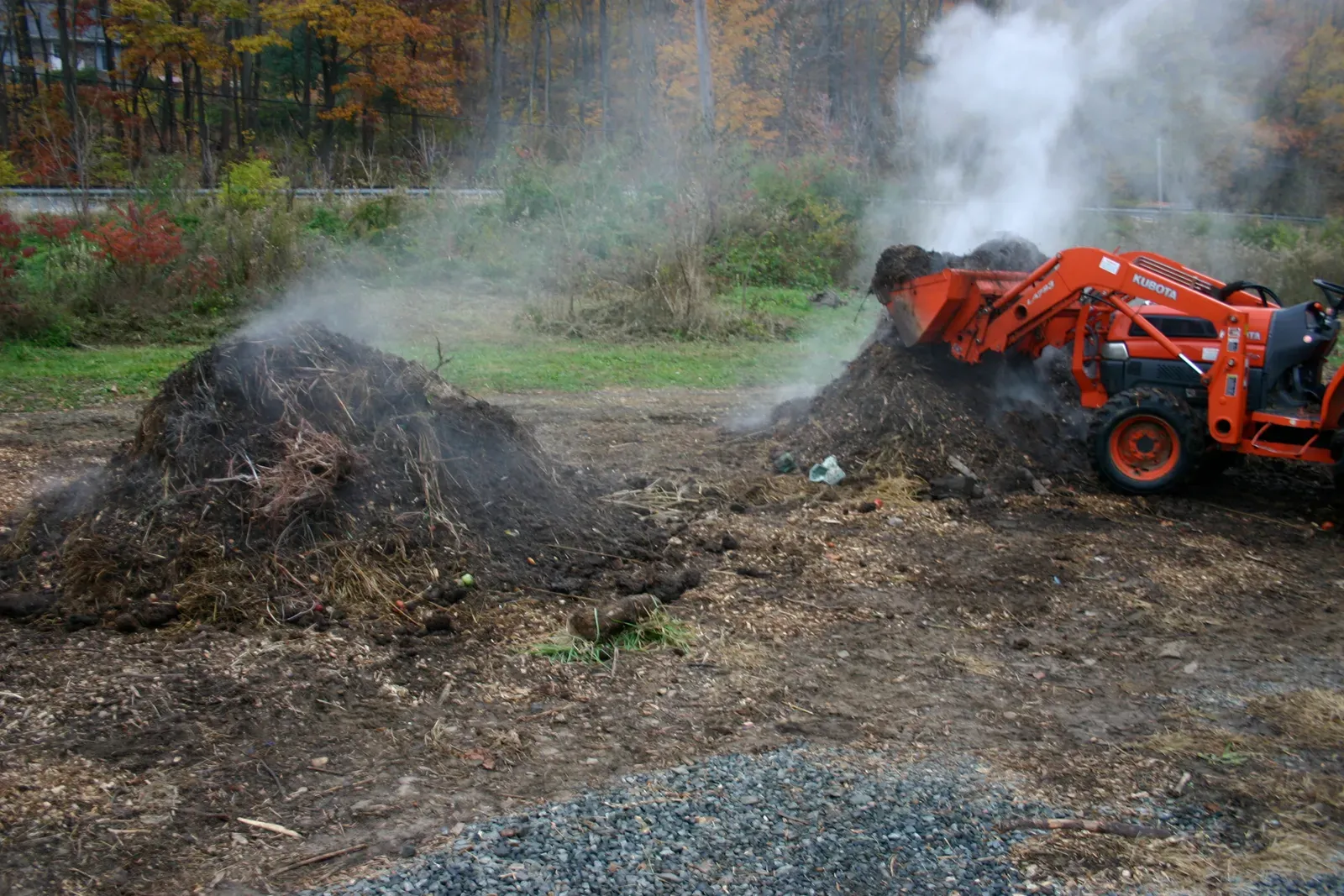
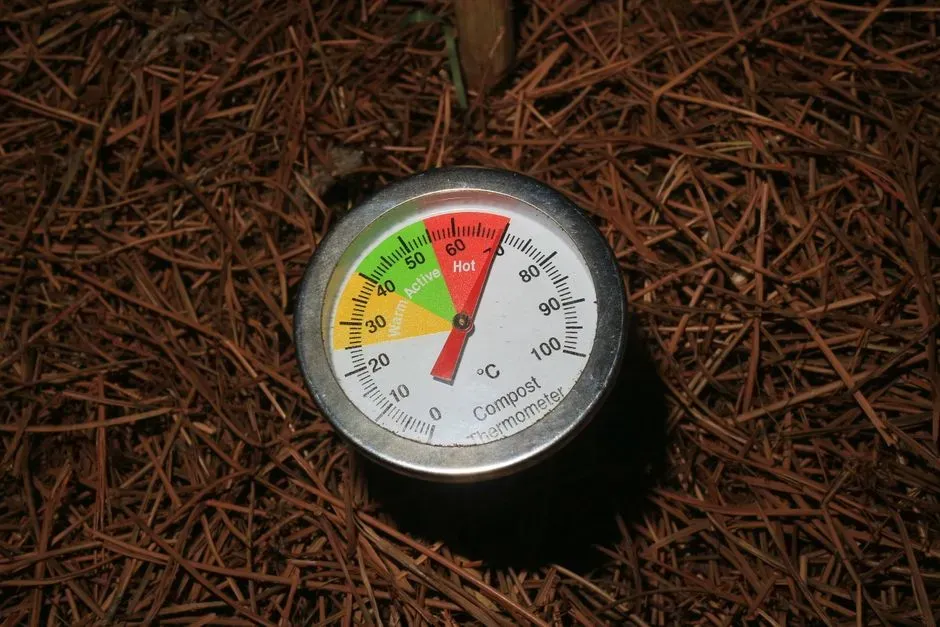
Here’s the first thing that sounds fake: your compost heap literally runs a tiny power plant fueled by banana peels and dead leaves. When microbes feast on all that organic material, they break complex molecules into simpler ones, releasing energy as heat. In an active “hot pile,” the core can reach temperatures similar to what you’d use to bake bread on a very low setting, sometimes even higher.
This heat doesn’t come from the sun; it’s generated inside the pile through microbial respiration. Bacteria and fungi are basically breathing, burning carbon just like we do, except they do it billions of times over in a compact space. That constant biological burning is what turns a chilly heap of scraps into something you can actually warm your hands over on a cold morning.
When a compost heap is well-built – right moisture, enough air, a good balance of “greens” and “browns” – its internal temperature can stay high for days or weeks. That’s why people sometimes run tubing through compost piles to pre-warm water for greenhouses or outdoor showers. Is it going to replace your grid power? No. But in its own small way, that scrappy heap is converting chemical energy from food waste into usable, tangible heat.
- Microbes “burn” carbon-rich materials and give off heat.
- A well-managed pile can stay hot for weeks in the center.
- That heat can be harvested in simple ways (like warming water).
#2 It Hosts an Invisible City of Billions of Organisms
If you could shrink down and walk into a compost heap, it would feel less like a pile of trash and more like a neon-lit megacity that never sleeps. A single teaspoon of healthy compost can hold more microorganisms than there are people on Earth. We are talking bacteria, fungi, actinomycetes, protozoa, and microscopic worms all eating, excreting, reproducing, and dying in overlapping waves.
Each group has its preferred food and favorite temperature. Some bacteria thrive in the initial, cooler stages, tearing into fresh scraps. As the pile warms up, heat-loving microbes move in. Fungi send out thread-like hyphae, breaking down tougher materials like lignin in wood chips. And as the pile cools down again, yet another cast of characters appears to finish the job.
When you turn your pile with a fork or tumbler, you’re not just “mixing things up.” You’re disrupting and reshaping the neighborhood: moving oxygen into low-oxygen pockets, shifting food sources, and literally relocating microbial communities. It’s like urban planning for organisms too small to see. The crazy part is that all this is happening without you giving any orders; nature already wrote the script.
- Billions of microbes live in a single teaspoon of mature compost.
- Different microbes dominate at different stages and temperatures.
- Turning the pile rearranges and re-oxygenates this entire ecosystem.
#3 It Heats Up Enough to Kill Many Weed Seeds and Pathogens
Another thing that sounds too convenient to be true: the same heat that warms your compost pile can also help clean it up. In a well-managed hot compost heap, the internal temperature can rise high enough, and stay high long enough, to damage or destroy many kinds of weed seeds and plant pathogens. That means a properly built pile can be safer to add back to your garden than simply tossing raw plant debris around.
For this to work, the pile needs enough size (usually at least a big cube or mound), plenty of nitrogen-rich materials like fresh grass clippings or kitchen scraps, and enough moisture and air to keep the microbes happy. When all that lines up, you get a self-sterilizing effect in the hotter core layers. It won’t magically erase every problem organism, but it can significantly reduce common troublemakers.
This is why serious composters are obsessed with pile temperature, sometimes checking it daily with a long-stem thermometer. They’re not just nerding out; they’re tracking whether the pile spent enough time in the “hot zone” to do this cleansing job. It’s strange to think that a mess of old tea bags and autumn leaves can turn into a kind of slow, natural disinfecting chamber, but that’s exactly what happens.
#4 It Traps Carbon That Would Otherwise Fuel Climate Pollution
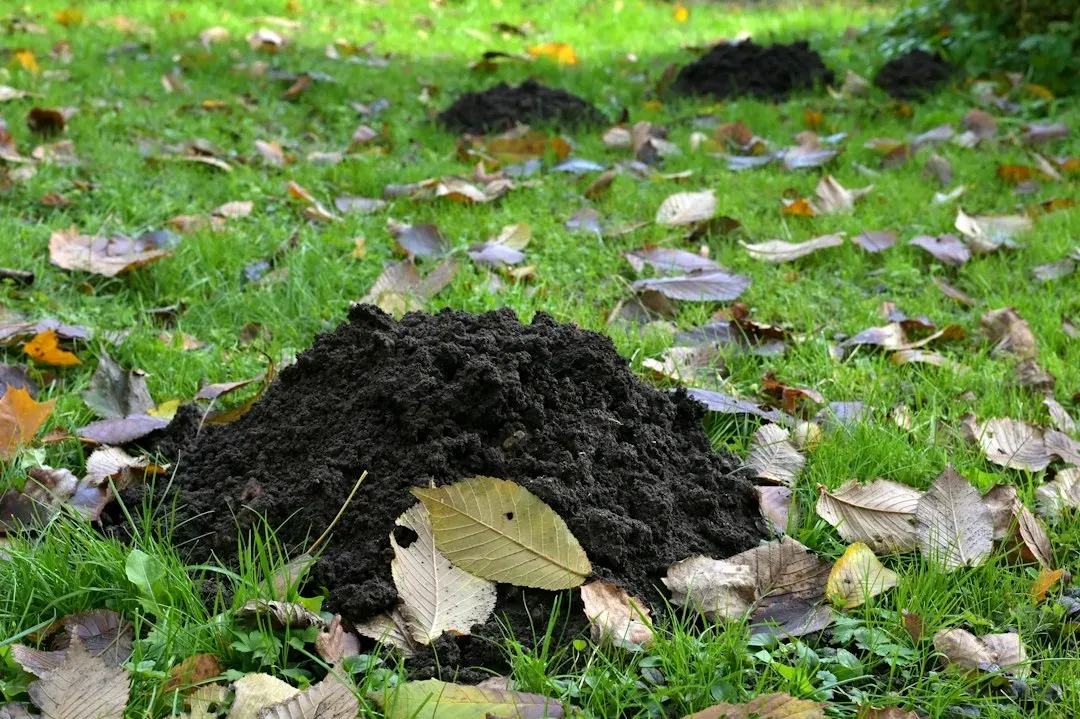
It sounds dramatic to say that a backyard compost bin is doing climate work, but it actually is – if you manage it decently. When food scraps and yard waste end up buried in a landfill, they often break down without enough oxygen. That low-oxygen decomposition can generate methane, a potent greenhouse gas that warms the planet far more aggressively than carbon dioxide over shorter timescales.
Composting takes a different route. In a well-aerated pile, microbes mainly produce carbon dioxide and water vapor, and a good chunk of the carbon ends up locked into stable organic compounds in the finished compost. These complex molecules break down slowly in soil, effectively storing carbon that might otherwise have become fast, intense greenhouse pollution.
Nobody’s claiming your three-bin system is going to offset an airline’s emissions. But on a household scale, diverting kitchen and yard waste from landfills and into compost is a practical, immediate way to shrink your personal climate footprint. It’s one of those rare actions that costs almost nothing, fits into daily life, and quietly transforms a problem – food waste – into a resource that keeps working for years.
- Landfilled organic waste often generates methane under low-oxygen conditions.
- Composting in airier conditions reduces methane formation.
- Finished compost stores carbon in more stable organic forms in soil.
#5 It Recycles Nutrients With Almost Ridiculous Efficiency
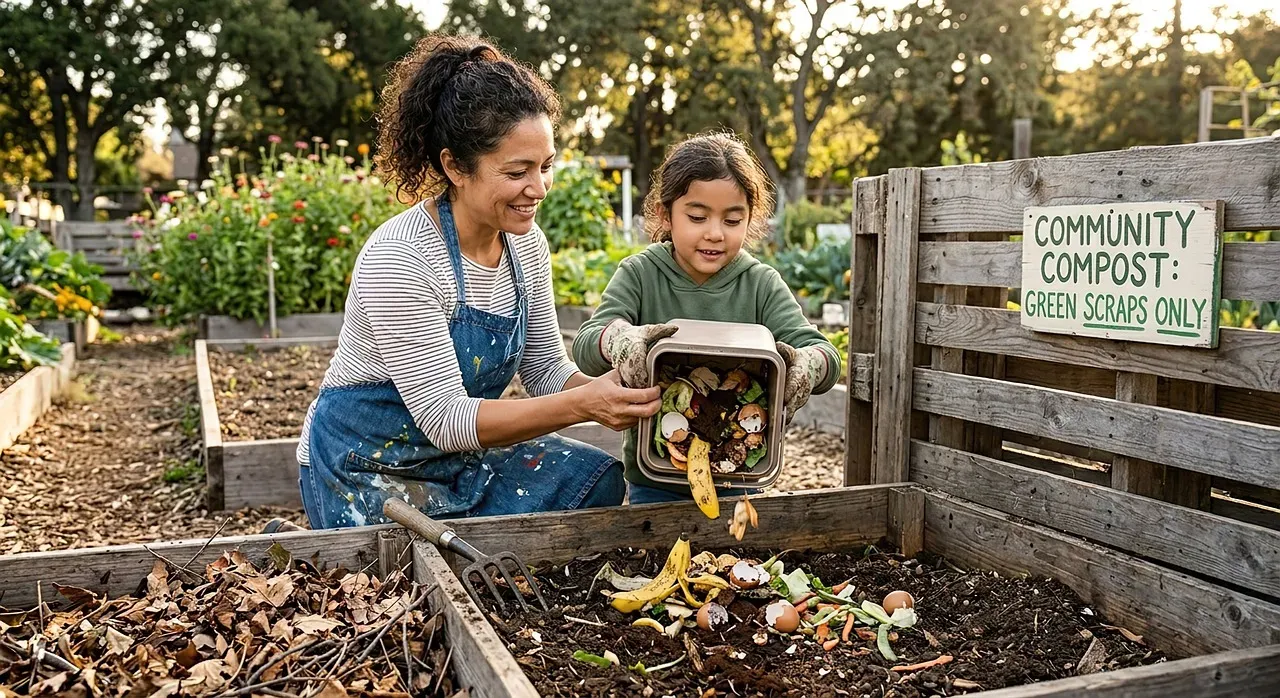
If you’ve ever poured expensive fertilizer into a watering can, it’s wild to realize your compost heap is making a slow-release, custom blend of nutrients almost for free. Every banana peel, coffee filter, and fallen leaf carries nutrients that plants once pulled from the soil. When you compost them, you’re not just getting rid of waste; you’re cycling those elements right back into a form plants can use again.
As organic matter decomposes, nitrogen, phosphorus, potassium, calcium, magnesium, and a whole cast of micronutrients are released, bound, and re-bound into new compounds. A lot of them end up stuck to tiny particles of humus, the dark, crumbly stuff that gives rich soil its nearly black color. That binding helps keep nutrients available in the root zone instead of washing away with every rain.
When people talk about closing the loop in gardening or farming, compost is usually at the center of that conversation. Instead of constantly importing fertility in bags and bottles, you let your own waste stream become the raw material. The efficiency isn’t perfect – some nutrients are lost as gases or leached water – but compared to just throwing organic waste away, a compost heap is shockingly good at keeping the good stuff in play.
#6 It Creates a Natural Soil Sponge That Holds Water Like a Memory Foam Mattress
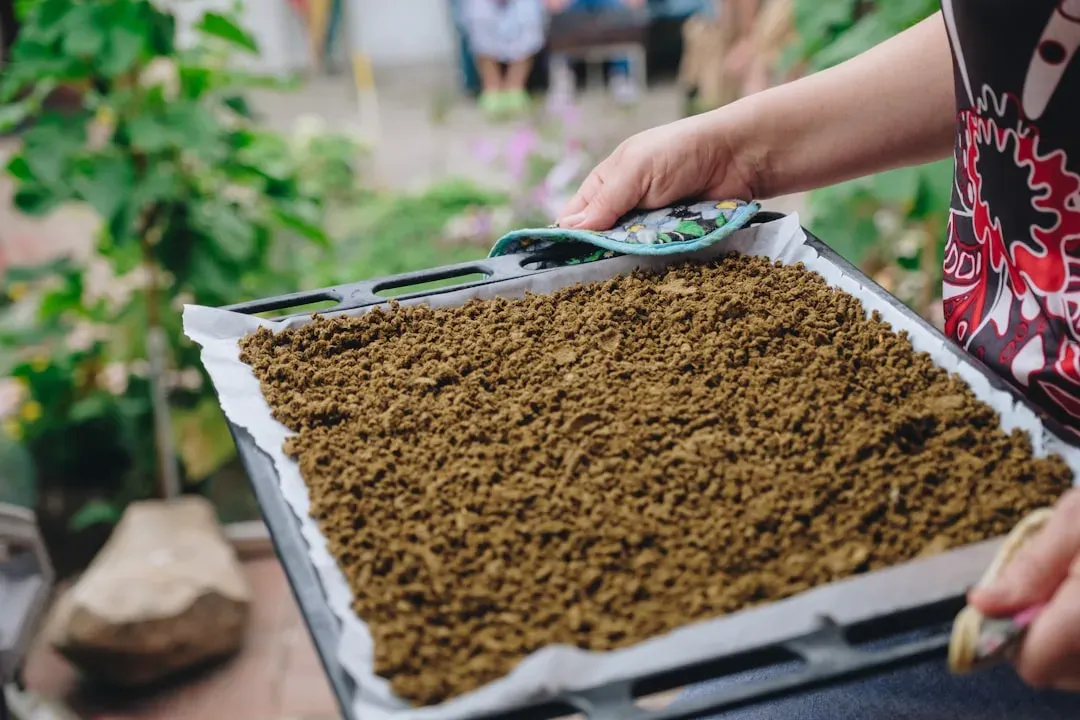
One of the strangest, most underrated things your compost heap does is build what is essentially a natural water management system. Finished compost is packed with organic matter, and organic matter acts like a sponge in soil. It can soak up water during rains and irrigation, then release it slowly over time, buffering plants against both drought and sudden downpours.
On a microscopic level, compost increases what soil scientists call aggregate stability: tiny clumps of mineral particles and organic matter held together in a way that resists erosion. These aggregates create little pores that can hold water and air at the same time. More pores mean more storage space for both roots and moisture, a bit like adding all-season treads to the tires of your soil.
Here’s the part most people miss: this water-holding power scales. Add compost over several seasons, and your soil can shift from crusted, compacted, and water-repellent to rich, crumbly, and absorbent. In a world where rainfall patterns are getting weirder, that natural sponge effect is more than a gardening perk; it’s a low-tech form of climate resilience.
- Compost-rich soil absorbs and stores more water during storms.
- It releases moisture gradually, helping plants ride out dry spells.
- Improved structure reduces runoff and erosion.
#7 It Silently Changes the pH and Chemistry of Your Soil
Here’s a quieter superpower: compost can nudge your soil chemistry in more plant-friendly directions without you needing to test and tinker every week. Most mature compost tends to be near neutral or just slightly on one side of the pH scale, and when you mix it into soil, it can buffer extremes. Acidic soils are often moderated, and overly alkaline soils can also be softened toward the middle over time.
This buffering effect is partly physical – compost particles hold onto ions, including acidity and alkalinity – but it’s also biological. Compost brings in microbial communities that keep cycling and transforming nutrients, which can prevent the kind of chemical “spikes” that stress plants. Instead of sharp swings, you get a more gradual, forgiving environment.
On top of that, compost introduces complex organic molecules that can grab onto metals like iron, zinc, or manganese and make them more available to plants, while sometimes tying up more harmful forms. It’s like having a smart filter mixed right into the soil, quietly making decisions about what gets through to roots and what stays locked up where it can’t do harm.
#8 It Becomes a Hotel and Buffet for Earthworms and Other Soil Animals
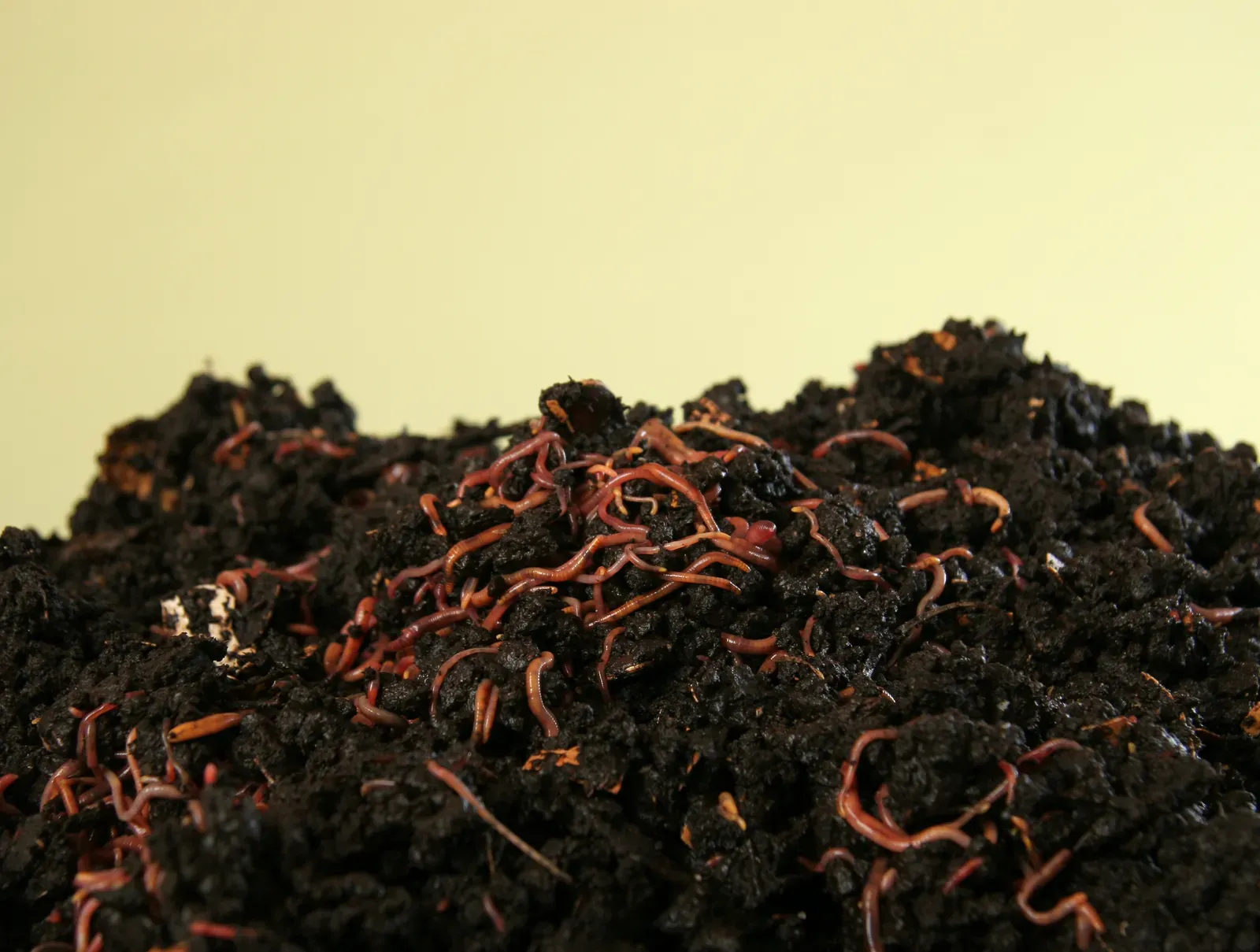
A well-built compost heap starts out as a microbial party, but pretty soon the bigger creatures show up for dinner too. Earthworms, beetles, springtails, and various tiny arthropods move in, turning your pile into a living hotel and buffet. For earthworms in particular, compost is basically the all-you-can-eat brunch they dream of: moist, rich in organic matter, and full of partially decomposed material that’s easier to digest.
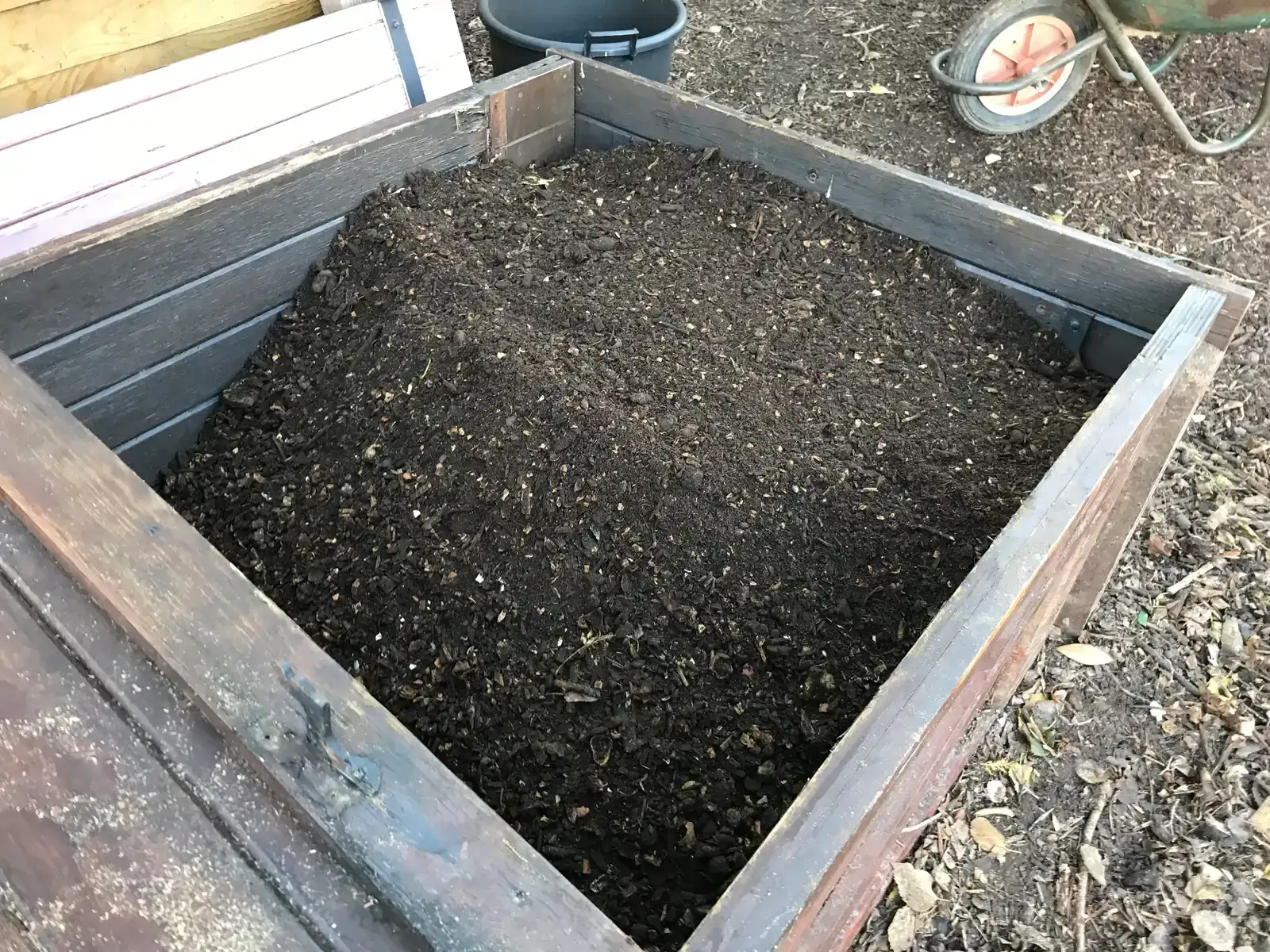
As they tunnel and feed, earthworms shred scraps into smaller pieces, breaking down tough materials that microbes alone would need far longer to handle. Their castings – worm poop – are incredibly rich in plant-available nutrients and beneficial microbes. When you see worm castings scattered through a finished heap, that’s a sign your compost has become something close to luxury soil.
The presence of these soil animals is not just cute; it’s functional. Their movement opens up pathways for air and water, and their grazing helps keep microbial populations dynamic rather than dominated by any one group. It’s strange but true that a pile of orange peels and lawn clippings can transform into habitat, offering food and shelter to an entire tiny food web.
- Earthworms and insects accelerate decomposition by shredding material.
- Their tunnels improve air and water flow inside the pile.
- Worm castings enrich the final compost with concentrated nutrients.
#9 It Manufactures Natural Antibiotics and Plant-Protective Compounds
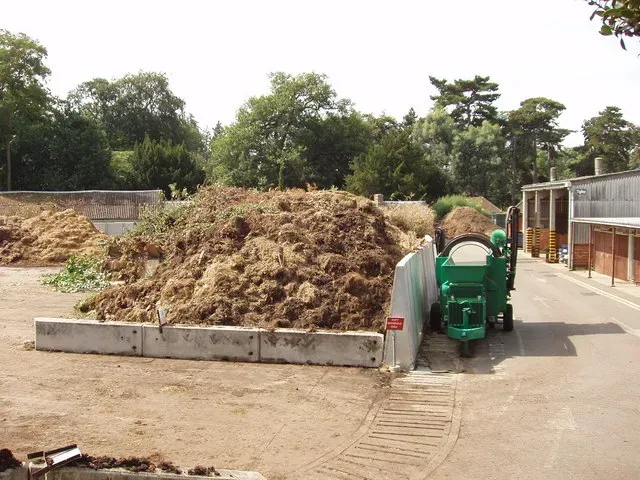
This is the part that sounds almost suspiciously magical: inside a healthy compost heap, some microbes are not just decomposing material; they’re also producing compounds that can help suppress certain plant diseases once the compost is applied to soil. These substances are not packaged drugs but naturally occurring antibiotics and defensive chemicals that evolved in the constant microscopic turf war under our feet.
In the chaos of a compost pile, microbes are competing fiercely for food and space. Some bacteria and fungi release substances that inhibit or outcompete others, including organisms that can cause root rots or wilts in crops. When compost is mature, well-balanced, and added to soil, these protective microbes can continue their quiet policing work in the root zone.
Now, this is not a miracle cure. Compost is not going to eradicate every disease, and the results can be very specific to local conditions. But the basic idea – that a heap of old vegetable scraps can become a source of biological disease resistance – still feels like a plot twist. You are, in a very real sense, cultivating your own tiny pharmacy without ever labeling a bottle.
#10 It Neutralizes Many Smells Instead of Creating Them
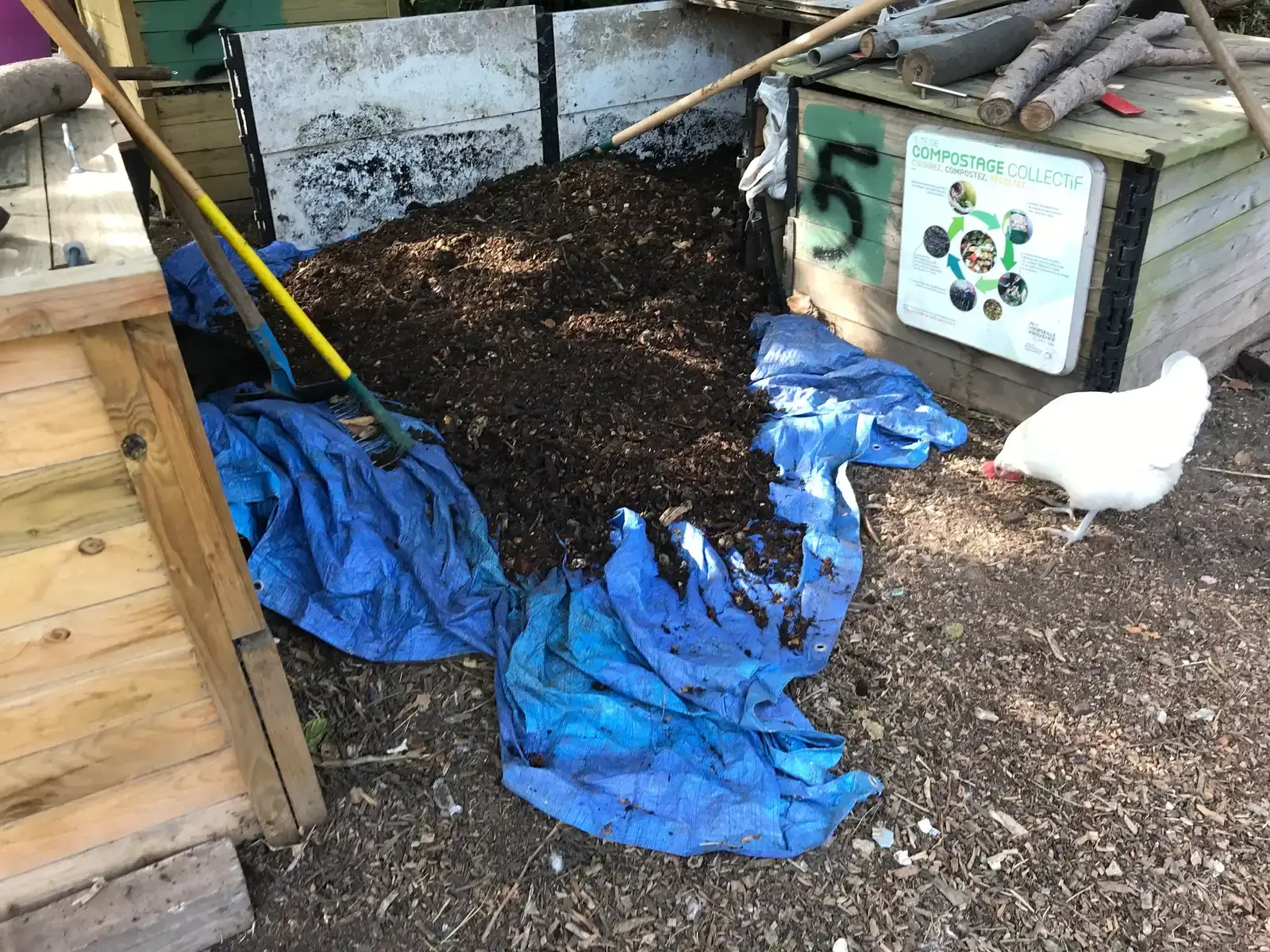
Ask someone who’s never composted what a compost heap smells like, and they’ll probably imagine an open dumpster in July. The surprising truth: when things are balanced, an active compost pile smells pleasantly earthy, a bit like a forest floor after rain, not like a trash can. In fact, composting can actually reduce smells compared to throwing scraps into regular garbage.
Most of the nasty odors people associate with rot come from low-oxygen, anaerobic decay. When a pile is soggy, compacted, or overloaded with wet “greens” like food waste, you get that sour, rotten-egg aura nobody wants. But if you add enough dry “browns” – shredded paper, leaves, straw – and keep some air flowing, aerobic microbes take over. They produce gases that are far less offensive to the human nose.
Here’s the twist: finished compost is also useful as a smell-buffer in places like garden beds, mulched areas, or even around pet spots. Its fine texture and rich biology can help absorb and transform smelly compounds, especially when mixed with soil. It is not a magic deodorizer, but compared to raw waste, it’s the difference between a closed-window basement and a room with fresh air flowing through.
- Bad smells usually come from soggy, airless conditions in the pile.
- Balanced composting produces an earthy, forest-like smell instead.
- Finished compost can help buffer and reduce certain odors in soil.
#11 It Acts Like a Slow-Release Battery for Plant Nutrition
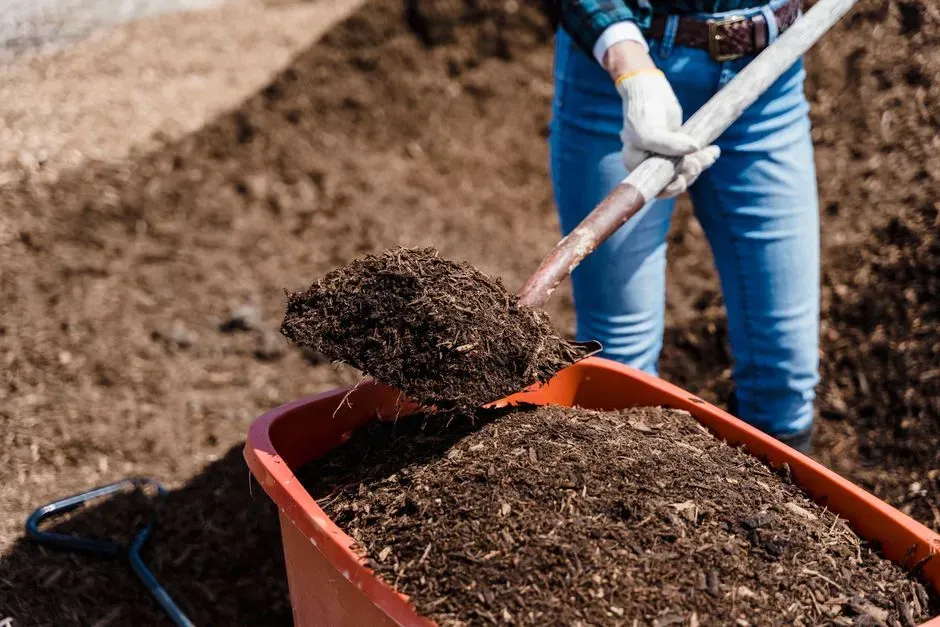
Another thing that sounds invented: your compost heap is building a nutritional battery and charging it over months. When you finally spread that compost in the garden, plants do not get a single big blast of nutrients the way they might from synthetic fertilizer. Instead, they receive a steady trickle over weeks, months, and sometimes even years as organic compounds keep breaking down.
This slow-release effect comes from the complexity of the molecules in compost. Some are relatively simple and break down quickly; others are tangled, resistant structures that soil microbes can only nibble at. As different compounds become available at different times, plants can tap into a changing buffet instead of one overwhelming feast they can’t fully use.
From a gardener’s point of view, this means fewer boom-and-bust cycles: less risk of burning plants with overly strong doses, and a lower chance that excess nutrients will just wash away in the next rain. In a world obsessed with instant results, compost’s gentle, long-term feeding style is almost old-fashioned – but it works beautifully.
#12 It Quietly Filters and Cleans Some Pollutants
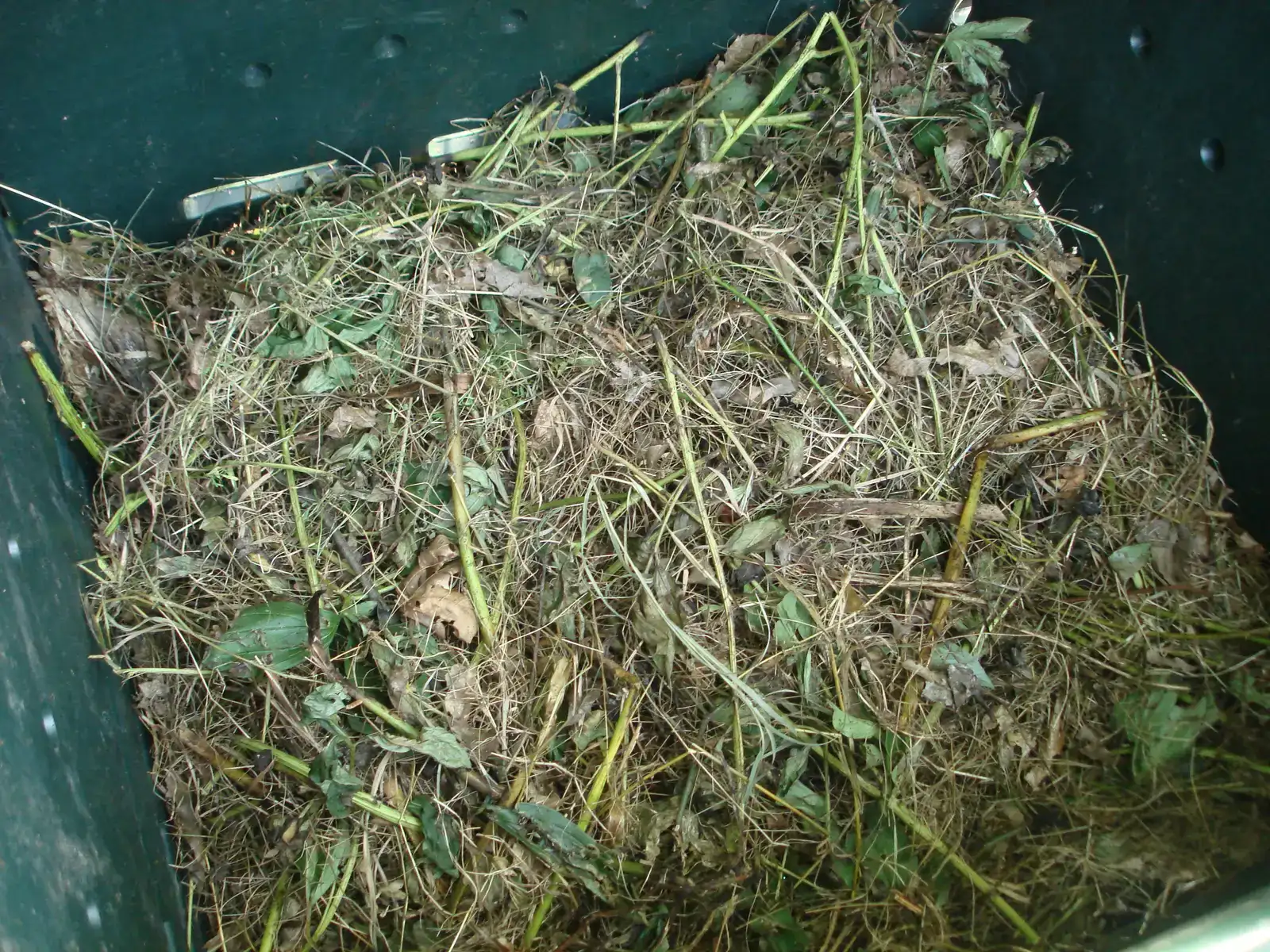
This one has to be handled carefully, but it is still remarkable: compost can help bind and transform certain contaminants, making them less mobile or less available to plants and animals. The dark, carbon-rich humus in compost carries a lot of surface area and chemical “hooks” that can grab onto molecules, especially some heavy metals and organic pollutants, and hold them tighter than bare soil might.
At the same time, the living communities in compost can break down or modify various chemicals, from simple hydrocarbons to some more complex compounds. This capacity is one reason compost is sometimes used in bioremediation projects, like helping clean up oil-contaminated soils or managing runoff from certain industrial or urban areas. The process is not fast, glamorous, or universal, but it’s real.
That said, compost is not a magic detox sponge that can fix any pollution problem, and you absolutely do not want to compost things like motor oil or heavily contaminated industrial waste at home. But within reasonable limits – yard dust, low-level residues, ordinary urban grime – your compost heap is doing quiet clean-up work, turning light pollution burdens into more stable, less threatening forms embedded in organic matter.
- Humus in compost can bind some metals and pollutants.
- Microbes can transform or break down various contaminants over time.
- This is useful for modest, diffuse pollution – but not for extreme toxins.
#13 It Teaches You to See Time and Decay Differently
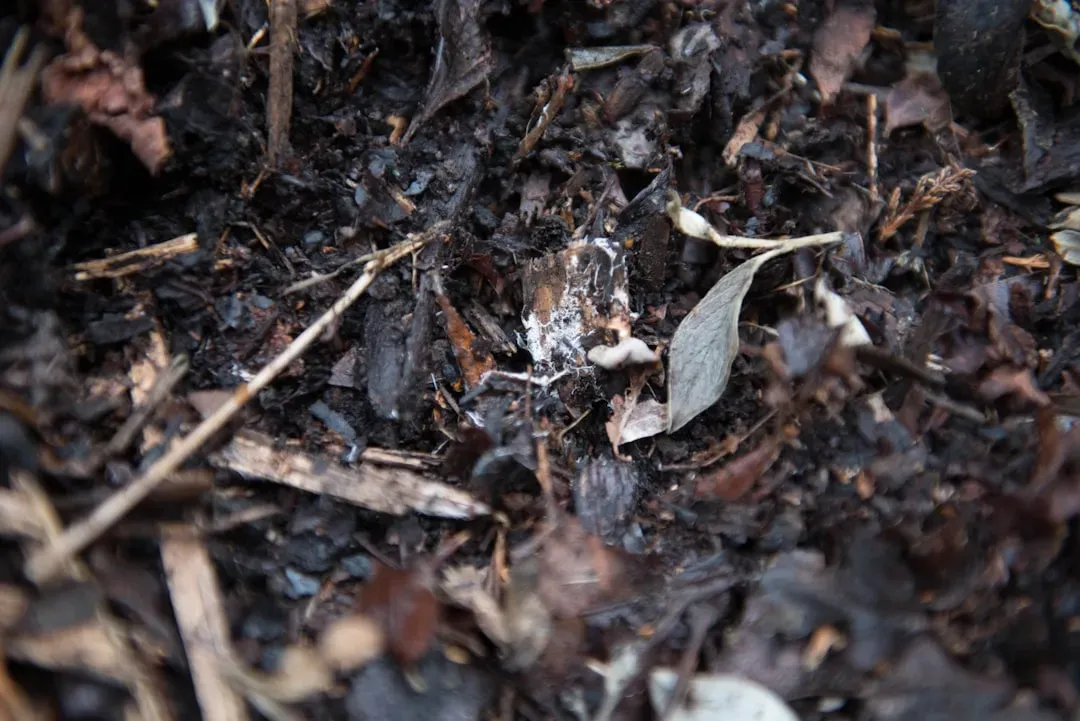
This one is more psychological than chemical, but it might be the most life-changing trick a compost heap pulls. Spend a year or two feeding a pile, and your sense of “waste” starts to dissolve. You see banana peels and coffee grounds and autumn leaves not as trash, but as future soil. You learn, in your bones, that endings are just midpoints in a longer cycle you usually do not notice.
I used to think decay was purely negative – the moment something started to rot, it was just on its way to being disgusting and gone. Watching compost changed that. Once you’ve seen fresh scraps become warm, dark, sweet-smelling humus, it’s really hard not to feel a weird affection for the whole process. That old cucumber in the back of the fridge stops being a failure and becomes a contribution.
In a culture that hides its garbage in bags and trucks it away before dawn, composting is almost a subversive act of honesty. You confront the mess, participate in its breakdown, and then reap the benefit in the form of tomatoes, roses, or houseplants that finally start to thrive. It is humbling and strangely hopeful to realize that decomposition is not an ending; it is maintenance.
#14 It Literally Rebuilds the Ground Under Your Feet
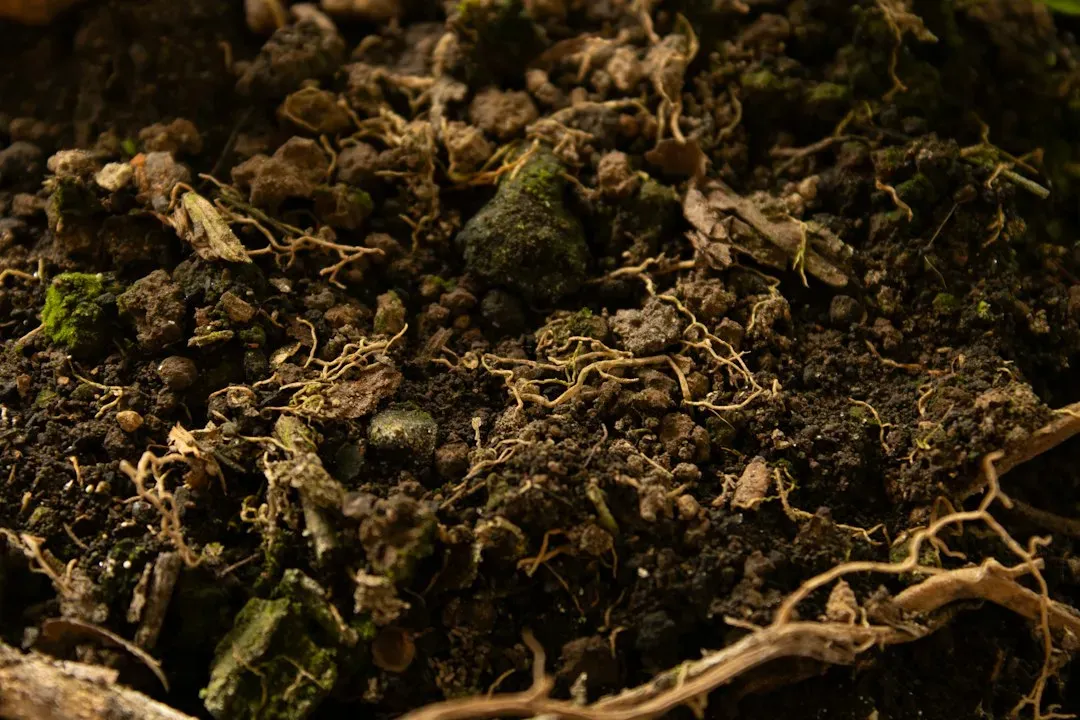
The last thing a compost heap does – quietly, slowly, relentlessly – is rebuild soil itself. Spread finished compost over a bed, season after season, and you can watch poor, pale dirt transform into dark, crumbly, living ground. That transformation is not theoretical; you see it in richer color, easier digging, deeper roots, and plants that look less stressed even when the weather gets weird.
Soil erosion and degradation are massive global problems, but at the backyard scale, compost is one of the clearest tools we have to push in the other direction. Every bucket of scraps you turn into compost and return to the land is a tiny act of repair. You are thickening the living skin of the Earth in your little corner of it, one peel and coffee filter at a time.
There is something almost outrageous about the fact that we throw away so much organic material when it could be doing this work. A compost heap is not glamorous. It will never trend on social media like a shiny new gadget. But in terms of raw, grounded impact, it is hard to beat: a dark, steaming, slightly funky engine for rebuilding the place we stand.
Conclusion: The Weirdest Machine You’ll Ever Own Is a Pile of Scraps
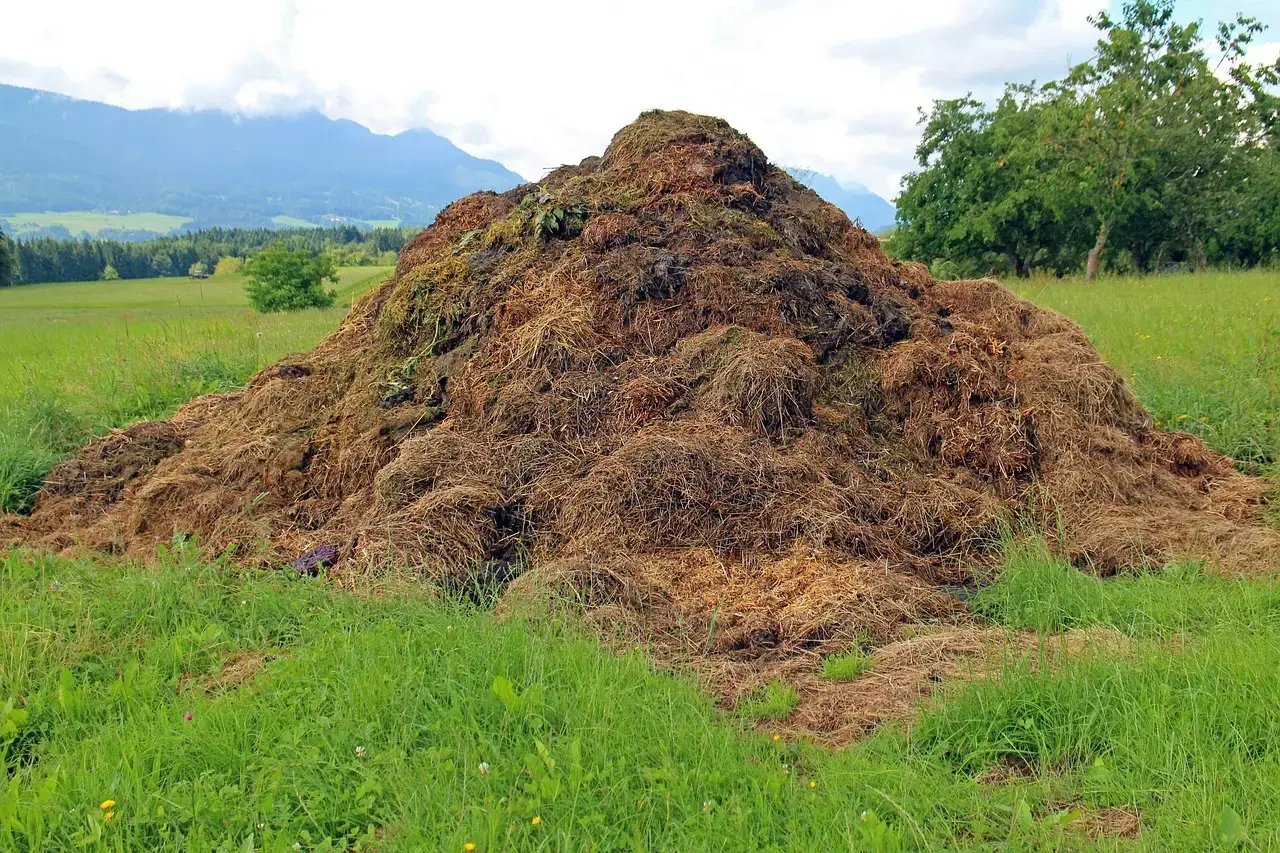
When you add it all up, a compost heap starts to look less like a hobby project and more like a strange, multi-tool machine: it heats itself, cleans itself, recycles nutrients, supports wildlife, buffers climate stress, and even shifts how you think about time and decay. The fact that it does all this powered by leftovers and fallen leaves feels almost like a glitch in the universe – in the best possible way.
I’m biased, I’ll admit it: I think a working compost heap is one of the most underrated technologies humans have ever used. It is low-tech but deeply sophisticated, quiet but wildly busy, simple enough for a kid to start and complex enough to keep scientists interested for entire careers. In a world obsessed with shiny, fast fixes, compost is stubbornly slow, humble, and real.
If you’ve been hesitating because it seems messy or pointless, this is your nudge: start a small pile, even if it’s just a bucket system on a balcony, and watch what happens over a year. You might be surprised by how much that unglamorous heap ends up changing your soil, your plants, and even how you see your own leftovers. Who knew the most futuristic thing in your home might be the oldest trick in nature’s book?