
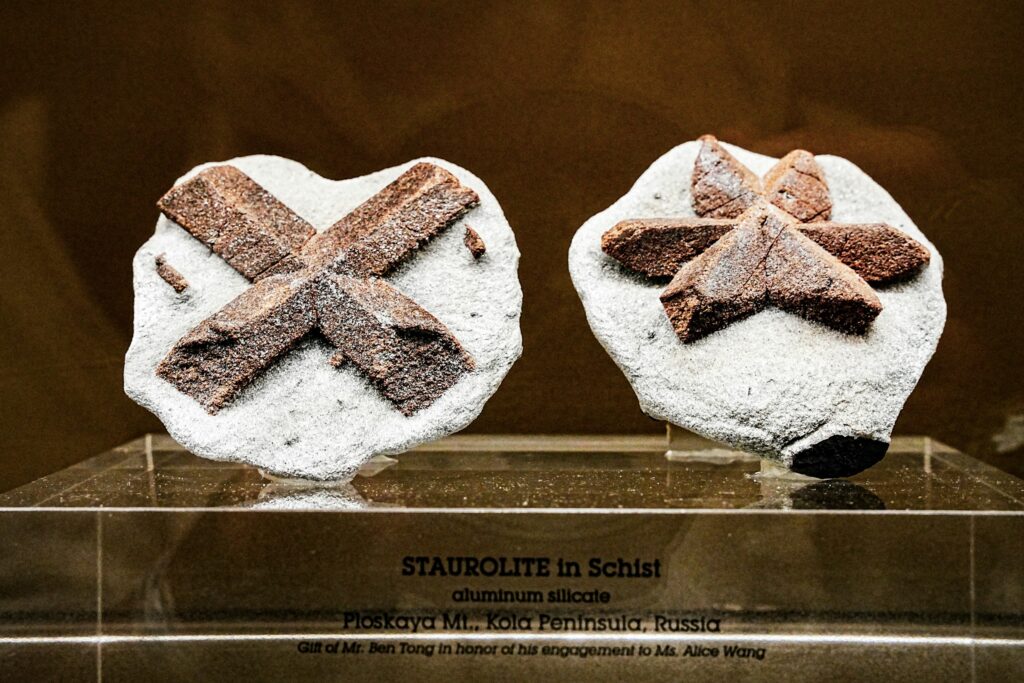
You’d think that if two specimens come from the same place, at roughly the same depth, in the same layer of rock or soil, they’d be telling one single, unified story. Same site, same time, same history… right? In reality, that comforting picture falls apart the moment scientists start looking closely. Under the microscope, in the lab, or during data analysis, those two specimens can seem like they came from completely different worlds.
Whether we’re talking about fossils from a dinosaur quarry, sediment cores from a lake bed, human bones from an archaeological grave, or rock samples from a Martian rover, this puzzle keeps coming up: how can two pieces of the same puzzle look like they belong to different boxes? That tension – between expectation and reality – is exactly where science gets exciting.
In this article, we’ll dig into why that happens. We’ll talk about how nature scrambles signals, how time and space quietly play tricks on our interpretations, and how our own methods and biases can twist what we think we’re seeing. Along the way, we’ll keep it grounded in real scientific logic, but in a way that still feels like a conversation, not a textbook. By the end, you might look at every “single site” discovery with a little more skepticism – and a lot more curiosity.
#1 The Myth Of A Single Story From A Single Site
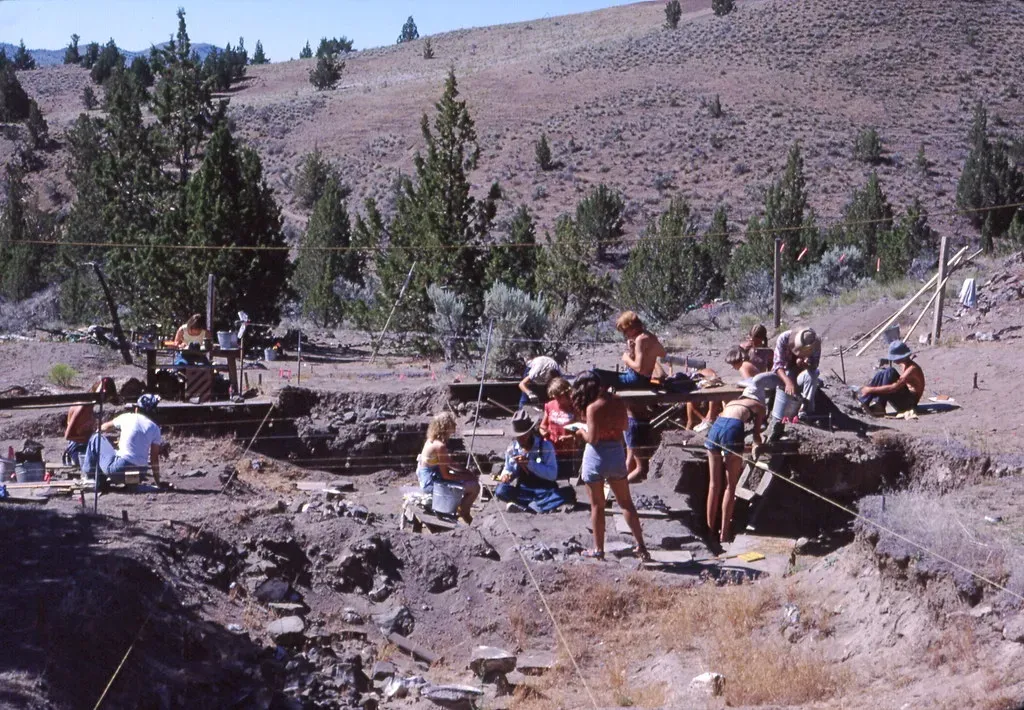
Here’s the uncomfortable truth: a “site” is almost never a neat snapshot frozen in time. It’s more like a messy photo album where pages have been torn out, shuffled, and spilled on the floor. Two specimens just a few meters apart might have formed at slightly different times, under subtly different conditions, or have undergone very different journeys before they ever landed in that shared layer of rock or sediment.
Scientists often talk about “context” as if it’s one solid thing: same layer, same date, same environment. But in practice, context is fuzzy. Sediments can mix, floods can wash in material from elsewhere, animals can burrow, and human activity can rearrange everything later. That means two specimens that look like neighbors might actually be distant cousins in both time and origin.
I remember the first time I realized this on a field trip: two fossils from the same sandstone layer, just a few steps apart, told opposite stories about water depth. One screamed shallow shoreline; the other whispered quiet, deeper waters. The shock wasn’t that one was wrong – it was that both were right, for different little moments in a changing environment that all got crammed into what we now call “one” layer.
So when you see headlines about an “extraordinary site” that “reveals” a single clear narrative, it’s worth pausing. More often than not, that story is stitched together from conflicting signals, negotiated, debated, and argued over. Two specimens disagreeing isn’t a problem to hide – it’s the starting point for real understanding.
#2 Microenvironments: Different Worlds Just Centimeters Apart
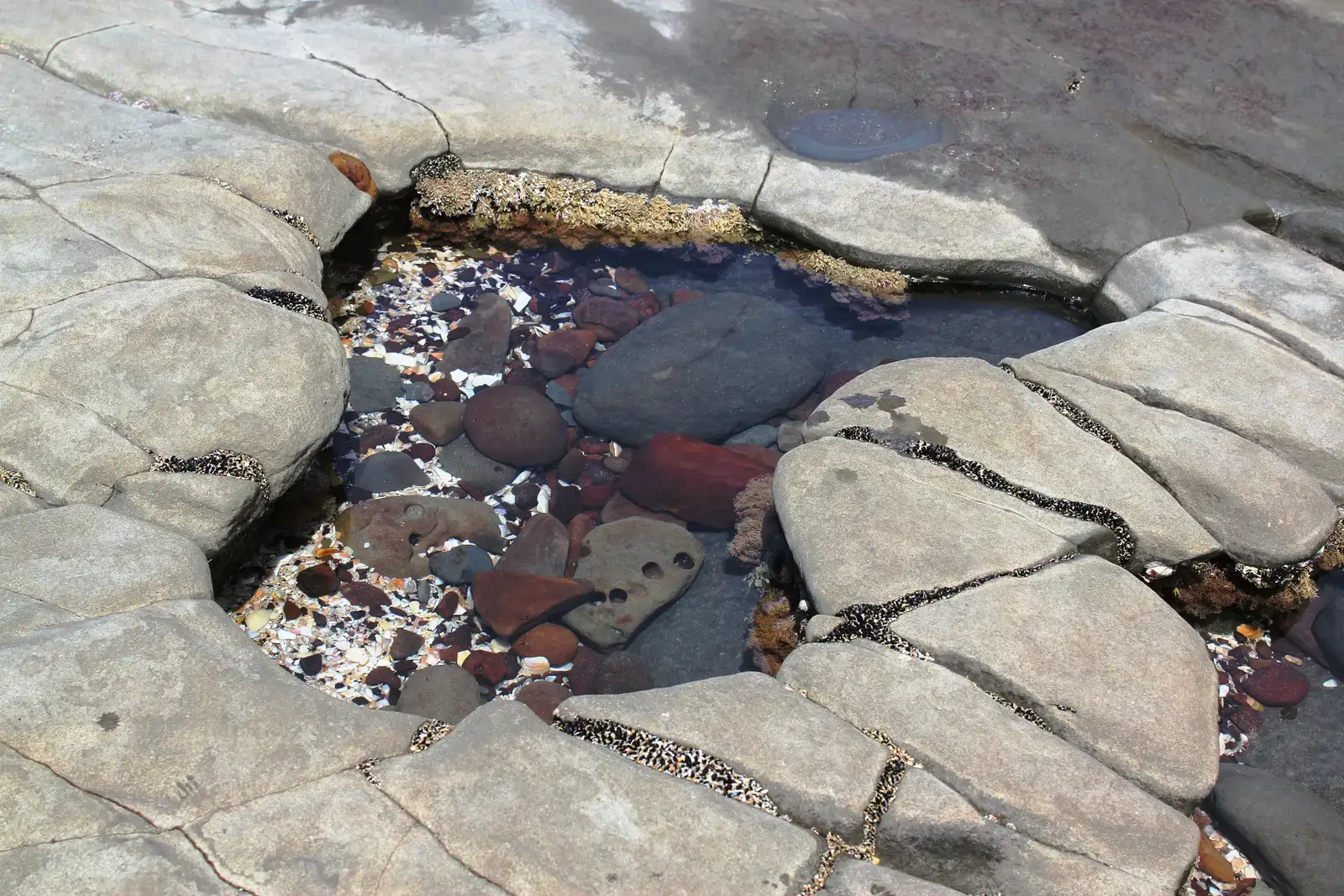
Even within the same site, life does not experience the environment uniformly. Microenvironments – tiny pockets of slightly different conditions – can exist just centimeters apart. Think of a tide pool versus a nearby rock outcrop, a shady tree root versus sun-baked soil, or a calm lagoon next to a choppy channel. Those differences can leave radically different signatures in the specimens that form there.
For example, in a shallow marine setting, one specimen might come from a sheltered micro-basin with slower water, more organic matter, and lower oxygen, while another formed on a nearby sandbar with stronger currents and better oxygenation. When preserved as fossils or sedimentary structures, these two settings can produce specimens that tell seemingly contradictory stories about energy levels, water depth, or oxygen conditions – even though they’re technically “from the same site.”
Local factors such as shade, plant cover, small-scale water flow, or even nearby decaying material can tweak chemistry and temperature on a tiny scale. In soils and sediments, microorganisms can create pockets of faster decay or stronger mineralization. Over time, those micro-scale differences become locked into bones, shells, pollen, or mineral grains, turning neighboring specimens into witnesses of distinct realities.
- Two specimens close together can experience different temperatures, water flow, or chemistry.
- Microenvironments can change how fast something decays, mineralizes, or gets buried.
- What looks like one uniform layer can hide a patchwork of tiny, distinct habitats.
So when two specimens disagree, it may not be that one is lying. They might just be describing their own tiny corner of the world – a world that never was as uniform as a simple map or cross-section tries to suggest.
#3 Time Smearing: When “Same Layer” Hides Different Ages
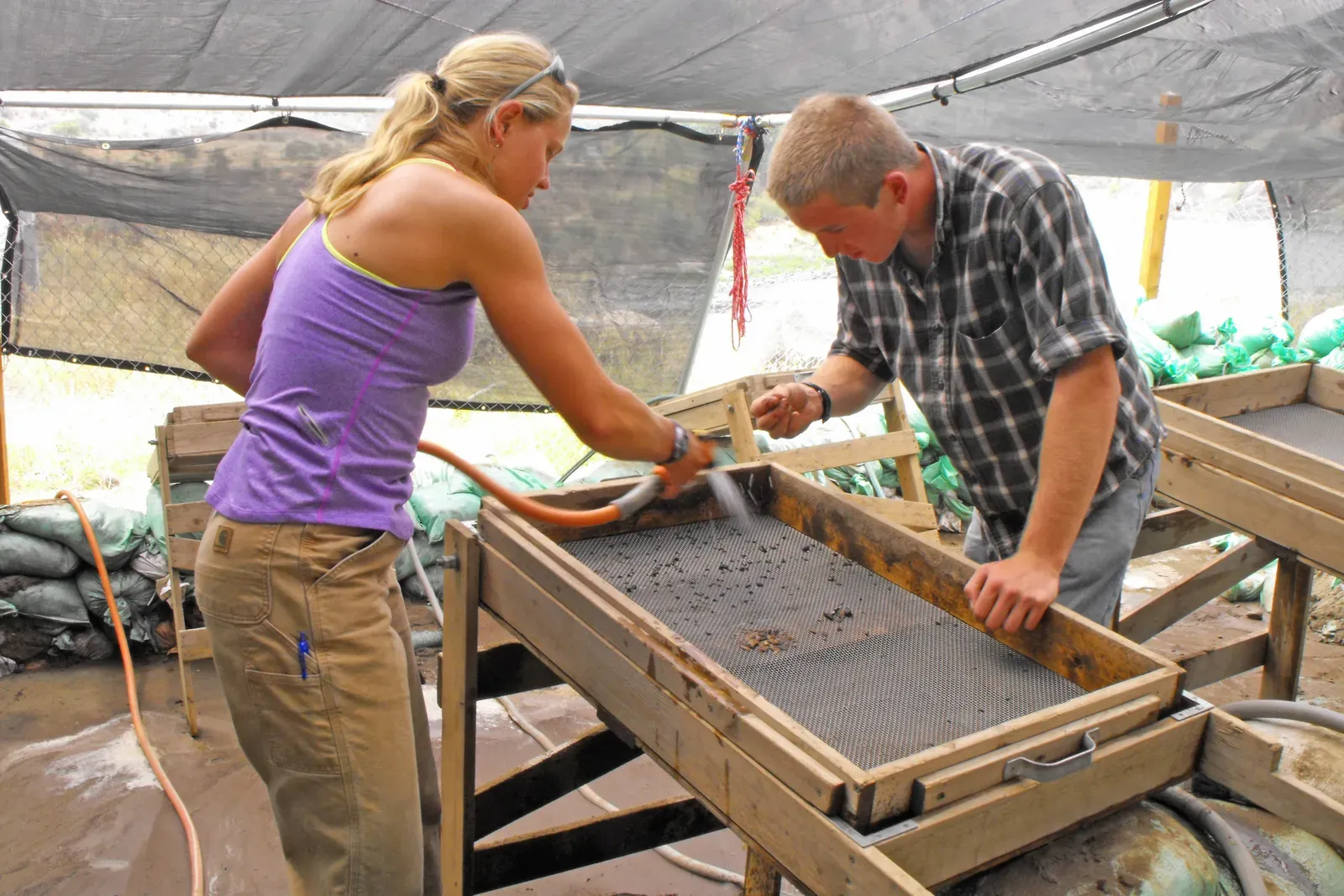
One of the most deceptive ideas in geology and archaeology is that specimens in the same layer are exactly the same age. In reality, many deposits act more like a slow-moving conveyor belt than a single instantaneous event. Material trickles in over years, decades, or much longer, and then gets compressed into what we now see as one stratum.
This phenomenon – sometimes called time-averaging – means that two specimens from the “same layer” could actually be separated by substantial amounts of time. One shell might represent an early phase of an environment, while another, just a few centimeters away, represents a later phase as conditions shifted. When scientists forget this, they can misread gradual change as sudden contrast, or assume conflict where there’s actually a slow transition recorded in the same physical band of material.
In archaeological sites, a similar issue pops up when pits, hearths, or floors are re-used, re-cut, or disturbed over multiple occupations. Later inhabitants may dig into earlier deposits, mixing artifacts or bones of different ages into a blended layer. Stratigraphy still helps, but it is not a perfect timestamp. Two objects side by side might reflect two different visits, seasons, or even cultural phases.
- Time-averaging compresses long periods into a single layer.
- Two “neighboring” specimens can be separated by years or far longer.
- Apparent contradictions can reflect genuine change through time, squeezed into one slice.
Once you accept that a layer is often a long, blended story rather than a single photograph, it becomes far less surprising that two specimens from that layer tell different tales. They might both be right – but about different chapters of a long-running narrative.
#4 Taphonomy: How Death, Decay, And Burial Twist The Evidence
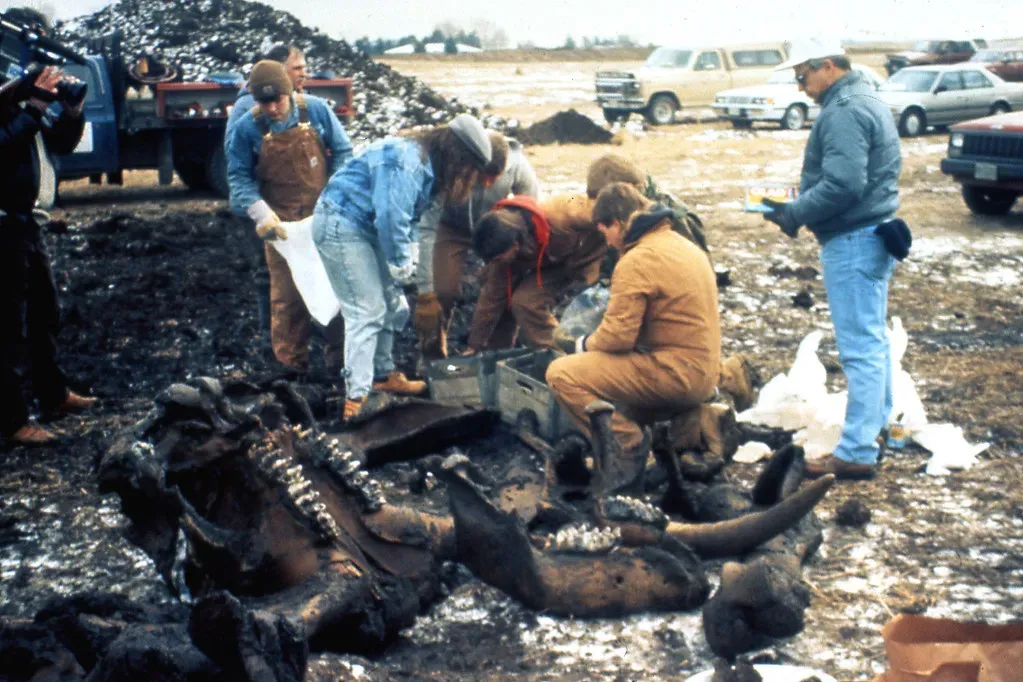
Taphonomy – the study of what happens from the moment something dies (or is discarded) until scientists dig it up – is where many of the plot twists come from. Two organisms might die in the same place at roughly the same time, yet experience completely different fates as they decay, are scavenged, transported, buried, and altered. Those different journeys can radically change what story each specimen seems to tell.
Imagine two animal carcasses on a floodplain. One is quickly buried by a sudden flood, protected from scavengers and the elements. The other lies on the surface longer, gets picked over by predators, then broken apart by trampling, and only later washed a short distance and buried. Even if they end up in the same final deposit, the first might look pristine and complete, while the second appears fragmented, weathered, and spatially rearranged. To an unwary eye, they might seem to record different levels of predation, different transport distances, or even different ecosystems.
Similar stories play out with artifacts, plant remains, and microfossils. Some materials preserve easily in certain conditions, while others vanish almost entirely. Bones and shells can dissolve or recrystallize; delicate structures may only survive in rare pockets of exceptional preservation. The result is a biased sample where two specimens from the same site have passed through very different filters of decay and survival, each carrying a skewed version of the original scene.
When scientists talk about taphonomic bias, they are really confronting this gap between original reality and what survives. Two conflicting specimens might not disagree about what once existed; they might simply have been edited differently by the relentless red pen of time, chemistry, and physics.
#5 Human And Animal Disturbance: Burrows, Pits, And Other Hidden Mischief
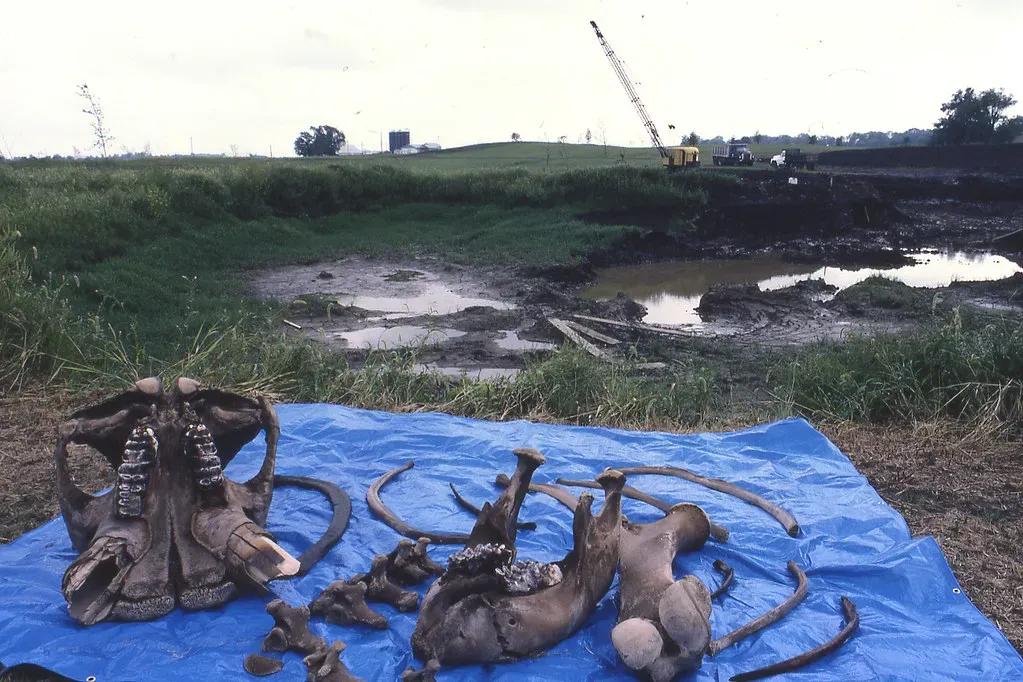
Sites are not static. Long after the original deposition, both animals and humans can dig, burrow, build, and disturb the ground, shuffling materials in ways that are not obvious at first glance. Two specimens that now sit side by side might have arrived there through completely different routes: one gently settling where it formed, the other dragged, dropped, or reburied from somewhere else.
Burrowing animals can tunnel through older layers, pulling material up or pushing it down. Roots can drag small objects deeper as plants grow and die. Humans may dig graves, storage pits, postholes, or refuse pits, then backfill them with a mix of older and newer material. Centuries later, those actions can leave archaeologists and paleontologists staring at a confusing jumble of objects whose physical positions no longer match their original timelines.
- Animal burrows and root disturbances can shift specimens vertically and horizontally.
- Human digging and refilling create mixed deposits that look deceptively uniform.
- Reworked material can land in layers that do not match its true age or origin.
So if one bone suggests one kind of environment or era, and another bone nearby suggests something else entirely, it could be because one of them is an intruder. Without catching the subtle clues – burrow traces, unusual orientations, odd soil textures – scientists may not realize they’re dealing with a remix rather than a clean primary deposit.
#6 Analytical Methods: Different Tools, Different Stories
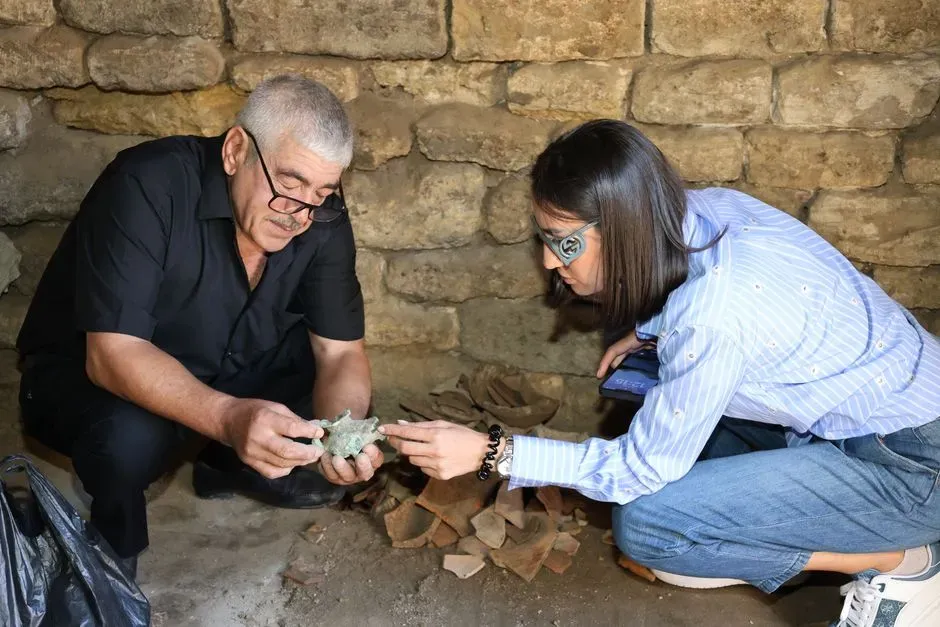
Even when the physical context is well understood, the way specimens are analyzed can create apparent contradictions. Different methods probe different aspects of the same object: isotopes reveal chemistry, CT scans show internal structure, microscopy captures fine details, and DNA or protein studies probe biological relationships. Two specimens from the same site might respond very differently to these methods, leading to divergent interpretations.
For example, stable isotope analysis on two bones might produce different signals about diet or climate, not because the environment was wildly inconsistent, but because one bone was more altered after burial. Groundwater can change the original isotopic composition in some specimens more than others. If you treat both results as equally pristine, you might wrongly conclude that two individuals from the same group lived under dramatically different conditions.
Similarly, dating methods can yield different ages for what should be coeval material. One specimen might provide a clean, reliable date, while another gives a skewed or older-looking result due to contamination or inherited components. In many cases, the story is not that the site itself is nonsensical, but that one of the methods is picking up a secondary signal that has to be carefully filtered out.
- Different analytical techniques highlight different aspects of a specimen.
- Post-burial alteration can affect one specimen more than another.
- Conflicting data often reflect method-specific biases, not true chaos in the past.
The hardest part, honestly, is admitting that not all data points are created equal. When two specimens disagree, deciding which methods, which measurements, and which interpretations to trust requires a mix of experience, skepticism, and a willingness to revise earlier assumptions.
#7 Biological Variation: Individuals Are Not Clones
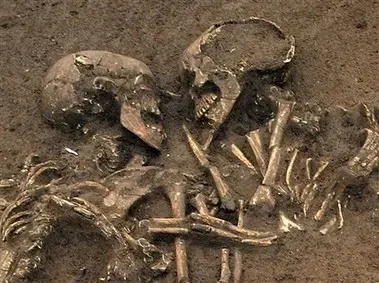
Sometimes the explanation is beautifully simple: living things are just different from one another. Even in the same species, at the same site, at the same time, individuals vary in size, shape, health, age, diet, and behavior. Those differences get baked into bones, shells, teeth, and tissues, and later show up in the fossil, archaeological, or geological record.
Take two human skeletons from a single burial ground. One might show signs of nutritional stress and healed fractures; the other looks robust, well-fed, and relatively uninjured. They lived in the same community, under the same broad environmental conditions, but their personal life histories diverged. To pretend that a single specimen can represent the whole population is to ignore this deep, messy individuality.
The same goes for animals and plants. Two fish from the same reef might have had different feeding strategies; two trees in the same forest might have accessed water at different depths. Isotopic signatures, growth rings, and morphological features can all diverge simply because individuals made different choices or had different luck. When we compare specimens, some of the “contradiction” is just real-life variety poking through the averages.
- Individuals differ in diet, health, growth rates, and behavior.
- Those differences leave physical and chemical traces in specimens.
- Two specimens can disagree without implying anything was wrong in the analysis.
In a way, this is the most human part of the story: two neighbors, standing in the same street, living through the same historical moment, can walk away with completely different experiences. The fossil record, for all its gaps, still sometimes preserves that kind of personal variability – and it refuses to squeeze it into a single tidy narrative.
#8 Preservation And Diagenesis: When Chemistry Rewrites The Script
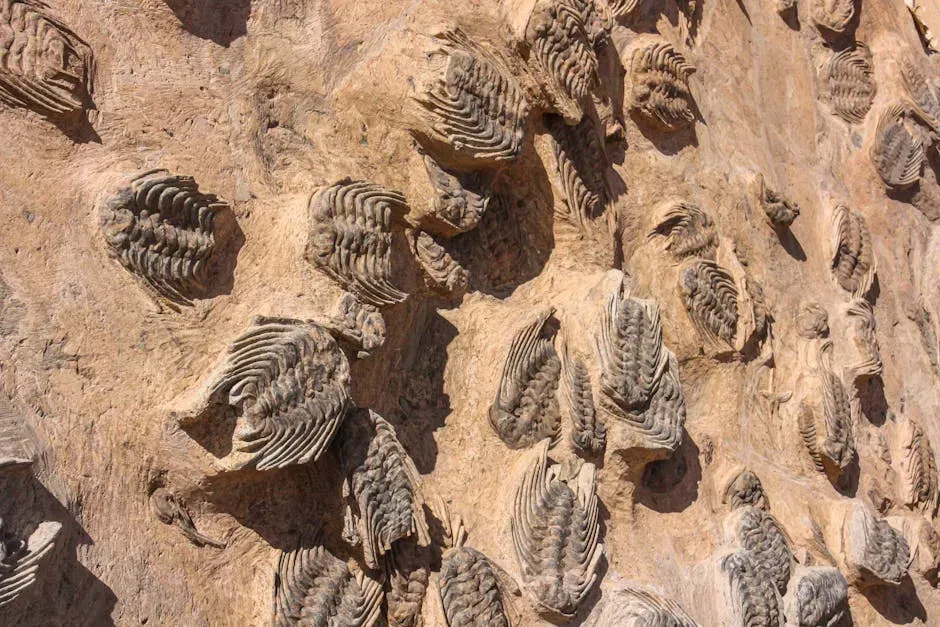
After burial, specimens do not simply sit there waiting patiently for a scientist to show up. They are slowly, relentlessly altered by water, heat, pressure, and chemical reactions in a process known as diagenesis. This can change their mineral composition, erase delicate features, or introduce new signals that never existed in life. Two specimens just a short distance apart can experience very different micro-conditions and therefore end up with different levels or types of alteration.
One bone might be infiltrated by mineral-rich groundwater that replaces original material with new crystals, while another remains relatively untouched. One shell might partially dissolve, blurring fine growth patterns and surface textures, while another is more protected. When later studied, the altered specimen can give misleading data about original chemistry, color, or even age, while the better-preserved one holds a more faithful snapshot of the past.
In sediment cores or rock formations, differences in porosity, fracture patterns, or proximity to fluid pathways can lead to unequal alteration. That means two samples from the same depth might yield different temperature histories, paleoclimate signals, or magnetic properties. Without recognizing the role of diagenesis, scientists risk misreading those differences as real environmental contrasts rather than post-depositional overprinting.
- Diagenesis can change or erase original signals in uneven ways.
- Groundwater, pressure, and temperature act differently in different micro-zones.
- Better-preserved specimens often deserve more interpretive weight than heavily altered ones.
The frustrating part is that diagenetic change can be subtle and hard to spot. The hopeful part is that by comparing multiple specimens, including the “odd ones out,” we can start to reconstruct not only the ancient environment but also the story of how that evidence itself has been edited over millions of years.
#9 Sampling Bias And Research Focus: What We Choose To Look At
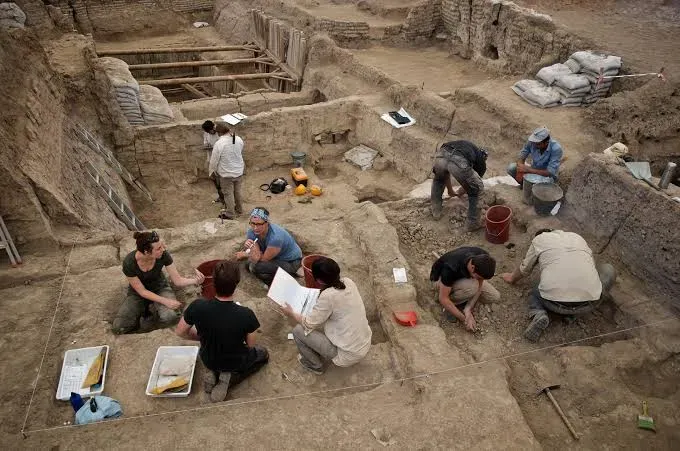
Not all specimens from a site are sampled, and not all sampled specimens are studied in the same way. Sometimes, two specimens tell different stories simply because one has been examined in far more detail than the other, or because researchers go in with particular questions that steer how data are collected and interpreted. The mismatch is not in the site itself, but in our selective attention.
Scientists might choose a specimen because it is more complete, more visually striking, or seemingly more “typical.” Another, less glamorous specimen might be scanned quickly, logged, and then left in storage. If later, someone revisits that overlooked piece with new techniques or questions, they might uncover a very different signal – different species attribution, different environmental indicators, or a different age estimate. Suddenly, two specimens from the same site appear to clash, but really, it is the evolving lens of research that has changed.
Funding, time, and technology also shape this picture. High-resolution methods are expensive and slow, so they are not applied uniformly. One specimen might get the full treatment – detailed imaging, multiple geochemical tests, extensive comparative work – while another is only briefly assessed. When conclusions are drawn mainly from the better-studied specimen, the resulting “story” can ignore important nuances that would emerge if the second specimen received equal attention.
- Researchers often focus on the most complete or exciting specimens.
- Uneven analysis can exaggerate differences between specimens.
- New methods can flip older interpretations, revealing hidden complexity.
In that sense, two specimens from the same site do not just reflect natural history; they also reflect the history of science itself – what we cared about, what tools we had, and which questions we even bothered to ask. The narrative is always co-written by the evidence and the humans reading it.
#10 Interpreting Conflict: Red Flags Or Hidden Opportunities?
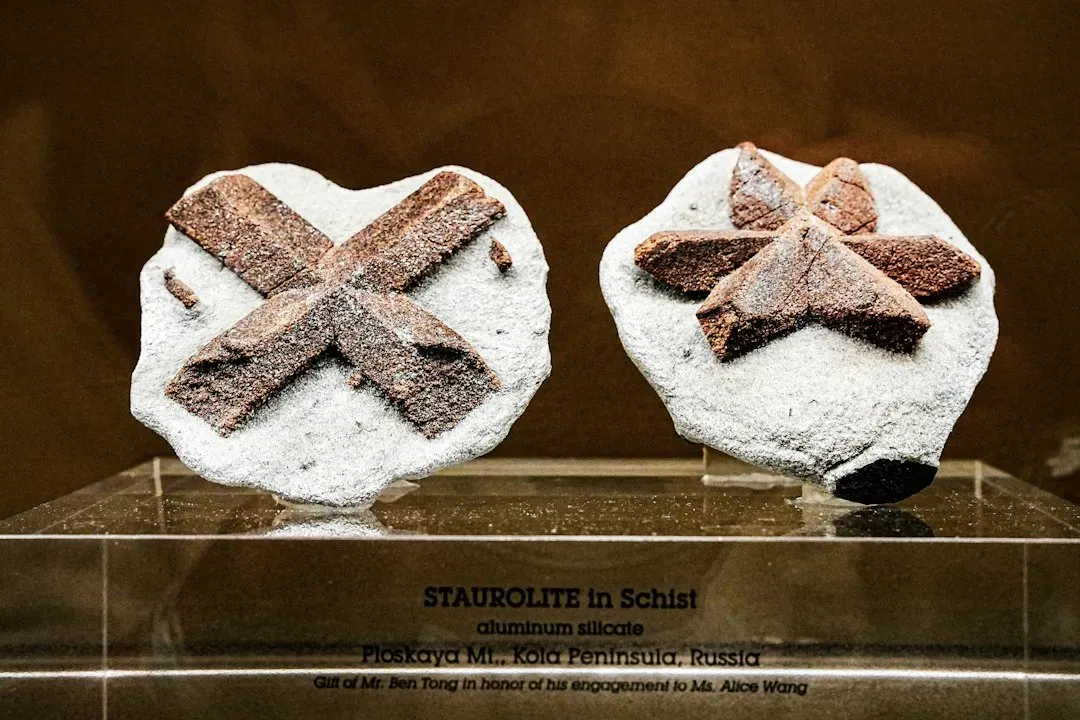
When two specimens from one site seem to tell different stories, the first reaction is often frustration. Something feels off, like a puzzle piece that refuses to fit. But that conflict can be one of the most productive moments in research. It’s a bright red flag that says: slow down, look closer, something important is hiding in the details.
In many cases, those contradictions lead to better models of how sites form, how environments change, and how living things respond to those changes. They push scientists to refine dating methods, improve sampling strategies, and rethink assumptions about uniformity. A surprising mismatch between two specimens might reveal a previously unknown disturbance event, a short-lived climate swing, or a social difference within a past human community.
Of course, there is always the possibility of plain error: mislabeling, contamination, or analytical mistakes. Good science is brutally honest about this. Researchers check whether one specimen was mis-provenanced, or whether lab procedures might have skewed one data set. Even then, the process of wrestling with conflicting stories forces a discipline-wide upgrade in rigor and transparency.
- Contradictions can signal new processes, events, or social patterns.
- They also help expose methodological flaws or hidden biases.
- Embracing conflict often leads to deeper, more nuanced explanations.
So while the headlines tend to favor clean, single narratives, the real action is usually in the tension between two imperfect, partial stories. The gaps between those stories are where new ideas sneak in.
#11 Why The Messy Stories Matter: An Opinionated Conclusion
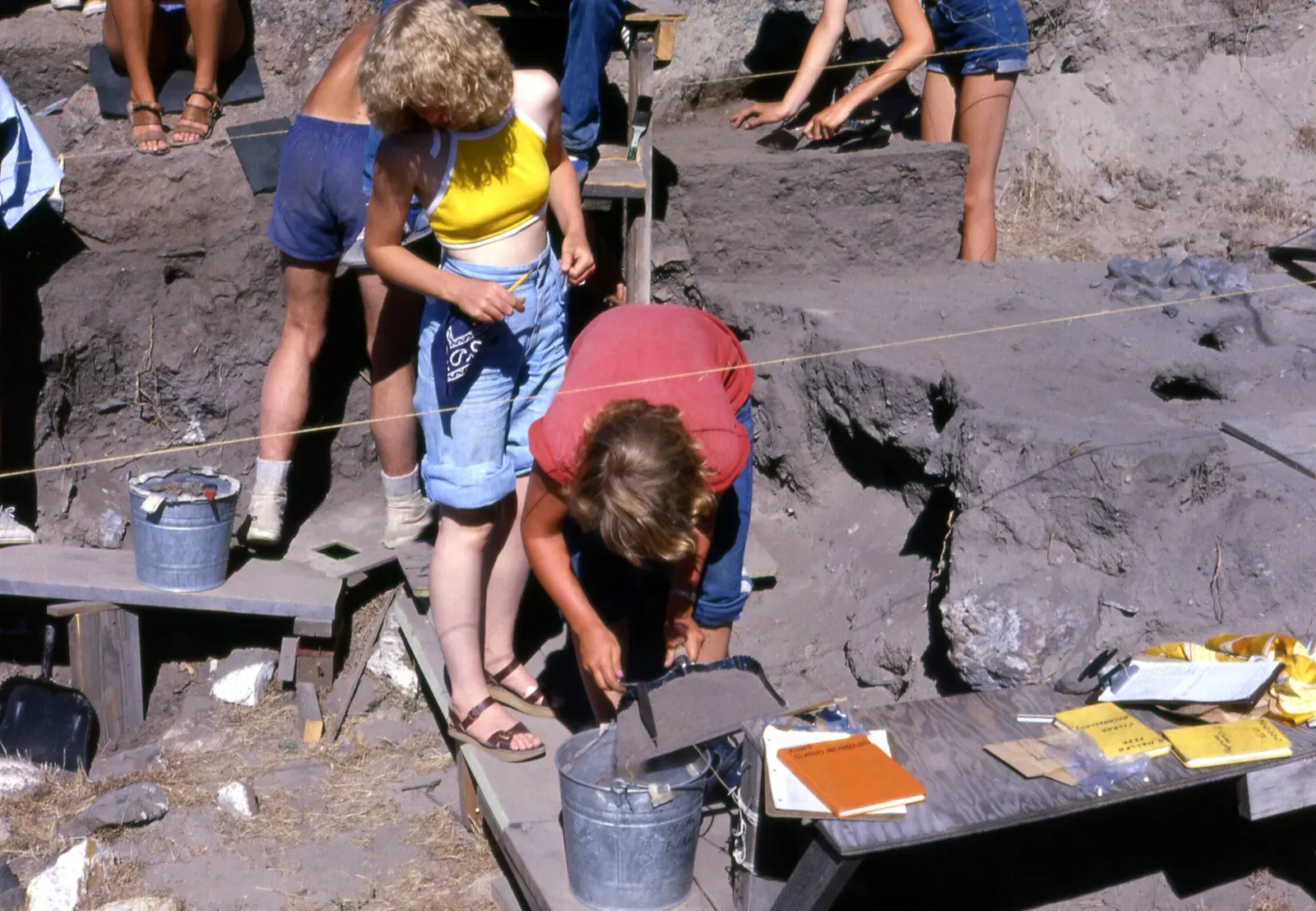
It is tempting to wish that every site would just behave, line up neatly, and hand us one coherent answer. But if there’s one takeaway from all this, it’s that the mess is not a bug – it’s the feature. Two specimens from one site disagree because reality itself is noisy, uneven, and constantly in flux, and because our tools for reading that reality are still evolving. To demand a single, tidy story is to demand that the past be simpler than it really was.
In my view, the most honest science leans into that discomfort. Instead of smoothing over contradictions, it flags them, wrestles with them, and sometimes even centers them. A site where every specimen agrees too perfectly should make you suspicious: are we oversimplifying, cherry-picking, or ignoring the outliers that might tell us something new? The courage to say “we don’t fully know yet” is more valuable than yet another polished storyline that quietly discards the awkward data points.
We should celebrate the fossil that disagrees with the others, the artifact that feels out of place, the core sample that tells a different climate tale. Those are the troublemakers that force us to see that a “single site” can be a mosaic of microenvironments, multiple time slices, personal histories, and post-depositional chaos. They remind us that the past was as complicated, uneven, and full of exceptions as the present is.
So the next time you read about a famous site that supposedly reveals one definitive answer, keep an eye out for the two specimens that quietly refuse to match. They may not fit the headline, but they often carry the most interesting secrets. In the end, would you really trust a story where every witness said exactly the same thing?