
If you’ve ever stared at an ostrich and thought, “You had one job,” you’re not alone. Birds are supposed to fly, right? Yet some of the most fascinating birds on Earth flat-out refuse to leave the ground. But here’s the twist: in giving up flight, many of them kept or rebuilt traits that flying birds either dialed down or lost completely.
From bone-cracking kicks to dinosaur-like claws and shockingly complex social lives, flightless birds are not just “broken” versions of flying birds. They’re doing their own thing – and in several ways, they’ve hung on to a more ancient, almost prehistoric blueprint that feathered fliers have traded away for life in the air.
Let’s walk through eleven of the coolest, strangest, and most underappreciated mostly gave up – and why that should make you look at a waddling penguin or charging cassowary with a whole new kind of respect.
#1 Heavy, Solid Bones That Pack Serious Power
![#1 Heavy, Solid Bones That Pack Serious Power ([1], CC BY-SA 2.0)](https://nvmwebsites-budwg5g9avh3epea.z03.azurefd.net/dinoworld/226d65f9d0a85d4bfaabd7359750bcab.webp)
One of the biggest trade-offs for flight is weight loss – not in the gym sense, but in the skeleton. Most flying birds have light, pneumatized bones full of air spaces that make them efficient in the sky but relatively fragile. Many flightless birds either retained denser bones or evolved back toward heavier, more solid structures that can take a beating on land or in water.
Take ostriches and emus. Their leg bones are thick, dense, and built to handle huge forces from running and kicking. Penguins went even further: many species have solid, heavy bones that work like built-in dive weights, helping them sink and maneuver underwater instead of bobbing uselessly on the surface like feathery beach balls.
In practical terms, that means flightless birds often trade agility in the air for impact resistance on the ground or in the ocean. Where a songbird’s hollow bones are perfect for fluttering through trees, a rhea or cassowary is more like a reinforced off-road vehicle, designed to stay stable and powerful through rough terrain.
- Flying birds: lighter, air-filled bones for efficiency
- Flightless birds: denser bones for strength and stability
- Penguins: heavy bones that function as natural dive weights
#2 Oversized, Muscular Legs Straight Out of the Dinosaur Playbook
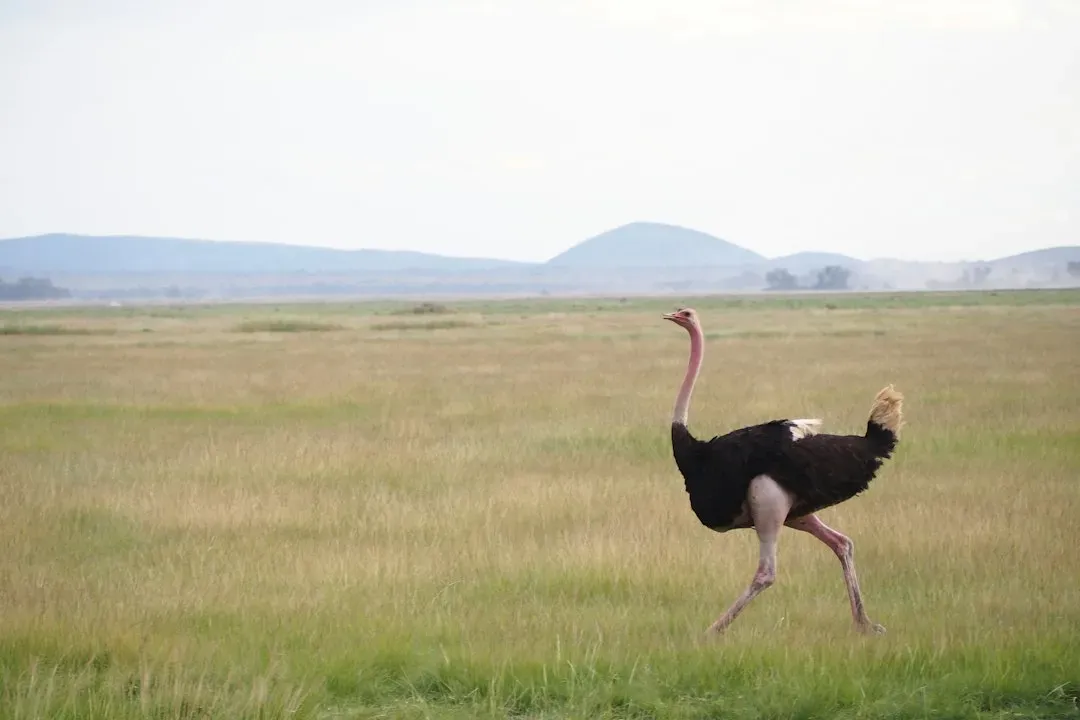
Watch an ostrich sprint and you might feel like you’re looking back in time. Those massive, muscular legs – with long tendons, thick bones, and huge joints – are much closer to what we imagine in small dinosaurs than in your average robin. By ditching flight, ratites like ostriches, emus, rheas, and cassowaries kept the “big leg, big stride” design that flying birds mostly scaled down.
In flying birds, the leg muscles are still important, but they tend to shrink relative to the huge breast muscles that power the wings. In flightless birds, the opposite often happens: the pectoral muscles become smaller and the legs get the budget. Ostriches can run at highway speeds, and their forceful kicks are strong enough to seriously injure large predators – and occasionally unlucky humans.
This isn’t just about size; it is about function. Powerful legs allow these birds to cover huge distances for food and water, defend themselves without flying away, and in some cases navigate harsh, uneven landscapes. In a sense, they doubled down on the legs our bird ancestors already had, rather than upgrading the wings like the high-tech modern fliers did.
- Ostriches and emus emphasize leg power over wing power
- Strong legs allow high speed, long-distance running, and defense
- Flying birds shifted more muscle mass to flight muscles instead
#3 Tough Feet and Dinosaur-Like Claws That Still Mean Business
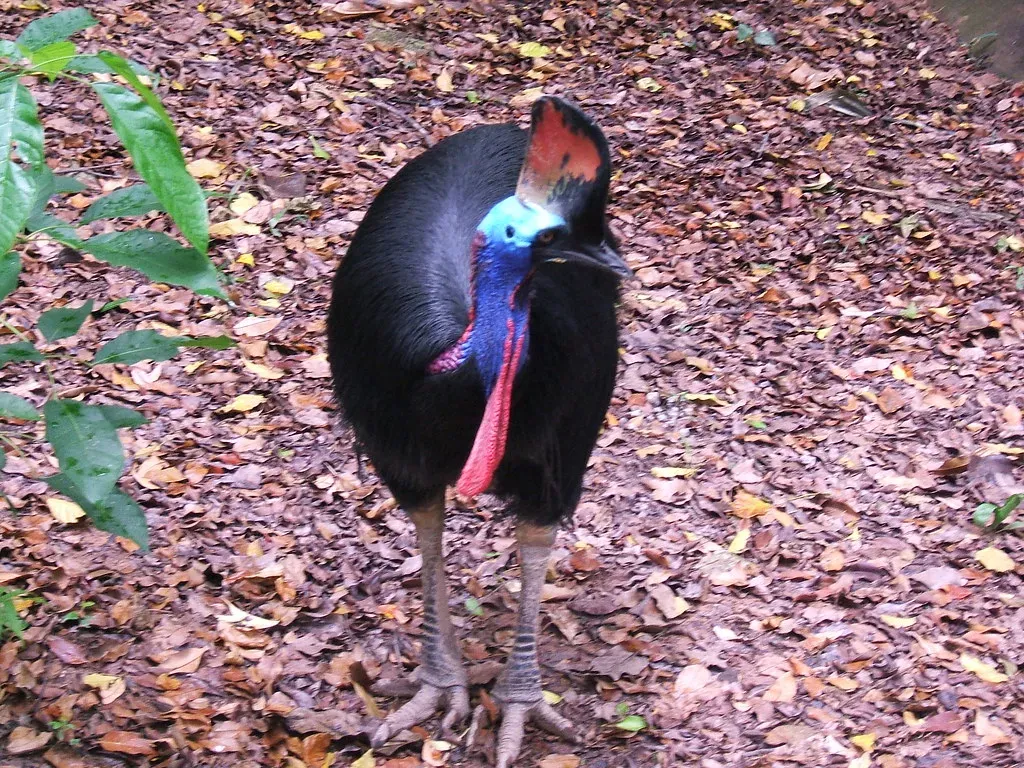
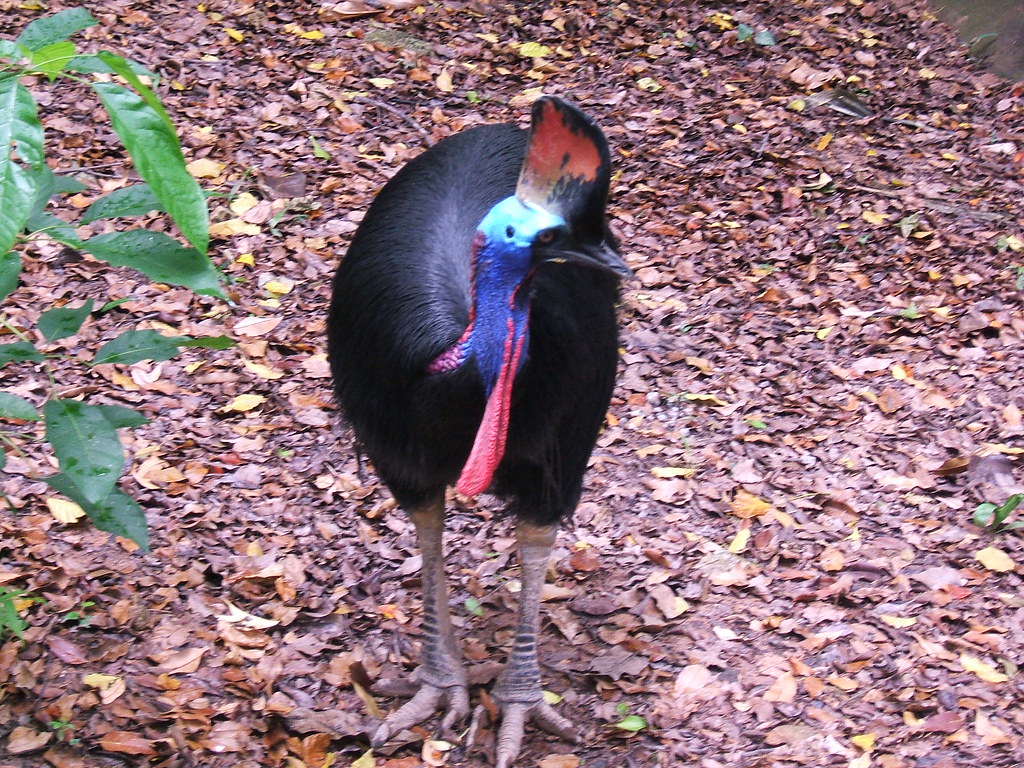
Many flightless birds also kept something that looks suspiciously prehistoric: serious claws. While most flying birds have relatively delicate feet adapted for perching on branches or gently landing on twigs, the feet of cassowaries, ostriches, and even kiwis are much more rugged, armed, and grounded in an older, more predatory-looking design.
Cassowaries, famously, have a large, dagger-like claw on each inner toe that can slash and stab with frightening force. Ostriches have two big toes instead of the usual three, but each one is well-armed with thick nails capable of cutting and tearing. Even forest-dwelling, shy kiwis, though small, have strong feet and claws tuned for digging through soil and leaf litter in search of insects and worms.
In flying birds, claws and feet are often refined for precision and grip – think of a tiny warbler delicately landing on a reed, or a swallow clinging to a wire. In many flightless birds, the emphasis is on power, traction, and sometimes offense. They kept that older, ground-based job description: clawed limbs that truly influence what they can dig, kick, or kill.
#4 Thick, Insulating Feathers That Prioritize Survival Over Aerodynamics
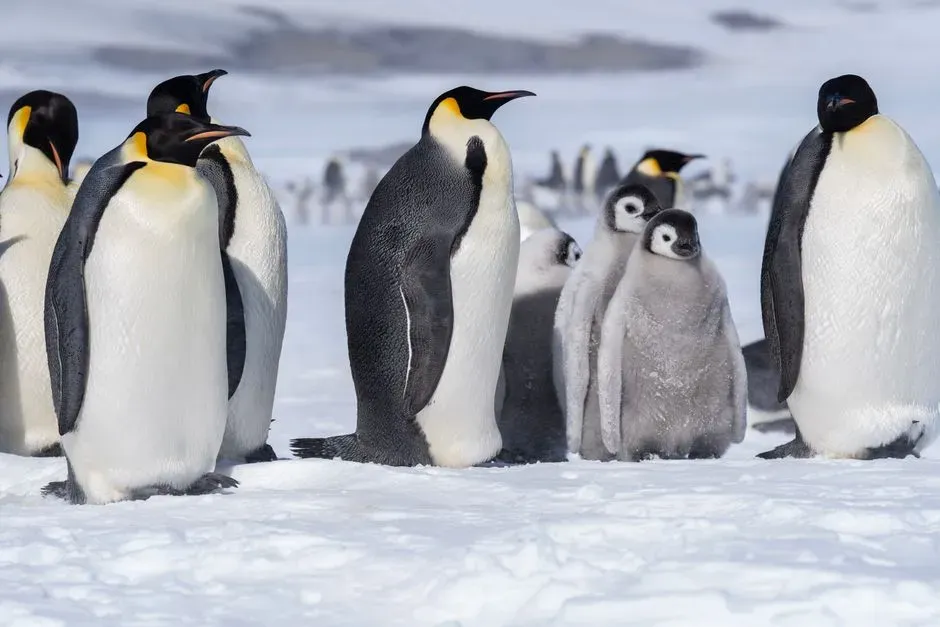
To fly well, feathers need to be sleek, stiff, and carefully arranged for lift, drag control, and maneuverability. That aerodynamic obsession comes with trade-offs: feathers must be light, periodically replaced, and maintained with constant preening. Many flightless birds stepped away from that aerodynamic arms race and kept or evolved feather types that act more like clothing, armor, or even fur.
Penguin feathers, for example, are short, densely packed, and overlap like tiny waterproof tiles. They trap a layer of insulating air, keep water off the skin, and create a smooth, hydrodynamic surface underwater. They’re less about taking off from the ground and more about not freezing in polar oceans. Emus, by contrast, have loose, hair-like double feathers that offer excellent insulation against both heat and cold, more like a shaggy coat than a wing surface.
Kiwis went even further, with feathers that look and feel almost like fur, lacking the stiff central shaft you’d see in a flight feather. This gives them a soft, muffled outline that blends into the forest floor and helps them creep around at night without attracting too much attention. Where flying birds fine-tuned their feathers to conquer the sky, many flightless birds kept more flexible, protective plumage that keeps them alive on the ground and in the sea.
- Penguins: dense, waterproof, insulating plumage
- Emus: loose, shaggy feathers for temperature buffering
- Kiwis: fur-like feathers aligned with a nocturnal, ground life
#5 Heavier, More Earthbound Bodies Built for Endurance, Not Lift
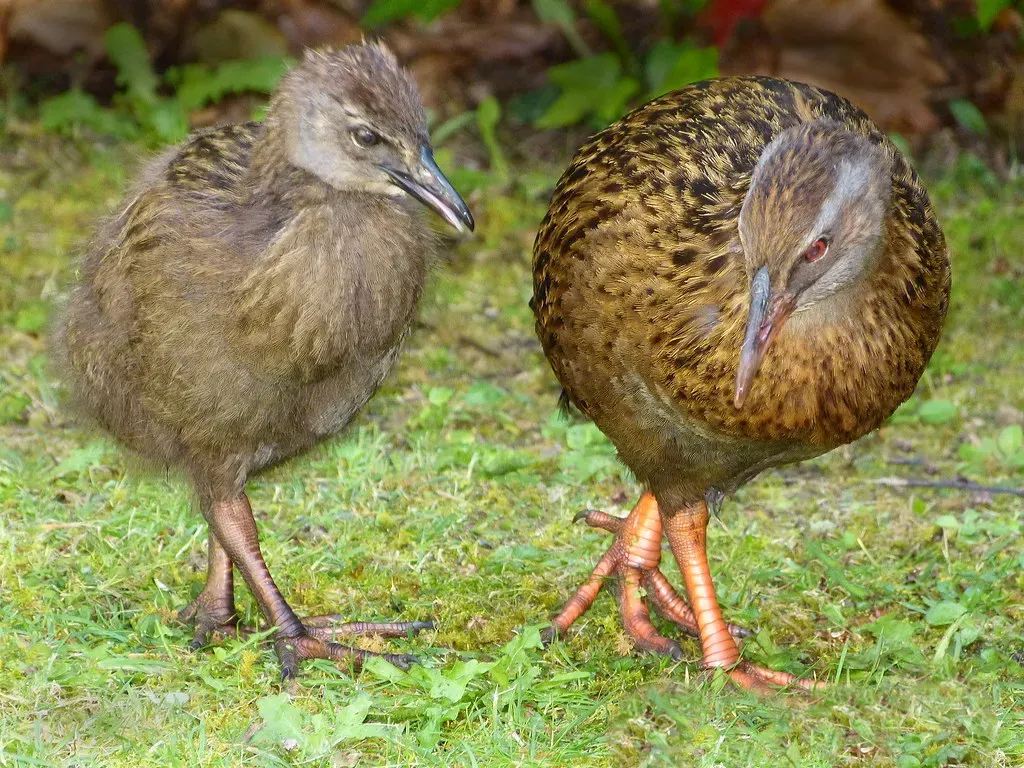
Most flying birds are shaped by one overwhelming pressure: stay light enough to get off the ground and stay airborne. That means slimmer bodies, reduced fat stores, and careful control of overall mass. Flightless birds, in contrast, often kept or developed heavier, more robust body plans that favor stability, energy storage, and endurance rather than takeoff performance.
Ostriches and rheas carry substantial muscle and mass on their hips and thighs, turning their center of gravity into a powerhouse for running and pivoting. Penguins carry a hefty layer of fat under their skin, critical for warmth in icy waters and serving as a built-in energy reserve when food is scarce. Even large flightless island rails that evolved repeatedly in places like the Pacific and Atlantic tended to become thicker-bodied and less streamlined for flight once they no longer needed to migrate or escape land predators by air.
This heavier build can look clumsy by comparison to slim soaring species, but it is a strategic choice. Being heavier means better momentum on the ground, more stored fuel, and greater resilience to harsh conditions. Flying birds mostly gave that up in favor of weight-saving; flightless birds leaned into gravity and made it work for them instead of fighting it.
#6 Ground-Focused Senses and Behaviors That Flying Birds Softened
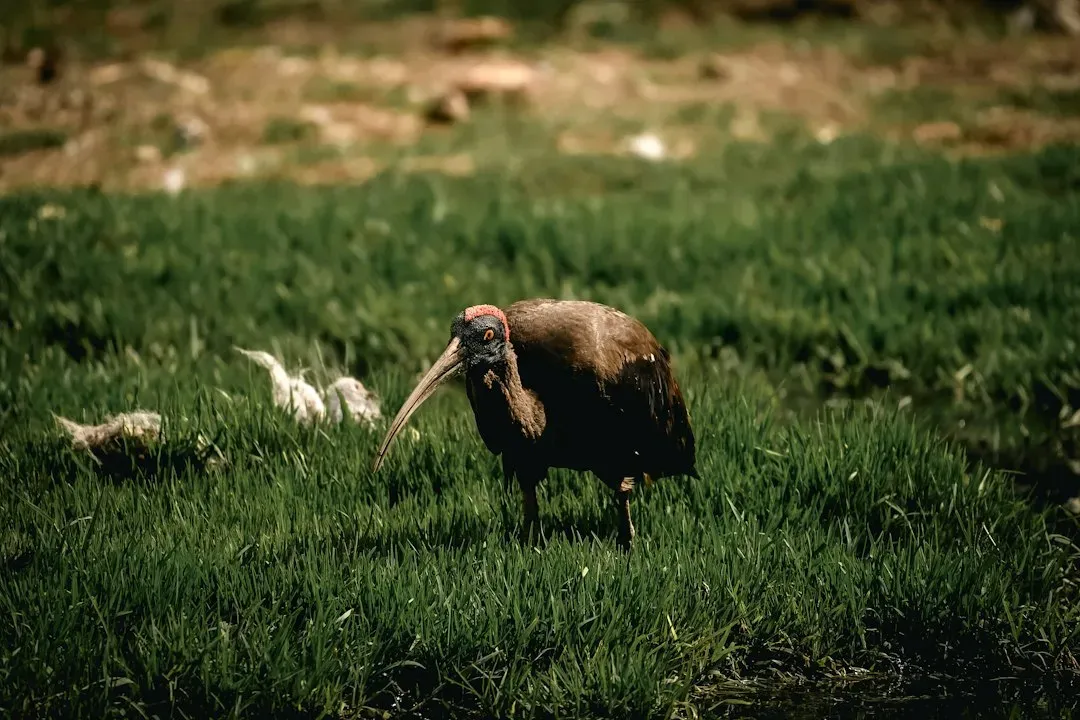
Life on the ground demands a different sensory toolkit than life in the air. Many flightless birds retained or redeveloped ground-focused senses and behaviors that flying birds often toned down as they took to the skies. Kiwis are a striking example: their sense of smell is unusually strong for a bird, and their nostrils sit at the tip of their long bills, not near the face like in most other species.
Rather than scanning from above, kiwis probe in the leaf litter, using smell and touch to detect buried insects, worms, and other invertebrates. Their eyes, by bird standards, are relatively small, reinforcing that they are not built to spot things from far away in open air. Ground-dwelling ratites like emus and ostriches rely heavily on keen vision at human-like eye height, but they also use complex, ground-based foraging strategies, picking through plants and seeds as they move long distances.
Flying birds often broadened their sensory focus to support aerial lifestyles, emphasizing sharp long-distance vision over smell, and quick flitting movements over slow, deliberate foraging. Flightless birds kept that old, earth-centered mode: sniffing, probing, and scanning at ground level. It’s a quieter, more tactile way of interacting with the world that many airborne species have drifted away from.
- Kiwis: strong sense of smell and tactile foraging in the soil
- Ratites: high vantage ground vision with long-distance movement
- Flying birds: often prioritize long-range visual scanning from above
#7 Ancient-Style Reproductive Strategies and Shared Parenting
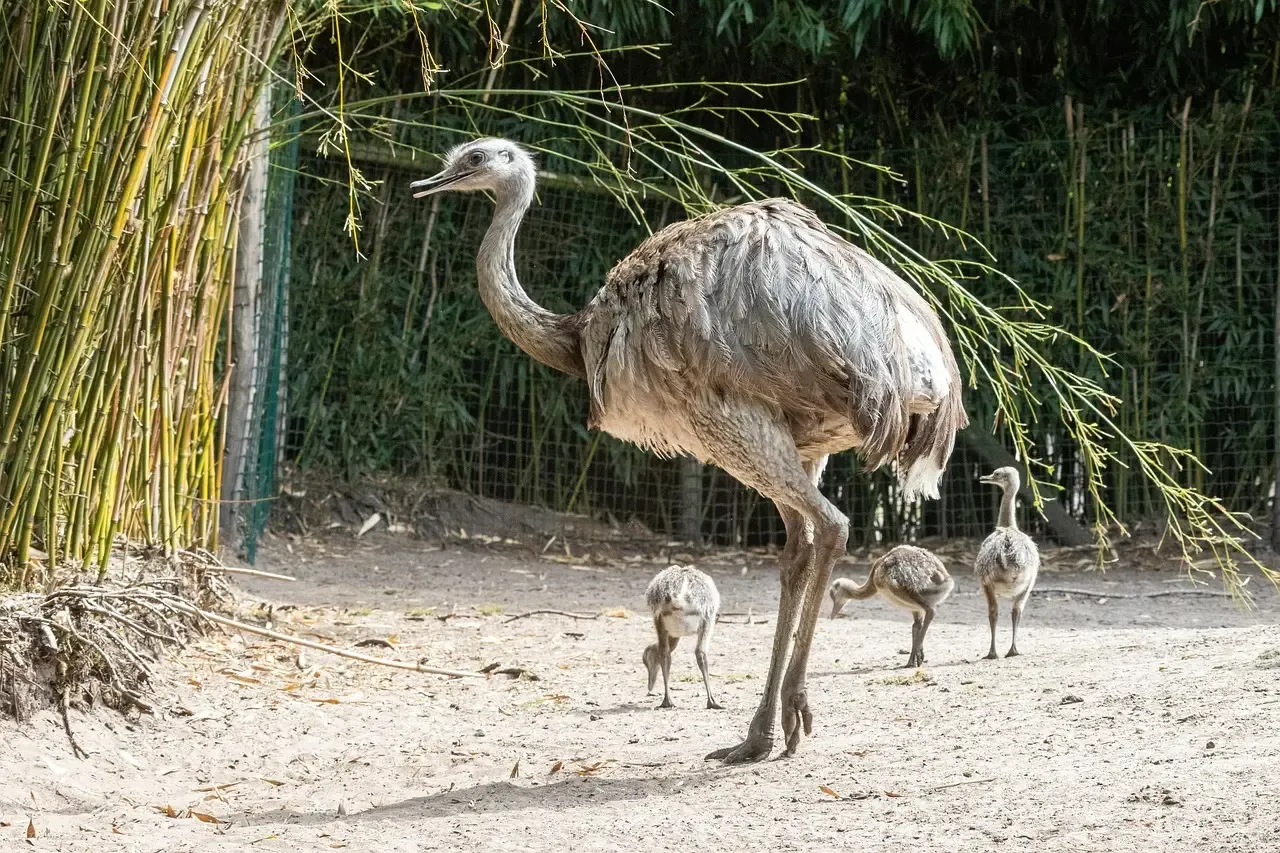
Bird reproduction as most people imagine it involves quick nesting, short incubation, and rapid chick development: lay the eggs, sit on them for a couple of weeks, then quickly raise the young until they can fledge and fly away. Many flightless birds, especially large ones, kept a slower, more ancient-feeling reproductive rhythm that flying birds largely streamlined.
Emus and cassowaries have dramatic male parental care: males incubate the eggs and care for the chicks, sometimes almost alone, for extended periods. This heavy investment in fewer offspring, with intense protection on the ground, mirrors older vertebrate strategies where survival depended on defending a territory rather than migrating quickly away. Ostriches lay eggs in communal nests, with both males and females playing roles in guarding and incubating large clutches in open landscapes.
Because they are not constrained by the energetic cost of flight, some flightless birds can afford longer incubation periods, larger eggs, and well-developed chicks that can move independently soon after hatching. Flying birds often shifted toward shorter cycles and lighter eggs that can be carried aloft. The grounded birds stayed closer to that slower, heavy-investment road: fewer young, more care, more time.
#8 Complex, Ground-Based Social Systems That Do Not Depend on Flight
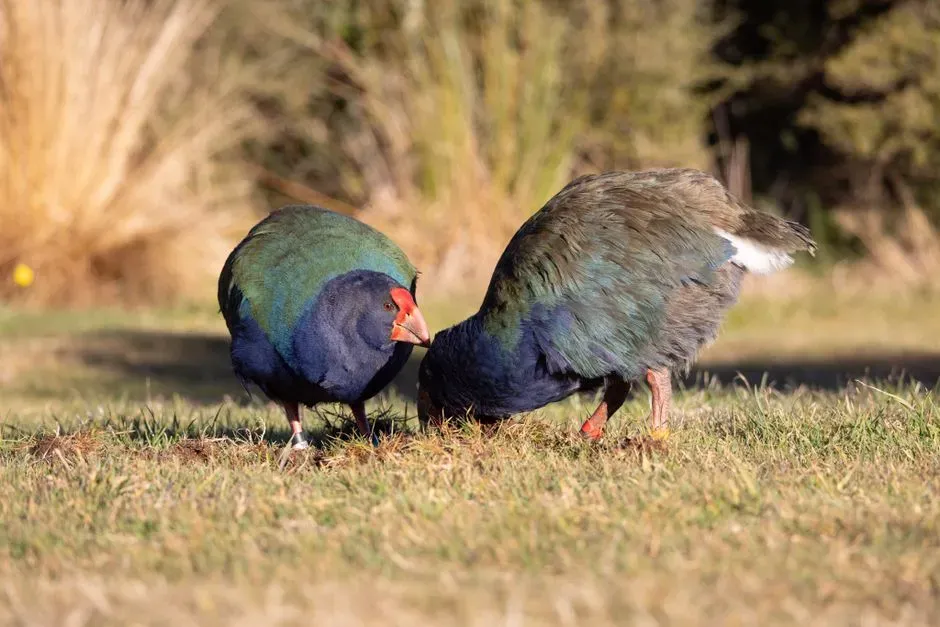
Social behavior in birds can be wildly complicated, but many flying species structure their interactions around flight: aerial displays, sky chases, migration flocks, and high-perch singing. Flightless birds often kept social systems that rely more on ground-based displays, vocalizations from low perches, and physical presence rather than aerial spectacles.
Ostriches form loose groups that move together across open savannahs, using posture, feather fluffing, and ground-level displays to resolve conflicts and attract mates. Emus sometimes travel in pairs or small groups, especially during the breeding season, communicating with booming vocalizations that can carry across long distances without anyone needing to take off. Penguins crowd into colonies where space, neighbors, and vocal recognition matter far more than individual acrobatic skill in the air.
These systems feel, in some ways, more mammal-like than what we see in many flying birds. Think of herds and colonies instead of flocks weaving through the sky. By staying grounded, these birds kept or refined social structures where movement, sound, and body language on the ground are the main currencies, not flight feats or aerial song flights.
- Ostriches: open-ground displays and group movement
- Emus: booming ground calls and seasonal partnerships
- Penguins: dense colonies with close-range communication
#9 A More Direct Link to Their Dinosaur Heritage in Overall Build
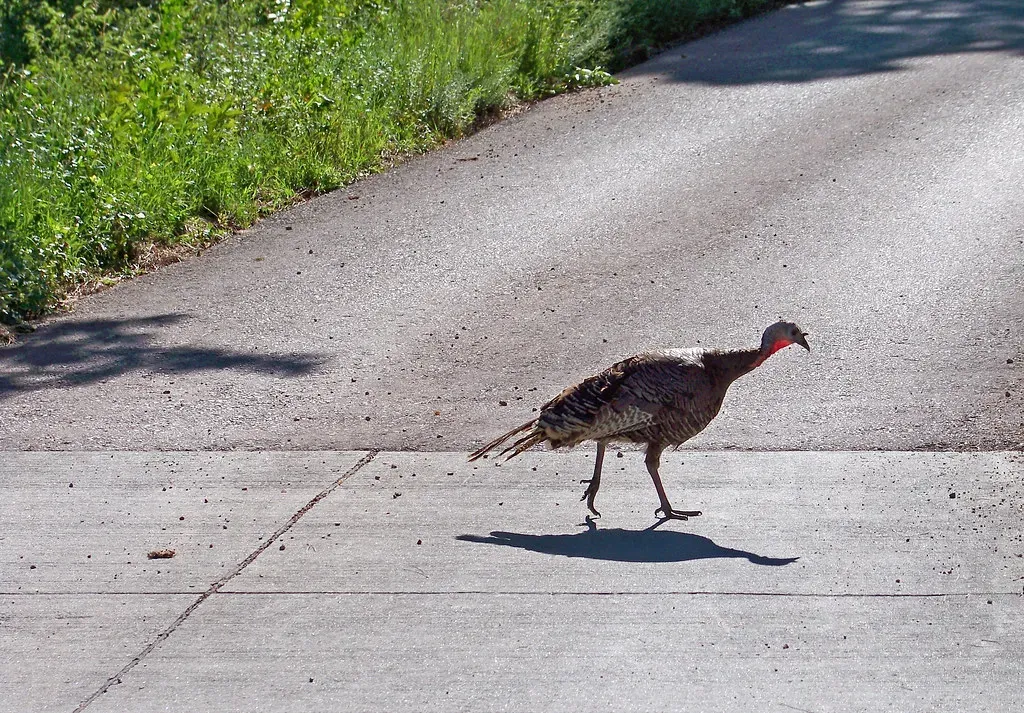
All modern birds are technically dinosaurs, but some look the part more than others. When you line up a sparrow next to an emu, only one of them really makes your brain say, “Yep, that could be a small dinosaur with feathers.” Flightless birds often kept more of that ancestral body layout: long legs, small wings, and a center of mass positioned for walking and running, not soaring.
Ratites – ostriches, emus, cassowaries, rheas, kiwis – are the classic example. Their breastbones lack the pronounced keel where massive flight muscles attach in flying birds, and their wing bones are reduced. Yet the basic framework of a bipedal, ground-running animal is front and center. Even penguins, though adapted into torpedo-like swimmers, still display a body form where wings turned into flippers and legs stayed as rear-mounted, weight-bearing supports, echoing a pattern that appeared long before modern birds split off.
Flying birds reshaped that dinosaur frame around a single priority: flight. They enlarged flight muscles, exaggerated the keel on the sternum, and lightened the skeleton. Flightless birds, especially the big ones, kept or re-emphasized the terrestrial body that came first in evolutionary history. In that sense, they are not “less evolved” but simply closer to the starting blueprint that early birdlike dinosaurs followed.
#10 Local Adaptations to Isolated Environments That Flying Birds Could Escape
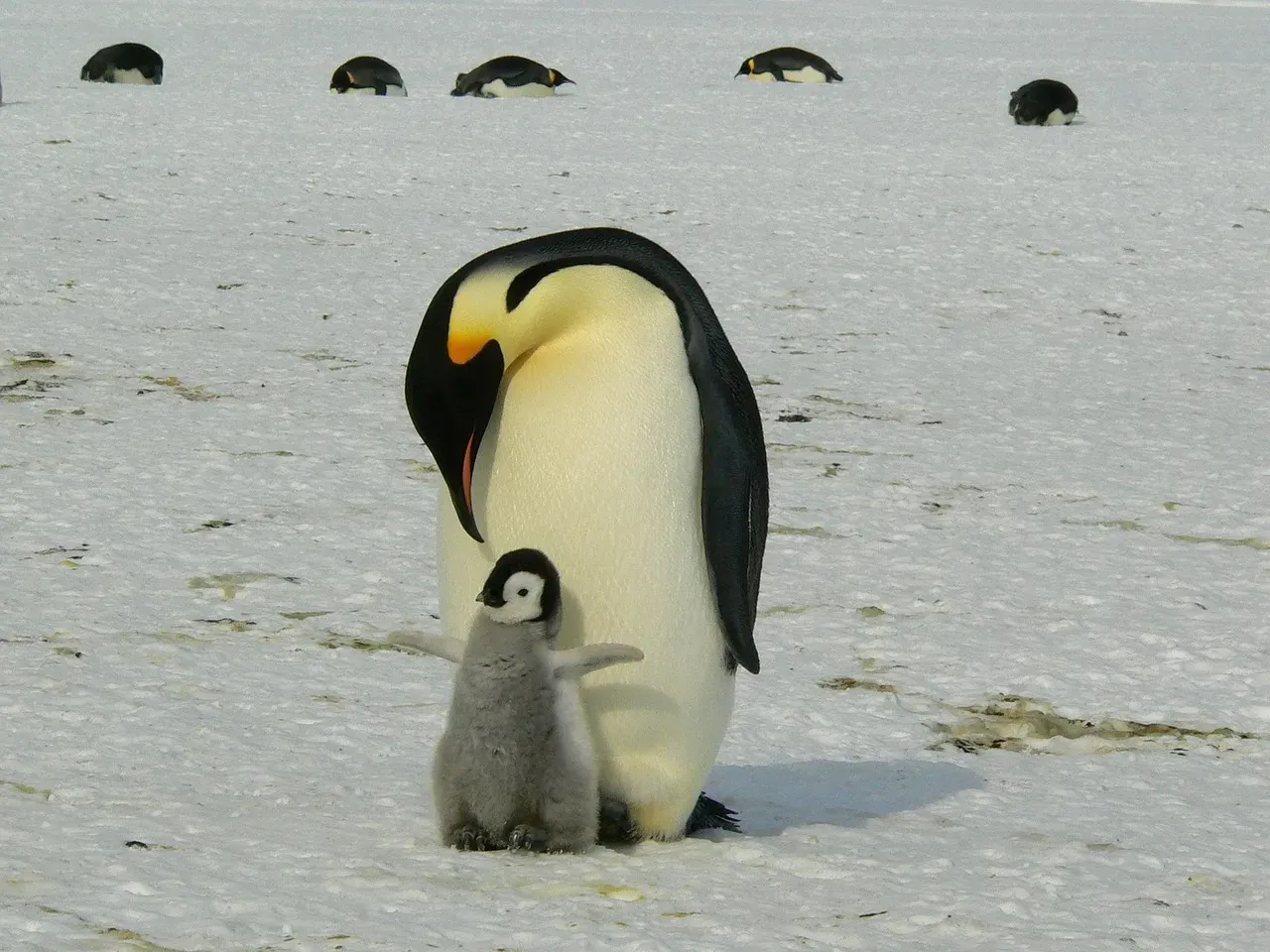
Flight is a brilliant escape hatch. If conditions change, many flying birds can migrate, expand their range, or colonize new areas. Flightless birds, stuck on the ground or on isolated islands, had no such luxury. That constraint forced them to keep and intensify local adaptations that flying birds often do not need to maintain at the same level because they can simply leave.
On predator-free islands, for instance, rails repeatedly evolved flightlessness and became extremely specialized to local foods and habitats. Some of these birds developed stocky legs and strong bills tuned exactly to the plants, seeds, or invertebrates available on that one island. Penguins honed their entire physiology around cold-water oceans and seasonal sea ice instead of constantly shifting between far-flung winter and summer ranges like many flying seabirds.
Because they cannot just up and fly away from trouble, these species had to double down on fine-tuned local skills: efficient foraging in a narrow niche, precise timing with local seasons, and physical traits that match a specific climate or terrain. In a way, they kept that old evolutionary pattern where animals become deeply rooted in one place, while many flying birds opted for flexibility over extreme specialization.
- Island rails: repeated evolution of flightlessness and tight local niches
- Penguins: physiology tuned to cold oceans and seasonal ice cycles
- Flying birds: more freedom to move instead of specialize
#11 A Willingness to Trade Speedy Escape for Bold Defense and Resilience
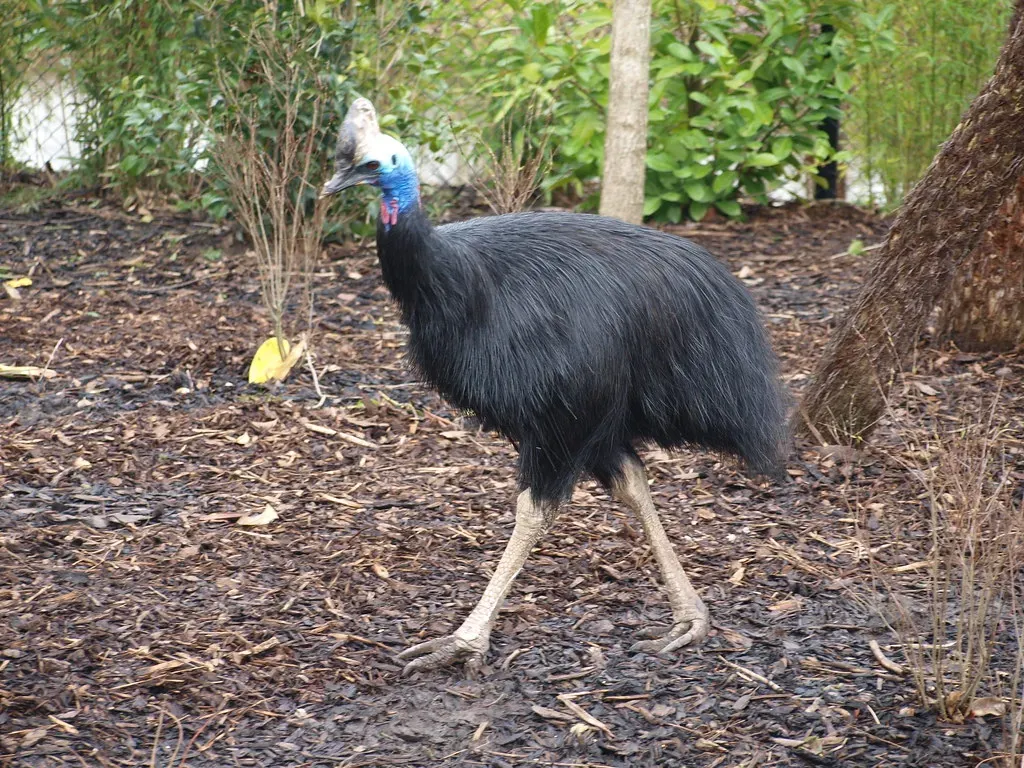
Perhaps the most underrated thing flightless birds kept is psychological, not anatomical: a different relationship with danger. Flying birds can often rely on one main strategy – quick escape into the air. Many flightless birds, by contrast, lean into boldness, toughness, and endurance. They kept a style of defense and resilience that feels more in line with big mammals than with delicate fliers.
Cassowaries are notorious for standing their ground, using their powerful legs and claws if they feel cornered. Ostriches will run first, but they are absolutely capable of defending themselves with dangerous kicks if necessary. Penguins, though seemingly cute and clumsy on land, can be stubborn and surprisingly aggressive in defending nests and chicks in their dense colonies, working together through noise, posture, and the sheer chaos of numbers.
Flying birds often shifted into a lighter, more evasive approach: avoid contact, flee early, and keep moving. Flightless birds did not just miss that memo; they invested in the opposite strategy. They stayed heavier, stronger, and, in many cases, more assertive. In doing so, they preserved an older survival style where you do not always have the option to escape vertically – you have to be able to stand firm, push through harsh seasons, and literally take the hit when the environment throws something at you.
Conclusion: Losing Flight, Keeping Power
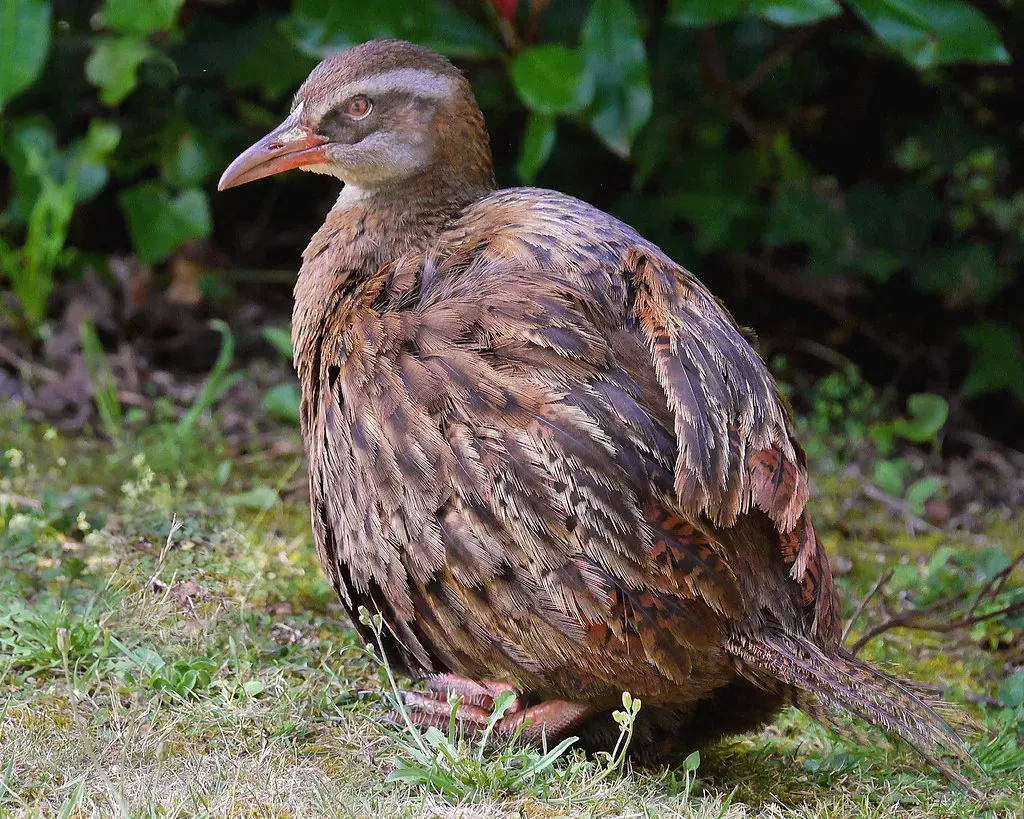
It is tempting to see flightless birds as cautionary tales – side branches that “lost” something incredible. But when you look closely, a different story emerges. By giving up flight, these birds kept or reclaimed traits that flying species dialed down: dense bones, thick feathers, serious claws, grounded senses, patient parenting, hyperlocal adaptations, and a bolder, more muscular way of surviving.
In a sense, they are the birds that refused to float away from their dinosaur past. While swifts, swallows, and hawks chased the sky, ostriches, kiwis, emus, cassowaries, and penguins stayed committed to the ground or the water, polishing an older design instead of trading it in. That choice is not a downgrade; it is a different answer to the same question all life faces: how do you stay alive in a changing world?
Personally, I find them more impressive, not less. There is something deeply compelling about a creature that cannot simply leave when things get rough, but still finds a way not just to cope, but to thrive. Next time you see a penguin waddling or an ostrich pacing a fence line, it might be worth asking yourself: is this really a bird that lost something – or one that stubbornly kept a power the others were too light to carry?