
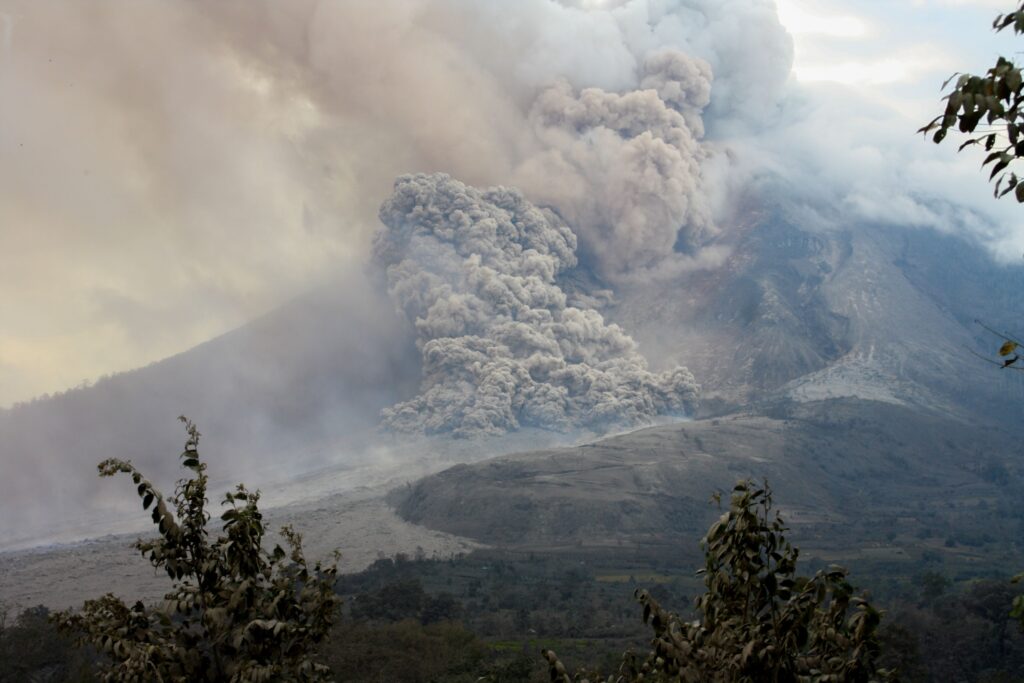
Imagine waking up one day and realizing your entire town has been frozen in time, down to the loaves of bread in the oven and the last meal on the table. That is not fantasy – that is what volcanic ash has done again and again throughout history. It is one of nature’s most ruthless destroyers, but also one of its most meticulous archivists.
Volcanic ash can move like a grey blizzard, burying everything in minutes. Yet, once it settles, it behaves a lot like a protective blanket: sealing out oxygen, moisture, scavengers, light and even bacteria. The result? Objects that would normally rot, crumble or rust away can stay eerily intact for centuries, sometimes even millennia.
When I first saw photos of loaves of bread from Pompeii, still holding their shape after nearly two thousand years, it genuinely gave me chills. It is like someone hit pause on life itself. Let’s dig into what volcanic ash can keep almost perfectly, and why these fragile snapshots of the past matter more than most people realize.
#1 Human Bodies Preserved in Ash and Void “Casts”
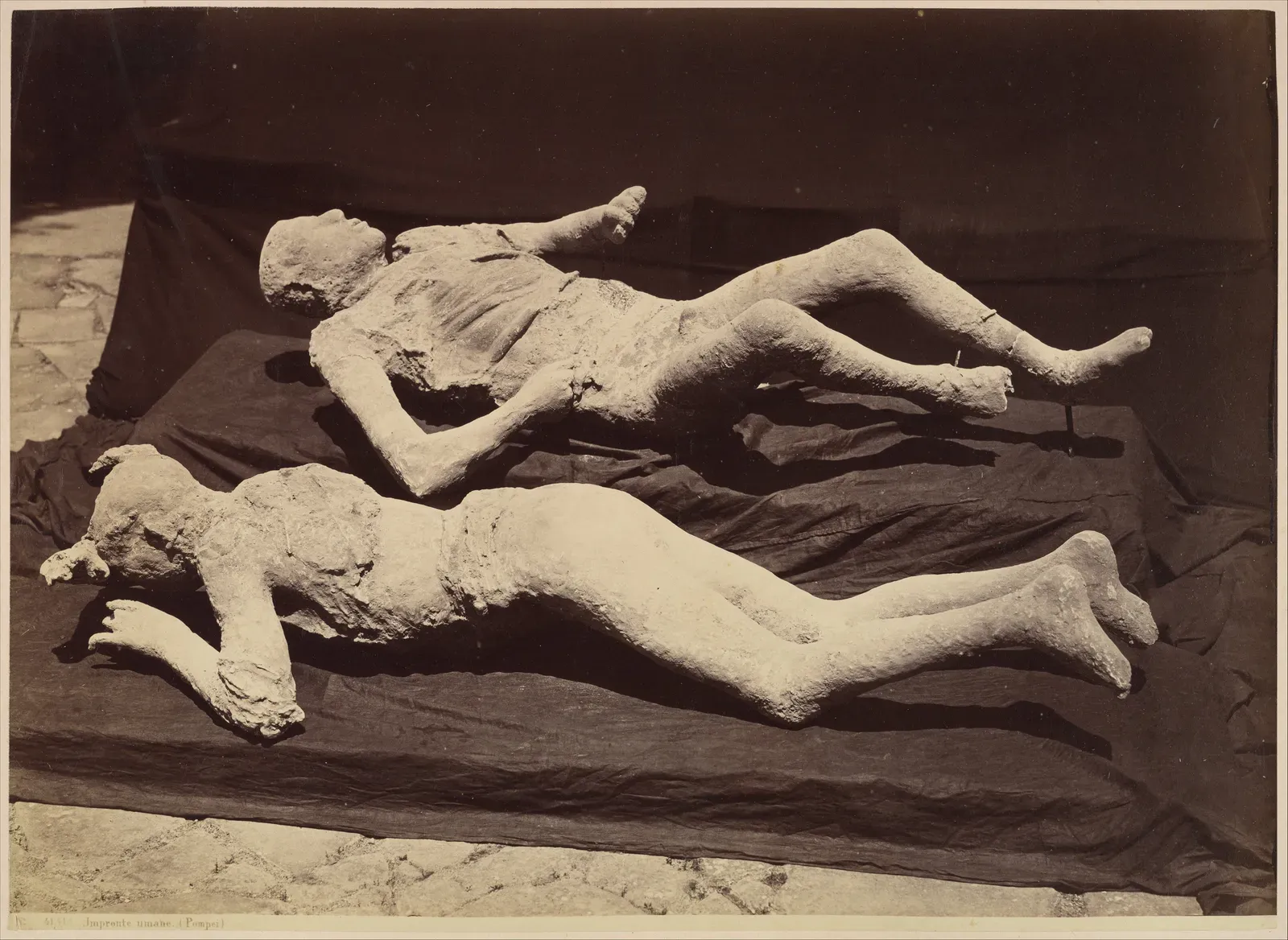
Few things are as haunting as the human remains found at sites like Pompeii and Herculaneum. Volcanic ash did not just bury people; it captured the exact positions they were in during their final moments, sometimes down to folds of clothing and the contour of a hand. In some eruptions, the ash and hot gases killed almost instantly, then piled up so fast over the bodies that they were sealed off from air and scavenging animals.
Over time, the soft tissues decayed and left behind hollow spaces in the hardened ash deposits. Archaeologists later filled these voids with plaster or resin, creating detailed casts of bodies that show muscles, facial expressions and even jewelry. Technically, the original flesh isn’t there anymore – but the shape of each person is preserved with almost shocking clarity. Volcanic ash, in this case, works like a three-dimensional mold for human life.
This kind of preservation gives researchers an unusually intimate window into the past. They can study posture, clothing patterns, even signs of disease or injury in the skeletons inside the casts. It is a brutal but incredibly informative time capsule, one that no museum could ever simulate on purpose.
#2 Everyday Food: Bread, Grains and Meals Frozen in Time
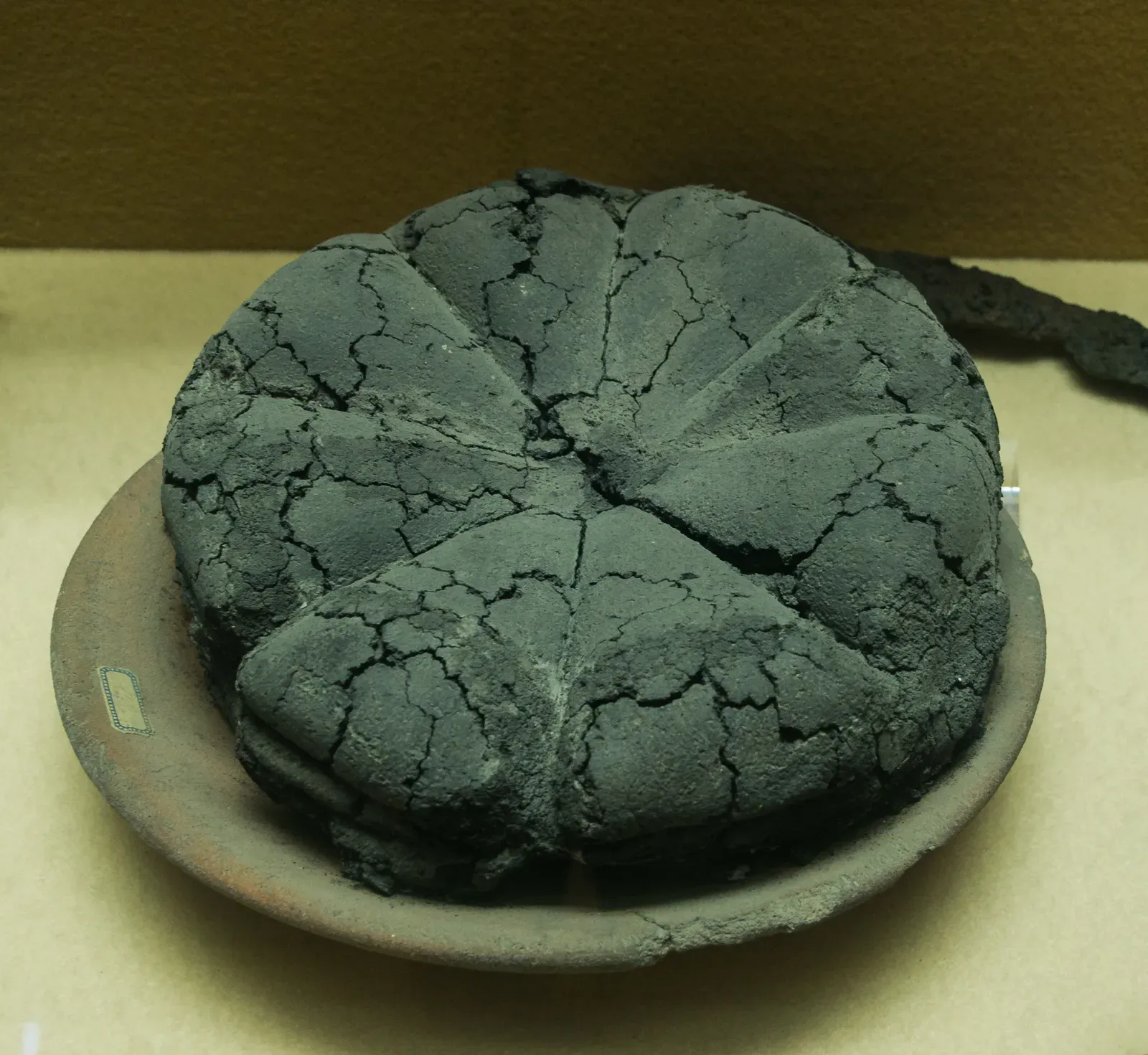
One of the most surprising things volcanic ash can preserve is food – the kind of everyday stuff people fully expect to vanish within days. When a thick layer of ash buries a kitchen or bakery and cuts off oxygen and moisture, it slows decomposition dramatically. The heat from pyroclastic surges can also char and dry food, effectively turning it into something like carbonized fossils of meals.
Archaeologists have uncovered round loaves of bread still scored with cutting lines, piles of grains in storage jars, figs and olives in bowls, and even traces of sauces and seasonings on plates. The shapes, arrangement, and sometimes even textures are recognizable centuries later. It is the culinary equivalent of a paused movie, showing what people ate on an ordinary day in the past.
Some researchers have gone so far as to analyze these preserved foods chemically, figuring out ingredients and recipes. For example, charred bread can reveal what kind of flour was used or whether it contained added fats or flavorings. In a way, volcanic ash acts like a harsh but precise cookbook editor, freezing everyday meals into scientific evidence.
- Loaves of bread and baked goods retain their shape and scoring.
- Stored grains and legumes remain identifiable in sealed jars.
- Fruits, nuts and condiments can survive in carbonized form.
#3 Animal Skeletons and Imprints of Fur and Skin
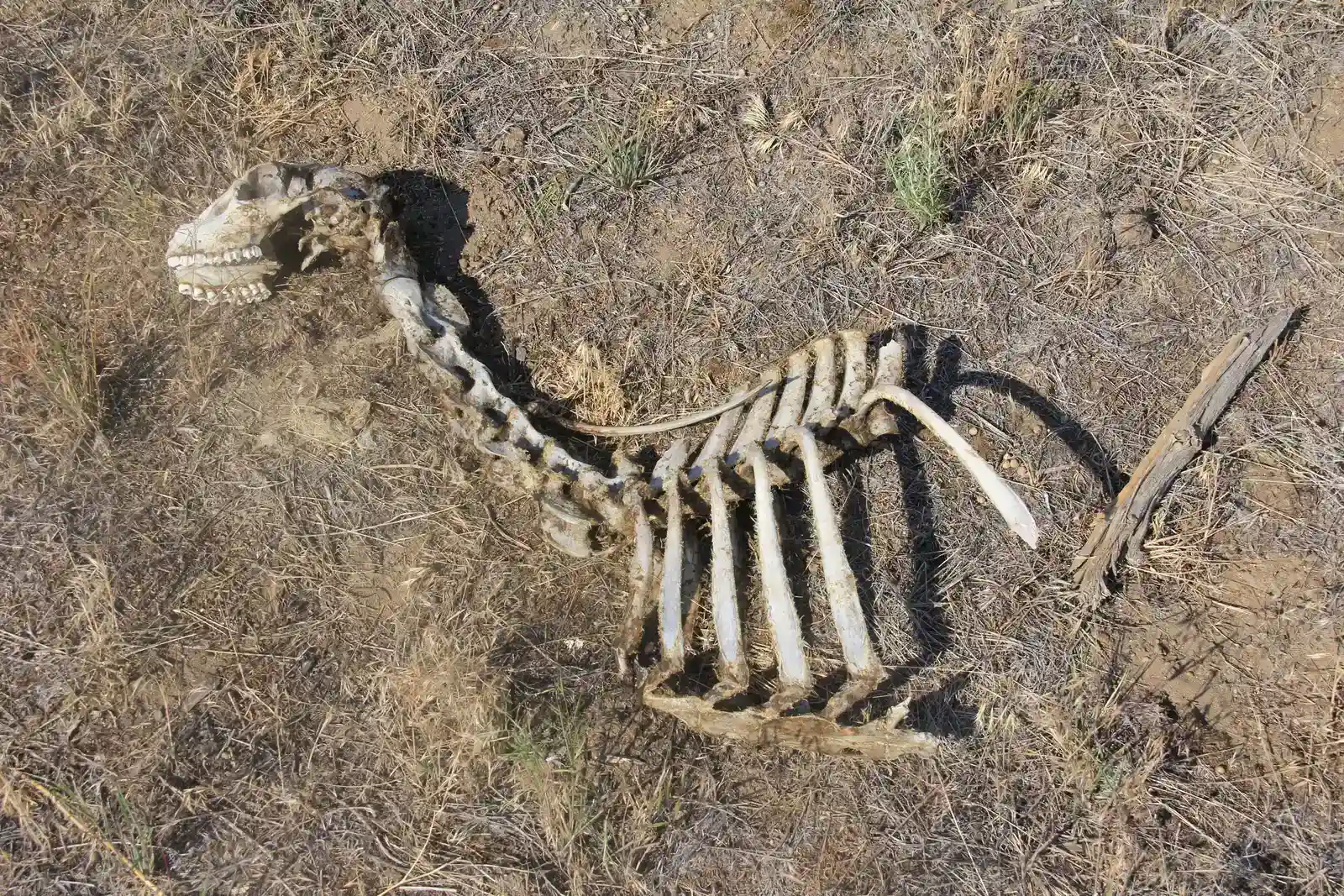
It is not just humans whose last moments get sealed by volcanic ash. Domestic animals, wild creatures and even small insects can be preserved within ash layers. Skeletons are often found in stables, courtyards or fields, still in the positions they were in when the eruption struck. The ash quickly hardens around them, locking bones into place and resisting later disturbance.
Under the right conditions, ash can also record fine details like fur patterns or skin textures. Just like with human remains, decaying tissue can leave voids that later become detailed casts. In some cases, paw prints, hoof marks and even drag marks in soft ash floors are preserved as it hardens, giving us an eerie trail of motion right up to the moment of disaster.
These preserved animals tell us a lot about ancient economies and daily life: what species were kept, how they were housed, and how people relied on them. They also provide a snapshot of local biodiversity before the eruption, helping biologists understand which species were present in the landscape centuries ago.
#4 Wooden Structures, Furniture and Tools Turned to Carbon
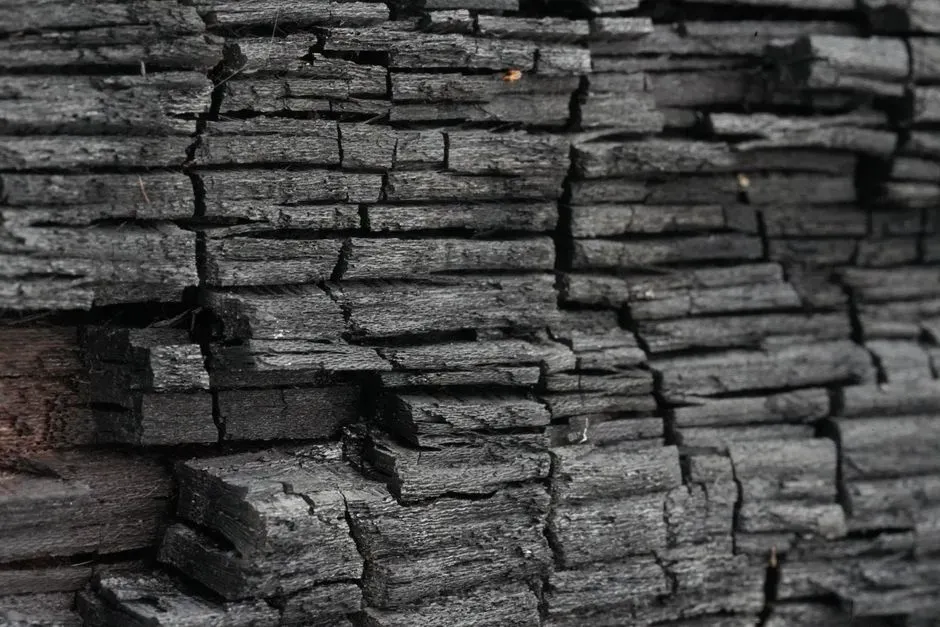
Wood normally does not stand a chance over long stretches of time. It rots, insects chew through it, fire devours it. But volcanic eruptions occasionally flip that script. When hot ash and gases flow over wooden beams, doors, beds or tools, they can char the wood in a way that preserves its shape but transforms it chemically into a carbonized version. Think of it like nature’s version of slow, uneven grilling that accidentally fossilizes the result.
In ancient towns buried by eruptions, archaeologists have found bed frames, shutters, shelves, ladders, even wooden chests that survived as carbonized but structurally intact pieces. Details like joinery, nails, decorative carvings and surface wear can be studied long after the original wood species is gone. Sometimes, even the grain pattern is still visible, offering clues about the trees that supplied the lumber.
In some truly lucky cases, the ash environment stays wet and low in oxygen rather than just hot and dry. There, wooden items can survive not just as charcoal-like remnants but as actual, albeit waterlogged, wood that can be conserved. Either way, volcanic ash provides a rare preservation pathway for a material that usually disappears from the archaeological record.
- Beams and structural timbers reveal ancient construction techniques.
- Furniture and tools show everyday craftsmanship and repairs.
- Wood species can sometimes be inferred from grain patterns or residues.
#5 Fragile Textiles, Clothing and Footwear
Textiles and clothing are among the most delicate artifacts from the past. Under normal burial conditions, they break down quickly, leaving only the most durable fibers or small fragments. Volcanic ash, especially when combined with heat and a lack of oxygen, can do something remarkable: stabilize these materials as fragile but recognizable ghosts of themselves.
Archaeologists have recovered imprints and remnants of tunics, cloaks, ropes, nets and sandals from ash-filled houses and streets. In some cases, metal fastenings, buttons or pins survive even when the cloth itself has decayed, but the ash preserves an imprint of the weave or stitching. It is a bit like pressing a shirt into wet cement, letting it set, and then lifting the shirt away – you are left with its detailed outline and pattern.
These preserved textiles reveal fashion choices, social status indicators and technological skill. Researchers can study weaving patterns, dye residues and repair marks to understand how people made and maintained their clothing. Seeing a preserved sandal print in ash next to a body is a visceral reminder that these were real people worrying about very ordinary things, right up until the extraordinary moment when ash swallowed their world.
#6 Wall Paintings, Pigments and Interior Decoration
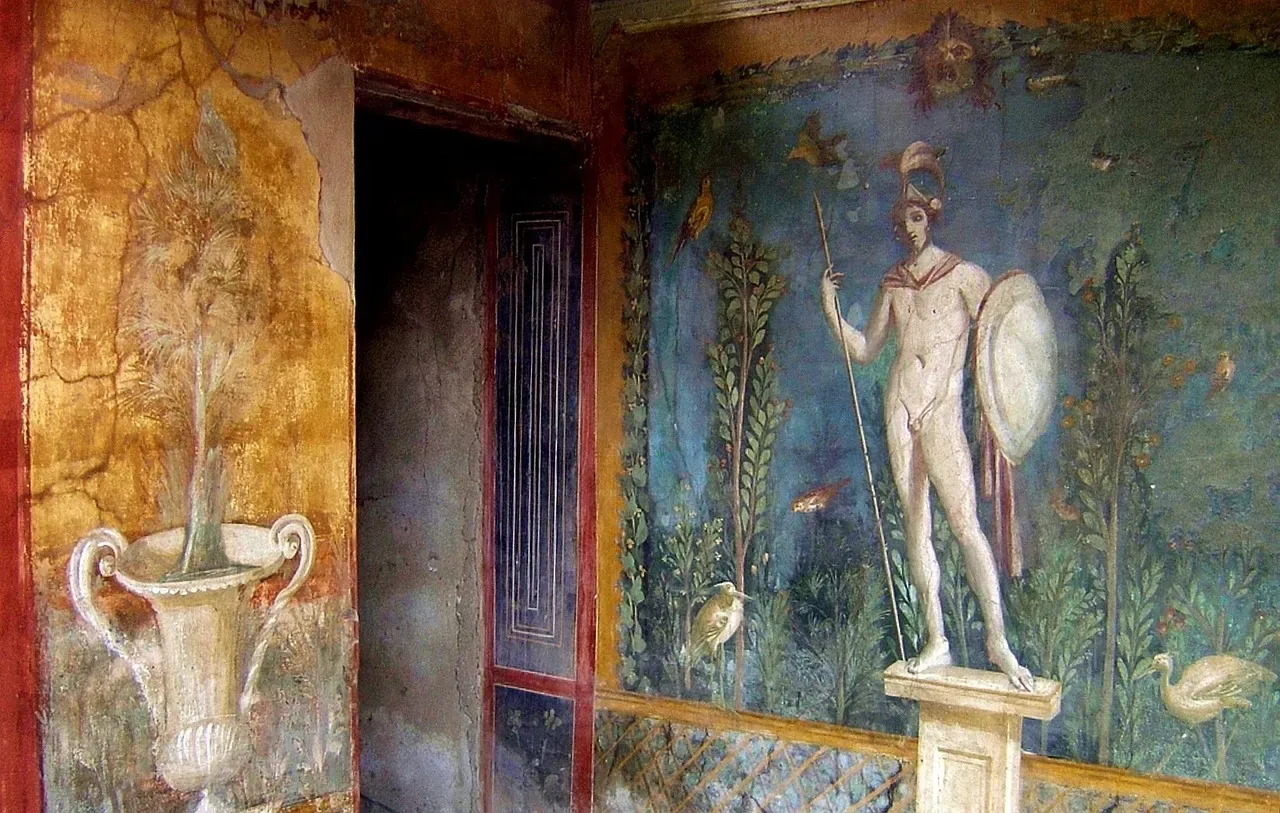
Volcanic ash is oddly kind to painted walls. When it buries a building quickly and deeply, it shields interior surfaces from wind, rain, vandals and later rebuilds. Frescoes, murals and painted plaster can remain vivid centuries later, with colors that look shockingly fresh to modern visitors. The ash acts like a protective cocoon, blocking sunlight that would otherwise bleach pigments and keeping the walls from physical abrasion.
In some buried cities, entire rooms of painted walls survived almost intact: mythological scenes, landscapes, portraits and decorative borders all frozen behind a thick grey shell. Once excavated carefully, these paintings reveal not only artistic talent but also clues about beliefs, social aspirations and what people wanted to look at every single day while eating, chatting or working.
For scientists, these well-preserved pigments are a dream. By analyzing the minerals and binders, they can reconstruct trade networks for rare colorants, such as expensive blues or exotic reds. Volcanic ash, ironically, ends up preserving the delicate chemistry of color better than most human-built museums ever could.
- Frescoes stay sealed from light and weather damage.
- Pigments can be chemically analyzed centuries later.
- Room layouts and decoration schemes remain readable.
#7 Metal Objects: Tools, Weapons and Jewelry
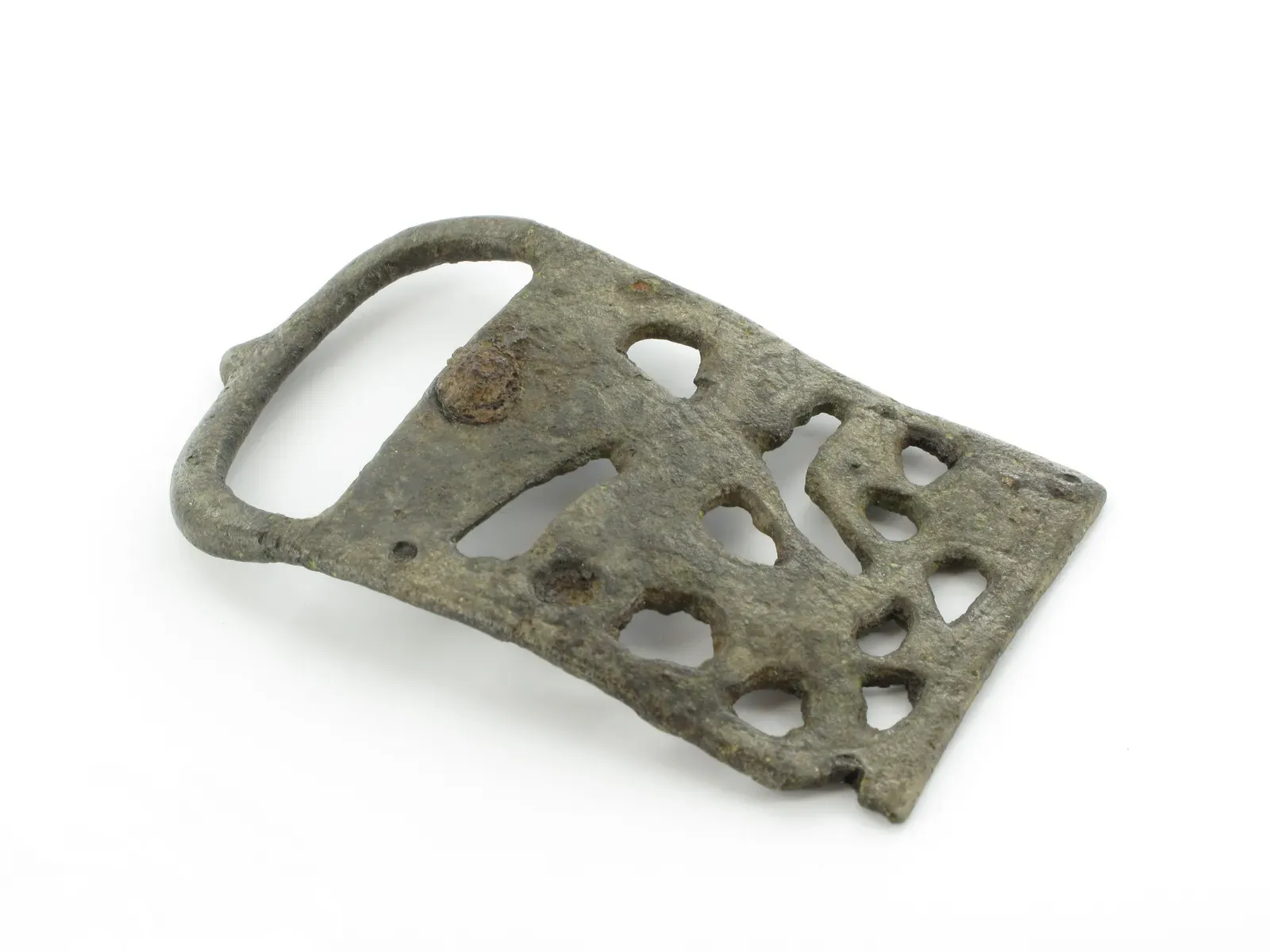
When you think of metal buried for centuries, you might picture rusted lumps. Volcanic ash can change that story. While some metals do corrode, the ash layer can slow down the process dramatically by cutting exposure to water and air cycles. Iron tools, bronze statuettes, silverware and gold jewelry often emerge from ash deposits in surprisingly recognizable, sometimes even excellent, condition.
Gold, being chemically stable, is naturally resilient, but ash burial helps by hiding it from looters and melting fires. Bronze and copper alloys can develop a stable patina rather than disintegrating completely. Even iron can retain its shape long enough for conservation if the burial environment is not too wet. This means that entire toolkits, weapon collections, and jewelry sets can be recovered together, telling us far more than a handful of scattered finds would.
Researchers can see how tools were sharpened, how weapons were decorated, and how jewelry was worn and repaired. Patterns of wear on preserved metal show exactly how often an item was used and for what. Volcanic ash, in that sense, does not just keep the metal – it keeps the story of repeated human touch etched into each object.
#8 Written Records: Inscriptions, Wax Tablets and Graffiti
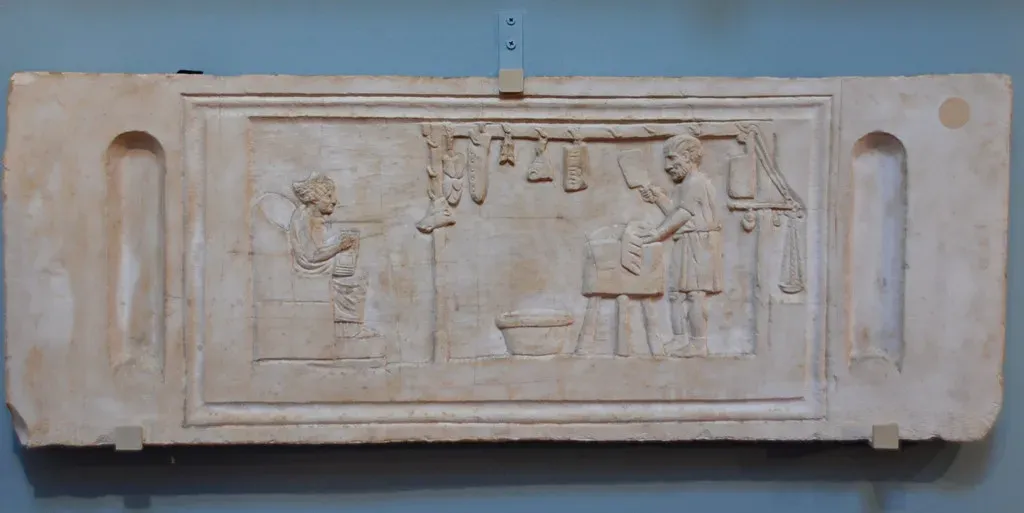
Information is usually one of the first casualties of time. Ink fades, paper rots, and casual scribbles vanish. Yet in ash-buried settlements, written records hang on stubbornly in ways that feel almost miraculous. Stone and plaster inscriptions, graffiti scratched into walls, and even certain types of writing tablets can survive when shielded by dense ash.
In the ancient world, people sometimes wrote on wooden tablets coated with wax. During a volcanic event, the heat can burn away the wax while the ash fills the scratches left by the stylus, preserving the text as negative impressions. It is an accidental but highly effective copying technique: the original writing medium is destroyed, but the message lives on inside the ash.
Graffiti carved into walls, from political messages to jokes and personal notes, can also remain legible where the ash protected the plaster. These random snippets of text make the past feel extremely modern – people complained, bragged and gossiped then just as they do today. Volcanic ash, without realizing it, becomes a ruthless but oddly fair editor, saving some lines and erasing others at random.
- Wall graffiti remains readable centuries later.
- Wax tablets can be “reconstructed” from ash impressions.
- Official inscriptions stay shielded from erosion.
#9 Seeds, Pollen and Tiny Traces of Ancient Landscapes
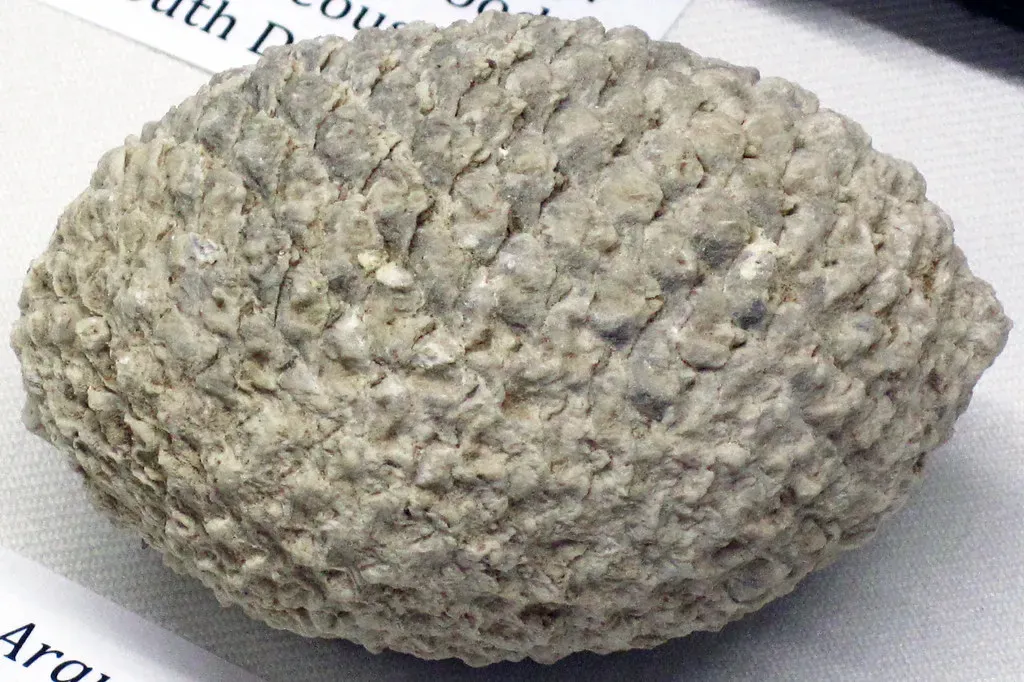
The most powerful things volcanic ash preserves are often the smallest. Microscopic pollen grains and plant seeds can get trapped within ash layers, especially in buried soils, storage containers and household dust. Because ash can be chemically inert and very fine-grained, it acts like a gentle packing material that cushions and isolates these delicate particles from destruction.
Palynologists (scientists who study pollen) can take samples from ash-buried layers and reconstruct what plants were growing in the area before the eruption. Was the landscape dominated by crops or wild vegetation? Were fruit trees common? Did people graze animals on open pasture or rely on denser woodland? All of this can be pieced together from the tiny botanical evidence sealed in the ash.
Seeds and plant remains, especially when carbonized, offer further details about diet and agriculture. For instance, specific grains or legumes can point to local farming traditions and trade networks. Volcanic ash basically acts like a giant, reluctant librarian, filing away millions of microscopic clues about ecosystems that would otherwise fade unnoticed.
#10 Pottery, Ceramics and Glassware in Pristine Context
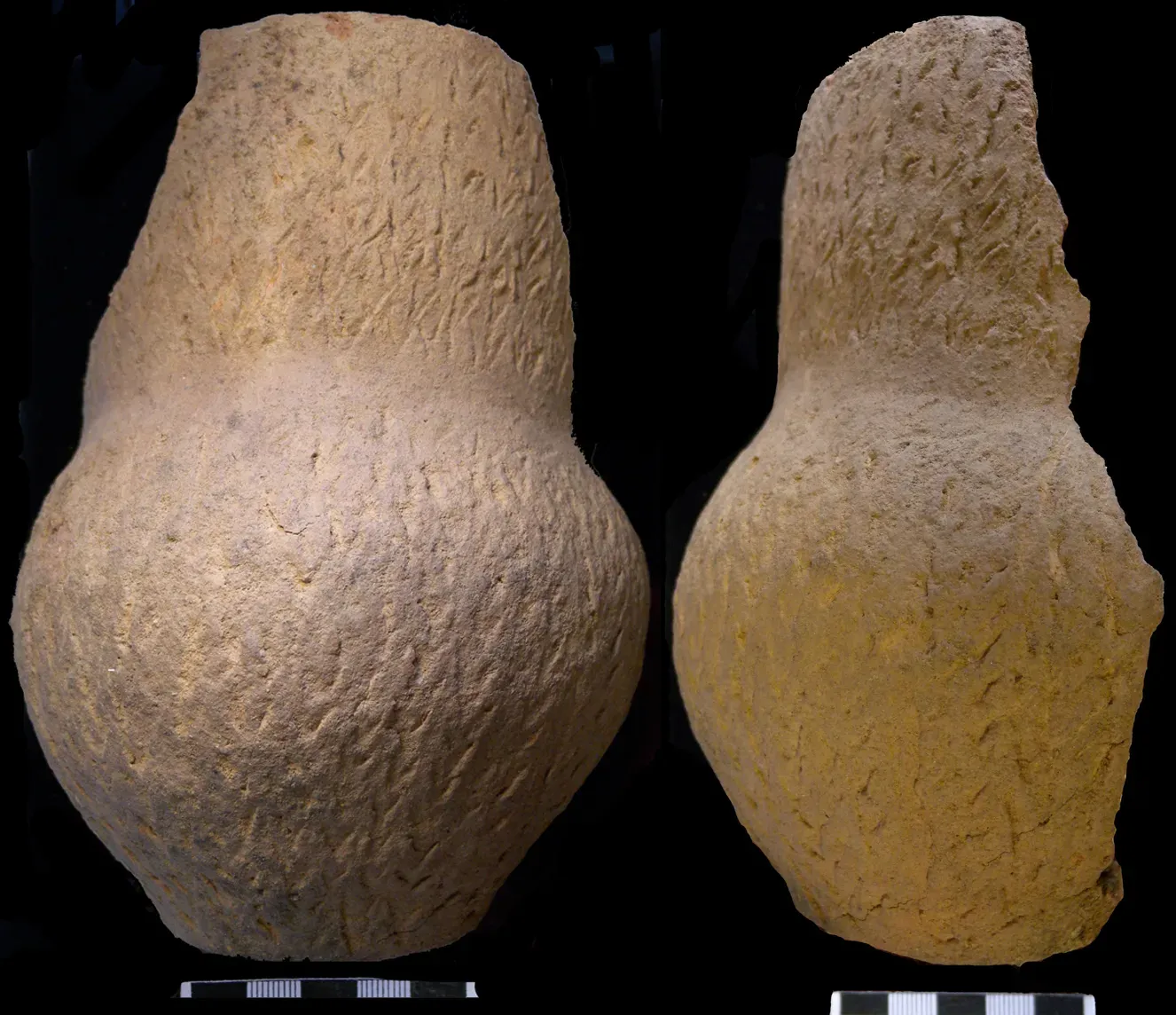
Pottery and ceramics are already fairly durable, but volcanic ash gives them a unique advantage: context. In many archaeological sites, pots and glassware get moved, broken, reused or scattered over centuries. In a rapidly buried ash landscape, objects are frozen exactly where they were left – on shelves, in cupboards, next to cooking hearths or in workshops mid-use.
Because ash can flow into rooms and then harden without crushing everything beneath, ceramic and glass vessels might survive nearly intact. Sometimes, they are even found nested within each other or still holding their original contents, like oils, perfumes or cosmetics that have carbonized or chemically altered but remain identifiable. That combination of container, content and location is a goldmine of information.
Glass, which normally scuffs and shatters in debris layers, can also be surprisingly well preserved. Bottles, cups and decorative pieces emerge with their shapes intact, giving us a very immediate sense of style, trade and wealth. It is the difference between finding a single shard and walking into a frozen pantry: volcanic ash almost always gives you the pantry.
- Pots and vessels stay in their original positions.
- Some still contain residues of oils, wine or perfumes.
- Glassware remains intact enough to reveal shape and function.
#11 Roads, Footprints and the Layout of Entire Cities
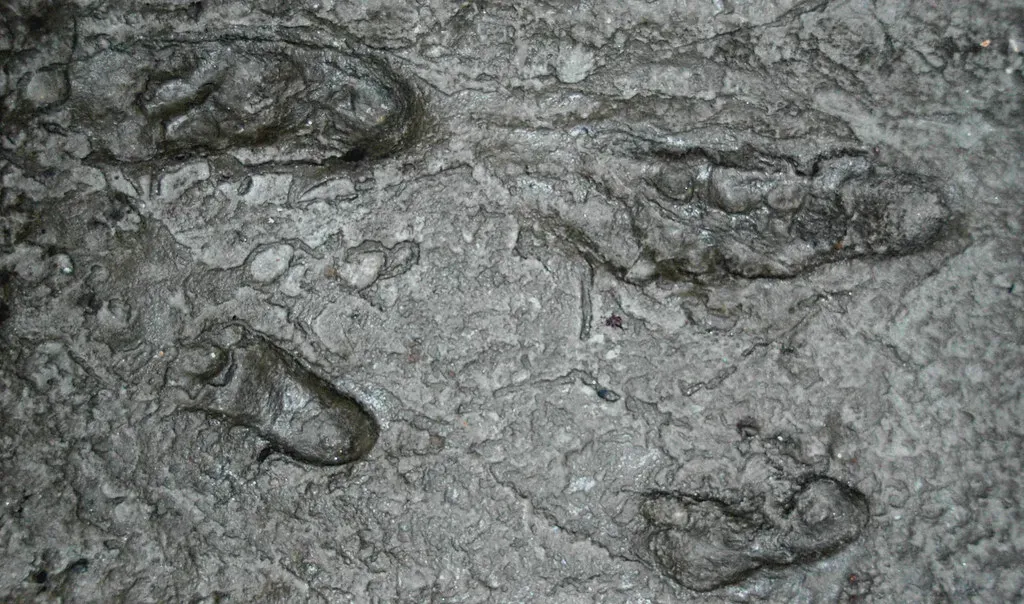
Volcanic ash is not only good at preserving objects; it is also brilliant at preserving space. When an eruption blankets a town or landscape, it can protect the physical layout of streets, courtyards, gardens and even drainage systems. Excavations in such sites feel less like digging through a random ruin and more like peeling back a heavy duvet to reveal a fully made bed underneath.
In some places, workers have uncovered stone-paved roads with ruts from wagon wheels still visible, sidewalks with stepping stones, and entrances to houses lined up exactly as they were on the day of the eruption. Ash fills in gaps and crevices, preventing later collapse and erosion from completely erasing these features. The result is a kind of architectural X-ray of an entire community.
Most striking of all are footprints or cart tracks captured in layers of soft ash that later hardened. Human bare feet, animal hooves, and wheel marks can be traced along paths, recording frantic escapes or normal traffic routes. It is impossible to look at a single footprint in volcanic ash and not picture the person who left it, unaware that their step would still be visible centuries later.
#12 Skeletons and Bones of Marine Life in Submerged Ash
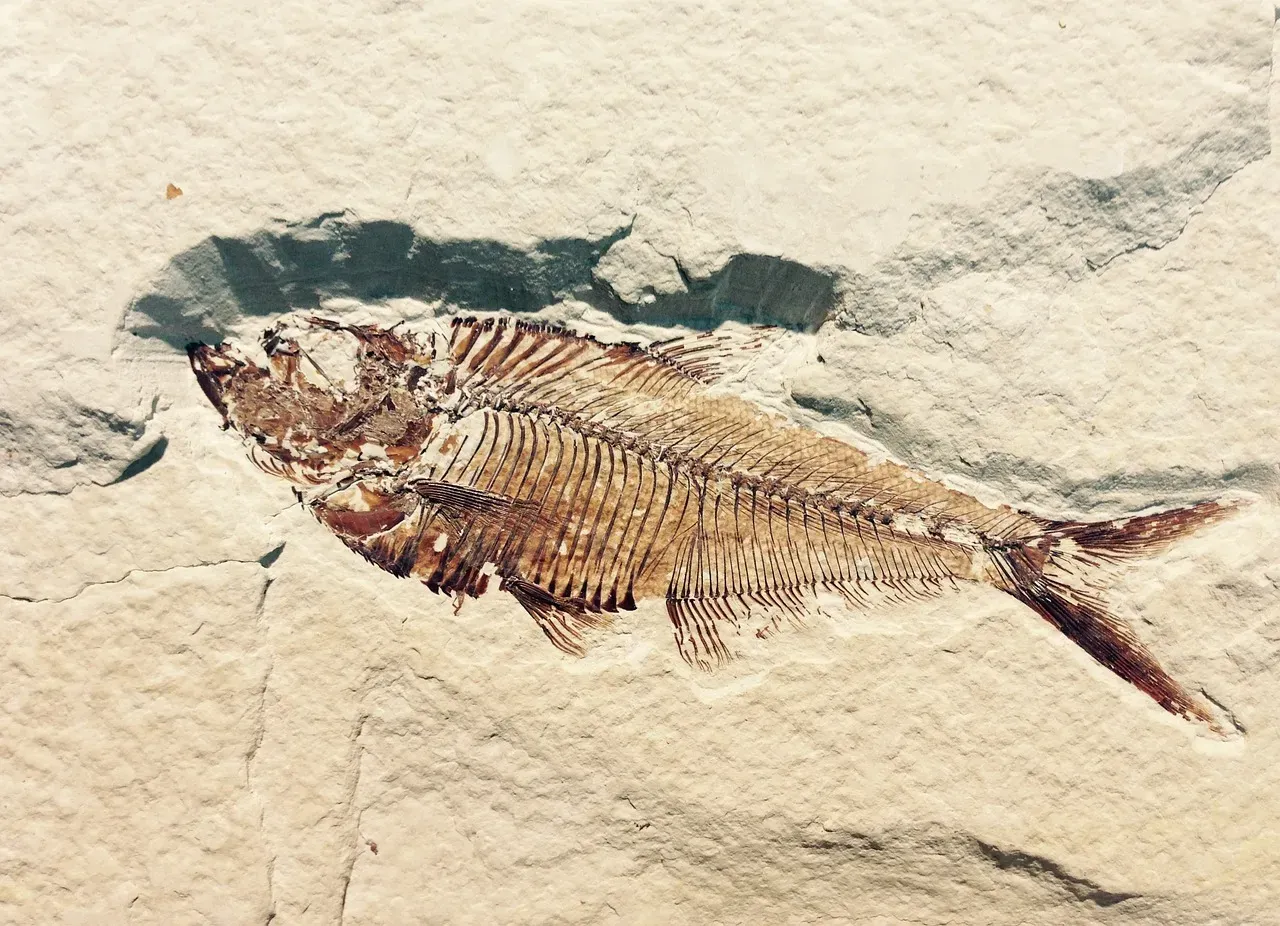
Volcanic eruptions that occur near or under water can spread ash into marine environments, where it settles over seafloors and coastal zones. There, it can preserve the skeletons and shells of sea creatures in extraordinary detail. Fish, mollusks, corals and small invertebrates can all end up entombed within fine ash, which later turns to rock while retaining their shapes.
In some ancient deposits, entire schools of fish are found fossilized together, apparently overwhelmed by sudden changes in temperature or oxygen levels linked to volcanic events. The ash essentially acts as a burial shroud that prevents scavengers from scattering the remains. It is as if the water column suddenly turned to concrete around them.
These marine ash layers give scientists a precise geological timestamp for when certain species lived and how ecosystems responded to catastrophic events. They also show that volcanic ash does not discriminate: it preserves city life and ocean life with equal indifference, quietly recording both worlds in its layers.
#13 Human Habits: Trash, Tools in Use and “Messy Life” Moments
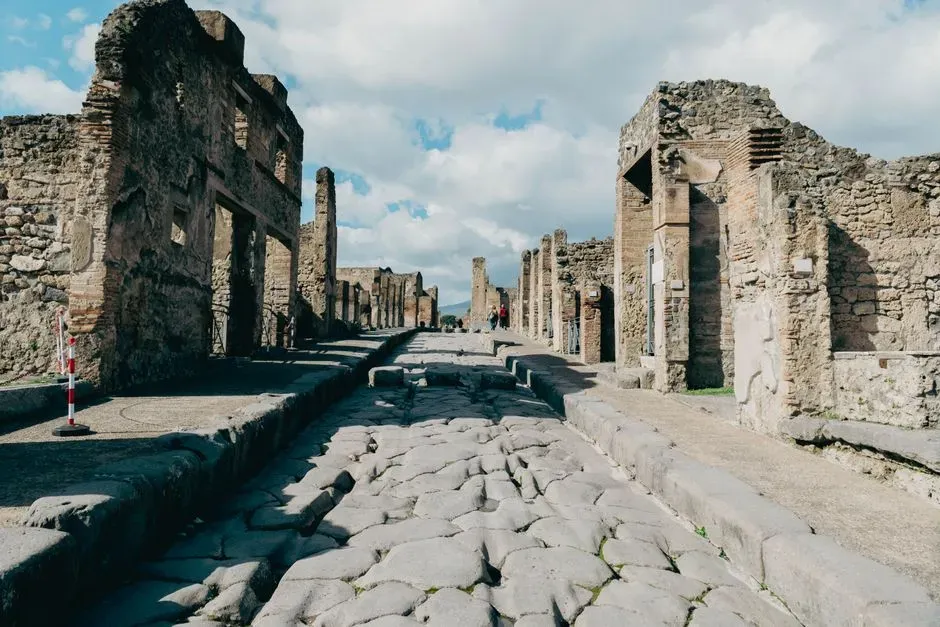
One underrated thing volcanic ash keeps is mess. Unlike many archaeological sites, where later rebuilding and cleaning scramble the evidence, ash-buried settlements present an almost brutally honest snapshot of how people actually lived. Half-eaten meals left on tables, tools mid-repair, toys scattered on floors, and piles of trash in corners all remain right where they were when the ash storm hit.
Rubbish pits, for example, can stay sealed under ash, preserving layers of discarded bones, broken pottery, shells and other debris. This material can be sorted and dated with fine precision, revealing seasonal eating patterns, shifts in diet and even economic stress. The parts of life people never expected anyone to see end up as some of the most revealing evidence.
There is something deeply humanizing about this. Volcanic ash does not just memorialize grand temples and official monuments; it keeps the socks-on-the-floor version of history. It shows us that past people were just as untidy, improvisational and inconsistent as we are now, and that their ordinary chaos mattered enough to be recorded in stone-like ash.
- Unfinished tasks remain frozen mid-action.
- Trash layers reveal diets and consumption habits.
- Children’s objects and games appear where they were dropped.
#14 Entire Moments of Crisis: The Final “Snapshot” of a Culture
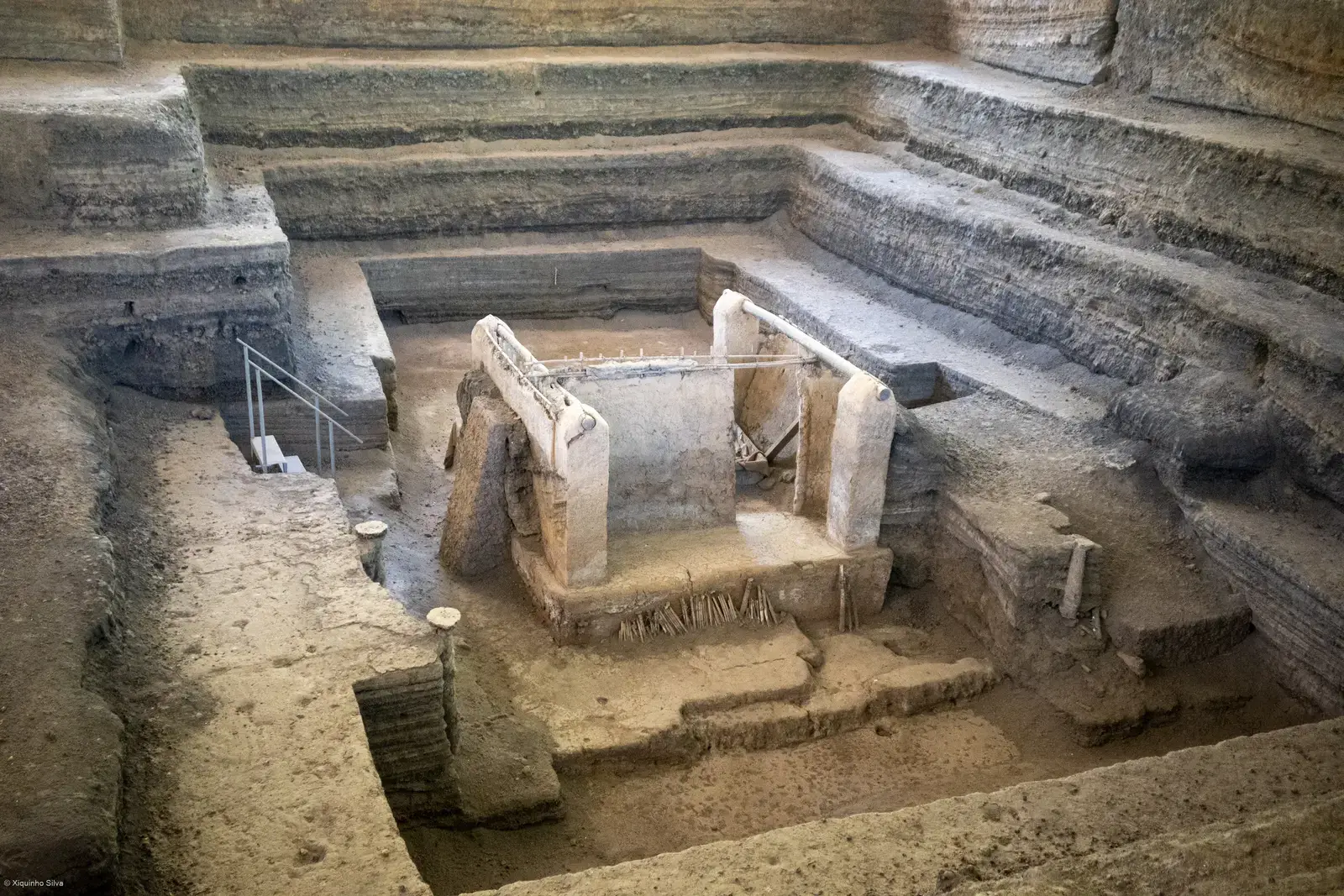
Beyond individual objects, volcanic ash can preserve something far more abstract but arguably more important: a moment. Unlike slow-layering sediments that blend years together, a thick ash fall from a major eruption often represents hours or days. It is essentially a single photograph in geological form, compressed into a clear, datable horizon.
When archaeologists excavate such deposits, they are not just seeing a random accumulation of artifacts – they are literally looking at where people were, what they were doing and what they owned on one specific day that went catastrophically wrong. That precision is rare in the deep past, where most timelines are fuzzy and events blur together. Volcanic ash creates a sharp edge between “before” and “after.”
Of course, it is a brutal kind of preservation. These snapshots are usually tragedies: entire communities wiped out, landscapes transformed, lives cut short. But they give us something incredibly valuable – a way to reconstruct not just what people built but how they lived, what they feared, what they treasured and how quickly everything can change. In a strange, almost uncomfortable way, volcanic ash may be one of the most honest historians we have.
Conclusion: A Ruthless Destroyer and Our Most Relentless Archivist
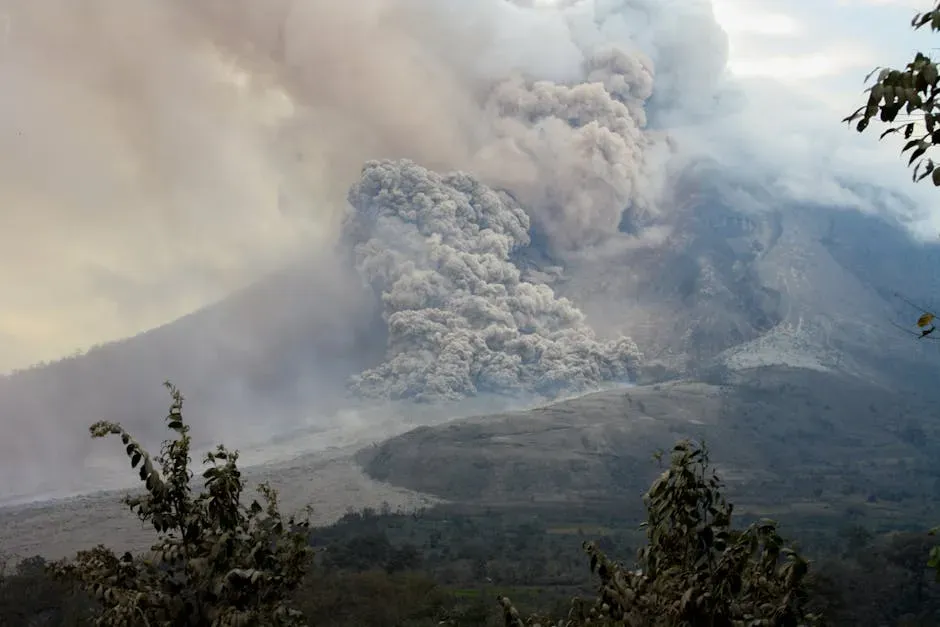
Volcanic ash is one of those contradictions nature seems to love. In the short term, it is catastrophic, smothering cities, poisoning air and collapsing roofs. Yet on the scale of centuries, that same grey blanket becomes an archivist that museums could only dream of, quietly keeping bodies, bread, footprints, paintings, seeds and even jokes on walls intact for future eyes.
Personally, I find that mix of terror and preservation both unsettling and oddly comforting. It is unsettling because it reminds us how quickly ordinary life can be frozen and ended by forces completely outside our control. But it is comforting because it shows that even in disaster, traces of who we were do not completely vanish. They wait, hidden in layers of ash, for someone curious enough to dig carefully and listen.
The next time you see dramatic footage of an ash plume towering over a volcano, it is tempting to think only in terms of destruction. But somewhere under that fall, if it reaches people, there may also be the next great time capsule of human and natural history forming in real time. Would you ever have guessed that something so deadly could also be one of the best keepers of our most fragile stories?