
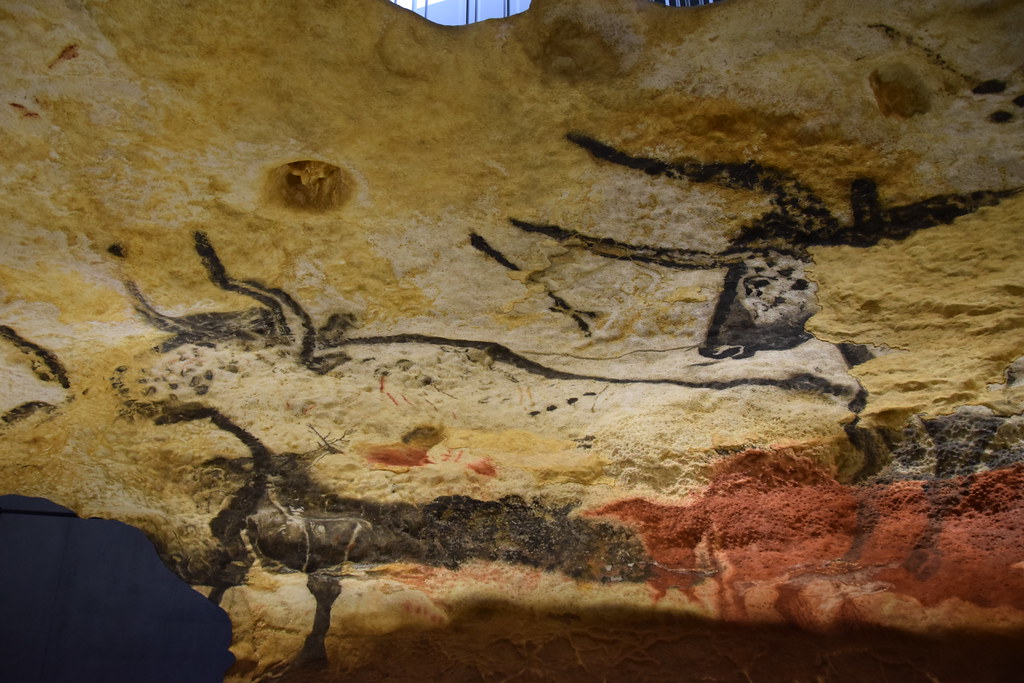
Walk into the painted darkness of Lascaux, even through a photo on a screen, and you can feel it: those animals are not just animals. Something about the way they are placed, clustered, and repeated hints at a hidden structure, like a code you almost recognize but cannot quite read. For decades, archaeologists treated these images as mysterious but essentially symbolic – hunting magic, myth, or shamanic visions. Now a growing wave of research is arguing something far bolder: that at least some of these caves may double as star maps.
This idea sounds wild at first, almost like a conspiracy theory you might scroll past online. Yet when you dig into the data – the alignments, the repeated dot patterns, the seasonal animals – the picture becomes much harder to shrug off. We may be looking at Ice Age people who not only painted stunning art, but also tracked the skies well enough to encode astronomical knowledge in rock. The story is still unfolding, and a lot is debated, but one thing is clear: the stereotype of “primitive cave people” belongs in the Stone Age more than they ever did.
The Hidden Pattern: Why Lascaux Never Quite Looked Random
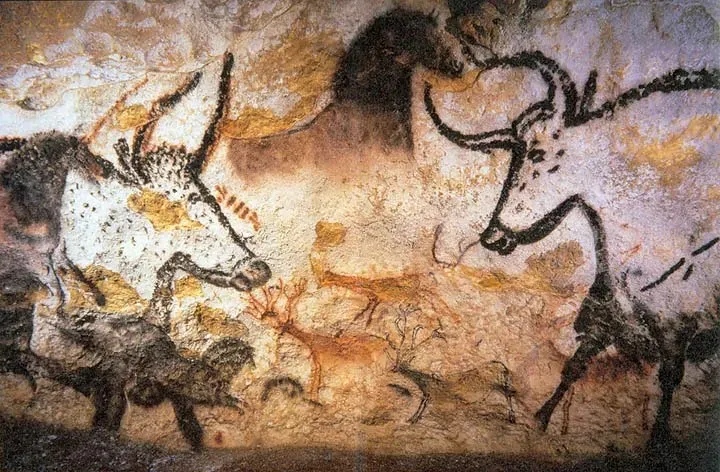
Anthropologists have long noticed that Lascaux does not behave like a random art gallery. The famous Hall of Bulls, for instance, has a dense crowd of animals layered over one another, but certain creatures appear in consistent pairings and positions. You see bulls towering over smaller figures, horses grouped in specific clusters, and scattered dot patterns hovering near bodies or heads. Even before anyone suggested astronomy, researchers suspected some kind of underlying structure, whether ritual, narrative, or calendrical.
When astronomically minded researchers started looking at the cave plans as if they might be maps, the coincidences piled up. Some animal groupings could be overlaid on well-known constellations with striking fits, especially when you factor in the way the night sky looked tens of thousands of years ago. That does not prove intention, but it does raise a serious question: if you keep finding plausible sky patterns in multiple caves and cultures, at what point does chance stop being the most convincing explanation?
Animals as Constellations: Reading the Sky in Bison and Bulls
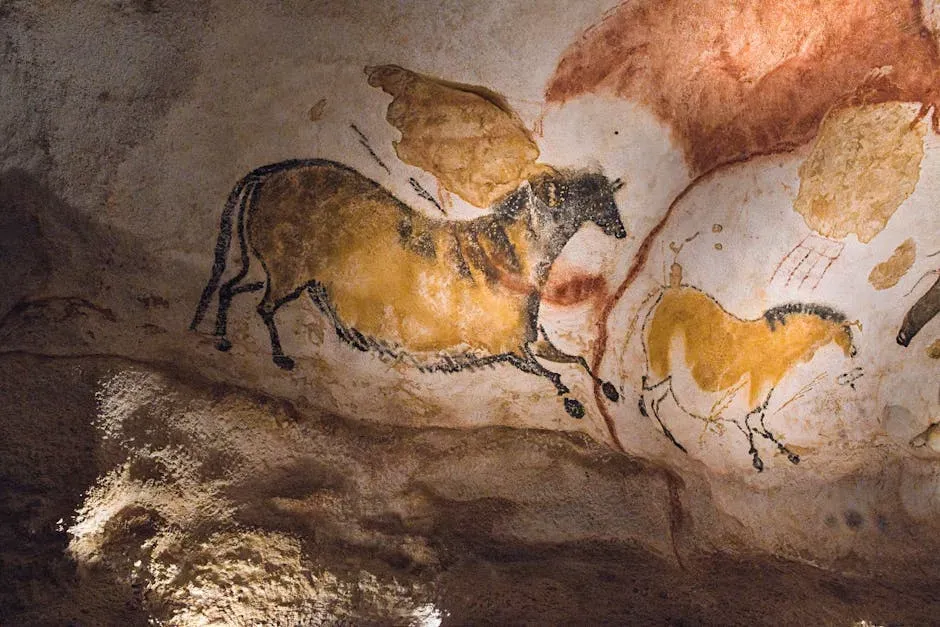
One of the most provocative ideas is that the animals at Lascaux may stand in for constellations, much like lions, bulls, and scorpions do in later zodiac traditions. In some studies, the great aurochs (wild cattle) painted in Lascaux have been compared to the region of the sky later known as Taurus, while certain horses and ibex have been linked to other stellar groupings. The argument is not that they invented the modern zodiac, but that humans have been projecting animals onto the stars far longer than classical civilizations ever guessed.
This interpretation gets more interesting when you consider seasonality. Many of the depicted animals have strong seasonal behavior: rutting, migration, or calving at particular times of year. If each animal-corresponding constellation rose or set at a given season, then a cluster of painted figures might double as a crude celestial calendar. In that reading, the walls are not just telling stories – they are teaching when to expect certain animals, weather patterns, or even specific ritual times, all keyed to the turning of the sky.
Dot Clusters, Star Clusters: Decoding the Mysterious Points
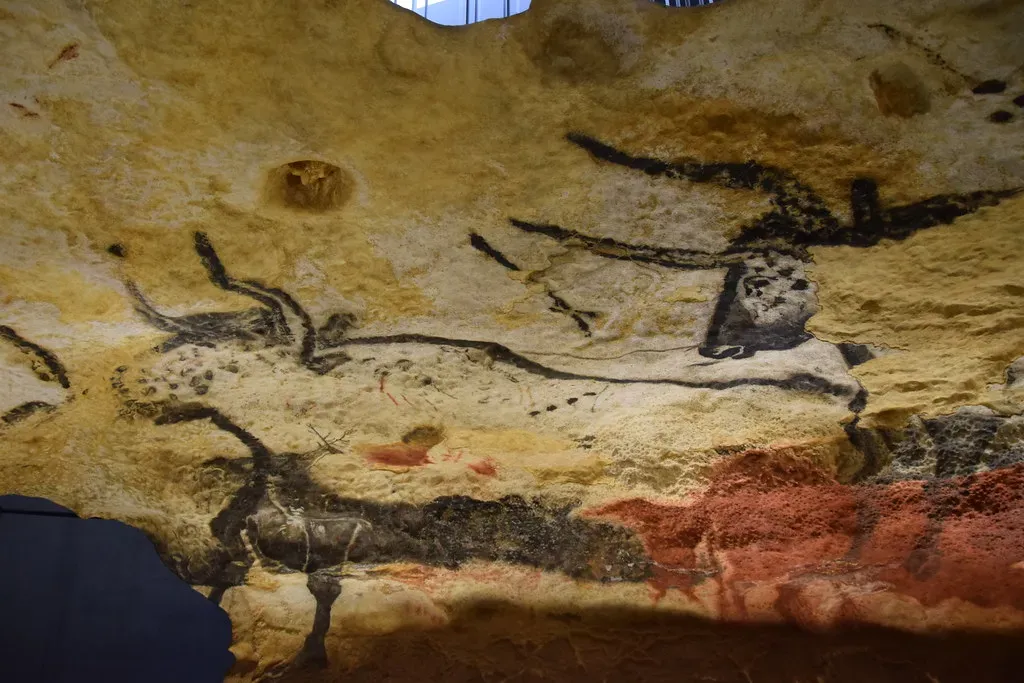
Those little dots that appear next to animals in Lascaux used to be easily dismissed: decoration, counting marks, or simply unknown symbols. But when some researchers compared these dot clusters to prominent star groups, especially compact ones like the Pleiades, eerie similarities popped up. A bull painted with a small cluster of dots above the shoulder suddenly looks less like a random motif and more like a bull plus a star cluster – a pairing that echoes, very roughly, the way Taurus and the Pleiades sit in the sky.
What makes this line of thought hard to ignore is repetition. Similar configurations of animals and dots appear in different caves across Europe, spanning long stretches of time. If independent communities keep painting a particular animal with a small, tightly packed set of points nearby, the odds increase that they are not just doodling. While not every dot is a star and not every pattern is astronomical, a cautious reading suggests that at least some of these marks may encode specific celestial features that mattered for navigation, story, or timekeeping.
Ice Age Timekeepers: Tracking Seasons in Stone
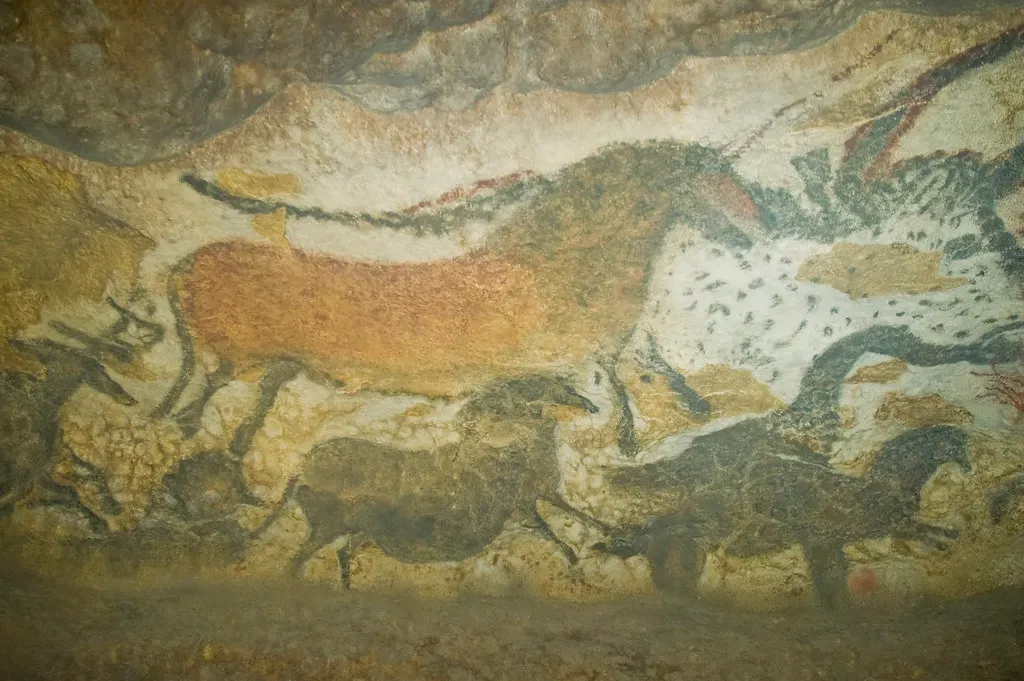
Even before astronomy entered the picture, many archaeologists suspected that cave art had a timekeeping dimension. Certain animals tend to appear together, and the choice of species often matches seasonal cycles in the Ice Age environment. Add the sky to that mix, and you get a compelling hypothesis: that groups like those who painted Lascaux were using both animal behavior and the movement of stars to track the passing of months and years. The cave becomes a kind of frozen almanac, painted instead of printed.
From a survival standpoint, this makes perfect sense. If you live in a harsh, fluctuating climate, knowing when herds move, when rivers freeze, or when certain plants appear can mean the difference between feast and famine. The night sky is one of the most reliable “clocks” available; it repeats in predictable cycles over long spans of time. If some of the imagery at Lascaux mirrors the shifting heavens, then it is not just spiritual art, but also practical knowledge – a shared, visual memory bank designed to outlast a single human lifetime.
How Modern Science Tests a Prehistoric Star Map
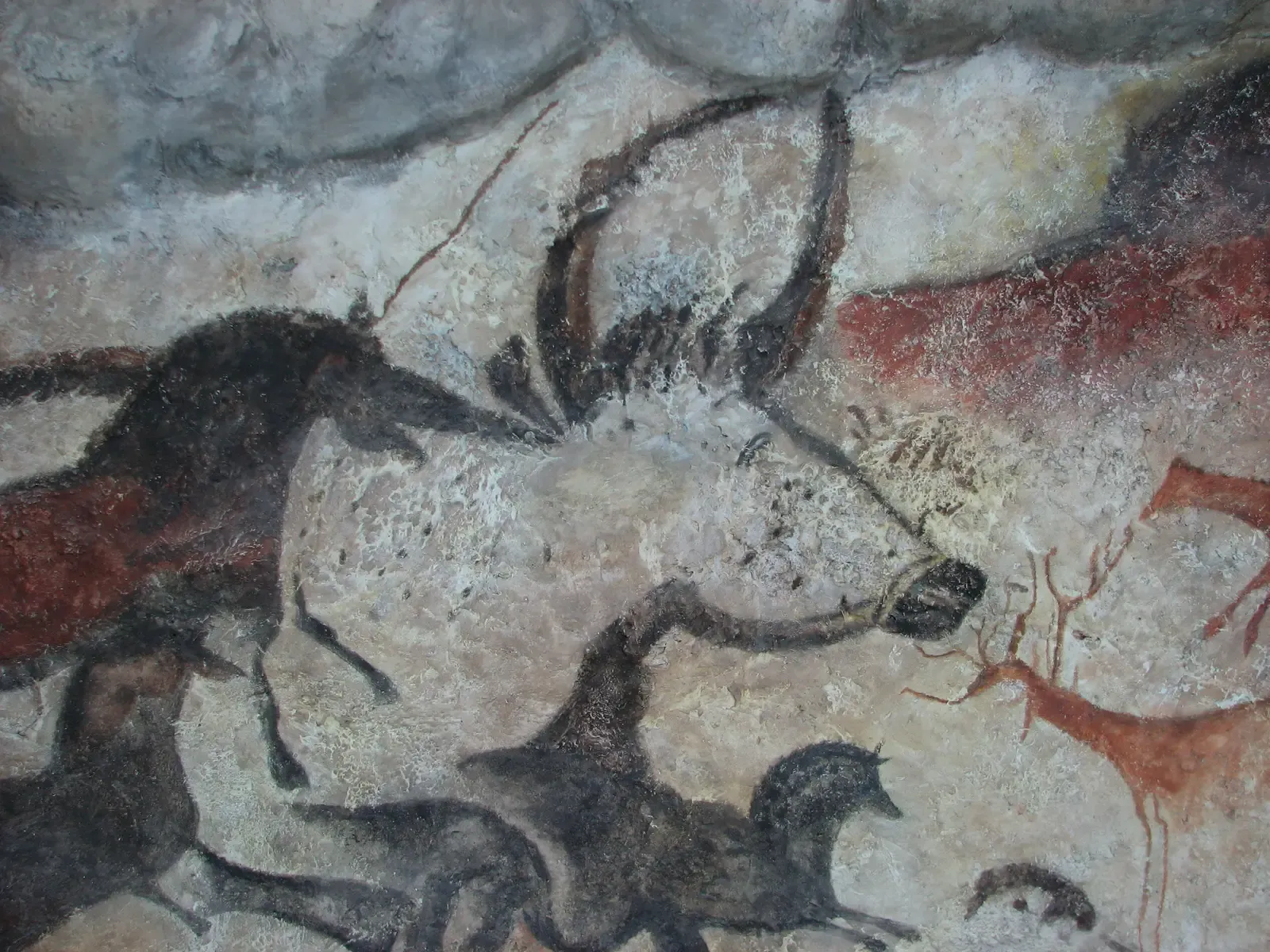
The bold claim that Lascaux encodes star maps demands equally serious testing, and that is where modern tools come in. Astronomers can now reconstruct the night sky as it would have looked tens of thousands of years ago, accounting for slow changes in Earth’s orientation over time. Anthropologists and archaeologists can overlay proposed cave “constellations” onto these reconstructed skies, checking whether suggested matches are precise and consistent or only vague resemblances that could fit almost anything.
Statistical methods also matter here. If the supposed correlations between paintings and star positions were purely random, we would expect them to scatter in a particular way. When the fits are more accurate and repeatable than chance would predict, the idea of intentional design gains strength. At the same time, responsible researchers keep emphasizing uncertainty: we are dealing with incomplete evidence, multiple possible readings, and no written explanations from the artists themselves. So while the case for astronomical knowledge is growing, it is not a closed book – and probably never will be.
Rethinking “Primitive”: What This Says About Ice Age Minds
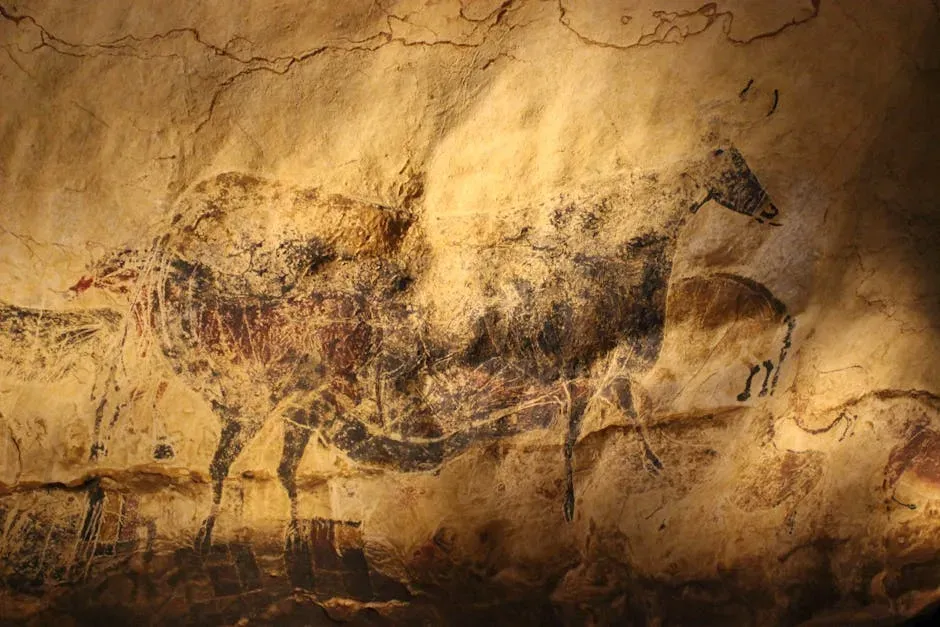
Once you entertain the possibility that Lascaux preserves sophisticated sky lore, our image of Ice Age people has to change. These were not clueless wanderers grunting in the dark; they were observers, pattern seekers, and memory keepers with a rich cognitive world. Painting a lifelike horse is already an impressive mental feat. Mapping that horse onto a constellation and embedding it in a seasonal cycle is the kind of abstract thinking we usually reserve for later civilizations.
Personally, I find this deeply humbling. We like to think of ourselves in the twenty‑first century as the first truly “smart” humans, but anatomically modern humans have had our brain capacity for a very long time. If cave art really encodes celestial cycles, then people tens of thousands of years ago were already doing something recognizably scientific: watching, recording, comparing, and transmitting knowledge. The technology was charcoal and stone instead of silicon and satellites, yet the underlying curiosity – that itch to understand the world above – was strikingly familiar.
Opinion: Why the Star Map Theory Matters, Even If It Is Never Fully Proven
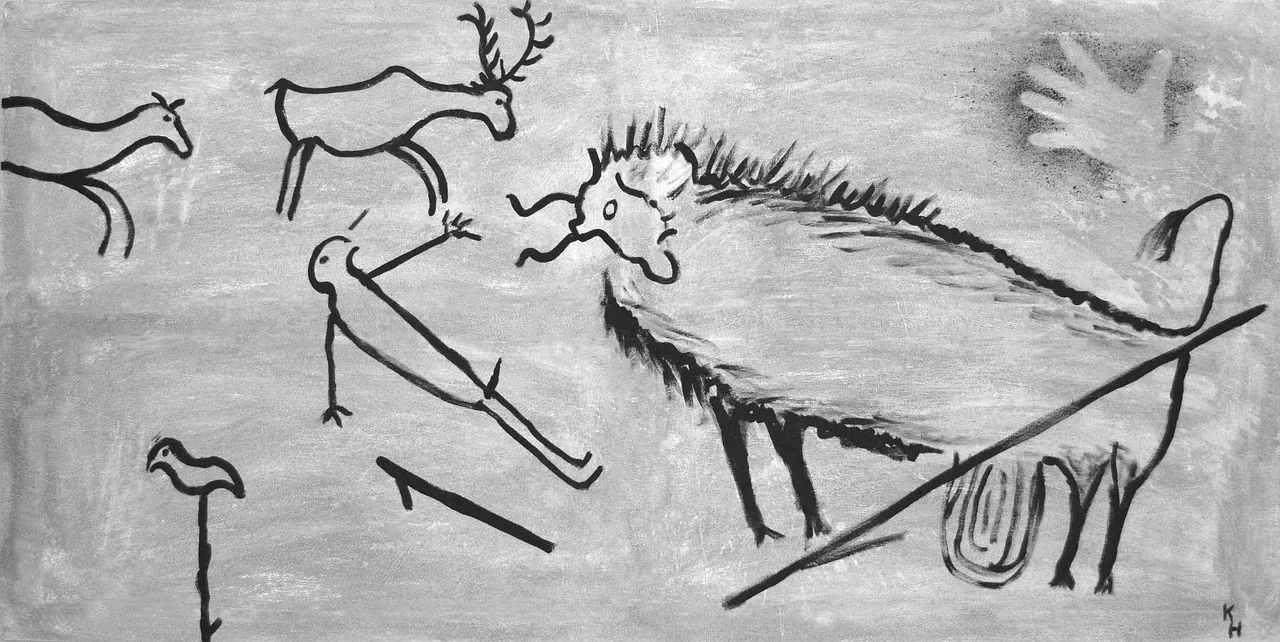
Here is where I land on this: the claim that Lascaux is a precise, fully worked out star atlas might be too strong, but the idea that its painters understood the sky in a systematic way is, to me, both plausible and powerful. The evidence is not a slam dunk; there are alternative explanations for many motifs, and we should be wary of forcing the past to match stories we want to tell. Yet dismissing the astronomical angle outright feels like clinging to an outdated comfort – the idea that complex reasoning only arrived with agriculture, writing, or classical astronomy.
Whether or not every proposed constellation match holds up, the star map hypothesis forces us to give Ice Age artists the benefit of the doubt. It nudges us to assume intelligence, intentionality, and creativity at least as rich as our own, rather than treating them as half-formed versions of us waiting to “catch up.” In that sense, the real discovery may not be a specific bull‑equals‑Taurus equation, but a shift in attitude: from underestimating our ancestors to recognizing them as full partners in the long human project of decoding the universe. The next time you look at a glittering night sky, it is worth asking: how different are you, really, from the person who stood outside Lascaux and looked up, wondering the very same thing?