
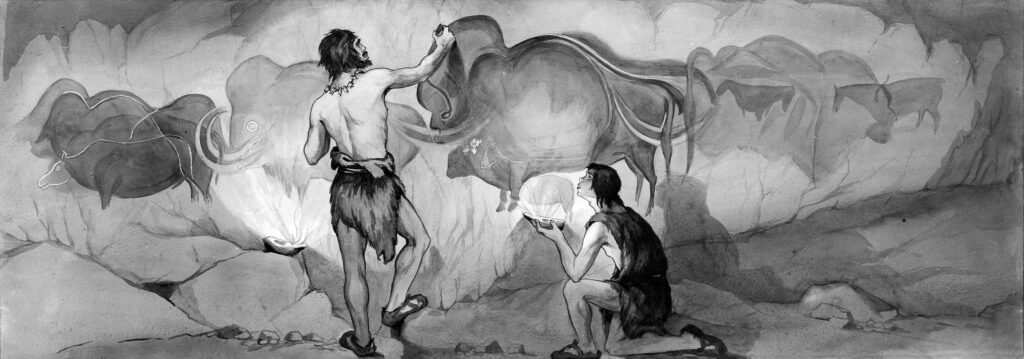
Walk into a modern city and you’re surrounded by art: murals splashed across brick walls, digital billboards, gallery openings, street music on every corner. It’s easy to assume this creative explosion is a side effect of urban life. But here’s the twist: humans were carving, painting, and decorating long before anyone ever paved a street or stacked the first sun‑baked brick into a city wall. Art is older than skyscrapers, older than writing, older even than farming.
Once you realize that, it forces a bigger, slightly unsettling question: what if art was never a luxury of “advanced” civilization, but one of the engines that made us human in the first place? When you peel back the layers of time, the story that emerges is surprisingly intimate, emotional, and frankly more punk than polished – small bands of people in harsh Ice Age landscapes, stopping to paint animals on a cave ceiling by flickering firelight. Let’s walk into their world for a moment.
The Shocking Age Gap: Art Is Older Than Cities By Tens of Thousands of Years
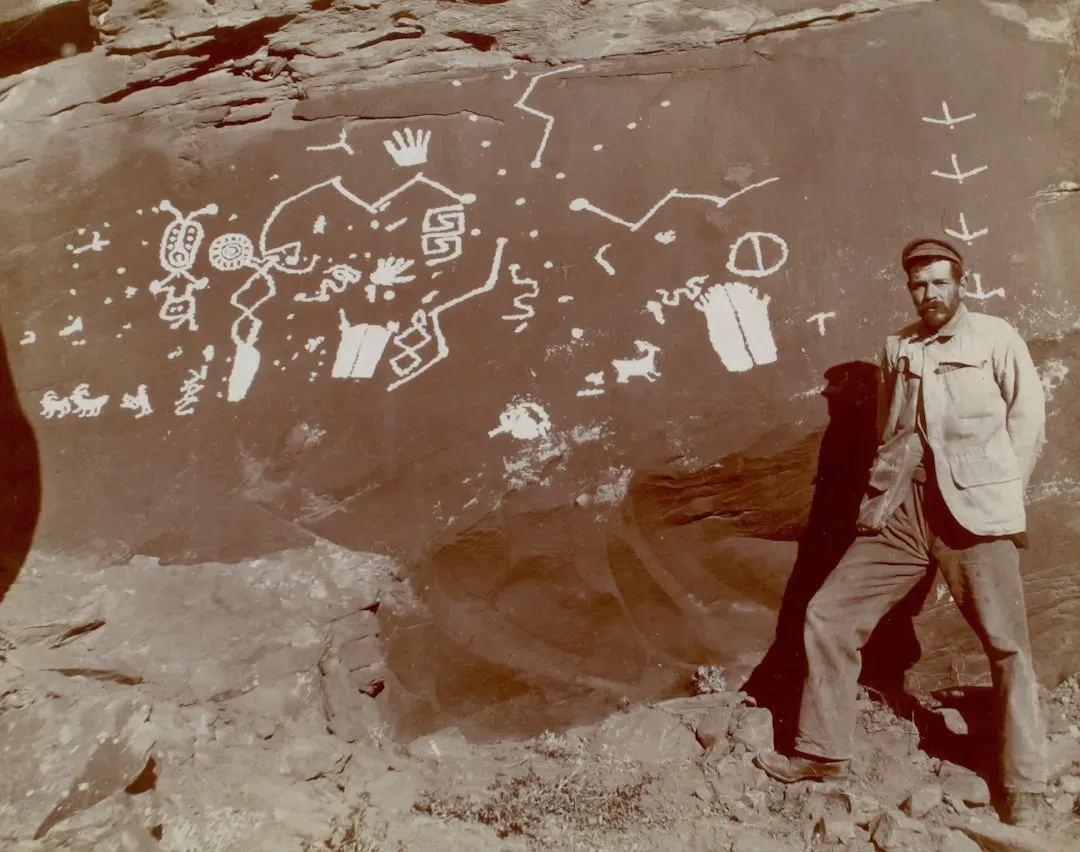
When people think about “advanced” human culture, they often picture Mesopotamian cities like Uruk or Ur around six to five thousand years ago, with temples, markets, and rulers. Those are indeed some of the earliest known cities. But the oldest accepted cave paintings in Europe, like those in El Castillo Cave in Spain, are more than thirty thousand years older than that, and some rock art and carved objects seem to push human creativity well past the forty‑thousand‑year mark. In a few sites, there are hints that symbolic markings may be older still.
This time gap is enormous. If you lined up all of recorded urban history on one side of a soccer field, the time during which humans have been making art would stretch several more fields beyond it. That means for the vast majority of our species’ existence, creativity flourished without any cities, states, or formal institutions. To put it bluntly: we were painters, carvers, and storytellers long before we were city‑dwellers, bankers, or bureaucrats.
Caves As Ancient Galleries: What Prehistoric Art Actually Looks Like
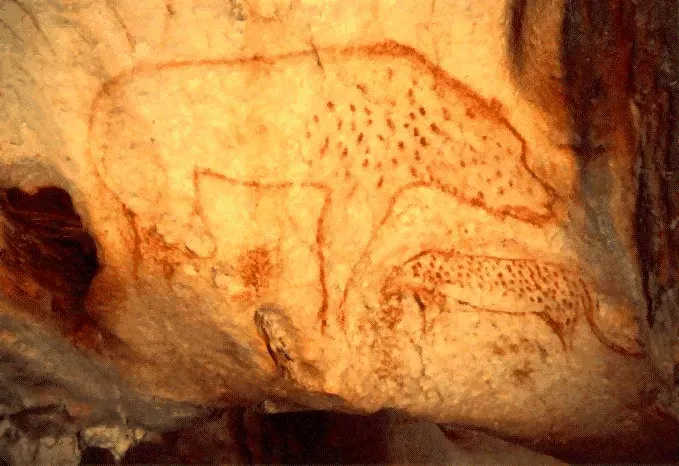
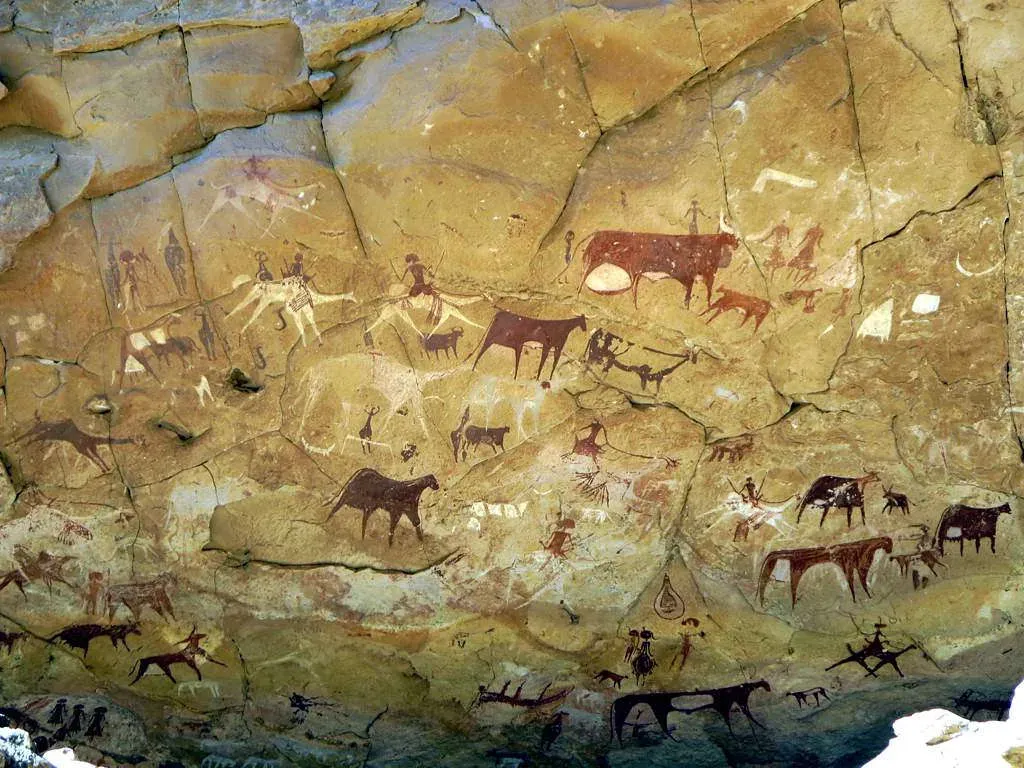
Prehistoric art is not just one thing; it is a wild, varied mix of styles and techniques. In caves like Lascaux in France or Altamira in Spain, you find sweeping images of animals – horses, bison, deer, aurochs – rendered with layered colors, shading, and a sense of motion that still feels surprisingly modern. Some figures are outlined delicately, others are filled with pigment blown through the mouth like a prehistoric airbrush. You can almost feel the artist experimenting, stepping back in the dim light to decide what to try next.
Elsewhere, people engraved lines and shapes into bone, ivory, and stone, carved small figurines, or decorated everyday tools with careful patterns. Hand stencils are especially haunting: someone pressed their hand against rock and sprayed pigment around it, leaving a negative ghost image. When you stand in front of one of those stencils today, it feels eerily like shaking hands across a chasm of tens of thousands of years with someone who once stood exactly where you are standing now.
Art Before Agriculture: Hunter‑Gatherers With Vision
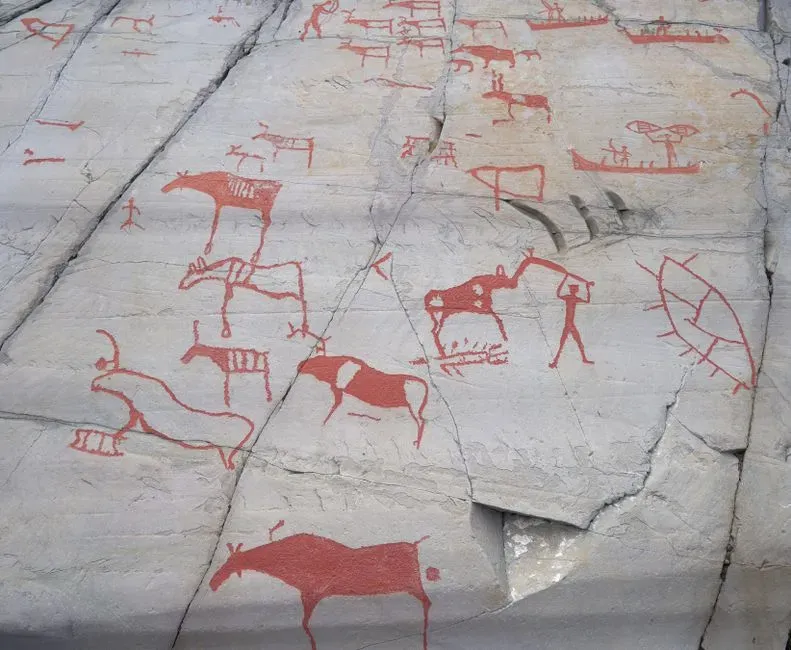
One of the most surprising truths is that many of the most famous prehistoric artworks were made by hunter‑gatherers, not farmers living in stable villages. These groups were mobile, tracking herds, following plant seasons, and navigating landscapes that could be brutally unforgiving. Yet in the middle of this constant motion, they kept returning to certain caves and rock shelters, investing time and precious resources into painting and carving. That tells us that symbolic expression was not an afterthought; it was a priority.
Think about what that means on a practical level. Pigments had to be collected and prepared. Torches or stone lamps were needed to light deep cave chambers. Time spent painting was time not spent hunting or repairing tools. These people were not decorating their world because they were bored; they were doing it because it mattered deeply. Art, in that context, looks less like a hobby and more like a core survival strategy for making sense of a dangerous, unpredictable world.
Why Make Art At All? Meaning, Magic, And Social Glue
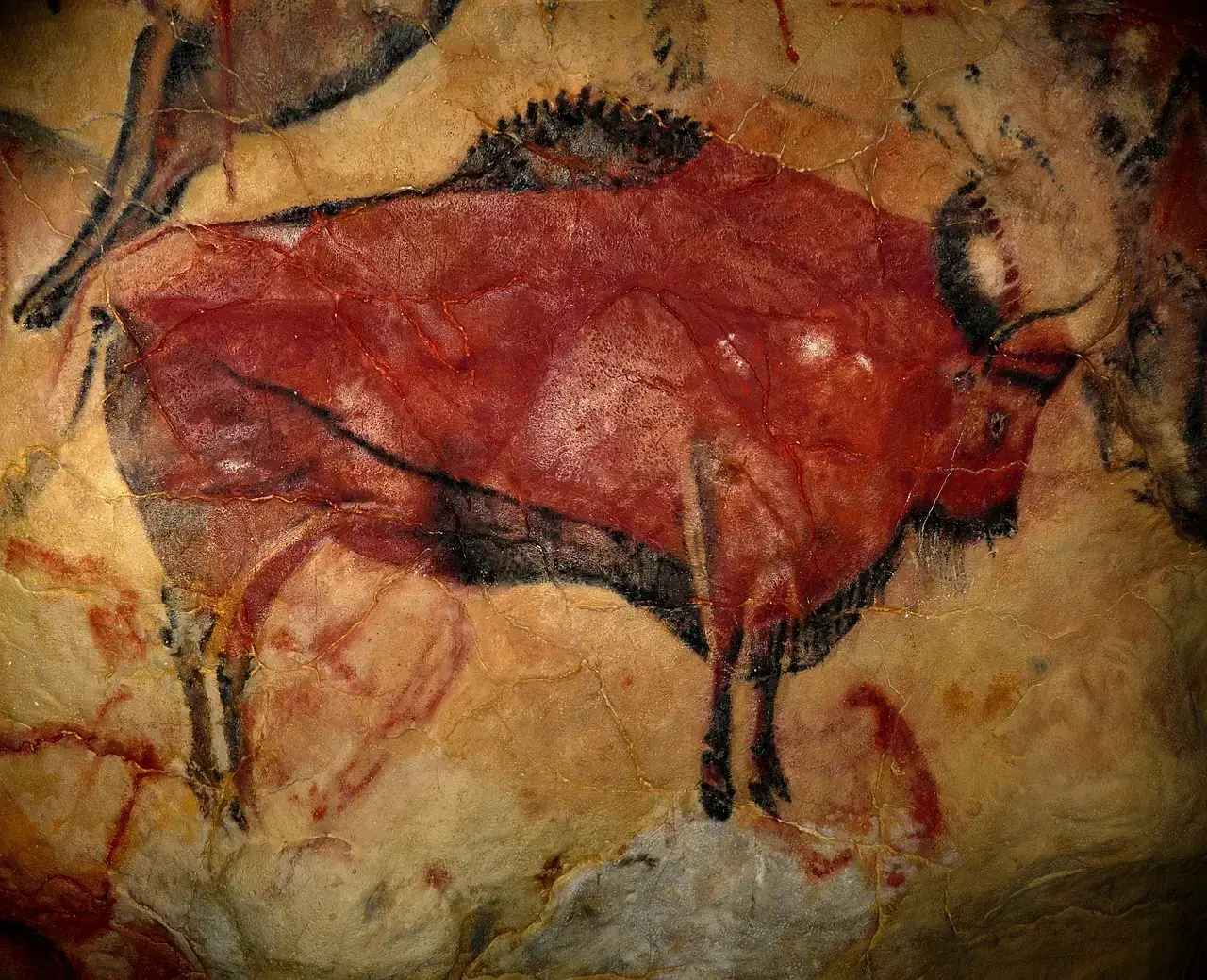
We cannot interview Ice Age artists, but archaeologists have proposed several overlapping reasons why prehistoric people might have created art. Some pieces may have had a spiritual or ritual role: animals painted in remote cave chambers could be part of hunting magic, initiation ceremonies, or attempts to communicate with forces they felt but could not see. Geometric patterns might be more than decoration – possibly abstract signs or ways of encoding memory about seasons, animals, or places. Even if scholars debate the details, the basic point stands: art was a way of organizing meaning.
Art also seems to have acted as social glue. Shared images and symbols could help bind groups together, telling a community who “we” are and where we belong. When a group gathers in a dark cave, singing or chanting as images appear on the walls, they are not only making pictures; they are making a shared story. In my own life, I have felt a tiny echo of this in crowded concert halls or at movie premieres – those moments when you look around and realize everyone is feeling the same thing at once. Prehistoric art may have created similar emotional synchrony, helping small groups cooperate and trust one another.
Materials, Techniques, And Ingenuity: Paleolithic Hackers Of The Visual World
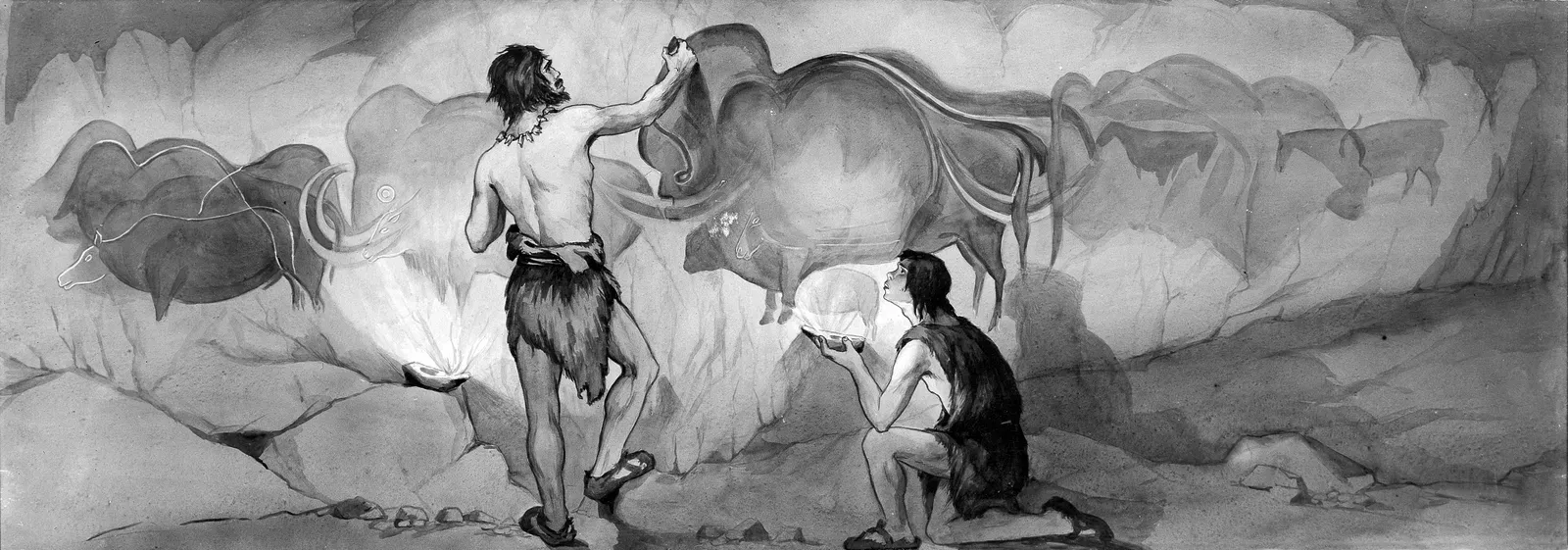
For people living without metal tools or modern chemistry, prehistoric artists were astonishingly resourceful. They turned minerals like iron oxide and manganese into powerful reds, yellows, and blacks. They used charcoal, animal fat, and binders like saliva or water to prepare paints that could cling to stone for tens of thousands of years. Some artists incorporated the curves and bumps of cave walls into their designs, using three‑dimensional surfaces to make animals appear fuller or in motion, almost like early sculpted reliefs.
They also experimented with techniques our modern brains instantly recognize: outlining, shading, perspective illusions, and even animation‑like sequences of repeated figures. There is evidence that some images were created after elaborate planning, layer by layer, over multiple visits. In a way, these people were the original visual hackers, pushing the limits of the tools and materials they had. The idea that sophistication in art only appears with cities starts to look pretty thin once you appreciate just how clever and technically skilled these early creators were.
Art As A Cognitive Superpower: How Creativity Helped Make Us Human
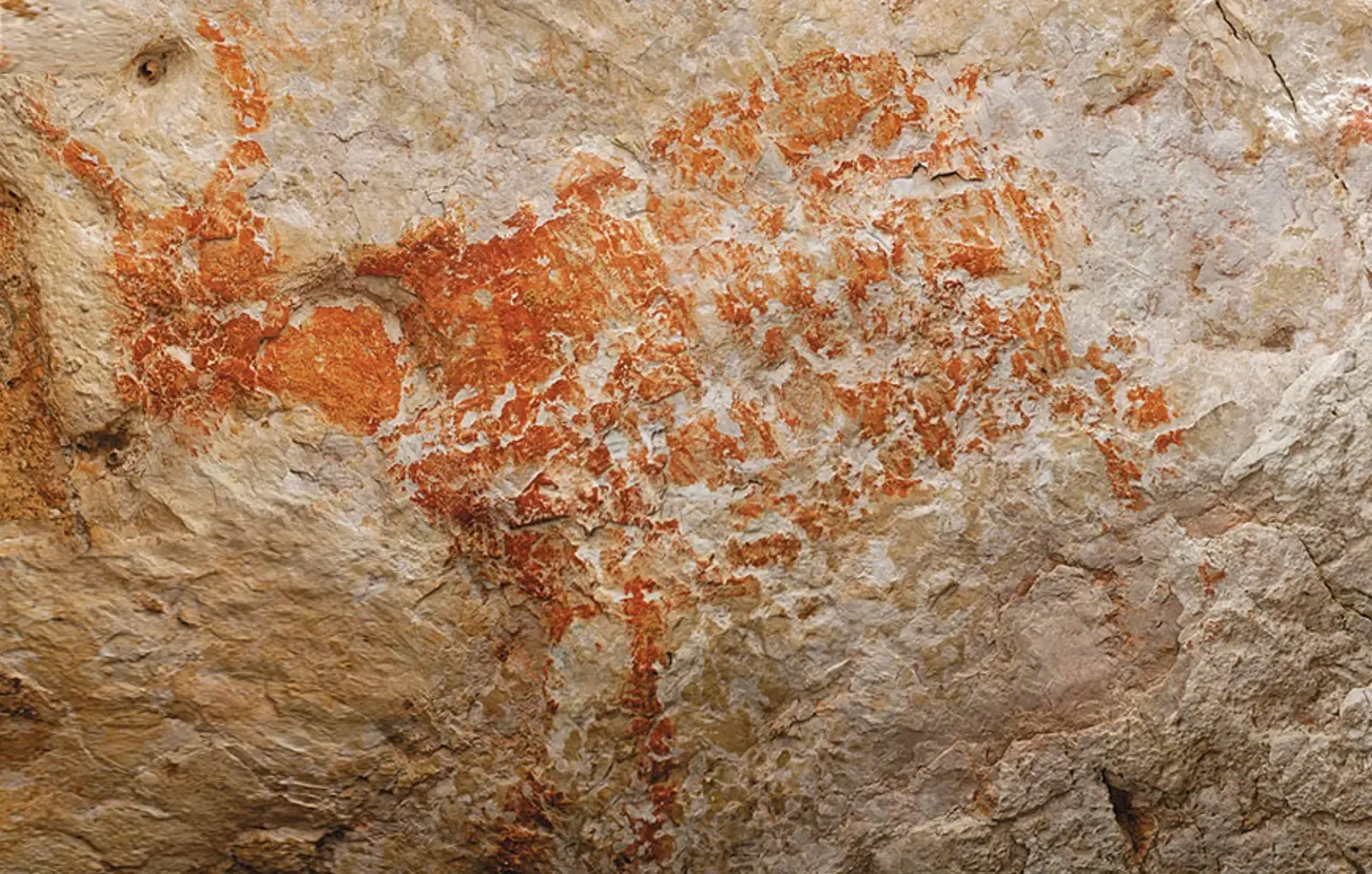
From a scientific perspective, art is not just decoration; it is a window into how our minds evolved. Making images, carving figurines, and inventing patterns require imagination, long‑term memory, motor skill, and the ability to think symbolically. Those are the same mental capacities that support language, planning, and complex social life. In that sense, prehistoric art is like a fossil of the human mind in action, preserved not in bone but in pigment and stone.
Some researchers argue that the rise of symbolic behavior – using marks, images, and objects to stand for things that are not physically present – was a turning point that separated our lineage from other hominins. Even if the details are still debated, it is hard to ignore how tightly woven creativity is with every other part of being human. When you see early art scattered across continents, you are seeing proof that our ancestors were not just problem‑solvers; they were storytellers, planners, and dreamers, long before a single city skyline pierced the horizon.
Art Without Cities, Cities Without Art? Flipping The Story Of “Civilization”
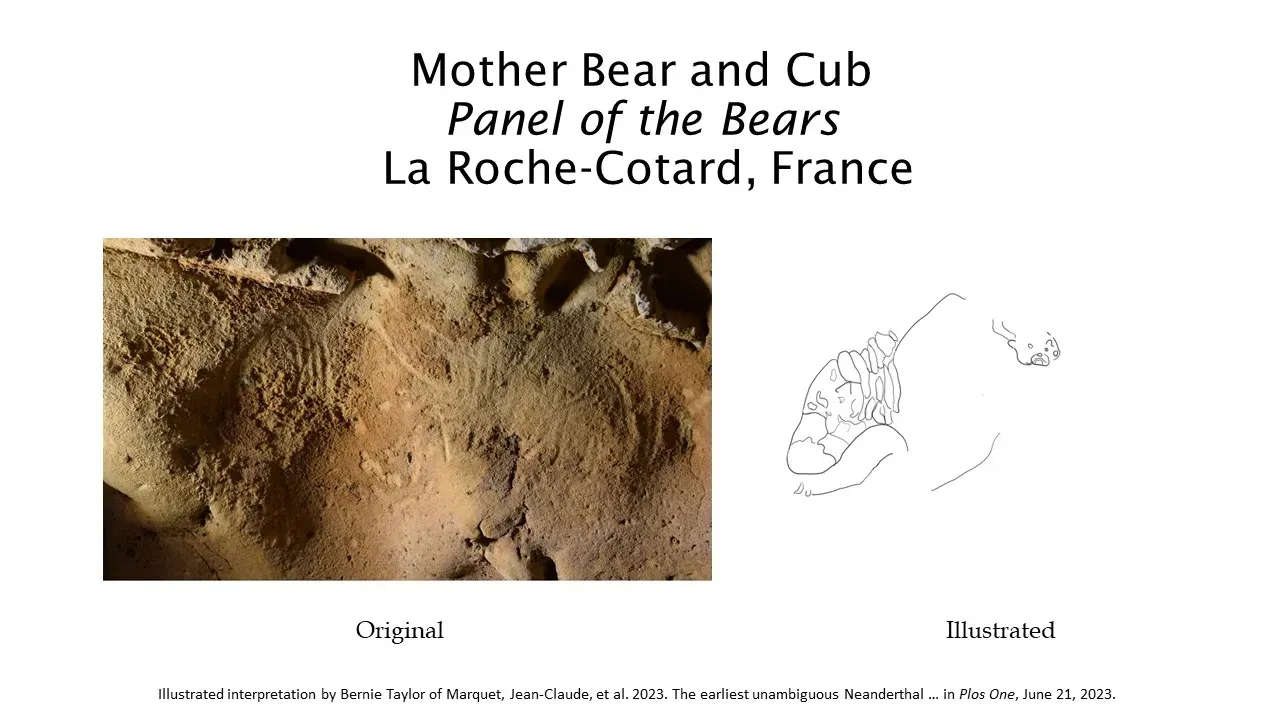
The typical narrative goes something like this: first we invent farming, then villages, then cities, and only after that do we have the free time and spare wealth to indulge in art and culture. The archaeological record, however, flips that tidy story on its head. Art clearly flourished in contexts without agriculture or permanent settlements, and traces of symbolic behavior show up in many small‑scale societies. That forces us to rethink what “civilization” even means and what counts as advanced.
Personally, I find this deeply liberating. It suggests that creativity is not a prize awarded to societies that reach a certain level of economic complexity; it is a baseline capacity built into us as a species. Cities can concentrate and showcase art – a museum here, a public mural there – but they did not invent the instinct to make meaning. The urge to draw on walls, decorate objects, and turn experience into symbols seems to be one of the oldest, most stubborn things about being human.
The Long Thread To Today: What Ancient Art Says About Us Now
Next time you scroll through social media and see digital fan art, memes, tattoos, or carefully curated selfies, try a strange mental experiment: imagine them as future archaeologists might. Stripped of context, they are visual attempts to say, “This is who I am; this is what matters to me; this is what my people care about.” In that sense, they are not fundamentally different from a hand stencil or a carved figurine. The tools have changed, but the underlying impulse to mark the world with our inner lives has not.
When you realize that humans were making art thousands of years before the first cities existed, it becomes harder to see creativity as optional. To me, the evidence points in a bold direction: art is not extra, it is infrastructure for the human mind. It is how we rehearse the future, digest the past, and bond with strangers. Cities may rise and fall, but that stubborn urge to create outlasts them every time. Maybe the real question is not why those early people painted caves – but how any of us ever convinced ourselves that art was a luxury in the first place. Did you expect that?