
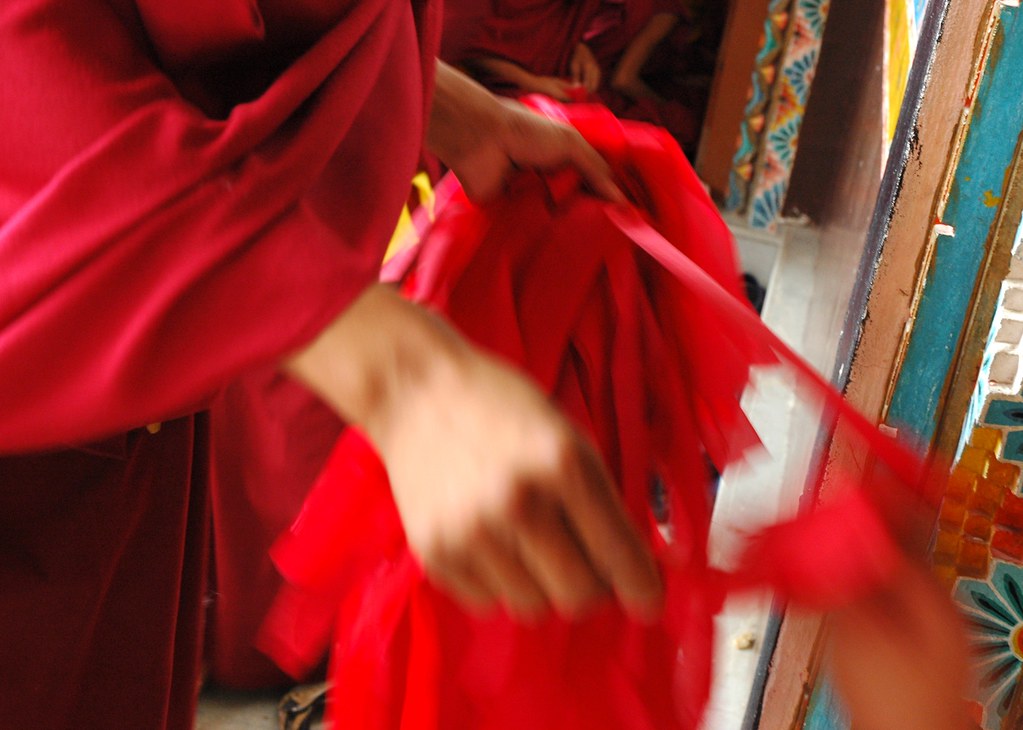
Think about how your heart reacts when you see a flashing red warning light, a deep red strawberry, or a smear of blood in a movie scene. Your body responds before your brain has even finished the thought. That jump in attention, the tiny rush of adrenaline or desire, is not an accident of culture or fashion. It is an ancient reflex, tuned over countless generations in a world where missing a red signal could mean losing food, losing status, or losing your life.
In evolutionary terms, red was never just a colour; it was a message. In the prehistoric environment, red meant danger in wounds and predators, ripeness in fruit, fertility and dominance in bodies, and fire on the landscape. Over time, natural selection shaped nervous systems that treated red as a priority notification in a sea of visual noise. Today, even though we live among screens, logos, and brake lights instead of berries and blood, that old circuitry is still firing. Once you see how deep it runs, modern life starts to look like a battleground of people competing to hack your ancient red detector.
The prehistoric visual world and why red stood out

Our ancestors evolved in environments full of greens and browns: foliage, grass, earth, bark. Against that background, red is a visual outlier, a rare but extremely high-contrast signal that pops out even in a quick glance. The human visual system is especially sensitive to differences between red and green, so a splash of red against vegetation almost screams for attention compared to more common earth tones.
In that kind of landscape, it made biological sense to treat red as an urgent cue rather than just another colour. Any early human who noticed red objects faster had an edge in spotting ripe fruit, fresh meat, flowing blood, and dangerous animals with reddish markings. Imagine scanning a forest edge: a faint movement in the bushes might be easy to miss, but a dark red stain on fur or a bright berry cluster among leaves is almost impossible to ignore. Those who reacted quickest were more likely to eat, fight, flee, or help kin in time, and that bias became wired into our visual and emotional systems.
Red as a signal of danger and injury
Blood is one of the most obvious and powerful red signals in human evolution. Open wounds mean vulnerability, conflict, or predation, and noticing them quickly would have been crucial both for self-preservation and for protecting group members. It is not a coincidence that even today many people feel queasy or alert at the sight of red blood, while similar amounts of other colours rarely trigger the same visceral response.
Red also appears in other dangerous contexts: inflamed skin, poisonous animals or plants with red highlights, and environmental threats like fire glowing in the dark. Over time, brains that reflexively linked red with possible danger would push individuals to be careful, to avoid certain animals, or to respond swiftly to injuries. This does not mean red always meant fear, but it did mean stop-and-pay-attention. That stop signal is exactly what modern warning labels, emergency lights, and hazard signs try to exploit, tapping into a danger detection system that is far older than any city or language.
Red and ripe fruit: the taste of survival
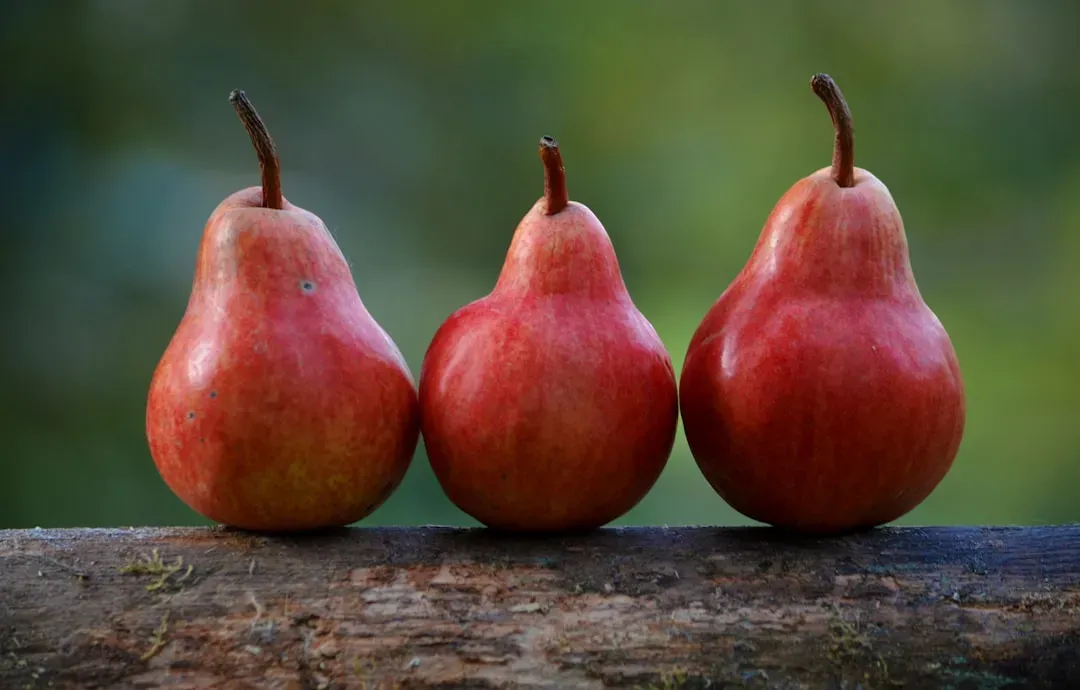
For many primates, including humans, colour vision likely evolved in part to make it easier to spot ripe fruit among leaves. Ripe fruits shift towards red, orange, or yellow as they develop sugars and nutrients, while unripe fruits often remain green and harder to digest or less nutritious. Being able to distinguish these subtle colour changes from a distance meant more calories gained for less effort and less risk of eating something harmful or useless.
Experiments with primates show that red and reddish hues can guide foraging decisions, and humans are no exception: red berries, red apples, and red tomatoes often look especially tempting even when we know nothing about their specific varieties. That deep, automatic attraction to red food is a leftover from a time when calories were scarce and picking the right colour could mean the difference between a full belly and a wasted climb. In a sense, the supermarket produce aisle is just a modern jungle, and marketers stack it with reds because they know your brain will treat those colours like a nutritional promise.
Red in social signals: status, sex, and emotion

Red is not only about food and danger; it is tightly bound to bodies and social life. Increased blood flow can make skin look redder, especially in the face, lips, or genitals, and that can signal arousal, anger, embarrassment, or physical exertion. In social animals, these shifts in colour can send messages about mood, intent, and fitness without a word being spoken. Humans notice this even when they are not consciously thinking about it, reacting differently to flushed faces than to paler ones.
Many primate species use red or reddening skin as a sign of fertility or dominance, and there is evidence that humans have inherited some of these sensitivities. People often interpret red clothing, makeup, or lighting as more intense, bold, or sexually charged, even when they cannot explain why. On the flip side, red eyes or red skin patches can also broadcast illness, fatigue, or rage, all socially important cues. In prehistoric groups, quickly reading these red-tinted signals would have been critical for forming alliances, avoiding conflict, and choosing mates, so natural selection favoured brains that took red on the body very seriously.
How our eyes and brains are wired for red
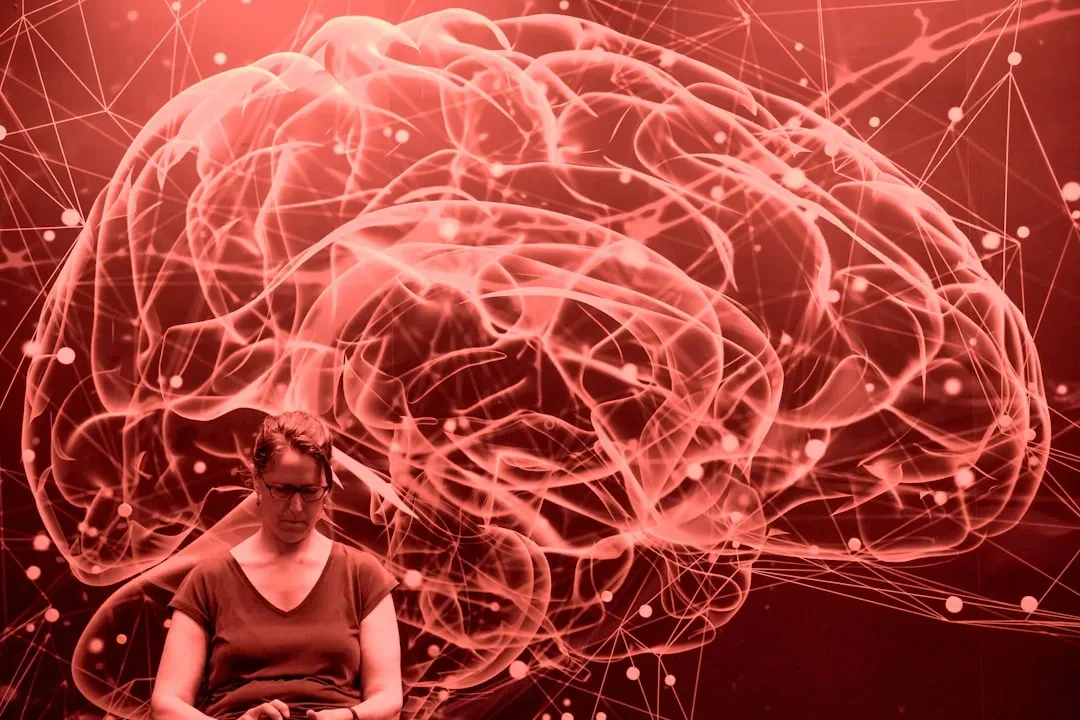
Human colour vision relies on three kinds of cone cells in the retina, each tuned to different parts of the light spectrum. Two of these cone types are most sensitive in ranges that roughly correspond to what we experience as red and green, giving us especially fine discrimination between reddish and greenish tones. Compared with some other mammals that have only two cone types, humans and many primates have a richer capacity to pick out red details against leafy backgrounds.
Beyond the eyes, the brain’s visual pathways treat sudden or intense red patches as high-priority signals. Regions involved in attention and emotional evaluation tend to respond more strongly when red is present in certain contexts, especially when it is linked to threat, competition, or reward. This does not mean red has a magical property; it means that over evolutionary time, neural circuits were tuned so that red information was more likely to trigger arousal, vigilance, or interest. The hardware in your head is biased, and red is one of the colours it has been biased towards for a very long time.
The modern world hijacking an ancient red instinct

Once you realize how evolution primed us to react to red, modern design starts to look less innocent. Traffic lights, stop signs, emergency vehicles, and brake lights all lean on red’s ancient association with danger and urgency. Companies splash red on sale signs, notifications, and call-to-action buttons because they know your attention system treats red signals like they might be as important as a bleeding wound or a ripe meal.
Social media platforms in particular rely heavily on red for badges, alerts, and icons, turning your deep-seated sensitivity into a tool to keep you clicking. A little red dot on an app icon can feel more urgent than a dozen unread messages in a calmer colour, even though nothing about the content has changed. In my own life, I have caught myself tapping on a red notification bubble long before I consciously decided to check that app, like a forager snatching a flash of fruit on the edge of their vision. That is not weakness; it is your ancestral survival software running in a twenty-first-century operating system.
When culture bends, amplifies, or resists the pull of red

Although the biological bias toward red is widespread, cultures have layered their own meanings onto it, sometimes amplifying its power and sometimes reshaping it. In many societies, red has become linked to love, passion, and celebration, echoing its roots in blood, fertility, and life. At the same time, it often represents warning, anger, or revolution, tying back to its role in danger and conflict. These cultural meanings are not random; they tend to cluster around the same themes red has carried for millennia.
There are exceptions and variations, however, which remind us that biology sets the stage but culture writes many of the lines. Some traditions frame red primarily as auspicious and lucky rather than threatening, using it in weddings, festivals, and important rituals. Even then, the colour still marks something special and high-stakes, not something dull or forgettable. That is the key: whether red is coded as romantic, holy, risky, or loud, societies rarely treat it as neutral. Underneath the cultural stories, your nervous system still treats red as a signal that what you are looking at really matters.
The limits of the red obsession and why context matters
As powerful as our attraction to red can be, it is not absolute, and it does not operate in isolation from context. Place a small red dot in a field of other bright, attention-grabbing colours and it loses some of its edge; our brains care about contrast and relevance, not just raw hue. In situations where other colours have strong learned meanings, such as green for safety or blue for trust, those associations can override or compete with any built-in bias toward red.
There is also individual variation: not everyone reacts to red in the same way, and factors like culture, personal experience, and even colour vision differences can change the story. Some people find red stressful or overwhelming, others find it energizing or empowering, and many feel both depending on the situation. This is why claims about red always making people aggressive or always boosting attraction are oversimplified. Evolution gave us a strong tendency to notice and respect red signals, but the modern human mind is layered with learning, memory, and nuance. The prehistoric message is still there; it is just moving through a much more complicated network of meanings.
Conclusion: the colour that still owns our attention

If you strip the modern world down to its bare bones, the story of red is brutally simple: it meant blood, danger, fire, sex, and food. That is a heavy load for any colour to carry, and our brains have never really put it down. In my view, pretending that red is just another design choice misses the point. Every flashing alert, every sale banner, every lipstick shade that leans toward crimson is poking at circuitry that was sculpted by hunger, fear, and desire long before cities or brands existed.
At the same time, we should not turn red into a mystical force that controls us entirely. The pull of red is real but not destiny; it is a bias we can notice, understand, and sometimes even push back against. Maybe the more honest way to see it is this: red still owns a premium share of our attention because for most of our history, ignoring it was too expensive. Now that you know that, the next time a tiny red dot on your screen tugs at your eyes, you might ask yourself a simple question: is this truly urgent, or is someone just borrowing a colour that once meant survival?