
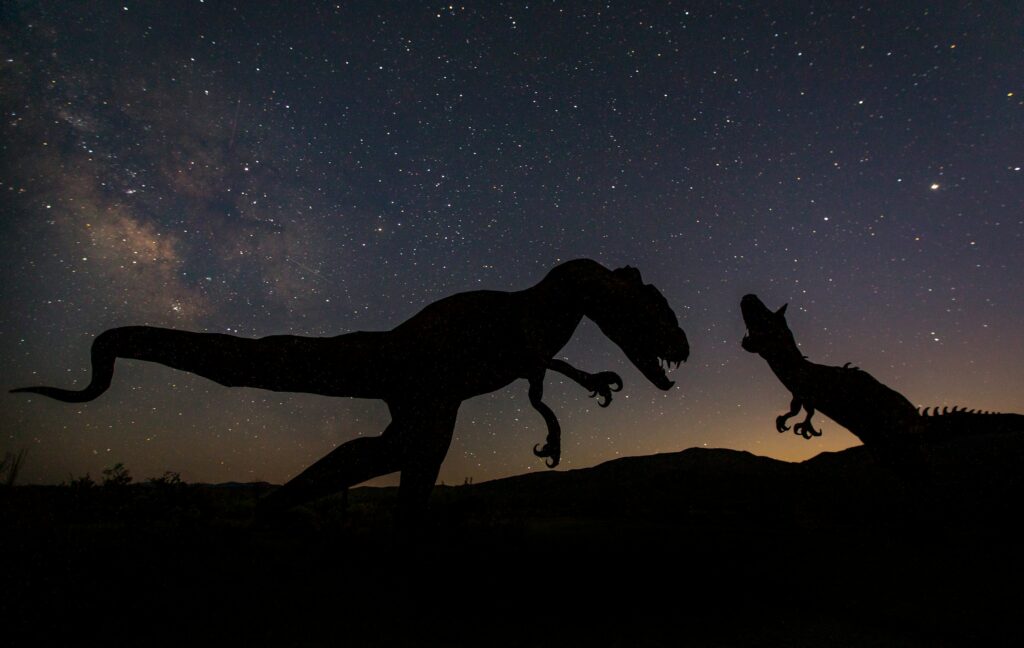
Imagine waking up not in your bedroom, but in a humid Jurassic forest. The air is thick, insects are the size of your hand, and somewhere in the distance something very large is moving through the trees. You have no phone, no internet, no food delivery, and, unfortunately, a decent chance of becoming a dinosaur snack. What you do next might be the difference between making it through the week… or not making it through lunchtime.
Now picture this: every zodiac sign dropped into that same world, at the same time. No weapons besides what you can improvise, no special training, just your natural instincts, fears, and quirks. Who panics? Who organizes the camp? Who makes terrible but oddly effective decisions? Let’s walk through each sign and look at how their typical traits might play out in a very real, very dangerous Jurassic world filled with giant predators, shifting ecosystems, and absolutely zero room for ego.
Aries: The First to Charge, Not Always the First to Think

Drop an Aries into the Jurassic and they’re the one who immediately says they’re going to “handle” the dinosaur issue. Their boldness could actually give them a short-term edge: in a world where hesitation gets you eaten, that quick reaction time might help them dodge a charging theropod or improvise a weapon from a fallen branch and a sharp rock. They’d be the one sprinting up a rocky outcrop without overthinking whether it’s structurally stable.
The downside is obvious: Jurassic predators are not impressed by bravado. Aries’ tendency to act first and deal with consequences later could lead them straight into a dense, low-visibility forest, or onto a nesting ground of a very annoyed dinosaur parent. I’d give Aries a decent short-term survival window – maybe days to a couple of weeks – powered by adrenaline and raw courage, but unless they learn to slow down and plan, that same fire that makes them thrilling might burn out way too fast.
Taurus: Slow, Steady, and Weirdly Well-Adapted to Long Hauls

Taurus in the Jurassic is basically the human equivalent of a stubborn, grazing dinosaur. They may not be the fastest to react, but they’re incredibly grounded and practical, which matters a lot in a world where you need to figure out food, shelter, and safety every single day. Taurus would probably find a relatively safe area near water, identify edible plants, and slowly turn it into a stable base instead of constantly wandering into danger.
Their biggest risk is their dislike of change and movement. If the local herbivore herds shift their patterns or a large predator moves into the area, Taurus might stubbornly cling to their original spot a bit too long. Still, their endurance, patience, and love of routine actually look like survival superpowers here. If anyone is going to quietly outlast half the zodiac by just minding their business, fortifying a cave, and learning which ferns are safe, it’s Taurus.
Gemini: Clever Enough to Survive, Restless Enough to Risk It

Gemini has one huge asset in the Jurassic: a fast, curious mind. They’d quickly learn which sounds mean “run” and which sounds are harmless background noise. Their ability to observe, connect patterns, and adapt would help them work out things like daily animal movement, the safest times to move around, and creative ways to distract a predator or slip away unseen.
But curiosity and restlessness can be expensive in a world where everything wants to eat you. Gemini might explore just a little bit too far, wander off to see what’s behind that ridge, or experiment with a suspiciously colorful plant because it “looks interesting.” I can see Gemini surviving longer than average purely on adaptability, but they’d constantly flirt with danger. Their brain could absolutely keep them alive… if their boredom doesn’t kill them first.
Cancer: The Home-Builder in a World That Keeps Moving
Cancer would respond to the Jurassic by instantly trying to create a safe “home” in the middle of total chaos. They’d look for natural shelters like caves or dense clusters of cycads, stockpile food, and maybe even try to care for any other humans or injured animals they come across. Emotionally, they’d lean heavily on bonding, cooperation, and protectiveness as survival strategies.
The risk is that the Jurassic world doesn’t care that you’re attached to your shelter. Environmental shifts, predators, and even smaller hazards like floods could rip that stability away at any moment. Cancer’s emotional sensitivity might also make the constant fear and loss harder to bear. Still, their nurturing instinct could build small, cooperative survival groups, and that social safety net might keep them alive longer than you’d expect – especially if they team up with more tactical signs.
Leo: The Lion in a World of Actual Apex Predators

Leo stepping into the Jurassic is like an actor walking onto a stage where all the other performers weigh several tons and have teeth the size of your hand. They’d instinctively try to take charge, rally other humans, and assert a kind of charismatic leadership that can actually be useful. Groups need confidence, morale, and a sense that someone knows what they’re doing, even if they’re just improvising.
The Jurassic reality check, though, is that the environment doesn’t reward showiness. If Leo insists on being front and center, they’re also front and center to be noticed by predators. On the other hand, if they channel that flair into practical courage – distracting a predator so others can escape, making bold moves when everyone else freezes – they could become legendary in a very “you had to be there” way. Leo might not be the absolute longest survivor, but they’d definitely go down memorably if they do.
Virgo: The Quiet Strategist Who Might Secretly Outlive Everyone

Virgo in the Jurassic is the person mentally cataloging every plant, track, and sound from the first hour. Their careful, analytical nature fits disturbingly well with a world where small details literally mean life or death. They’d quickly recognize patterns like where certain herbivores tend to graze, which areas feel too quiet to be safe, and which plants cause problems when eaten.
The downside is stress. Virgo’s tendency to worry and overanalyze might turn into constant anxiety in a world that never fully lets you relax. But if they can manage that inner tension, their planning skills, caution, and willingness to do unglamorous tasks like reinforcing shelters or tracking water sources could keep them going for a very long time. If I had to bet on one sign quietly making it into “months survived” territory, Virgo is high on the list.
Libra: The Peacekeeper in a Brutally Unpeaceful World

Libra is all about balance, harmony, and cooperation, which sounds poetic until you remember there are giant predators roaming around. Still, their social intelligence would be invaluable in a group of humans dropped into the Jurassic. They’d help reduce conflict, mediate disputes over resources, and keep everyone communicating instead of turning on each other under stress.
However, the Jurassic is not a place that gives you unlimited time to weigh options. Libra’s indecisiveness could be dangerous when instant decisions are needed, like choosing whether to run left or right when something huge crashes through the trees. They’d do best paired with more decisive signs, acting as the social glue and moral compass of the group. On their own, I think their survival length would be very dependent on how quickly they can accept that sometimes you just have to move, even if the choice isn’t perfect.
Scorpio: The One Who Actually Thrives in the Dark Corners

Scorpio has the kind of intensity that oddly fits a world full of lurking dangers. They’re naturally suspicious, good at reading environments, and unafraid of the darker side of life, which might help them accept the harsh rules of the Jurassic more quickly than other signs. Where others are panicking, Scorpio is already scanning for cover, weapons, and escape routes.
Their secret weapon is their ability to commit to a survival plan with ruthless focus. If that means relocating at night, hiding in less obvious places, or forming alliances only with people they truly trust, they’ll do it. The potential downside is isolation; Scorpio’s guarded nature might keep them alive, but also alone. In a raw, predatory ecosystem, though, that hyper-focused, strategic edge could make them one of the longest-lasting survivors, especially if they’re willing to adapt tactics as the environment shifts.
Sagittarius: The Adventurer Who Treats the Jurassic Like a Horrifying Field Trip

Sagittarius might be the only sign that finds parts of the Jurassic… exciting, at least at first. Their love of exploration, big-picture thinking, and risk-taking would have them wandering over hills, mapping out territories, and pushing into areas everyone else is too scared to enter. That adventurous streak could uncover safer routes, hidden water sources, or high ground with good visibility.
The flip side is that the Jurassic does not reward reckless curiosity for very long. Sagittarius’ tendency to underestimate danger and overestimate their luck could get them into trouble with territorial dinosaurs or treacherous terrain. I see them surviving decently as long as their luck and speed hold, especially if they learn to rein in just a bit of that “how bad could it be?” instinct. But if any sign is likely to die chasing the horizon because they just had to see what was out there, it’s this one.
Capricorn: The Long-Game Survivor Building a Life Out of Chaos
Capricorn approaches the Jurassic like a grim, unwanted project: unpleasant, but doable with enough discipline. They’re practical, focused, and willing to suffer in the short term for long-term gain. That means they’d quickly prioritize tools, shelter, and a sustainable routine, even if it means a lot of hard work and uncomfortable trade-offs early on.
Their strength is that they don’t expect things to be easy, which is perfect for an era filled with giant predators and unpredictable environments. They’d likely secure a reasonably safe base, organize resources, and maybe even set up crude systems for tracking animal movement or weather changes. Emotionally, the constant grind might wear them down, but if any sign treats survival as a multi-stage goal with milestones, it’s Capricorn. I’d rank them among the top contenders for longest overall survival.
Aquarius: The Innovator Trying to Hack the Jurassic

Aquarius in the Jurassic is immediately looking for ways to outsmart the situation rather than just endure it. They’d experiment with traps, signals, improvised tools, and possibly the earliest version of a group communication system, like marking trees or building visible landmarks. Their ability to think outside the box could turn raw, hostile terrain into something a little more manageable.
The risk is disconnecting from reality. Aquarius can get so wrapped up in ideas that they occasionally miss immediate, practical needs. In the Jurassic, that might mean focusing on a clever trap design while forgetting to check for predators nearby. Still, if they balance imagination with practicality – especially if they’re teamed up with grounded types like Taurus or Virgo – their innovations could dramatically increase not just their own chances, but the whole group’s odds of making it far longer than anyone thought possible.
Pisces: The Dreamer in a Brutally Literal World
Pisces would feel the emotional and spiritual shock of the Jurassic deeply. They’re sensitive, empathetic, and tuned into subtle vibes, which sounds useless until you realize that gut feeling can sometimes pick up danger before your mind does. Pisces might sense when something is off, when the forest feels too still, or when a certain path carries a strange tension, and that intuitive edge could quietly save their life more than once.
But this world is harsh, and Pisces’ tendency to drift into imagination or freeze under emotional overwhelm could be a real danger. They’d do best when sheltered within a group, where their empathy, creativity, and perceptive nature can help with morale, creative problem-solving, and sensing unspoken tensions. On their own, their survival would be a fragile balance of intuition and vulnerability; with the right allies, they might last surprisingly long, supported by people who recognize that emotional perception is a kind of survival radar too.
Conclusion: Who Really Lasts the Longest in the Land of Dinosaurs?
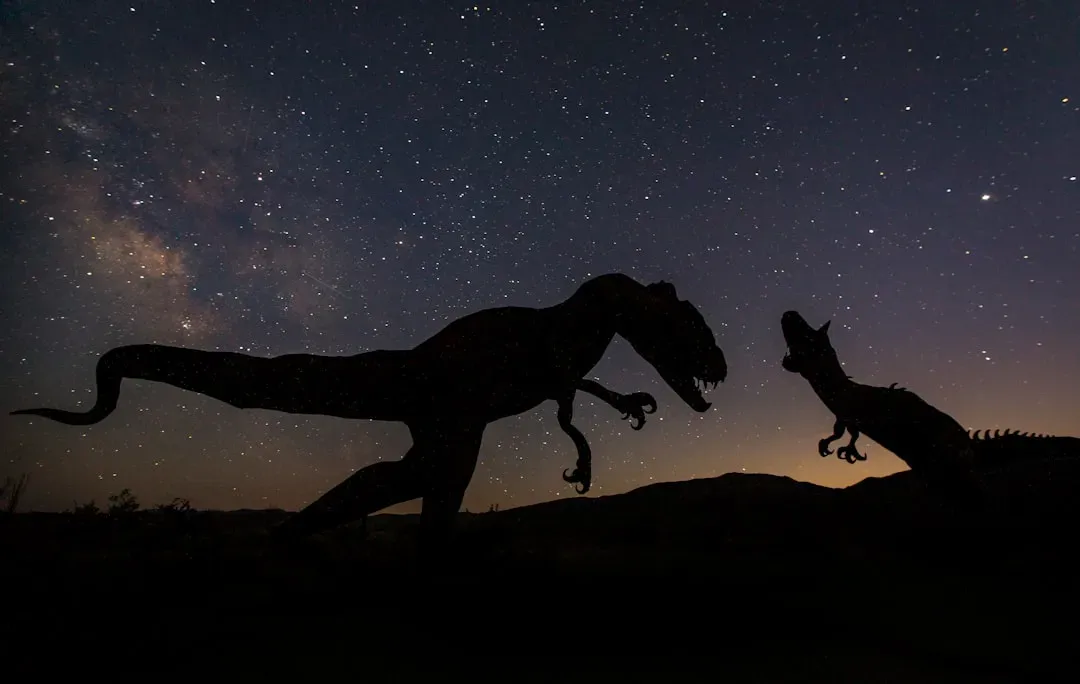
If we strip away the fun and look at it coldly, the Jurassic rewards caution, planning, adaptability, and emotional resilience way more than charisma or bravado. In that sense, signs like Virgo, Capricorn, and Scorpio probably have the best odds of making it the longest, quietly turning survival into a structured routine while everyone else burns out, gets reckless, or clings to comfort in a world that offers none. Taurus, Aquarius, and a well-supported Cancer also have strong, long-haul potential if they adjust quickly enough.
Still, I like the idea that every sign has its own survival niche: Aries inspires action in the first terrifying days, Gemini and Sagittarius scout the unknown, Libra and Pisces keep people human, Leo boosts courage when fear is overwhelming, and the more practical earth and water signs quietly carry everyone into the future. In a way, the Jurassic test just exaggerates what is already true: you survive best when you know your strengths and your blind spots. If you woke up tomorrow surrounded by dinosaurs, would you lean into your nature… or fight it?