If you picture ancient seas, you probably imagine hulking sea monsters cruising slowly through warm, shallow waters after millions and millions of years of evolution. The new fossil evidence that keeps emerging is quietly tearing that picture apart. It suggests something far more dramatic: some marine reptiles ballooned to giant sizes shockingly fast after their ancestors first dipped their toes (well, limbs) back into the water.
That idea is a bit unsettling, honestly. It means evolution did not always crawl patiently along; sometimes it sprinted, especially when the oceans opened a new ecological playing field. In this article, we’ll explore what these fossils actually show, why rapid gigantism matters, and how it changes the way we think about life’s ability to reinvent itself. And along the way, I’ll share a few opinions on why our mental image of “slow and steady evolution” badly needs an update.
A Shocking Growth Spurt in the Ancient Seas
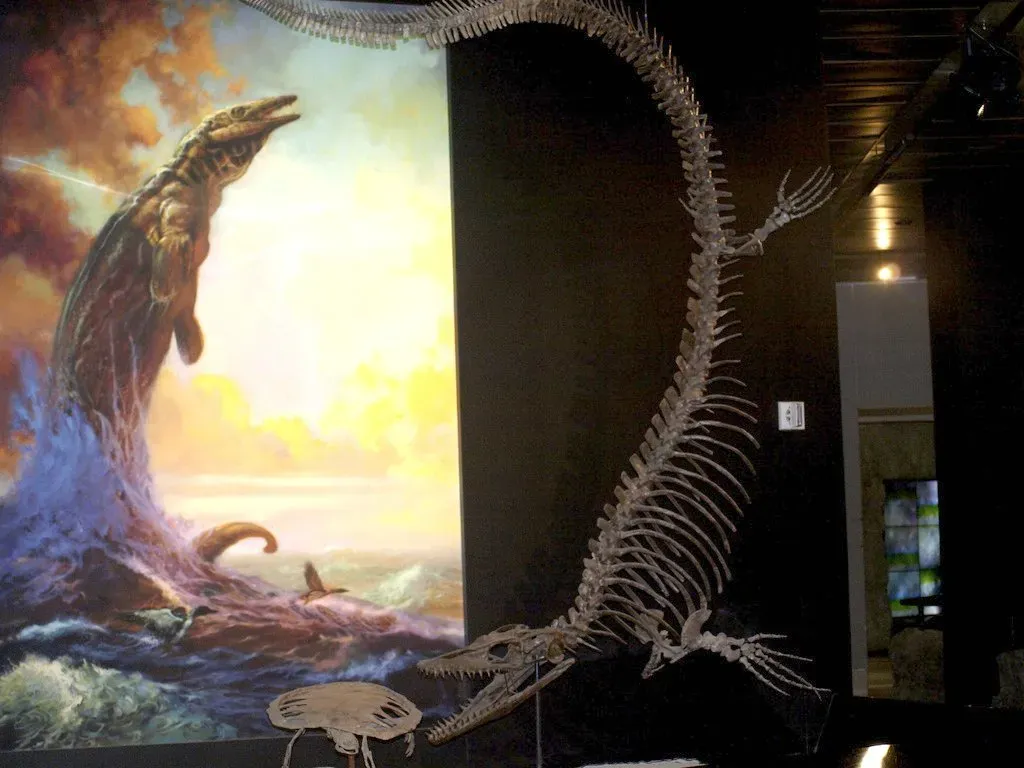
One of the most surprising stories coming from recent fossil work is just how quickly large body sizes appeared in certain marine reptiles after they returned to the water. We used to assume that evolving into a multi‑ton predator took a very long time, maybe tens of millions of years of gradual tweaking. Instead, some fossils suggest that within only a few million years of leaving land, some lineages were already pushing into giant territory.
When paleontologists talk about “a few million years,” it sounds huge to us, but on evolutionary timescales it is more like a sudden growth spurt. Imagine a teenager shooting up half a foot in a single summer; that is the kind of vibe these fossils give off, except the “summer” is a geological blink and the “height” is measured in meters of reptile. To me, that speed is the most thrilling part of the story: it hints that once the conditions are right, evolution does not just shuffle – it slams the fast‑forward button.
Who Were These Early Ocean Giants, Anyway?
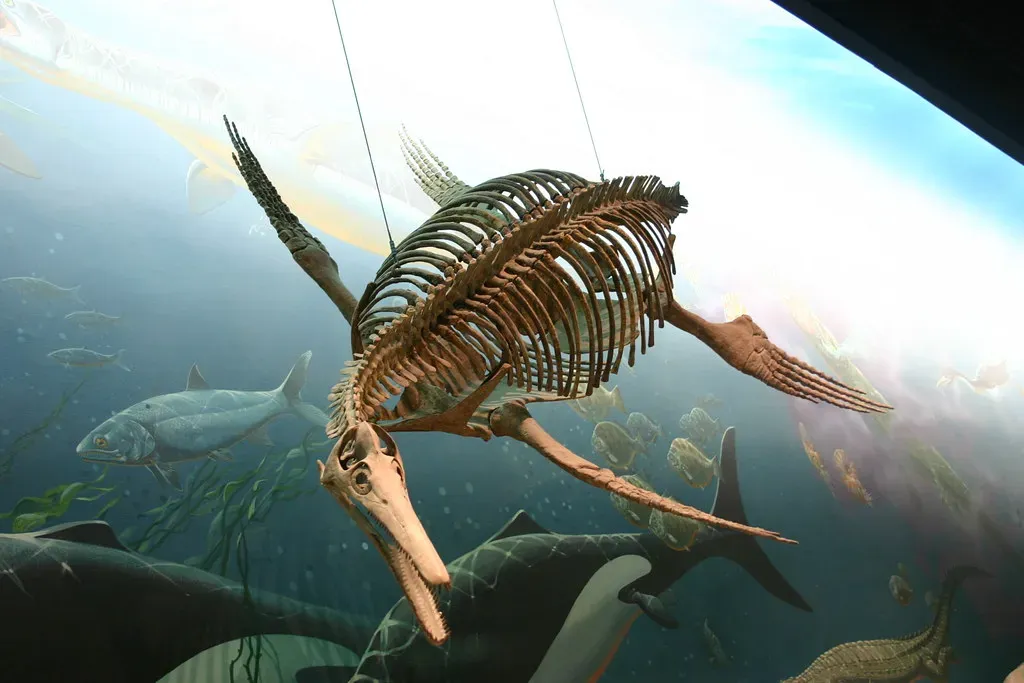
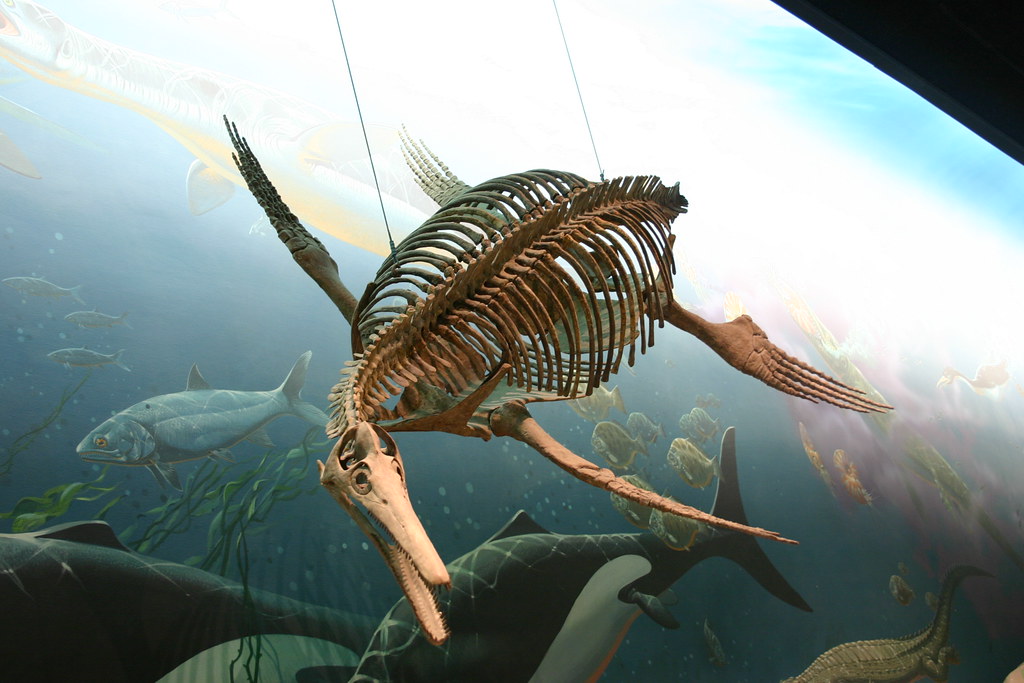
When people hear “marine reptiles,” many immediately think of dinosaurs swimming around, but that is not quite right. The oceans were ruled instead by distinct reptile groups like ichthyosaurs, plesiosaurs, and mosasaurs, each with its own body style and evolutionary path. Some early ichthyosaurs in particular have become poster children for this rapid size increase, with fossils showing relatively large, streamlined bodies appearing early in the group’s history.
What makes this even more intriguing is that these animals did not start out as ocean titans. Their ancestors were land‑dwelling reptiles that probably looked more like modest, lizard‑like or crocodile‑like creatures than seagoing beasts. That journey – from walking on land to powering through the open ocean at impressive sizes – did not require dozens of intermediate mini‑steps stretched over vast amounts of time. The fossil record now hints that once some lineages committed to life in the water, their size and shape began changing substantially in what, evolutionarily speaking, counts as a rush.
Why Returning to the Water Supercharged Evolution
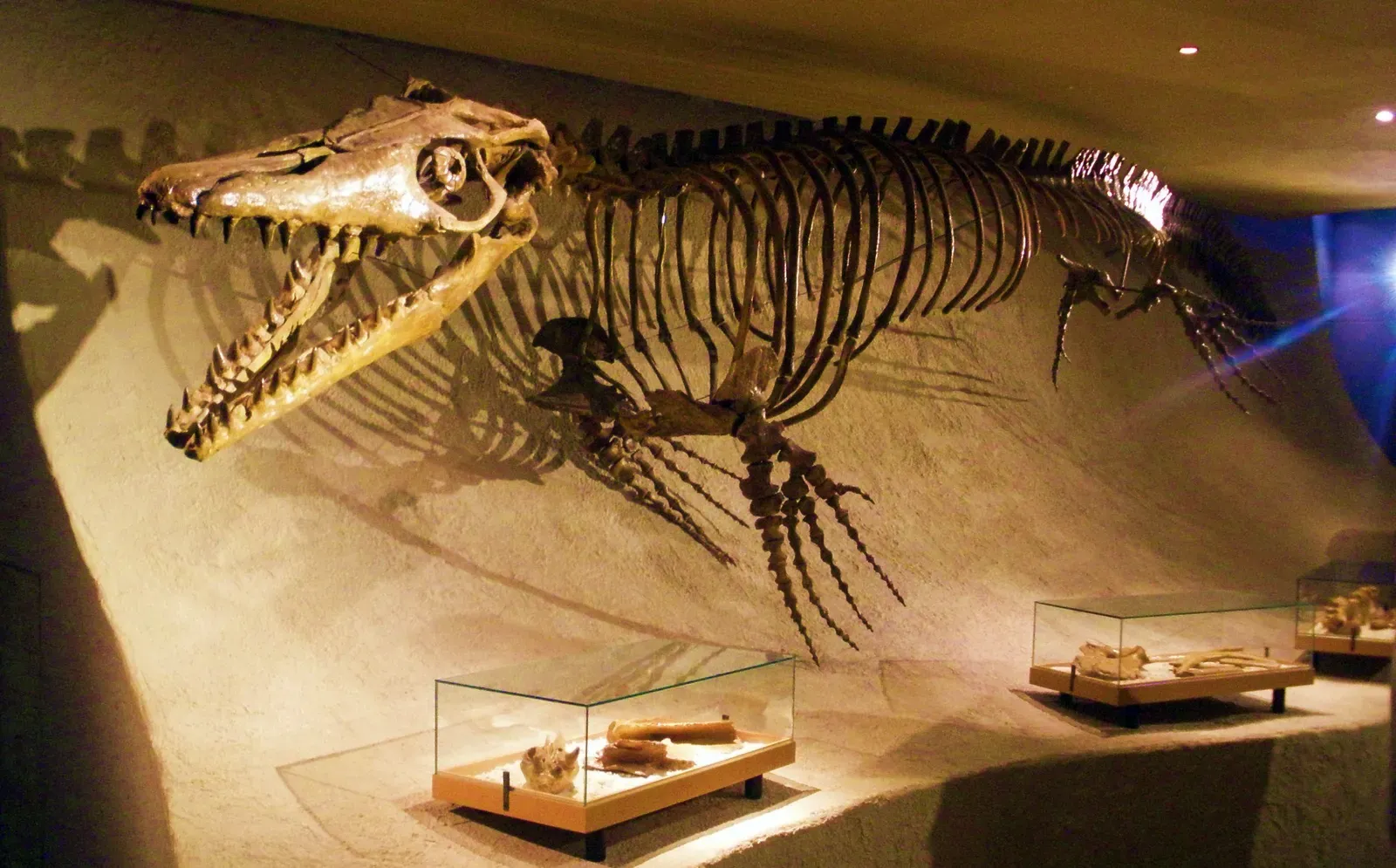
So why did evolving in the ocean lead to such explosive growth in body size? One big factor is opportunity. After a mass extinction or major environmental shift, new ecosystems open up, with fewer established competitors and lots of untapped food sources. In that kind of world, a lineage that can exploit the open ocean, dive deeper, or hunt larger prey gains an enormous advantage by simply being bigger and stronger.
The water itself also changes the physics of living. Buoyancy makes it easier to support a large body compared to life on land, where gravity constantly battles against limbs and skeletons. In the ocean, being large helps with long‑distance travel, energy efficiency, and temperature regulation, a bit like driving a big, fuel‑efficient cruise ship instead of a small boat battered by every wave. When I think about it this way, it almost feels inevitable that once reptiles returned to the water, natural selection would push some of them toward gigantism much faster than we once expected.
What the Bones Actually Tell Us (And What They Don’t)
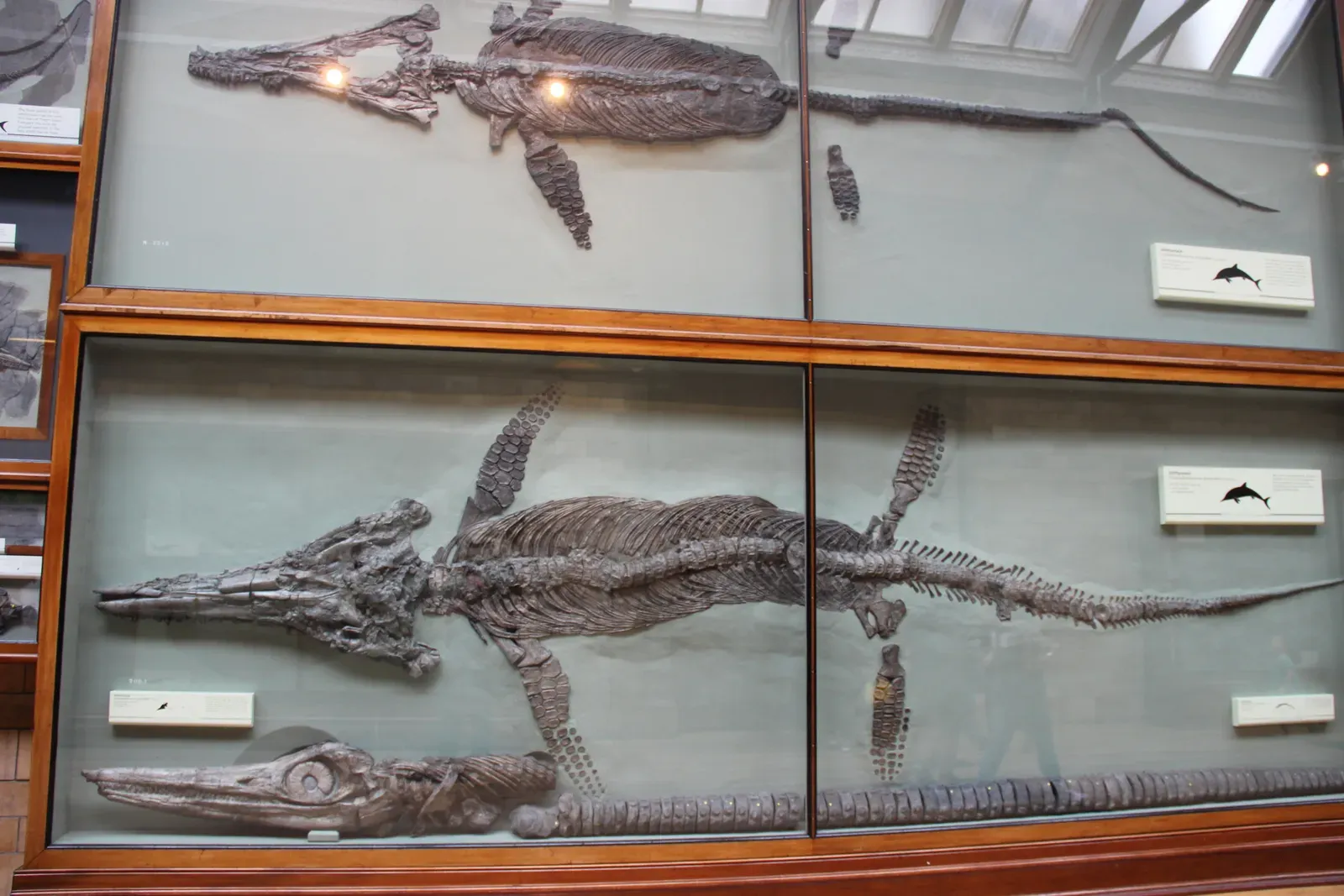
It is tempting to get carried away and picture every early marine reptile as an instant giant, but the fossils force us to stay honest. The record is still patchy: we have impressive skeletons and fragments that clearly show large body sizes relatively early, but we do not have a perfect, year‑by‑year growth chart of every lineage. Some species remained small, some grew quickly, and some may have experimented with medium sizes we simply have not found yet.
What we can say with reasonable confidence is that gigantism in certain marine reptile groups appeared earlier than traditional models predicted. We can measure bone lengths, examine growth rings, and compare body proportions to living animals to estimate size and lifestyle. At the same time, I think it’s important to treat the more dramatic claims with a bit of caution. Fossils are like scattered pages of a book; they clearly tell us parts of the story, but anyone who pretends they have the full novel is overselling it.
Rethinking “Slow and Steady” Evolution
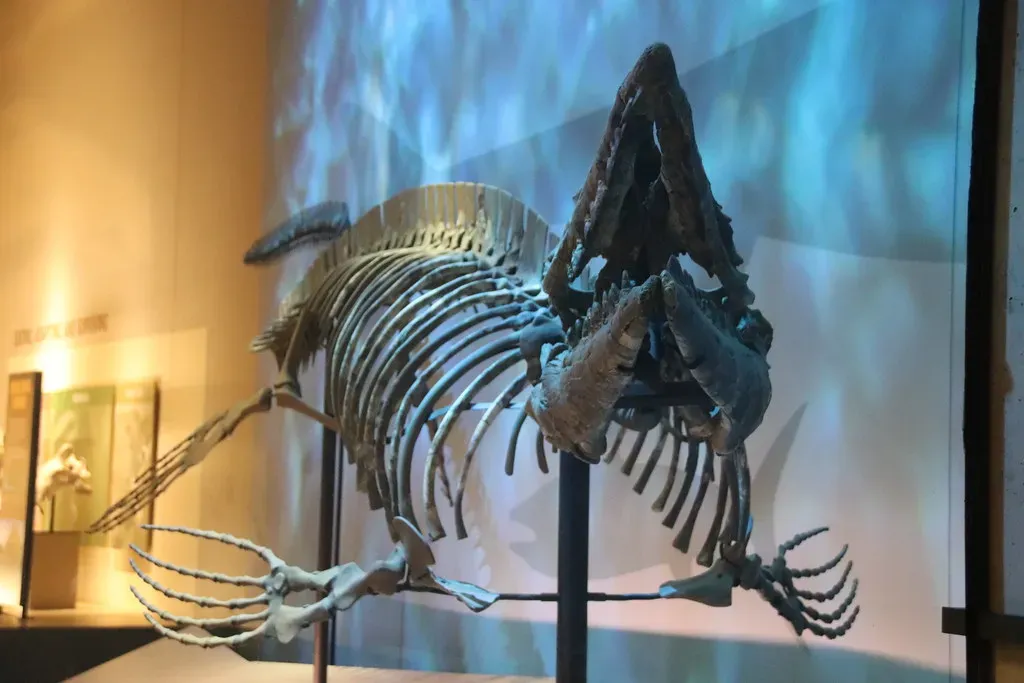
These discoveries seriously challenge the comforting idea that evolution always moves at a gentle, predictable pace. When you see large, well‑adapted marine predators appearing relatively soon after their ancestors re‑entered the water, you are looking at evolutionary change that is both fast and deep. That does not break the rules of evolution; it simply reminds us that natural selection can be incredibly intense under the right conditions.
I think this matters beyond the fossil world. We often talk about evolution as if it were a slow background process that humans do not need to worry about, but that is not true. The same forces that turned modest land reptiles into giant ocean hunters in a geological moment are at work today, driving rapid changes in animals adapting to climate shifts, pollution, and habitat loss. The fossil record of marine reptiles is like a warning label: when the environment changes quickly and dramatically, life can change just as fast – sometimes in ways that surprise us.
Convergent Giants: Reptiles, Whales, and the Power of the Ocean
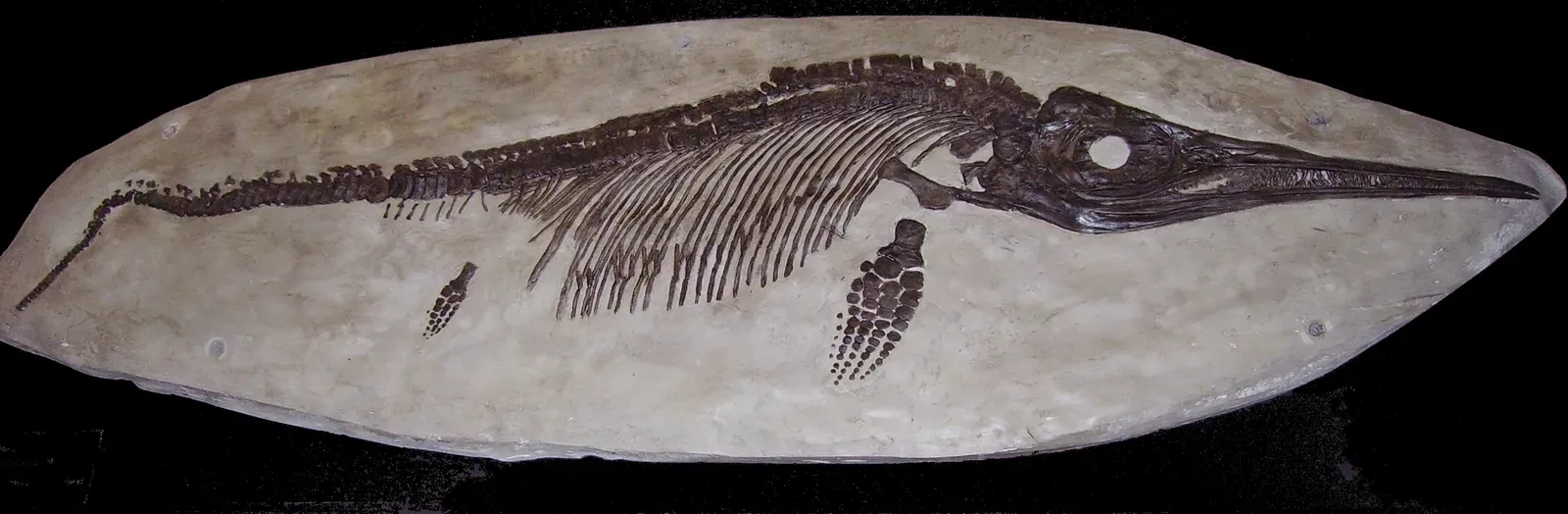
Another fascinating twist is how often the ocean seems to encourage gigantic body plans, even in unrelated groups. Marine reptiles did it long before whales appeared, yet both ended up with some similar themes: big, streamlined bodies suited for long‑distance swimming and hunting in vast, open waters. This pattern, called convergent evolution, shows that different lineages can arrive at similar solutions when they face similar challenges.
For me, that is one of the most elegant parts of this story. When you line up an ancient marine reptile and a modern whale, you are not just seeing two big animals; you are seeing the ocean itself shaping life in a fairly consistent way across huge stretches of time. It suggests that as long as there are large, open seas with rich food webs, there will be strong evolutionary pressure favoring big, powerful swimmers. The details differ, but the script – at least in broad strokes – keeps getting reused.
What These Ancient Giants Can Tell Us About the Future Oceans
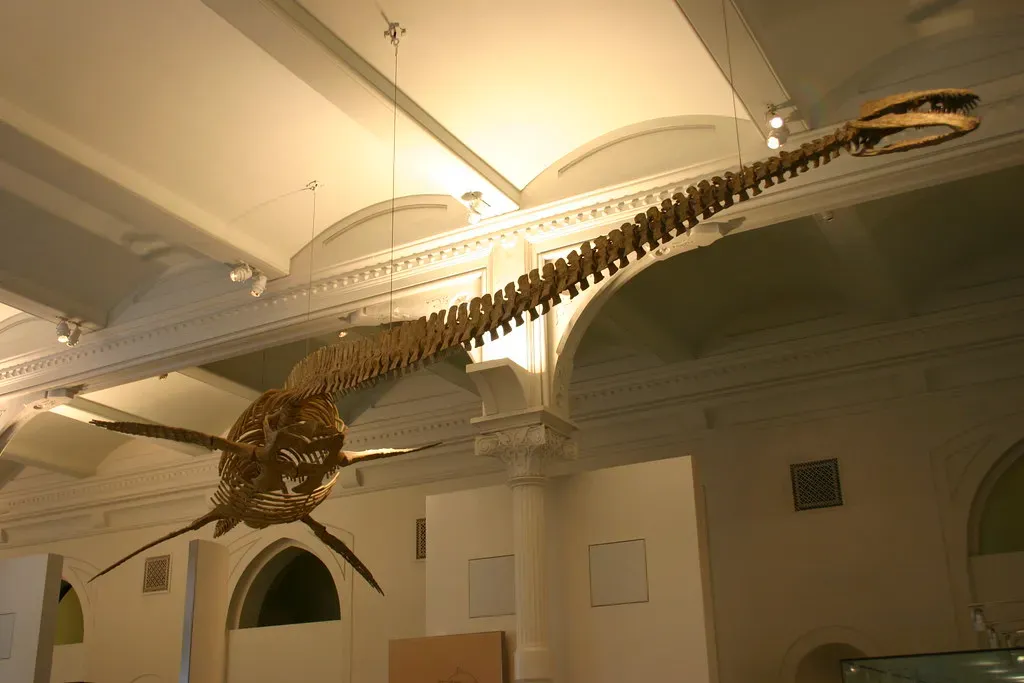
It is easy to treat this as a purely prehistoric drama, but there is a very modern echo here. If ancient marine reptiles could evolve giant sizes relatively quickly after entering the oceans, it hints that today’s marine life might also adapt faster than we expect to new pressures, from warming waters to shifting currents. That does not mean everything will be fine; adaptation can be messy, uneven, and full of extinctions along the way.
I find it strangely humbling to remember that the ocean is not static and neither are its inhabitants. The same environments that once encouraged giant reptiles now host whales, sharks, and other top predators, all responding in real time to human‑driven change. These fossils are not just relics; they are case studies in how ecosystems can reorganize around new giants and new rules. The hard truth is that we are currently rewriting those rules at a terrifying speed, and evolution will respond – whether we like the outcome or not.
Opinionated Conclusion: Evolution Is Wilder, Faster, and Less Comforting Than We Like to Admit
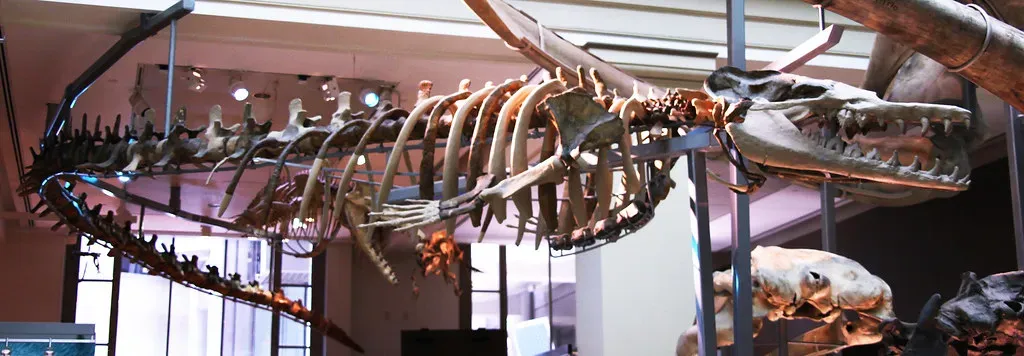
To me, the most important takeaway from this new fossil evidence is not just that some ancient marine reptiles got big quickly. It is that our picture of evolution as a slow, background hum is deeply misleading. When conditions line up – a changing climate, new habitats, open ecological space – evolution can roar, churning out huge, highly specialized forms in what amounts to an evolutionary instant. That should shake us out of any smug belief that nature always takes its time.
I think we need to be honest: this story is both awe‑inspiring and a little scary. If past oceans could produce giant predators so rapidly after reptiles returned to the water, then our rapidly changing modern oceans might also be on the edge of transformations we do not fully grasp. The fossils are a reminder that life is not passive; it pushes, stretches, and sometimes explodes into new forms when the world tilts. As we keep reshaping the planet, it is worth asking ourselves: are we ready for how quickly nature might answer back?