
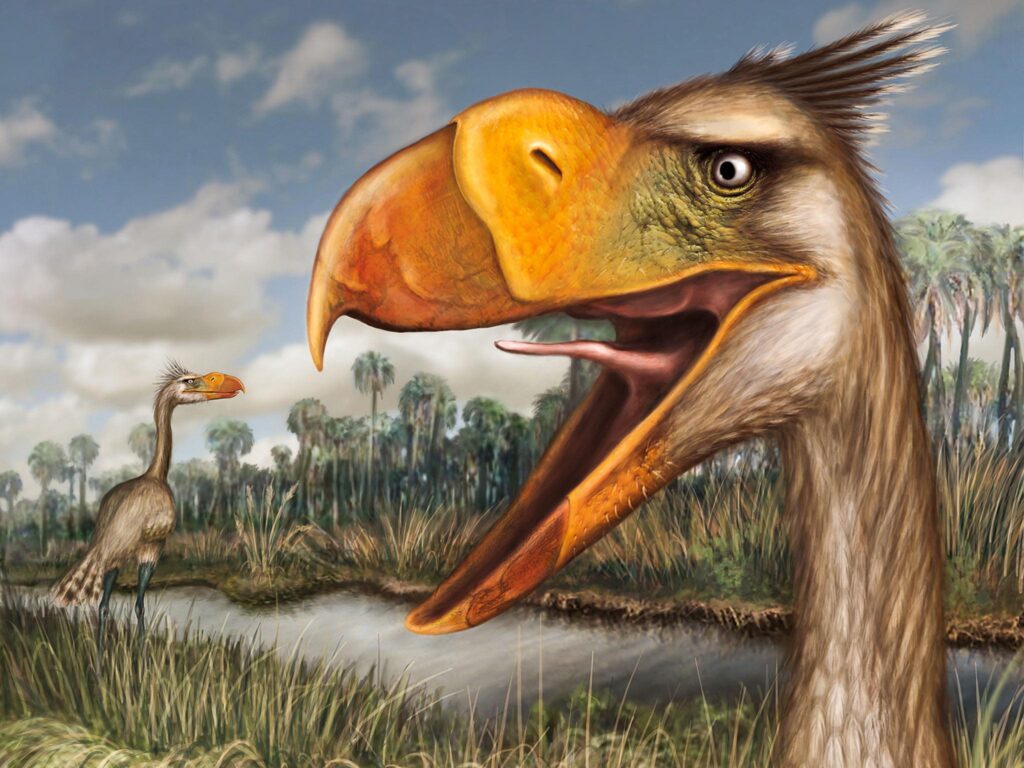
Imagine walking through a warm, prehistoric forest and realizing, too late, that the top predator is not a saber-toothed cat or a giant reptile, but a colossal bird towering over you like a living, feathered bulldozer. For a long stretch of Earth’s history, that was not fantasy. On several continents, enormous flightless birds around three metres tall evolved into dominant hunters, reshaping ecosystems and forcing mammals and reptiles to live in the shadow of a killer that looked like an overgrown, weaponized emu.
What makes these giant birds so fascinating is not just their size, but the idea that something we usually associate with fragility and song turned into a land-stalking predator powerful enough to sit at the top of the food chain. Their bones, footprints, and beaks preserved in stone tell a story that is still being pieced together, often with more questions than answers. But what we do know is already wild: in some places, for millions of years, the apex predator was a bird that could not fly.
The rise of giant, flightless predator birds
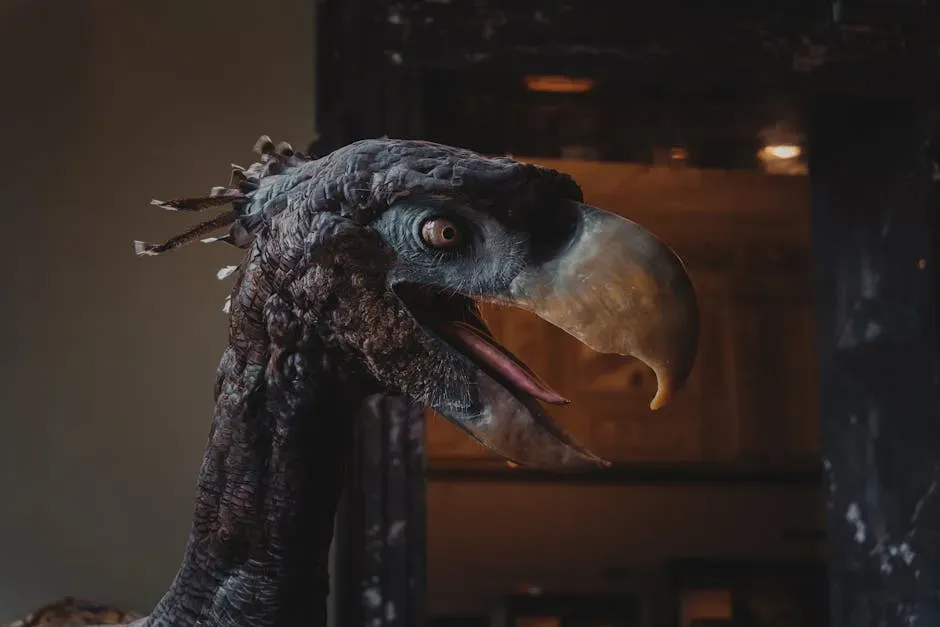
It sounds almost like a joke at first: a bird that trades flight for brute force and becomes the continent’s top killer. Yet that is exactly what appears to have happened more than once in Earth’s past. In South America, Europe, and other regions, palaeontologists have uncovered fossils of huge, ground-dwelling birds with long legs, powerful hips, and skulls built less for delicate pecking and more for smashing, tearing, and dominating.
The path to such giants starts with something simple: a bird that stops relying on flight. If food is on the ground and there are not many fast, dangerous mammalian predators around, wings gradually shrink, and legs, neck, and head take over the job of survival. Over millions of years, this trade pushes some lineages upward in size, until you end up with animals standing around three metres tall, towering over most of the mammals around them and capable of hunting them like a lion on stilts.
Why losing flight can create a monster
Flight is amazing, but it is expensive. It demands light bones, narrow weight limits, and wings tuned for aerodynamics rather than violence. When a bird no longer needs to fly, those constraints begin to loosen. The skeleton can get heavier, the muscles can bulk up, and the wings can shrink while the legs become longer, thicker, and more powerful, like swapping a racing bike for an armoured truck.
On islands and isolated continents, this transition is especially intense. Without large mammalian carnivores to compete with, birds that give up flight suddenly have access to a huge ecological prize: the role of apex predator. Natural selection starts favouring individuals that can run faster, hit harder, and take down bigger prey. Over time, you get massive, ground-bound birds that no longer even “miss” flight because they have something more valuable: total control over the landscape’s meat supply.
Three-metre stature: scale, speed, and intimidation
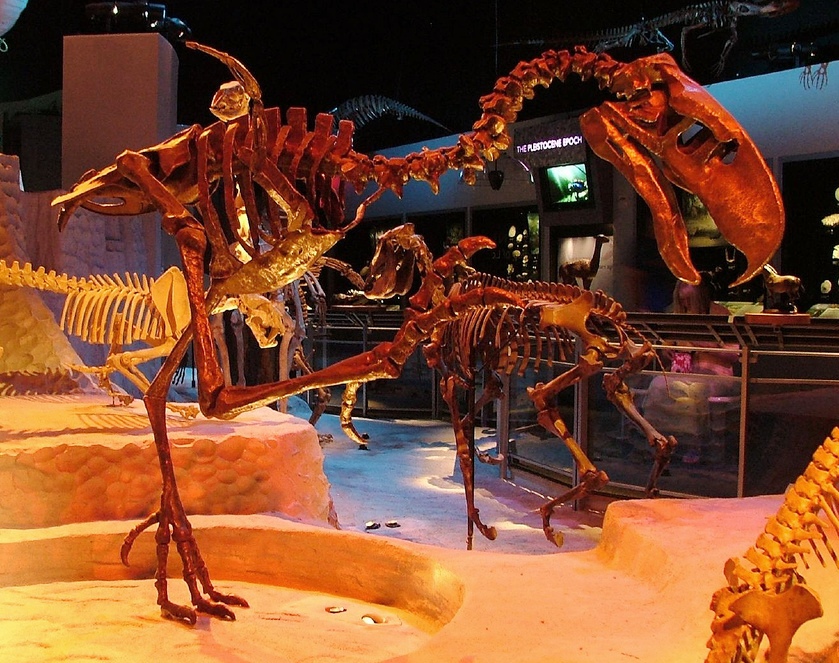
A three-metre-tall bird is not just big; it is architecture in motion. That height allows an enormous stride, meaning these predators could likely cover ground at frightening speeds, scanning over tall grasses and shrubs for any hint of movement. Their long necks effectively served as organic camera cranes, giving them a wide field of view and the ability to strike downward with whip-like speed.
Size alone also becomes a weapon. Prey animals that might gamble on standing their ground against a pack of dog-sized hunters are far less bold when confronted by a towering figure with a massive head and slicing beak. Even scavengers and smaller predators would think twice about approaching a kill claimed by such a bird. At three metres tall, you do not just hunt; you dominate the emotional landscape of the ecosystem, radiating the kind of “don’t even try it” energy you see today in animals like polar bears and crocodiles.
The beak as a precision killing tool
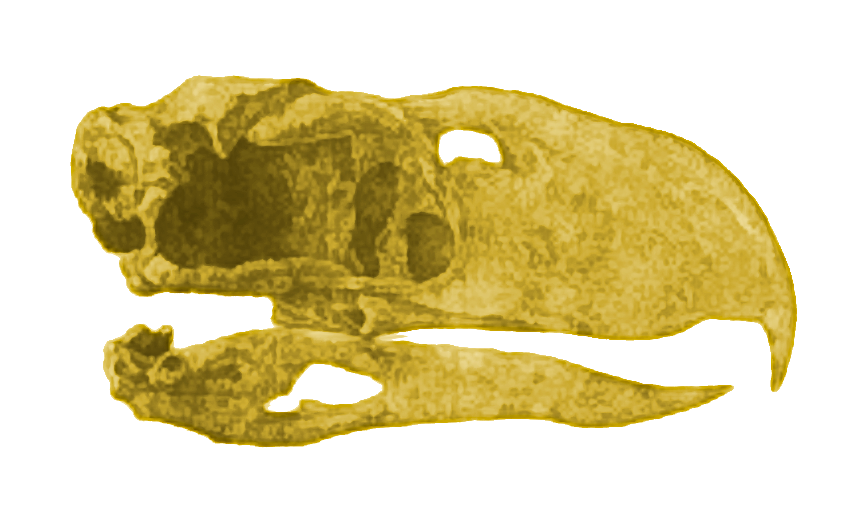
In these giant predator birds, the beak was not a dainty nibbling instrument; it was a weapon platform. Fossil skulls show deep attachment points for jaw muscles and beaks shaped for gripping, tearing, and delivering forceful blows. Instead of claws on their forelimbs, these birds effectively carried their primary weapon at the end of a long, mobile neck, turning their entire head into a living hatchet.
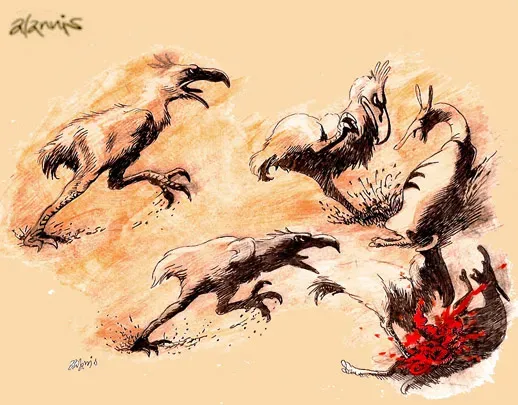
This killing style likely looked very different from that of a big cat. Rather than prolonged grappling, a giant bird might have used powerful kicks to destabilize prey, followed by rapid, surgical strikes of the beak aimed at the skull, neck, or softer parts of the body. It is a disturbingly efficient strategy: use your legs to control distance and balance, then let the beak turn openings into lethal outcomes. In a way, they combined the reach of a spear with the precision of a knife.
Apex predators for millions of years
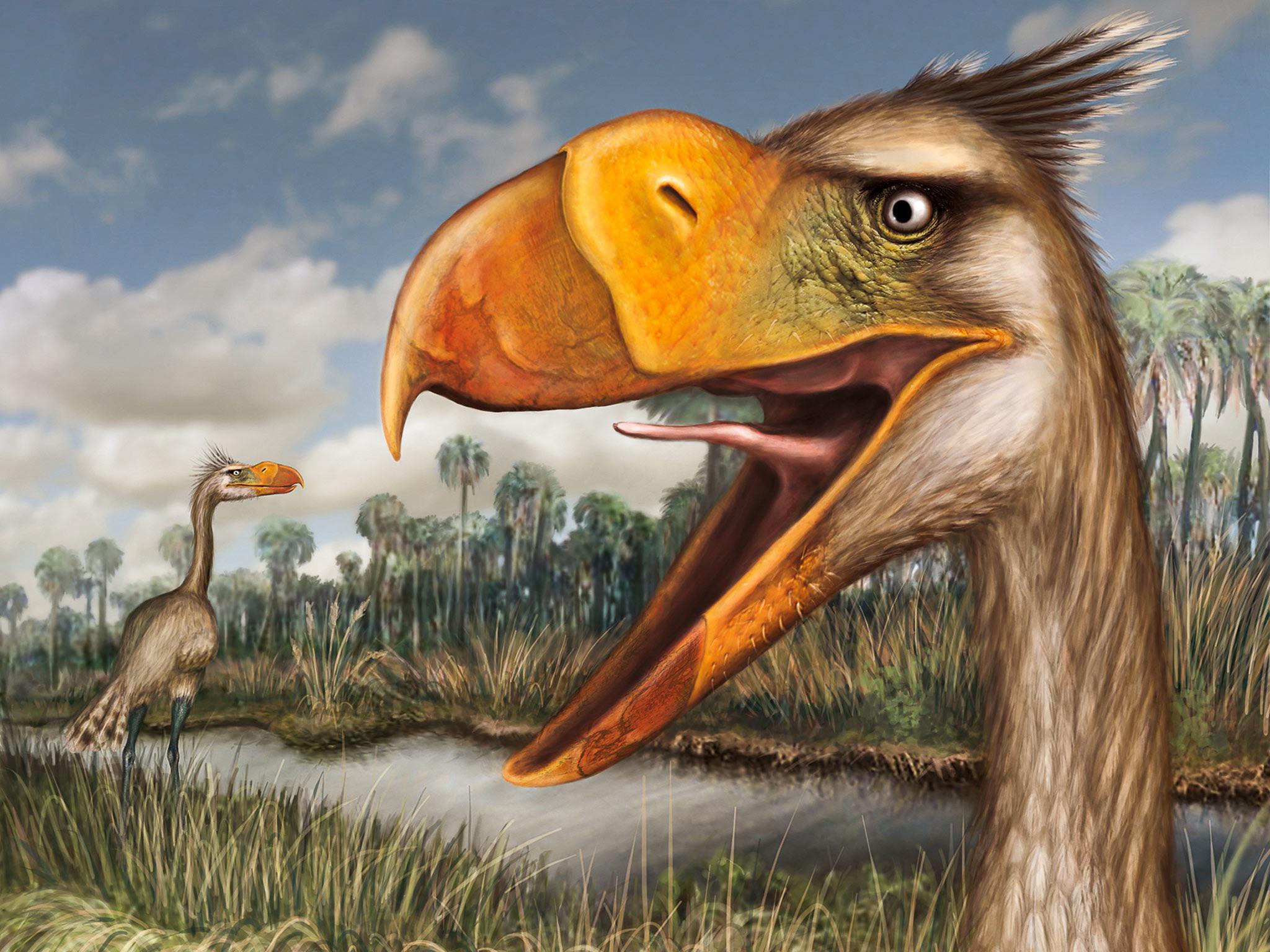
What elevates these birds from curiosities to genuine game-changers is the timescale. They did not just appear briefly and vanish; in some regions they held top-predator status for millions of years, outlasting waves of climate shifts and faunal turnovers. That kind of staying power means they were not evolutionary accidents. They were stable, successful solutions to the problem of how to be the deadliest thing around.
Of course, they did not live in a vacuum. Their presence would have shaped everything from the behaviour of herbivores to the evolution of competing carnivores. Mammals living under their reign would have had to adapt to their hunting style, perhaps becoming more nocturnal, more agile, or better at group defence. When a three-metre bird rules the day, the entire ecosystem starts to orbit around its preferences, fears, and habits, the same way savannas today are shaped around lions and hyenas.
In my view, calling them “almost certainly” the apex predator of their continents is not an exaggeration but a fair reading of the evidence we have. The combination of their size, anatomical weaponry, and timespan suggests they were a serious, sustained force at the top of the food web. That said, the “almost” matters. Fossils are an incomplete archive, and new discoveries can always reveal rival predators or regional exceptions. Still, if you had to bet on who sat at the top of the power pyramid in those ecosystems, your money would be very safe on the big, flightless bird.
Why they disappeared – and what their story says about us
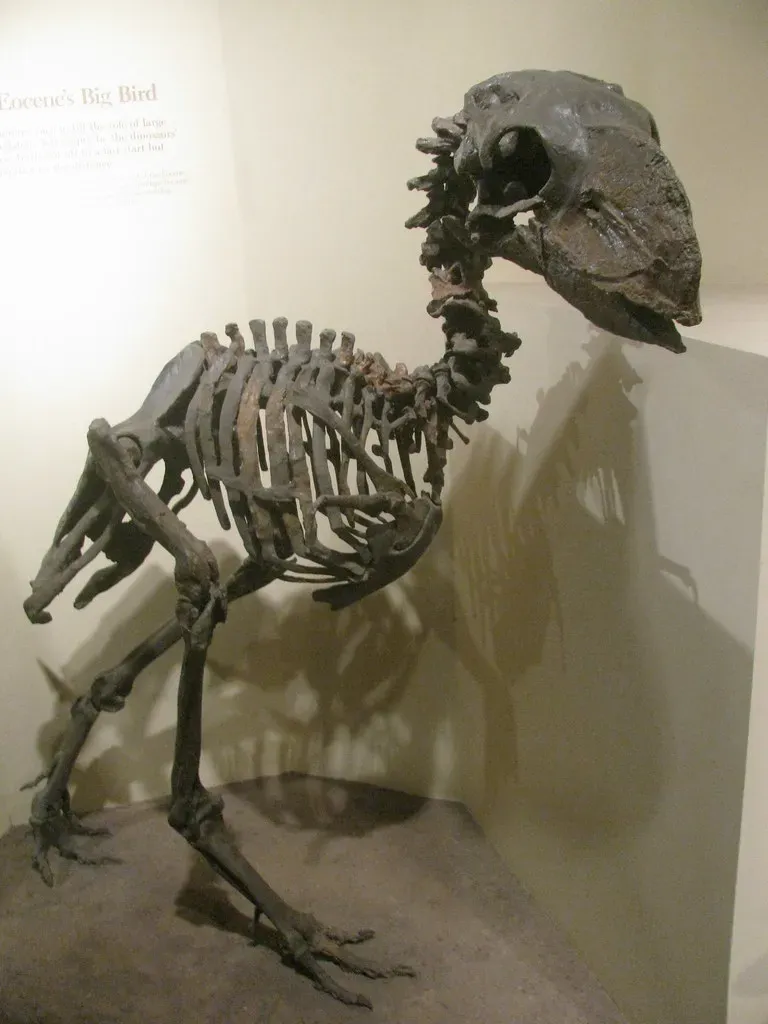
The disappearance of these giant predator birds is one of those deep-time mysteries that feels oddly personal. Possible culprits include changing climates, new competitors, shifting vegetation, and, in some later cases, the arrival of humans and their technology. When ecosystems reorganize and new players enter the stage, being a highly specialized top predator can turn from an advantage into a fatal vulnerability.
I find their story uncomfortably relevant. We live in a world where we like to imagine ourselves as permanently in control, yet the fossil record keeps repeating a quieter message: even apex predators with millions of years of dominance can vanish when the rules of the game change. To me, these birds are a reminder that power in nature is always rented, never fully owned. The real question is whether we learn from their rise and fall, or whether we are just another briefly dominant species waiting for the next, very patient chapter of the planet to be written.