
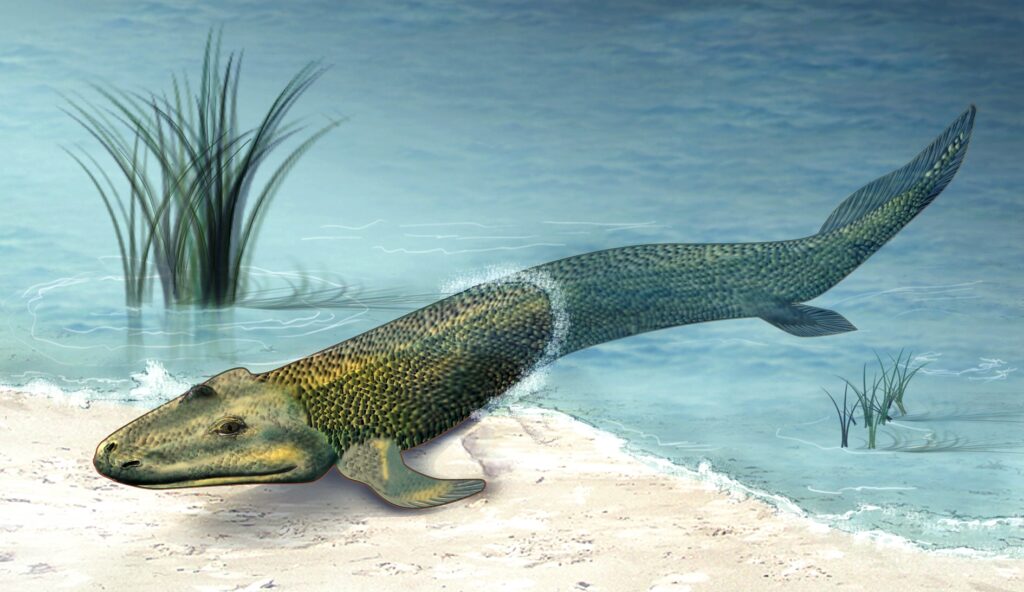
Picture a muddy shoreline in what is now the Canadian Arctic. No trees, no birds, no dinosaurs – just a swampy, fern-like world and something strange dragging itself out of the water for the very first time. That moment, roughly about three hundred and seventy five million years ago, is one of the most dramatic plot twists in the history of life: the day fish started to become land animals.
What makes this story so wild is that it isn’t just a vague “sometime in the distant past” guess. Thanks to fossils from rocks in Arctic Canada, scientists can point to specific creatures, estimate their size, and even get a decent idea of what they were snacking on. It is like having a blurry but recognizable photo of your great-great-great ancestor who decided, on a whim, to leave the ocean and never really go back.
The world of 375 million years ago: a dangerous, alien Canada
It is almost funny to think that the first animals to step onto land in this story did so in a place that is now associated with polar bears and ice. Back in the Late Devonian period, the region that would become Canada sat closer to the equator, wrapped in warmth, humidity, and sprawling, swampy river systems. Instead of snow and spruce, there were primitive forests of weird, tree-like plants, shallow lagoons, and silty deltas perfect for preserving fossils.
The air was thinner in oxygen than today, the ozone layer still developing, and the land surface was a tough environment, with intense ultraviolet radiation, fluctuating temperatures, and no soft soil yet. For a fish used to the relative stability of water, crawling onto shore would have been risky, like a human stepping out of a spaceship without a proper suit. Yet those muddy margins – shallow streams, drying pools, tangled roots – created exactly the kind of unstable habitat that rewards any creature able to haul itself between waterholes and access food others could not reach.
Meet the trailblazers: the early tetrapods from Arctic rocks
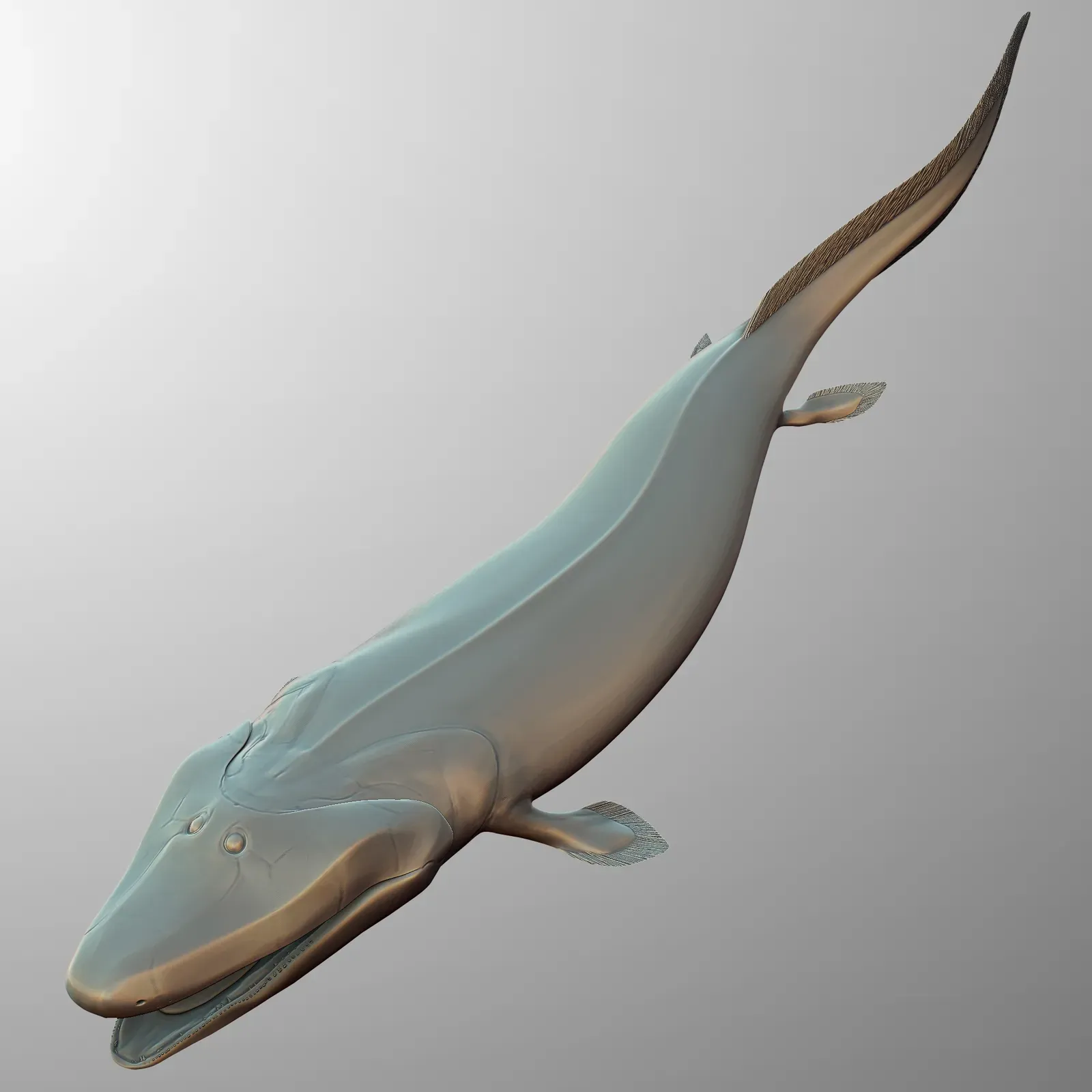
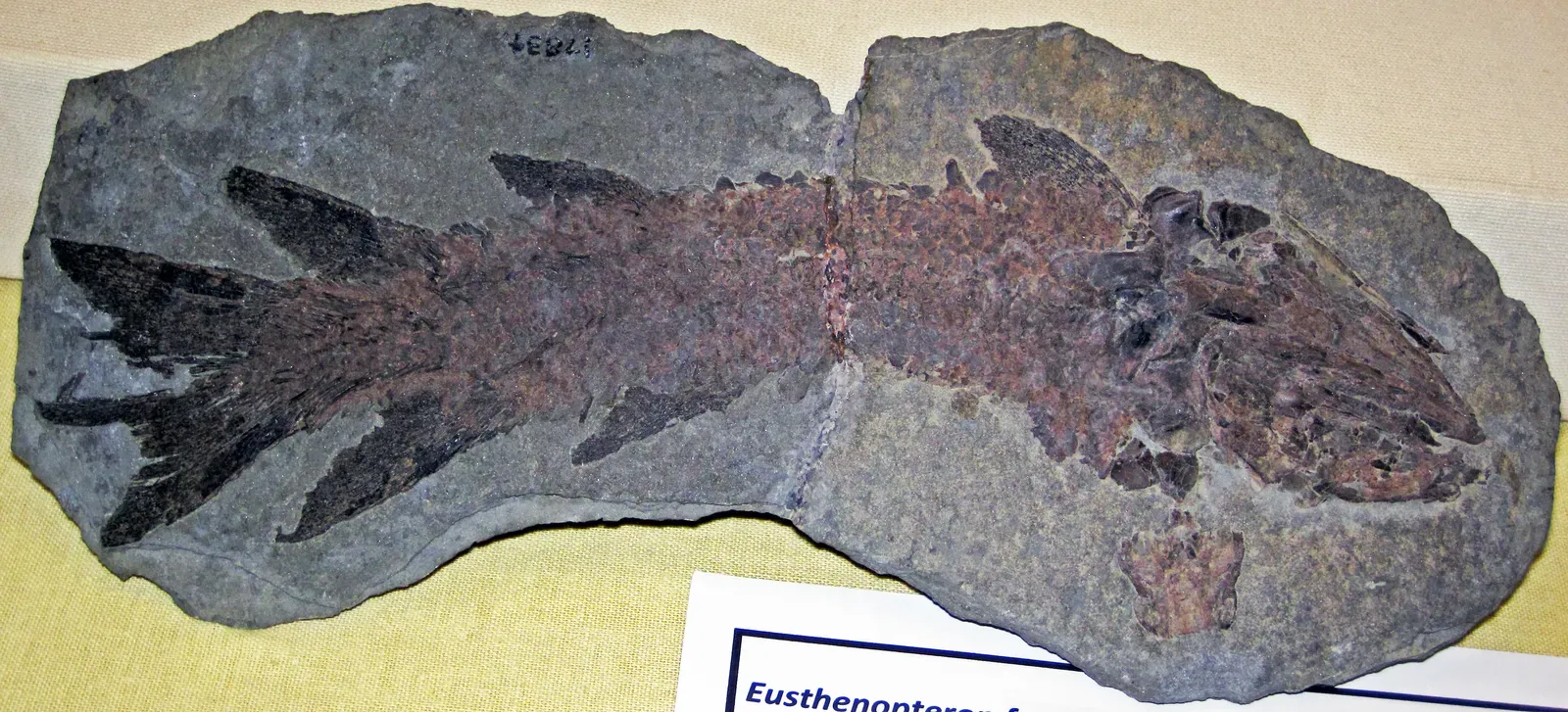
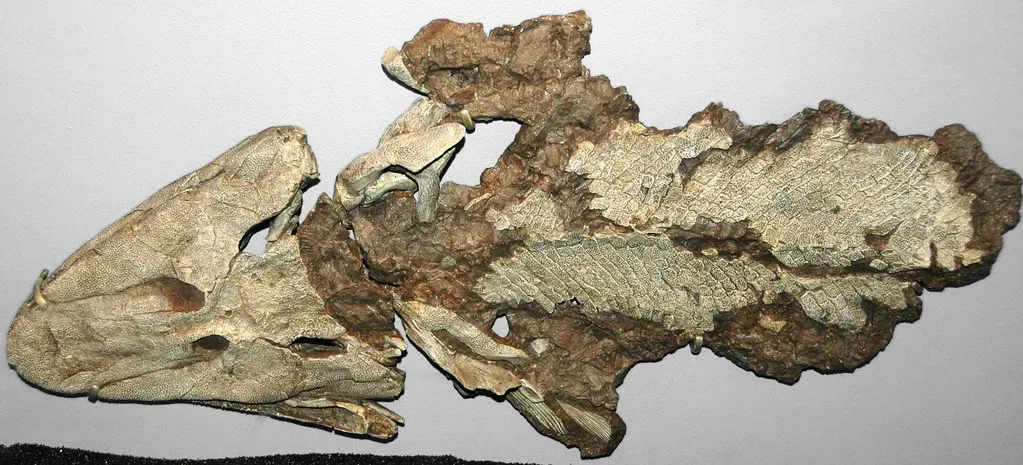
The first animals known to have made that shift from fins to limbs are not cartoon dinosaurs or lizards, but strange, flat-headed fish called early tetrapods and their close fish relatives. In the Canadian Arctic, fossils like Tiktaalik roseae, found on Ellesmere Island, capture that in-between stage freakishly well. Tiktaalik had a fish’s scales and tail fin, but also a neck, robust ribs, and fin bones that already looked suspiciously like a primitive arm, forearm, and wrist.
These were not small, delicate creatures. Tiktaalik and its relatives were mid-sized predators, the sort of animal you would definitely not want to meet while wading barefoot in a Devonian swamp. Their skeletons show jointed fins sturdy enough to push their body up in shallow water or even prop themselves on muddy banks. They were not taking long dry-land hikes yet, but they were clearly experimenting with life in very shallow water and at the water’s edge, like a fish trying out training wheels for walking.
How big were they, really? Reconstructing body size from bones
Fossils from the Canadian Arctic allow paleontologists to estimate the body length of these first shoreline explorers with surprising confidence. Tiktaalik, for example, would have been roughly the length of a large dog or small alligator, around two and a half to nearly three meters from snout to tail in the largest individuals. That is not a tiny, fragile experiment in evolution – that is a serious animal, big enough to dominate its corner of the food web.
This size estimate does not come from guesswork. Scientists measure the proportions of skulls, vertebrae, and fin bones, then compare them to living fish and amphibians, where body length and bone dimensions correlate in predictable ways. By plugging fossil measurements into those relationships, they can estimate overall size within a reasonable range. So when we say the first animals walking onto land were about as long as a couch, we are not exaggerating for drama; we are translating technical measurements into something your brain can visualize.
What did the first land-walkers eat? Life as an ambush predator
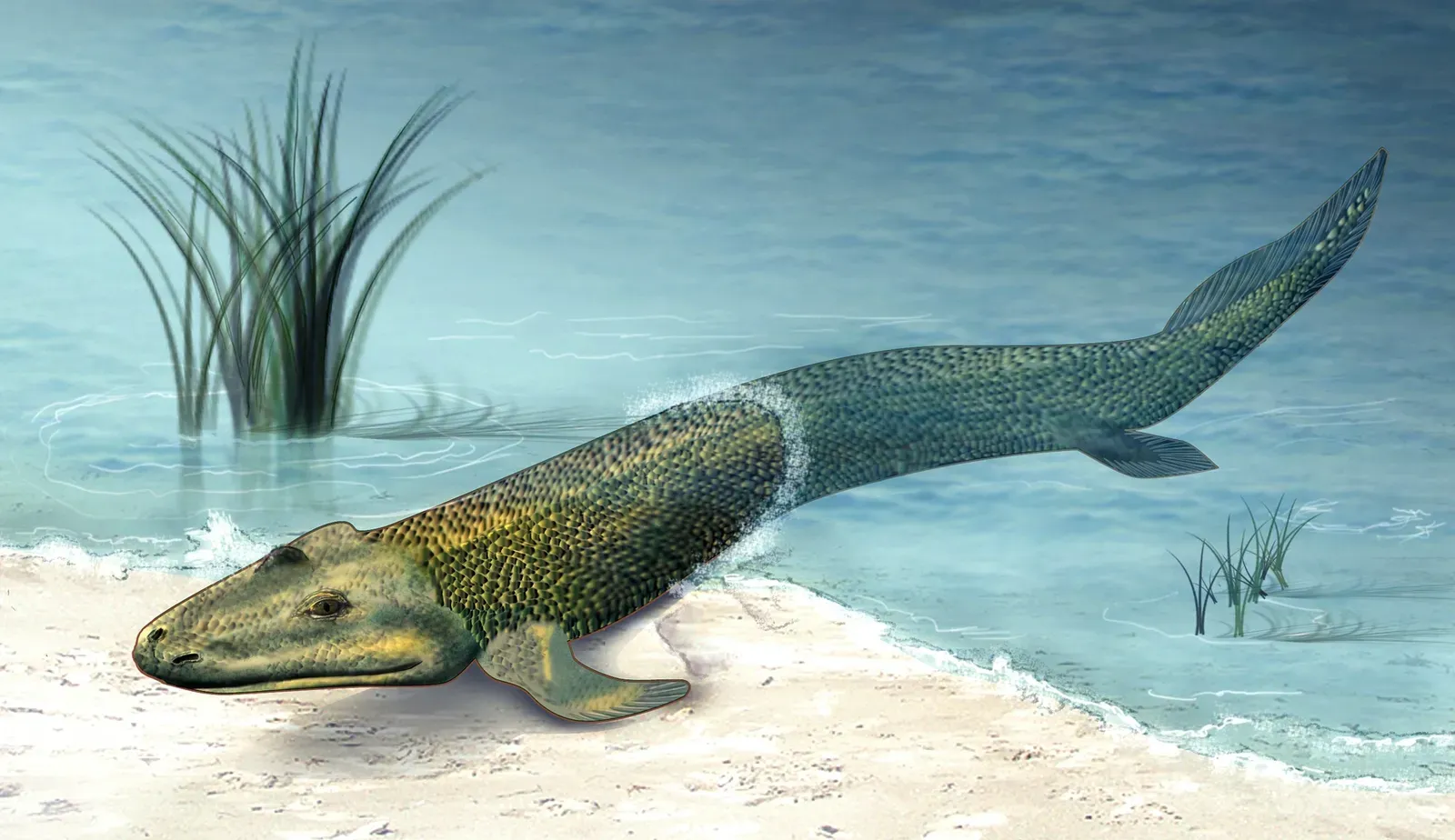
Diet is one of the most fascinating parts of this story because it makes these ancient animals feel less like abstractions and more like real, hungry creatures. The shape of their jaws and teeth tells us a lot: broad, flat heads with wide mouths and sharp, conical teeth scream “ambush predator.” These animals likely lurked in shallow water or just at the margins, waiting for unsuspecting prey to swim or drift close before lunging forward in a rapid, suction-powered snap.
Their meals would probably have included smaller fish, soft-bodied invertebrates, and anything else unfortunate enough to fit into their sizeable mouths. Some researchers suspect that venturing toward land gave them access to new snacks – primitive arthropods such as early insects and other crawling creatures that had already begun colonizing the shore. Imagine a predator that could both gulp fish in knee-deep water and, when necessary, hoist itself to snap at something wriggling along a muddy bank. That mixed menu may have given these early tetrapods a real ecological edge.
How do we know any of this? Fossils, fieldwork and clever detective work
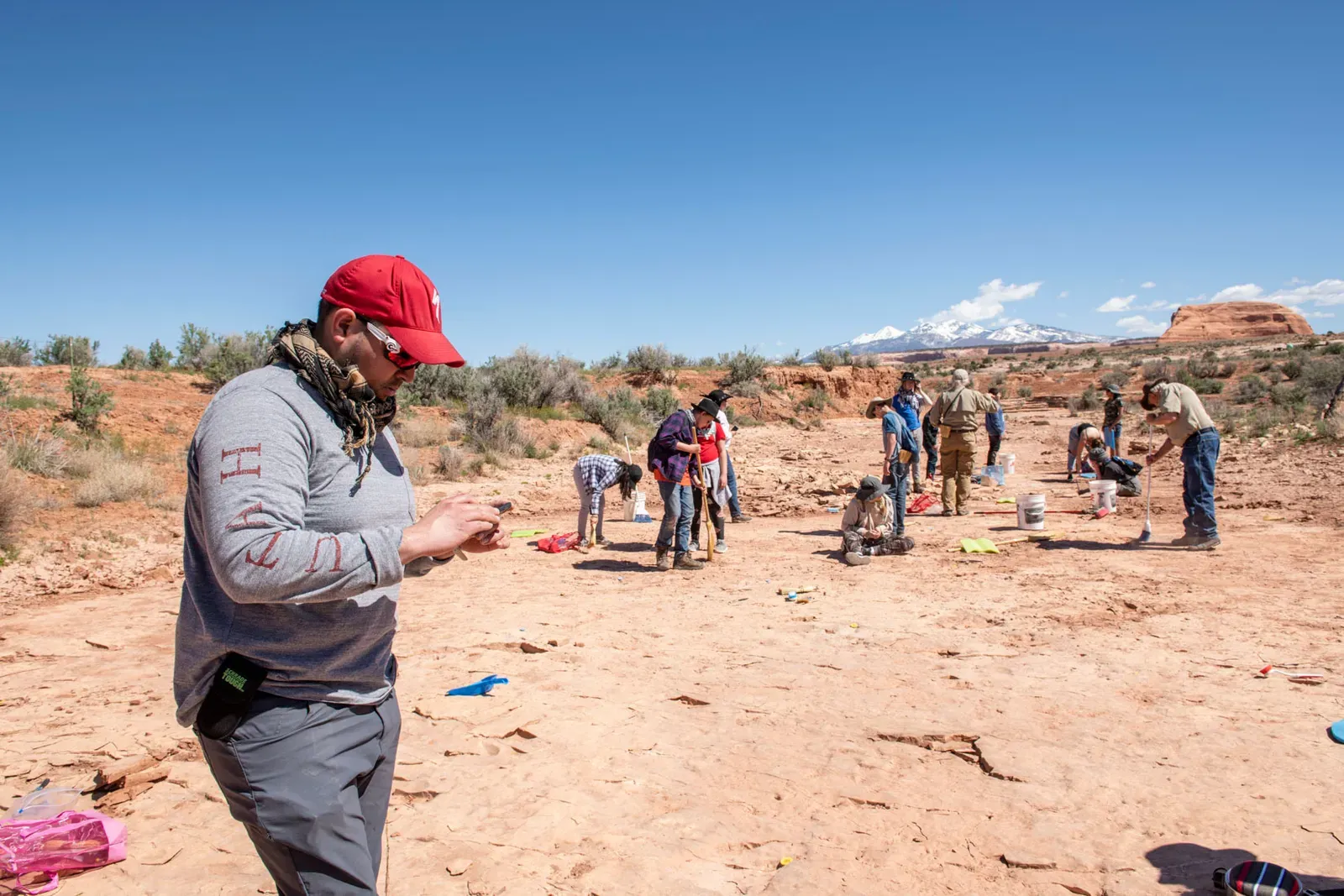
It is tempting to think scientists are just guessing about what happened hundreds of millions of years ago, but the reality is far more grounded – and much cooler. The crucial evidence comes from rock layers laid down in ancient river and delta systems in Arctic Canada, carefully mapped and chipped open during long, rugged expeditions. Within those layers, researchers find bones preserved in fine-grained sediments, often in partial skeletons that can be painstakingly reconstructed like a three-dimensional jigsaw puzzle.
From there, modern tools take over. High-resolution scans reveal internal structures without destroying the fossils, statistical analyses compare bone shapes across species, and biomechanical models simulate how joints could move and what kind of forces limbs and fins could handle. Bit by bit, a coherent picture emerges: a mid-sized, semi-aquatic predator, capable of propping itself up, using sturdy fins to push through vegetation and mud, and taking advantage of both water and land resources. The story is not complete, but it is anchored in rock, math, and repeatable methods rather than imagination.
Why leave the water at all? The evolutionary gamble that changed everything
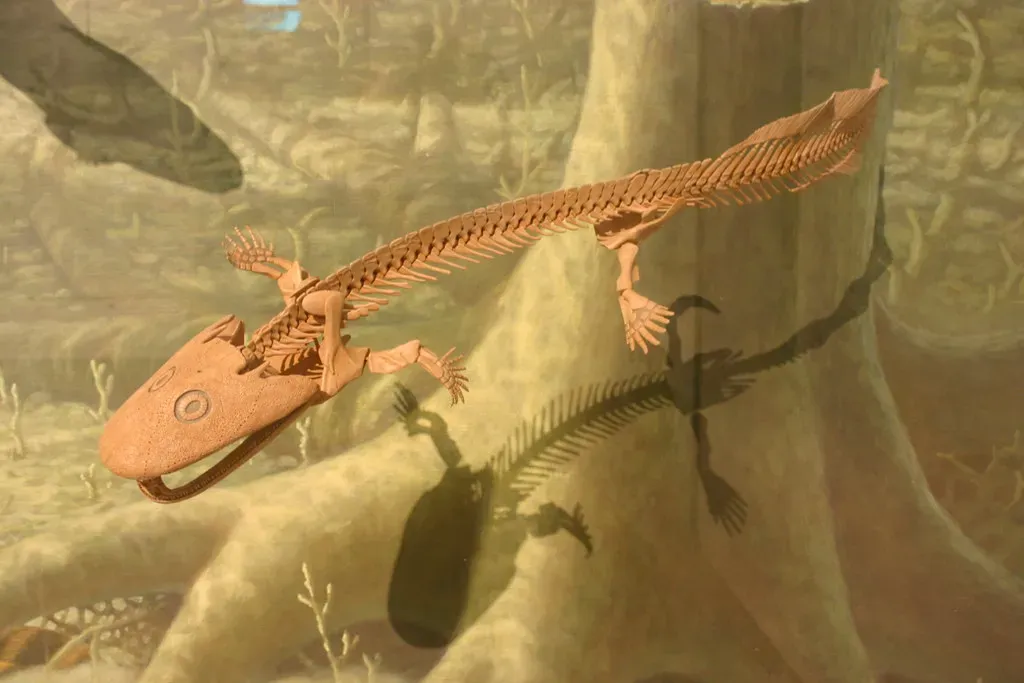
One of the most debated – and captivating – questions is what pushed these animals toward land in the first place. There probably was not a single reason, but a messy combination: crowded or unstable aquatic habitats, seasonal droughts drying up pools, and tempting new food sources on land. If you were a Devonian predator able to survive a little longer in the shallows, or shimmy from one shrinking pool to another while your competitors suffocated, you suddenly had a serious survival advantage.
In my view, that is the real magic here: this was not some grand, pre-planned march toward humans or mammals or cities. It was a series of tiny, desperate bets placed by fish in bad situations – a little more weight-bearing in the fins, a slightly more flexible neck, lungs that worked just well enough to handle a brief stay in air. Most experiments probably failed. But a few worked just enough to be passed down, generation after generation, until the shoreline was no longer a deadly boundary but a new world to exploit.
The echo of those first steps: a personal take on why this matters
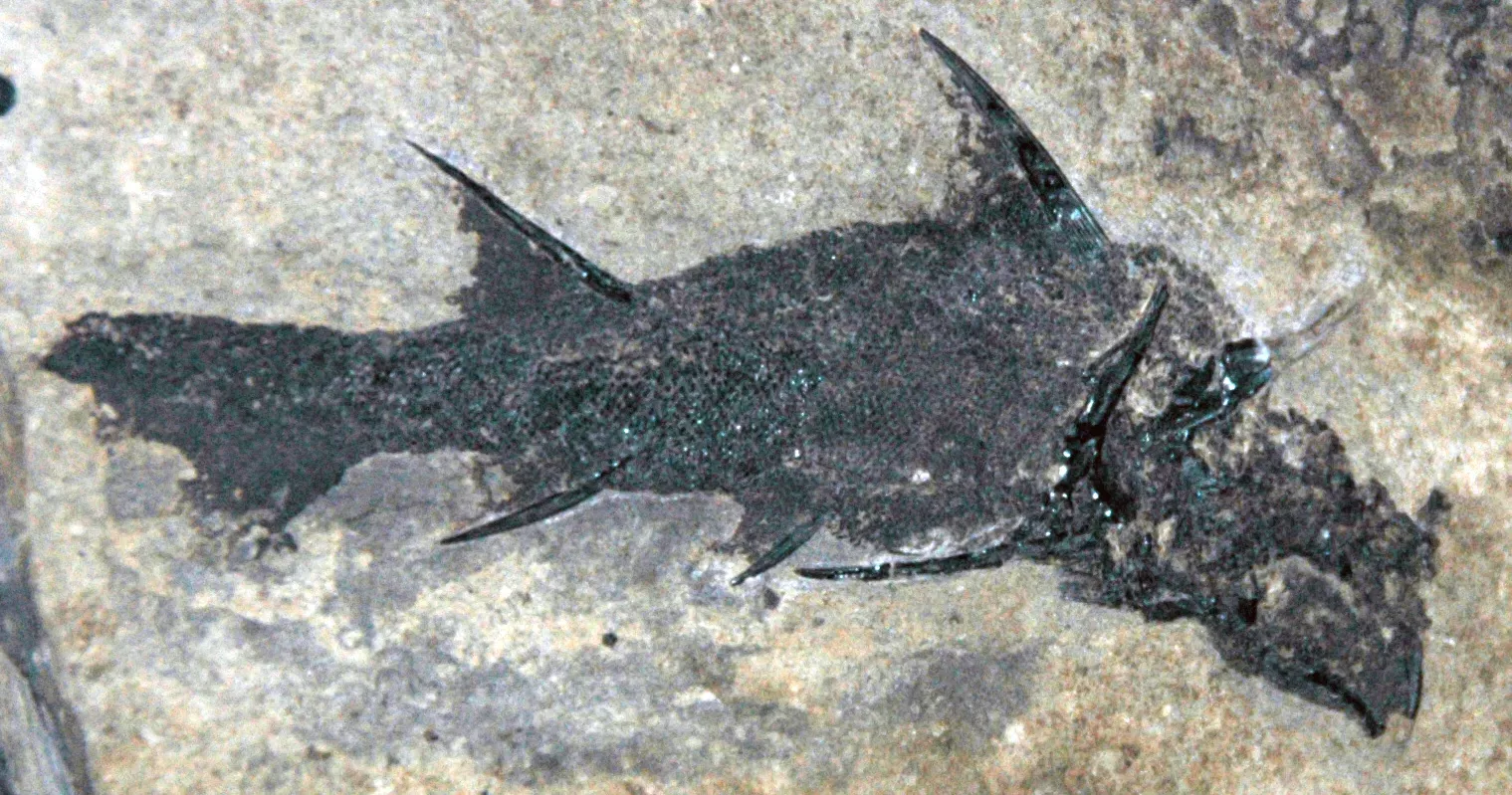
When you look down at your own hands and feet, you are seeing a heavily modified version of those early Devonian fins. The bones in your wrist, your ankles, your fingers all trace back to the architecture found in those Canadian fossils. To me, that is both humbling and slightly unsettling: our entire land-dwelling story hinges on creatures that dragged themselves through mud in a world with no birdsong, no flowers, and no mammals, just silence, buzzing insects, and the slap of fish against wet ground.
It is tempting to romanticize this as some heroic march onto land, but I think the more honest, and more powerful, takeaway is that evolution works by clumsy improvisation, not destiny. Those first animals were not aiming for us; they were simply trying not to die. Yet from their awkward, risky experiments came forests, dinosaurs, mammals, and eventually people arguing on the internet about everything from science to sports. The next time you stand on a beach and watch the waves roll in, it is worth asking: if life could make a leap that radical once, what surprising shift might it pull off next – and would we even see it coming?