Imagine standing on a rocky shoreline more than three billion years ago, watching the first pieces of solid land push their way above a global ocean. That mental image alone feels almost impossible, like something out of a science‑fiction movie. Yet that is roughly what new research suggests: large, stable chunks of Earth’s crust may have emerged far earlier than generations of scientists believed.
This shift is not just a small adjustment to the timeline in some dusty geology textbook. It changes how we think about everything that followed: the origin of life, the chemistry of the oceans, even the way our planet cooled and evolved. If continents rose sooner, then the stage for life’s early experiments may have looked very different than we have pictured for decades. Let’s dig into what researchers are actually finding, why it matters, and why this story is still very much unfolding.
Why Scientists Thought Early Earth Was Mostly Ocean
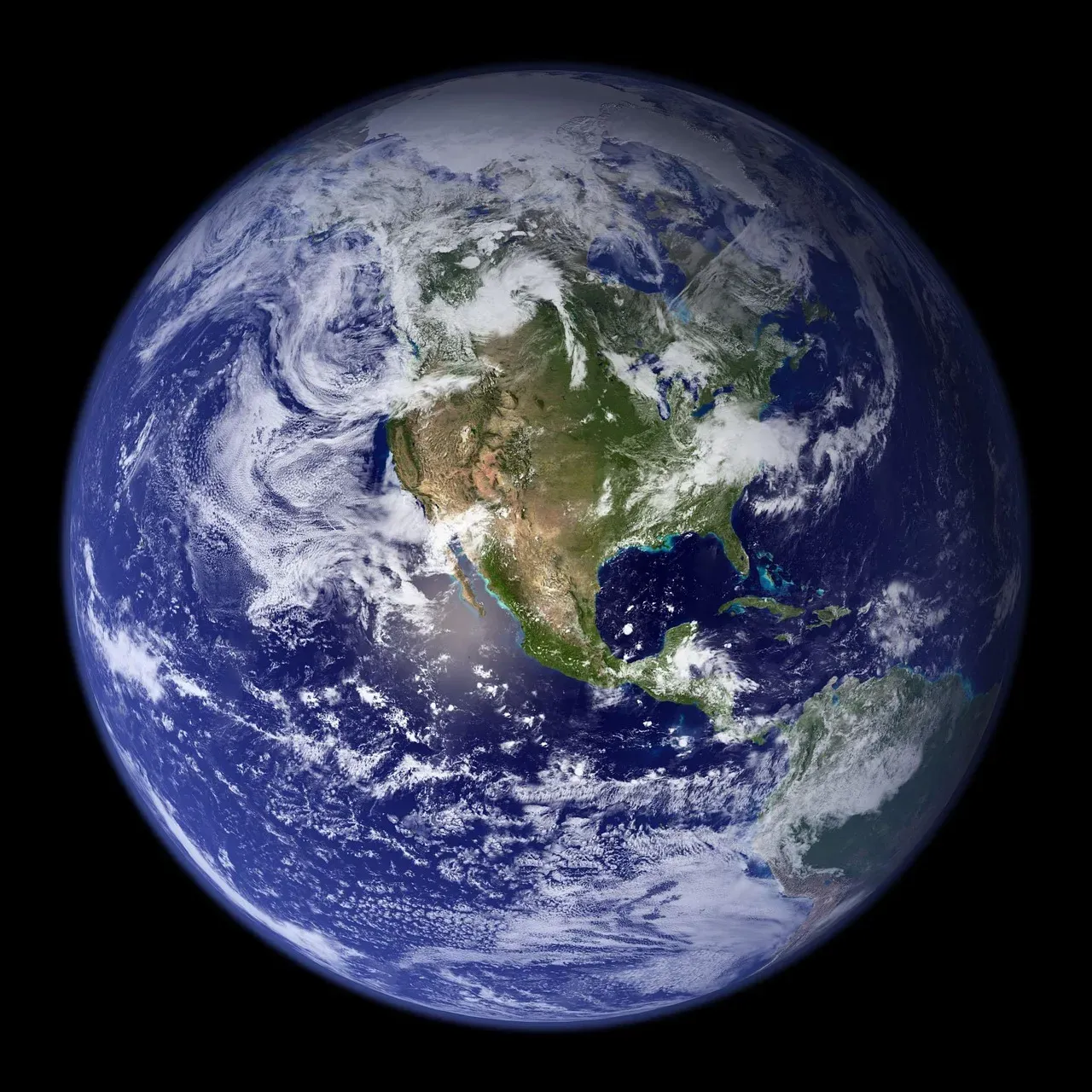
For a long time, the dominant picture of early Earth was pretty bleak and blue: a hot, restless planet wrapped in a global ocean, with only tiny islands of rock, if any, briefly poking through. That view came from a mix of indirect evidence – models of how a molten planet should cool, the chemistry of ancient rocks, and the sheer violence of early asteroid impacts that likely kept the surface constantly reshaped.
Geologists also knew that truly ancient continental rocks are rare. Most of Earth’s original crust has been recycled deep into the mantle by plate tectonics, like pages constantly being torn out and rewritten. So it seemed reasonable to assume that large, stable continents simply could not have survived the chaos of the planet’s youth, and that any dry land was probably limited, short‑lived, and slow to grow.
The Surprising Clues Hidden In Earth’s Oldest Rocks
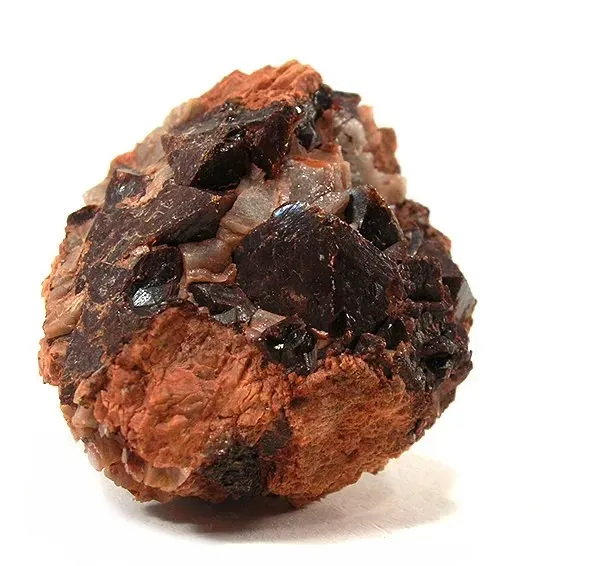
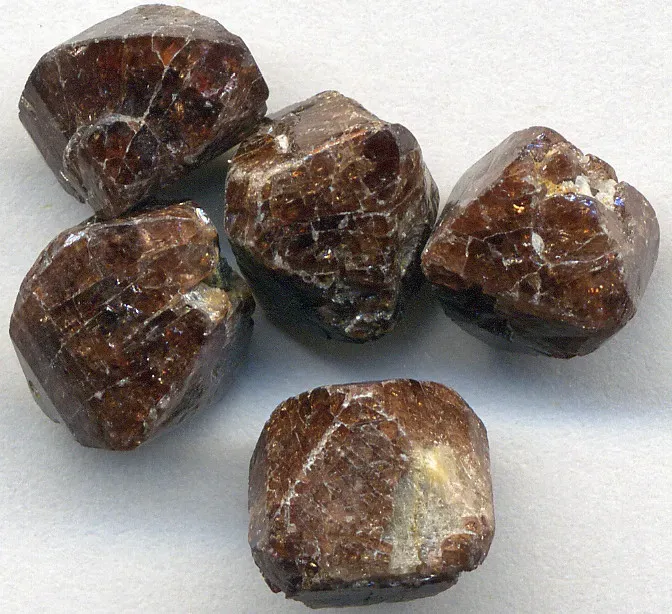
The story started to change as scientists got better at squeezing information out of some of the oldest minerals on Earth. Tiny crystals called zircons – sometimes smaller than a grain of sand – act a bit like time capsules. They can preserve chemical fingerprints from more than four billion years ago, long after the original rock around them has vanished. That means a speck of zircon can quietly hold records of temperature, water, and crust formation from a world we will never see directly.
When researchers analyzed these ancient zircons, they found evidence suggesting that relatively cool, thick crust – more like modern continental crust than ocean floor – may have already been forming very early in Earth’s history. In some cases, the chemistry implied interaction with liquid water at or near the surface. That combination hints that parts of the planet were not just covered in ocean, but already had buoyant, continent‑like crust that could have risen above sea level much earlier than expected.
How Geologists Can Read an Ancient Planet Without a Time Machine
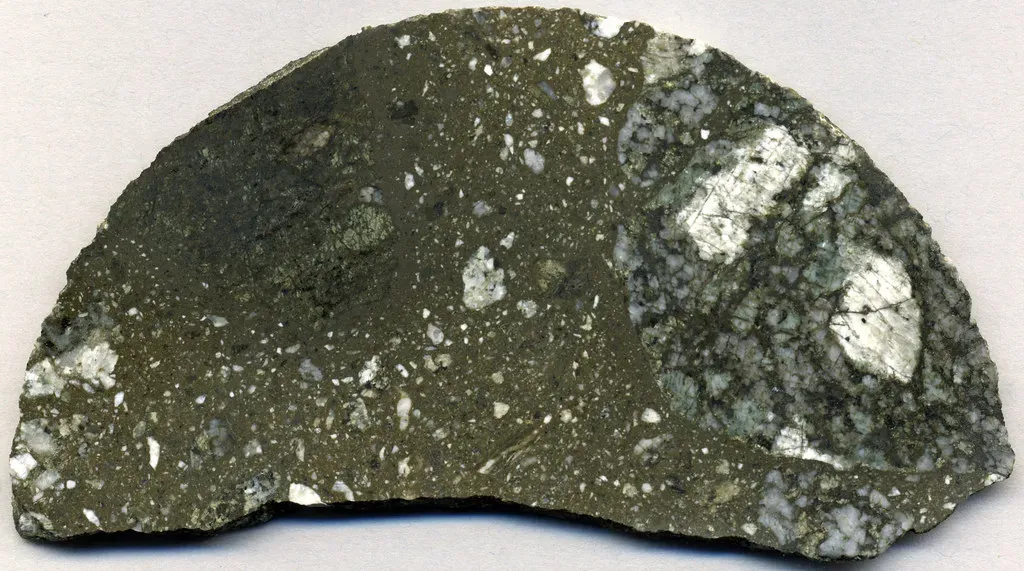
Of course, nobody can hop in a time machine and check whether early Earth had continents or not. Instead, geologists do something more subtle and honestly more impressive: they piece together stories from traces, patterns, and clues. They look at isotopes – slightly different forms of the same element – locked in old minerals, and use them like barcodes that reveal how and where those minerals formed. This kind of detective work is part chemistry, part physics, part deep imagination anchored in data.
Beyond zircons, scientists study old cratons – the stable cores of today’s continents – in places like Greenland, Western Australia, and South Africa. These ancient fragments are like battered relics of Earth’s first stable land. By mapping their structures, dating their rocks, and comparing their chemical signatures, geologists can build models of when buoyant crust formed, when it rose, when it sank, and how much of it might have actually stood above sea level rather than lurking just below the waves.
What It Means If Continents Rose Much Earlier Than We Thought
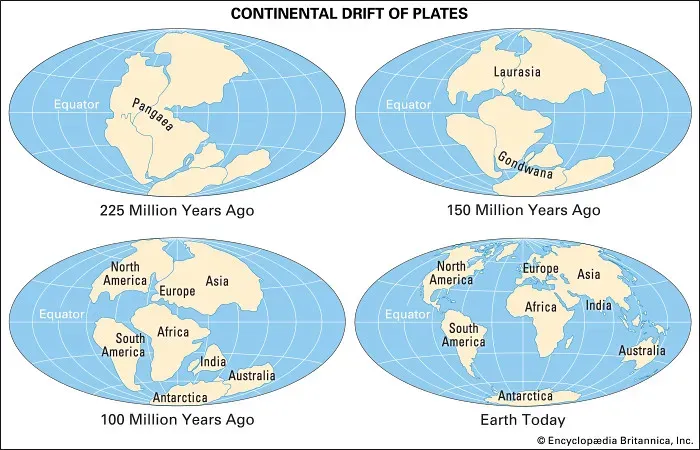
If significant continental land really did rise early, it reshapes our picture of how Earth cooled and organized itself. Continents are like giant rafts of light, silica‑rich rock that float on the denser mantle below. Their formation affects how heat escapes from the inside of the planet and how plate tectonics behaves. Earlier continents could mean the planet settled into a more modern‑style tectonic system sooner than many models have assumed.
There is also the basic, almost poetic fact of the coastline: where ocean meets land, chemistry goes wild. Rocks weather, rivers carry nutrients, and sediments pile up. If shorelines existed earlier, then these chemical conveyor belts were running sooner, reshaping the atmosphere and oceans step by step. That has huge implications for everything from the carbon cycle to how quickly Earth moved away from its initial, harsher conditions toward something a little more stable and life‑friendly.
Dry Land and the Possibility of Earlier Life Niches
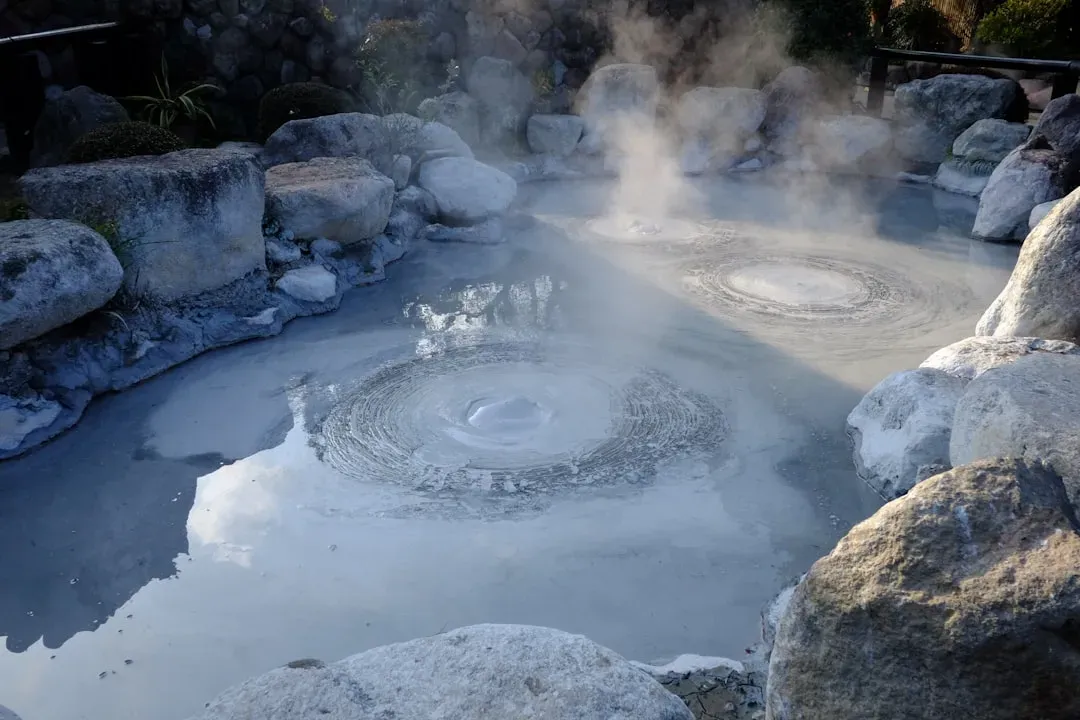
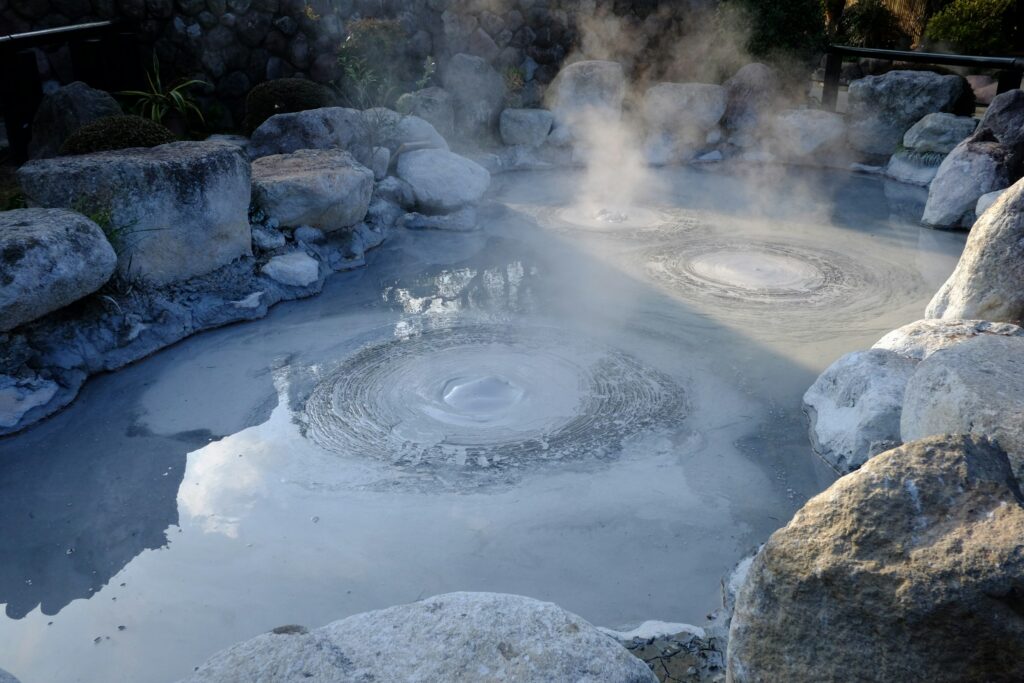
One of the most exciting and emotionally charged parts of this story is the link to life itself. Many scientists have argued that early life might have started not in the deep ocean, but in shallow pools, hot springs, or wet‑dry environments on land or near coastlines. These settings can concentrate organic molecules, dry them out, then re‑wet them in cycles that help complex chemistry along – a bit like a natural lab bench run by the weather.
If continents and coastlines emerged earlier, that means these potential cradle‑of‑life environments could have existed much sooner than we once thought. It does not prove that life actually started there, but it widens the menu of possibilities. Personally, I find that deeply compelling: instead of a purely oceanic origin story, we might be looking at a patchwork world of lakes, volcanic hot springs, and muddy tidal flats, all quietly running chemical experiments long before anything we would recognize as a cell took hold.
The Ongoing Debate: How Much Land, How Early?
To be honest, not everyone in the scientific community is ready to rewrite the entire early Earth story just yet. Some researchers argue that even if early continental‑like crust existed, it might have been largely submerged, with only small islands or ridges peeking above the waves. Others point out that the data are sparse and sometimes tricky to interpret; one set of zircons might suggest early dry land, while other geological clues seem to favor a more water‑covered world.
This tension is not a weakness; it is how science moves forward. Competing models are tested against new data, and sometimes the answer turns out to be messy and in‑between. Maybe there were modest continental fragments, not yet the sprawling continents we know, scattered like stepping stones across a mostly oceanic planet. The real story might be less dramatic than imagining whole supercontinents rising early, but still radical compared to the old picture of a nearly landless Earth.
Why This Changes How We See Earth – and Other Worlds
Stepping back, there is a bigger reason this research matters: it helps us think more clearly about what makes a planet habitable. When astronomers find rocky worlds around distant stars, they often wonder about oceans, atmospheres, and surface temperatures. But the timing of continental rise may be just as important. Land speeds up weathering, alters climate, and creates diverse environments where chemistry can run wild in different ways.
If Earth’s continents emerged early, it suggests that rocky planets can potentially reach complex, life‑friendly conditions faster than we assumed. That does not mean life is common or guaranteed, but it nudges the odds a bit. I like to imagine some distant exoplanet where early landmasses are already sculpting lakes and shorelines, long before any creatures crawl out. In a strange way, by reading the scars and crystals of our own world, we are getting better at recognizing which alien worlds might have their own stories of early rising continents and the fragile beginnings of something living.
Conclusion: An Earth That Refuses to Be Simple
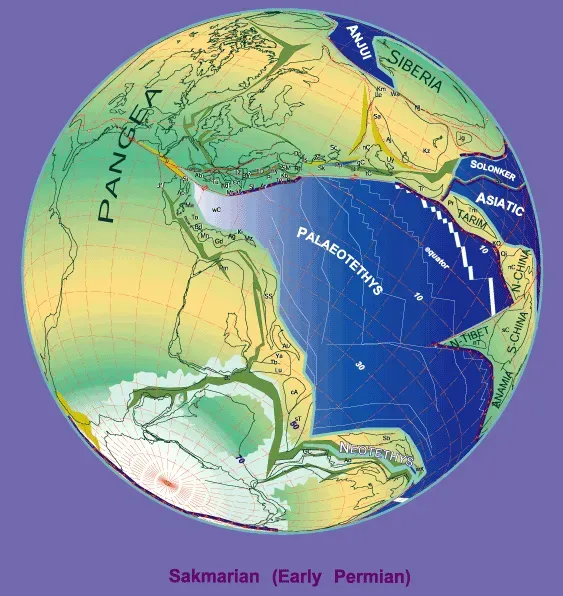
To me, the emerging picture is clear: the old idea of a smooth, monotonous water world hanging on for eons is probably too simple. The evidence pointing to earlier continents is not perfect or complete, but it is persuasive enough that clinging to the old view feels more like nostalgia than science. Earth appears to have been restless and patchy from quite early on, with bits of land and sea already negotiating the complicated dance that would eventually make our familiar planet possible.
I think that matters not just for geology nerds, but for anyone who has ever wondered how we ended up here at all. An Earth with earlier continents is an Earth that gave chemistry more playgrounds, more textures, more chances for something remarkable to spark. It is a reminder that our planet’s past is still full of surprises – and that our confidence in neat, simple timelines is often misplaced. When you picture the very first sunrise over solid ground billions of years ago, does it feel closer now than you would have guessed?